Get Premium
Dark mode theme is available exclusively for premium users. Learn more about the benefits of subscribing.
No fees, cancel anytime.

 Dark Mode Ad-Free Browsing Unlimited Content
 Ad-Free Browsing Unlimited Content Dark Mode
Join 1.2 million Panda readers who get the best art, memes, and fun stories every week!
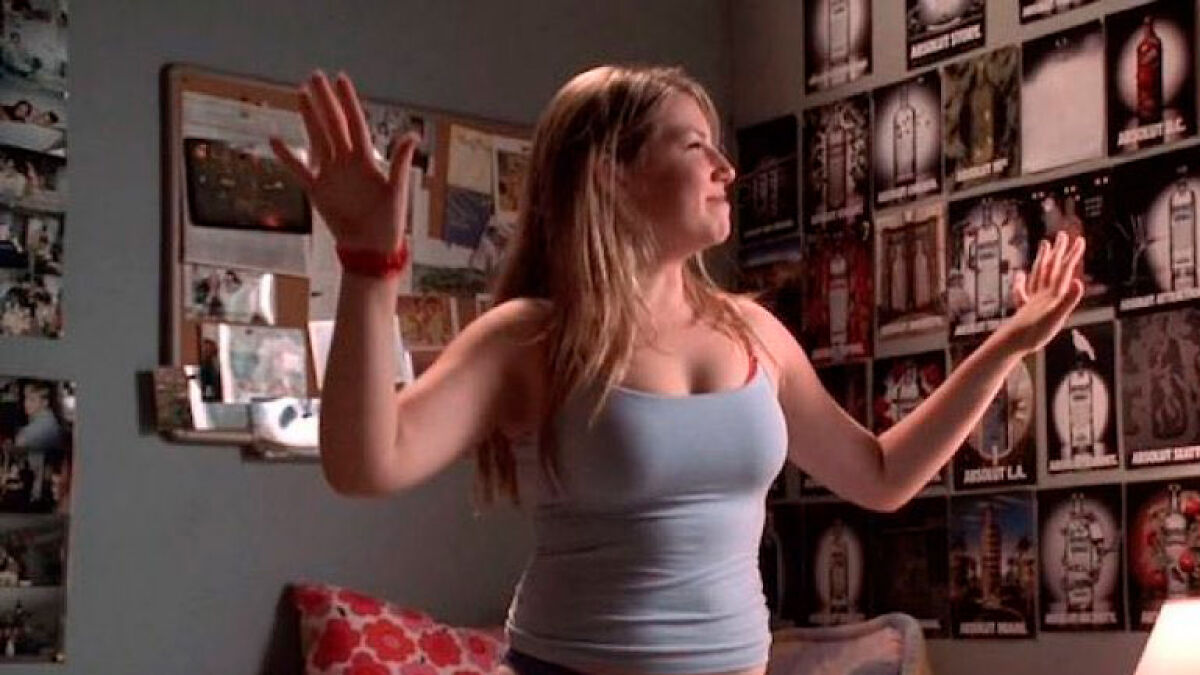
The hit HBO show The Sopranos will forever be remembered for challenging the stereotypical Mafia drama by incorporating themes such as family, identity, power, and mental health.
More than two decades after it first aired, the Emmy-winning series is now being analyzed through a new lens.
A viral tweet focused on an unlikely character: Caitlin Rucker, Meadow Soprano’s freshman-year roommate at Columbia.
Image credits: HBO
Portrayed by Ari Graynor, the character is presented as emotionally fragile, and her increasingly erratic behavior creates tension with Meadow.
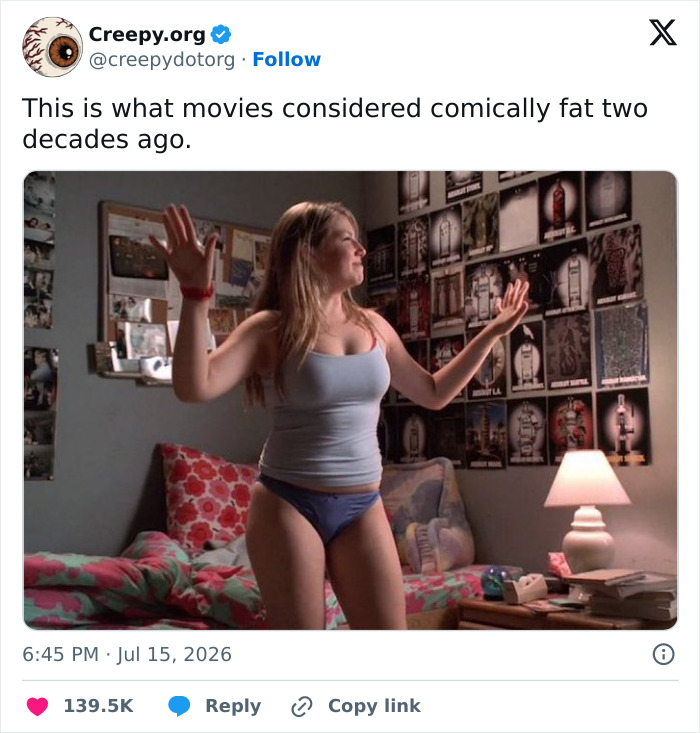
An image that has amassed more than 5 million views on X shows Caitlin in her dorm, wearing underwear bottoms and a tight tank top.
“This is what was considered comically fat two decades ago,” the user wote alongside the image from the 2001 episode.
Image credits: The Late Show with Stephen Colbert
The post, which has been liked by 137,000 users, reignited discussions about beauty standards and whether the entertainment industry has made progress in how it portrays the actors it casts.
Many viewers said Ari Graynor’s body type differed from the very thin actresses commonly cast on television in the late 1990s and early 2000s.
Still, they were stunned to learn that she was written as the “crazy fat roommate.”
Image credits: creepydotorg/HBO
“This is my dream body,” one woman wrote, while another exclaimed, “This is a healthy weight! She looks great.”
“I have this exact body type and this actually makes me feel so validated,” another woman said in response to the post.
Meanwhile, some fans of the show pushed back against the idea that Ari Graynor’s body was part of her character’s narrative.
Image credits: JohnJ15574377
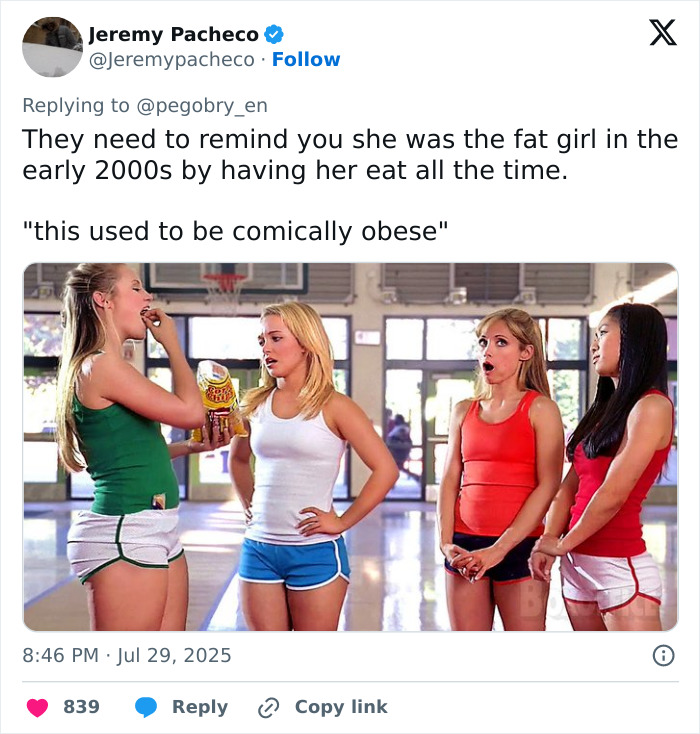
Image credits: Jeremypacheco
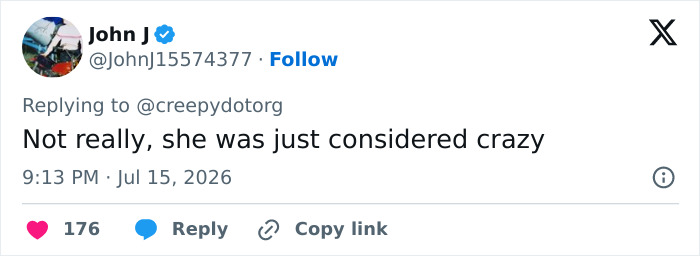
“Not really, she was just considered crazy,” argued one Sopranos fan, while another shared, “No one on the show said she was fat.”
Another user said that, beyond this specific character, the TV industry’s beauty standards were much narrower in the 2000s than they are today.
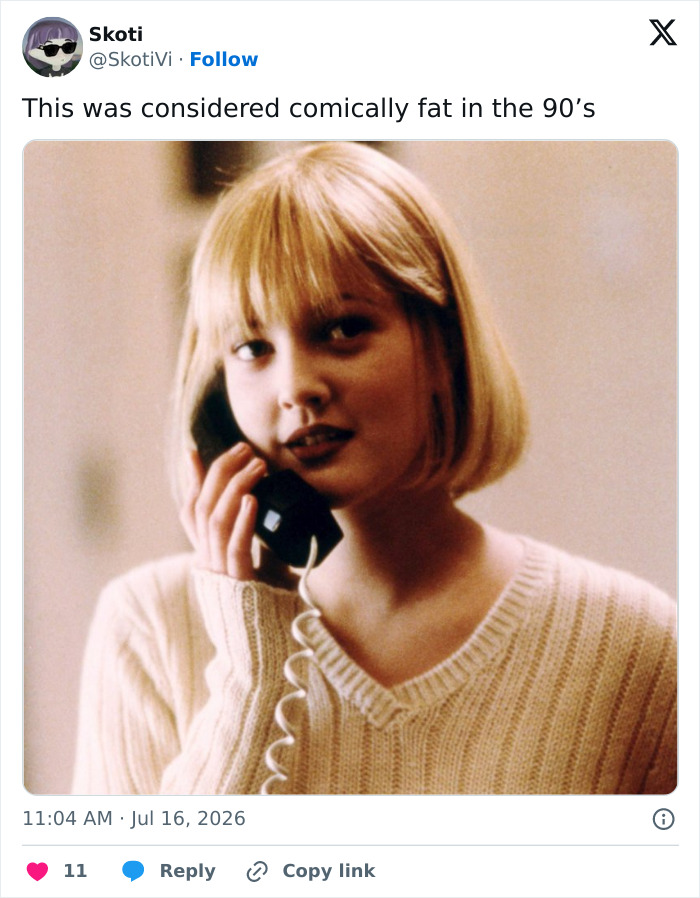
Image credits: SkotiVi
“Being ‘fat’ was half of Bridgit Jones’ personality and all the Cosmo girls were disgusted,” they wrote of the beloved 2001 rom-com.
“It’s so laughable now- probably the healthiest and hottest Renée Zellweger ever was.”
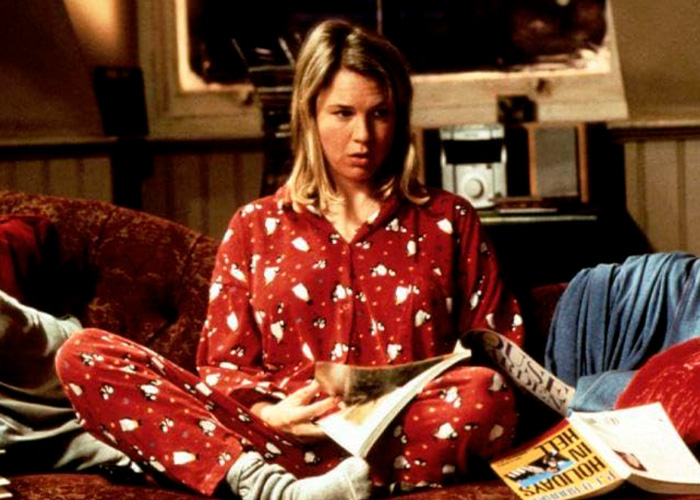
In Bridget Jones’s Diary, Zellweger played the socially awkward protagonist, whose weight is a recurring plot point and a key part of her characterization.
Image credits: Miramax Films
The story, which reflects the beauty standards of the 1990s and early 2000s, includes scenes in which Bridget obsessively records her weight in her diary and feels guilty about eating. Friends and family members also make comments about her appearance.
It was the zeitgeist of the 00s. Being sickly skinny was considered as ideal. In Bridget Jones’s Diary, 2001; Bridget (Renée Zellweger) was shown as morbidly obese at 62 kgs. She writes in her diary that her fat is falling off cuz Daniel (High Grant) is “shagging her into shape”. https://t.co/ZimKAV1N1c pic.twitter.com/bQ2rdpMrQ6
— EarthBoundMisfit l ࿗ l (@SurfingTheDunes) July 15, 2026
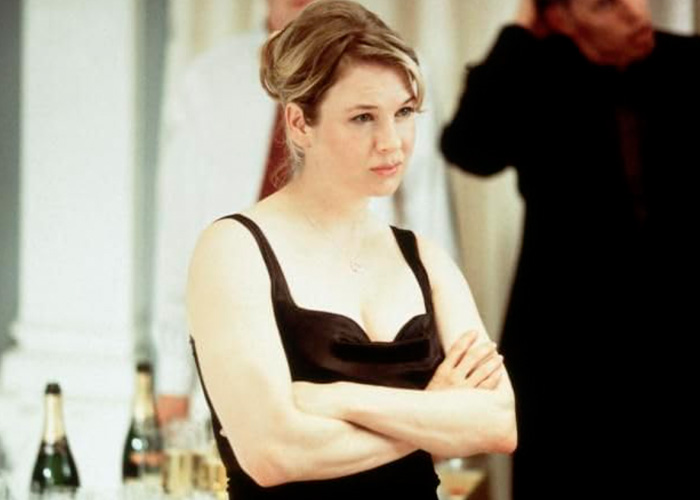
Zellweger put on weight to play the rom-com heroine. Speaking with The Guardian in 2001, she revealed that she gained 17 lb (8 kg) and consulted a dietician and endocrinologist, who created a regimen of three full meals a day, multiple snacks, and no exercise.
Image credits: Miramax Films
Amid the debate surrounding the “mainstream” body types of the early 2000s, some have suggested that the entertainment industry hasn’t changed much after all.
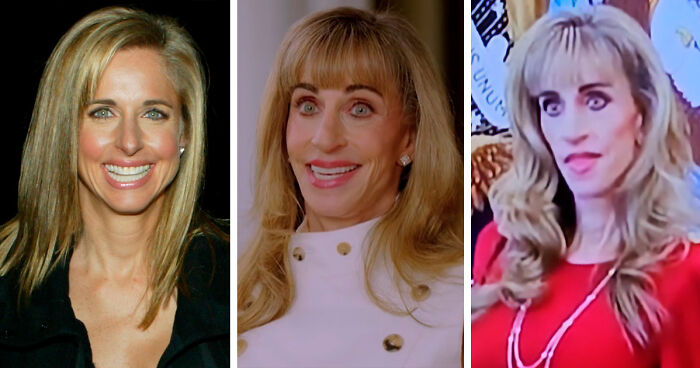
If anything, they argue, the actresses we see on our screens have taken on an increasingly eerily similar look with the rise of weight-loss jabs and cosmetic treatments.
Image credits: DungeonCos
Bro the buccal fat fad heats me up.
Starlight and Anya Taylor Joy self-ruined cause of retarded beauty standards. pic.twitter.com/n7d6KJsyda
— ██ (@qweed) July 16, 2026
In a TikTok video that went viral last December, a user compared retro photos of Glenn Close and Meryl Streep to recent pictures of Megan Fox, Lindsay Lohan, and Sydney Sweeney.
Image credits: nonregemesse
The woman, who goes by @trainingforamazing on the platform, argued that society now “expects our actresses to look like supermodels, whereas supermodels used to be supermodels, and actresses were actresses.”
“This group of women has some of the most prolific acting credits of all time. And all of them look like real people,” she said while referring to the photos of young Close and Streep.
@trainingforamazing I miss real faces on screen #beautystandards #plasticsurgery #feminist ♬ original sound – Faith
She stressed that plastic surgery has become so normalized that people don’t notice the changes until they see a contrast with the “real” actresses of 1980s Hollywood, many of whom didn’t have plump lips, small noses, or hollowed-out cheekbones.
According to the user, the actresses’ alleged cosmetic enhancements are making them less expressive, therefore affecting the quality of their performances.
“Our faces are our stories,” she stressed. “They are what’s passed down to us through generations. And if your face can’t move and you look like everyone else, what story are you telling?”
Image credits: Zeeshyttt
Image credits: timeless_throw
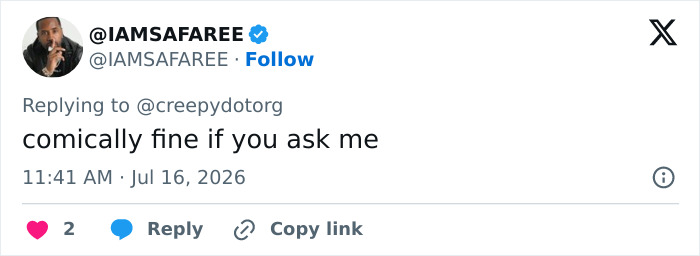
Image credits: IAMSAFAREE
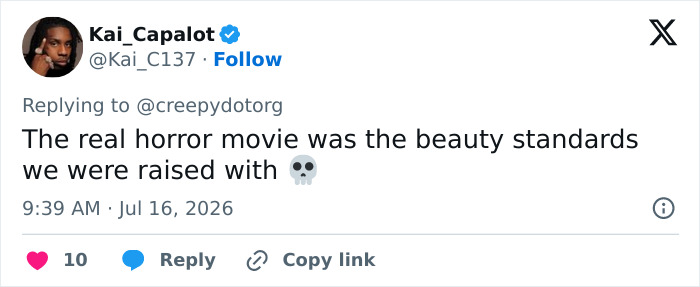
Image credits: Kai_C137
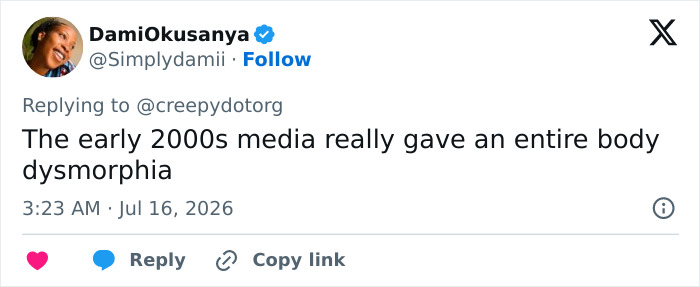
Image credits: Simplydamii
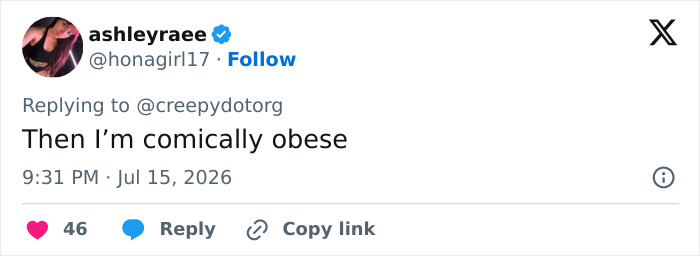
Image credits: honagirl17
Image credits: Simplydamii
Image credits: timeless_throw
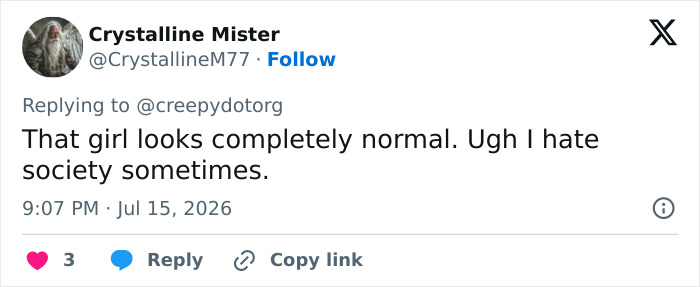
Image credits: CrystallineM77

By entering your email and clicking Subscribe, you're agreeing to let us send you customized marketing messages about us and our advertising partners. You are also agreeing to our Privacy Policy.
Thank you! You've successfully subscribed to newsletters!


In the series the obesity of characters like Ginny Sacrimoni, Bobby Baccalieri and Vito Spatafore were intended sources of humor, certainly not this character. In no way was this character presented as or considered by any other character as fat. People just making things up to generate likes.

Shock! Old stuff doesn't stand up to modern changing ideas and ideals. Go rewatch "The Goonies", your heads will explode.

Not so much "modern changing ideas" as figments of people's imagination. No one said she was fat
Load More Replies... In the series the obesity of characters like Ginny Sacrimoni, Bobby Baccalieri and Vito Spatafore were intended sources of humor, certainly not this character. In no way was this character presented as or considered by any other character as fat. People just making things up to generate likes.
Shock! Old stuff doesn't stand up to modern changing ideas and ideals. Go rewatch "The Goonies", your heads will explode.
Not so much "modern changing ideas" as figments of people's imagination. No one said she was fat
Load More Replies...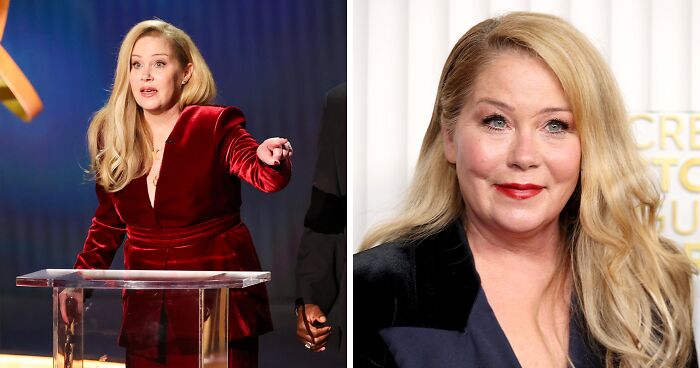
















 No fees, cancel anytime











19
5