ADVERTISEMENT

Luckily, we live in a time where most diseases can be cured or controlled—to some extent, at least—and life expectancy has gone way beyond thirty. However, that wasn’t always the case and we have many people to thank for the rapid development of all sorts of medical practices.

When it comes to brain surgery, for instance, it’s Dr. Harvey Cushing who should be praised for laying the groundwork in the field. Considered to be the pioneer of neurosurgery, he was not only the first exclusive neurosurgeon, but also the first person to describe what is now known as Cushing's disease.

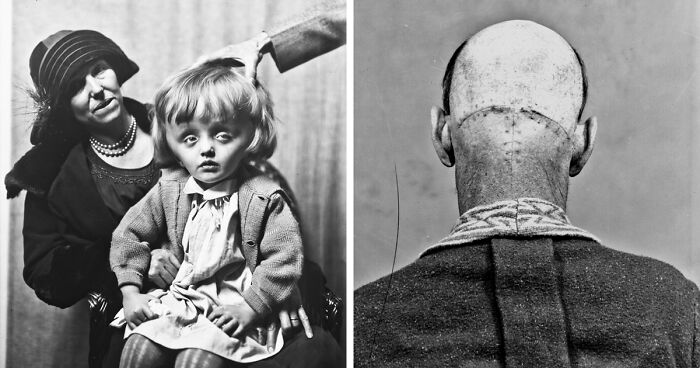
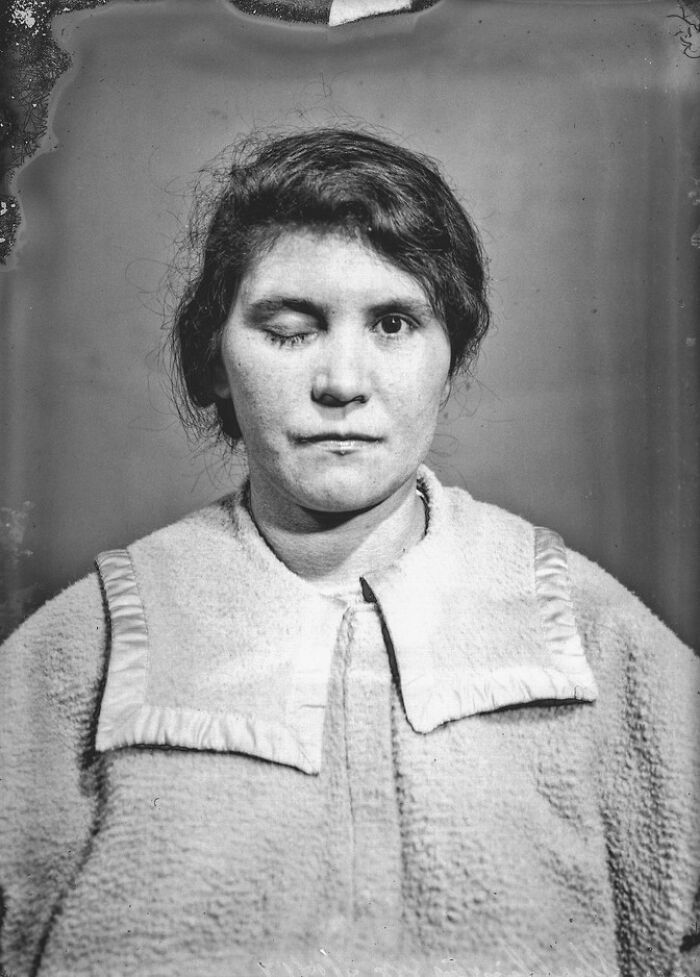
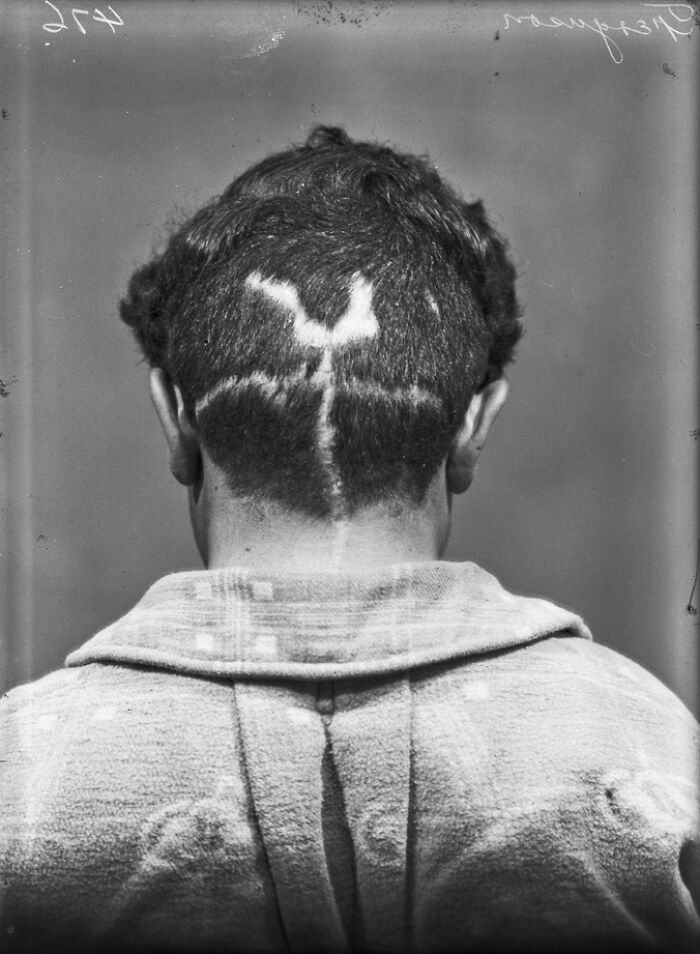
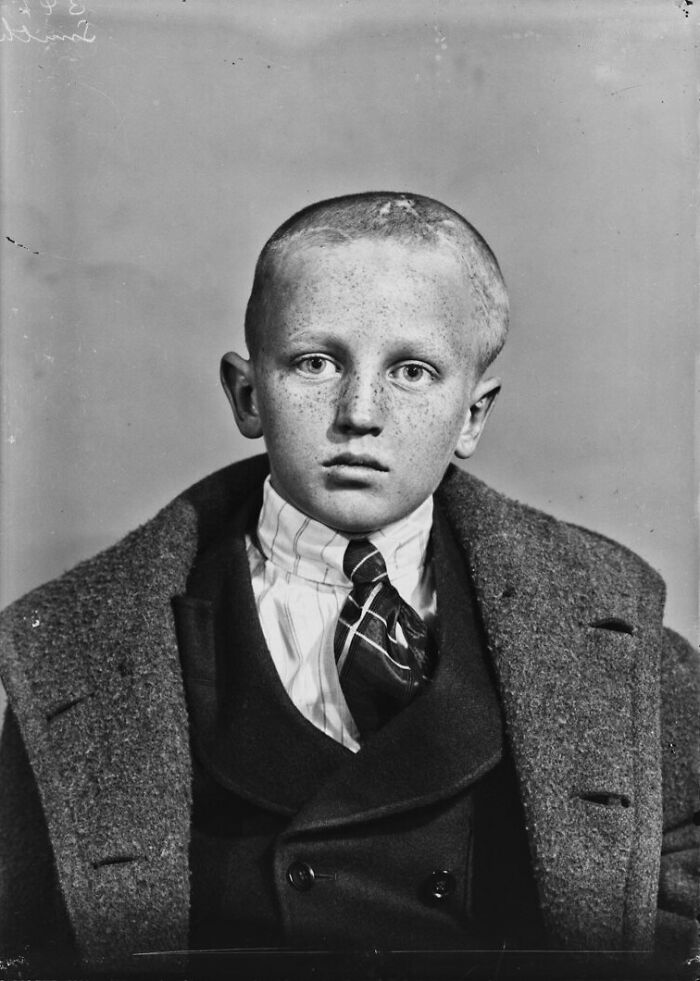
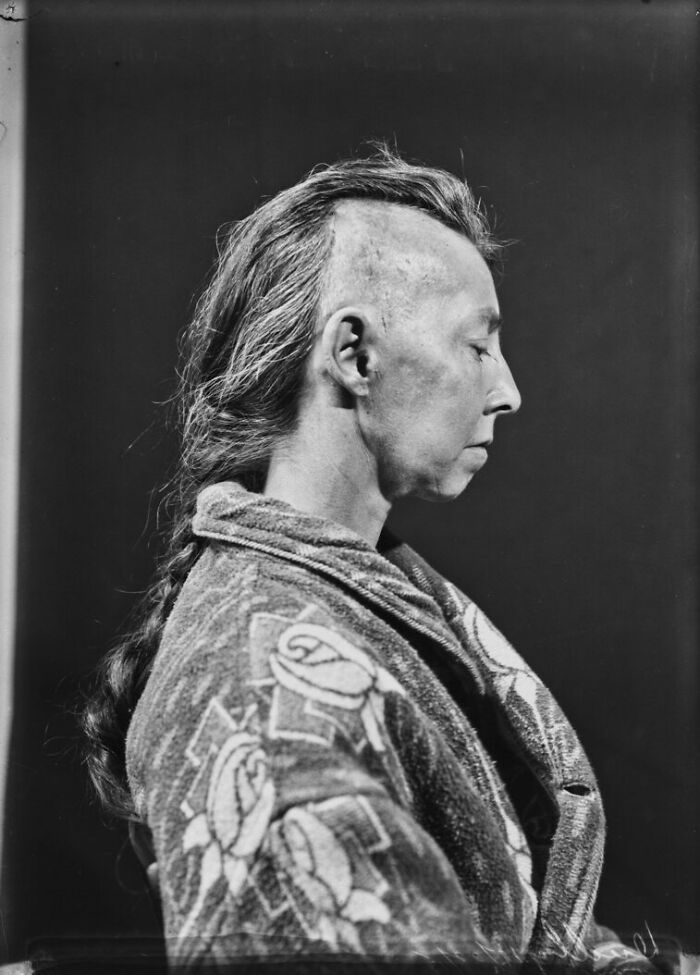
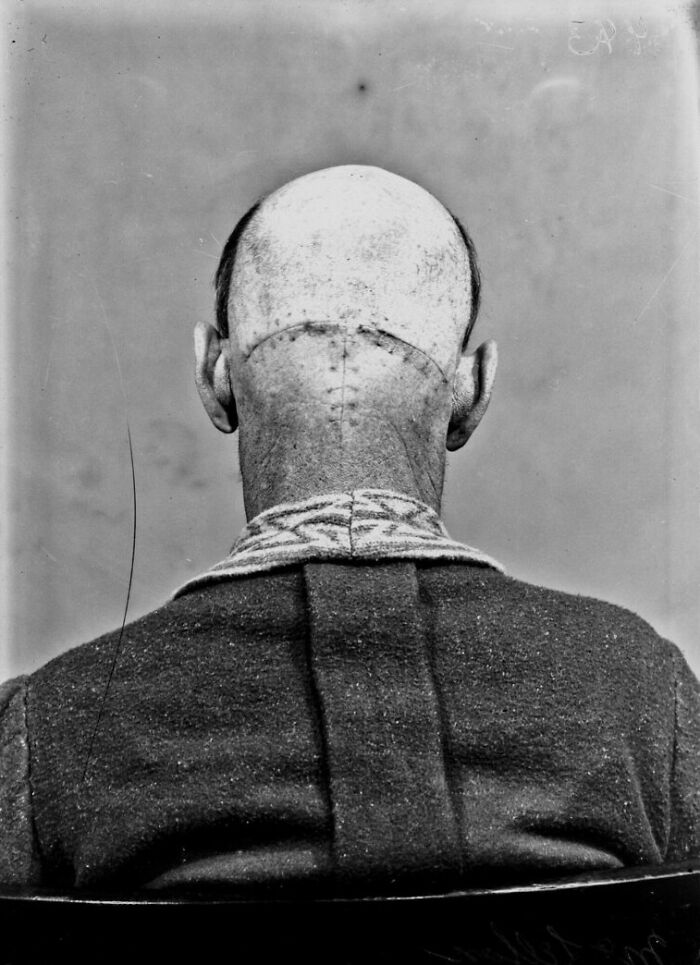
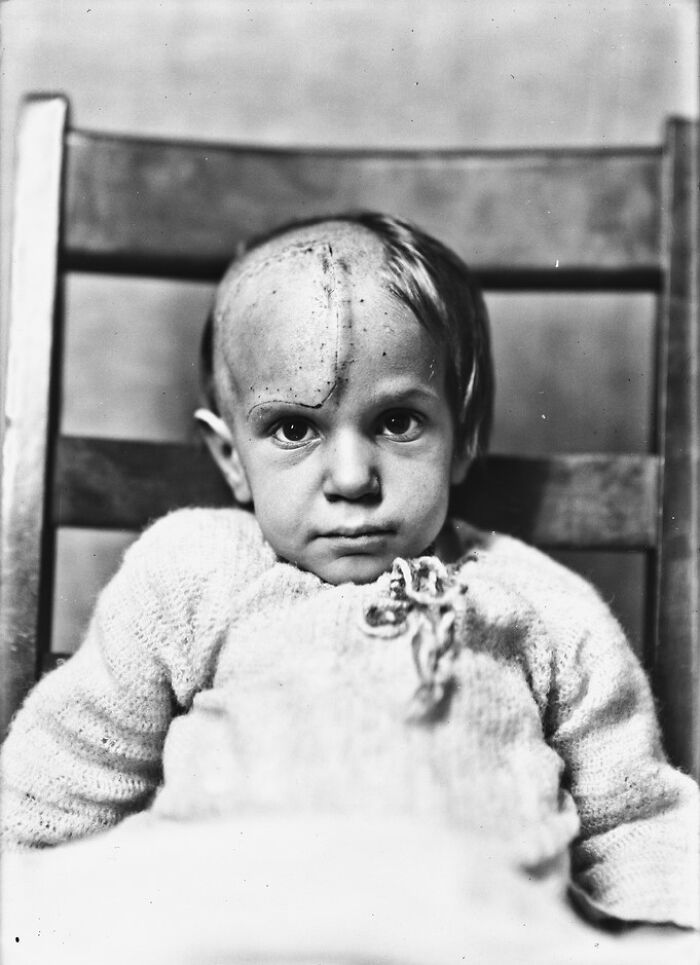
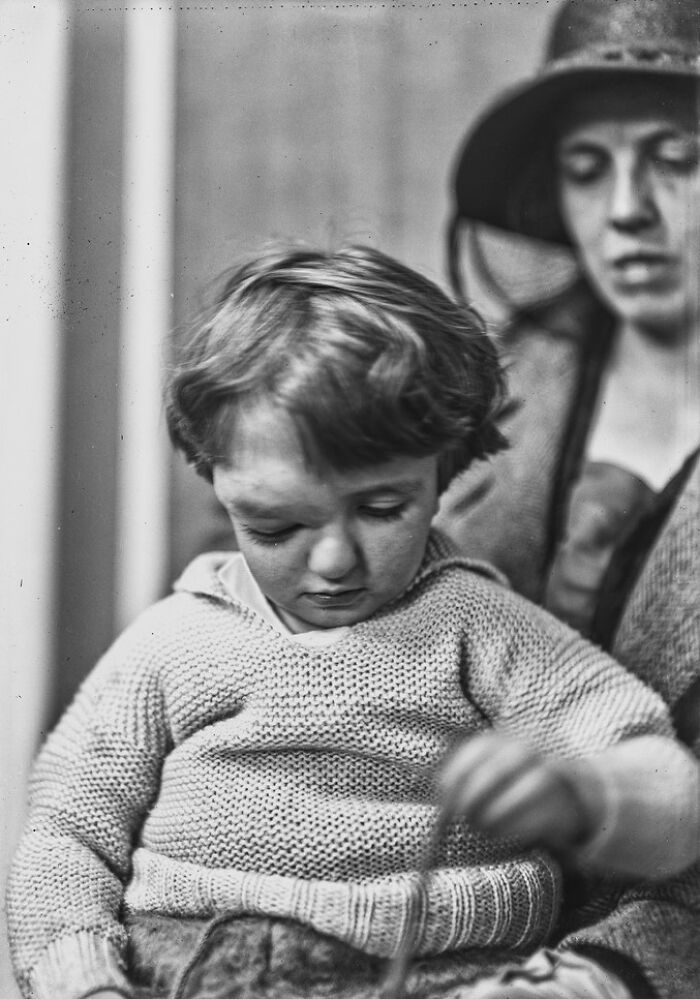
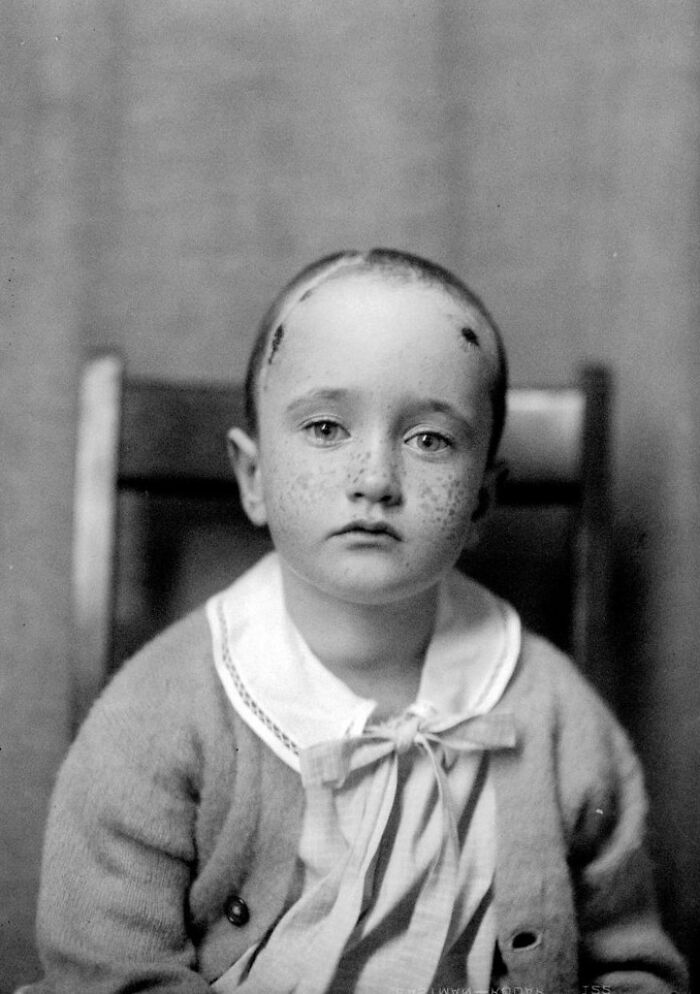
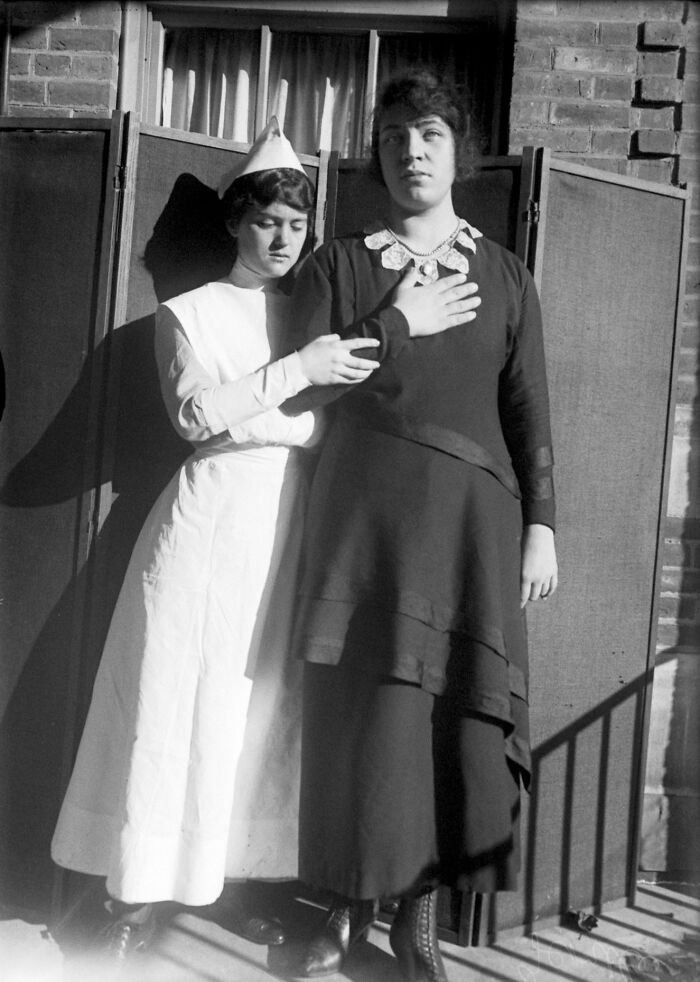
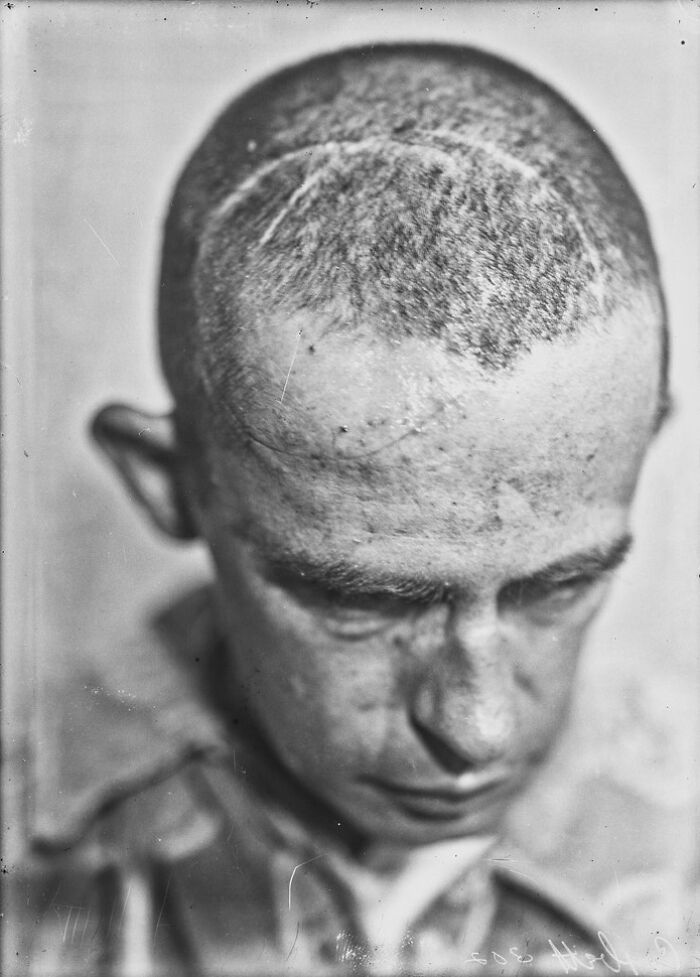
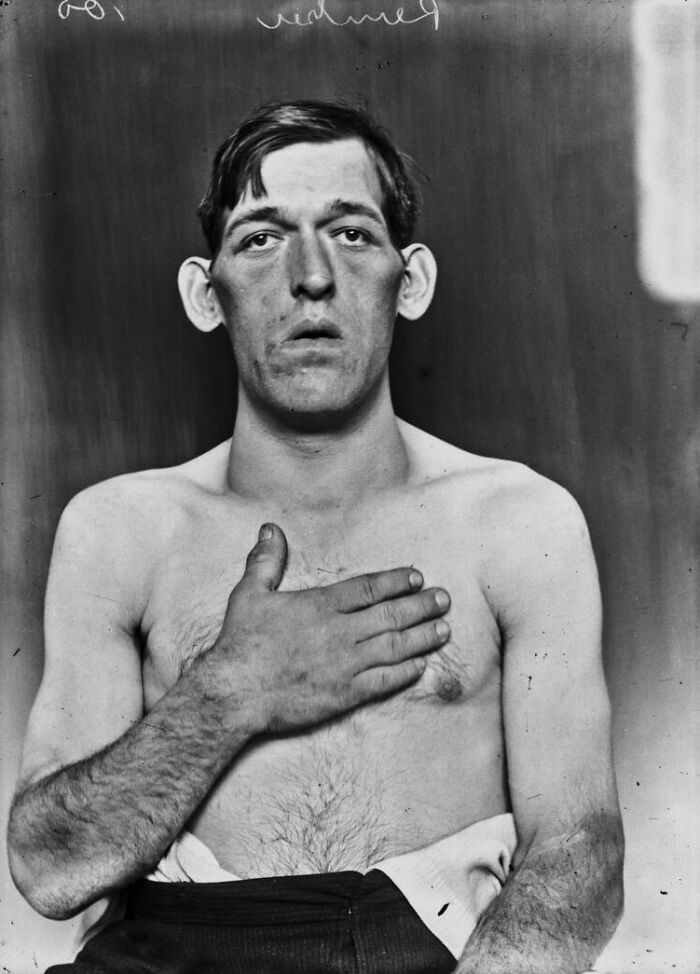
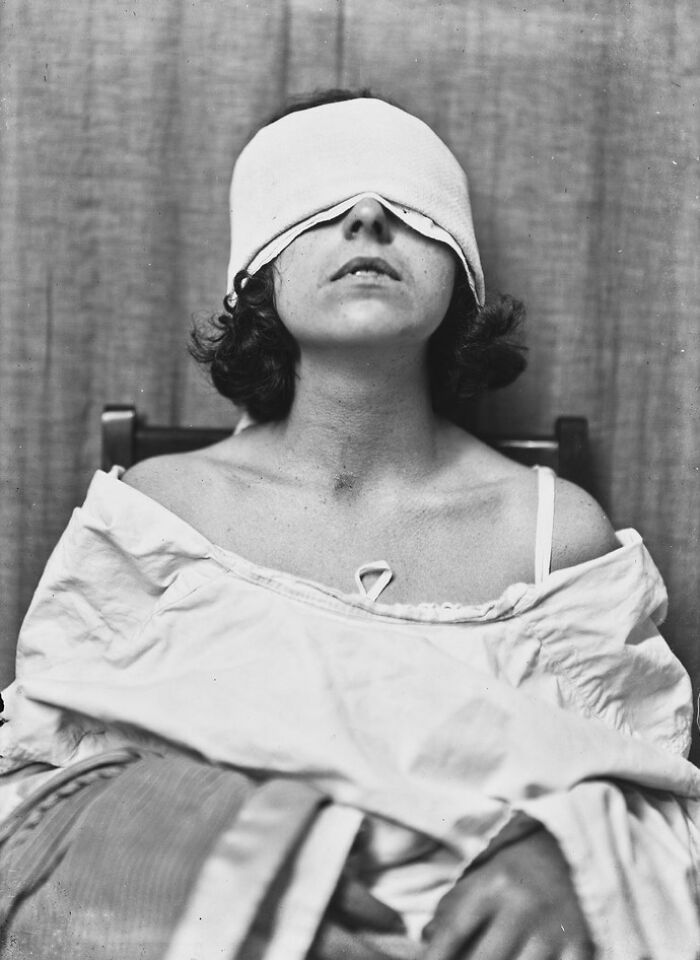
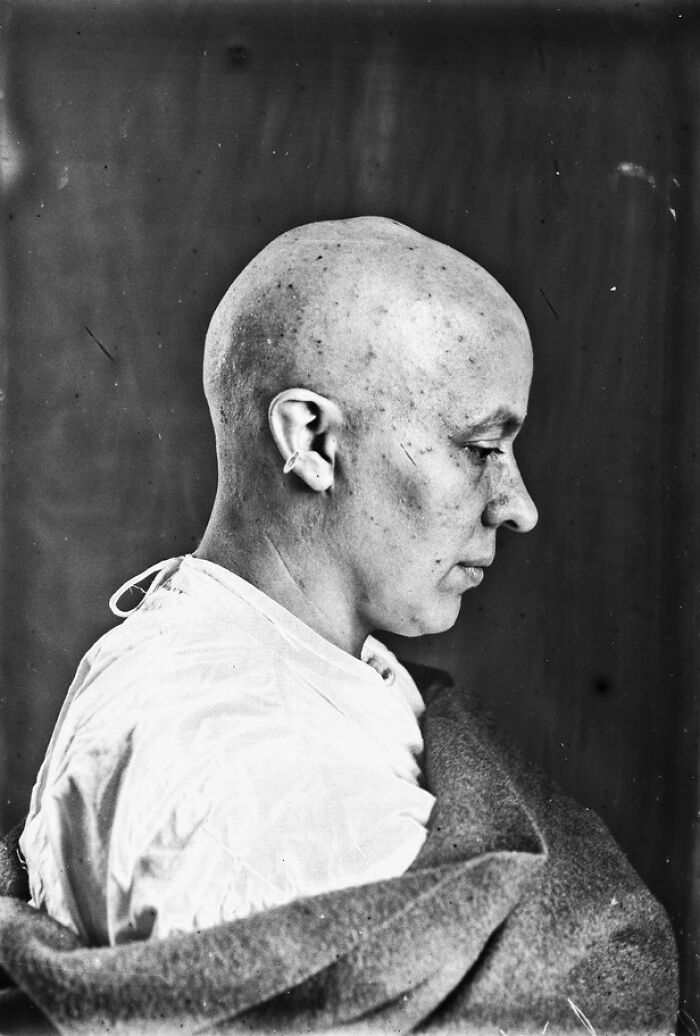
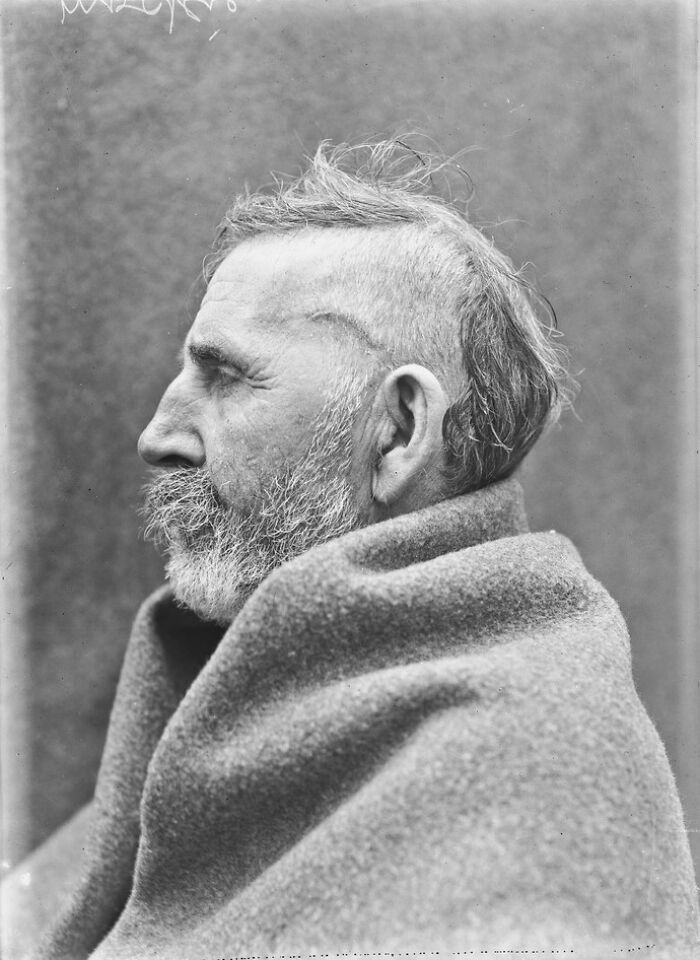
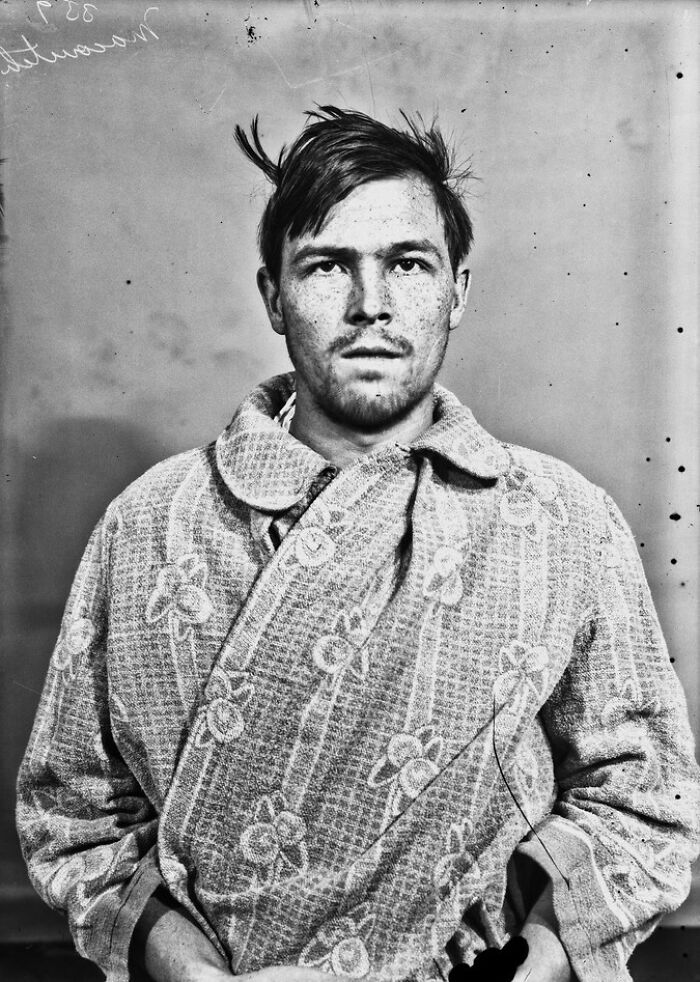
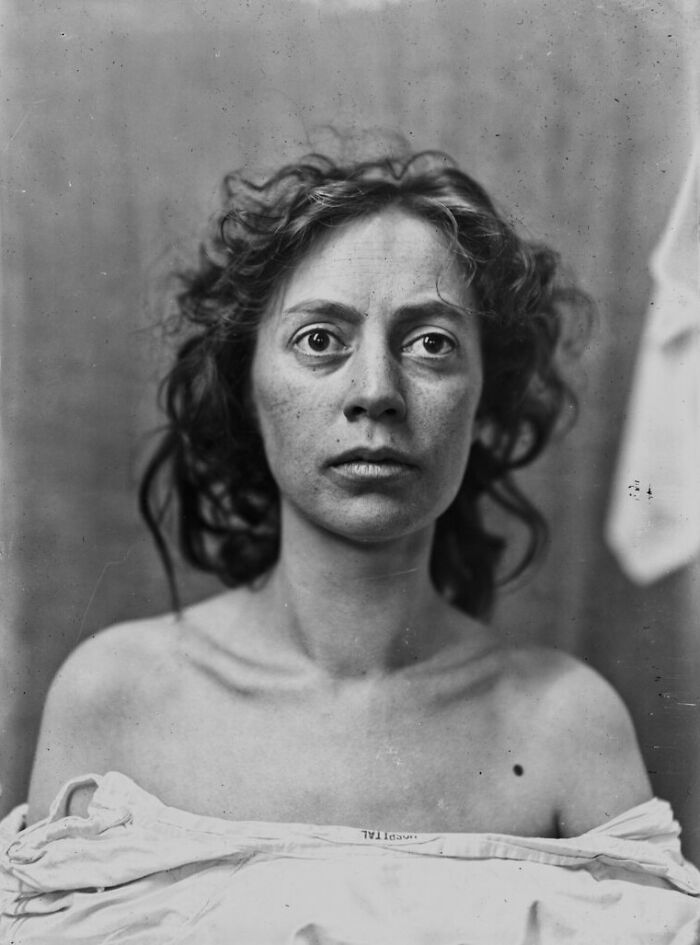
If you are fascinated by neurosurgery or simply someone with a curious mind, today’s list might be something you didn’t expect to see, but are eager to browse now that you’re here. Below you will find portraits of some of Dr. Cushing’s patients from back in the 20th century, so scroll down to view them, but keep in mind that some images can be somewhat disturbing.

#1

Surgery Patients Of Dr. Harvey Cushing

Yale University/Medical History Library Report

Dingooo
Community Member
1 year ago Created by potrace 1.15, written by Peter Selinger 2001-2017

After a few of these pictures without any information, I gave up.

Casey Payne
Community Member
1 year ago Created by potrace 1.15, written by Peter Selinger 2001-2017

CON·TEXT /'käntekst/ noun - the circumstances that form the setting for an event, statement, or idea, and in terms of which it can be fully understood and assessed.

LakotaWolf (she/her)
Community Member
Premium
1 year ago Created by potrace 1.15, written by Peter Selinger 2001-2017

The names and conditions of many of these patients are still unknown. https://www.dailymail.co.uk/sciencetech/article-3090068/Brain-surgery-s-earliest-patients-revealed-Haunting-images-disfigured-skulls-brains-discovered-university-basement.html "Of the thousands of images, only a quarter, around 2,500, have been catalogued completely. Dates and subjects for these images are unknown." and 'As they are part of the medical information we cannot release the names of these patients and in most cases we are still in the process of reconnecting the patient information with the faces of the patients and in some cases whole brain and tumor wet specimens.'

Load More Replies...

Born on the 8th of April, 1869, in Cleveland, Ohio, Dr. Harvey Cushing was one of the most prominent people in the history of neurosurgery. Considered to be the pioneer in the field, he not only performed countless operations, but took notes on them meticulously, which added to an impressive collection of neuroscience research at its early stages.

Discussing Cushing’s input in the world of neuroscience, Cohen and Gadal wrote: “For Cushing to achieve the dream of establishing and spreading his specialty through his disciples, he needed to first prove the safety of his methods. His patients therefore became the center of his career and their stories, which he carefully recorded, became the diary of neurological surgery in its infancy.”
RELATED:
    #2

    Surgery Patients Of Dr. Harvey Cushing

    Yale University/Medical History Library Report

    Yettichild
    Community Member
    1 year ago Created by potrace 1.15, written by Peter Selinger 2001-2017

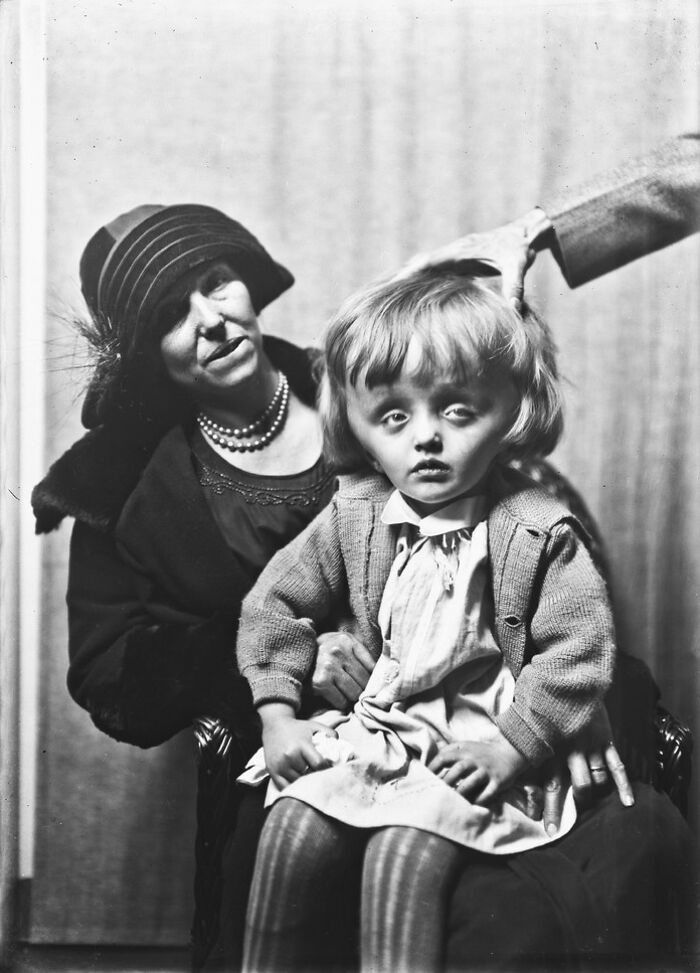
    It would be nice to know what the condition or cause is.

    Ansi
    Community Member
    1 year ago (edited) Created by potrace 1.15, written by Peter Selinger 2001-2017

    I agree. This whole list is just some kind of freak show made by Bored Panda. 👎 No context, explanation or information about what the people needed help for. Clicking the links under the pictures just give links to the hospital and google lens shows several articles that more or less is "wow, look at these pictures and be shocked and disgusted". I feel very sorry for these people, their life of sickness, experimental operations and probably hard time afterwards is reduced to one picture that we are suppose to be horrified by.

    Load More Replies...
    View more comments
    ADVERTISEMENT
    #3

    Surgery Patients Of Dr. Harvey Cushing

    Yale University/Medical History Library Report

    Lainey
    Community Member
    1 year ago Created by potrace 1.15, written by Peter Selinger 2001-2017

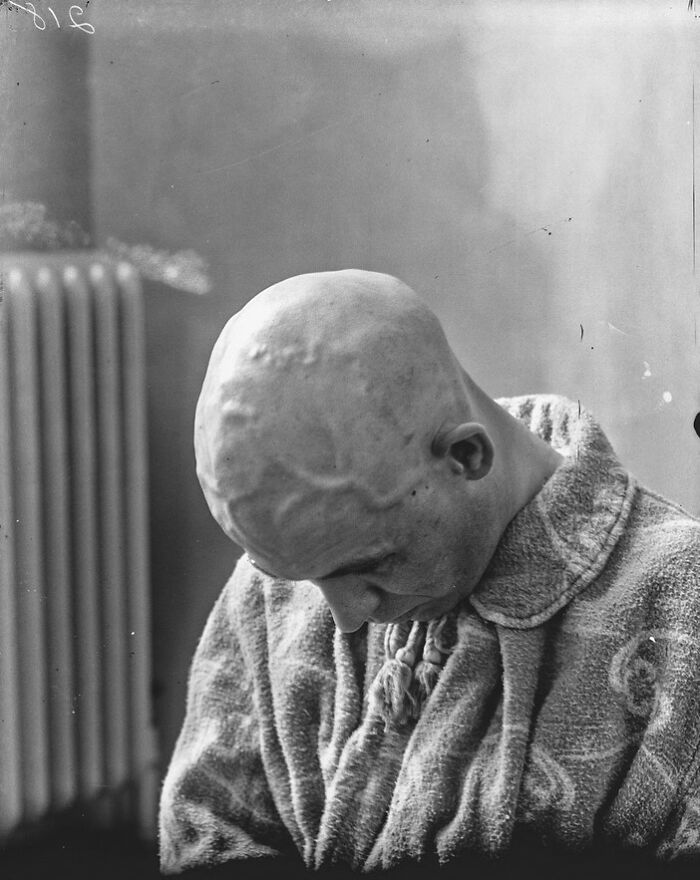
    Frontal lobe? Ugh I don't know what to say, so I will say nothing.

    Lord Vader
    Community Member
    1 year ago Created by potrace 1.15, written by Peter Selinger 2001-2017

    Hold the tee in your mouth while I swing for a 400 yard drive....what could go wrong?

    John
    Community Member
    1 year ago Created by potrace 1.15, written by Peter Selinger 2001-2017

    He looks like Lance Armstrong.

    Anne Jones
    Community Member
    1 year ago Created by potrace 1.15, written by Peter Selinger 2001-2017

    That’s what you take from this sad photo?

    Load More Replies...
    Massetgirl72
    Community Member
    1 year ago Created by potrace 1.15, written by Peter Selinger 2001-2017

    Temporarily removing a portion of the skull (Craniectomy) gives the brain room for the swelling that is typical after an injury. After the swelling has gone down, that skull piece can either be returned if it was saved or replaced with other materials.

    Load More Replies...
    bas moelard
    Community Member
    1 year ago

    This comment is hidden. Click here to view.

    Came home drunk from the bar last night. Amazing how the quality of the frying pans were in that era.

    View more comments

    According to a research paper on Cushing’s life and work, the father of modern neurosurgery was the youngest of ten children, who came from a family well-rooted in the world of medicine: his father, grandfather and even his great-grandfather were all general medical practitioners. With such a pedigree, it’s not surprising that Cushing, too, entered the world of medicine, graduating from Yale University in 1891, and receiving a medical degree from Harvard Medical School in 1895.
    #4

    Surgery Patients Of Dr. Harvey Cushing

    Yale University/Medical History Library Report

    Hey!
    Community Member
    1 year ago (edited) Created by potrace 1.15, written by Peter Selinger 2001-2017

    What's happening here?

    Noctua
    Community Member
    1 year ago Created by potrace 1.15, written by Peter Selinger 2001-2017

    It looks like one eye is permanently closed by needle and thread. Maybe to stop double vision? I know that one of my eyes is blind, they can operate, but the risk is seeing double the rest of my life because my brain cannot adapt. If it was done before I was 12, then the brain will still adapt, I heard that when I was 14. The eye doctor was an arrogant prick and my case was not interesting enough. (Went to see him since I was 2 years old).

    Load More Replies...
    Lord Vader
    Community Member
    1 year ago Created by potrace 1.15, written by Peter Selinger 2001-2017

    Now I know where that emoji came from, she just needs to stick out her tongue

    The Original Bruno
    Community Member
    1 year ago

    This comment is hidden. Click here to view.

    It's just a Singapore Airways ad. (If youve seen it, you know. I think it was Singapore Airways.)

    ADVERTISEMENT
    #5

    Surgery Patients Of Dr. Harvey Cushing

    Yale University/Medical History Library Report

    Happypenguin26
    Community Member
    1 year ago Created by potrace 1.15, written by Peter Selinger 2001-2017

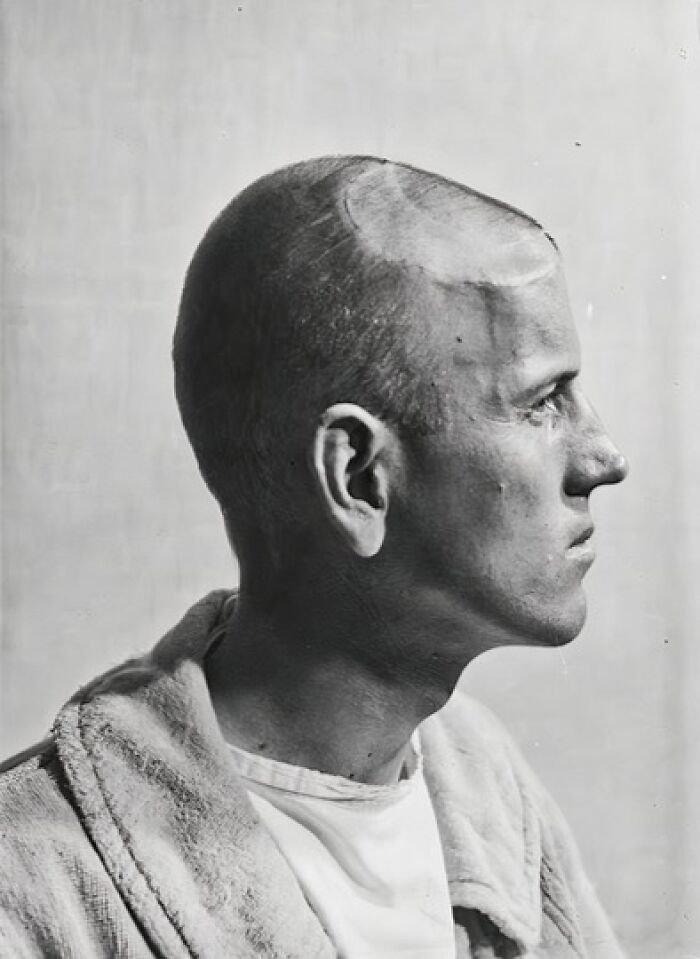
    Hair doesn't grow over scar tissue. So if there was any trauma that led to scarring there, it could be why hair is not growing back

    tarnie tarry
    Community Member
    1 year ago Created by potrace 1.15, written by Peter Selinger 2001-2017

    Seems like an Alopecia areata patient.

    tarnie tarry
    Community Member
    1 year ago Created by potrace 1.15, written by Peter Selinger 2001-2017

    Seems to be an Alopecia areata patient

    EJN
    Community Member
    1 year ago Created by potrace 1.15, written by Peter Selinger 2001-2017

    Nope. Alopecia occurs primarily in areas on the scalp and not in lines so the areas resemble rounded spaces.

    Load More Replies...
    LakotaWolf (she/her)
    Community Member
    Premium
    1 year ago Created by potrace 1.15, written by Peter Selinger 2001-2017

    The names and conditions of many of these patients are still unknown. https://www.dailymail.co.uk/sciencetech/article-3090068/Brain-surgery-s-earliest-patients-revealed-Haunting-images-disfigured-skulls-brains-discovered-university-basement.html "Of the thousands of images, only a quarter, around 2,500, have been catalogued completely. Dates and subjects for these images are unknown." and 'As they are part of the medical information we cannot release the names of these patients and in most cases we are still in the process of reconnecting the patient information with the faces of the patients and in some cases whole brain and tumor wet specimens.'

    ADVERTISEMENT

    Said research paper pointed out that the details surrounding Cushing’s life and his work are particularly well documented, since he was keen on writing letters and keeping records. 

    A study of some of Cushing’s notes found that he had copious documentation of his own surgical mishaps as well as suggestions on how to prevent such accidents from happening in the future.

    Some mistakes the surgeon documented included errors of judgment—such as the time he reportedly operated on the wrong side of a patient’s brain—as well as cases classified as “human error,” entailing such mishaps as dropping an instrument into a wound.

    #6

    Surgery Patients Of Dr. Harvey Cushing

    Yale University/Medical History Library Report

    Uncanny
    Community Member
    1 year ago Created by potrace 1.15, written by Peter Selinger 2001-2017

    The lack of explanation and back story in this post is ridiculous. Do better, Bored Panda or don’t waste our time,

    Jo Hardy
    Community Member
    1 year ago Created by potrace 1.15, written by Peter Selinger 2001-2017

    I think every single photo so far has been altered / put together. Ridiculous, as Uncanny says. Give us more credit; we deserve better

    Load More Replies...
    EJN
    Community Member
    1 year ago Created by potrace 1.15, written by Peter Selinger 2001-2017

    This photo shows some evidence of surgery in the scar lines. Whether the surgery was for repair for abnormal skull shape/growth, it is impossible to be sure but probably the child's skull was growing into an abnormal shape and surgery was done to try and return it to normal.

    Sheila who?
    Community Member
    1 year ago Created by potrace 1.15, written by Peter Selinger 2001-2017

    Dr. Harvey Cushing was ahead of his time in neurosurgery. If you tap the shaded out areas of print under the left of the pictures you will get all the info you desire.

    #7

    Surgery Patients Of Dr. Harvey Cushing

    Yale University/Medical History Library Report

    LakotaWolf (she/her)
    Community Member
    Premium
    1 year ago Created by potrace 1.15, written by Peter Selinger 2001-2017

    The names and conditions of many of these patients are still unknown. https://www.dailymail.co.uk/sciencetech/article-3090068/Brain-surgery-s-earliest-patients-revealed-Haunting-images-disfigured-skulls-brains-discovered-university-basement.html "Of the thousands of images, only a quarter, around 2,500, have been catalogued completely. Dates and subjects for these images are unknown." and 'As they are part of the medical information we cannot release the names of these patients and in most cases we are still in the process of reconnecting the patient information with the faces of the patients and in some cases whole brain and tumor wet specimens.'

    ADVERTISEMENT
    #8

    Surgery Patients Of Dr. Harvey Cushing

    Yale University/Medical History Library Report

    Freckles
    Community Member
    1 year ago Created by potrace 1.15, written by Peter Selinger 2001-2017

    I thought the curved line on the left was one of my dog’s hairs and tried to brush it off

    EJN
    Community Member
    1 year ago Created by potrace 1.15, written by Peter Selinger 2001-2017

    Post-surgical scarring. Surgery could have been to repair a stroke/aneurism in the brain.

    TheRealFrappuchinoTheHedgehogr
    Community Member
    1 year ago

    This comment is hidden. Click here to view.

    I thought his collar was his brain for a second

    ADVERTISEMENT

    At the age of 33, Cushing became an associate in charge of neurological surgery at the Johns Hopkins Hospital. That’s where he worked with trigeminal neuralgia—a condition that causes sudden and severe pain in one’s face—and began operating on brain tumor patients.

    In addition to that, he became increasingly interested in the pituitary gland—a pea-sized gland located at the base of the brain—and would spend countless hours working on it both in the operating room and the laboratory. Such effort eventually led him to becoming a global authority figure in regards to matters related to trigeminal neuralgia, brain tumors, and diseases of the pituitary gland.

    #9

    Surgery Patients Of Dr. Harvey Cushing

    Yale University/Medical History Library Report

    saw & order
    Community Member
    1 year ago Created by potrace 1.15, written by Peter Selinger 2001-2017

    He looks a lot like my brother, like eerily so.

    EJN
    Community Member
    1 year ago Created by potrace 1.15, written by Peter Selinger 2001-2017

    Post-surgery photo after removing a tumor? repairing an injury?

    Heather Lambert
    Community Member
    1 year ago Created by potrace 1.15, written by Peter Selinger 2001-2017

    They went pretty quickly to ice picks though thy eye socket for those. Brain surgery of some kind (tumor?) is my guess

    Load More Replies...
    LakotaWolf (she/her)
    Community Member
    Premium
    1 year ago Created by potrace 1.15, written by Peter Selinger 2001-2017

    The names and conditions of many of these patients are still unknown. https://www.dailymail.co.uk/sciencetech/article-3090068/Brain-surgery-s-earliest-patients-revealed-Haunting-images-disfigured-skulls-brains-discovered-university-basement.html "Of the thousands of images, only a quarter, around 2,500, have been catalogued completely. Dates and subjects for these images are unknown." and 'As they are part of the medical information we cannot release the names of these patients and in most cases we are still in the process of reconnecting the patient information with the faces of the patients and in some cases whole brain and tumor wet specimens.'

    kelsischloe1986
    Community Member
    1 year ago Created by potrace 1.15, written by Peter Selinger 2001-2017

    You keep posting this over and over. The first 2 times was enough for everyone to get it. If it's even true, what you're saying?

    Load More Replies...
    ADVERTISEMENT
    #10

    Surgery Patients Of Dr. Harvey Cushing

    Yale University/Medical History Library Report

    Heather Lambert
    Community Member
    1 year ago Created by potrace 1.15, written by Peter Selinger 2001-2017

    Might not be malignant…. Fibrous dysplasia for example likes to grow around eye sockets, not cancerous but can cause that kind of deformation. Lots of bony growths look similar on photos so no way to diagnose without imaging or a biopsy.

    Load More Replies...
    EJN
    Community Member
    1 year ago Created by potrace 1.15, written by Peter Selinger 2001-2017

    Probably one of skull growth problems that result in a misshapen head.

    #11

    Surgery Patients Of Dr. Harvey Cushing

    Yale University/Medical History Library Report

    Katie Lutesinger
    Community Member
    1 year ago Created by potrace 1.15, written by Peter Selinger 2001-2017

    Oh god, I'm absolutely positive that's a lobotomy victim. I read a book about it and before they invented the "go through the eyesockets" method, that's how they did it. Two holes at the top of the skull on either side of the frontal lobes. Lobotomies were horrible enough but it gets even worse when you know some of the victims were CHILDREN. One was only *three years old*. God I wish I was making that up.

    Heather Lambert
    Community Member
    1 year ago Created by potrace 1.15, written by Peter Selinger 2001-2017

    I think the scar goes down her hair part as well, it’s not just the holes in the front. I think it was a craniotomy for some reason.

    Load More Replies...

    Due to his prominent work in the field of medicine, Dr. Henry Cushing’s name can be found not only in all sorts of books and documents, but among the list of diseases, too. A condition (now known as Cushing's disease or Cushing's syndrome) that occurs when the body makes too much of the hormone called cortisol was named after the renowned surgeon, as he was arguably the first one to describe it, when he described a patient with hypercorticism back in 1912.

    ADVERTISEMENT
    #12

    Surgery Patients Of Dr. Harvey Cushing

    Yale University/Medical History Library Report

    Jo Hardy
    Community Member
    1 year ago Created by potrace 1.15, written by Peter Selinger 2001-2017

    " Dr Cushing's name can be found in allsorts of books" Allsorts?! Green eggs and ham? Atlas of the World? Cider with Rosie?

    ADVERTISEMENT
    See Also on Bored Panda
    #13

    Surgery Patients Of Dr. Harvey Cushing

    Yale University/Medical History Library Report

    LakotaWolf (she/her)
    Community Member
    Premium
    1 year ago Created by potrace 1.15, written by Peter Selinger 2001-2017

    The names and conditions of many of these patients are still unknown. https://www.dailymail.co.uk/sciencetech/article-3090068/Brain-surgery-s-earliest-patients-revealed-Haunting-images-disfigured-skulls-brains-discovered-university-basement.html "Of the thousands of images, only a quarter, around 2,500, have been catalogued completely. Dates and subjects for these images are unknown." and 'As they are part of the medical information we cannot release the names of these patients and in most cases we are still in the process of reconnecting the patient information with the faces of the patients and in some cases whole brain and tumor wet specimens.'

    #14

    Surgery Patients Of Dr. Harvey Cushing

    Yale University/Medical History Library Report

    Al Padilla
    Community Member
    1 year ago Created by potrace 1.15, written by Peter Selinger 2001-2017

    Acromegly. Marfan's has "arachnodactyly" (Spider-fingers, long & thin). His fingers are thick and jaw is prominent.

    Amanda Fondaumiere
    Community Member
    1 year ago Created by potrace 1.15, written by Peter Selinger 2001-2017

    I was thinking something like ehlers danlos because of the narrow chest but the face is wrong

    Load More Replies...

    While his input in the development of medicine is evident, it came at a price; some sources suggest that his devotion to neurosurgery pushed Cushing away from his family.

    The surgeon would often have to leave his wife—Betsey M. Williams, who he married in 1852—and kids for long periods of time or would spend time studying and working on his notes. According to the Journal of Medical Humanities, Hektoen International, Cushing did take the time to do appendectomies on two of his kids and removed a tubercular lymph node from another.

    ADVERTISEMENT

    “His oldest son died in an alcohol-related car crash; another son flunked out of Yale. One of his daughters married a son of Franklin Roosevelt. The marriages of his three daughters all ended in divorce. During his last years, Cushing was often alone and in poor health,” a piece in the magazine read in part.

    ADVERTISEMENT
    #15

    Surgery Patients Of Dr. Harvey Cushing

    Yale University/Medical History Library Report

    Happypenguin26
    Community Member
    1 year ago Created by potrace 1.15, written by Peter Selinger 2001-2017

    Even if one eye is operated on, both eyes are covered to prevent movement. There could have been a trauma to the eyes, or an operation that needed zero movement from the eyes.

    #16

    Surgery Patients Of Dr. Harvey Cushing

    Yale University/Medical History Library Report

    LakotaWolf (she/her)
    Community Member
    Premium
    1 year ago Created by potrace 1.15, written by Peter Selinger 2001-2017

    The names and conditions of many of these patients are still unknown. https://www.dailymail.co.uk/sciencetech/article-3090068/Brain-surgery-s-earliest-patients-revealed-Haunting-images-disfigured-skulls-brains-discovered-university-basement.html "Of the thousands of images, only a quarter, around 2,500, have been catalogued completely. Dates and subjects for these images are unknown." and 'As they are part of the medical information we cannot release the names of these patients and in most cases we are still in the process of reconnecting the patient information with the faces of the patients and in some cases whole brain and tumor wet specimens.'

    #17

    Surgery Patients Of Dr. Harvey Cushing

    Yale University/Medical History Library Report

    LakotaWolf (she/her)
    Community Member
    Premium
    1 year ago Created by potrace 1.15, written by Peter Selinger 2001-2017

    The names and conditions of many of these patients are still unknown. https://www.dailymail.co.uk/sciencetech/article-3090068/Brain-surgery-s-earliest-patients-revealed-Haunting-images-disfigured-skulls-brains-discovered-university-basement.html "Of the thousands of images, only a quarter, around 2,500, have been catalogued completely. Dates and subjects for these images are unknown." and 'As they are part of the medical information we cannot release the names of these patients and in most cases we are still in the process of reconnecting the patient information with the faces of the patients and in some cases whole brain and tumor wet specimens.'

    ADVERTISEMENT
    See Also on Bored Panda

    While it is believed that Cushing didn’t have that close of a relationship with his children, one of them—his daughter, Betsey Cushing Whitney—was the one to invest in a legacy commemorating her father, Yale’s medical library, opened back in 1941.

    Cushing was reportedly the driving force persuading Yale University officials to open a medical library, which would be the heart of the medical school, where old and new collections would be equally accessible. Unfortunately, the neurosurgeon died on October 7, 1939 just days after learning that the funds to build the medical library had been allocated.

    In 1990, Betsey Cushing Whitney—the widow of the former US Ambassador to the United Kingdom and publisher of the New York Herald Tribune, John Hay Whitney—donated $8 million dollars for a renovation and expansion of the library. The edifice was then renamed the Harvey Cushing/John Hay Whitney Medical Library.

    ADVERTISEMENT
    #18

    Surgery Patients Of Dr. Harvey Cushing

    Yale University/Medical History Library Report

    Natasha Arruda
    Community Member
    1 year ago Created by potrace 1.15, written by Peter Selinger 2001-2017

    A lot of these people look perfectly normal/healthy so yeah, to beat a dead horse, thanks for not telling us anything in this article. 🙄

    Al Padilla
    Community Member
    1 year ago Created by potrace 1.15, written by Peter Selinger 2001-2017

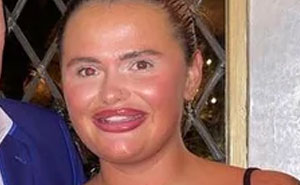
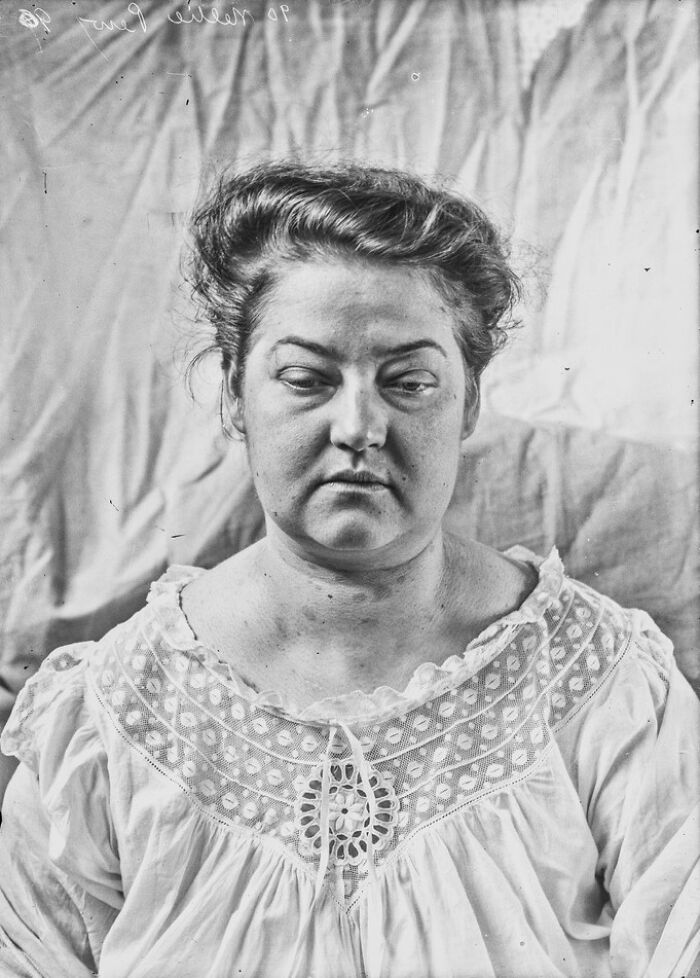
    This is CUSHING'S DISEASE, due to excessive ACTH production by a pituitary tumor. That overstimulates the adrenal glands to produce cortisol, giving you puffy cheeks, and overgrowth/prominence of the supraclavicular (above the collar bone) fat pad overgrowth.

    Melissa Palladini
    Community Member
    1 day ago Created by potrace 1.15, written by Peter Selinger 2001-2017

    She has cushings syndrome. Named after the doctor this article is about. Caused by high levels of cortisol.

    A5562
    Community Member
    1 year ago Created by potrace 1.15, written by Peter Selinger 2001-2017

    Maybe myasthenia Gravis?

    ADVERTISEMENT
    See Also on Bored Panda
    #20

    Surgery Patients Of Dr. Harvey Cushing

    Yale University/Medical History Library Report

    Patrick Christopher Mc Mullan
    Community Member
    1 year ago Created by potrace 1.15, written by Peter Selinger 2001-2017

    i read a book titled ,THE HANDBOOK OF MENTAL RETARDATION SYNDROMES. it contained loads of photos like above and covered many syndromes such as leprechaunism, clover leaf head syndrome, and many rare syndromes. there are still a few copies floating about. i trained as a special care nurse and it was invaluable to me in getting to understand and identify with the genetic,environmental and inborn errors of metabolism. if you are interested in this field i highly recommend it.