Get Premium
Dark mode theme is available exclusively for premium users. Learn more about the benefits of subscribing.
No fees, cancel anytime.

 Dark Mode Ad-Free Browsing Unlimited Content
 Ad-Free Browsing Unlimited Content Dark Mode
Join 1.2 million Panda readers who get the best art, memes, and fun stories every week!

Everything on your plate has a story. Not the "locally sourced, seasonally inspired" story on the menu that costs you an extra eight dollars, a real one. A chaotic, accidental, occasionally disgusting, surprisingly political story that stretches back further than you'd expect and involves more war, desperation, and happy accidents than any food should reasonably be responsible for.
Food history is, in short, one of the most entertaining subjects available to a person, and it has the significant advantage of being relevant to something you do at least three times a day. These facts will not change what you eat. They will absolutely change how you think about it.
This post may include affiliate links.
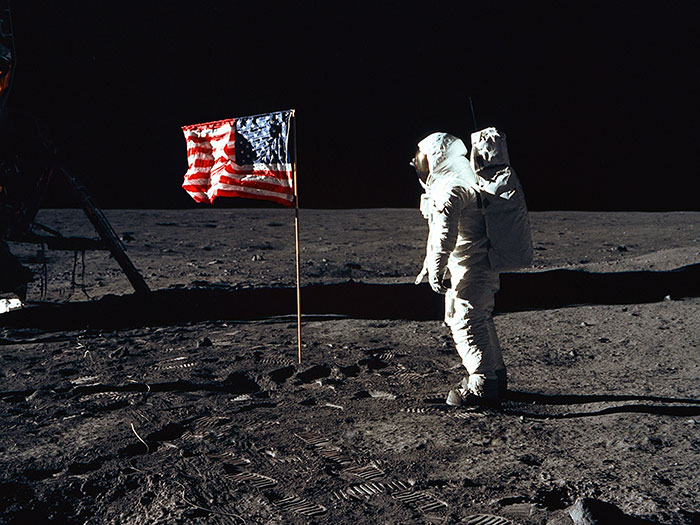
The first meal eaten on the moon was breakfast with peaches, bacon, sugar cookies, and a pineapple grapefruit drink. One giant leap for mankind, fueled by bacon cubes.

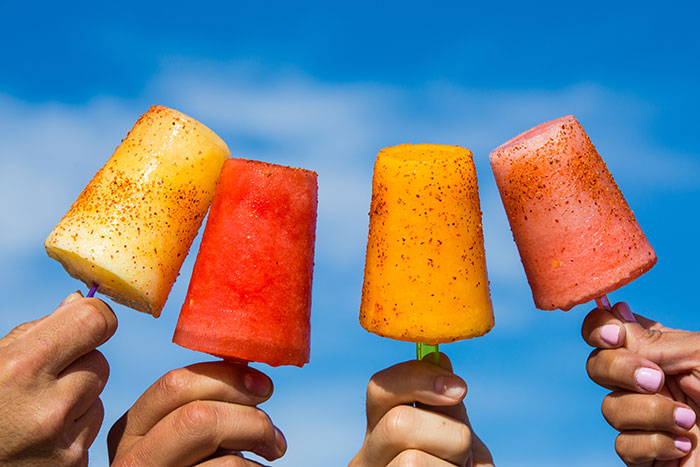
The Popsicle was invented in 1905 by an 11-year-old named Frank Epperson who left a cup of soda outside overnight by accident. He called it an Epsicle. His kids later renamed it "Pop's sicle" and the name stuck.
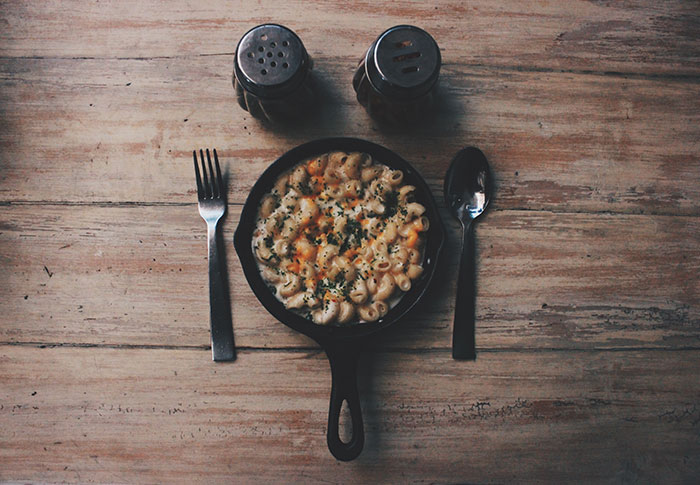
Mac and cheese has been around since the 14th century, when it showed up in an Italian cookbook. It took another 500 years of refinement to get to the version we know today, which feels like a reasonable amount of time to spend perfecting something that important.
In the early days of Vogue, the magazine published a diet that consisted almost entirely of eggs and wine. Not as a weekend experiment but as a lifestyle recommendation.
A Vice writer, in the name of journalism, attempted the diet and reported back that the experience was most closely comparable to the time she had stomach flu in Vietnam. This is, in the history of food criticism, one of the more vivid and useful reviews ever committed to print. Both Vogue and the writer survived longer than the diet, but the eggs were absolutely not worth it.
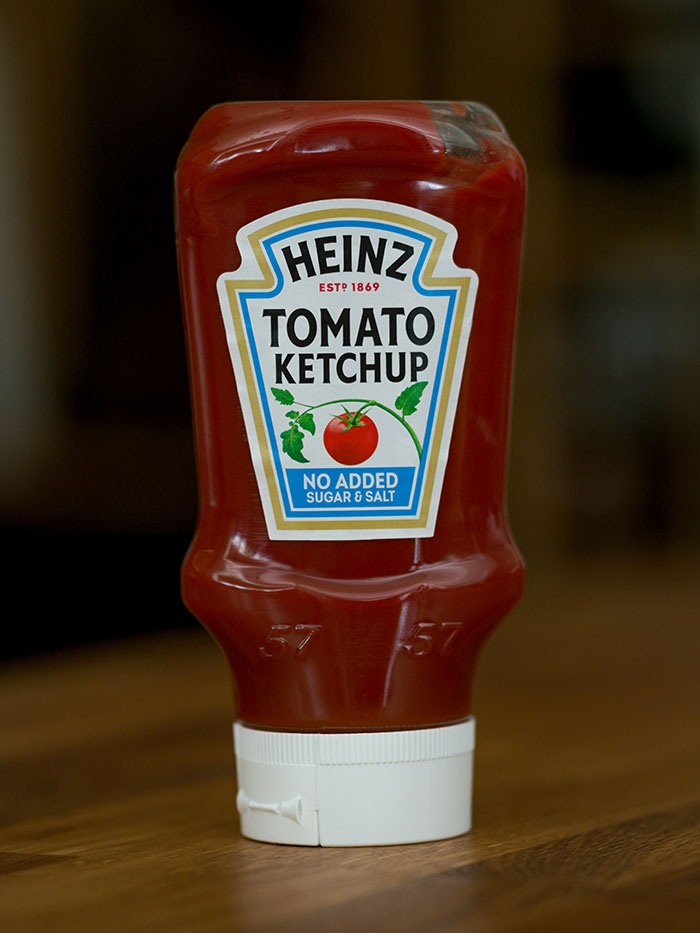
Ketchup started as a Chinese pickled fish sauce, became a mushroom condiment in colonial America, and didn't contain a single tomato until the 19th century. The ketchup on your burger took a very long journey to get there.

Fish sauce is amazing. A guy who owns a Vietnamese sandwich shop in Arizona showed me how to make it. As long as I can blot out that knowledge, I can really enjoy the flavor.
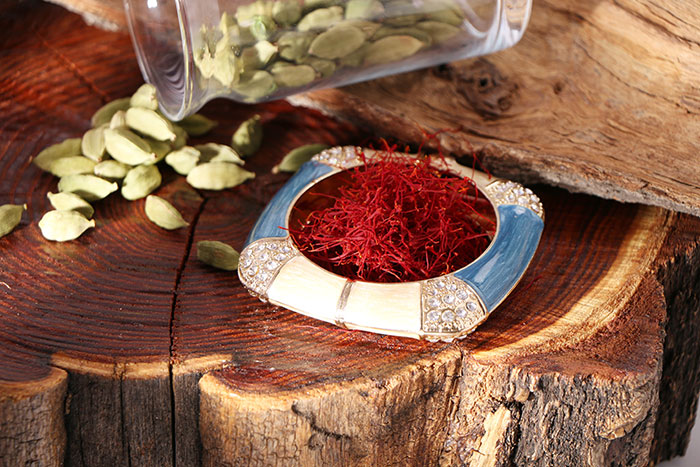
Alexander the Great bathed in saffron to heal wounds, Cleopatra bathed in it for considerably more interesting reasons related to the bedroom, and it's been used in Indian childbirth rituals for thousands of years. Not bad for a spice you can buy at the grocery store.
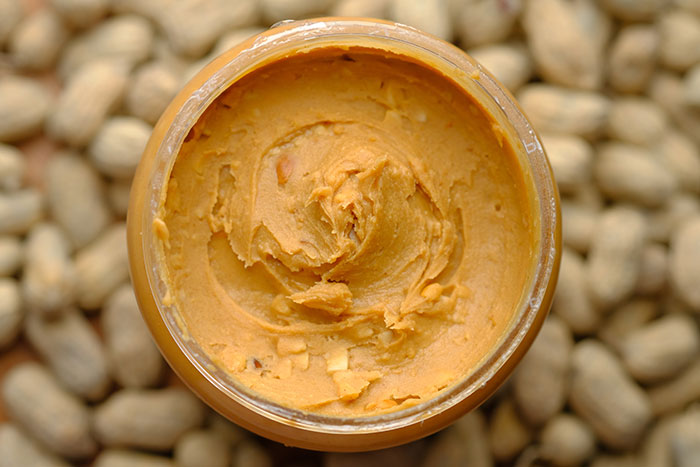
Peanut butter traces back to the Incas, but the first patent for peanut paste went to a Canadian doctor named Marcellus Edson in 1884. Despite what most people think, George Washington Carver didn't invent it, he just had better PR.
Everything you know about fruit is wrong. Bananas, pumpkins, and avocados are all, by botanical classification, berries, meeting every technical requirement the category demands. Strawberries and raspberries, despite their names and their entire public identity, are not berries in any botanical sense and never have been.
And figs, beloved, ancient, appearing in art and scripture and expensive cheese boards, are not fruits at all. They are inverted flowers. The seeds you eat when you eat a fig are actually tiny individual flowers that bloomed inward rather than outward. Nature did not consult anyone before making these decisions and has shown no interest in explaining itself since.
All of them came from South America via the Columbian Exchange, which also gave the world corn, cacao, and peanuts. Entire national identities built on imported ingredients.
Watermelons are eaten at a lot of dances and ceremonies of the Southwestern Pueblo people (the Koshari, or "kachina clowns," often eat them), and most people who live in New Mexico seem to assume it is a native fruit, but it actually is from Africa.
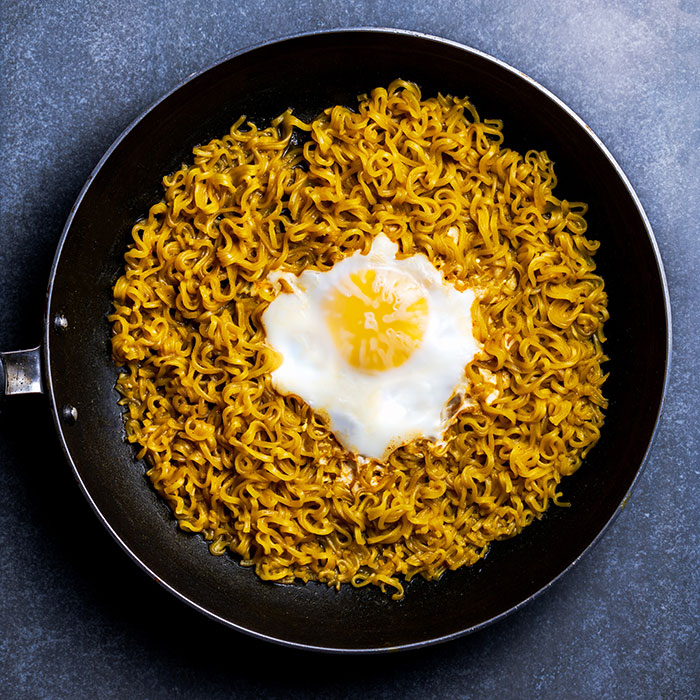
Momofuku Ando invented instant ramen in post-WWII Japan to feed people cheaply during the country's recovery. By the time he perfected the recipe, the economy had already bounced back, but it turns out people enjoy cheap noodles regardless of economic circumstances.
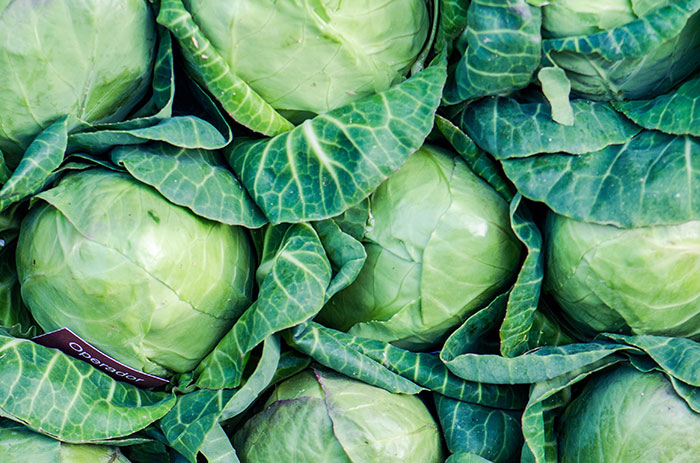
During WWI, Americans renamed sauerkraut "Liberty Cabbage," frankfurters "Liberty Sausage," hamburgers "Liberty Steak," dachshunds "Liberty Pups," and German measles "Liberty Measles." Renaming a disease out of patriotism is a level of commitment that's hard to argue with.
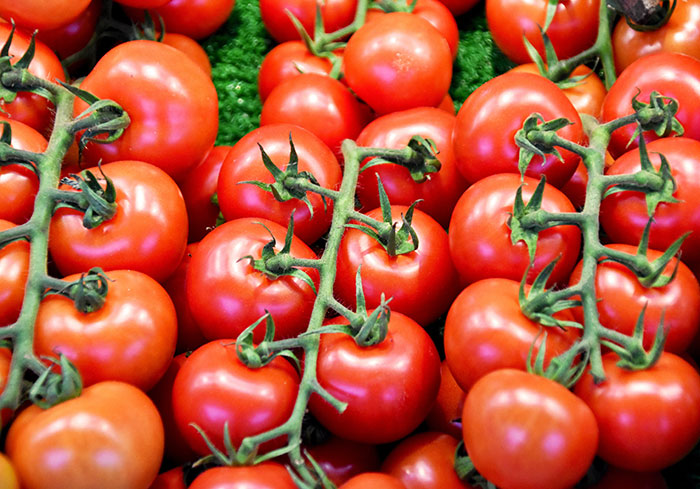
For a brief and glorious period in the 1830s, tomato ketchup was not a condiment; it was medicine. Marketed and sold by doctors as a treatment for indigestion and diarrhea, tomato ketchup was prescribed with the full confidence of 19th-century medical authority, which, in fairness, was also the era of arsenic complexion wafers, so the bar was flexible.
The tomato's journey from medicinal tonic to the thing that lives next to the mustard at every barbecue in America is one of the more dramatic image rehabilitations in culinary history, and it deserves significantly more recognition than it receives.
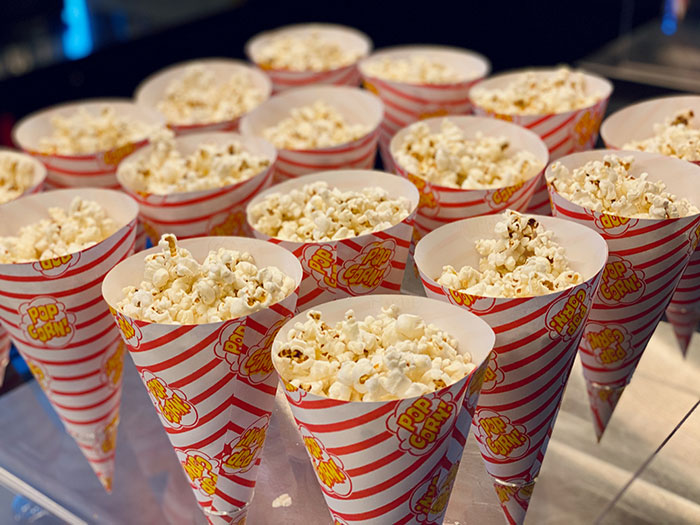
Popcorn has been around for at least 6,700 years, with evidence of ancient Peruvians eating it long before movies existed. They were snacking on it completely unprompted, which honestly shows good instincts.

"They were snacking on it completely unprompted..." Now I want to know what would prompted snacking be?
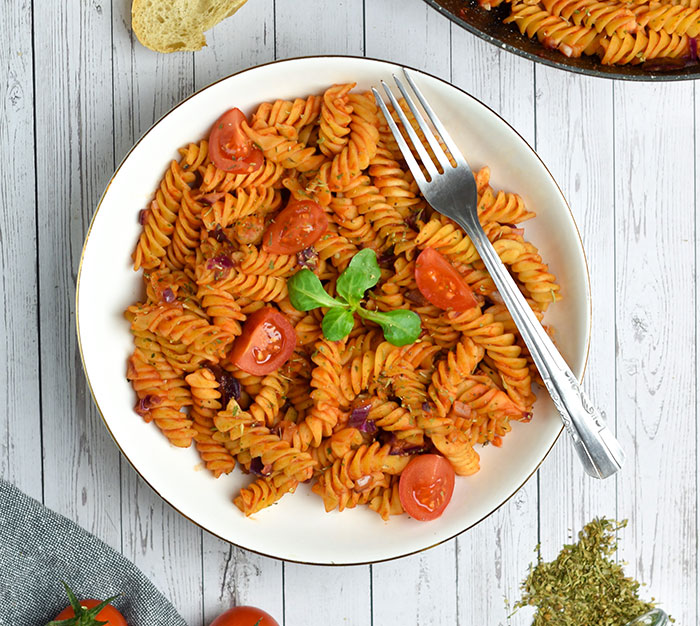
It most likely came from Asia via Arab traders, with Marco Polo getting credit he probably doesn't deserve. The Italians refined it and made it their own, but nearly every culture on earth has its own version of noodles, which suggests pasta is less a national invention and more just something humans inevitably arrive at.

Pasta and noodles are not the same thing. One has salt in it, the other doesn't. And while "flour and water" is something anybody would put together, Italians turned it into an art form.
Table manners as we know them were basically invented during the Italian Renaissance. A 17th century etiquette guide advised using only three fingers to eat since forks were barely a thing, recommended coughing loudly to cover any unfortunate sounds at the table, and explicitly banned double dipping bread in soup. Some rules are timeless.
George Washington wrote "Rules of Civility and Decent Behavior in Company and Conservation." It is actually quite entertaining to read: "Shew Nothing to your Friend that may afright him."
The naming conventions of the food world are, it turns out, almost entirely unreliable. Peanuts are not nuts; they are legumes, belonging to the same botanical family as beans and lentils, which they have been quietly concealing for centuries. Cashews are not nuts either; they are seeds.
Almonds are also not nuts; they are the seeds of a fruit, making them closer relatives of the peach than anything sold in a mixed nut tin. The actual nut, by botanical definition, is a hard-shelled fruit that does not open when ripe. Acorns and chestnuts are technically nuts. Almost nothing being sold as a nut in a supermarket is technically a nut. We are all living a lie, and the food labelling industry is complicit.
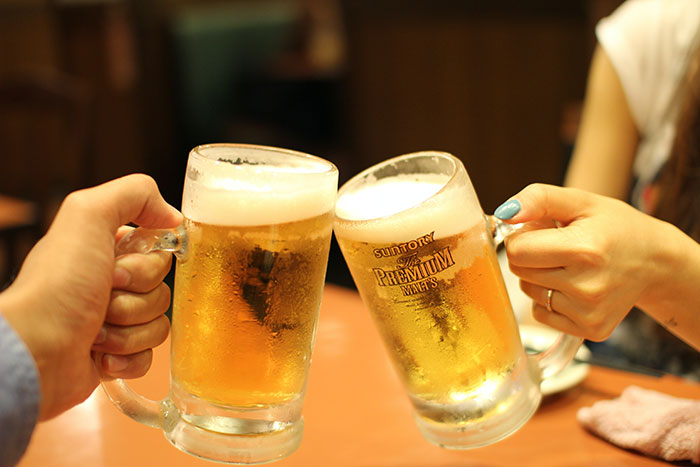
The Sumerians loved beer enough to give it its own goddess. Wine beats beer by about 4,000 years, and both are beaten by a 9,000-year-old rice, honey, and hawthorn fruit mixture that was essentially the world's first alcoholic drink. Humans have always found a way.

Humanity's historical and cultural progression is often reduced to three core constants: bladed weapons, fermentation, and fried dough. Swords, beer & donuts.
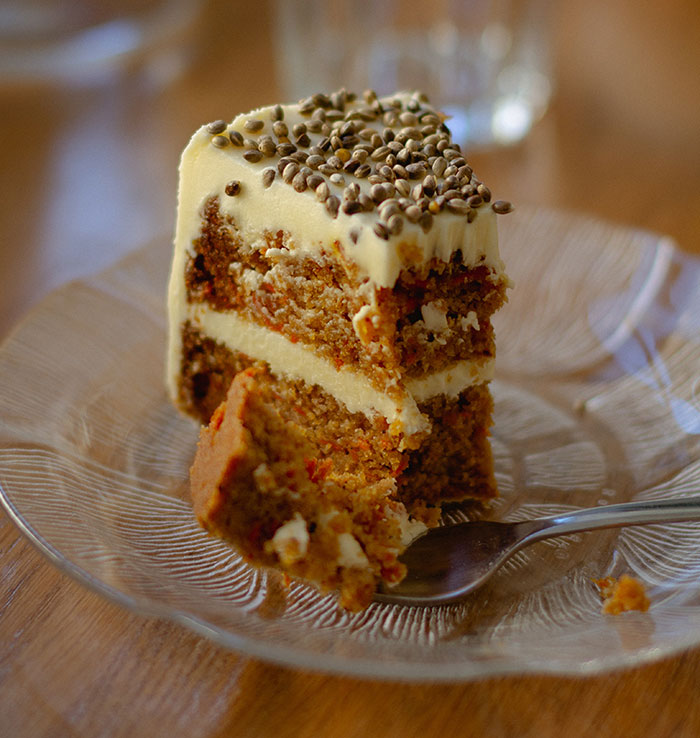
When the British left New York, George Washington celebrated at Fraunces Tavern with a carrot cake. No frosting. The father of a nation deserved better.
What's with the final sentence? Maybe the father of a nation *wanted* unfrosted carrot cake? There's nothing wrong with a good piece of carrot cake, you know.
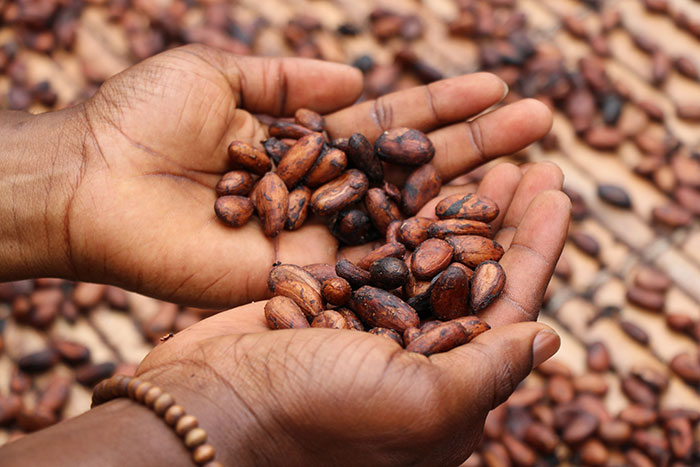
One bean bought you a tamale, and a turkey would set you back around 100 beans. The same pods were being fermented into alcohol as far back as 1,400 BC. Chocolate started as money and booze, which explains why we're all so attached to it.

One of the universals about food is we have tried to ferment just about everything at least once.
Swanson had 260 tons of unsold Thanksgiving turkeys and a big problem on their hands. Ten refrigerated railroad cars were going nowhere, and one salesman named Gerry Thomas looked at the problem, proposed packaging the turkey with sides in divided aluminium trays, and accidentally invented the TV dinner.
This is a product so successful it sold 10 million units in its first year and built the entire foundation of the modern frozen food industry. The greatest food innovation of the 20th century was a last-ditch attempt not to lose money on turkey. This is how most great ideas happen.
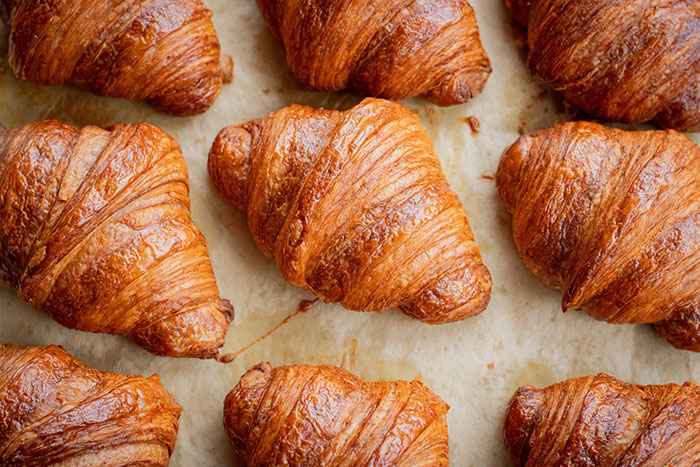
It started as a 13th century bread roll called a kipferl, evolved into the flaky version we know today in 19th century Austria, and France didn't publish its first croissant recipe until the 20th century. The French have been taking credit for someone else's pastry for a hundred years.
The French product was, and still is, vastly different from its Austrian antecedent. In Switzerland most 'Gipfeli' are only superficially like a French Croissant, vastly inferior. On a related not the French recognise its origins, using the word viennoiserie (from Vienna) to refer to most pastry products including what we, equally falsely, call Danish Pastries.
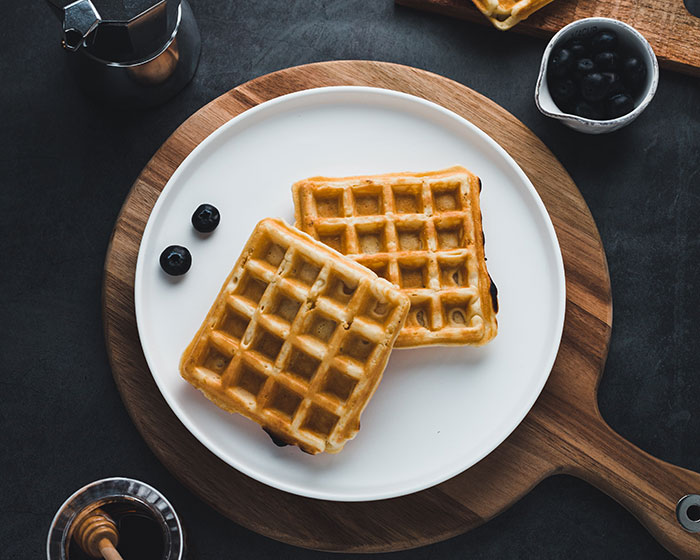
Ancient Greeks were making waffles with iron cooking molds over open fires. They were more like flat wafers than the fluffy Belgian version, but the basic concept was there 2,000 years before brunch became a personality trait.
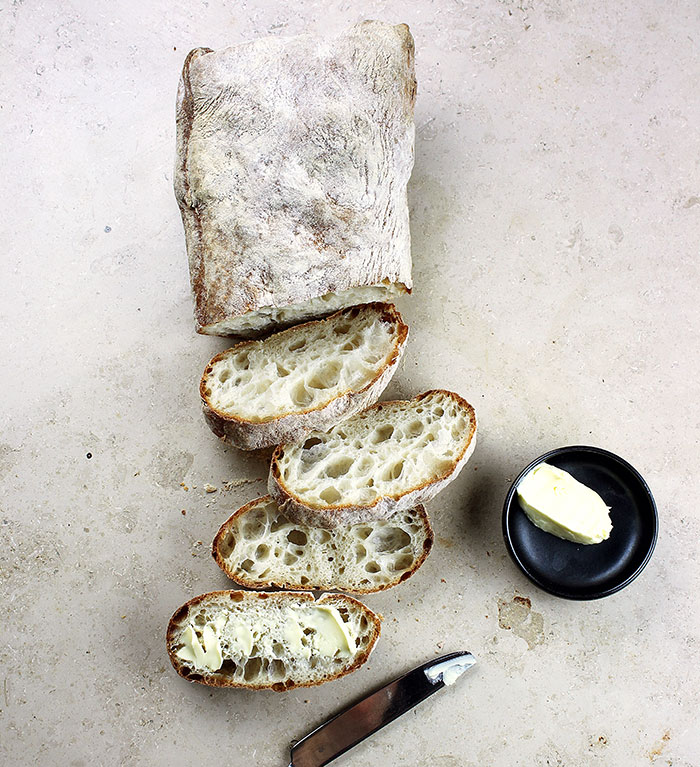
Ciabatta was invented in 1985 by an Italian baker who was annoyed that the French baguette was getting too popular in Italy. One of the most "ancient" feeling breads on the market is younger than the Nintendo.
The best-selling cookie in the history of human commerce is not complicated, not artisanal, and not the product of a Michelin-starred pastry chef's creative vision. It is two chocolate discs with white cream filling, invented by Nabisco in 1912, and it has sold over 500 billion units since its debut.
The Oreo's specific genius is the ritual it inspired: twist, lick, dunk. Three steps. Completely unnecessary. Universally observed. Nabisco did not invent the twist, lick, and dunk, though; consumers did, spontaneously, independently, across generations and cultures, as though the cookie arrived with instructions encoded somewhere in the cream.
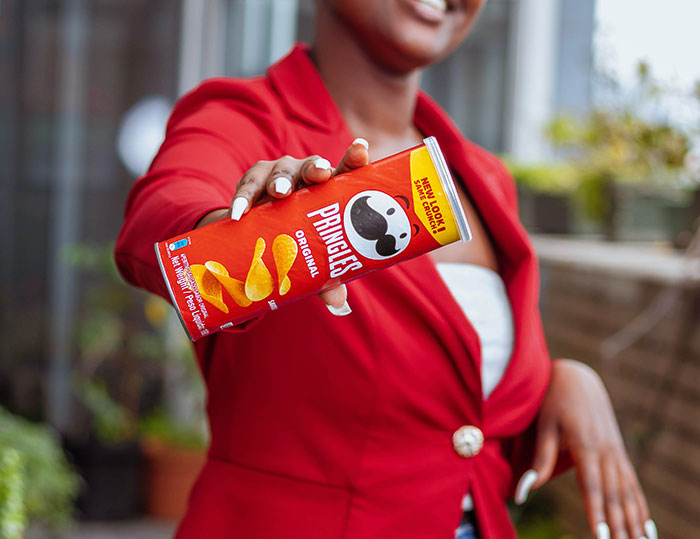
Pringles are legally classified as "crisps" rather than potato chips because they don't contain enough actual potato to qualify. Their iconic saddle shape was also designed using early supercomputers and shares aerodynamic properties with modern aircraft. They went to extraordinary lengths for a snack that mostly just gets eaten in one sitting.
The article contradicts the headline, at least the headline they have when I am writing this comment.
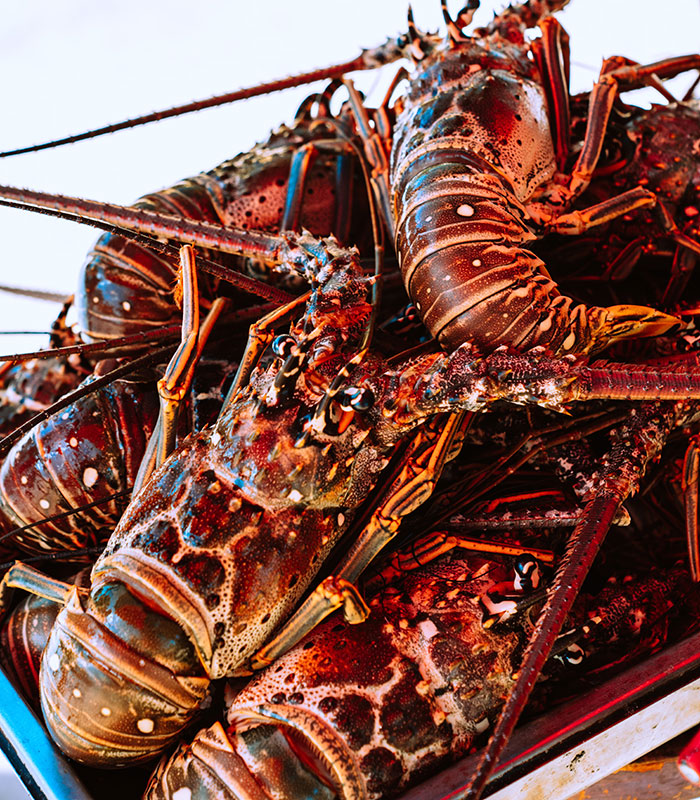
Lobsters were once so abundant on New England beaches that they piled up two feet high on the shore and were used as fertilizer. Colonial prisoners were fed lobster regularly, and Massachusetts servants negotiated contracts specifically limiting how often they could be made to eat it. The most expensive item on most seafood menus today was once considered poverty food.
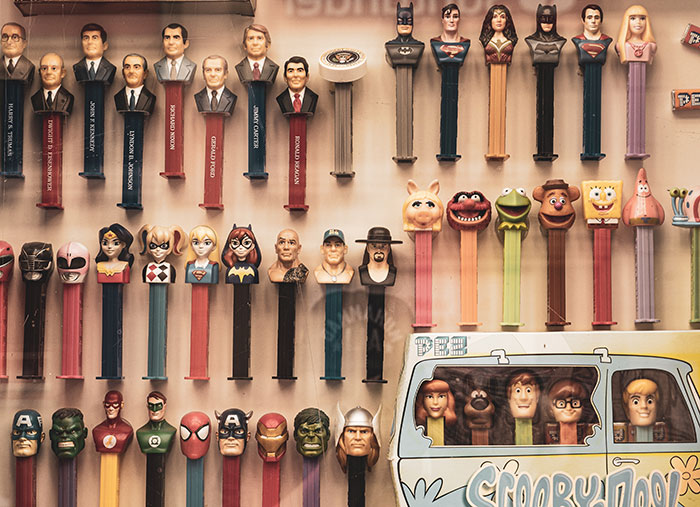
PEZ was invented in 1927 as a smoking alternative, came only in peppermint, and got its name from the German word Pfefferminz. It took a while before anyone thought to put it in a plastic dispenser shaped like a cartoon character's head.

What is PEZ? And Oreos were also completely unknown in England until recently.
McDonald's French fries have been on the menu since 1949, and in the seven decades since, they have become the single most consumed fast food item on the planet. Not the burger. Not the milkshake. The fry. Salt-dusted, golden, structurally engineered for maximum crunch and minimum resistance, they are consumed in quantities that are very difficult to visualise at any meaningful scale.
The secret to their specific flavour has been debated, investigated, and written about at extraordinary length. It involves beef tallow, natural flavouring, and a specific blanching and freezing process that produces a consistency no home fryer has ever fully replicated. People have tried. Food scientists have tried. Nobody has quite got there. The fry remains the pinnacle of human achievement.
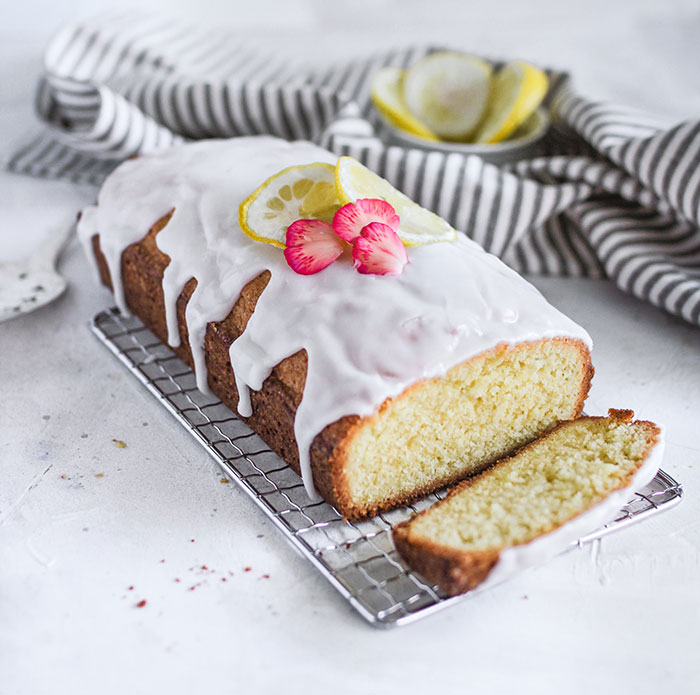
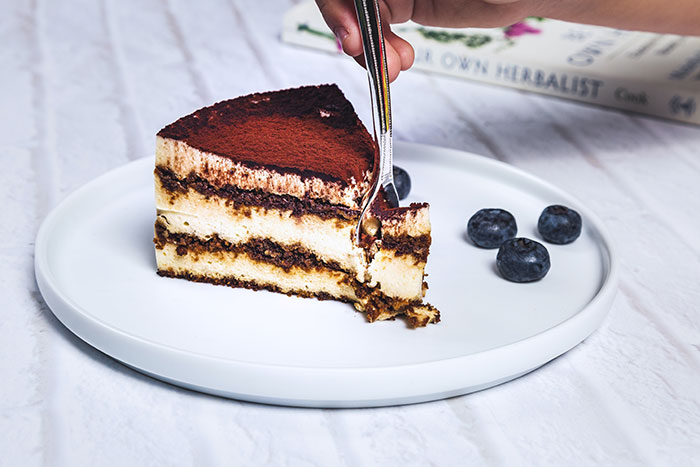
Pound cake is called pound cake because the original recipe called for exactly one pound each of butter, sugar, eggs, and flour. Four pounds of ingredients, zero ambiguity.
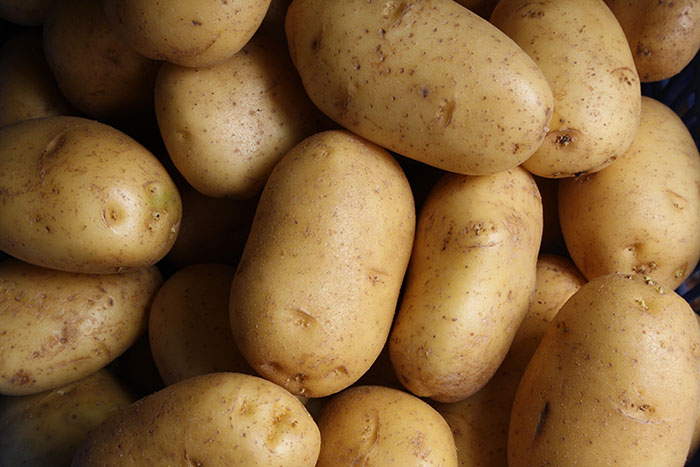
An 18th century French pharmacist named Antoine-Augustin Parmentier was so determined to make potatoes popular that he hired guards to protect his potato patch during the day to make them look valuable, then removed the guards at night so people would steal them. He also threw 20-course potato dinners, got King Louis XVI to endorse them, and presented bouquets of potato flowers to royalty. The most committed vegetable marketing campaign in history.
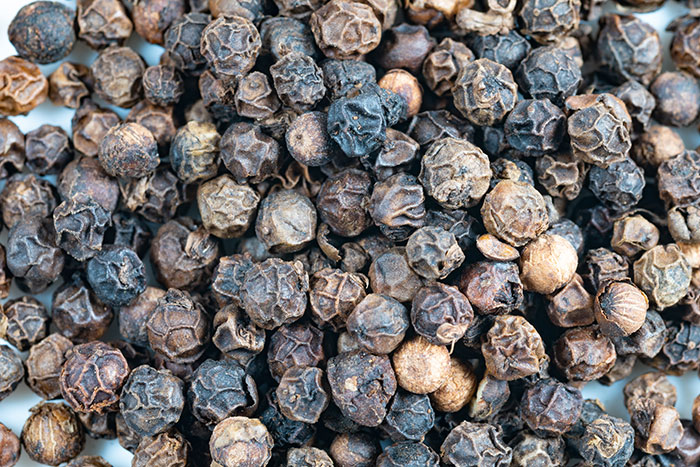
When Alaric the Goth conquered Rome in 410 AD, part of his ransom demand was 3,000 pounds of black pepper. The stuff sitting next to your salt shaker was once considered more valuable than gold.
Your black and white pepper is the same thing, only white pepper has the black, tastier skin removed.
Food is the one constant in the full length of human history. Every civilisation, every era, every crisis and celebration and ordinary Tuesday has involved people figuring out what to eat and occasionally getting it spectacularly wrong before stumbling onto something extraordinary.
These facts are not just food trivia. They are a record of how humans have always navigated the world: hungrily, creatively, and with a remarkable willingness to eat something completely ridiculous if someone confident enough recommends it.
Which food fact made you immediately run to Google to double-check? Tell us in the comments!
When a Byzantine princess used a gold fork at her wedding in 1004, a Venetian guest was so offended he argued God had already provided forks in the form of human fingers and using metal ones was an insult to the divine. The fork was still being ridiculed in Britain as late as 1608. Cutlery had a rough few centuries.
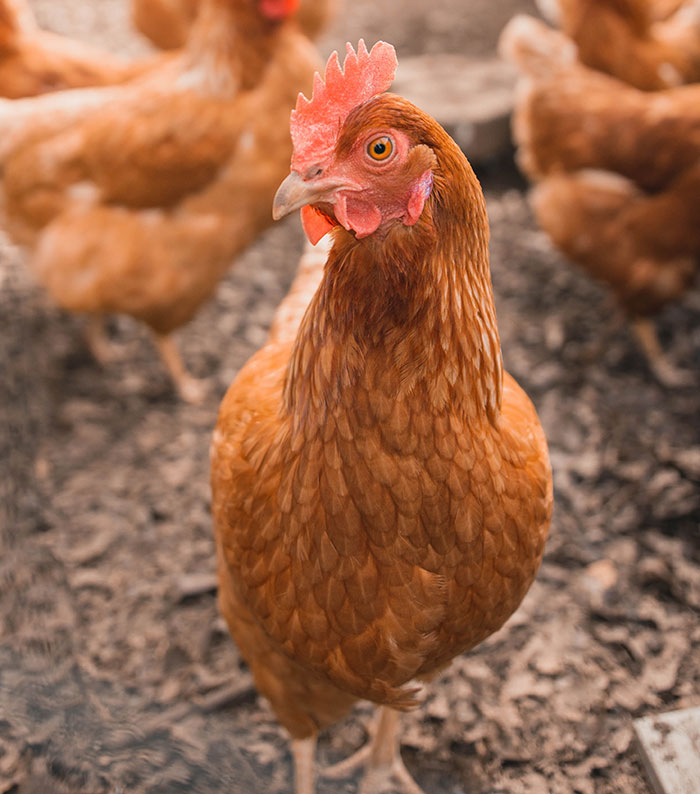
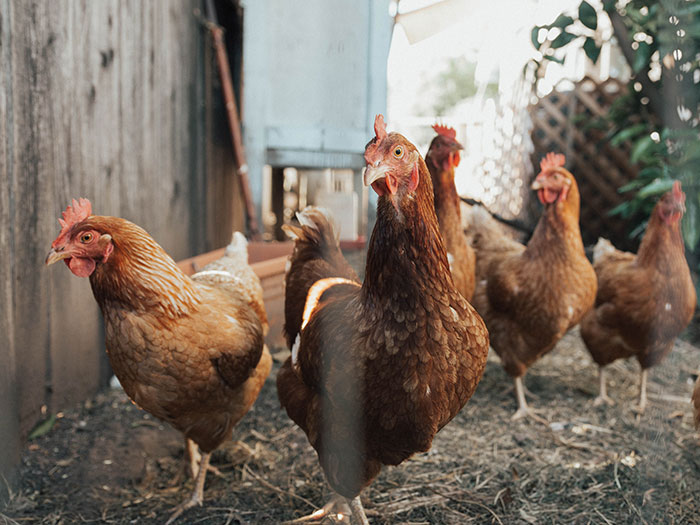
Ancient Romans fattened their chickens on bread soaked in wine, or barley mixed with lizard fat and cumin. Roman writers felt compelled to warn that the lizard fat mixture was also dangerously tempting for humans, noting it would make men "grow so fat that they burst." Despite all this, a Roman law from 161 BC actually banned intentionally fattening birds for eating. The Romans had a complicated relationship with chicken.
America's first chocolate cake was called Mahogany Cake, dating back to the 1800s. It was frosted with ermine frosting, a whipped buttercream that was the standard American icing before cream cheese frosting took over. A founding father of dessert, largely forgotten.
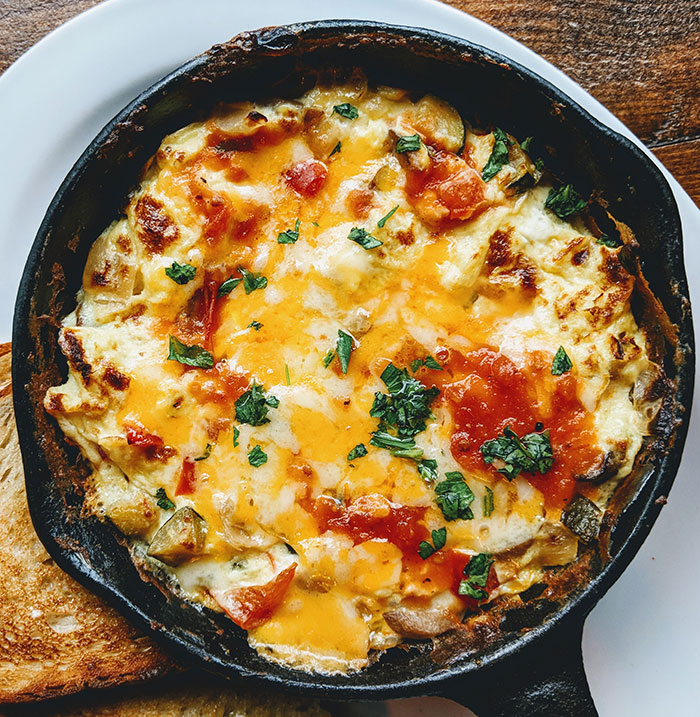
California cuisine traces back to the Gold Rush, when someone decided to combine eggs, oysters, and bacon into an omelette and call it the Hangtown Fry. A bold choice that somehow worked.

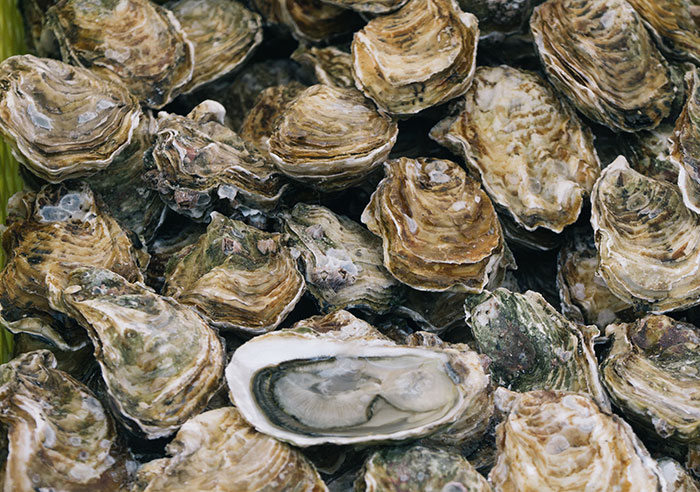
Oysters were used as cheap filler in many foods up until we mucked up the massive oyster beds that gave abundant, easily harvested protein right next to our major cities. Dredging for shipping changed water flows, meaning that silt started to cover the beds, and they became polluted with untreated sewage.
Most chickens raised for meat in America today are descendants of a breed that won a USDA contest in the 1940s called "Chicken of Tomorrow." Before WWII, chickens were mainly kept for eggs. A California farmer named Charles Vantress won the competition with a crossbreed that became the industry standard. The chicken on your plate has a surprisingly recent and specific origin story.
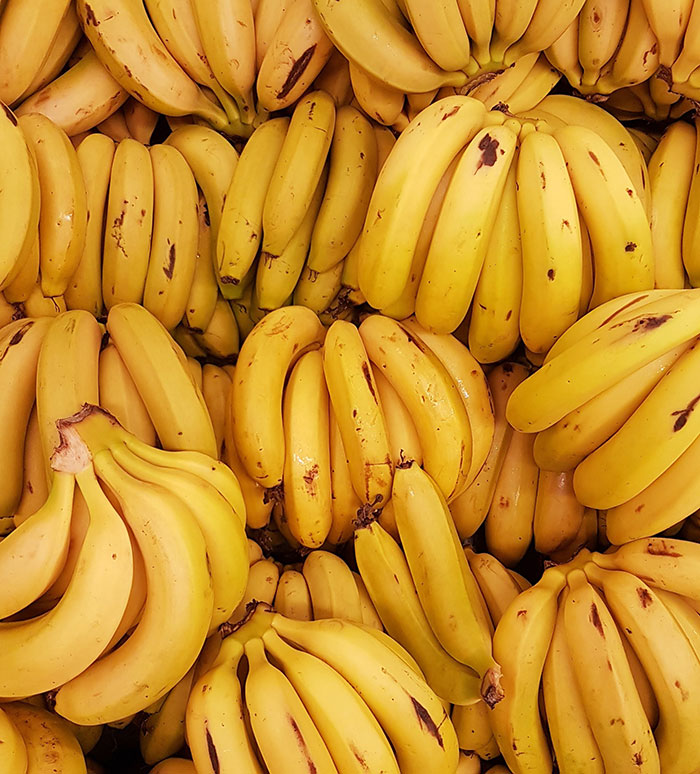
During WWII, Britain banned banana imports entirely, so people started mashing parsnips with banana essence and calling it a day. The situation got bad enough that a dance hall singer released a song called "When Can I Have A Banana Again?" which is one of the more tragic song titles in music history.
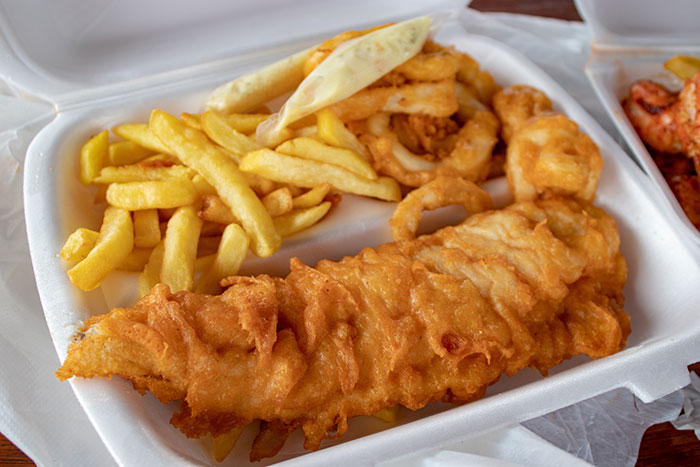
Spanish and Portuguese Jewish immigrants brought fried fish to the UK, where working-class Brits adopted it enthusiastically and eventually claimed it as a national dish.
I love fried, battered fish. I can just taste the crunch in this picture.
The words "oyster" and "ostracize" have the same origin. In ancient Athens, citizens voted to banish people using pottery shards called ostracon. Oyster shells looked similar enough to those pottery shards that both words share the same root. Democracy gave us shellfish terminology.
They were invented by the Sumerians specifically to drink beer without getting a mouthful of fermentation sludge at the bottom of the vessel. The same civilization that gave us the oldest beer recipe also gave us the straw to drink it with. They had their priorities straight.
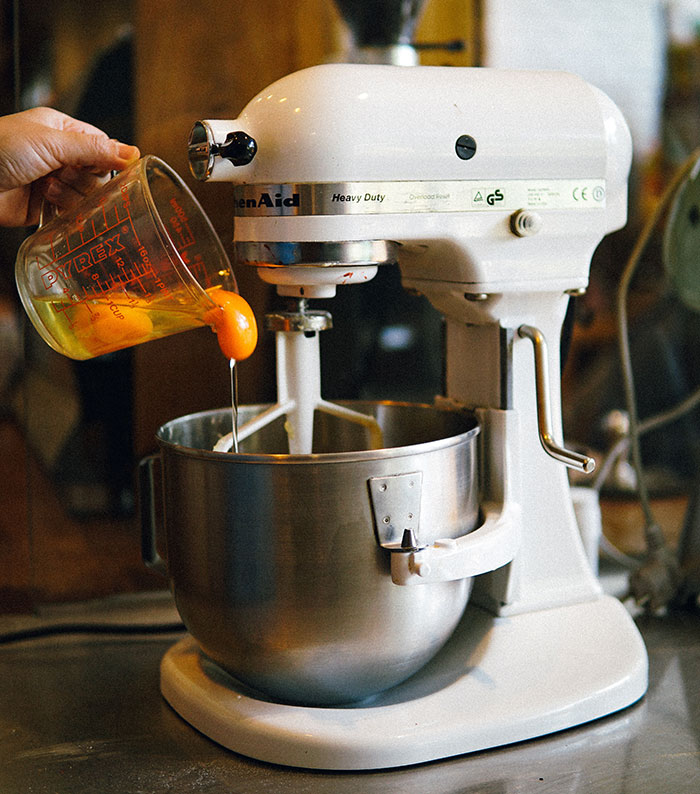
The first mechanical dough mixer was invented in ancient Rome by a freed slave named Marcus Virgilius Euryasaces. It worked by having a horse or donkey walk in circles around a stone basin, pulling wooden paddles that mixed the dough. Industrial baking equipment, powered by a confused donkey.
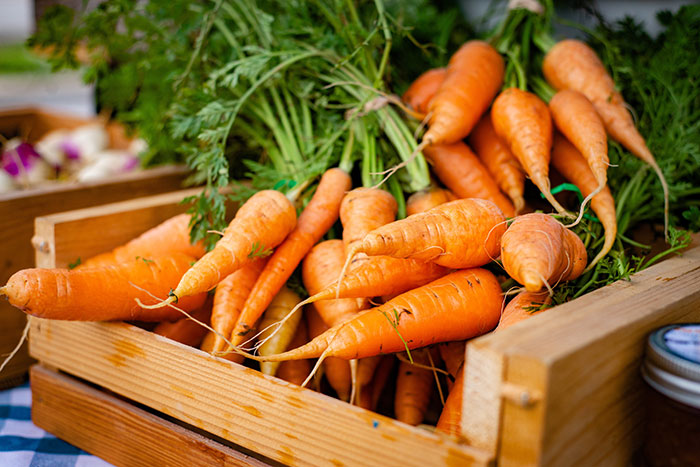
Carrots were originally purple, yellow, and white. Dutch growers cultivated the orange variety in the 17th century, reportedly to honor the Dutch Royal House of Orange. The most recognizable vegetable in the world is a relatively recent political statement.
It's always a kick to go into African restaurants and get all four colors in a bowl. Yes, they taste slightly different.
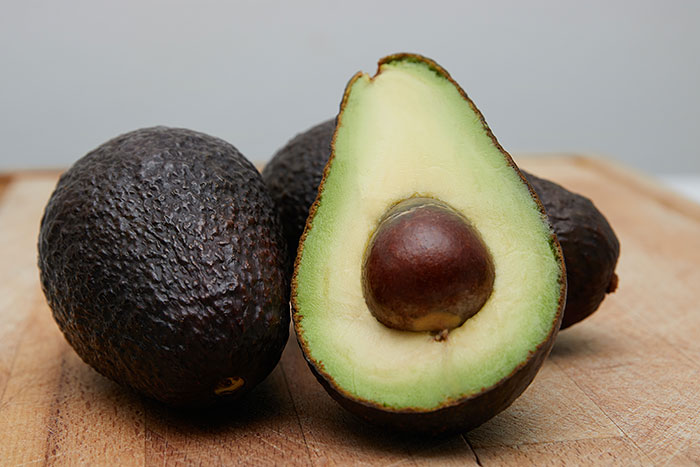
When Spanish conquistadors arrived in the Americas and discovered avocados, their first instinct was to turn the seeds into red ink for writing documents and dyeing textiles. They also ate them, with one explorer describing the taste as "like butter, with a marvelous flavor." They found the world's most versatile fruit and immediately used it as a pen.
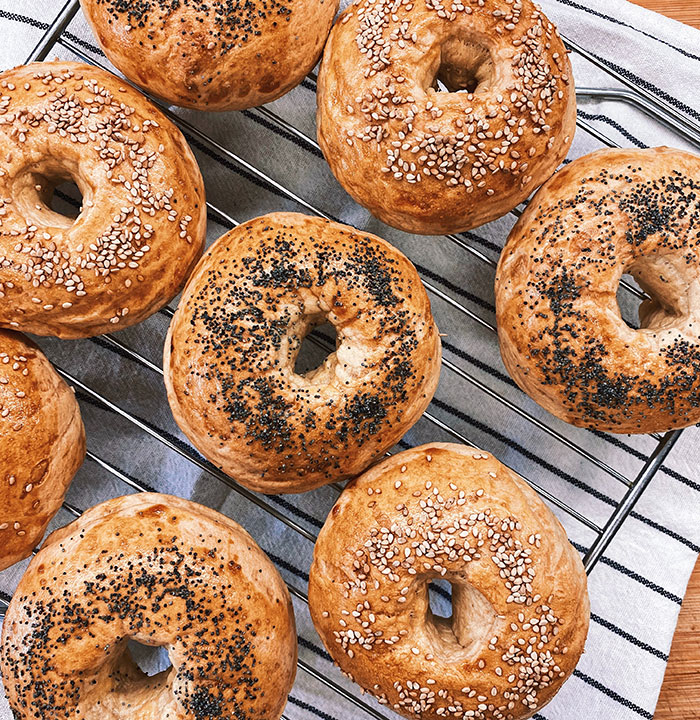
In 1610, the city of Krakow passed a law requiring bagels to be given as gifts to women after childbirth, because people believed they symbolized a long healthy life. Poland had a Queen who ate them through Lent and a legal system that mandated them as baby gifts. No notes.
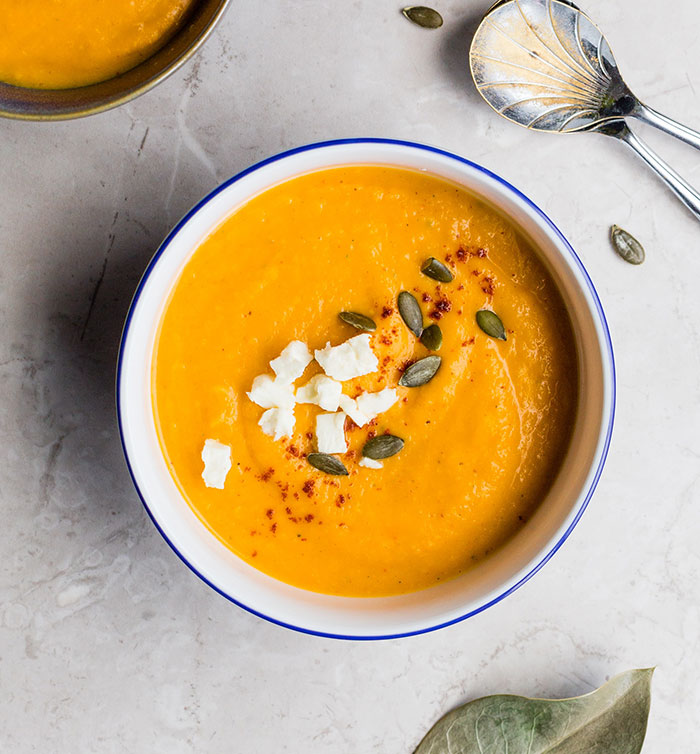
He claimed men don't really like soup. His chief of staff suspected otherwise and called Nixon's valet, who confirmed the president had spilled soup down his vest at the previous dinner. The leader of the free world quietly eliminated an entire food course rather than admit he couldn't eat without spilling. Not the most dignified cover-up of his presidency, but arguably the most relatable.
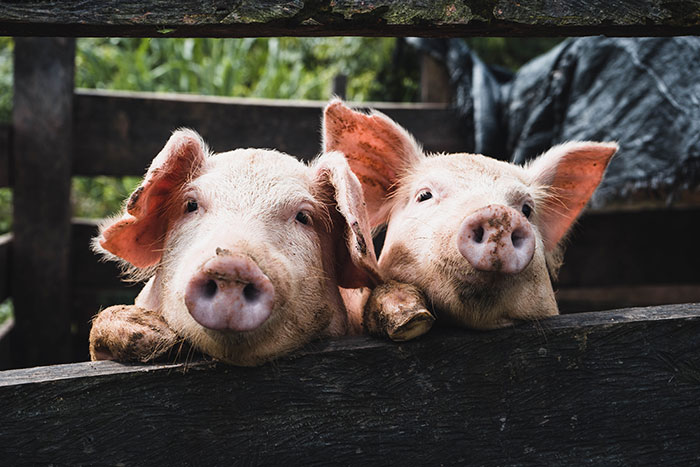
European explorers used to drop herds of pigs and cattle on islands along their routes as living emergency food supplies for the return trip. The animals inevitably went feral. Sable Island still has wild horses roaming it today for exactly this reason. A 500-year-old logistical decision is still visible from the shoreline.
On the Lewis and Clark Expedition, men would sometimes eat up to 9 pounds of meat in a single day. Clark recorded needing four deer or one entire buffalo to feed the group for 24 hours. They also packed 93 pounds of dried soup, just in case the buffalo situation didn't work out.
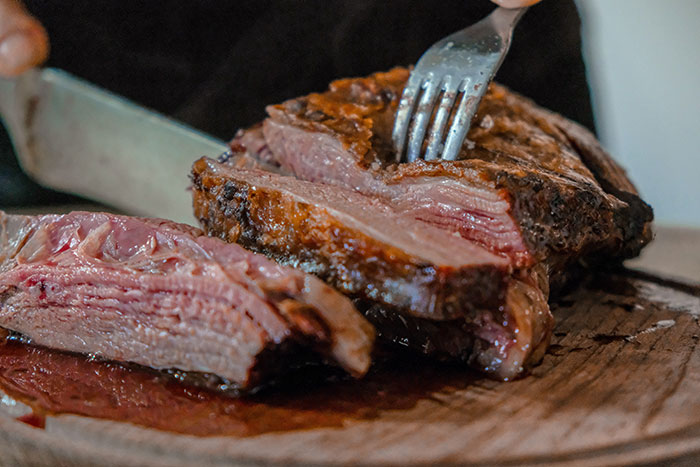
Ever read the Ben K Green books about cowboying in Texas back in the early part of the century? He makes a lot of comments about beef and how if you were working out in the heat, then that's what you needed to eat to be able to do the job. He also talked about how we don't "age" beef anymore. Not only do we not age the beef itself, we don't let cattle get to its full growth before slaughtering for the meat. We would notice a big change in the taste and quality of beef if we aged both the cattle and the beef.
Medieval English chicken pies had the chicken's feet sticking out of the sides of the crust, serving as both a label and a handle. The crust was called a "coffyn." Customers grabbed their lunch by the claws. A very efficient, if unsettling, design.
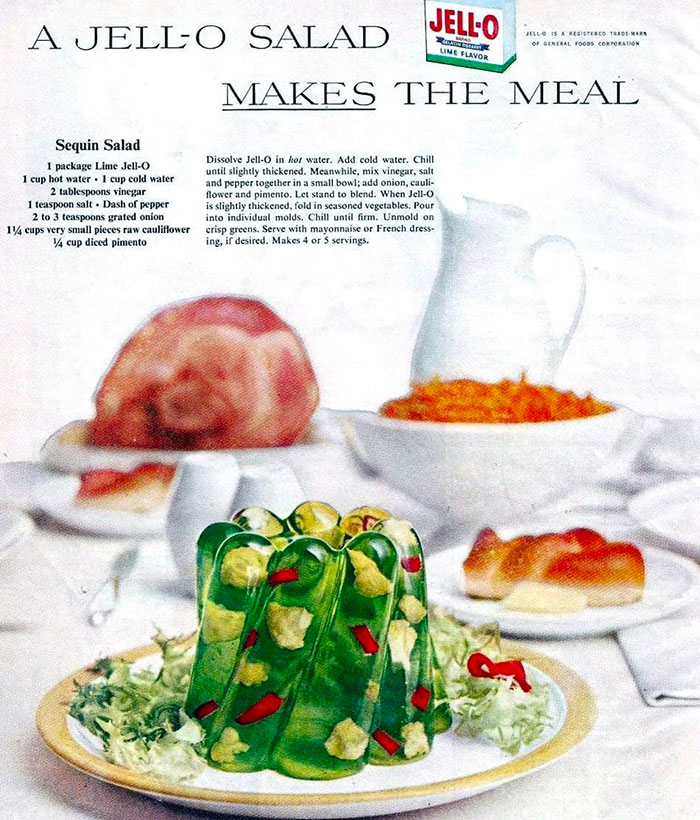
It was vinegar-soaked cauliflower and red peppers suspended in lime jello. Someone invented this, someone approved it, someone photographed it for a national ad campaign, and apparently some people actually made it.

I see all these old recipes with Jello abominations, and grew up during that time, but fortunately never personally was served, nor ever saw anything like this. Are they possibly mythical, only pictured in magazine recipes?
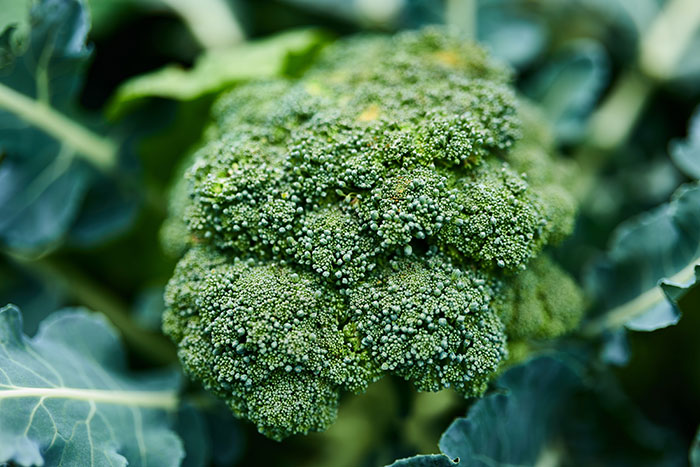
Brassica oleracea was selectively bred over hundreds of years into completely different vegetables. Nature's most versatile and divisive plant.
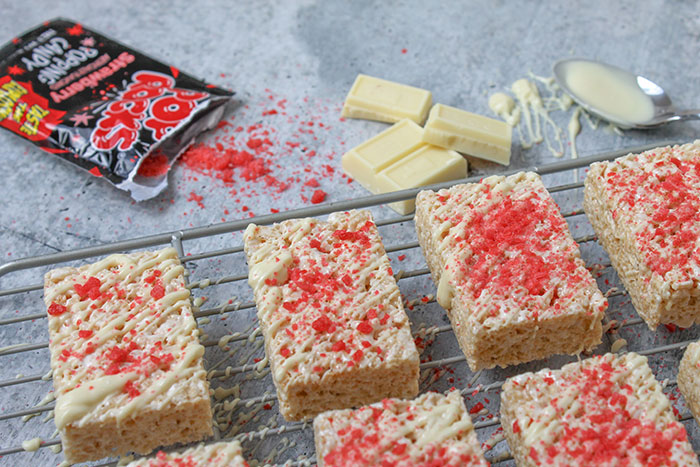
William A. Mitchell, a chemist from Minnesota, invented Cool Whip, Pop Rocks, and Tang. His daughter later helped pioneer plant-based milk. One family was responsible for a significant portion of the American pantry.
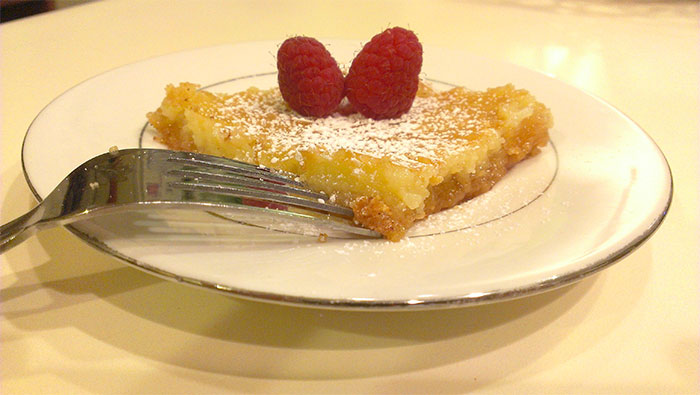
Gooey butter cake, a St. Louis staple, was invented in the 1930s when a baker put too much butter in a coffee cake by mistake and served it anyway. Sometimes getting the recipe wrong is the whole point.
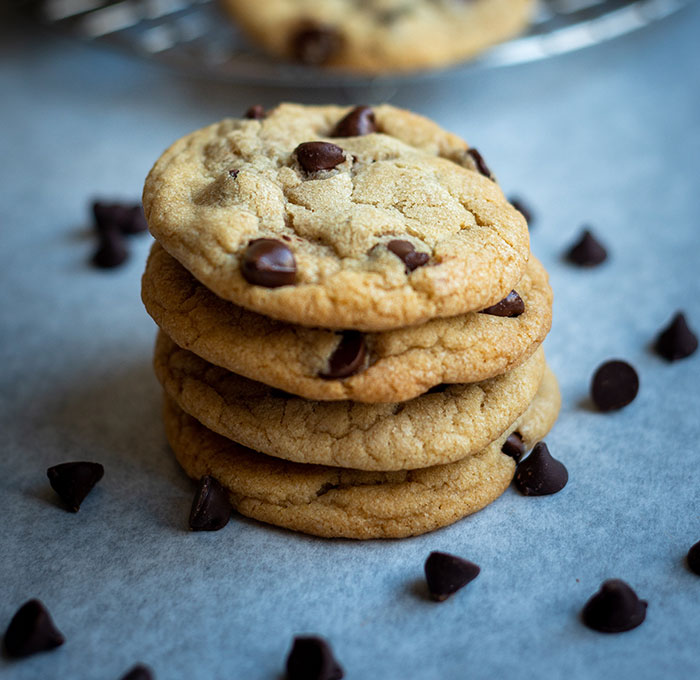
Chocolate chip cookies were invented by accident in 1930 when Ruth Wakefield added chocolate chunks to her cookie dough, expecting them to melt into the batter. They didn't. She sold the recipe to Nestlé, who put it on the back of every chocolate chip bag, ensuring she'd never get credit again.

So Nestle have been d o u c he s for about 100 years, then. Got it.
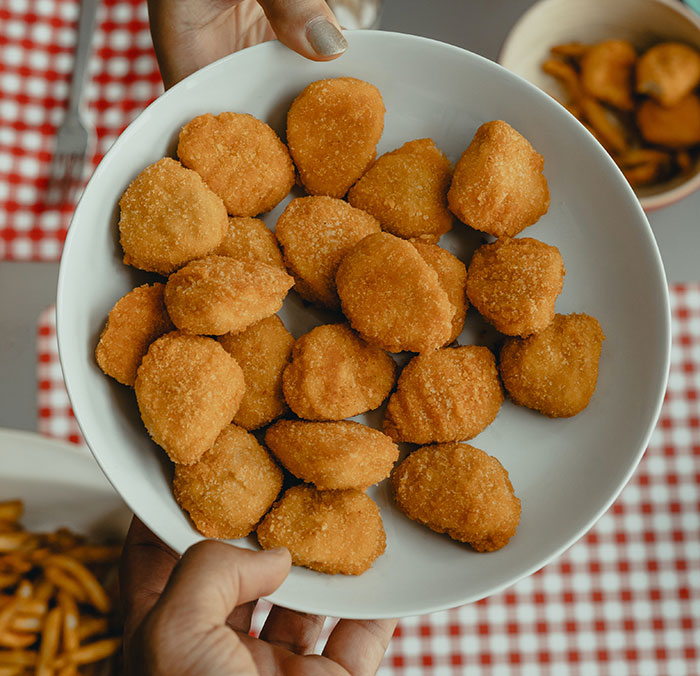
Before Chicken McNuggets, McDonald's tested Onion Nuggets in the late 1970s, battered, fried chunks of onion sold in nugget form. They didn't make it nationwide, and the world went a different direction. Probably for the best.
In the 1970s, Vogue published a diet that consisted entirely of eggs, white wine, steak, and black coffee for three days straight. Lose 5 pounds, gain a drinking problem.
Both come from the Latin recipere, and for most of history people said "receipt" when they meant what we now call a recipe. The meanings drifted apart somewhere along the way and now one is for cooking and one is for returns.
I wondered why I'd see people writing receipt when they clearly meant recipe.
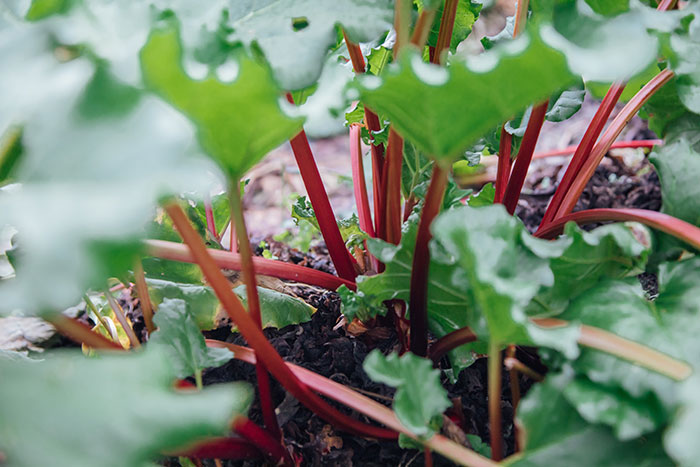
Since the 1850s, rhubarb growers have been forcing stalks to grow faster by keeping them in complete darkness, starving them of light until the plant feeds on itself. The process works so well you can apparently hear the rhubarb growing. The catch is that harvesting has to be done by candlelight, because turning on the lights would ruin the whole operation. Some growers still do it this way today.

Great list, Louise! Give us more like this. And those about cultural quirks around the world, and nature. And more cats. We definitely need more cats. And maybe one about funny/interesting words in different languages. But definitely more cats! I'm sure BP could find the space if your colleagues would restrain themselves a little from posting about "maxxing", influencers and pørn stars. Thanks!
My last salary was $8750, ecom only worked 12 hours a week. My longtime neighbor yr estimated $15,000 and works about 20 hours for seven days. I can't believe how blunt he was when I looked up his information, This is what I do..... 𝐉𝐨𝐛𝐀𝐭𝐇𝐨𝐦𝐞𝟏.𝐂𝐨𝐦
Great list, Louise! Give us more like this. And those about cultural quirks around the world, and nature. And more cats. We definitely need more cats. And maybe one about funny/interesting words in different languages. But definitely more cats! I'm sure BP could find the space if your colleagues would restrain themselves a little from posting about "maxxing", influencers and pørn stars. Thanks!
My last salary was $8750, ecom only worked 12 hours a week. My longtime neighbor yr estimated $15,000 and works about 20 hours for seven days. I can't believe how blunt he was when I looked up his information, This is what I do..... 𝐉𝐨𝐛𝐀𝐭𝐇𝐨𝐦𝐞𝟏.𝐂𝐨𝐦

























 No fees, cancel anytime