Get Premium
Dark mode theme is available exclusively for premium users. Learn more about the benefits of subscribing.
No fees, cancel anytime.

 Dark Mode Ad-Free Browsing Unlimited Content
 Ad-Free Browsing Unlimited Content Dark Mode
Join 1.2 million Panda readers who get the best art, memes, and fun stories every week!
There’s no doubt that life is full of wild moments. A first date that goes surprisingly well. Or a parking spot that opens up right when you need it. These things actually happen.
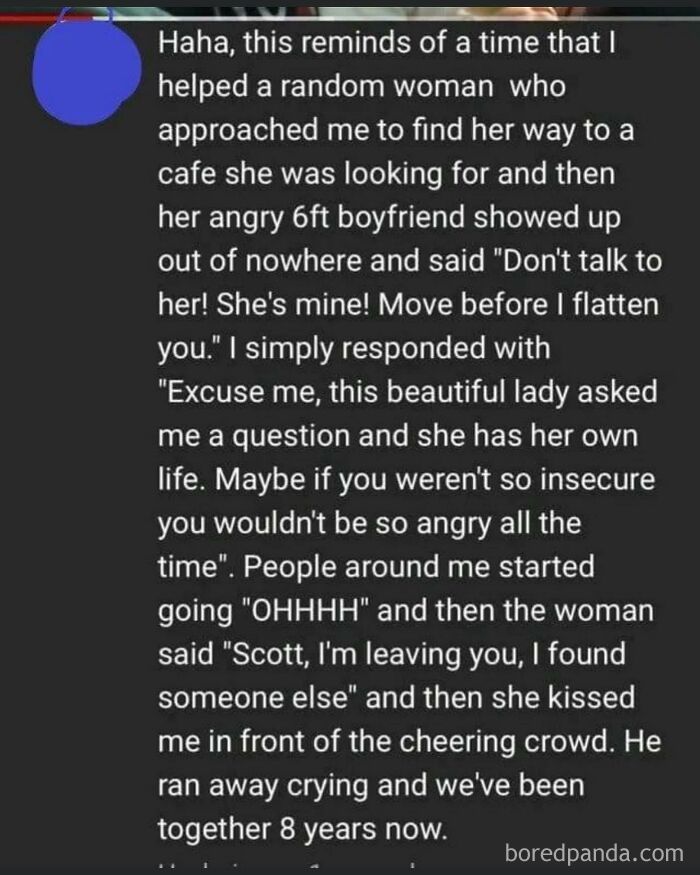
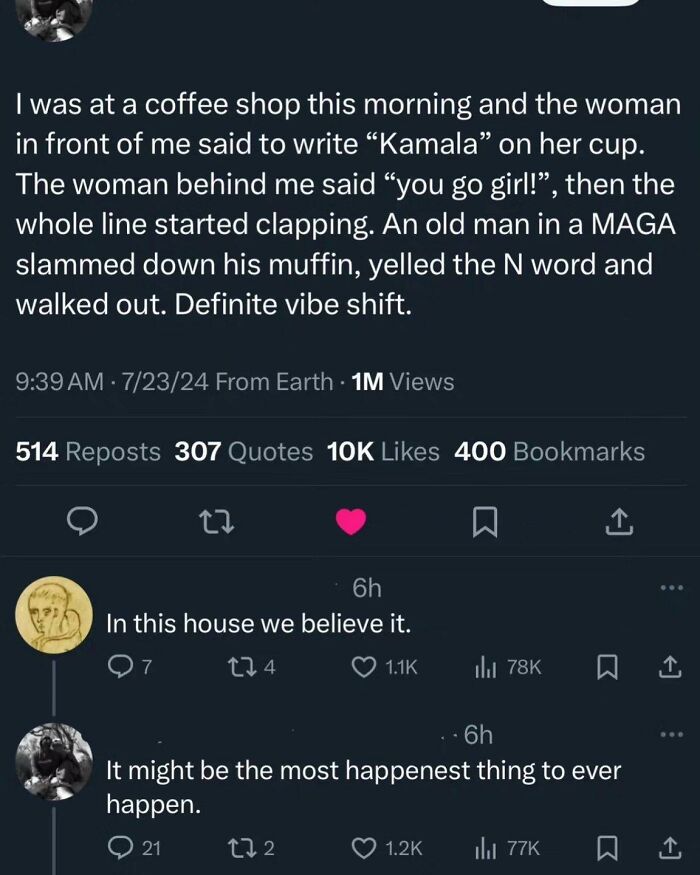
But then there are some stories that are truly incredibly hard to believe. For example, it’s quite unimaginable that an entire bus of strangers broke into applause just because of a snarky comeback. Or that a coffee shop gave out free drinks for a year just because someone made one clever joke.
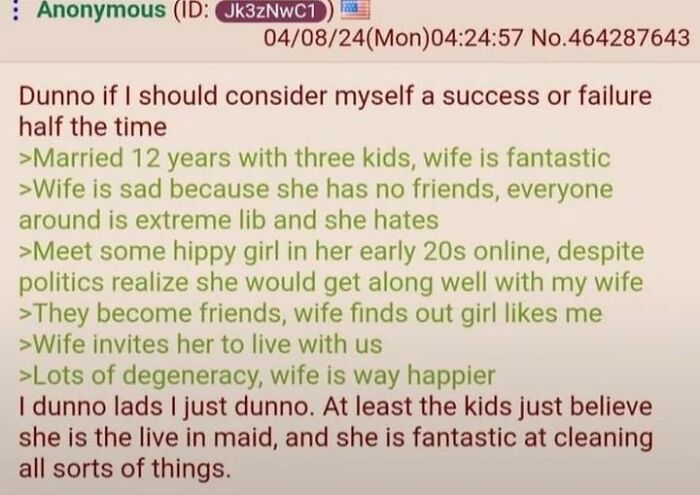
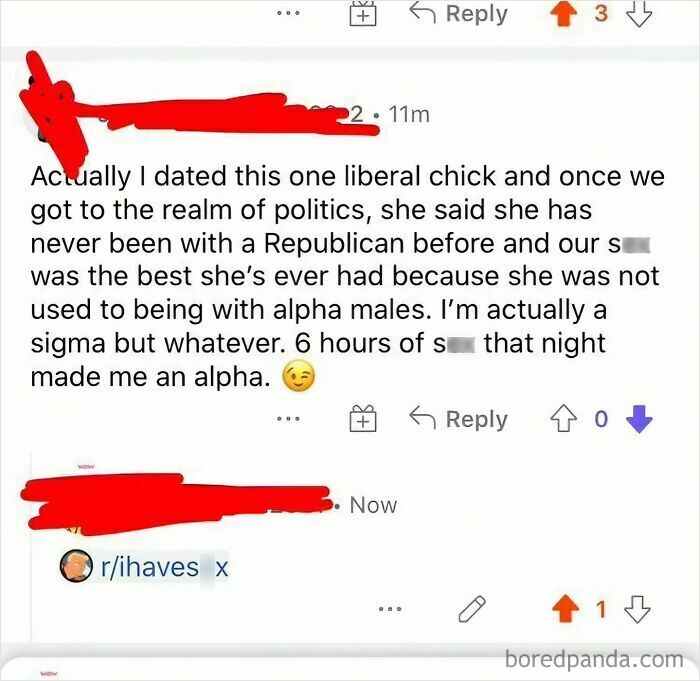
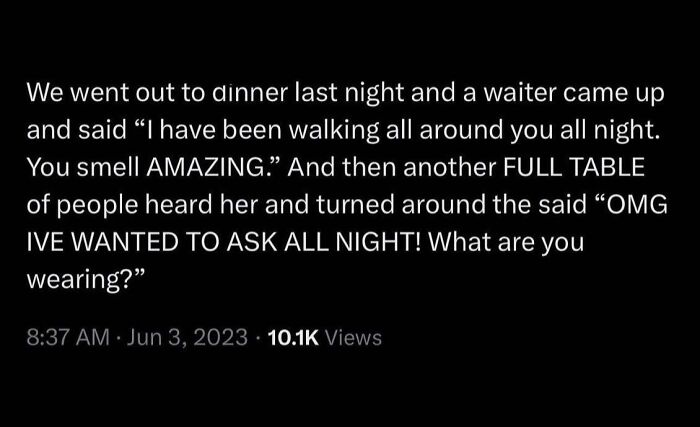
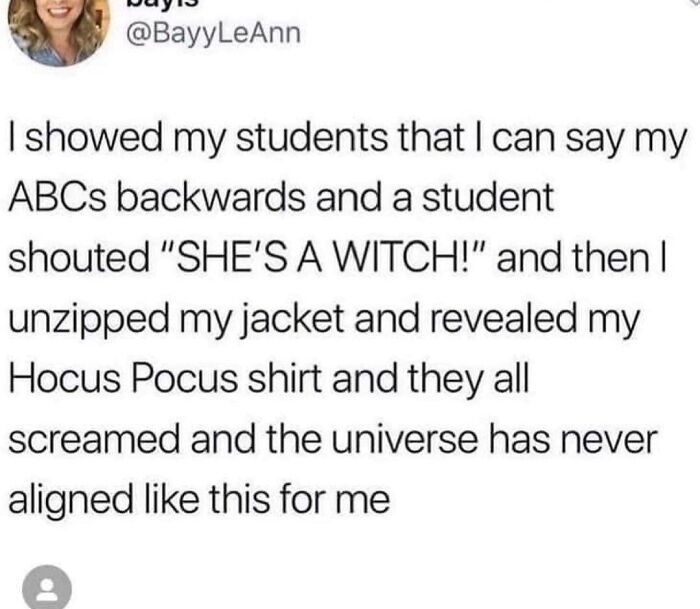
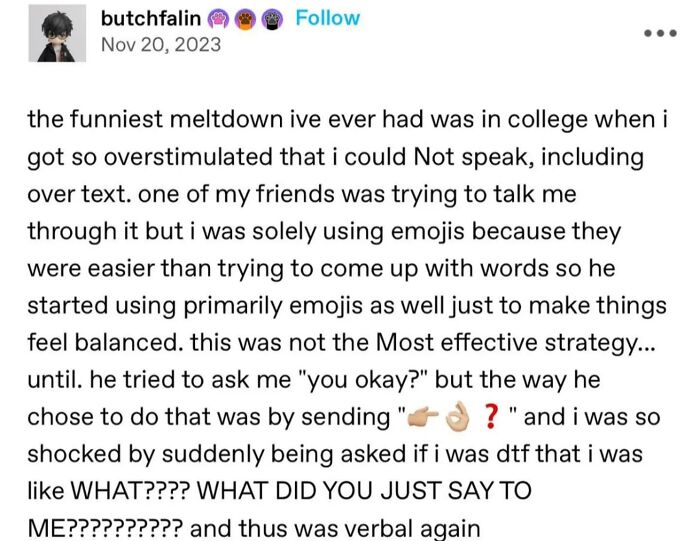
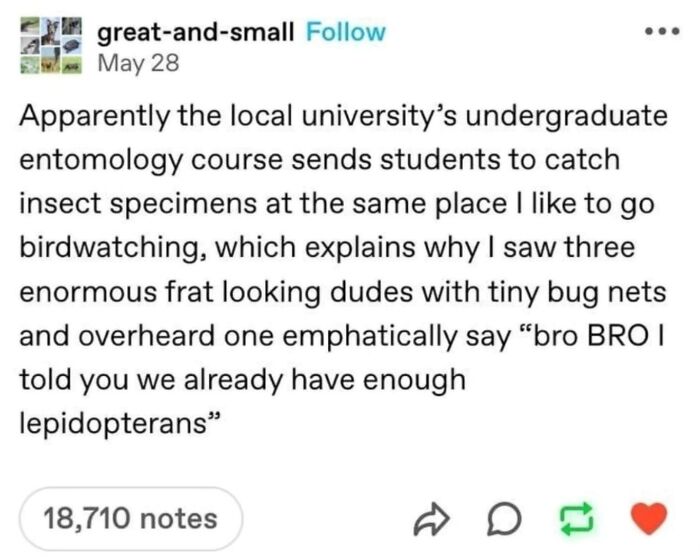
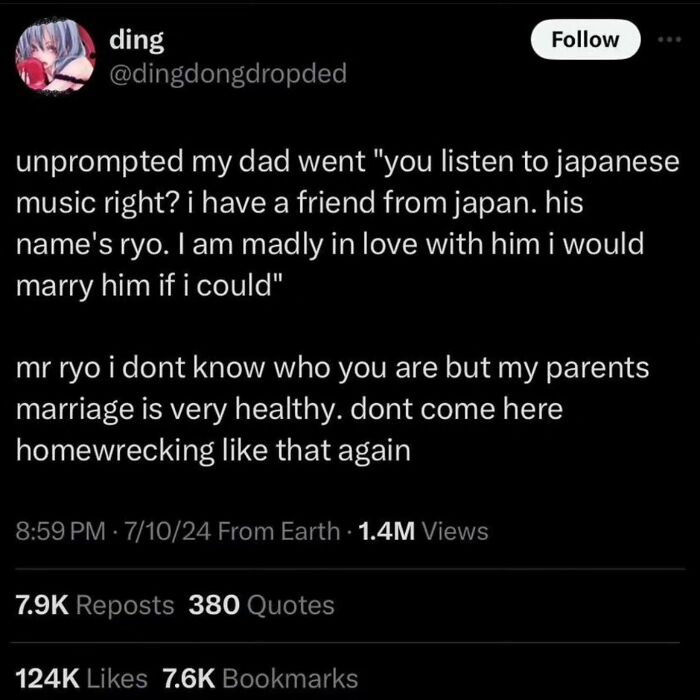
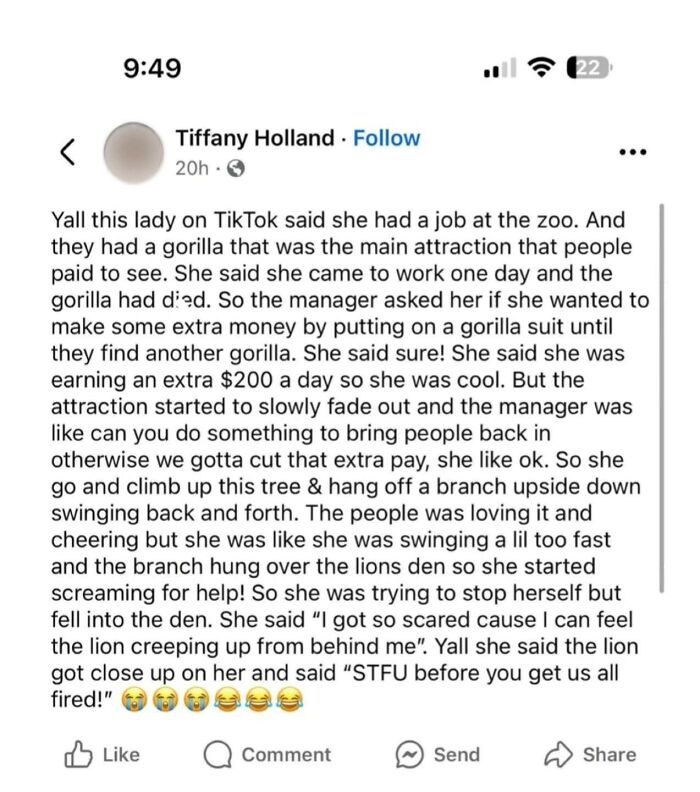
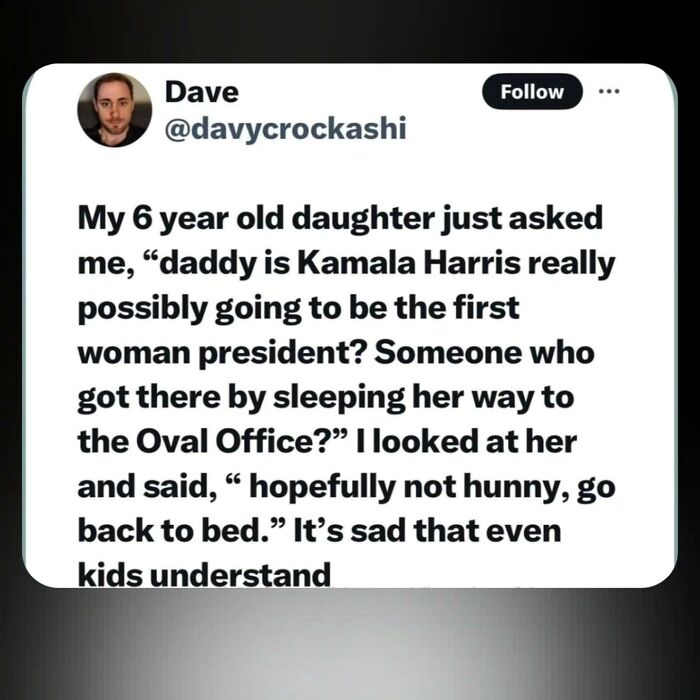
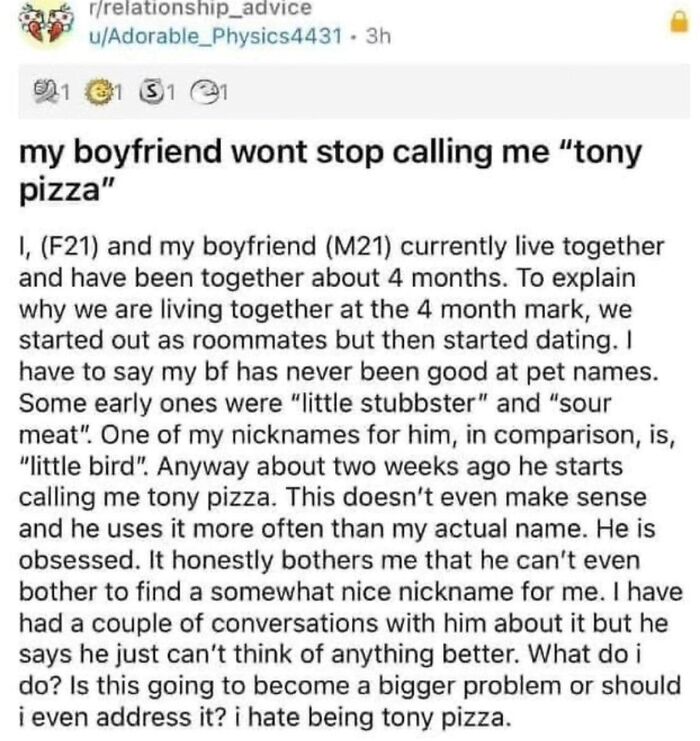
These far-fetched tales are often spotted online and have found a special home on @yeahthatdefinitelyhappened.
We might never know if all of them are fake, but these storytellers truly deserve an award for taking massive creative liberties.
This post may include affiliate links.
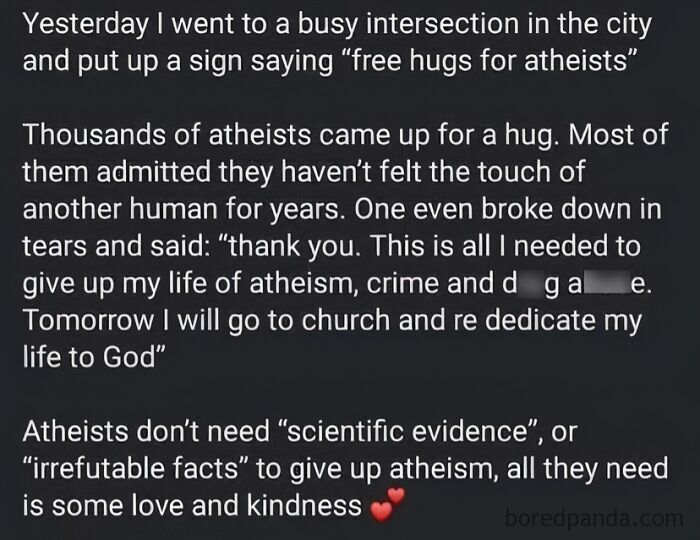
I've talked to, and debated, literally thousands of believers, from Kent Hovind to Ray Comfort. They share one thing in common: they'd rather pray with you than listen to any argument about why their beliefs and claims seem irrational. This obvious lie above comes from the irrational belief that we're atheists because of our feelings, which is projection and nothing more.
Sometimes, when telling a story, we might feel the urge to embellish it a little. This could be because we want to make our story more colorful and interesting, or we want to appear better.
But there are much deeper reasons as well.
A study published in the Journal of Social and Personal Relationships found that people frequently exaggerate routine experiences out of a strong desire for social connection and validation.

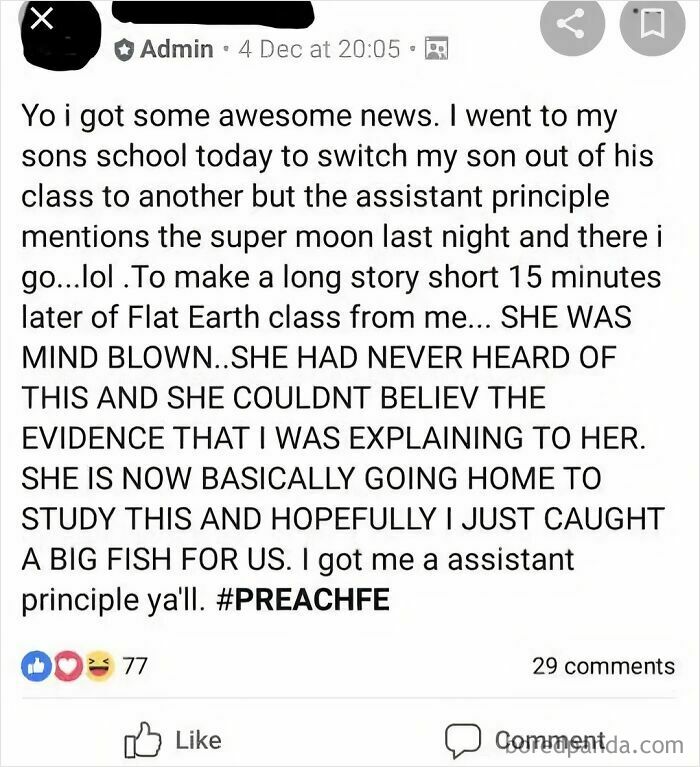
You wish. Flat earth has been disproven over and over and over and over again. Some people just don’t get it
Unless you’re a literal saint, you’ve definitely lied before — even if it was just texting “on my way” while still sitting on the couch in your sweatpants.
Research shows the average person tells one or two small lies every single day. But what happens when that everyday habit collides with smartphones and social media?
Dr. Jeff Hancock, founder of the Stanford Social Media Lab, points out that lying online comes down to personal goals.
“When you consider a person’s goals — the technology, much like deception itself, simply becomes a tool for accomplishing those goals,” he says.

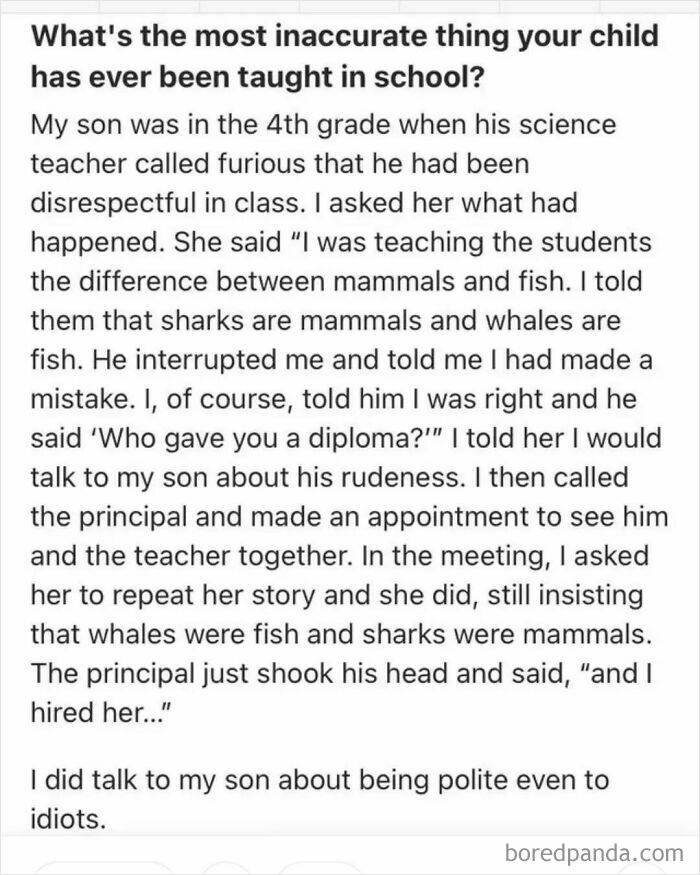
This is back to front. Whales are mammals because they breathe air using lungs. Sharks are fish because they get oxygen from the water by filtering it through their gills

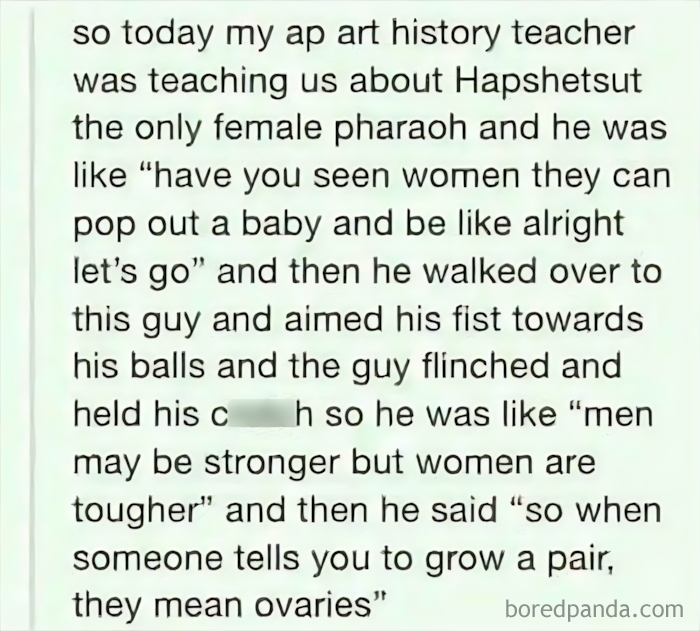
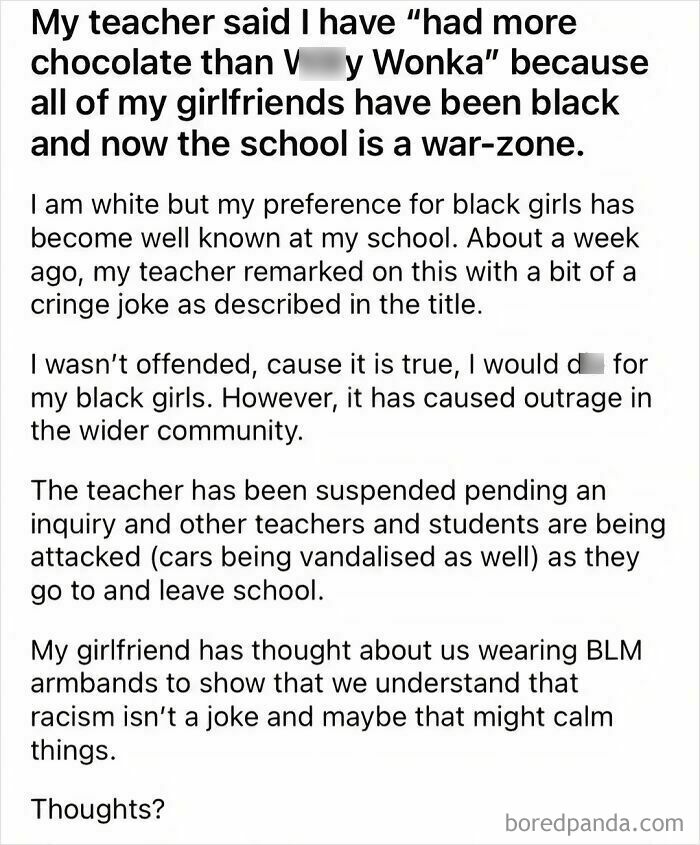
Hatshepsut wasn't the only "female pharaoh". She wasn't even the first female pharaoh XD And I'm not sure what planet the teacher is on that he thinks a woman can "pop out a baby and be like alright let's go".
Research by Dr. Michelle Wright and colleagues revealed that people fabricate or stretch stories on social media mainly to boost their perceived popularity and win approval from others.
It is also a classic attention-seeking behavior, often driven by an unmet emotional need for recognition and status.
“The most common way that people transform boring stories into interesting stories is by exaggerating. Most people consider exaggerations to be lies because they intentionally mislead others to believe events occurred in a way they did not,” says Holly Cole, an assistant professor at Wesleyan College in Macon, Georgia.

wasn't this post on another bp article but about karma?

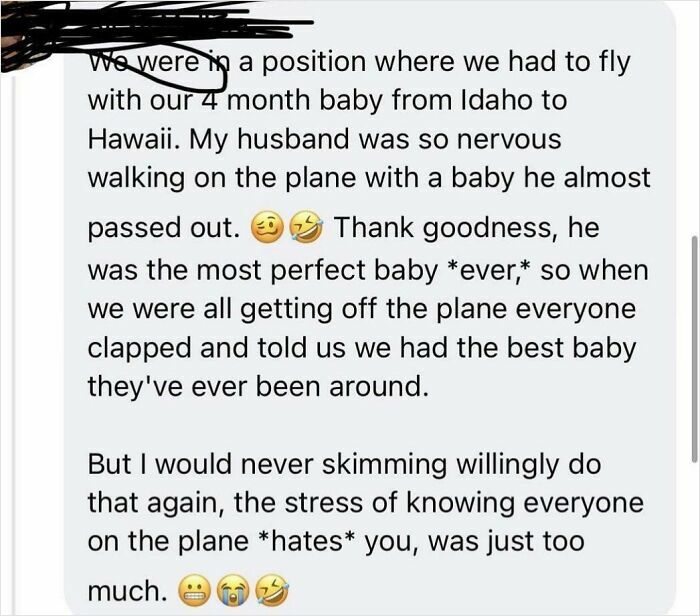
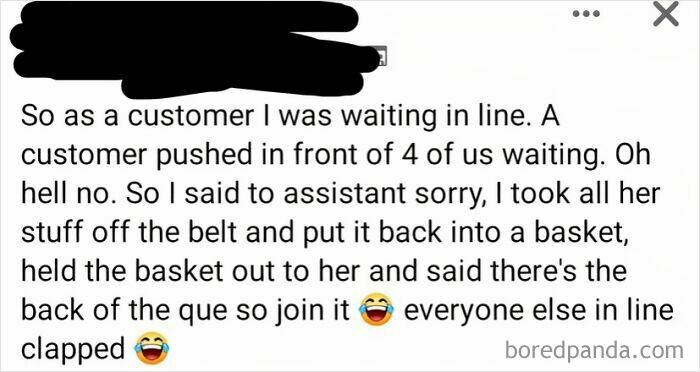
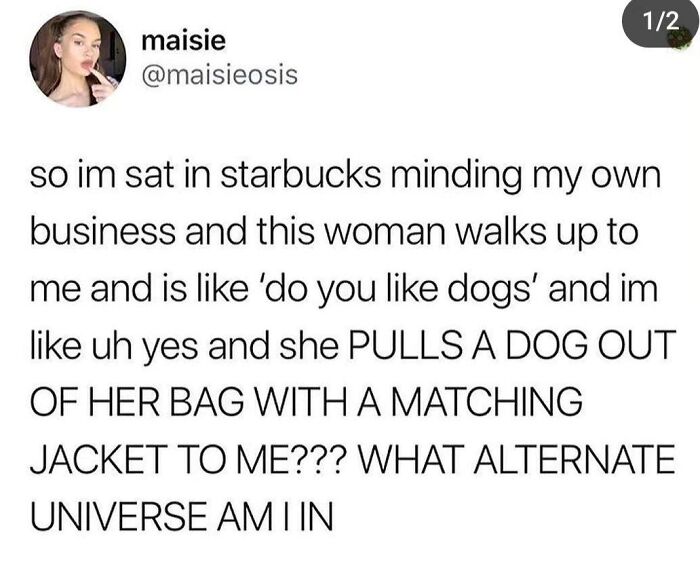
I had the same experience when I took my dog on a flight, only he barked all the time and nobody clapped and it never happened.
It is no secret that the online world thrives on sensationalism, and drama attracts attention. And this endless drive to stand out in this overcrowded space makes it so very tempting to transform an ordinary story into a cinematic masterpiece. However, in addition to the algorithms, the digital medium allows us to twist facts and lie in ways we can never afford in reality.
For one thing, social media networks are engineered to promote exaggeration and distortion. Likes, shares, and reposts provide immediate and tangible feedback.
Then there is the shield of anonymity. When people post under screen names or in public forums, there are virtually no reputation costs if the story turns out to be fake.
Lying is also easier behind a screen than it is in real life.
In a face-to-face conversation, you have to improvise on the spot. Your body language, eye contact, and tone of voice are all on display, and any hesitation can give you away.
Online, communication is asynchronous. You get all the time in the world to draft, edit, and polish a tall tale before posting it. You can carefully construct the perfect retort and sculpt the narrative in your favor.
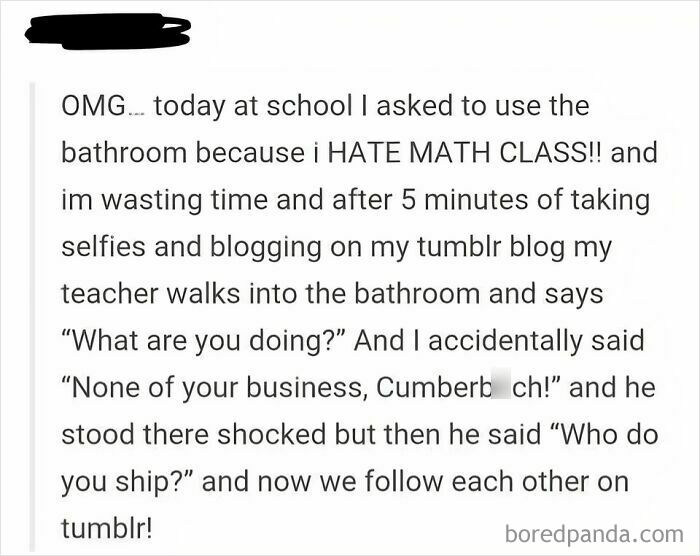
Or story B you got detention and cried like a Cumberbitch.
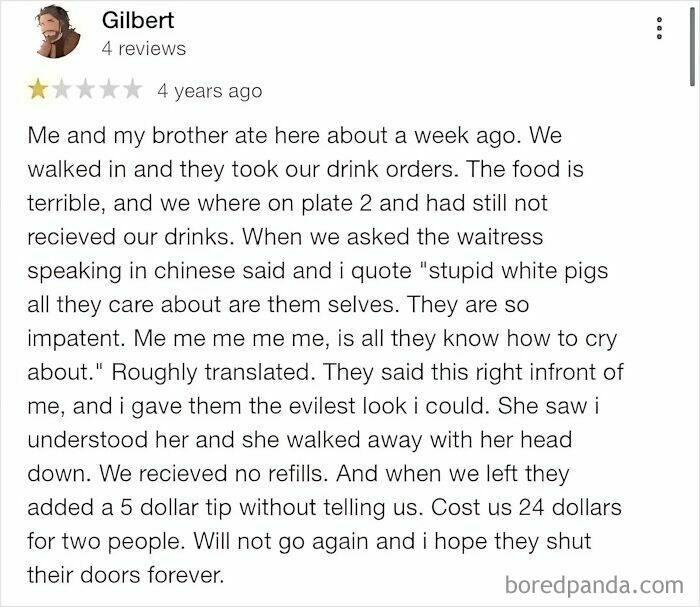
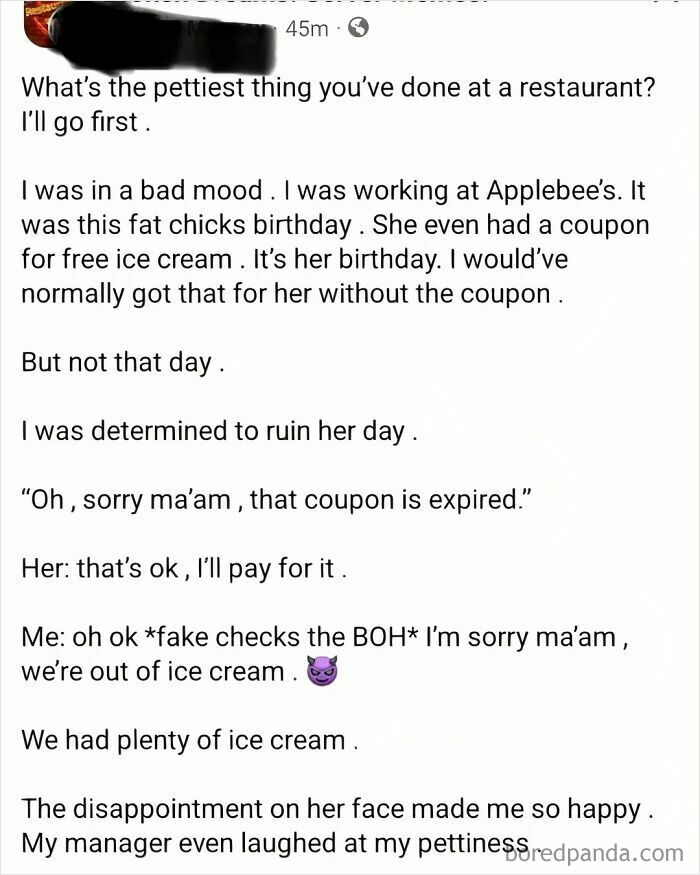
This is one of those posts that I hope continues with the restaurant telling what actually happened
A little embellishment can definitely make a story fun, but outrageous lies usually backfire. For example, if a friend catches you in a huge lie, they’ll stop trusting what you say altogether.
Research by Professor Cole found that storytellers have to hit a “Goldilocks zone.” A slight exaggeration can boost your social status and make people like you more. But if you cross into obvious, full-blown fake stories, you’ll instantly damage your relationships.
“Our research suggests that the value of a story may not lie in the specific details it provides but rather in the quality of the story being told. Telling a boring story reaps little social benefits, but good stories create a connection between the storyteller and the listener,” Cole said.
I believe this one. Years ago I was on the Classmates website from my highschool and someone posted "Remember that time the Spanish teacher threw that Freshman's books out the window?". That Freshman was me! 😂 He caught me doing my math homework in his class and threw it out the 2nd floor window. He was kind of crazy. The year was 1989 - good to know I'm part of school history! 😁
Lying online can backfire on the person who tells the lie, even if no one ever catches them.
A study published in Nature Communications revealed that people who lie tend to assume everyone else is lying to them too. It’s a psychological phenomenon called deceiver’s distrust.
For example, research shows that teenagers who cheated and peeked at a test were quick to assume their classmates would have done the same thing.
This mindset makes it much harder to build real trust and genuine relationships.
The worst part about all these wild internet tall tales? They ruin it for the stories that actually happened.
When your feed is flooded with obvious lies, your brain turns cynical. Suddenly, even genuine moments feel suspicious.
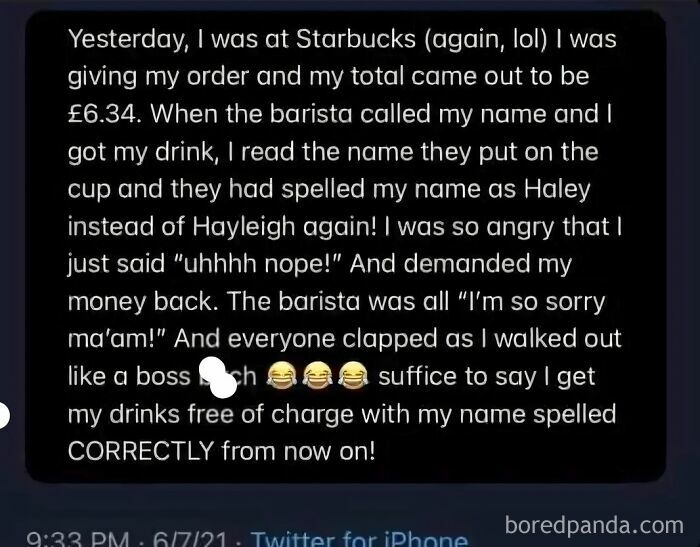
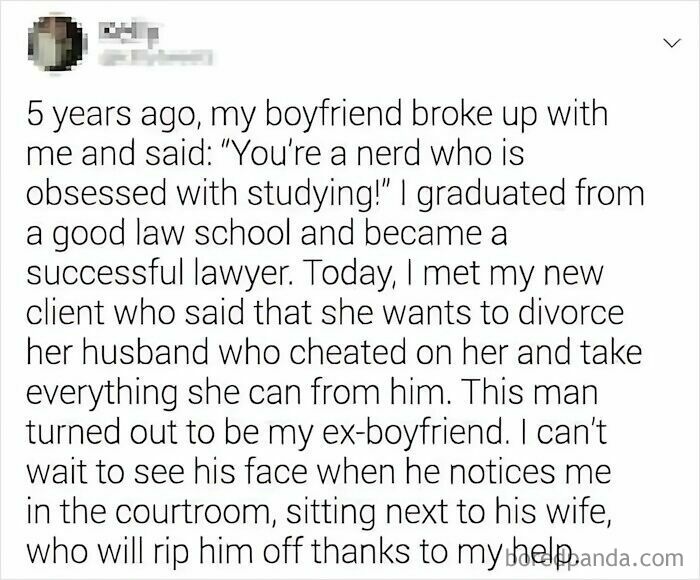
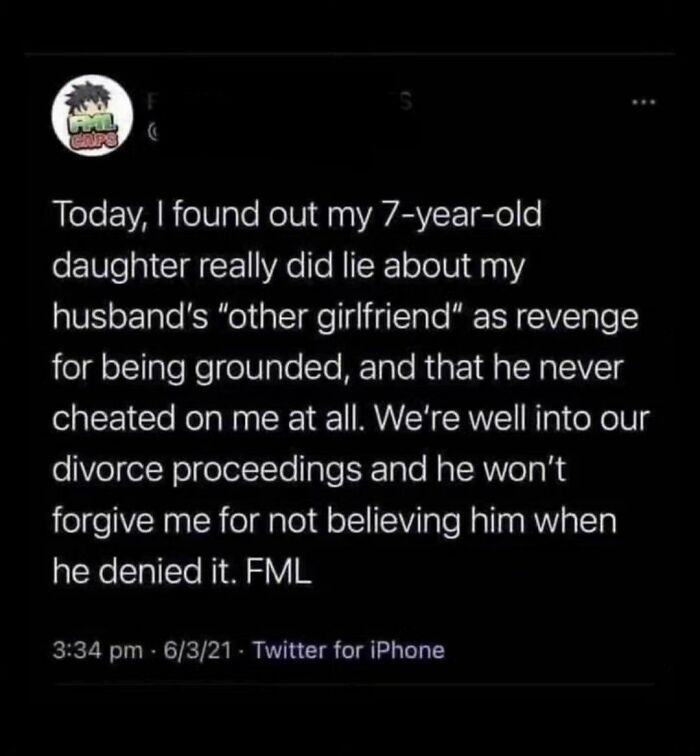
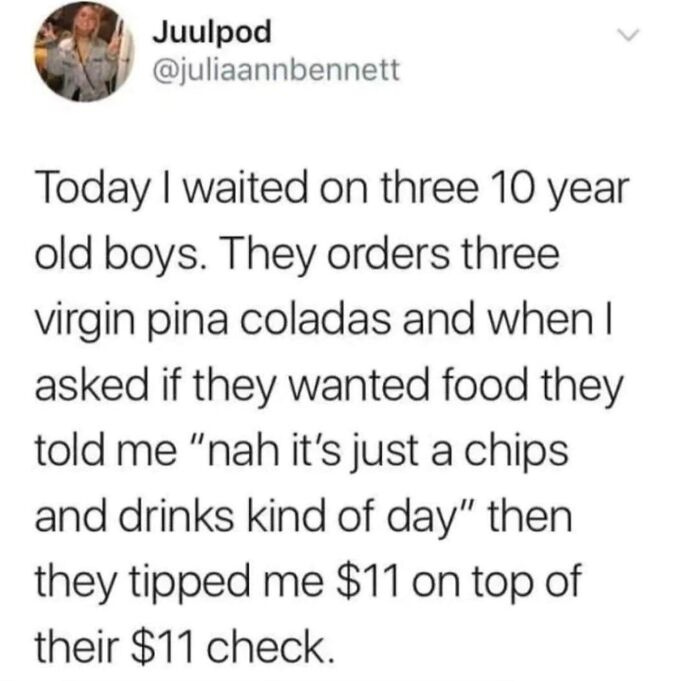
We’ll probably never know if a barista really gave someone a free drink over a misspelled name, or if a guy actually pulled off the ultimate revenge on a cheating ex.
Once the line between reality and fiction gets this blurry, even the true stories start sounding like fairy tales.

That sounds consistent with the way the US Government sees their military personnel: As property first, maybe human beings after that. Isn't that right, Pete?

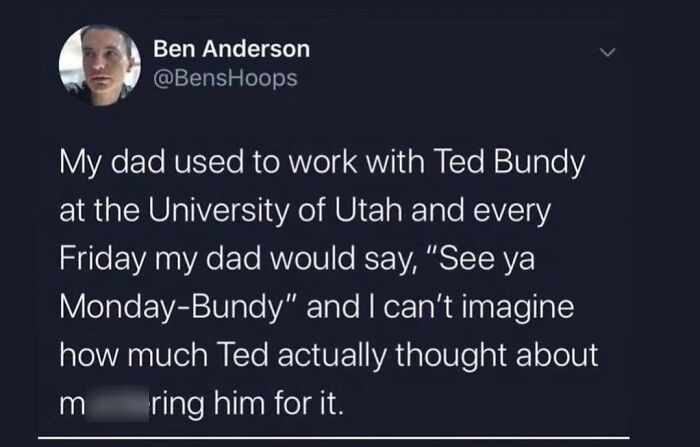
Ted Bundy? The serial murderer who was a law student at the University fo Utah and who never actually worked there? That fellow?

Unbelievable? An old man got himself elected president by essentially doing the same thing.
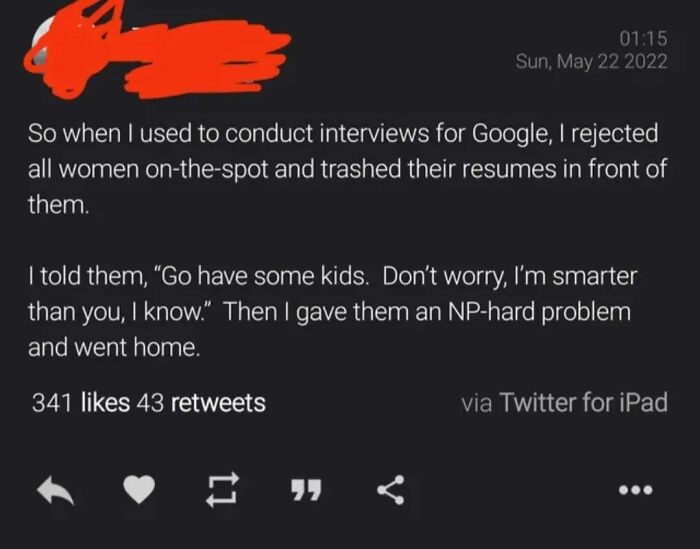
I bet he's omitting the part after the interviews and before he went home. It included a little detour to HR and legal where he was told to get one of those brown boxes to put his personal stuff in and hand in his ID to security.
I enjoy a good Dean Winchester reference. But this is definitely NOT a good one. 😂

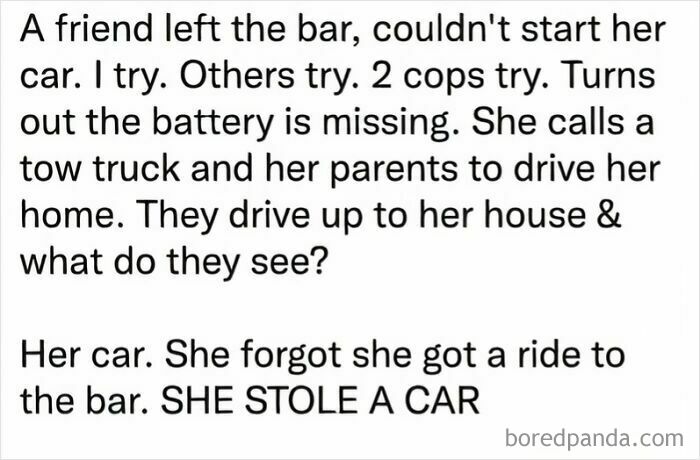
And she summoned the correct key to "try to start" a whole different car? Wow. Thats something.
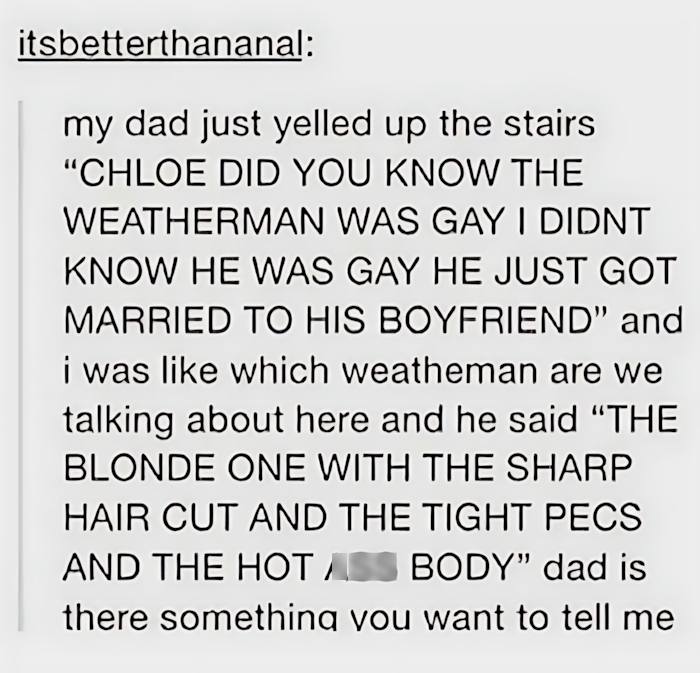
I like to think he's talking about the wonderful Owain Wyn Evans. Who is as camp as Christmas.

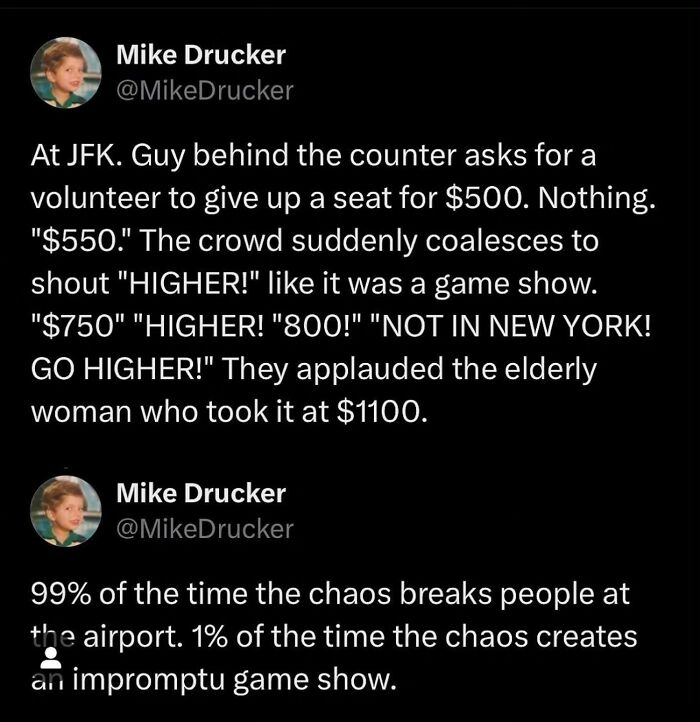
I always wondered why people don't jump at the offer, but the only time it happened at my airline I was on a one day trip, and there was no way I could take the next plane 8 hours later, in the middle of my sister's wedding photo shoot, and pretend I was there the whole time. Even using the money for a gift for her wouldn't have replaced me being there to see her.
I've seen this one SO many times now - with different movies each time.

It’s always so difficult for me to believe an author is a woman when they call themselves female

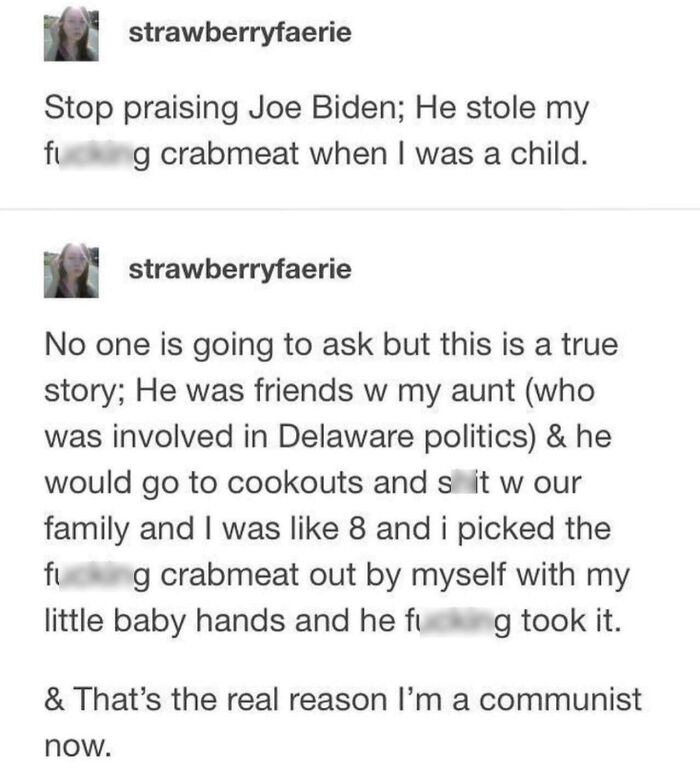
"...he would go to cookouts and sh'it w our family..." - this is why punctuation matters. 💩

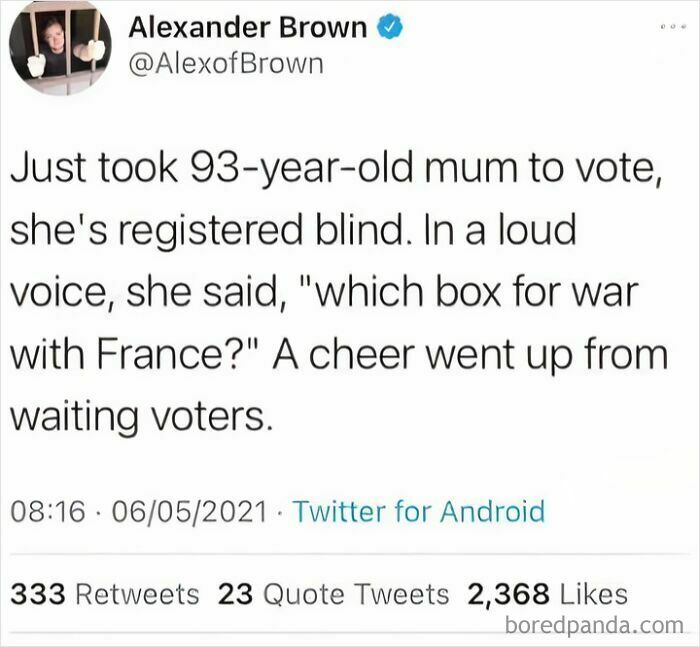
This one might be true. People lose their filters the older they get

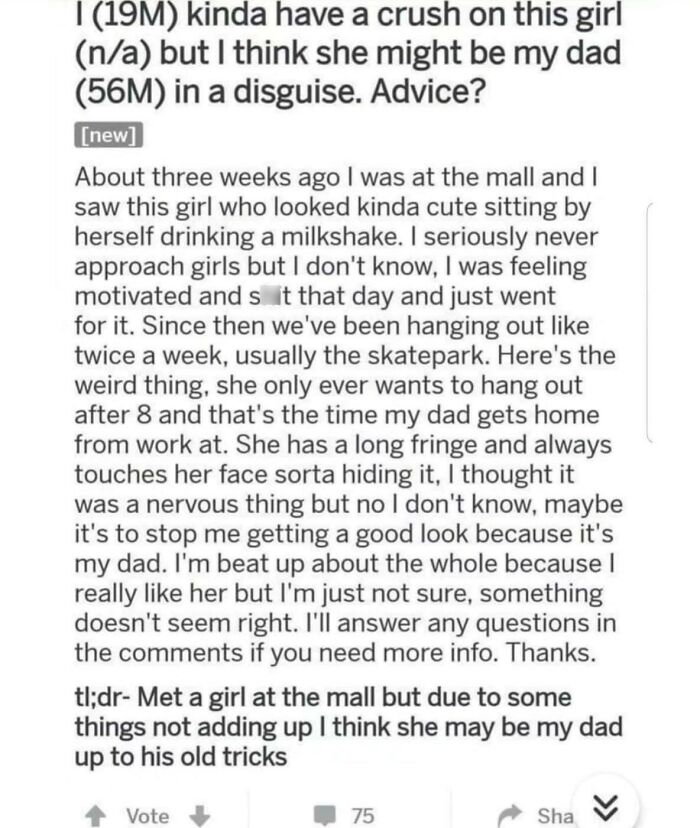
What on Earth were dad's "old tricks"? At least one of the two guys in this story needs a psych evaluation, pronto. Quite possibly both.
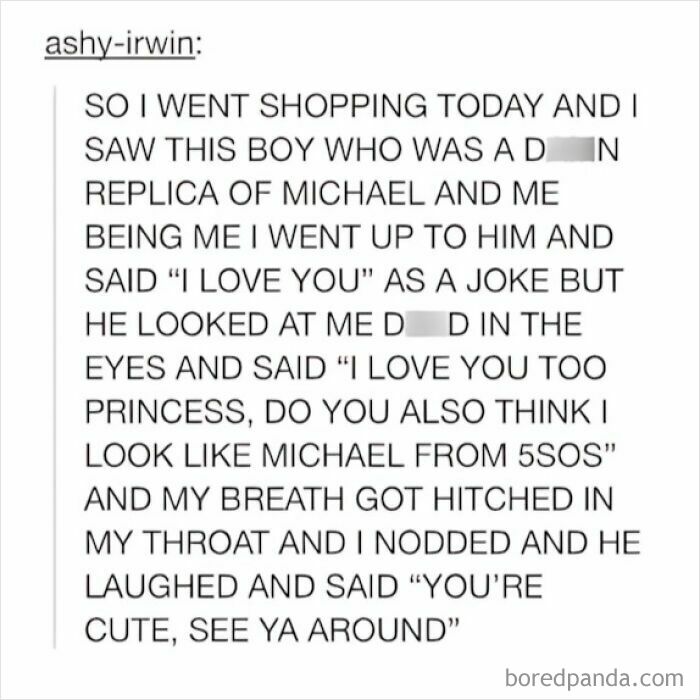
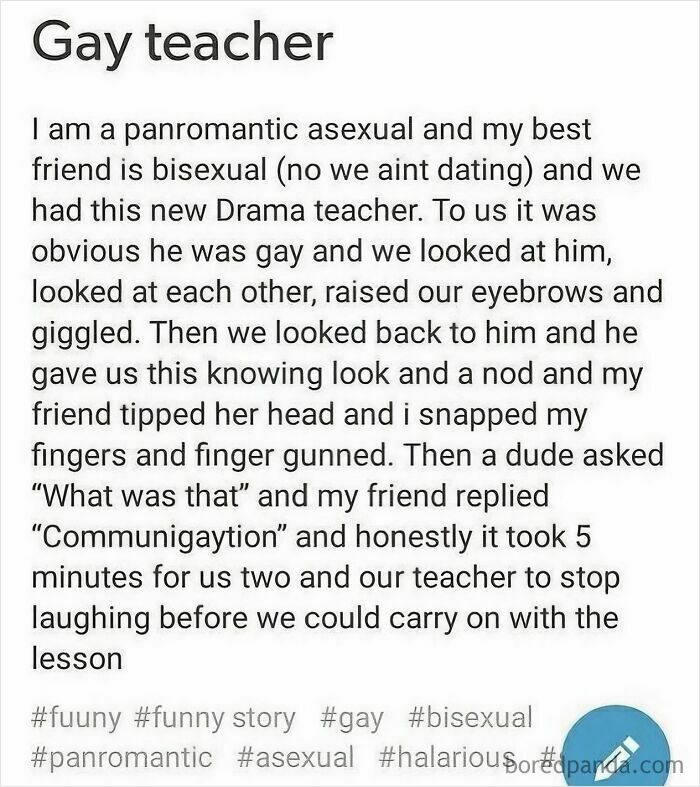
Tbh I could see myself and a queer freind doing this as cringe highschoolers
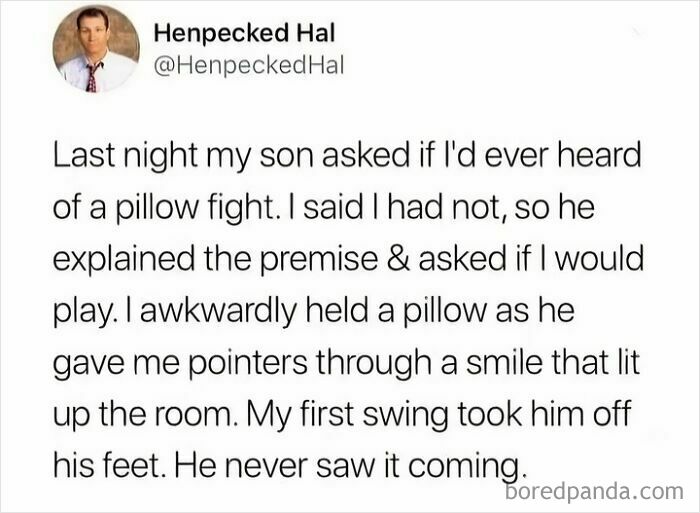
This doesn't count. This is Henpecked Hal who does satire and jokes.
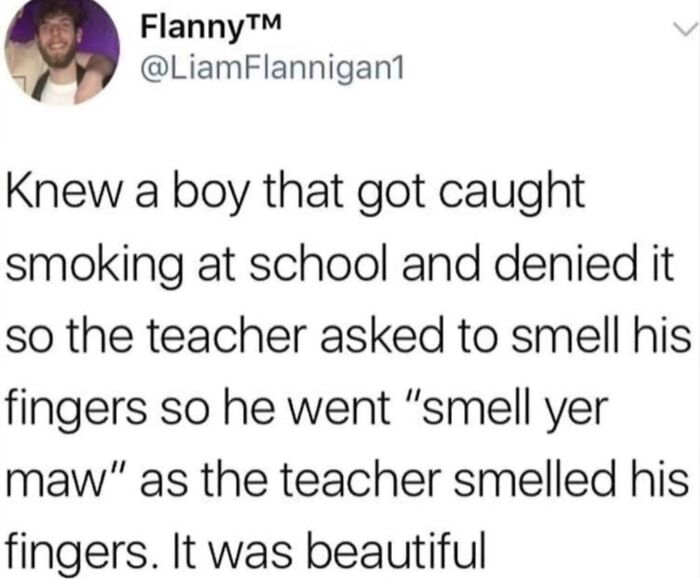
"Smell yer maw" makes me think this was in Scotland. I can believe a Scottish kid said this.

Yeah.... I got 6 in an couldn't take the bull pucky any longer. And then everyone clapped.....

I can't believe how many actually used "then everybody clapped". Well, at least one or two were amusing in how blatant they were but most of them were just plain cringe.
Holy shít, I just realized I have an opposite from "and then everybody clapped" story. So, couple of weeks ago, I went with my family to a musical. It happens to be one of the few musicals I still like, so during the musical numbers I was quietly patting my hands together and sort of wiggle-dancing while sitting down in my seat, and silently mouthing along to the lyrics. (I know the entire musical by heart. Don't judge!) At intermission, a lady came over to me from the other side of the theater and said "Hi sweetie, I'm glad you're having fun, but I can see you clapping out of the corner of my eye and it's really distracting. Can you stop?" I was a bit flabbergasted so I just said "uh, okay" and she walked away. I watched as she sat down... on the complete opposite end of the row. She would have had to turn her head to the side to even see me out of the corner of her eye XD It sort of ruined the second half of the musical. Took the joy right out of me. I guess no one clapped! XD

Bugger that! I'd have gone all-in for the second half. What did she think was going to happen at a musical?
Load More Replies... Yeah.... I got 6 in an couldn't take the bull pucky any longer. And then everyone clapped.....
I can't believe how many actually used "then everybody clapped". Well, at least one or two were amusing in how blatant they were but most of them were just plain cringe.
Holy shít, I just realized I have an opposite from "and then everybody clapped" story. So, couple of weeks ago, I went with my family to a musical. It happens to be one of the few musicals I still like, so during the musical numbers I was quietly patting my hands together and sort of wiggle-dancing while sitting down in my seat, and silently mouthing along to the lyrics. (I know the entire musical by heart. Don't judge!) At intermission, a lady came over to me from the other side of the theater and said "Hi sweetie, I'm glad you're having fun, but I can see you clapping out of the corner of my eye and it's really distracting. Can you stop?" I was a bit flabbergasted so I just said "uh, okay" and she walked away. I watched as she sat down... on the complete opposite end of the row. She would have had to turn her head to the side to even see me out of the corner of her eye XD It sort of ruined the second half of the musical. Took the joy right out of me. I guess no one clapped! XD
Bugger that! I'd have gone all-in for the second half. What did she think was going to happen at a musical?
Load More Replies...










 No fees, cancel anytime