Get Premium
Dark mode theme is available exclusively for premium users. Learn more about the benefits of subscribing.
No fees, cancel anytime.

 Dark Mode Ad-Free Browsing Unlimited Content
 Ad-Free Browsing Unlimited Content Dark Mode
Join 1.2 million Panda readers who get the best art, memes, and fun stories every week!
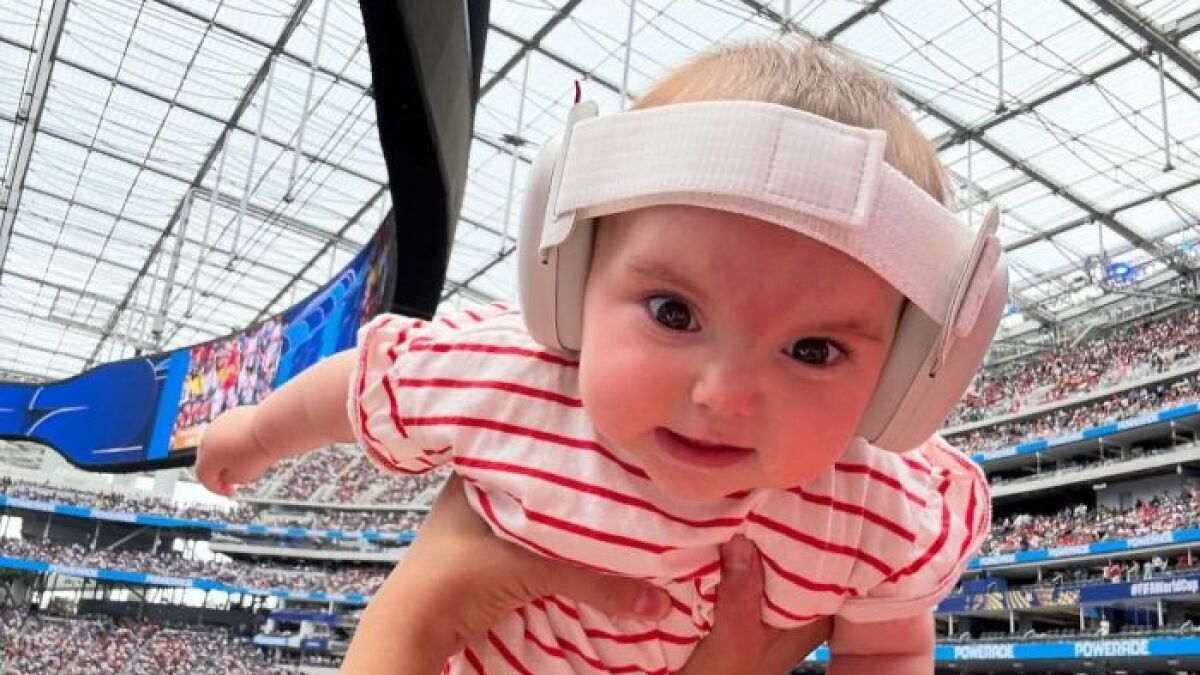
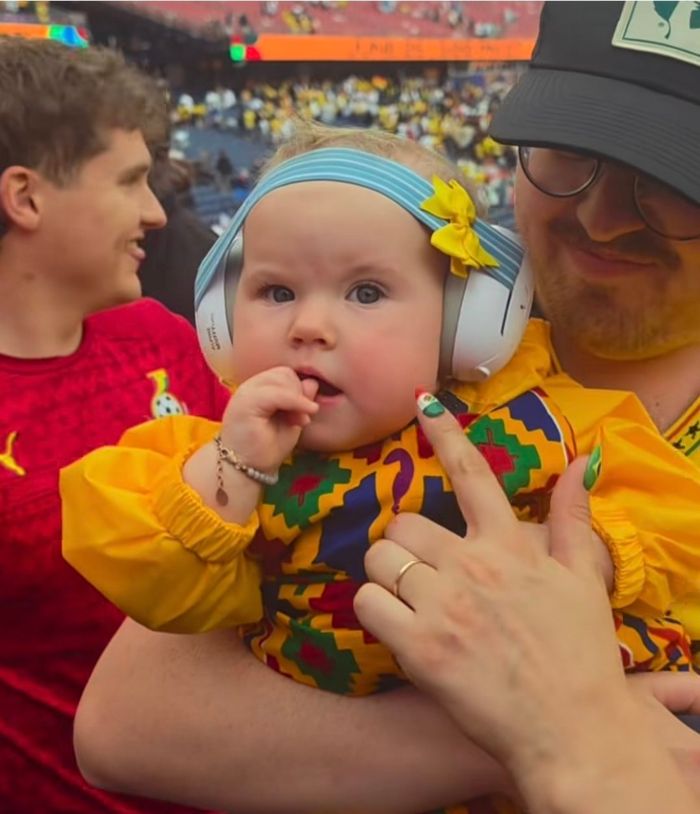
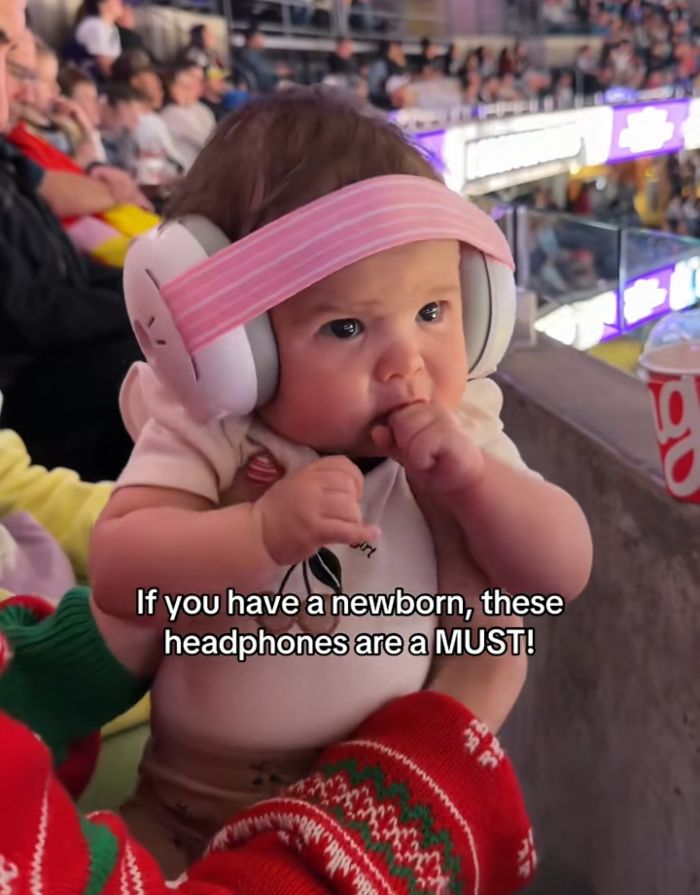
If you’ve been scrolling through social media in the past few days, chances are you’ve come across adorable pictures of babies at the World Cup wearing earmuffs.
Many parents travel specifically for the football tournament and don’t have anyone to leave their young children with, so they decide to bring them to the stadium, exposing them to deafening noise from speakers and fellow fans.
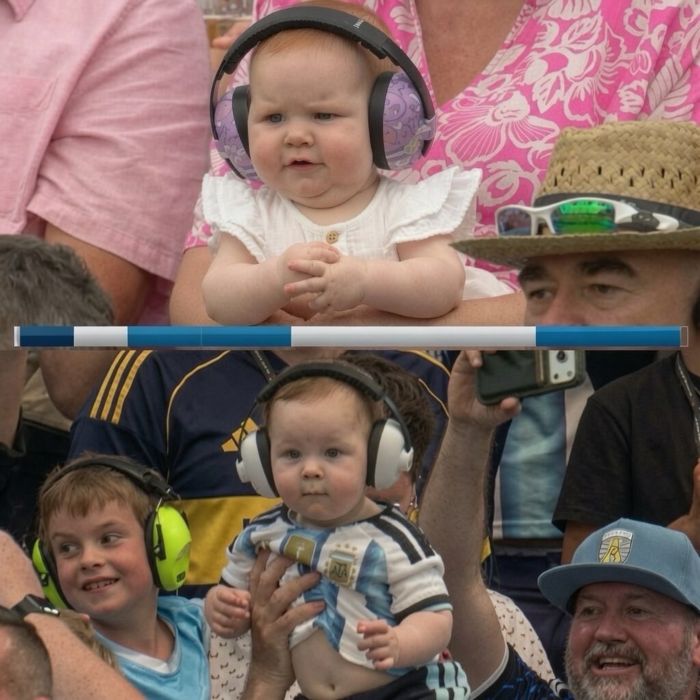
Image credits: 4Vvyas
This has raised safety concerns for the babies and prompted questions about whether parents should bring children, some as young as four months old, into such loud environments.
The concerns echo the comments made when parents take their babies to other loud events, such as concerts, firework displays, and parties.
Bored Panda consulted two experts about the risks loud environments pose to babies’ hearing, whether earmuffs are an effective way to protect them, and whether young children should be brought to sporting events in the first place.
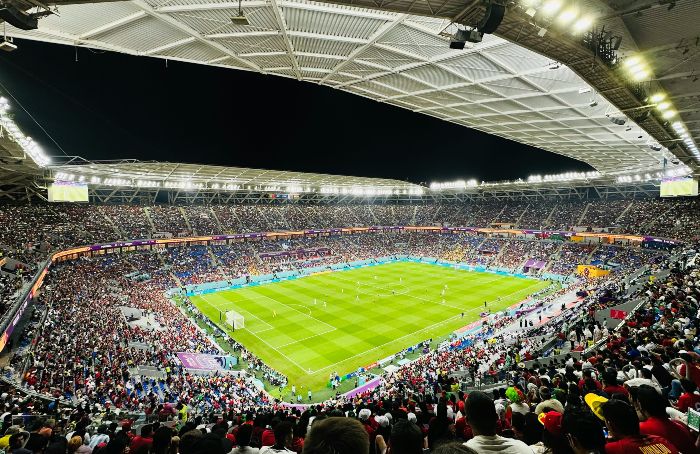
Image credits: Vishal Butolia/Unsplash (not the actual photo)
“Hearing is a precious sense that gives us connection to others around us, facilitates interpersonal relationships, and promotes language development,” said pediatric audiologist Dr. Brian Fligor.
“It gives us connection to important sounds around us—for safety and enjoyment.
“Ears can be damaged by high level sound that lasts for too long. Hearing is damaged not just by the loudness, but by how loud for how long.”
Image credits: Jarmoluk/Pixabay (not the actual photo)
A key way to protect babies’ hearing in loud environments like football stadiums is by having them wear earmuffs.
Dr. Elizabeth Walker, an expert in hearing loss in young children, explained that this age group is more at risk from exposure to loud sounds than adults.
This is because babies have smaller ear canals than adults, meaning the sound pressure is greater at the ear drum.
“In other words, sounds are actually louder in a child’s ear than an adult’s ear, which increases the likelihood of harmful levels of noise exposure,” Dr. Walker said.
Image credits: IsdoreTech
The expert recommends putting hearing protection on children any time noise levels exceed 75-85 dB SPL, roughly equivalent to the sound of a vacuum cleaner or a lawn mower.
“The louder the sound, the more we want to reduce their exposure,” she noted.
Dr. Fligor added, “If the sound is loud enough that you need to shout to be understood by someone next to you, everyone (including infants) need hearing protection.”
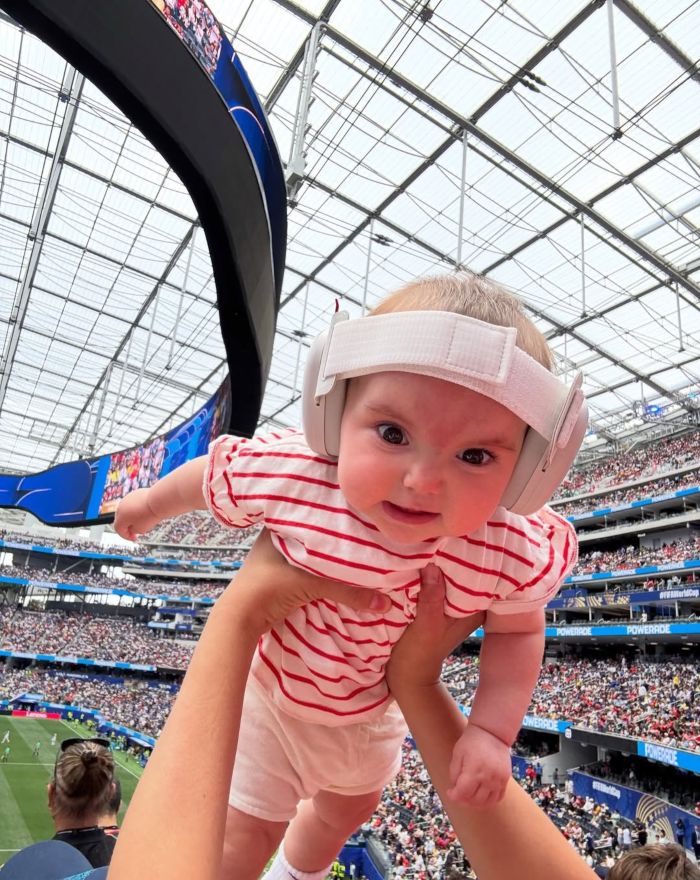
Image credits: IsdoreTech
Even if the effects of exposing babies and young children to loud sounds may not be apparent during infancy, noise-induced hearing loss is cumulative throughout one’s lifetime, the doctor warned.
“Noise exposure before age 5 almost certainly cannot be measured on hearing tests, but by the time the child is 10 or 15 years old, they could have the hearing of a 30- or 35-year old (that is, premature aging of the ear, like a 20-year acceleration),” Dr. Fligor said.
“So, the damage is small to start, but grows.”
Image credits: Inourcart3
Exposure to loud noise can also cause tinnitus (a chronic ringing, buzzing, or hissing noise in the ear or head), which can affect a child of any age.
Severe cases of tinnitus make it difficult to sleep, relax, or focus.
While tinnitus itself is not a disease, it is often a symptom of an underlying hearing loss, according to the Cleveland Clinic. About 8 people out of 10 with long-term tinnitus have an underlying hearing loss.
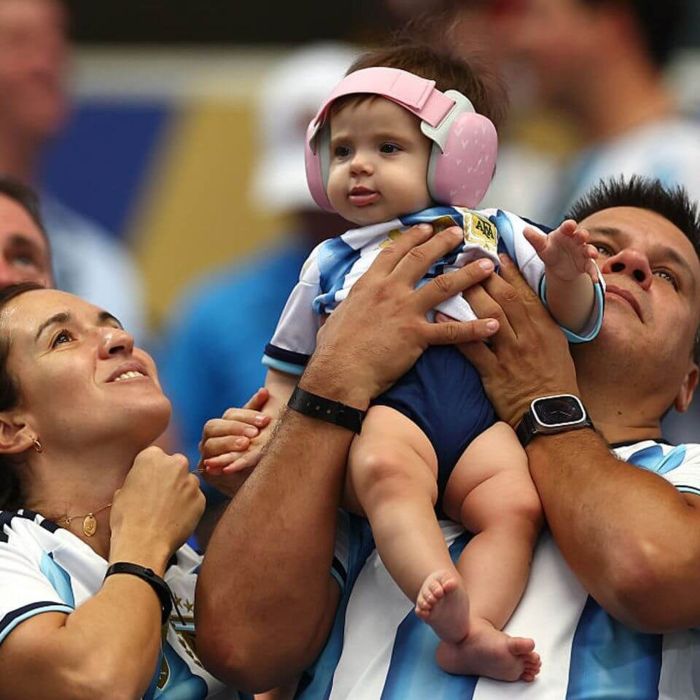
Image credits: IsdoreTech
“The greatest risk is that they could experience permanent hearing loss if they are around loud sounds for an extended period of time,” Dr. Walker said about taking infants to sporting events.
“Once significant damage to the inner ear and hair cells occurs, it’s difficult to repair that damage, and infants’ auditory systems are sensitive to such damage.
“That’s why it’s so important to have hearing protection like ear muffs at sporting events – using healthy hearing habits can and should start in infancy.”
Cutest Brazil Fan In Miami Tonight 💛😘 pic.twitter.com/EzT2b1Mx1Q
— Dr Khushboo (@khushbookadri) June 24, 2026
The expert said the best way to avoid these issues is not to bring children into loud environments.
If that is not possible, earmuffs are a better option than earplugs for children under six years old, as ear plugs do not stay in their small ears as well.
Hearing protection is also a way for parents to teach children the importance of taking care of one of their most valuable senses, Dr. Fligor said.
Lo más hermoso del partido de Bosnia 😭💙 pic.twitter.com/yoJ045nWTd
— T (@tluior) June 24, 2026
“Hearing can be tested at any age, and hearing can be protected at any age. Teach children to cherish their hearing as a gift, and do so by modeling the fact that hearing is a gift (use hearing protection, use headphones at modest volume),” the pediatric audiologist advised.
“If you teach them early, they will listen.”

By entering your email and clicking Subscribe, you're agreeing to let us send you customized marketing messages about us and our advertising partners. You are also agreeing to our Privacy Policy.
Thank you! You've successfully subscribed to newsletters!


They care more about themselves than the safety or care of their kids

An 18-month old child isn’t developing a love for the game or an appreciation of live music by going to a football match or concert. It’s not an early childhood “experience” that will create memories for life. It’s 100% about the selfish desire of the parent/guardian. Attending loud events almost always are never a “need” in which the adult must participate. It’s trading the health & safety of a very small person & it’s downright shítty. Possibly neglectful & abüsive.
Load More Replies...
Besides the noise problem, isn't bad for a four month old to be in contact with that large a crowd? They don't have full immune systems yet!
I would not do this myself, but i dont really see the harm? Two parents enjoying a match, while the babies seem fine and protected. I reckon that the parents dont take babies to world cup events daily. Edit: note that this comes from somewhere where we put babies en kids on bikes without helmets 😅

Why even expose a baby/infant to all the other dangers of being in an incredibly crowded stadium with tens of thousands of other people?
Load More Replies... They care more about themselves than the safety or care of their kids
An 18-month old child isn’t developing a love for the game or an appreciation of live music by going to a football match or concert. It’s not an early childhood “experience” that will create memories for life. It’s 100% about the selfish desire of the parent/guardian. Attending loud events almost always are never a “need” in which the adult must participate. It’s trading the health & safety of a very small person & it’s downright shítty. Possibly neglectful & abüsive.
Load More Replies... Besides the noise problem, isn't bad for a four month old to be in contact with that large a crowd? They don't have full immune systems yet!
I would not do this myself, but i dont really see the harm? Two parents enjoying a match, while the babies seem fine and protected. I reckon that the parents dont take babies to world cup events daily. Edit: note that this comes from somewhere where we put babies en kids on bikes without helmets 😅
Why even expose a baby/infant to all the other dangers of being in an incredibly crowded stadium with tens of thousands of other people?
Load More Replies...





 No fees, cancel anytime






26
14