Get Premium
Dark mode theme is available exclusively for premium users. Learn more about the benefits of subscribing.
No fees, cancel anytime.

 Dark Mode Ad-Free Browsing Unlimited Content
 Ad-Free Browsing Unlimited Content Dark Mode
Join 1.2 million Panda readers who get the best art, memes, and fun stories every week!

In many workplaces, recognition isn’t just a nice-to-have, it’s essential for engagement, motivation, and trust. Yet, all too often, employees see their ideas overlooked or claimed by others, leaving them frustrated and undervalued. This situation can quietly erode confidence and team cohesion, even for the most dedicated workers.
For today’s Original Poster (OP), the issue went beyond quiet frustration. After months of seeing their contributions repeatedly presented by their manager as original ideas, they reached a breaking point during a company-wide meeting, choosing to publicly reclaim credit for work they had developed over weeks.
More info: Reddit
Image credits: freepik / Freepik (not the actual photo)

Image credits: The Yuri Arcurs Collection / Freepik (not the actual photo)
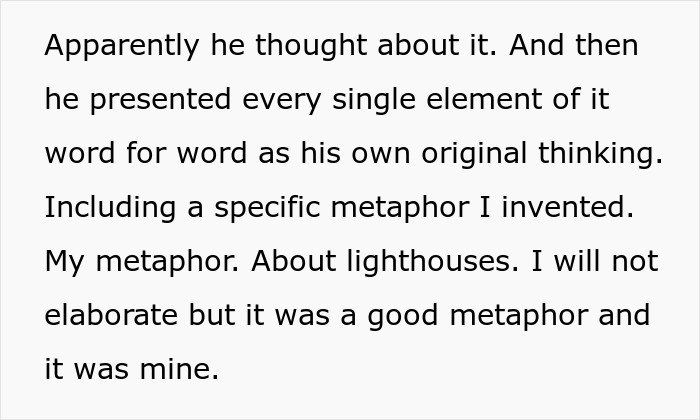

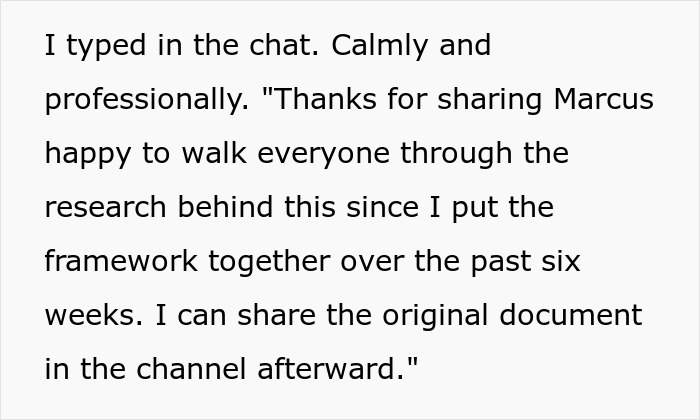
Image credits: The Yuri Arcurs Collection / Freepik (not the actual photo)
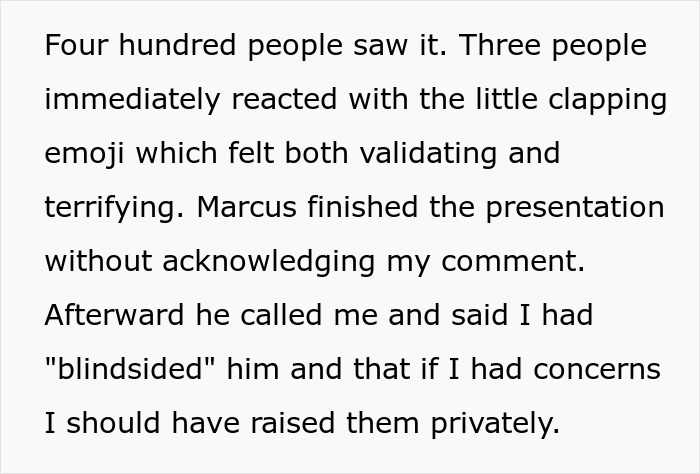
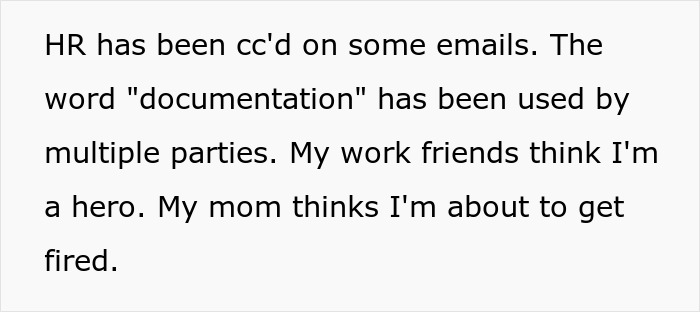
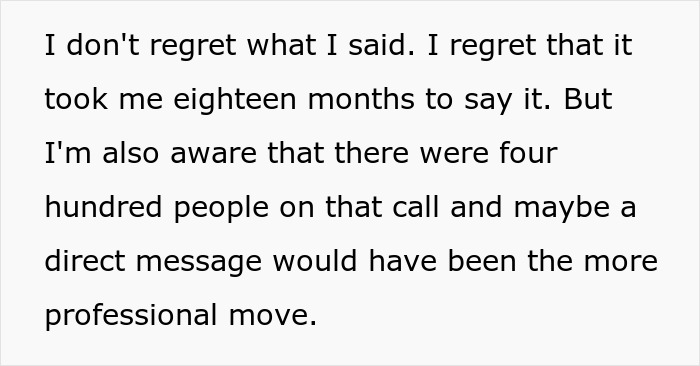
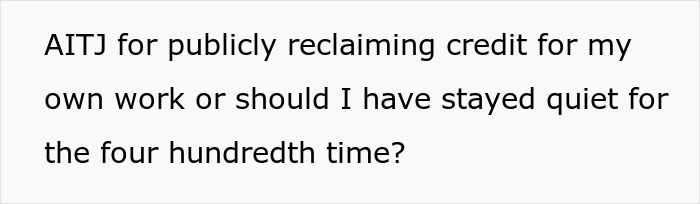
Image credits: Mysterious-Bird9007
The OP described their self as the opposite of confrontational, and the idea of challenging someone directly especially a boss is something they typically avoid at all costs. However, their patience had been tested repeatedly over time. For about 18 months, they noticed a frustrating pattern during meetings with their manager where the manager would present their ideas as his own.
For a long time, the OP chose to stay quiet, mostly because they valued job security and preferred avoiding conflict. Now, during a quarterly company all-hands meeting attended by around 400 employees, the manager started presenting a brand-new client retention strategy to leadership. However, the problem was that the entire strategy had been developed by the OP over six weeks.
The OP had written a detailed document outlining the plan, including the research behind it. Fed up with the manager always taking their credit, they typed a short message in the company chat visible to everyone on the call. They simply thanked the manager for sharing the strategy and offered to walk colleagues through the research since they had developed the framework over the past six weeks.
After the meeting, the manager contacted them privately, accusing them of “blindsiding” him. He argued that if there were concerns, they should have been raised privately rather than in front of hundreds of colleagues. Soon afterward, emails started circulating, and HR was copied in with words like “documentation” appearing. Still, the OP maintained that they don’t regret what they said.
Image credits: freepik / Freepik (not the actual photo)
The OP’s experience of having their ideas publicly presented by their boss without acknowledgment isn’t just a personal frustration, it reflects a well-documented workplace phenomenon. According to Forbes, when employees see their contributions overlooked or claimed by others, it can seriously damage engagement and loyalty.
This phenomenon, often called credit stealing, erodes trust, weakens motivation, and can lead to quiet disengagement from team efforts. Gallup also emphasizes that the context in which contributions are erased matters. Public settings, like meetings or company-wide calls, intensify feelings of injustice and may make one react even if they didn’t mean to.
The solution, according to Culture Amp, lies in transparency. Clearly communicating authorship and contributions reduces conflicts, builds accountability, and fosters trust. When organizations openly acknowledge who created which ideas, they not only minimize misunderstandings but also meet employees’ psychological need for fairness and equity.
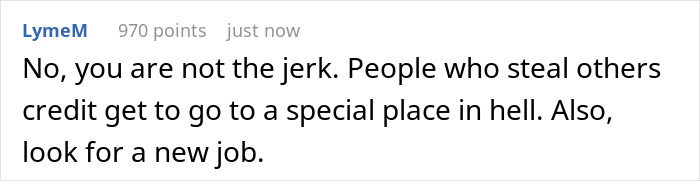
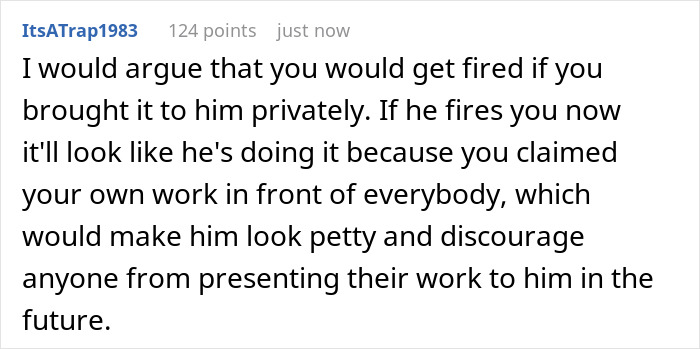
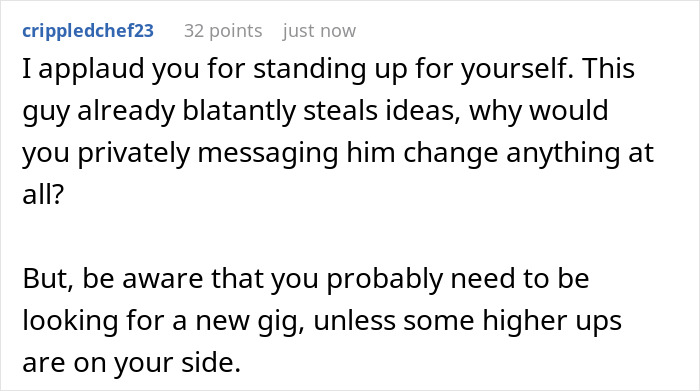
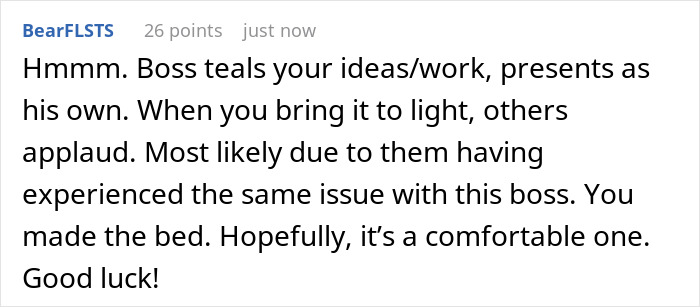
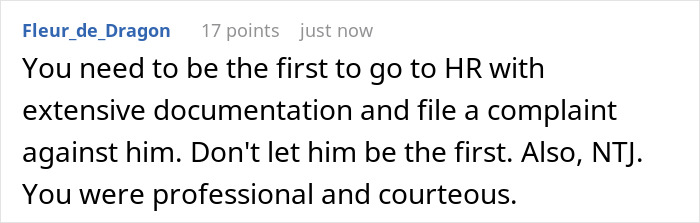
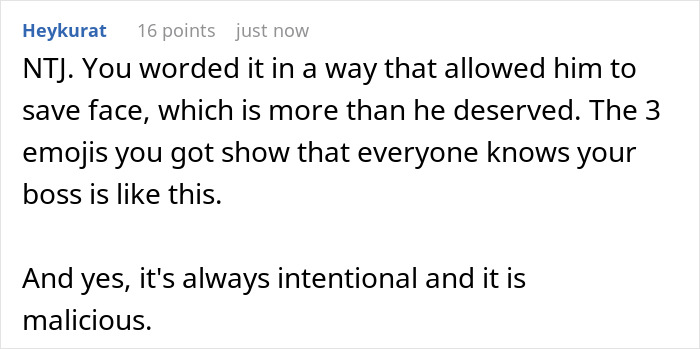
Netizens were overwhelmingly supportive of the OP, praising them for standing up for themselves and validating their frustration. They insisted that the boss’s actions were rather deliberate and unfair. What do you think about this situation? Do you think publicly reclaiming credit is ever the right move, or should it always be done privately? We would love to know your thoughts!




































 No fees, cancel anytime









22
1