Get Premium
Dark mode theme is available exclusively for premium users. Learn more about the benefits of subscribing.
No fees, cancel anytime.

 Dark Mode Ad-Free Browsing Unlimited Content
 Ad-Free Browsing Unlimited Content Dark Mode
Join 1.2 million Panda readers who get the best art, memes, and fun stories every week!

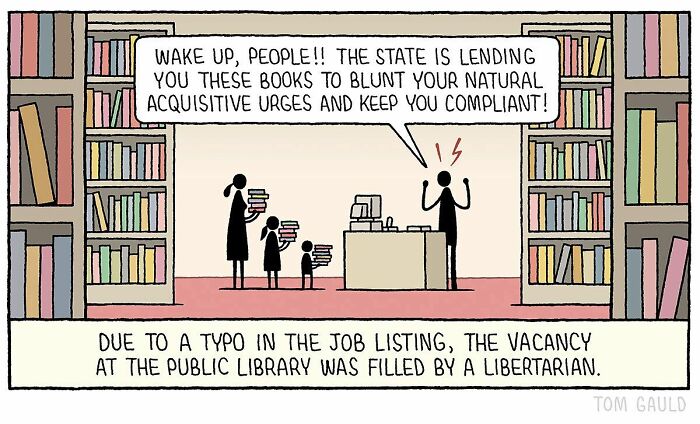
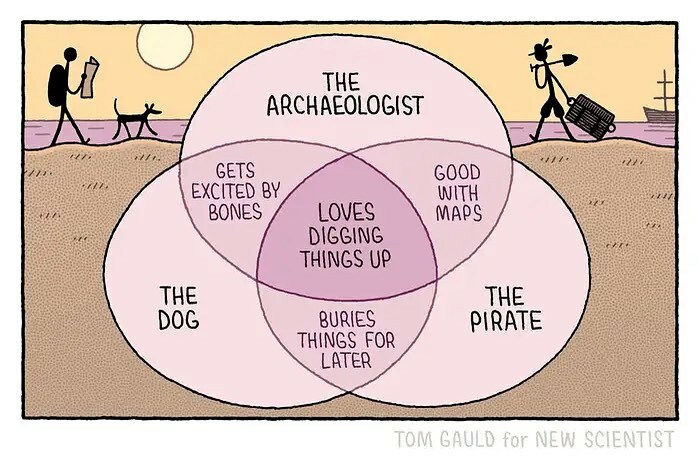
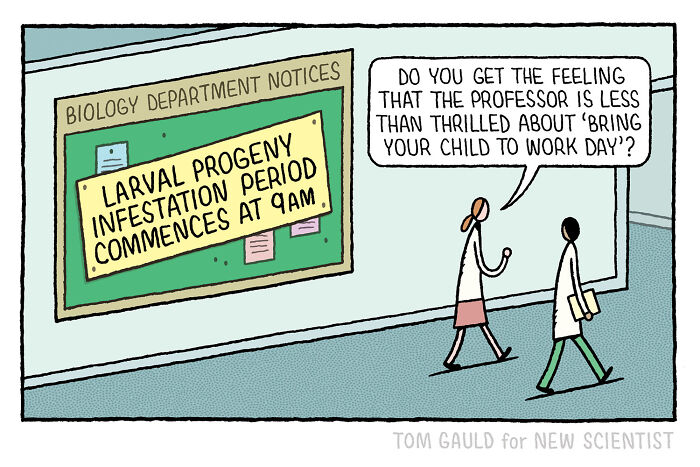
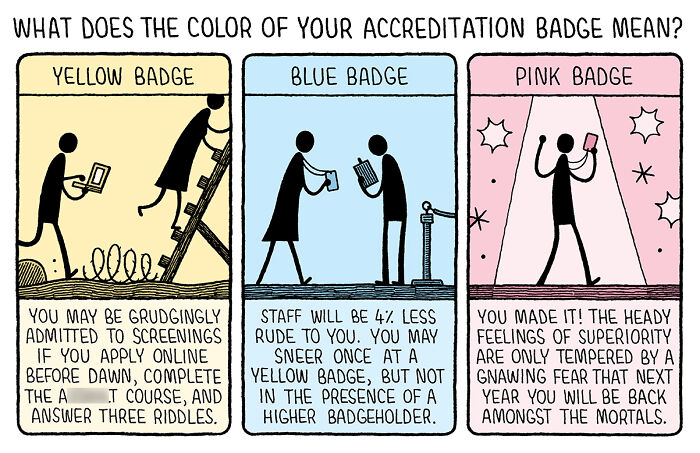
Tom Gauld is a cartoonist who has mastered the art of saying a lot with very little. His clean lines, quiet humor, and sharp observations have earned him a place in publications like The Guardian, The New Yorker, and New Scientist, where readers have come to look forward to his gentle yet pointed commentary on books, science, daily life, and the small absurdities that tie them all together.
Gauld’s work often takes familiar ideas and nudges them just enough to reveal the strange logic hiding underneath, reminding us that both creativity and comedy can thrive in the simplest shapes and the most precise words.
More info: Instagram | tomgauld.com | x.com | myjetpack.tumblr.com
This post may include affiliate links.

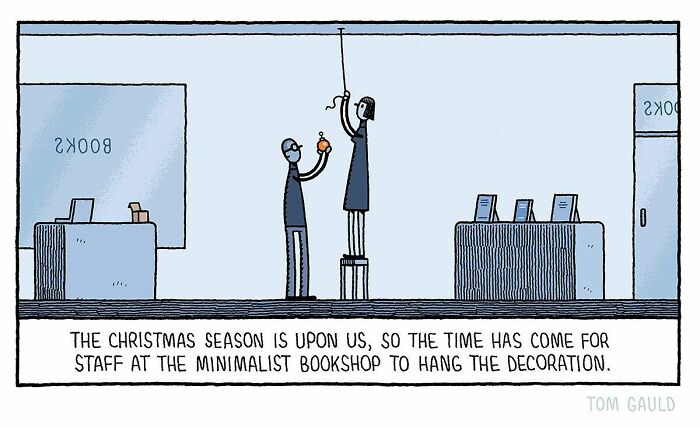
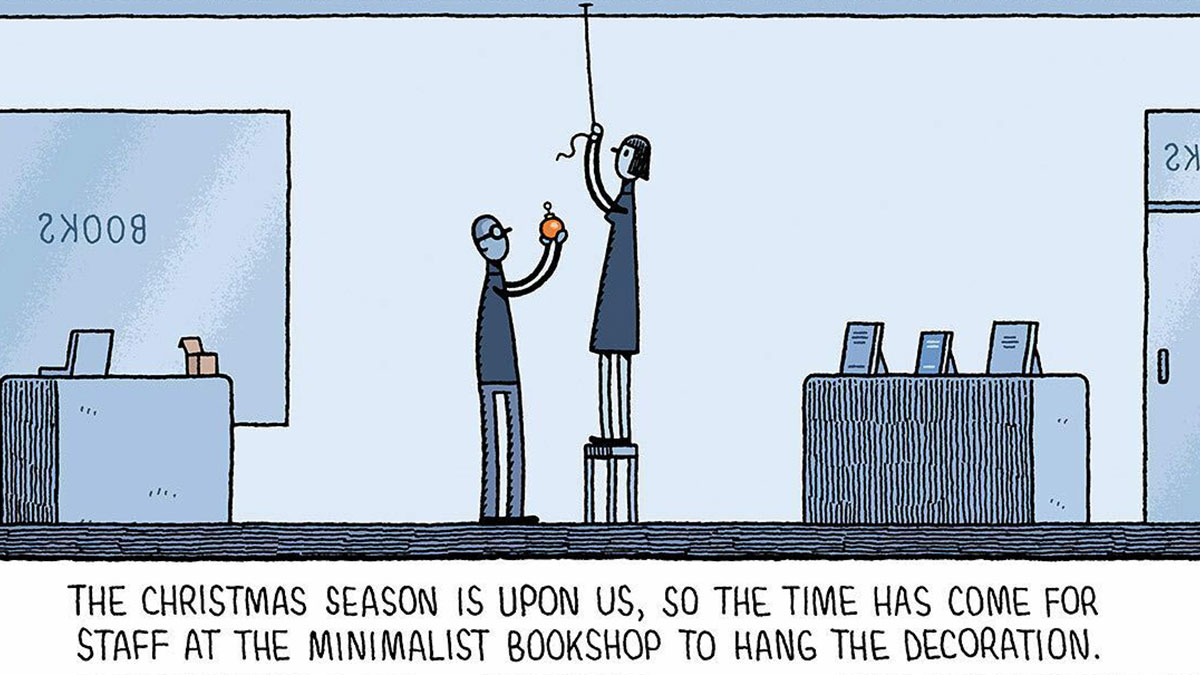
I could live with that, and I'd come to enjoy the one decoration, and respect the intent.

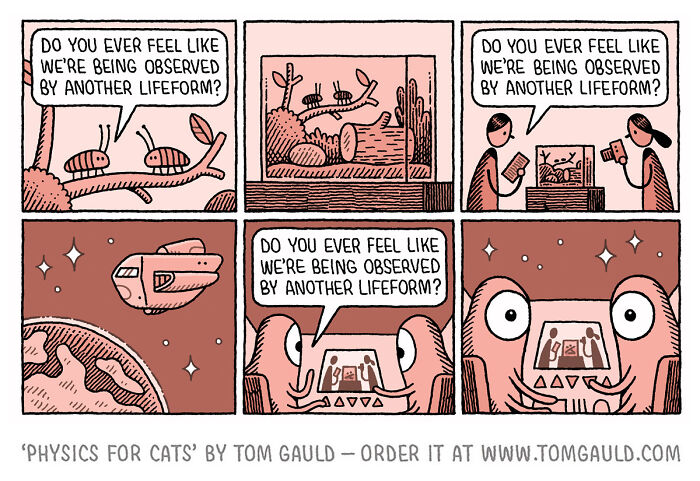
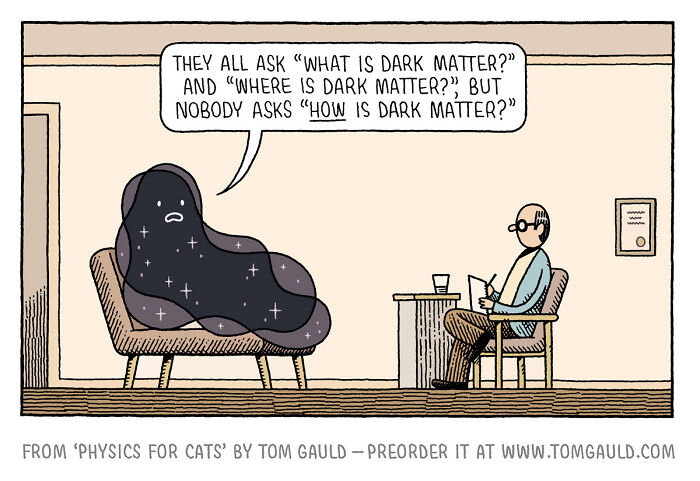
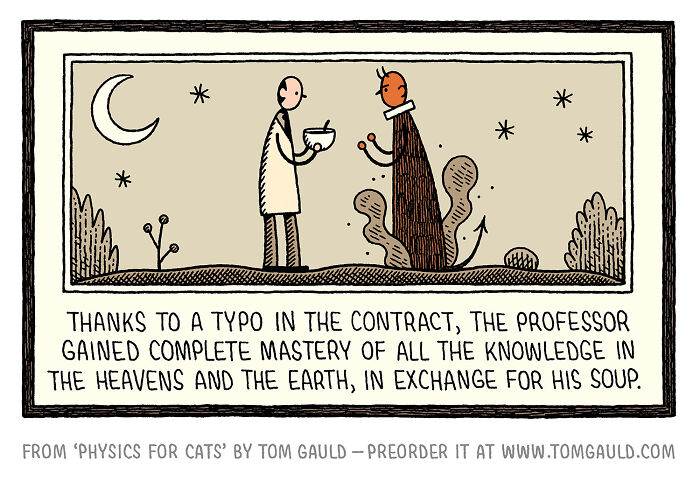
"Physics For Cats" sounds like a sequel to "How To Teach Quantum Physics To Your Dog" (which I already own).
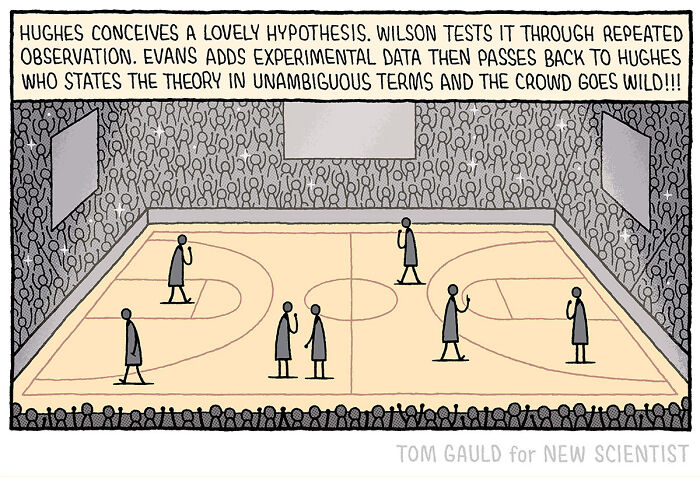
I'm the purple one out of frame that left the area when it started to get too peopley

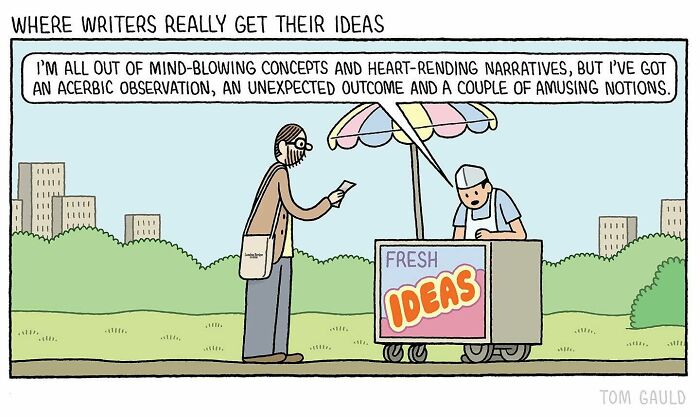
I have a collection of short stories by Science Fiction author Barry Longyear, titled "It Came From Schenectady!", where he explains in the foreword that he got so tired of getting asked "Where do you get your ideas?" that he started answering "Schenectady", just to watch the confusion on their faces.

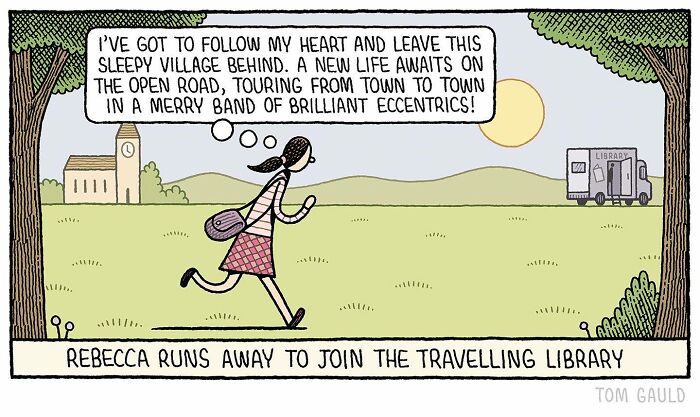
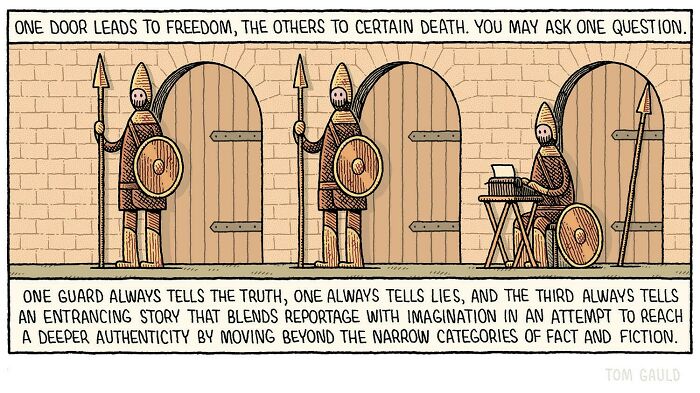
If you think about it, both doors lead to freedom. 🤷🏻♀️
Which went reasonably well until an unfortunate decision to use AI was made by management.

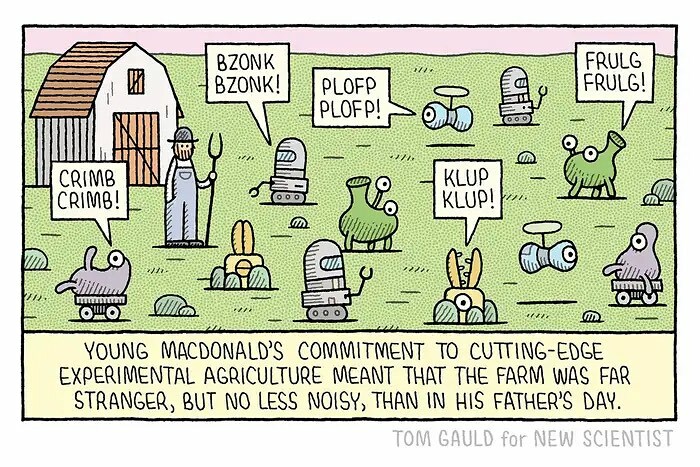
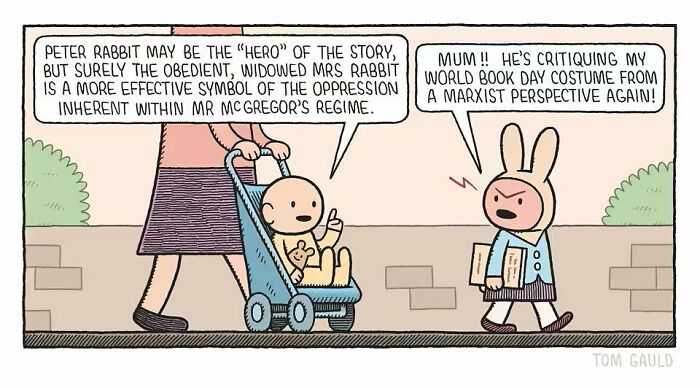
But surely we should support Mr McGregor's right to sovereignty within his own domain? Peter Rabbit and his like representing, as it were, the external forces bent on pillaging the, quite literal, fruits of Mr McGregor's labour.
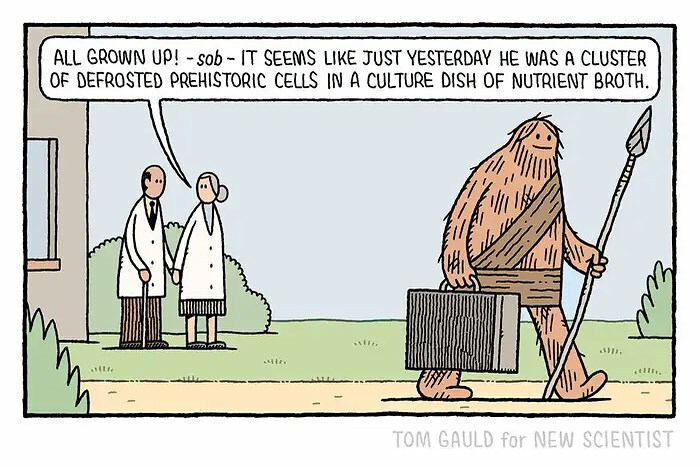
What's in the briefcase?!?! Where's he going? Best wishes though Cavey Mann
I love Tom Gauld's cartoons. I look at his weekly ones in "The Guardian" and "New Scientist". I must look at more "New Yorker" ones.
I love Tom Gauld's cartoons. I look at his weekly ones in "The Guardian" and "New Scientist". I must look at more "New Yorker" ones.


















 No fees, cancel anytime
 then open in external browser

 and click "Open in External Browser"