Get Premium
Dark mode theme is available exclusively for premium users. Learn more about the benefits of subscribing.
No fees, cancel anytime.

 Dark Mode Ad-Free Browsing Unlimited Content
 Ad-Free Browsing Unlimited Content Dark Mode
Join 1.2 million Panda readers who get the best art, memes, and fun stories every week!
Halloween doesn’t just belong to plastic pumpkins, skeletons and fake cobwebs. Out there in the botanical underworld, there are species so bizarre, so sinister and so downright fascinating that they deserve a place in your own haunted home.
From flowers that reek of decay to succulents shaped like brains and eyeballs, these eerie plants are proof that Mother Nature can do spooky better than any special-effects artist ever could.
If you’re ready to create your own greenhouse of horror, Climadoor has put together a list of 24 of their favorite creepy, weird-looking plants that are perfect for Halloween, with useful tips on how to keep them alive and your pets safe too…
More info: climadoor.co.uk
This post may include affiliate links.
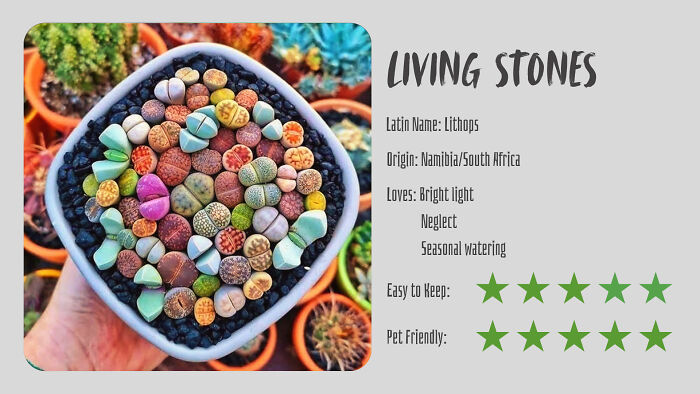
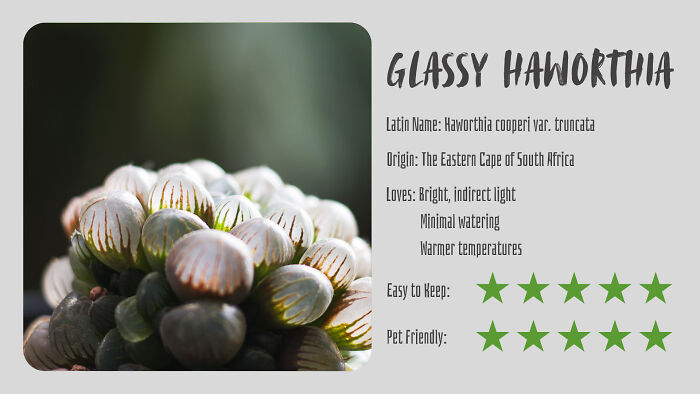
At first glance, they look like sweet candy-like treats, but these desert succulents are very much alive and every autumn, they split open to reveal a daisy-like flower.
Care: Give them bright sun and neglect. They barely need any water – only when they start to wrinkle.
Pet-friendly? Yes, completely safe. They just might get mistaken for snacks by mischievous pooches.

I love these, but unfortunately, I cannot give them sufficiently small amount of water.
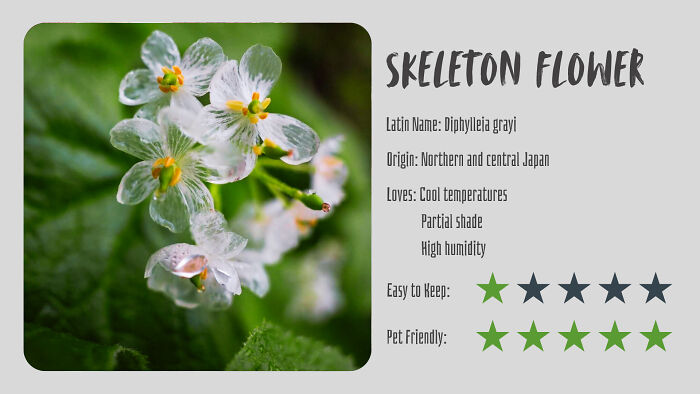
White petals that turn completely transparent when wet – it’s like watching a ghost materialize before your eyes. Hauntingly beautiful but quite the diva.
Care: Prefers cool, shady, woodland conditions and moist, rich soil.
Pet-friendly? Non-toxic, though it’s rarely grown indoors.
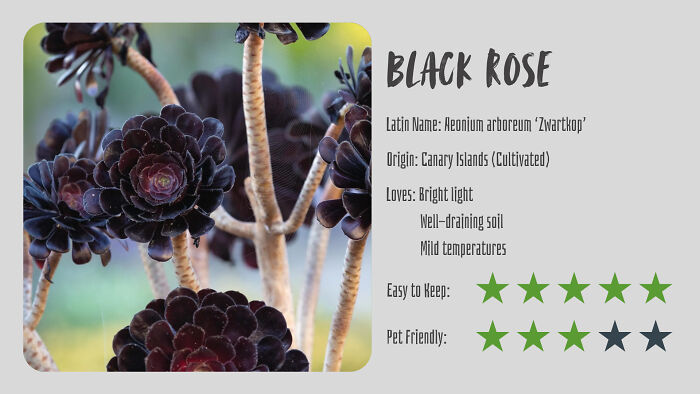
Velvety, deep-purple rosettes so dark they appear black. Not a rose at all but a succulent. Under the right light, they look like enchanted roses from a gothic fairy tale.
Care: Bright sunlight and moderate watering. Protect from frost and extreme heat.
Pet-friendly? Mildly toxic if eaten, but generally safe when admired, not tasted.
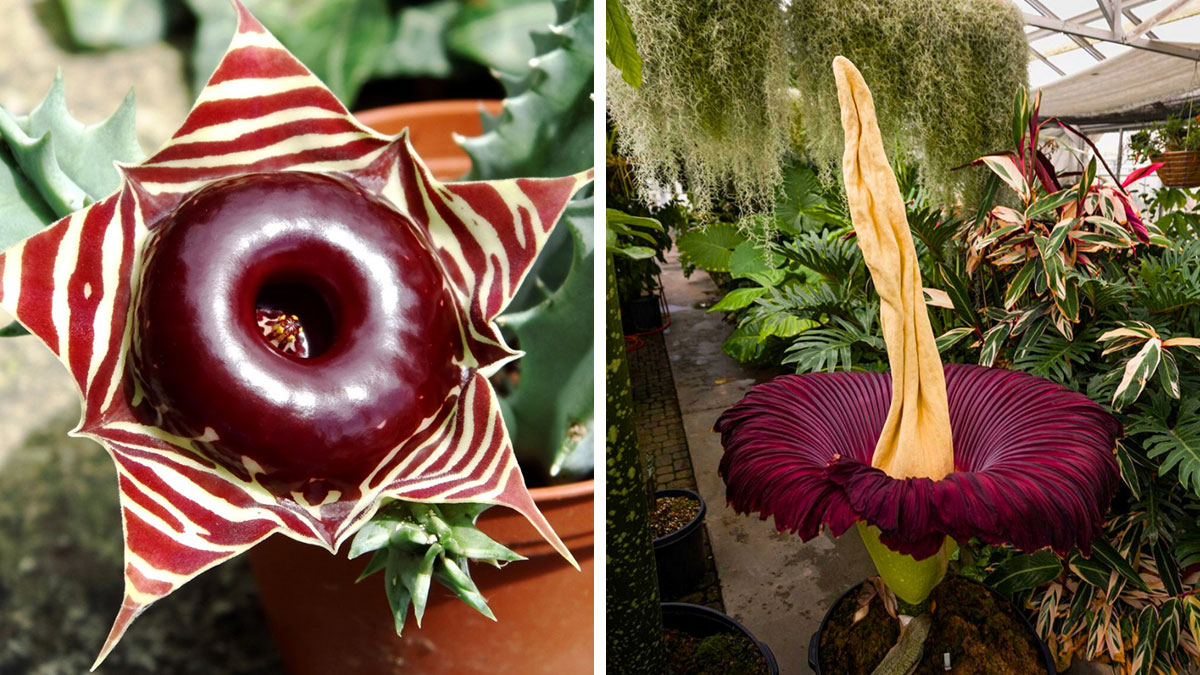
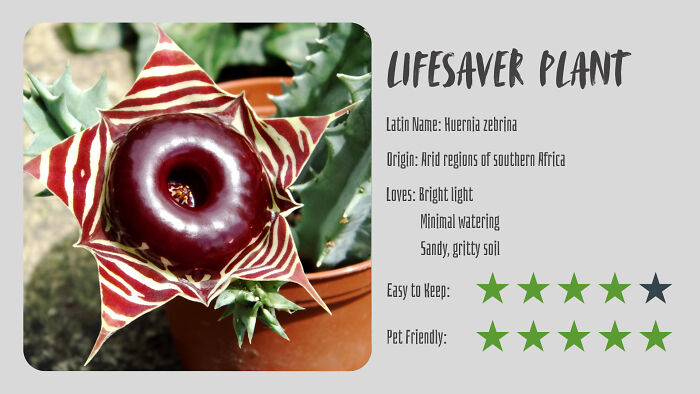
Yellow and reddish star-shaped flowers with zebra stripes and a glossy, fleshy red “lifesaver” ring in the middle, like some weird puckered lips – half cute, half creepy.
Care: Treat like a succulent: bright light and sparse watering. Too much moisture equals rot. Enjoys a seasonal watering and dormancy routine.
Pet-friendly? Non-toxic, making it one of the safer spooky succulents.
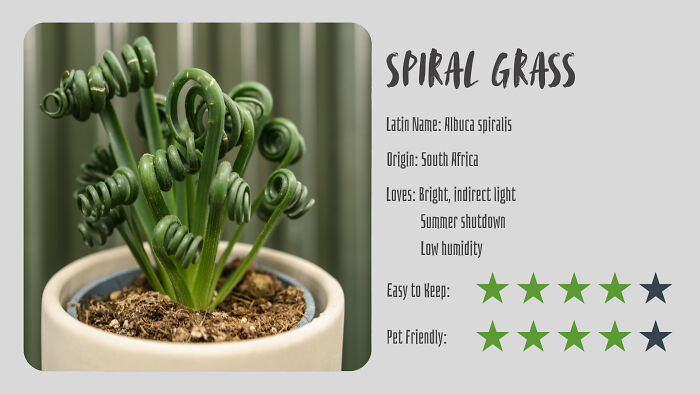
Affectionately known as Frizzle Sizzle, it would be completely at home in a Tim Burton film. When happy, it produces fragrant yellow flowers.
Care: Bright light and light watering while growing; let it rest dry in summer.
Pet-friendly? Considered safe, though any leaf-munching may cause mild tummy upset.
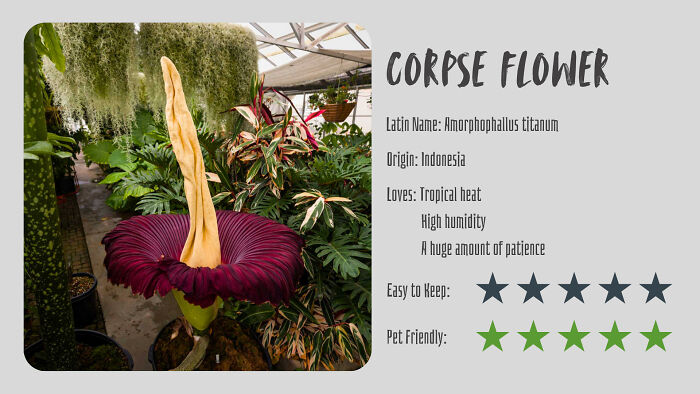
The undisputed monster of the plant world. It can grow taller than a person and smells like decaying meat when it blooms. It’s definitely not one you want in your living room.
Care: Strictly for greenhouses or botanical gardens. It needs tropical heat, humidity and years to mature.
Pet-friendly? Not poisonous, though your pets (and your neighbors) will flee from the stench.

"Decaying meat" is an understatement. I saw one in bloom years ago at a botanical garden, and the odor is more along the lines of "Restaurant dumpster that hasn't been emptied in a week in the middle of summer." But! Seeing one was a bucket list item for me and it was absolutely worth dealing with the stench.
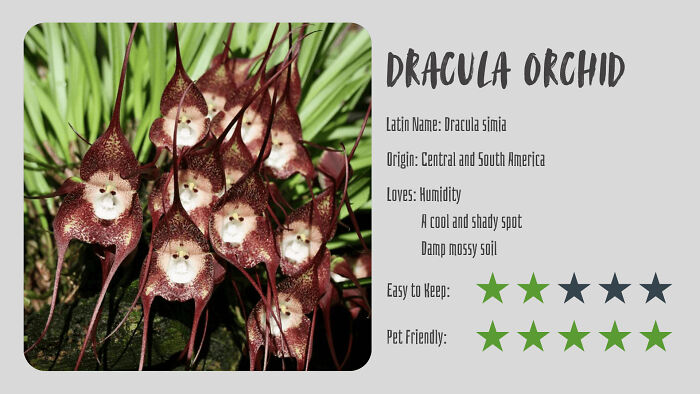
Each bloom resembles a tiny monkey face or a creepy theatrical mask. Native to the misty forests of Ecuador, it’s the diva of the orchid world… and that’s saying something!
Care: Likes it cool, humid and shady – think cloud-forest vibes. Keep soil damp in fine bark or moss.
Pet-friendly? Yes. Orchids are harmless, the only challenge is keeping this spooky beauty alive.
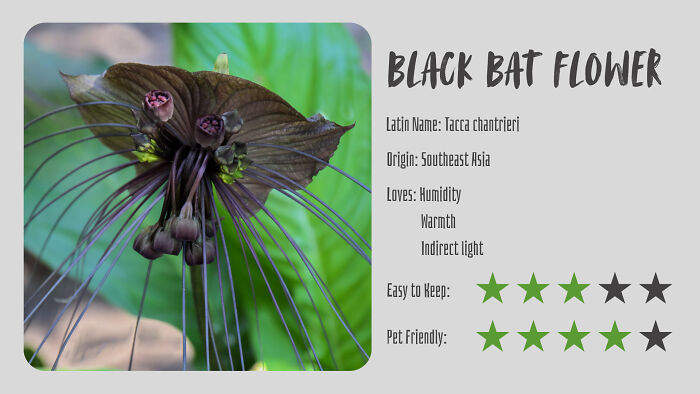
Jet-black petals stretch like bat wings, complete with long, whiskery filaments that hang down like gothic tassels. The Black Bat Flower looks like something a vampire might keep in their conservatory. Native to Southeast Asia, it’s a show-stopping plant that can reach 30 cm across when it blooms.
Care: Loves humidity, warmth and indirect light. Keep its soil damp, but never soggy, and mist it regularly. It’s happiest in a steamy bathroom or a warm conservatory.
Pet-friendly? Non-toxic, but not ideal for nibbling – it’s more drama queen than dinner.
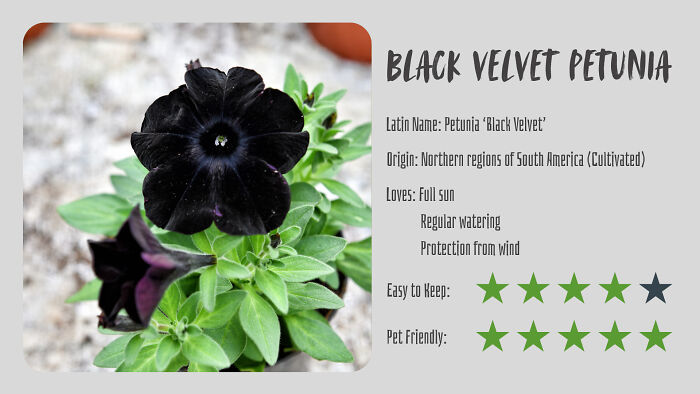
Trumpet-shaped flowers as dark as midnight, with a velvety sheen that looks almost fake. This relatively new cultivar is perfect for Halloween pots or gothic window boxes, and they’re pretty easy to grow and will do so quickly with the right conditions.
Care: Full sun, regular watering and feeding for continuous blooms. Treat as an annual.
Pet-friendly? Yes, totally safe for cats and dogs.
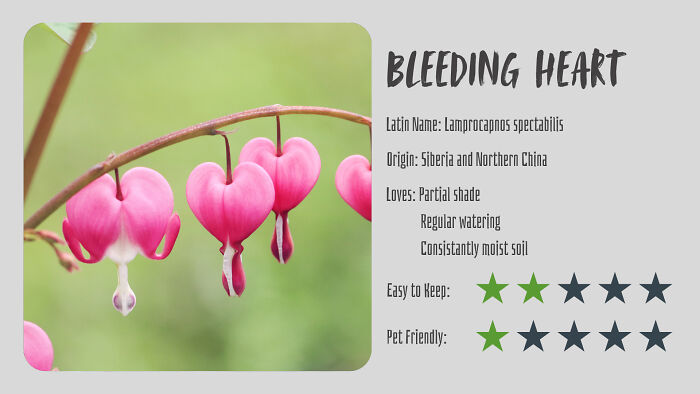
Delicate, heart-shaped flowers that appear to drip with “blood.” A romantic yet morbid addition to shaded gardens.
Care: Partial shade and evenly moist soil. Dies back after blooming, then re-emerges in spring.
Pet-friendly? Toxic to pets and people if eaten. Handle with care.
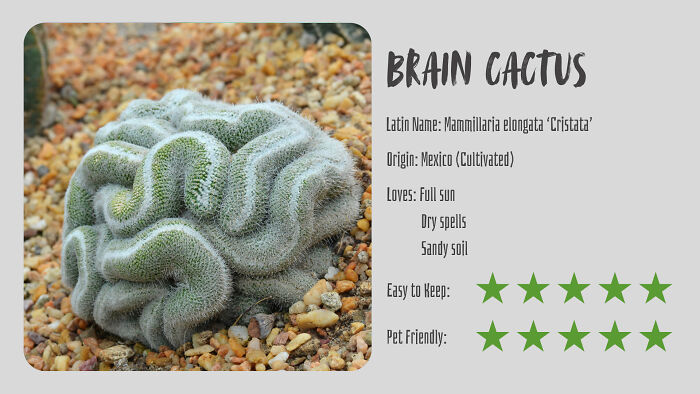
This mutant cactus looks like a tangled mass of grey matter. Its twisted, wavy stems give the appearance of a miniature alien brain, earning it serious Halloween points.
Care: Place in full sun and let the soil dry completely between waterings. Too much water and it’ll rot faster than a pumpkin in November.
Pet-friendly? Totally safe, but prickly enough to discourage curious paws.
Clusters of translucent, jelly-like leaves that shimmer like tiny eyeballs or gooey frogspawn in the light.
Care: Bright but indirect light, watering every couple of weeks. Avoid full sun, which can scorch the leaves – no one wants shrivelled up eyeballs.
Pet-friendly? Yes – gentle, non-toxic and compact enough for any windowsill.
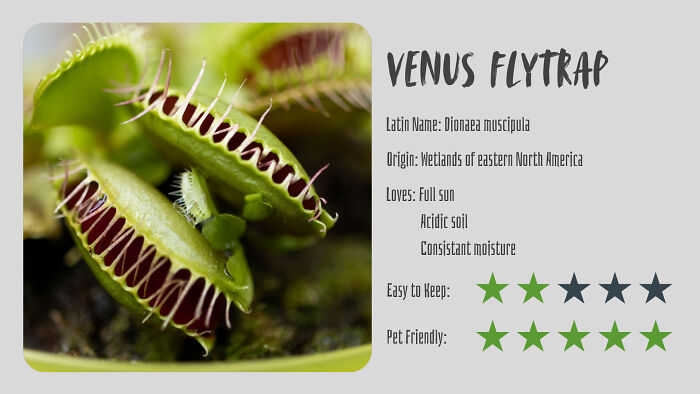
The classic monster plant—we couldn’t have a list of our favorite creepy plants without it. Its spiny green traps snap shut on unsuspecting insects in less than a second. It’s a true spectacle of nature.
Care: Full sun or grow lights, distilled water only and constant moisture. Needs a cool winter dormancy.
Pet-friendly? Completely harmless… unless you’re a fly.
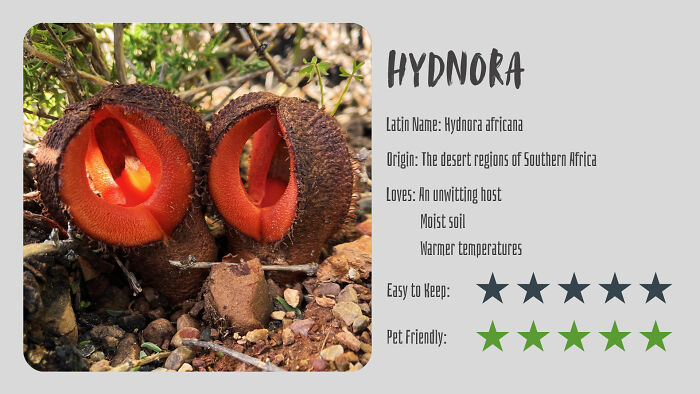
The horror movie of plants: a fleshy, gaping flower that bursts from the ground and smells like decaying flesh. You can definitely see where sci-fi film and TV makers get their inspo from.
Care: Not really a houseplant but it definitely deserves to be here. It’s a desert parasite found in southern Africa that needs a host plant or shrub to survive.
Pet-friendly? Not toxic, but definitely disturbing. Often eaten in local cuisine affectionately called Jackal Food.
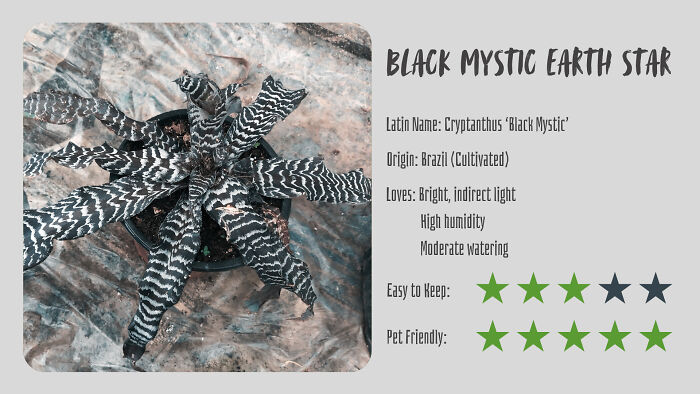
This small bromeliad forms a jagged, starfish-shaped rosette in near-black tones, giving off serious dark-fantasy vibes. It’s giving Beetlejuice. It’s also sometimes called the Black Tiger Plant thanks to its distinctive markings, but that’s not quite as Halloweeny as we’d like.
Care: Bright, indirect light, moist but airy soil and high humidity. Ideal for terrariums.
Pet-friendly? Safe for all your furry familiars.
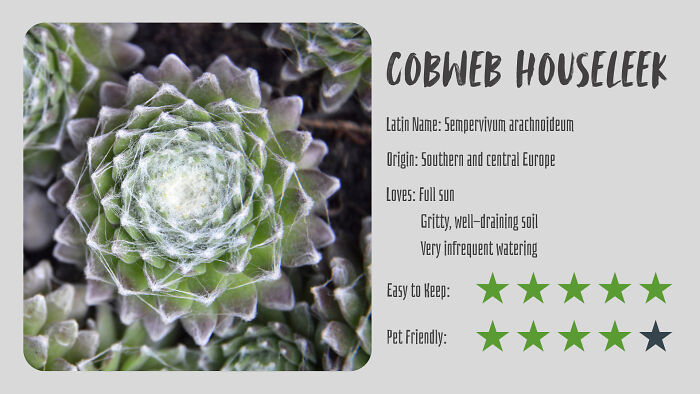
This tiny succulent weaves its own web, with fine white threads covering each rosette like a spider’s handiwork.
Care: Loves full sun and good drainage. Water sparingly and keep dry in winter.
Pet-friendly? Completely safe but a bit spiky. The only thing that's scary is how addictive they are to collect.
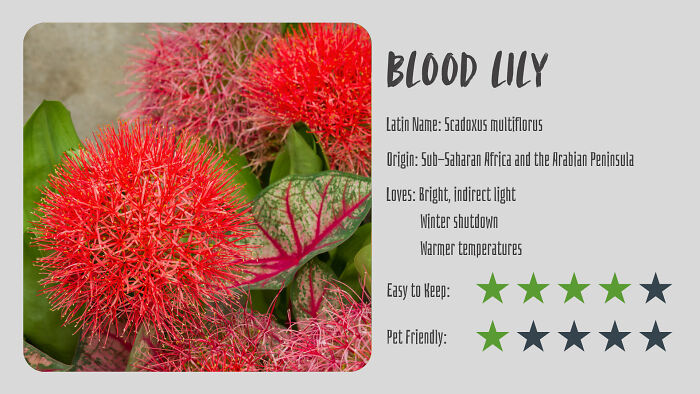
A globe of scarlet filaments resembling a burst of blood splatter… or a firework if you’re not quite into that. Either way, it’s breathtaking. Sometimes called the Fireball Lily, for obvious reasons.
Care: Bright, indirect light, moderate moisture, and a dry winter dormancy.
Pet-friendly? Toxic to pets and people if eaten – keep it well out of reach.
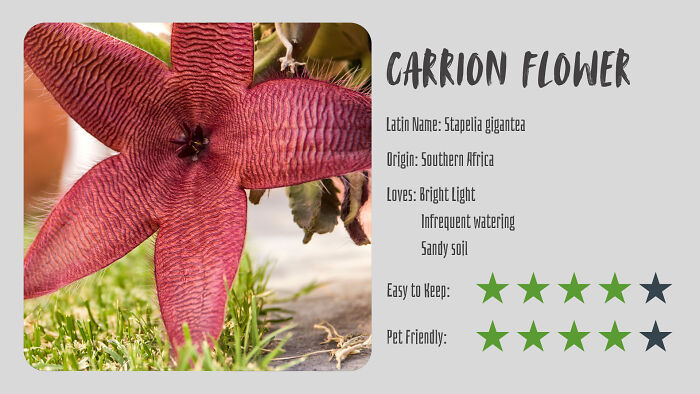
Imagine a starfish the size of a dinner plate covered in fine hairs and smelling faintly of roadkill – that’s the Carrion Flower. It’s grotesque but fascinating.
Care: Bright light, little water and a cactus soil mix. If you can tolerate the smell, it’s an easy grower.
Pet-friendly? Safe, though your pets will keep their distance once it blooms.

Can't fool me! That's a Demogorgon. Nice try, Upside Down, but not today!
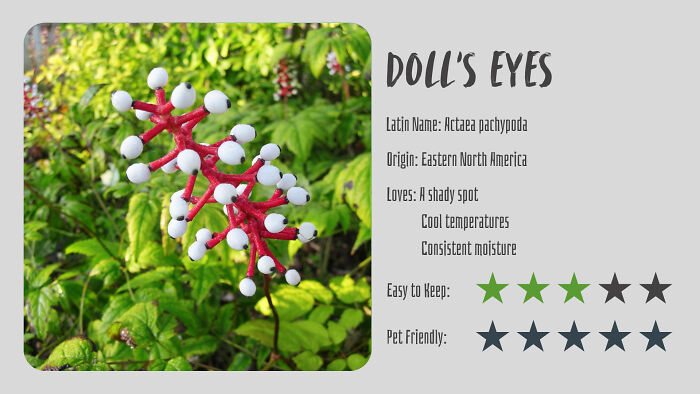
White berries with black “pupils” stare from crimson stalks – unnerving, to say the least. In woodland gardens they appear each autumn like ghostly watchers.
Care: Prefers shade, moist soil and a cool, sheltered spot. Not really a houseplant, more a garden oddity.
Pet-friendly? Absolutely not. Every part is toxic; even a few berries can be fatal.
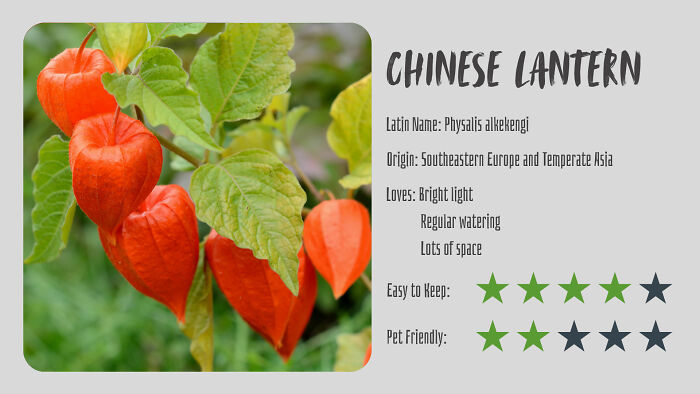
Bright orange lantern-like pods that look like mini Halloween pumpkins turn into delicate skeletal cages as they age – spooky yet elegant.
Care: Full sun to partial shade and regular watering. Grows well in containers but can spread fast outdoors.
Pet-friendly? Mildly toxic (nightshade family). Keep pets and kids away from the unripe fruit.
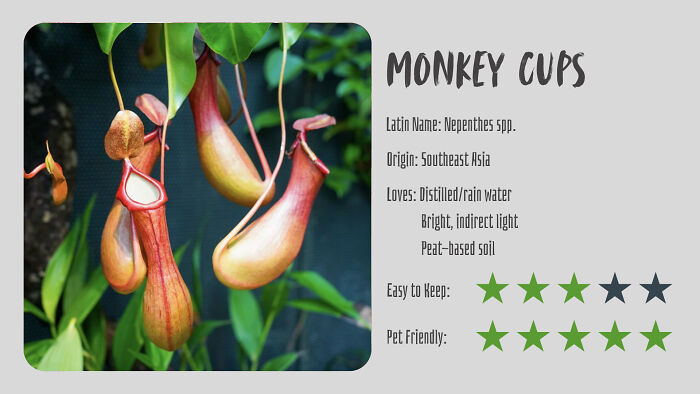
These hanging pitchers look like open mouths waiting for their next victim. They’re actually insect traps, filled with digestive liquid that lures and devours bugs.
Care: Needs warmth, humidity and rainwater or distilled water only. Never let it dry out.
Pet-friendly? Totally safe… unless your pet is a fly.
Dear father Christmas, can I have one of these please, I've mostly been a good girl this year
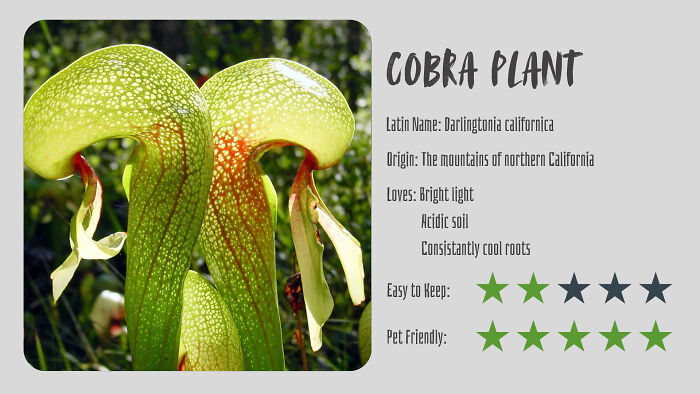
The serpentine pitchers of this carnivorous plant mimic striking cobras, complete with flared hoods and “eyes.”
Care: Challenging to grow – it needs bright light, pure water and cool roots (often cooled with ice cubes in summer).
Pet-friendly? Harmless, apart from the psychological trauma of seeing a plant that looks ready to bite.
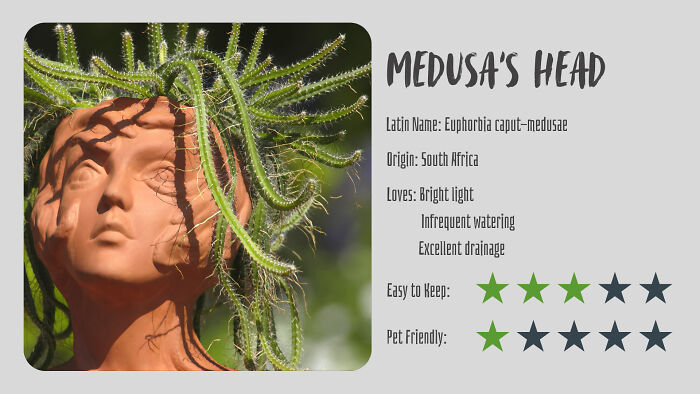
From a central base sprout dozens of writhing green stems – it really does look like the Gorgon herself. When it blooms, tiny yellow flowers crown the “snakes.”
Care: Treat it like a cactus: bright light, infrequent watering and excellent drainage. Wear gloves when handling, as the sap can irritate skin.
Pet-friendly? Definitely not. The milky sap is toxic to pets and people alike.
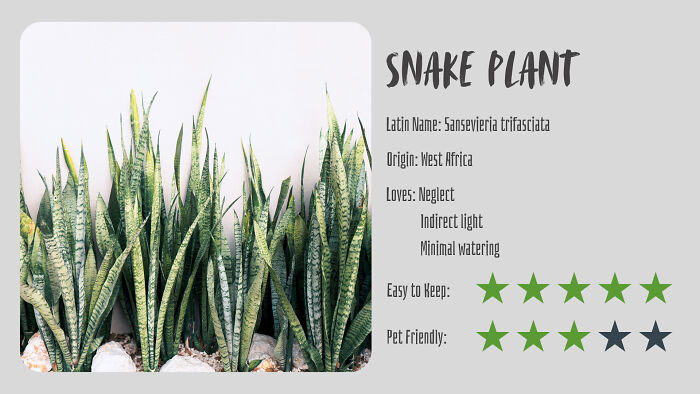
Tall, sword-like leaves that could double as decor in a minimalist vampire’s lair. It’s practically indestructible. Sometimes called Mother-in-laws tongue… says it all really.
Care: Thrives on neglect. Low to bright light and very little water.
Pet-friendly? Mildly toxic if chewed, so keep it out of reach.

Very useful and fun article! The captions were actually cute - written by a human, perhaps?
Very useful and fun article! The captions were actually cute - written by a human, perhaps?


































 No fees, cancel anytime