Get Premium
Dark mode theme is available exclusively for premium users. Learn more about the benefits of subscribing.
No fees, cancel anytime.

 Dark Mode Ad-Free Browsing Unlimited Content
 Ad-Free Browsing Unlimited Content Dark Mode
Join 1.2 million Panda readers who get the best art, memes, and fun stories every week!
Buying used stuff is a great, sustainable alternative to just getting everything new. Since e-commerce and shipping has become so widespread, it’s really easier than ever to find, say, a specific luxury handbag or items for a Halloween costume online. But this also means that rather “enterprising” folks will try to sell you anything.
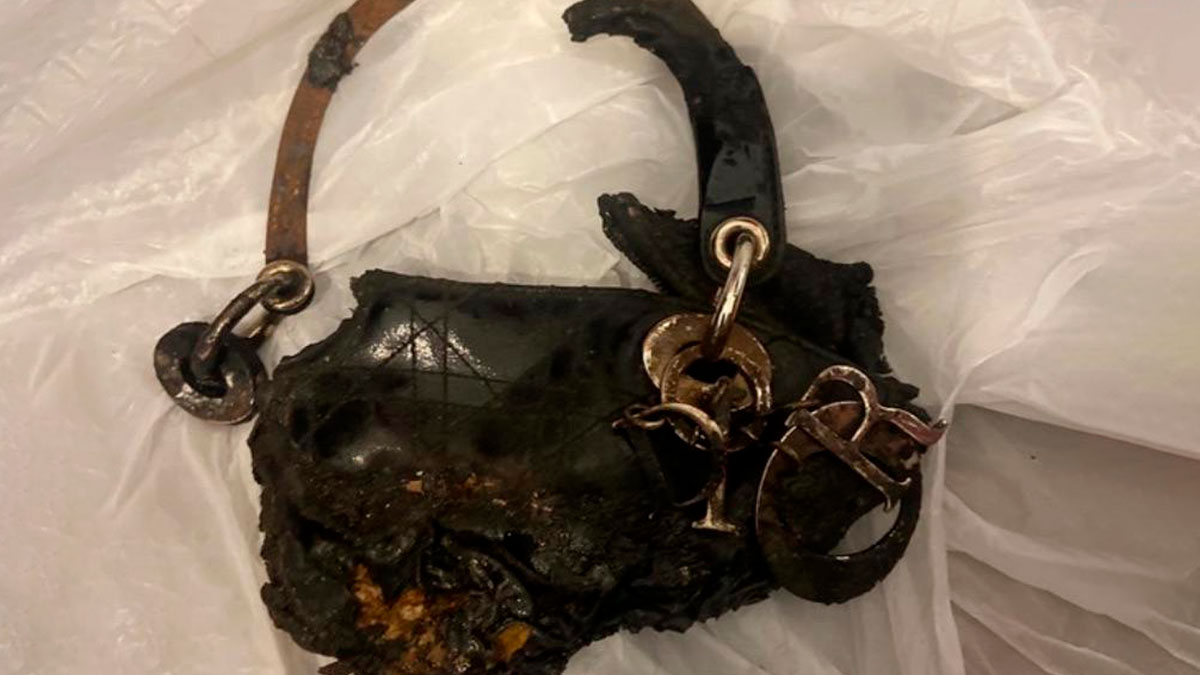
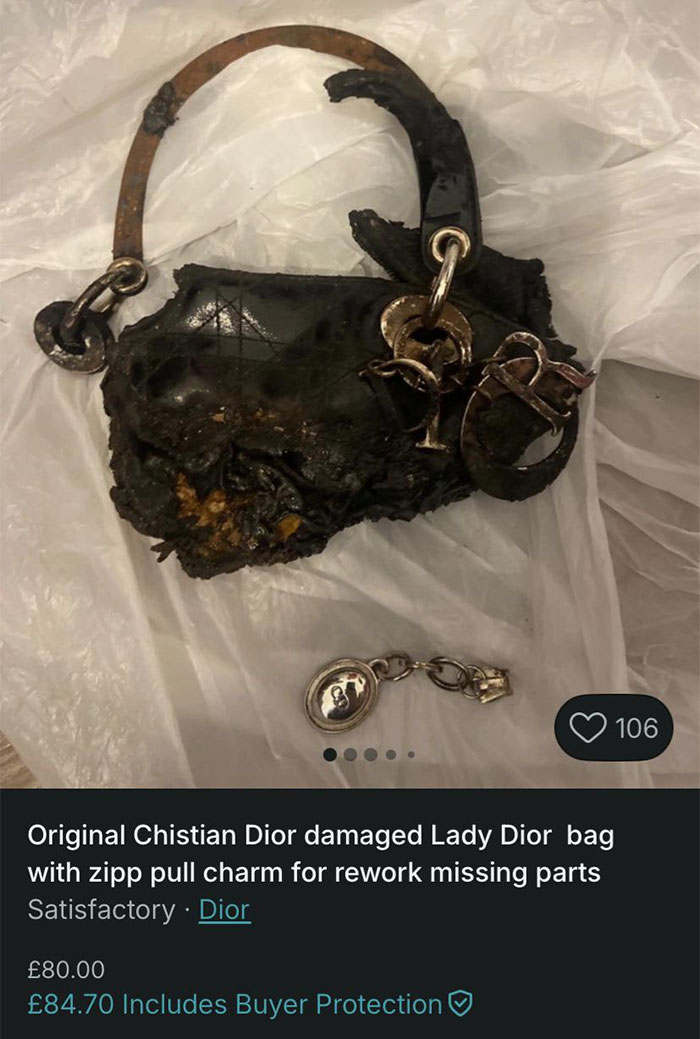
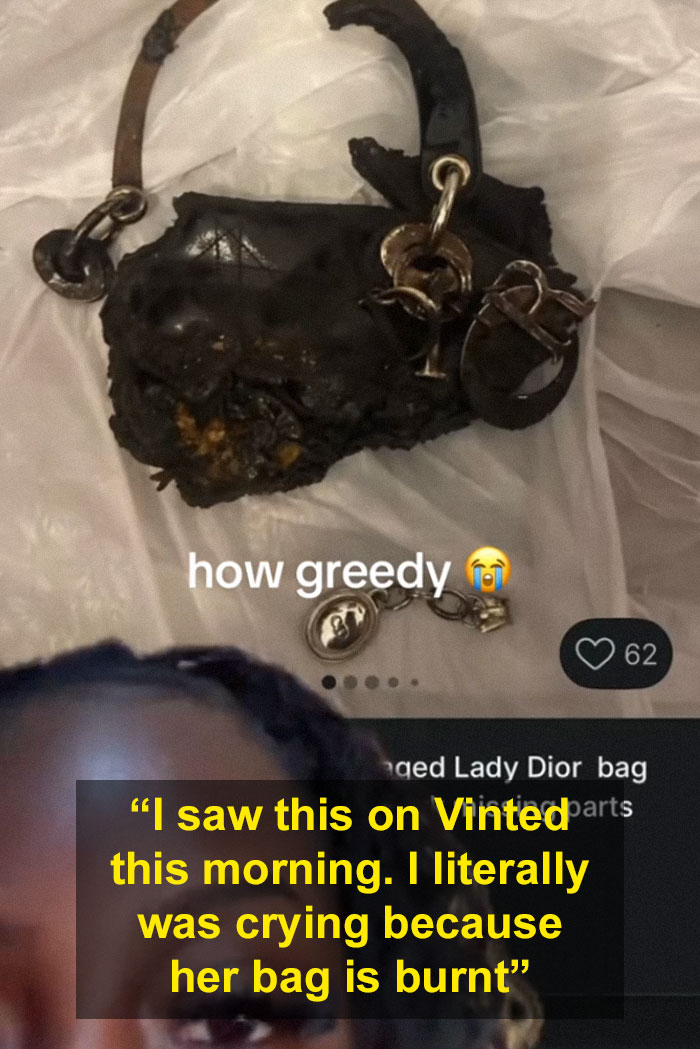
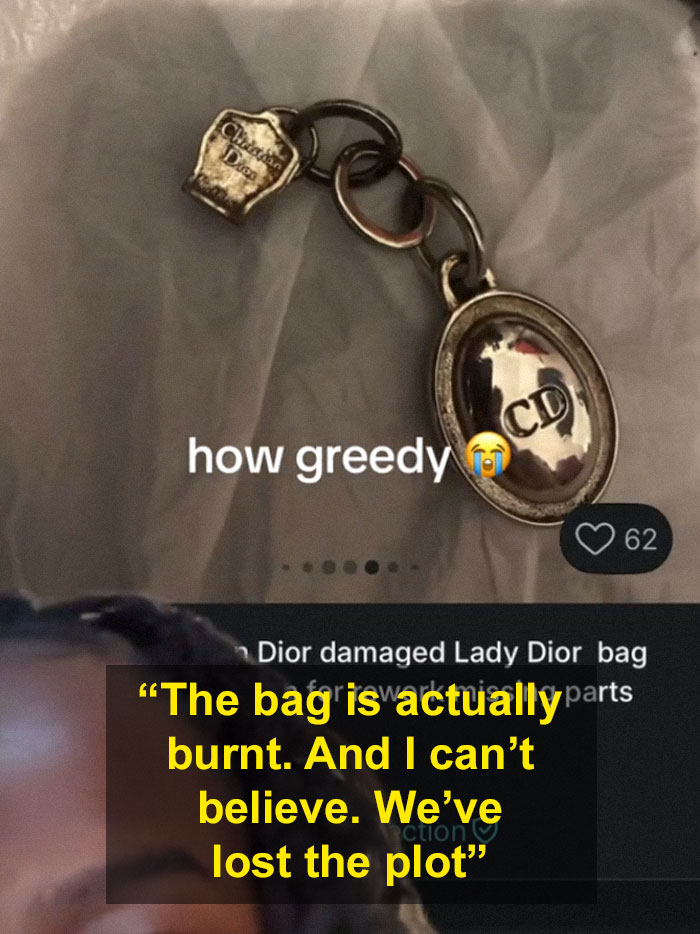
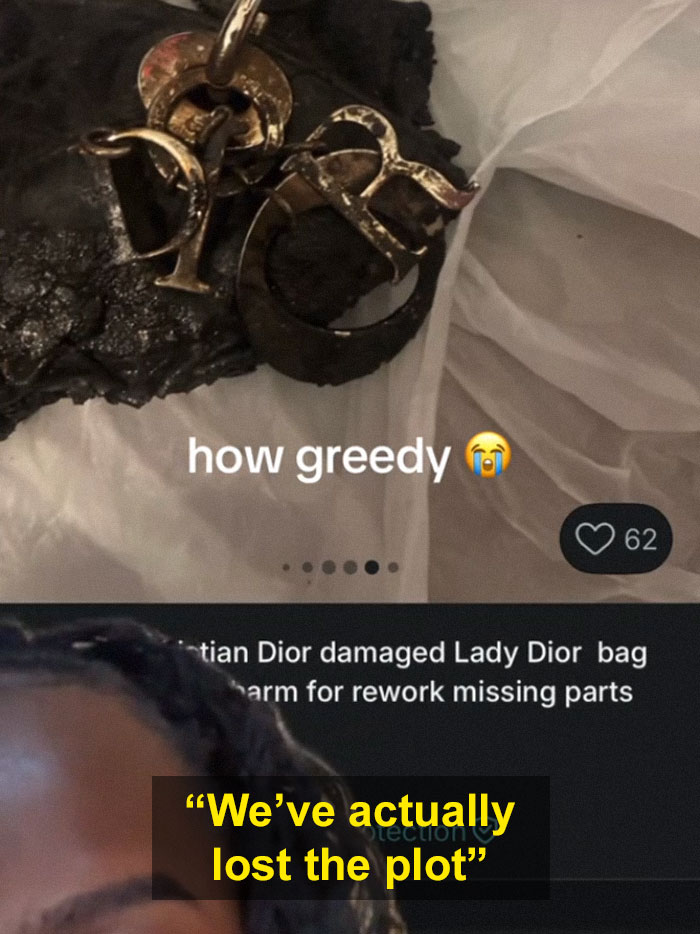
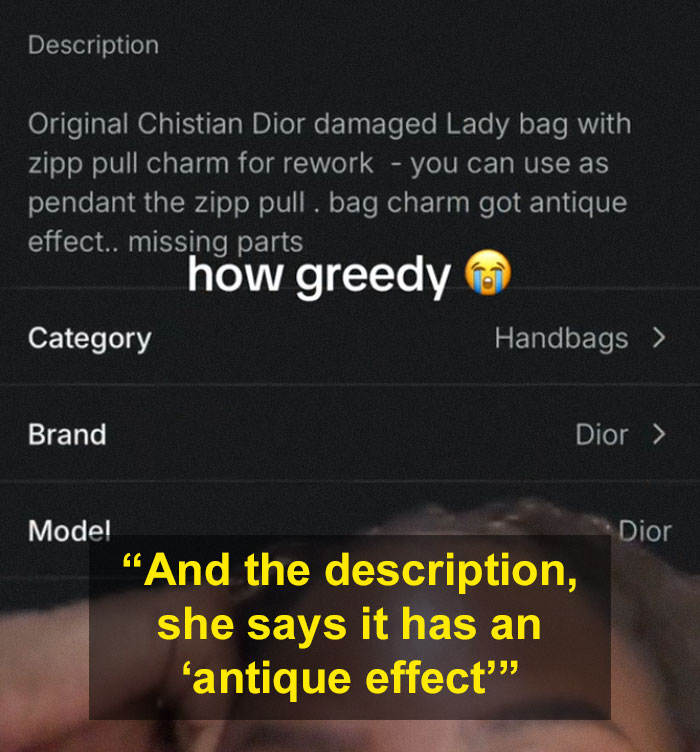
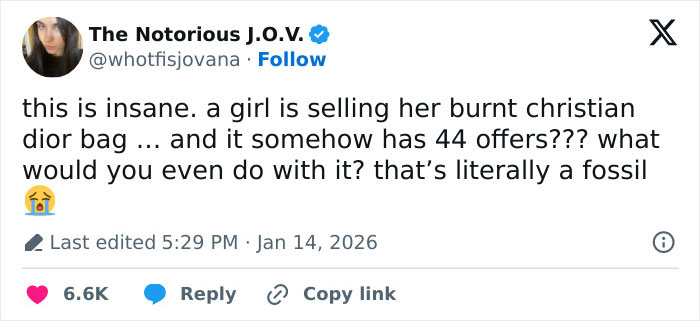
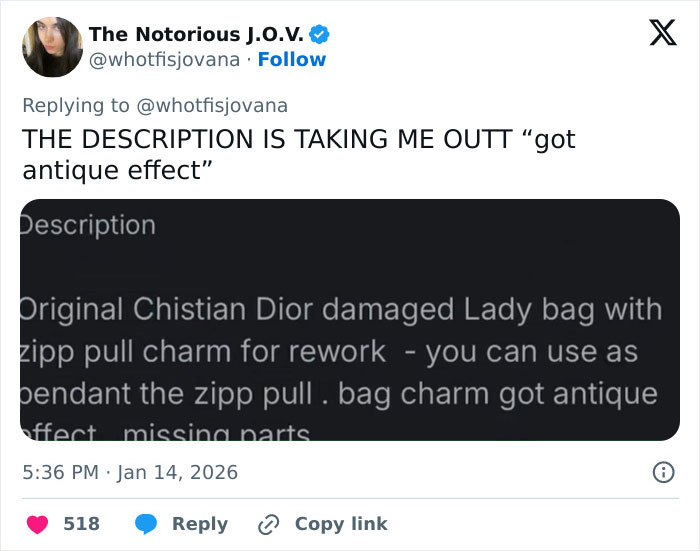
A woman went viral after sharing an unhinged Vinted listing she found, of a Dior bag that was literally burnt to a crisp. People online debated selling culture and mocked the listing’s idea of still, somehow, being able to use the item.
More info: TikTok
Image credits: North-Eye-7290
Image credits: sugarmaminif
Image credits: sugarmaminif
Image credits: sugarmaminif
Image credits: sugarmaminif
@sugarmaminif don’t even blame them cuz it’s acc a cost of living crisis 🤣🤣 #vinted#vintedfind#thrift#vintageclothing♬ where you at lullaby – j
The charred remains of that Dior saddle bag represent the absolute peak of the digital resale revolution. While seeing a luxury item burnt to a crisp listed for thousands of dollars feels like a fever dream it actually highlights how much the landscape of second hand shopping has shifted. We have moved far beyond the era of digging through chaotic bins at a local charity shop to find a single wearable item. Today we are living in a golden age of digital marketplaces where everyone with a smartphone is a potential fashion mogul. This accessibility has fueled an unprecedented surge in the industry. According to the latest market insights from the ThredUp Resale Report the global secondhand apparel market is expected to reach three hundred and fifty billion dollars by 2027. This massive growth is driven by a generation of shoppers who prioritize value and uniqueness over the sterile experience of buying something brand new from a shopping mall.
The rise of platforms like Vinted (we’ve covered some shenanigans with them before) and Depop has democratized fashion in a way that was previously unimaginable. You no longer need to be a professional vintage dealer to curate a shop and reach a global audience. This shift is a massive win for the planet because the traditional fashion industry is one of the most polluting sectors on earth. The Ellen MacArthur Foundation points out that the fashion industry accounts for significant carbon emissions and vast amounts of textile waste.
By choosing to buy a pre-loved (taken with a grain of salt, as we literally saw a burnt bag listed) item instead of a new one you are effectively extending the life of a garment and reducing the demand for new resource extraction. Every time a piece of clothing finds a second or third home it moves us away from the destructive cycle of fast fashion. Research published by the United Nations Environment Programme highlights how the industry is responsible for nearly ten percent of global carbon emissions.
However the very thing that makes these apps successful is also what leads to the bizarre listings that capture our collective attention. When there are no professional buyers or curators acting as gatekeepers the definition of sellable condition becomes incredibly subjective. The psychology behind this is often linked to the endowment effect where individuals value things more highly simply because they own them. This can lead a seller to believe that a garment with significant damage or even a bag that has survived a literal house fire still holds immense value. There is also a certain level of main character energy involved in modern resale where sellers treat their profiles like personal brands. They might list something completely unhinged just to gain traction or because they genuinely believe that the right collector will see the beauty in the destruction.
Image credits: Mikhail Nilov (Not the actual photo)
This digital landscape has turned thrift shopping into a high stakes game of discovery. You might find a pristine designer coat for twenty dollars or you might find a pair of sneakers that look like they were pulled from a swamp. The lack of traditional retail boundaries creates a chaotic but vibrant ecosystem. This environment encourages a circular economy which is a concept that the World Resources Institute champions as a way to decouple economic growth from environmental degradation. When we treat our clothes as assets to be traded rather than disposable items to be trashed we are making a fundamental shift in our relationship with consumption. It is about moving away from a linear take make waste model toward something far more sustainable.
Even with the occasional crispy handbag the benefits of this booming market are undeniable. We are seeing a significant cultural shift where wearing used clothing is a badge of honor and a sign of savvy shopping. Young consumers are increasingly conscious of the ethical implications of their purchases and they are using these platforms to vote with their wallets. The popularity of these apps proves that people are willing to put in the work to find sustainable alternatives if the technology makes it easy and engaging.
While we will always have the occasional laugh at a listing that belongs in a museum of modern art disasters the overall impact is overwhelmingly positive. We are building a more resilient fashion future one digital transaction at a time. The next time you see a listing that makes you do a double take, remember that it is just a small part of a much larger movement toward a more conscious and creative way of living. We are learning to see the value in things that others might have discarded and even if some people take that idea a little too literally the planet is better off for it. This evolution of commerce is proof that when we give people the tools to connect and trade they will eventually find a way to make the world a little bit greener even if the process is sometimes a little bit weird.
Image credits: ART PRODUCTION (Not the actual photo)
Image credits: whotfisjovana
Image credits: whotfisjovana
Image credits: sasshion
Image credits: idrathergethf
Image credits: aiktp_com
Image credits: MiraKami_
Image credits: Arnold_Von_Mash
Image credits: DeezSneakz
Image credits: mojaveGreen82
Image credits: Sirmaryx

By entering your email and clicking Subscribe, you're agreeing to let us send you customized marketing messages about us and our advertising partners. You are also agreeing to our Privacy Policy.
Thank you! You've successfully subscribed to newsletters!


























 No fees, cancel anytime



































15
5