Get Premium
Dark mode theme is available exclusively for premium users. Learn more about the benefits of subscribing.
No fees, cancel anytime.

 Dark Mode Ad-Free Browsing Unlimited Content
 Ad-Free Browsing Unlimited Content Dark Mode
Join 1.2 million Panda readers who get the best art, memes, and fun stories every week!

Have you ever tried to warn your boss that a new corporate policy was going to backfire spectacularly, only to be hit with a blunt “just get it done”?
Out-of-touch mandates are quite common in the corporate world, but one former retail manager’s viral story takes the cake for absolute absurdity.
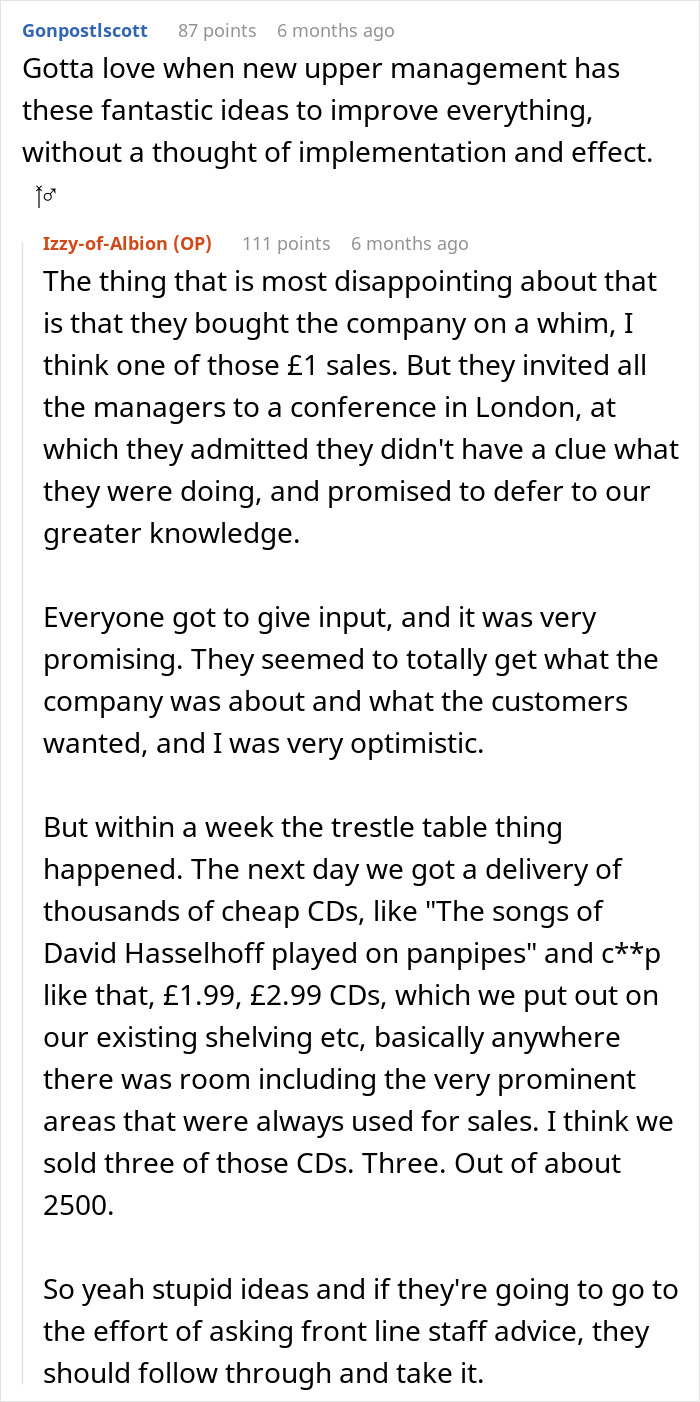
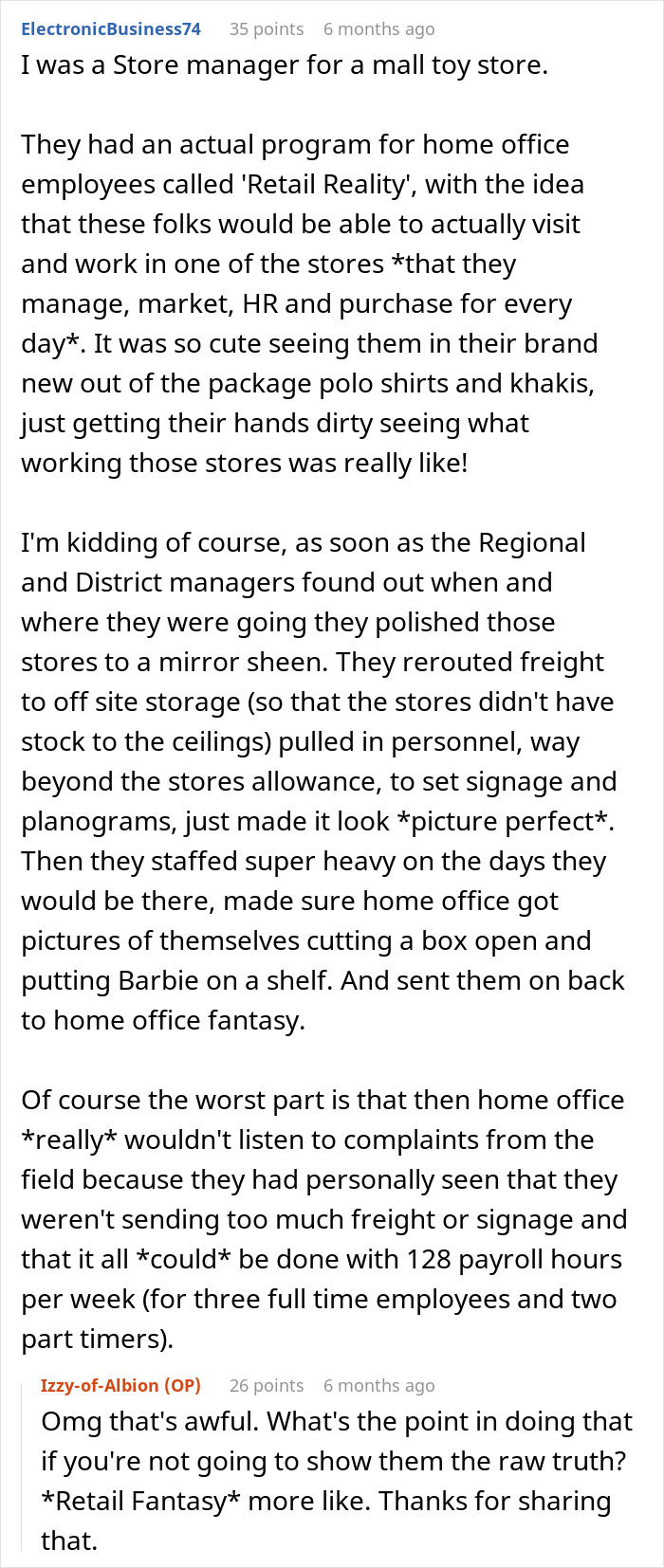
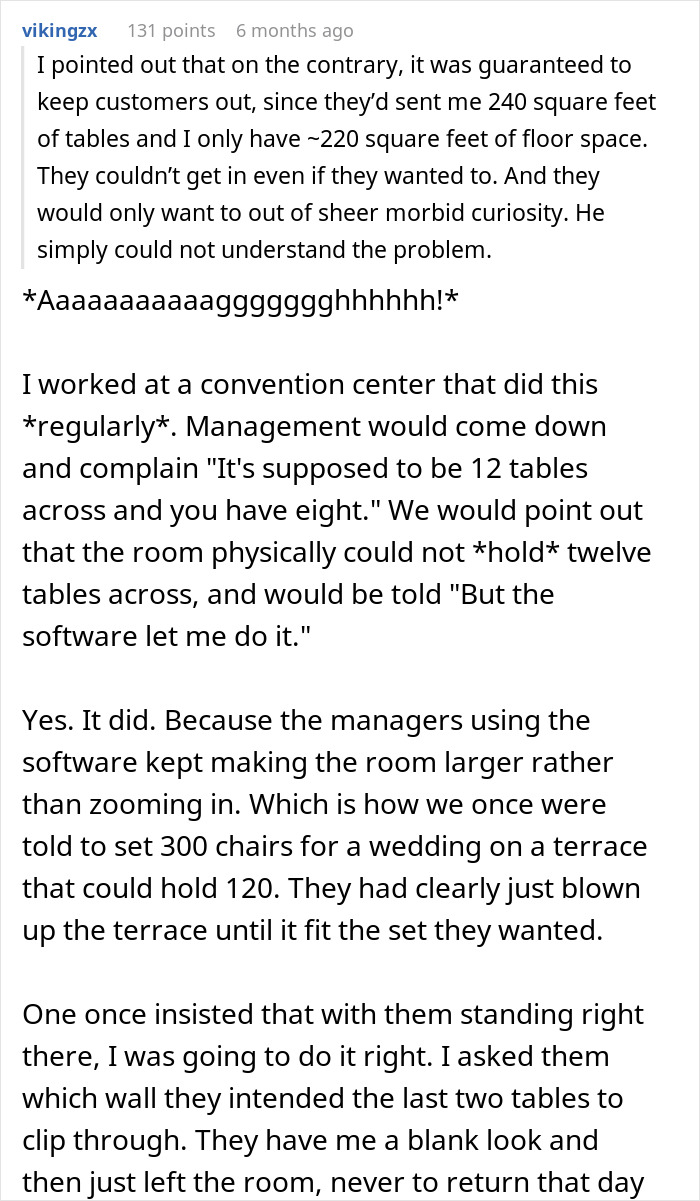
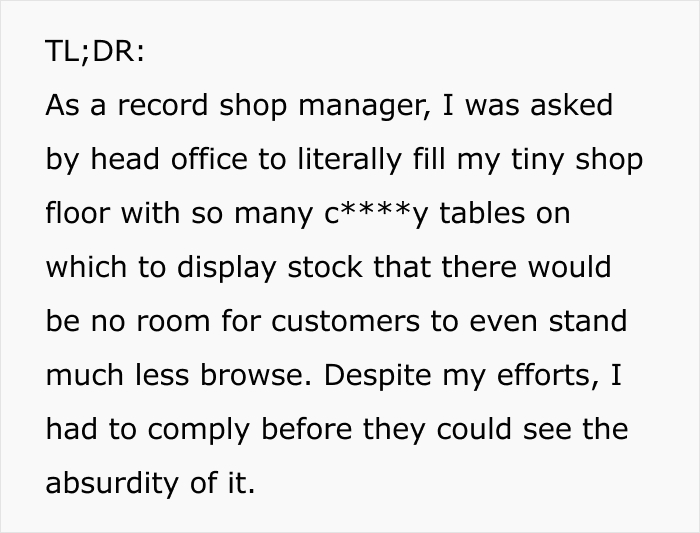
Sharing his story on Reddit recently, the man said his head office ordered him to cram his tiny, already-crowded store floor with cheap, flimsy tables to display stock. He immediately did the math and realized a catastrophic flaw.
His warnings fell on deaf ears, so he followed the order to the absolute letter. The next morning, the boss walked in on total chaos that made him immediately regret his orders.
Image generated by Bored Panda using Gemini (not the actual photo)
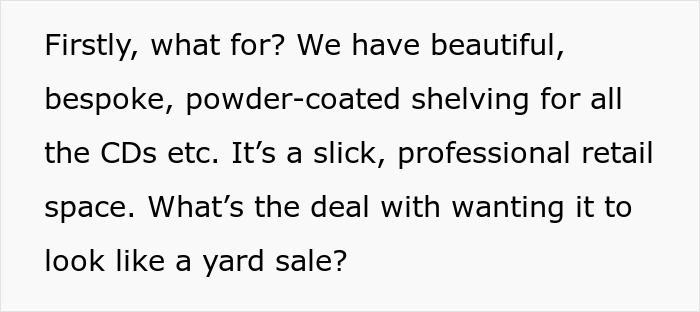
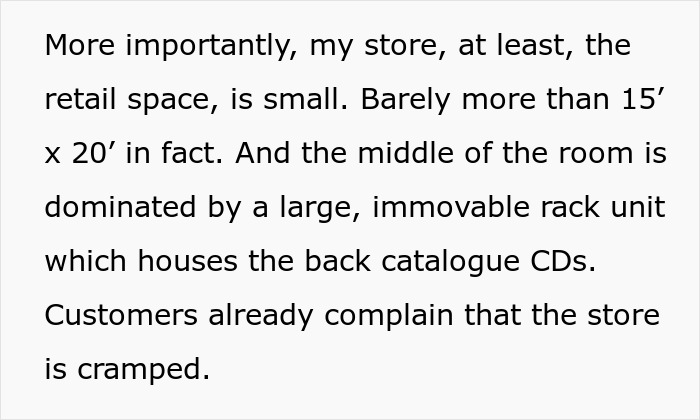
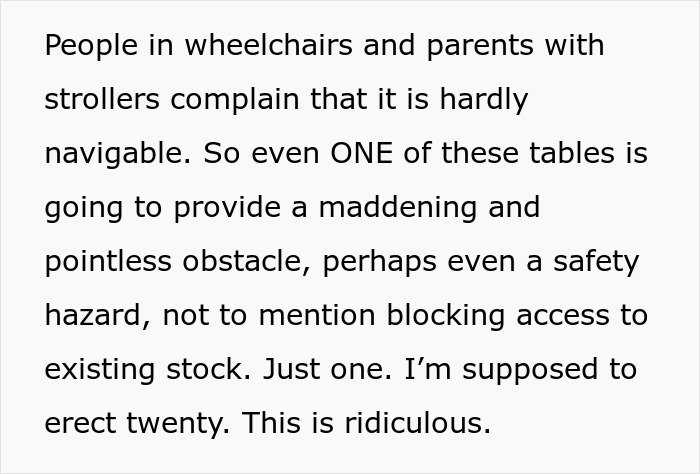
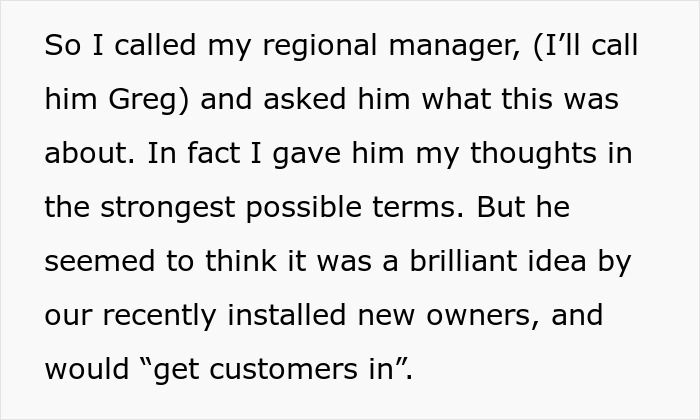
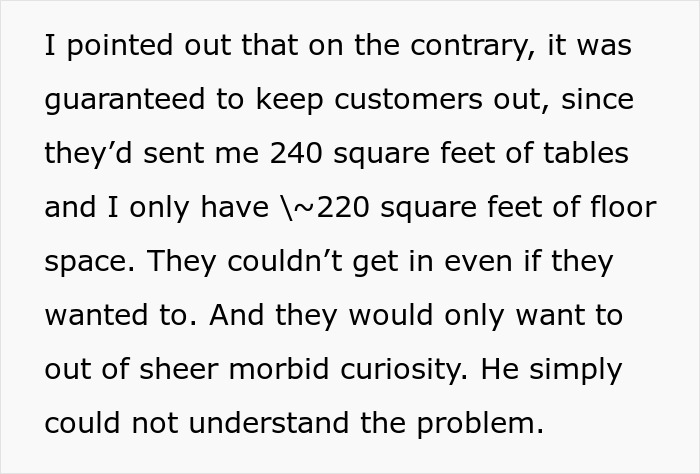
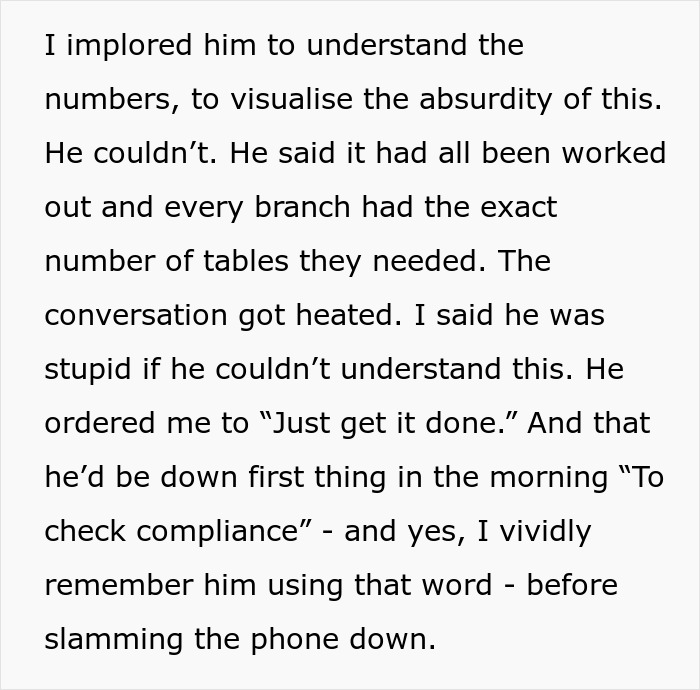
Image generated by Bored Panda using Gemini (not the actual photo)
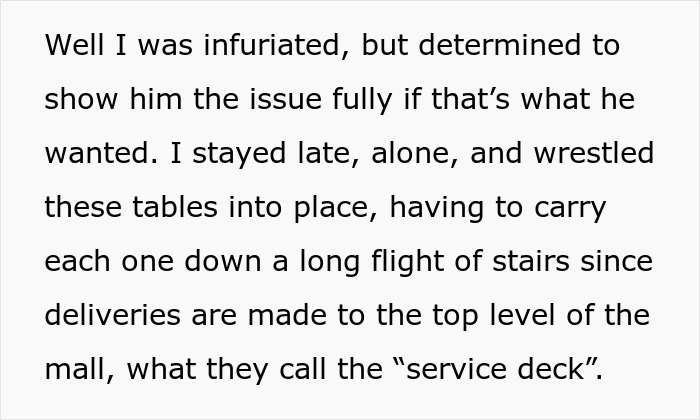

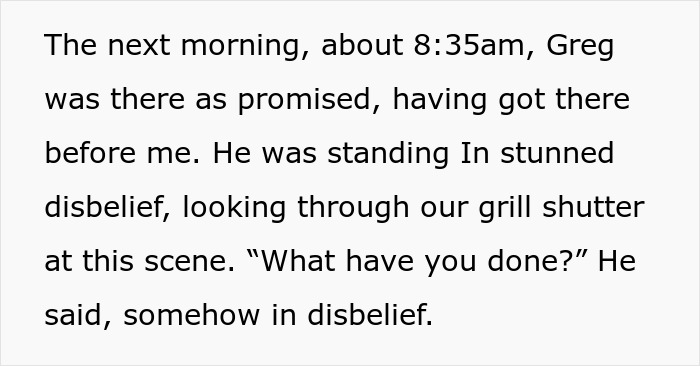
Image generated by Bored Panda using Gemini (not the actual photo)
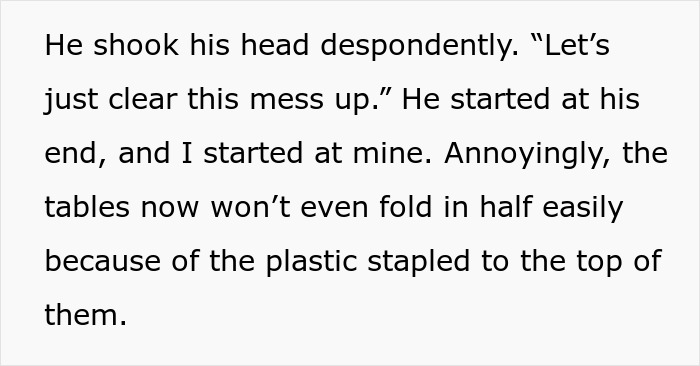
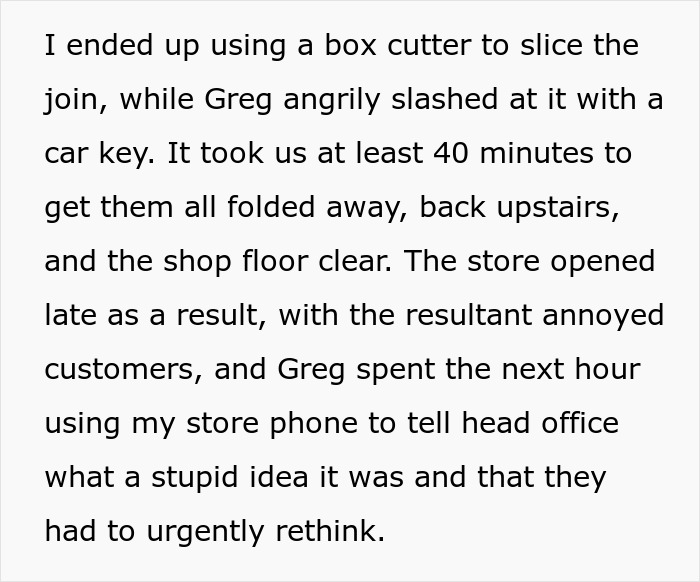
Image credits: Izzy-of-Albion
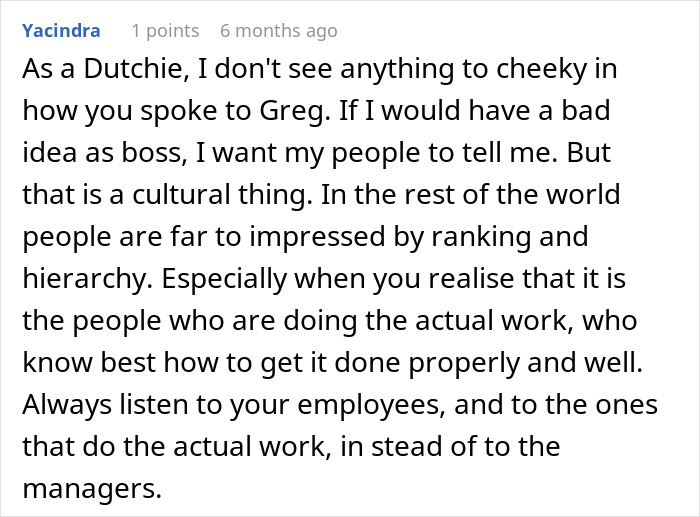
When corporate headquarters rolls out bizarre new policies, it usually stems from a massive disconnect between executives and the people actually running the stores.
This phenomenon is perfectly captured by the “Iceberg of Ignorance,” a concept popularized by consultant Sidney Yoshida in 1989.
His research revealed that while frontline workers were aware of 100% of day-to-day operational problems, that knowledge evaporated as it moved up the chain. Supervisors knew about only 74% of the issues, while middle managers were aware of a mere 9%. Senior executives, on the other hand, who sat at the top were aware of only 4% of the problems.
Recent research backs this concept as well.
A ThinkPoints Transformation survey found that significant knowledge gaps still exist between senior executives and the rest of the organization. In the survey, 61% of executives and general management said that their organizations had “efficient, effective processes with minimal waste and bureaucracy.” Only 27% of the organization agreed with that statement.
The consequences of this disconnect can be drastic for a workplace.
When leaders refuse to listen, employees feel ignored and unvalued, which eventually destroys their motivation and morale. The end result? Productivity plummets, and efficiency suffers.
The team might start missing deadlines and production schedules. Or a safety hazard or legal liability could go ignored, exposing an organization to significant risk.
Putting money aside, the primary reason people quit their jobs is a bad relationship with their direct boss. According to an ADP Research Institute report, 36% of employees leave for this exact reason.
“Not only does it destroy an employees’ motivation when their boss dismisses them, but the boss is putting their career at huge risk,” says Mark Murphy, CEO of Leadership IQ.
A two-and-a-half-year study of 1,500 participants examined how managers handle advice, and the conclusion was clear: the higher a manager rises, the less likely they are to listen to anyone else.
According to researcher Kelly See, gaining power increases a leader’s confidence in their own judgment. The more authority these managers felt they possessed, the more flawless they believed their decision-making to be. It also sometimes blinds them to valuable advice from their own teams.
“We need to make people in high-level leadership positions aware of this. It’s important to surround yourself with people who are going to disagree with you and to remind you that you’re not always right,” says See.
Many frontline workers also feel they are not being heard by management on important issues.
A 2021 SafetyCulture survey found that 23% of frontline workers in the US feel they are rarely or never listened to by management when they raise organizational concerns.
The research found that the issues most important to employees were operations, safety, health and wellbeing, management style, inclusion and diversity, and social issues.
Workers also fear retaliation just for speaking up. In the survey, 36% of frontline employees said that reporting a safety or quality issue to management could get them fired.
This usually happens because companies rely on deeply flawed feedback systems that fail to capture the real operational hurdles their employees face.
Harvard Business Review research shows that this approach creates a phenomenon known as pseudovoice — where management asks for feedback but lacks the mechanism or intent to act on it. Because generic surveys ask about vague job satisfaction rather than specific issues, they can result in ineffective fixes.
Also, when employees see that nothing actually changes, they stop speaking up entirely.
To fix this, experts believe employers must shift from vague satisfaction surveys to direct friction audits. Instead of asking how employees feel, they need to ask about the exact bottlenecks slowing down daily routines.
Leaders must also push decision-making power to the store floor, giving local managers the right to adapt corporate rollouts to physical realities.
“Two-way communication between frontline workers and management is no longer a ‘nice to have’, it is a business imperative. Leaders need to be arming their teams with the right tools to allow them to add value, be heard, and stay safe,” Bob Butler, general manager of SafetyCulture, said.
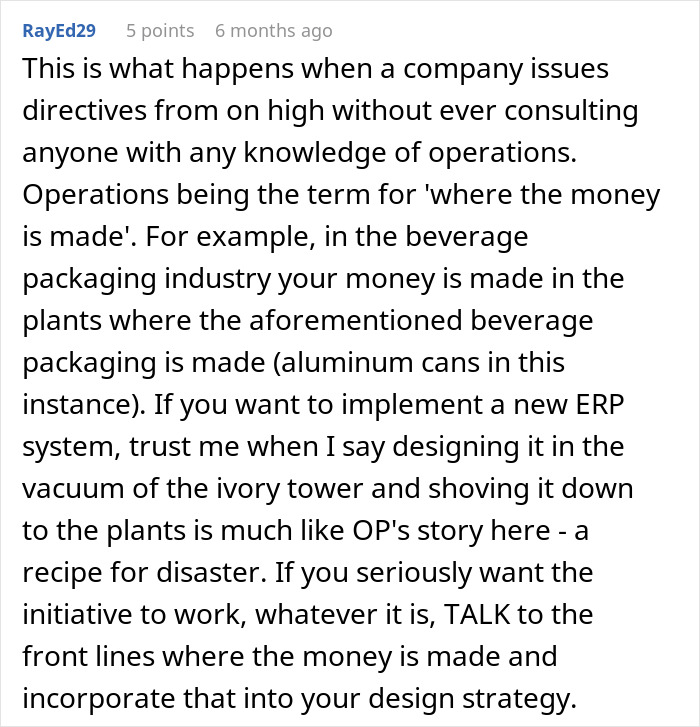
While the onus should be on leadership to fix the system, you can still take action if your boss refuses to listen. Experts suggest speaking up when critical floor issues are ignored. Scale the problem by looping in your colleagues for support, bring the matter directly to your boss’s superiors, or file a report through your company’s formal grievance process.
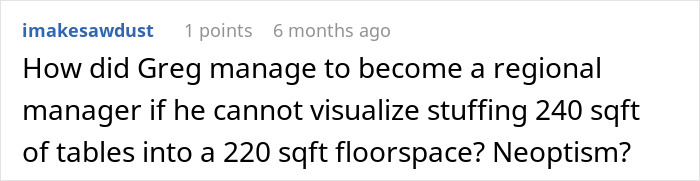
When corporate offices solely depend on spreadsheets instead of physical reality, disasters like a room full of unusable tables are inevitable.
If leadership treated frontline workers as operational experts, stores wouldn’t end up buried under red plastic, and good managers wouldn’t have to crawl to achieve success.









By entering your email and clicking Subscribe, you're agreeing to let us send you customized marketing messages about us and our advertising partners. You are also agreeing to our Privacy Policy.
Thank you! You've successfully subscribed to newsletters!


"Image generated by Bored Panda using Gemini (not the actual photo)" - Booooooooo!!!!!!!!

Agreed. I was already done with this article when I saw that. I am glad they were honest about it, so kudos to them for that. Still not impressed with the images though.
Load More Replies...
"Image generated by Bored Panda using Gemini (not the actual photo)" - Booooooooo!!!!!!!!
Agreed. I was already done with this article when I saw that. I am glad they were honest about it, so kudos to them for that. Still not impressed with the images though.
Load More Replies... 


































 No fees, cancel anytime













23
15