Get Premium
Dark mode theme is available exclusively for premium users. Learn more about the benefits of subscribing.
No fees, cancel anytime.

 Dark Mode Ad-Free Browsing Unlimited Content
 Ad-Free Browsing Unlimited Content Dark Mode
Join 1.2 million Panda readers who get the best art, memes, and fun stories every week!
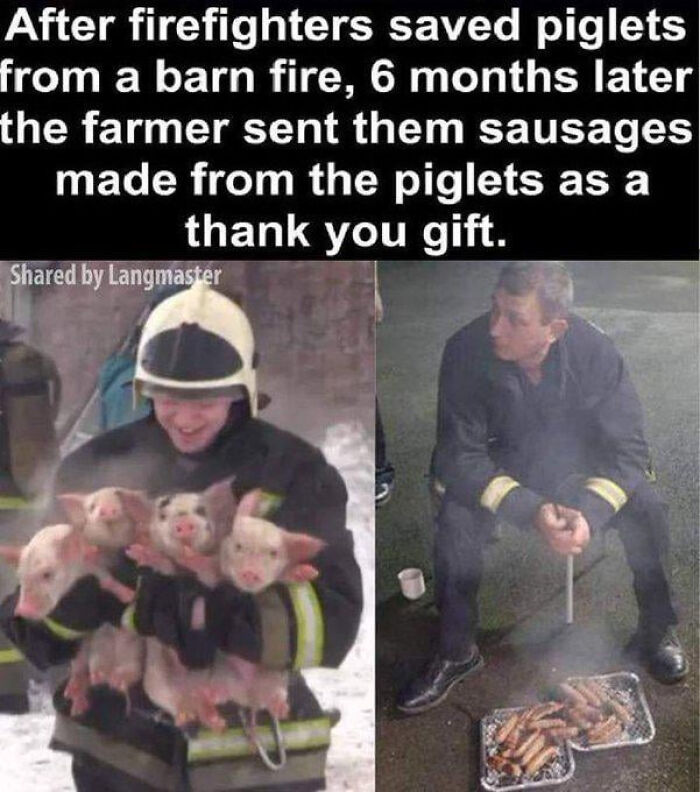
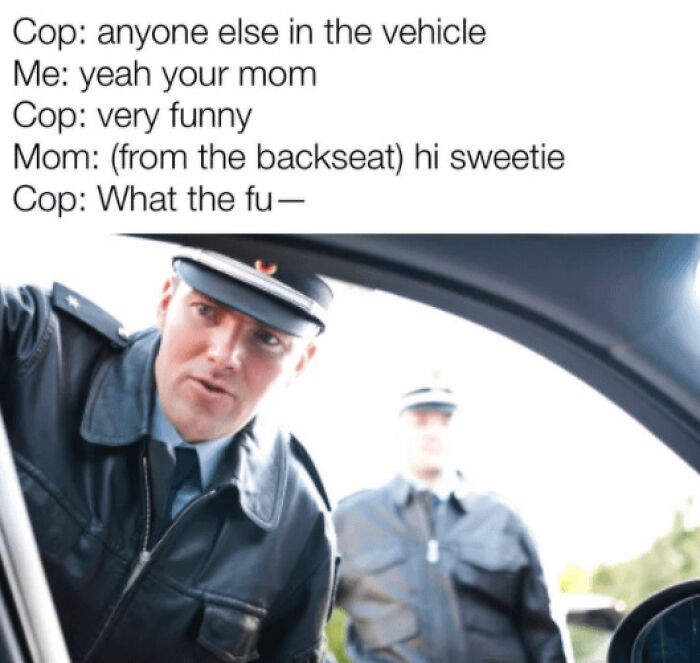
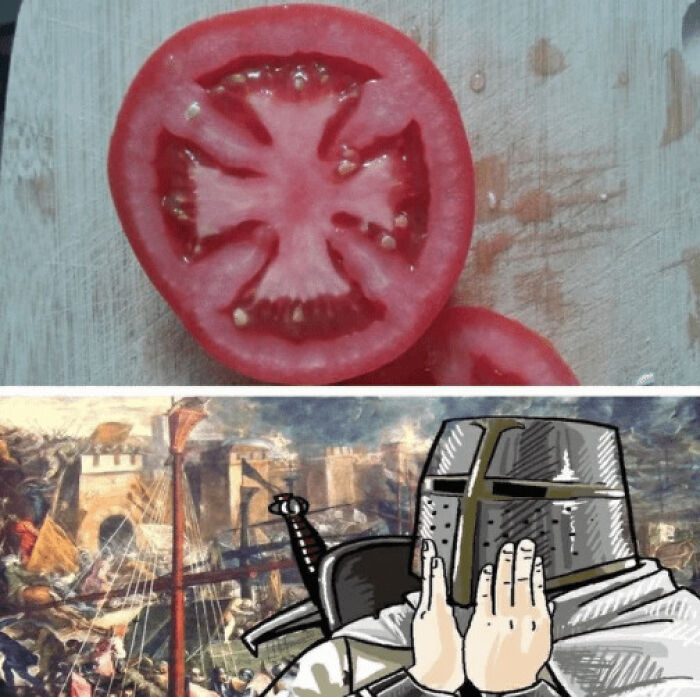
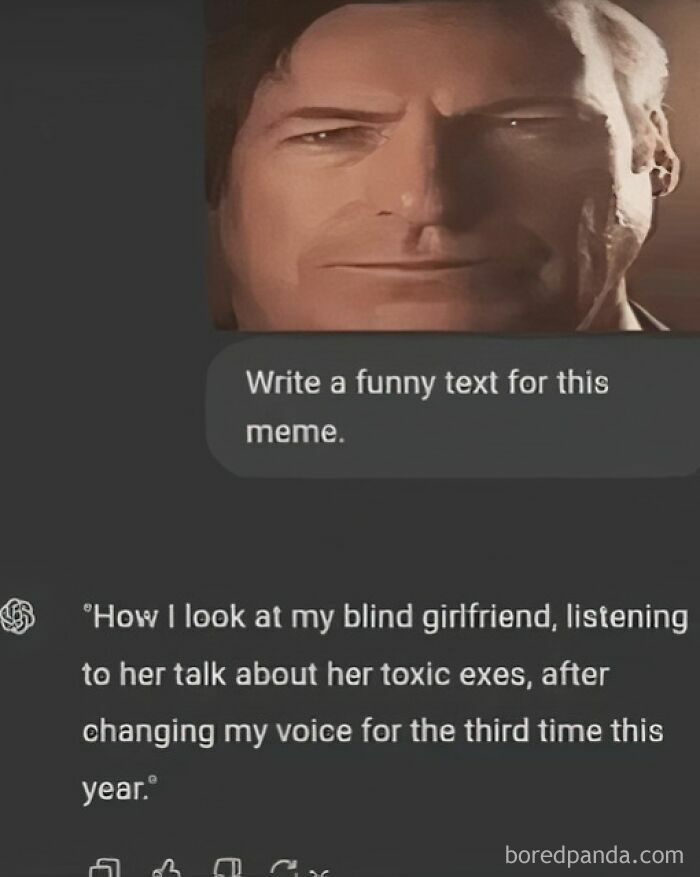
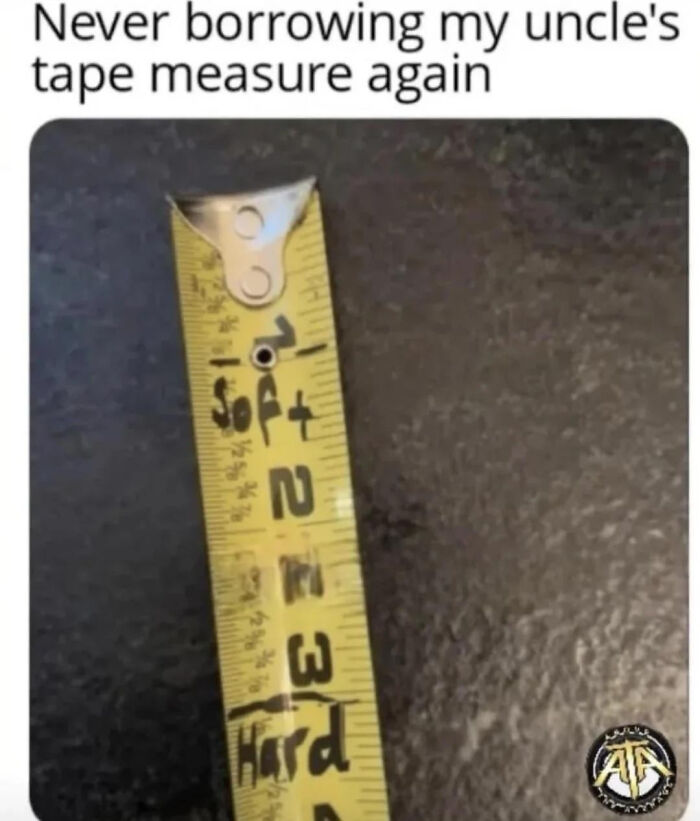
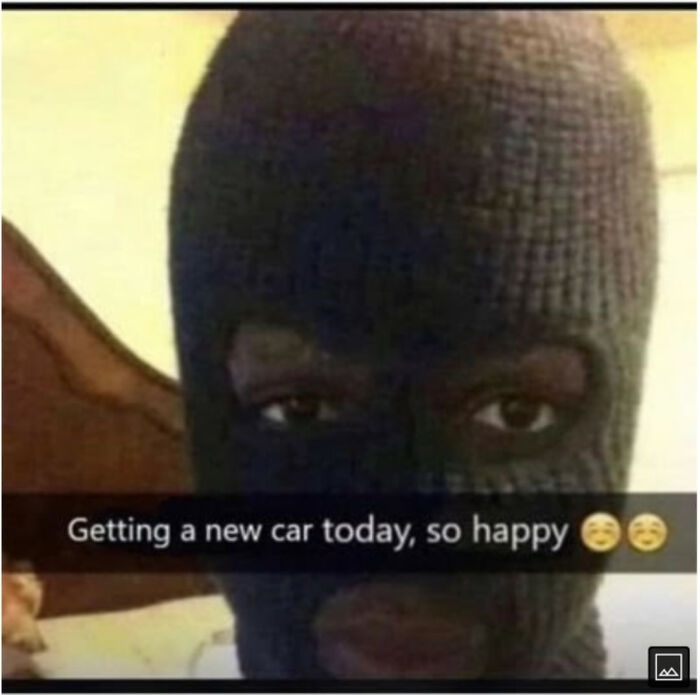
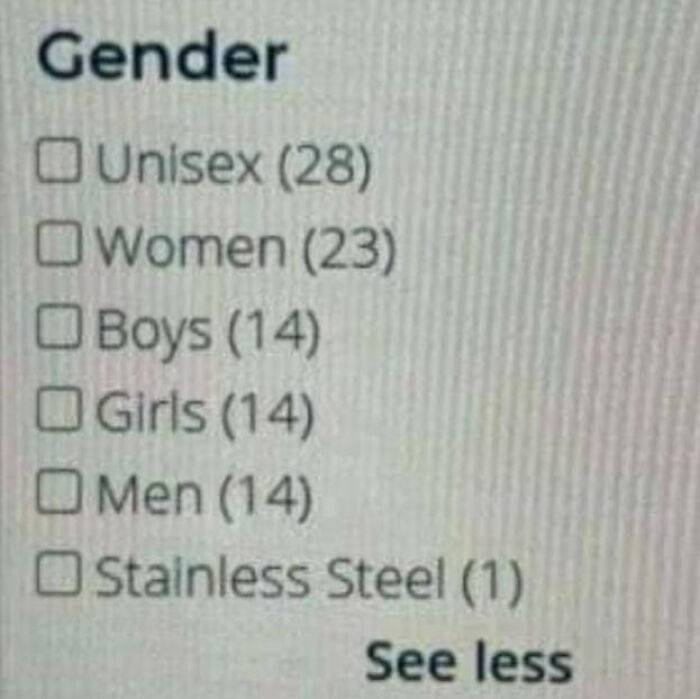
Here on Bored Panda, we've had "blessed" memes, we've had "cursed" memes, but now, it's time for "blursed" memes, which are, you guessed it, both blessed and cursed at the same time.
While the concept may sound confusing at first, I can assure you that the images are too. The content, which we got from the subreddit r/BlursedMemes, is as easy to understand as IKEA assembly instructions. And even if you do figure out what the pictures depict, it's often still unclear how to feel about them.
My suggestion: the less you overthink them, the more they start to make sense. Somehow.
This post may include affiliate links.
Whether this list leans more toward "cursed" or "blessed" ultimately depends on your interpretation. However, the cursed image as a meme can trace its roots straight back to the Creepypasta era. For the unfamiliar, Creepypastas were a mix of horror stories and urban legends that emerged from various forums and dark corners of the internet in the late 2000s and early 2010s.
A spooky subset of "copypasta"—blocks of text copied, pasted, and circulated online like digital chain letters—Creepypasta notably gave rise to legendary characters such as the infamous Slender Man and the moral-panic-inducing bird-woman chimera, Momo.
"The thing around Creepypasta stuff is that sometimes it blurs the lines between genuinely, earnestly supposed to be scary and something that's scary but also playful and funny," says Ryan Milner, an assistant professor in communications at the College of Charleston and author of a book about the rise of meme culture, The World Made Meme.
What usually separates a cursed image from a simple shock photo is that the terror is implied rather than stated outright. There is always an imagined narrative lurking behind it—albeit one that is frequently and deeply unclear.
You're left with the distinct sense that a highly specific, chaotic series of unfortunate and bizarre events led up to that moment.
With blursed images, this confusion is even more intense because your brain is kind of trying to laugh, gasp, and "aww" at the exact same time.
Blursed images seem to reaffirm the "benign violation theory." Basically, it says that for something to be funny, it has to hit three specific boxes all at the exact same time: it has to feel a little wrong, it has to be completely safe, and you have to realize both of those things simultaneously.
The "wrong" part—the violation—just means the situation breaks your expectations of how the world should work. This can be anything from physical playfighting and tickling to someone totally butchering grammar rules for a bad pun.
But how do you make something that feels wrong feel safe (or blessed)? According to experts, there are three main ways to do it:
You just don't care that much: If a church gives away a giant luxury SUV as a prize, a highly religious person might find it offensive, but someone who isn't religious will probably just laugh because they have no skin in the game.
You've got some distance: It’s the classic rule of comedy—it’s funny because it happened a long time ago, it happened to someone else, or it’s completely fictional.
There's a backup explanation: Take tickling or playfighting. Your brain initially flags it as a physical attack, but the backup explanation is, "Oh wait, this person is just playing around." It's actually why primates laugh during roughhousing—the laughter is a literal signal to the rest of the group saying, "Hey, this looks scary, but we're totally okay.
In a chaotic world where news headlines seem to defy logic more and more with each passing day, the blursed meme kind of reaffirms the fact that it's not just us who think everyone's going crazy.
When reality itself starts to feel like a giant, unsettling joke, our brains naturally look for a release valve. As Kurt Vonnegut famously put it, "Laughter and tears are both responses to frustration and exhaustion. I myself prefer to laugh, since there is less cleaning up to do afterward."

She gave her chihuahua a growth potion, so what. She didn't want to marry the stupid Prince, she's Sapphic.
Unfortunately, it doesn't work as quickly as they show on the telly.

That's a fundamental principle in German criminal and torts law (and I suppose in many other jurisdictions).
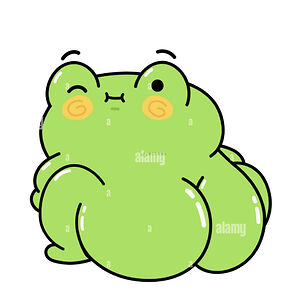
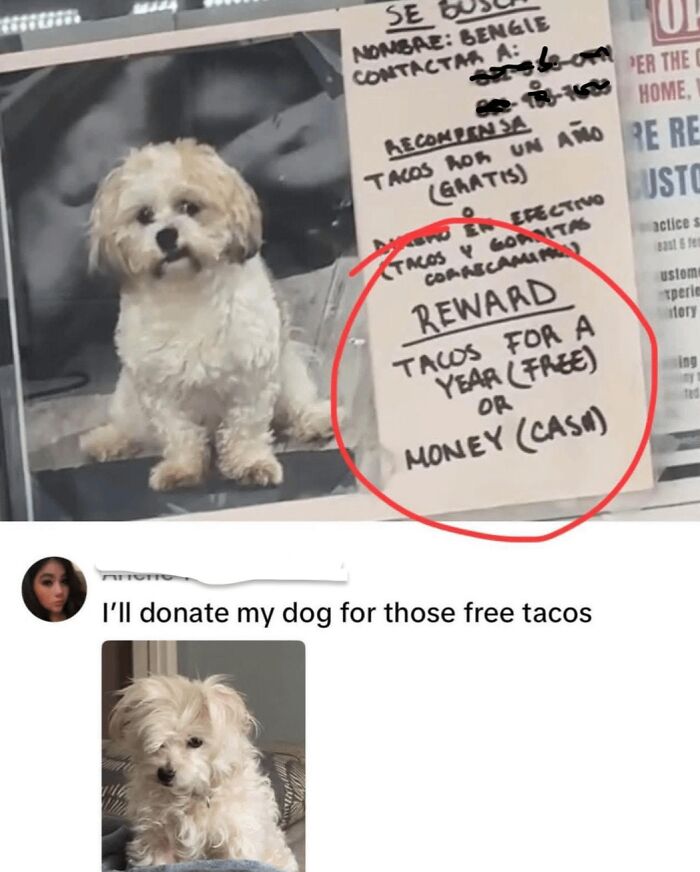
And just how many tacos are we really talking here?
Kenneth Parcell and Jack Donaghy taught me enough to know this can only result in a chain reaction of mental anguish. 😐
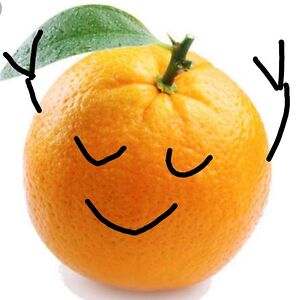
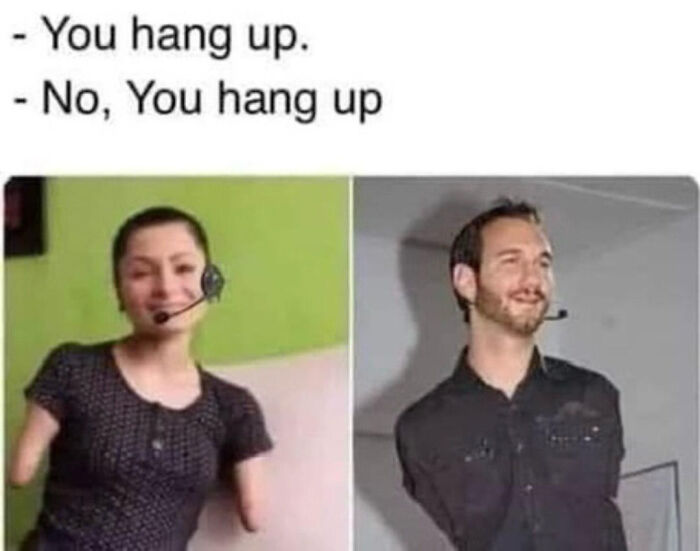
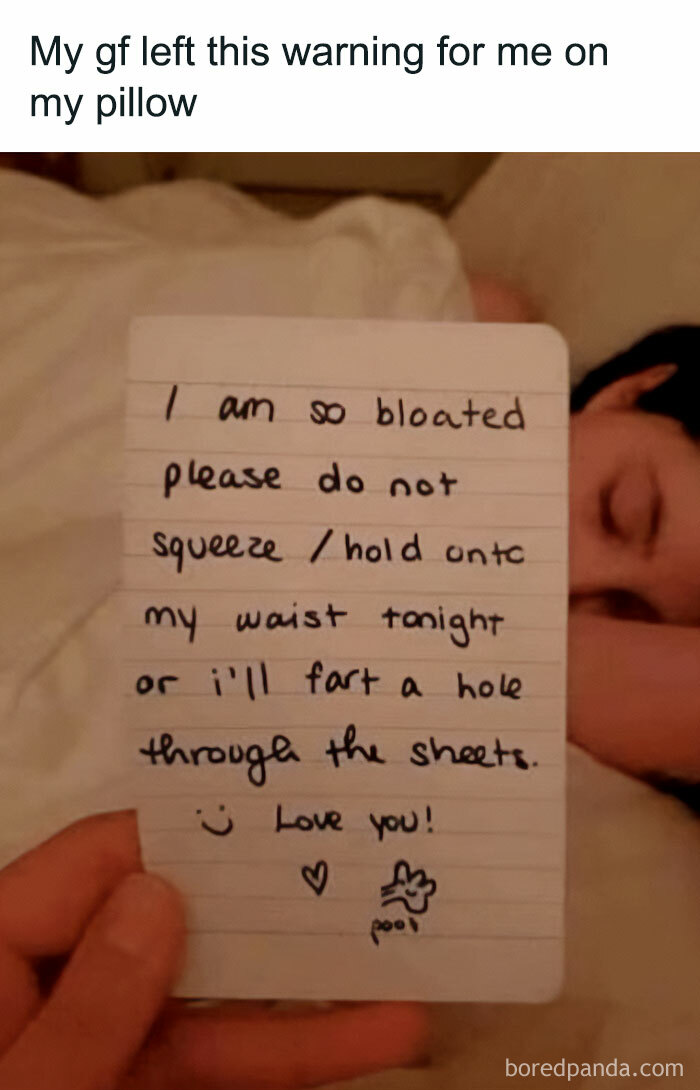
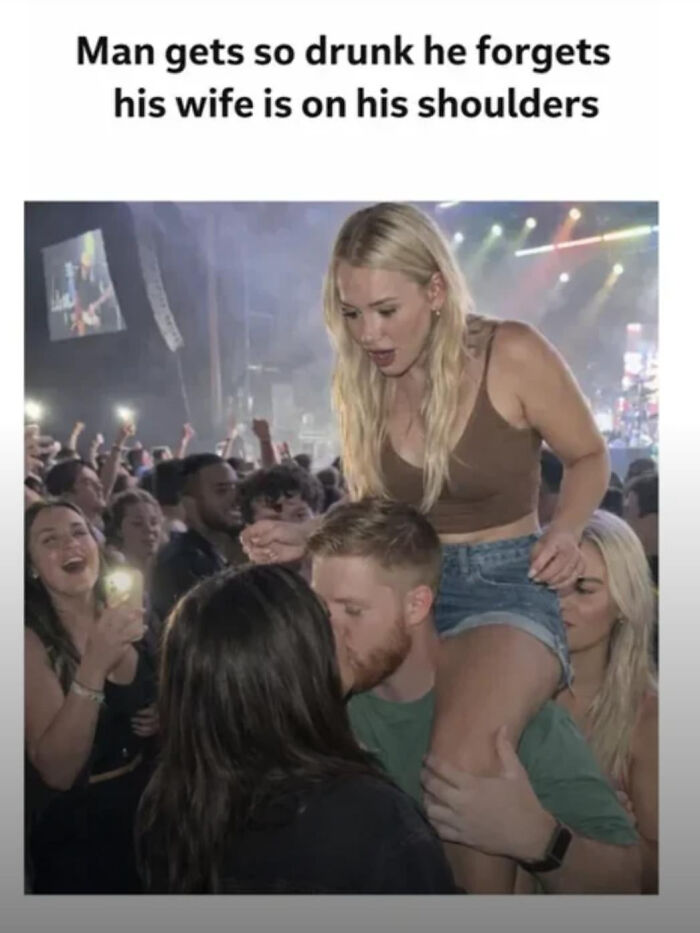
Well that's not an excuse. When my husband gets drunk, he keeps calling just to say he loves me



















 No fees, cancel anytime