Get Premium
Dark mode theme is available exclusively for premium users. Learn more about the benefits of subscribing.
No fees, cancel anytime.

 Dark Mode Ad-Free Browsing Unlimited Content
 Ad-Free Browsing Unlimited Content Dark Mode
Join 1.2 million Panda readers who get the best art, memes, and fun stories every week!
Innovation doesn’t always mean creating something entirely new. Some of the most remarkable breakthroughs come from observing what already exists in nature.
From color-shifting chameleons to bacteria-inspired concrete, leading designers, engineers, and architects often look to biomimicry to tackle complex human challenges. They've developed products that combine fresh ideas with time-tested natural solutions.
Here are 15 brilliant examples of biomimicry that borrow from nature’s colors, shapes, and systems. These innovations span medicine, design, architecture, and sustainability, and a few might genuinely blow your mind.
This post may include affiliate links.
Inspired by: Chameleon
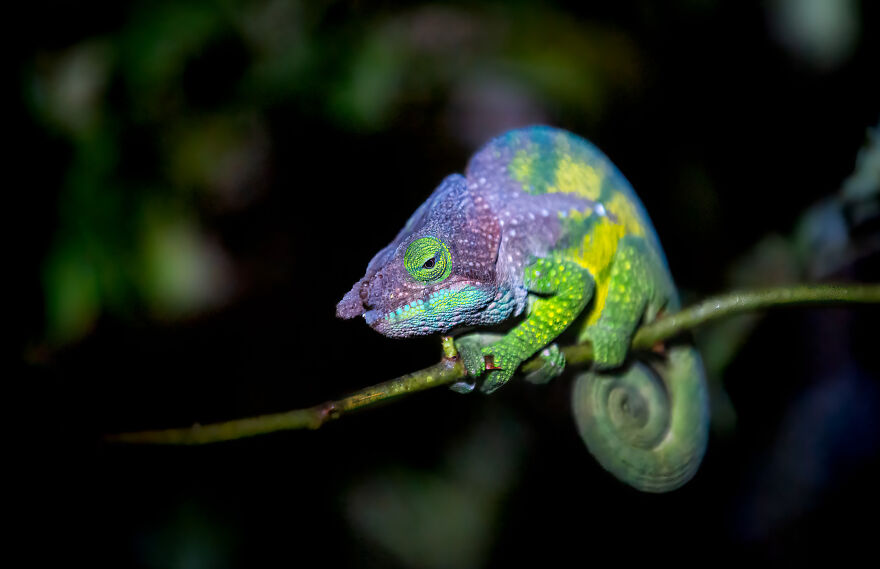
In 2024, scientists at the Beckman Institute for Advanced Science and Technology developed a printing technique that produces multiple colors from a single ink. Their inspiration? The chameleon’s ability to shift colors depending on its environment.
This innovation enabled a more sustainable multicolor 3D printing process, using less energy and generating less waste. The team’s process, known as direct writing, involves modifying the ink’s color during printing with UV light (per 3D Natives).
Inspired by: Lotus flower
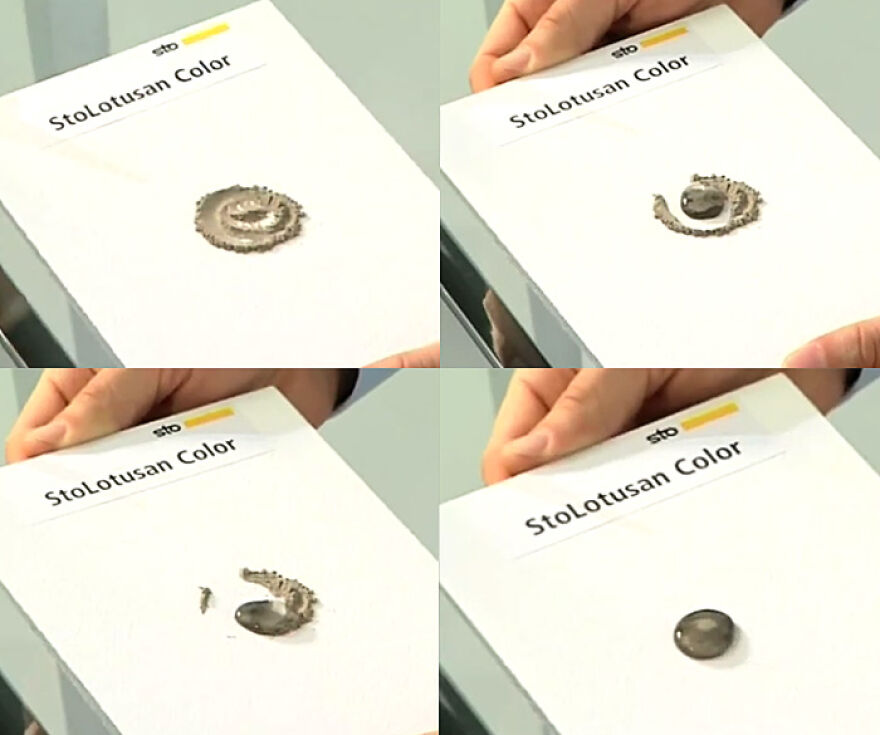
In 2004, Optimist Daily reported that Dr. Wilhelm Barthlott, a botany professor at Bonn University, spent four years developing a house paint inspired by the hydrophobic surface of the lotus flower. Created for the German company ispo, the paint was named Lotusan.
Lotusan’s key innovation was a microstructured surface that mimicked the lotus leaf’s texture, drastically reducing surface contact and preventing dirt and dust from sticking. Just one rainfall was enough to wash away debris, earning it the nickname “self-cleaning.” The design also helped keep walls free of microorganisms and fungi.
Inspired by: Coral reefs and plant enzymes
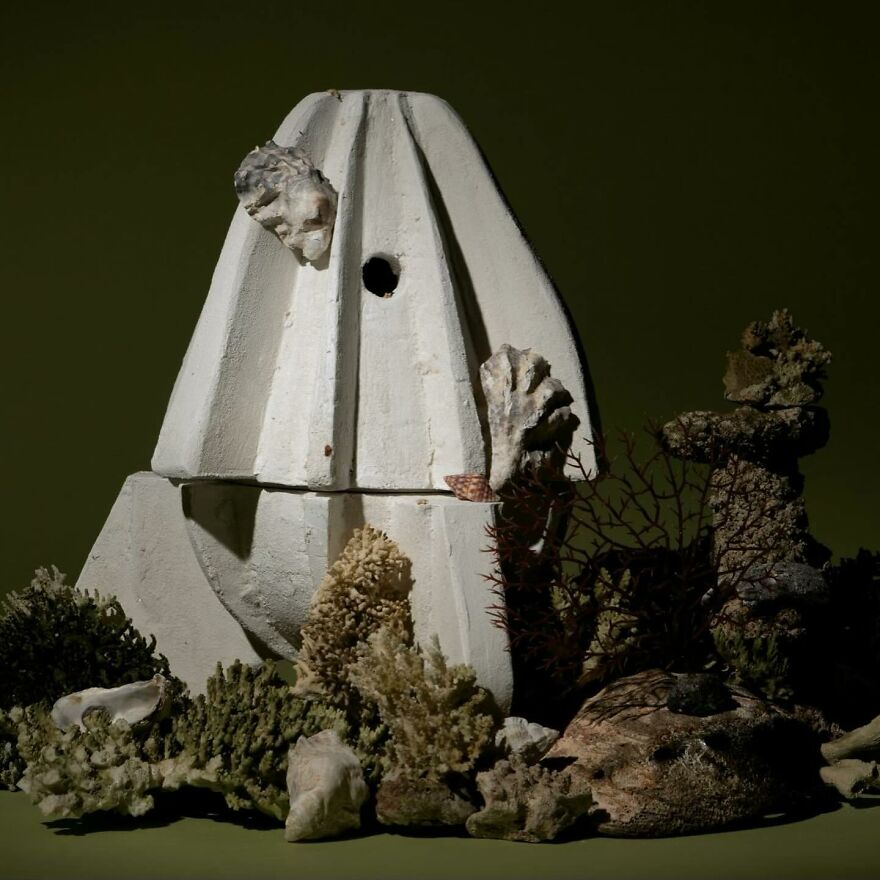
In 2024, Norwegian-American designer Lempres partnered with bio-geotechnical expert Ahmed Miftah to create a plant-based alternative to cement.
As Dezeen reports, she studied oyster reefs, natural systems that filter water, provide aquatic shelter, and absorb wave energy, to inform the design of Reef Rocket.
The invention uses a plant-derived biocatalyst poured over recycled materials like crushed glass and oyster shells.
This mixture forms “mineral bridges” that harden into concrete-like structures within days, mimicking how oysters grow their shells. The result is a biodegradable material that could help restore coastal ecosystems and reduce reliance on traditional cement.
Inspired by: Waxy cuticle on plant leaves
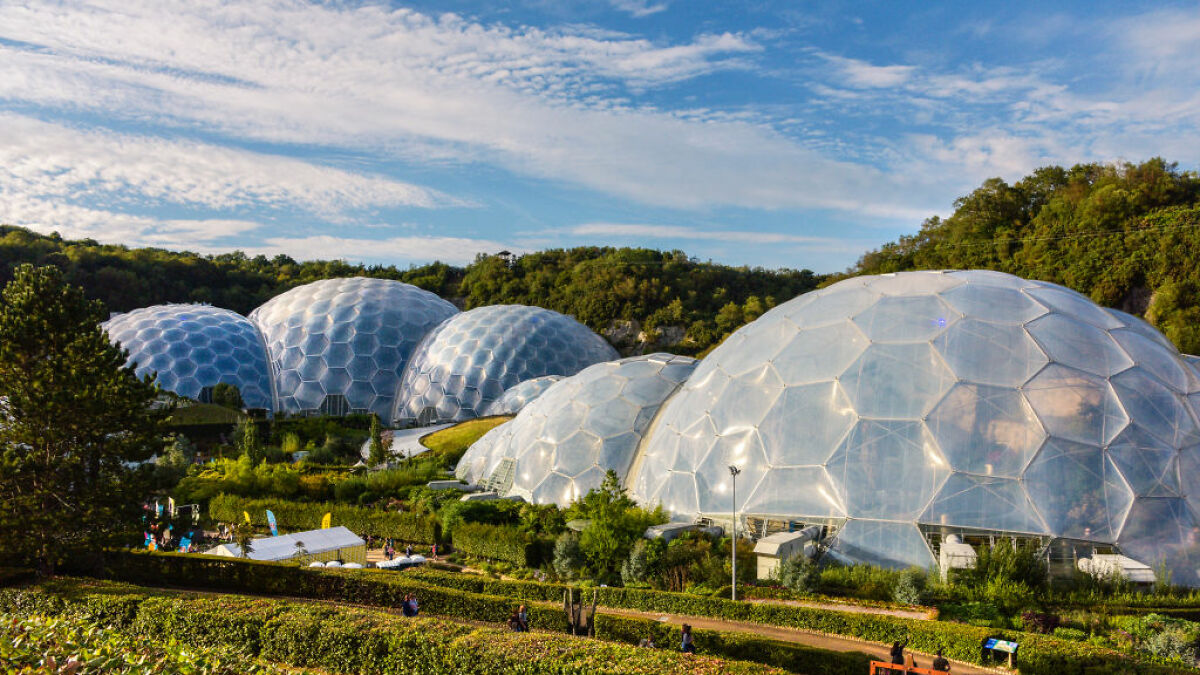
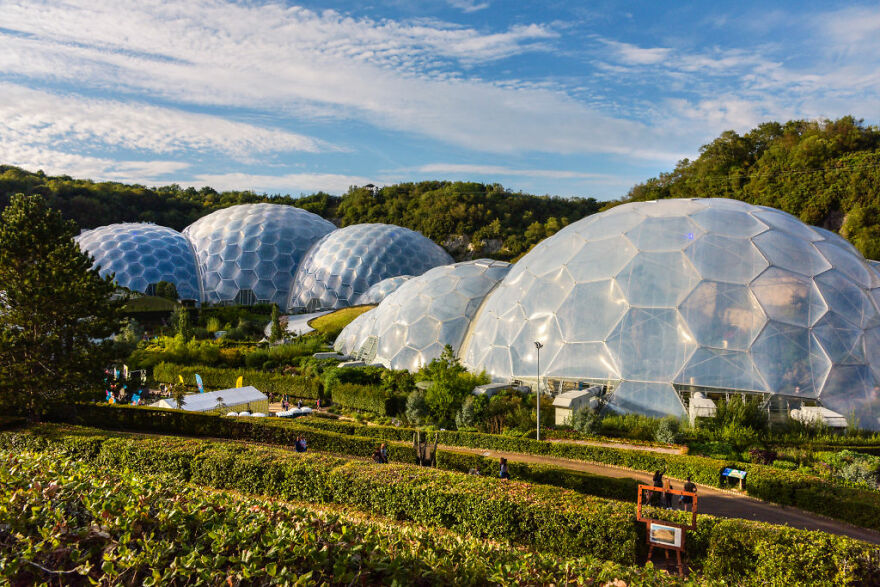
The Eden Project is one of the most recognized examples of biomimetic architecture. Designed by Grimshaw Architects, this botanical garden in Cornwall, UK, is also the world’s largest greenhouse.
Its distinctive domes, known as Biomes, are made of ETFE, a transparent, UV-resistant polymer. The material takes inspiration from the cuticle on plant leaves, a semi-permeable layer that helps manage temperature and moisture.
Like the plant cuticle, ETFE cushions regulate internal climate while allowing in light, making the structure both energy-efficient and sustainable. The Eden Project remains a landmark in eco-friendly design.

I've been to the one in Cornwall several times, it's built in a disused quarry. Absolutely amazing place,it was even used as a backdrop for a James Bond film, Díe Another Day. I hope I'll get chance to go back there, and visit the one in Morecambe one day.
Inspired by: Fruit peels
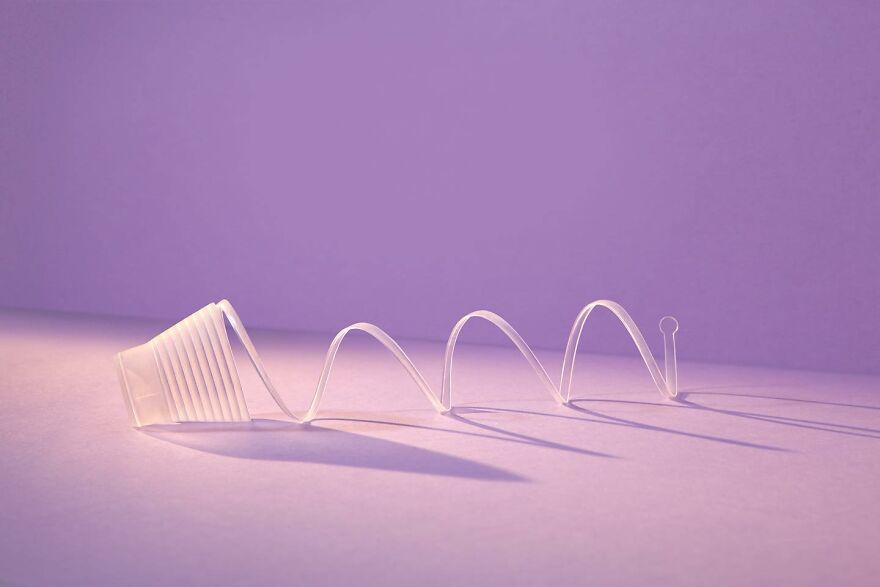
In 2023, design studio Tomorrow Machine developed a biodegradable juice bottle made from a potato starch-based material. What sets it apart is its ability to mimic fruit peels: it can be peeled off and either eaten, composted, or dissolved.
The bottle, named GoneShells, was created in collaboration with global beverage brand Eckes Granini for its Brämhults juice line. Its name reflects its disappearing nature.
GoneShells contains no synthetic components. Tomorrow Machine founder Anna Glansén explained that "as long as you don’t activate the degradation process by peeling the bottle or tearing it apart in another way, it works similarly to a traditional plastic bottle" (via Dezeen).

There are some cool alternatives to non-biodegradable plastics, but the expense still leads most companies to opt for the old standbys.
Inspired by: Slug slime
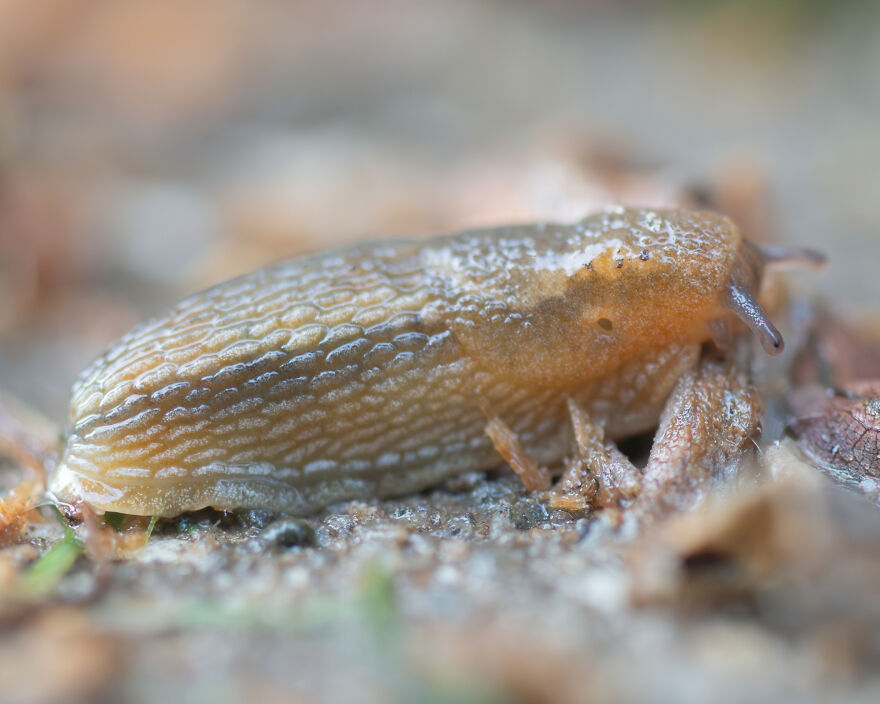
In 2017, researchers turned to an unlikely creature in search of a better surgical glue: the orange slug. Harvard University chemists discovered that Arion subfuscus produces a sticky secretion when threatened, anchoring itself so firmly that predators can’t pry it loose.
This slime was uniquely effective on wet surfaces, which made it ideal for medical use. Harvard bioengineering professor David Mooney, in a study published in Science, explained that his team mimicked the slug's slime using a positively charged polymer called chitosan. They combined it with other biopolymers, including alginate derived from algae.
The result was an adhesive far stickier than any then-available glue, validated through multiple animal trials.
Inspired by: Termite mounds
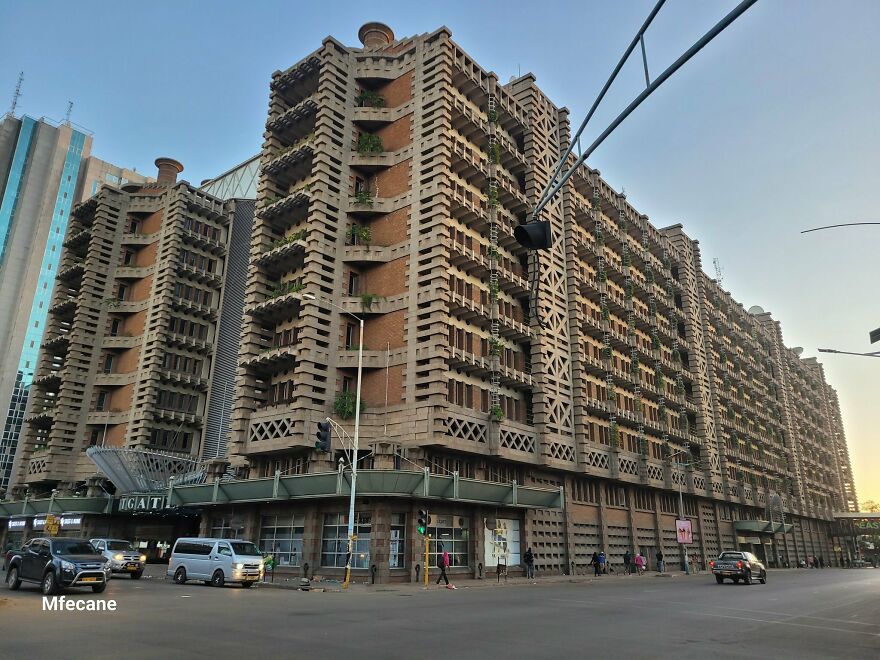
In 1993, architect Mick Pearce drew inspiration from termite mounds while designing the Eastgate Centre in Harare, Zimbabwe. He aimed to avoid traditional air conditioning by mimicking the way termite colonies regulate temperature.
The building uses a system that mirrors how vents in termite mounds open and close to control airflow. It draws in outside air and moderates the interior temperature through natural convection and thermal mass. This landmark of biomimetic architecture is reportedly 90% more energy-efficient than similar buildings (via Arup).
Check out his website - he has other projects that use similar principles, but which look quite a bit different.
Inspired by: African acacia trees
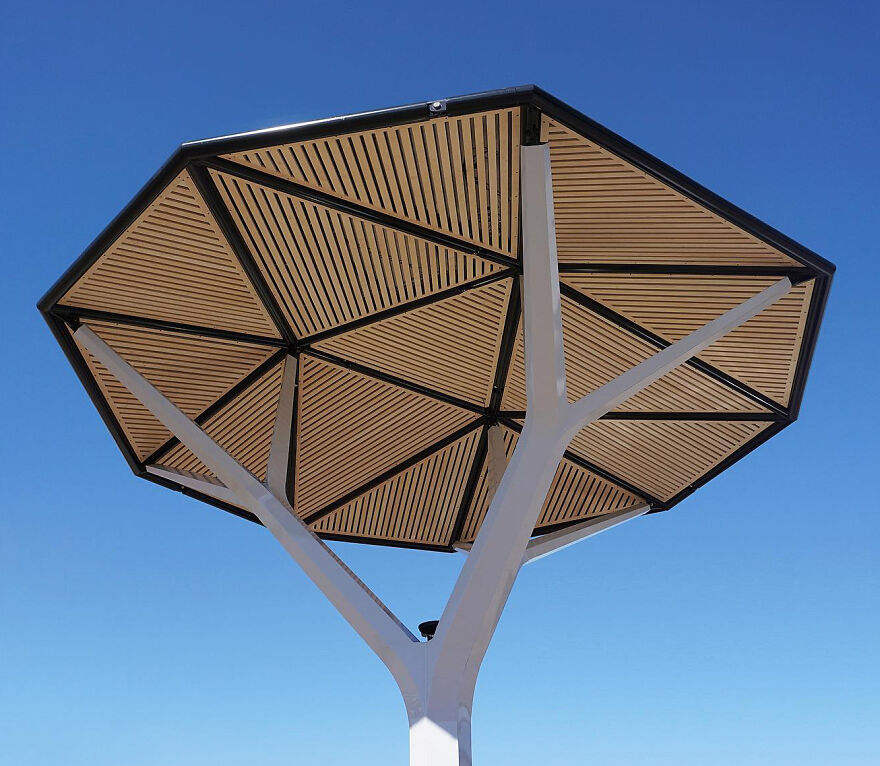
London-based designer Samuel Wilkinson created Ecacia, a solar-harvesting structure that doubles as a shaded public shelter. Its form was inspired by a species of African Acacia tree, known for thriving in the hot savannahs of eastern and southern Africa.
The tree’s wide, umbrella-like canopy informed Ecacia’s design, maximizing sunlight capture. Wilkinson told Dezeen that the concept focuses on merging solar energy collection with thoughtful placemaking in urban settings.
Inspired by: Shark skin
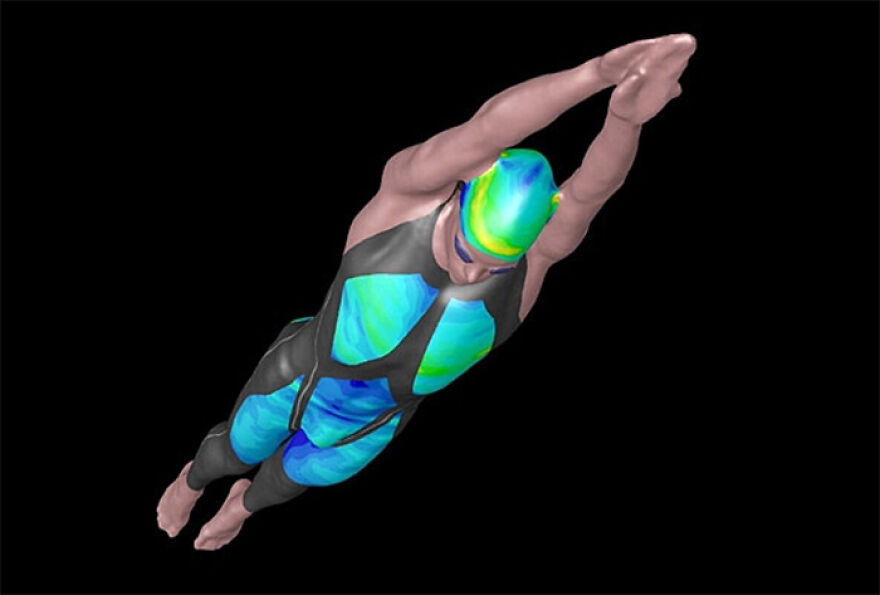
This innovation was so advanced it got banned. In 2008, Italian company Mectex studied the texture of sharkskin to help develop the LZR Racer suits. Collaborating with the Australian Institute of Sport and Speedo, and testing with NASA, the team crafted a suit designed for speed.
The inspiration came from dermal denticles, tiny tooth-like scales on sharkskin that disrupt water flow and allow sharks to glide efficiently. The suits featured a built-in corset for added buoyancy and used compression fabric to reduce muscle vibration during swims (via TIME).
Engineered to slash drag in the water, the suits were worn by 94% of swimmers who medaled at the 2008 Beijing Olympics, reducing race times by nearly 2%. The tech's impact was so dramatic that World Aquatics banned the suits in future games, citing an unfair performance advantage (per The Japan Times).

Why not allow it and let anyone who wants to compete in it? All elite athletic gear is made to improve performance.
Inspired by: Plant cell structures
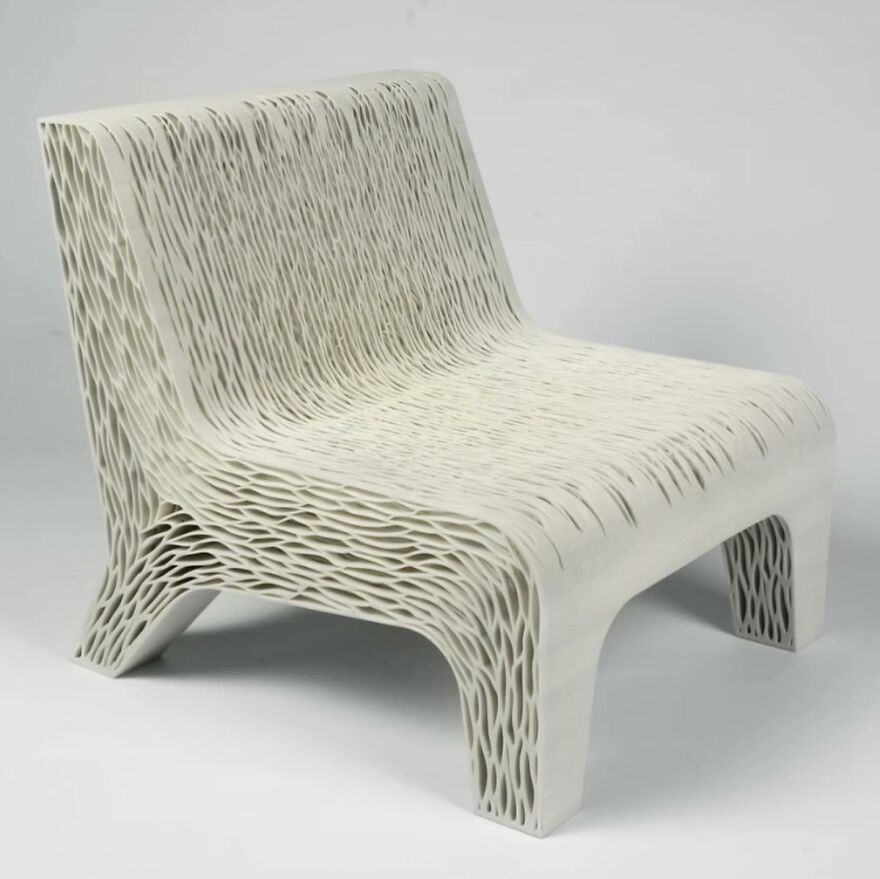
In 2015, Dutch designer Lilian van Daal proposed that 3D printing could replace conventional upholstery methods in furniture making. She noted that traditional upholstery, which relies on gluing multiple materials, makes recycling difficult.
At Dutch Design Week that year, she showcased prototypes of a chair called Biomimicry.
Although entirely plastic, the chair featured zones with varying stiffness levels, inspired by plant cell structures. Her goal was to "create a new way of soft seating with several different functions in one material."
During development, van Daal also explored using biological materials as a sustainable alternative to plastic (via Dezeen).
Inspired by: Nests of Chinese red-crowned cranes
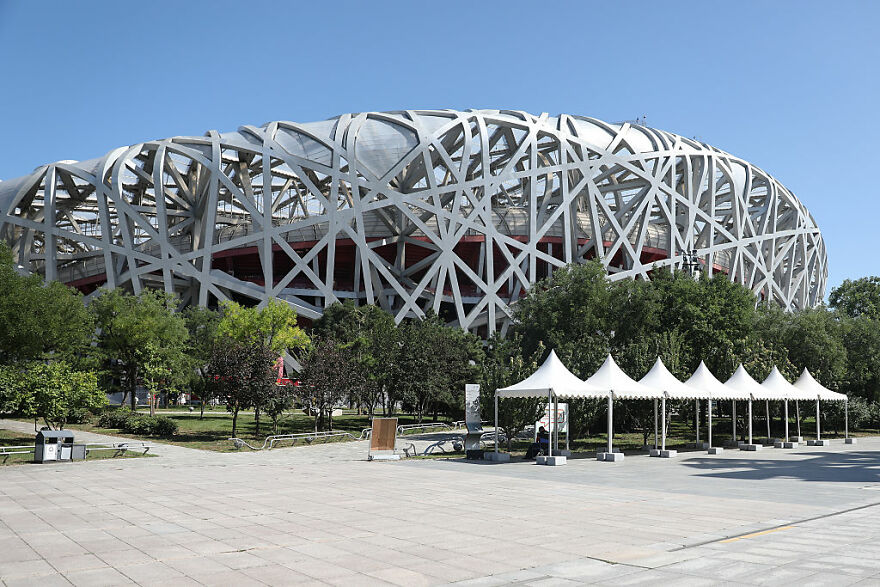
The Beijing National Stadium, often called the Bird’s Nest, is a standout example of biomimicry in modern architecture. Its iconic design is inspired by the nests of the Chinese red-crowned crane.
Swiss architects Jacques Herzog and Pierre de Meuron, working with Chinese artist Ai Weiwei, envisioned a structure that reflected Chinese culture while pushing the boundaries of sustainable design.
The nest-like exterior is more than aesthetic. It also enables natural ventilation throughout the stadium, merging visual symbolism with energy-efficient functionality (via Re-thinking The Future).
Inspired by: Melanin
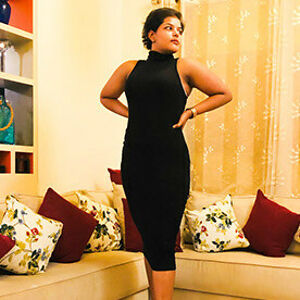
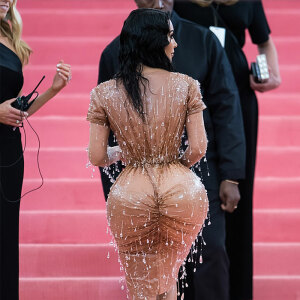
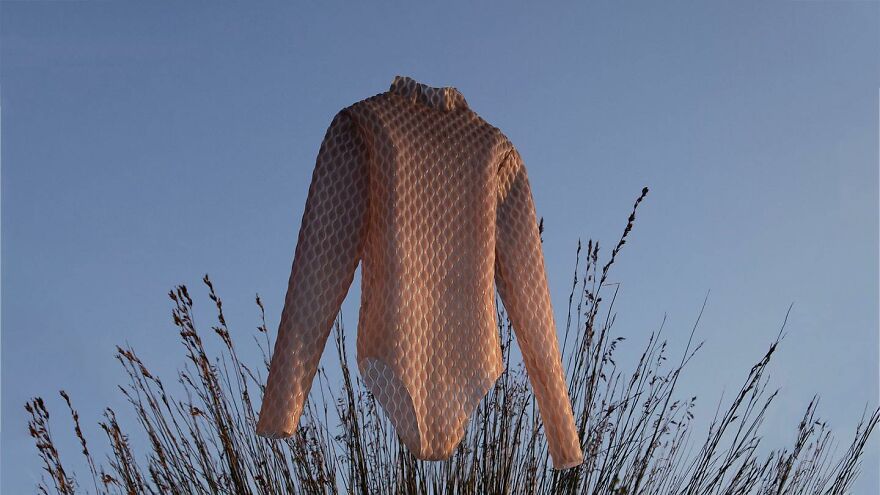
What better model for sun protection than the human body itself? In 2024, Central Saint Martins graduate Maca Barrera introduced Melwear, a project that uses microbes to create a bio-derived sunscreen suit.
This thin, wearable layer acts like a second skin, shielding users from UV radiation.
The technology mimics melanin's protective properties through bacterial biosynthesis and the bioprinting of artificial tissues with living cells. Because the microbes grow quickly, the suit has the potential for low-cost, large-scale production.
It could also offer a biodegradable alternative to toxic synthetic dyes. Melwear remains a speculative, experimental project (per Dezeen), with its concept firmly inspired by nature.
I'm more interested in how it has rendered the model in this photo completely invisible.
Inspired by: Adaptive organisms and slime mold
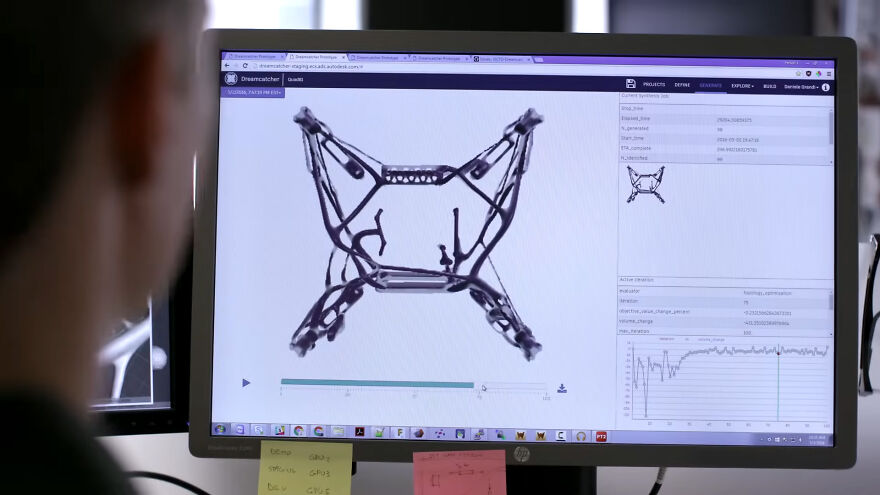
Long before Generative Design became central to Autodesk Fusion 360, it was introduced as Project Dreamcatcher, a concept inspired by nature. As DE 247 reports, Chief Architect Nanda Santhanam studied termite nests and how termites use pheromones to coordinate with each other.
One of the project’s early applications was with Airbus. Innovation Manager Bastian Schaefer explained that the team modeled the A320’s frame after biological systems, drawing inspiration from the branching structures of slime molds and the efficient joints found in nature.
Inspired by: Kelp cellular structure
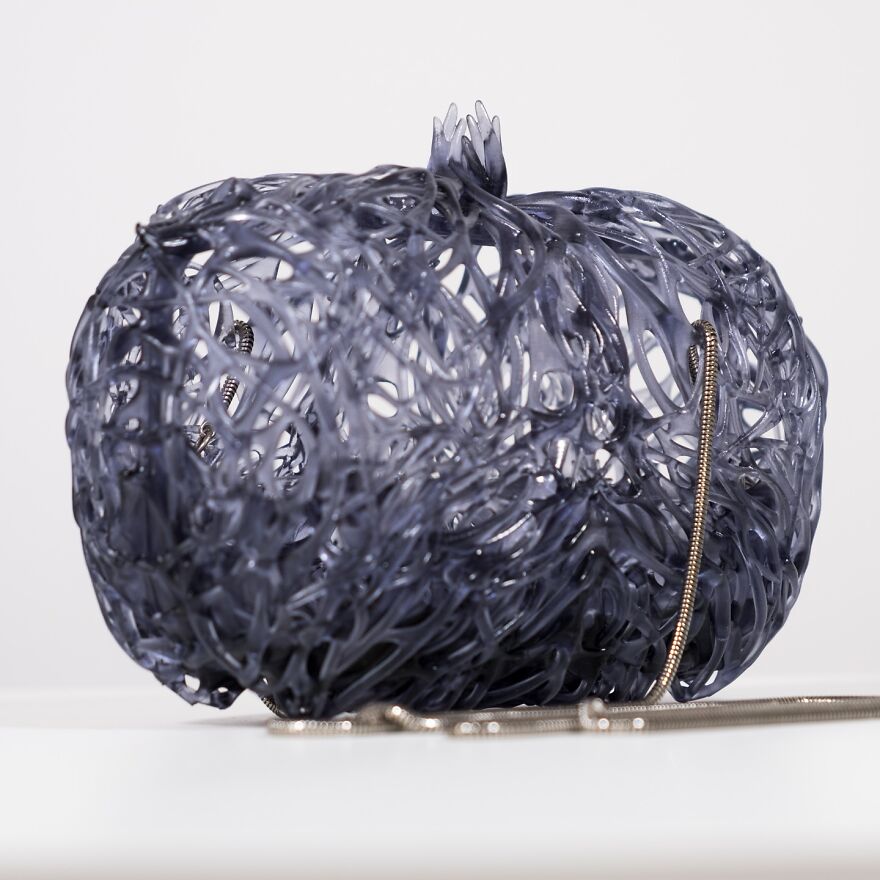
Austrian designer Julia Koerner debuted a 3D-printed clutch bag at MQ Vienna Fashion Week 2022 for her fashion brand JK3D. Called the Kelp Mini Clutch, the design was modeled after the organic shapes of dried kelp tendrils.
The bag was fully 3D-printed using plant-based polymers. To craft the pattern, Koerner analyzed and scanned naturally dried kelp. She told Dezeen her goal was to create "innovative, iconic and sustainable designs" rooted in nature.
Inspired by: Plant seed dispersal
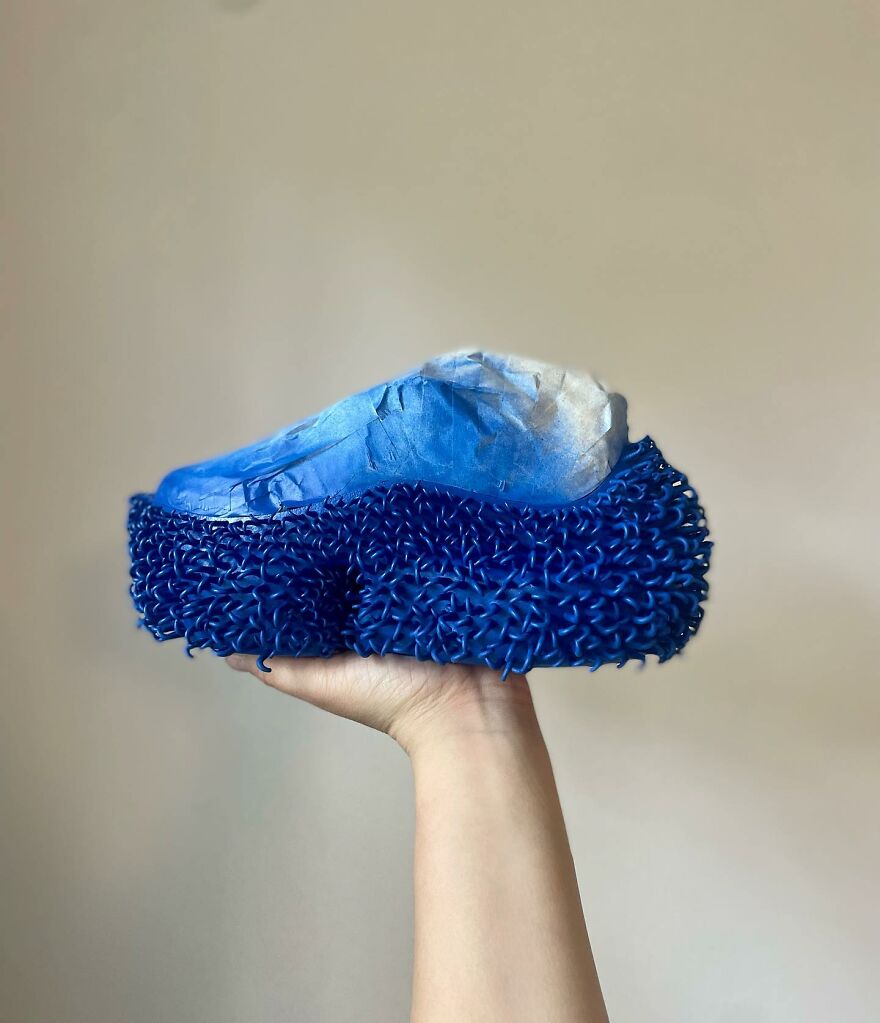
Biomimicry has made its way into both fashion and ecological restoration. Central Saint Martins graduate Kiki Grammatopoulos designed chunky shoes with bristled outsoles meant to help spread seeds across urban landscapes.
Her project, Rewild the Run, was inspired by epizoochory, the process by which seeds hitch a ride on animal fur to travel and grow elsewhere.
She told Dezeen that hooked seeds, such as those of the cocklebur and grapple plant, informed her design. The aim was to support rewilding, a form of ecological restoration that focuses on letting nature regrow with minimal human interference.
The shoes’ exaggerated soles were also inspired by bison hooves, which naturally scatter seeds as they move through forests.
In New Zealand - and likely hundreds of other places - they have problems with invasive plants being introduced by tourists who have the seeds stuck in their shoes, socks, and cuffs.
Yes, the Eiffel Tower is one of the most famous examples of biomimetic architecture. Its creator, Gustave Eiffel, is said to have applied the principle of structural hierarchy found in the human femur to design a tower that is both incredibly strong and lightweight (per Wired).



























 No fees, cancel anytime