Get Premium
Dark mode theme is available exclusively for premium users. Learn more about the benefits of subscribing.
No fees, cancel anytime.

 Dark Mode Ad-Free Browsing Unlimited Content
 Ad-Free Browsing Unlimited Content Dark Mode
Join 1.2 million Panda readers who get the best art, memes, and fun stories every week!

27submissions
1week left
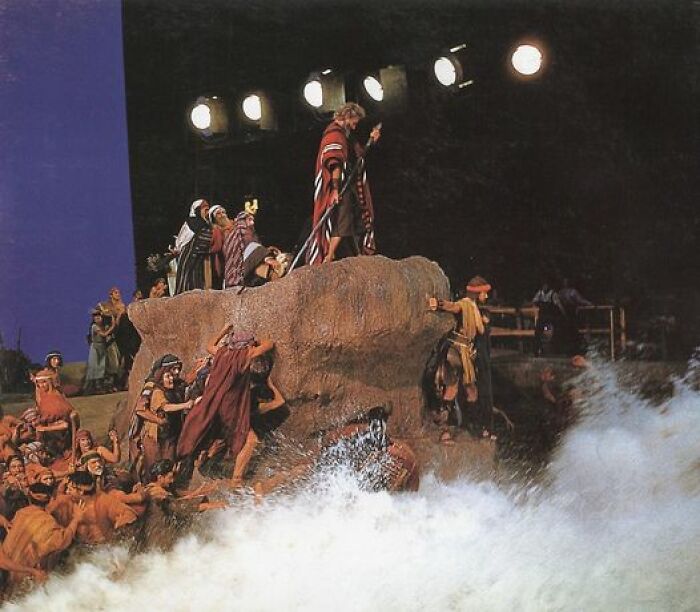
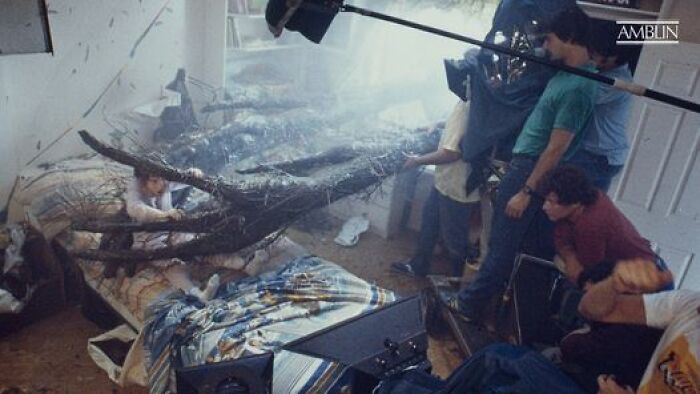
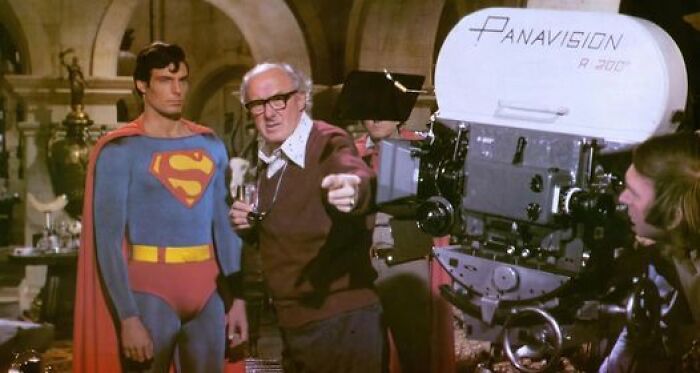
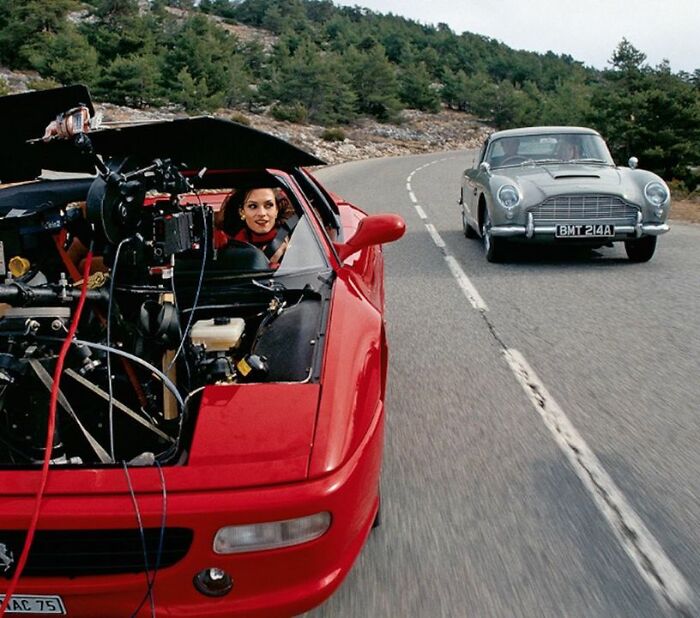
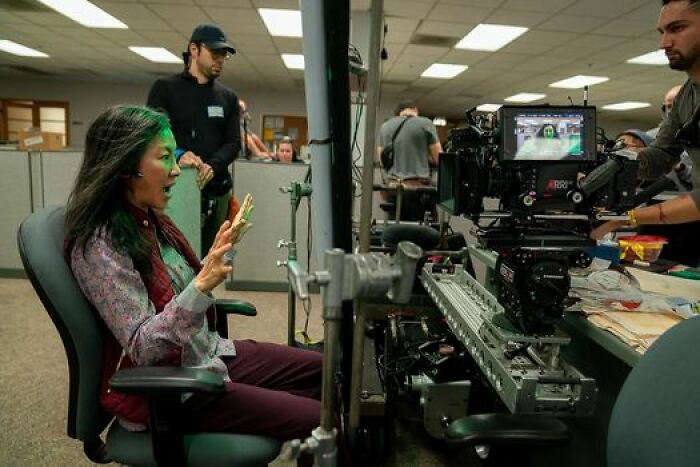
Lights, camera, action! When you imagine a film set, you might picture a demanding person sitting in their classic director’s chair shouting commands at PAs and actors. And of course, there’s always someone holding a clapperboard before each take. But if you're curious about what actually went on behind the scenes of all of your favorite films, you’re in luck.
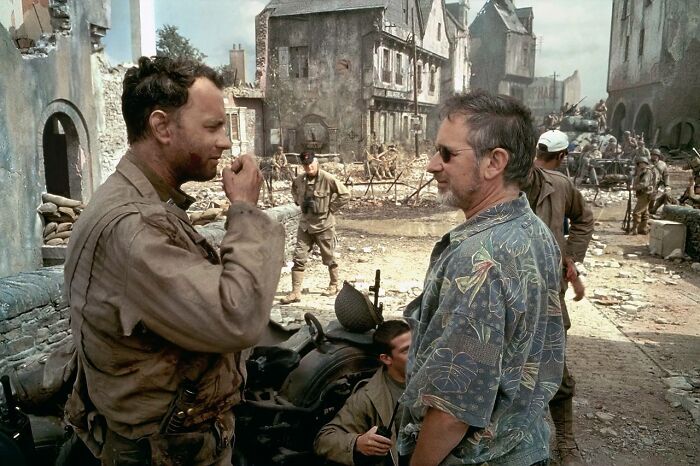
Down below, you’ll find a list of some of the most fascinating posts from the “Behind the Clapperboard” Facebook page. From pics of Steven Spielberg chilling with Tom Hanks off-screen to shots of the cameramen and women who captured the world's most iconic scenes, we’ve got something for all cinephiles on this list. Enjoy learning a bit more about the film industry, and be sure to upvote the pics you find most fascinating!
Click here & follow us for more lists, facts, and stories.
This post may include affiliate links.
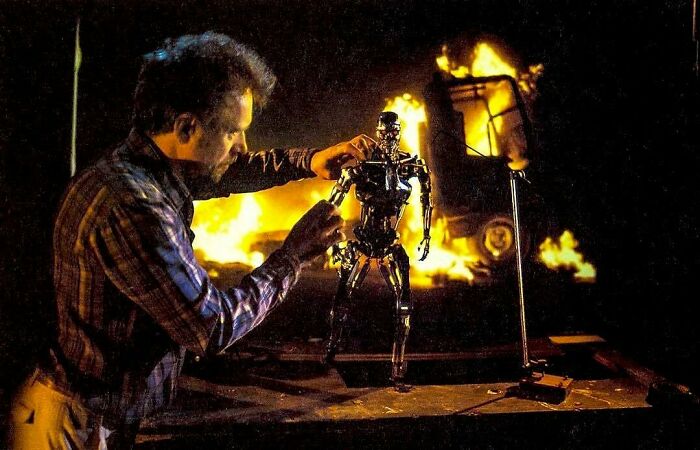
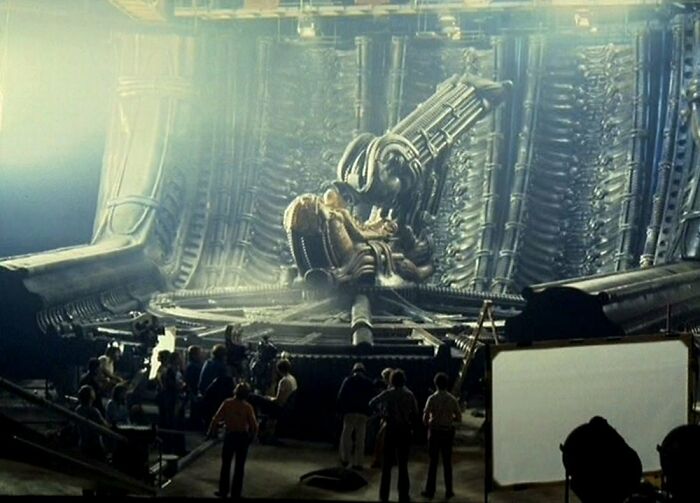
Cinematography: Adam Greenberg Terminator Stop Motion: Pete Kleinow
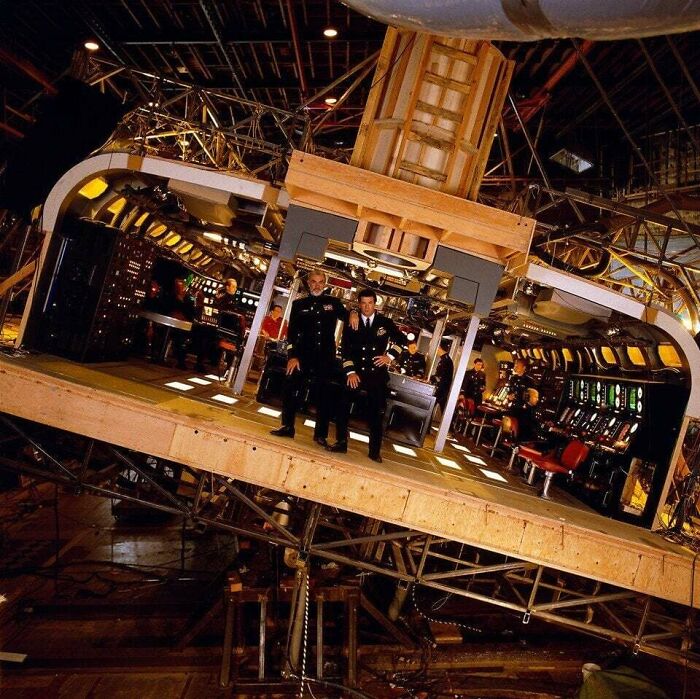
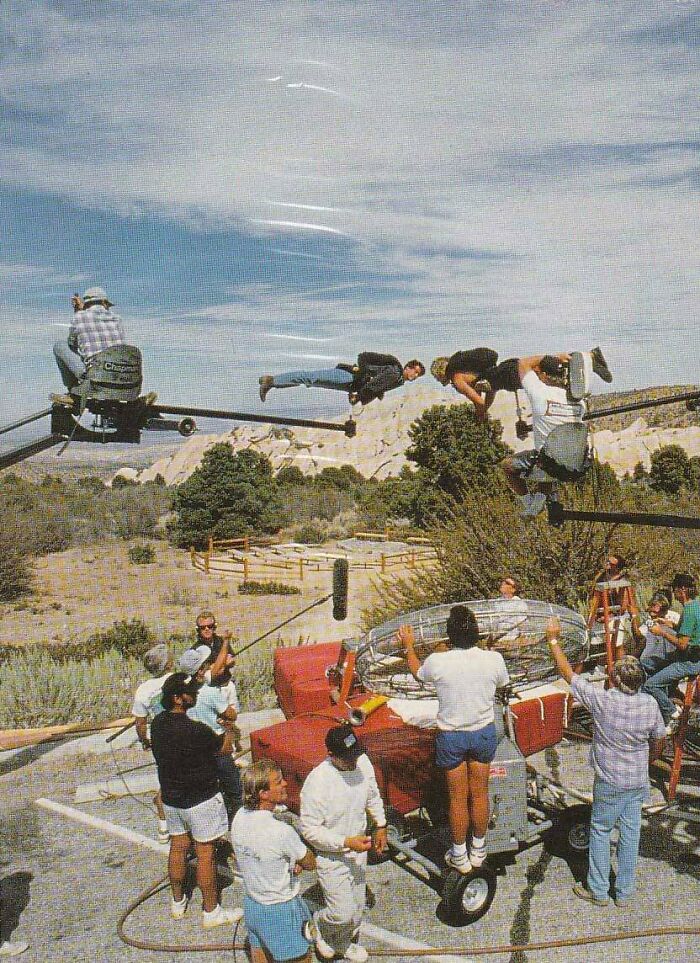
Cinematography: Jan de Bont Photo by: Bruce McBroom
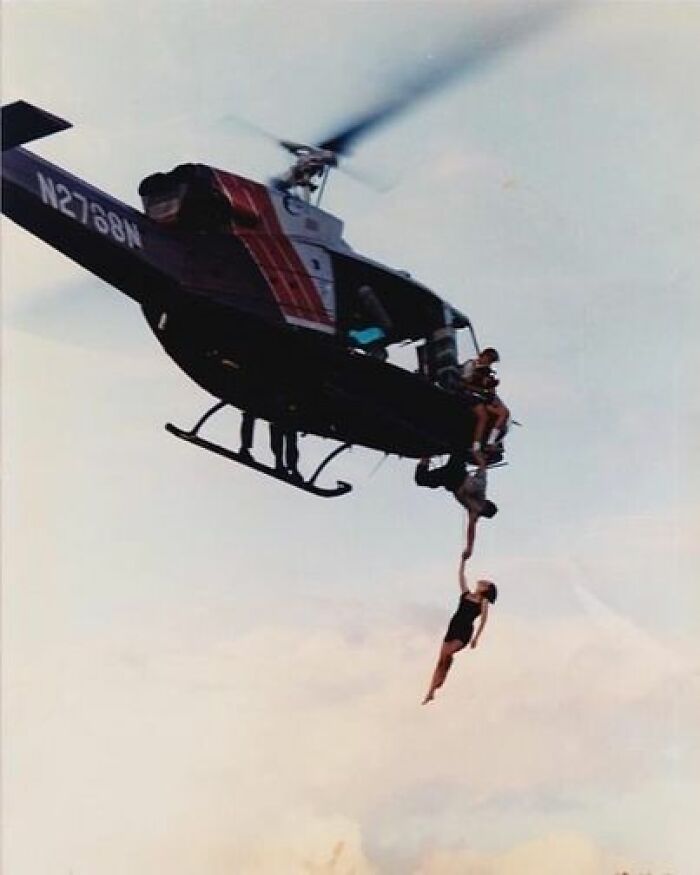
Cinematography: Russell Carpenter Camera Operator: James Cameron Stunt Coordinator/Arnold Schwarzenegger Stunt Double: Joel Kramer Jamie Lee Curtis Stunt Double: Jamie Lee Curtis Photo by: Zade Rosenthal
The Behind the Clapperboard Facebook page has been around since 2014, sharing a side of some of the most fascinating moments in film history that most of us never get to see. From pictures of iconic directors to reveals of how some of the most memorable moments were recorded, this page has it all. And clearly, it’s captivated many viewers, as it has amassed an impressive 250k followers. The account’s description shares a quote from the beloved Martin Scorsese, stating, “Cinema is a matter of what's in the frame and what's out.” And it certainly does a great job of giving us a glimpse into that “out of frame” side we rarely get to see.
Chances are you love watching films, but have you ever considered why the art of filmmaking is so important to society? According to Paul Jenkins at Brilliantio, watching movies is more than just a fun activity to do on a date or with your best friends on Friday night. (Although, it can be that too!) Ask any cinephile, and they’ll tell you in great detail how much painstaking effort goes into creating a beautiful film. Every choice is well thought out and intentional, and finding all of the brilliant, hidden details is the most exciting part for avid viewers.
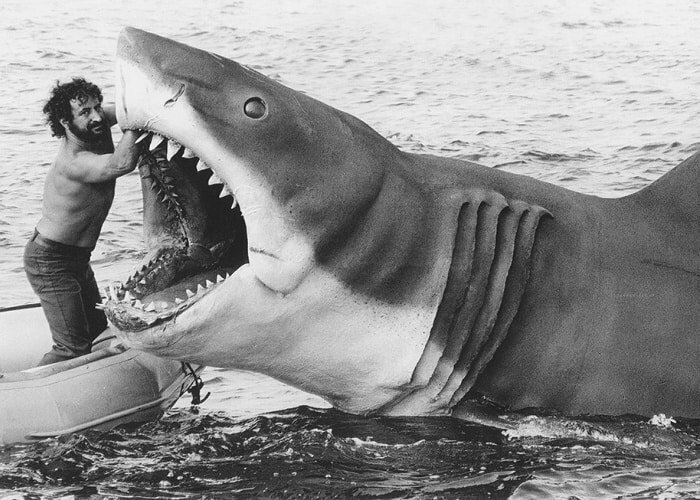
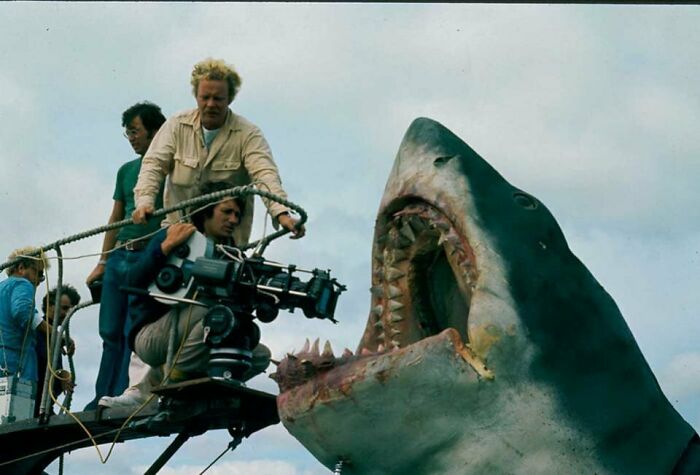
Cinematography: Bill Butler Production Designer: Joe Alves Photo by: Louis Goldman
Jenkins goes on to note how important films are for pop culture. “Today, film is considered one of America’s most popular art forms and perhaps even its most significant contribution to world culture,” he writes. “It’s hard to imagine what our lives would be like without motion pictures – those flickering images projected on a screen that have become iconic representations of our inner and outer realities, conveying ideas and feelings from one person or culture to another through space and time.”
Filmmaking is also a massive industry worldwide that has provided jobs for thousands of people involved in acting, directing, music making, production, screening, distribution and more. Even producers of popcorn kernels and celluloid raw materials used to print films on reels rely on this industry. And if you’re ever traveled to see the Hollywood Walk of Fame or a Universal Studios tour, you’ve contributed to the movie world’s tourism as well.
Cinematography: Bill Butler Steadicam Operator: Garrett Brown Photo by: Christine M. Loss
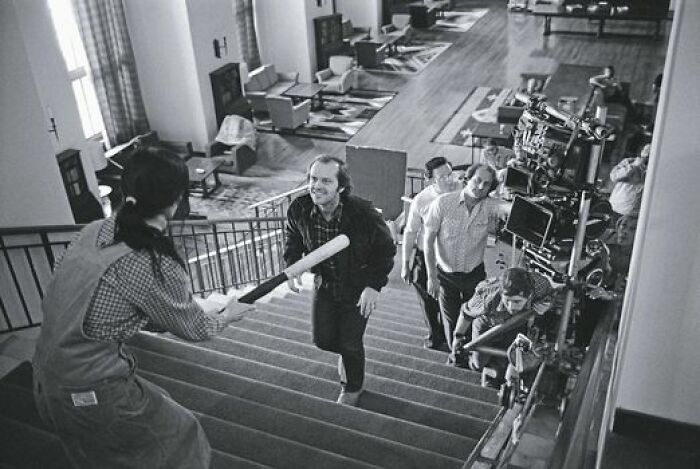
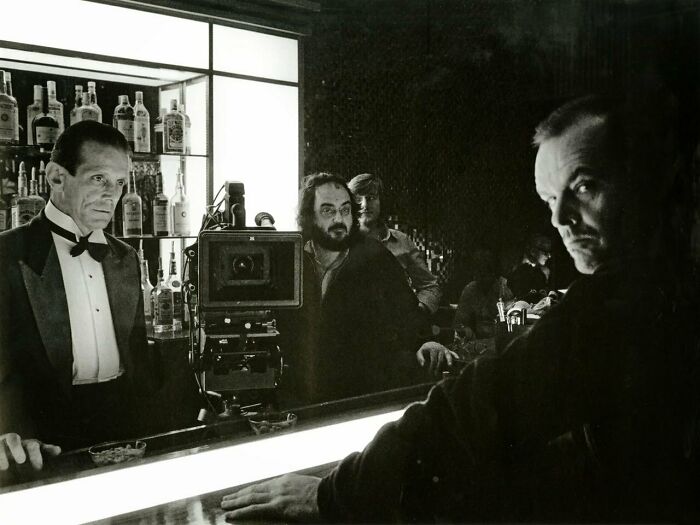
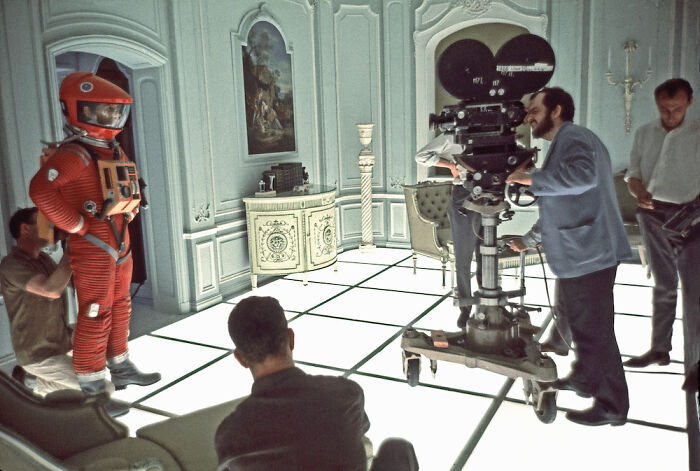
Cinematography: John Alcott Camera Operator: Kelvin Pike Focus Puller: Douglas Milsome & Maurice Arnold
Films give many of us a way to escape from the monotony of our everyday lives or a way to feel love, wonder and excitement when we’re struggling in our own lives. “Movies are the only art form that allows us to identify with the characters on an emotional level,” Jenkins writes. “We see them as people struggling with real problems and facing real challenges. We live vicariously through them and find our fears, desires, hopes, and aspirations.” Whatever we do or don’t want to experience for a few hours, we can find a film to take us to or out of those places.
Cinematography: Donald Peterman Boom Operator: Geoffrey Patterson Photo by: Richard Foreman Jr.
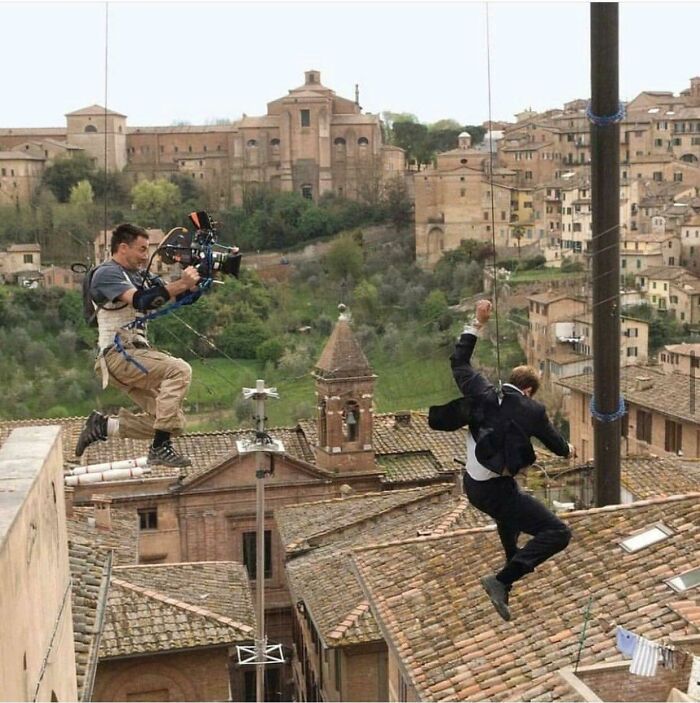
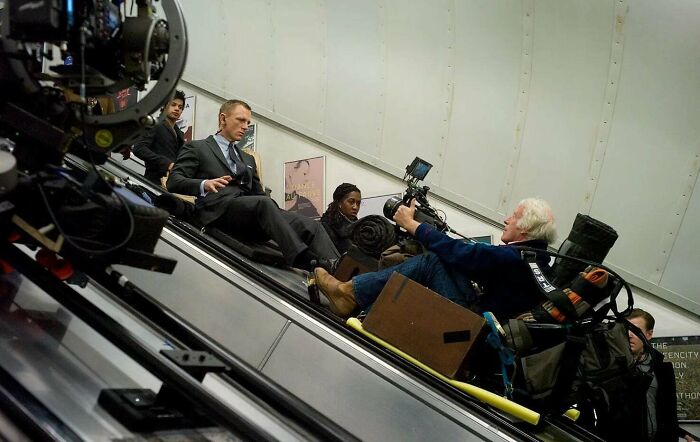
Cinematography: Roberto Schaefer Stunt Double: Daniel Craig: Bobby Holland Hanton Head Stunt Rigger: Diz Sharpe Photo by: Susan Allnutt
Cinematography: Janusz Kaminski Photo by: David James
A great film also makes viewers think. There might be messages about social issues, politics, religion, hope, love, triumph, and more that will stretch audiences’ empathy muscles. We can see the world of a character who is completely different from ourselves for a few hours, someone we may have never encountered in our real lives. And films that present these new ideas can be great voices for social change.
“When films about war reflect the real world with gritty realism, rather than showing stylized depictions of soldiers marching into battle under waving flags, they can profoundly affect how viewers think about issues of war and peace,” Jenkins continues. “For example, the movie Saving Private Ryan depicted the horrors of World War II with gruesome special effects; the opening scene focused on the gruesome deaths of several characters-many viewers couldn’t watch it!”
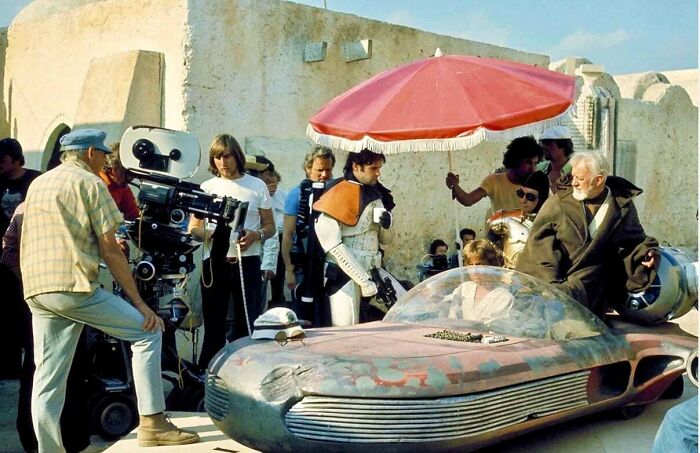
Cinematography: Douglas Slocombe Camera Assistant: Martin Kenzie Dolly Grip: Colin Manning Photo by: Murray Close Vía Pedro Barnett-College Penella
The Shining (1980). Stanley Kubrick Cinematography: John Alcott
Prior to the pandemic, in 2019, 792 films were released in the United States and Canada. So clearly, there are hundreds, if not thousands, of directors out there working hard to put their best stories onto the screen. But when it comes to some of the most impactful directors the world has yet to see, Paul Jenkins provides this list: Alfred Hitchcock, Steven Spielberg, Walt Disney, Martin Scorcese, Kathryn Bigelow, Roman Polanski, Jane Campion, George Lucas, Agnés Varda, Brian De Palma, Mira Nair, and Quentin Tarantino. And as far as films that have had a major impact on society, Star Wars, The Sound of Music, To [end] a Mockingbird, Schindler’s List, Star Trek, Taxi Driver, Close Encounters of the Third Kind, Jaws, and Thelma and Louise are some of the world’s favorites.
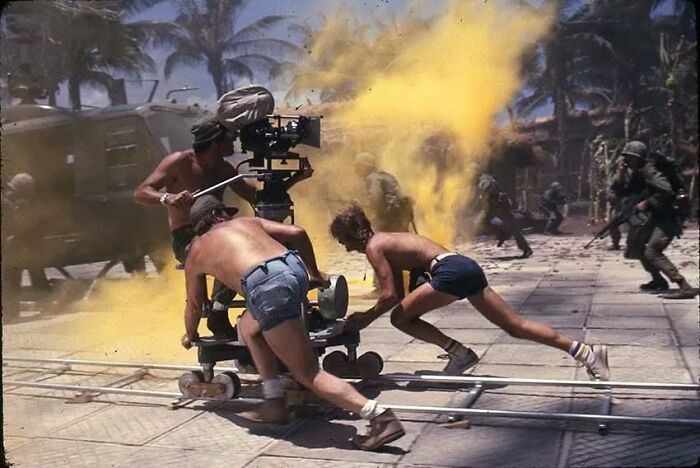
Cinematography: Vittorio Storaro Camera Operator: Piero Servo Key Grip: Alfredo Marchetti
As most of us don’t work in the film industry, there are plenty of aspects of the industry that are total mysteries to us. So we consulted this list from New Dawn Films of unique filmmaking facts that you’ve likely never heard before. For example, did you know that both Steven Spielberg and James Cameron never went to film school? “They also both don’t like to recommend students to do it. What they both advocate is for filmmakers to keep practicing and building their reel until they have enough experience to work on paid directing jobs,” the New Dawn team writes.
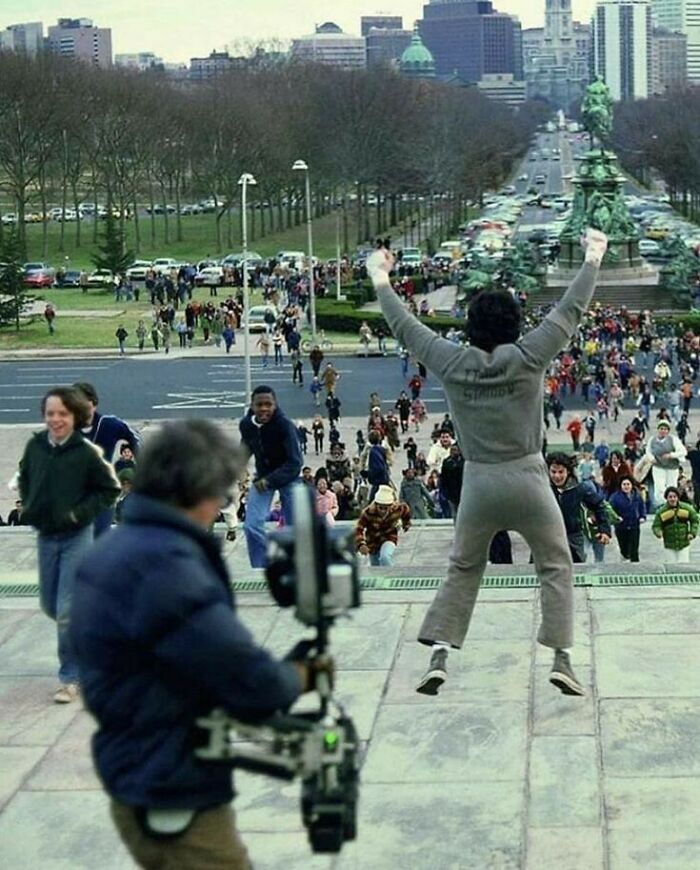
Cinematography: Bill Butler Camera Operator: Michael Chapman Photo by: Louis Goldman
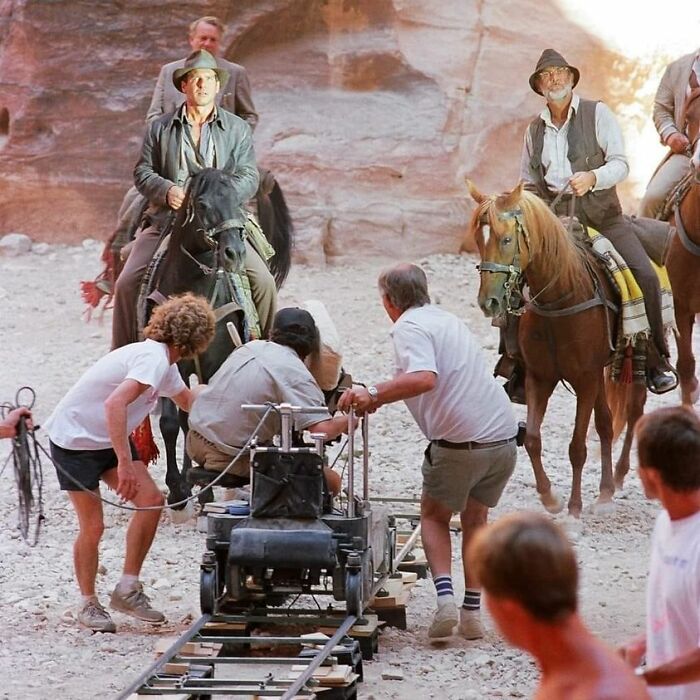
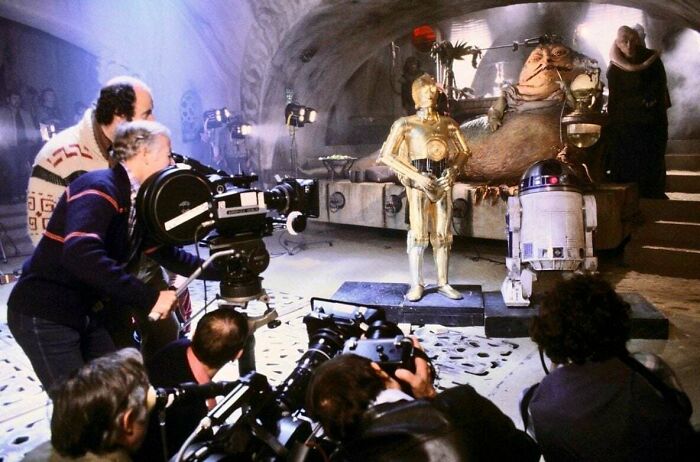
Cinematography: Alan Hume & Alec Mills Camera Operator: Peter McDonald Photo by: Albert Clark
“Being a strong INTJ, Stanley Kubrick actually shot, produced and created his first ever short film project in 1935! He then went on to sell it even though at that time, it was completely unheard of, especially from a relatively unknown filmmaker,” the New Dawn team goes on to write. And when it comes to letting film distributors get sneak peeks of movies, it’s recommended for directors to allow them all to see the film at the same time at the same place. Apparently, if one distributor sees the film and decides it’s not so great, they’ll spread that information like wildfire.
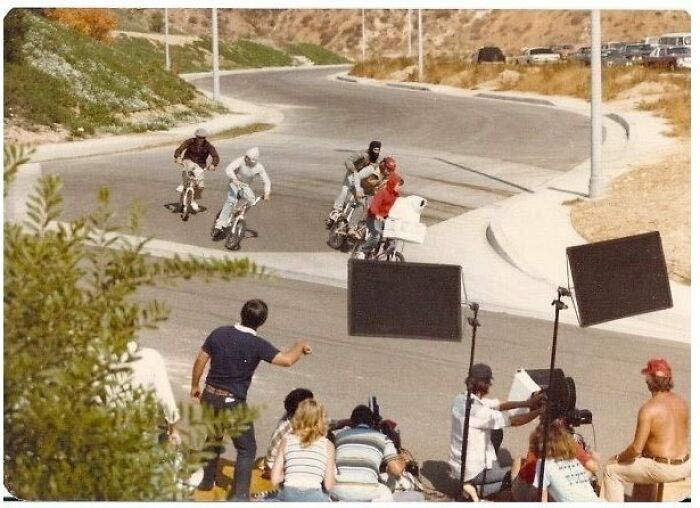
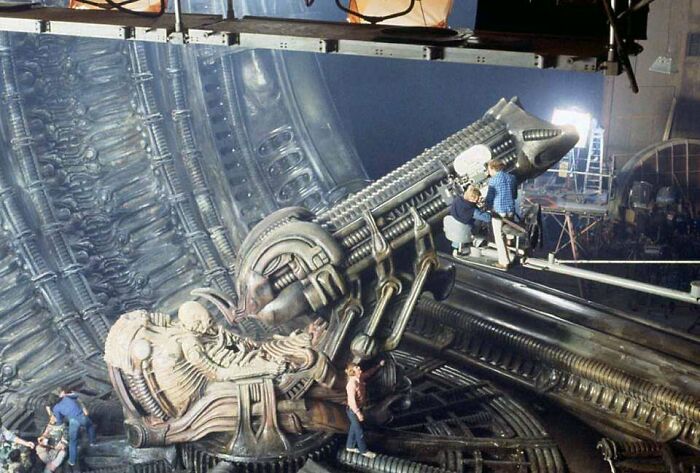
Cinematography: Matthew F. Leonetti Photo by: Bruce McBroom
As far as sounds in films go, it’s possible that you’ve noticed the same exact ones many times. In fact, there’s one scream in particular that’s been used in over 200 movies: the Wilhelm Scream. Apparently, this iconic sound was recorded over 60 years ago and is often used when a character is shot or falls off a building. The first time this scream was utilized was in the 1951 film Distant Drums, and since then, famous directors like Quentin Tarantino and Peter Jackson have been known to use it.
Cinematography: Geoffrey Unsworth Camera Operator: Peter MacDonald Photo by: Bob Penn
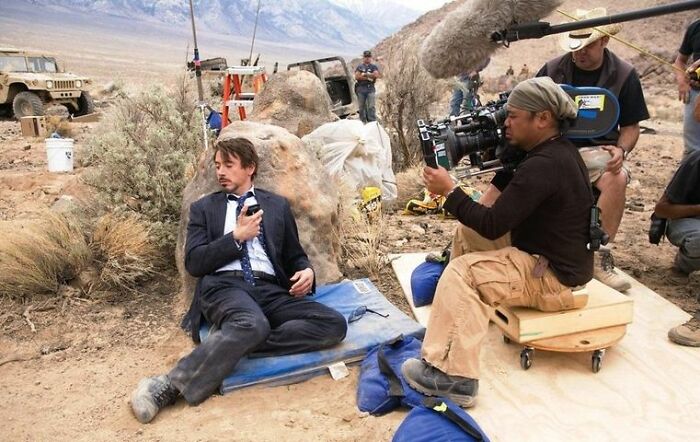
Cinematography: Larkin Seiple Photo by: Allyson Riggs
We hope you’re enjoying this intimate look into the world of movie making. Be sure to keep upvoting the pics you find most fascinating, and let us know in the comments what your favorite film is and if you know anything about behind the scenes of that shoot. Then, if you’re interested in reading another Bored Panda article featuring surprising movie facts you’ve likely never noticed, look no further than right here!
You might also like: 44 celebrity friendships that go way back to the times none of them were famous yet

























 No fees, cancel anytime