Get Premium
Dark mode theme is available exclusively for premium users. Learn more about the benefits of subscribing.
No fees, cancel anytime.

 Dark Mode Ad-Free Browsing Unlimited Content
 Ad-Free Browsing Unlimited Content Dark Mode
Join 1.2 million Panda readers who get the best art, memes, and fun stories every week!

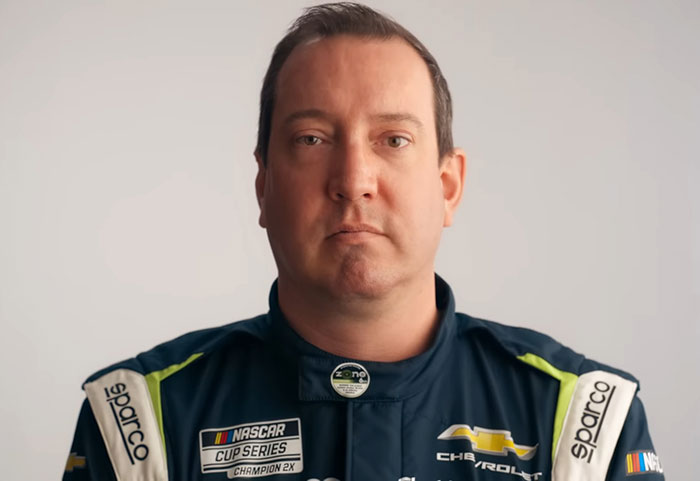
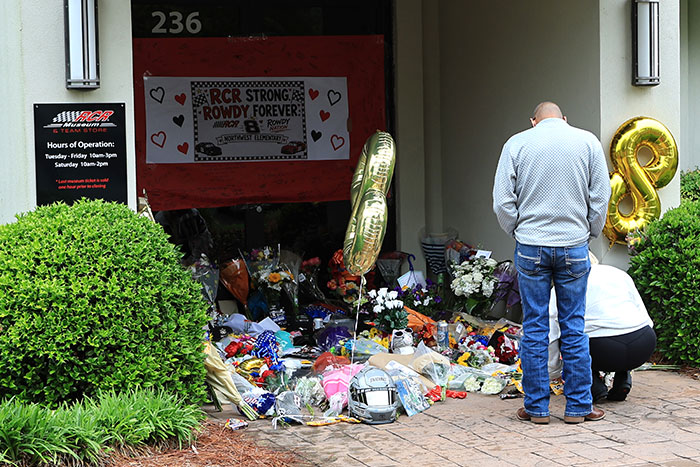
NASCAR champion Kyle Busch was fresh off his last victory on the track when he tragically passed away.
Days after winning the Truck Series race at Dover, the 41-year-old suffered a sudden decline, showing how even a common illness like pneumonia can turn fatal.
“You never know when the last one is,” he said after giving the crowd his signature bow and taking the checkered flag one last time earlier this month.
Image credits: NASCAR
Kyle Busch’s family said he suffered severe pneumonia that progressed to sepsis, which ultimately claimed his life.
Experts say that sepsis is far more common than most people think, with at least 1.7 million adults and over 18,000 children in the US developing sepsis.
1 in 3 adults who lose their lives in hospitals had sepsis while being admitted, according to the CDC (Centers for Disease Control and Prevention).
Image credits: NASCAR
“When we look at people in the 40’s who are sick enough to get admitted to the hospital, about 1% of them will d*e of pneumonia,” Dr. Ryan Maves, Chair of the CHEST organization’s infections network, told USA TODAY Sports.
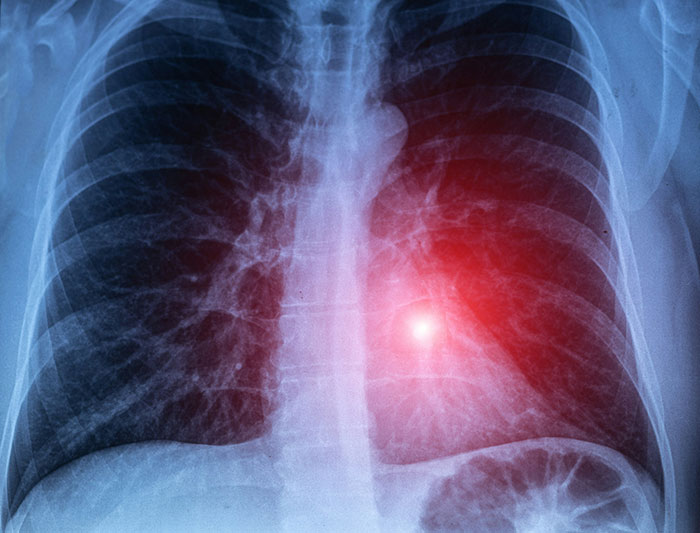
Sepsis, a life-threatening medical emergency, takes place when the body responds to an infection by going into overdrive and starts damaging its own tissues and organs.
Image credits: Jeff Robinson/Getty Images
Most people think infections stay in one place, like pneumonia affecting only the lungs, a urinary infection staying in the bladder, or a skin infection staying on the surface.
But with sepsis, the body’s response can spread and affect the entire system.
An illness like pneumonia can lead to sepsis, but it is not the only infection that can cause it. Sepsis can also develop from kidney stones, urinary infections, skin wounds, surgical sites, and issues inside the abdomen.
Image credits: Getty Images/Unsplash
“A skin infection that keeps spreading and raises your heart rate. A urinary tract infection that suddenly lowers your blood pressure. An infected kidney stone that raises your temperature – these are not just infections anymore. They could be sepsis,” Dr. Jamin Brahmbhatt, a urologist and robotic surgeon with Orlando Health, wrote for CNN.
Once sepsis sets in, the infection is no longer the only problem. The body’s response spreads through the bloodstream, causing inflammation across the body, affecting blood flow, and making it harder for organs to function properly.
View this post on Instagram
“Sepsis is like a kitchen fire that triggers sprinklers throughout an entire building. The original problem may start in one area, but suddenly the emergency response spreads much farther than intended or needed,” Dr. Brahmbhatt wrote.
He said the body’s response is an attempt to “contain the threat,” but sometimes, the “inflammatory response becomes wide enough that blood pressure falls, oxygen levels suffer, and organs begin to fail.”
“That is what makes sepsis dangerous. The infection matters, but the body’s response matters just as much, if not more,” he added.
Image credits: NASCAR
A person with sepsis may show one or more signs or symptoms, including fever, shivering or feeling very cold, extreme pain or discomfort, confusion or disorientation, clammy or sweaty skin, a high heart rate or a weak pulse, or shortness of breath.
“If you’re having a fever and it’s lasting for a couple of days, if you have shortness of breath, if you have chest pain, you probably need to have a doctor or a healthcare provider look at you, and not just say, ‘If I just kind of ignore it’ll go away,’” Dr. Todd Rice, professor of medicine and director of the intensive care unit at Vanderbilt University Medical Center, told People.
Image credits: Tima Miroshnichenko/Pexels
The doctor said people who are older are more likely to get sepsis, but he has seen even teenagers and youngsters lose their lives because of it.
“Young people like to think they’re immune to a lot of these things, but sepsis can happen to anybody,” Dr. Rice said. “Young people do better than older people, but that doesn’t guarantee that you won’t d*e from it like Kyle Busch did.”
The day before Kyle passed away, he was coughing up blood, feeling very hot and short of breath when emergency responders were called to a General Motors facility in Concord, N.C.
Image credits: NASCAR
The 911 caller told the dispatcher that the two-time NASCAR Cup Series champion was in distress on the bathroom floor.
“My bet is that he hadn’t felt well for a few days but he was in general doing okay and his body was kind of compensating,” Dr. Rice told the outlet. “And then he kind of got to that point where his body couldn’t compensate anymore, and everything kind of fell apart at once.”
During a Cup Series race at Watkins Glen International on May 10, Kyle radioed his crew towards the end of the race and asked for team physician Dr. Bill Heisel to meet him at the bus afterward. He told his team he wanted a “shot,” suggesting he wasn’t feeling well in the days before his passing. He was battling a sinus cold for days around the time of the race.
Image credits: Kyle Busch
Catching sepsis early matters, so it’s important to pay attention to certain signs. A cough or minor body ache may not be alarming, and most infections do not become life-threatening.
But it is important to seek medical attention when symptoms are persistent or worsening.
“If you or someone you love has an infection and develops confusion, a racing heart, shortness of breath or just feels suddenly much worse — do not wait. Get to an emergency room now,” Dr. Brahmbhatt wrote for CNN.
“Sepsis moves fast. The people who survive it are usually the ones who showed up at the hospital emergency room early,” he concluded.

By entering your email and clicking Subscribe, you're agreeing to let us send you customized marketing messages about us and our advertising partners. You are also agreeing to our Privacy Policy.
Thank you! You've successfully subscribed to newsletters!
8Kviews
Share on Facebook
Azt gondolom,hogy előbb,jóval korábban,a verseny és a csapatorvos után másnap kellett volna korházba mennie Kyle Busch-nak. Persze Ők tudták...én nagyon sajnálom, Nascar fan vagyok és nagyon hiányzik..!
Azt gondolom,hogy előbb,jóval korábban,a verseny és a csapatorvos után másnap kellett volna korházba mennie Kyle Busch-nak. Persze Ők tudták...én nagyon sajnálom, Nascar fan vagyok és nagyon hiányzik..!



































 No fees, cancel anytime

















22
1