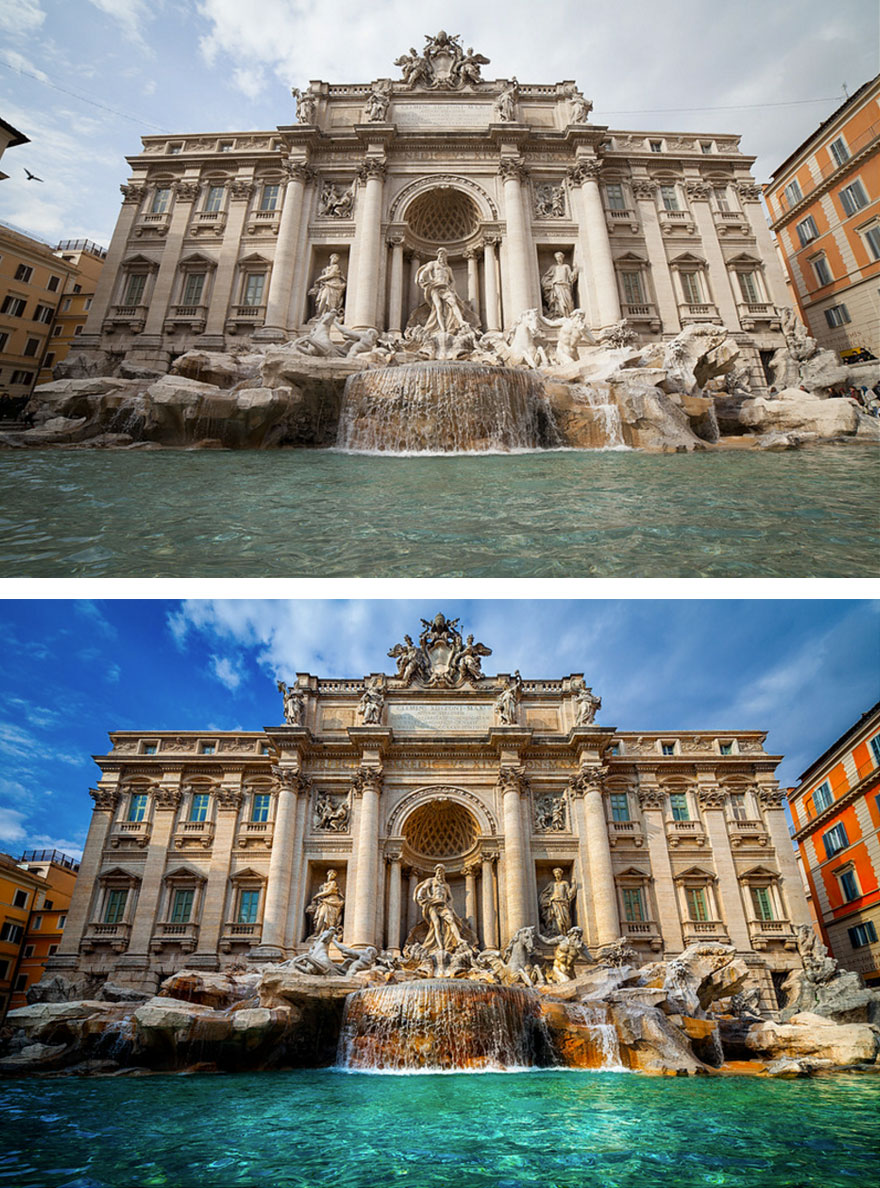
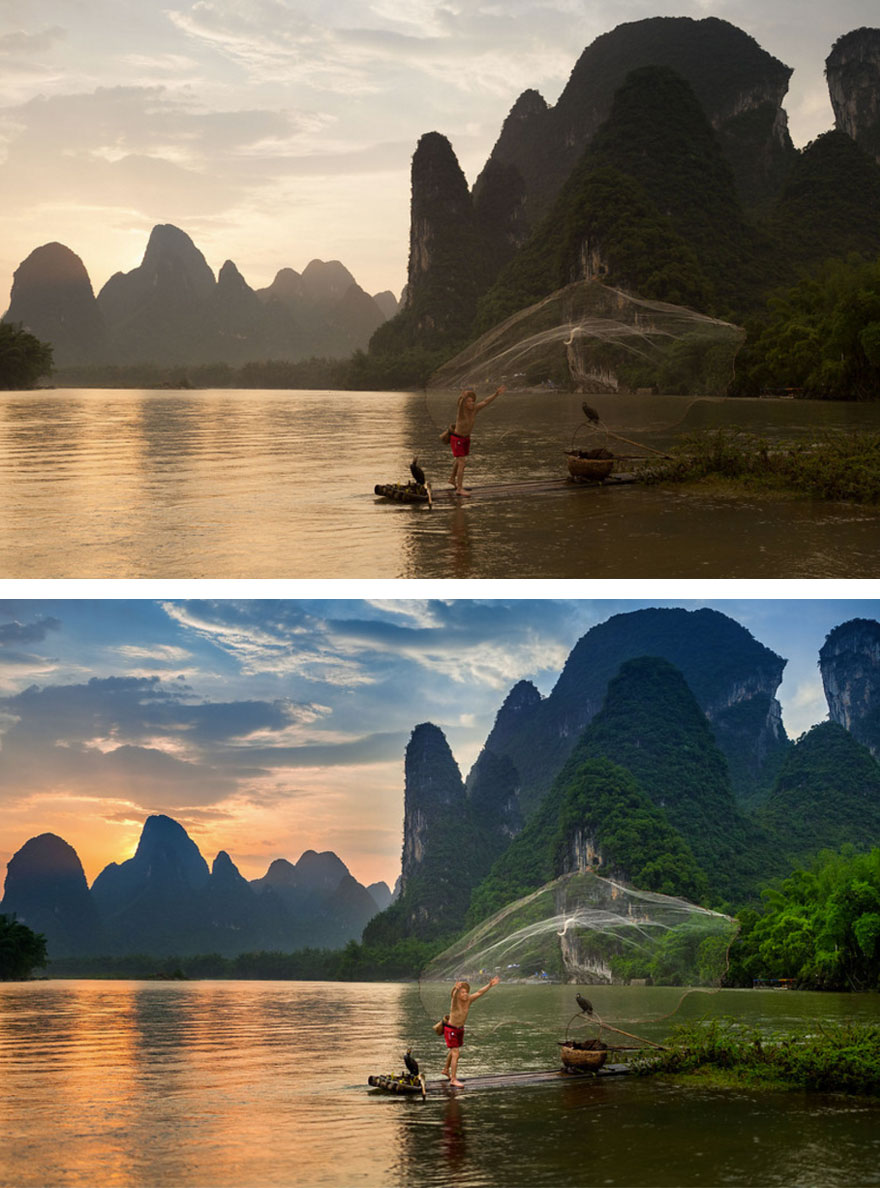
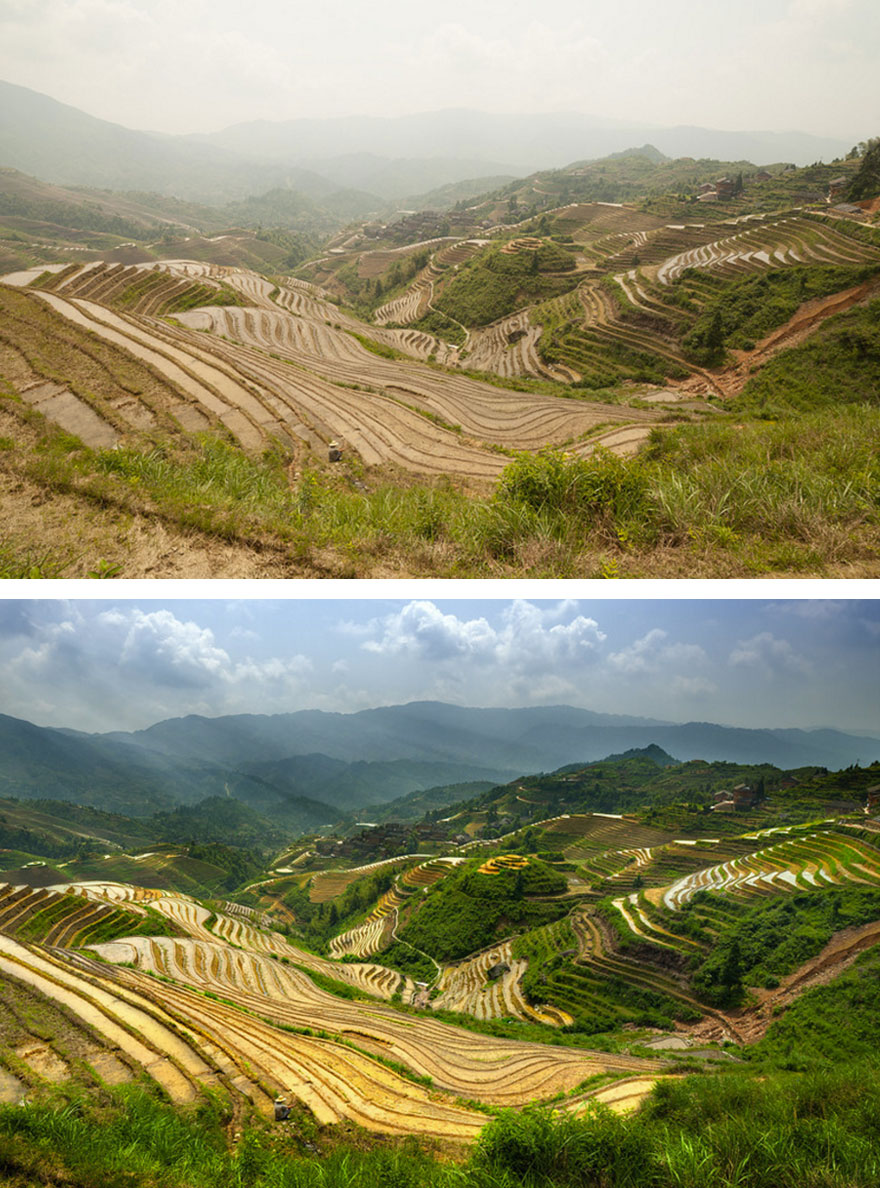
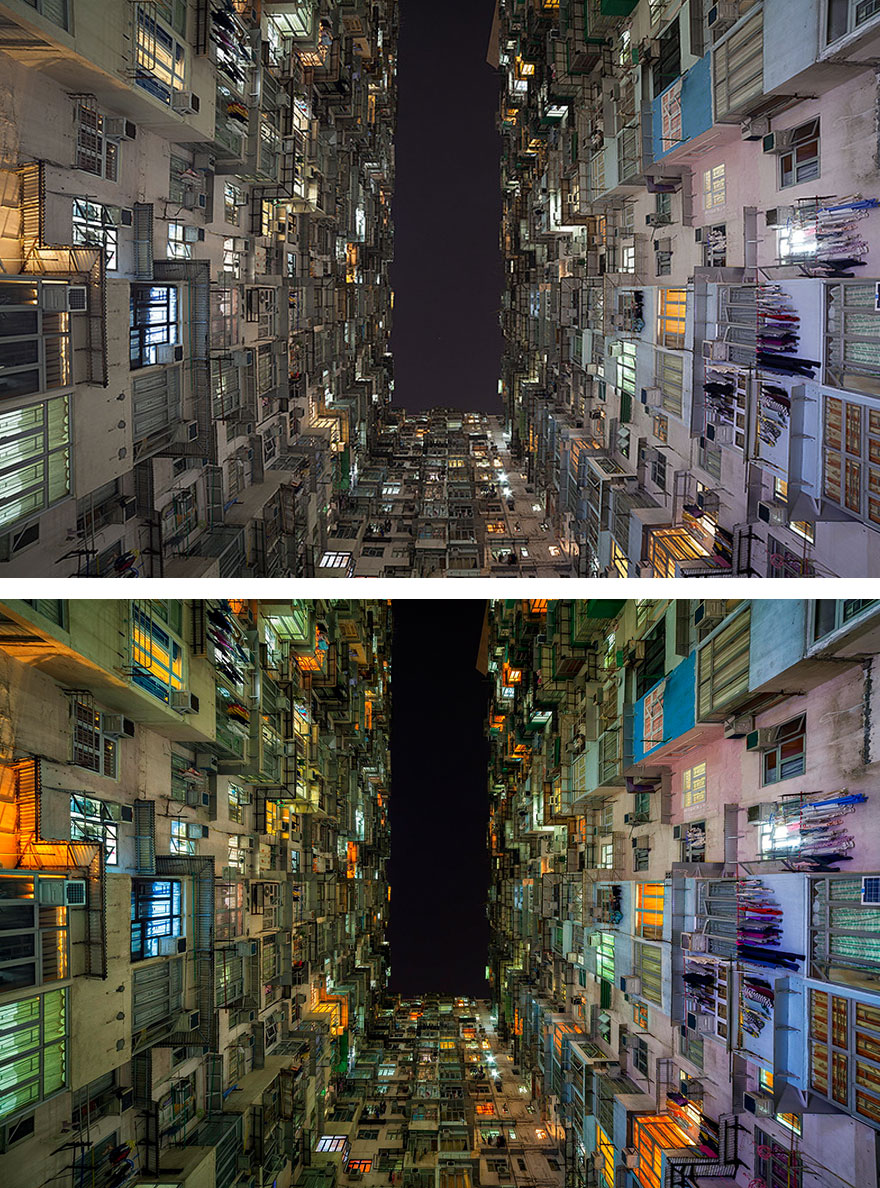
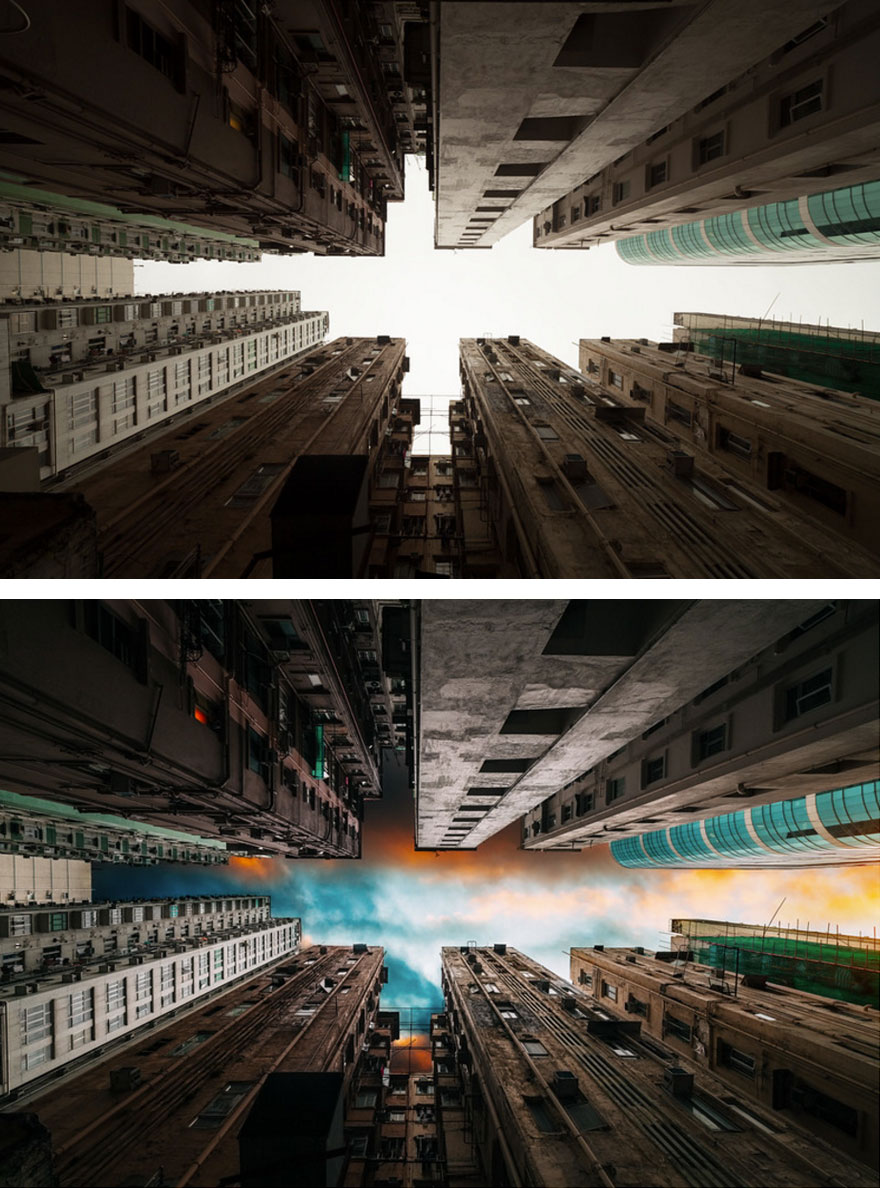
Taking a good picture isn't easy. Taking an awesome picture is even harder. And taking an impossible picture is, well, impossible. Unless you use Photoshop that is.
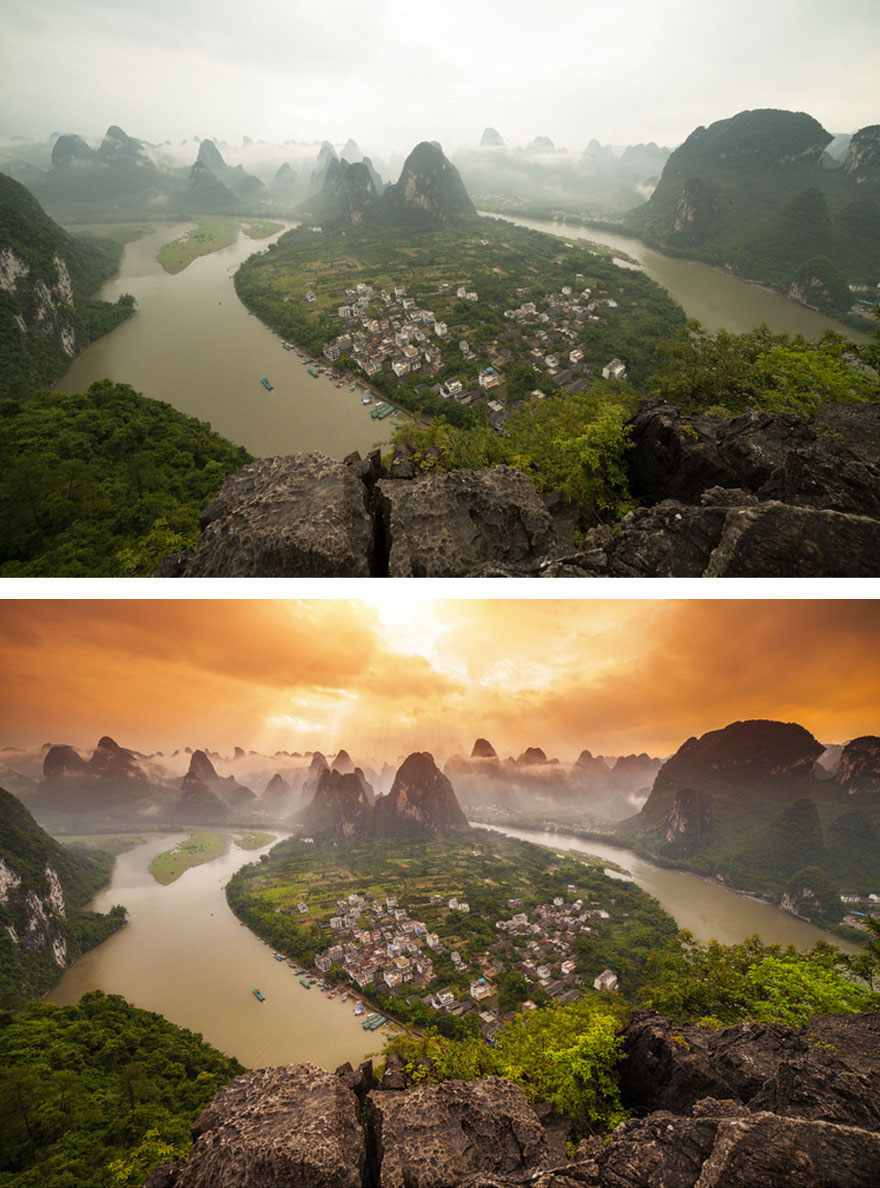
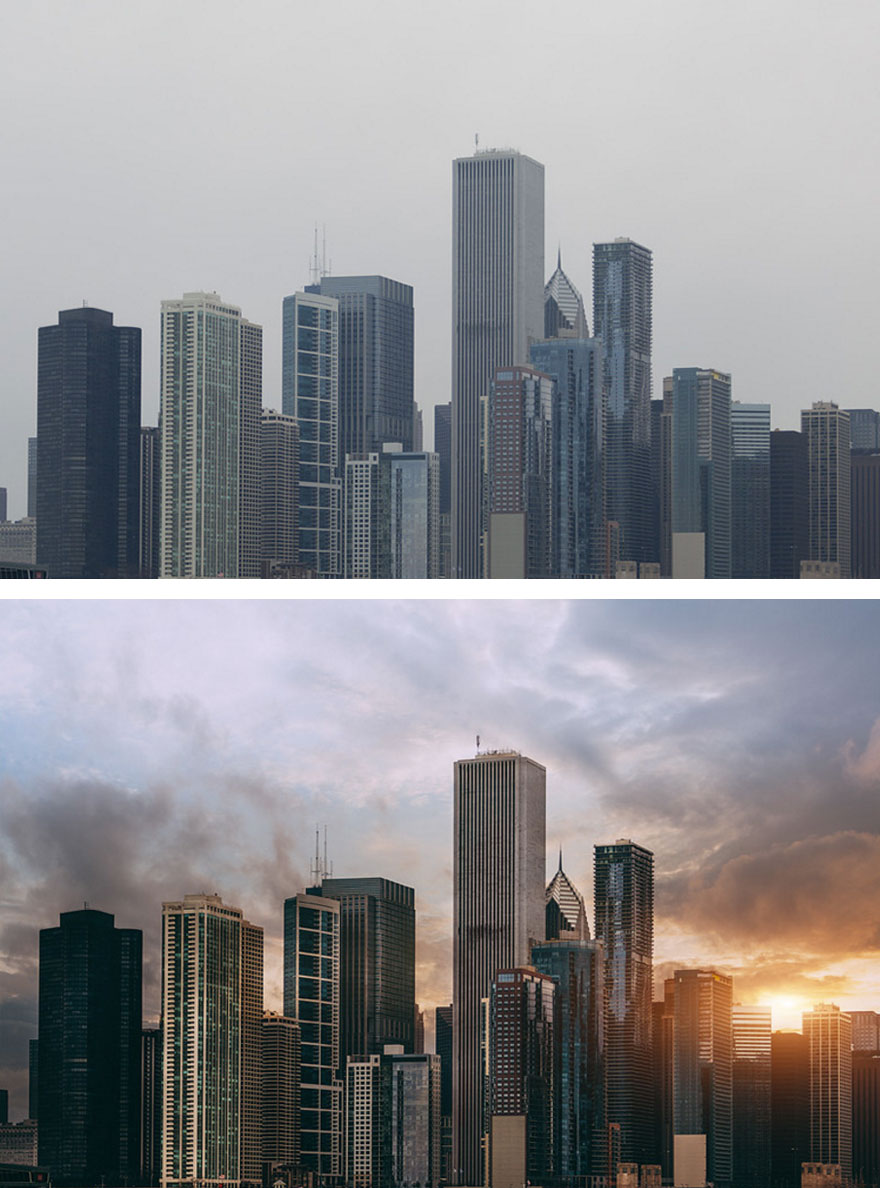
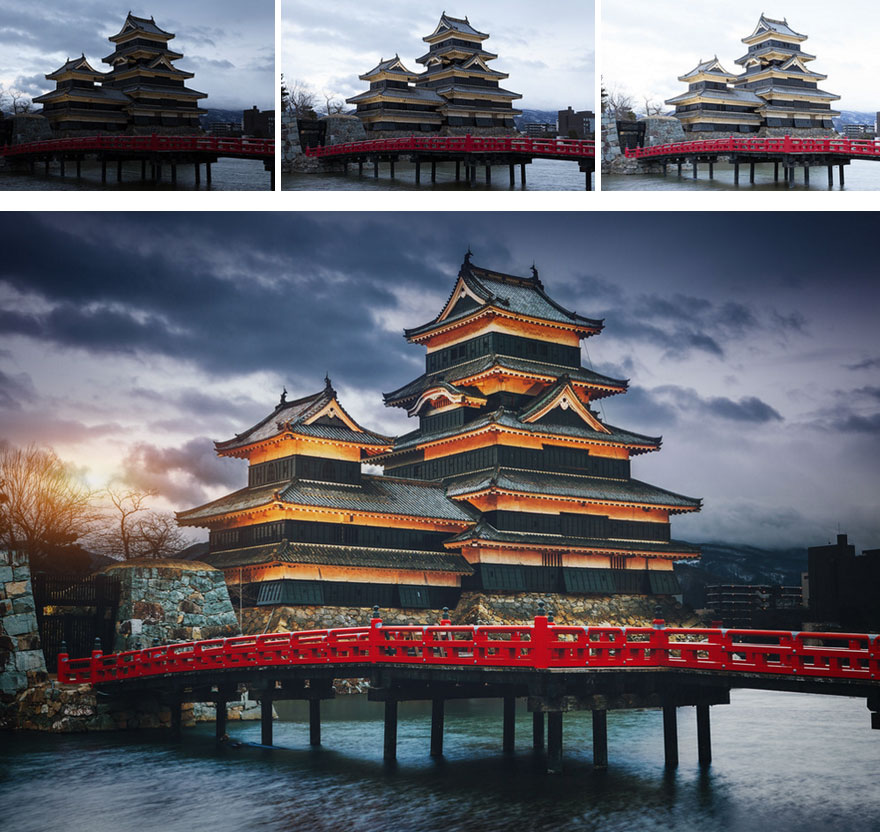
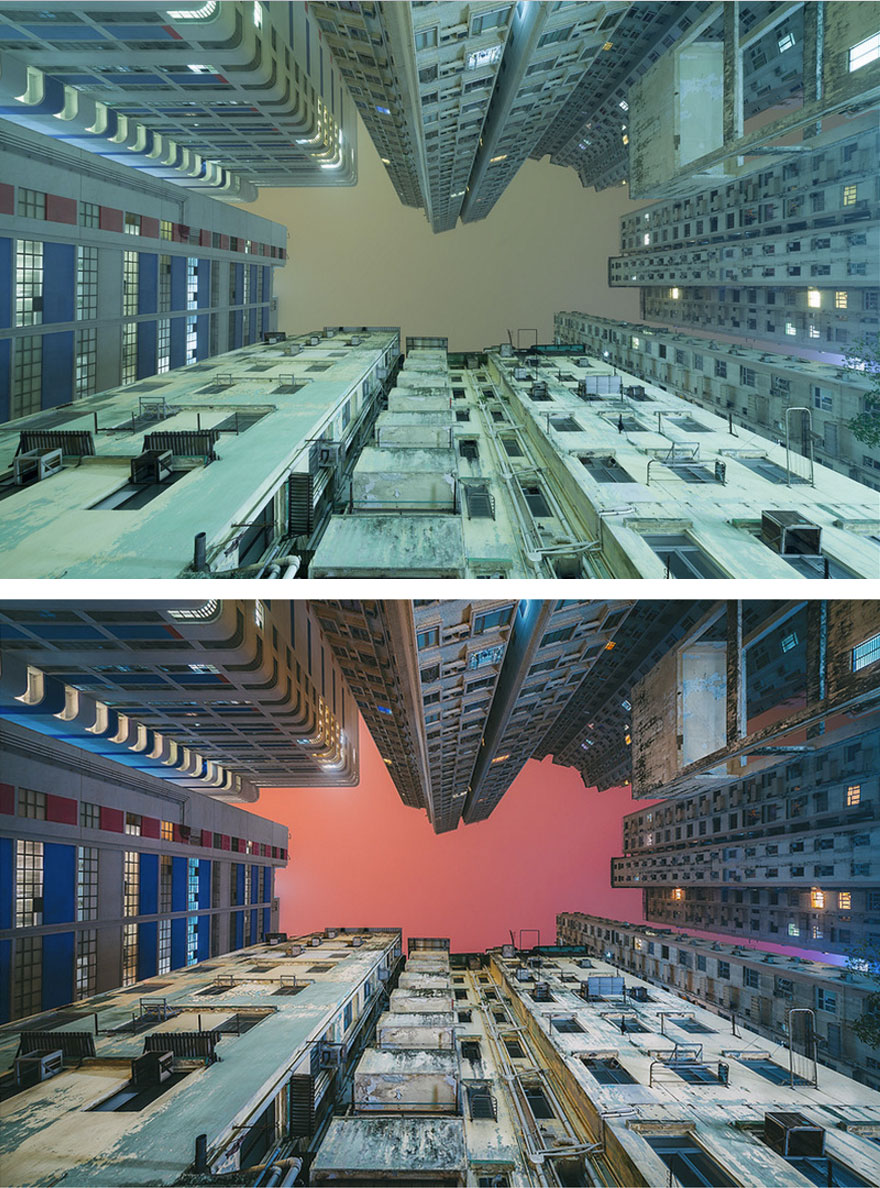
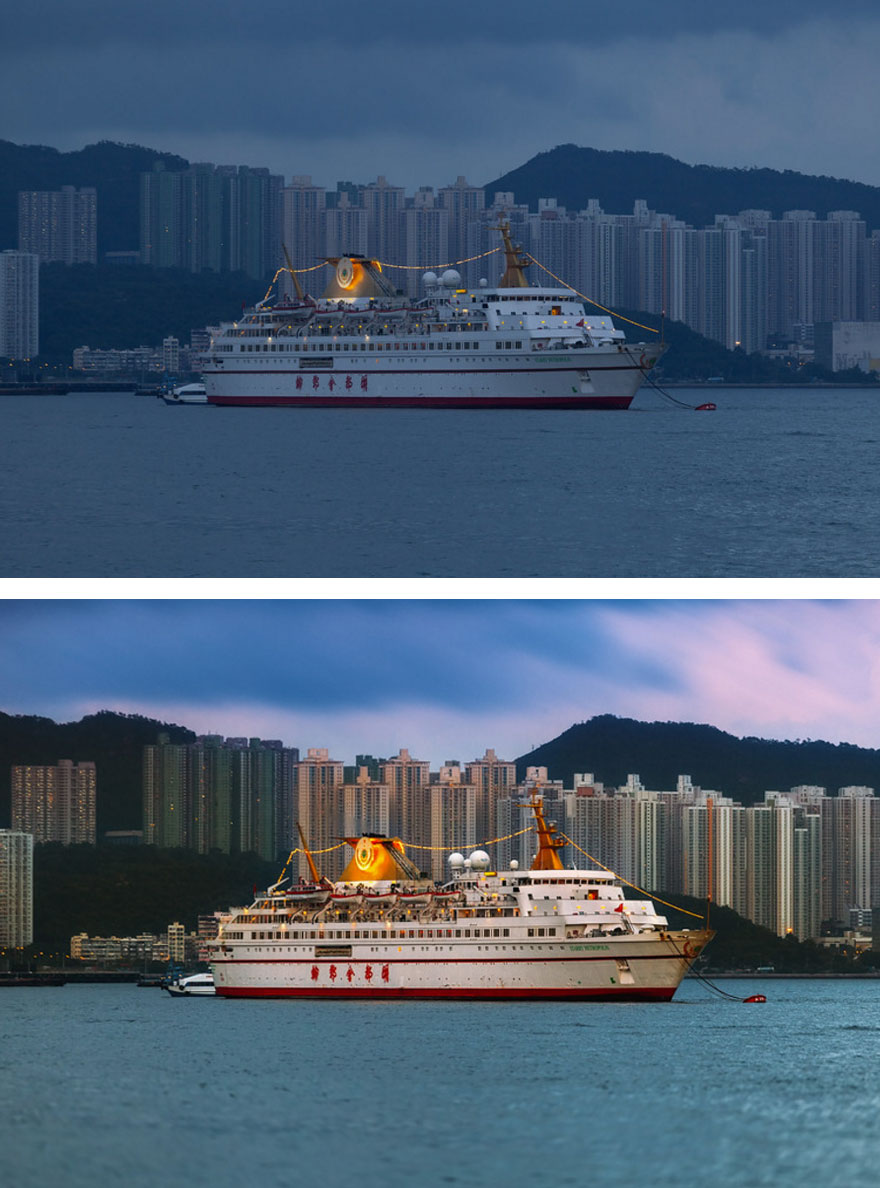
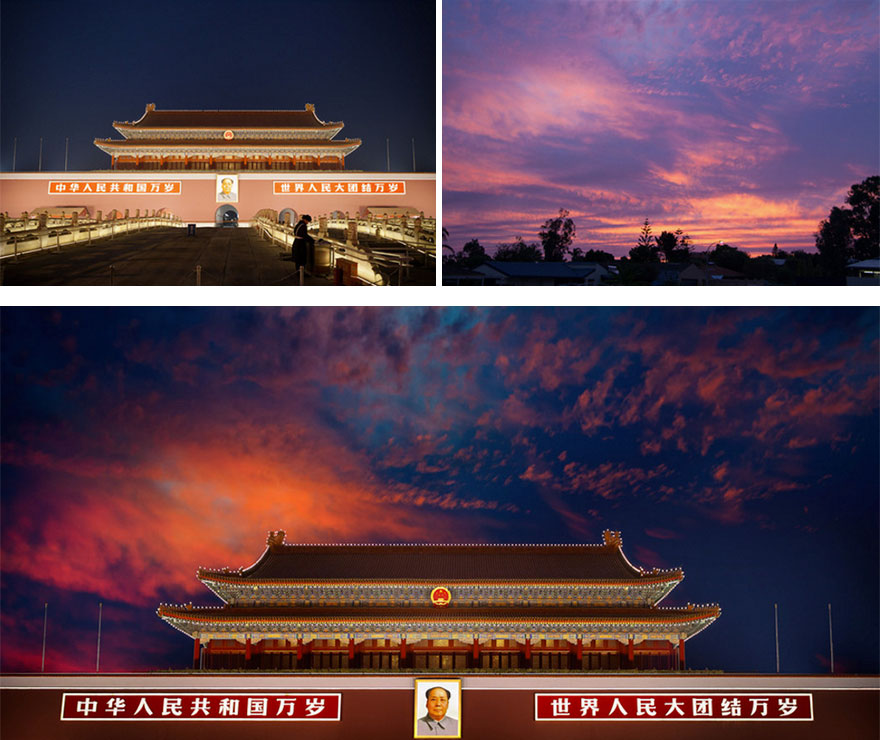
Peter Stewart is an internationally published photographer with thousands of followers and millions of views. He's also a wizard with Photoshop, and you can see from these revealing before and after pictures just what sort of difference some clever editing can make.
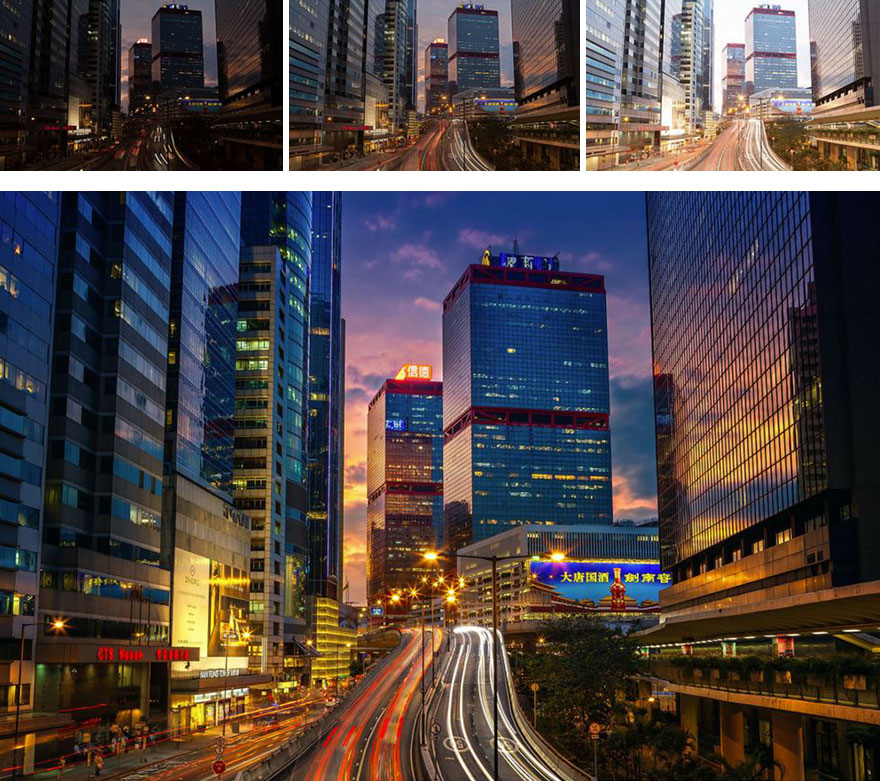
“I like to approach my digital photography with a certain sense of the fantastical and the surreal,” Stewart told PetaPixel. He uses a technique called bracketed multiple exposure, which allows him to retain highlight details from different photographs before stacking them together into one picture.
“These before and after samples are simply meant to highlight what can be done with the power of Photoshop,' says Stewart. "As such, I have deliberately provided the most dramatic examples.”
More info: Peter Stewart | 500px | Instagram | Flicker (h/t: demilked, PetaPixel)
This post may include affiliate links.
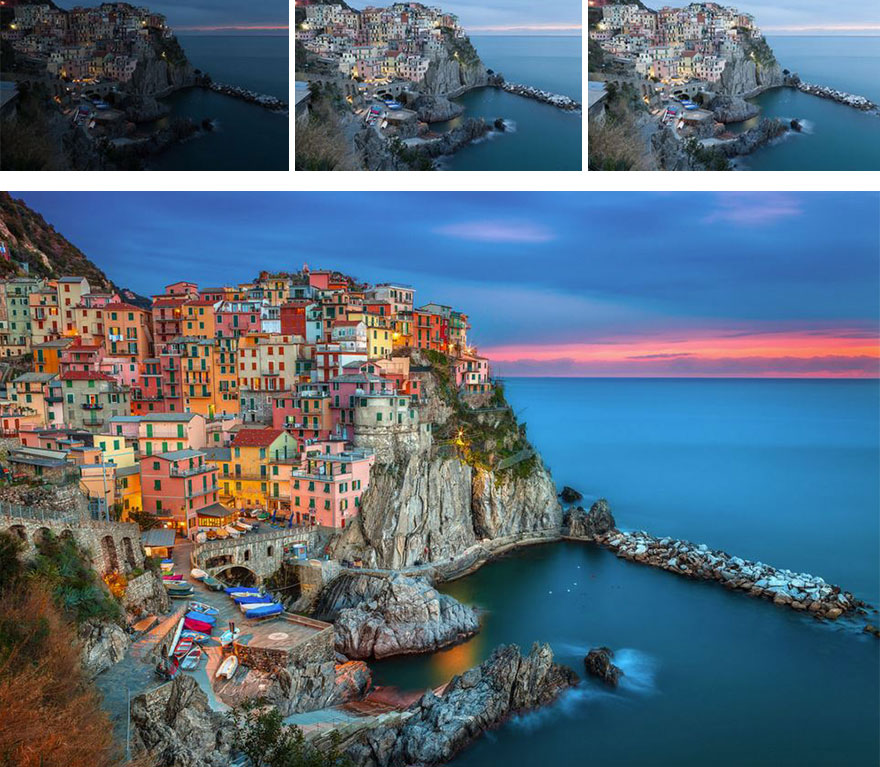
HDR Bracketing Manually Blended In Photoshop. Nik Color Efex Pro Used For Post-Production
HDR is not "Photoshopped". The camera cannot pick all the range of colors that the eye can so HDR or "high dynamic range" combines 3 or 5 photos shot at different exposures in a single photo, in order to get more color range and depth. If done correctly it is just normal...
This is why when we got there it was a bit of a let down. I literally said 'it looks nicer in pictures'
I've been fortunate to actually stay here (Manarola, Cinque Terre, Italy) and witness the blue hours. While the colors are over-saturated, obviously, the buildings are indeed colorful.
Oh, yes, I also do have a photo like this... and I also bumped the saturation :) Place just begs for the extra pop.
Load More Replies...Why is color enhancing counted as Photoshop? I do it all the time, but I've never really considered it Photoshop!
Color saturation in the final image is a bit overdone for my taste; other than that I like the processing. HDR is a great tool and this image shows how it can really work. If you don't like the image, then don't look at it. I get tired of being told by some folks that some of my images do not look like the original -
Single Raw Image Copied Twice Then Flipped And Cut Diagonally, Then Masked To Create A Seamless Join. Image Then Brightened To Reveal Detail
This one is edited to much. After seeing what's happened to the image, you couldn't even call it photography
Well, this isn't reality exactly! more like Inception style imagination!
Very cool. Very cool and really good to see the process behind it.
I love Photo Shop and the improved photos it can produce by one knowledgeable in the program. I studied it for years and never scratched the surface, but enjoy what little I did learn. These photos are amazing.
Color Temperature Adjustment Using Adobe Cameraraw
If I can create the same manipulations by professional photo touch up service. But I`m a lazy bone. So, everything is done instead of me by this team at fixthephoto.com
Perspective Re-Correction And Power Line Removal In Photoshop. Color Enhancements Using Color Efex Pro
Various Sky Adjustments Performed In Photoshop. Nik Color Efex Pro Used For Post-Production Color Enhancements
To me, the first one looks more like a photograph.... more natural.
The only visible downside to using this process is that if not done extremely carefully, you end up with glowing (mountains in this example) landscape features.
Personally, I don't think it was overdone as the mountains look more detailed. Almost looks like HDR.
Load More Replies...Lightroom gradient tool (negative exposure + clarity + saturation/vibrance) in the works. Very obvious giveaway are the foreground mountaintops being darker than their bottoms.
I'm not experienced enough to give a meaningful opinion, but in the original, mountain tops are darker than their bottoms
Load More Replies...Overexposed Image With Detail Brought Back Using Camera Raw. Nik Color Efex Pro Used For Post-Production Color
This is the only one I like, as it still looks real. The others are over manipulated and just scream "photoshop", which in my mind, then totally takes away from the photo.
If you only saw the photoshopped version, you wouldn't even know... You'd just assume the photographer had a great high quality camera.
I really don't mind if a photo stil lookes "real" after processing it in Photoshop or Photomatix. The truth is that you can make good photo's look like perfect photo's. No harm done so far. I draw the line by putting details from other pictures together. But that is also personal. I consider working with it like art. in the end the best photo wins.
Single Exposure Edit
Standard contrast+saturation+color balance. Nothing to see here. Move along.
You DO realize these are user-submitted, so if you think your work is better than anyone else's, go ahead and submit your work so we can tear it apart. This isn't random stuff found on the internet, this photographer actually uploaded their work to this site.
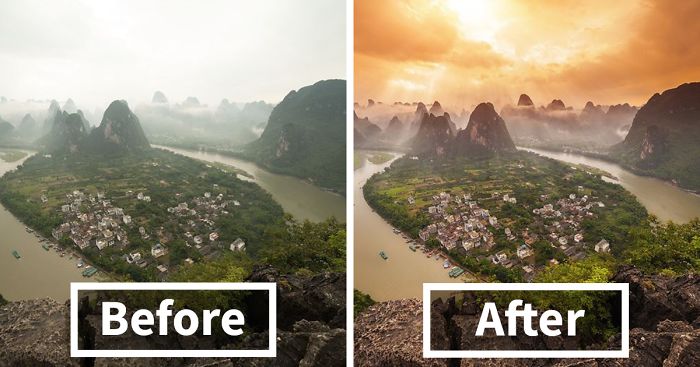
Load More Replies...Gradual Orange Sky Gradient And Color Adjustments Performed In Adobe Cameraraw. Sunrays Created In Photoshop, With Added Glow
It is not meant to be a documented picture showing exactly how things are. As the photographer is quoted, he approaches his work with a "fantastical and surreal" angle. I find it strange that people act as if a photograph must be taken naturally to be beautiful or art. Using Photoshop is just another tool to create art.
*Remember a standard RAW file will always look 'flat' in comparison to how it looked in person. For example the detail in the clouds hasn't been added in, bit of clever editing has brought them back. Obviously landscape photographers will edit saturation, colour temp, contrast, etc. to produce an amazing shot, they're not trying to fool you, its called art! Do you really think the likes of Monet found vibrantly coloured subjects to paint or was that his interpretation?
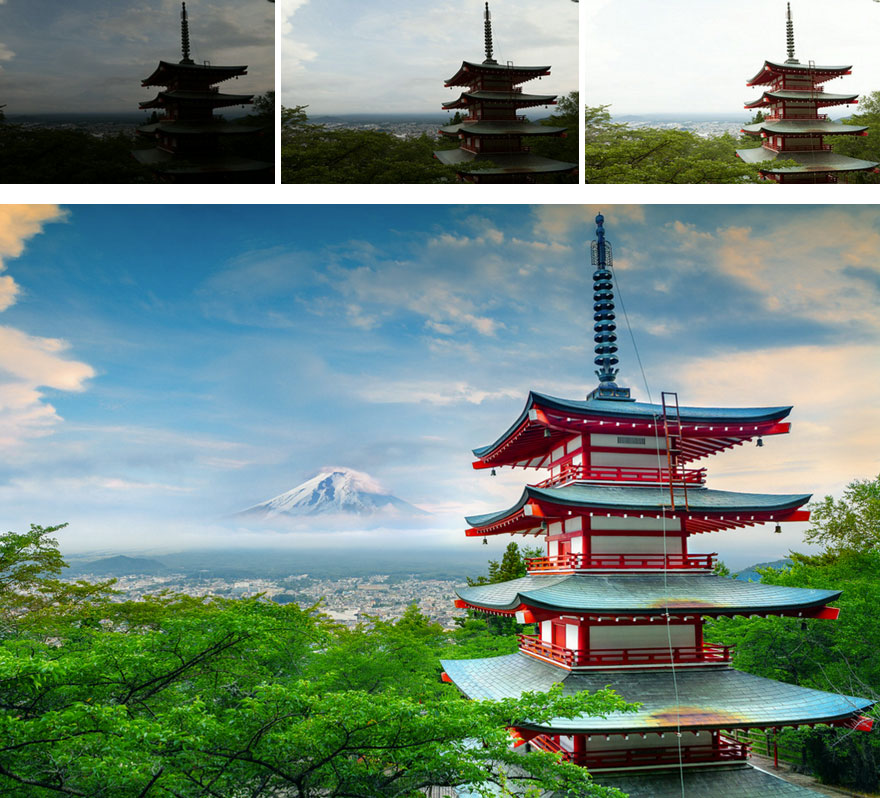
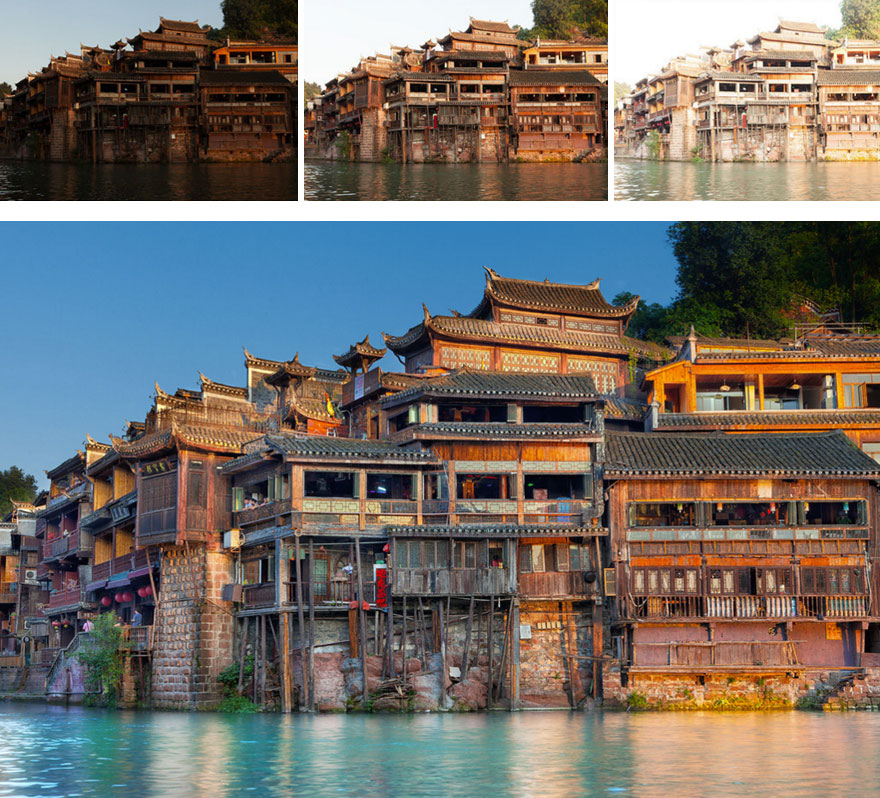
HDR Bracketing Composited Using Photoshop's 'Merge To HDR'. Nik Color Efex Pro Used For Post-Production
i can vaguely see mt Fugi in the first two exposures, however the final image looks very photoshopped. Like the mountain was popped in from a completely different image. That's not what you want in most final images .
This is an HDR image. All 3 images are combined. Its a very common technique for photographers who cant afford Gradiated filters.
Load More Replies...That's a nice merge. HDR was sooo overcooked when it first appeared
Too unreal, the mountain in the distance should be less visible due to atmospheric haze.
So many people who just can't handle an imaginative mind showing people a world brighter than what we generally get to see.
You should go to Ireland, the trees are sometimes ACTUALLY that shade of green!!!
Load More Replies...What is Fuji-san doing in Kyoto??? O.o Could at least have studied a bit geography...
Ops, my mistake, it is actually a pagoda in Fuji Five lakes, but Fuji-san really looks digitally added there.
Load More Replies...HDR Bracketing Manually Blended In Photoshop. Nik Color Efex Pro Used For Post-Production
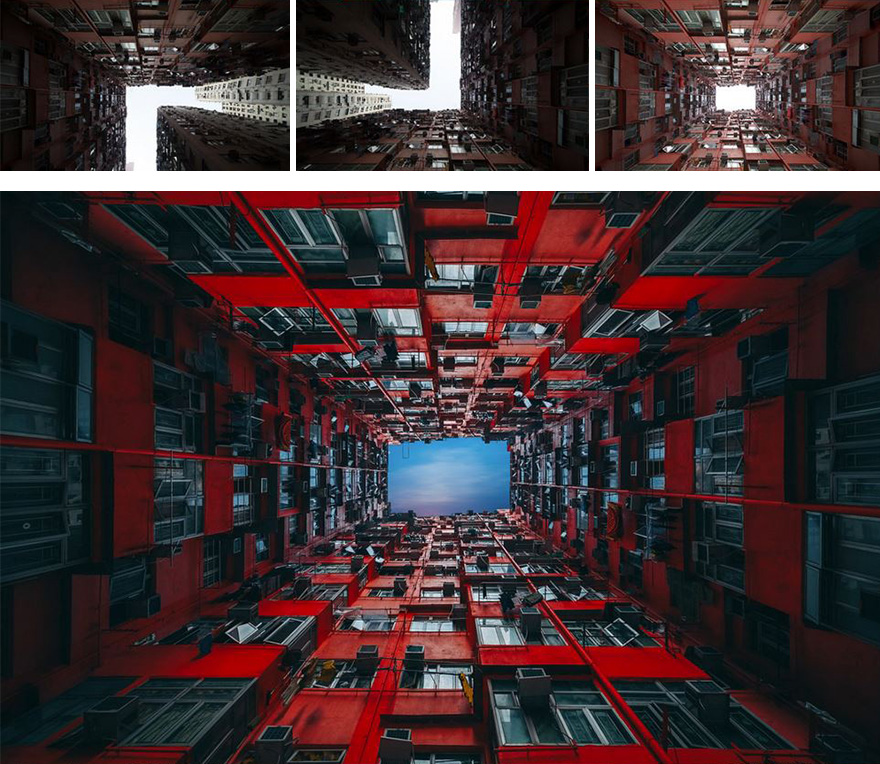
Multiple Exposure Blended File
No photograph is "reality." When we look from the sky to the ground, our eyes automatically adjust so we can see the details in both. Cameras can't do that. Even before Photoshop, photographers adjusted photos in the darkroom, sometimes extensively. Photoshop has just made it easier -- for those who know what they're doing.
Load More Replies...so not fair in all these photoshopped images. Who wants to live in reality when we think these altered pictures are real, and we live in gray s**t? I think in the end these cause mental damage.
people change reality because they know what people really want to see
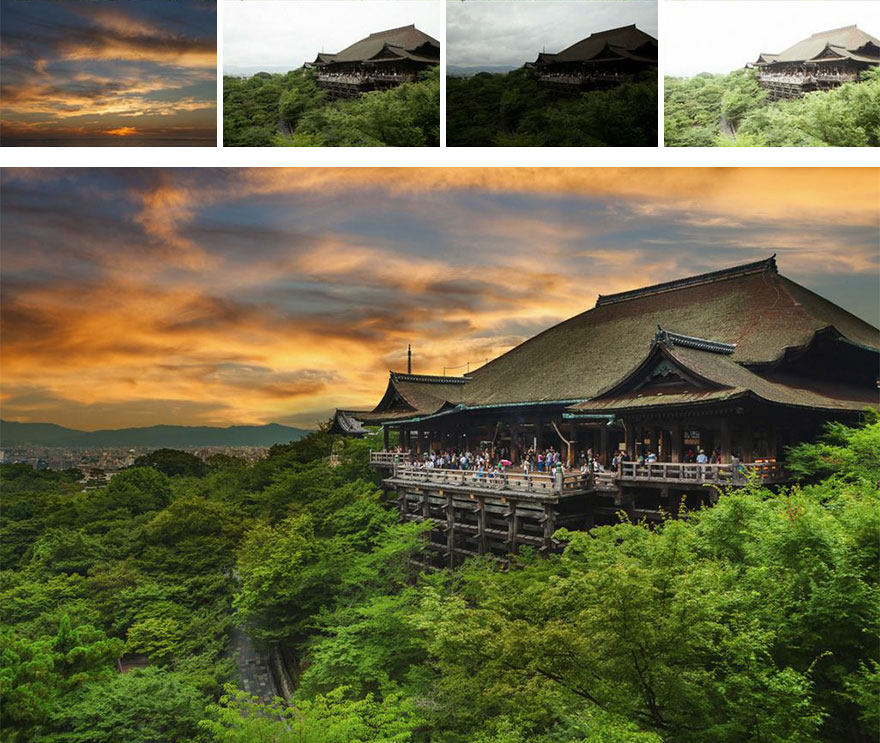
Adjustments To Contrast And Color To Reduce Haze And 'Warm Up' The Image. Composite Sky Blended Into Frame, With Sun Glow Added In
Kodachrome They give us those nice bright colors They give us the greens of summers Makes you think all the world’s A sunny day, oh yeah
Photographer shows us how they change scenic photos - some are 3 layered (as I suspected).
2x Exposures Manually Blended In Photoshop. Perspective Fixed In Cameraraw. Color Adjustments Made Using Nik Color Efex Pro
To be honest, I really like the original picture rather edited version... It looks more darker, and expressive.
HDR Bracketing Manually Blended In Photoshop. Nik Color Efex Pro Used For Post-Production Color Enhancements
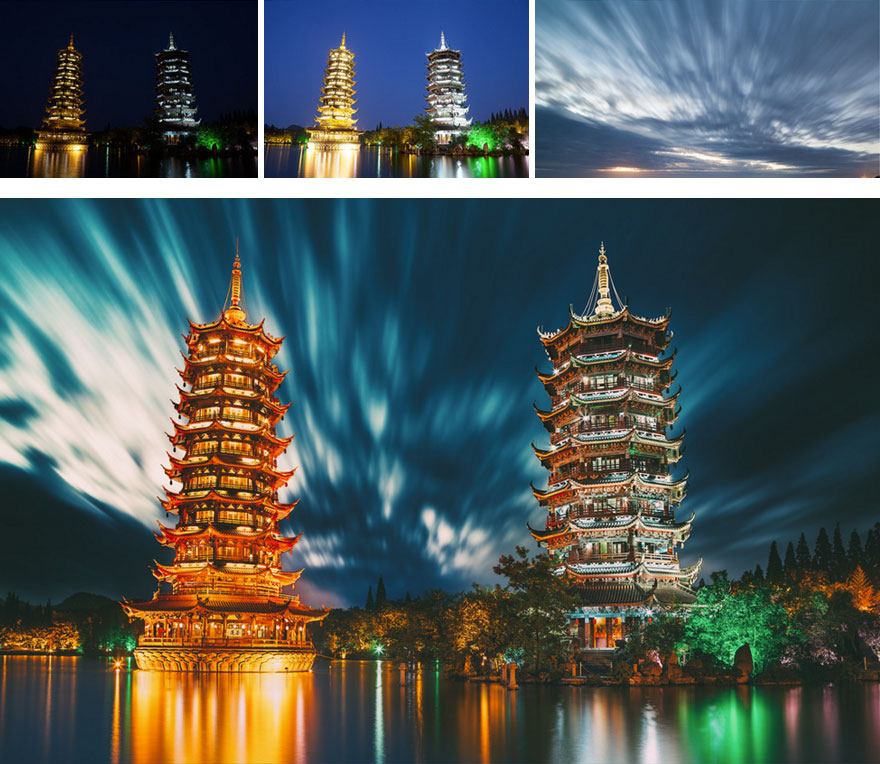
3x Exposures Manually Composited In Photoshop CC. Replacement Sky Layer Manually Overlaid And 'Painted' In
the cloud image does not follow the light source and coloring of the building and jungle.
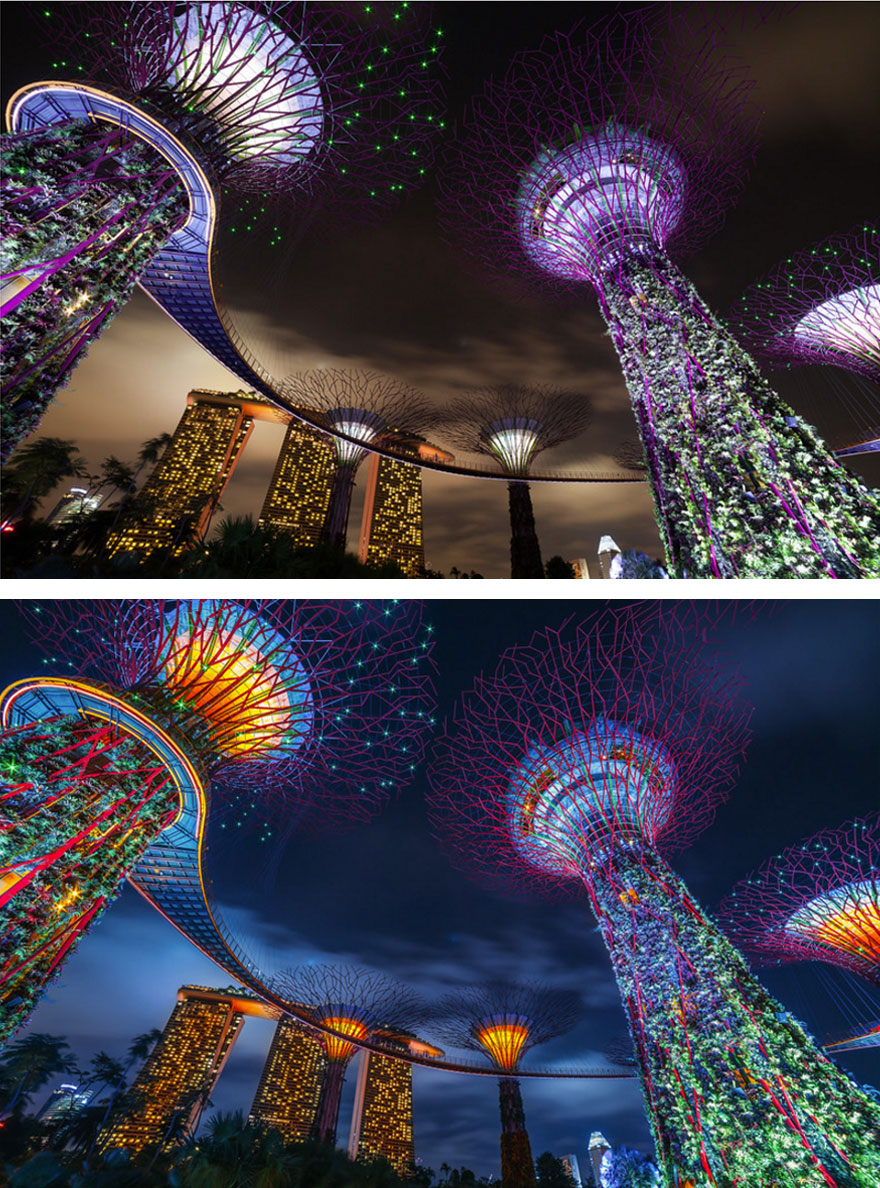
HDR Bracketing Manually Blended In Photoshop. Nik Color Efex Pro Used For Post-Production
I agree. Seems like everyone using Photoshop or similar programs feel they need to overdo sky colours and sun glows. Instead, it only serves to detract from a good shot.
Load More Replies...Contrast And Color Temp Corrected. Color Enhancements Made Using Vsco And Nik Color Efex Pro
Nik Color Efex Pro Used For Post-Production Color Enhancements
Some of the photo's look better in their natural state, and others not so much.

Tonal Adjustments Made Using Nik Color Efex Pro. Composite Sky Blended Into Frame Manually
Maybe the point was to make surrealistic or future view? If you think as it is a movie poster the sky fits better
Load More Replies...Omg this looks fake, at least the others look like it could be from national geographic, at least Those look realistic
If you read the bit the photographer says at the top, he goes for a fantasy/surreal look with his post edits sometimes.
Load More Replies...a camera will never capture how you really see it and how you feel about it

Indeed. So there we have image editing programs to help us achieve the feeling. Nothing wrong with that. Just artistic photography.
Load More Replies...This article seems to be implying that professional photographers and "online pictures" are largely all so good, because they use bracketing and HDR. Maybe it's because this process appears more manual, and therefore more skillful. There's a reason you don't see this type of work in National Geographic for example. 20 years ago there were special categories in photography magazines for manipulated photos, mainly to showcase new techniques just for what they're worth. In my mind that's where these photos should stay. Secondly, these are very standard tourist shots and angles. The real essence of photography, timing and framing, is lost completely to what is basically saturation. This is kind of teaching the people of the internet to think that all the real skill is in post-production, when that is in fact a completely separate issue for serious pros. The great photos of the world are not photoshopped in any way, and that's what makes them good.

I quite agree with your assessment, "badly printed postcards", or standard magazine add fare, and already forgotten. No waiting for the light, no thousand shots for the one, no freezing in -30 or out at 3:00 am. Just grab some images and do what you can with them.
Load More Replies...It's photographer's desicion how they would want to present their images. That's why there are different styles and different people. Nobody can force you to like something that you don't but you can't say what is right and what is wrong. It's a matter of choise.
I often hear or read about people saying "of course. They used photoshop." If someone thinks photography is easy, try it. If someone thinks editing is easy, I dare you. A crappy photo will always be a crappy photo. In most of the cases the post processing is possible because the photographer knew how to take the photo in a way that they would have all they needed to work with and give it the look they want. Things aren't that simple. And if you find articles like this as an excuse and say "sure the photos are better than mine but I don't process them", then go for it. Try and see. No excuses. These photos take some really hard work to end up looking like this. It's not cheating. It's actually harder! Oof. Sorry.
Some turned out to be quite good.. Not the composites though.. Few were highley manipulated which doesnt seem right.. At the end of the day, photographers are not ppl who have to document their visits to places, but produce some selable images.. But overdoing the manipulation is also a sin to the photography religion!!
And when you get really good images without such post production, most of people think it's photoshopped only, that's sad but reality
Load More Replies...In the old days of course there wasn't such a thing as photoshop. The photographers used to burn and dodge in the darkroom to get the images they wanted, ooooh just like using photoshop in fact. Different times and different skills, however the common theme is Somebody had to compose and take the shot in the first place.
So many people complaining about the quality of the modified versions - it appears nobody read the opening text: “These before and after samples are simply meant to highlight what can be done with the power of Photoshop,' says Stewart. "As such, I have deliberately provided the most dramatic examples.”
Still takes mad skills to be a pro photographer...post production used to happen in the darkroom, now it's on a screen.
Wow! Very interesting thread. Thank you for the insight because I never knew pictures were that photoshopped! It's amazing what technology
Some pictures are, by far the majority aren't.
Load More Replies...a camera will never capture how you really see it and how you feel about it
Indeed. So there we have image editing programs to help us achieve the feeling. Nothing wrong with that. Just artistic photography.
Load More Replies...This article seems to be implying that professional photographers and "online pictures" are largely all so good, because they use bracketing and HDR. Maybe it's because this process appears more manual, and therefore more skillful. There's a reason you don't see this type of work in National Geographic for example. 20 years ago there were special categories in photography magazines for manipulated photos, mainly to showcase new techniques just for what they're worth. In my mind that's where these photos should stay. Secondly, these are very standard tourist shots and angles. The real essence of photography, timing and framing, is lost completely to what is basically saturation. This is kind of teaching the people of the internet to think that all the real skill is in post-production, when that is in fact a completely separate issue for serious pros. The great photos of the world are not photoshopped in any way, and that's what makes them good.
I quite agree with your assessment, "badly printed postcards", or standard magazine add fare, and already forgotten. No waiting for the light, no thousand shots for the one, no freezing in -30 or out at 3:00 am. Just grab some images and do what you can with them.
Load More Replies...It's photographer's desicion how they would want to present their images. That's why there are different styles and different people. Nobody can force you to like something that you don't but you can't say what is right and what is wrong. It's a matter of choise.
I often hear or read about people saying "of course. They used photoshop." If someone thinks photography is easy, try it. If someone thinks editing is easy, I dare you. A crappy photo will always be a crappy photo. In most of the cases the post processing is possible because the photographer knew how to take the photo in a way that they would have all they needed to work with and give it the look they want. Things aren't that simple. And if you find articles like this as an excuse and say "sure the photos are better than mine but I don't process them", then go for it. Try and see. No excuses. These photos take some really hard work to end up looking like this. It's not cheating. It's actually harder! Oof. Sorry.


Some turned out to be quite good.. Not the composites though.. Few were highley manipulated which doesnt seem right.. At the end of the day, photographers are not ppl who have to document their visits to places, but produce some selable images.. But overdoing the manipulation is also a sin to the photography religion!!
And when you get really good images without such post production, most of people think it's photoshopped only, that's sad but reality
Load More Replies...In the old days of course there wasn't such a thing as photoshop. The photographers used to burn and dodge in the darkroom to get the images they wanted, ooooh just like using photoshop in fact. Different times and different skills, however the common theme is Somebody had to compose and take the shot in the first place.
So many people complaining about the quality of the modified versions - it appears nobody read the opening text: “These before and after samples are simply meant to highlight what can be done with the power of Photoshop,' says Stewart. "As such, I have deliberately provided the most dramatic examples.”
Still takes mad skills to be a pro photographer...post production used to happen in the darkroom, now it's on a screen.
Wow! Very interesting thread. Thank you for the insight because I never knew pictures were that photoshopped! It's amazing what technology
Some pictures are, by far the majority aren't.
Load More Replies...