Get Premium
Dark mode theme is available exclusively for premium users. Learn more about the benefits of subscribing.
No fees, cancel anytime.

 Dark Mode Ad-Free Browsing Unlimited Content
 Ad-Free Browsing Unlimited Content Dark Mode
Join 1.2 million Panda readers who get the best art, memes, and fun stories every week!
If there’s anything we learned from the reality show Man vs Wild, it's that if you happen to be alone in the unlivable wilderness, you gotta have a fair share of survival hacks at hand. Things like: life begins and ends with duct tape, snares are your friends, or the PRWF acronym (Protection, Rescue, Water, Food).
And even if the chances that you and I will ever set foot in the Siberian taiga and will have to survive on eating insects and roots are pretty low, knowledge is power, and survival knowledge is the iron pump of it.
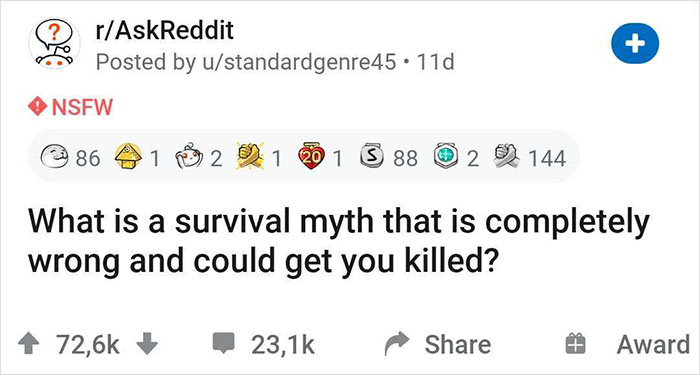
But according to this thread posted on r/AskReddit, not all the common survival tips are actually that useful. People argue that many can do more harm than good, so common sense, a rational mind, and fact-proofing have to always come first. “What is a survival myth that is completely wrong and could get you killed?” the Redditor Standardgenre45 asked people, and the responses flooded in.
Take them with a pinch of salt, or a bag too, or best, scroll down through our in-depth interview with Tony Nester, a survival instructor and multiple-book author who has been teaching wilderness survival and bushcraft courses for the past 30 years. Nester has worked with a diverse range of groups and folks from military special operations units to the Ojibwa Tribe, the Discovery and Travel Channels, and served as a consultant on the film Into the Wild. He happily shared some amazing survival tips and busted some common myths, so take out your notebooks, everyone!
This post may include affiliate links.
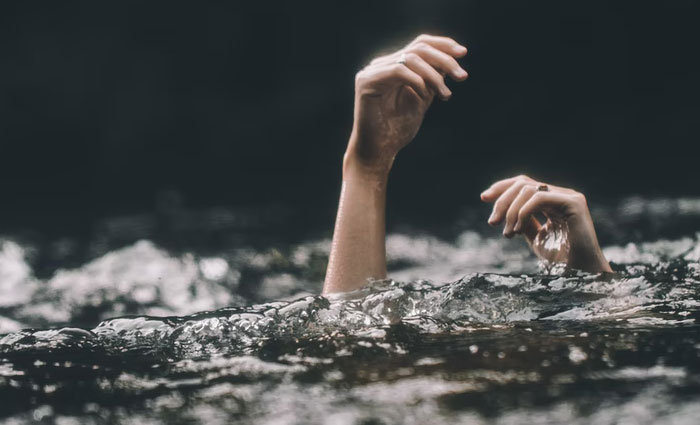 Perhaps not really a myth, but something people may think is true after watching people get rescued from the water on TV. "get them breathing and send them on their merry way"
If you rescue someone from a near drowning, they still need to go to the hospital, even though they are safely on land now.
The lungs are coated with a slippery mucous like substance called a surfactant. It's kind of a lubricant and it keeps them from collapsing and sticking to themselves. If they ingested a lot of water into the lungs, chances are they have washed away the surfactant. Their lungs could collapse at any moment and their ability to uptake oxygen is reduced. Get the survivor on oxygen.
source: rescue trained scuba diver here.
Perhaps not really a myth, but something people may think is true after watching people get rescued from the water on TV. "get them breathing and send them on their merry way"
If you rescue someone from a near drowning, they still need to go to the hospital, even though they are safely on land now.
The lungs are coated with a slippery mucous like substance called a surfactant. It's kind of a lubricant and it keeps them from collapsing and sticking to themselves. If they ingested a lot of water into the lungs, chances are they have washed away the surfactant. Their lungs could collapse at any moment and their ability to uptake oxygen is reduced. Get the survivor on oxygen.
source: rescue trained scuba diver here.
 I don't know if this counts as survival myth but you don't actually have to (and probably shouldn't) wait 48 hours to report someone as missing. Those first hours are crucial so report someone as missing immediately.
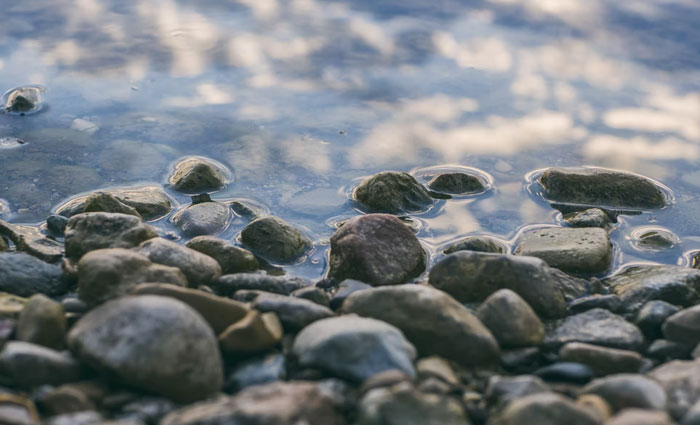 Not so much a survival myth but a common camping mistake that an amateur survivalist might make: never use rocks that are in or close to a river bed for a campfire. Ever. Many get tiny bits of water trapped inside the rocks, then when heated by a fire, it turns into a lovely grenade due to the water being heated amd turned intosteam, expanding quickly. Hot bits of rock everywhere. People like river rocks because they are smooth and easy to cook off of and they look cool, but they are crazy dangerous. Plenty of rocks all around. Find another.
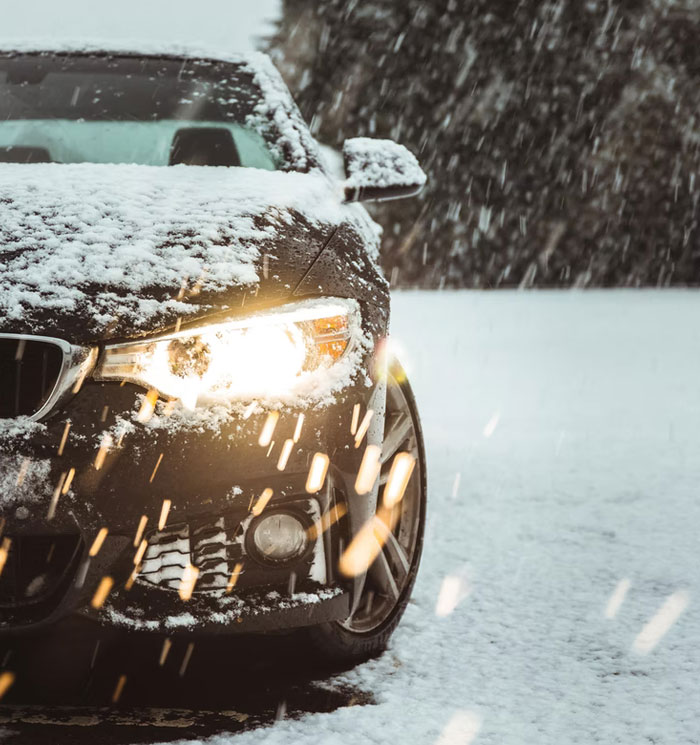 If trapped/lost in snowstorm while driving: A) Do Not Leave Your Car. You are literally inside a shelter ALREADY. A SHINY one! It is easier to spot a snow-covered vehicle, than a snow-covered corpse.
B) Do Not Keep Your Engine Running. It's a snowstorm, your exhaust will block, you will nap. Snugga-bugga, you're dead. Wait for storm to pass, check exhaust is clear, run engine in short bursts.
C) If you have ignored these steps, and are now walking in the snowstorm, because your sense of direction is "flawless", Do Not Remove Any Clothing Layers! You WILL believe you are getting Hot. You WILL rationalize it's from burning calories. You WILL die. The "Hot" feeling is you losing body temp. You are now slooooowly dying. If you still have your wits, retrace your steps and head STRAIGHT back to your car.
Wait for rescue.
If trapped/lost in snowstorm while driving: A) Do Not Leave Your Car. You are literally inside a shelter ALREADY. A SHINY one! It is easier to spot a snow-covered vehicle, than a snow-covered corpse.
B) Do Not Keep Your Engine Running. It's a snowstorm, your exhaust will block, you will nap. Snugga-bugga, you're dead. Wait for storm to pass, check exhaust is clear, run engine in short bursts.
C) If you have ignored these steps, and are now walking in the snowstorm, because your sense of direction is "flawless", Do Not Remove Any Clothing Layers! You WILL believe you are getting Hot. You WILL rationalize it's from burning calories. You WILL die. The "Hot" feeling is you losing body temp. You are now slooooowly dying. If you still have your wits, retrace your steps and head STRAIGHT back to your car.
Wait for rescue.
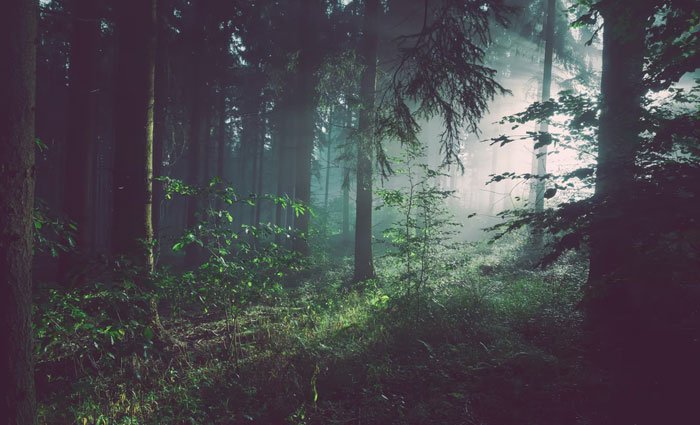 If you're wandering in the wilderness, wondering if the plants and water are safe to eat and drink, watch what the animals do. they will show you the safe plants and water.
spoiler: this is not true. many animals are evolved to consume things that are poisonous to us, or nutritionally valueless.
case in point: vultures
If you're wandering in the wilderness, wondering if the plants and water are safe to eat and drink, watch what the animals do. they will show you the safe plants and water.
spoiler: this is not true. many animals are evolved to consume things that are poisonous to us, or nutritionally valueless.
case in point: vultures
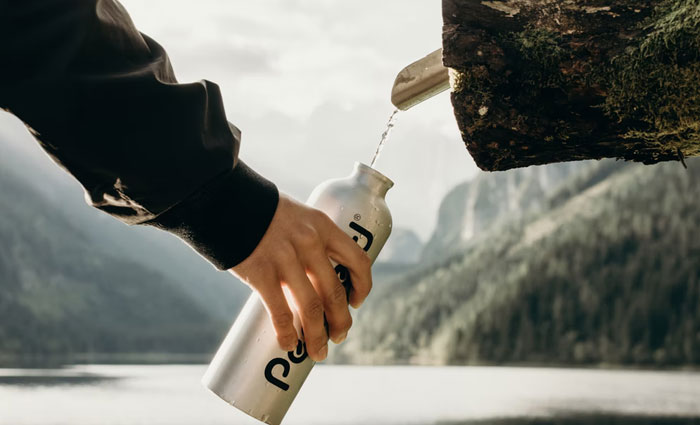 Rationing water is generally a terrible choice - drink what you have until it’s gone. Use that time with good hydration levels to take stock of your situation and make good choices.
Decision making and physical ability drop off very quickly when you are dehydrated. The first decisions you make after realizing you are in a survival situation are critical and pay long dividends.
Most survival situations are resolved within 72 hours and many hikers are found dead in the desert with full water bottles.
Rationing water is generally a terrible choice - drink what you have until it’s gone. Use that time with good hydration levels to take stock of your situation and make good choices.
Decision making and physical ability drop off very quickly when you are dehydrated. The first decisions you make after realizing you are in a survival situation are critical and pay long dividends.
Most survival situations are resolved within 72 hours and many hikers are found dead in the desert with full water bottles.
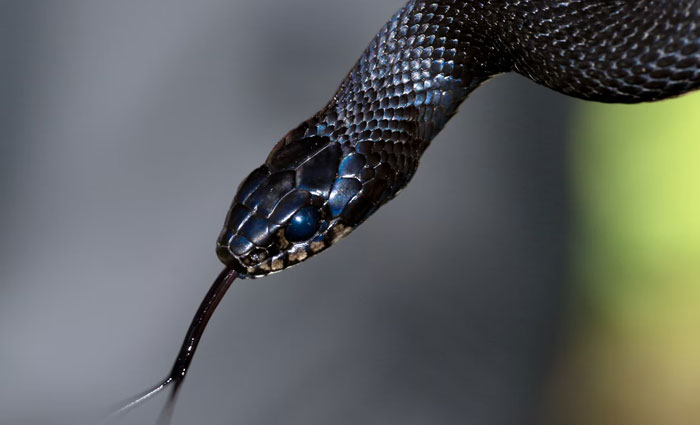 In Australia at least, you do not need to identify or try to catch the snake that bit you. The antivenin is universal.
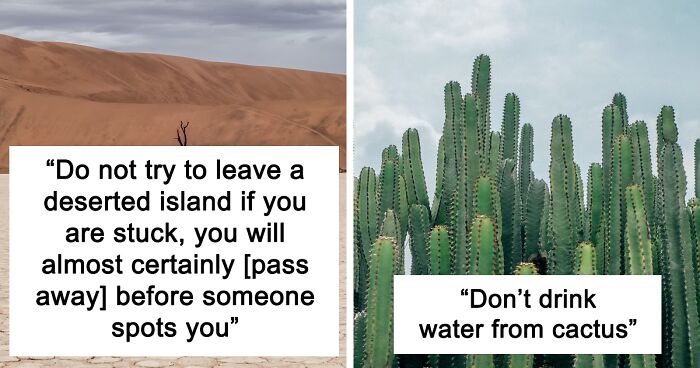
 Don’t drink water from cactus, it’s not potable and likely to trigger vomiting/diarrhea and you will get more dehydrated.
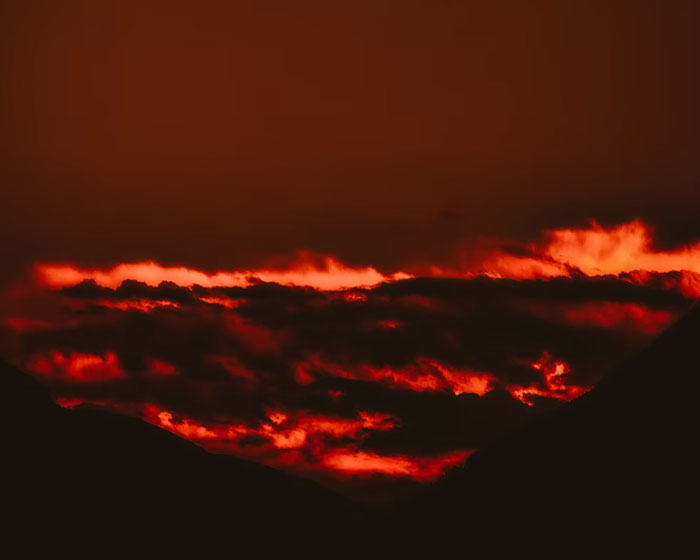 If you get caught in a forest fire, that you can survive by finding a big depression, or cave and waiting for the flame front to pass. You'll die from suffocating as the fire consumes all the oxygen. You have a much better chance of running through the flame front. Protect your eyes, face, and especially your airways, cover as much of your skin as possible. The main things are to protect your eyes, mouth and nose. Pick a line with the least obstructions, and where the fire will burn less intense. Close your eyes, take a deep breath and run, you'll know once you've made it through. Most people will gasp or try to breath in once they hit the flamefront, that's why you gotta protect it, otherwise you'll take in a breath of super heated air, instantly blister your lungs and drown in your own bodily fluids.
 For the love of god do not eat everything raw.
If I see another episode of Bear Grylls eating a bat or bird as raw as sashimi, I think I'll go crazy.
You should absolutely try your best to cook the food you've nabbed. Even if it's through an open fire for a few minutes. Eating, say, a dead bird that may or may not have bird flu is a hell of a lot worse than creating a fire to cook it over. Congrats for completely screwing yourself by eating raw wild meat!
For the love of god do not eat everything raw.
If I see another episode of Bear Grylls eating a bat or bird as raw as sashimi, I think I'll go crazy.
You should absolutely try your best to cook the food you've nabbed. Even if it's through an open fire for a few minutes. Eating, say, a dead bird that may or may not have bird flu is a hell of a lot worse than creating a fire to cook it over. Congrats for completely screwing yourself by eating raw wild meat!
 Alcohol does not warm you up. You feel warm since its dilating your blood vessels in your face and extremities but that causes you to lose more heat to the environment and therefore will make you die of hypothermia quicker if anything.
 If you get stabbed by something, DO NOT try to remove the object. You will make it worse and potentially bleed to death, depending on where you were stabbed, if you try and pull it out. Leave it be and get help.
 Don't tie a rope around your waist and expect it to save you from a fall. Sure, it might prevent you from hitting the ground, but you can still damage your internal organs and break your back doing this. Safety harnesses go around your hips and legs, not your waist.
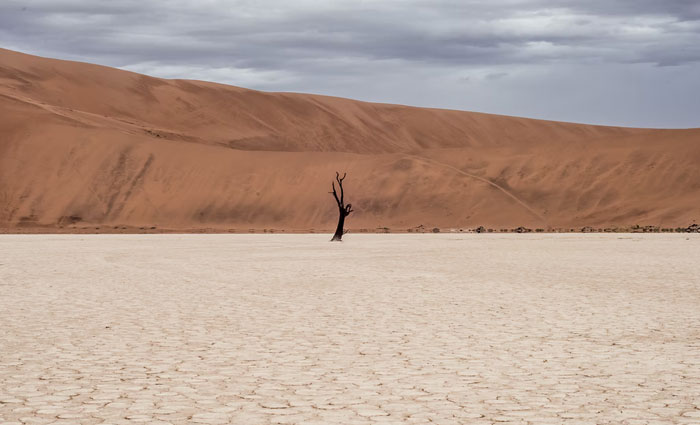 Do not try to leave a deserted island if you are stuck, you will almost certainly die before someone spots you.
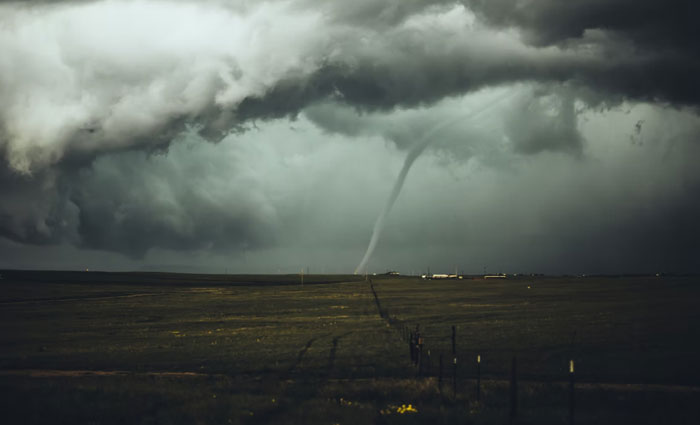 If you’re driving during a tornado warning, don’t get out of your car and climb up the side of an overpass to hide under a bridge. This myth became famous after amateur video of a man and his daughter hiding under an overpass, but the one they chose had some unusual construction that offered them protection in a way most don’t. Wind speed increases the higher you get from the ground, and the narrow passages can create a wind tunnel effect, taking the flying debris picked up by the tornado and sending it straight through you at 200 mph or more.
 Here's a good one: If you're in an elevator in freefall, DO NOT JUMP. It won't make your landing easier, it'll probably paralyze or kill you. Lay yourself flat to try and distribute your weight (as well as the pressure of the crash) more evenly. You'll give yourself a better chance at survival this way.
I mean, it's an elevator, so no guarantee you'll survive, but still small chance is better than none!
Here's a good one: If you're in an elevator in freefall, DO NOT JUMP. It won't make your landing easier, it'll probably paralyze or kill you. Lay yourself flat to try and distribute your weight (as well as the pressure of the crash) more evenly. You'll give yourself a better chance at survival this way.
I mean, it's an elevator, so no guarantee you'll survive, but still small chance is better than none!
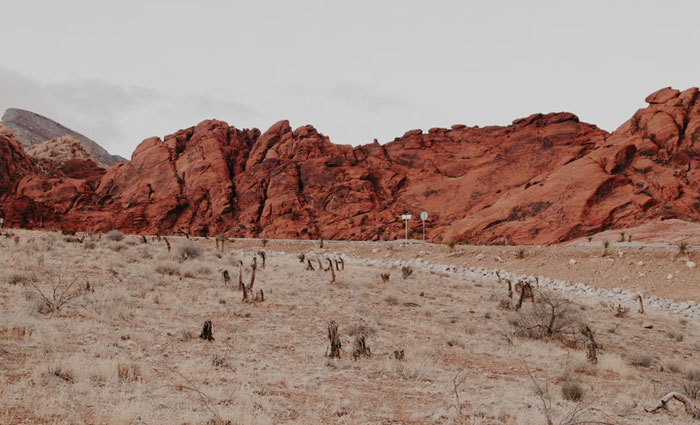 Building a raft to sail to civilization if you ever find yourself marooned on a deserted island. Stay on the island and be found alive vs never found or found dehydrated and dead of exposure.
Also walking to safety if you get lost and your car breaks down. Stay with the vehicle. They always find the vehicle. It’s inhabitants… not so much.
Building a raft to sail to civilization if you ever find yourself marooned on a deserted island. Stay on the island and be found alive vs never found or found dehydrated and dead of exposure.
Also walking to safety if you get lost and your car breaks down. Stay with the vehicle. They always find the vehicle. It’s inhabitants… not so much.
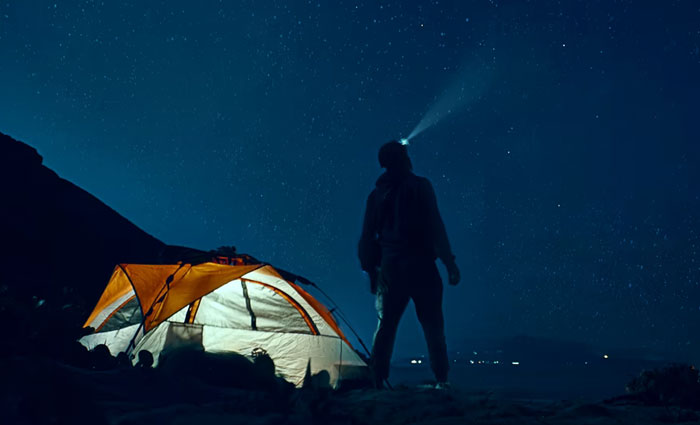 Taking off all your clothes and snuggle with someone to prevent frostbite or hypothermia.
This does not work, you’ll just be found dead and naked.
It is great for survival of the species though.
Taking off all your clothes and snuggle with someone to prevent frostbite or hypothermia.
This does not work, you’ll just be found dead and naked.
It is great for survival of the species though.



















 No fees, cancel anytime