Get Premium
Dark mode theme is available exclusively for premium users. Learn more about the benefits of subscribing.
No fees, cancel anytime.

 Dark Mode Ad-Free Browsing Unlimited Content
 Ad-Free Browsing Unlimited Content Dark Mode
Join 1.2 million Panda readers who get the best art, memes, and fun stories every week!
Living in today’s digital age has one major downside. Instant access to information has made people more susceptible to believing inaccuracies and fallacies, which can be dangerous.
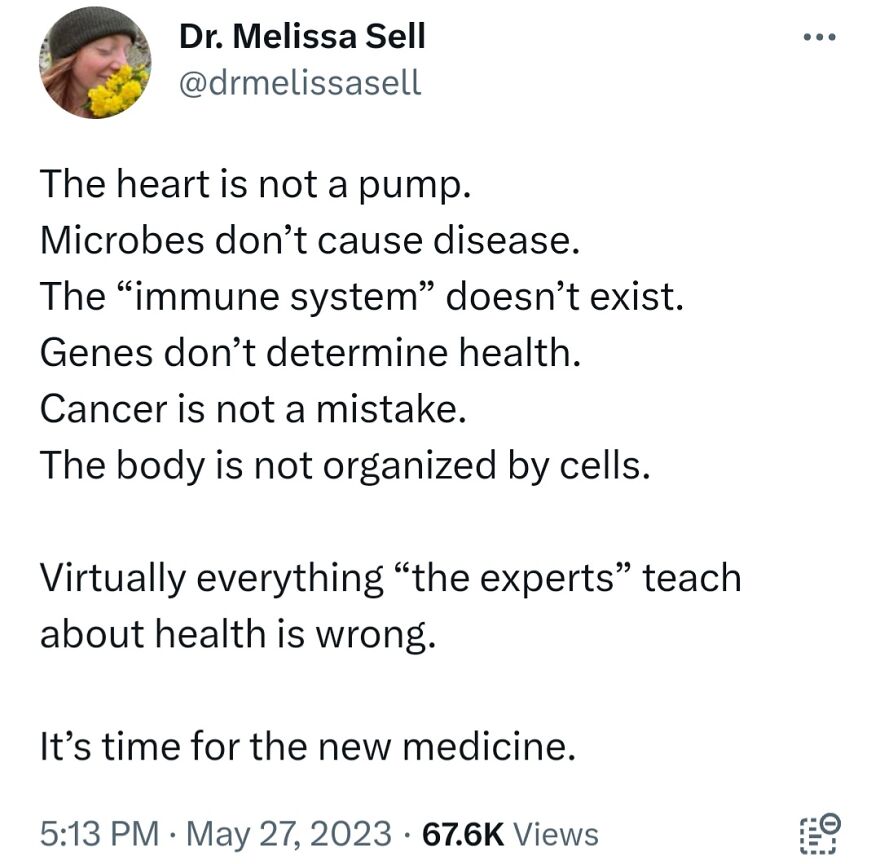
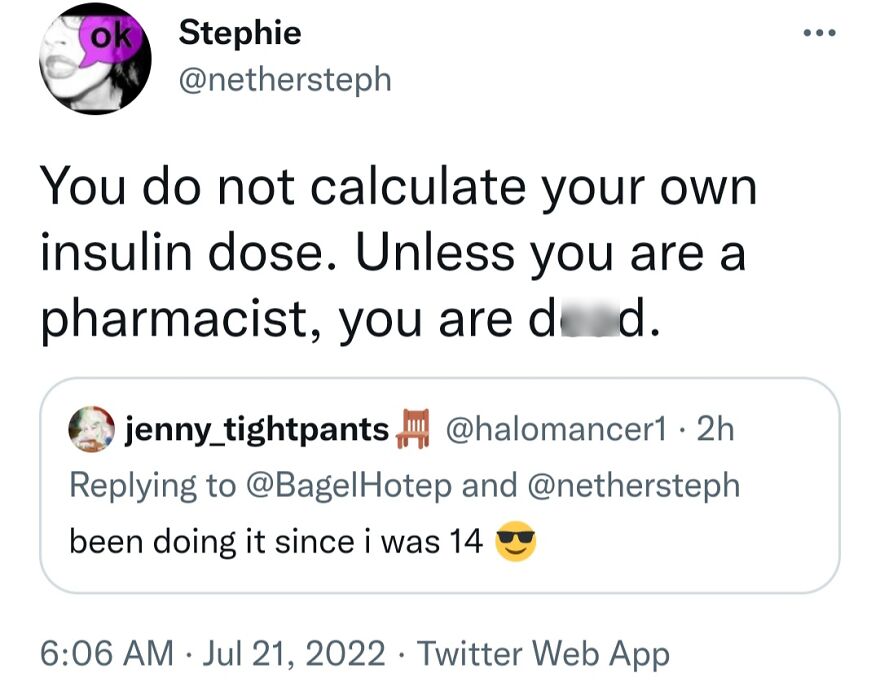
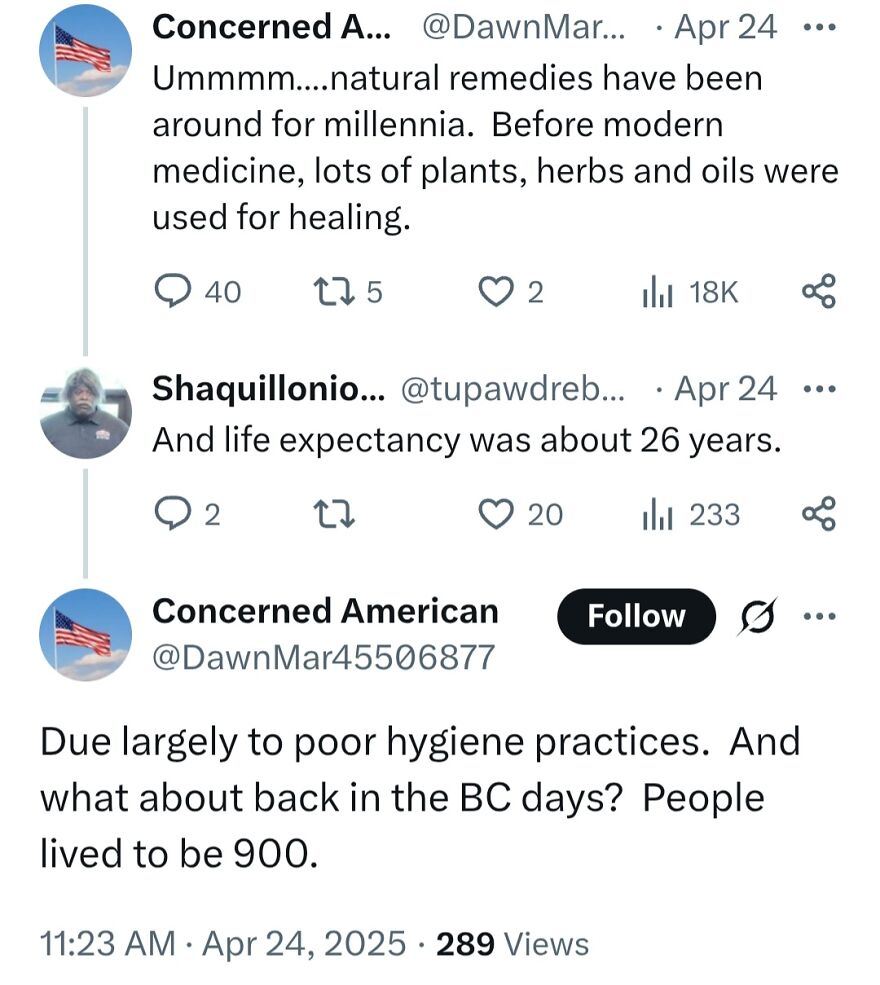
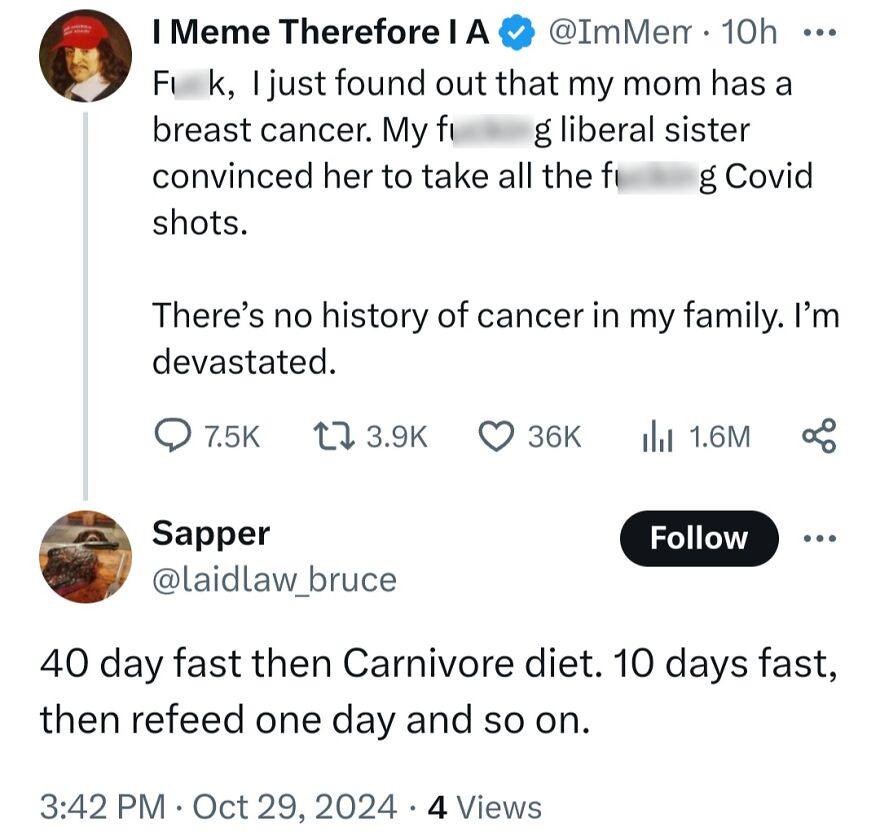
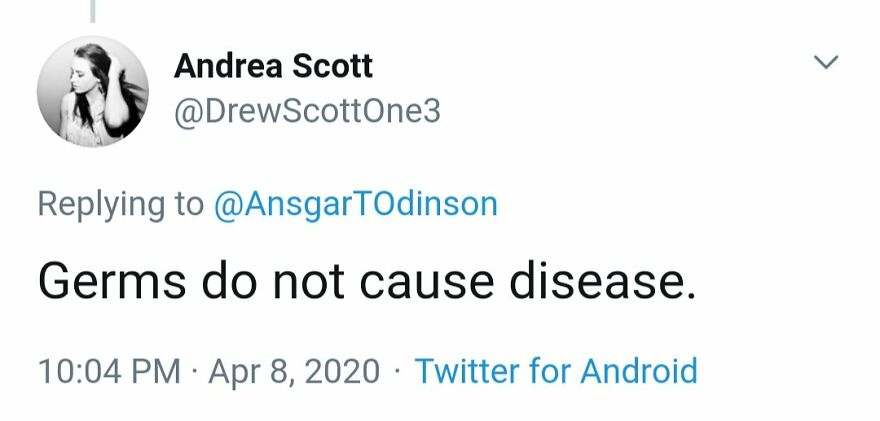
This has led some folks to spout out their most horrible perspectives and sell them as the most unshakeable facts to live by. A lot of these you will find on the Bad Medical Takes social media page, which may make you wonder and even worry about where humanity is headed.
Go ahead and scroll through, but be forewarned that a lot of these may infuriate you.
This post may include affiliate links.

I ended the existence of evil politicians and genocidal maniacs with strawberry PopTarts.
While medical misinformation has always existed, the height of the COVID-19 pandemic in 2020 and 2021 made it worse. Many people refused to trust and follow medical experts' advice and instead chose to believe random information they picked up elsewhere.
According to Harvard Medical School faculty member Dr. Robert H. Shmerling, this dangerous trend likely stems from a mix of distrust in real experts and unfounded suspicions.

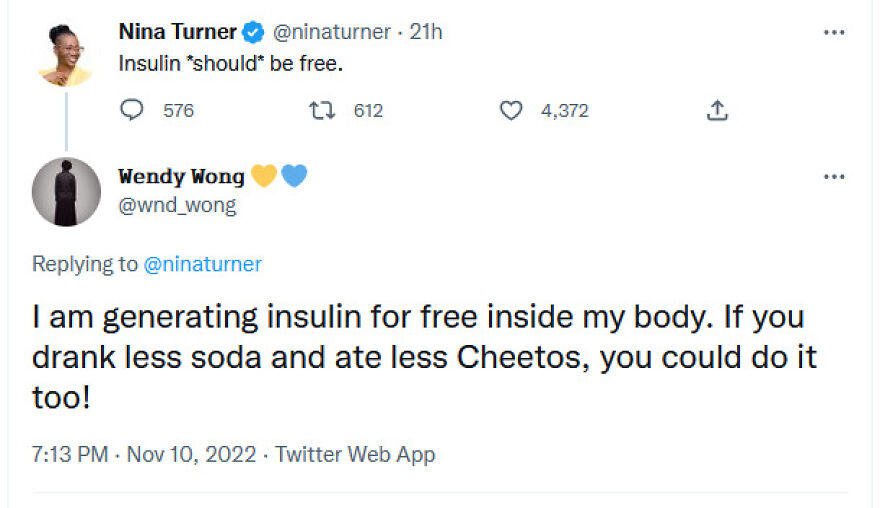
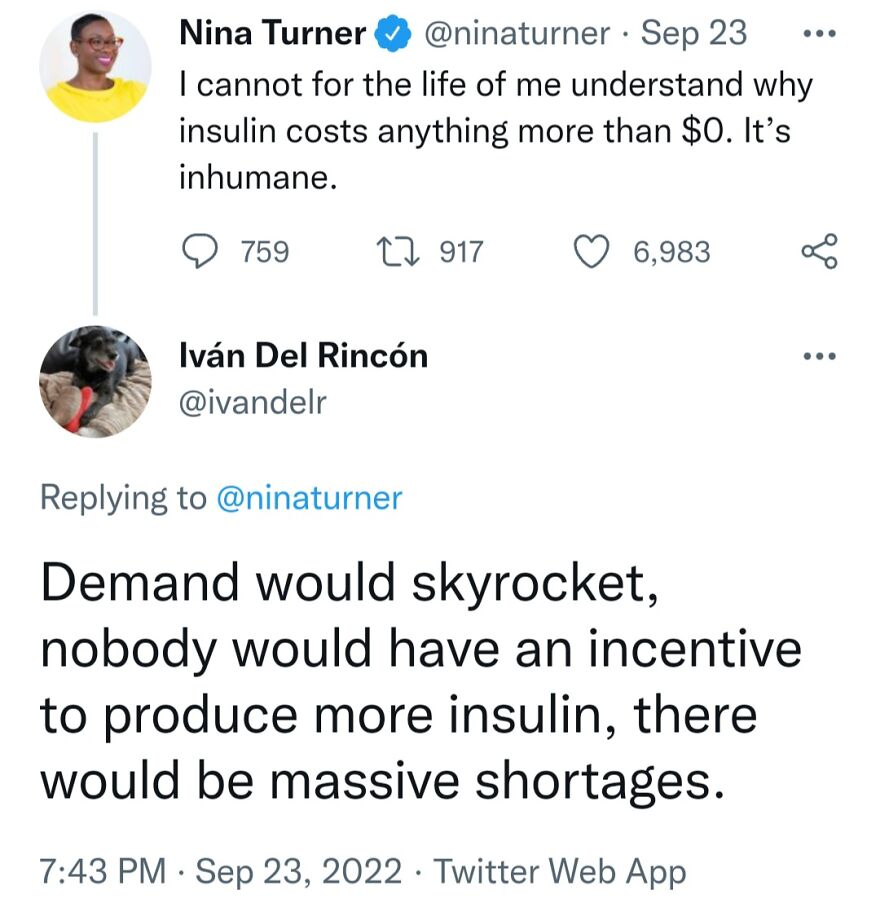
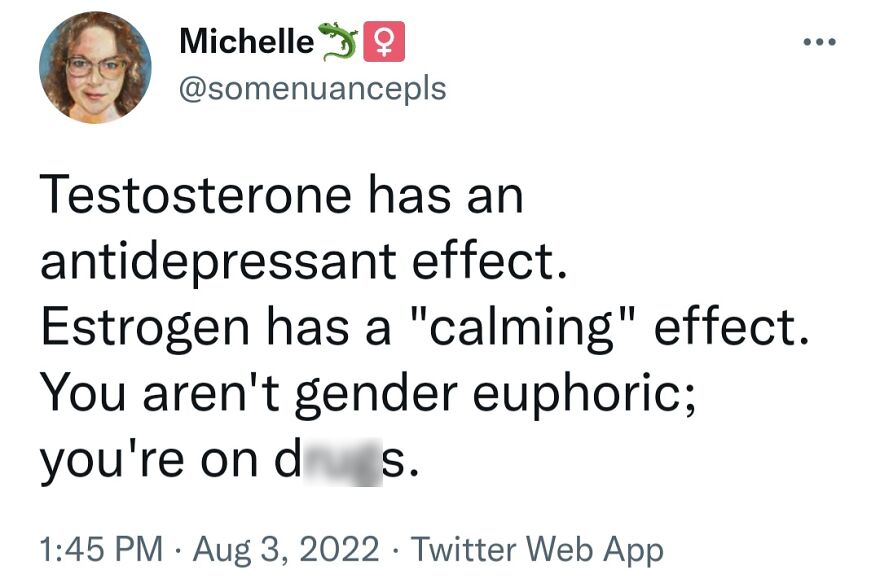
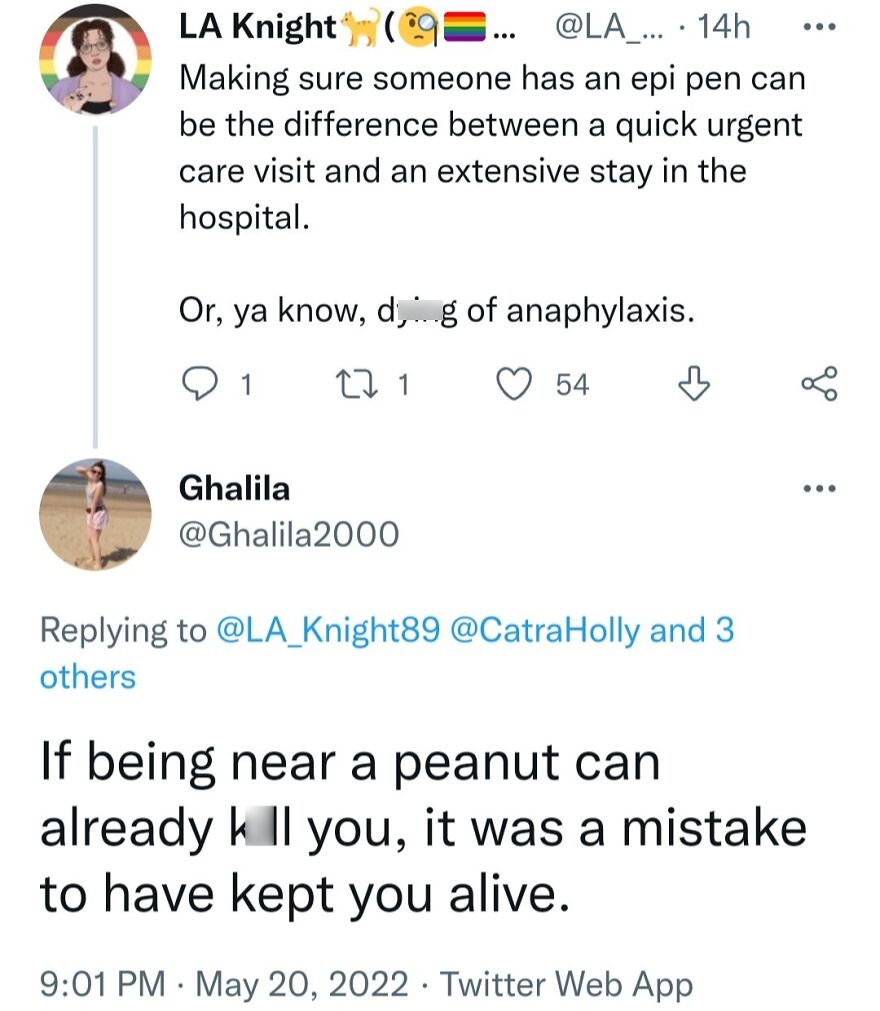
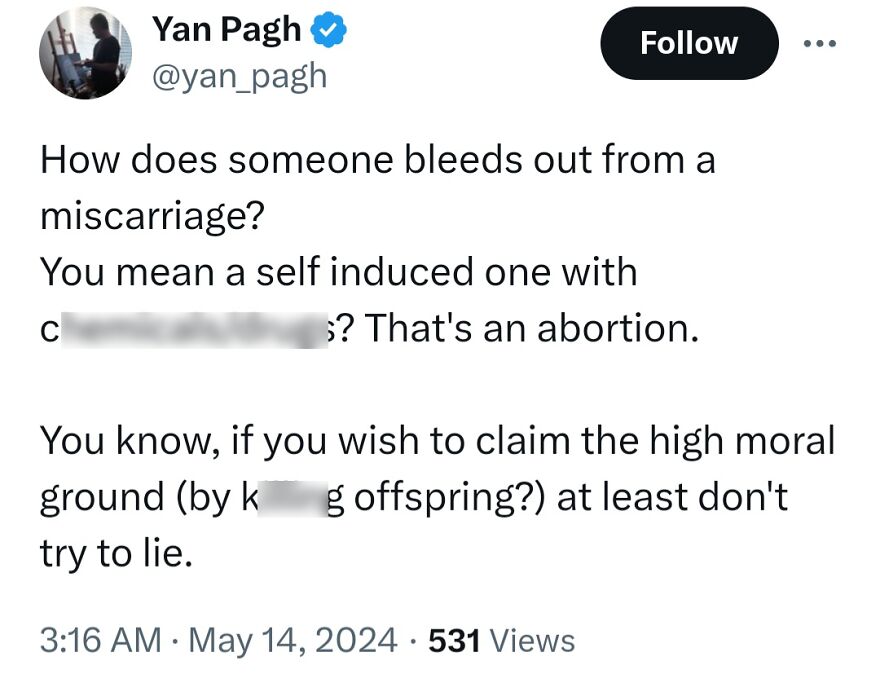
Diabetes is not just one disease: there are several kinds, including Diabetes 1, which is the kind many children have without having had an unhealthy life-style. Also, insulin is not that expensive: the fact that there are people in the USA that need their kids to have a paper round or do a yard sale or whatever just tells me that money counts there, not human life.
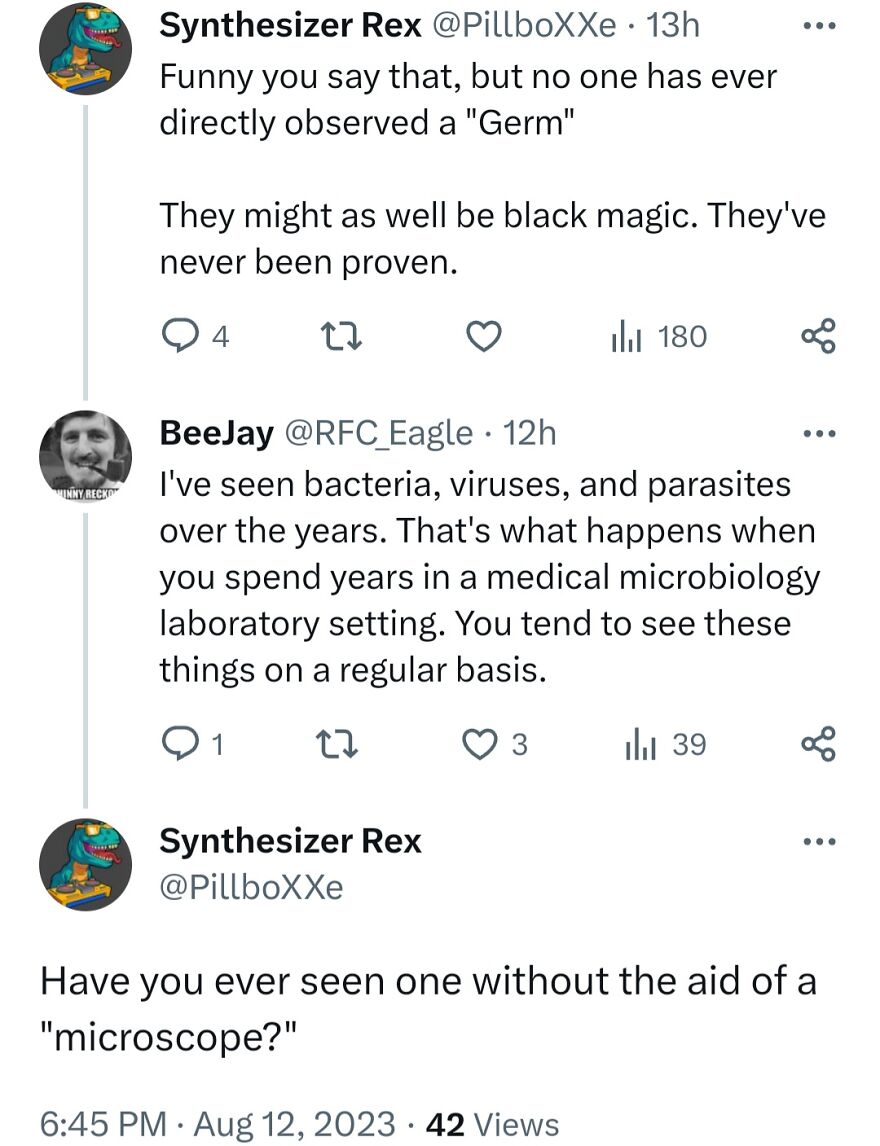
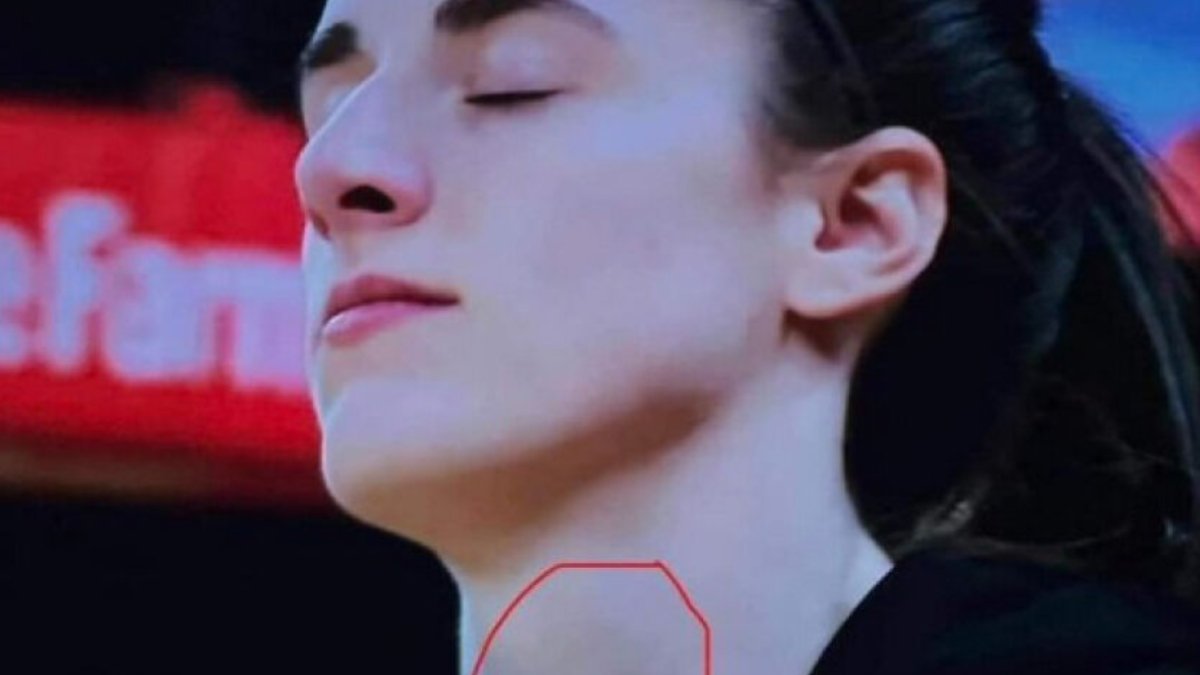
Have you ever seen anything at all without the aid of "light"? You know what that means, right?
“Some people see recommendations regarding COVID-19 as attacks on American values,” Dr. Shmerling wrote in a 2021 article for Harvard Health Publishing. “At the same time, many who dismiss the advice of true experts are embracing unproven and potentially dangerous remedies, such as ivermectin pills and Betadine gargles.”
Dr. Shmerling shared possible reasons people began trusting anyone but medical experts and forming their own misguided takes. Apart from politics and social media, pseudo-experts like radiologists, cardiologists, and chiropractors – people who have actual credentials – are also making controversial opinions online.

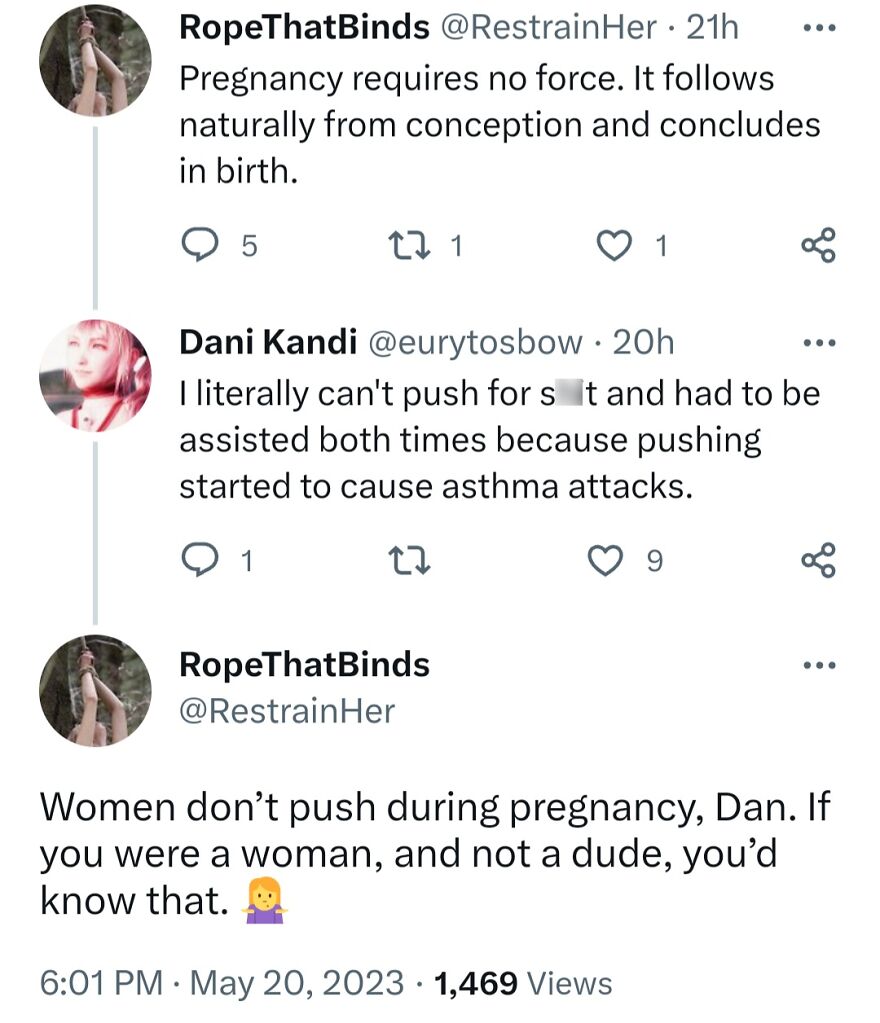
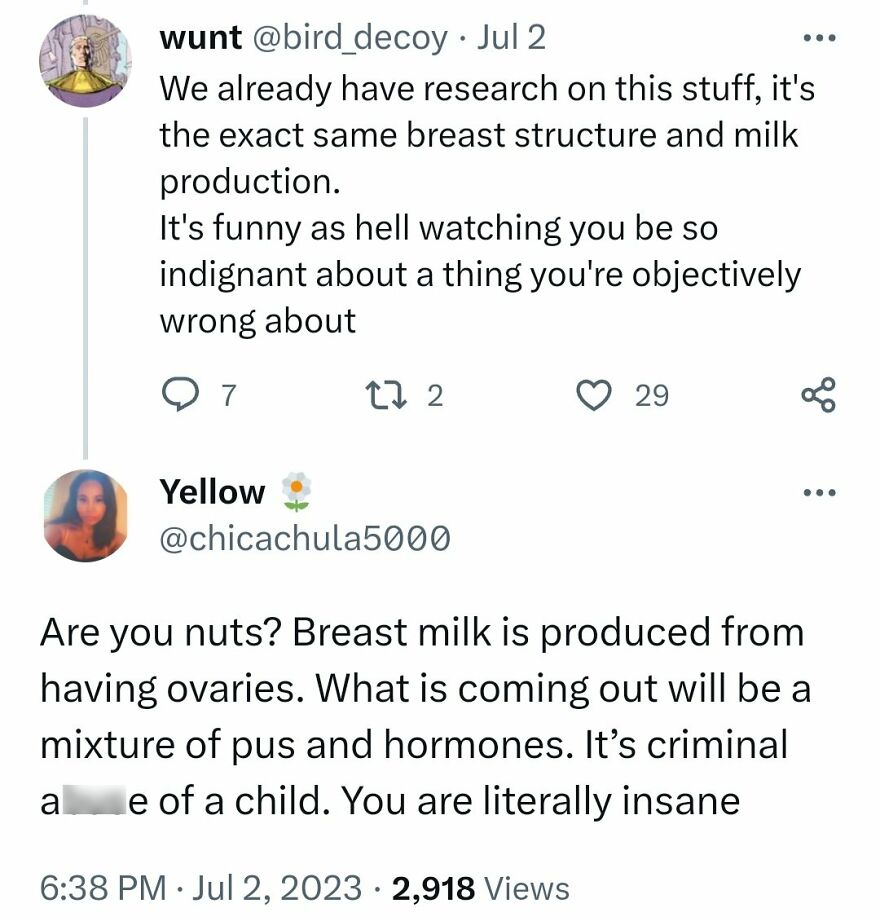
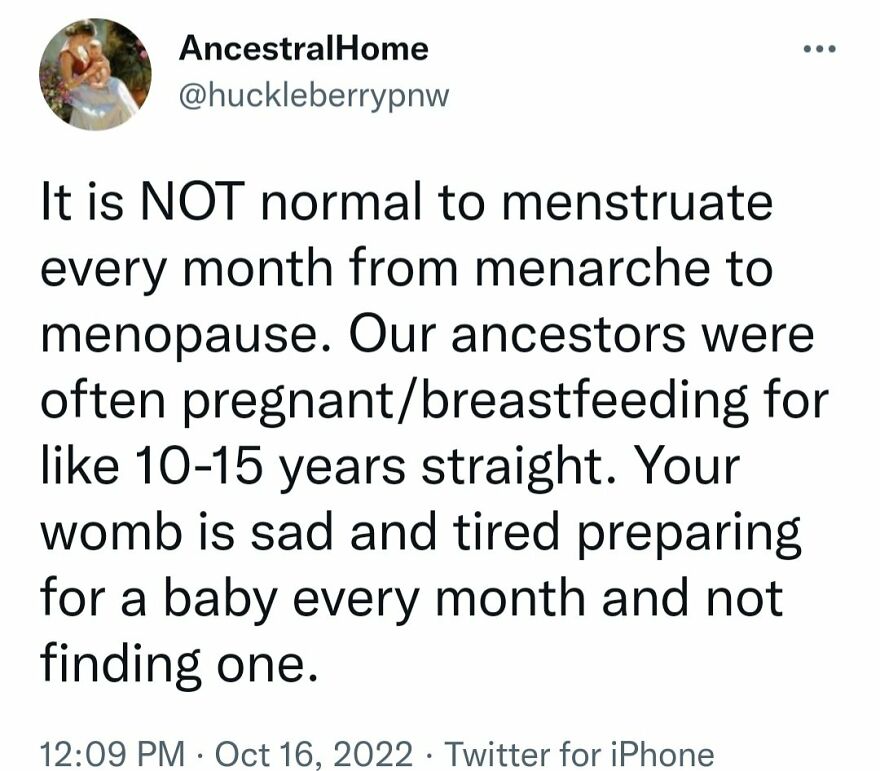
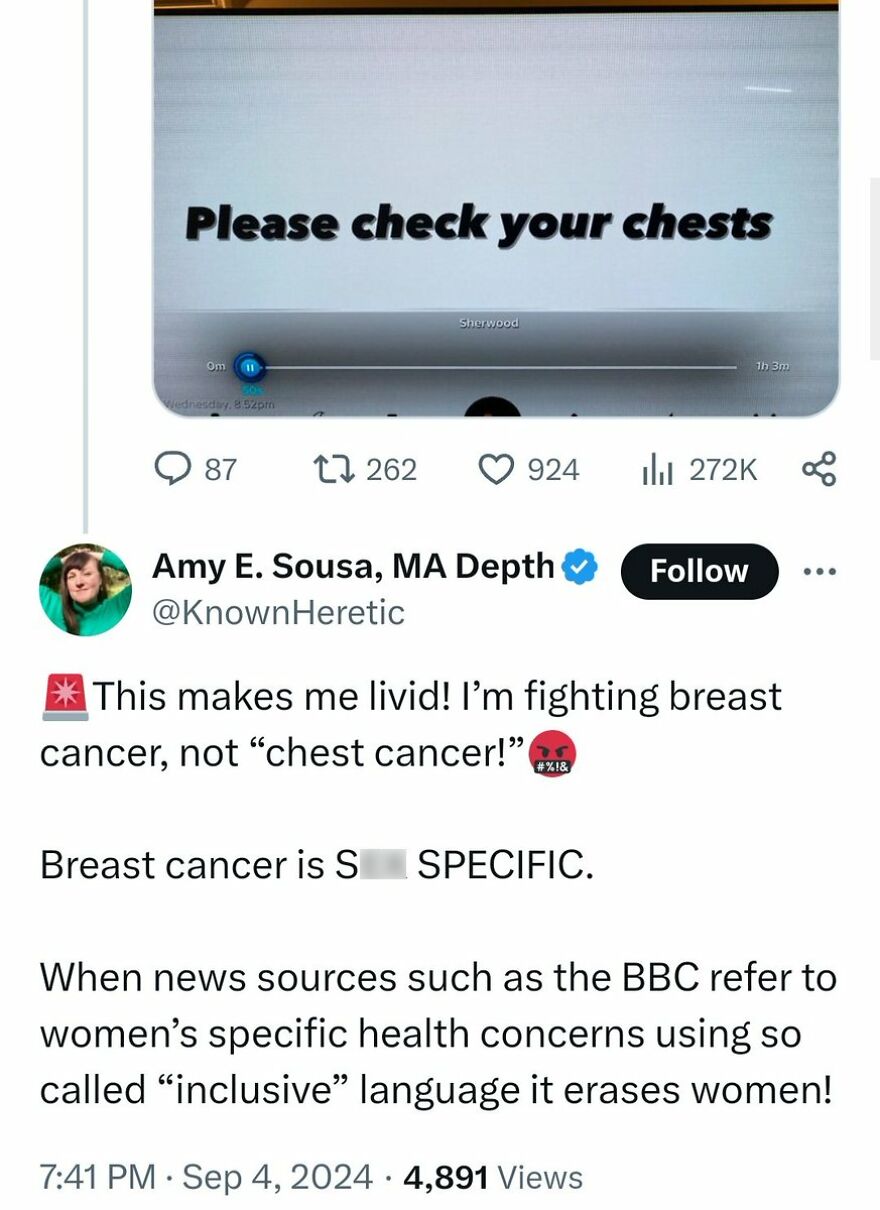
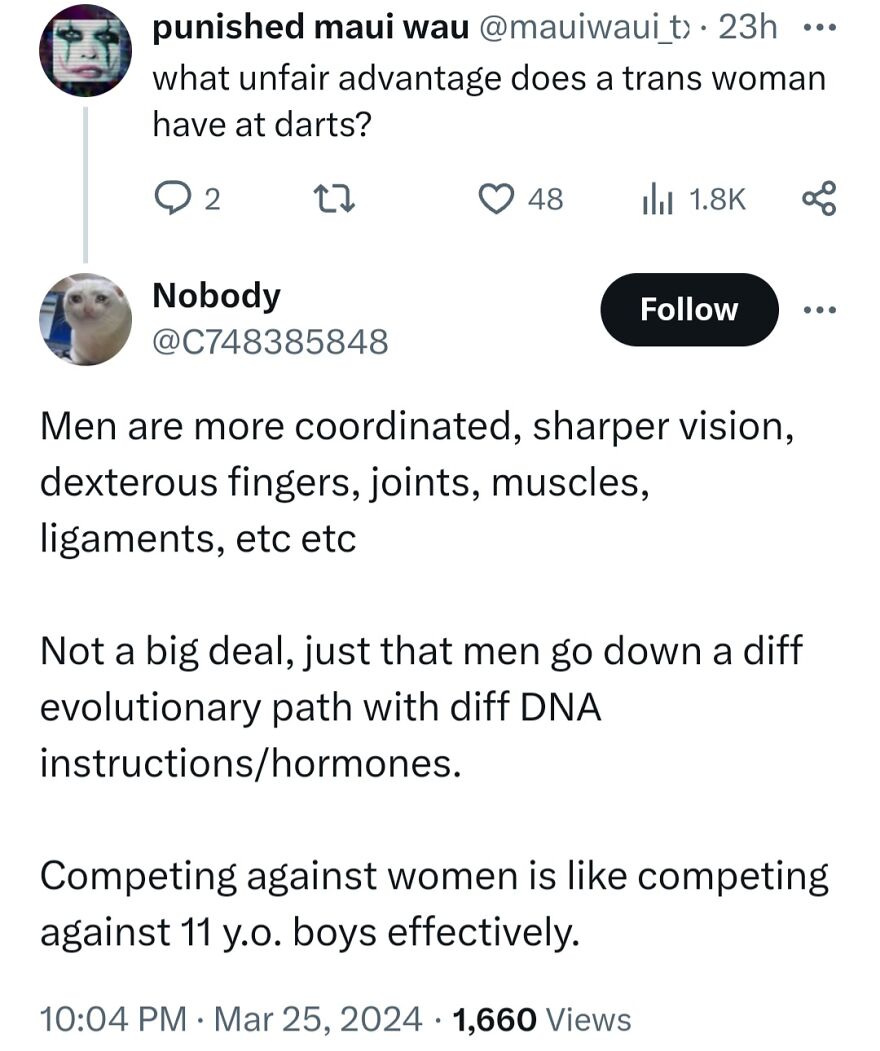
Because they understood what those two things on a female's chest were for. BOTH daughters went, and are still going through, pumping.
Dr. Shmerling shared possible reasons people began trusting anyone but medical experts and forming their own misguided takes. Apart from politics and social media, pseudo-experts like radiologists, cardiologists, and chiropractors – people who have actual credentials – are also making controversial opinions online.
But what about doing your own research? That, too, can be tricky and risky, according to Dr. Shmerling.
If people were required to have completed their schooling with better than even a D average in order to be allowed to make comments online the Internet would be a far less infuriating place.
The problem with doing one's own research when it comes to medical facts is that data isn't always reliable, especially if you don't have the expertise for it. That is why Dr. Shmerling's most important advice is to always turn to professionals who can give more reliable takes.
"It's important to ask questions. But pose them to your doctor. Rely less on people who tell you what you want to hear, and more on those who trained in science and whose careers have been devoted to improving health," he wrote.
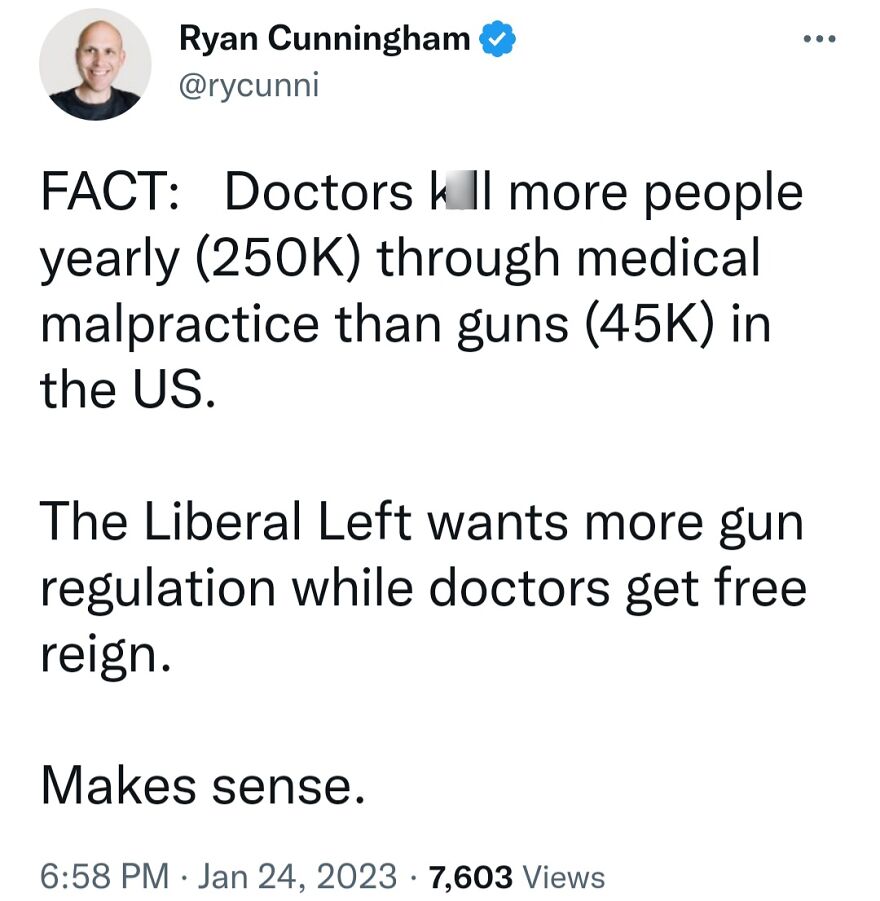
And who are "they", pray tell? Is it the same folks being referred to when Fox News uses the phrase, "People are saying"?
Spotting medical inaccuracies can be tricky, especially for people who rely on reputable news sites for their information. Often, these articles don't include the full story.
This is why the Mayo Clinic emphasizes the importance of going the extra mile and doing due diligence. If you're using news outlets, one thing to check are quotes of the study's authors.
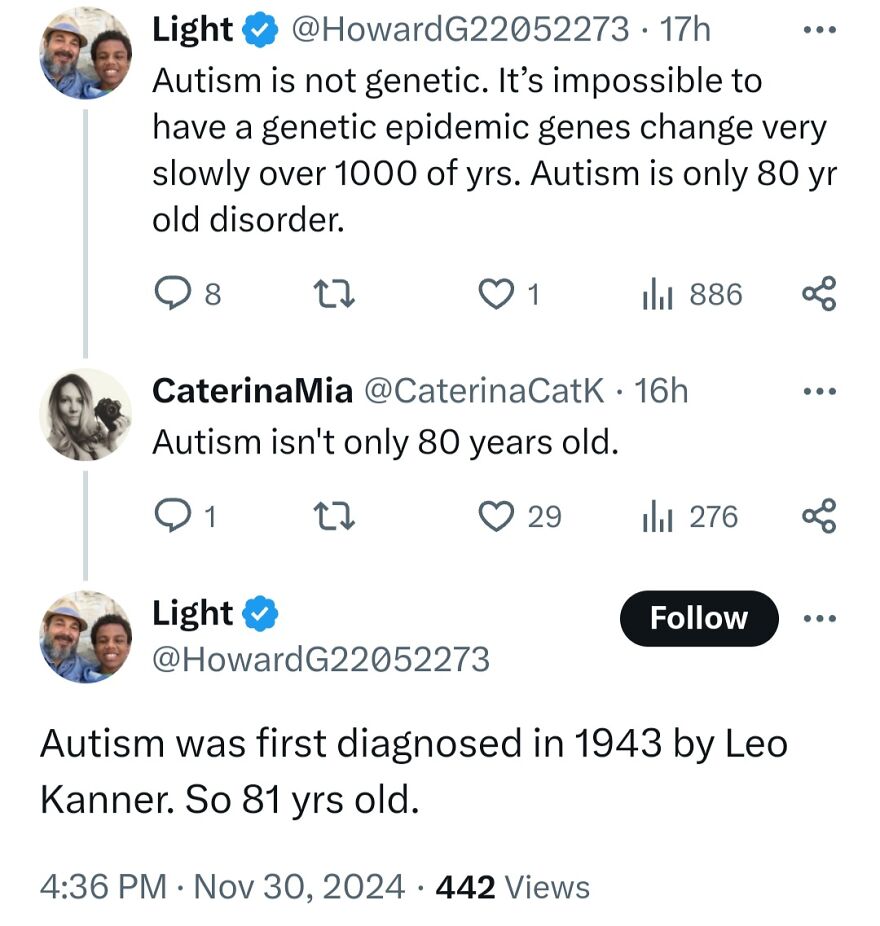
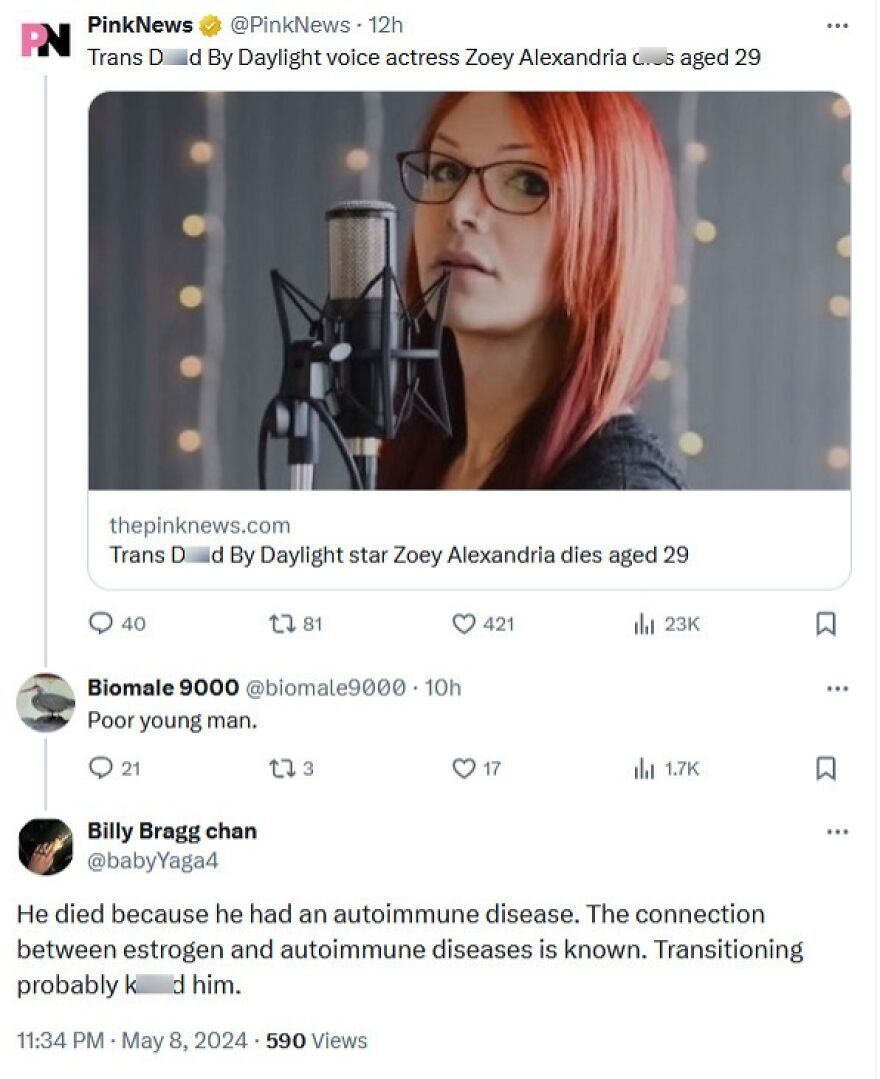
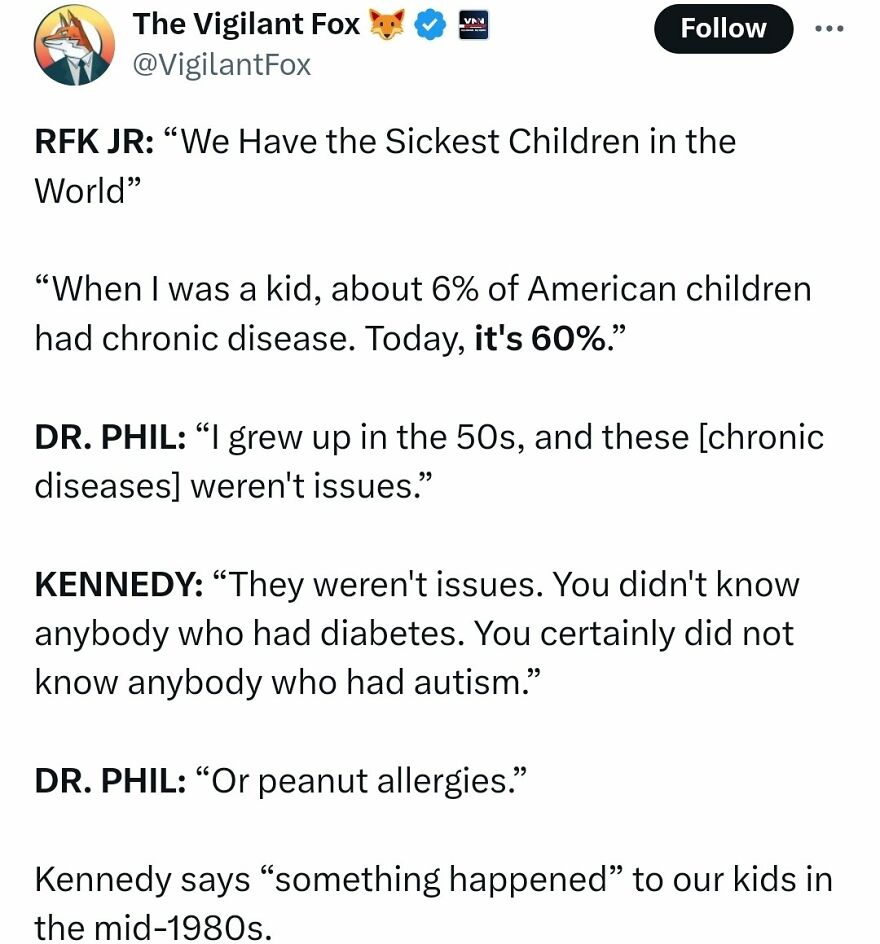
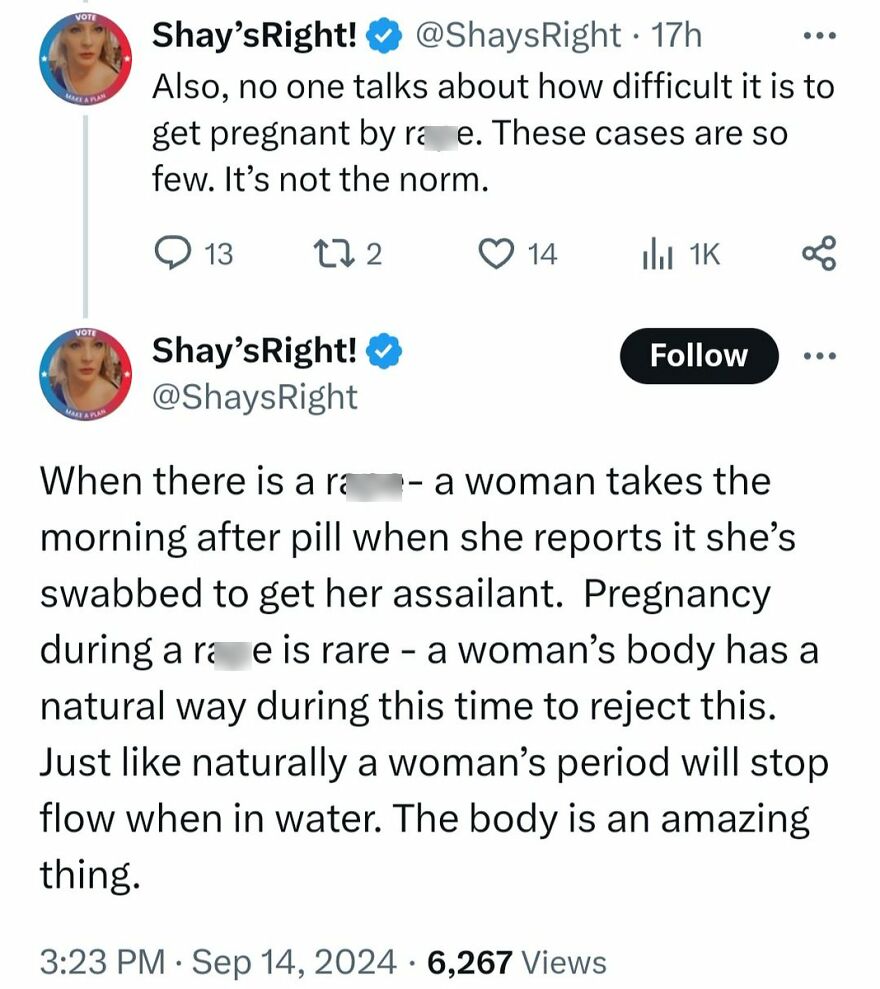
That doesn't mean it wasn't there before that. Also, it's partly genetic: genetics plays a part in 80% of autism cases. If one parent has autism, the chance a kid has it too is 15/20%. If both parents have autism, this increases to 40%. If both parents don't have autism, the chance decreases to 1%. Also, autism has a very broad spectrum.
You can even go a step further and find the original study the news reported on, whether it's a medical journal article or a piece written by ann expert. If needed, have someone credible interpret it for you.
"If you need help understanding the study or how it relates to the overall research, ask your health care team to help explain it," the Mayo Clinic advises.
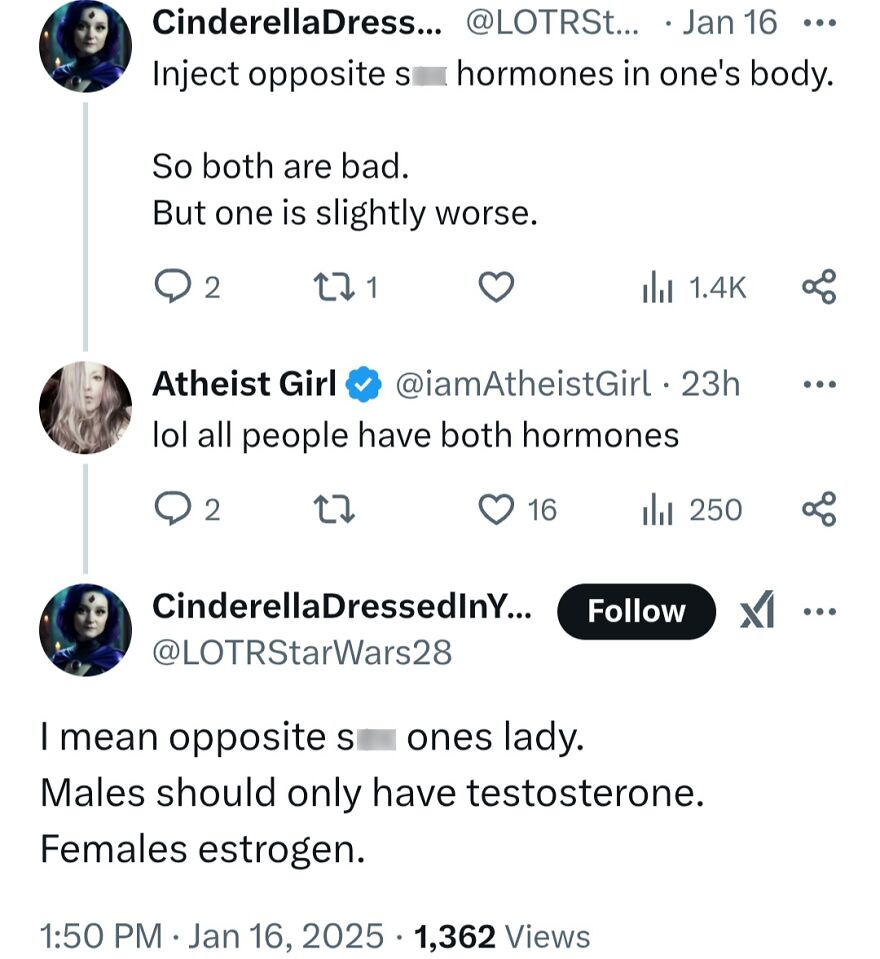
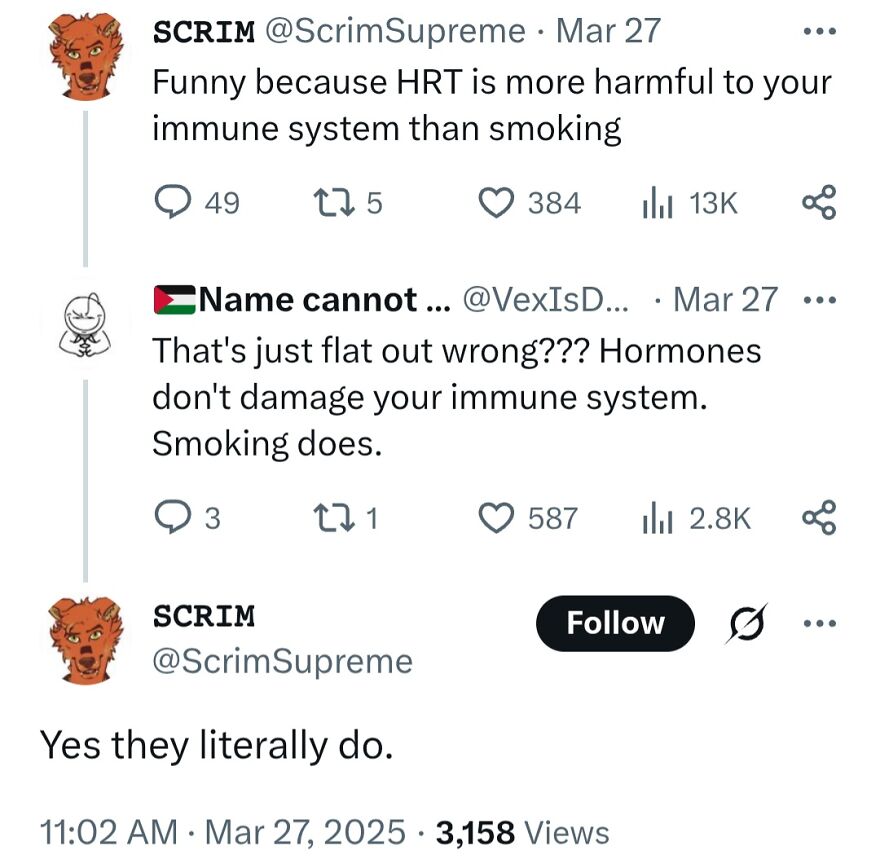
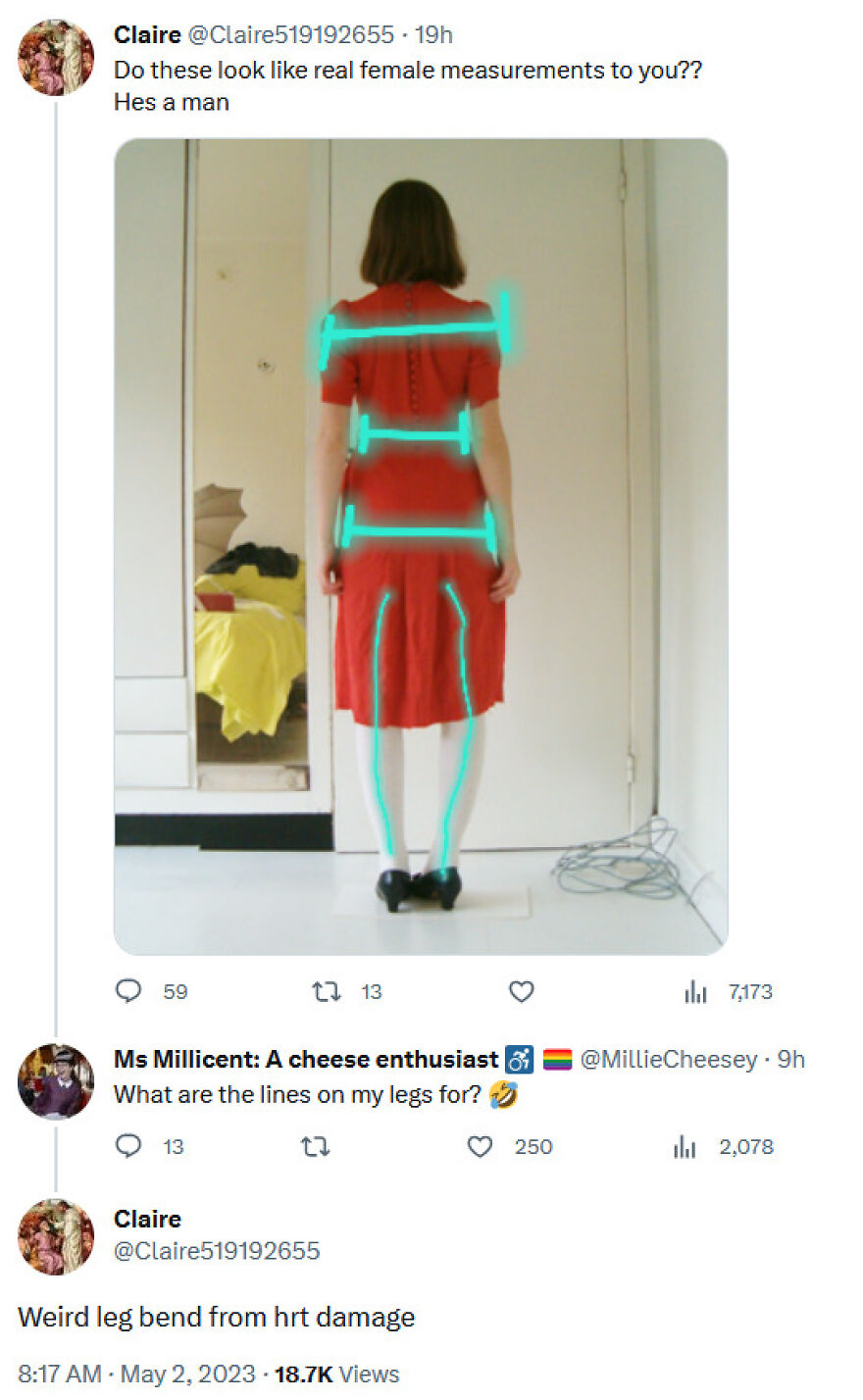
How about treating conditions such as endometriosis or certain hormone-sensitive cancers?
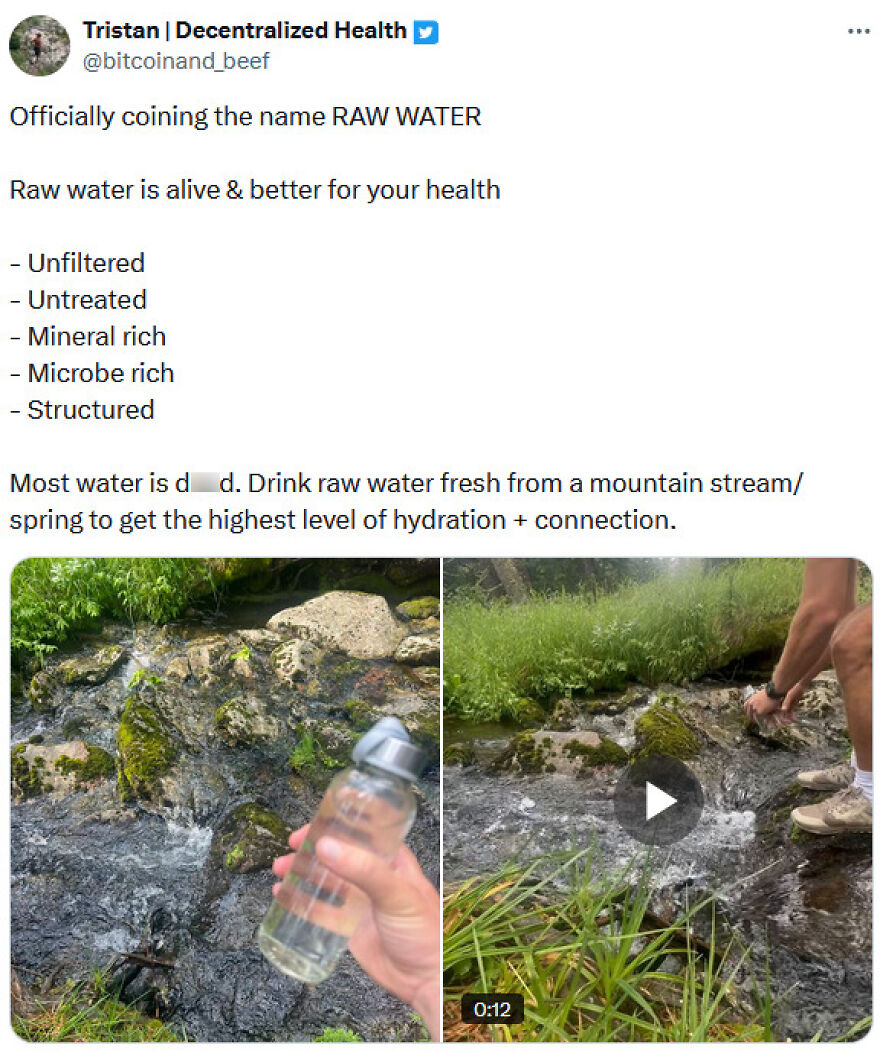
Some of the best water I've ever had is that from a flowing well. Especially from a tin cup. Aqua Panna comes closest. Spring? yes, stream? only if you want blinding diarrhea.
Sure, outrageous medical takes can be entertaining to read. However, some people may actually fall for it, and that's when these dubious claims can become dangerous.
So, if you're not absolutely sure about something you've read, don't hesitate to ask a professional who actually possesses the knowledge. And if you do come across a wild medical take, take it with a grain of salt.

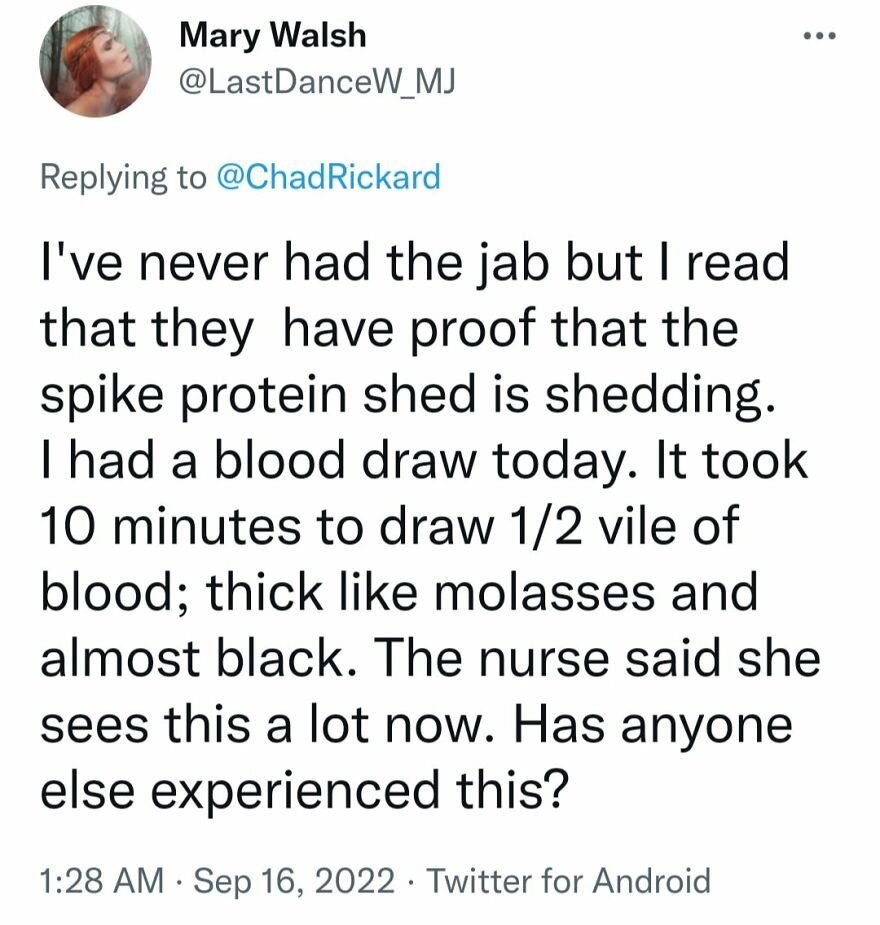
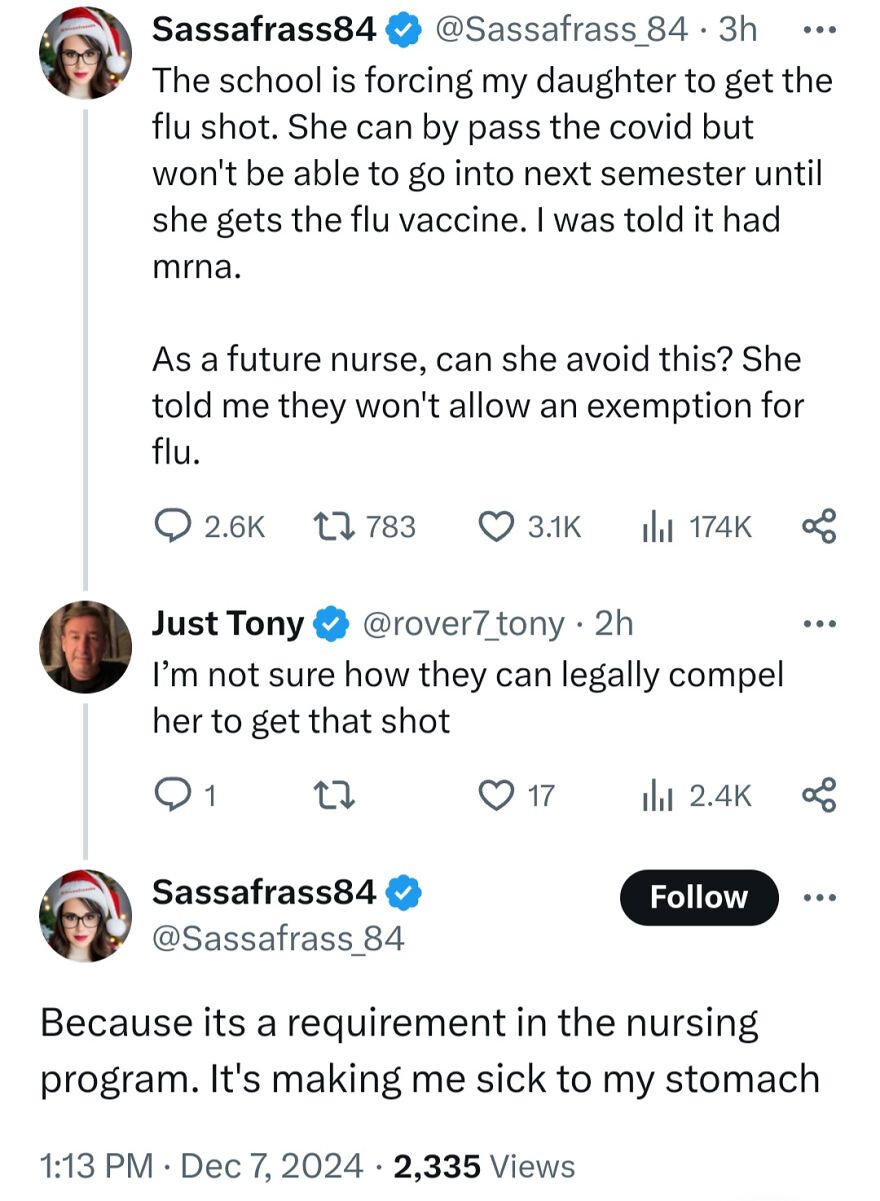
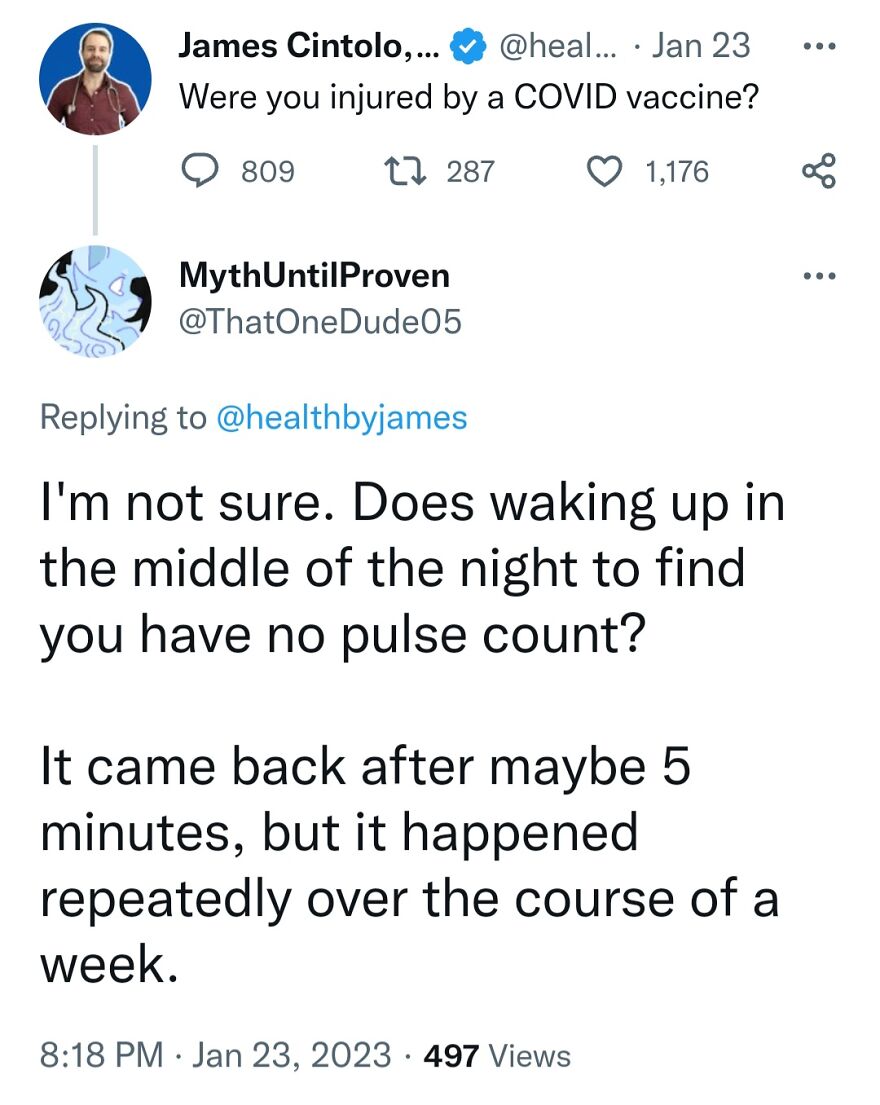
Do you and the nurse work for the Umbrella Corporation by any chance?

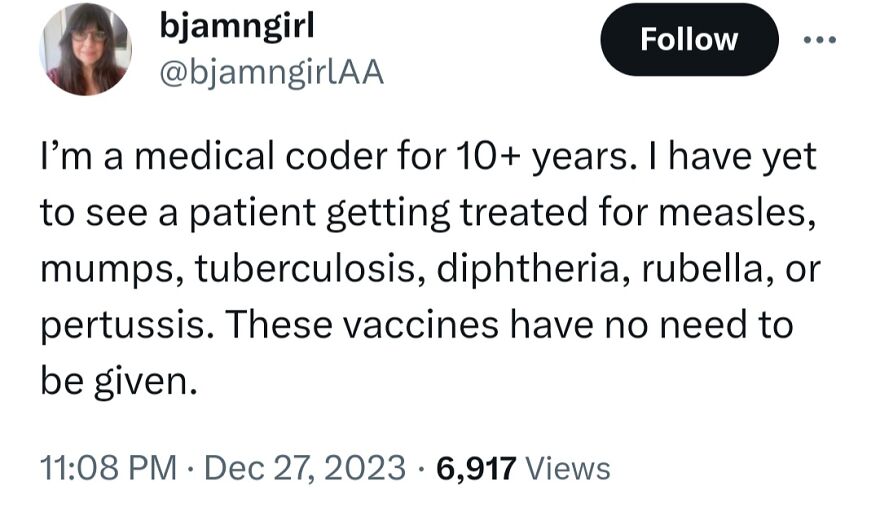
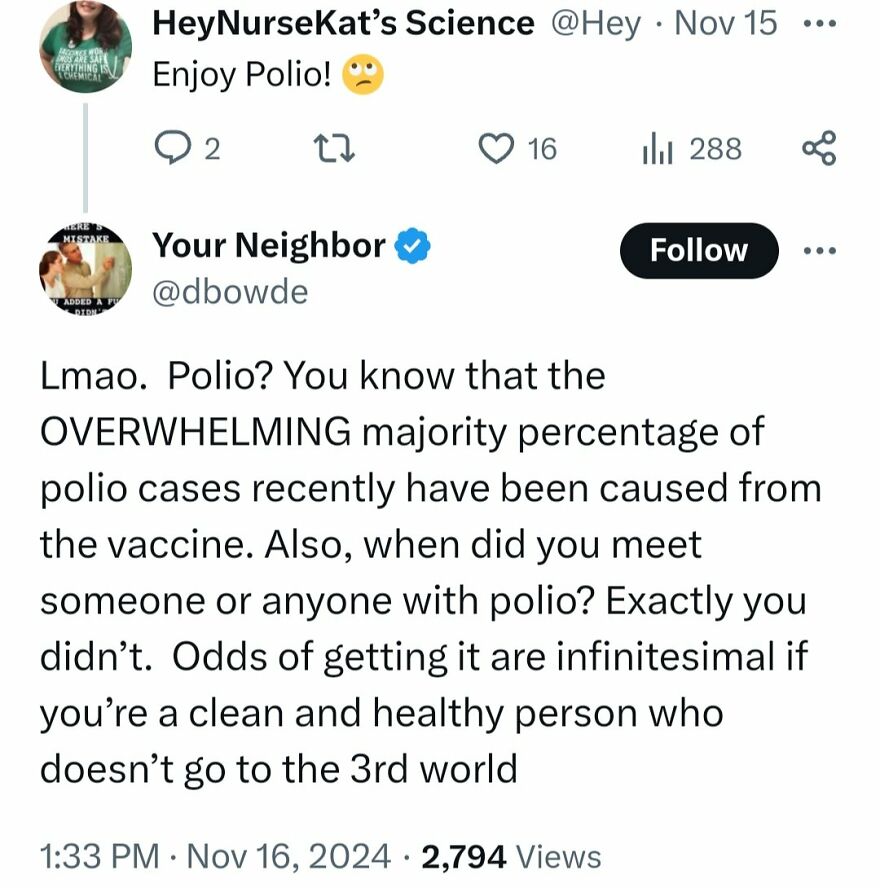
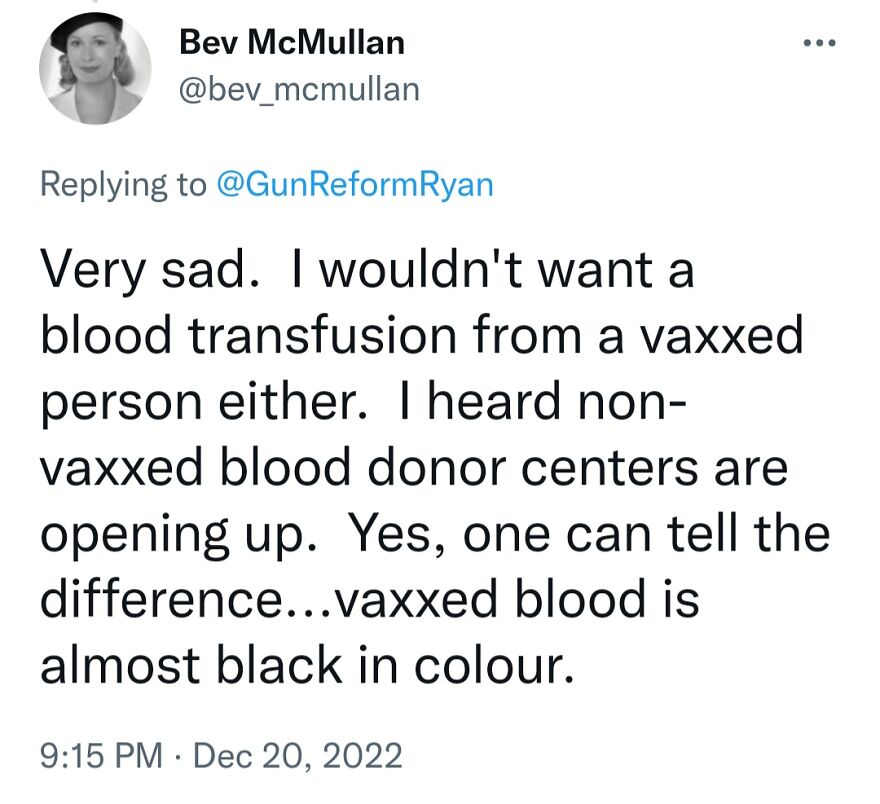
I dunno, based on my winter nosebleeds, my blood looks pretty normal, and I've gotten a ton of vaccines over the years.

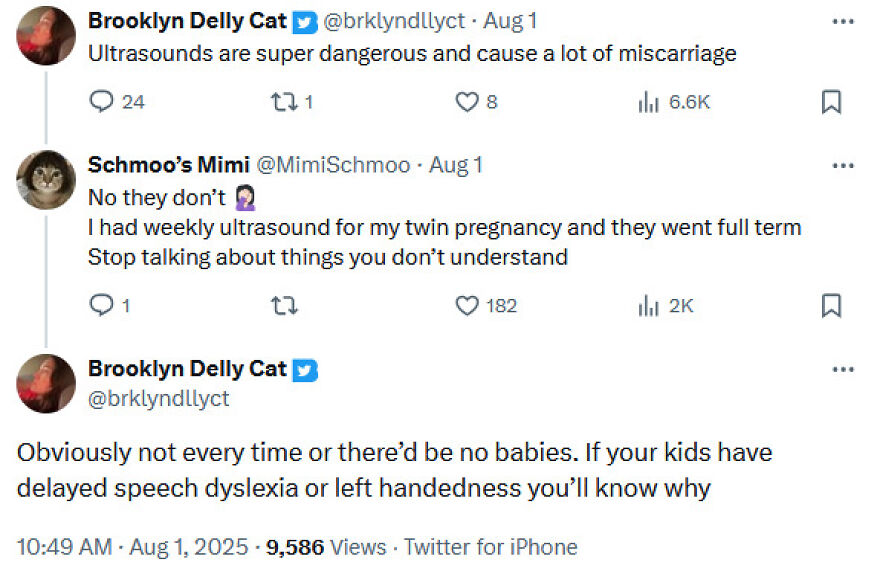
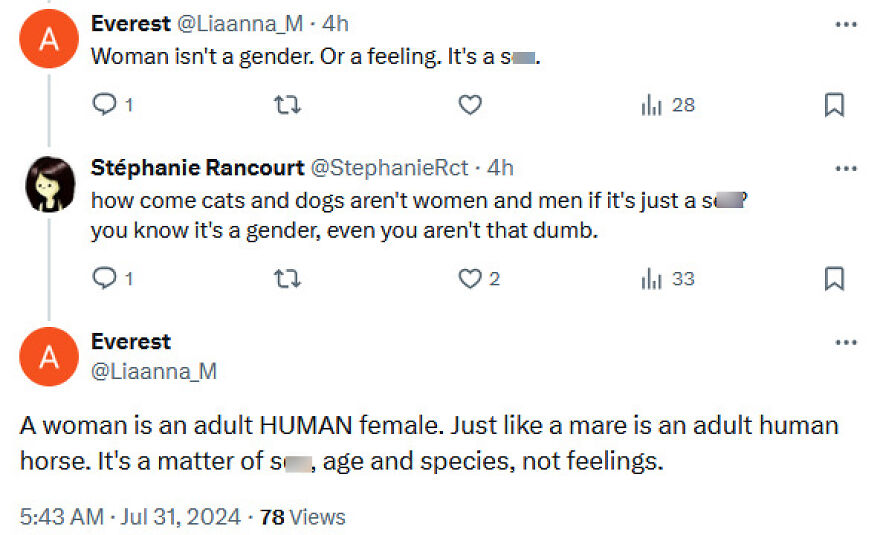
"a mare is an adult human horse"... Sorry, what? Is this the kind of thing someone says if they have delayed speech dyslexia caused by ultrasounds? /s
I'd challenge this person to a fight, but I'd probably end up spraining something.




























 No fees, cancel anytime