Get Premium
Dark mode theme is available exclusively for premium users. Learn more about the benefits of subscribing.
No fees, cancel anytime.

 Dark Mode Ad-Free Browsing Unlimited Content
 Ad-Free Browsing Unlimited Content Dark Mode
Join 1.2 million Panda readers who get the best art, memes, and fun stories every week!
In the natural world, fungi truly belong to a kingdom all their own. They play vital roles—helping humans craft drinks like beer, breaking down dead plants and animals to recycle nutrients, and nourishing trees through underground networks. But not all fungi are friendly; some wipe out food crops, while others can be deadly if mistakenly consumed. With fungi, surprises are always part of the package.
In celebration of their bizarre and fascinating diversity, Mental Floss rounded up 15 of the world’s funkiest fungi. From glowing mushrooms to mind-altering species, these strange organisms showcase just how weird and wonderful the fungal kingdom can be.
More info: mentalfloss.com
This post may include affiliate links.
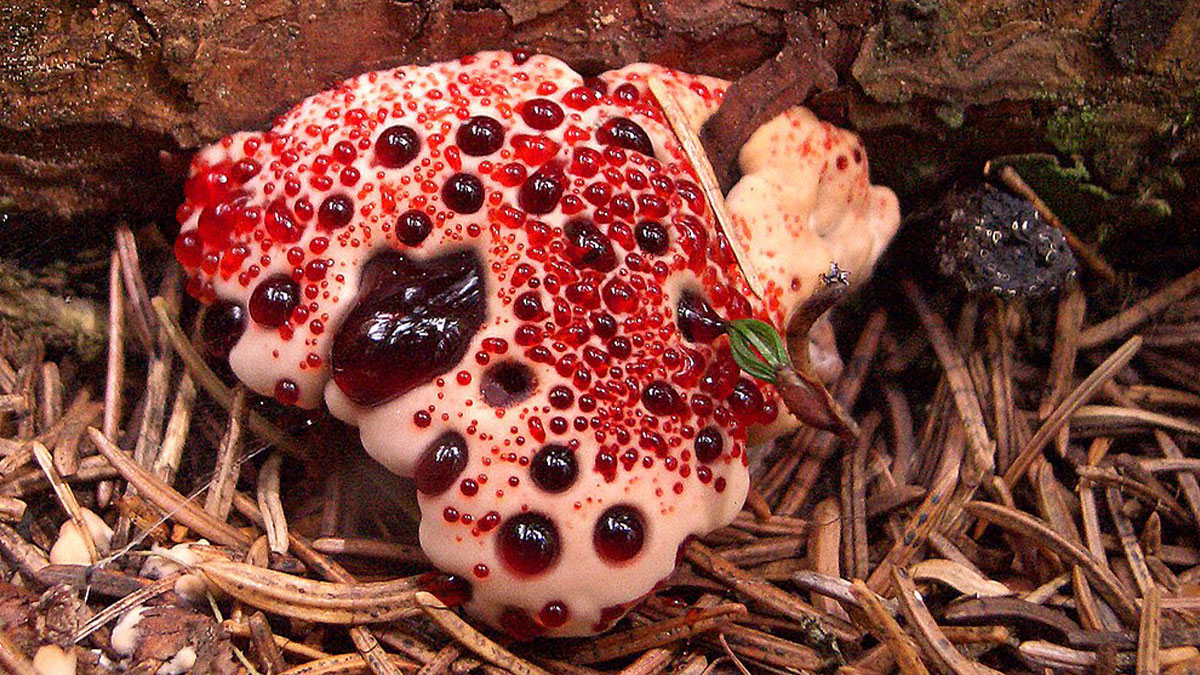
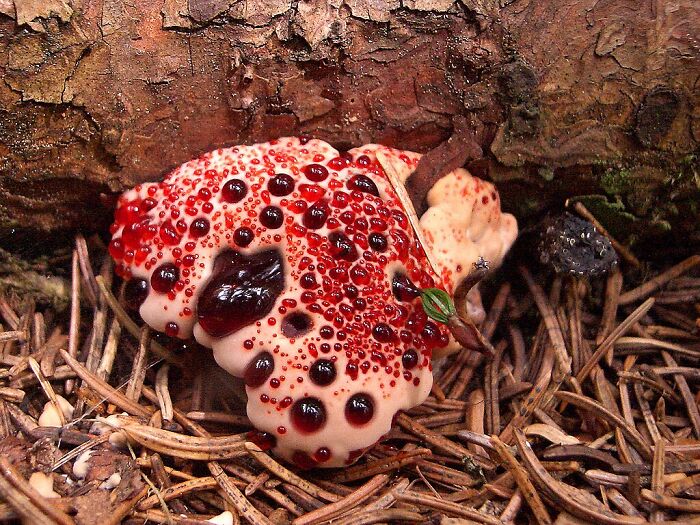
Among the world’s more unsettling fungi, this bizarre specimen can startle unsuspecting hikers. Its red, blood-like ooze may look alarming, but it’s actually the result of a natural process called guttation. When certain plants or fungi grow or metabolize quickly, they release extra moisture, and in the case of the bleeding tooth fungus, that excess fluid is a striking, vivid red.
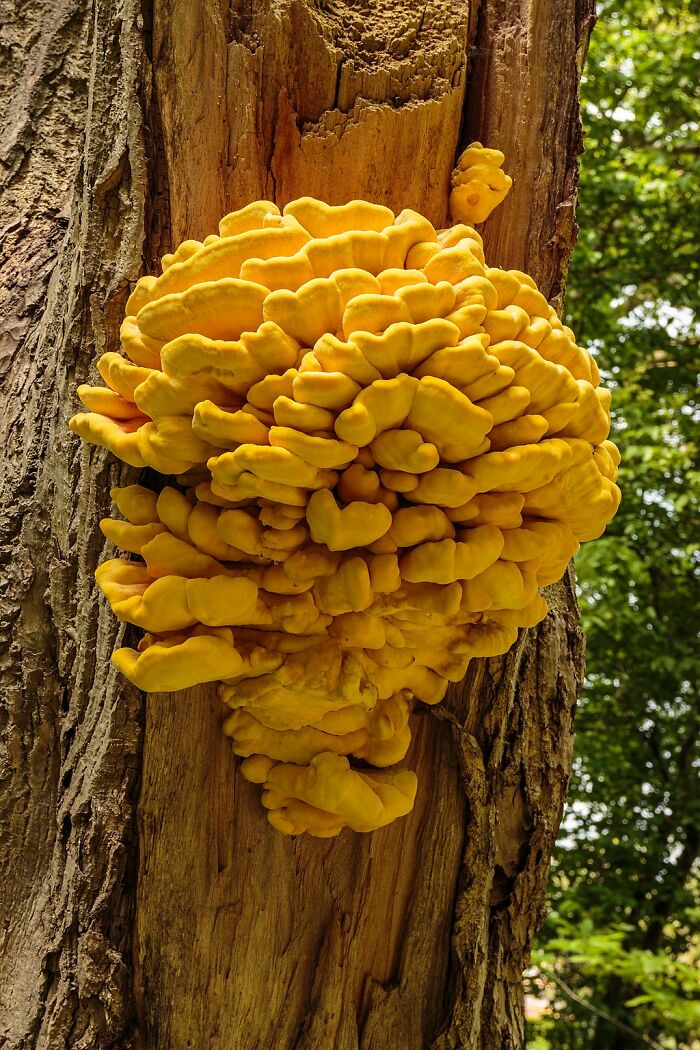
Are you a fan of chicken nuggets or drumsticks, or perhaps you'd be open to a fungal alternative? This edible mushroom is known for its surprisingly chicken-like flavor. Vivid yellow in color and lacking gills (unlike the dark ridges found under portobellos), it's a popular choice for adventurous eaters. However, caution is key: a similar-looking variety that grows on conifer trees belongs to a different species and can be toxic.

Two similar mushroom. One taste like chicken, one is toxic. Chicken or Stricken?
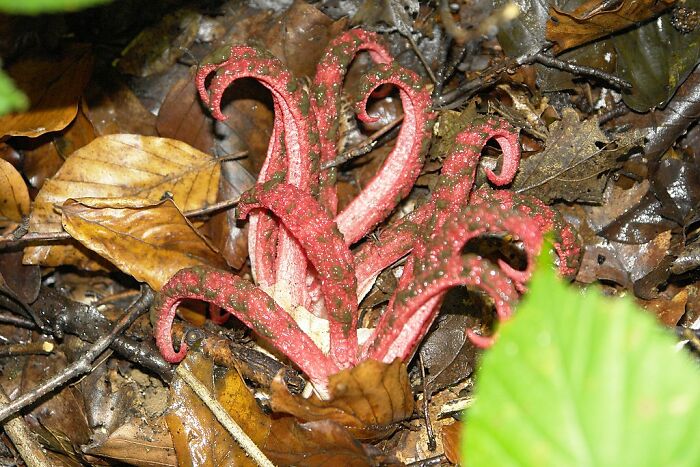
Originating from Australia and New Zealand, this forest fungus has now spread globally. It commonly grows among leaf litter, rotting stumps, and woodchips. Its distinctive “fingers” emit a strong scent—hence the nickname—and serve to lure flies, which help disperse its spores as they visit.
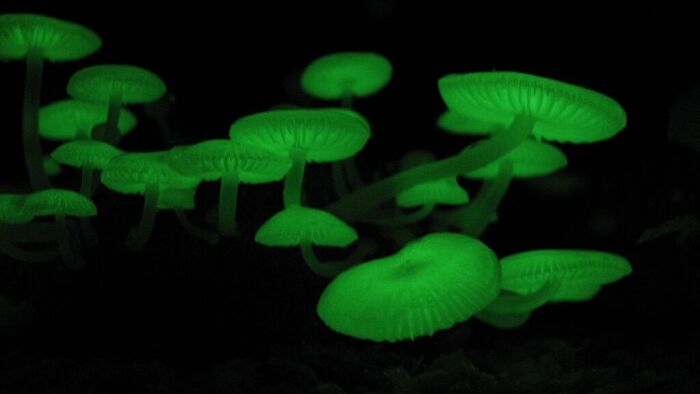
Many fungi are capable of glowing in the dark, but this species from Southeast Asia holds the title as the oldest known example of bioluminescent fungi. Its eerie green radiance is thanks to a compound called hispidin. Identified by scientists in 2015, hispidin is an antioxidant that produces light through a specific chemical reaction.

We have one in Pennsylvania that also glows. Called Jack O' Lantern. https://en.m.wikipedia.org/wiki/Omphalotus_olearius
Fungi might not move, but that doesn’t stop one species from claiming the title of the fastest organism on Earth. Meet the dung cannon fungus, which propels its tiny, crystal-like spores with astonishing force. These spores are launched at an acceleration of 1.7 million meters per second squared, outpacing even bullets and rockets in sheer speed.
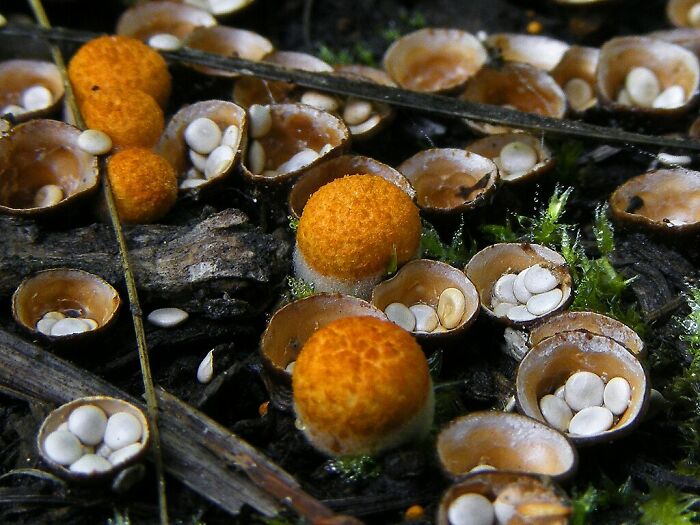
Fungi from the Nidulariaceae family, such as Crucibulum laeve, produce fruiting bodies that strikingly resemble miniature bird nests filled with tiny "eggs." These "eggs" are actually peridioles—spore-containing structures. When raindrops hit the nests, the impact launches the peridioles, helping spread the spores. These tiny fungi typically thrive on decaying wood and plant debris.
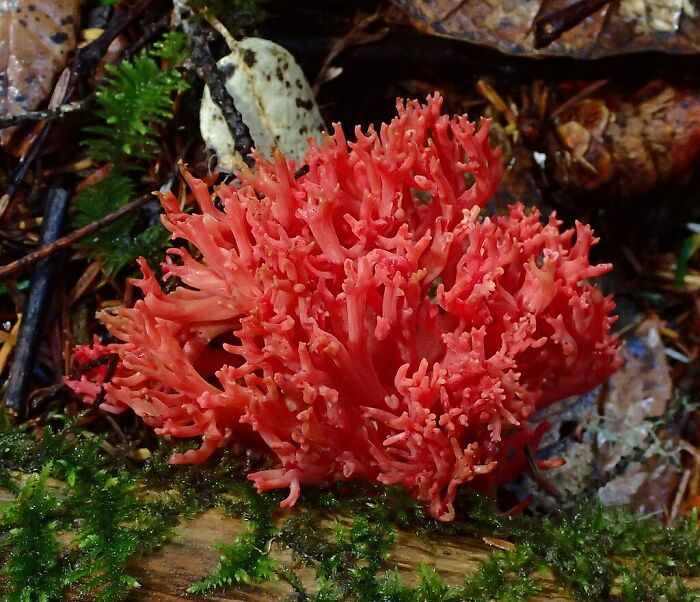
Coral fungi get their name from their striking similarity to coral and can be found worldwide. The red coral fungus boasts a lovely pink hue that shifts to green when exposed to iron salts. This mushroom is also consumed and sold in markets throughout Mexico and Guatemala.

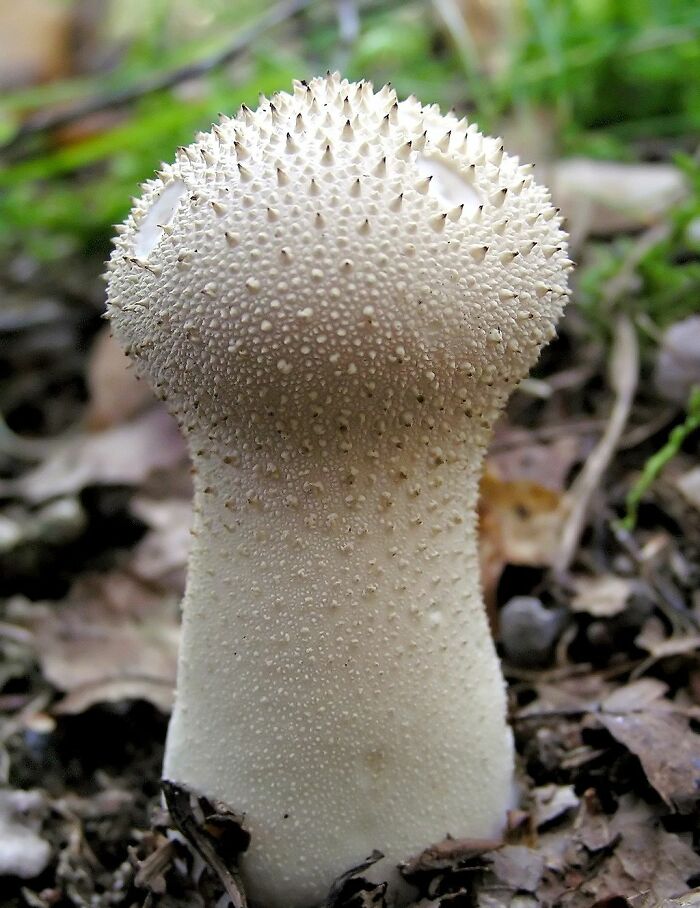
This unusual puffball fungus may look like an anemone shell, but its surface is dotted with sharp, removable spines. Commonly found in cities near well-worn paths and curbs, it is technically edible. However, foragers need to exercise caution—similar-looking species include the toxic pigskin poison puffball and the highly dangerous destroying angel.
Beneath the surface of Oregon’s Malheur National Forest lies an enormous organism that dwarfs even the blue whale in size. Known as the Humongous Fungus, this vast life form stretches over four square miles, making it the largest known living being on Earth. Though only a few scattered mushrooms appear above ground, its presence is far-reaching—this subterranean fungus spreads root disease and is responsible for the death of countless conifer trees across North America.

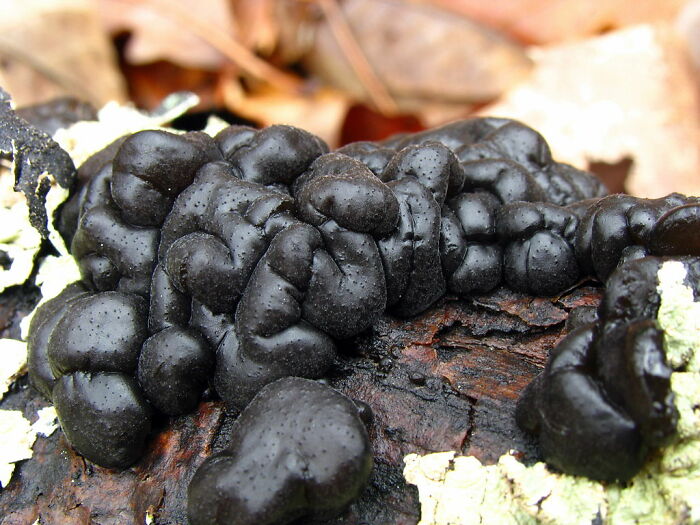
This fungus, which resembles a blister, thrives on rotting logs and fallen branches. It appears flat and coarse when dry, but becomes plump and puffy after rainfall. While its look might not be the most appealing, it is indeed edible, though it likely benefits from a bit of seasoning to improve the flavor.
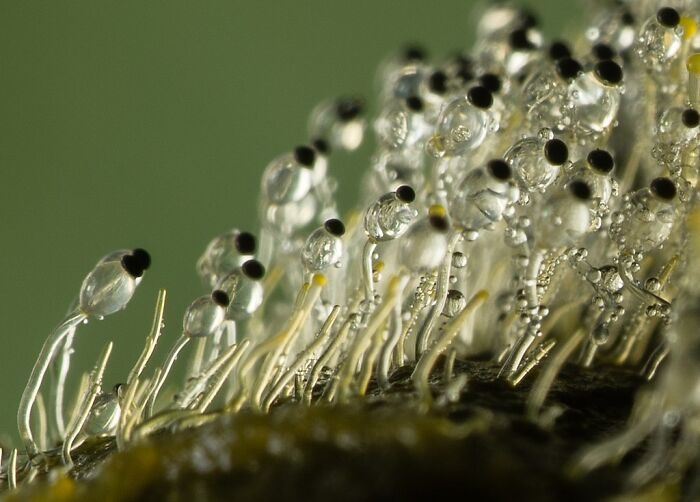
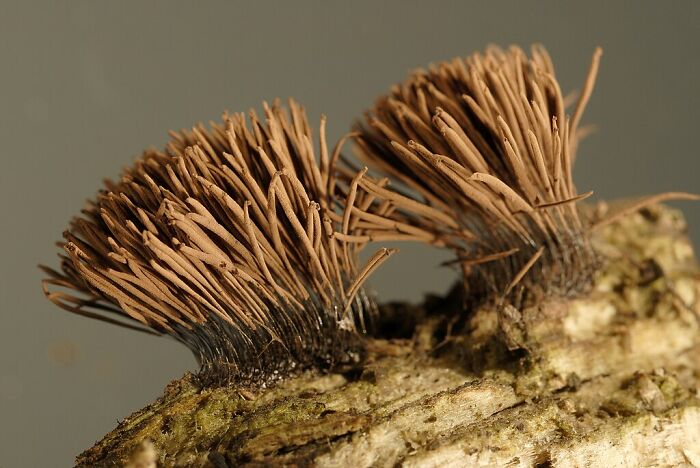
One might expect slime mold to have a slimy appearance, but this particular variety actually resembles strands of hair. The fuzzy brown filaments are sporangia perched atop slender black stalks. Although once classified as fungi, slime molds are now understood to be multicellular amoebas, with spore-producing structures that look similar to those of fungi.
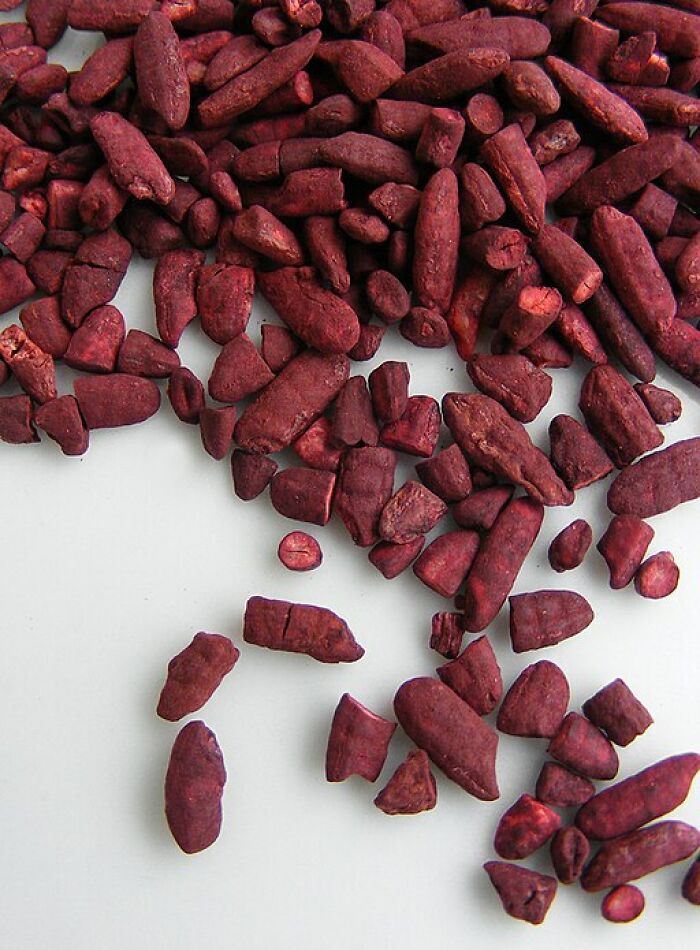
While moldy rice might not sound appetizing, the mold Monascus purpureus transforms it into a well-known fermented food with potential health benefits. Known as red yeast rice, this product is not only used in cooking but is also available as a supplement, often taken to help lower cholesterol levels.
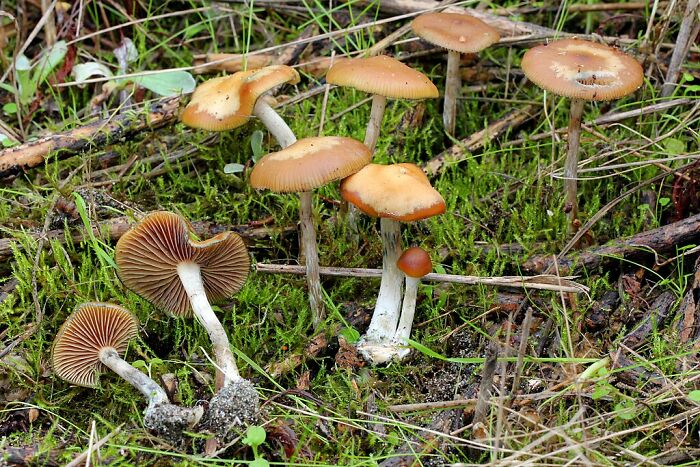
They may appear harmless, but these mushrooms contain psilocybin—a powerful compound known to alter perception, trigger hallucinations, and heighten emotions. In 2001, researchers discovered a massive cluster of 100,000 of them growing near a racetrack in England. Beyond their mind-altering effects, these fungi have also gained attention for their potential role in treating mental health conditions such as depression, anxiety, and PTSD.
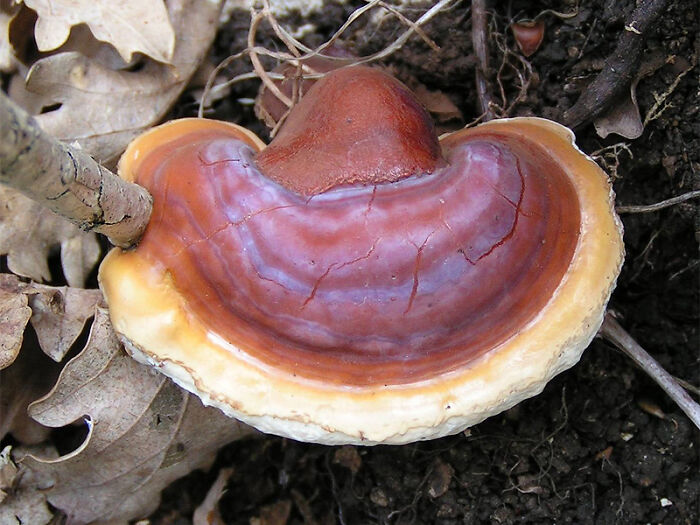
For over 2,000 years, Chinese cultures have grown reishi mushrooms for their medicinal benefits, using them to address ailments ranging from bacterial infections to cancer, though research is still underway to determine their true effectiveness. More recently, mycologist Philip Ross discovered a new application for reishi: as a building material. Their root-like mycelium is durable, waterproof, and fire-resistant. In fact, bricks made from this mycelium were used to construct towers at MoMA PS1 in New York.
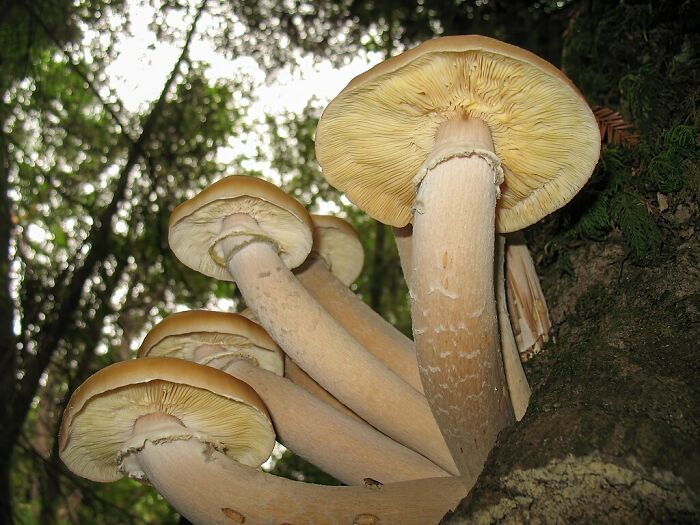
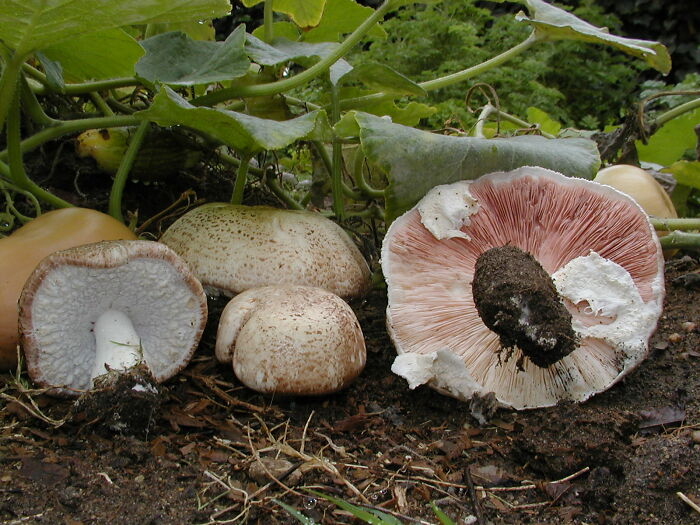
Cultivated since the 19th century, these mushrooms gained popularity in North America and have more recently been farmed in Brazil and Japan. Known as almond mushrooms, they are believed to help fight cancer by boosting the immune system, although there is still insufficient research to confirm these health claims.
I would like to try the "chicken of the woods" at least once. It's on my food eating bucket list.


Yes. This is the type of article that drew me to this site years ago. And fungi are just straight-out fascinating!
I would like to try the "chicken of the woods" at least once. It's on my food eating bucket list.
Yes. This is the type of article that drew me to this site years ago. And fungi are just straight-out fascinating!







































 No fees, cancel anytime