Get Premium
Dark mode theme is available exclusively for premium users. Learn more about the benefits of subscribing.
No fees, cancel anytime.

 Dark Mode Ad-Free Browsing Unlimited Content
 Ad-Free Browsing Unlimited Content Dark Mode
Join 1.2 million Panda readers who get the best art, memes, and fun stories every week!

Parents often face tough choices when it comes to what they can and can’t afford for their kids. Maybe it’s a big family vacation one year, or scaling back the next. But things can get complicated fast when partners handle money differently.
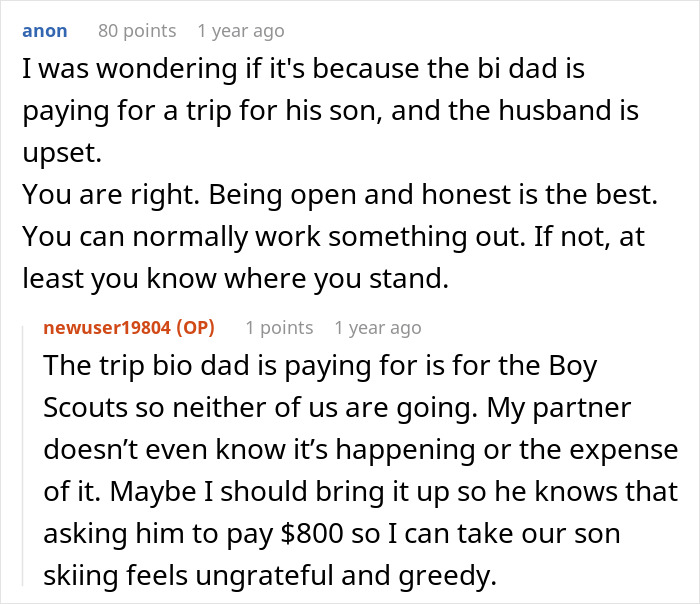
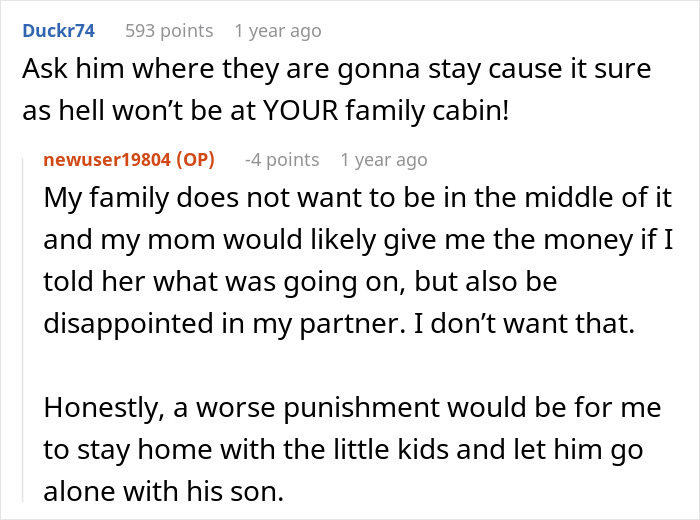
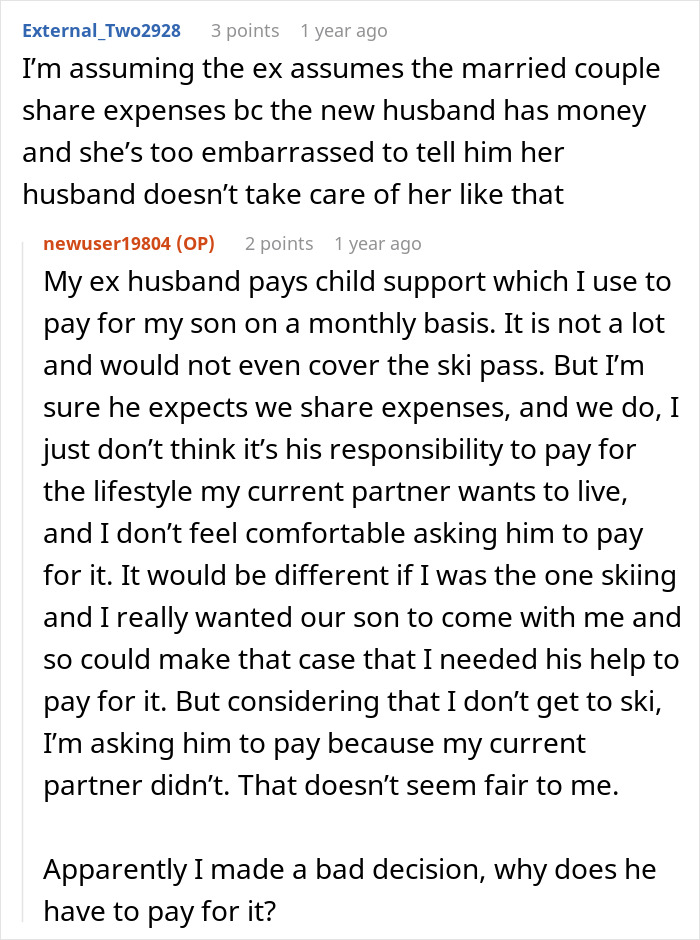
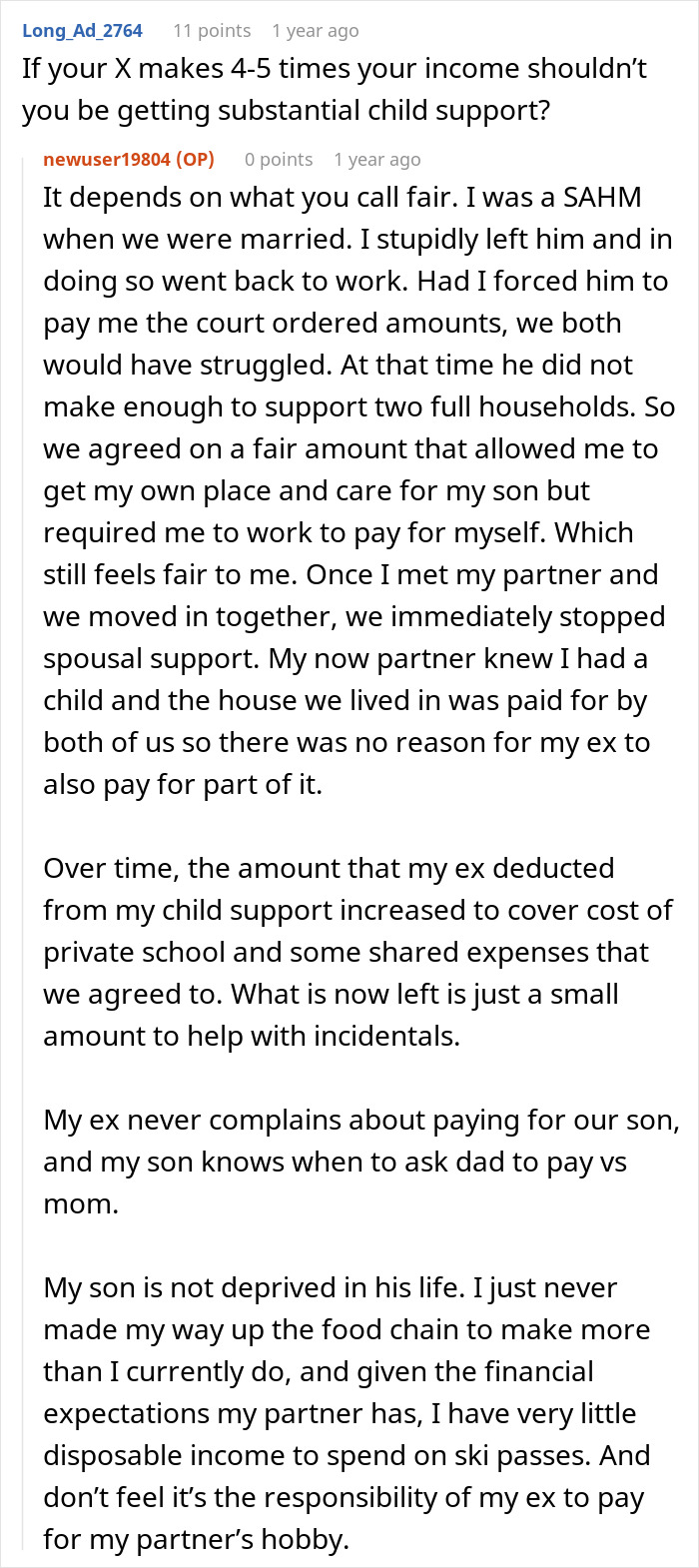
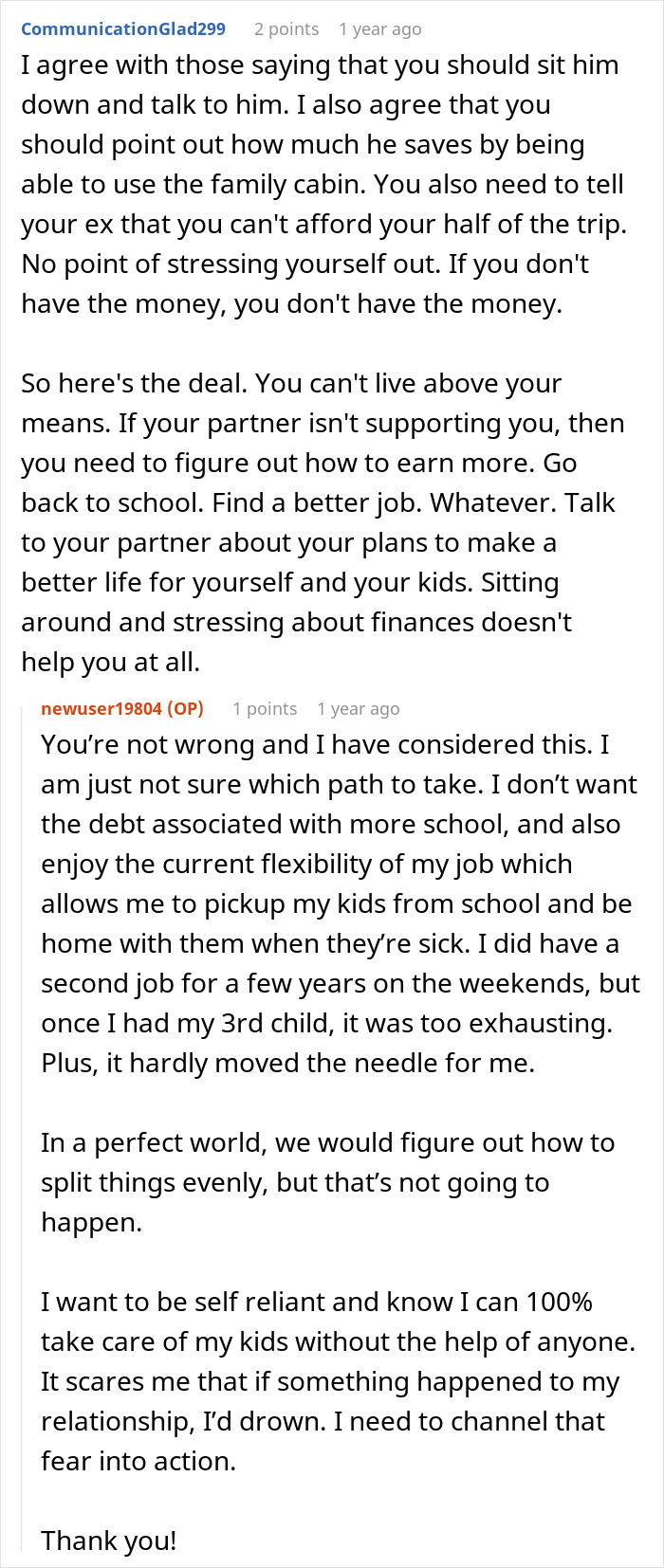
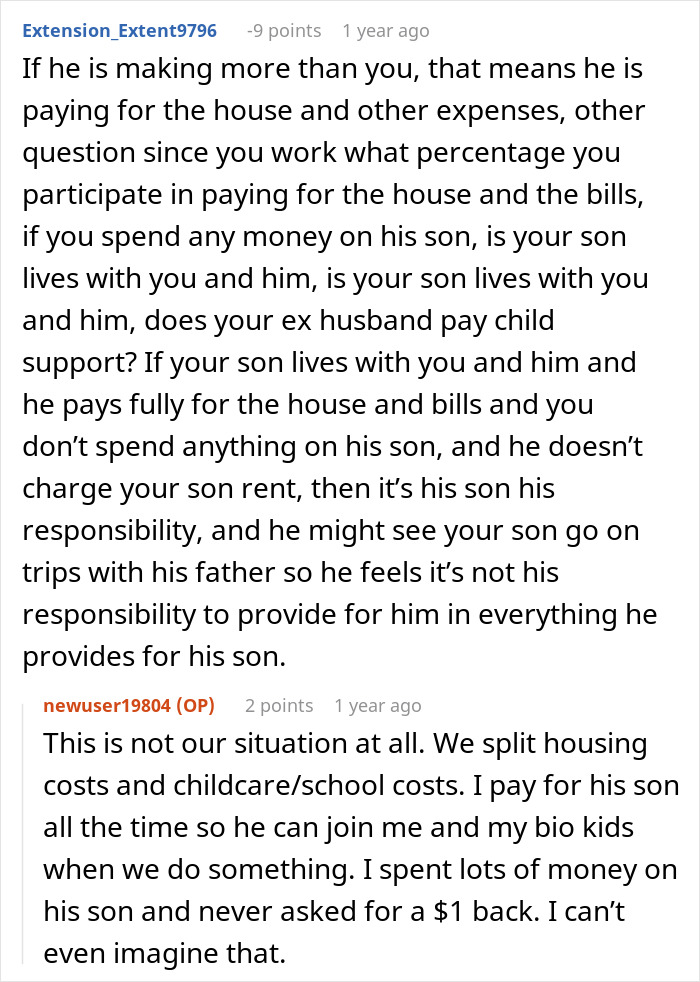
Take, for example, a mom of three who shared her frustration after her partner bought pricey ski passes for himself and one child, leaving her on the hook for the $1,100 pass her son would need. To make matters worse, despite earning four to five times her income, he suggested her ex-husband should cover the cost. The decision not only sparked financial stress but also raised some serious questions about fairness and responsibility in their relationship.
Image credits: prostock-studio (not the actual image)
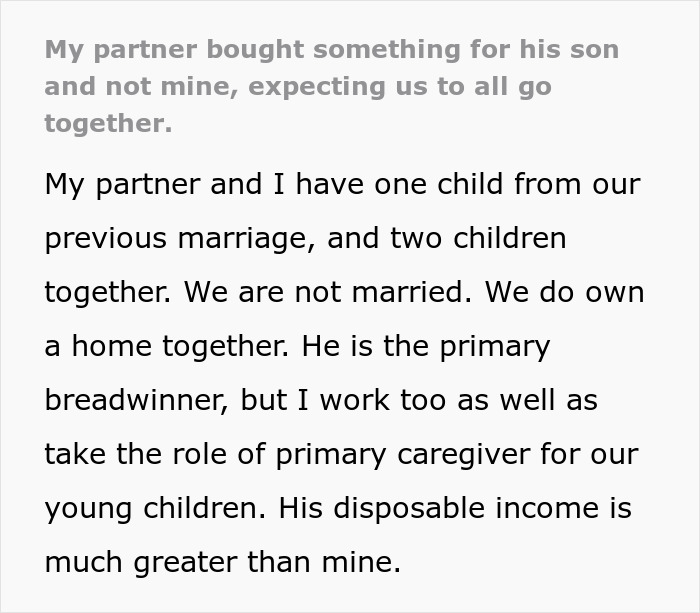


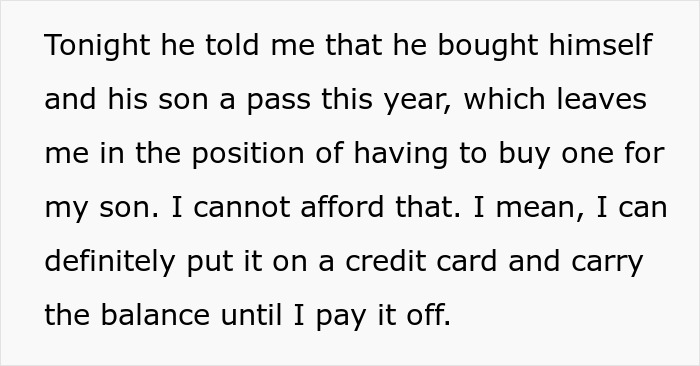
Image credits: Piotr Figlarz (not the actual image)
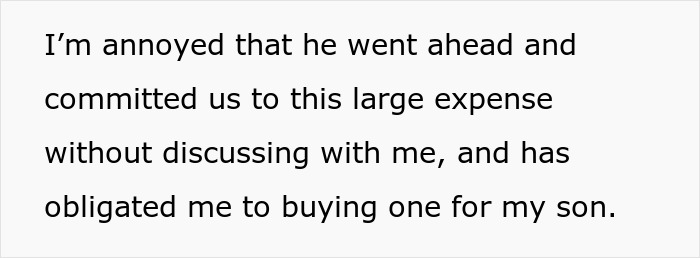
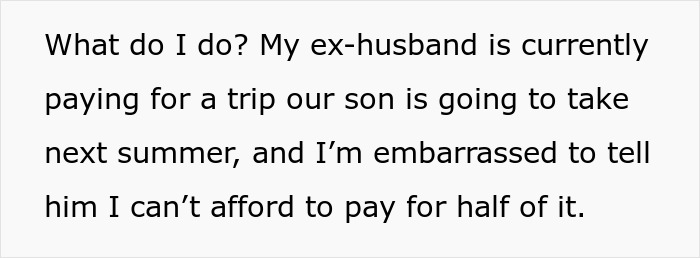


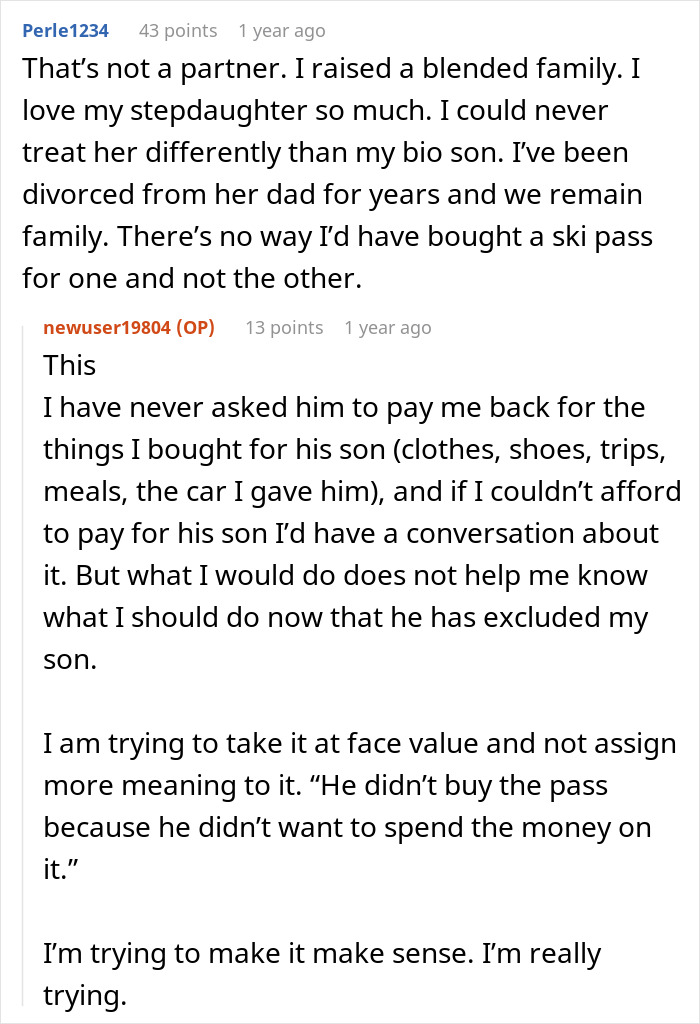
Image credits: newuser19804

Partnership in relationships isn’t always a perfect 50-50 balance. Sometimes you give 60% while your partner gives 40, and other times you may be the one carrying just 10% while your partner covers the remaining 90. Relationships thrive on flexibility, support, and the ability to step in when the other person falls short. A healthy relationship creates space for this natural imbalance without resentment.
To maintain this space in any relationship, it’s crucial to build mutual understanding. One area where couples often struggle is finances, which can become a sensitive topic if left undiscussed. To gain deeper insights into financial planning for couples, Bored Panda spoke with Khushboo Dugar, a seasoned chartered accountant from India. With her expertise in tax advisory and financial planning, combined with her experience as a mother of two, she understands the importance of aligning money matters with personal and family goals.
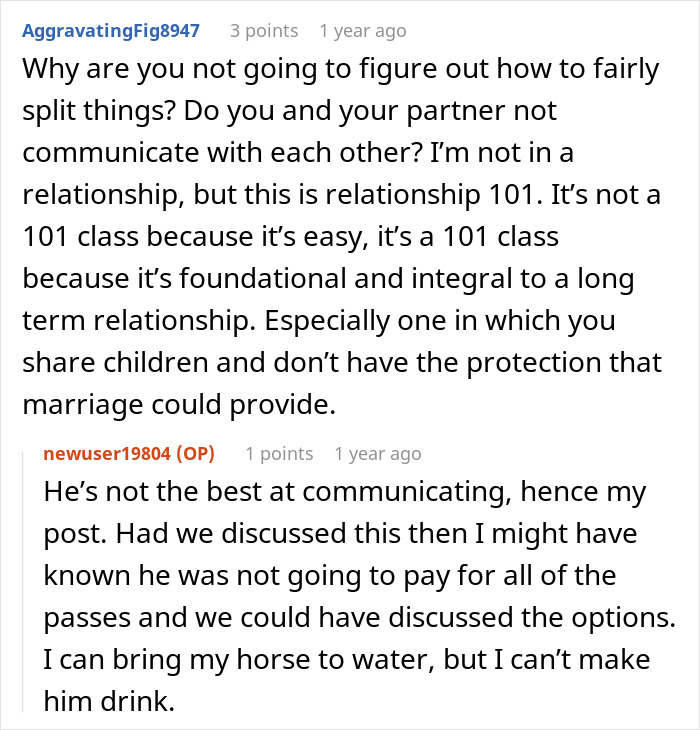
“Before tying the knot, couples should sit down and have open conversations about finances,” Dugar explained. “It’s not just about knowing each other’s salary or income, but about being transparent with financial habits and commitments.” According to her, this early openness helps avoid misunderstandings and builds trust. When money is approached as a shared responsibility rather than a hidden topic, couples lay the groundwork for stability and long-term security.
Dugar also emphasized the importance of discussing debts and credit history. “Many people enter marriages with student loans, car loans, or even credit card balances,” she said. “If you’re aware of each other’s obligations, you can plan better.” Being upfront about financial liabilities helps couples make informed decisions, whether it’s saving for a house, managing monthly budgets, or even supporting extended family. Transparency in this area prevents future shocks that could damage the partnership.
Another point of discussion is whether to open a joint bank account. Dugar explained that while joint accounts can be a symbol of trust and teamwork, they also require careful consideration. “Both partners should understand the level of access and responsibility that comes with it,” she noted. For some couples, maintaining separate accounts alongside one joint account works best, as it balances independence with shared responsibility. The key is to agree on what feels comfortable for both.
When it comes to protecting financial interests, prenuptial agreements should also be part of the conversation. Dugar pointed out that these agreements aren’t about mistrust but about clarity and security. “It’s not about expecting the worst,” she said, “but about ensuring both partners are protected no matter what happens.” While it might feel uncomfortable to bring up, especially in cultures where prenups are less common, having this discussion fosters maturity and foresight.
Another important aspect is understanding spending and saving habits. “Are you a spender or a saver?” Dugar asked. Knowing this about your partner helps avoid friction down the line. For example, if one person prioritizes investments while the other prefers experiences, it’s vital to find a middle ground. This is where setting financial goals as a team can help align priorities, whether that means saving for a house, vacations, or children’s education.
Life insurance and retirement planning are also crucial, even though they may seem far off when you’re just starting out. “It’s never too early to start planning for the future,” Dugar emphasized. Couples should discuss insurance policies to ensure financial security in case of unforeseen events, as well as contributions to retirement savings. Talking about these topics early creates peace of mind and demonstrates long-term commitment, both to each other and to the family they may build together.
Additionally, it’s important for couples to openly discuss how much money they plan to spend on their children and who will cover certain expenses. In this particular case, it seemed like the author’s partner was expecting her ex to pay for the ski trip. But was that really fair, considering he was the one who had planned it? Or do you think both parents should always share the costs, regardless of who initiates the plan?




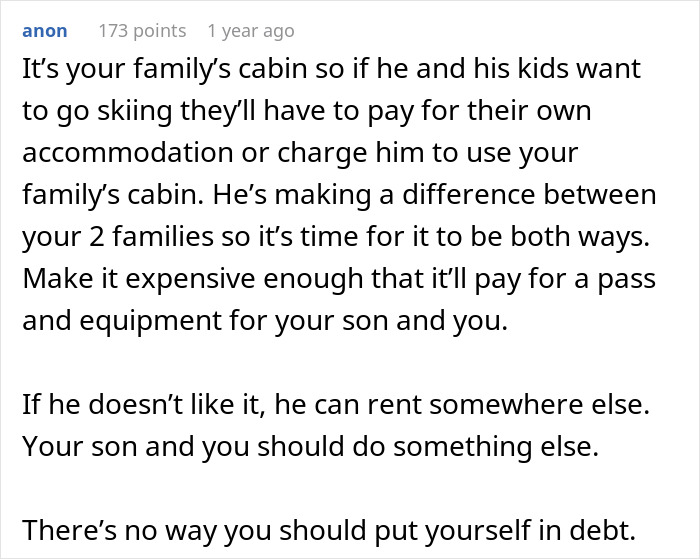
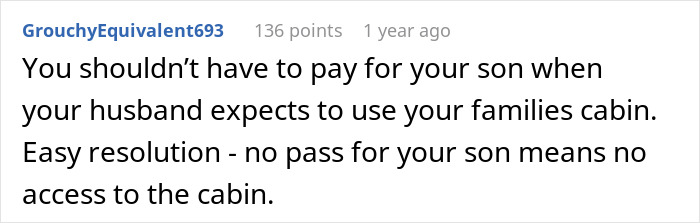

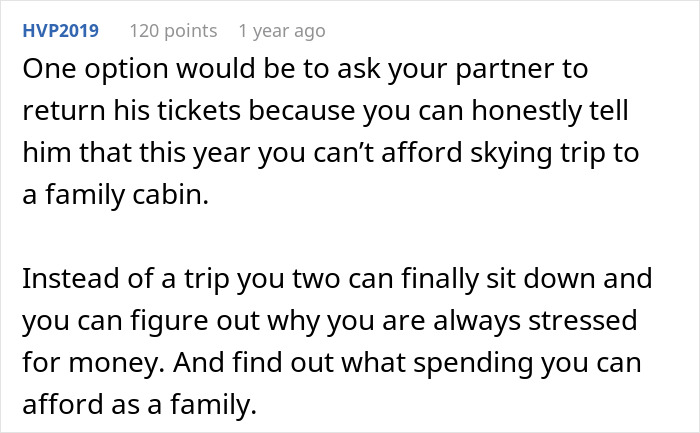
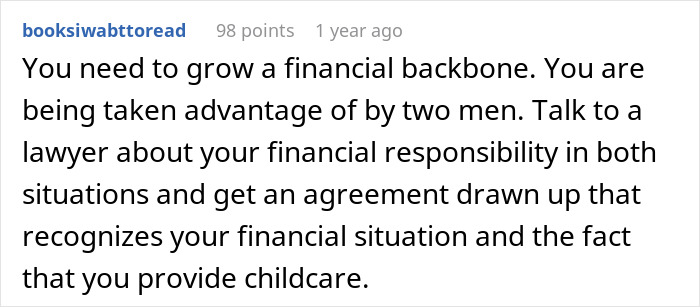
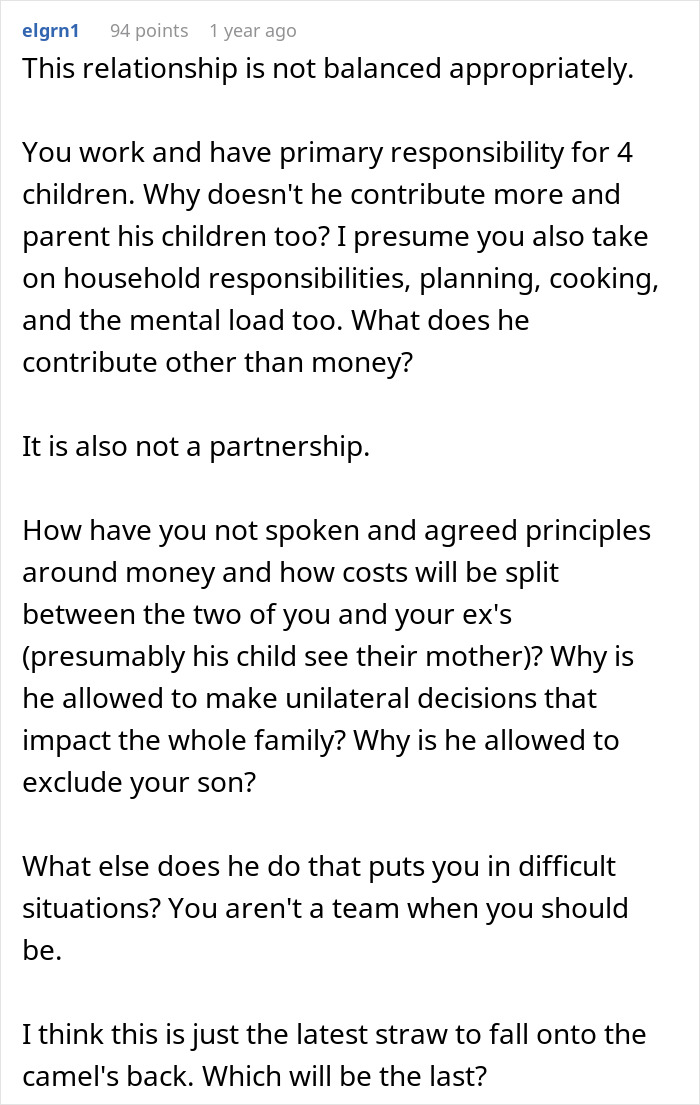

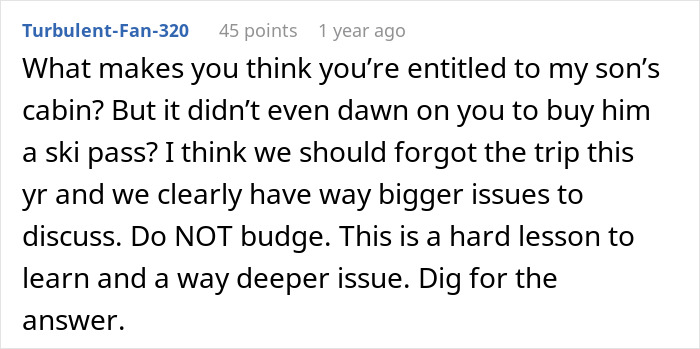
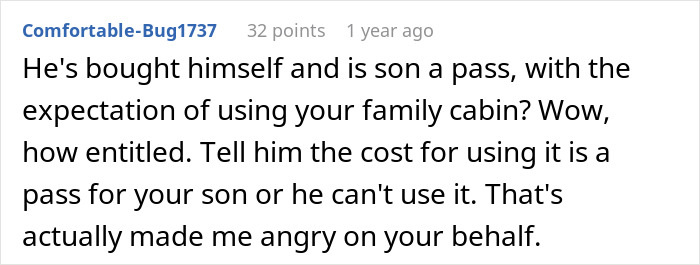
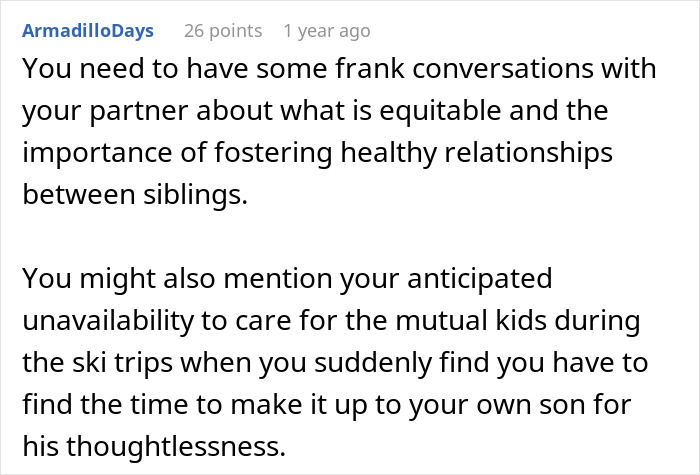
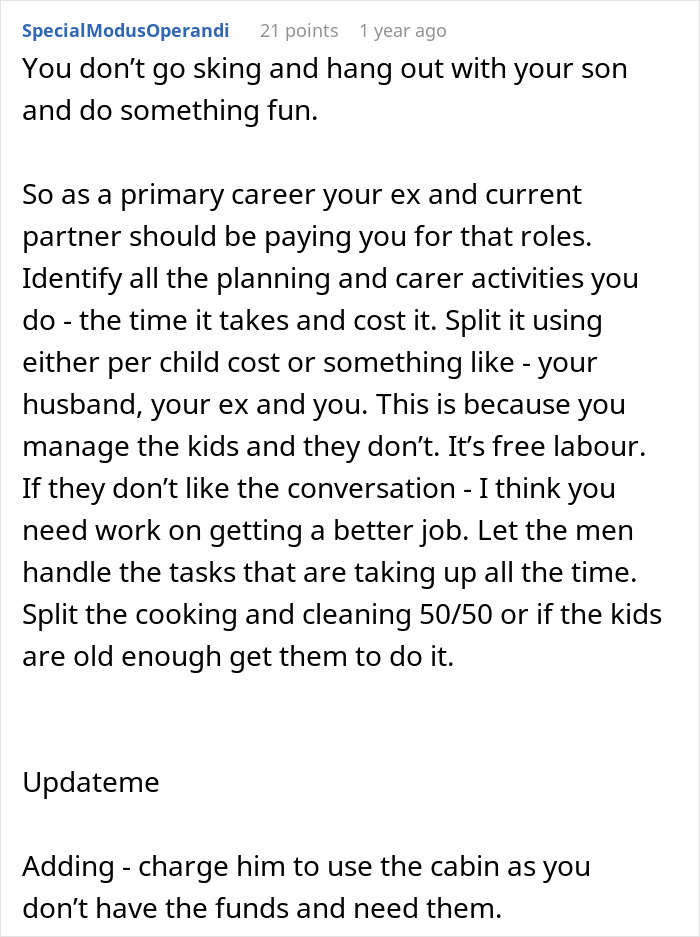
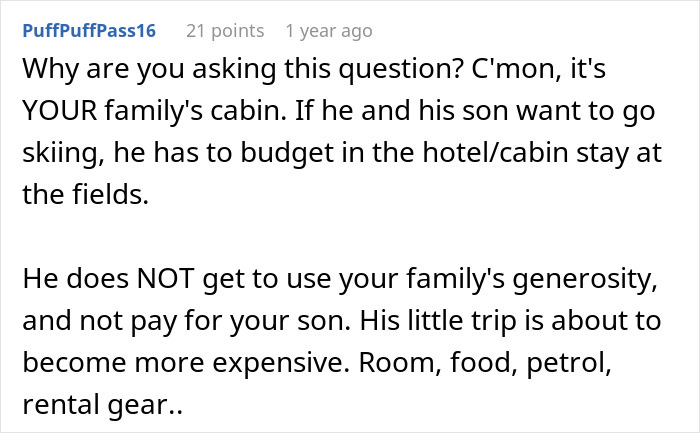

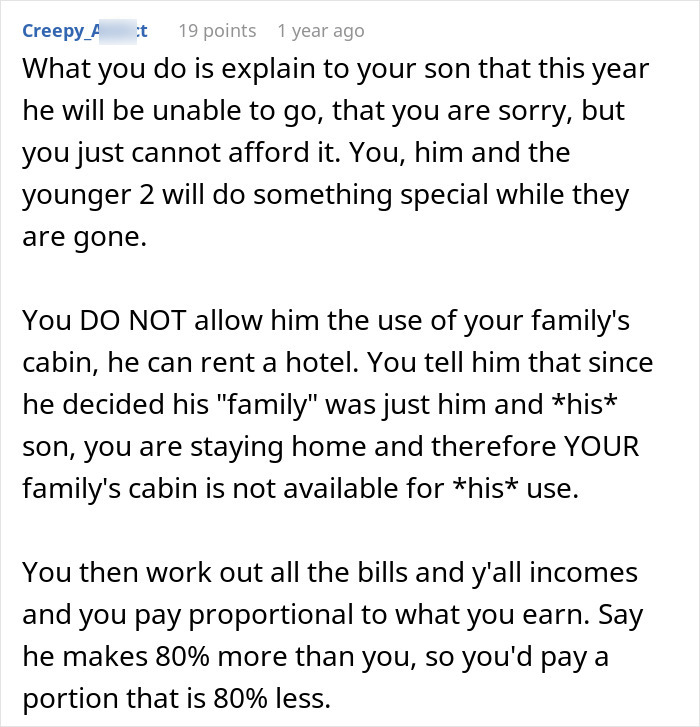

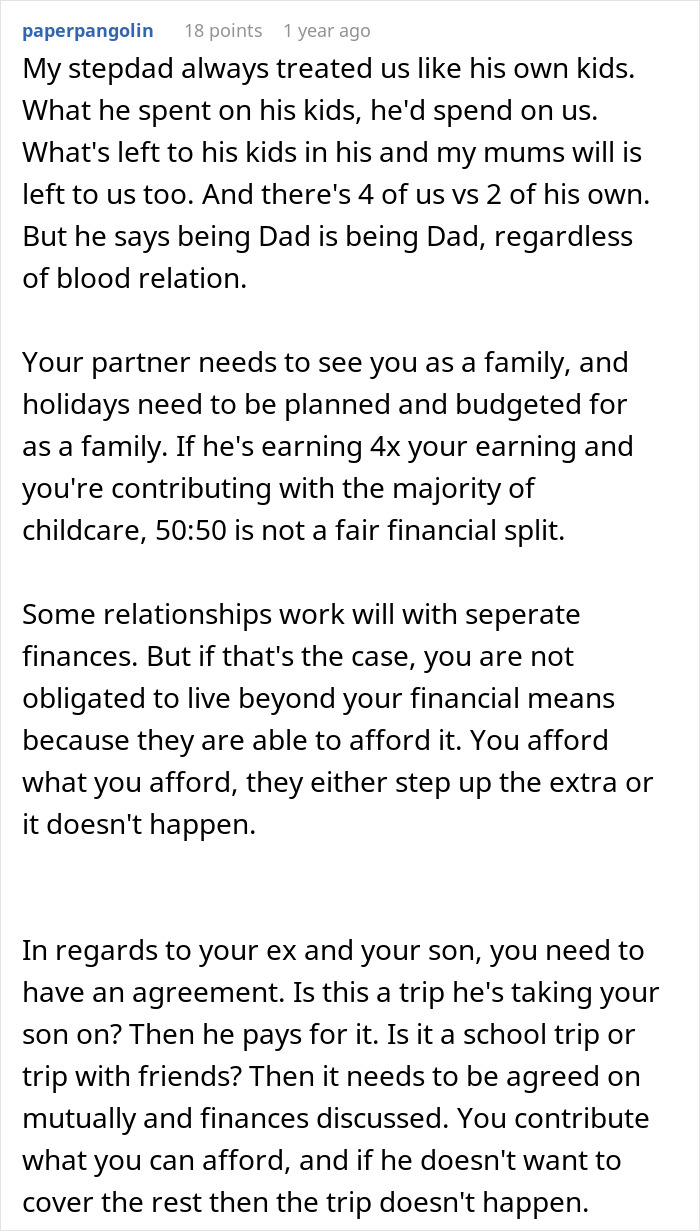


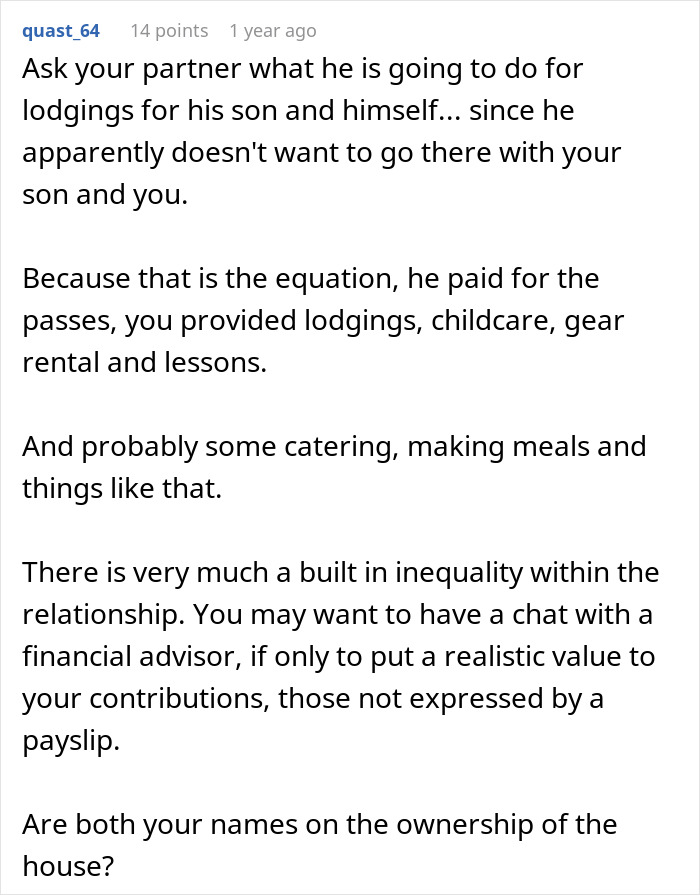
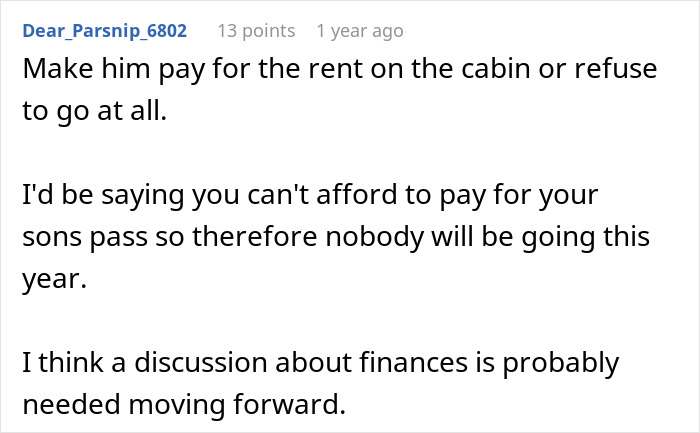
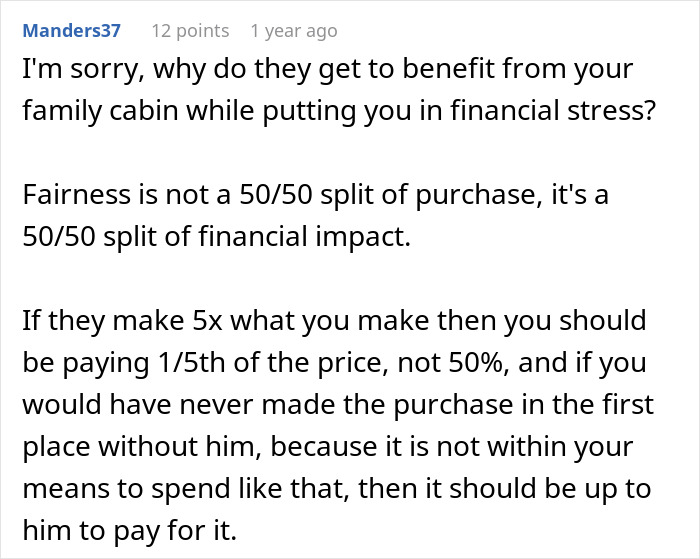
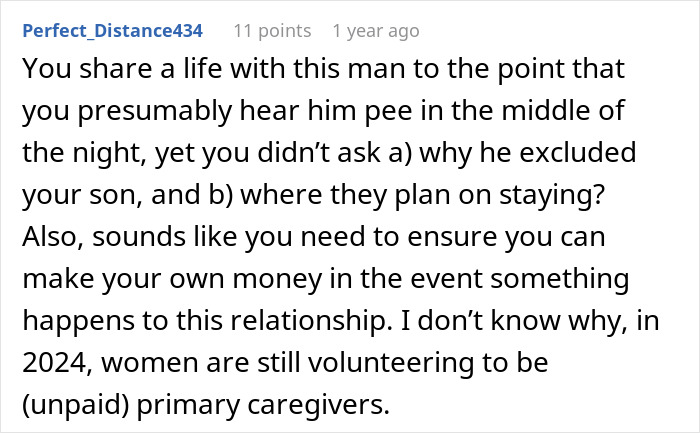
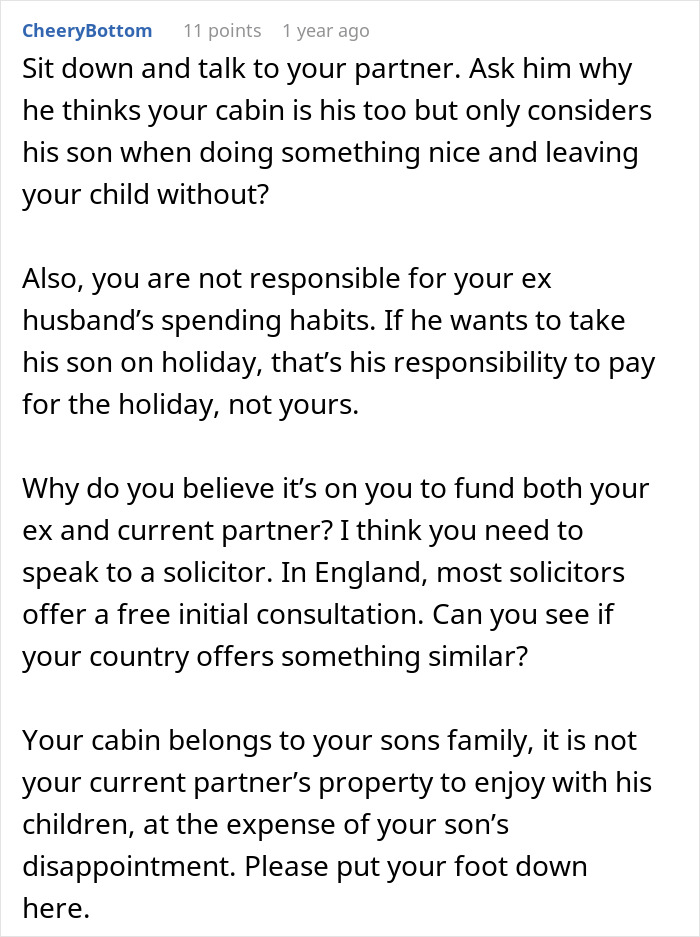
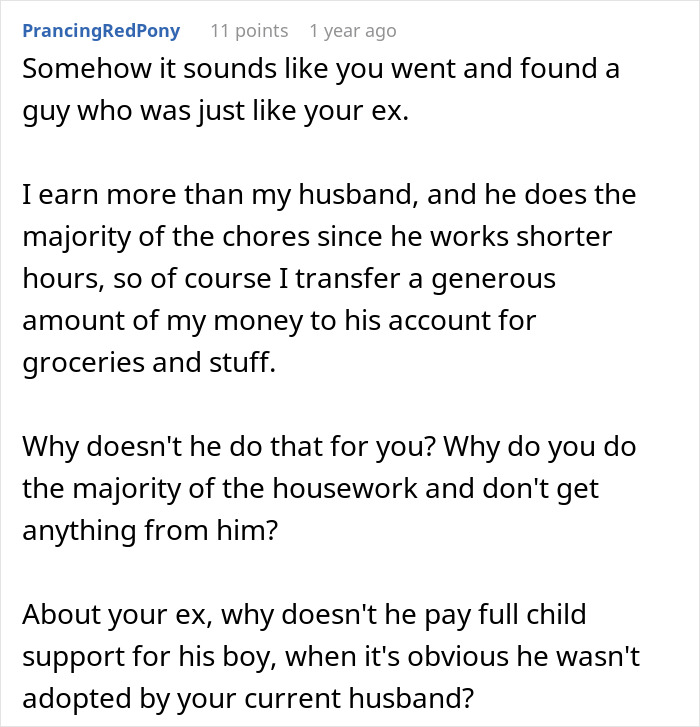

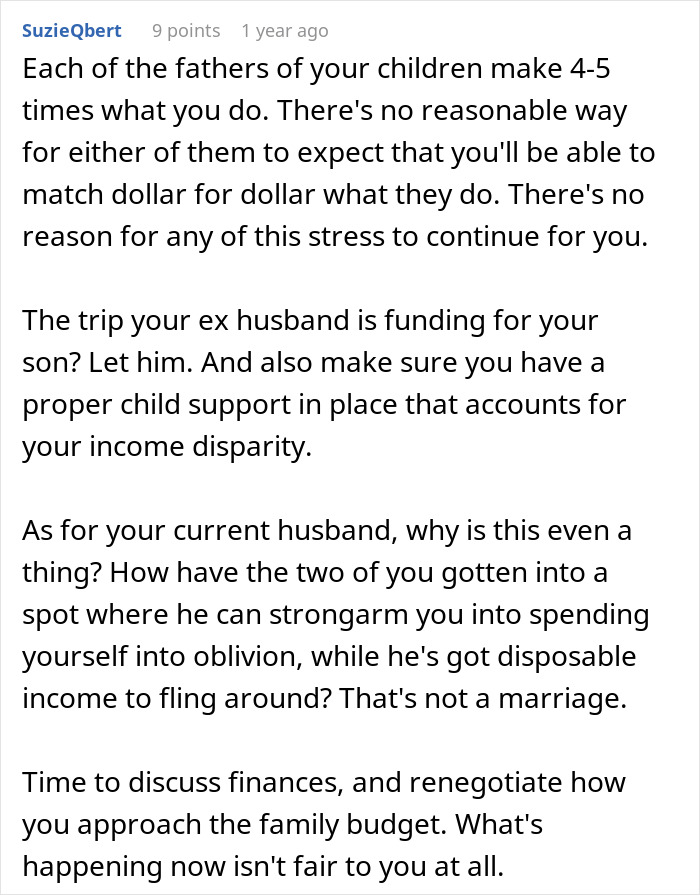


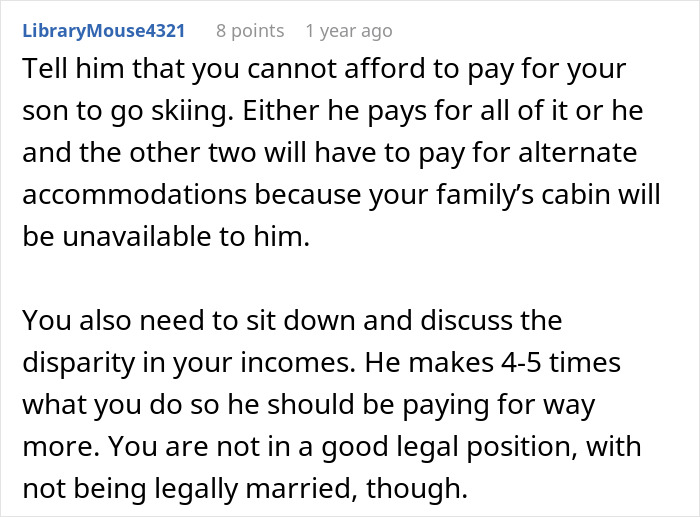

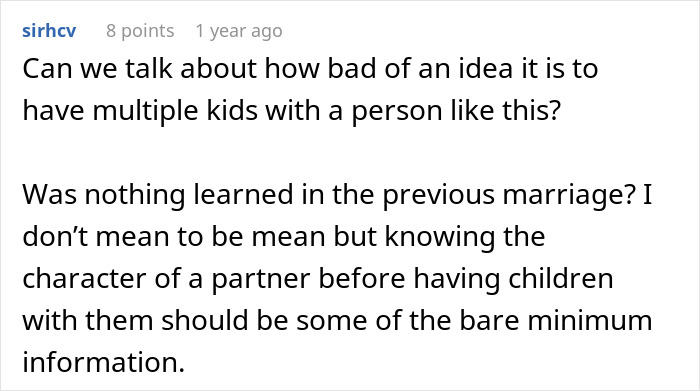
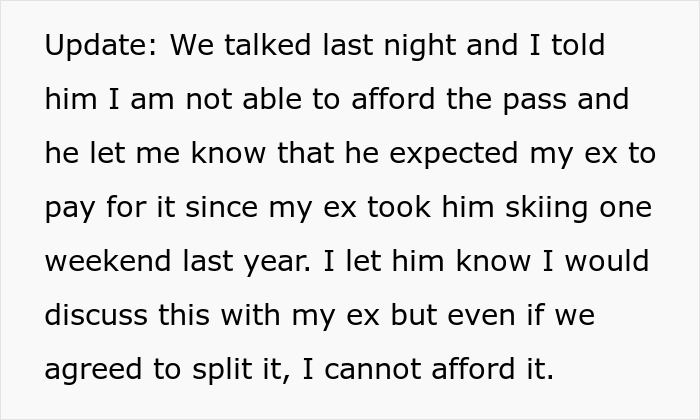

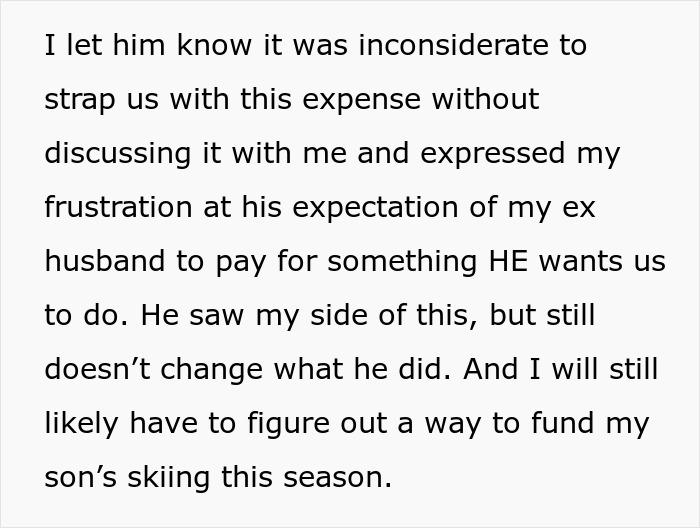
Image credits: Kateryna Hliznitsova (not the actual image)



By entering your email and clicking Subscribe, you're agreeing to let us send you customized marketing messages about us and our advertising partners. You are also agreeing to our Privacy Policy.
Thank you! You've successfully subscribed to newsletters!

I agree with the charging him to use the family cabin. "Partner it's $350 per day for you and your oldest son to use my family's cabin. Prepayment is required as I will need to buy oldest son's pass.". Or have a frank talk with your son about not being able to afford it and partner not discussing it. So instead you and he will have mother/son time while they're gone. Now partner gets to figure out childcare for the youngest two on his own. If he can decide unilaterally to do this then OP should be letting him feel the full consequences and not blowing money she doesn't have.

Why would you ever want to be with a stingy little p***k like this loser, let alone have more children with him? It's not like this was her first hint that he's an AH. So many of these women live a magical thinking life, hoping their AH husband will not be AHs, despite his regular AH behavior.

I agree with the charging him to use the family cabin. "Partner it's $350 per day for you and your oldest son to use my family's cabin. Prepayment is required as I will need to buy oldest son's pass.". Or have a frank talk with your son about not being able to afford it and partner not discussing it. So instead you and he will have mother/son time while they're gone. Now partner gets to figure out childcare for the youngest two on his own. If he can decide unilaterally to do this then OP should be letting him feel the full consequences and not blowing money she doesn't have.
Why would you ever want to be with a stingy little p***k like this loser, let alone have more children with him? It's not like this was her first hint that he's an AH. So many of these women live a magical thinking life, hoping their AH husband will not be AHs, despite his regular AH behavior.




































 No fees, cancel anytime











29
8