Get Premium
Dark mode theme is available exclusively for premium users. Learn more about the benefits of subscribing.
No fees, cancel anytime.

 Dark Mode Ad-Free Browsing Unlimited Content
 Ad-Free Browsing Unlimited Content Dark Mode
Join 1.2 million Panda readers who get the best art, memes, and fun stories every week!
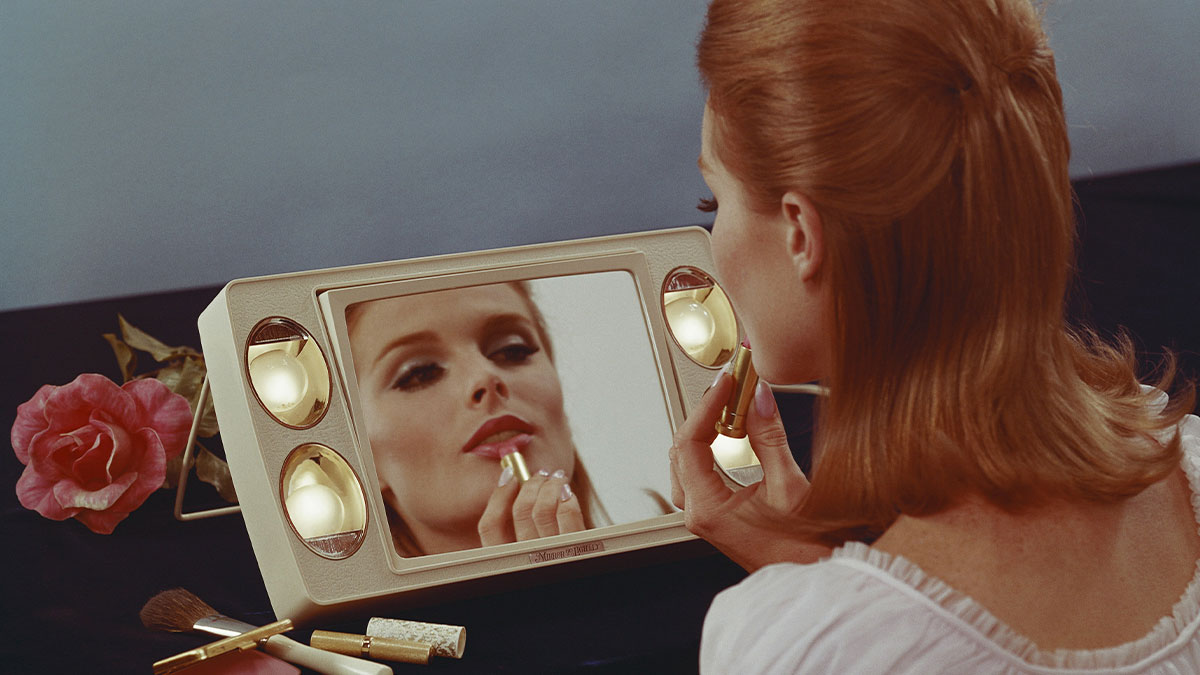
Every day, a new product or trend comes out promising women a fresh way to feel more beautiful: an anti-aging cream that melts away fine lines, a toner that promises flawless skin, a concealer that erases every blemish without a trace.
Not doing the ten-step routine? You should be. Your makeup is too matte, try glowy blush—wait, that’s too much. Maybe the real answer is healing from within—try bone broth, try intermittent fasting. The list is endless, impossible to keep up with, and for most women, utterly exhausting.
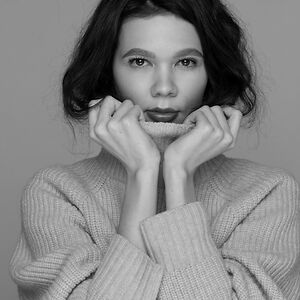
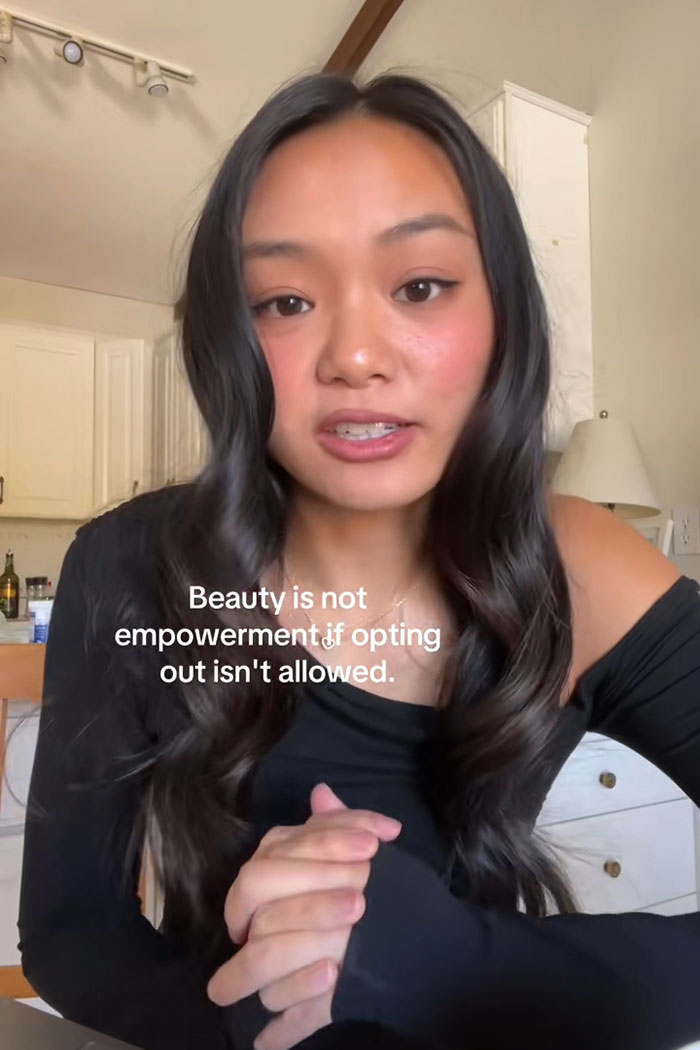
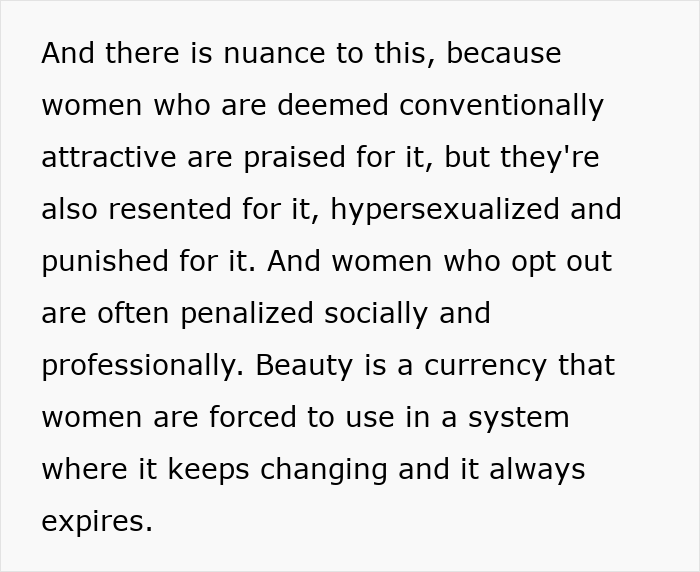
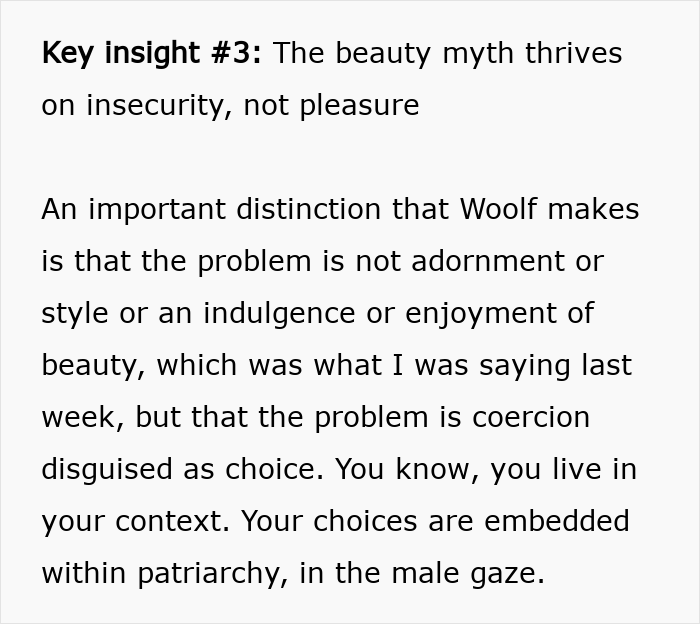
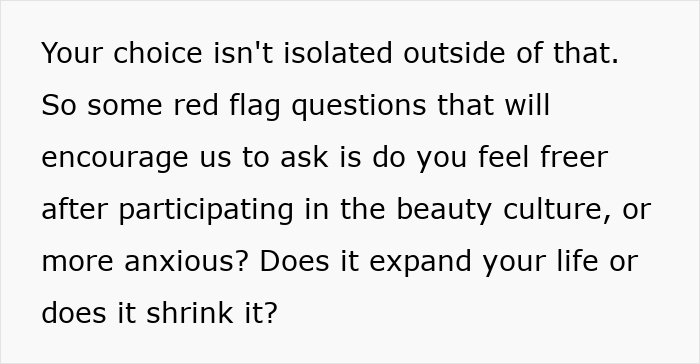
That is exactly what TikTok creator Quynh Van set out to expose. In a video that went viral with over 500K views, she argued that beauty was never empowering to begin with, calling out the toxic standards that have been working against women all along. Scroll down to hear what she had to say, and let us know what you think.
Image credits: quynhxvan
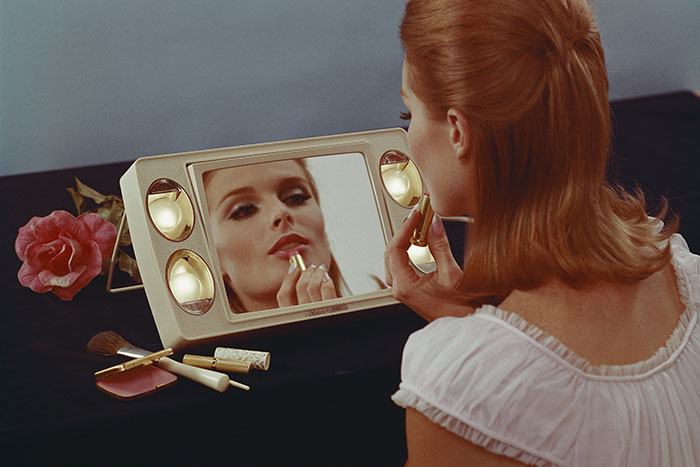
Image credits: Getty Images (not the actual image)
Image credits: Getty Images (not the actual image)
Image credits: freepik (not the actual image)
Image credits: quynhxvan
@quynhxvan The Beauty Myth by Naomi Wolf— I read this back in high school and although it felt dated even then, as more time goes on, it’s insights remain poignant and even more relevant now in the age of social media and the expansion of the beauty industry. #intellectual#patriarchy#feminism#malegaze#beautystandards♬ original sound – Quynh
For many women, beauty rituals are genuinely enjoyable. Putting on makeup is fun and experimental. Taking it off with an oil or balm, feeling it melt away the grime of the day, is oddly relaxing. The bounce in your hair after curling it puts a smile on your face. Rubbing freshly shaved legs against freshly washed sheets is practically meditative.
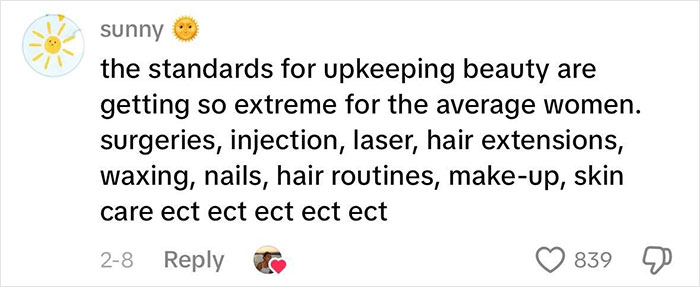
But none of it exists in a vacuum. Most of these rituals are there because of a relentless push to sell women more things, more ideas, more ways to be beautiful—and with every year, it seems to grow more extreme.
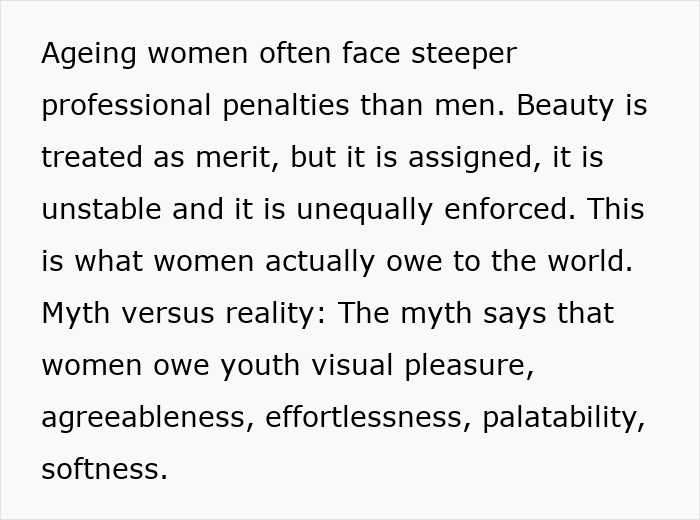
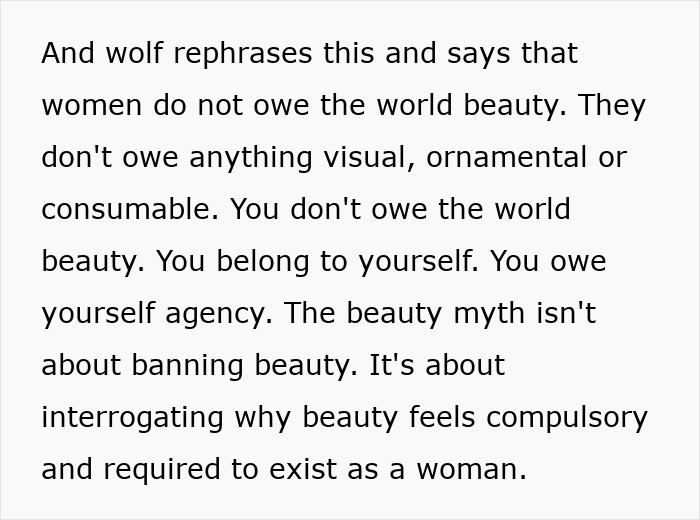
This is something Naomi Wolf wrote about back in 1990 in The Beauty Myth, the book at the center of Quynh Van’s viral video. And not only does it remain relevant today, its arguments keep getting proven right, taken further than Wolf perhaps even anticipated.
Women have more rights and opportunities than ever before, even as many of those rights now face real threats. Girls have outperformed boys in school for nearly a century. More young women than men hold college degrees in the US. More young women than men are currently in romantic relationships, while men are experiencing what many are calling a loneliness epidemic. By so many measures, women are thriving.
And yet, as Wolf observed, none of that has translated into women feeling better about themselves physically. “More women have more money and power and scope and legal recognition than we have ever had before,” she writes, “but in terms of how we feel about ourselves physically, we may actually be worse off than our unliberated grandmothers.”
The numbers reflect exactly that. In the UK, 66% of women say they use beauty products to look better, compared to just a quarter of men. When it comes to preventing aging, that share of men stays about the same—for women, it jumps to 59%. One in twenty British men wear makeup, but 60% of women wear it on a weekly basis, and one in six wear it to the gym.
Image credits: Getty Images (not the actual image)
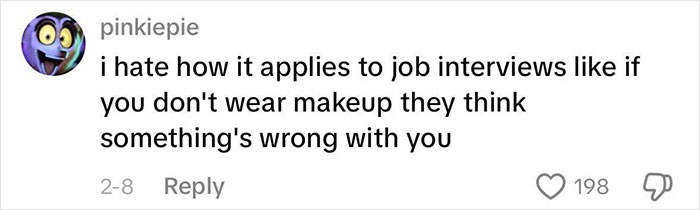
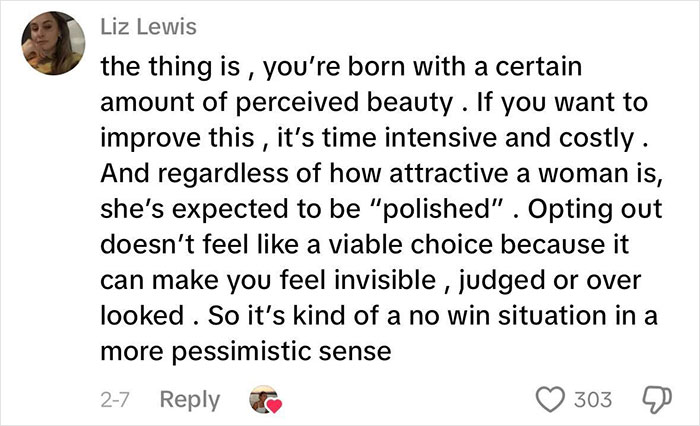
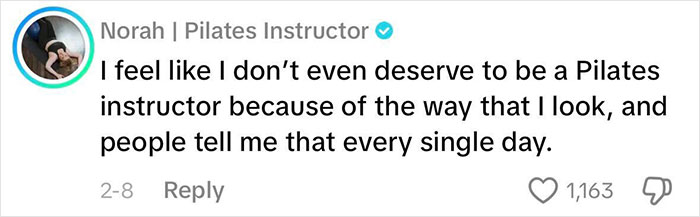
The pressure women feel to look presentable at all times is undeniable, even when many will say it makes them feel confident. And sure, it can. But the more uncomfortable question is why so many women feel they cannot simply exist without it, the way most men do without a second thought.
Part of that goes deep into patriarchy and internalized misogyny. There is also the question of accessibility. Writer Megan Garber notes in a piece for The Atlantic that beauty products and treatments have never been easier or cheaper to buy into, and while she acknowledges they can have positive effects, they have also raised the stakes.
“Not only do they reaffirm the notion that beauty can be bought,” Garber says, “but they also, steadily, transform the meaning of beauty itself: from a matter of luck, an accident of atomic arrangement, to the product of dedicated labor. Beauty, in that frame, becomes a commentary on one’s work ethic. And […] on one’s character.”
Which means that when someone falls short of the standard, they are not just seen as less attractive—they are seen as someone who did not try hard enough.
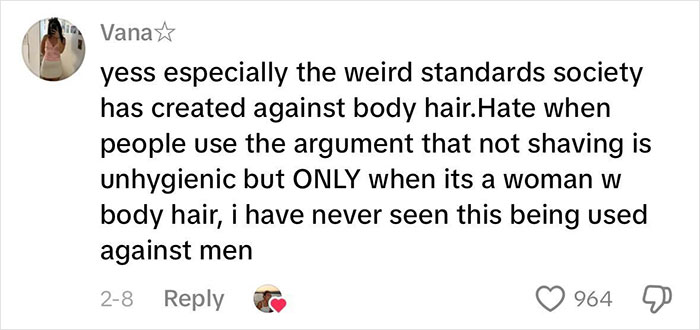
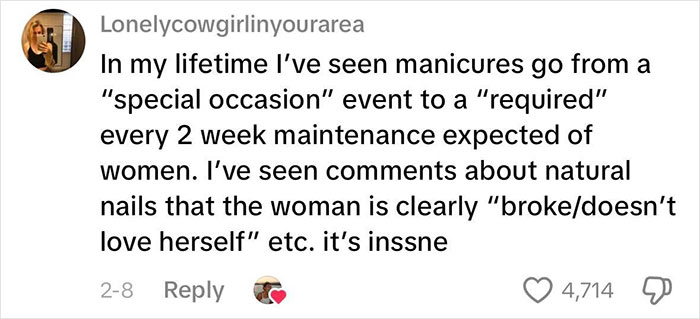
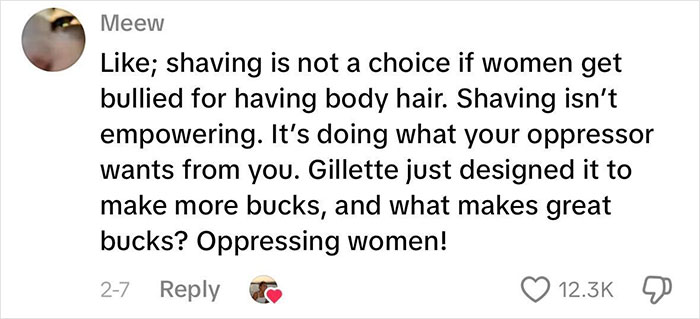
And people are quick to say so. Find any photo on social media where a woman has visible armpit hair, and both men and women swarm the comments like flies to honey, calling it unhygienic. Even though body hair is not unhygienic at all. The reaction is almost reflexive, and that in itself says everything.
Even knowing all of this, resisting it is genuinely hard. Personally, I have no issue with body hair on other women and actually love seeing it, but I still feel too self-conscious to leave the house with unshaved legs in a skirt. Recognizing the system does not automatically free you from it, because we are all products of it whether we want to be or not.
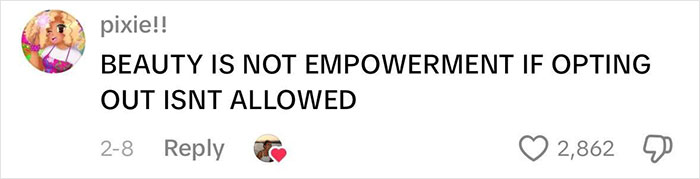
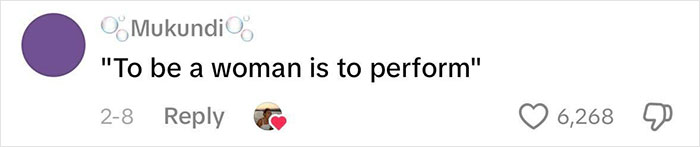
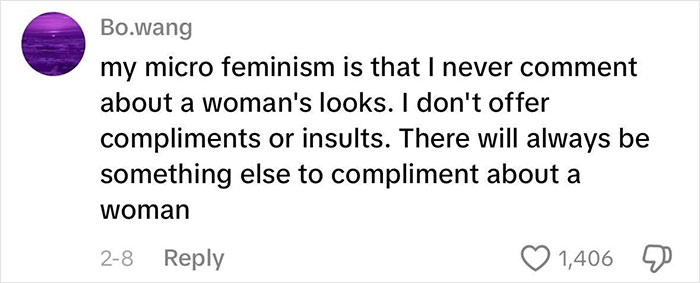
Acknowledging it is the first step, even if it does not free you from it overnight. From there, small acts of resistance become possible, and they are things anyone can actually do, even if they sometimes come at a social cost. Going out without makeup. Not buying into every new thing being marketed at you. Letting yourself simply exist without performing.
Dismantling something this deeply embedded takes time, and may never be fully complete. But there are ways to fight it.

By entering your email and clicking Subscribe, you're agreeing to let us send you customized marketing messages about us and our advertising partners. You are also agreeing to our Privacy Policy.
Thank you! You've successfully subscribed to newsletters!


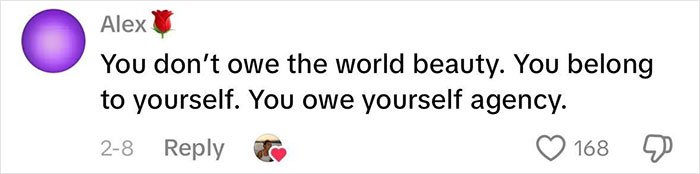
Remember, ladies. Being pretty is not the rent you pay to exist in this world as a woman. You don't owe anyone prettiness.

I'm pretty sure I "opted out" of beauty standards by not caring what other people think about how I look or dress or the fact that I rarely wear makeup XD My appearance is not a defining factor on who I am.

Same. I’m me for me, wasn’t born to impress people, 🤷♀️n being spring time it’s time to re do my hair colour now it’s had 6 mths to grow out to. Very very vibrant volcano red lol , n do I care if anyone else likes it NOPE ,
Load More Replies... Capitalism and patriarchy are two of the same that will keep anyone but the rich white men on top from controlling everything. Get woke already, f*****g clowns in the white house again.
Remember, ladies. Being pretty is not the rent you pay to exist in this world as a woman. You don't owe anyone prettiness.
I'm pretty sure I "opted out" of beauty standards by not caring what other people think about how I look or dress or the fact that I rarely wear makeup XD My appearance is not a defining factor on who I am.
Same. I’m me for me, wasn’t born to impress people, 🤷♀️n being spring time it’s time to re do my hair colour now it’s had 6 mths to grow out to. Very very vibrant volcano red lol , n do I care if anyone else likes it NOPE ,
Load More Replies... Capitalism and patriarchy are two of the same that will keep anyone but the rich white men on top from controlling everything. Get woke already, f*****g clowns in the white house again.










 No fees, cancel anytime








19
42