Get Premium
Dark mode theme is available exclusively for premium users. Learn more about the benefits of subscribing.
No fees, cancel anytime.

 Dark Mode Ad-Free Browsing Unlimited Content
 Ad-Free Browsing Unlimited Content Dark Mode
Join 1.2 million Panda readers who get the best art, memes, and fun stories every week!
The internet’s reputation for toxicity is both well earned and somewhat depressing. It’s a coin flip every time one opens a comment section if they might possibly see the worst, most hostile take of all time. But every now and then, someone actually decides to be nice.
The “Gates Open, Come On In” Internet group is dedicated to those, sadly, rare but beautiful moments when someone is actually nice and wholesome online. So we’ve gathered a few of the best posts from it, get comfortable as you scroll through, upvote your favorites and be sure to share your own examples in the comments down below.
This post may include affiliate links.

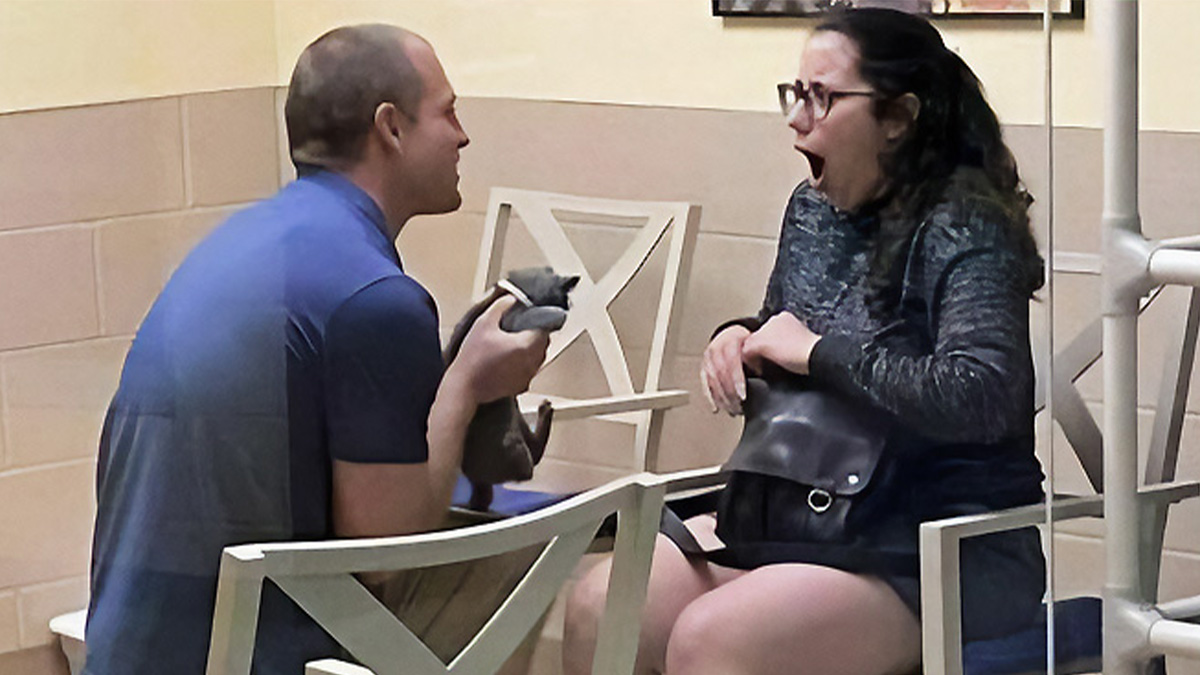
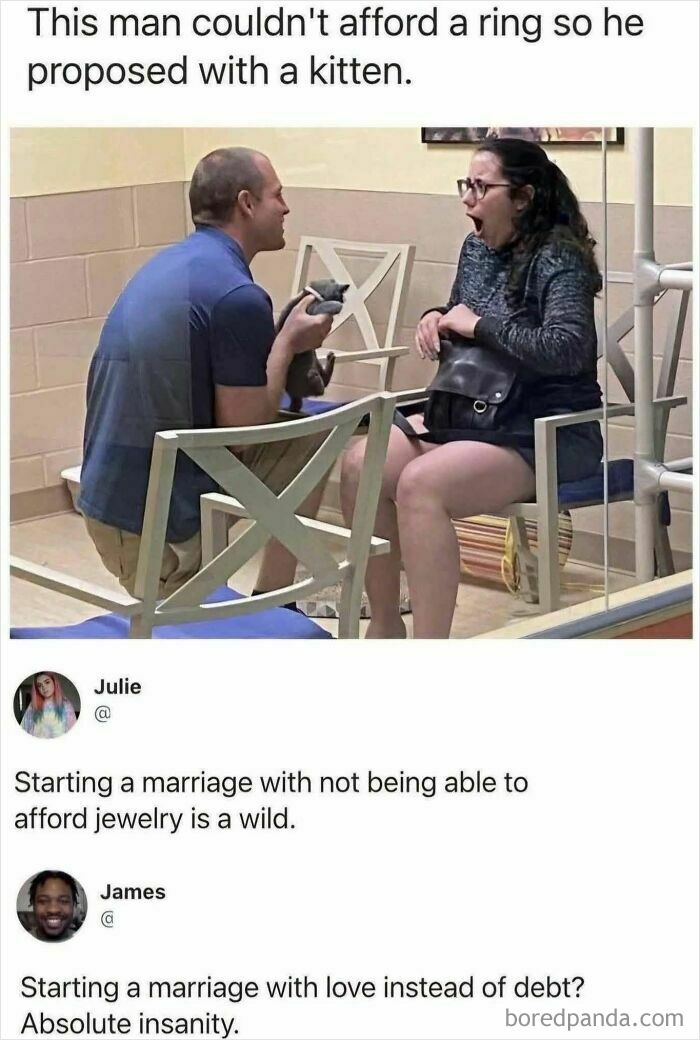
"I couldn't afford a proper ring so I got you a kitten named Ringo" That's the direction I would have gone with.
Depends on where the scars came from. There's a reason I never wear shorts.
There's actually a name for that thing where someone types a comment they'd never dream of saying out loud, and psychologists have been studying it for two decades. Back in 2004, a professor named John Suler coined the term online disinhibition effect to describe how people loosen up, or straight up lose their filter, once they're behind a screen.
The short version is that a handful of things stack together and make people braver, or meaner, than they'd normally be. The biggest one is anonymity. When your name and face aren't attached to what you're saying, your brain quietly decides the comment doesn't really count as "you."
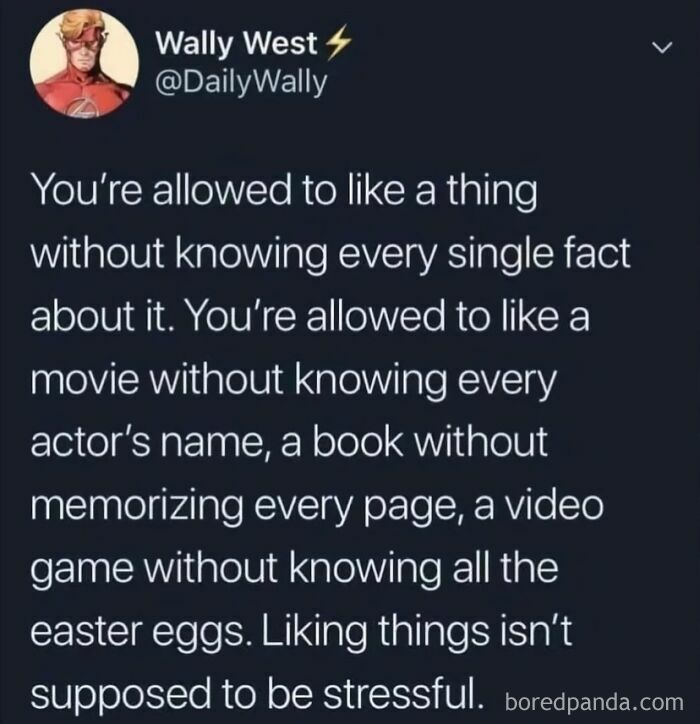
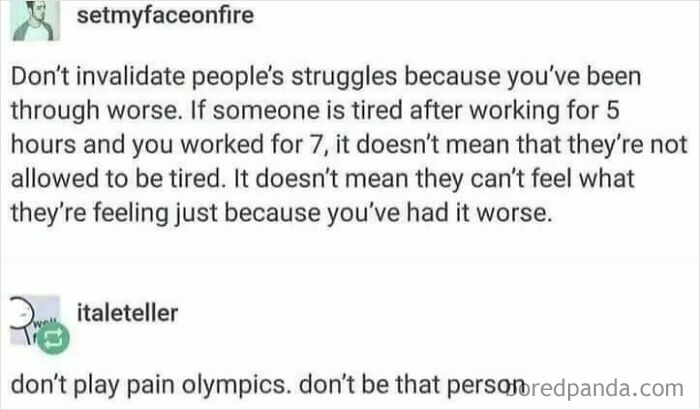
Everyone is going through their own thing. You can't judge someone else's experience. I worked for that guy during COVID. Don't be that guy.
Insert Lonely Island featuring T-Pain meme from a decade ago here...
Anonymity helps you feel less vulnerable about self-disclosing and engaging in antisocial or harmful behavior. It's the same reason people say wilder things in a group chat under a joke username than they ever would introducing themselves at a party. Then there's invisibility. Even when people know your username, they can't see your face, hear your tone, or watch you flinch.
Typing at a screen removes the immediate feedback loop that normally keeps us polite. In person, you get instant cues, someone's expression falling, an awkward silence, that makes you soften what you're about to say. Online, none of that exists until after you've already hit send, and by then the damage is done.
Timing plays a role too. Conversations online rarely happen in real time. You can read a comment, stew on it for six hours, and reply at 2am when you're tired, cranky, and not thinking straight. Suler called this asynchronicity, and it basically means arguments can ferment instead of resolving the way they would in a normal back and forth conversation.
There's also a weird trick people's minds play where they imagine the person on the other end isn't fully real, more like a character in a story they're telling themselves. Combine that with the fact that most platforms don't feel like they have an authority figure watching, no teacher, no manager, no parent in the room, and suddenly shouting into the void feels consequence free.
None of this means people are secretly awful. Suler's whole point was actually that this same effect can go the opposite direction. He called it benign disinhibition, and it's the reason strangers will offer support, share vulnerable stories, or be kinder online than they'd manage face to face with someone they barely know. Anonymity and distance can unlock generosity just as easily as cruelty. It just depends which way the wind blows in a given comment section.
Add in a few extra modern ingredients and it gets easier to understand why timelines get so heated. Algorithms tend to reward posts that spark strong reactions, so outrage and snark often get pushed higher than a calm, thoughtful reply ever would.

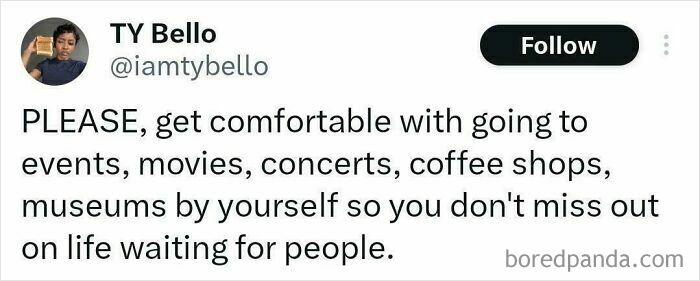
This is especially true for women. My mother missed out on so much in life because she wouldn’t go alone because “women don’t do that.” I, a woman, have done whatever I’ve wanted alone and my husband of 53 years is so proud of me.

Louder for the bigots who lurk on this site, who somehow aren't banned when my main account was, thanks BP
Piling on also feels safer in a crowd, since one nasty comment among fifty others feels less personal to write than it would if you were the only one saying it. And plain old stranger danger works both ways online, since it's easier to be cruel to someone you'll never actually meet.
Understanding the why behind all this doesn't excuse rude behavior, but it does make it a little less mysterious and a little less personal when you run into it. That keyboard warrior yelling in your comments probably wouldn't say a single word of it to your face, and that says a lot more about the medium than it does about you.
Which is exactly why groups like this one matter. Every time someone chooses to leave an encouraging comment instead of a snarky one, or takes the extra second to be kind to a total stranger online, they're proof that the disinhibition effect can swing in the good direction too. Wholesome internet is entirely possible, it just takes people deciding to make it that way, one comment at a time.

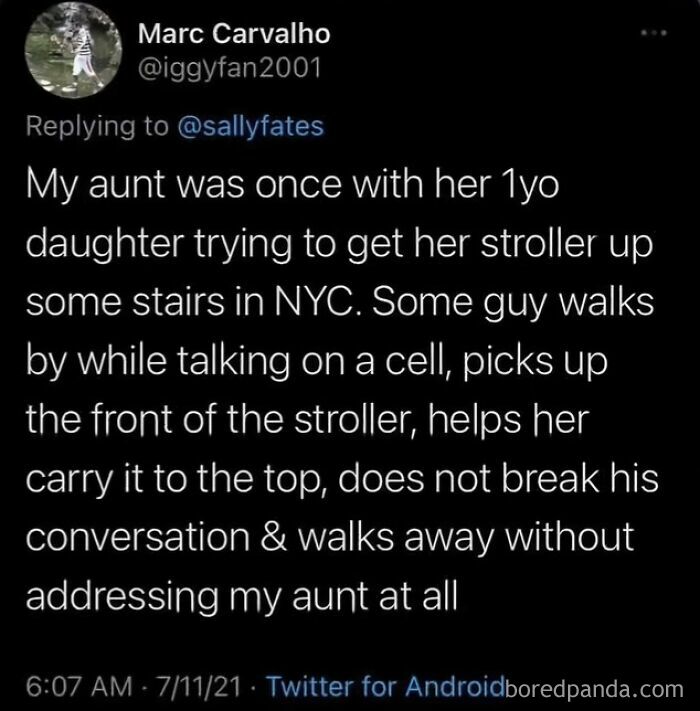
I agree with Charlotte. Its nice that he helped, but if I was that mother I'd be really uncomfortable with a guy just picking up the stroller, even if I still had hold of it. I gather he meant well, but it costs nothing to pull the phone away from his ear for two seconds and go "want help?"
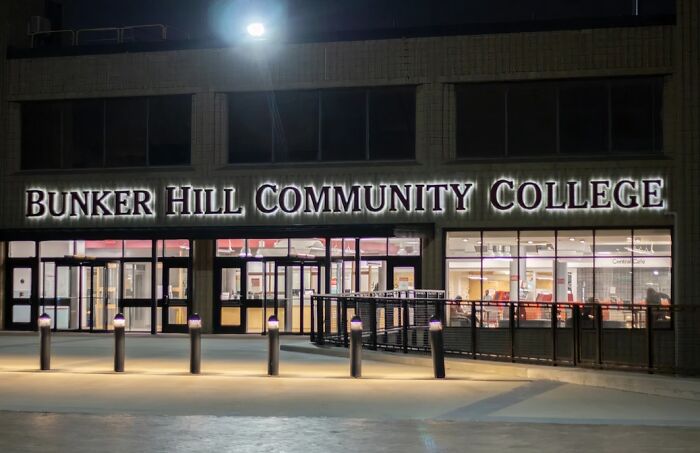
Boston's $4,000,000 tuition-free community college plan expansion, covers up to 3 years of community college for all Boston residents, regardless of income, grad year, or immigration status.
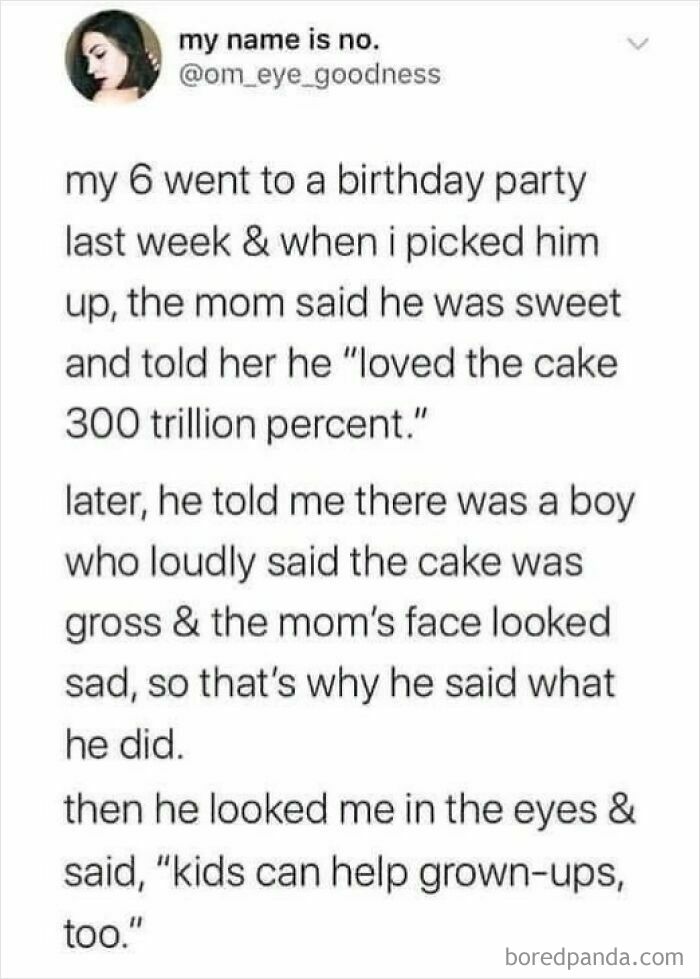
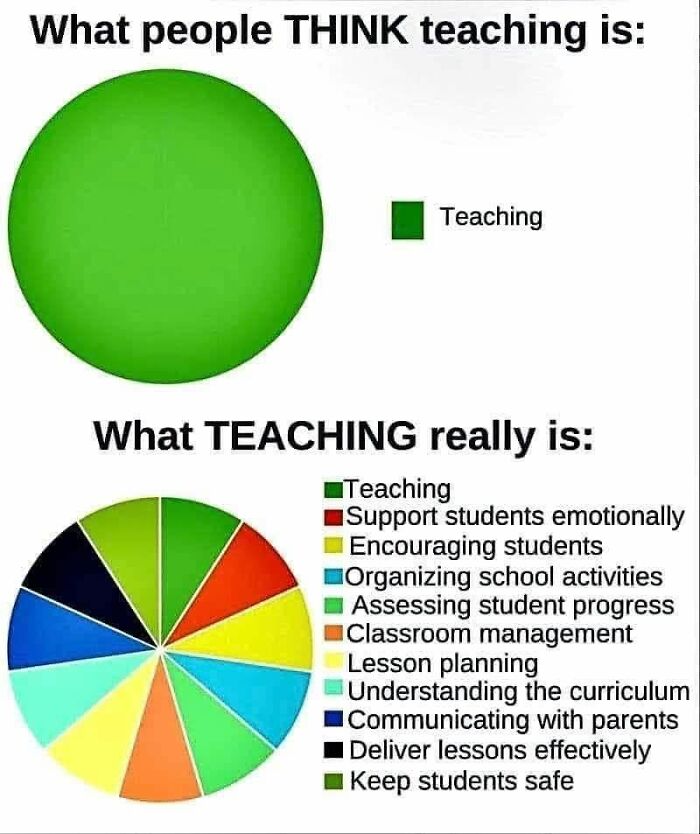
As a volunteer who works with children I'd say theres also about 20-50% of giving them some much needed parenting. Setting boundaries, teaching manners, how to keep yourself entertained without screens....

I think I might fall in love with someone who didn't give a s**t about how I choose to wash my own f*****g hair.
Genuine question: I know about they/them, obviously, but how do I adress someone where I'd use 'sir/madam' for cis-people? (Please correct me if I didn't get all of that right, im trying to learn)
Colorado lawmakers pass bill to enforce disability accommodations in schools.












 No fees, cancel anytime