Get Premium
Dark mode theme is available exclusively for premium users. Learn more about the benefits of subscribing.
No fees, cancel anytime.

 Dark Mode Ad-Free Browsing Unlimited Content
 Ad-Free Browsing Unlimited Content Dark Mode
Join 1.2 million Panda readers who get the best art, memes, and fun stories every week!

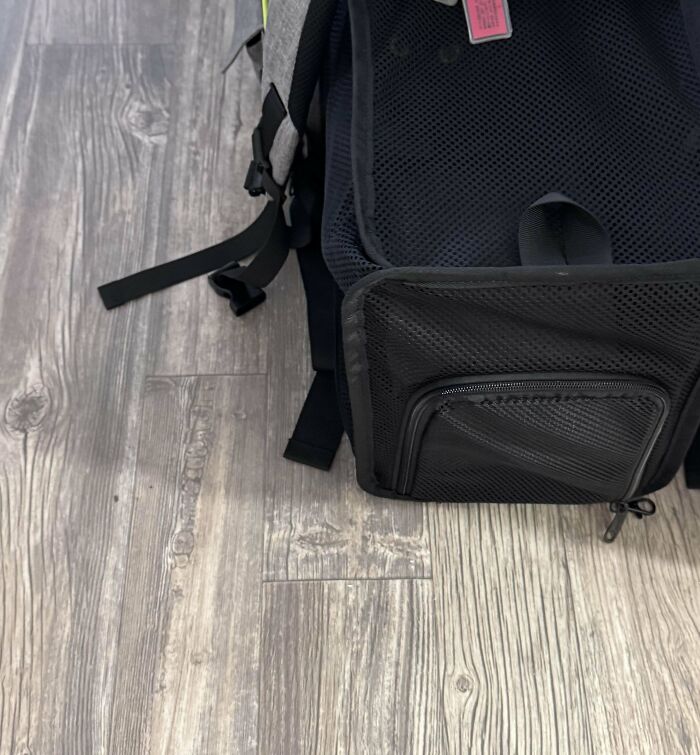
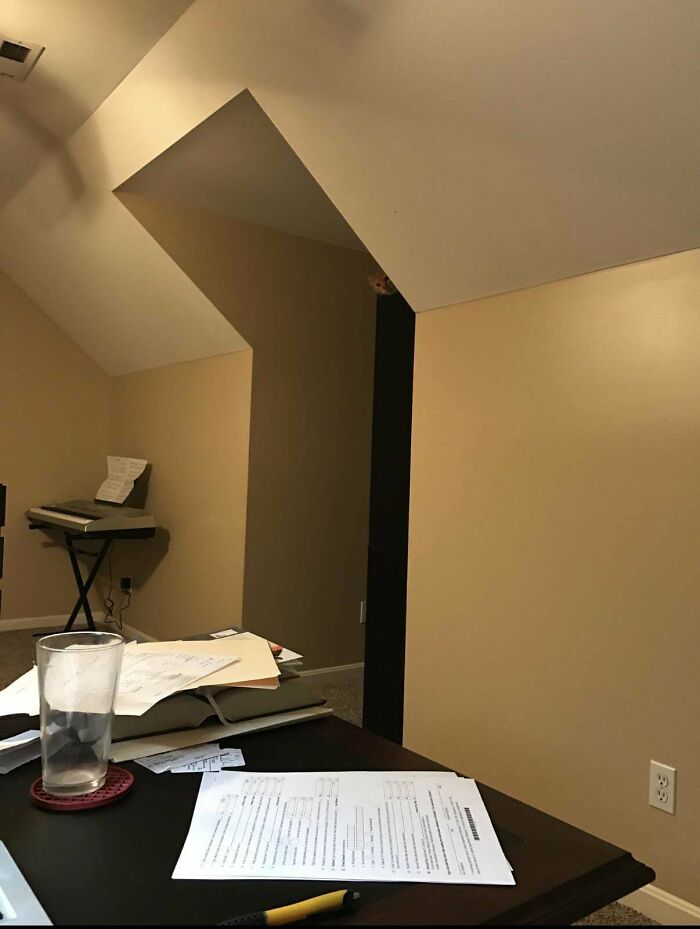
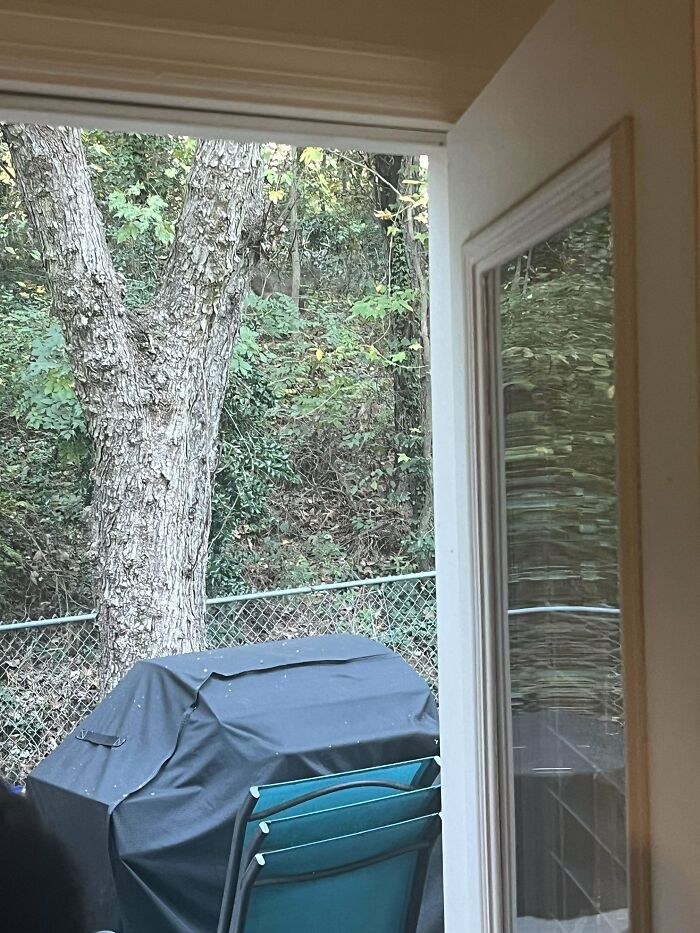
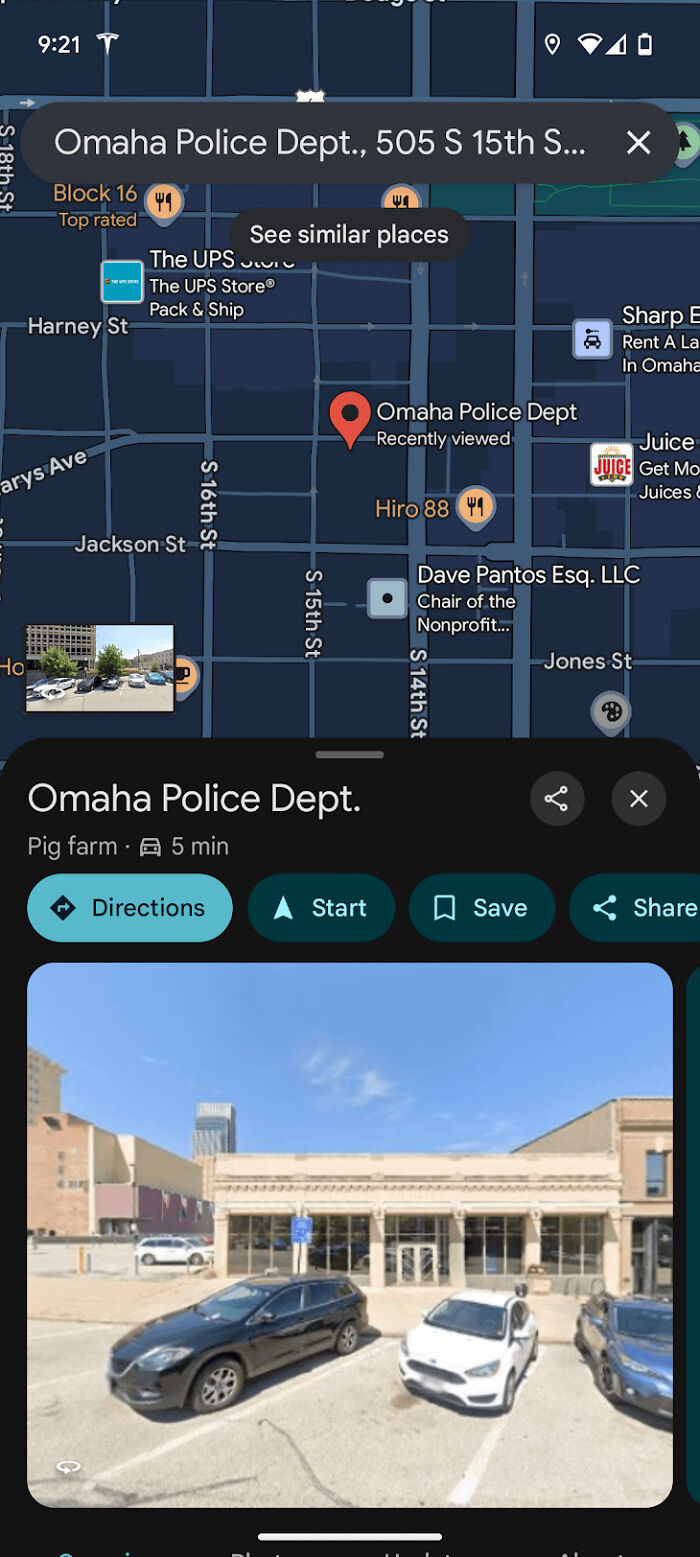
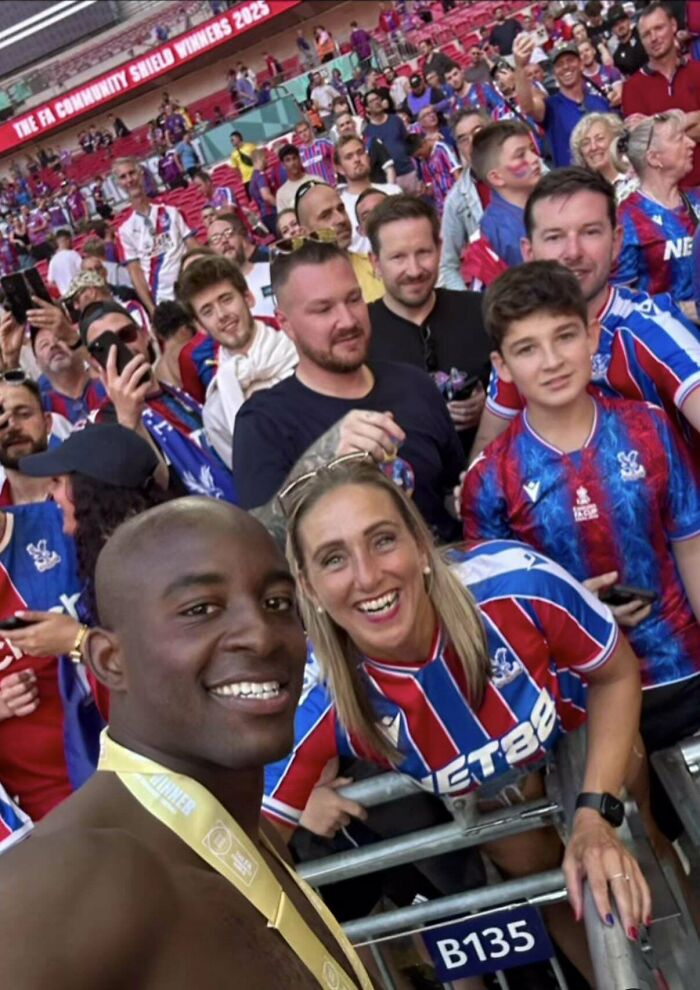
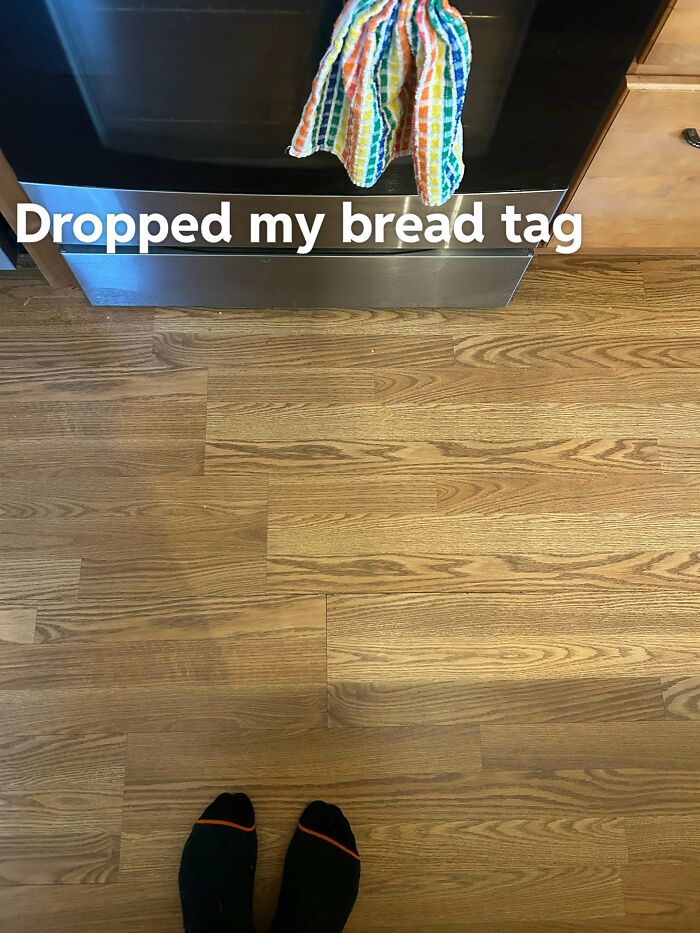
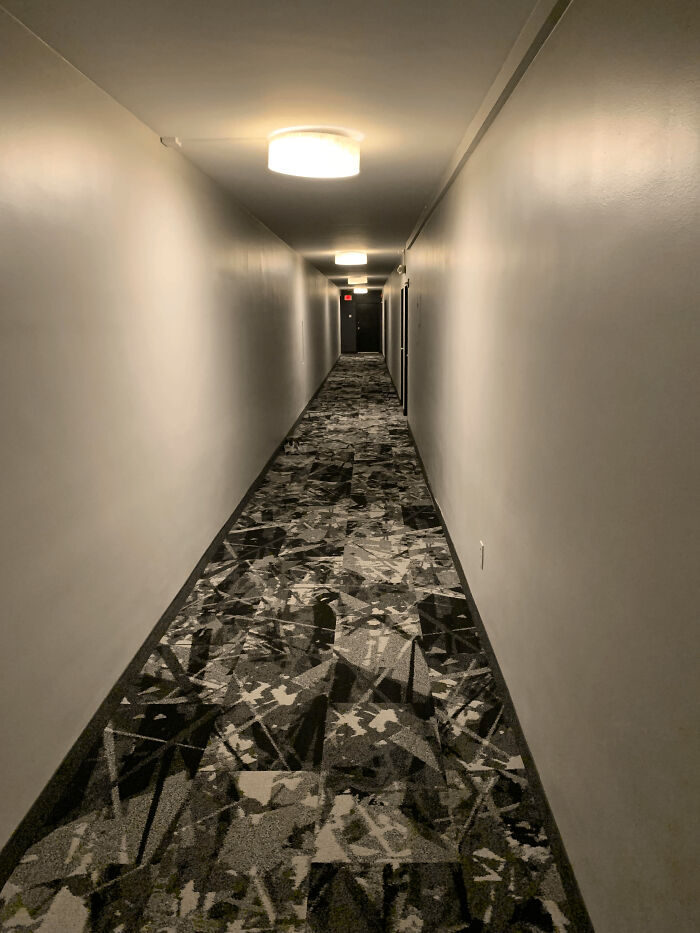
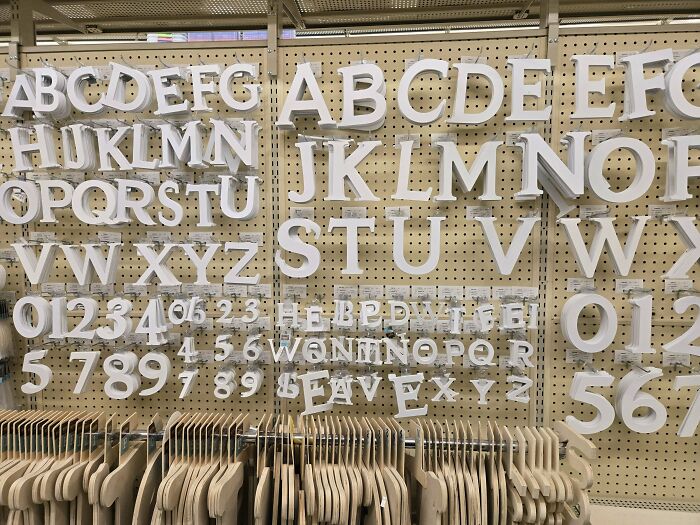
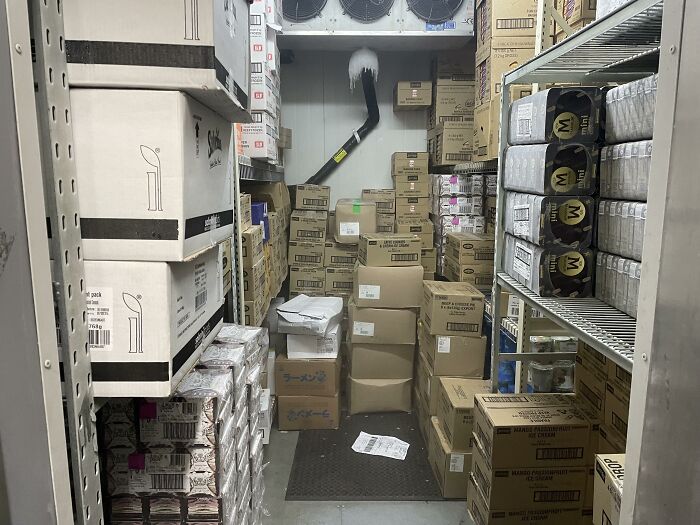
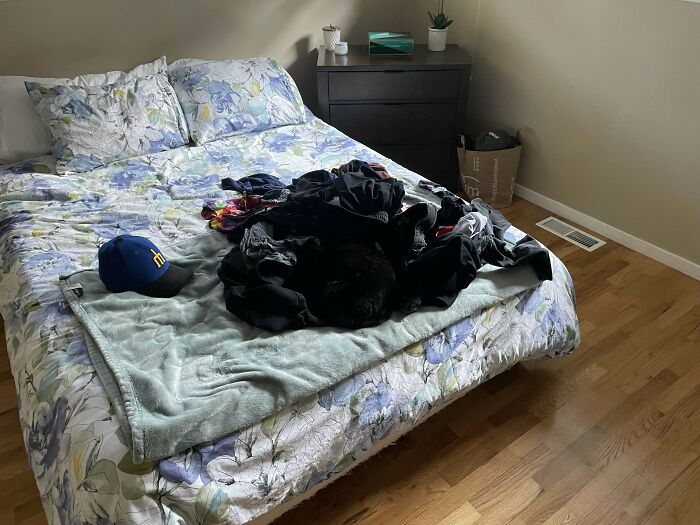
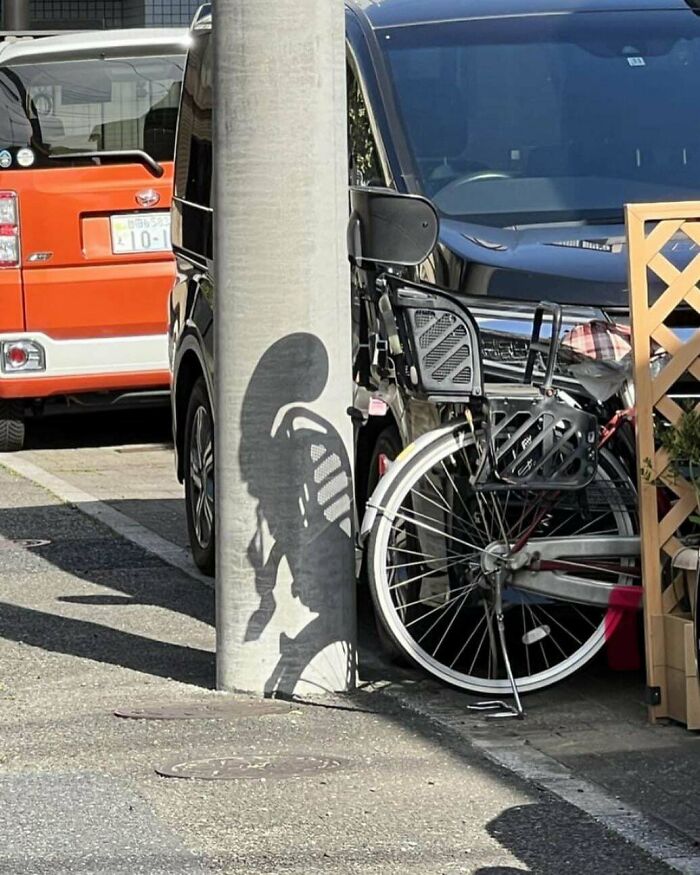
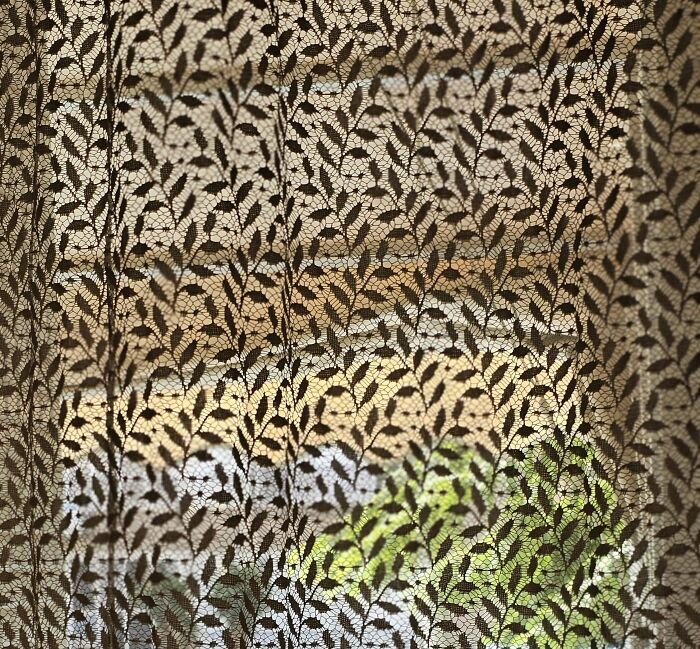
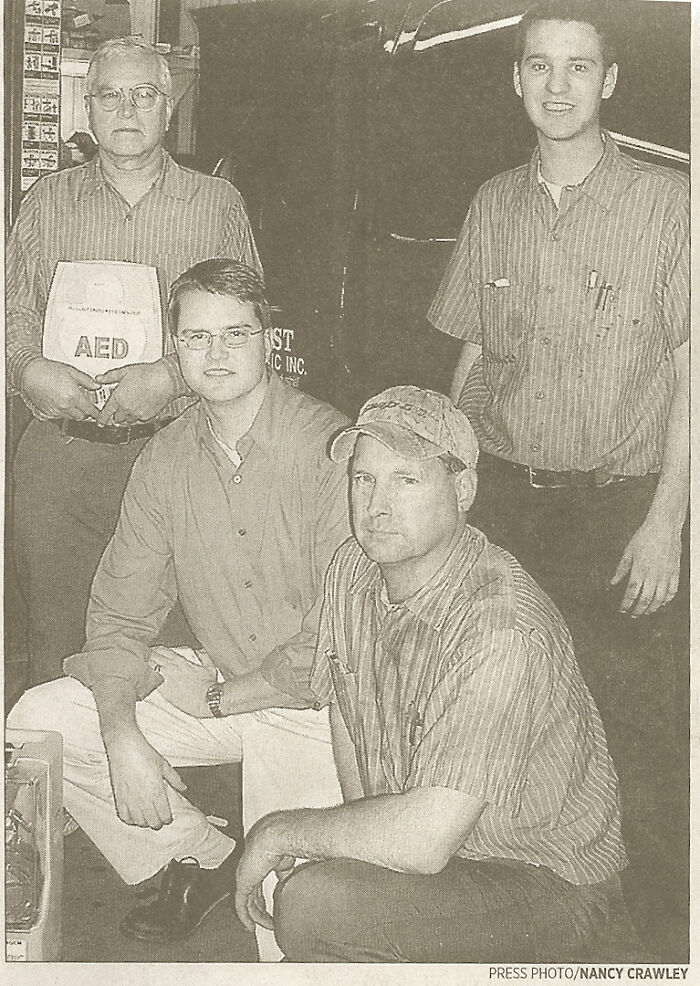
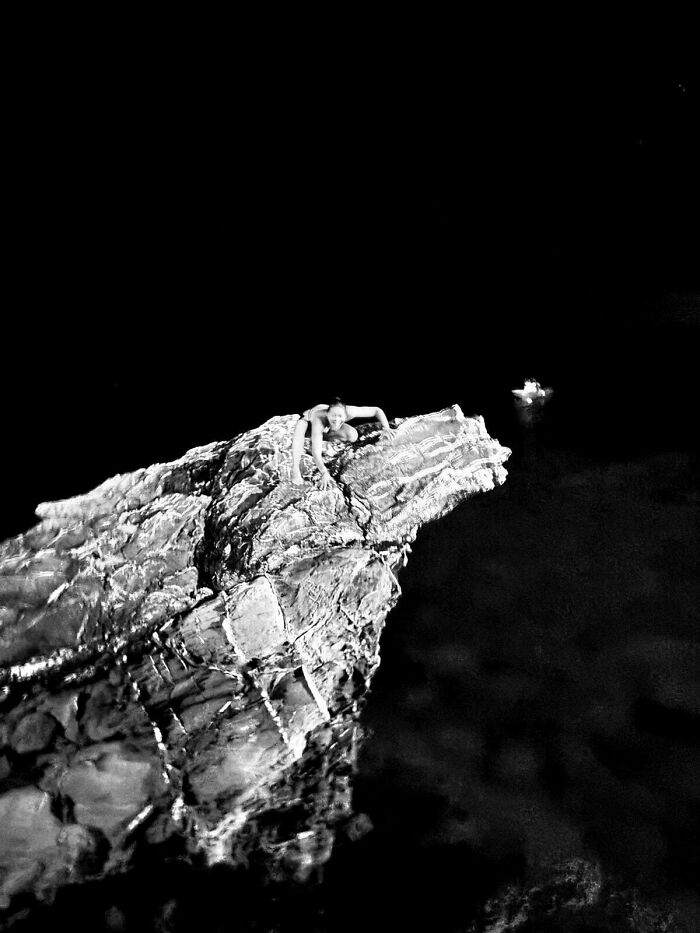
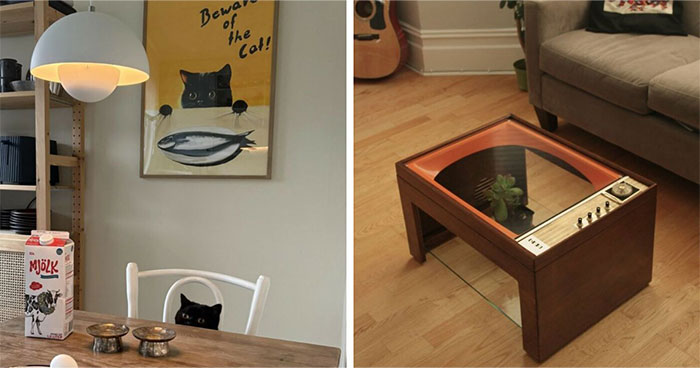
You don’t have to be a film noir detective with a stylish hat, black-and-white office, and femme fatale clients to put your sleuthing skills to the test. You can start by solving small mysteries in everyday photos that look ordinary. Well, suspiciously too ordinary…
‘When You See It’ is a fun online community that shares photos with hidden details, which range from interesting and bizarre to outright hilarious. We’ve collected the most delightful visual puzzles to share with you, and they are bound to get your brain and eyes working overtime. Ready to test how good a detective you’d be in real life?
This post may include affiliate links.
We’ve all probably been in situations where we can spot some things relatively easily compared to our partners, while others elude us (but our significant others find them without a hitch), no matter how hard we search for them.
Hilariously, in everyday and domestic settings, those ‘missing’ things are quite often ‘hidden’ in plain sight. But even if you’re aware of your own visual limits, it’s simply not that easy to shift your perception patterns.
In a nutshell, how your brain works when you visually search for something is to blame for your (sometimes startling) lack of results.
According to The Conversation, your brain is “surprisingly imperfect” at the process of visual search, which is meant to help you find objects in your everyday environment.
“Even when something is directly in front of us, the brain can fail to register its presence. In other words, we are looking without seeing.”
The reality is that, despite being awesome, powerful, and super mysterious, your brain is quite limited in some areas. For example, it is not very capable of analyzing every single object in a scene at the same time.
What it does instead is rely on a ‘spotlight’ of attention. It focuses on certain features within the ‘spotlight’ and filters out everything else.
“There is a practical anatomical reason the brain must constantly shift its gaze. The centre of the retina – the fovea – provides our sharpest vision. But it covers only a tiny part of the visual field, roughly the size of your thumbnail held at arm’s length. To inspect a scene properly, our eyes must repeatedly jump so that different parts of the environment fall onto this small, high-resolution patch,” The Conversation explains.
Those jumps, known as saccades, are constantly happening, even when you think you’re steadily looking at a single spot.
The upside is that this system allows you to navigate visually complex environments without becoming overwhelmed. The downside is that your expectations drastically alter what your mind notices. Inattentional blindness means that your brain is so focused on one thing that it fails to register something else, even if it is very blatant and in-your-face.
In very practical terms, you’ve likely experienced this if you’ve looked for your keys, socks, or whatever else, and failed to find them… only for someone else to spot them instantly.
Some individuals are better at locating objects in cluttered environments. Meanwhile, others excel at large-scale spatial navigation and rotating 3D objects in their minds.
While some people scan scenes methodically and are great at spotting objects among clutter, others make larger jumps across the visual field and are more likely to skip over those very same objects.
However, going beyond how you interact with your visual environment, a lot depends on other factors, too. Namely, your experience, familiarity with that particular environment, and differences in attention.
“Ultimately, visual search is less like scanning a photograph and more like running a prediction algorithm. The brain constantly guesses where something is likely to be and directs attention accordingly,” The Conversation emphasizes.
“Most of the time those predictions are correct. Occasionally, they are not, and an object sitting in plain sight fails to match the brain’s expectations. Which means the next time someone insists they have looked everywhere, they may well be telling the truth. They just haven’t looked in quite the right way.”
Meanwhile, speaking of your brain’s selective attention, the odds are that you have probably also experienced the Baader-Meinhof phenomenon, aka the frequency illusion. This is what happens when you think you see things more often after you first notice them, Verywell Mind explains.
For example, you might learn a new word, hear a new song, or spot a specific car model when, all of a sudden, it seems to be absolutely everywhere!
“The Baader-Meinhof phenomenon is the idea that you see something a few times, then you start to notice it more, and then you start to find ways to confirm it's the only truth. It can feel like something is happening more often when in reality, you're simply more aware of it,” therapist Joseph Vacchiano, LCADC, LCSW, states.
In a nutshell, once something comes to your attention, your brain starts to notice it more frequently. It’s not that the thing itself has become more common, but that your mind becomes more ‘attuned’ to it.
‘When You See It’ was created—what now seems like ages ago—in early 2011. Over the past 15+ years, this community has been entertaining the internet with secrets and tiny details hidden in seemingly ordinary images.
Not only is it a ton of fun to test your perception and awareness skills, but it can also be very humbling to realize your limits and recognize your visual and knowledge blind spots.
Once you’ve found all the hidden mysteries in these pics, we’d like to hear your thoughts in the comments, so don’t be shy and join the conversation.
Which hidden details did you find instantly? On the other hand, which ones were the most challenging to spot? Were there any that you genuinely couldn’t spot, no matter how hard you tried?
How good a detective do you think you’d make in real life? Let us know!


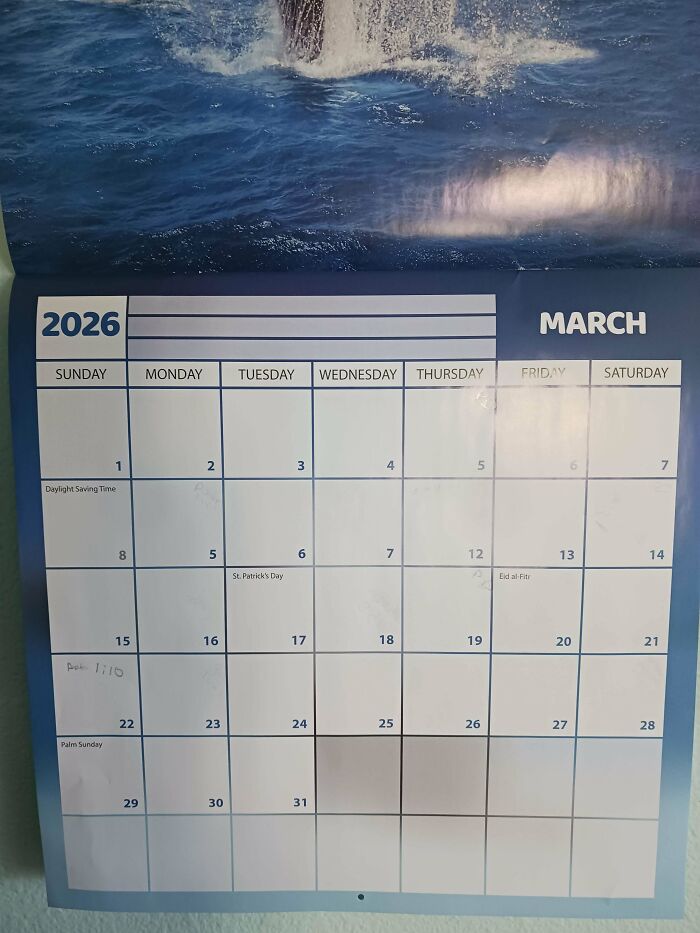
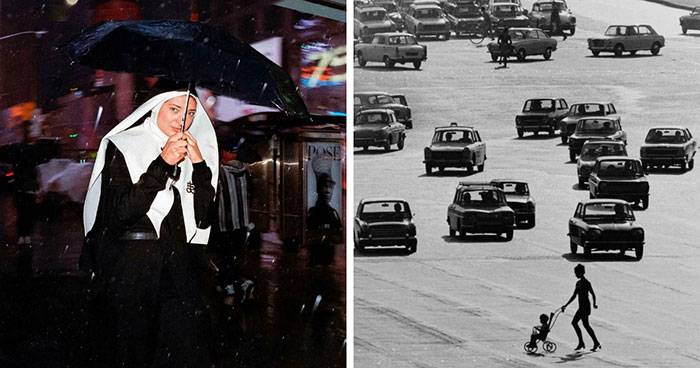
9th,10th, and 11th are missing. 5th, 6th, and 7th have been repeated, instead.
































 No fees, cancel anytime