Get Premium
Dark mode theme is available exclusively for premium users. Learn more about the benefits of subscribing.
No fees, cancel anytime.

 Dark Mode Ad-Free Browsing Unlimited Content
 Ad-Free Browsing Unlimited Content Dark Mode
Join 1.2 million Panda readers who get the best art, memes, and fun stories every week!



Shockingly, the ocean covers the majority of our planet, but the absolute majority of it remains unexplored to this day. The waves hide many mysteries, but countless hardworking researchers shed light on what happens underwater and in coastal areas.
Some of the coolest, creepiest, and weirdest science facts about the “deep dark seas” get featured on the popular ‘The Weird Unknown’ Instagram account. We’ve curated the most intriguing posts to expand your mind, give you a fresh perspective about Planet Earth, and even shock you with how bizarre nature can be. Scroll down to keep diving.
This post may include affiliate links.
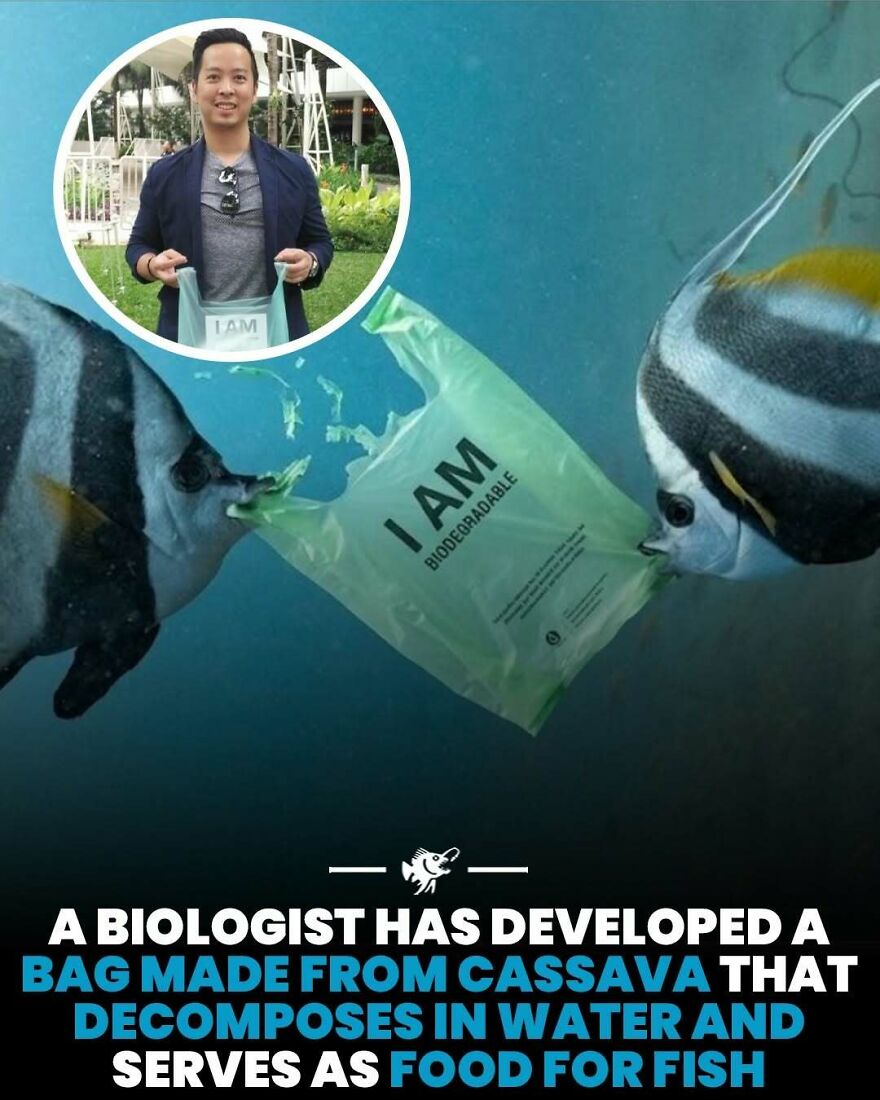
A biologist has developed a biodegradable plastic alternative made from cassava, a plant widely grown in tropical regions. Unlike conventional plastics, the material can break down in water and is designed to be non-toxic to marine life, reducing the long-term accumulation of waste in oceans and rivers.
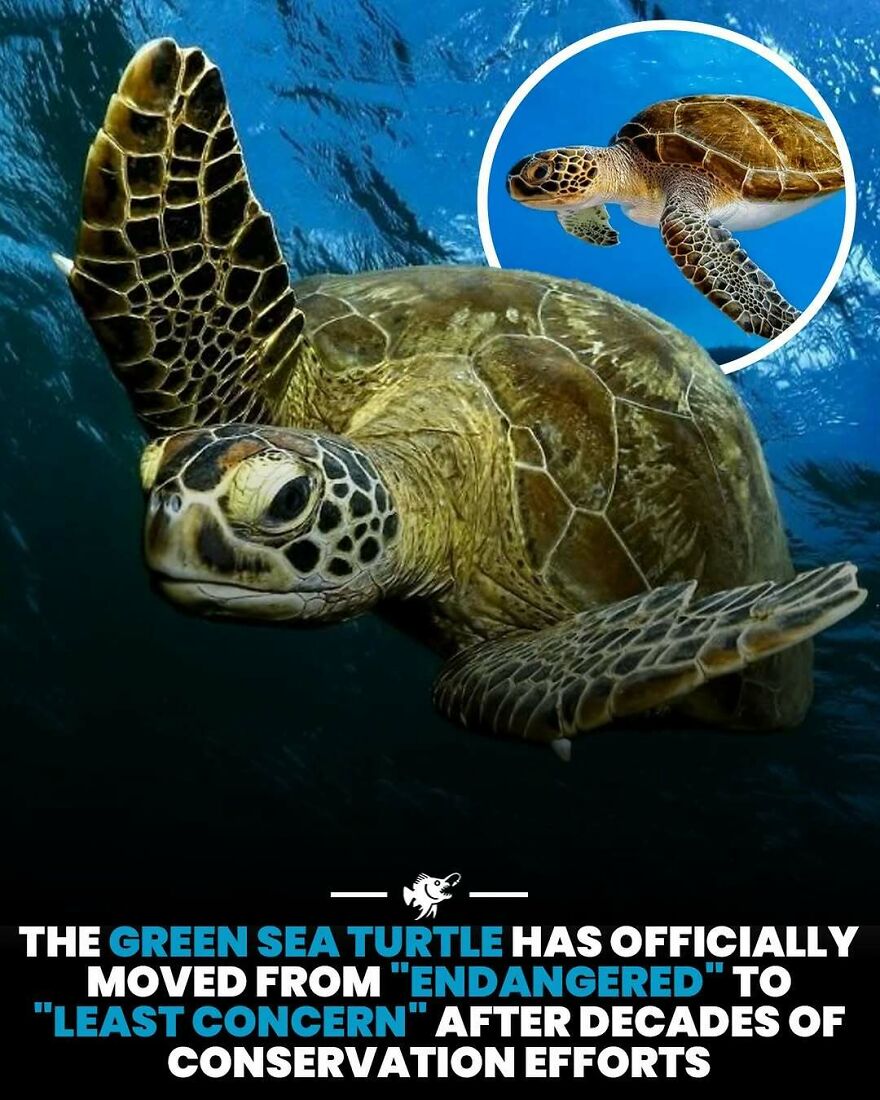
The green sea turtle has been officially reclassified from Endangered to Least Concern on the International Union for Conservation of Nature's Red List, the result of more than four decades of coordinated conservation work. The IUCN announced the change in October 2025 at the World Conservation Congress in Abu Dhabi, citing a roughly 28 percent global population increase since the 1970s.

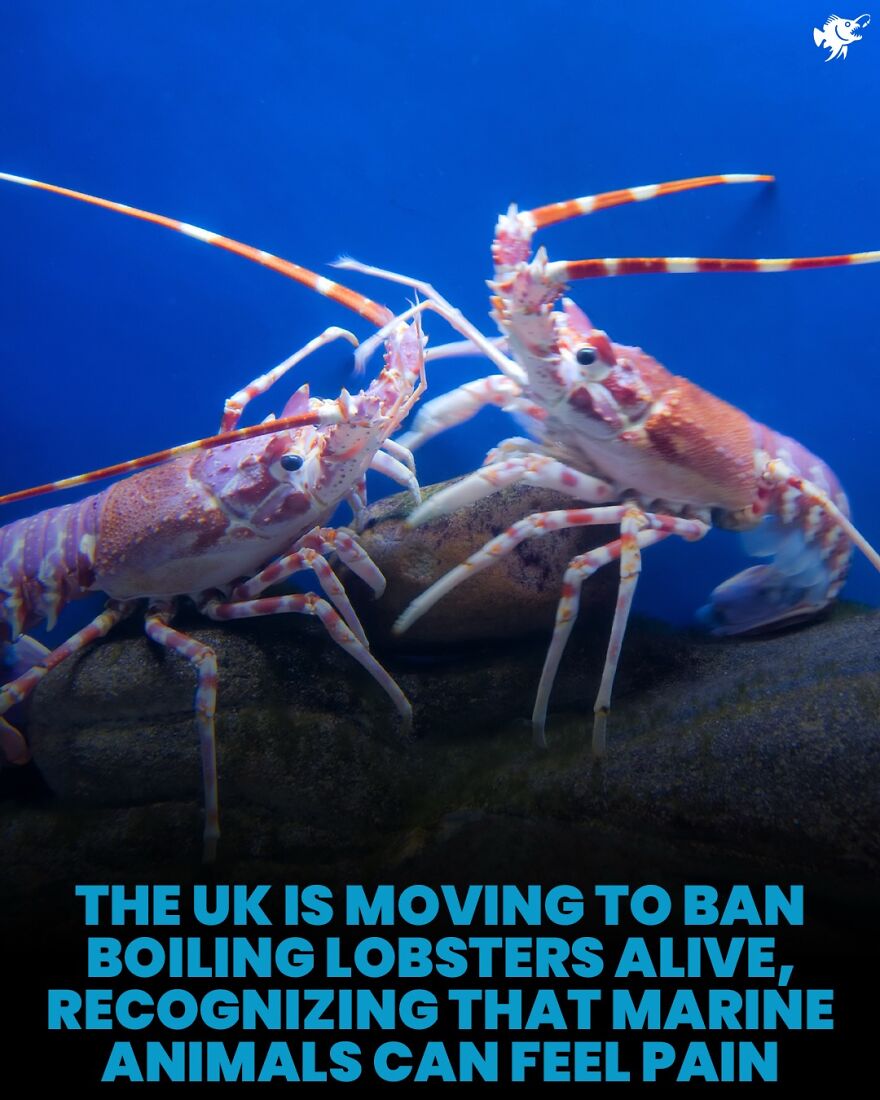
It's about damn time people stop boiling animals alive.
The irony is that we have mapped the Moon in much more detail than we have the Earth’s seafloor. BBC Science Focus explains that the seafloor is incredibly huge (roughly 335 million square kilometers or 129.3 square miles) and inaccessible far offshore, which is why only a tiny fraction of it has been explored, despite the advancements in technology.
“Recently, a team of scientists put together a Global Dive Dataset containing information from around 44,000 dives into the deep. These were carried out by scientists inside submersibles, as well as remotely operated vehicles (ROVs) and autonomous robots that steer themselves,” the BBC writes.
“Collectively, these deep submergence vehicles, as they’re known, filmed and photographed an area equal to less than 0.001 per cent of the deep seafloor.”
One issue with this is bias. Nearly two-thirds (65%) of these exploratory dives have taken place within 200 nautical miles of the United States, Japan, or New Zealand. Furthermore, the absolute majority (97%) of these deep-seafloor observations have been carried out by those countries, as well as France and Germany.
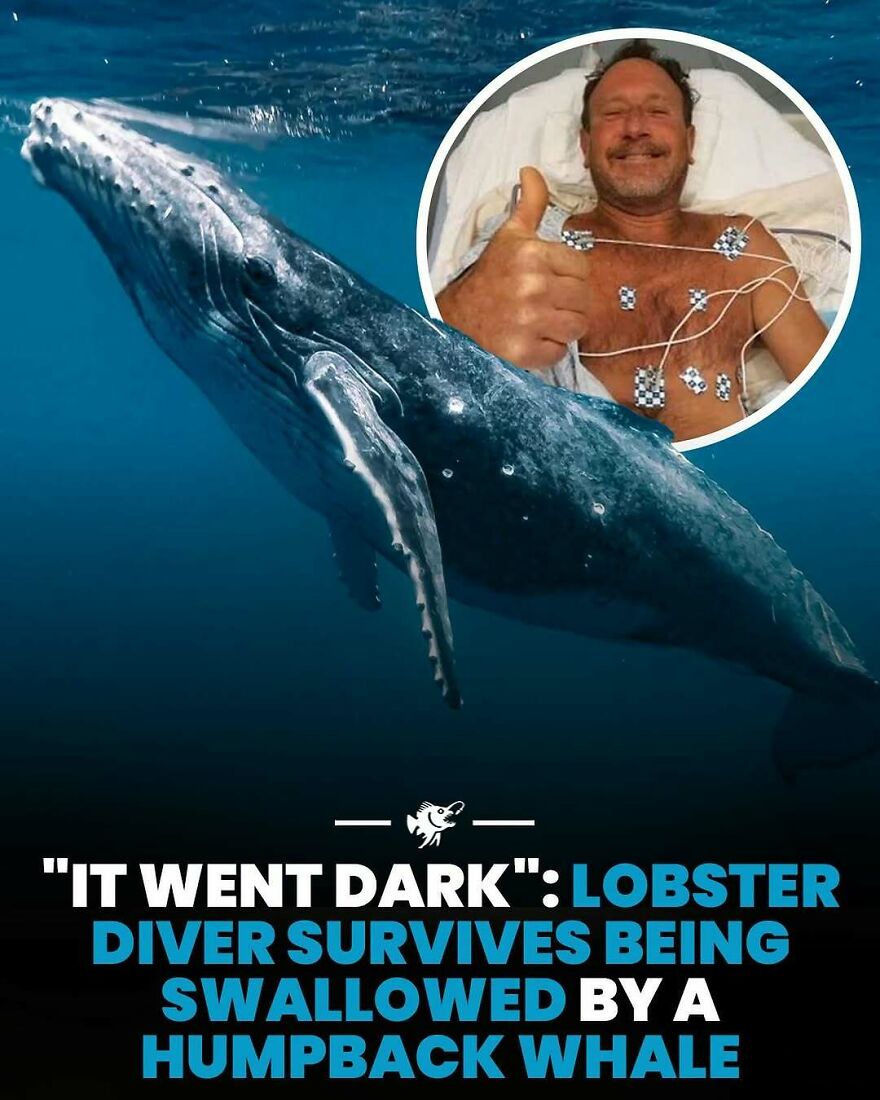
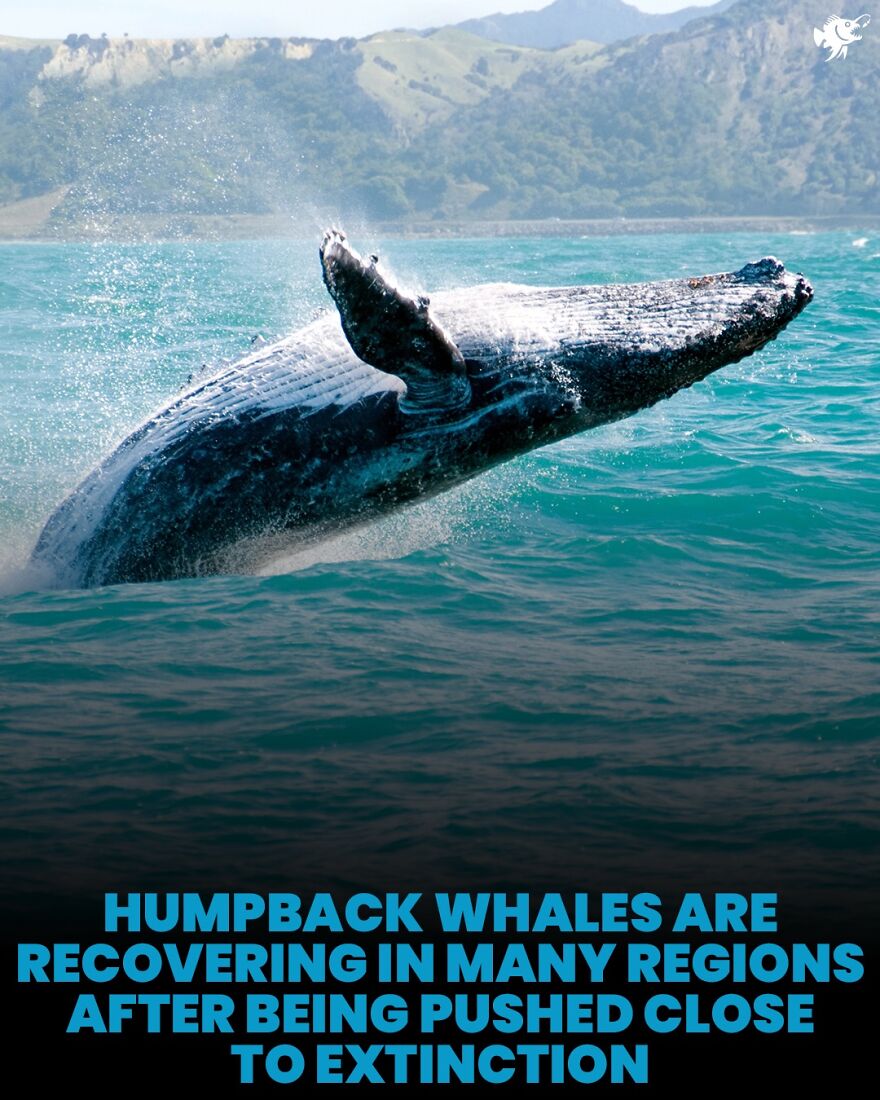
Michael Packard, a 56-year-old lobster diver from Cape Cod, experienced what sounds like something out of a biblical tale—but it happened in 2021. While diving 45 feet below the surface, the water around him suddenly turned dark. At first, he feared a shark attack, but soon realized there were no teeth—just pressure. He was inside the mouth of a humpback whale. For nearly 30 seconds, he was trapped in total darkness, surrounded by muscle and water, convinced he wouldn’t survive.
Then, just as quickly as it happened, the whale surfaced and spit him out. His crewmate watched in disbelief from the boat as Packard flew back into open water, bruised but alive. Doctors treated him for soft tissue injuries, and marine experts later confirmed it was likely a feeding accident—the whale mistook him for a school of fish. Packard called it the closest he’s ever been to the end. Incredibly, just weeks later, he was back in the water, diving again.
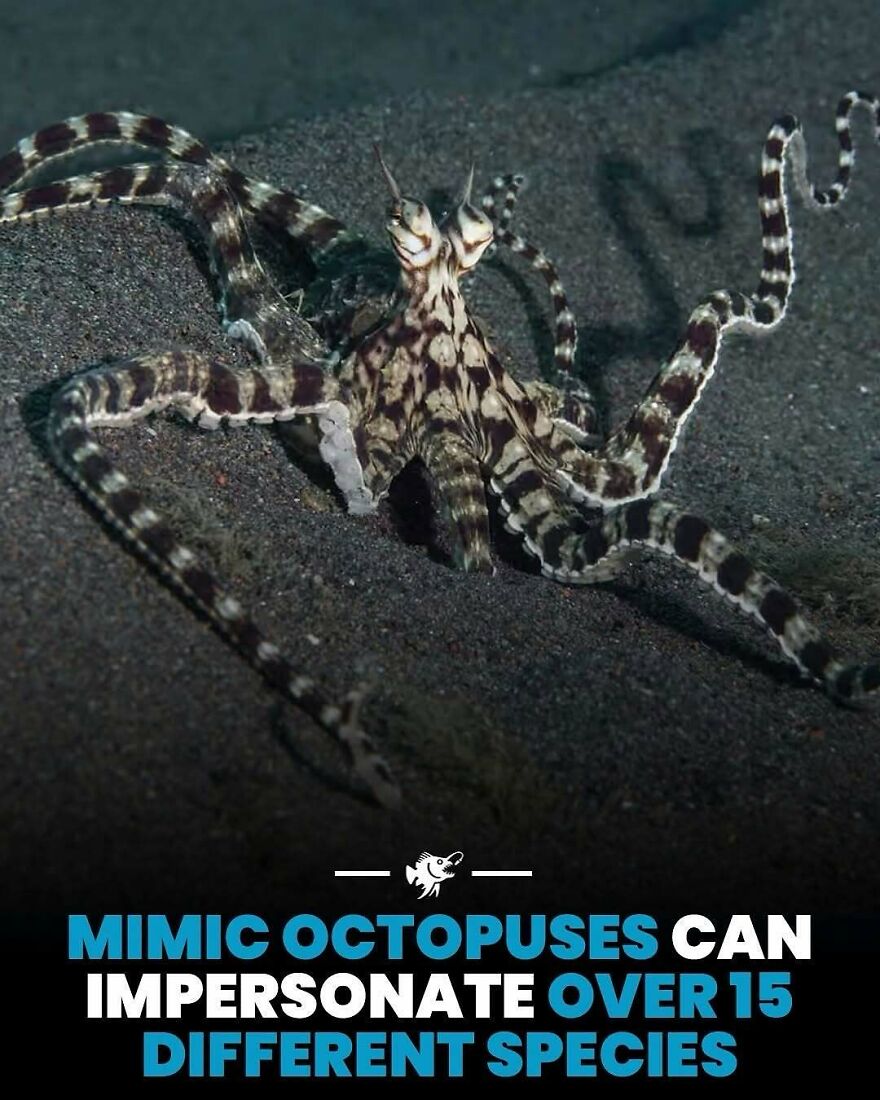
The mimic octopus is one of the ocean’s most skilled illusionists, with the remarkable ability to impersonate over 15 different marine species. Its talent goes far beyond simple camouflage—it actively changes its shape, color, and movement to mimic dangerous animals like lionfish, jellyfish, and sea snakes to avoid predators.
What makes its disguises especially impressive is how it mimics behavior, not just appearance. For example, when pretending to be a sea snake, it hides most of its body in the sand and waves two arms to create a convincing snake-like motion. This strategic flexibility allows the mimic octopus to tailor its disguise to the threat it faces, making it one of the most adaptable and deceptive creatures in the sea.
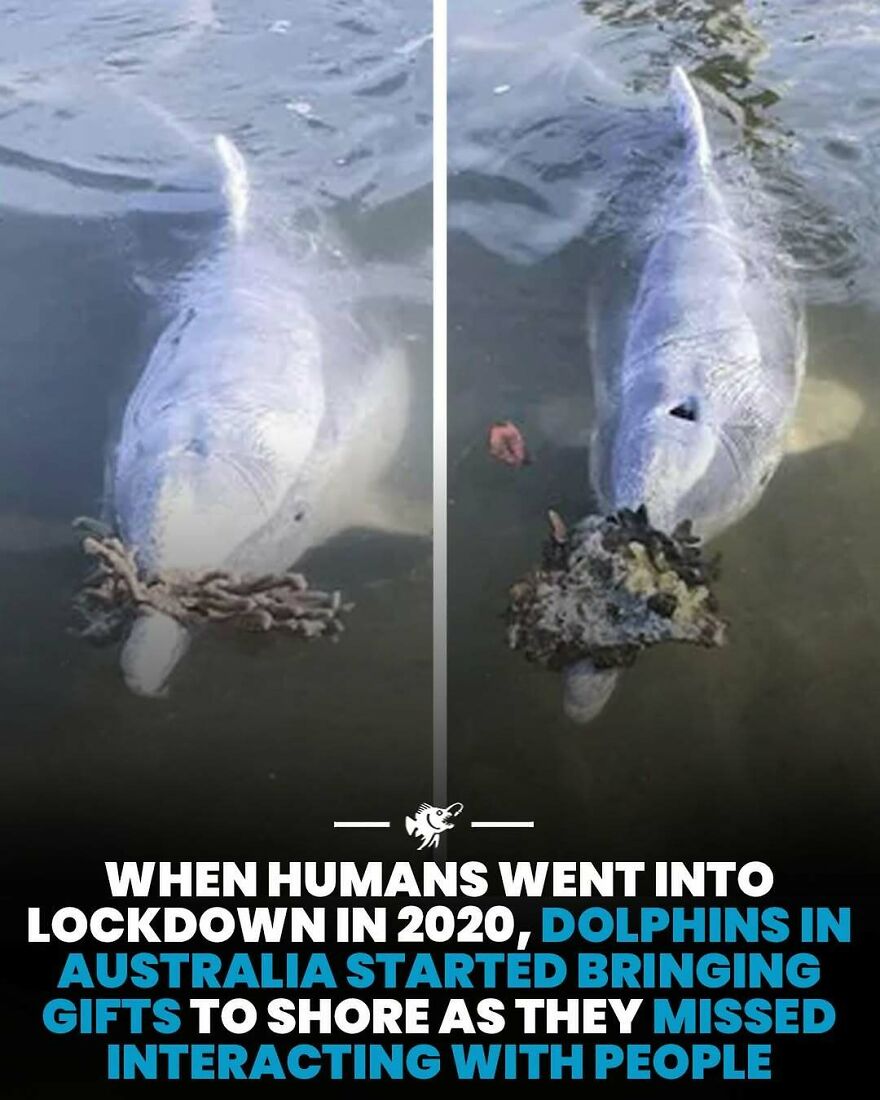
When pandemic lockdowns emptied the shoreline at Tin Can Bay in 2020, volunteers witnessed an unusual pattern from a wild dolphin known as Mystique. The Indo-Pacific humpback dolphin began approaching the shore carrying objects in his beak, including shells, coral fragments, and bits of debris from the ocean. Each time he surfaced, he gently presented the item to the people nearby.
Another problem is that of depth. Deep-sea exploration, in recent years, has been opting for shallower dives. By the 2010s, only a quarter of all dives were going deeper than 2 kilometers (roughly 1.2 miles) beneath the waves, compared to half of all dives half a century ago, in the 1960s. This is significant because around 75% of the ocean lies between 2 kilometers and 6 kilometers (1.2 miles to 3.7 miles) below sea level.
“It’s clear that modern day deep-sea explorers are missing an awful lot of the seafloor. Most countries are not involved in deep-sea exploration, and most regions of the deep remain completely unseen and unknown.”
The upside is that there are efforts to change the situation and make deep-sea tools more accessible and cheaper, and by organizing dives in lesser-known sites.
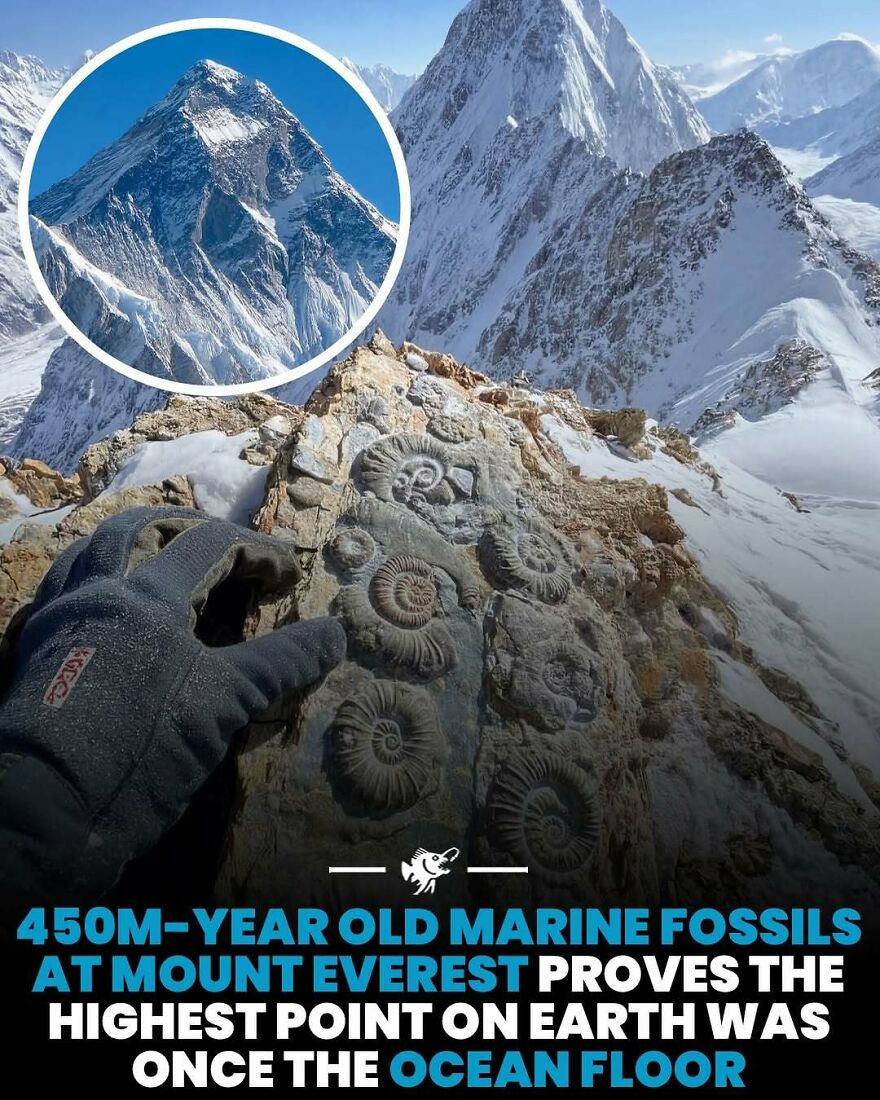
Mount Everest stands as the tallest point on the planet today, yet rocks near its summit contain marine fossils such as brachiopods. Their presence shows that the peak was once part of the floor of the ancient Tethys Ocean millions of years ago.

This is pretty much true of all non-volcanic mountains, isn't it? 🎵🎶 Every valley shall be exalted, and every mountain and hill shall be made low.🎶🎵
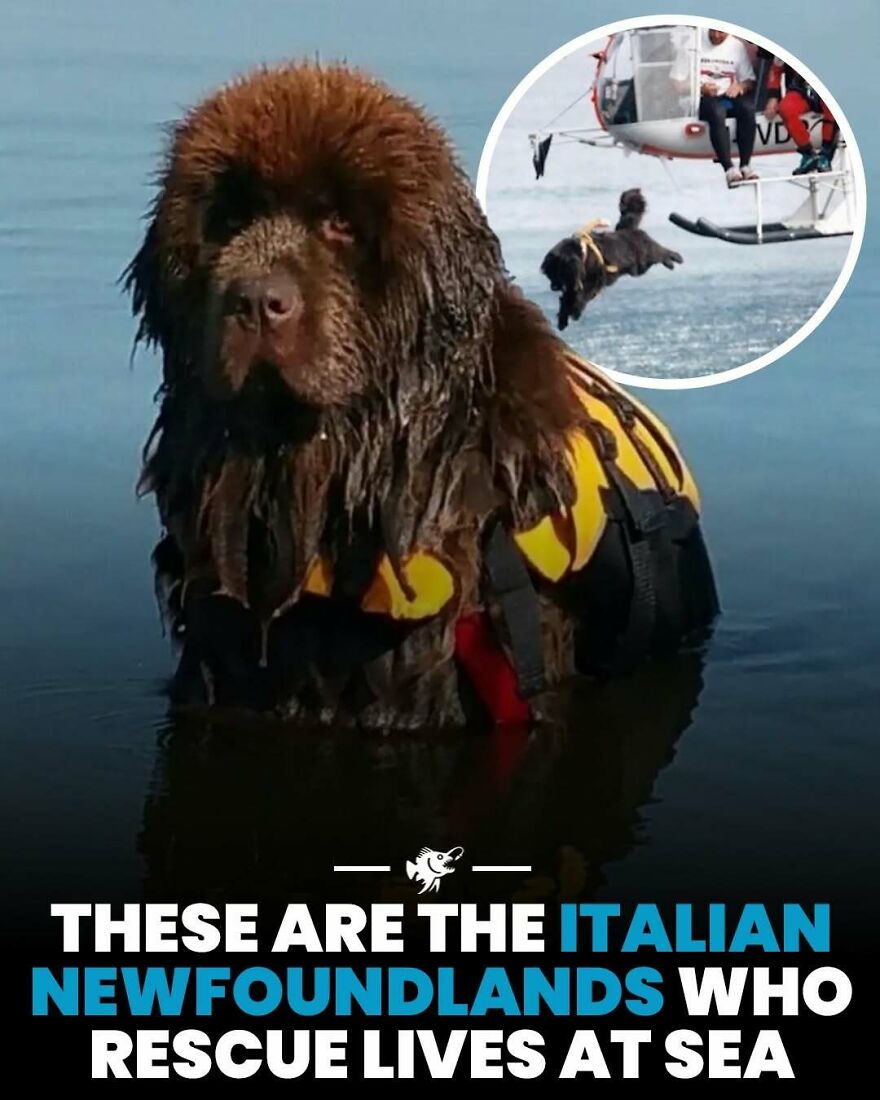
In Italy, specially trained Newfoundland dogs work alongside the Coast Guard and beach lifeguards as part of one of the only formal canine sea rescue programs in the world. The Italian School of Water Rescue Dogs, founded in 1989 and based near Milan, certifies roughly 350 dog and handler teams across the country each year. Newfoundlands are the breed of choice for their water-resistant double coats, webbed feet, and ability to swim for hours in cold and rough seas.
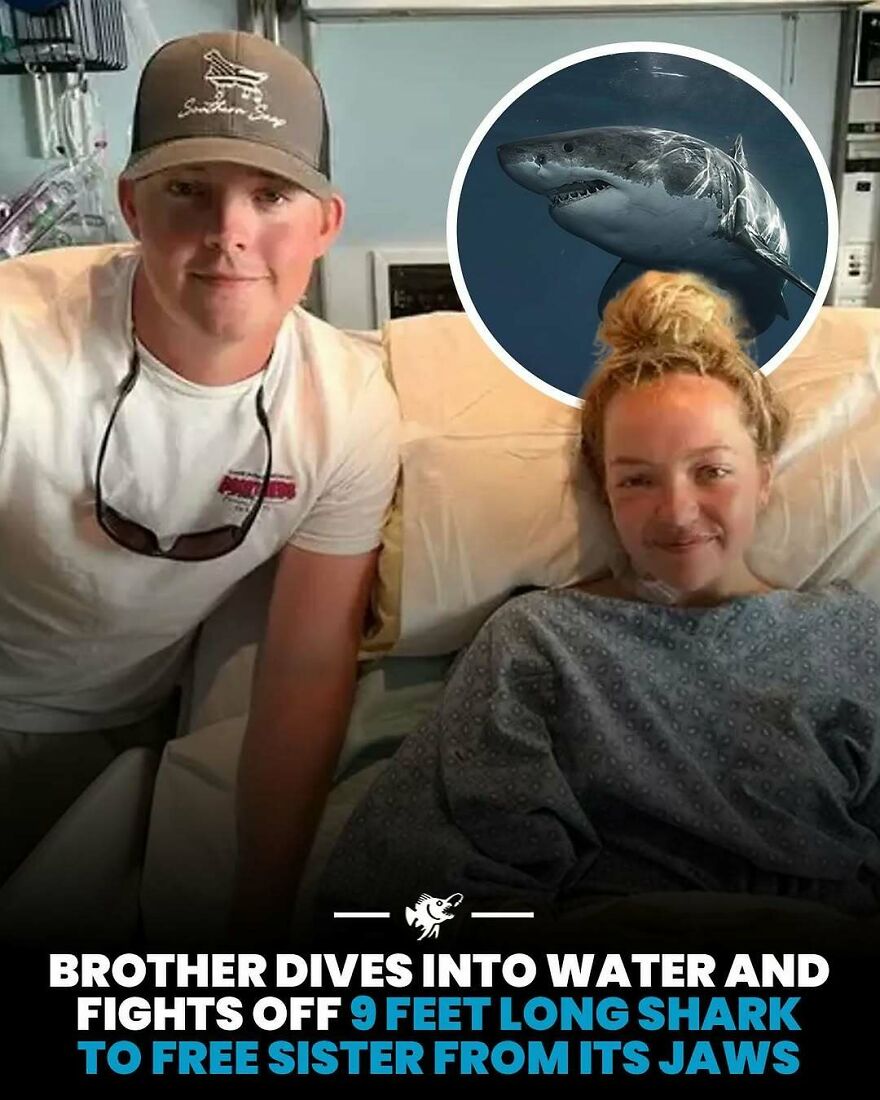
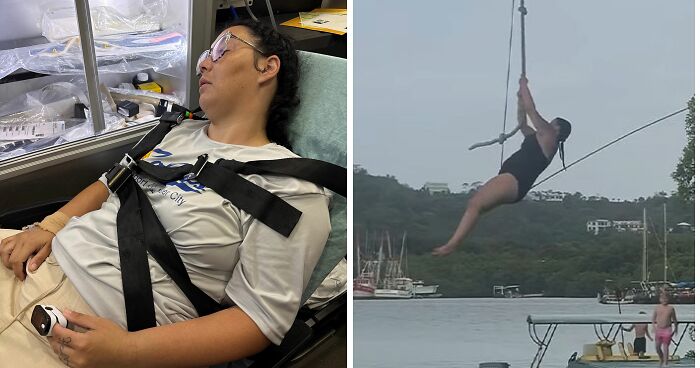
Seventeen-year-old Addison Bethea was scalloping in shallow waters near Grassy Island by Keaton Beach, Florida, when a shark suddenly attacked. Remembering advice she had once seen on Animal Planet about striking a shark on the nose, she tried to defend herself, but the way the shark had bitten her made it impossible to reach its head.
That’s when her older brother, 22-year-old Rhett Willingham, a firefighter and EMT, leapt into action. He jumped in, punching and kicking the shark until it released Addison, then hauled her onto his boat. Addison suffered severe injuries and was flown about 80 miles to Tallahassee Memorial Hospital, where she was listed in critical condition. Friends have since gathered by her ICU bedside, and despite the trauma, those close to her say she’s keeping her spirits up.

He'll bring this up in every argument and during his speech at her wedding
‘The Weird Unknown,’ which has a following of 1.7 million users on Instagram, has been entertaining, enlightening, and unnerving people with its posts since 2019. And we hope this never changes.
What are some fascinating, weird, or even disturbing science, history, and nature facts that you recently learned that completely shocked you? How do you like to stay up to date with new scientific breakthroughs and research? What is your relationship with the ocean like?
Once you’ve read through these ‘dark and scary’ posts, share your thoughts in the comments.
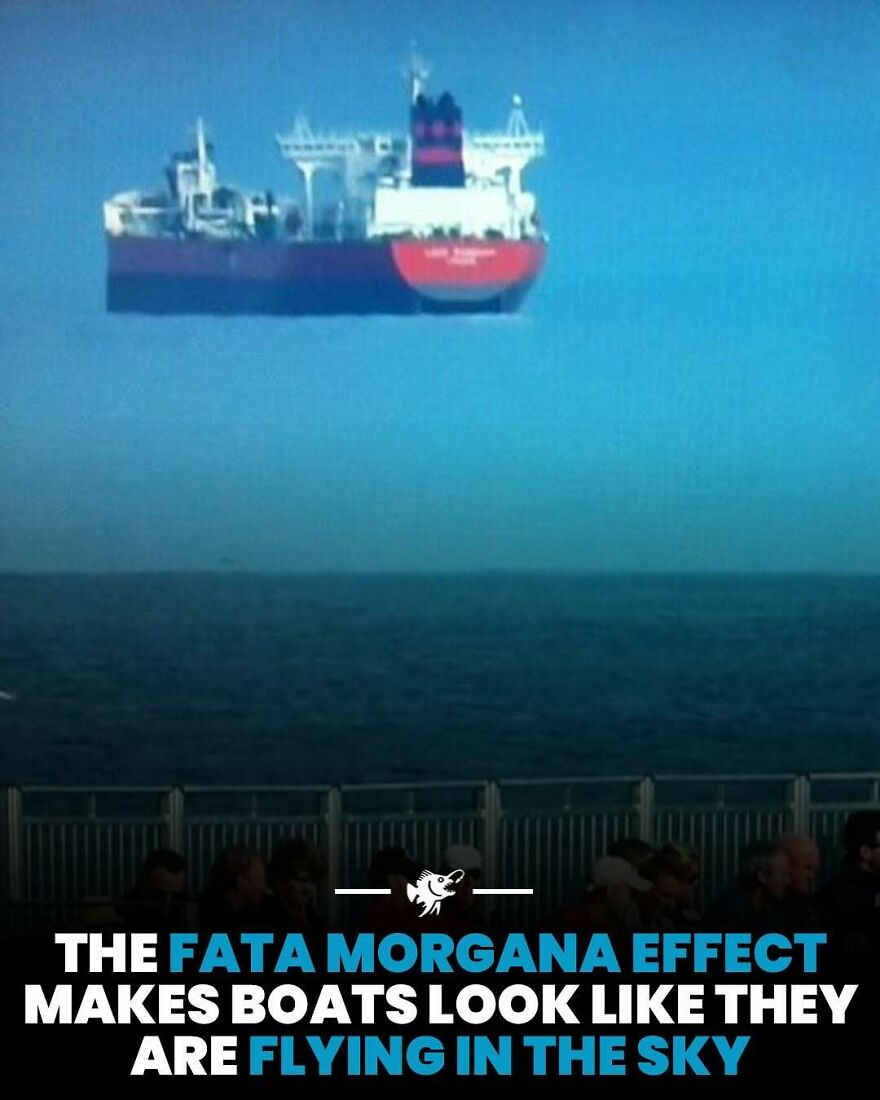
A Fata Morgana isn’t just a trick of the eye—it’s a complex atmospheric phenomenon that reshapes the horizon. Caused by layers of hot and cold air bending light, it creates distorted and elevated images of objects far away, often seen at sea or in polar zones. These illusions can make ships appear to float midair, ripple into ghostly silhouettes, or even stack like layered towers.

I have a pic of my nephew that I took on the beach that has the same effect. He's running towards the camera but it looks like he's floating above the sand. Really trippy.
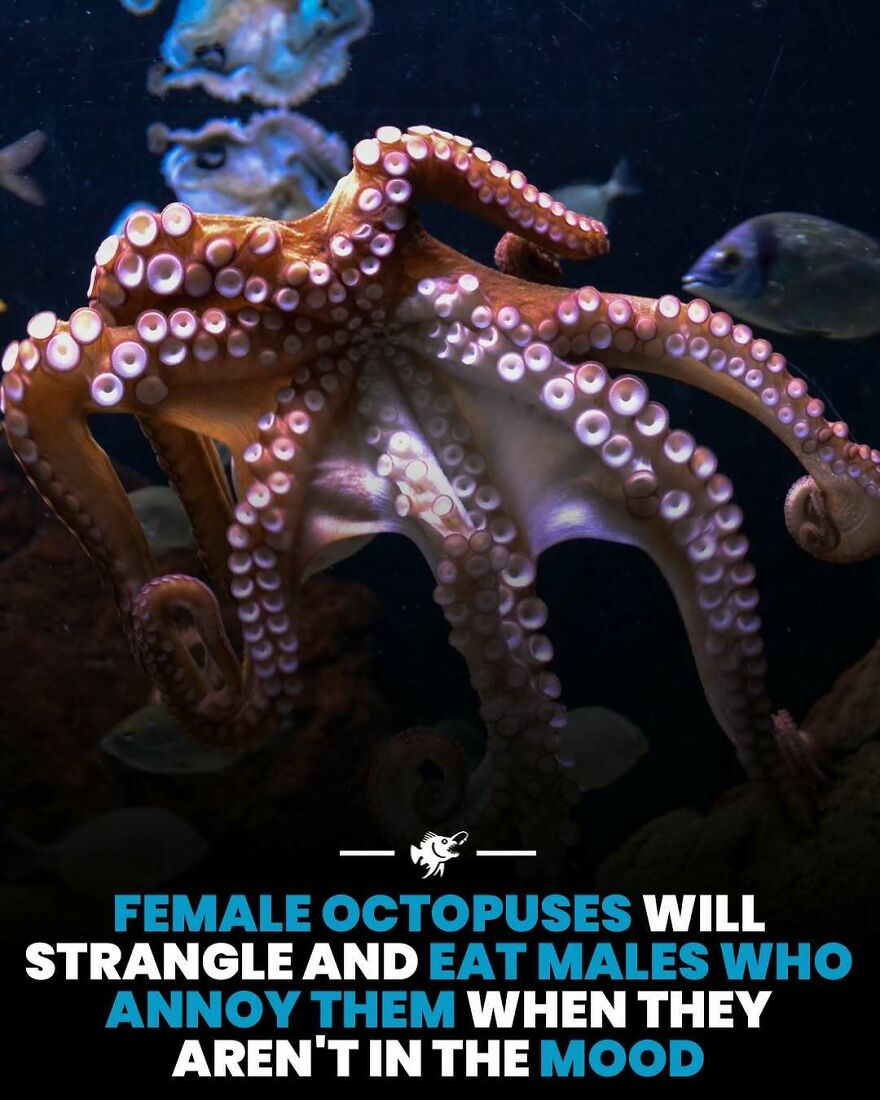
Female octopuses have been observed attacking and sometimes eating males, particularly when they feel threatened or reject mating attempts. As solitary, territorial animals, their interactions are often cautious and can quickly turn aggressive.
In response, males have evolved strategies to reduce risk, including mating from a distance using a specialized arm. The behavior reflects how survival pressures shape even basic interactions in species where cooperation is limited.
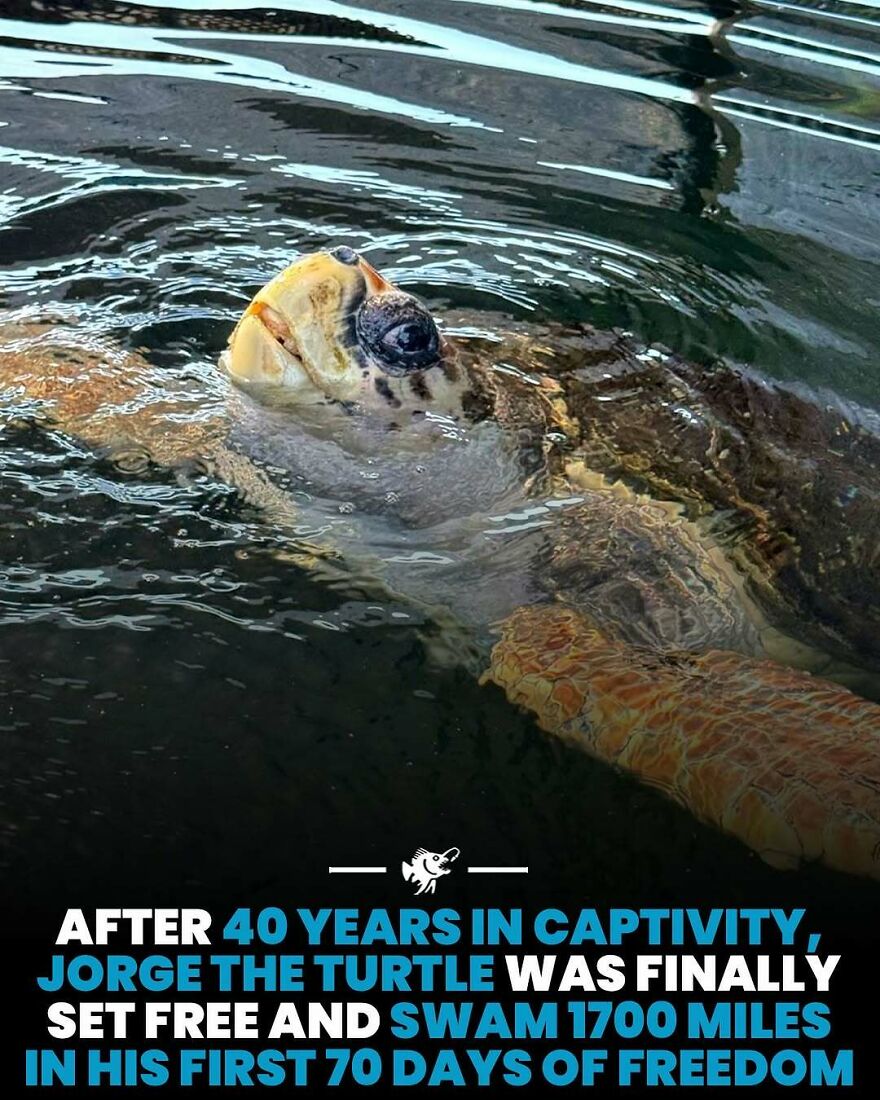
Jorge, a loggerhead sea turtle, spent most of his life in captivity in Argentina. He swam tight circles in a tank, fed from a bucket, and looked out at the world through glass. But everything changed on April 11, 2025, when a team released him 15 nautical miles off the coast of Mar del Plata. As waves rocked the boat, steady hands guided him to the edge. Then he slipped into the Atlantic, and disappeared.
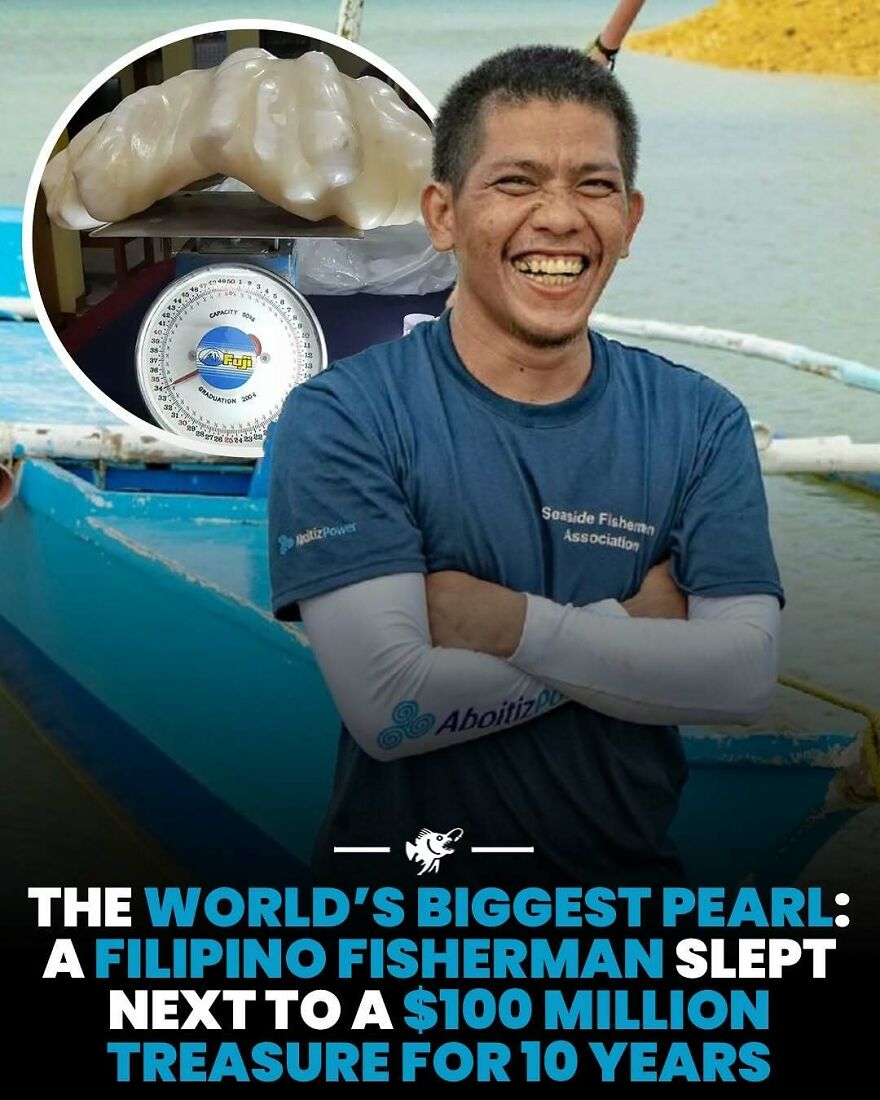
In 2014, a fisherman in the Philippines unknowingly stumbled upon a $100 million treasure during a routine trip at sea. Tangled in his anchor was a massive pearl weighing 34 kilograms (about 75 pounds), which he brought home and casually stored under his bed for over a decade, believing it to be a good luck charm. For ten years, the fisherman had no idea he was sleeping beside what may be the largest natural pearl ever discovered.
It wasn’t until 2016, when a relative urged him to have it evaluated, that he brought the pearl to tourism officials in Puerto Princesa, Palawan. The irregularly shaped “baroque” pearl—later dubbed the “Pearl of Puerto” or “Puerto Princesa Pearl”—stunned authorities. Estimated to be worth up to $100 million, the gem has since been on public display at city hall. Still, the fisherman has chosen not to sell it, and its future remains an open question—part cultural artifact, part unsold fortune.
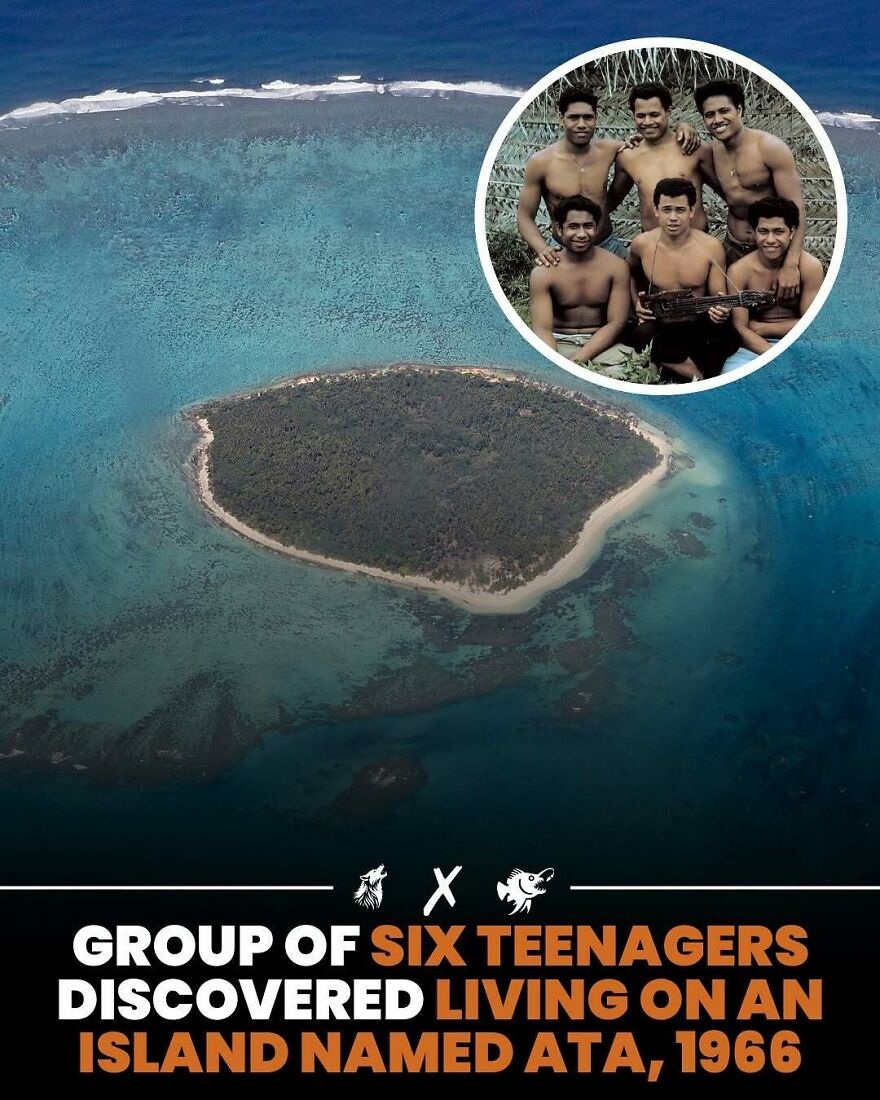
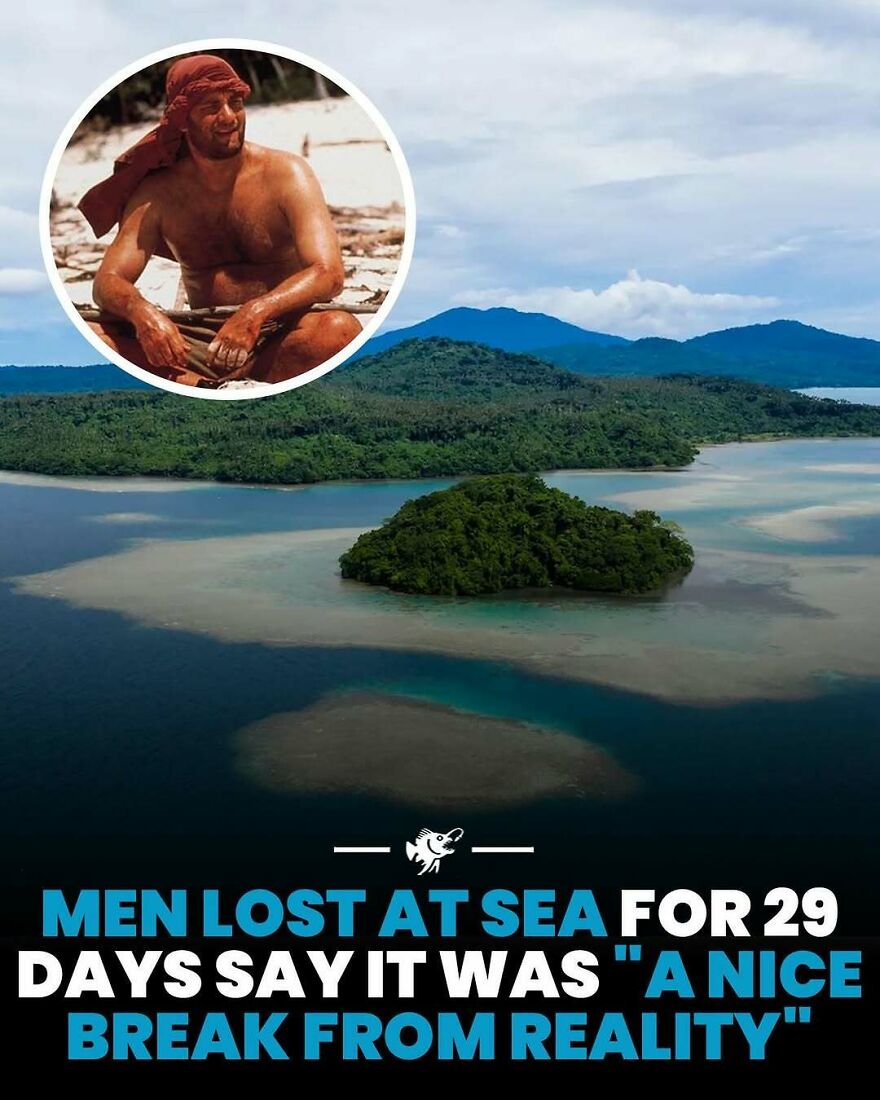
In 1966, six Tongan teenagers who had vanished over a year earlier were unexpectedly found alive on the desolate island of Ata in the South Pacific. Presumed lost at sea, the boys had survived 15 months in isolation, sparking amazement when Australian sailor Peter Warner stumbled upon them during a routine voyage.
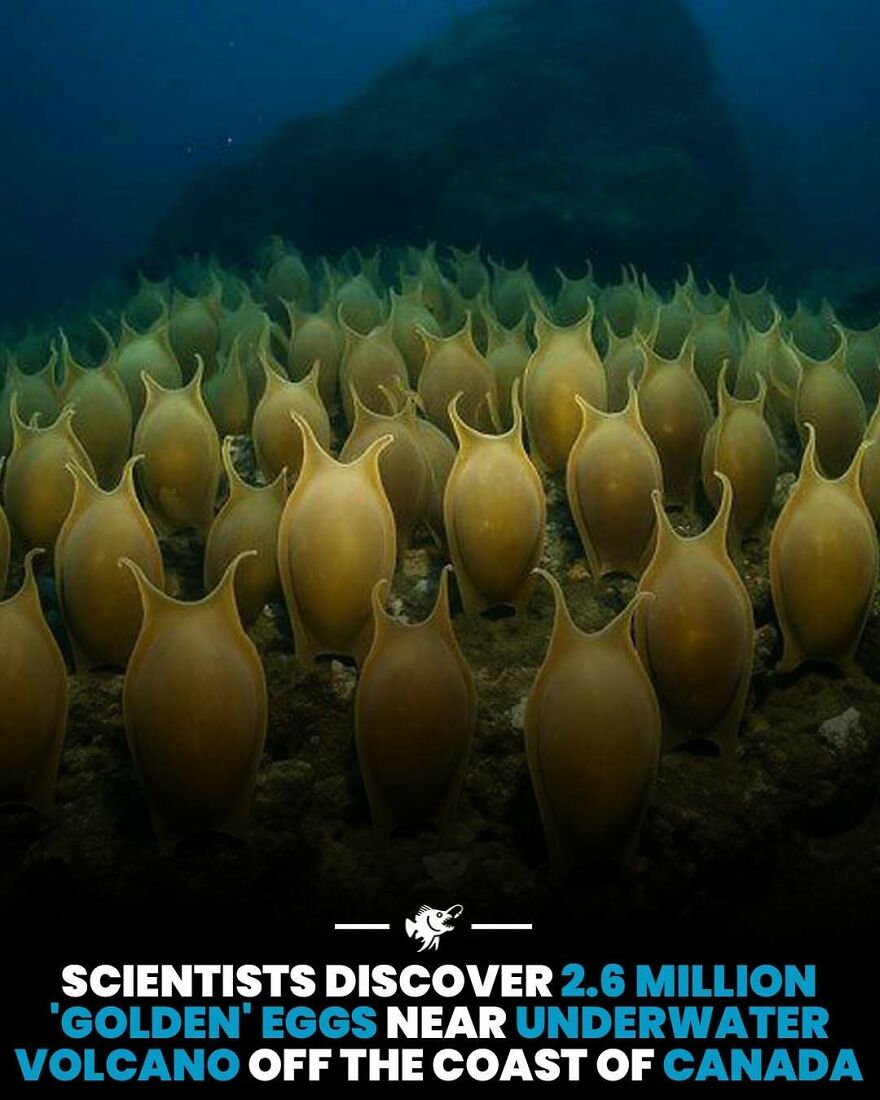
More than 2.6 million glowing golden eggs have been discovered nestled around a hydrothermal vent off Canada’s Pacific coast—one of the largest deep-sea nurseries ever recorded. Believed to be from the elusive Pacific white skate, the eggs were found concentrated on the slopes of an underwater volcano, where natural heat likely acts as an incubator.
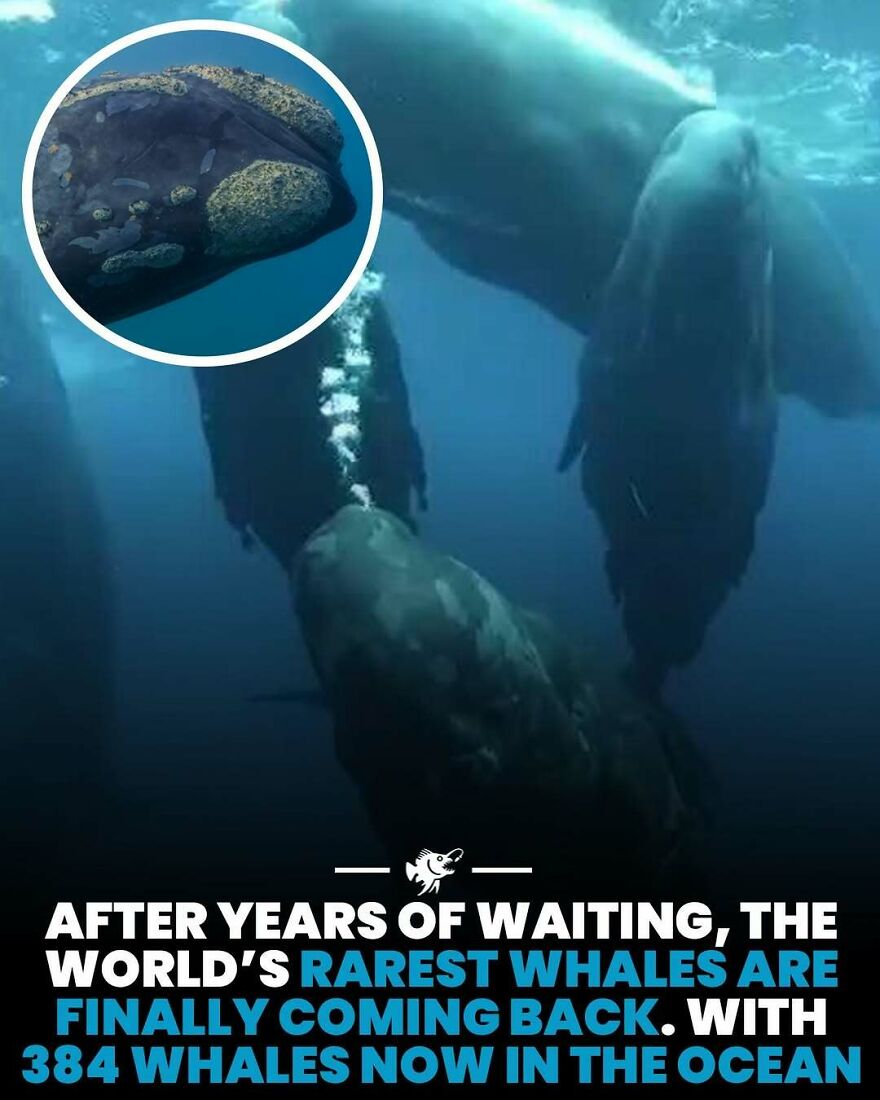
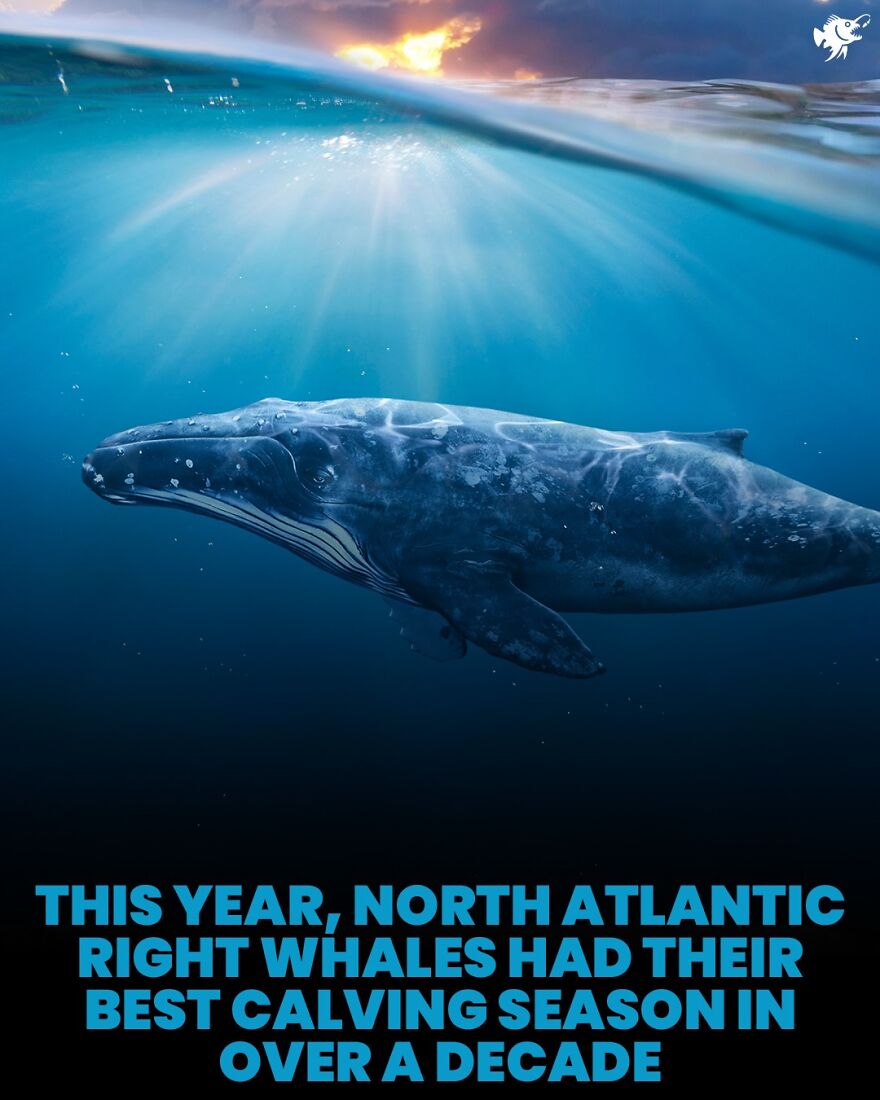
After years of anxiety around its survival, the North Atlantic right whale is showing signs of a fragile comeback. A 2025 report from the North Atlantic Right Whale Consortium estimates the population at 384 whales, a 2.1 percent increase from the previous year. More notably, the number reflects steady growth over four consecutive years, adding up to more than a 7 percent rise since 2020. Researchers point to targeted conservation measures, especially efforts to reduce ship strikes and entanglements along key migratory and feeding routes, as central to the turnaround.
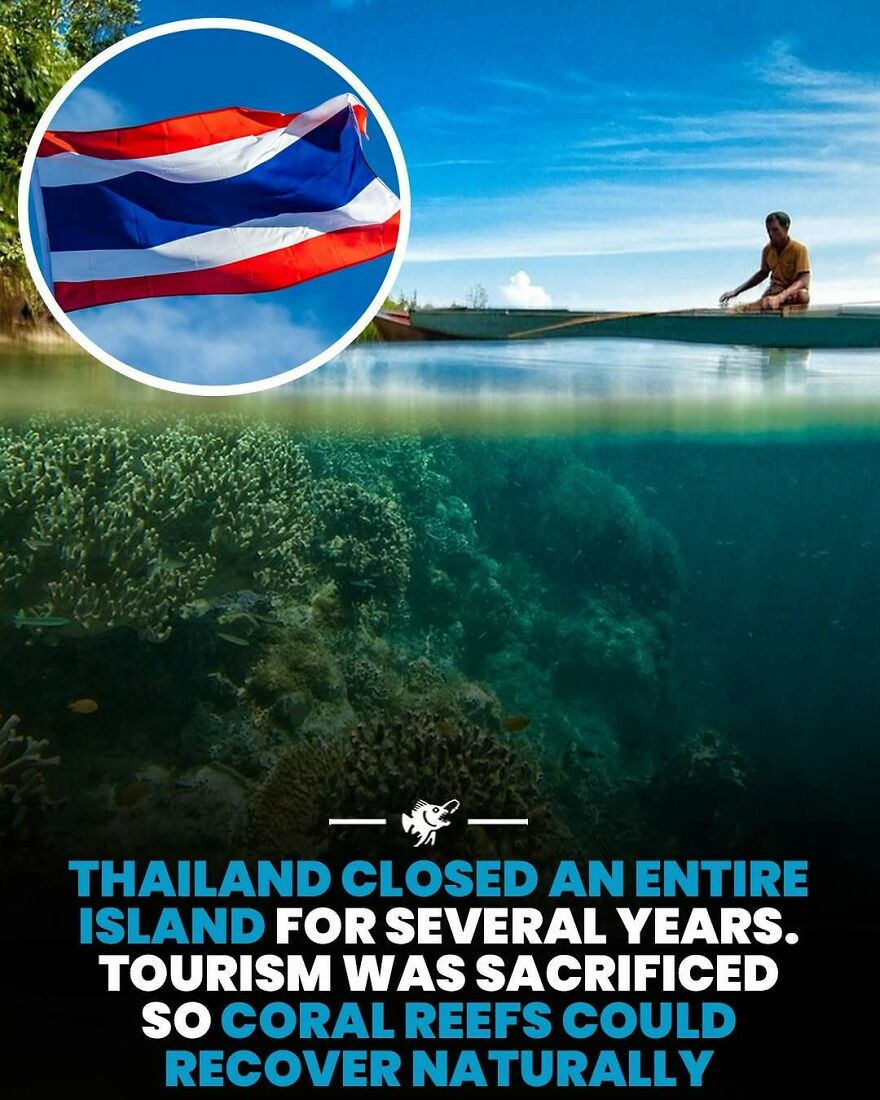
Thailand shut down parts of its coastline, including Maya Bay, for several years to allow severely damaged coral reefs to recover. Years of heavy tourism had led to pollution, boat damage, and collapsing marine ecosystems, forcing authorities to halt access entirely.
The closure worked. Marine life began returning, coral systems showed signs of regrowth, and the area reopened under strict limits on visitor numbers and boat access, turning it into a controlled example of how ecosystems can rebound when pressure is removed.
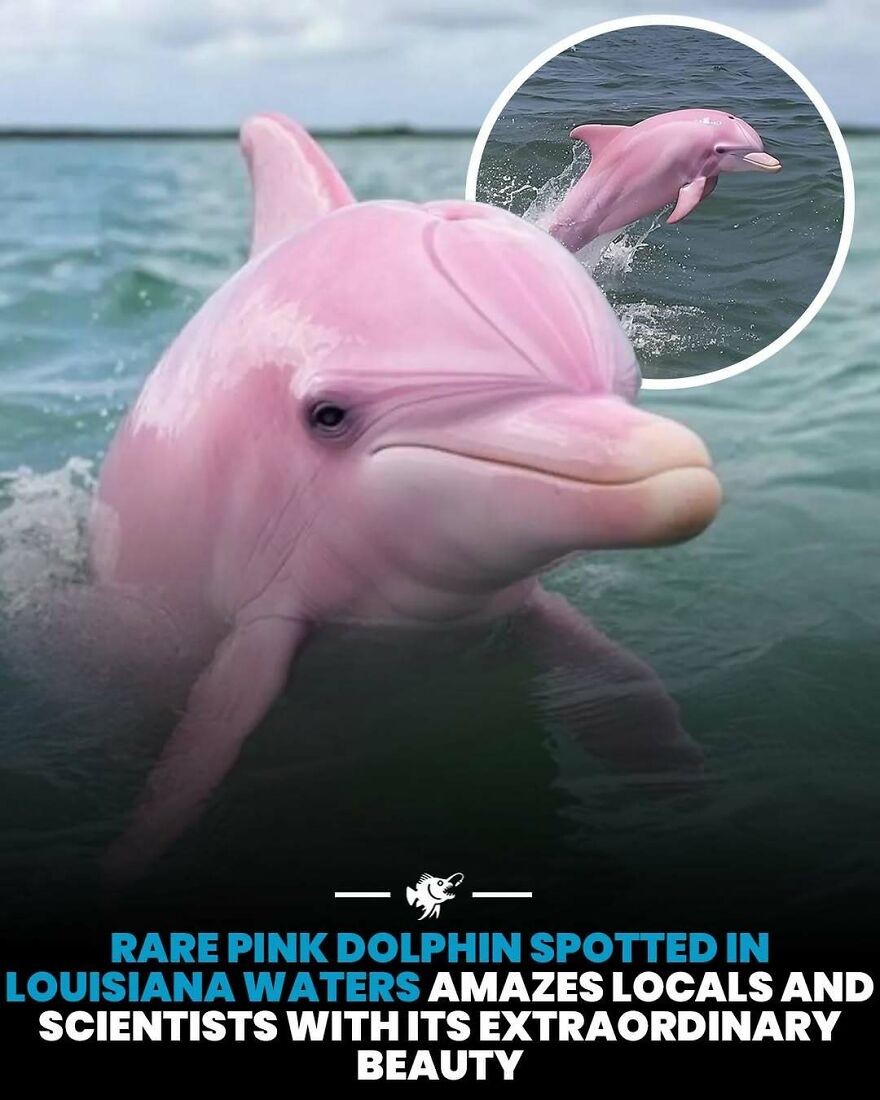
It sounds like something from a storybook, but an extremely rare pink bottlenose dolphin was recently spotted in Louisiana’s Calcasieu River, leaving boaters and scientists stunned. The dolphin is believed to be the same individual nicknamed “Pinky,” an albino first seen in 2007. She lacks melanin, the pigment that gives dolphins their typical gray color, so her skin appears bright bubblegum pink due to blood vessels visible beneath the surface.
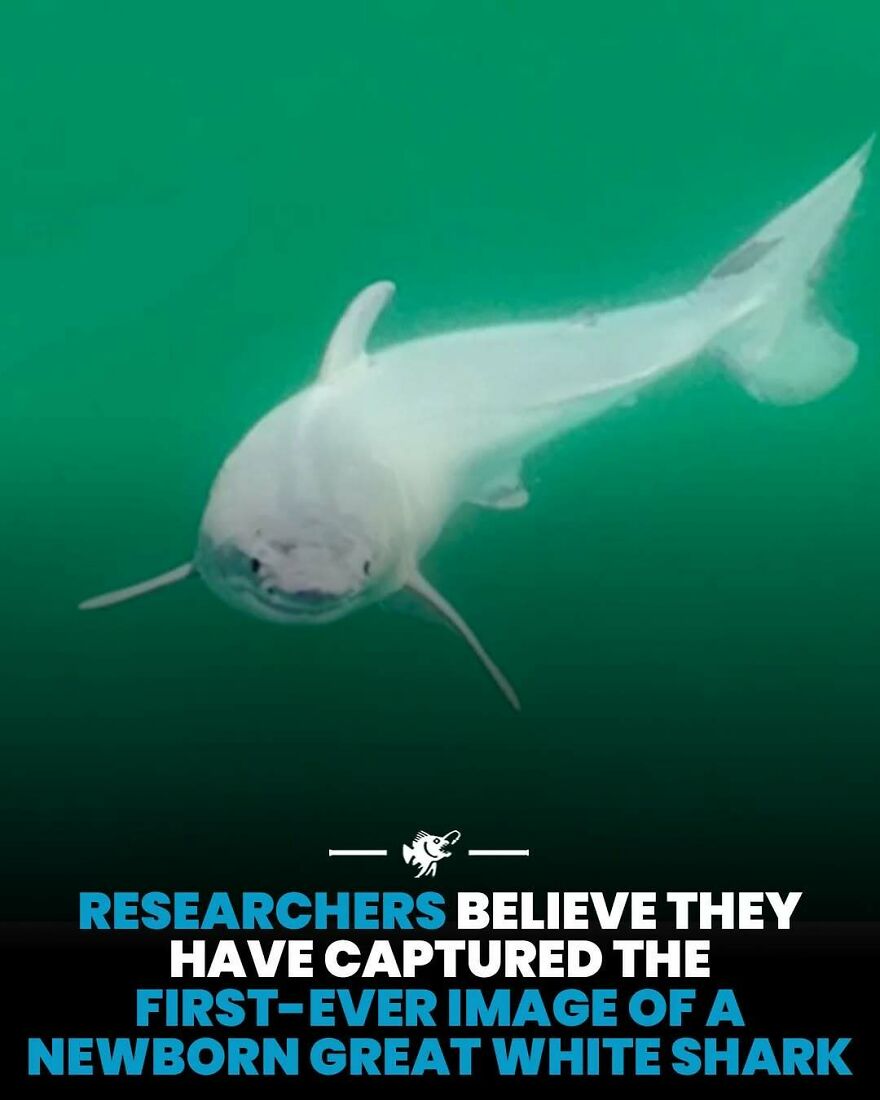
For the first time ever, scientists have captured an image of a live newborn great white shark in the wild—likely just hours old. While researchers have previously found newborns inside deceased mothers or encountered slightly older pups, this marks the first documented sighting of a fresh birth in open water.
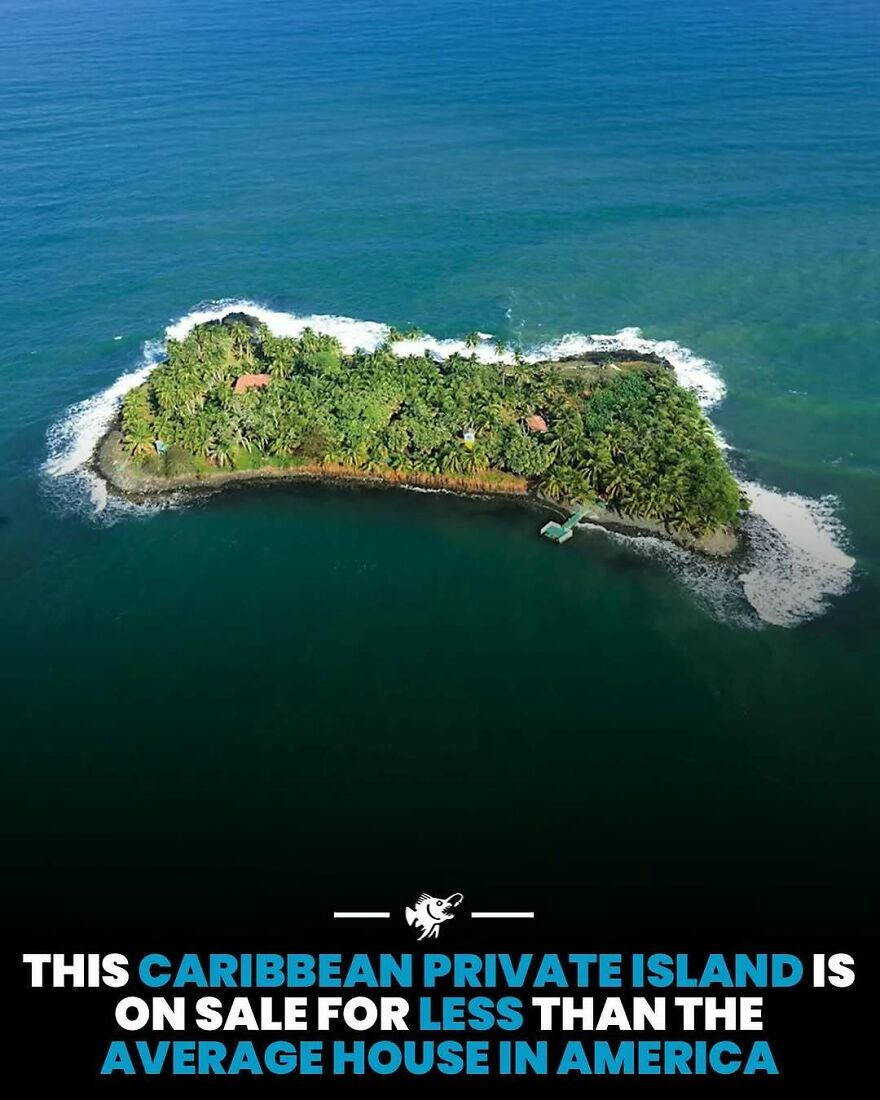
Iguana Island, a secluded slice of paradise off Nicaragua’s Caribbean coast, has officially hit the market. Located about 12 miles from Bluefields, the five-acre retreat comes fully equipped with a three-bedroom home, lush tropical surroundings, and even its own staff to keep things running smoothly.
The asking price? Just $475,000 — less than the cost of many city apartments. For buyers chasing privacy, natural beauty, and a ready-made escape, the listing offers the rare chance to literally own an island. The question is: who’s ready to make it theirs?
In 2021, the pair set out in a small motorboat with a sack of oranges and plans to travel 200 kilometers south to Niro on New Georgia Island, a familiar route. But when storm clouds rolled in and visibility vanished, they shut off their engine to conserve fuel and wait it out. The weather had other plans. Winds and rain pushed their boat 400 kilometers off course, sending them drifting northwest into unfamiliar waters.
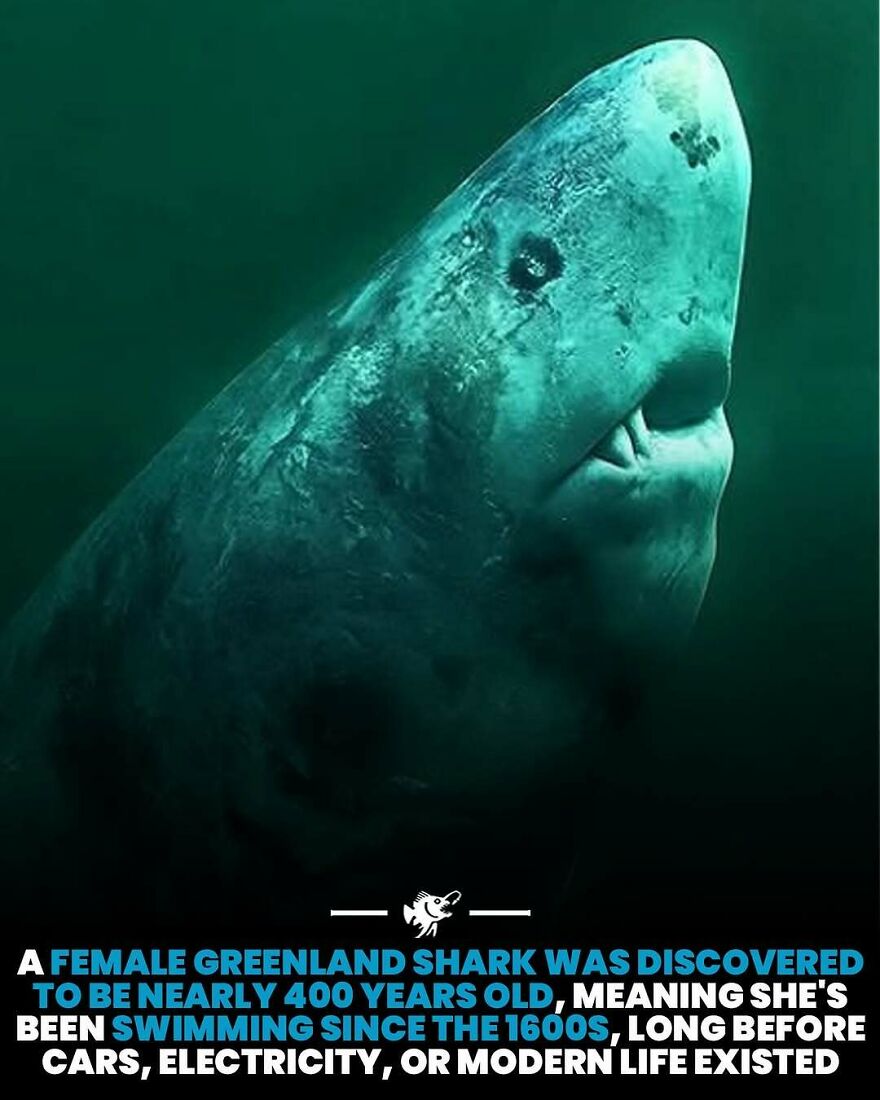
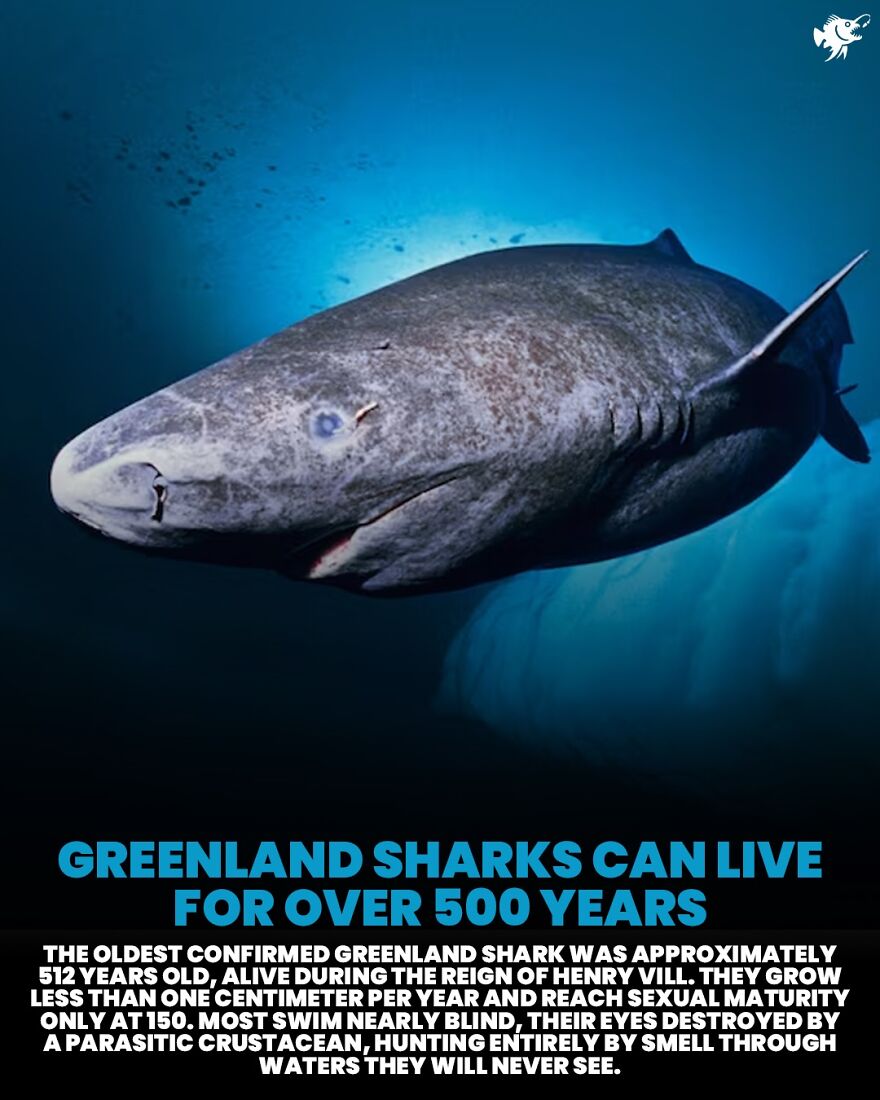
This living relic was already swimming through cold, lightless waters when Newton was formulating physics and the first telescopes were peering at the stars. As empires rose, technologies exploded, and the modern world took shape, she remained in the deep—unchanged, undisturbed.
Greenland sharks are the longest-living vertebrates known to science. One lifetime stretches across centuries of human history, from the dawn of industry to the digital age. And she’s still there—moving through the dark, carrying centuries in silence.
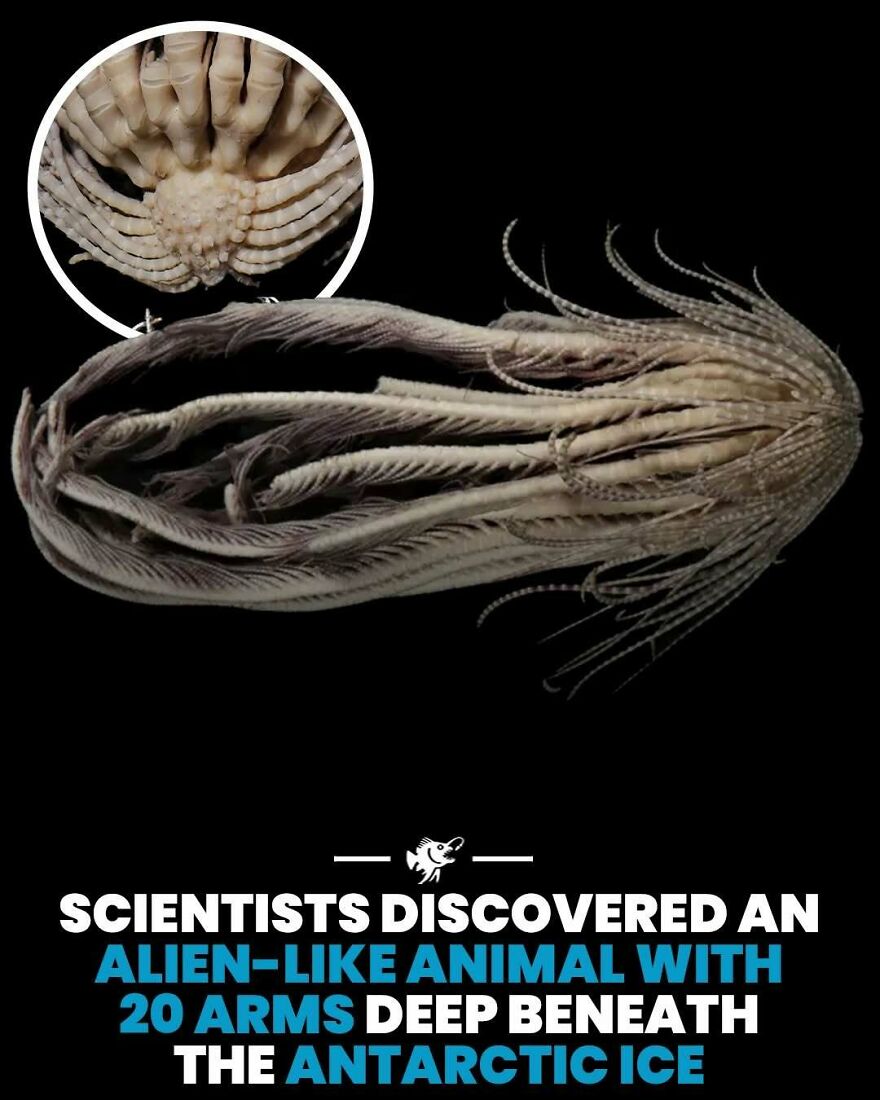
Scientists recently discovered the Antarctic strawberry feather star nearly 3,800 feet beneath the ocean off Antarctica—a deep-sea creature that looks more alien than earthly. With a central body resembling a strawberry and twenty feathery arms extending like delicate streamers, it drifts through icy waters collecting plankton.
The find highlights how little we still know about life in extreme environments. Each new species uncovered in the deep gives researchers insight into how organisms evolve and adapt in places once thought uninhabitable.
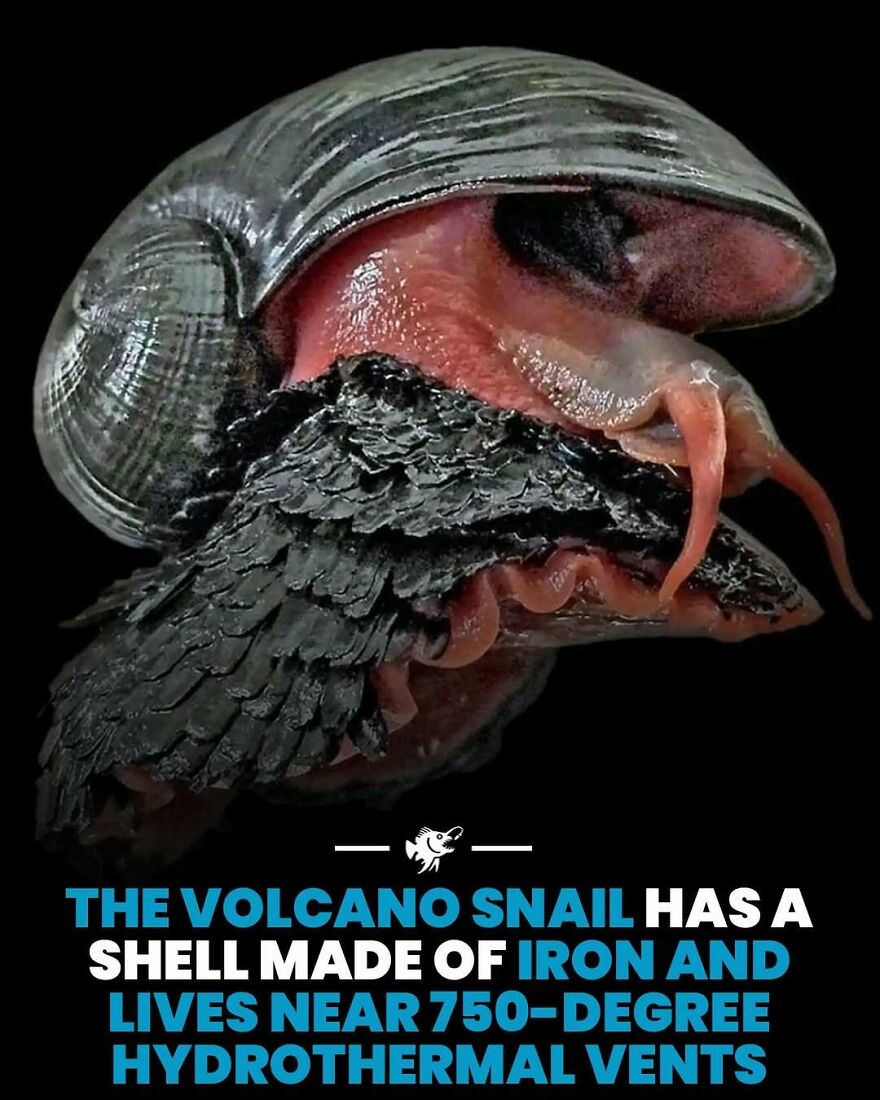
Meet the scaly-foot gastropod, also known as the volcano snail — a creature built for extreme conditions. This deep-sea marvel has a shell reinforced with iron sulfide, forming a natural suit of armor that protects it from the harsh environment it calls home. It thrives near hydrothermal vents where temperatures can reach up to 750°F (400°C), surviving in conditions that would destroy most life forms.
In Poland, a cow destined for slaughter broke free during transport and made an unexpected escape, swimming across a nearby lake to reach a small island.
The animal remained there for weeks, avoiding attempts to bring her back. As news of the unusual standoff spread, public sympathy grew and pressure mounted to spare her life. Authorities ultimately allowed the cow to remain alive rather than returning her to the slaughterhouse, turning the escape into a small but memorable victory for the animal.

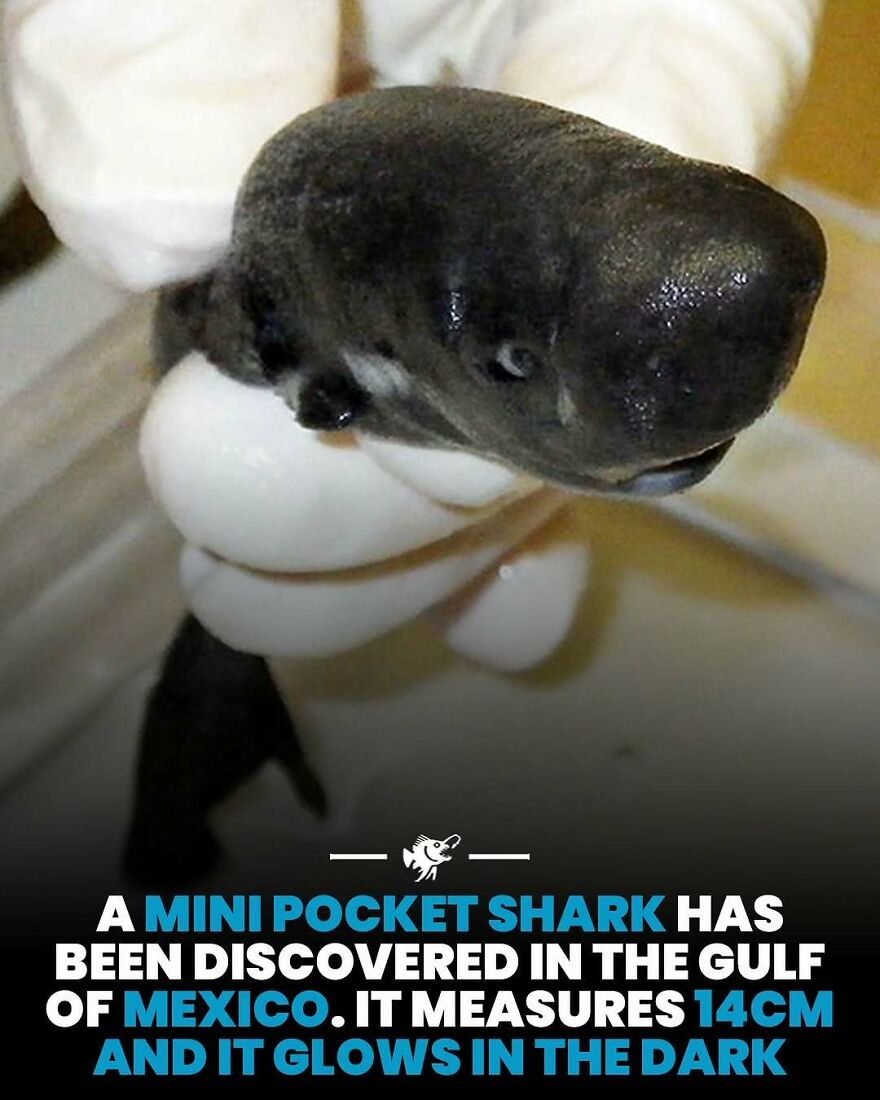
Measuring just 14 centimeters long, this rare species fits neatly into the palm of a hand. With only two specimens ever recorded, it’s one of the most elusive sharks scientists have encountered. The discovery wasn’t even the result of a shark expedition. Researchers collecting deep-sea samples while studying sperm whales stumbled upon the pocket shark years later during analysis. What they found was startling: the shark had tiny pockets near its gills that release bioluminescent fluid, and its skin is dotted with photophores—specialized light-emitting organs.
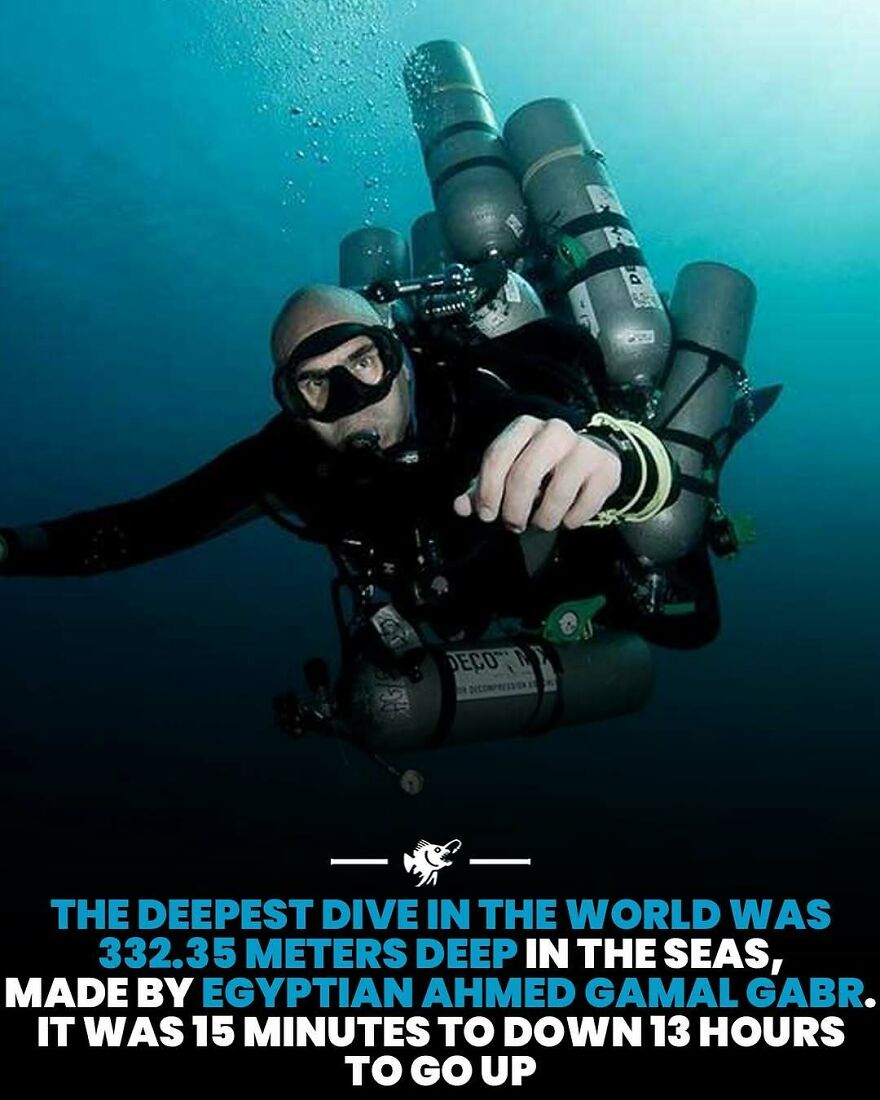
In 2014, Ahmed achieved a record-breaking dive using only oxygen cylinders, a feat that was nearly a decade in the making. His descent required close to 10 years of preparation—training, technical planning, and conditioning to endure the extreme depth.
The delay in his return wasn’t due to error but to mandatory decompression stops. These pauses are crucial for adjusting the body to changing pressure levels during ascent, preventing serious risks like decompression sickness. In deep diving, the climb back to the surface is just as critical as the journey down.

Good lord it seems like at that depth your head would implode! 😳
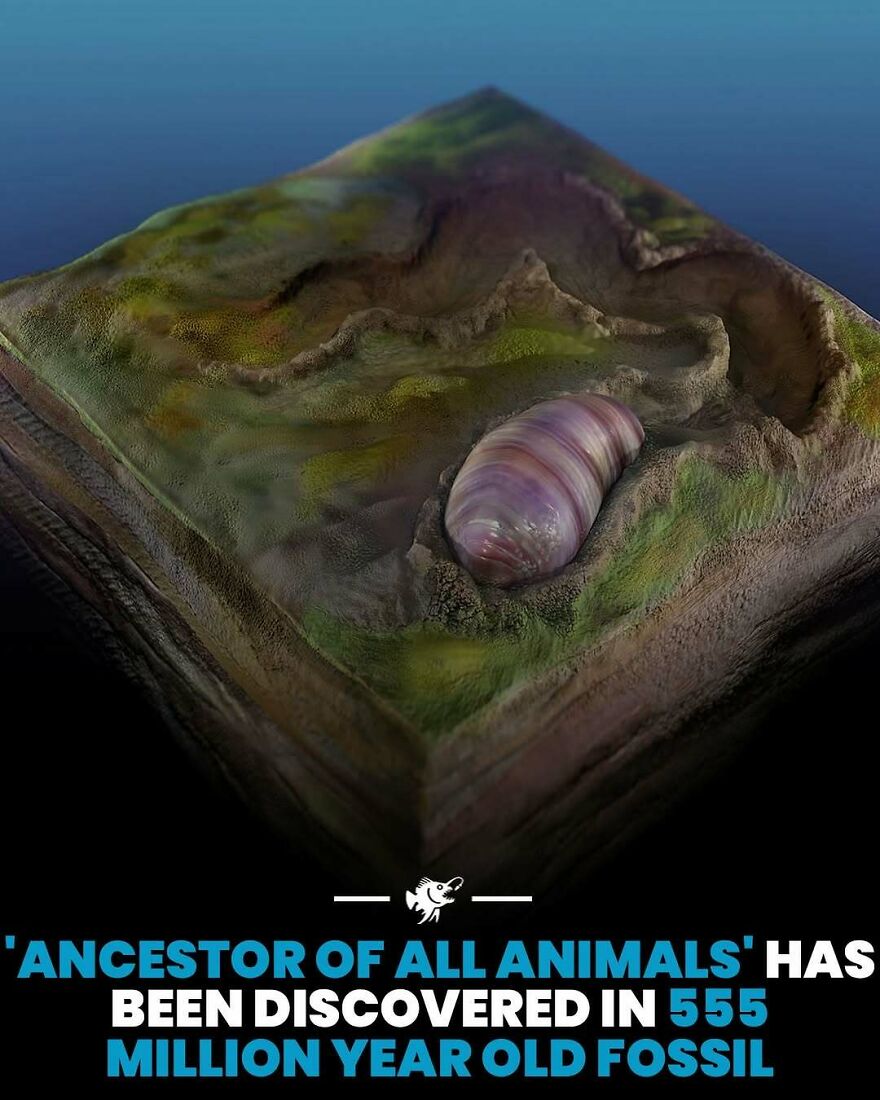
A team of geologists from UC Riverside has identified what may be the oldest known ancestor of nearly all modern animals, including humans. The discovery, detailed in Proceedings of the National Academy of Sciences, centers on a tiny, wormlike creature named Ikaria wariootia. Measuring only a few millimeters, this ancient organism is classified as a bilaterian—an animal with a distinct front and back, symmetrical sides, and a through-gut with openings at each end. These core traits set the blueprint for countless species that followed.

Ok Pandas, the first organism that defined the general layout of an animal was a type of Flatworm. Head and mouth at the front, stomach/digestive system in the middle and a hole at the back for waste. This post leaves much to be discussed (looking at you BP, with your AI kink. Do some research! 🧐).
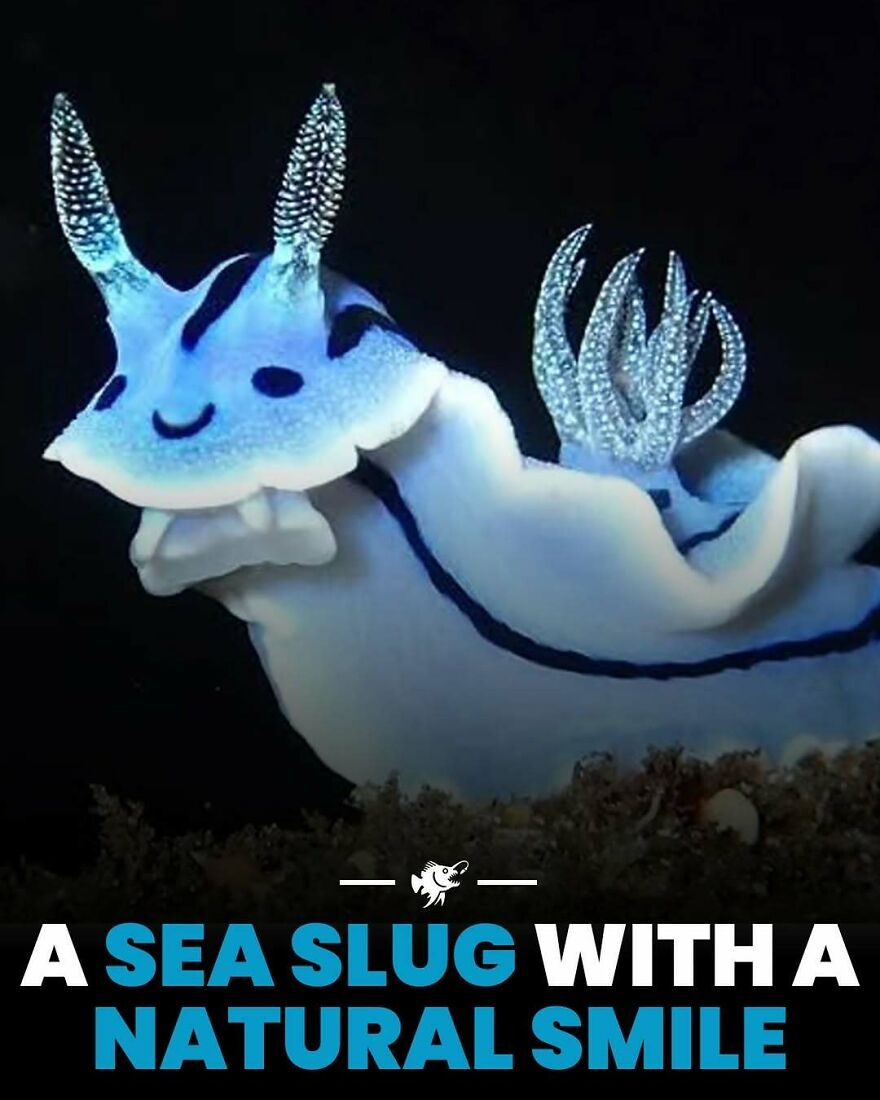
Sea slugs, known as nudibranchs, are marine mollusks that evolved away from protective shells, replacing armor with chemistry and spectacle. Their vivid colors and intricate patterns function as warning signals, advertising toxins or an unpleasant taste derived from what they eat. Some species even appropriate defensive compounds directly from their prey, turning consumed poisons into their own deterrent.
My faves! The various colours of different nudibranchs are incredible!
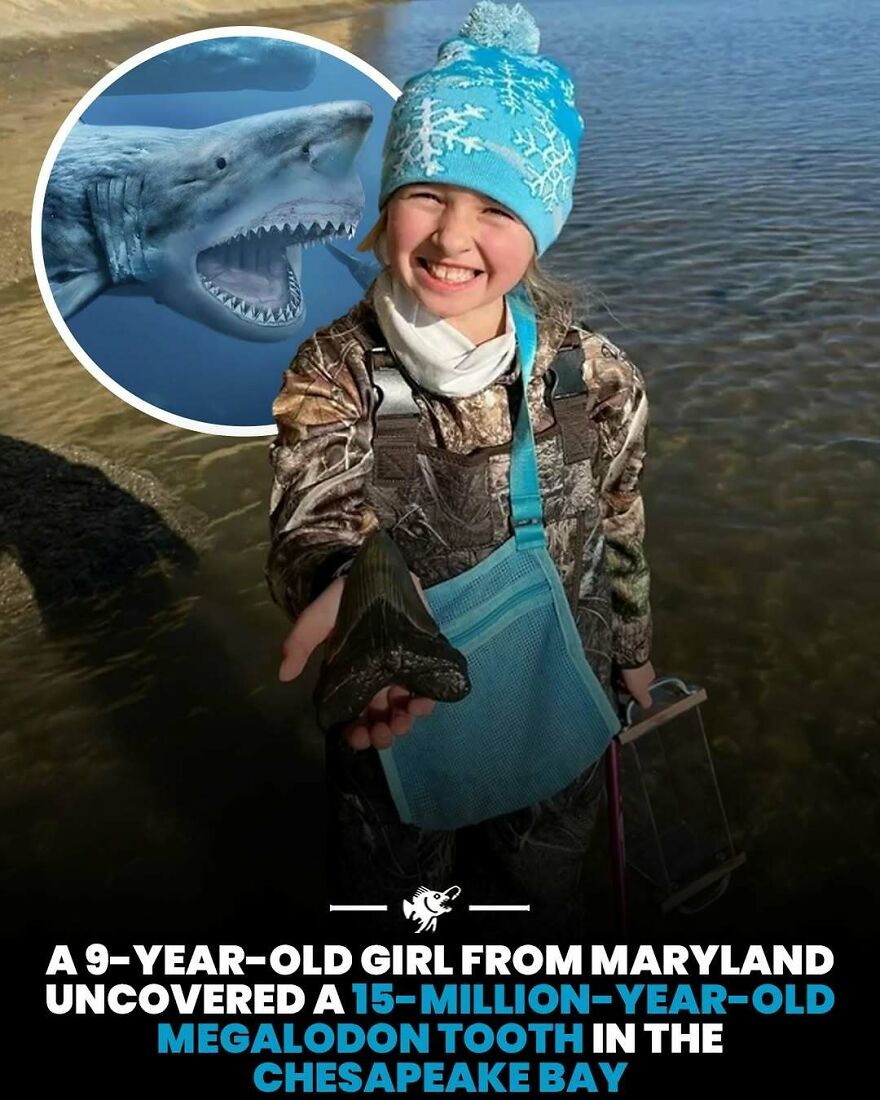
Molly Sampson, a 9-year-old from Maryland, found a five-inch megalodon tooth while wading through the Chesapeake Bay at Calvert Cliffs.
The Calvert Marine Museum confirmed it. The tooth came from the largest shark species that ever lived, dating back roughly 15 million years to the Miocene epoch. Back then, the area was underwater, part of a prehistoric sea.
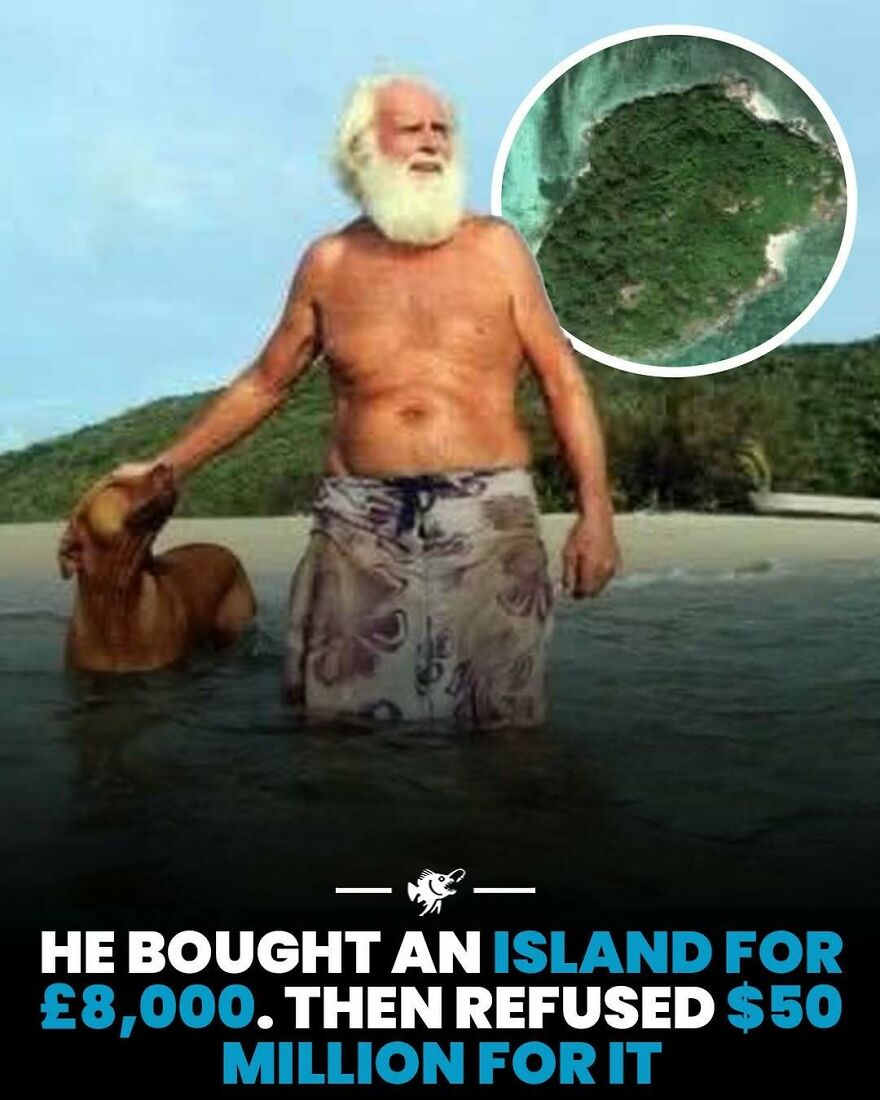
In 1962, Brendon Grimshaw purchased the abandoned Moyenne Island in the Seychelles for £8,000, turning what was essentially an overlooked patch of land into a long-term personal project. Over decades, he reshaped the island into a nature sanctuary, planting around 16,000 trees and reintroducing wildlife, including giant tortoises.
Cant quite put my finger on why...but he doesnt really look like a BRENDON to me! 🤔🤔🤣
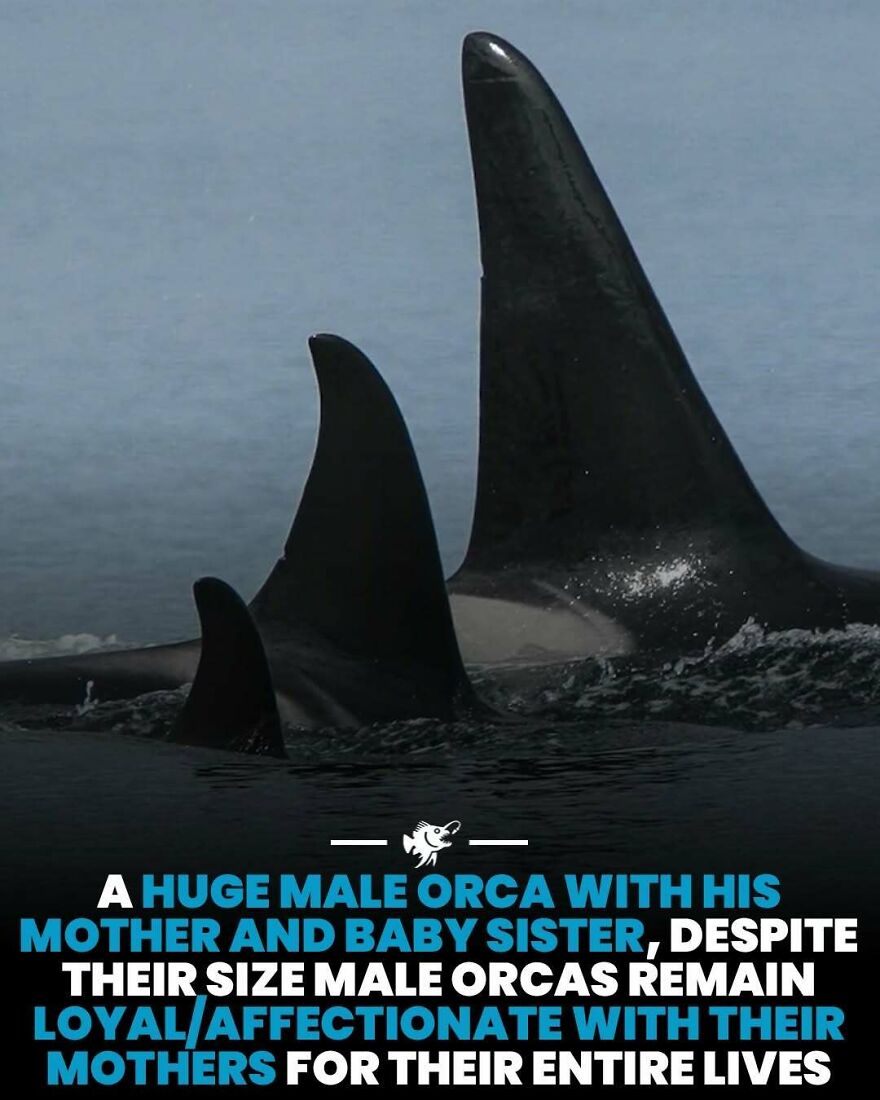
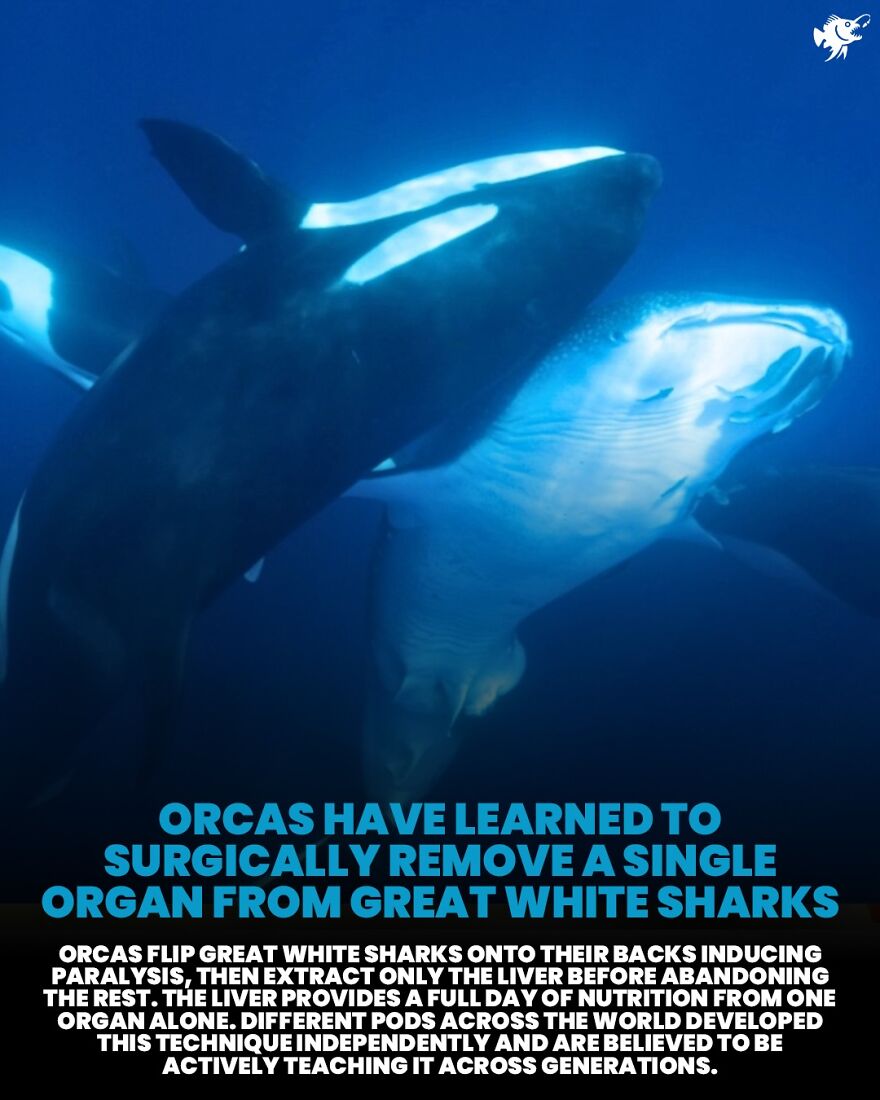
Male orcas develop unusually strong bonds with their mothers and never really leave them. Unlike most mammals, where adult males disperse from the family group, male orcas remain in their mother's pod for life, sometimes for 60 to 80 years. They swim alongside her, hunt with her, and rely on her for guidance long after reaching full size at six tons and 25 feet long.
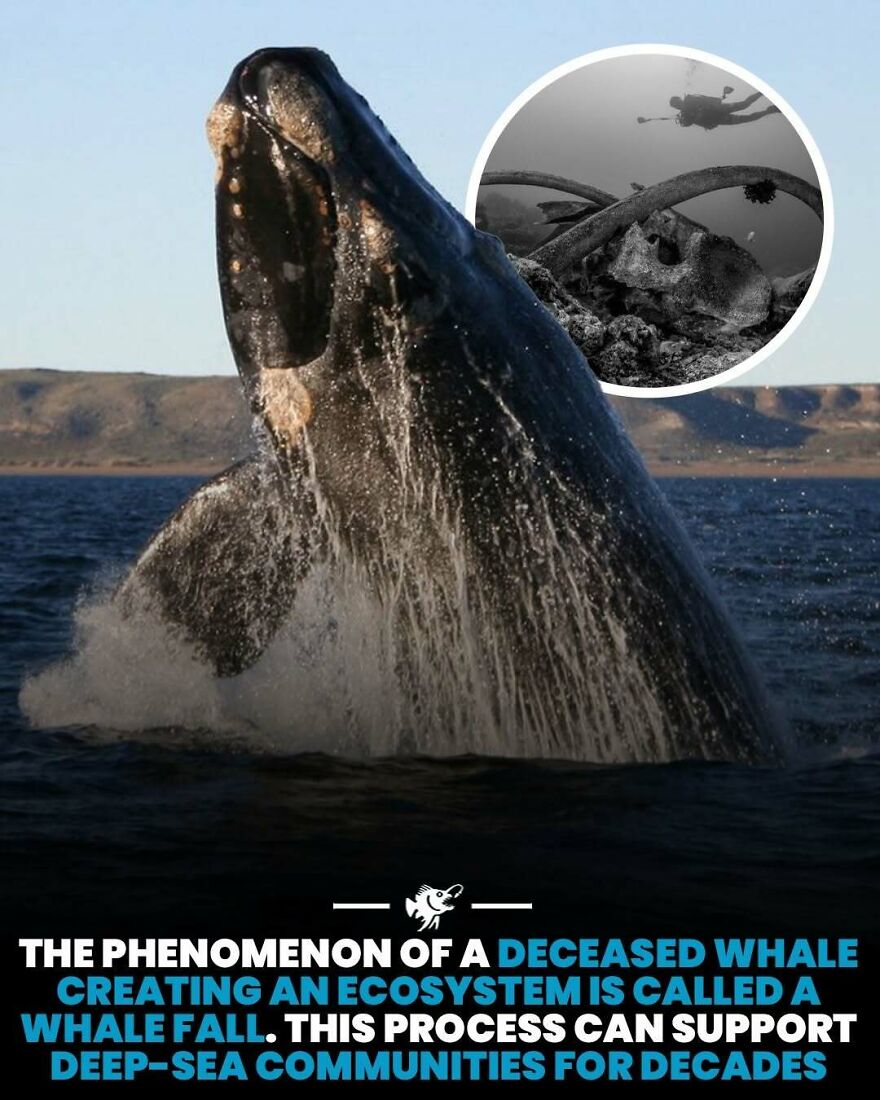
When a whale passes and sinks to the ocean floor, it can spark an entire ecosystem. The process is known as a whale fall, and it unfolds slowly, sometimes supporting deep sea life for decades after the animal’s passing. The massive body becomes a food source in stages. First, scavengers consume soft tissue. Then smaller organisms move in, followed by bacteria that break down bones and release nutrients. In one event, a single whale can sustain dozens of species, many found nowhere else.
Harry Nilsson sang about whales in The Point (1970): 🎶He died and left his body to the bottom of the ocean. Now everybody knows that when a body decomposes the basic elements are given back to the ocean and the sea does what it oughta and soon the salty water (not too good for drinking) 'cos it tastes just like teardrop (so we run it through a filter) and it comes out from a faucet (and it pours into a teapot) which is just about to bubble now.🎶
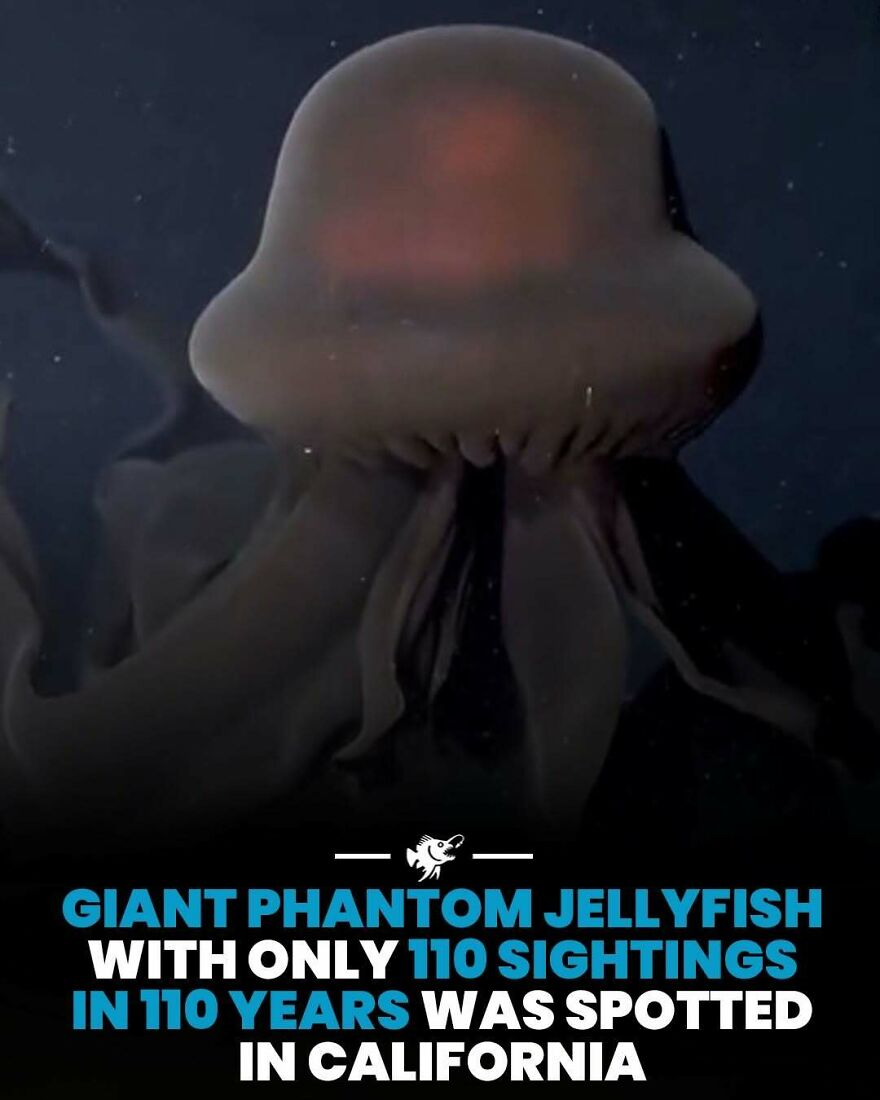
A giant phantom jellyfish was recently observed 3,200 feet below the surface in Monterey Bay, California—a rare event considering only about 110 of these creatures have been officially documented in the past century. With a bell that can reach 3.3 feet across and trailing arms stretching up to 33 feet, the species remains mysterious.
Typically found as deep as 22,000 feet, these jellyfish are believed to feed on plankton and small fish. Their elusive nature and extreme habitat make each sighting a significant scientific event.
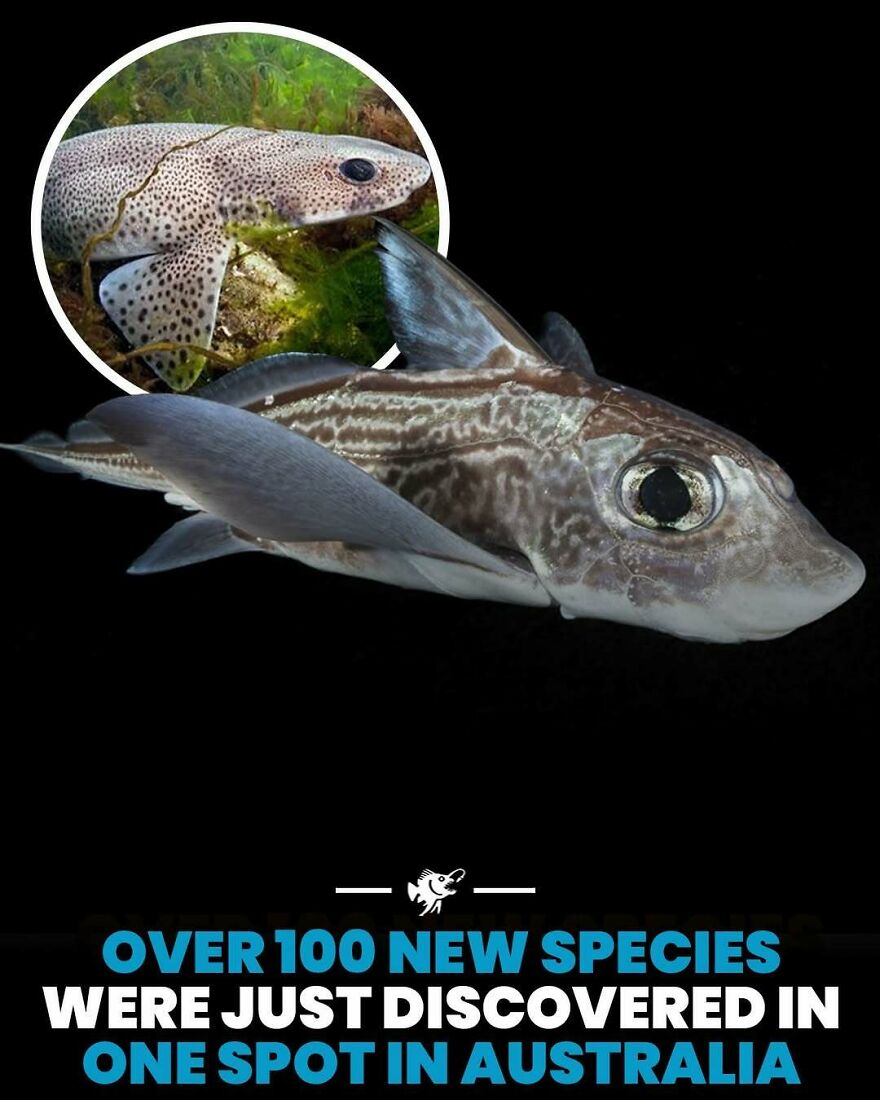
An expedition in the Coral Sea Marine Park off Australia has revealed a large number of previously unknown species living at depths of up to 3,000 meters. Scientists documented more than 110 new forms of life during the survey, including four cartilaginous fish, two types of rays, a deep-water catshark, and a chimaera.

A startlingly large number of new shark species have been discovered in Australian waters in the past 50 years.
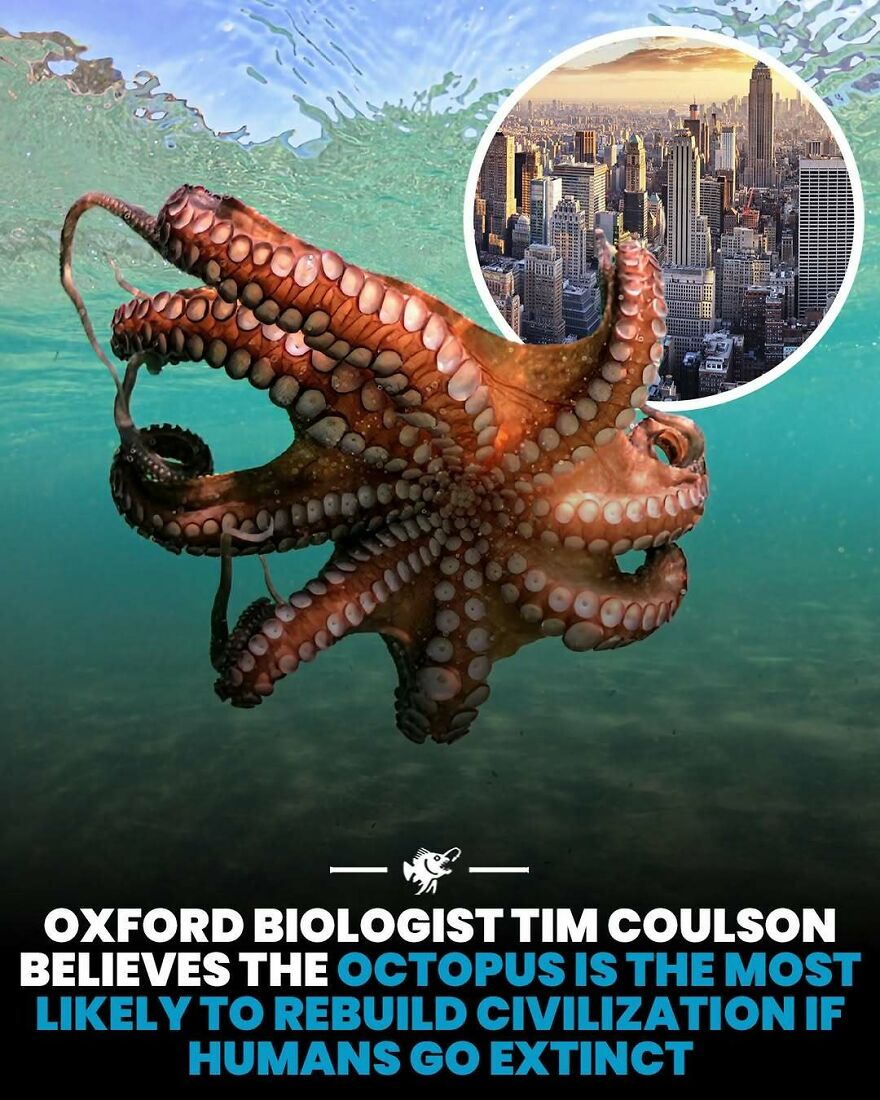
According to University of Oxford zoologist Tim Coulson, octopuses could be the species most likely to build a civilization if humans were to go extinct. The argument, laid out in his 2024 book The Universal History of Us, rests on their intelligence, adaptability, dexterity, and problem-solving ability. Octopuses navigate mazes, use tools, escape complex enclosures, and learn by observation, traits exceptionally advanced for an invertebrate.
See episode "The tentacled forest" in the series "The future is wild" from the year 2002. It has cephalopods swinging though the branches like gibbons.
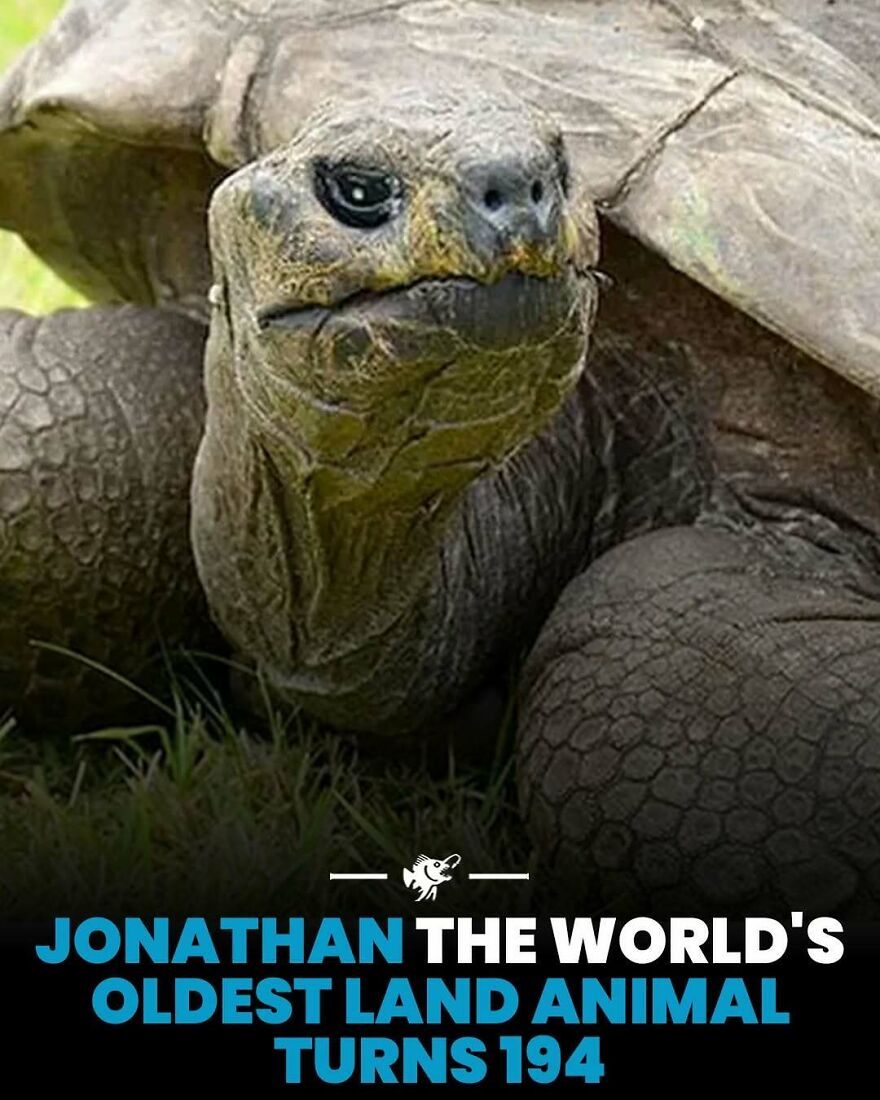
Jonathan the tortoise has turned an estimated 194 years old, and he remains the oldest known living land animal on Earth. A Seychelles giant tortoise born around 1832, he lives on the grounds of Plantation House, the governor's residence on the remote South Atlantic island of Saint Helena, where he has resided since roughly 1882.
Jonathon the tortoise always has a look on his face that says..."im so tired of this shìt"! 🤣
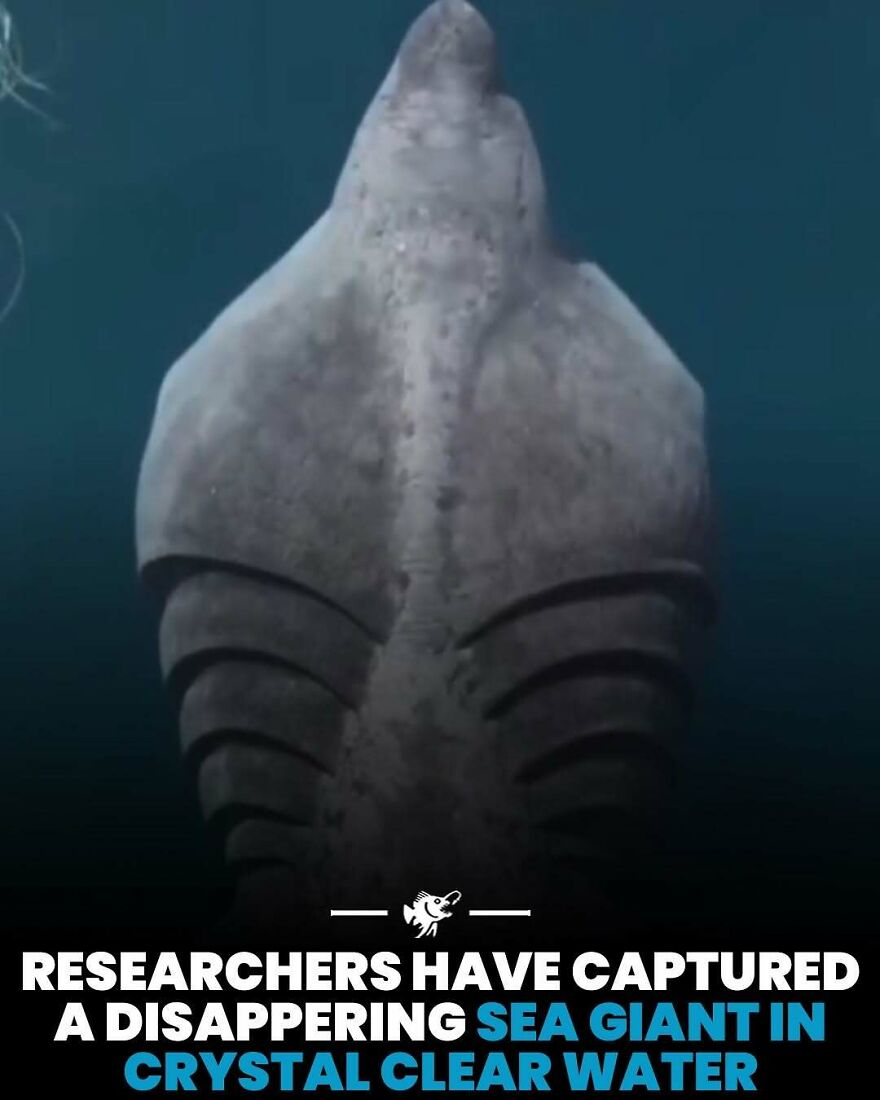
Off the coast of Southern California, something rare and massive just appeared beneath the waves—a giant basking shark, the second largest fish on Earth.
These gentle filter feeders are almost never seen in this region, making the sighting a standout moment for researchers and marine watchers alike. For a brief stretch of time, a massive shadow cruised silently through crystal-clear water before vanishing again into the deep. It was a reminder that no matter how much we explore, the ocean still keeps some of its biggest surprises just out of reach.
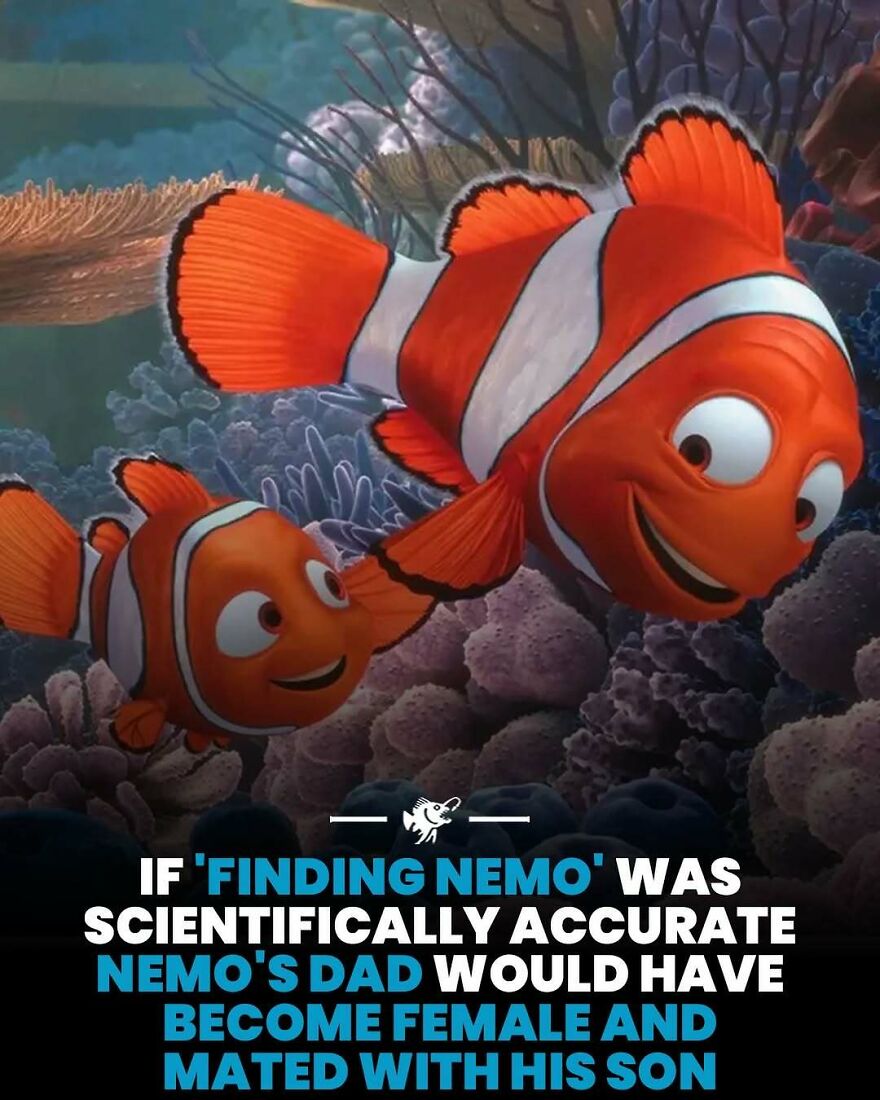
In the real ocean, clownfish biology operates on a system that’s far from family-friendly. Clownfish are sequential hermaphrodites, starting life as males and becoming female if the dominant female dies. That means after Coral’s death in Finding Nemo, Marlin wouldn’t just remain a single dad—he’d transition into the new dominant female. Meanwhile, Nemo, as the next mature male, would become her reproductive partner.
This natural reproductive strategy maintains the social hierarchy within clownfish groups but highlights just how wildly nature can diverge from cinematic storytelling. Disney made the right call keeping the science on mute.
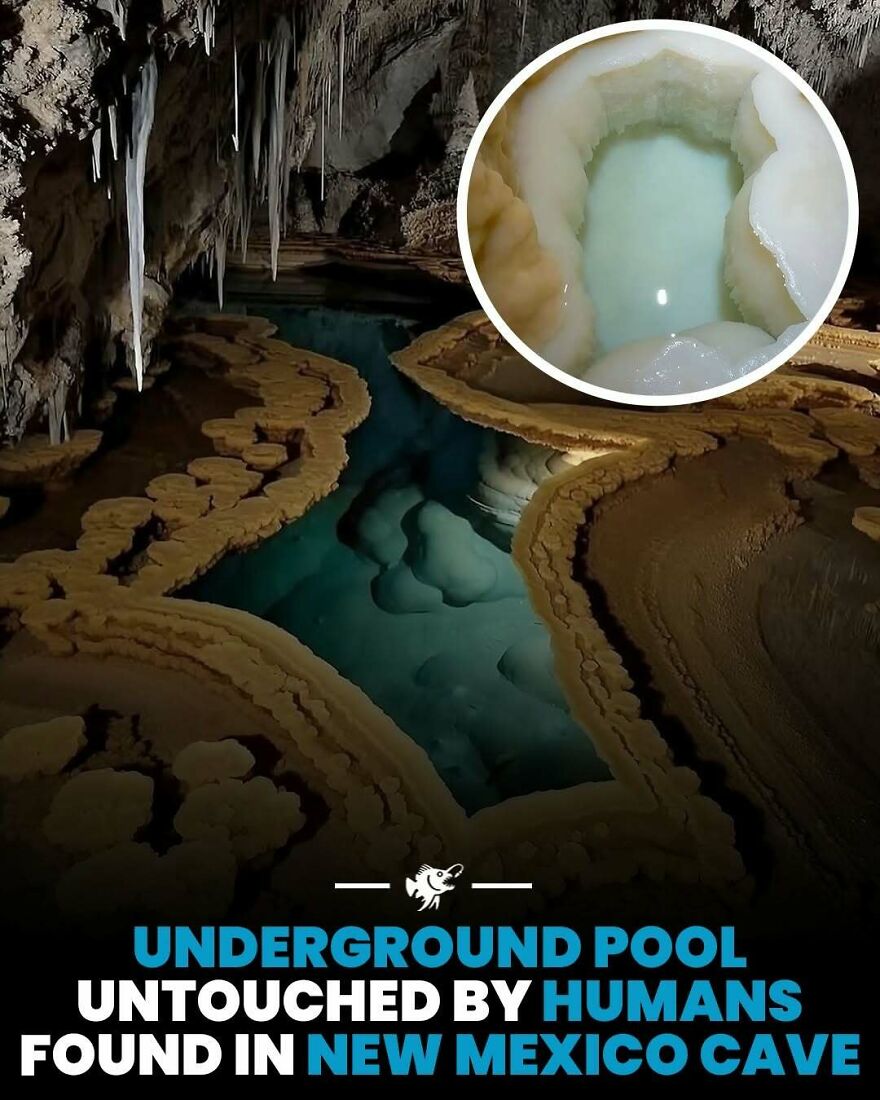
Far beneath the surface of New Mexico, explorers made a rare and remarkable discovery inside Lechuguilla Cave, one of the most scientifically important cave systems on Earth. Nearly 700 feet underground, they found a perfectly preserved pool of water hidden in total darkness, sealed off from the surface and untouched by human activity.
Shaquille O’Neal has always scaled his life to match his personality, and that instinct apparently extends to his pets. At his Georgia home, he reportedly keeps a 39 inch Yamabuki koi named “Shakoi O’Neal,” living in a custom designed pond built to suit a fish that is anything but modest. The name is pure Shaq, a mix of humor and spectacle, and he has joked that the only alternative he seriously considered was calling the koi “Charles Barkley.”
It is a small detail, but a revealing one. Even something as quiet as a koi pond becomes a personality statement in his orbit, oversized, playful, and impossible to separate from the man himself.

shaq has three large tanks that were built for him from wade king and brett raymer, the guys from "tanked"
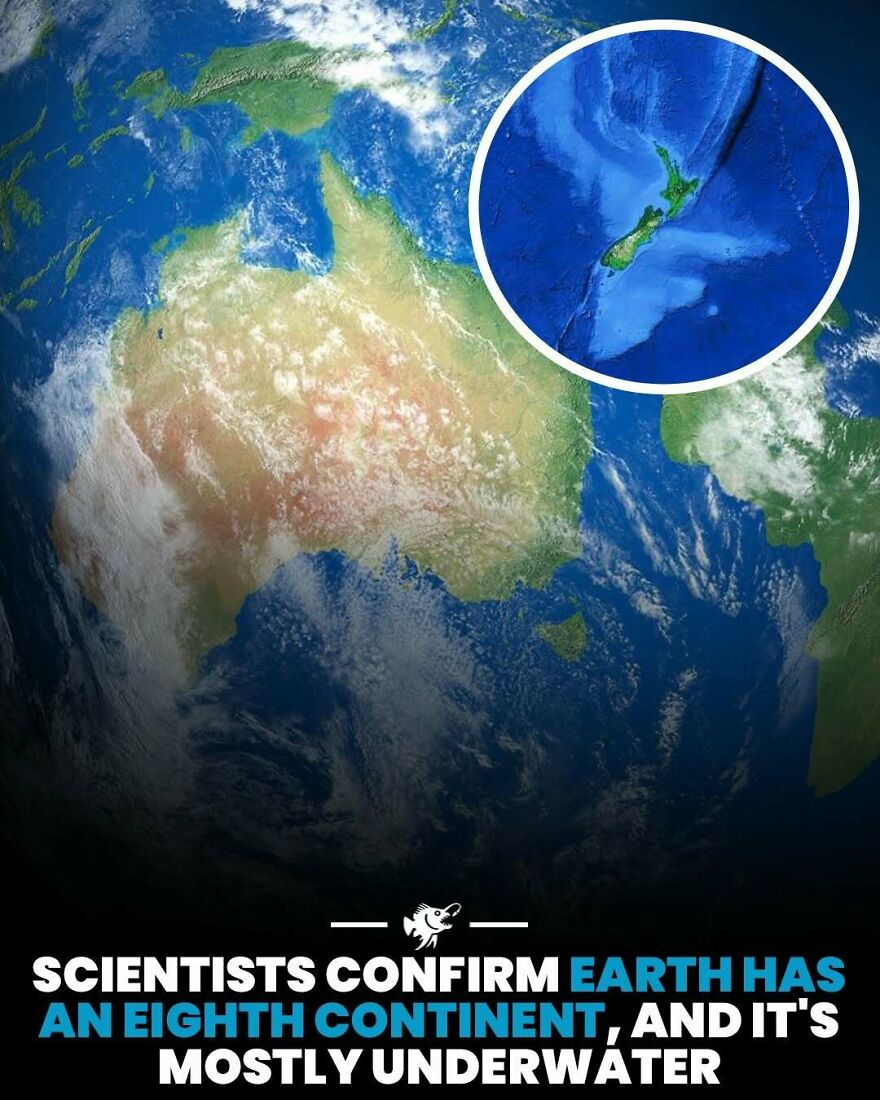
Scientists have officially confirmed the full extent of Zealandia, widely recognized as Earth's eighth continent, a vast and mostly submerged landmass beneath the South Pacific Ocean. The continent covers roughly 5 million square kilometers, about the size of India, though only 5 percent of its surface rises above sea level. The visible portions form New Zealand and New Caledonia.
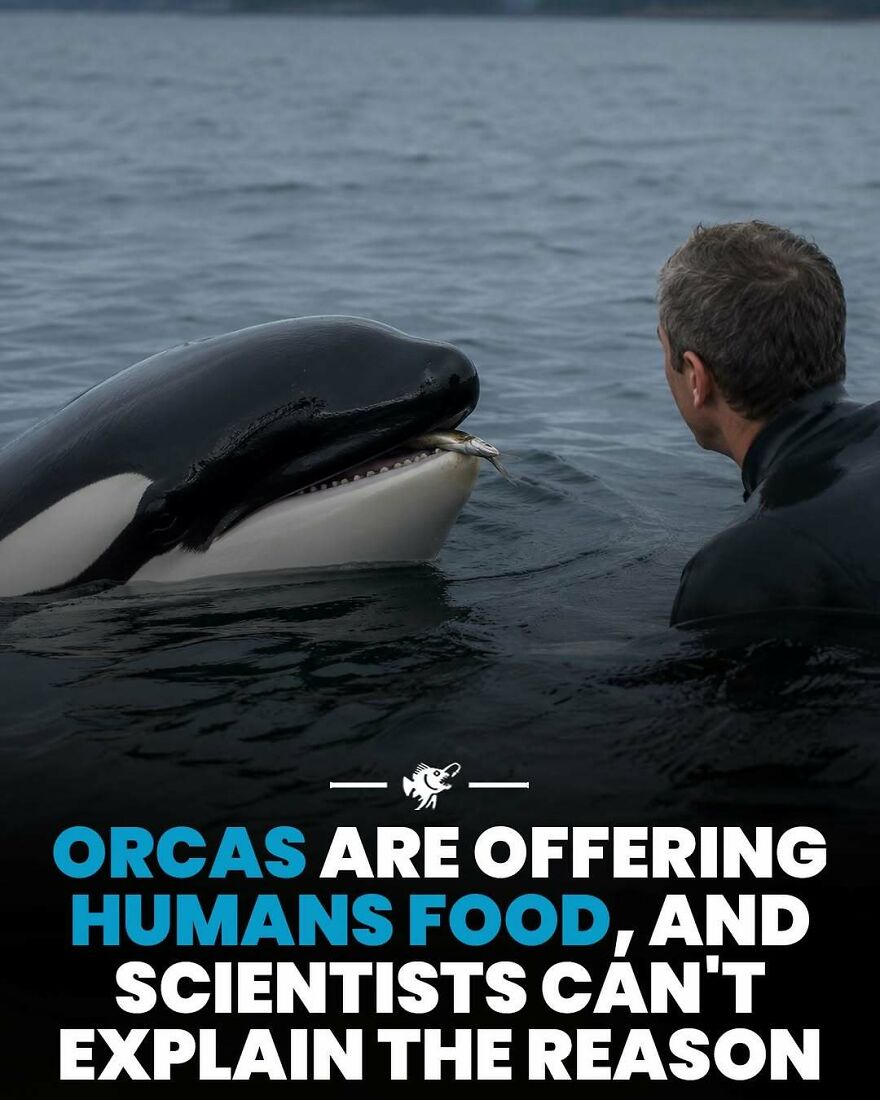
Orcas have been documented offering food to humans, and a study published in the Journal of Comparative Psychology recorded at least 34 such encounters across four oceans. The offerings ranged widely, from fish and seaweed to jellyfish, birds, and even seals. Sometimes the food was dropped beside a boat. Other times it was brought directly to swimmers.
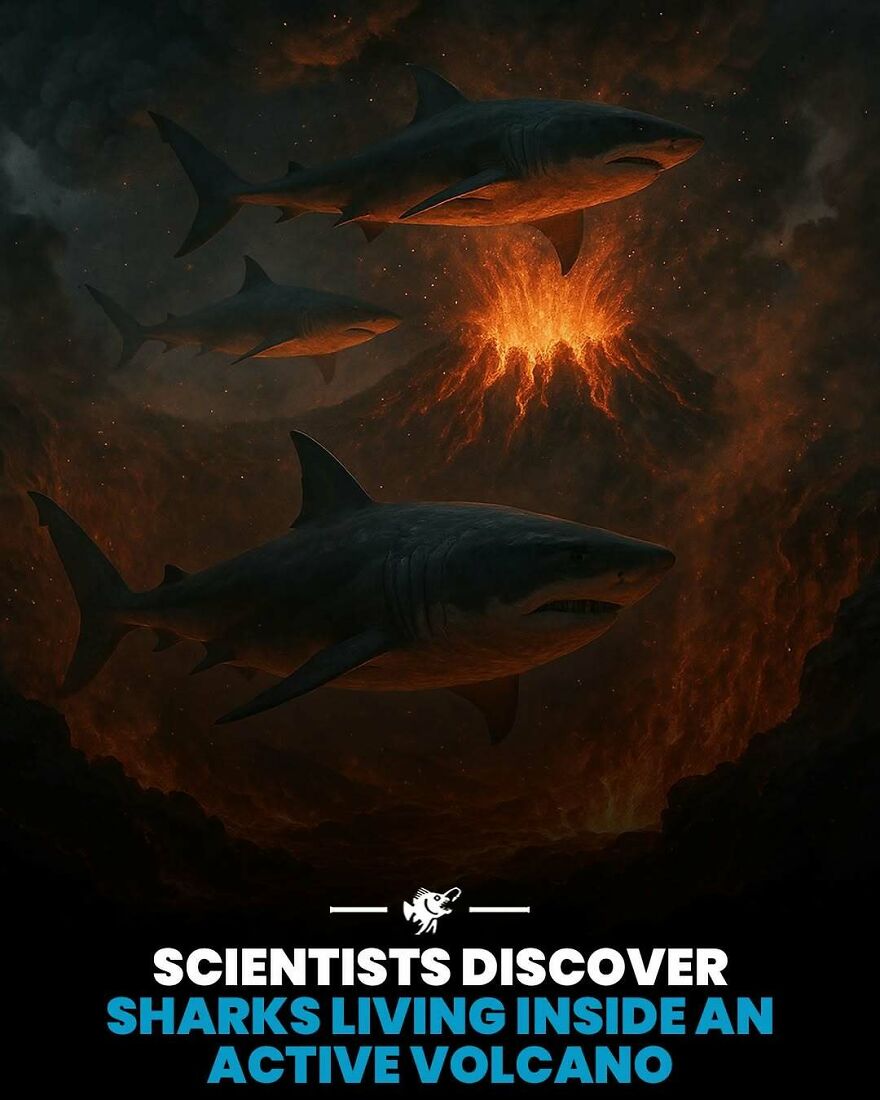
Scientists were stunned to find hammerhead and silky sharks living inside the Kavachi Volcano, an active underwater volcano in the Solomon Islands. Nicknamed the “Sharkcano,” this searing environment routinely erupts and fills the surrounding waters with acid, heat, and debris—yet somehow still supports life.
The discovery defies expectations about marine biology and survival. These sharks are navigating waters so hostile they’d seem uninhabitable, forcing scientists to rethink how marine species adapt to extreme conditions. The volcano isn’t just erupting—it’s rewriting the boundaries of where life can exist.

Scalloped Hammerhead sharks and Silky sharks live directly in the Kavachi volcano's active crater. In the Pacific Ocean Calderas, Pacific Sleeper Sharks have been caught on incredibly rare video footage, showing that large shark species have adapted to living in deep-sea geothermal environments.
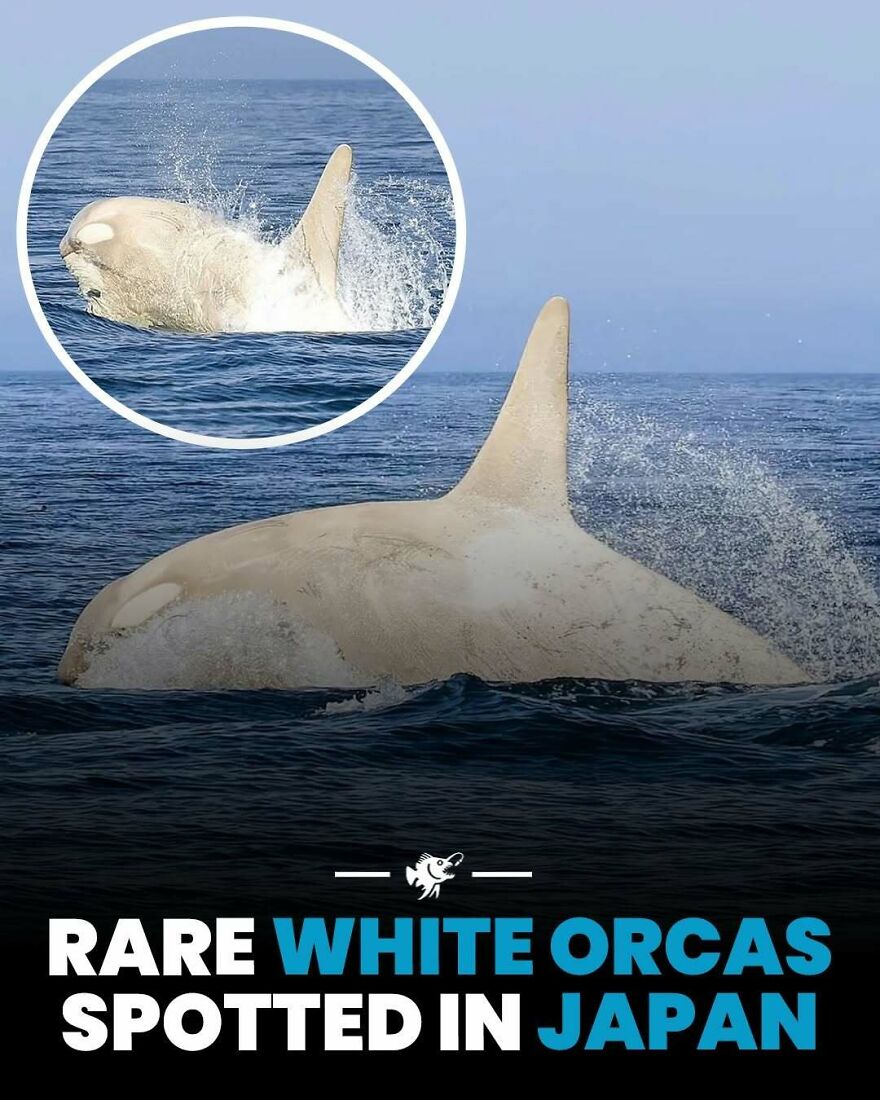
A rare sight unfolded off the coast of Hokkaido, Japan, when whale watchers spotted two white orcas swimming alongside their pod. The moment was captured by wildlife photographer Noriyuki Hayakawa, who photographed the animals moving in tight formation with the rest of the group, their pale bodies standing out against the dark water.
The unusual coloring is believed to be caused by leucism or albinism, rare genetic conditions that reduce pigmentation. White orcas are extremely uncommon, making sightings like this both scientifically interesting and visually striking, especially when the animals appear healthy and fully integrated within their pod.
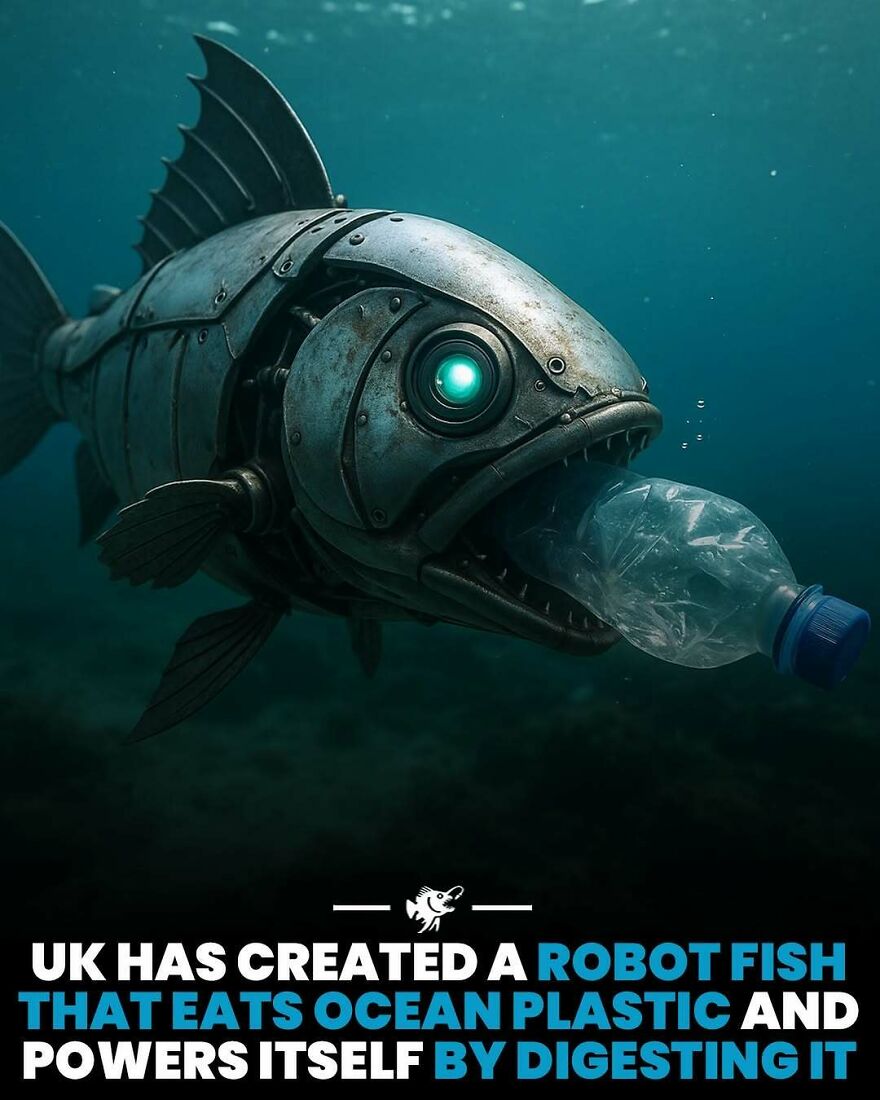
Researchers at University of Surrey have built a palm-sized robotic fish called Gulper, designed to swim on its own and collect microplastics from polluted water. Its movement mimics real fish, letting it operate quietly in rivers and coastal areas without disrupting wildlife.
The more radical idea is how it powers itself. Early versions use a chemical fuel cell that converts the plastics it gathers into electricity, effectively turning pollution into energy. Developed under the RoboFish initiative, the long-term vision is a fleet of machines that can stay at sea indefinitely, sustained by the waste they remove. If it scales, it flips the logic of cleanup on its head: the mess becomes the fuel.
And they made it Steampunk, if my eyes don't deceive me. 🙄
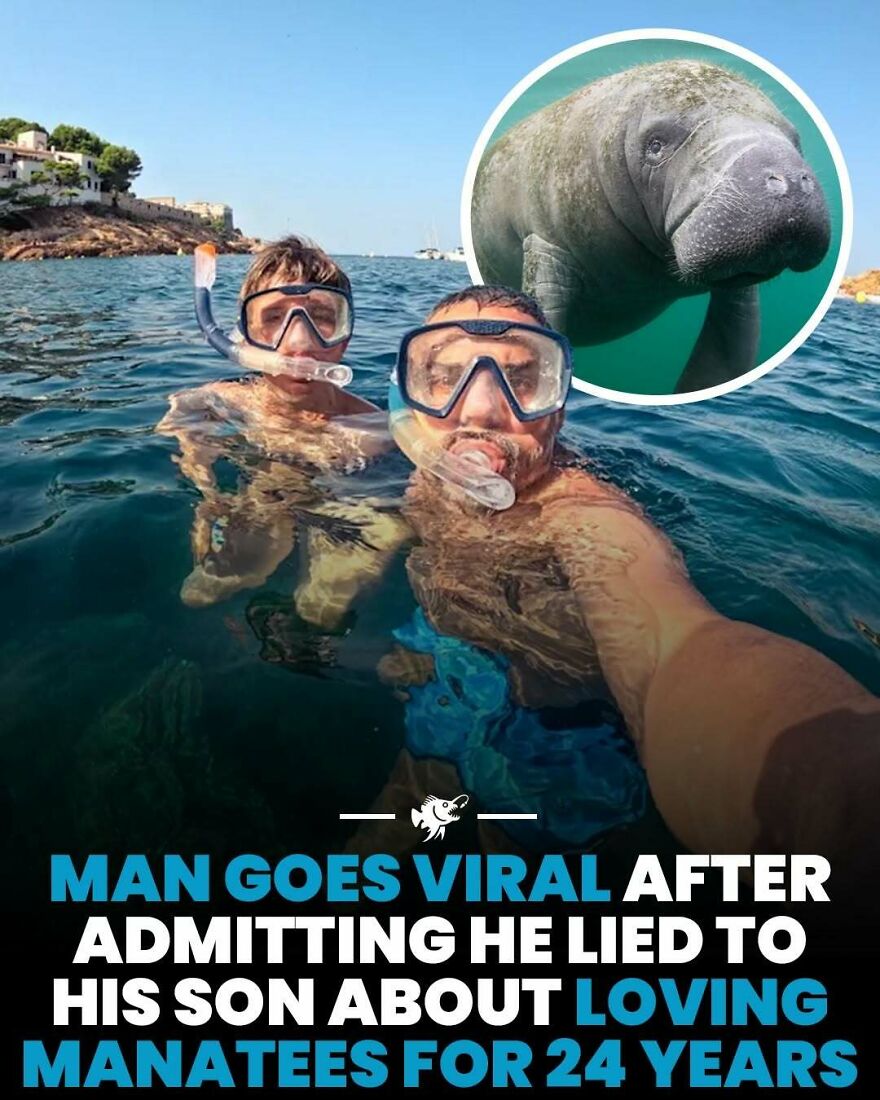
When his son gave him a manatee mug at age six, he said they were his favorite animal without thinking much of it. That small comment turned into decades of manatee-themed birthday and holiday gifts.
The harmless fiction reached a new level when his now-30-year-old son surprised him with a Florida trip specifically to see manatees in person. The dad says he plans to go through with it and keep the act going.
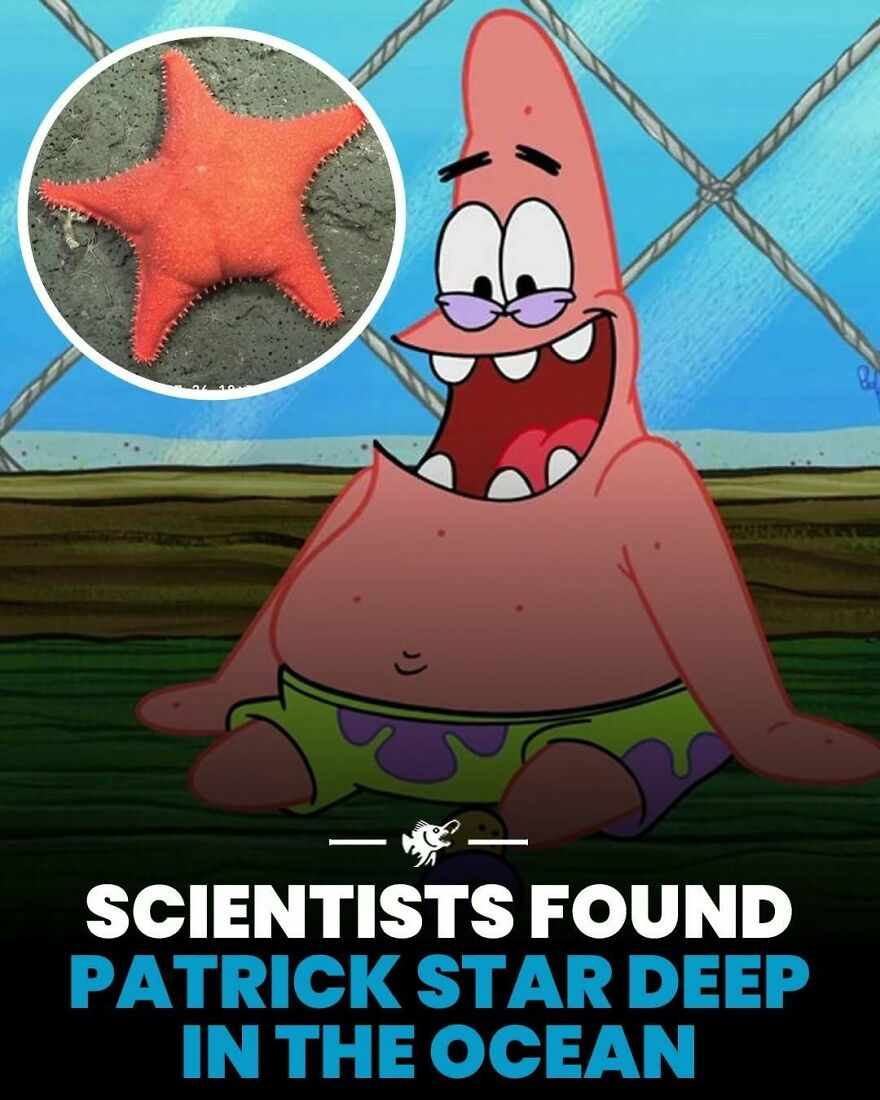
During a deep-sea expedition off the coast of Mar del Plata, Argentina, researchers streamed live footage from nearly 4,000 meters beneath the ocean’s surface using a remotely operated vehicle. In the glow of the submersible’s lights, viewers noticed a bright pink starfish resting on the seafloor, its shape and color strikingly similar to Patrick Star from SpongeBob SquarePants. Screenshots spread quickly, turning a scientific broadcast into an unexpected pop culture moment.
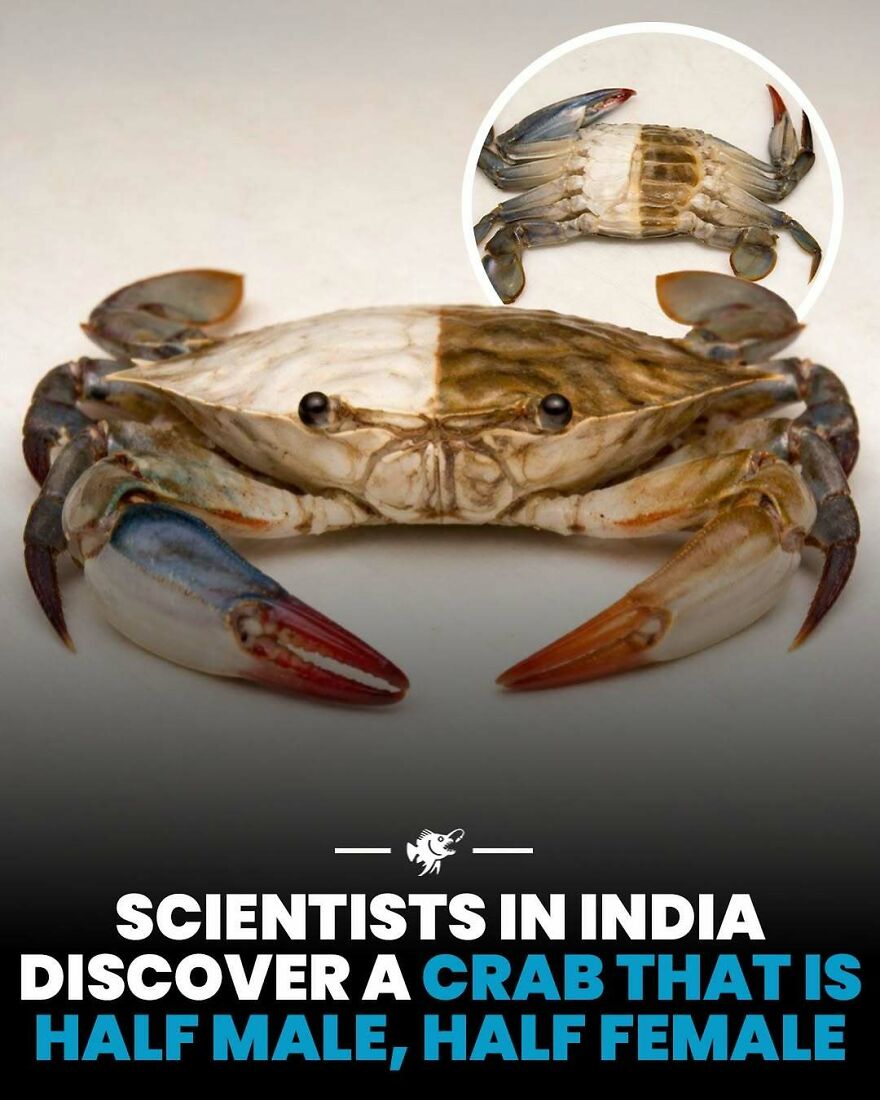
Scientists in India have identified a rare crab exhibiting bilateral gynandromorphism, a condition where one side of the body develops as male and the other as female. The split is visibly defined, with differences in claws and shell structure creating a near-perfect divide down the middle.
Cases like this are extremely uncommon and offer insight into how genetic development can diverge during early growth. For researchers, it provides a rare opportunity to study how biological traits form and how deviations from typical patterns can occur in nature.
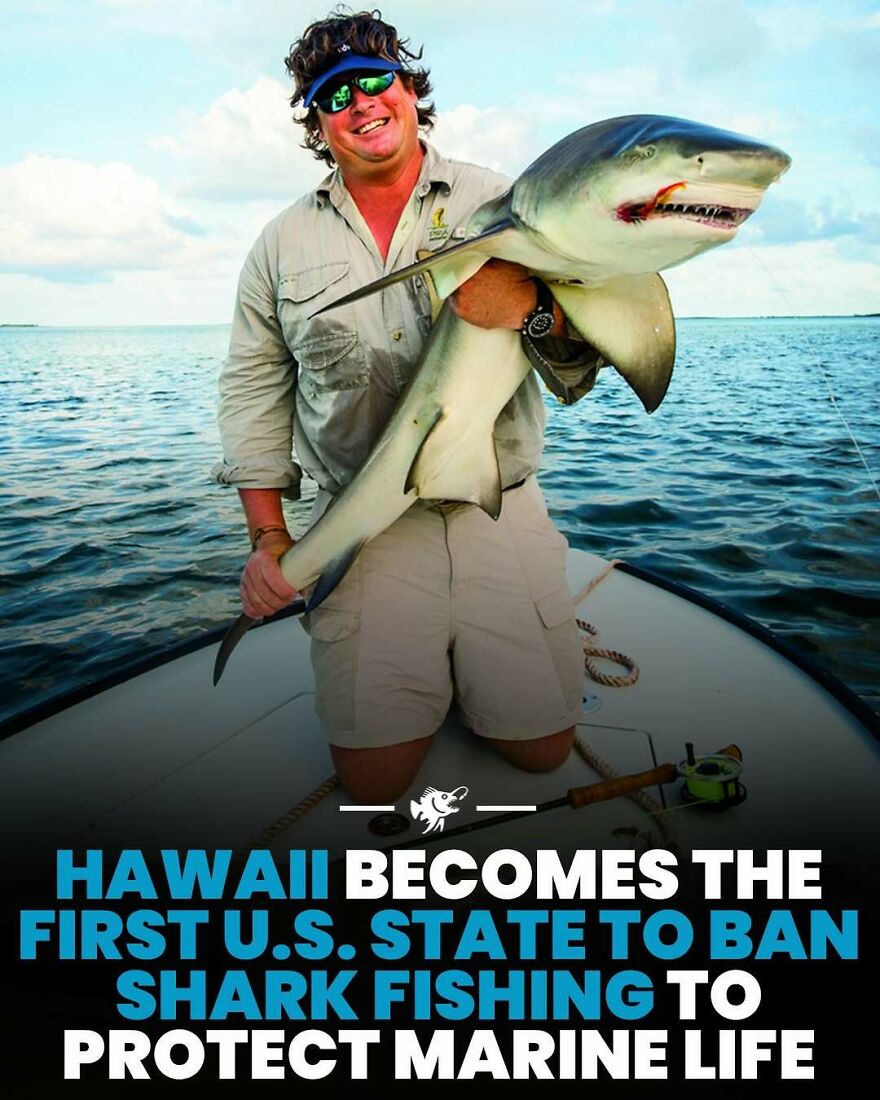
Hawaii has enacted one of the strongest shark protections in the United States, making it illegal to knowingly capture, entangle, or kill sharks in state marine waters. The law carries penalties of up to $10,000, reinforcing a shift toward stricter conservation policy.
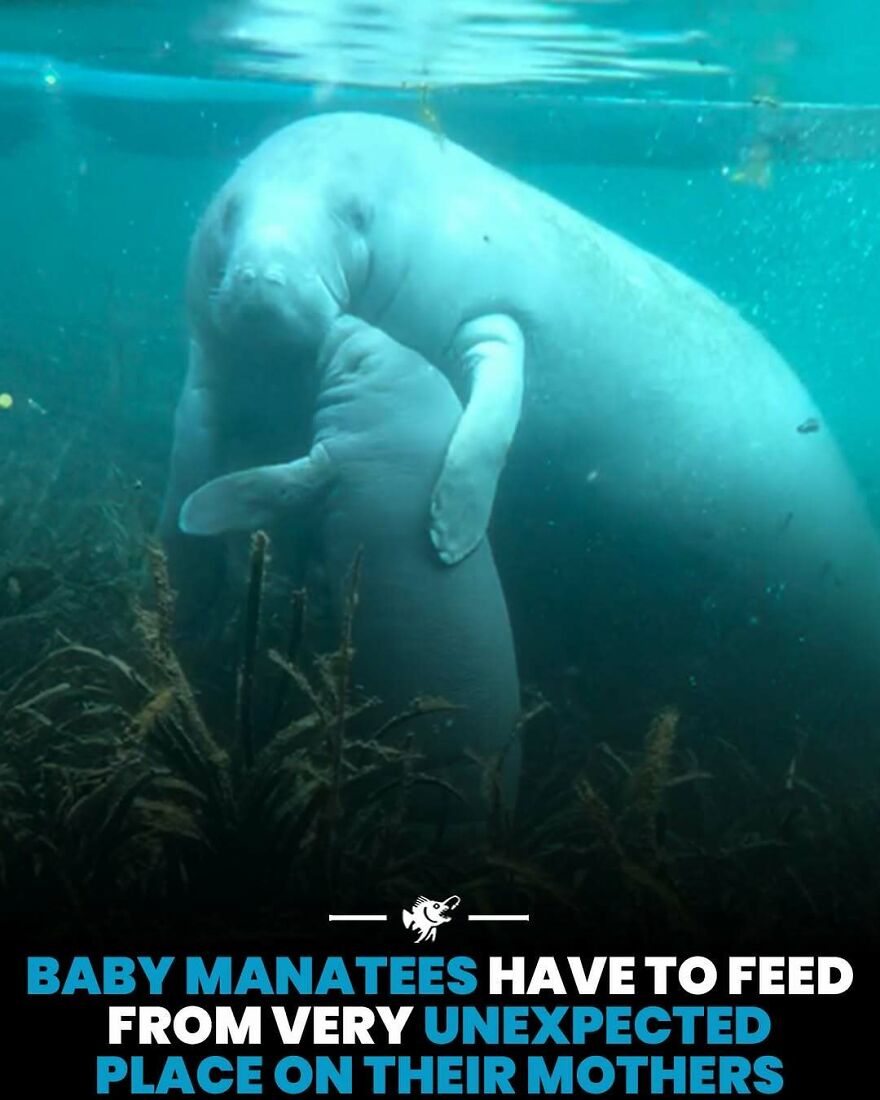
Manatees have nipples tucked just behind their flippers, near what looks like an armpit. Calves nurse from these small teats underwater, often beginning within hours of birth and instinctively staying pressed to their mother's side. Feeding happens in short sessions throughout the day, usually only a few minutes at a time.
Manatees are the most amazing animals! When i was a teenager i got to spend a couple of hours with one(my aunt was friends with a marine biologist and i spent some time with her down in florida as a teen) and they are so amazingly sweet and gentle! It amazed me how even tho it was big enough to have hurt me if it wanted to...it instead knew how to be extra gentle with me. Spending time with one up close remains One of the coolest things ive ever done in my life!
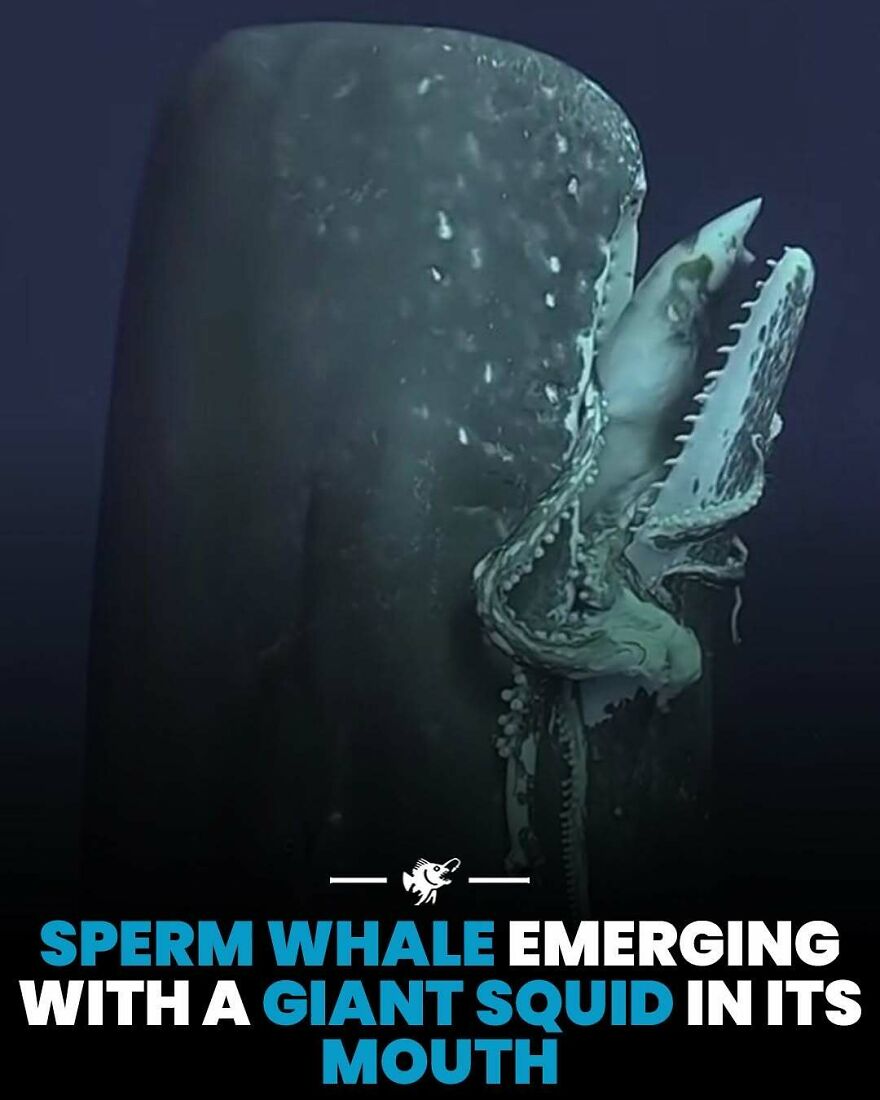
These deep-sea hunters operate far below the reach of sunlight, diving beyond 800 meters and relying entirely on biosonar to track their prey. Clear sightings near the surface are almost nonexistent. The most iconic photo was taken back in 2009 off Ogasawara, Japan, with only a handful of reports since.
Every encounter like this offers rare clues about how these predators hunt, how mothers may share prey with young, and the crucial role sperm whales play in the deep-sea food chain. It’s more than a dramatic image—it’s a fleeting look into one of the ocean’s most hidden battles.
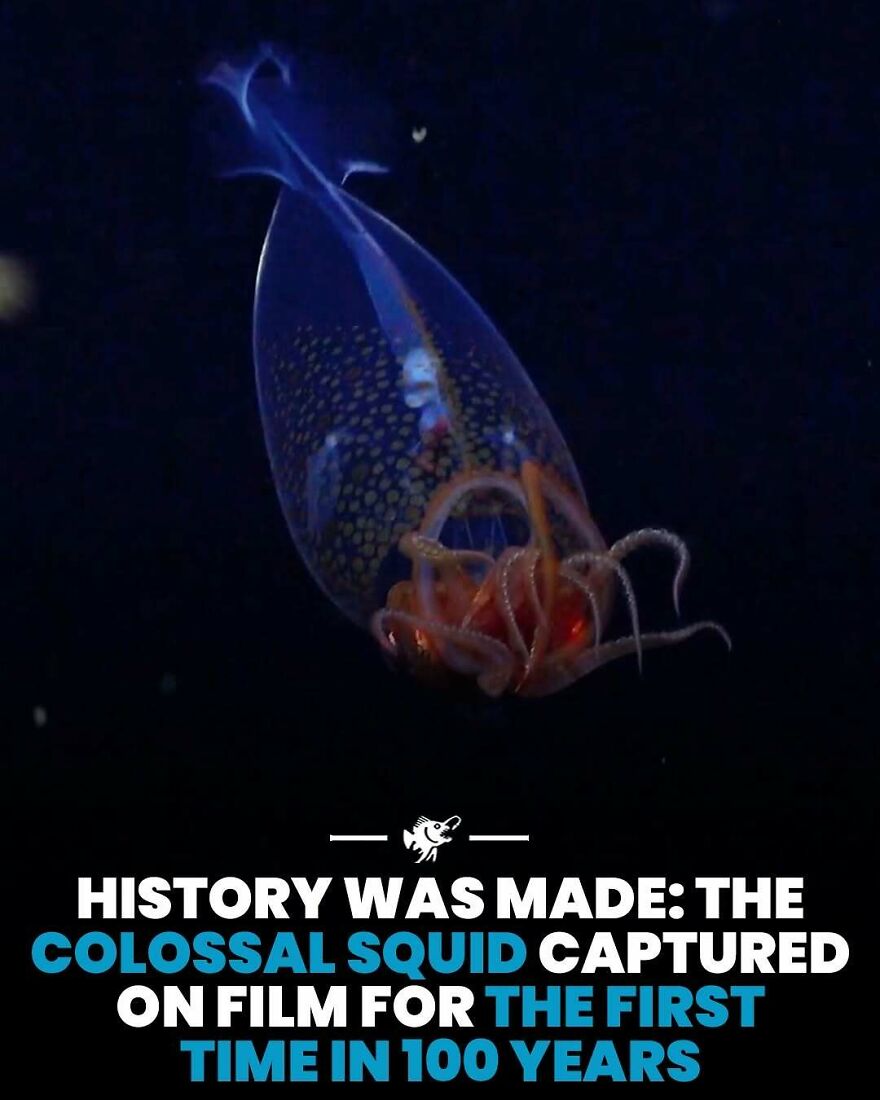
Back in April, scientists from the Schmidt Ocean Institute filmed a live juvenile colossal squid (scientific name Mesonychoteuthis hamiltoni) about 30 cm long drifting at ~600 m depth near the South Sandwich Islands in the South Atlantic Ocean.  This marks the first confirmed time this elusive species has been observed alive in its deep-sea natural habitat (previously only deceased or by-caught specimens were known).
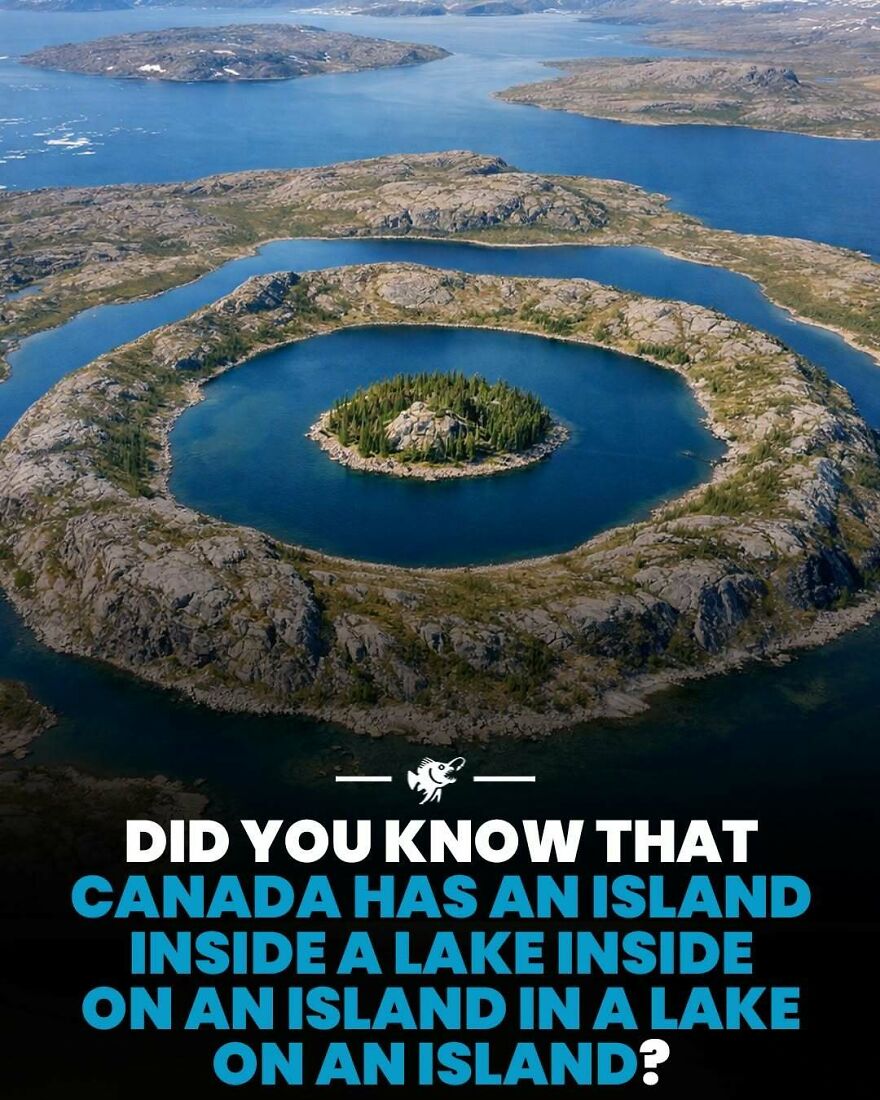
Canada is home to one of the most unusual geographic formations on Earth, an island inside a lake, inside an island, inside another lake, all nested within Victoria Island in Nunavut.
Often described as a “sub-sub-sub island,” the remote feature sits far from any settlement and wasn’t identified until 2007, when it was spotted through satellite imagery on Google Maps.
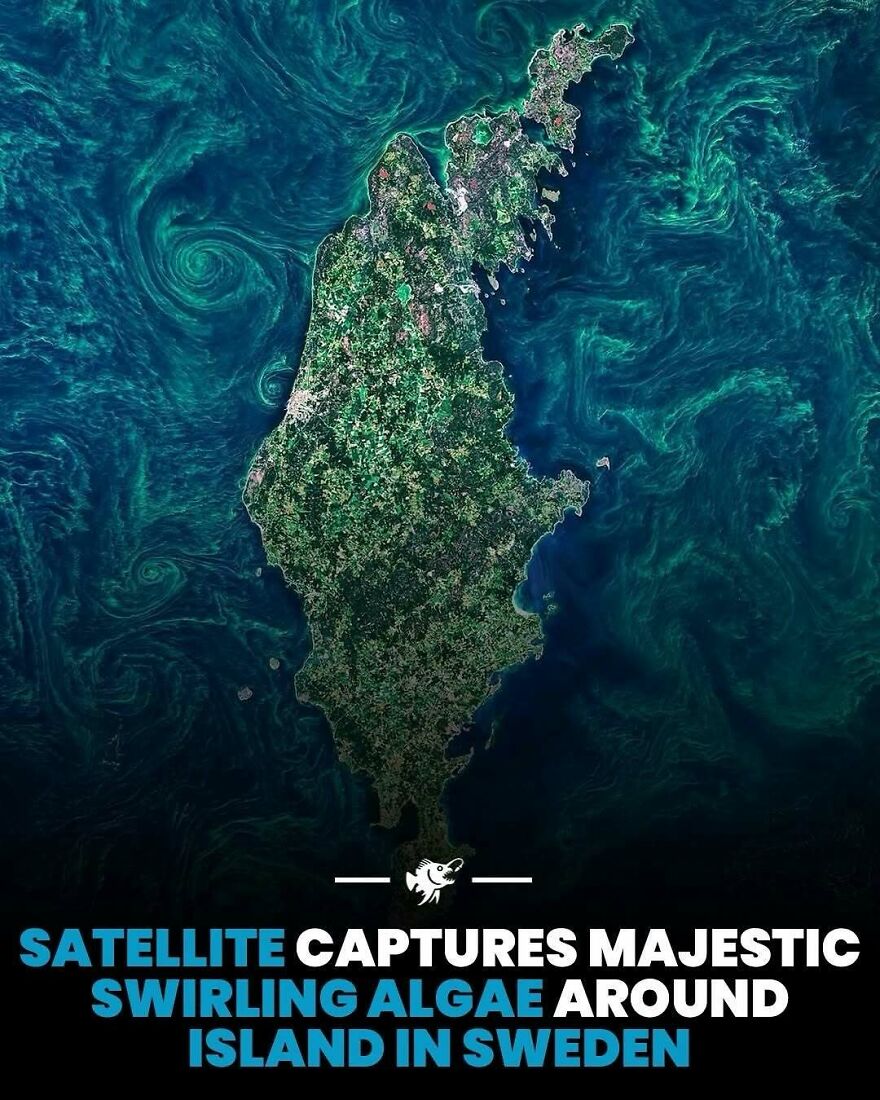
Each summer, the Baltic Sea—especially near Sweden’s largest island, Gotland—transforms with vibrant, swirling green patterns caused by algal blooms. These stunning formations are made up mostly of cyanobacteria, often referred to as blue-green algae.
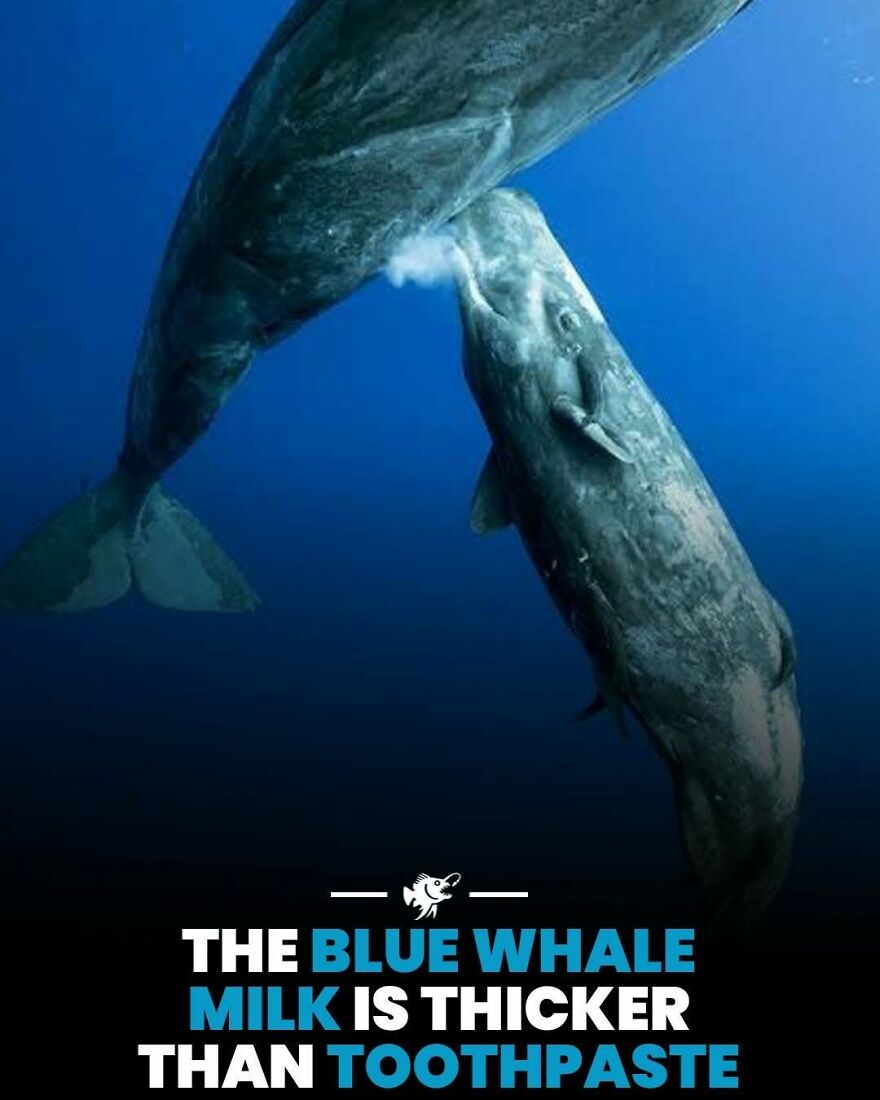
Blue whale milk has the consistency of toothpaste. The thick, paste-like texture is not random. It is an adaptation built specifically for the underwater environment, where a thinner liquid would dissolve and disperse into the surrounding seawater before the calf could feed. The dense composition lets the calf consume it almost like a substance rather than a drink.
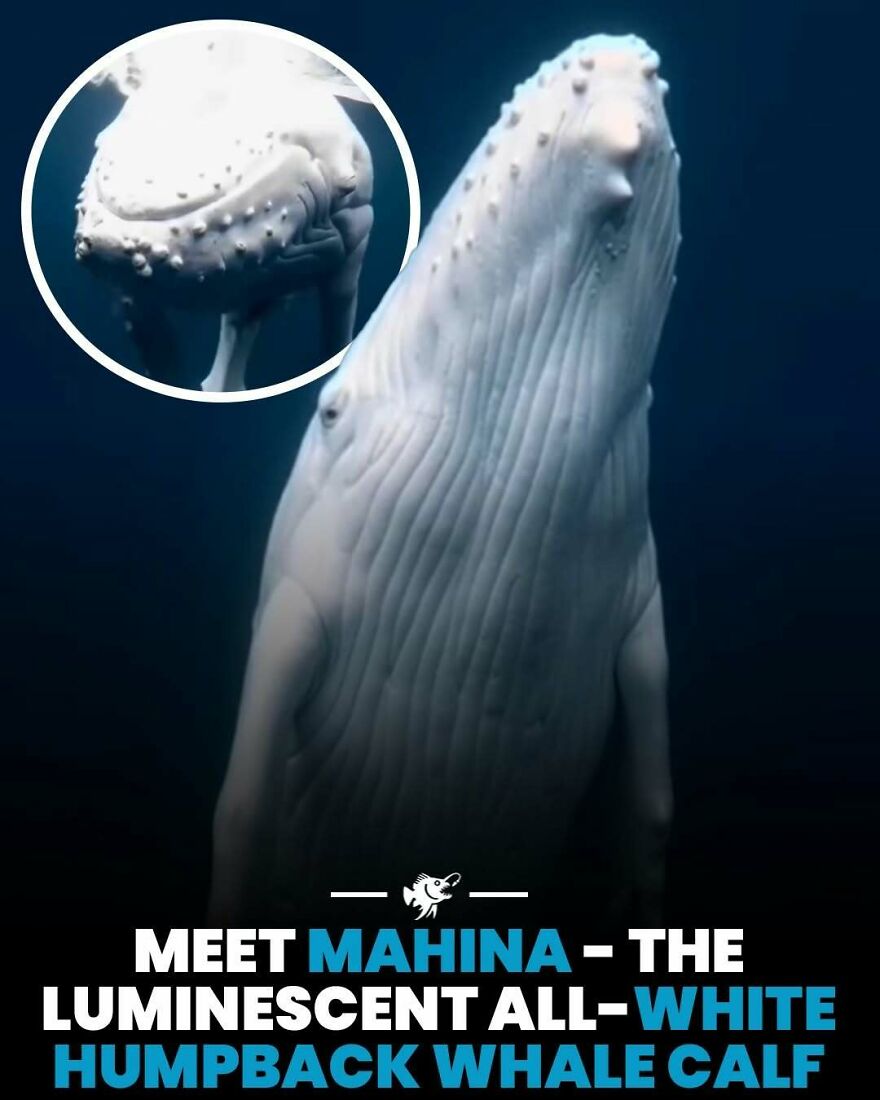
A luminescent all-white humpback whale calf has been spotted near the islands of Vava'u in Tonga, drawing global attention as one of the rarest sightings in recent marine biology. The calf, named Mãhina, meaning "moon" in Tongan, was first observed in August. Her bright white coloration gives her the appearance of a full moon glowing beneath the surface of the South Pacific, the visual that earned her the name.
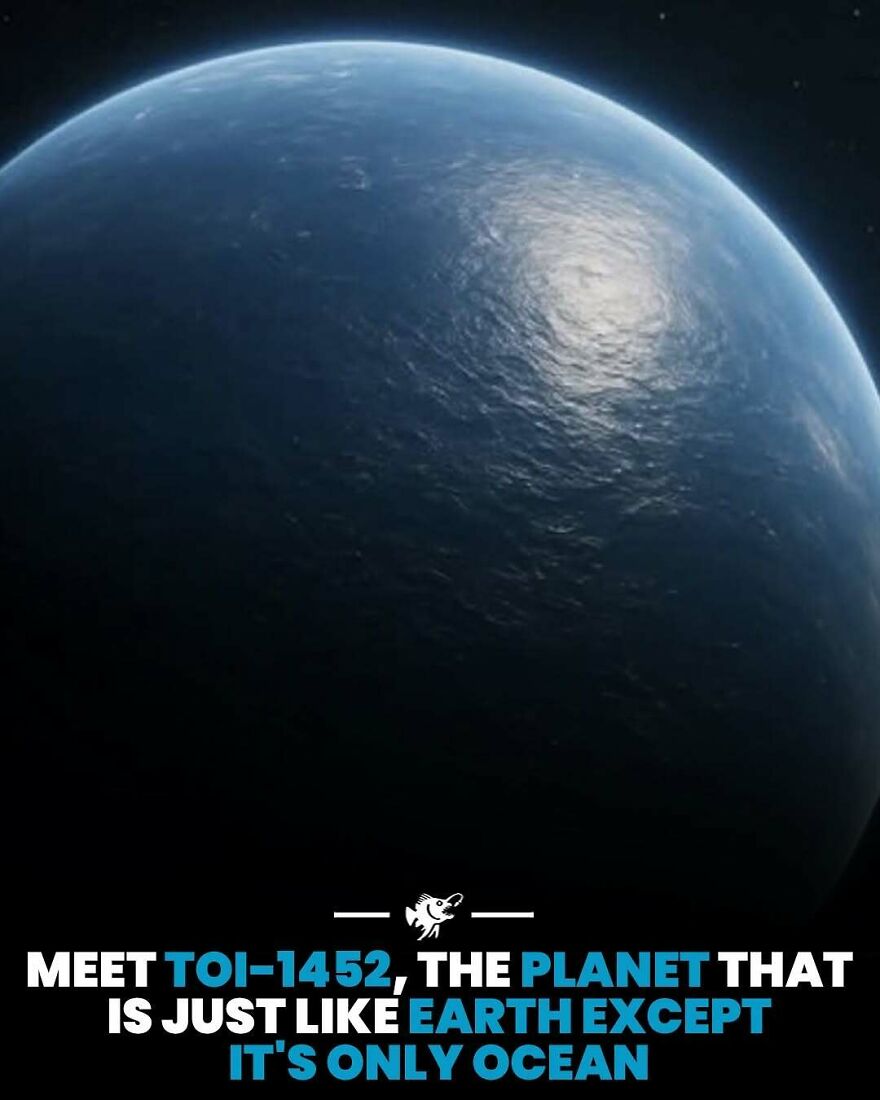
TOI‑1452 b, located roughly 100 light-years from Earth, is stirring excitement among astronomers as a strong candidate for an “ocean world” — a planet potentially blanketed by a massive global sea. Orbiting a red-dwarf star every 11 days, it’s about 67% larger than Earth and nearly five times heavier. But its relatively low density hints that a significant portion of that mass — up to 30% — could be water, far more than what we see on Earth.
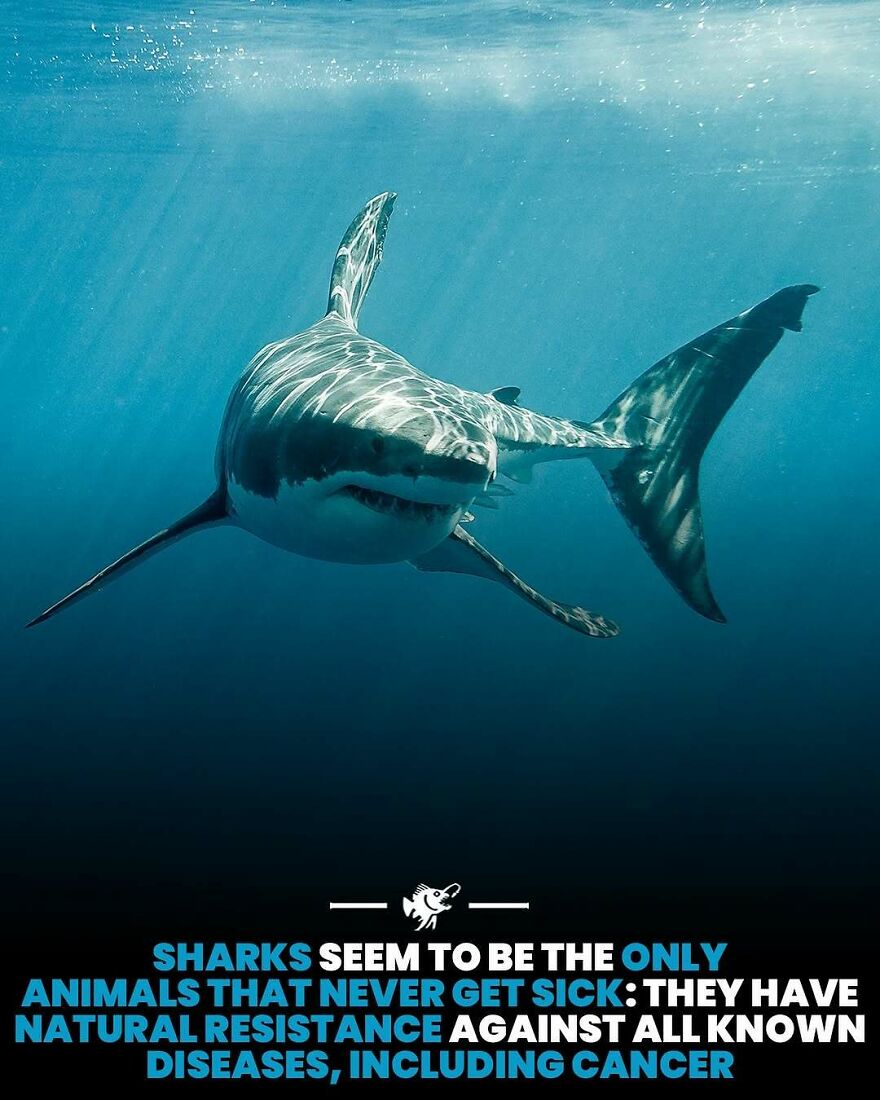
Sharks possess an unusually robust biology that allows them to fend off many diseases with a resilience unmatched by most other species. While not completely immune, their ability to resist conditions like cancer has fascinated scientists for decades. Their bodies are built for survival, thriving in environments where pathogens are common and injury is inevitable.
This resistance is linked to several key traits: an exceptionally strong immune system, rapid wound healing, and specialized cellular mechanisms that suppress abnormal growth. Their cartilage-based skeletons also contain compounds believed to play a role in inhibiting tumors. Together, these traits have made sharks a subject of growing interest in biomedical research, offering insights into disease prevention and longevity.
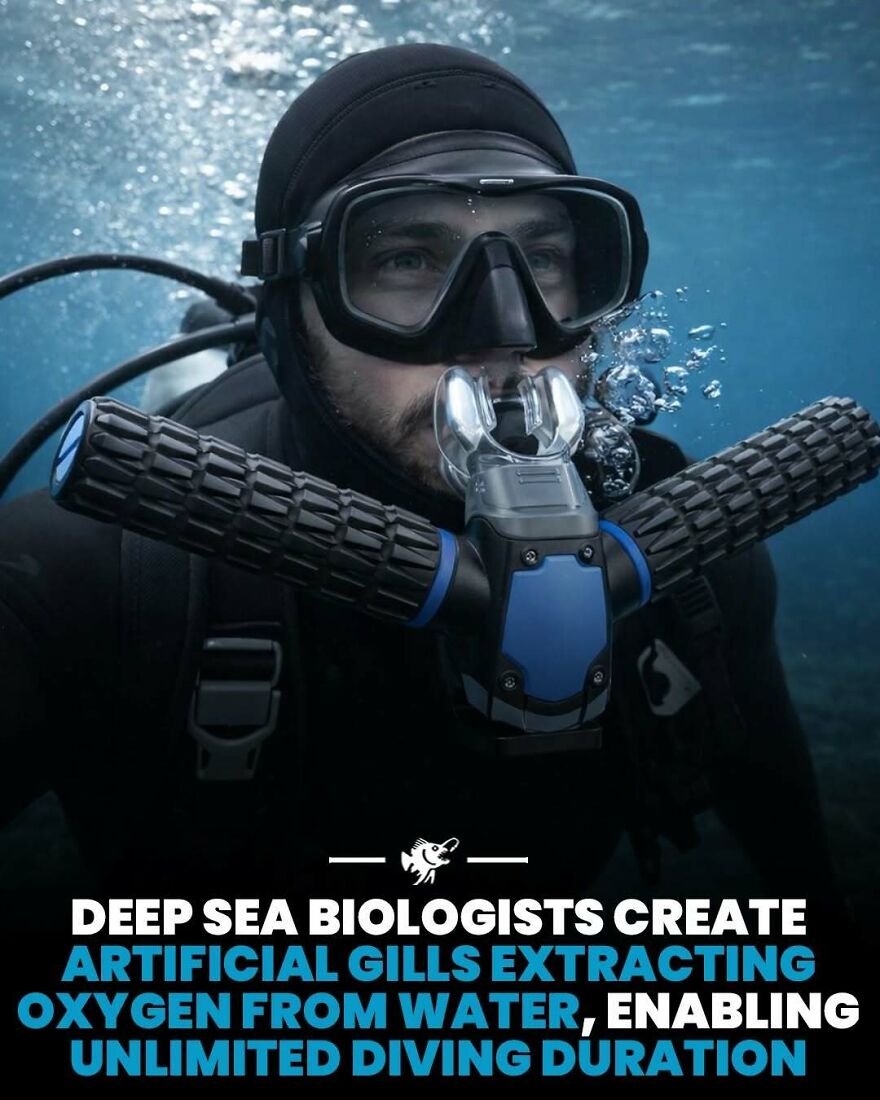
Researchers in Germany are developing a system that allows underwater robots to draw oxygen directly from seawater, similar to how fish breathe. The concept uses a microscopic membrane roughly four micrometers thick that extracts dissolved oxygen and feeds it into a hydrogen fuel cell, producing electricity while the vehicle remains submerged.
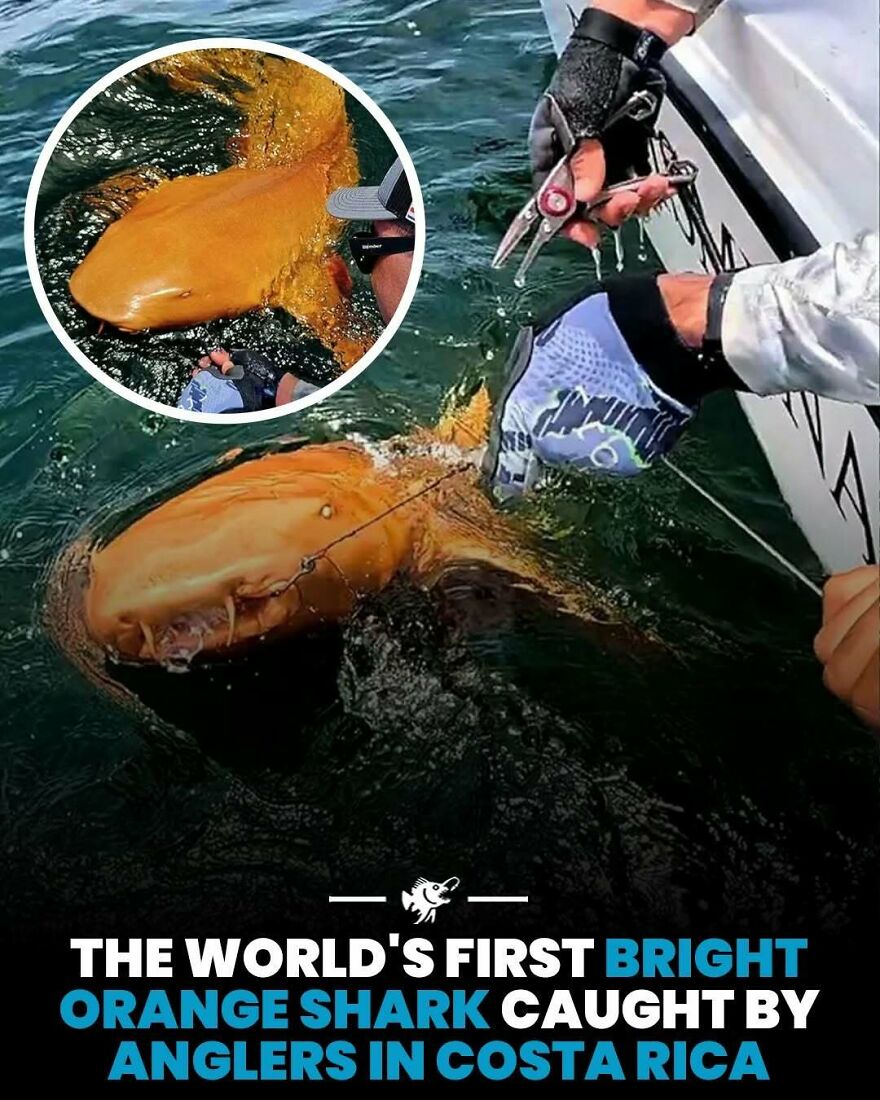
Marine biologists were stunned when fishermen in the Caribbean encountered a nurse shark with a bright orange glow beneath the water. Nicknamed the “Creamsicle” shark, the animal stood out dramatically from typical nurse sharks, which are usually tan or dark brown to blend with the seafloor. The unusual coloration immediately drew scientific interest because such vivid pigmentation had rarely been documented in sharks.
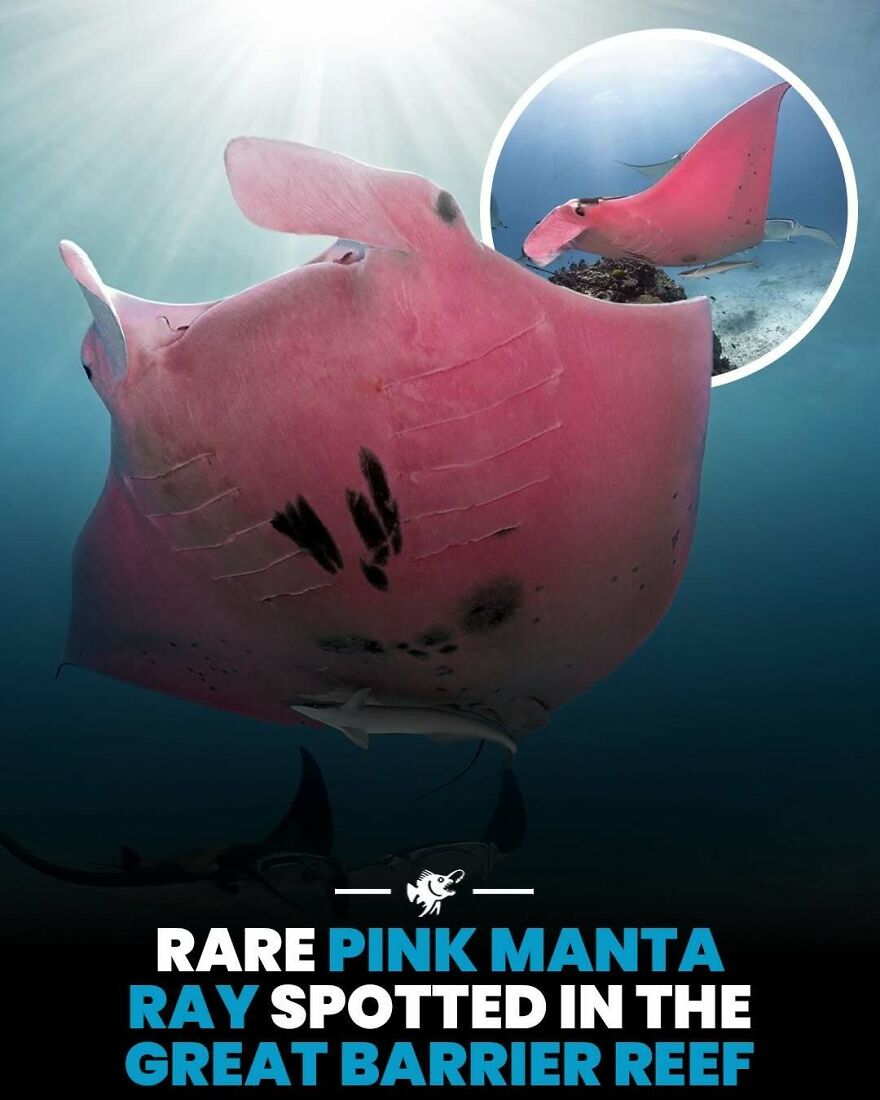
Near Lady Elliot Island on Australia’s Great Barrier Reef, divers encountered something almost impossible to miss: a manta ray tinted soft pink, now known as Inspector Clouseau. The animal spans roughly 3.3 meters and stands as the only recorded manta with this coloration, turning routine sightings into a global curiosity.
I'm guessing that Inspector Clouseau is a reference to the Pink Panther, from the 1960s Blake Edwards films. But the Pink Panther referred to a stolen diamond, not to Clouseau. The allusion is there; they could have gone with the Pink Mantha.
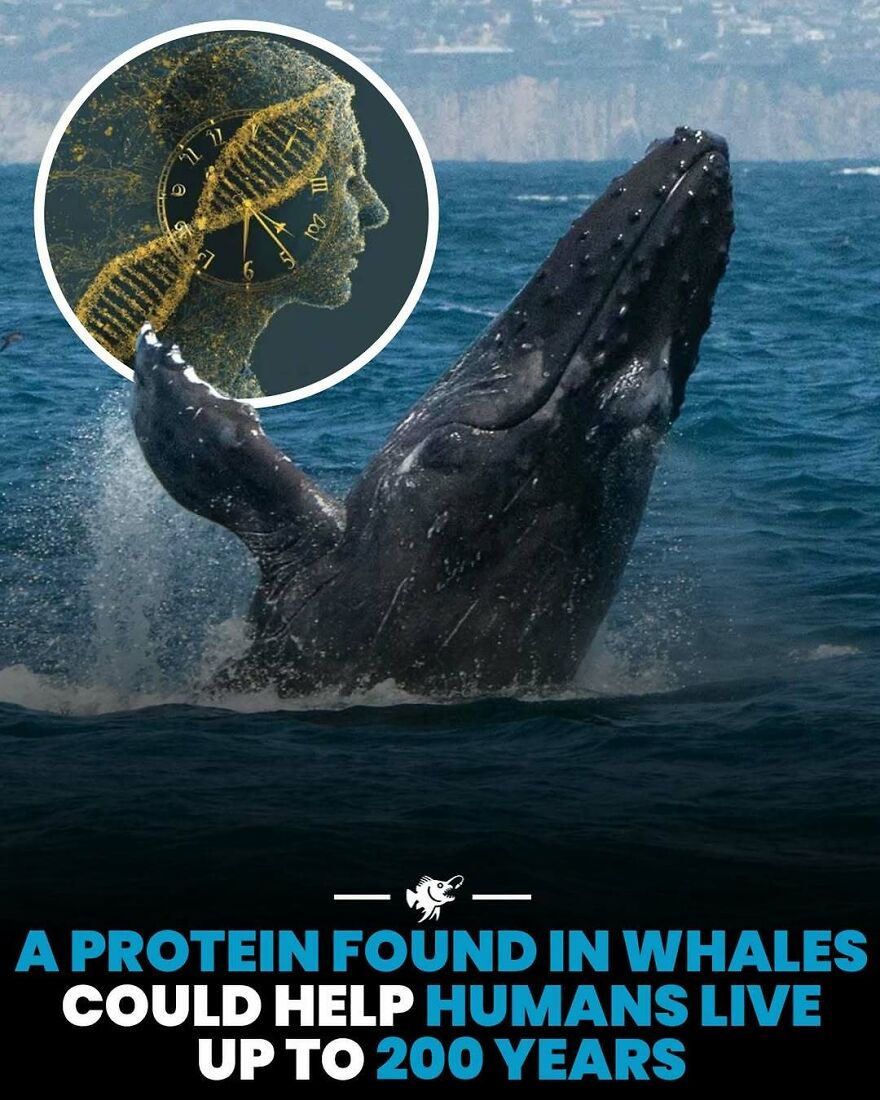
Bowhead whales, among the longest-living mammals, are drawing attention for how they maintain health over more than two centuries. Unlike most species, they show a strong resistance to age-related diseases, including cancer, prompting researchers to study the biological mechanisms behind that longevity.
Personally I don't think I want to be around for that long! Not with the current state of the world.
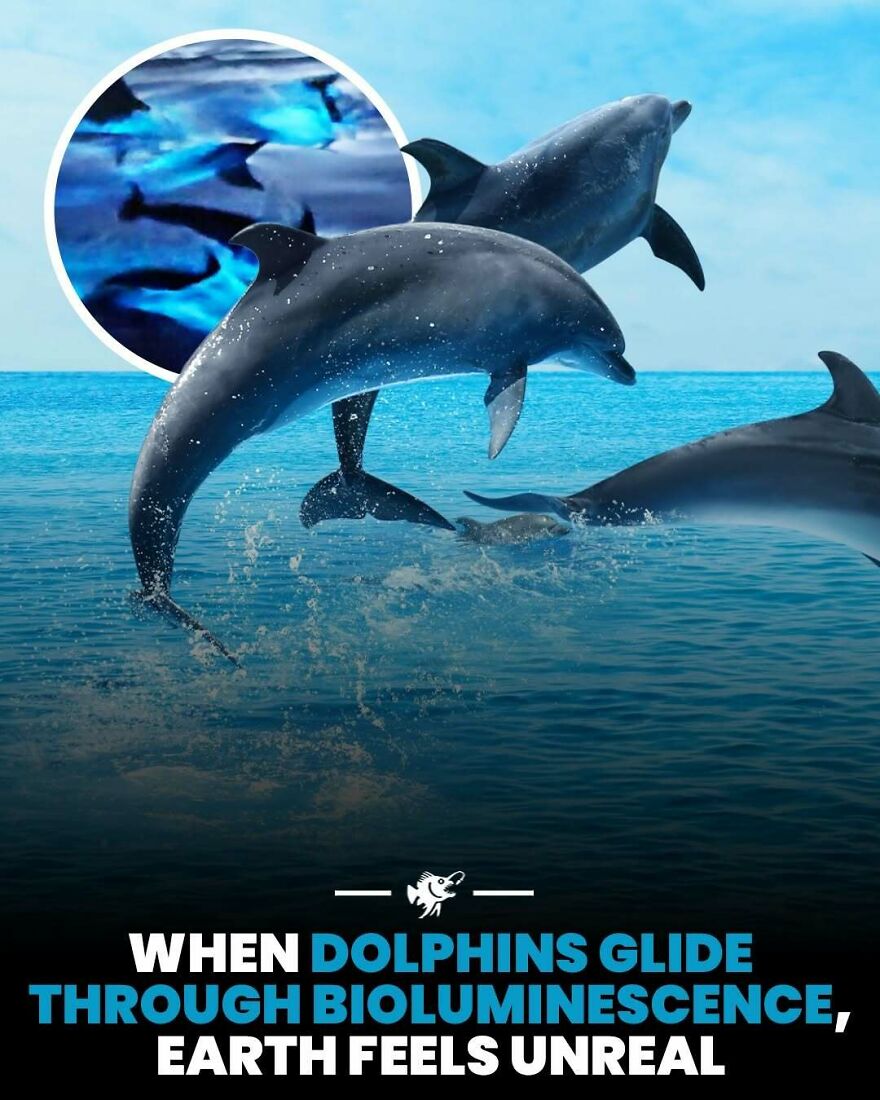
When dolphins cut through dark water at night, they leave streaks of electric blue behind them. It looks unreal, like something lit from beneath.
What’s actually happening is a chemical reaction. Their movement disturbs clouds of dinoflagellate plankton, which respond by releasing light through a luciferin-luciferase process. The glow is instant and vivid, turning the wake into something that resembles liquid neon.
Researchers who track blooms from California to the Arabian Sea say these displays are harmless to the dolphins. They often show up in areas where nutrient-rich water rises to the surface, feeding not just the plankton but the wider ecosystem around it. The light is a side effect of abundance.
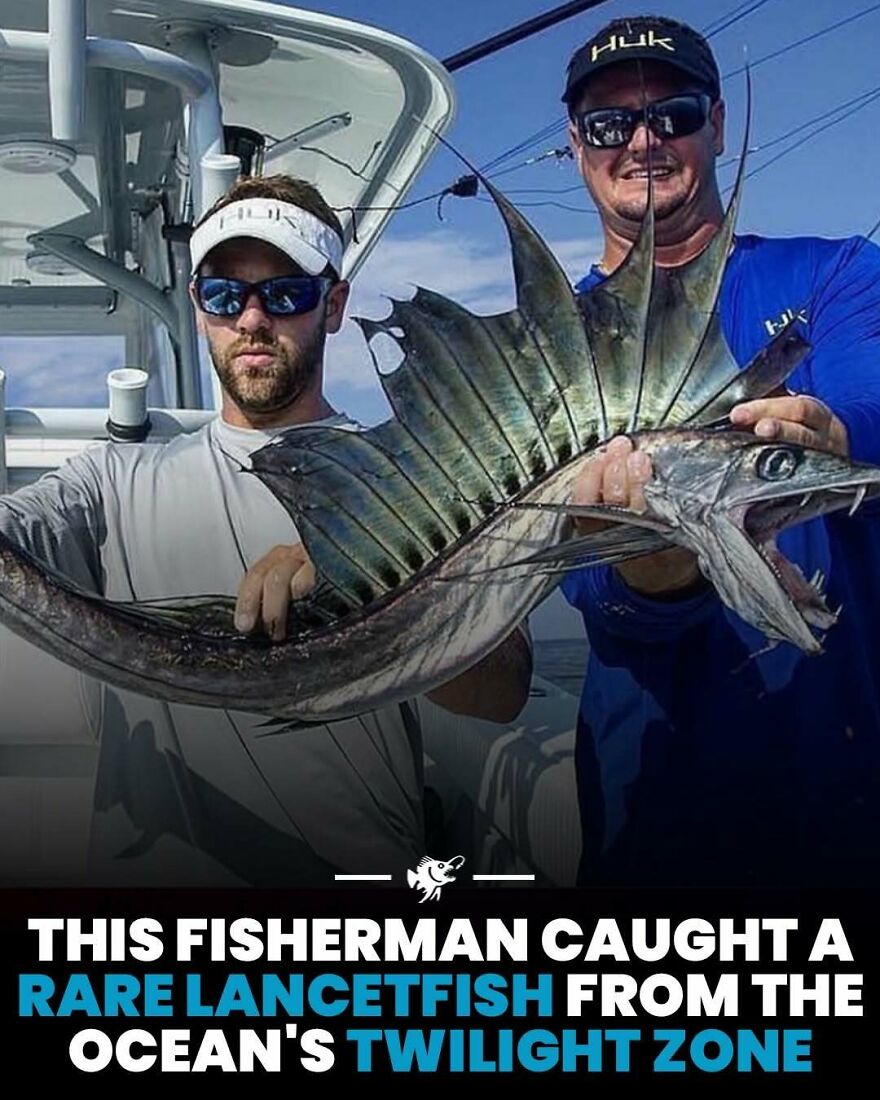
Lancetfish are deep-sea predators built for open-ocean hunting, with long bodies, sharp fangs, and a tall, sail-like dorsal fin. Their silver skin reflects the limited light at depth, helping them blend into their surroundings as they move through waters thousands of feet below the surface.
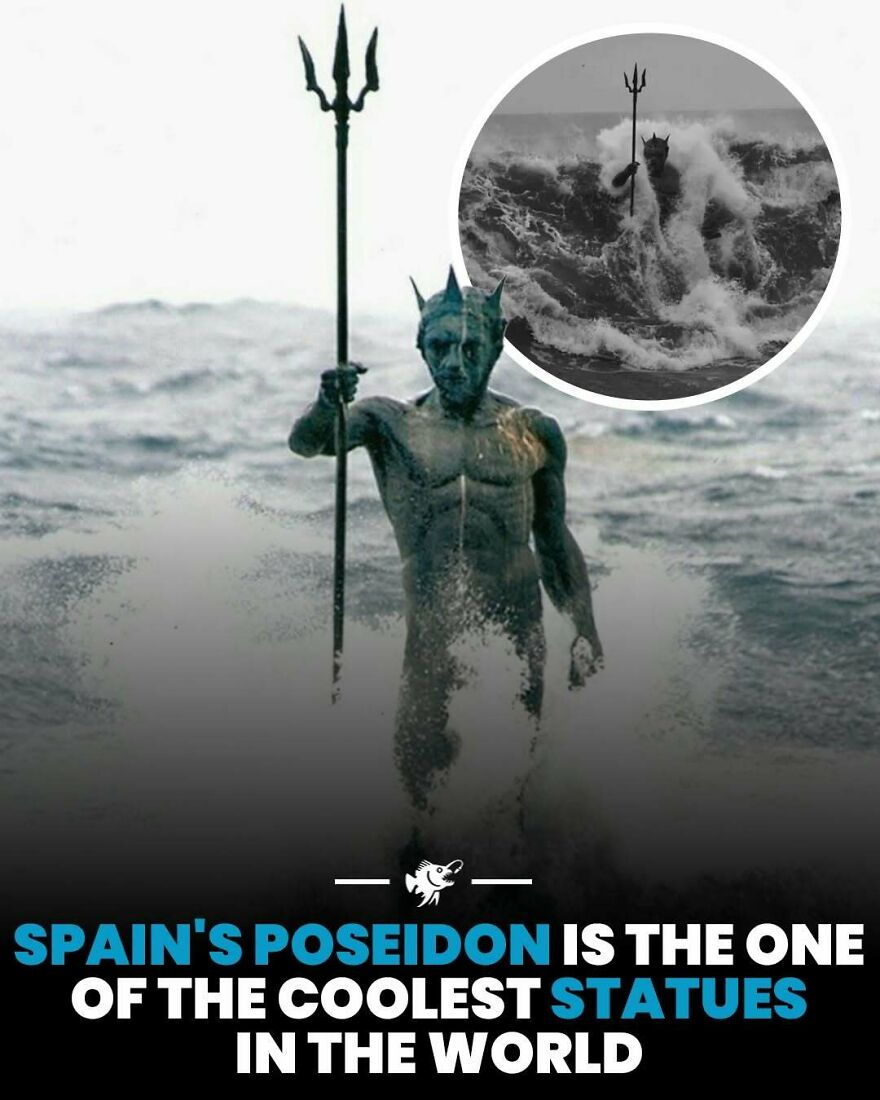
The Neptuno de Melenara stands just off Melenara Beach on Gran Canaria, a bronze figure rising from the rocks as if pulled straight from the Atlantic. The statue depicts Neptune, trident in hand, positioned so the tide and light constantly reshape how he appears from shore. At roughly four meters tall, it reads less like a monument and more like part of the coastline itself.
Created by sculptor Luis Arencibia, the piece reflects the island’s long relationship with the sea, anchored in daily life rather than mythology.

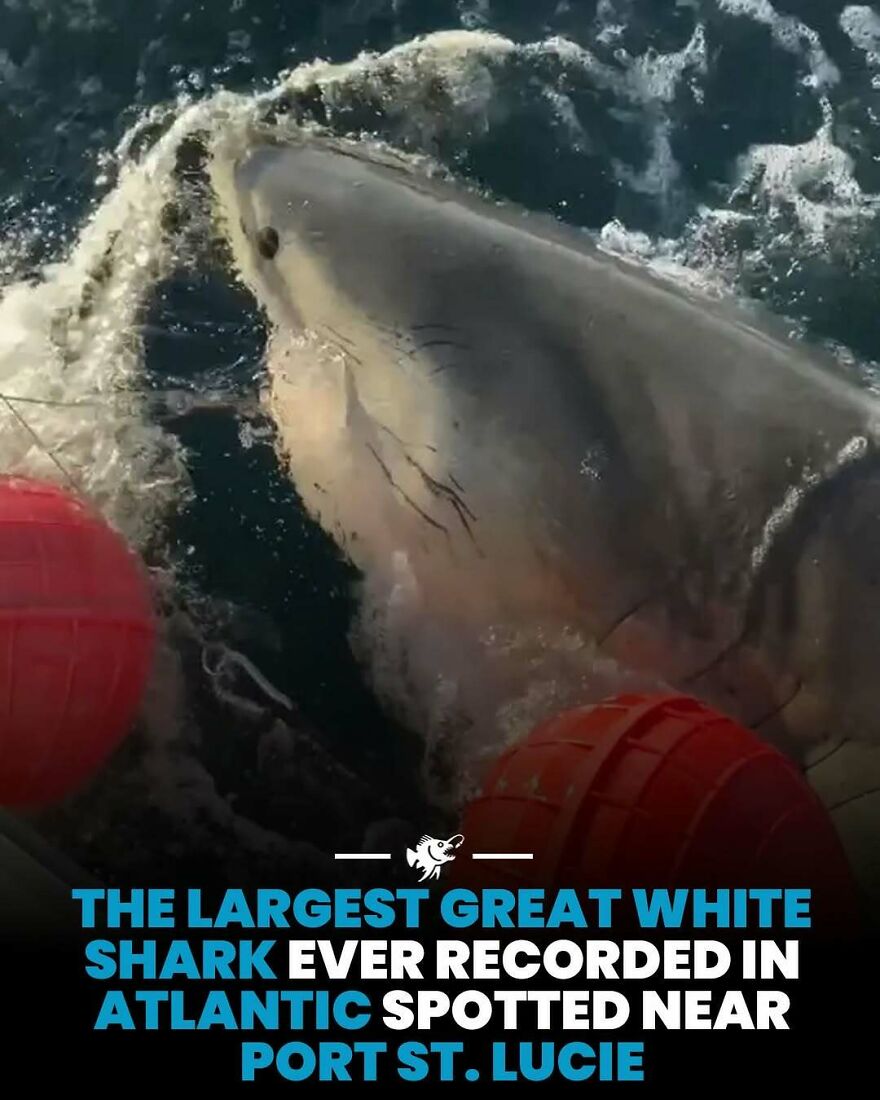
The largest great white shark ever documented in the Atlantic has resurfaced off Florida’s east coast, spotted between Cape Canaveral and Port St. Lucie. Known as Contender, the massive shark measures roughly 14 feet in length and weighs just under 1,700 pounds, making him the biggest recorded specimen of his kind in Atlantic waters.
Deep Blue is the largest great white recorded in the Pacific Ocean, measuring 6.1m/20ft, weighing an estimated 2495kg/5500lbs and she is around 50 years old.
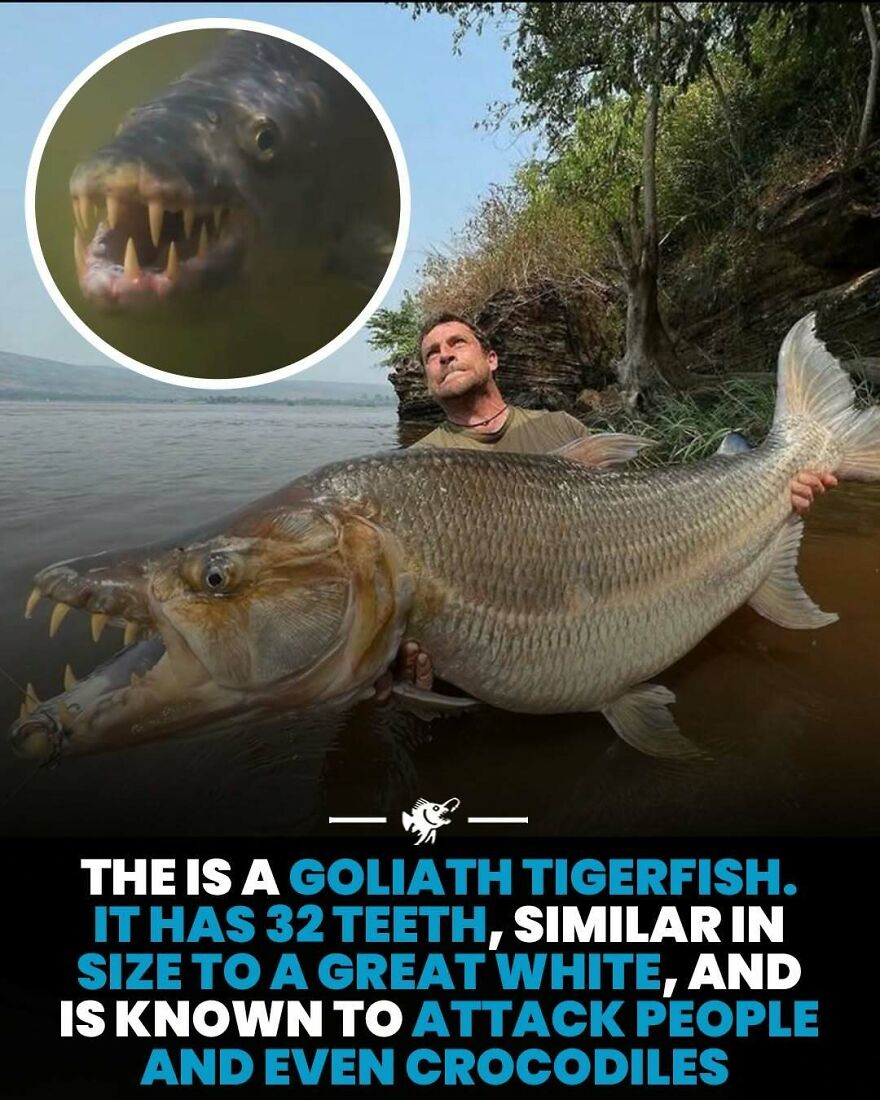
The Goliath Tigerfish is one of the most aggressive freshwater predators, native to the Congo River Basin. It can grow beyond 5 feet and exceed 100 pounds, with large, interlocking teeth designed to cut through prey with precision.
It hunts other sizable fish and relies on speed and force to dominate its environment. Its reputation comes from both its physical structure and behavior, placing it among the most formidable predators found in river systems.
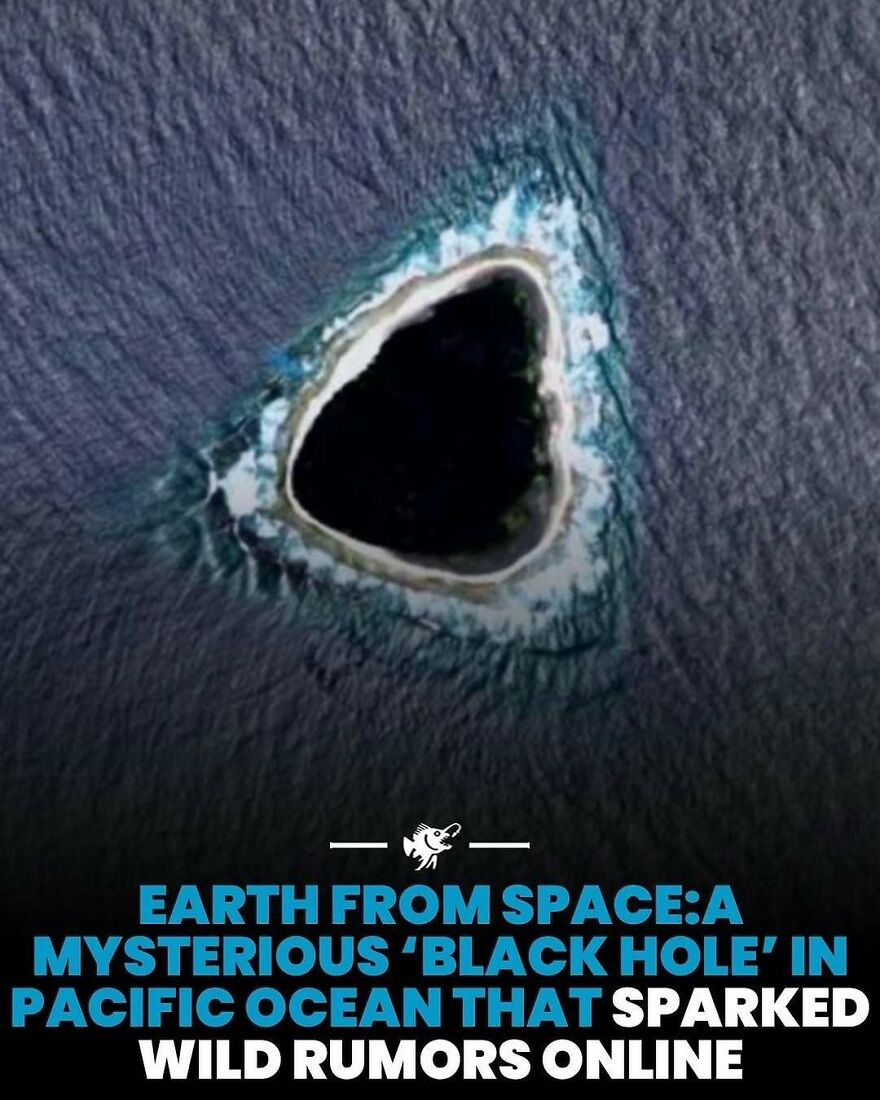
A strange black triangle in the middle of the Pacific went viral in 2021 after sharp-eyed users spotted it on Google Maps and started speculating about classified military sites, hidden bases, or some kind of geological anomaly. The reality turned out to be smaller, stranger, and entirely natural.
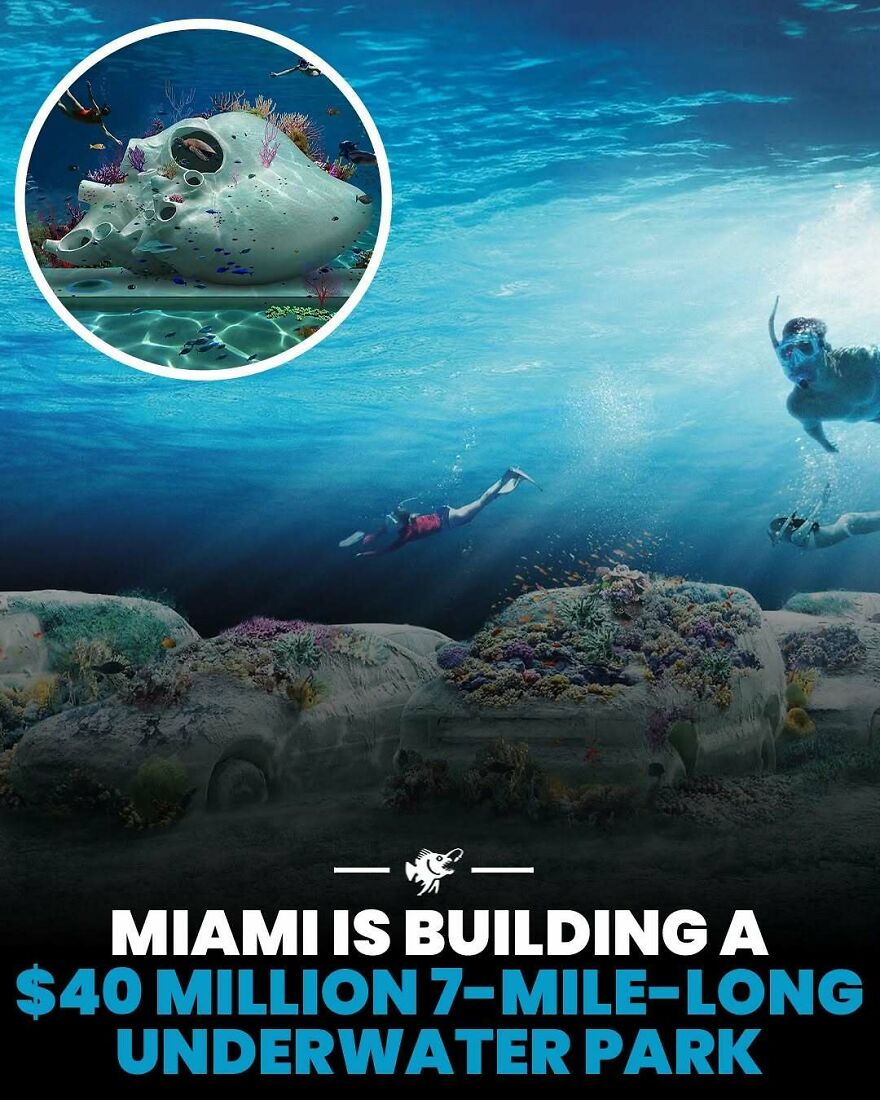
Miami Beach is merging environmental protection with public art in an ambitious new project called The ReefLine—a seven-mile underwater sculpture park that also functions as an artificial reef. Situated just off South Beach, the installation is designed to foster coral growth and marine biodiversity while offering divers and snorkelers a unique cultural experience beneath the waves.
Seven miles is not enough. Sea creatures tend to travel long distances.
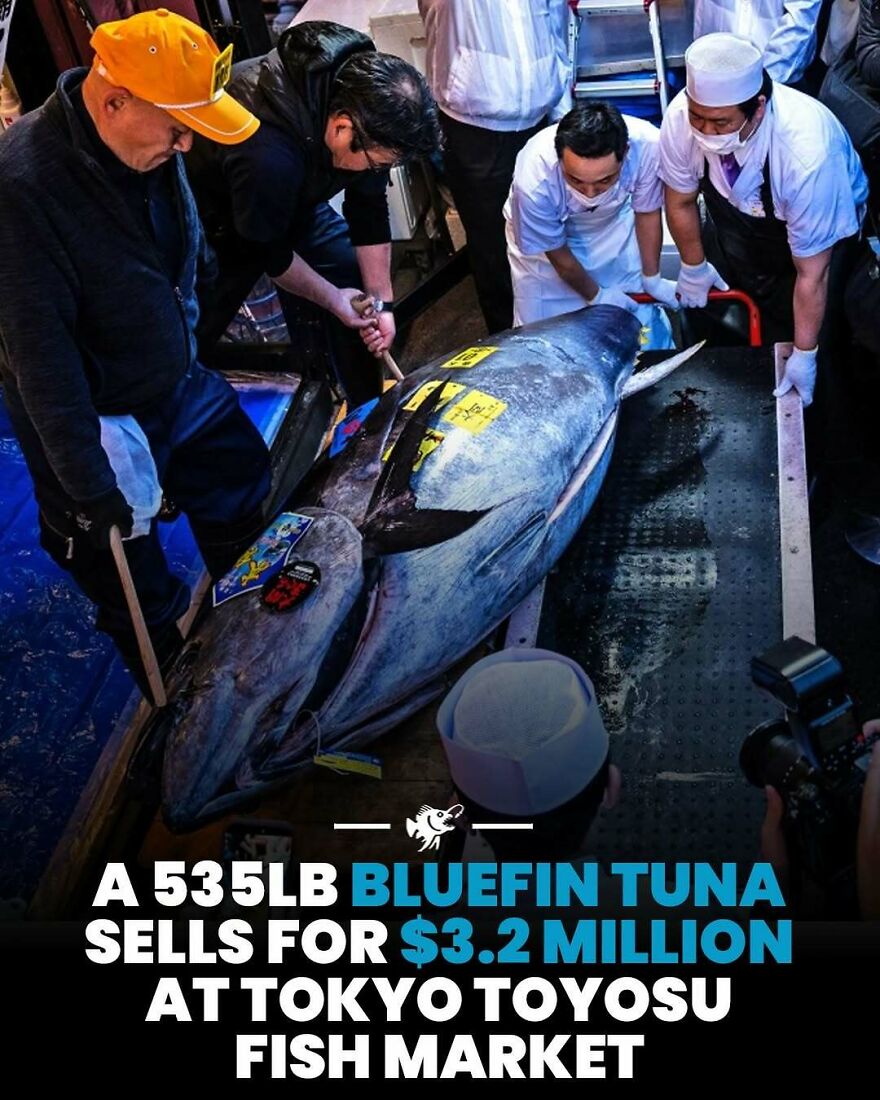
A 535 pound bluefin tuna has sold for $3.2 million at the Toyosu Fish Market, one of the most prestigious seafood auction venues in the world. The sale instantly drew attention for its scale, even by Tokyo standards, where record setting bids are treated as both commerce and spectacle.
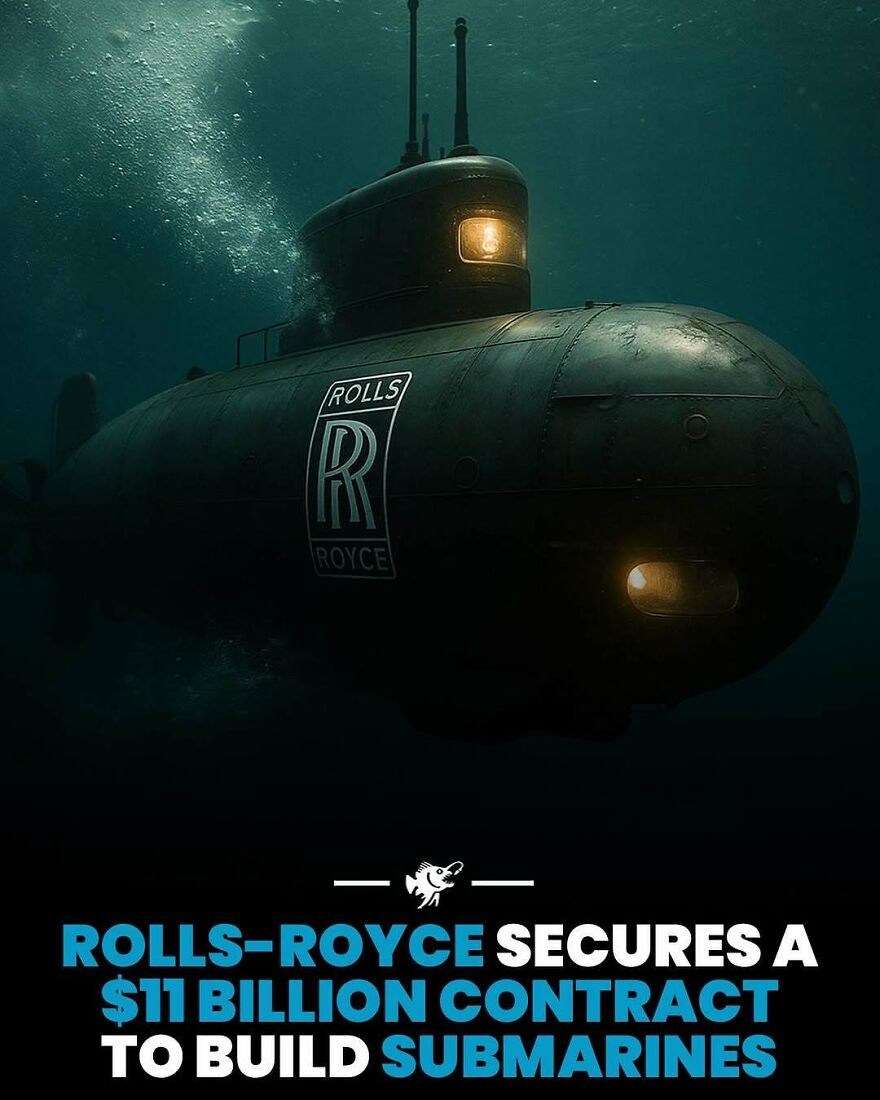
Rolls-Royce has secured an $11 billion contract from the UK government to lead the design, production, and maintenance of nuclear submarines for the Royal Navy over the next eight years. The massive deal is not just a defense upgrade—it’s a major economic driver, aimed at strengthening both national security and industrial output.
Some good info and some hopeful info, but y'all need to do a better job with some of those crazy AI pictures - some of them are just awful.
just a fun thought. when ever i see dolphins and whales breeching, i wonder if they are having a game. "bet you i can jump higher and farther out of the water than you!"
Some good info and some hopeful info, but y'all need to do a better job with some of those crazy AI pictures - some of them are just awful.
just a fun thought. when ever i see dolphins and whales breeching, i wonder if they are having a game. "bet you i can jump higher and farther out of the water than you!"
































 No fees, cancel anytime