Get Premium
Dark mode theme is available exclusively for premium users. Learn more about the benefits of subscribing.
No fees, cancel anytime.

 Dark Mode Ad-Free Browsing Unlimited Content
 Ad-Free Browsing Unlimited Content Dark Mode
Join 1.2 million Panda readers who get the best art, memes, and fun stories every week!

History and factual reality can often be scarier, weirder, and far more brutal than anything you see in fiction. If you’re a fan of horror, creepiness, and bizarre things like we are, then we’ve got a truly terrifying list lined up for you today.
The ‘Terrific History’ social media project shares some of the most terrifying yet intriguing facts from history that might just change how you see the past. We have curated this list of the most spine-chilling posts to show you things that your school history books may have glossed over.
This post may include affiliate links.
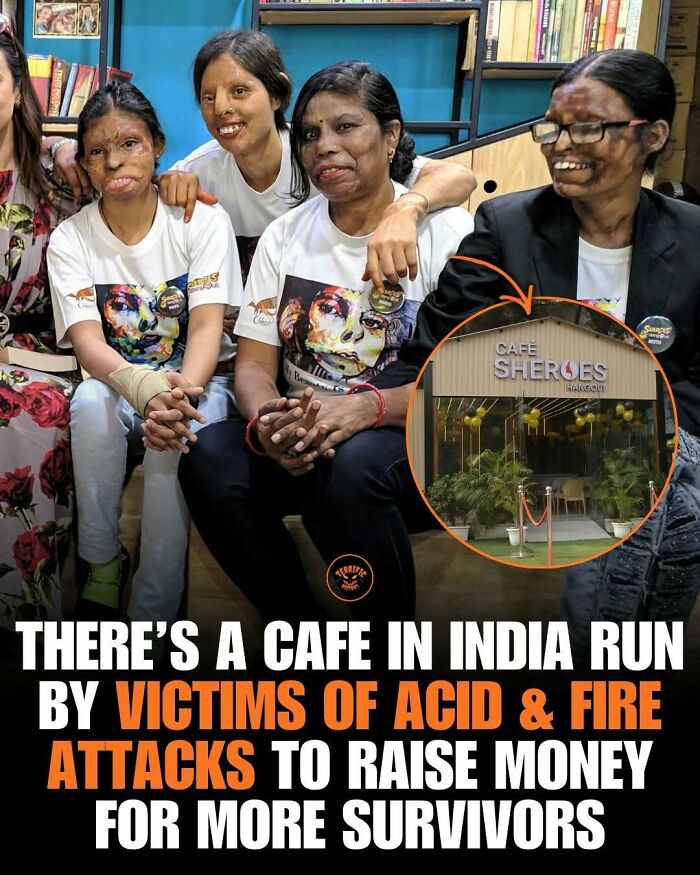
Sheroes Hangout in India is a café and community space created and operated by women who are survivors of acid attacks. It was established as a way to provide employment, dignity, and visibility to women who have endured severe violence, often carried out by partners, family members, or others in their close social circles. Acid violence, while not representative of all cases, has been a documented issue in parts of India and other countries, and it has had devastating physical and emotional consequences for survivors.
The space functions both as a café and as a support platform, where visitors can meet and interact with survivors in a welcoming environment rather than one defined by stigma or isolation. Proceeds from the café contribute to initiatives that support rehabilitation, medical care, and legal assistance for survivors of acid attacks. Beyond its role as a business, Sheroes Hangout has become a symbol of resilience and empowerment, helping shift public perception and encouraging conversations around gender based violence and survivor rights.

I just cannot fathom the sheer evilness of someone who would do this to another human being.
Though it's sometimes uncomfortable to say it aloud, we like horror content, whether it's movies, TV shows, video games, books, true crime podcasts, weird facts, and what have you.
It should not come as a surprise that many people are utterly enamored with terror (the dread of the unknown before a scary event) and horror (the shock and revulsion after the event) content that chills them to their core.
There are a few main reasons for this, and we’ll cover them below.
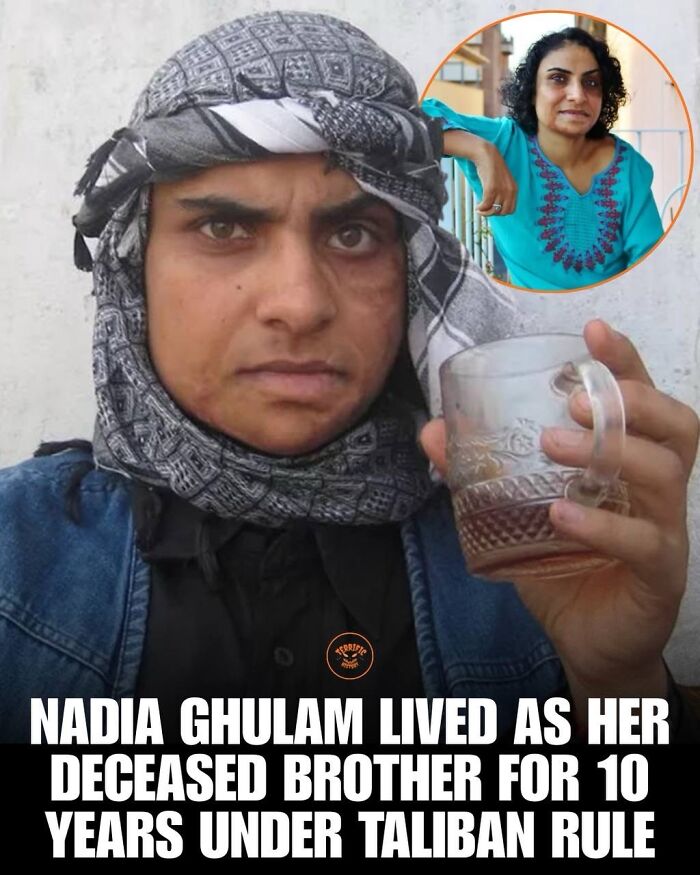
Nadia Ghulam is an Afghan woman who spent ten years living as her deceased brother to survive under Taliban rule. After her brother was k****d during a bombing in Kabul in the 1990s, and with her father disabled and her family facing extreme poverty, Ghulam cut her hair, adopted a male identity, and took her brother’s name in order to work and support her household—something forbidden to women at the time. Living as a boy exposed her to constant danger, including beatings and the risk of e*******n if discovered. Her story later became internationally known through her memoir The Secret Son, offering a stark account of gender restrictions under the Taliban and the lengths required for survival.

Good for her! Too bad it was necessary. And if you can't figure it out the censored word is exe.cution.
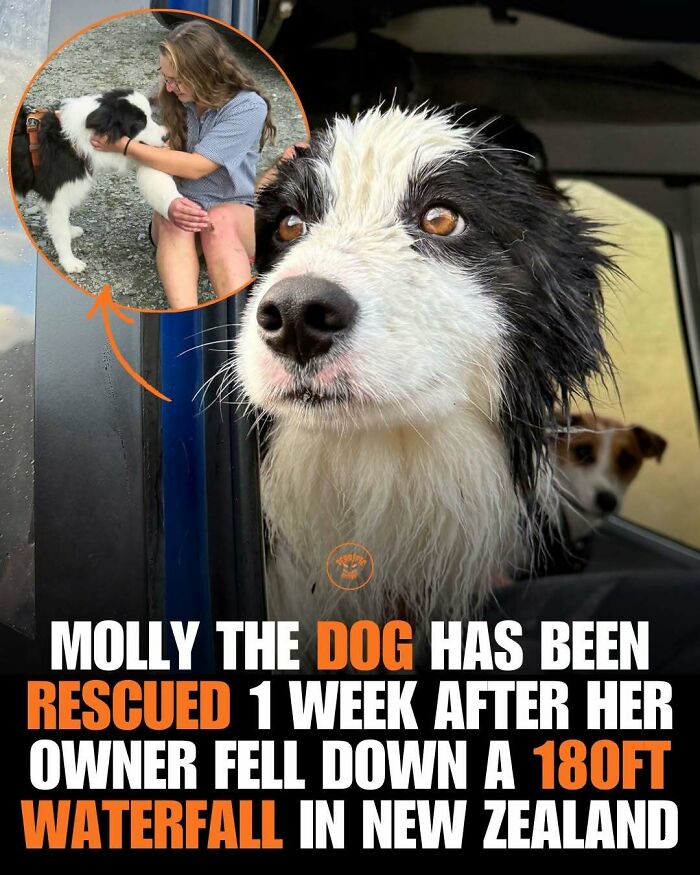
A border collie named Molly has been found alive after an extraordinary weeklong ordeal in the remote wilderness of New Zealand, after her owner fell down a 180 foot waterfall.
The accident happened during a hike in the rugged Arahura Valley, when Molly’s owner, Jessica Johnston, lost her footing and plunged roughly 55 metres down the falls. She survived the fall, reportedly cushioned by water, but suffered serious injuries and had to activate a locator beacon before being airlifted to hospital. In the chaos of the rescue, Molly disappeared into the dense, mountainous terrain.
With no official search effort for animals, what followed was a remarkable community driven mission. A volunteer team led by local helicopter pilots launched multiple search flights, funded by thousands of dollars in public donations. Using thermal imaging technology, they combed the steep, rain soaked landscape, an area described as extremely isolated, cold, and difficult to navigate.
Against the odds, Molly was finally spotted nearly a week later, huddled on rocks close to the base of the very waterfall where her owner had fallen. Rescuers carefully descended from a hovering helicopter, lured her in with food, and carried her to safety. Despite days alone in harsh conditions, she was found alive and in surprisingly good health.
The emotional reunion that followed brought relief after days of uncertainty, turning what could have been a tragic story into a powerful example of resilience, loyalty, and the determination of strangers who refused to give up hope.
On the surface, exposing yourself to scary content is, well, quite thrilling.
Human beings are curious creatures, and you get a rush of adrenaline and dopamine when you interact with something scary and bizarre.
It’s exciting and satisfies your inner urge to learn more about the world. You should not feel ashamed of having morbid curiosity—many people do.
Not only that, but with horror content, you get to experience genuinely scary situations from the complete comfort and safety of your home or movie theater.
Basically, you get most of the upsides of terrifying situations without many of the downsides—like actual threats that would put you in harm’s way. The worst that can happen is that you get jump-scared and your heart rate temporarily spikes—not great if you have a heart condition, but much safer than being in real danger.
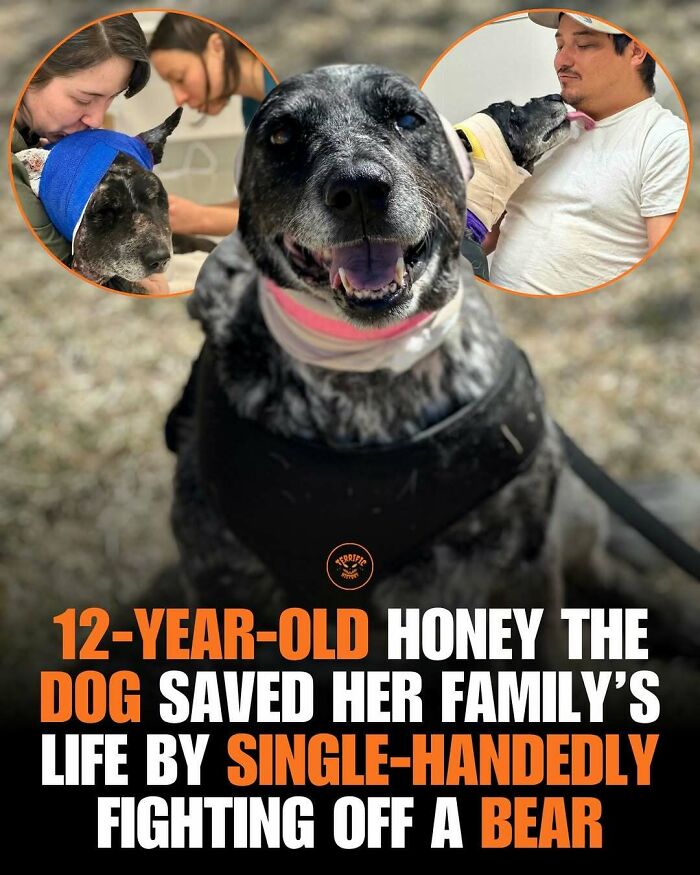
A 12 year old, partially blind dog named Honey proved that courage has nothing to do with size, strength, or age when she took on a bear to protect her family in Cordova, New Mexico. The bear, likely fresh out of hibernation and searching for food, broke onto the family’s property in early March and targeted their chicken coop. Despite her limited vision and older age, Honey repeatedly confronted the predator in the dark, ultimately driving it away and preventing harm to more than 60 chickens, two horses, and the rest of the household.
By the time her family found her the next morning, Honey was barely alive, suffering from severe swelling, deep puncture wounds, and a catastrophic injury that tore skin along her neck and face. She was rushed into emergency care, where vets worked to save her life through surgery and intensive treatment. Against the odds, she survived and is now recovering, still showing the same gentle spirit that carried her through the attack. Her family now calls her “The Bearslayer,” not just for facing down a wild predator, but for choosing to stand between danger and everything she loved.

The bear "broke onto the families property"? I think the family was probably quite safe in the house, where old Honey should have been. Hungry bear can eat the chickens!
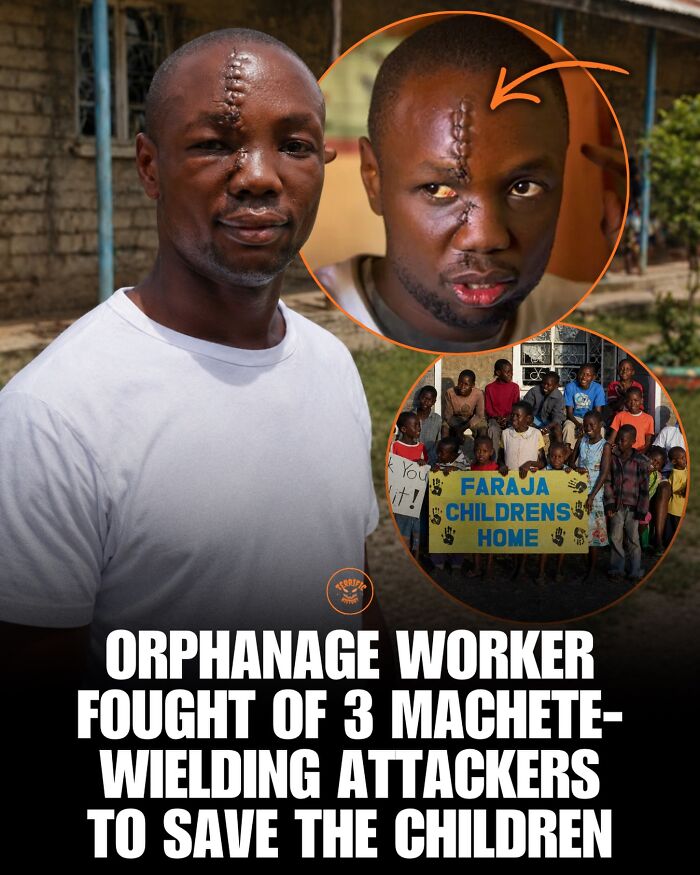
Anthony Omari, who helped run the Faraja Children’s Home in Ngong, Kenya with Martha Bosire, was reported to have confronted intruders during a break in at the orphanage while 37 children were inside. According to accounts shared online and in fundraising reports, he used a hammer to drive the intruders away but was injured during the incident and required hospital treatment, including stitches to a facial wound.
His story circulated widely after being shared on Reddit, leading to an international fundraising response that reportedly raised tens of thousands of dollars from thousands of donors. The donations were used to improve security and living conditions at the orphanage, including fencing and basic supplies for the children. Omari later continued his involvement with the home and pursued further education, though specific details about his later career are less consistently documented.
Another reason why so many people enjoy horror-related content is that it offers some practical lessons for surviving potential threats.
In a nutshell, it’s a thrilling way to train your ability to detect threats, just as your ancestors would have needed to survive in highly dangerous environments.
Now, that’s not to say that horror films and creepy video games will fully prepare you for actual threats (you need actual, repeated, real-life practice to ingrain how to behave in emergencies), but it is better than nothing.
At least, with horror content, you’re aware of what scares and triggers you, how you perform under pressure, and what your limits are. It’s a good way to understand yourself better. What’s more, it can help desensitize you to at least some stressful situations.
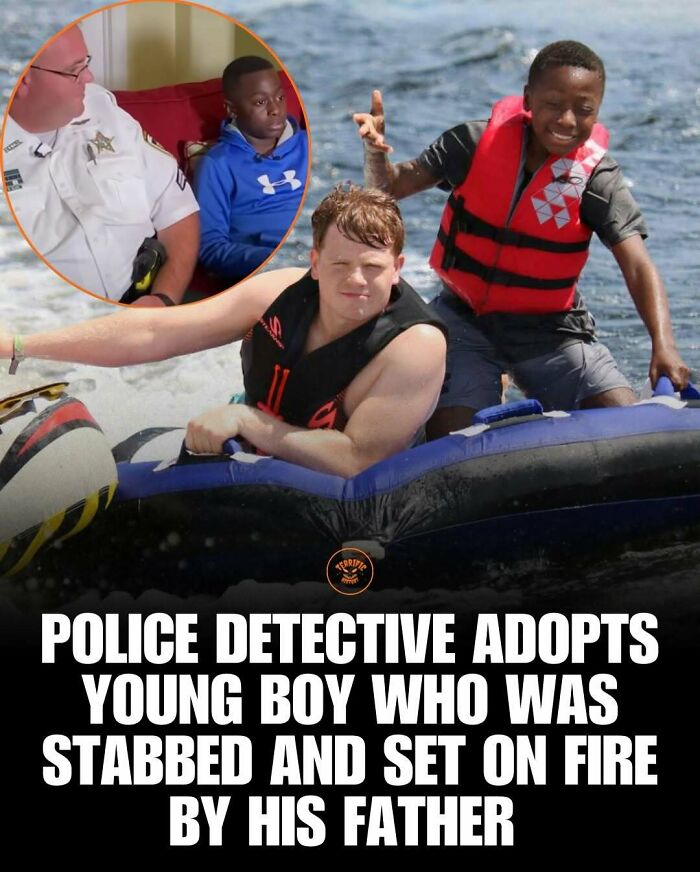
A U.S. police detective—Mike Blair—once responded to one of the most horrifying scenes imaginable: an 8‑year-old boy, later known as Ronnie Oneal IV, had been stabbed and set on fire by his biological father, who also m******d the boy’s mother and sister.  Despite being told the child likely would not survive, the boy pulled through — and amid his recovery, Blair visited him in hospital, forming a connection that would change both their lives forever.  In 2019, after a lengthy process, Detective Blair and his wife formally adopted Ronnie, giving him a new home, a new family, and a chance to heal.  That transformation — from a scene of unspeakable tragedy to a testimony of compassion — stands as a powerful reminder: even in darkness, hope and humanity can prevail.
I'm happy he found a great family that wanted him. Hopefully the father is rotting in jail!
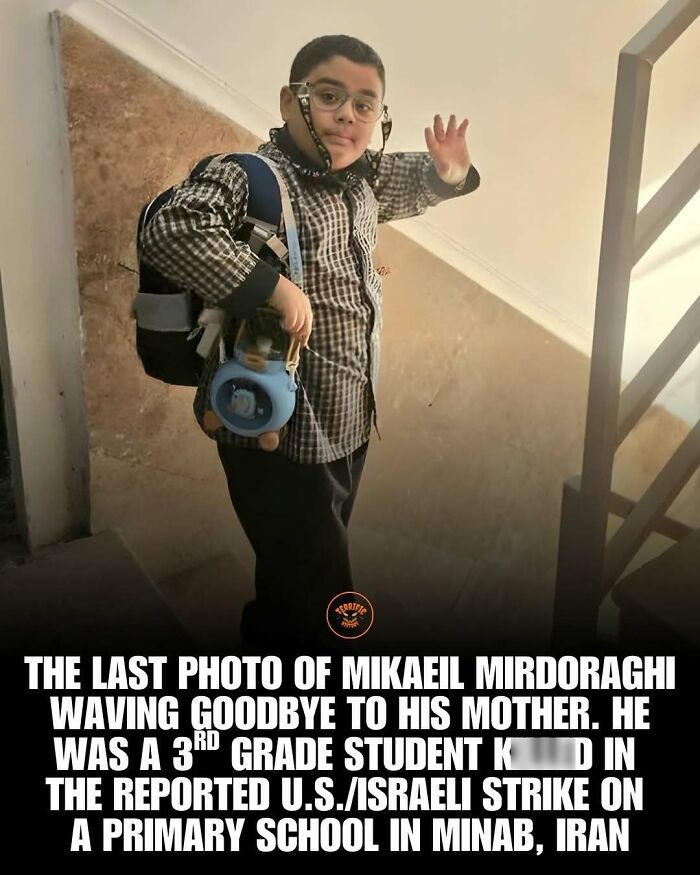
The final known photo of Mikaeil Mirdoraghi, a third grade student who was k****d in the reported strike on a primary school in Minab, Iran. In the image he is seen waving goodbye to his mother before leaving for school.
Harvard Business Review stresses that horror allows us to gain novel experiences.
“Apocalypse horror films, for example, allow us to live out alternative realities — from zombie outbreaks to alien infestations. Some novel experiences can even contribute to our sense of accomplishment, like visiting a notorious haunted house. Being adventurous in this way makes us feel more worldly or daring (not to mention grants us bragging rights),” HBR explains.
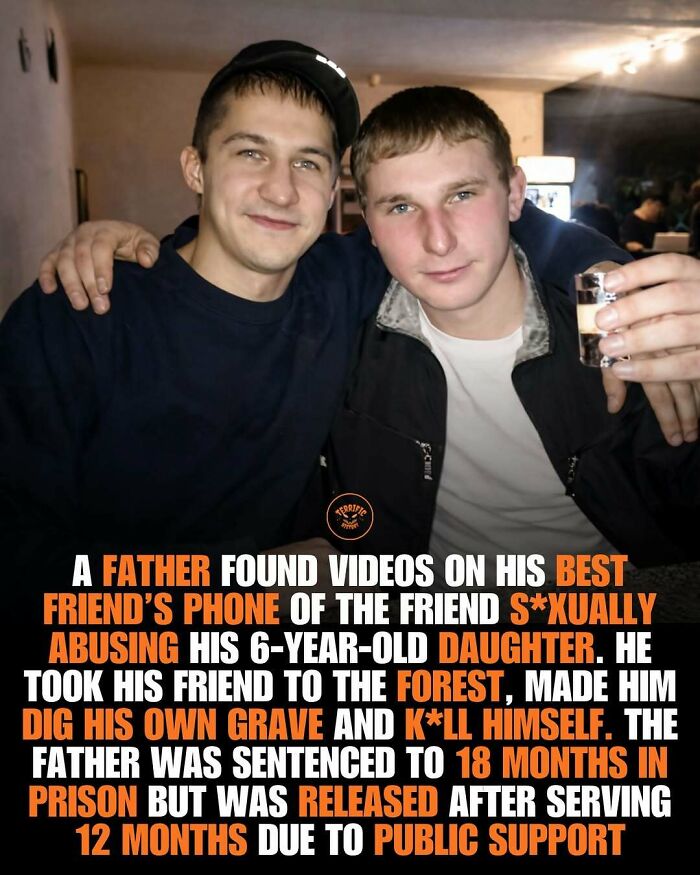
A 34-year-old father living in Russia stumbled upon videos on his best friend’s phone of the friend s*xually abusing his 6-year-old daughter during an evening of drinking together. Upon learning that his daughter had been repeatedly abused for a long time, the father took his friend to the forest, forced him to dig his own grave, and made him k*ll himself with a knife. The father was sentenced to 18 months in prison in 2022; however, following intense public support and reactions of “he protected his daughter,” he was released after serving 12 months.
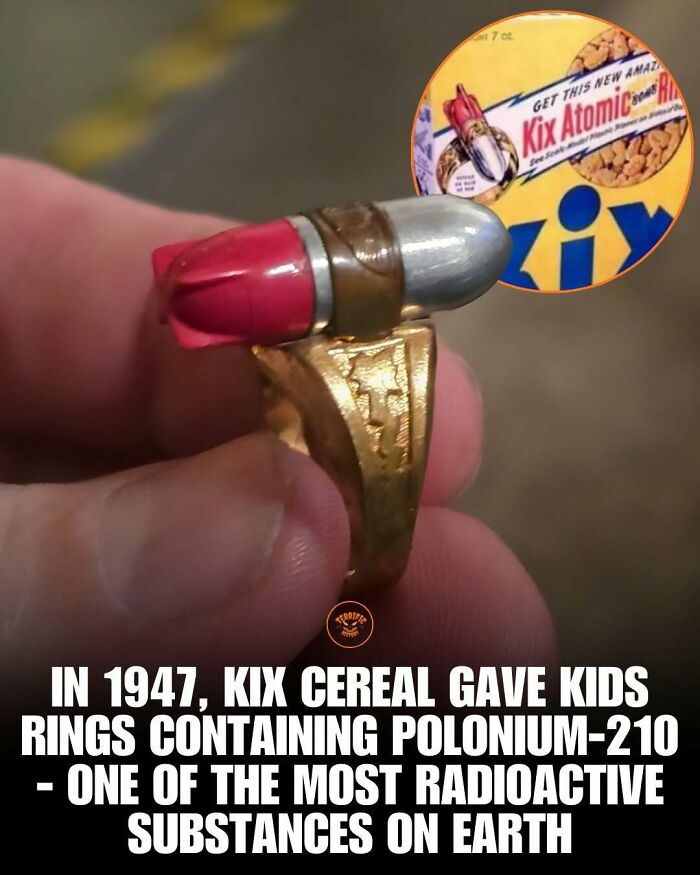
In 1947, Kix cereal ran a promotion that feels unthinkable today: rings for kids that contained polonium-210, one of the most radioactive substances on Earth.
In post-war America, anything labeled “atomic” was fashionable and futuristic. Leaning into that craze, Kix offered a novelty prize called the Atomic B**b Ring. For 15 cents and a cereal box-top, children received a ring fitted with a tiny device known as a spinthariscope, which allowed them to see faint flashes of light created by radioactive decay.
Here’s the astonishing part: the ring used polonium-210, one of the most toxic elements known to science. The quantity was extremely small and sealed inside the device, and because alpha radiation cannot penetrate human skin, it was considered safe at the time.
By modern standards, the idea sounds outrageous. But in the 1940s, radioactivity wasn’t widely feared — it symbolized scientific progress, innovation, and the promise of the future.
Cereal boxes, children, and radioactive elements — just another day of marketing in the Atomic Age.
Another omission in this story, which thanks to years of watching QI I can expand on, is that the ring was given away in cereal boxes as a part of a Lone Ranger promo. Yes, the hero masked cowboy, along with his faithful sidekick Tonto, apparently had access to nuclear secrets back in the old West days.
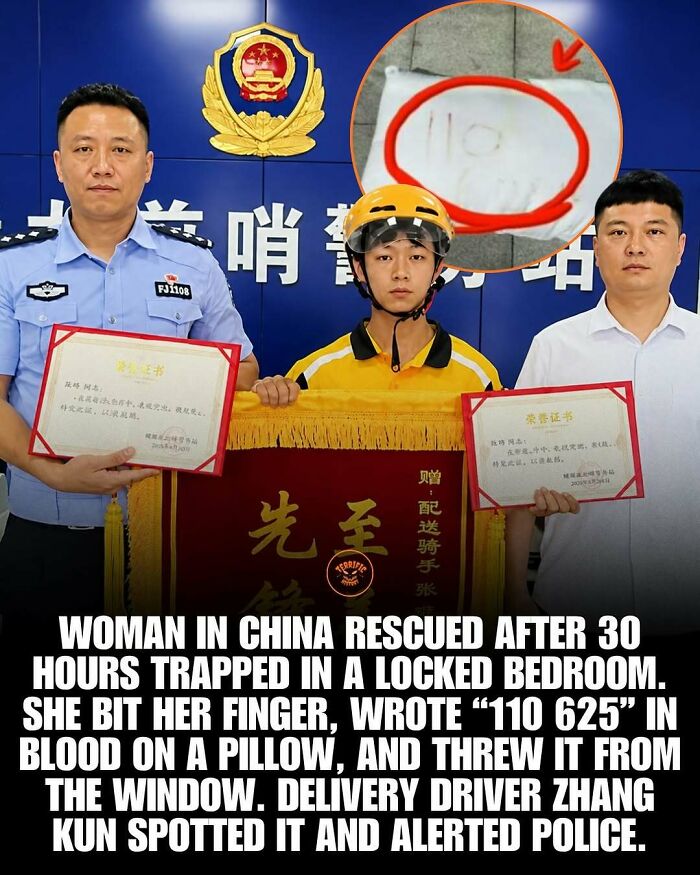
A woman surnamed Zhou was rescued in Sichuan, China after being confined inside a locked bedroom for more than 30 hours without access to food or water. With no way to call for help, she resorted to a desperate measure to attract attention. She bit her own finger to draw blood and used it to write “110 625” on a pillowcase—“110” being China’s emergency police number, and “625” believed to reference her location. She then threw the pillow out of the window in the hope that someone would notice.
Her plan worked when a delivery driver named Zhang Kun spotted the blood marked pillow and immediately recognized that it was a distress signal. He contacted authorities, who were able to trace the location and respond quickly. Police arrived at the scene, forced entry into the room, and safely rescued Zhou. The incident has since drawn attention online, with many praising both her quick thinking under extreme conditions and the delivery driver’s awareness and willingness to act, which ultimately helped save her life.
Moreover, through horror content, we get to satisfy our curiosity about some of the darkest aspects of the human experience and psyche.
“After all, in real life, we might not have the opportunity to get to know a Hannibal Lecter or wander the streets during The Purge. As an inherently curious species, many of us are fascinated by what our own kind is capable of. Observing storylines in which actors must confront the worst parts of themselves serves as a pseudo character study of the darkest parts of the human condition.”
Beyond that, experiencing horror can be a great way to connect and bond with other people, and to relax after all the stimulation you experience gets washed away with relief.
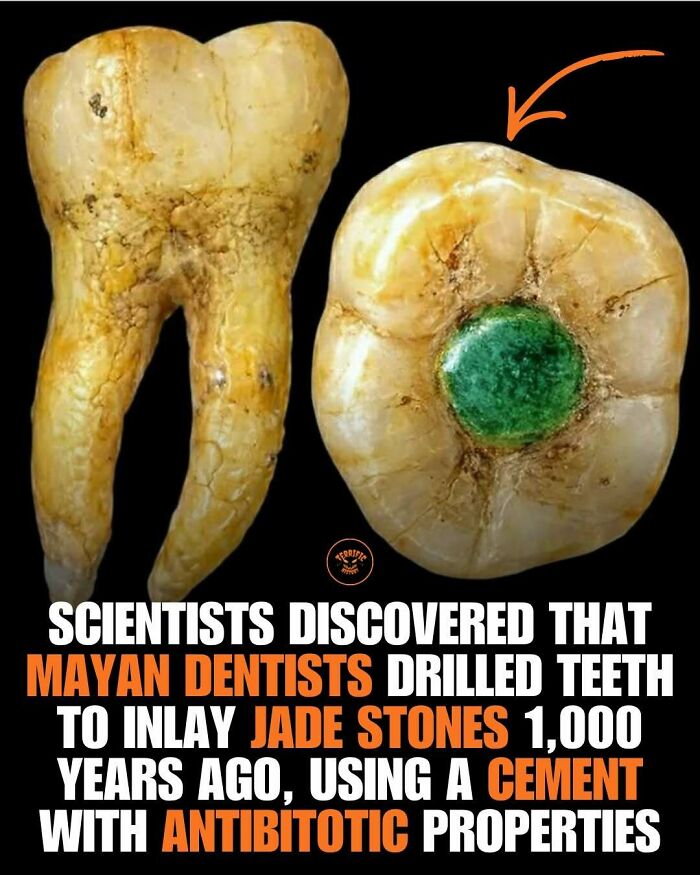
Researchers have found that ancient Maya practitioners were performing remarkably advanced dental work over a thousand years ago, carefully drilling into teeth to place decorative jade inlays. This was not just aesthetic but required impressive precision and knowledge of materials, as they worked without modern tools or anesthesia.
Even more striking is the adhesive they used to secure these stones. The cement like substance contained natural compounds with antibiotic properties, helping to protect the tooth from infection while keeping the inlay firmly in place for centuries. Many of these ancient dental modifications remain intact today, offering a fascinating glimpse into the ingenuity and sophistication of early medical practices
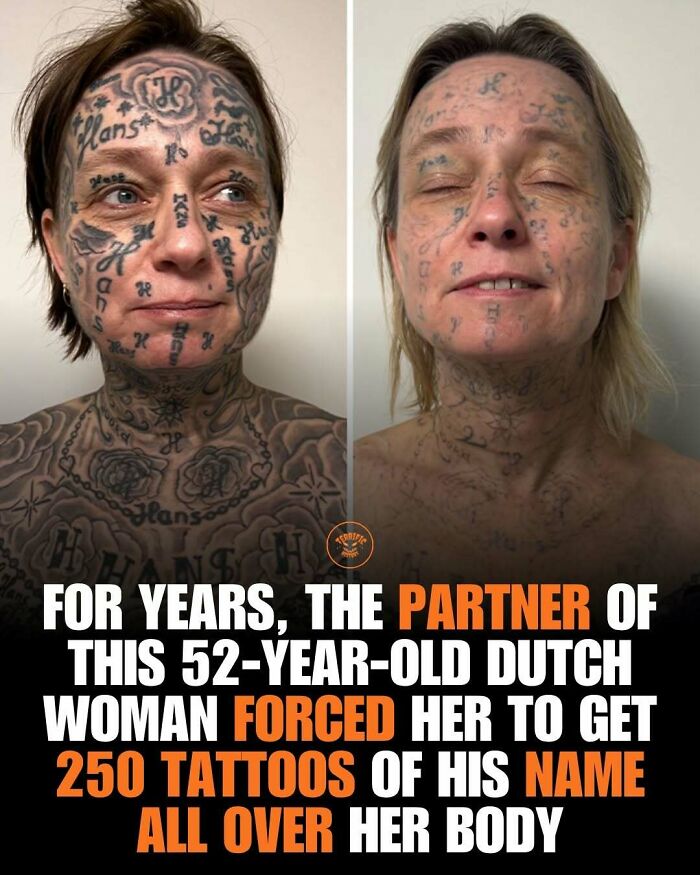
A 52-year-old Dutch woman, identified only as Joke, endured years of abuse in which her former partner forced her to have his name, initials, and even phrases like “property of” tattooed across her body roughly 250 times. According to reports, the man used a tattoo machine himself and targeted multiple parts of her body, including intimate areas, as a way of asserting control and ownership over her. The abuse was not only physical but deeply psychological, with advocates describing it as a form of coercion and humiliation that left lasting emotional trauma.
Today, Joke is undergoing an extensive tattoo removal process with the help of a Dutch support organization that assists victims of coercive tattooing. The treatment is long, painful, and extremely expensive, already costing tens of thousands of euros, and may take years to fully complete. Experts say her case, while extreme, is not isolated—many women in the Netherlands have reported being pressured or manipulated into getting unwanted tattoos by partners, often as part of abusive relationships. For survivors, these markings serve as permanent reminders of fear and control, making removal not just a cosmetic procedure but an important step in recovery.
The United Kingdom-based ‘Terrific History’ Instagram account has been sharing some of the most terrifying moments from human history since October 2023.
The main appeal of this project for a whopping 664k followers on the social media platform is the mix between real-life events and the bizarre horror elements so many people love. On the one hand, you have grounded facts to make you feel like you’re learning something new. On the other hand, you have spine-tingling scariness to raise your heart rate.
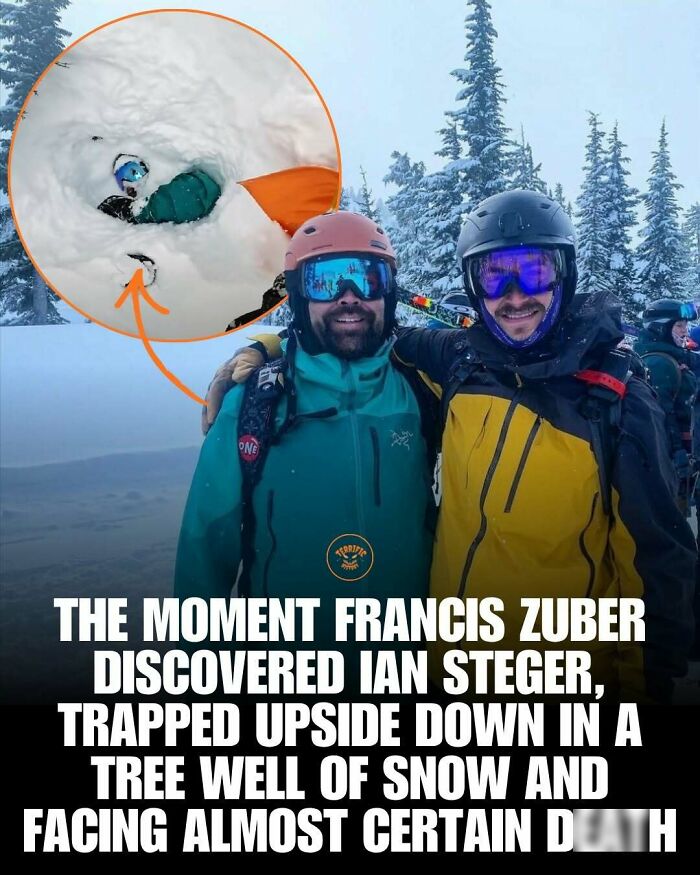
The footage documents the critical moment when Francis Zuber located Ian Steger, who had become trapped upside down in a snow-filled tree well—a hidden and highly dangerous hazard commonly found around deep snow and conifer trees. At the time of discovery, Steger was in a life-threatening situation, as tree well immersion can quickly lead to suffocation due to loose, collapsing snow restricting airflow. Zuber’s intervention occurred at a crucial point, capturing the urgency and severity of a rescue where, without immediate assistance, survival is often unlikely.
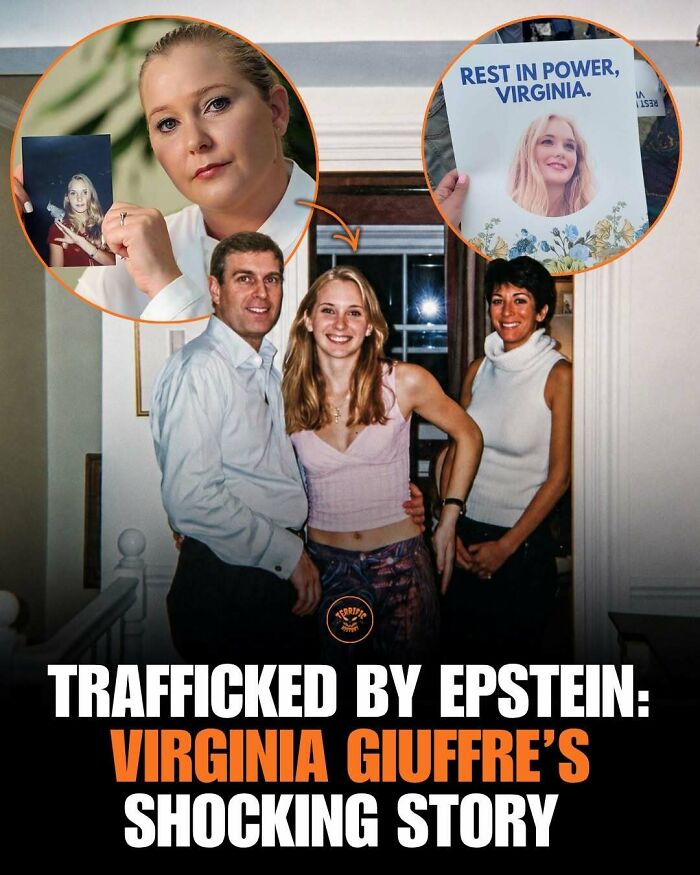
Virginia Giuffre became widely known for speaking out about s*xual abuse and trafficking allegations connected to Jeffrey Epstein and his associates. Her public advocacy helped bring international attention to the experiences of survivors and sparked broader conversations about accountability and justice.
Over the years, Giuffre has supported survivor advocacy efforts and participated in legal actions related to the case. Her story has been covered extensively by major news organizations and remains part of ongoing discussions about abuse, power, and protection for victims worldwide.
Release The Epstein Files. Imagine all those girls being trafficked, how many people must have been involved, and yet the only man they have found is apparently Andrew, the man who has lost all his Royal titles except one. His Royal Nonceness.
What are the creepiest, scariest, and most mind-melting historical facts that you personally know that you’d want others to learn about, too?
How do you stay curious about the world, human history, and science in your day-to-day life? What are the most intriguing things you’ve recently learned, no matter the topic? We’d like to hear your thoughts, so grab a snack or drink and join us in the comments at the very bottom of this list.
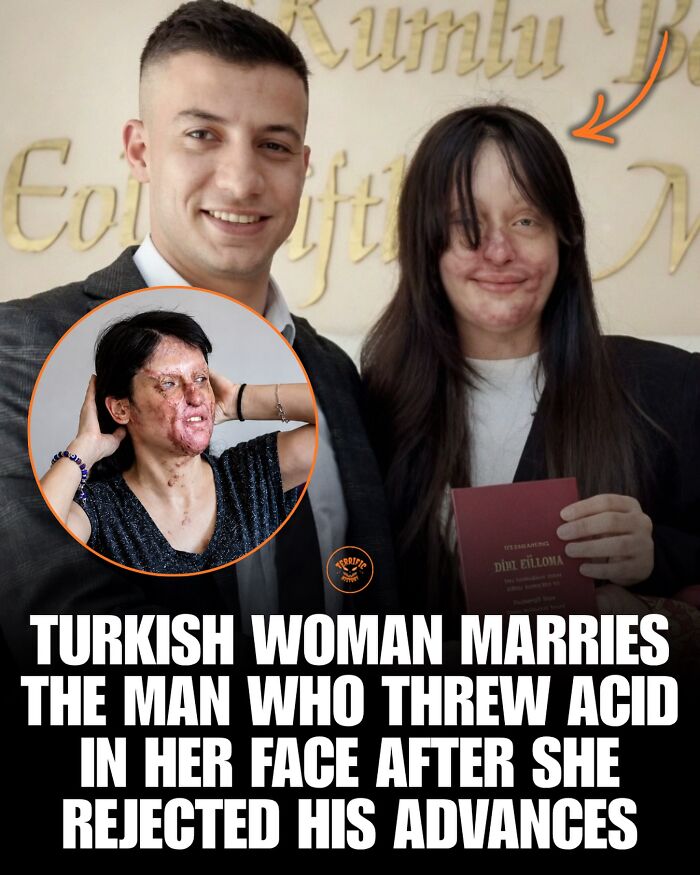
In 2019, 18-year-old Berfin Özek from Hatay, Turkey was the victim of a severe acid attack carried out by her former boyfriend, Casim Ozan Çeltik. According to reports from the case, he attacked her with sulfuric acid after making threats rooted in jealousy and control, including the claim that no one else could be with her.
The attack caused life changing injuries. She suffered serious burns to her face and body and permanently lost vision in one eye. The incident drew national and international attention because of its brutality and because it highlighted the dangers of obsessive and controlling relationships.
Çeltik was later convicted and sentenced to 13.5 years in prison. During his time in custody, he reportedly sent Özek letters expressing remorse and affection, which became part of wider public discussion about the emotional dynamics between them. Over time, she chose to withdraw her complaint.
In 2021, after his early release, the two married. The decision sparked widespread public debate and strong reactions, with many people struggling to understand how the relationship had evolved after such a violent crime. The case has since been frequently referenced in discussions about trauma bonding, coercive control, and the complex psychological effects that abusive relationships can have on survivors.
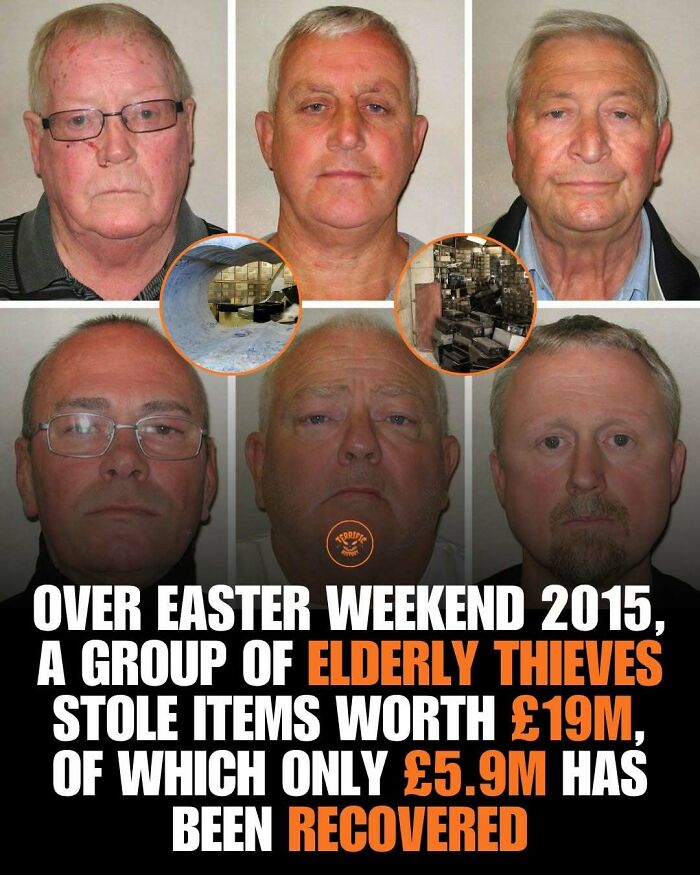
In 2015, the Hatton Garden safe deposit burglary became one of the most significant thefts in United Kingdom history. A group of experienced elderly criminals broke into a vault in London’s jewellery district over the Easter weekend, targeting safety deposit boxes containing cash, jewellery, and other valuables. The total value of the stolen items was estimated at around £19 million.
Despite a high profile investigation and multiple arrests, only about £5.9 million of the stolen property has ever been recovered. The case drew widespread attention due to the age of the offenders and the scale of the crime, cementing its place as one of the largest burglaries ever prosecuted in the UK.
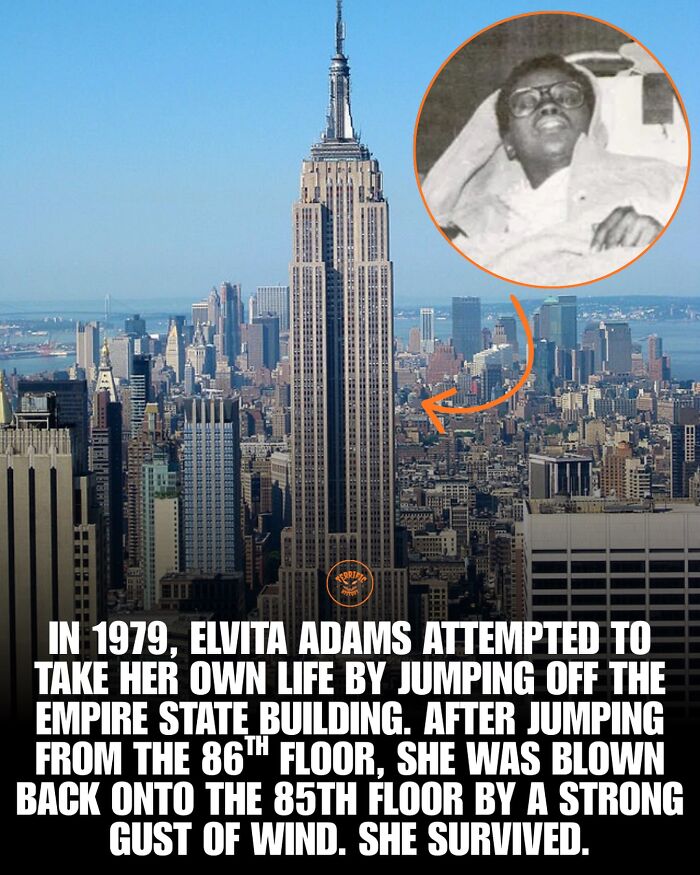
In 1979, Elvita Adams, a woman struggling with overwhelming despair, attempted to end her life by jumping from the Empire State Building. She chose the iconic skyscraper as the site of her attempt, reportedly feeling trapped by personal struggles and seeking a dramatic escape from her pain. As she leapt from the 86th floor, a powerful gust of wind unexpectedly pushed her back onto the 85th floor ledge, miraculously preventing her from falling to her death.
Adams survived the ordeal, and her story became widely reported as a rare instance of someone surviving such a high fall from one of the tallest buildings in the world. The incident highlighted both the dangers of severe mental health crises and the unpredictable forces of nature. It also served as a reminder of the importance of support and intervention for those facing intense emotional distress, showing how even in moments of despair, survival and help are possible.
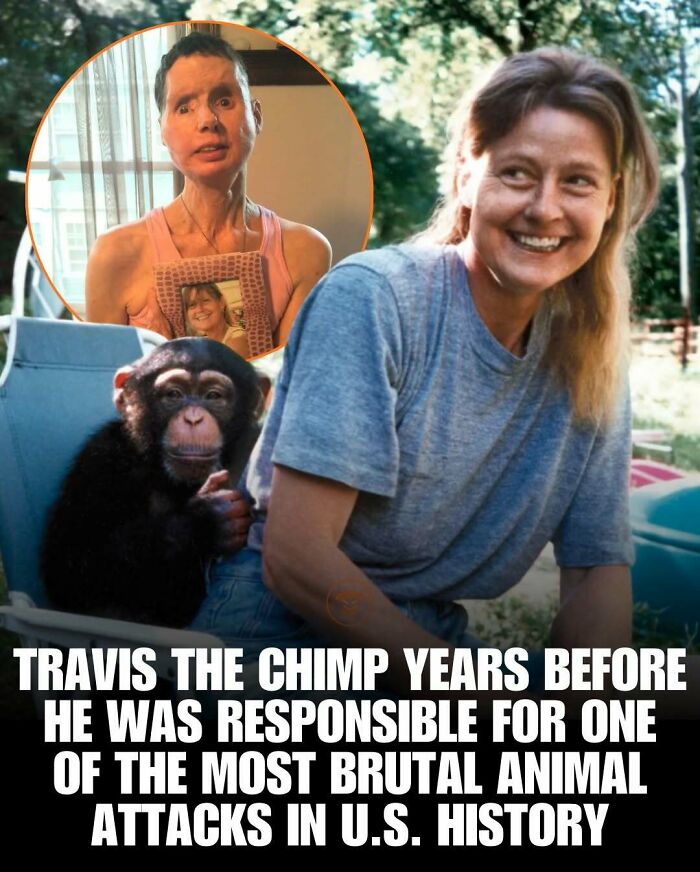
These unsettling photographs show Travis the chimpanzee gently holding a baby, taken years before he became associated with one of the most shocking animal attacks in United States history. Raised largely in a human environment, Travis was treated less like a wild animal and more like a child. He lived inside a home, wore clothes, watched television, and was even given alcohol and prescription medications intended for people.
Though he often appeared calm and obedient, his upbringing could not override the extraordinary strength and natural instincts inherent to chimpanzees. No amount of socialization can fully remove the behaviors rooted in a wild animal’s biology.
On February 16, 2009, in Stamford, Connecticut, that fragile sense of normalcy collapsed. Travis suddenly attacked his owner’s friend, Charla Nash, causing catastrophic, life altering injuries. The incident shocked the nation and sparked intense debate about the dangers and ethics of keeping exotic animals as pets.
Travis’s story remains a sobering reminder that affection and familiarity cannot erase an animal’s innate instincts and that placing wild animals in domestic settings can carry profound and irreversible consequences.
She ended up having a facial transplant and 2 hand transplants (which failed). The atta.ck left her blind and disfigured. She was awarded 4 million dollars after she sued Travis's owner. If you want to hear something horrifying go to YouTube and listen to the 911 call that Travis's owner made. It's truly awful. By that point she had stab'bed Travis in attempt to help her friend, but was hiding in a car after he continued the att.ack. She told the dispatcher that the police would need to shoot Travis multiple times because he was so strong. At one point she says "he's eating her". 😕
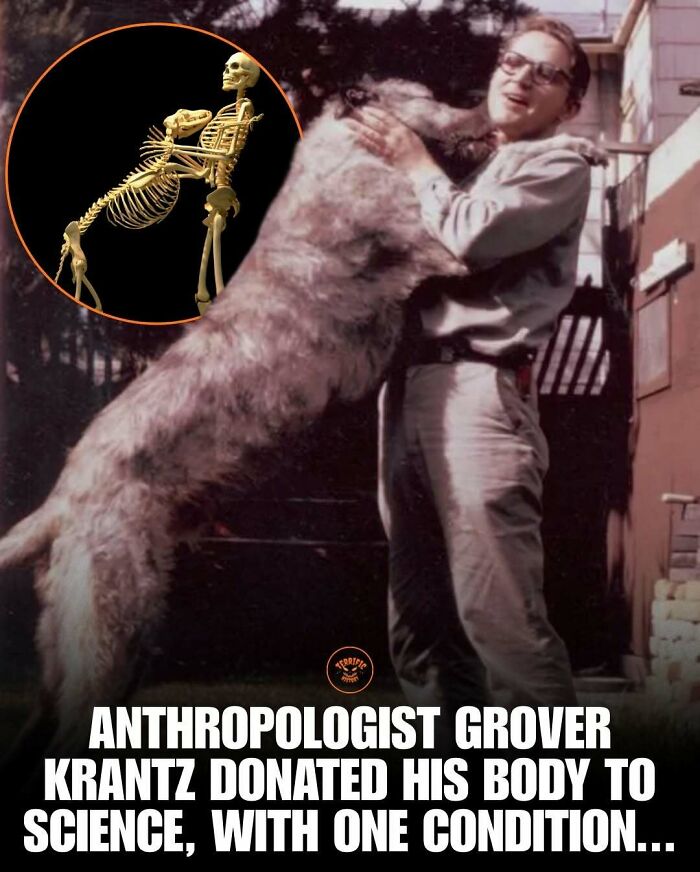
Anthropologist Grover Krantz made an unusual and deeply personal decision when he donated his body to science — with one specific condition attached: his dog had to remain by his side. After his death, both Krantz and his beloved companion were preserved and placed together for study and display at the Smithsonian in Washington, DC.
True to his wishes, the two were arranged so that the dog stayed close to him, reflecting the bond they shared in life. Rather than being separated as typical specimens, they became a single, shared exhibit — symbolizing loyalty, companionship, and the connection between humans and animals even beyond death.
The display has since become one of the Smithsonian’s most talked-about and emotionally striking exhibits, standing as both a scientific contribution and a quiet tribute to a lifelong friendship. It serves as a rare reminder that even in the most clinical spaces of science and research, deeply human stories can still be preserved.
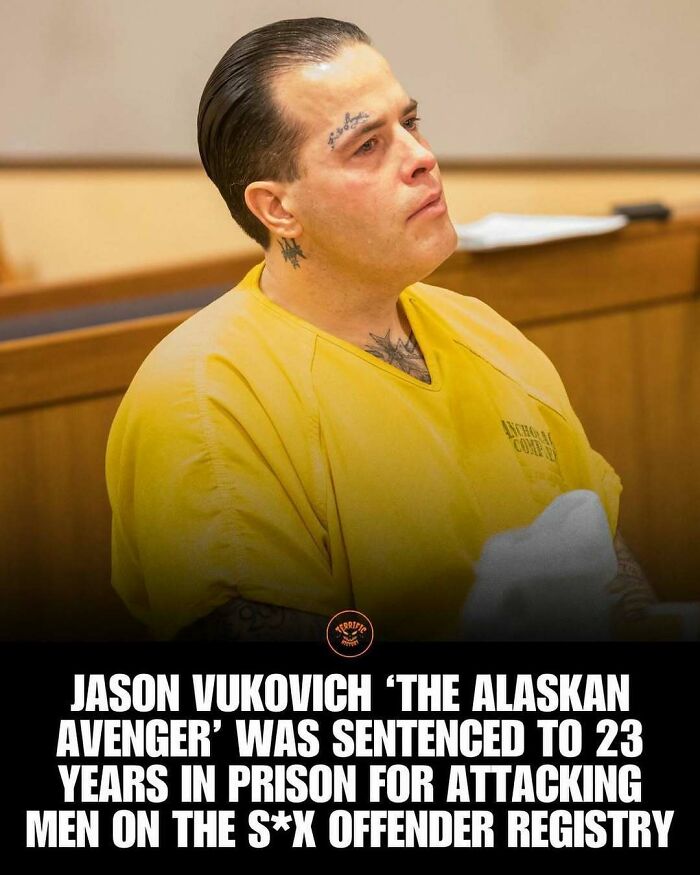
Jason Vukovich, known as “The Alaskan Avenger,” drew national attention after receiving a 23-year prison sentence for targeting men listed on Alaska’s official s*x offender registry. In 2016, he located three individuals on the list, went to their homes, and attacked them with a hammer. The case quickly made headlines and sparked widespread debate.
During his trial, Vukovich submitted a letter explaining that his actions were fueled by childhood trauma, revealing that he had been sexually abused by a family member. He said his goal was to prevent other children from experiencing the same suffering.
Since then, public opinion has been deeply divided. Some view him as a vigilante and a defender of children, while others emphasize that no one has the right to carry out their own form of justice.

Public urination committed twice within a certain radius of schools or parks, or teenagers s exting teenagers will result in a listing on Alaska’s official s ex offender registry.
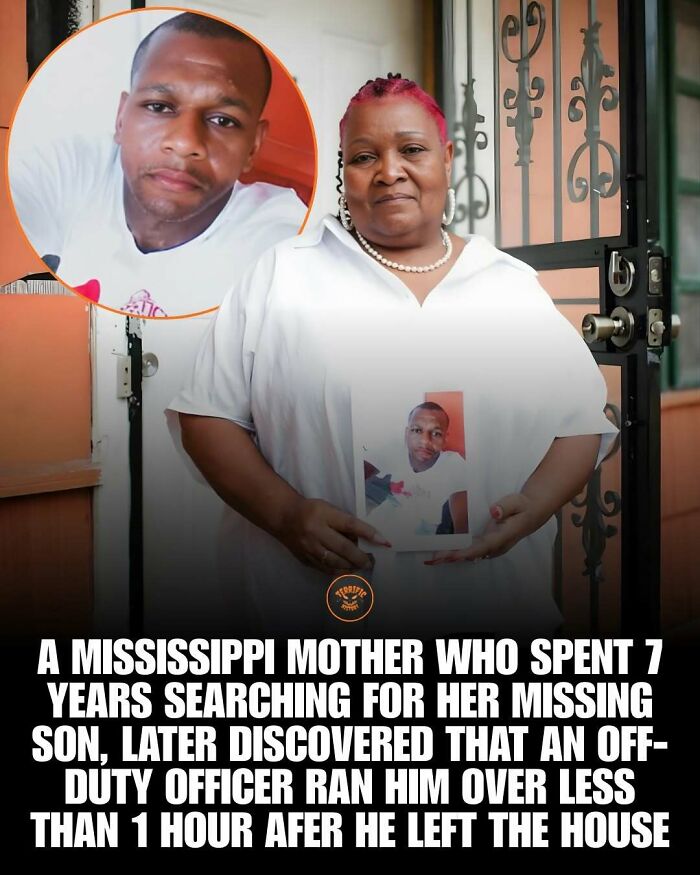
A Mississippi mother spent months desperately searching for her missing son, only to later learn a devastating truth.
Bettersten Wade looked for her 37-year-old son, Dexter Wade, for nearly seven months after he disappeared in March 2023. She filed a missing person’s report, contacted authorities repeatedly, and even searched neighborhoods herself, all while being told there were no updates.
What she didn’t know was that less than an hour after leaving home, her son had been struck and k****d by an off-duty police officer on a nearby highway.
Authorities were able to identify him shortly after the incident, but his family says they were never notified. Instead, his body remained in the county morgue for months before being buried in a pauper’s grave, without his mother’s knowledge and marked only by a number.
Wade only discovered what had happened in late August 2023, after months of searching and contacting police for answers. The case has since sparked national outrage, legal action, and calls for a federal investigation into how authorities handled the situation.
The title changed seven months of searching to seven years. Does BP not have an editor, or do the three contributors just blindly cut & paste?
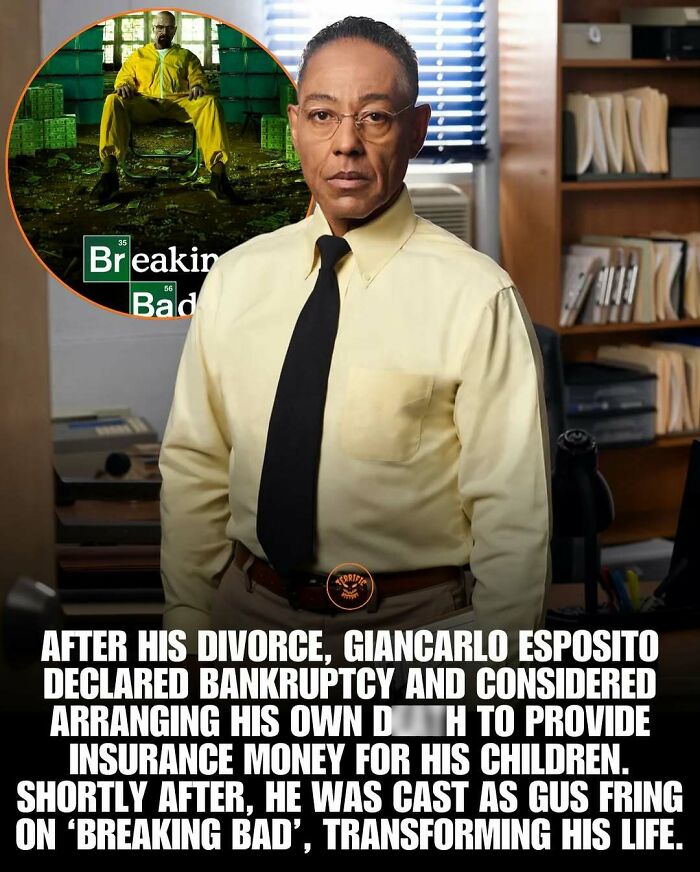
After his divorce, Giancarlo Esposito found himself in a devastating financial crisis. Work had slowed, opportunities were scarce, and the pressure of supporting his children weighed heavily on him. Overwhelmed and desperate, he filed for bankruptcy and reached an incredibly dark point in his life. In later interviews, he revealed that he even contemplated arranging his own death so that his children could receive the life insurance money, believing it might be the only way to secure their future.
Everything changed soon after when he was cast as Gus Fring on Breaking Bad. The role of the calm, calculating drug kingpin became one of the most iconic characters in television history. The performance earned widespread acclaim and revived his career in a way few could have imagined. What once felt like the end became a turning point, transforming not only his professional life but also restoring his sense of purpose and possibility.

I hate that he got to a point in life where he thought this was necessary. It’s awful. He’s one of those actors that I get excited every time I see his name or face- I know what I’m watching is going to be good. Loved Gus Fring and I love him as Moff Gideon in the Mandalorian.
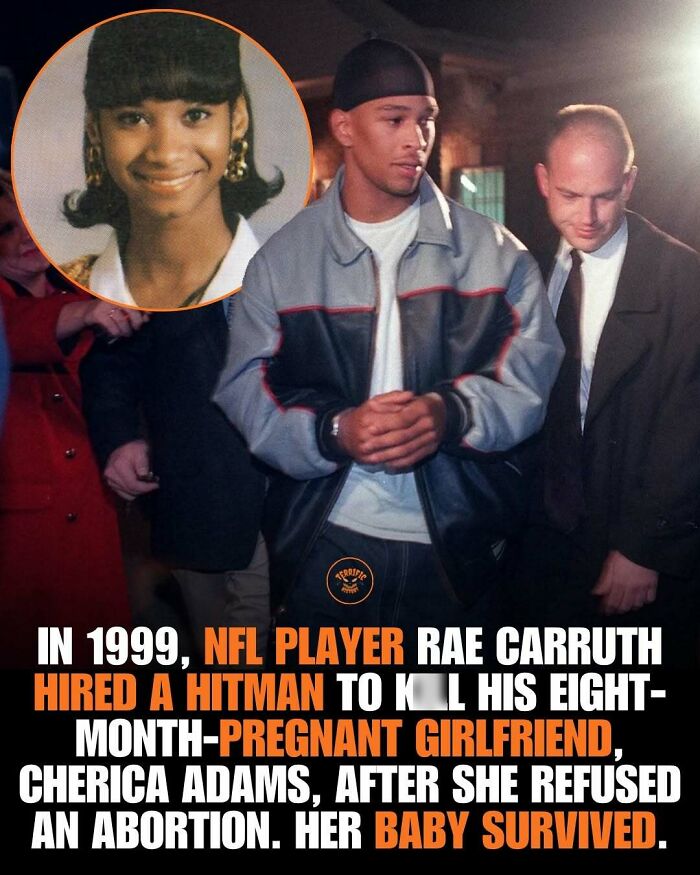
In 1999, former NFL player Rae Carruth orchestrated the attempted m*rder of his eight-month-pregnant girlfriend, Cherica Adams, after she refused to terminate their pregnancy.
During the attack, Adams was sh*t four times while driving and miraculously managed to call 911, identifying Carruth as the assailant. She was rushed to the hospital, but despite medical efforts, her injuries proved fatal, and she died shortly after the sh**ting. Doctors were able to perform an emergency delivery, and her baby, Chancellor Lee Adams, was born alive.
Tragically, he sustained serious complications from the sh**ting, including brain damage that left him with lifelong disabilities, requiring ongoing care and therapy. Carruth fled the scene, hiding in the trunk of a car, but was apprehended shortly afterward and later convicted of conspiracy to commit m*rder and related charges. He was sentenced to 18 to 24 years in prison and released in 2018. The case remains one of the most harrowing examples of domestic violence with devastating consequences for innocent lives.

I cannot believe he's not locked up for life..! Seriously..!?!? Premeditated m****r and attempted m****r of an unborn child should get the d***h penalty or minimum life sentence without parole. W*F ...!?!?
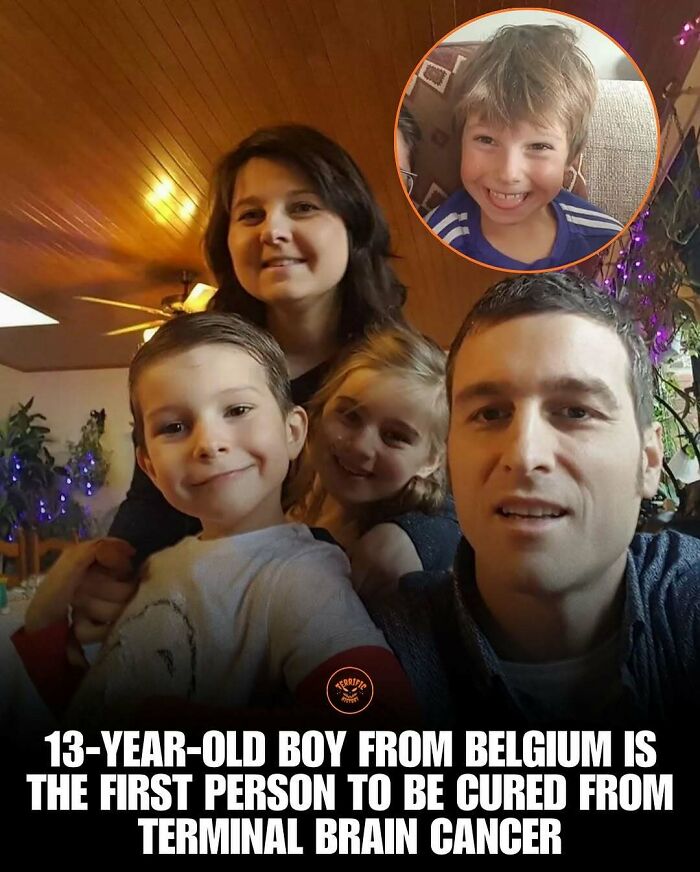
Lucas, a 13-year-old from Belgium, has become the first child ever cured of DIPG, one of the deadliest and most aggressive brain cancers. Diagnosed at age six, his chances were extremely slim, as DIPG rarely allows for long-term survival. While participating in a clinical trial in Paris, Lucas was treated with the drug everolimus, and his response was unprecedented. Over time, his tumor vanished completely. Remarkably, even after more than a year without treatment, there has been no sign of the cancer returning. Doctors believe his recovery may be linked to a rare genetic mutation, now being studied to help develop potential new therapies for other children. Lucas’ story, once thought impossible, now stands as a powerful symbol of hope in pediatric cancer research.
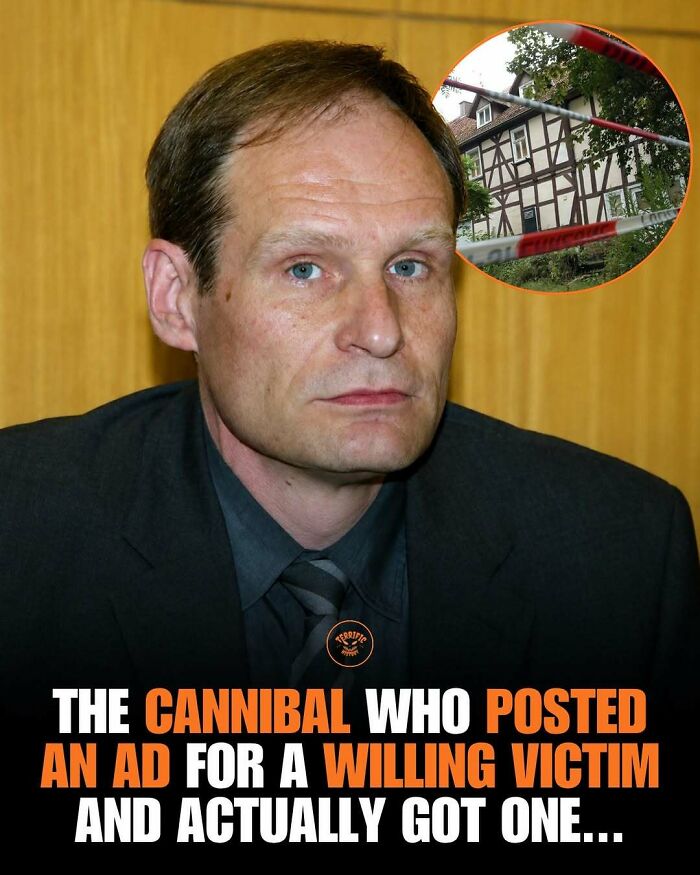
In 2001, a German man named Armin Meiwes posted a disturbing message online searching for “a well built man who wanted to be eaten.” Shockingly, a man named Bernd Brandes responded to the ad and willingly agreed to meet him.
The two signed a written agreement before consuming alcohol and sleeping pills together. Later that night, Meiwes mutilated Brandes and the pair reportedly consumed part of his body together before Meiwes ultimately k****d him. Over the following months, he stored parts of the body in his freezer and continued consuming them until authorities uncovered the crime. Meiwes was eventually sentenced to life in prison, where he remains today. The case became one of the most shocking and widely discussed examples of consensual cannibalism in criminal history.
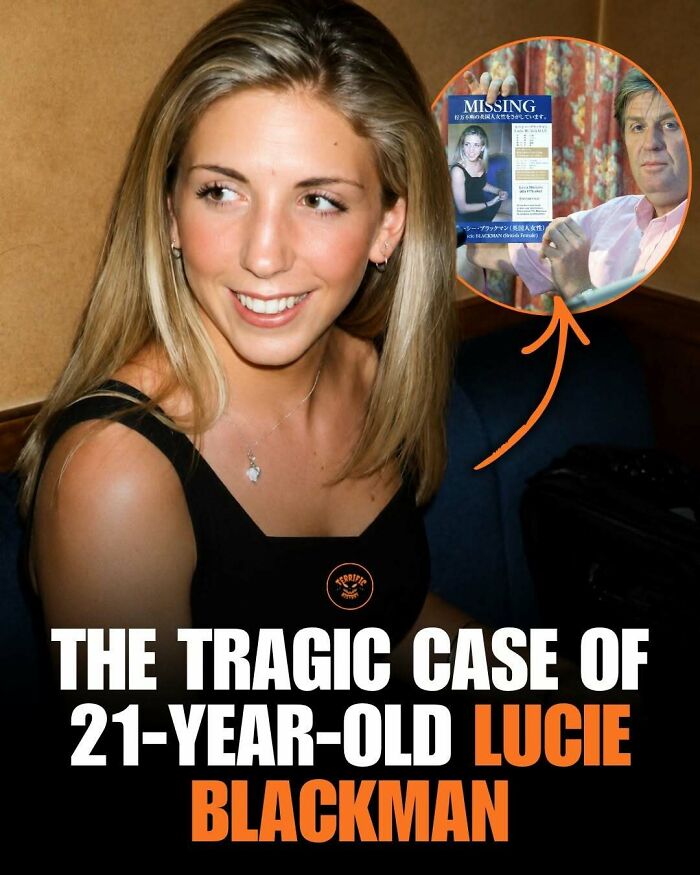
In July 2000, 21-year-old Lucie Blackman, a British former flight attendant, traveled to Tokyo, Japan, where she was working in the Roppongi district as a hostess. She had moved there shortly before her disappearance and was last seen on July 1 after going to meet a client arranged through her workplace. When she failed to return or make contact, concern quickly escalated, triggering one of the largest international missing person investigations between the United Kingdom and Japan at the time.
Her disappearance led to an extensive police investigation that ultimately focused on a Japanese property developer, who was later arrested after evidence linked him to her death. In 2001, her remains were discovered in a coastal area near Miura, south of Tokyo. The case drew global attention not only because of its brutality but also due to scrutiny of the hostess industry in Japan and the safety risks faced by young foreign workers abroad. The investigation and trial concluded years later with a conviction, but the case remains widely remembered as one of the most high profile missing person tragedies involving a British citizen overseas

Just like Maria Kovalchuk - a 20-year-old Ukrainian model found beaten to d3ath in Dubai
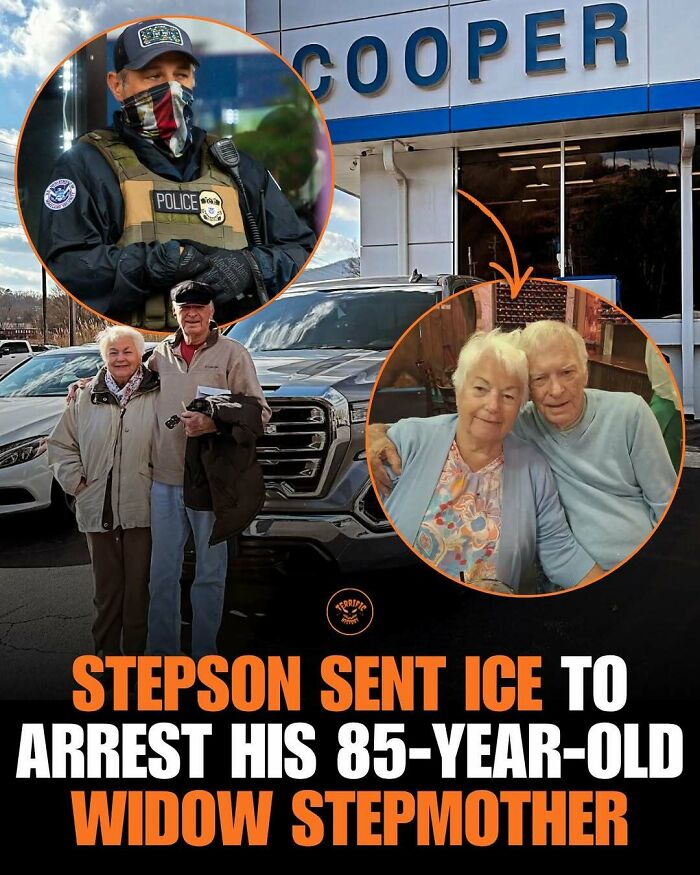
In a highly unusual and controversial case involving Marie-Thérèse Ross-Mahé, court documents and a probate judge’s findings allege that her stepson played a central role in escalating a family inheritance dispute that preceded her detention by U.S. immigration authorities.
According to filings cited in court proceedings, the stepson—identified in reports as Tony Ross—was accused of using his professional connections within law enforcement to influence the timing and e*******n of her arrest by U.S. Immigration and Customs Enforcement. The judge overseeing the estate matter stated that communications appeared to show he was informed in advance that she would be taken into custody and received confirmation shortly after the arrest occurred.
The dispute unfolded in the aftermath of the death of her husband, a U.S. military veteran, when disagreements arose over property and inheritance rights tied to the family home and assets in Alabama. Court testimony described escalating tensions, including control of property access and financial restrictions placed on Ross-Mahé while her immigration status remained unresolved.
While the stepson has denied requesting or orchestrating any arrest, the probate court’s comments raised concerns about potential misuse of influence in a sensitive legal and immigration context. The allegations remain part of ongoing civil and legal scrutiny, and have not resulted in a criminal conviction.
Ross-Mahé was later released from ICE custody and returned to France, but the case has continued to draw attention due to the intersection of family conflict, immigration enforcement, and claims of abuse of authority.

the step-son is a POS. But interestingly, she was eligable for US Citizenship back in the 60s (she married her first husband, a US Soldier in Europe in the 50s), and then after he died, married a second American citizen, and only started the process for citizenship after her second husband (whose son is the POS here) died. Remember, if you are eligible for citizenship, take it at the soonest opportunity, dont wait
A Florida woman is accused of giving birth in a toilet and letting her newborn die before attending a theater performance. College student Anne Mae Demegillo allegedly placed her baby’s body in a duffel bag and went about her normal routine. Authorities say Demegillo admitted to police that she watched her newborn daughter struggle and cry until she died.
The 20-year-old student reportedly led police to the location where she buried the baby in a shallow grave only three to five inches deep. Chief Deputy Joe Barile commented on the case, saying, “I watched some of the interview, and I didn’t see any remorse. For someone to stand and watch this, that’s tough.” Barile added that Demegillo has shown no remorse for the horrific act. The infant girl weighed three pounds six ounces and measured over eighteen inches long.

Happened in florida, which has some of the most restrictive abortion laws in the country. It makes me so angry that she is painted as a monster.
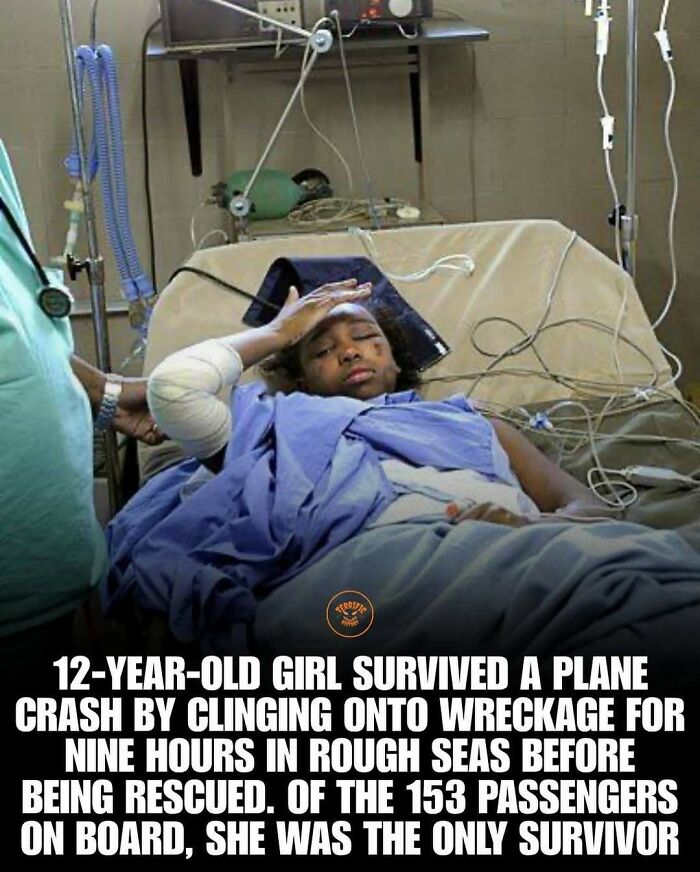
In June 2009, Yemenia Flight 626 went down in the Indian Ocean near the Comoros Islands during a landing attempt in severe weather. Of the 153 people on board, 152 were k****d.
The only survivor was 12-year-old Bahia Bakari from France, who had been traveling with her mother. Bahia held onto floating debris for approximately nine hours amid turbulent seas before rescuers reached her. She sustained a broken collarbone and burns but eventually made a full recovery.
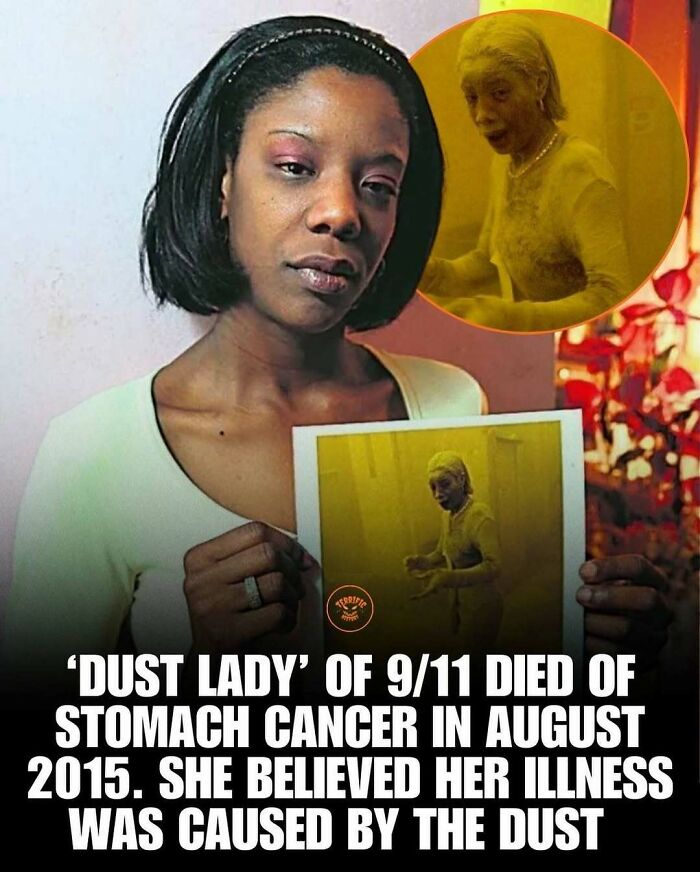
Marcy Borders was a young legal assistant working for Bank of America in the World Trade Center on September 11, 2001. When the towers were attacked, she managed to escape, fleeing down dozens of flights of stairs and out onto the ash-filled streets. A photographer captured her just moments after she emerged—covered head-to-toe in gray dust, her face frozen in shock. The haunting image quickly spread around the world, and she became known as the “Dust Lady,” a symbol of the human toll of that day.
But survival came with lasting consequences. In the years that followed, Borders struggled with trauma, anxiety, and health issues. In 2014 she was diagnosed with stomach cancer, a disease she believed was linked to the toxic dust and debris she inhaled during her escape. Despite treatment, she passed away in August 2015 at the age of 42.
Her story is remembered not only for the iconic photograph, but for the long-term human cost of 9/11—reminding us that the impact of that day extended far beyond the immediate tragedy and continued to shape survivors’ lives for years afterward.
A significant amount of people who were exposed to the debris developed cancer. 😥
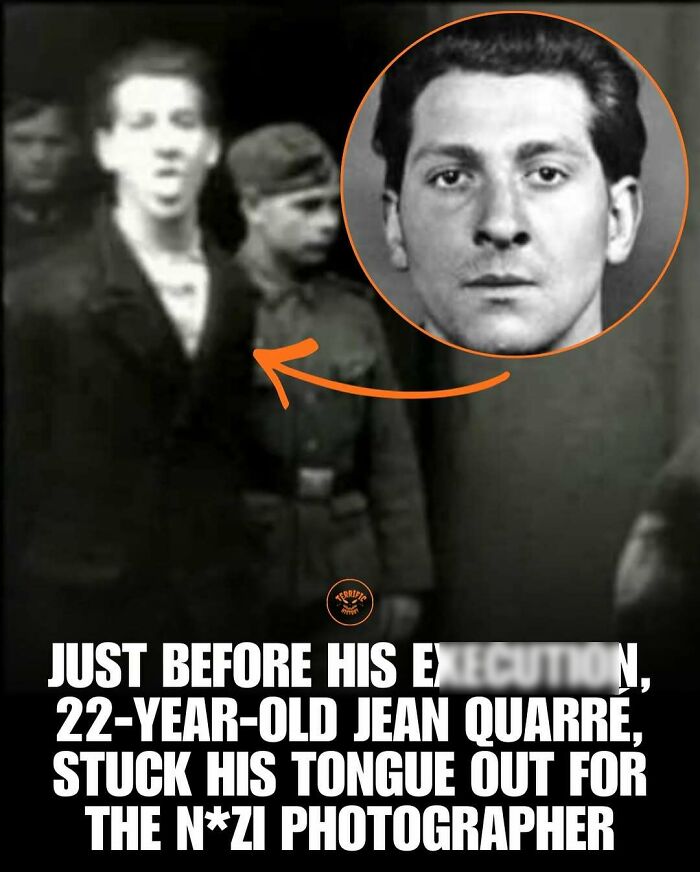
Just before being executed by German forces in April 1942, French resistance member Jean Quarré defiantly stuck out his tongue at the German cameraman filming him as he was led away. Quarré was a young communist activist from Paris who had joined the Bataillons de la Jeunesse, a resistance group opposed to N**i occupation and the Vichy regime.
He was arrested in early 1942 and later tried alongside dozens of other resistance fighters in what became known as the Maison de la Chimie trial. Despite facing imminent death, his gesture captured a moment of personal resistance against his captors.
Quarré was executed by firing squad at Mont-Valérien on 17 April 1942 at the age of 22, and is remembered as one of many young people who resisted N**i occupation with courage and conviction.
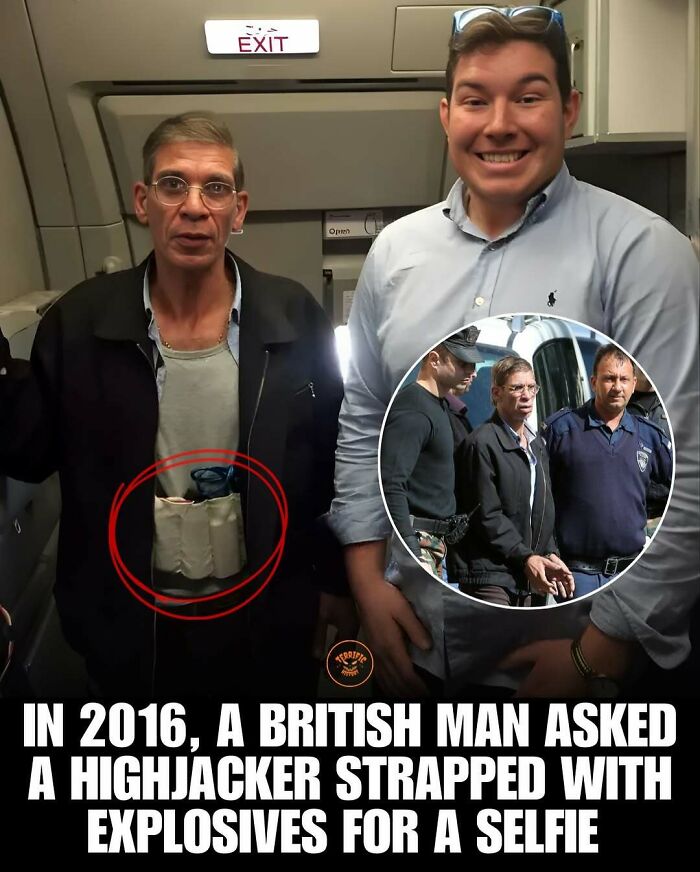
In 2016, when an EgyptAir flight was hijacked, panic swept through the cabin—everyone except Ben Innes, a passenger who would soon make international headlines for his audacious response: he asked the hijacker for a selfie.
The hijacker, wearing what appeared to be a live explosive belt, posed beside a grinning Innes in a photo that quickly became one of the most surreal images of a hostage situation ever captured. Remarkably, the device was later confirmed to be fake, and the hijacking ended peacefully, with no injuries reported.
Innes’ bold act sparked a global conversation about courage, composure, and risk-taking under extreme pressure. Some saw it as daring and clever, others as reckless, but it undeniably highlighted how human behavior can defy expectation even in life-threatening circumstances.
Sometimes, history’s strangest and most unforgettable moments come with a grin.
He asked for a picture because he wanted to check if the device was real and that was the only way to get close to the guy.

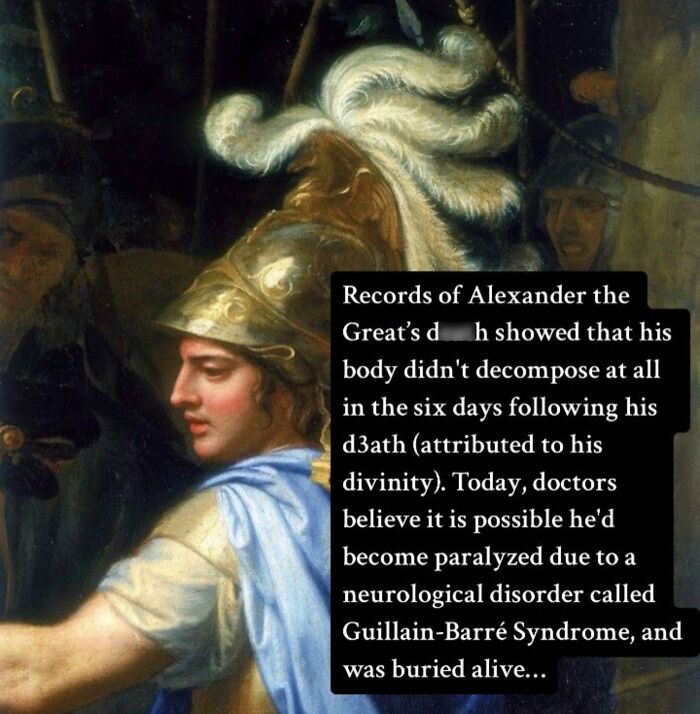
Well, since his body was put in a gold sarcophagus which was then filled with honey to preserve it, then transported part way back to Macedon before being rerouted to Memphis by Ptolemy and later taken to Alexandria by Ptolemy II, I doubt he was buried alive.
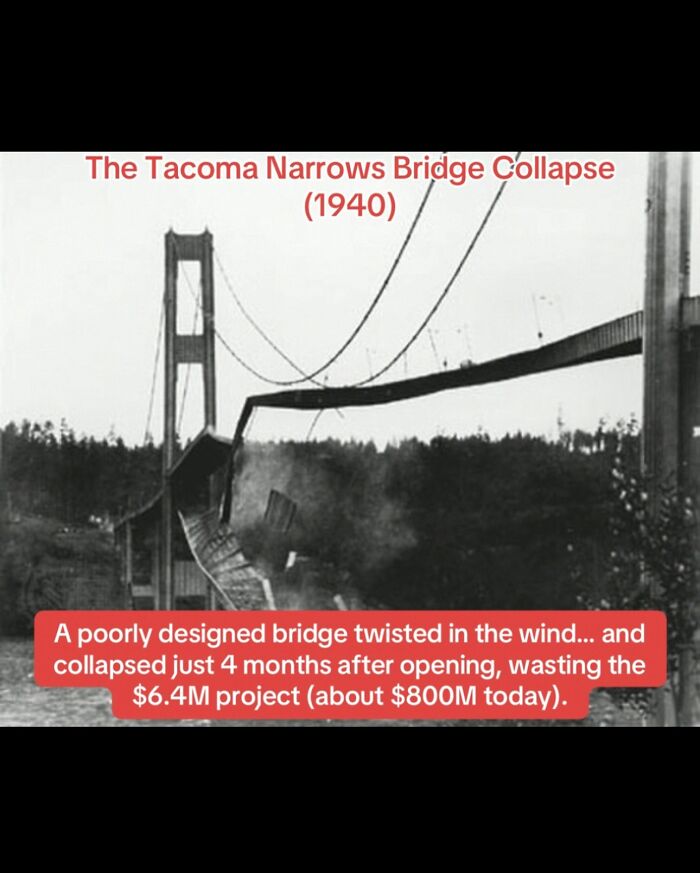
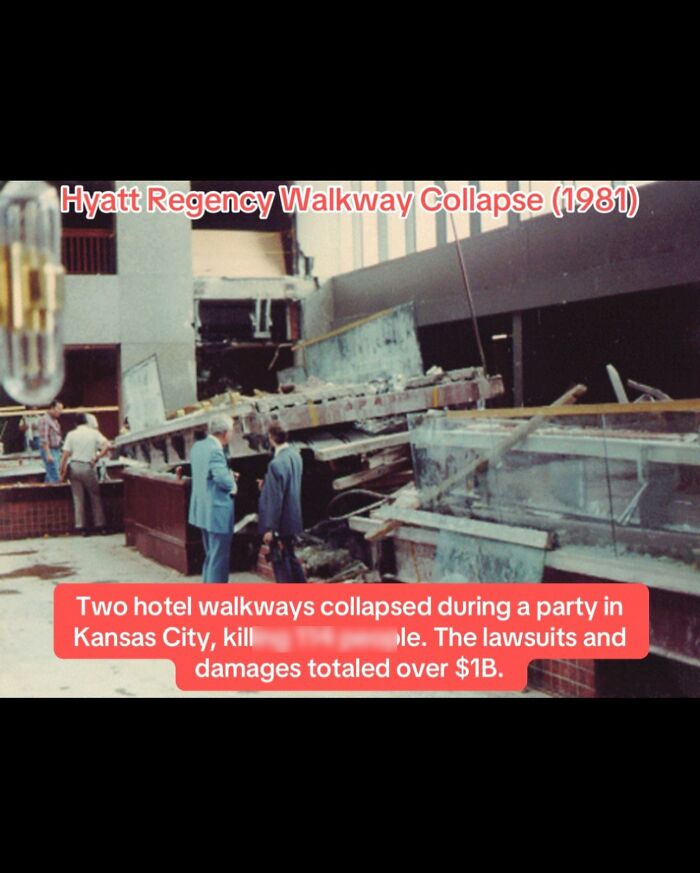
The mistake was noticed. Twice. But unfortunately, the report was rejected because the developer apparently didn't stick to the 'chain of command'. So it was not an engineering failure but a managerial failure.
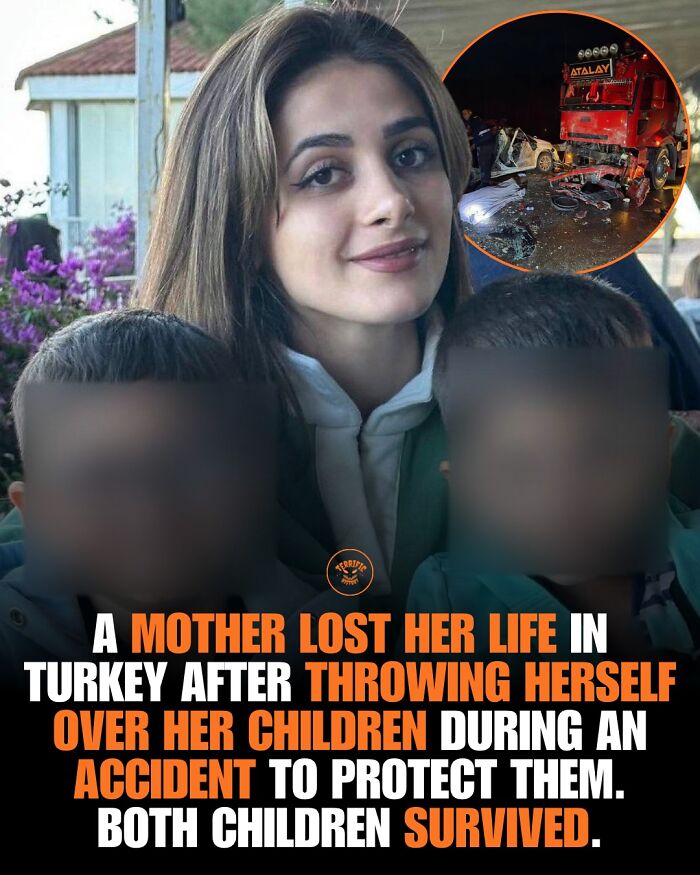
A tragic incident in Antalya, Turkey, involved a mother who lost her life after reportedly shielding her children during a sudden accident. According to local reports, she instinctively threw herself over her children at the moment of impact in an effort to protect them from harm.
Authorities and witnesses stated that the children survived the incident without injuries, a detail that has been widely shared as a testament to the mother’s final act of protection. The story has since drawn significant public attention, with many reflecting on the depth of parental instinct and sacrifice in moments of extreme danger.
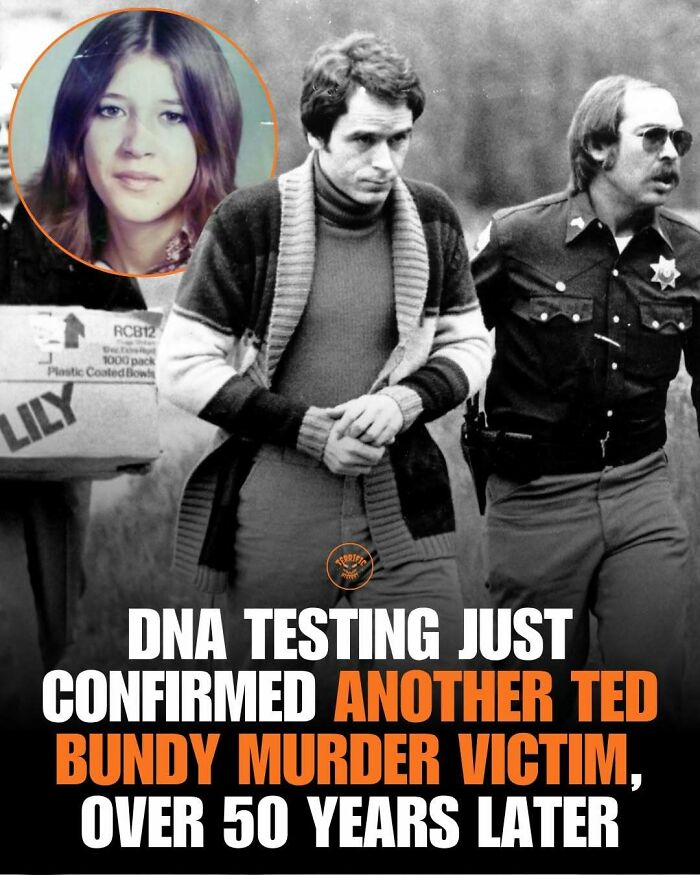
More than 50 years after the crime, DNA testing has finally confirmed another victim of Ted Bundy.
Laura Ann Aime was just 17 when she disappeared on Halloween night in 1974 in Utah. Her body was discovered a month later in a canyon, showing signs of severe violence. Investigators believed she had been held alive for days before her death. Although Bundy admitted to k*****g 30 women and acknowledged responsibility for her m****r before his e*******n in 1989, the case remained officially unresolved for decades due to a lack of forensic proof. Now, modern DNA analysis has removed any remaining doubt. It was Bundy.
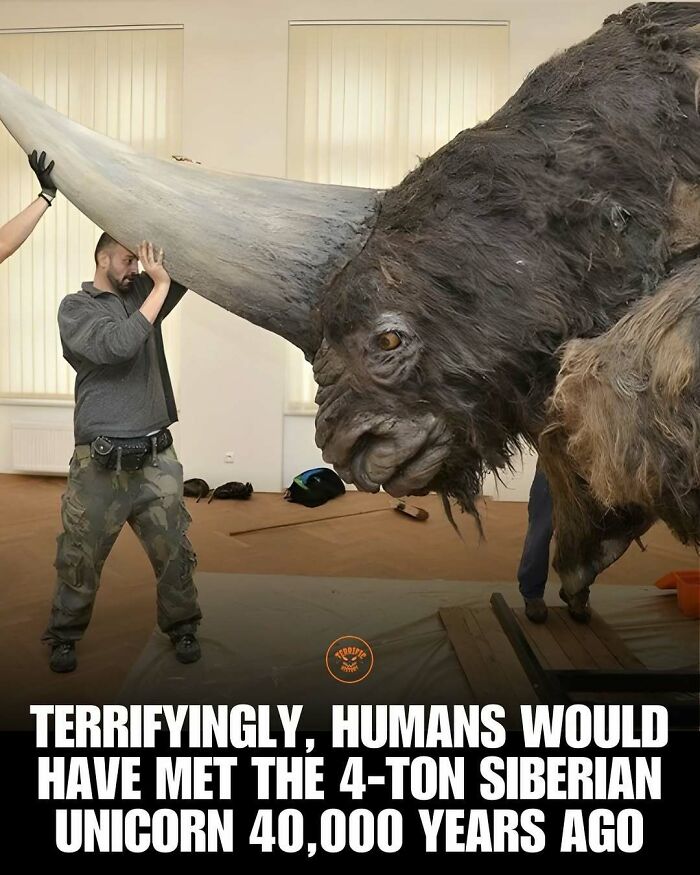
This was the Siberian Unicorn — a colossal, horned titan of the Ice Age. Weighing around four tons and standing nearly six feet tall at the shoulder, it roamed the Earth as recently as 40,000 years ago. Most unsettling of all, early humans didn’t just imagine creatures like this… they would have come face to face with it.

Megafauna. Human predation caused many species of them to go extinct across Eurasia and the Americas. WE'RE the terrifying lot.
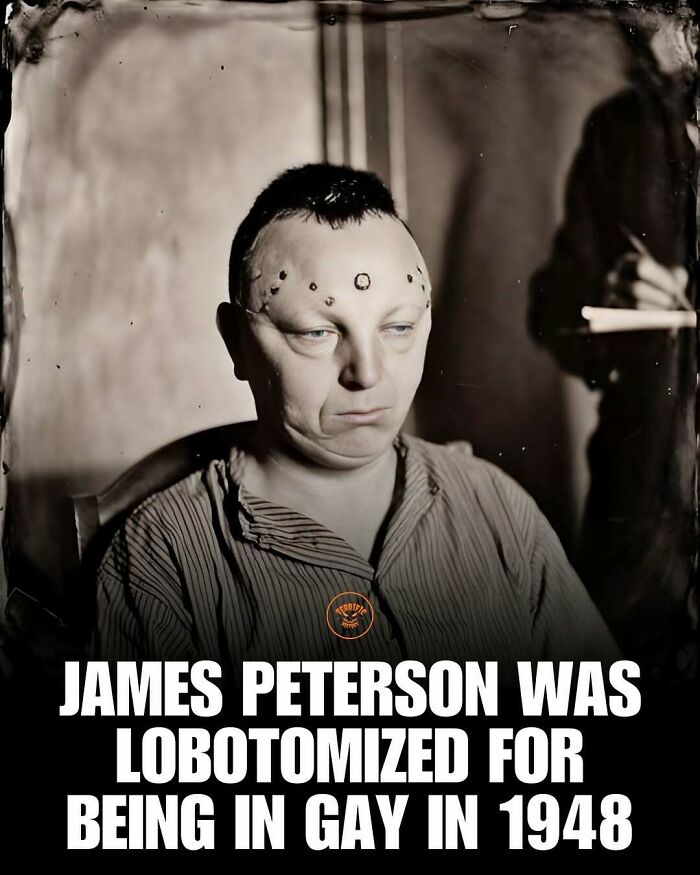
James Peterson was lobotomized in 1948 because he was gay. After his parents discovered his relationship with another man, he was committed to an asylum, diagnosed with “sexual perversion,” and subjected to a transorbital lobotomy—ice picks driven through his eye sockets into his brain. The procedure took fifteen minutes. The damage was permanent.
The doctor told his parents their son was “cured.” What returned was not James, but a hollowed-out shell. Once vibrant and artistic, he became silent, vacant, and compliant, incapable of desire or independence. A photo taken hours after the surgery shows wounds above his eyes and a blank stare. Medical notes called the procedure a success.
James lived another 46 years in a group home, never recovering his personality. He died in 1994, though his life had effectively ended in 1948. His partner later donated James’s photo and records to LGBTQ archives, writing: They called it treatment. It was m****r. James died for loving me.
Lobotomies continued to be commonly used into the 1960s, to 'cure' a wide range of mental health problems. They usually worked, as the victim, sorry "patient" no longer suffered from the previous conditions they were being treated for. It's like "curing" a damaged knee by cutting the leg off.
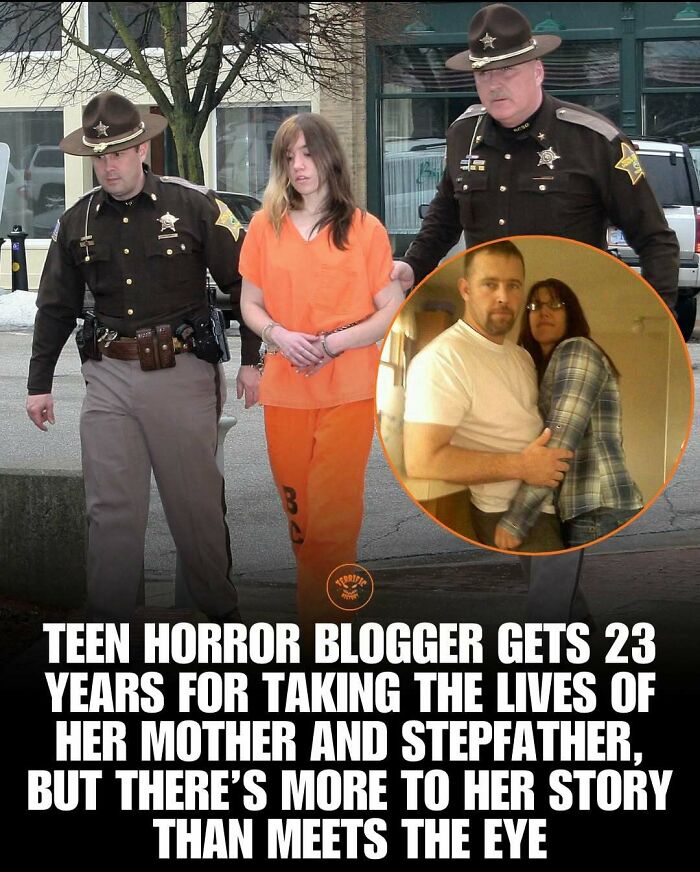
In 2015, the quiet northern Wisconsin town of Rhinelander was rocked by a tragedy that captured national attention. Seventeen-year-old Ashlee Martinson was arrested for the killings of her mother, Jennifer Ayers, and her stepfather, Thomas Ayers. Behind the facade of a normal family life, Ashlee had endured years of abuse, primarily at the hands of Thomas, who had a long history of violent behavior and criminal convictions. Friends and acquaintances later described Ashlee as living in near-constant fear, a fear that escalated in the days leading up to the incident, when Thomas allegedly threatened her directly.
On March 7, following a heated and violent confrontation inside the family home, Ashlee shot Thomas and then stabbed Jennifer multiple times. Prosecutors labeled the killings a “rage-fueled attack,” while her defense framed them as the culmination of years of abuse and psychological trauma.
Adding a disturbing layer to the case was Ashlee’s online activity. Writing under the username “Vampchick” on her blog Nightmare, she posted dark poetry and fictional stories that prosecutors argued reflected her unstable state of mind. Supporters countered that her writing was a form of emotional release, a coping mechanism for the abuse she suffered, rather than evidence of premeditation or malice. The case sparked widespread discussion about adolescent mental health, the effects of long-term trauma, and how the legal system should handle minors who commit violent acts under extreme circumstances.
Martinson eventually accepted a plea deal, receiving a 23-year prison sentence with an additional 17 years of extended supervision. Her story remains one of the most controversial cases involving a minor, a grim intersection of fear, violence, and a desperate effort to escape a life she felt trapped in — a case that continues to provoke debate about justice, accountability, and the lasting impact of abuse.
I am glad she took it out on them rather than some innocent party.
A defining moment for Gen X. I think the majority of us watched it live at school. I was 11.
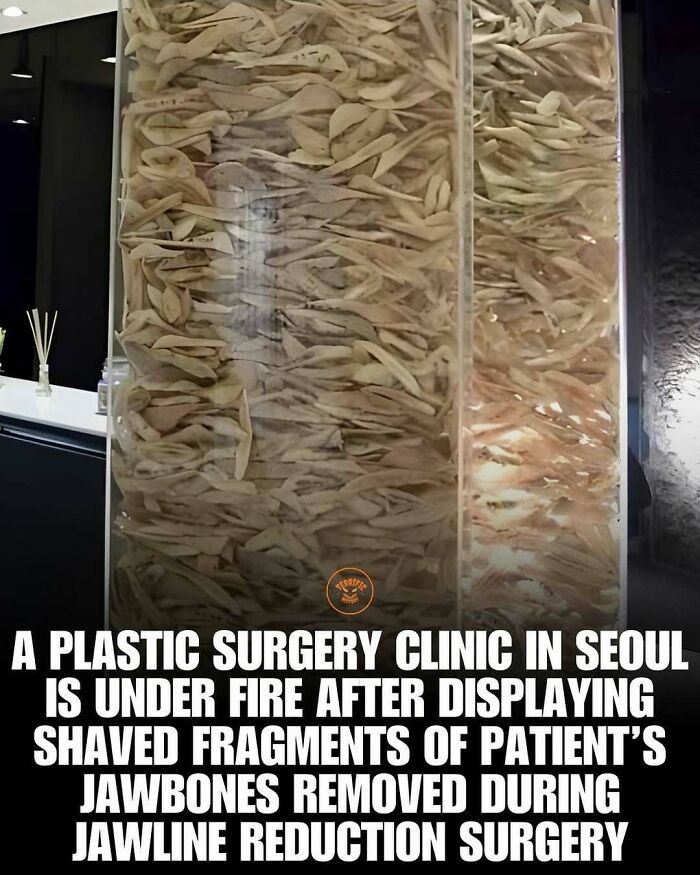
In 2014, a well-known plastic surgery clinic in Seoul’s affluent Gangnam district drew global backlash after revealing two 60-centimeter glass columns filled with shaved jawbone fragments. The bone pieces came from nearly 1,000 patients who had undergone “V-line” jaw surgery, a procedure popular for creating a narrower, tapered facial profile. The clinic presented the display as proof of the surgeon’s experience and the practice’s popularity, even labeling individual fragments with patients’ names.
The unsettling exhibit was swiftly condemned as both a biohazard and a breach of medical ethics. Gangnam district authorities ordered the installation removed and fined the clinic 3 million won for improper medical waste disposal. Though the clinic claimed the display was an unintentional form of “bio-art,” the incident highlighted the extreme pressures and practices within South Korea’s intensely competitive cosmetic surgery industry.
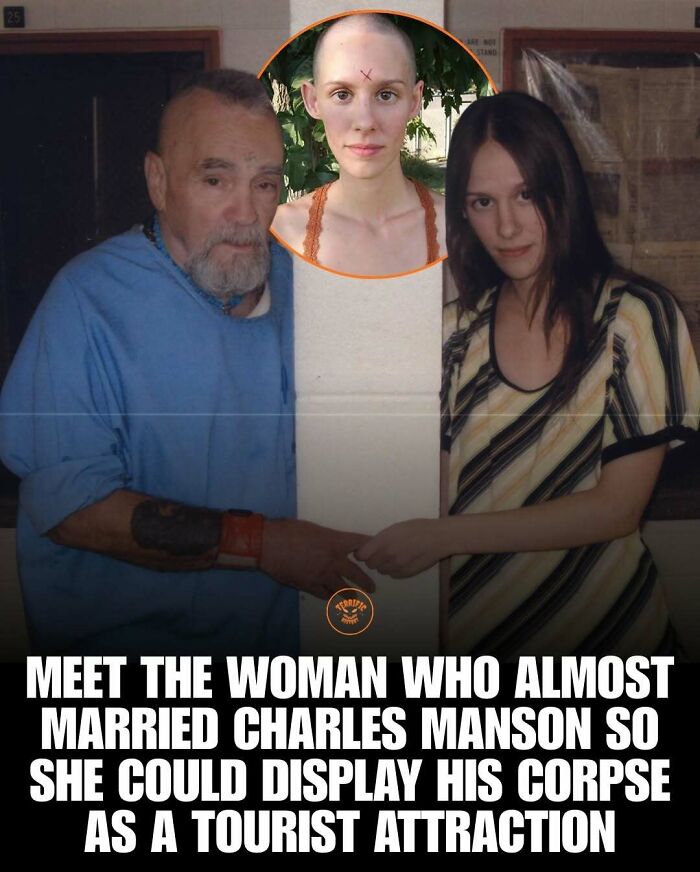
Afton “Star” Burton first learned about Charles Manson when she was just 16 years old. What began as curiosity gradually turned into deep fascination. Convinced that he had been misunderstood by the public, she devoted herself to studying his case and eventually began writing to him in prison. Over the years, their correspondence grew frequent and personal. Burton traveled to California to be closer to the prison where he was incarcerated, and the two maintained contact through letters and phone calls.
By 2014, Burton—then 26—announced that she was engaged to Manson, who was 80 at the time and serving a life sentence. The unusual relationship attracted widespread media attention, with many questioning her motives and the nature of their bond.
Plans for the marriage ultimately fell apart. Reports later surfaced alleging that Burton and an associate intended to preserve and display Manson’s body as a macabre tourist attraction after his death, believing it could generate significant public interest and profit. When those claims became public, the wedding was called off. Manson died in prison in 2017, and the controversial relationship remains one of the strangest chapters connected to his legacy.
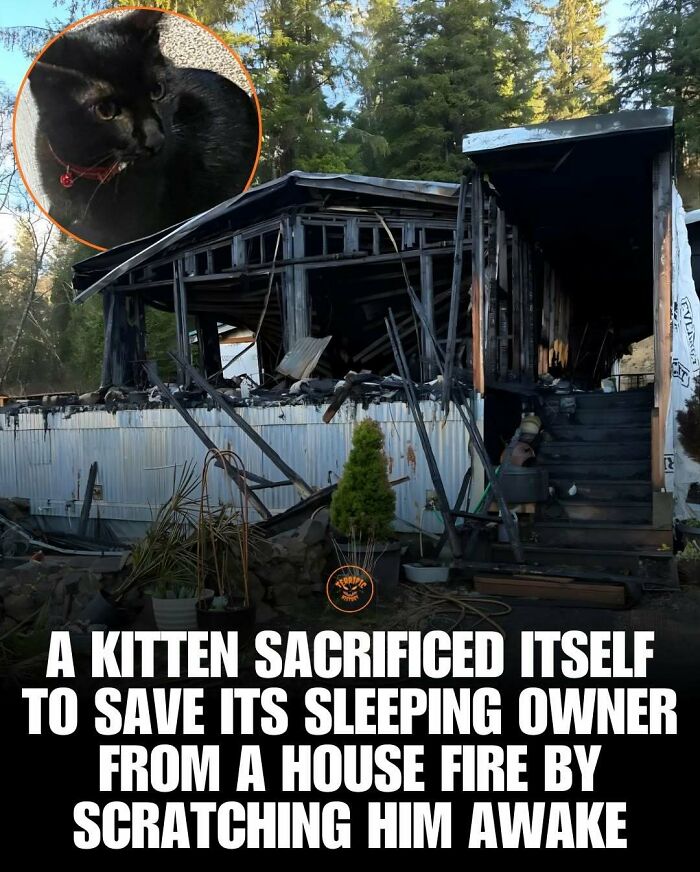
A pet kitten is being credited with saving its owner’s life after alerting him to a devastating house fire in the middle of the night.
Donald VanWormer had been asleep in his home when the fire broke out. Unaware of the danger around him, he was suddenly woken by his kitten, Fred, who began scratching at him insistently until he woke up. The unusual behaviour prompted VanWormer to get up and investigate, at which point he realised the house was filling with smoke and flames.
As the fire rapidly spread through the property, VanWormer rushed toward the exit in an attempt to escape. He tried to grab Fred and carry him to safety as he ran for the door. However, in the chaos and thick smoke, the situation deteriorated quickly. Part of the ceiling collapsed during the fire, separating VanWormer from the kitten before he could get outside with him.
VanWormer managed to escape the burning home, but Fred did not survive the blaze. The kitten’s actions, however, are believed to have saved his owner’s life. By waking him before the fire intensified further, Fred gave VanWormer the crucial moments he needed to get out of the house.
The story has since been shared as a powerful example of the loyalty and instinct animals can show toward the people who care for them. Though VanWormer lost his beloved pet in the tragedy, he credits Fred with giving his life to ensure his owner had the chance to escape the deadly fire.
A large mechanical claw known as a grappling t**l was used during the cleanup operations at the Chernobyl Nuclear Power Plant after the 1986 disaster. It was deployed to move and clear highly contaminated debris from areas where radiation levels were too dangerous for direct human exposure. These machines were often operated remotely or used briefly before becoming too irradiated to function safely for long periods.
Over time, some of these tools and machinery parts became so exposed to radiation that they remain hazardous decades later. One of the most well known examples is a metal claw used to handle graphite fragments from the destroyed reactor core, which is still intensely radioactive. Items like this serve as stark reminders of the extreme conditions faced during the cleanup and the long lasting impact of nuclear contamination on both equipment and environment.
Tool being censored in the post? Tools, plural is fine?
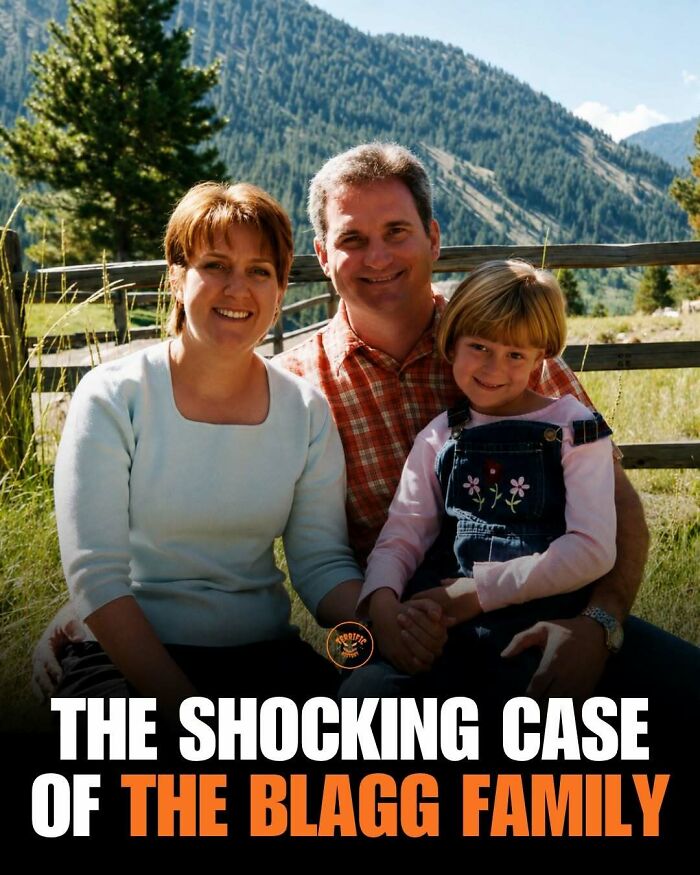
The case you are referring to is the 2001 disappearance and m****r of a mother and daughter from Grand Junction, Colorado. The victims were Jennifer Loman Blagg and her six year old daughter Abigail Jo Blagg.
The case began when both went missing from their home on November 13, 2001 after a reported disturbance inside the property. Evidence later led investigators to conclude that Jennifer Blagg had been m******d that same day, while Abigail was never found and remains missing to this day. Jennifer’s body was later discovered in 2002 in a landfill in Mesa County, Colorado after an extensive search effort.
Her husband, Michael Francis Blagg, was arrested and ultimately convicted of m*******g Jennifer Blagg. The case gained significant attention because Abigail’s body has never been recovered and she is still listed as missing, while the investigation and legal proceedings against Michael Blagg continued for years with multiple appeals and retrials.

I was in the Army overseas at the time. I am just now hearing about this.
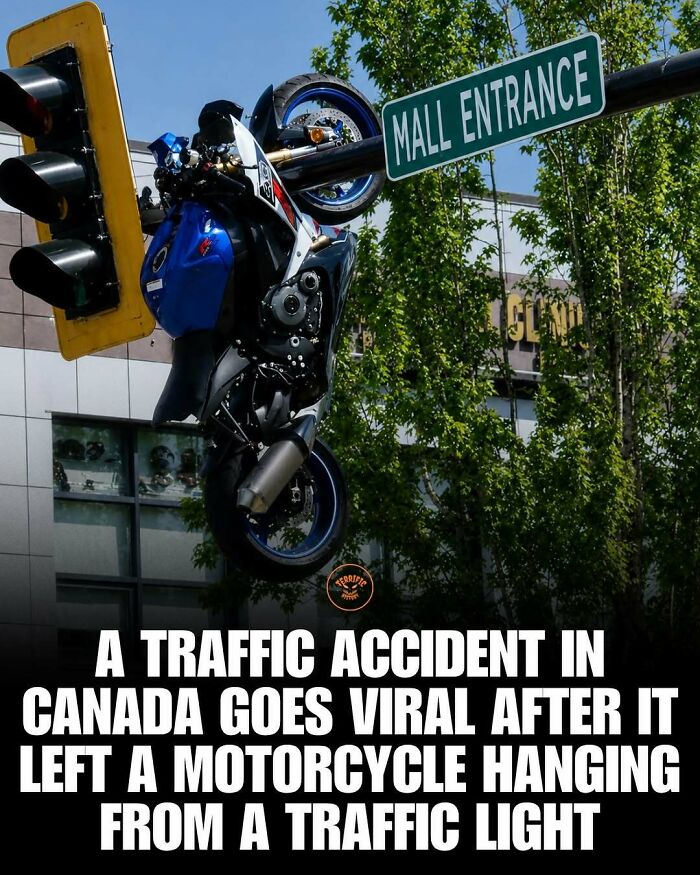
A dramatic traffic accident in Canada has gone viral after shocking images showed the wreckage of a motorcycle suspended high above the street, hanging from a traffic light following the collision. The unusual scene quickly spread across social media, with many people stunned by how the motorcycle became lodged in such an improbable position after impact.
Despite the severity of the crash and the surreal aftermath, authorities confirmed that the motorcyclist survived the accident. The driver of the vehicle involved in the collision was also unharmed, avoiding what could have been a far more tragic outcome. Emergency responders arrived at the scene to secure the area and safely remove the damaged motorcycle from the traffic signal. The incident has since drawn widespread attention online, both for the bizarre visuals and the fortunate fact that no lives were lost.
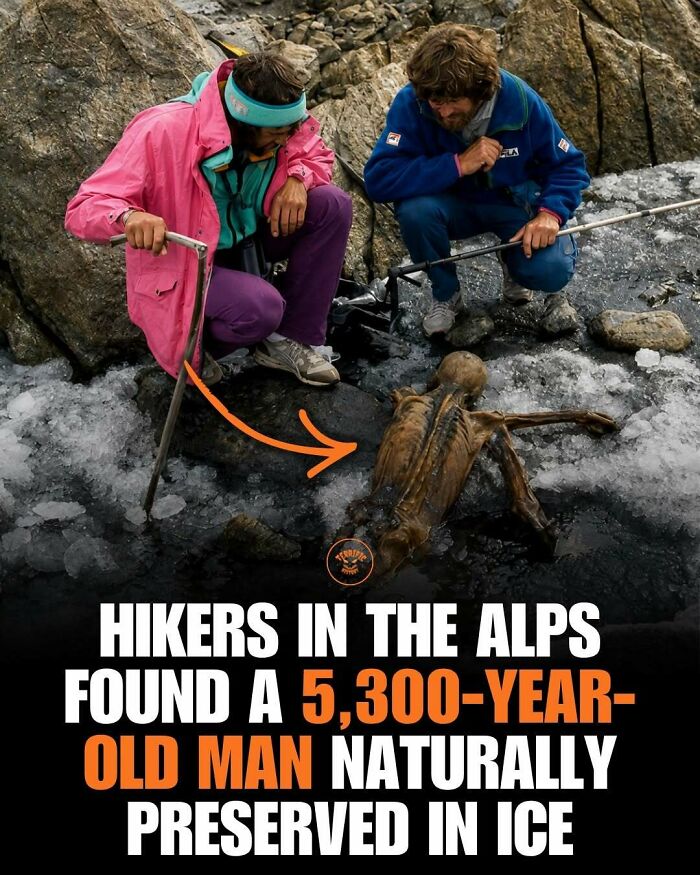
High in the Ötztal Alps, on the border between modern day Italy and Austria, hikers in 1991 made an extraordinary discovery when they came across a naturally mummified human preserved in ice for more than 5,300 years. The remains, later named Ötzi the Iceman, date back to the late Neolithic period and are considered one of the most significant archaeological finds in Europe. Because he was rapidly frozen in a glacier shortly after death, his body, clothing, and equipment were preserved in remarkable detail, offering an unprecedented snapshot of life in prehistoric times.
Scientific analysis of Ötzi has revealed surprising details about his final hours. Researchers believe he had eaten a substantial meal of wild meat, grains, and plant material less than two hours before he died, suggesting he was not starving or weakened at the time. Even more intriguing, scans of his body showed soot based markings on his joints and along his spine, which some researchers interpret as early forms of therapeutic tattoos or treatments possibly linked to pain relief. Alongside evidence of an arrow wound and trauma, these findings continue to fuel debate about whether he was a victim of conflict, ritual, or something still not fully understood

There’s a great story about this discovery. Because of the cold, Őtzi’s clothing was perfectly preserved. A team of mountaineers had replicas made of his shoes, which were constructed of layers of bark and fur, bound with leather thongs. The mountaineers then made a climbing expedition, and found that the replicas outperformed modern high-tech climbing boots.
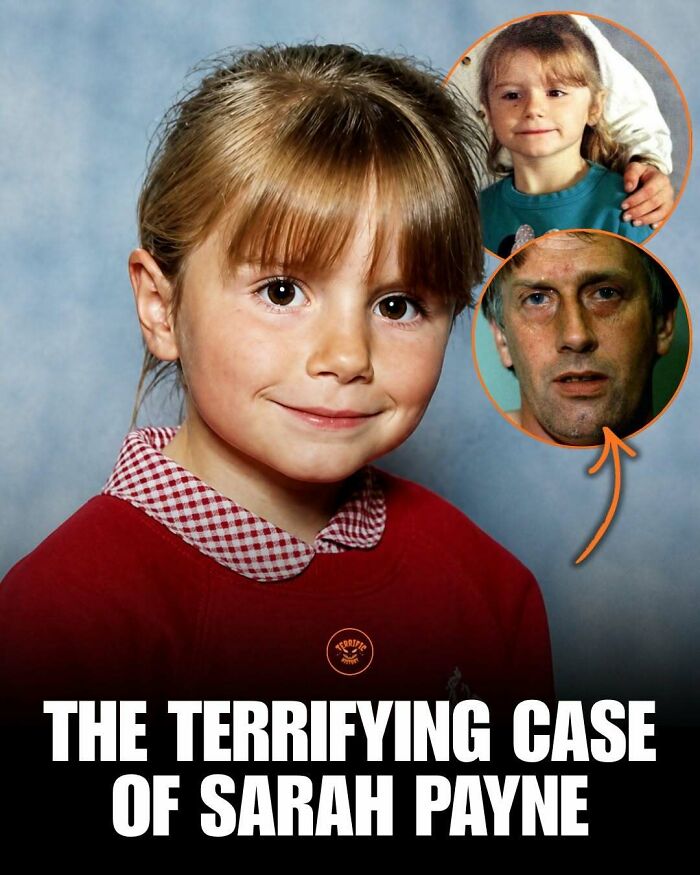
Sarah Payne was an eight year old girl from West Sussex, England, who was abducted and m******d in July 2000 while playing near her grandparents home. Her disappearance led to one of the largest police investigations in the United Kingdom at the time and a nationwide search that captured widespread public attention.
Her body was discovered weeks later, and the case led to the conviction of Roy Whiting, who was found guilty of m****r and abduction and sentenced to life imprisonment. The tragedy prompted major discussions in the UK about child safety and led to changes in laws and public awareness campaigns aimed at protecting children.
I remember this too well, it was utterly horrifying and should never have happened. Her mother, Sara, has shown astounding strength. She campaigned for Sarah's Law and was awareded the CBE.
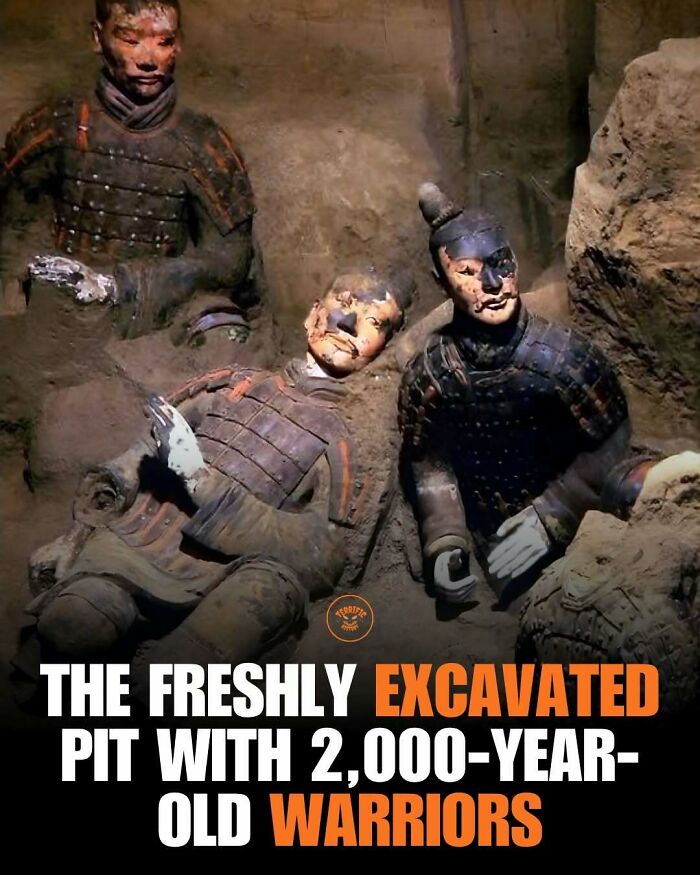
In 1974, one of the most extraordinary archaeological discoveries in history was made with the unearthing of the Terracotta Army near Xi’an. Buried for over two millennia, these life sized clay soldiers were created to guard the tomb of Qin Shi Huang, offering a remarkable glimpse into the power and artistry of ancient China.
This photograph captures the excavation site in its early stages, revealing rows of warriors as they first emerged from the earth, many still bearing traces of their original, vividly painted colors. Contrary to the muted tones seen today, the figures were once richly decorated with bright pigments and intricate detailing. However, exposure to air caused the paint to rapidly oxidize and flake away within hours, leaving behind the more familiar earthen appearance. The image stands as a rare and striking reminder of how vibrant and lifelike the army once was before time and exposure altered it forever.
Before exposure to oxygen can make the paint disappear. But they have made advances in being able to chemically preserve the colors.
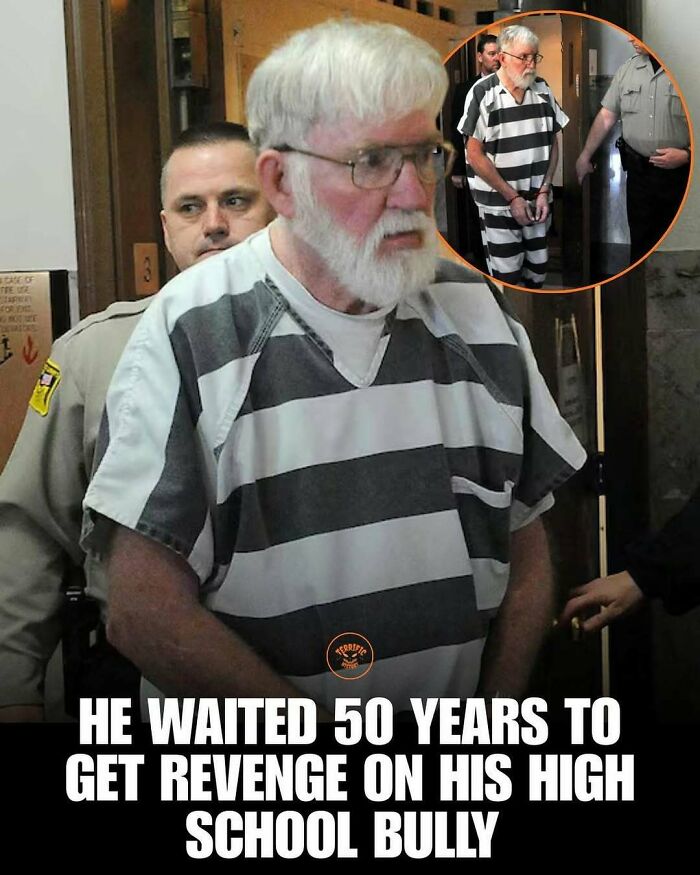
In January 2012, the small town of Madison, South Dakota, was rocked by a k*****g rooted in a grievance more than fifty years old. Carl Ericsson, a 73-year-old retired insurance salesman, went to the home of Norman Johnson, a former high school teacher and track coach known and respected in the community. When Johnson answered the door, Ericsson confirmed who he was and then shot him twice, k*****g him instantly. Johnson never knew that a fleeting incident from his teenage years had grown into a deadly fixation for a former classmate.
Court proceedings later revealed that the motive traced back to a locker room prank in the 1950s, when both men attended Madison High School. Johnson, then a popular athlete, had allegedly pulled a jockstrap over Ericsson’s head, who worked as a student sports manager. While Johnson went on to build a successful career and family life, Ericsson told investigators that the humiliation lingered for decades, festering beneath the surface. Prosecutors said his resentment was compounded by a lifelong jealousy of Johnson’s continued success and standing in their hometown.
In June 2012, Ericsson pleaded guilty but mentally ill to second-degree m****r and received a life sentence without the possibility of parole. At sentencing, he briefly apologized to Johnson’s widow, saying he wished he could turn back time. The case is often cited as an extreme example of a “grudge k*****g,” underscoring how unresolved trauma and long-held resentment can distort reality and lead to devastating consequences many years later.

I'm not. And she still appears in nightmares occasionally. 22 years since I last saw her in person.
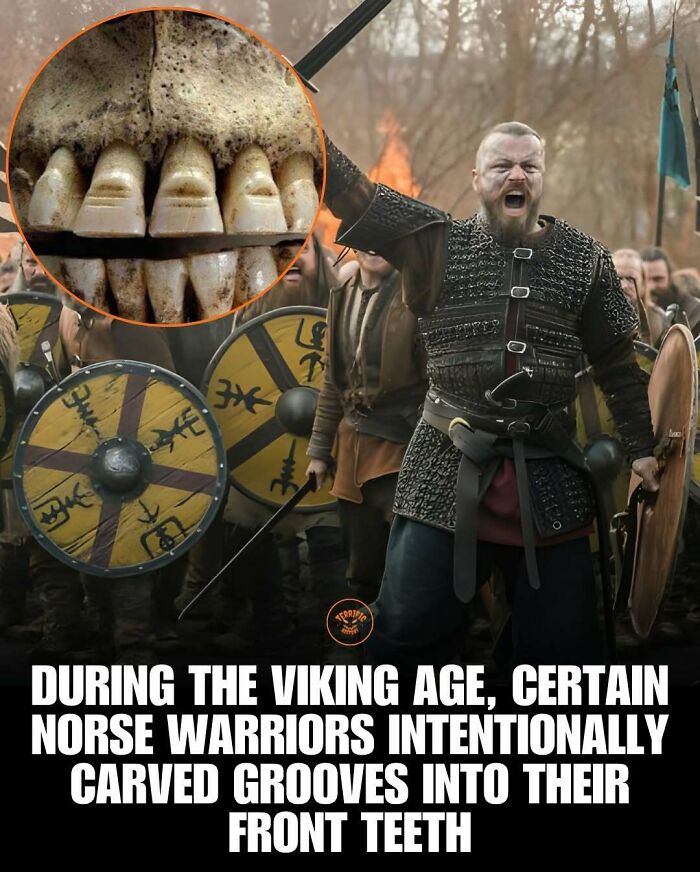
During the Viking Age, some Norse warriors deliberately carved grooves into their front teeth, creating distinctive dental patterns that may have served as a form of personal expression, status symbol, or intimidation in battle. Archaeologists have uncovered evidence of this practice on numerous Viking skulls across Scandinavia and England, revealing that dental modification was a fairly widespread cultural phenomenon rather than an isolated custom. These grooves offer a fascinating glimpse into the ways Vikings used their bodies not just for survival and combat, but also as a canvas for identity, aesthetics, and social signaling.
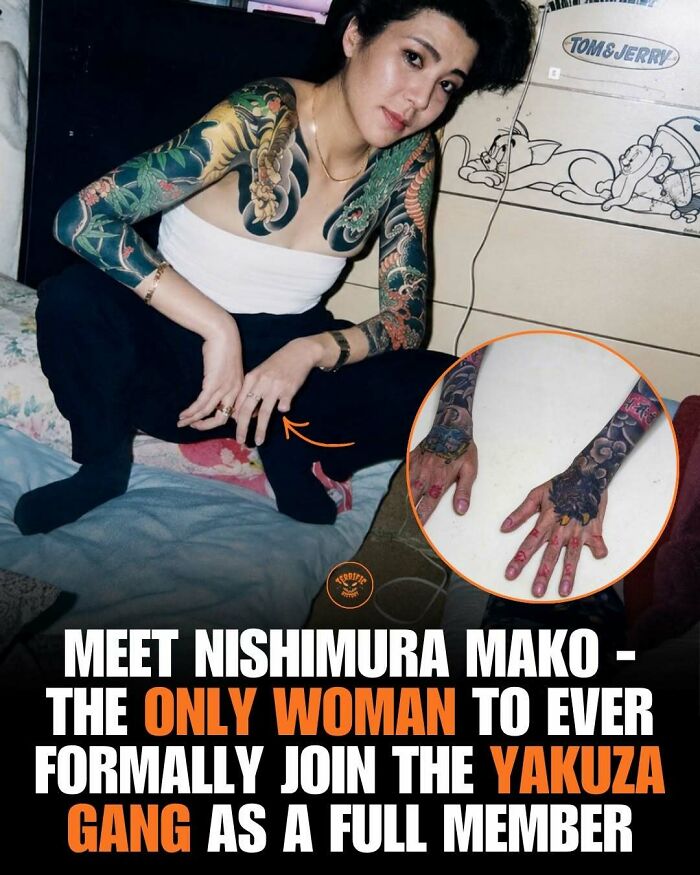
Nishimura Mako is often described as the only woman to have been formally accepted as a full member within a Yakuza group. Her involvement reportedly began in her early twenties after entering a relationship with a yakuza member, which gradually drew her into the inner workings of the organization. At first, her role was limited to peripheral but essential tasks such as debt collection and mediating internal disputes — responsibilities that were rarely assigned to women within the strictly hierarchical and male-dominated structure of the group. Over time, her reputation within the organization grew as she became known for her composure and willingness to take on difficult situations. A turning point came after she was said to have shown notable loyalty and resolve during a violent confrontation, an incident that significantly elevated her standing among members. Following this, she was formally inducted through the traditional sakazuki ceremony, in which the sharing of sake symbolizes a binding lifelong oath of allegiance — an exceptionally rare recognition for a woman in the history of yakuza culture. In later years, Nishimura Mako reportedly distanced herself completely from organized crime. She has since spoken publicly about her past, reframing her experience as a warning and advocating against g**g involvement while also supporting efforts focused on rehabilitation and helping former offenders reintegrate into society.
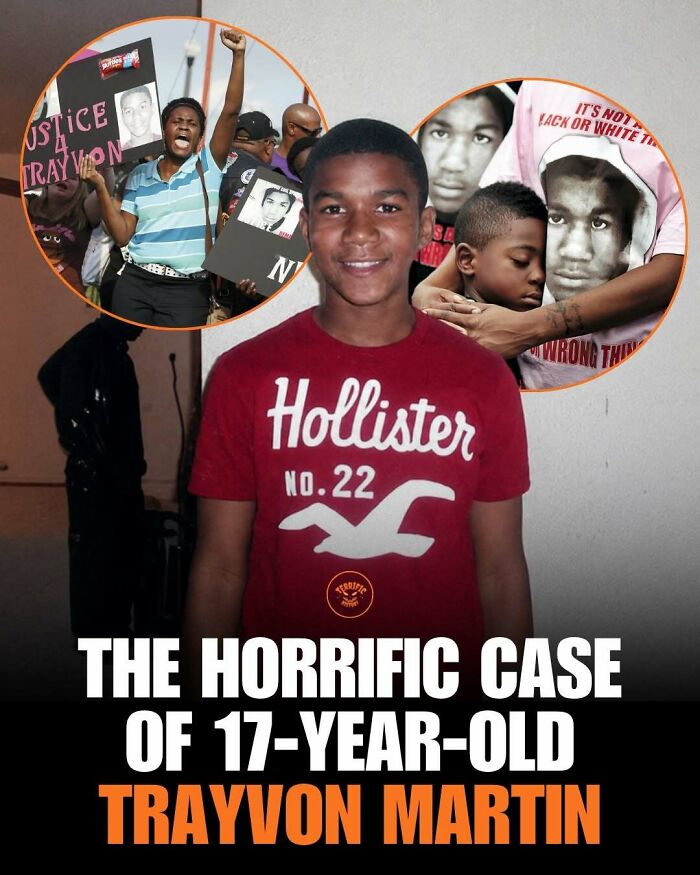
The shooting of Trayvon Martin occurred on February 26, 2012, in Sanford, Florida, and became one of the most widely discussed and consequential cases in recent U.S. legal and social history. Martin, who was 17 years old, was walking back to his father’s fiancées home after visiting a nearby convenience store when he was observed by neighborhood watch volunteer George Zimmerman.
Zimmerman contacted non emergency police dispatch and reported that he saw a person he described as suspicious in a gated community, expressing concern that the individual was “up to no good” or possibly under the influence. During the call, dispatchers instructed him that he did not need to follow the individual. Despite this, Zimmerman exited his vehicle and a confrontation occurred between the two. The encounter ended with Zimmerman shooting Martin, who later died at the scene. The case prompted a nationwide debate in the United States about self defense laws, racial profiling, and neighborhood watch practices, and it led to significant public protests and legal scrutiny in the years that followed.
Zimmerman is total trash and he ki.lled that boy in cold blood - because he was black. The fact that he was acquitted is completely disgusting. In positive news, no one will hire him or house him and he's massively in debt.
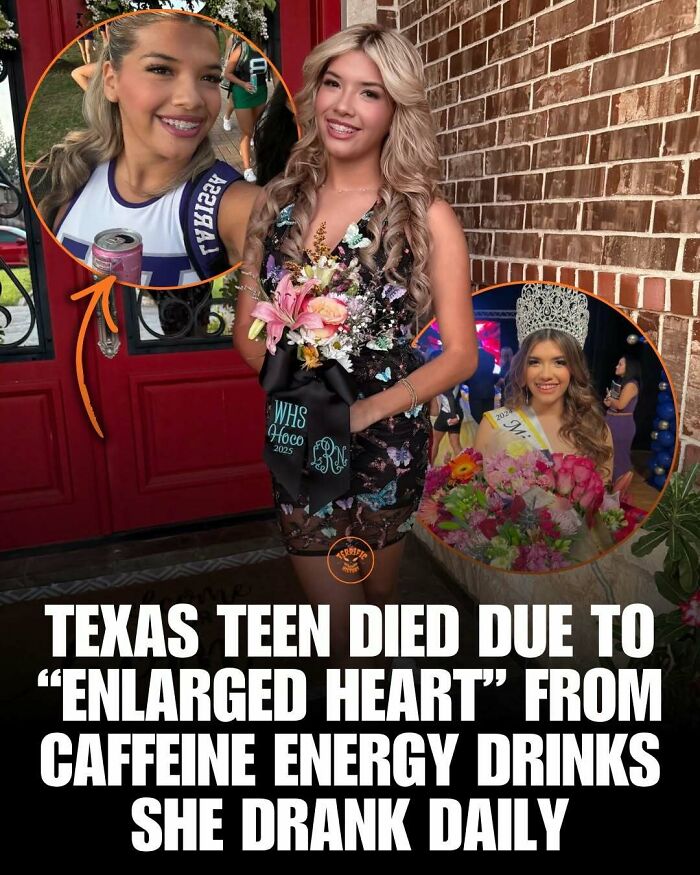
A 17-year-old Texas cheerleader has tragically died, with her death reportedly attributed to what officials described as a “lifestyle.” Her family is now pursuing a wrongful death lawsuit in response.
Larissa Nicole Rodriguez had no known pre existing health conditions and tested negative for d***s. According to the medical examiner, her heart became enlarged and ultimately failed due to excessive caffeine intake, linked to the daily consumption of Alani Nu energy drinks.
These types of products are often promoted with a wellness focused image, appealing to young people seeking energy, focus, and performance. Yet many contain high levels of stimulants, sometimes without clear daily intake guidance or prominent warnings for underage consumers. Critics argue that important safety information is often minimized, leaving consumers unaware of potential risks.
For parents and guardians, it is a reminder to look closely at labels and ingredients. Greater awareness and clearer communication around caffeine consumption may be key in helping prevent similar tragedies.

woah... a can has 200mg. 56mg per 100ml. Red bull only has 36mg/100ml. I love my caffeine, but that's excessive.
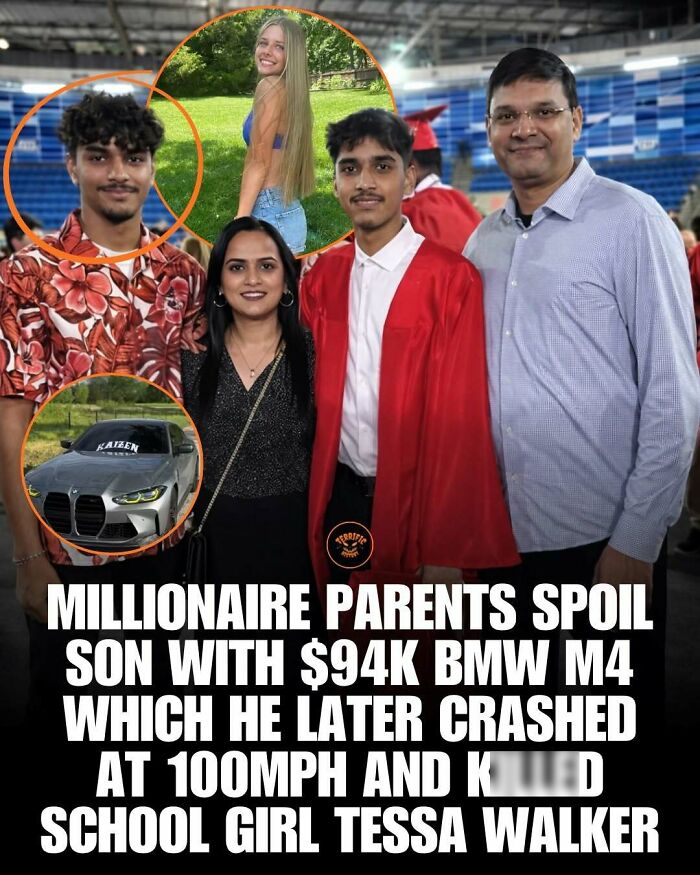
In a tragic case that has drawn widespread attention, 18‑year‑old Om Patel, a resident of Riverside, Missouri, was reportedly driving a 2024 BMW M4 – a high‑performance car worth close to $94,000 – at exceptionally high speed when he lost control of the vehicle. The car left the road, flipped and caught fire along Highway 45 in rural Platte County, Missouri, in the early morning hours of March 24, 2026. Authorities say excessive speed and the possible influence of alcohol were contributing factors in the crash.
The collision k****d a Kansas City teenager, identified as 18‑year‑old Tessa Walker, a senior at Park Hill High School who was a passenger in the vehicle. She died at the scene, while other teenagers riding in the car survived with injuries ranging from minor to serious.
The crash has sparked conversation locally about road safety, youth access to powerful cars and the responsibilities of drivers and parents, especially when it comes to inexperienced young motorists handling high‑performance vehicles at extremely high speeds.

In Victoria, Australia, we have some of the toughest restrictions on young drivers in the country, which I am proud of. Learners have to be 16 or older and you can't get your probationary licence until at least 18 (or two years after getting learner's). In that time you have to do at least 120 hours of supervised driving (logged) including at least 10 hours of night driving. When on your p-plates (probationary licence) which is 1 year of red and three years of green plates (unless you are over 21, then you skip red) there are various restrictions including 0% blood alcohol when driving and no high performance cars.
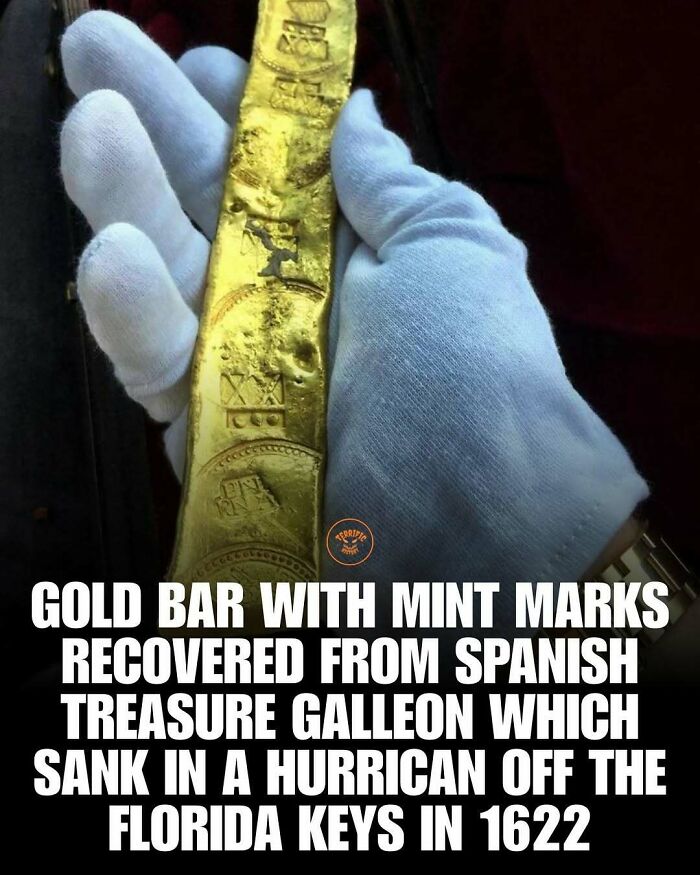
A gold bar bearing distinctive mint marks was recovered from the wreck of the Spanish treasure galleon Nuestra Señora de Atocha, which sank during a violent hurricane off the Florida Keys in 1622. Part of a legendary treasure fleet, the Atocha was carrying vast quantities of gold, silver, and precious gems from the New World back to Spain when the storm claimed the ship. Today, artifacts like this gold bar offer a tangible connection to the perilous journeys of 17th century explorers and the immense wealth transported across the seas, serving as a remarkable reminder of maritime history and the enduring allure of sunken treasure.

The 'Paul Harvey' of this story is Mel Fisher's battle with the state of Fla salvaging this wreck.
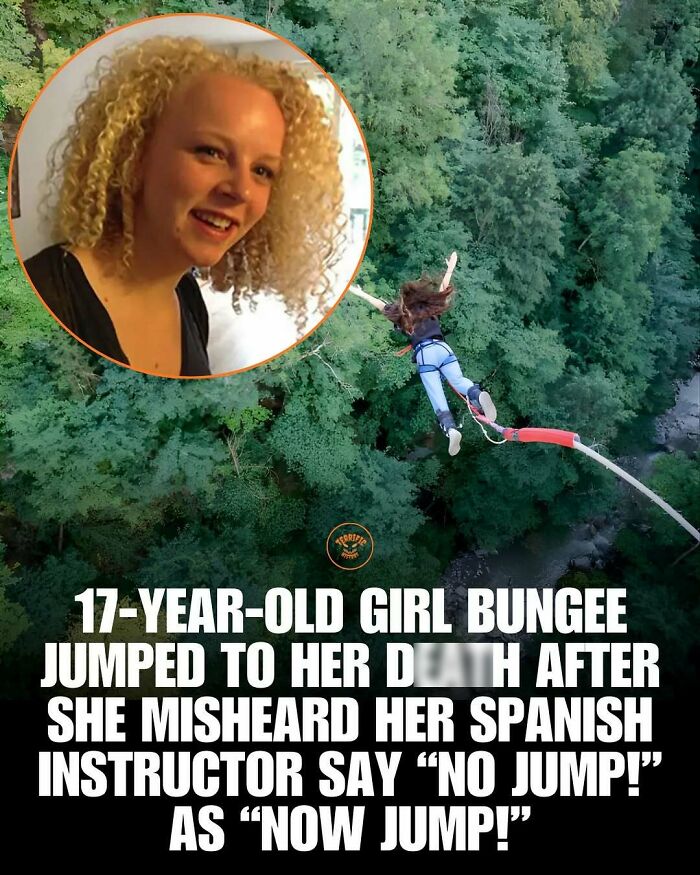
In August 2015, 17-year-old Vera Mol died during a bungee jump in Spain after a fatal misunderstanding. She reportedly misheard her instructor’s warning, “No jump!” as “Now jump!” and leapt before it was safe. During the investigation, the court heard that the tragedy might have been prevented if the instructor had used clearer wording, such as “don’t jump.”
I have always liked "stop" for situations like this. Short, to the point, not easily mistaken. Also, wasn't there some kind of safety brief beforehand, with instructions in what was going to happen and commands that would be given?
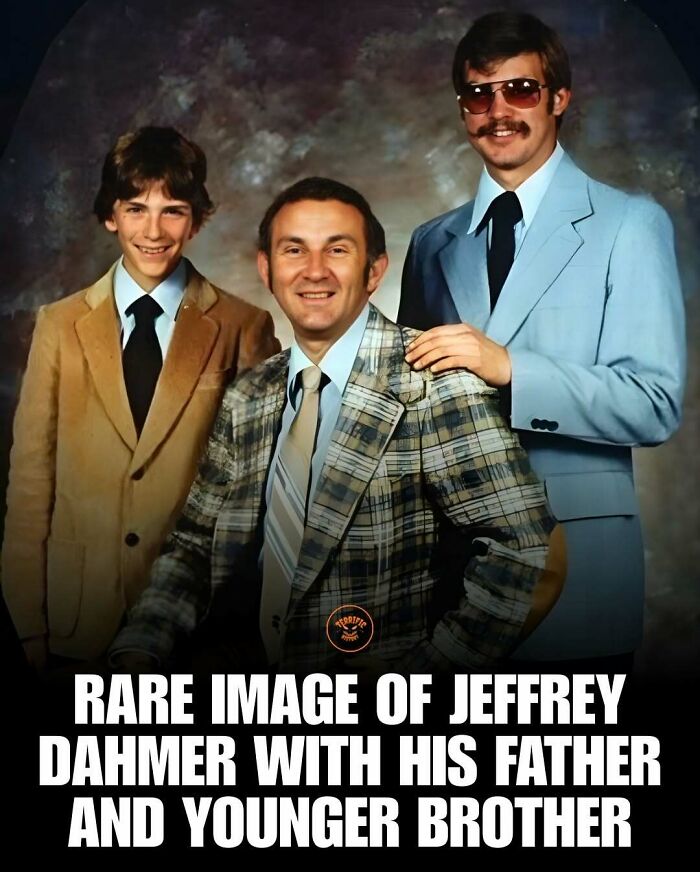
Jeffrey Dahmer pictured with his father Lionel Dahmer and his younger brother David during an earlier period of his life, long before his crimes were uncovered. The image captures a seemingly ordinary family moment, offering a stark contrast to the horrific acts that would later make Jeffrey Dahmer one of the most notorious serial killers in American history. Photographs like this often draw attention because they show the domestic background of individuals whose later actions shocked the world, highlighting the unsettling reality that extreme violence can emerge from otherwise unremarkable surroundings.
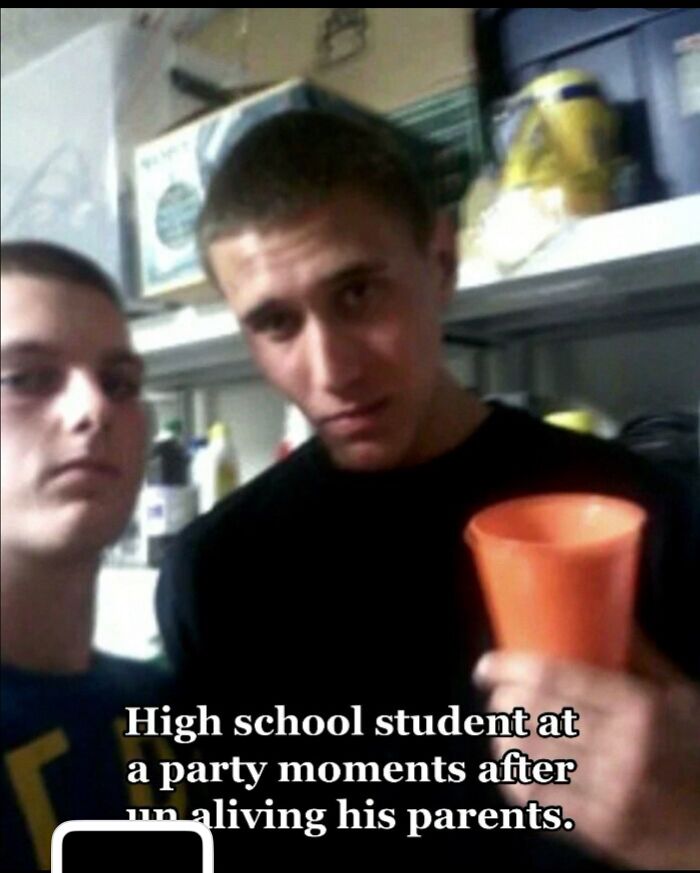
I've heard about this before. His parents were lying d**d in their bedroom while he had party downstairs. During the party he told his best friend (the one in the photo holding the camera) what he'd done and the friend took this picture before calling the police because he knew he'd never see him again.
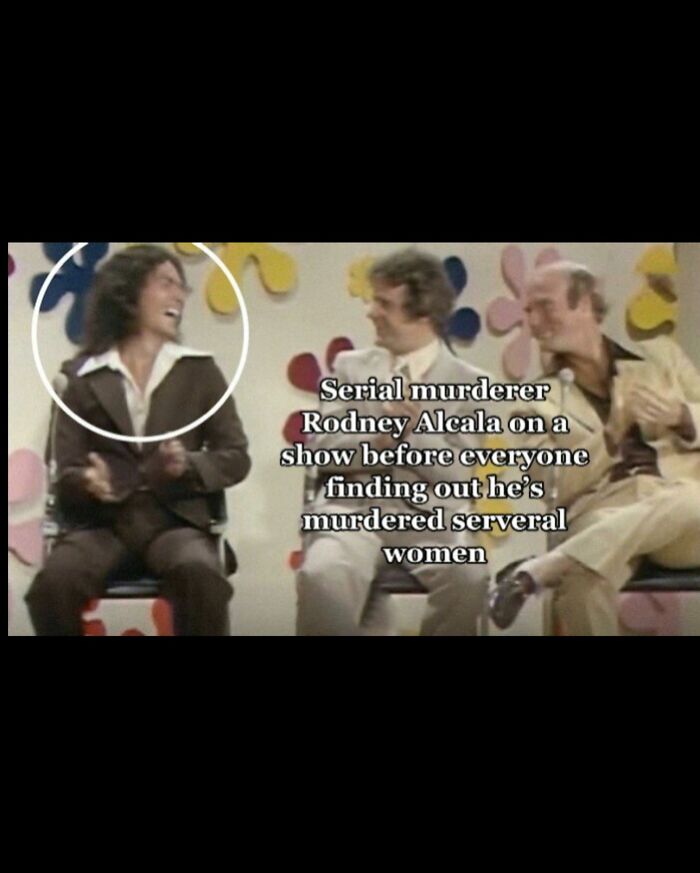
The Dating Game. He was chosen. Woman refused to go out with him after actually meeting.
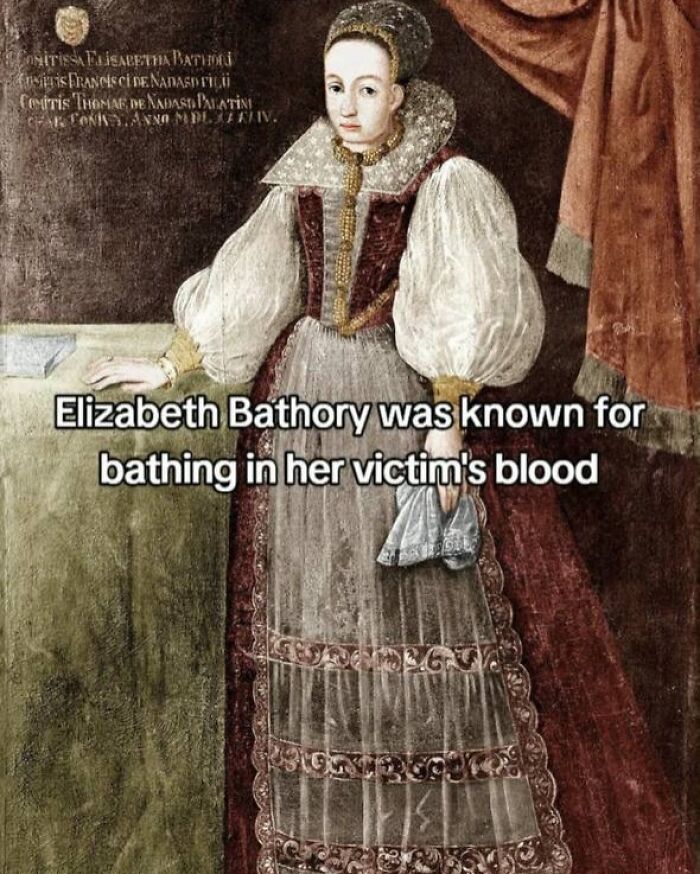
Isn't this a point of debate? Whether or not she did this? Or whether it was just scurrilous stories written about her?
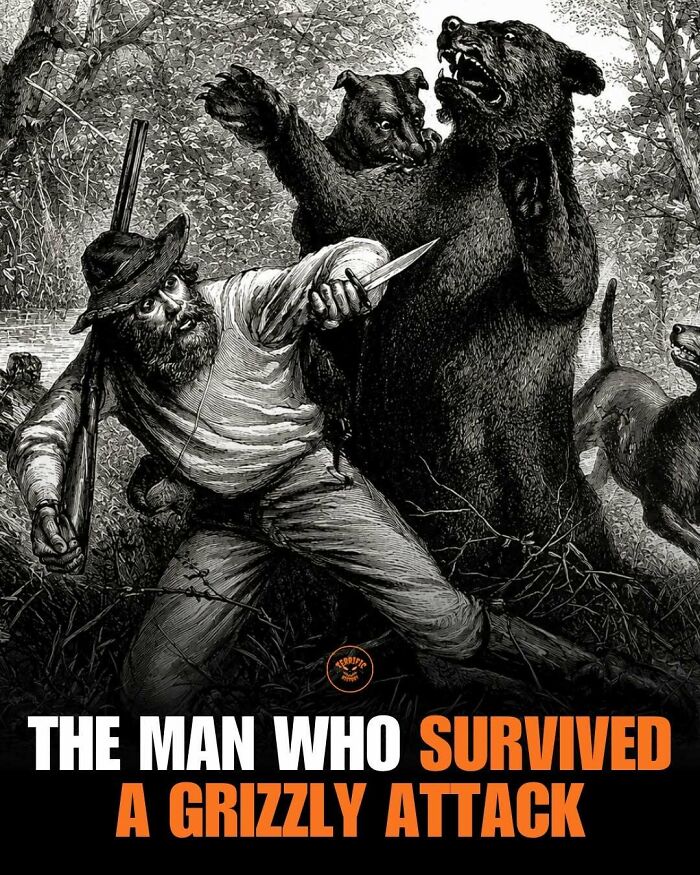
A powerful look back at one of the most remarkable survival stories in wilderness history, where a man faced a grizzly bear attack and lived to tell the tale. The images capture the intensity of the encounter and the harsh reality of being alone in unforgiving terrain, where every decision and instinct can mean the difference between life and death. It is a story that reflects both the brutality of nature and the extraordinary resilience of the human spirit.
After suffering severe injuries and being left in extreme isolation, the survivor endured an unimaginable journey back to safety through pain, fear, and determination. His story has become a lasting example of endurance against overwhelming odds, reminding us how fragile and yet how strong human life can be when tested by the wild.
This story is the basis for the movie Revenant with Leo DiCaprio.
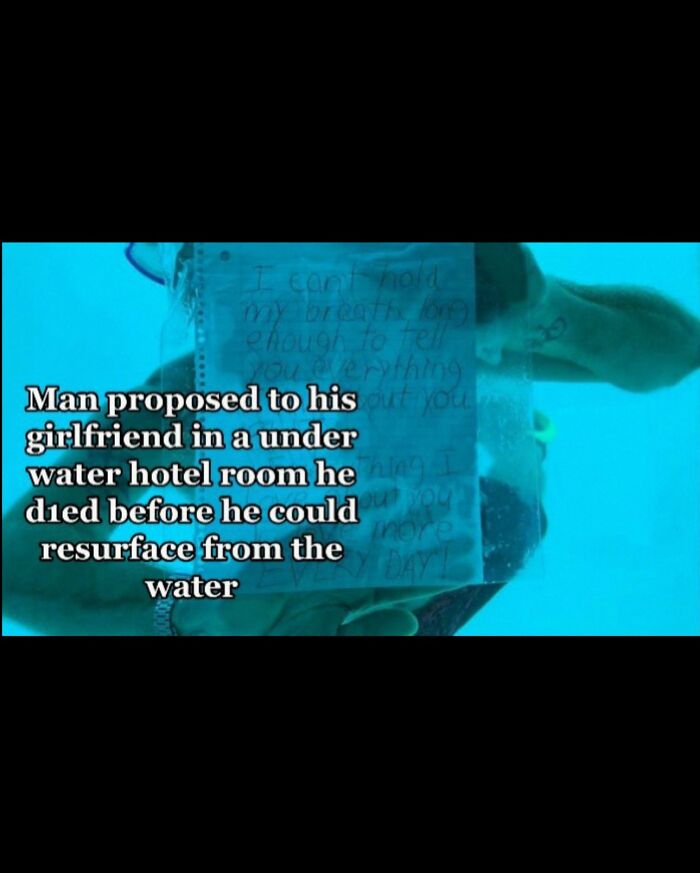
For more than 25 years, a man in Plymouth, England lived with a strange unexplained dip in the floor beneath his couch. What seemed like a harmless flaw in the foundation turned out to be something far more extraordinary when he finally decided to investigate and dig beneath the property.
Hidden below his home was a medieval well stretching roughly 33 feet underground, untouched for centuries. Even more surprising, an old sword was reportedly discovered deep inside the shaft, adding another layer of mystery to the find. What began as a simple home concern ended with the uncovering of a forgotten piece of history buried directly beneath his living room.
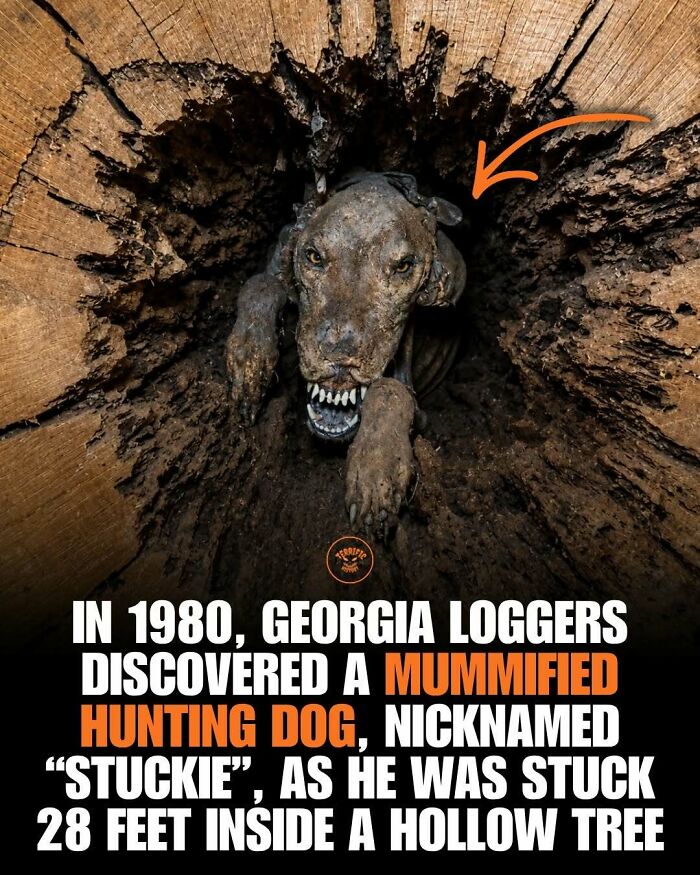
In 1980, a group of loggers working in Georgia made a startling discovery while c*****g down a hollow chestnut oak tree. Deep inside the trunk, about 28 feet up, they found the remarkably preserved remains of a hunting dog later nicknamed “Stuckie.” Based on its condition, the dog is believed to have died around 1960 after chasing prey into the hollow tree and becoming trapped inside with no way to escape.
What makes Stuckie so extraordinary is not just the story of how it likely got there, but how it was naturally preserved. The inside of the hollow tree acted almost like a sealed chamber, and a constant airflow known as a chimney effect helped dry out the body rather than allowing it to decompose. Combined with the natural tannins in the oak wood, which have preservative properties similar to those used in leather tanning, the dog essentially became mummified over time. Today, Stuckie remains on display at Southern Forest World in Waycross, Georgia, where it continues to fascinate visitors as a hauntingly well preserved snapshot of an accidental natural phenomenon.
A massive sinkhole suddenly tore open in Shanghai, China, swallowing a significant stretch of roadway within moments and leaving a gaping chasm where traffic had been moving just minutes before. The collapse disrupted transportation and prompted an immediate emergency response, as crews worked to secure the area and assess the underlying damage.
Such sinkholes typically form when water erodes soil or when underground construction, aging infrastructure, or shifting ground weakens the surface above. In rapidly developing urban environments, extensive tunneling, subway expansion, and utility networks can sometimes contribute to ground instability if conditions align.
Dramatic and unpredictable, events like this highlight the hidden vulnerabilities beneath modern cities, and the complex geology and infrastructure systems that support them.
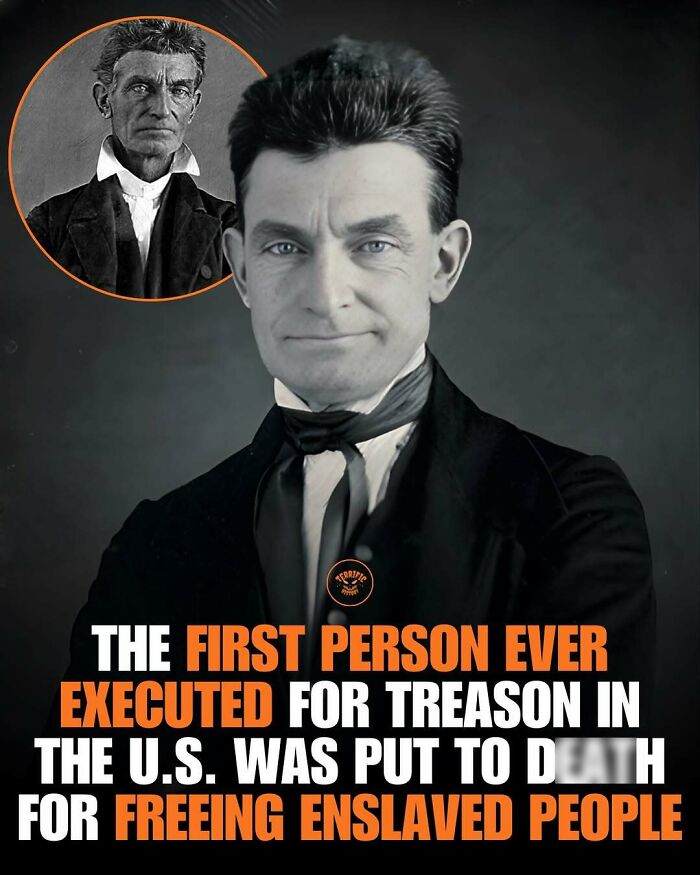
The abolitionist John Brown was executed in 1859 after being convicted of treason against the state of Virginia, following his armed raid on the federal arsenal at Harpers Ferry. His goal was to seize weapons and initiate a s***e uprising to end slavery in the United States. The raid failed, and Brown was captured, quickly tried, and sentenced to death. His e*******n by hanging made him one of the most controversial figures in American history, especially in the tense years leading up to the Civil War. Brown had spent years deeply involved in anti slavery activity, including violent clashes during the period known as Bleeding Kansas, where pro slavery and anti slavery forces fought over whether Kansas would enter the Union as a free or s***e state. His actions at Harpers Ferry were seen by some as t*******m and by others as a radical stand against a moral atrocity. While he was not the first person ever executed for treason in the United States in a legal sense, his case remains one of the most famous examples of a person executed by a state for actions directly tied to efforts to end slavery.
This is false. 1) He was put to d***h for "treason against the Commonwealth of Virginia he had no federal charges, and it was not treason against the USA, it was a state charge, only in the state of Virginia and nowhere else. 2) The first person put to d***h for Treason in the US was Hipolito Salazar for his activities in the Taos Rebellion, 28 others were executed for m****r and insurrection, but Salazar was the only one who got treason. This was in 1847, 12 years before John Brown
Woodstock ’99 was a large music festival held in New York in 1999, originally intended as a celebration of the original 1969 Woodstock. It featured major rock, hip hop, and alternative artists and drew tens of thousands of attendees over several days.
It became infamous because things went badly wrong. Extreme summer heat, expensive water and food, overcrowding, and poor site conditions created a tense environment. As the festival went on, parts of the crowd became increasingly chaotic, with reports of vandalism, fires, and violence. The situation escalated to the point where it is often cited as an example of what can happen when large events are poorly managed.
Today, Woodstock ’99 is remembered less for the performances and more as a cautionary story in event planning, safety, and crowd control at massive music festivals.
The interesting thing about this is that the original Woodstock wasn’t planned at all. The group who put it together expected only a few hundred people would show up, not the 500,000 people who ultimately attended. The conditions during the 3-day concert were horrendous—no sanitation, not enough food, drenching rainstorms… and the crowd just dealt with it. No violence, no disruption, just half a million people coping with the conditions and enjoying the concert anyway.

Did they tear down a third of a palace to build a ballroom to hold the party?

Anglo-Zanzibar War and the Reconquista, respectively, but the Reconquista wasn't really one organized conflict, more like a series of intermittent conflicts from 711 to 1492 CE.
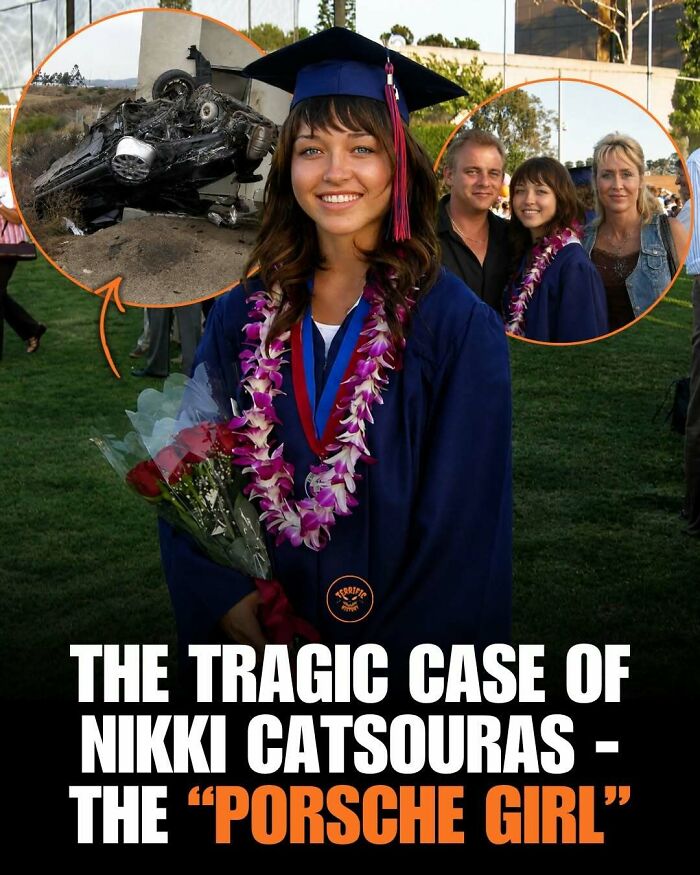
The story of Nikki Catsouras is often shared as a reminder of how quickly a single moment can change a life. She was a young woman whose fatal car accident in 2006 led to a wider conversation about privacy, respect, and the lasting impact of digital sharing. Her name is now closely associated with discussions about how sensitive images can spread online without consent.
Beyond the headlines, her story is also about a family coping with unimaginable loss and trying to protect their memory from public exposure. It has influenced conversations about online ethics and how we treat information involving real people and tragedy. The case continues to be referenced when discussing compassion and responsibility in the digital age
So I've looked it up and she was decapitated in the crash. Photographs of the scene and her body were leaked by two California Highway Patrol employees and made their way to the Internet. Some people emailed her family and taunted them with the photographs.
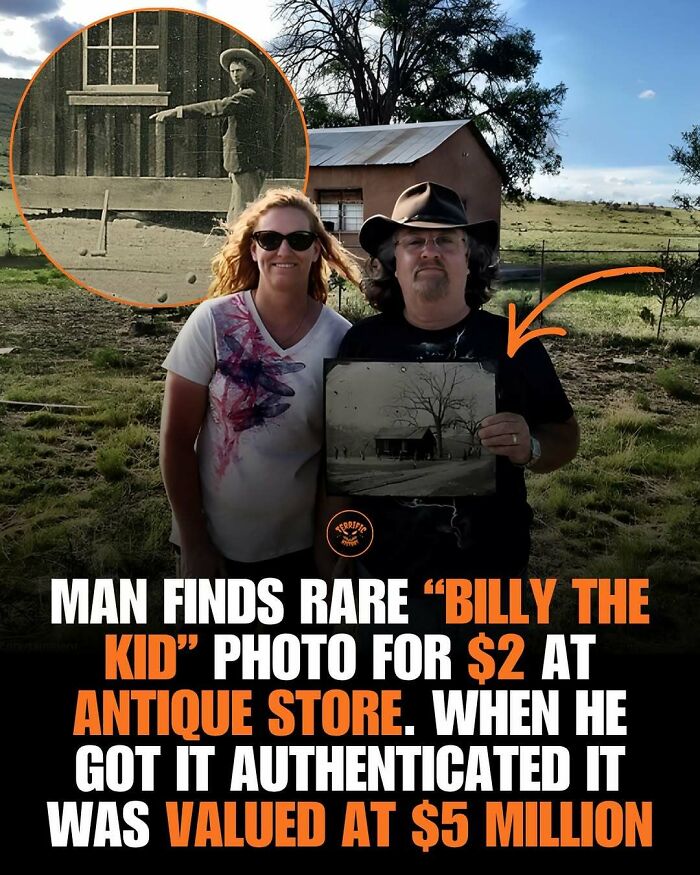
In 2010, a man named Randy Guijarro was on his way home to Fresno when he made an unplanned stop at a small antique shop and picked up three old photographs for just two dollars. One image immediately caught his attention because the figure in it looked oddly familiar.
Curious, he had the photo examined, and after careful study, experts confirmed that the person pictured was Billy the Kid. Believed to have been taken in 1878, the rare image shows the infamous outlaw casually playing croquet with members of the Regulators. Years later, once authenticated, the photograph was valued at around five million dollars, turning a two dollar purchase into one of the most astonishing antique shop discoveries ever.
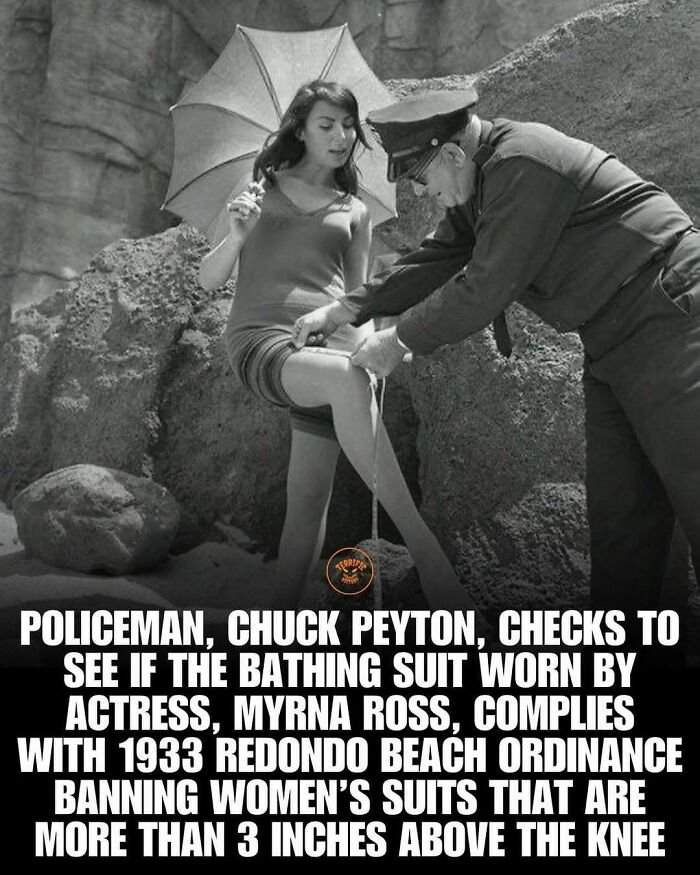
Police officer Chuck Peyton measures the hemline of a bathing suit worn by actress Myrna Ross to determine whether it complies with a 1933 Redondo Beach ordinance. The law prohibited women from wearing swimsuits that rose more than three inches above the knee, reflecting the strict moral codes and public decency standards enforced on beaches during that era.
1. It looks like more than three inches to me because 2. That's not the way it should be measured! Her leg should be down.
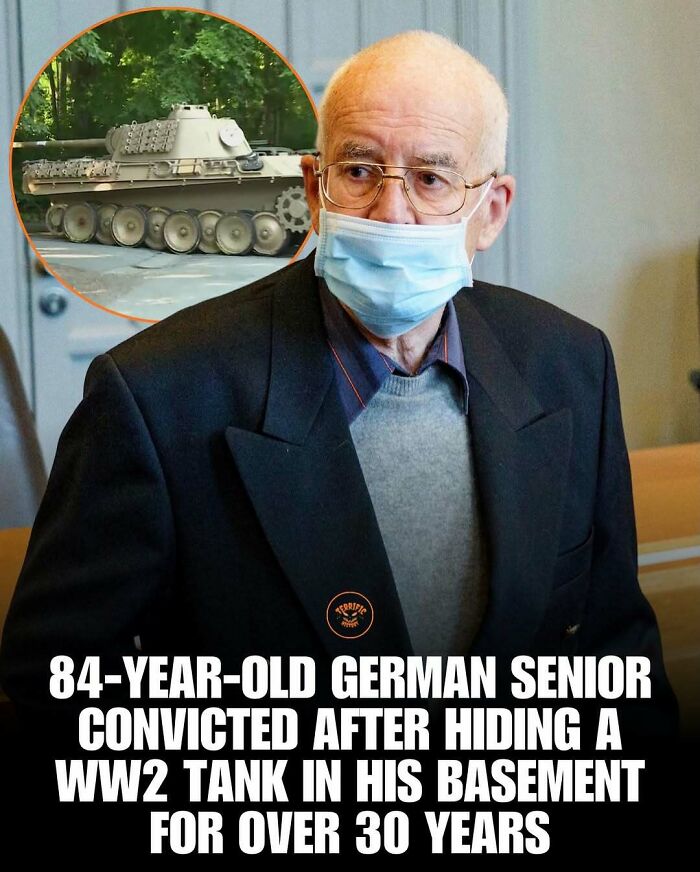
An 84 year old man in Germany was convicted after authorities discovered that he had concealed a World War Two era tank in his basement for more than three decades.
The military vehicle, along with other historic weapons and equipment, had reportedly been stored on his property since the late twentieth century. Investigators uncovered the tank during a raid, drawing widespread attention because of the sheer size and historical significance of the machinery. Removing it required heavy equipment and a coordinated effort due to its weight and condition.
The case sparked debate across Germany about private ownership of decommissioned military artifacts and the legal responsibilities that come with collecting historical weapons. While some viewed the discovery as an unusual example of extreme collecting, prosecutors emphasized that even historic military equipment is subject to strict regulations.
The court ultimately found him guilty of weapons related offenses, reinforcing the country’s firm stance on the possession and storage of wartime machinery.
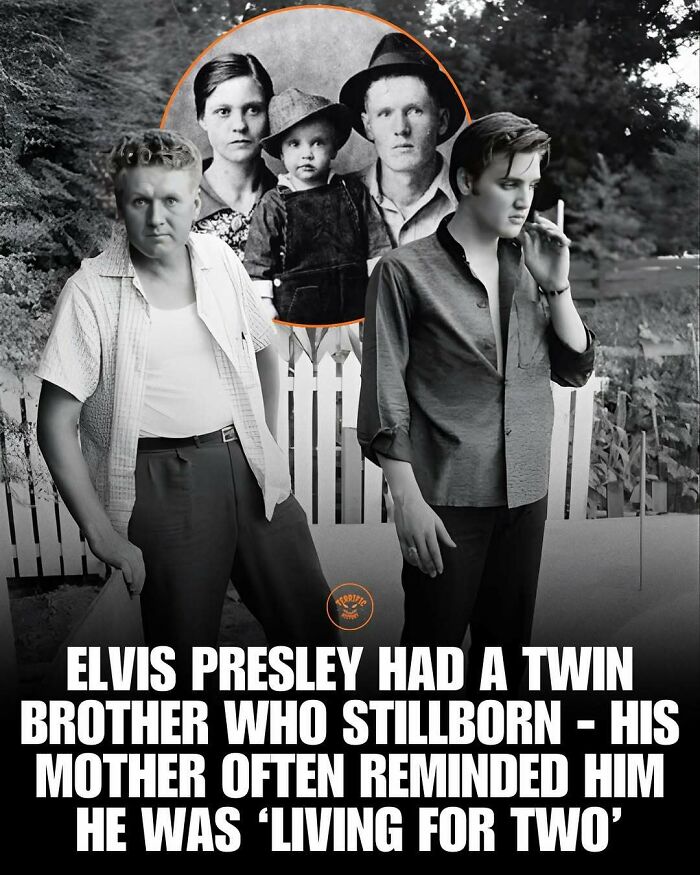
Elvis Presley was born with an identical twin brother who was stillborn, a tragedy that left a lasting imprint on his life and identity. From an early age, his mother reminded him that he was “living for two,” a phrase that carried deep emotional weight and followed him throughout his life. This sense of loss and responsibility is often cited as shaping Elvis’s sensitivity, introspection, and emotional depth, influencing both his personal outlook and the intensity he brought to his music. The presence of an absent twin became a quiet but powerful part of his story, reinforcing the feeling that he was driven by something beyond himself.
In 1998, Emmanuel Nwude orchestrated one of the most audacious scams in modern history. He convinced a Brazilian bank to purchase an entire airport for a staggering 242 million US dollars. The shocking twist was that the airport did not exist. Using a combination of charm, carefully forged documents, and convincing stories, Nwude executed a scheme that would go down in history as one of the largest and most elaborate financial frauds ever recorded. The scandal stunned the international banking world and highlighted just how far deception could go when paired with cunning and audacity.
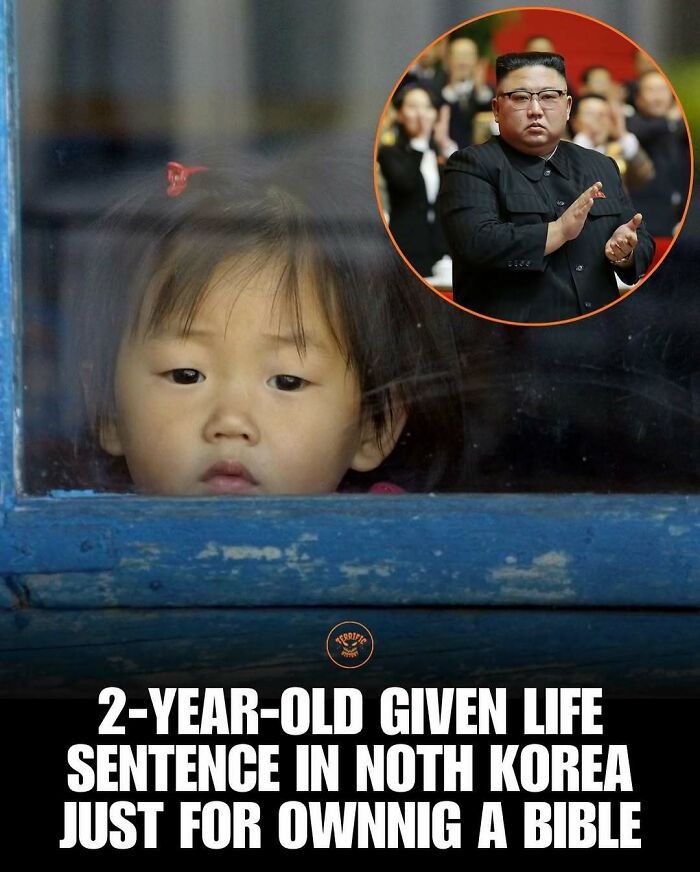
Reports indicate that a two-year-old child was reportedly sentenced to life imprisonment in a North Korean political prison camp after their parents were discovered with a Bible.
The case, said to have taken place in 2009, underscores the extreme measures North Korea imposes under its policy of “guilt by association,” where entire families can face punishment for the perceived crimes of one member. The story gained renewed attention when it was included in the U.S. State Department’s 2022 Report on International Religious Freedom, highlighting the country’s ongoing persecution of religious believers and the severe human rights abuses within its prison camp system.
This incident illustrates the harsh realities faced by North Koreans, particularly those accused of practicing Christianity, where even the youngest members of a family can suffer life-altering consequences.
Even more remarkable considering the complete absence of Taco Bells in that era.
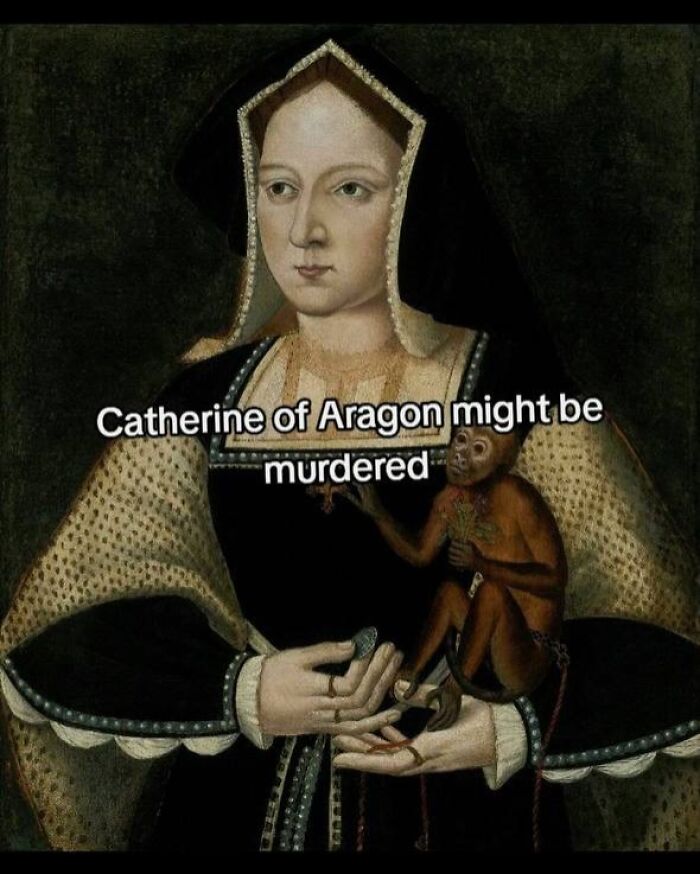
Doubtful. The embalmer said that her heart was blackened which led to speculation that she'd been poisoned on Henry's orders, but it was most likely a cancerous tumour. Henry had no reason to m****r Catherine at that point as he'd already got what he wanted. He'd also have been risking the ire of Catherine's nephew, who was the King of Spain, and Spain was much more powerful than England.

This is a terrible piece of AI-slop writing, vague and ungrammatical and factually incorrect. I am exhausted from trying to make sense of this. I feel alone in this weird machine world this article inhabits and I am unreasonably angry with Jonas Grinevičius for putting out this garbage.
The best thing about this AI slop is the comments from other Pandas
This is a terrible piece of AI-slop writing, vague and ungrammatical and factually incorrect. I am exhausted from trying to make sense of this. I feel alone in this weird machine world this article inhabits and I am unreasonably angry with Jonas Grinevičius for putting out this garbage.
The best thing about this AI slop is the comments from other Pandas




















 No fees, cancel anytime