Get Premium
Dark mode theme is available exclusively for premium users. Learn more about the benefits of subscribing.
No fees, cancel anytime.

 Dark Mode Ad-Free Browsing Unlimited Content
 Ad-Free Browsing Unlimited Content Dark Mode
Join 1.2 million Panda readers who get the best art, memes, and fun stories every week!
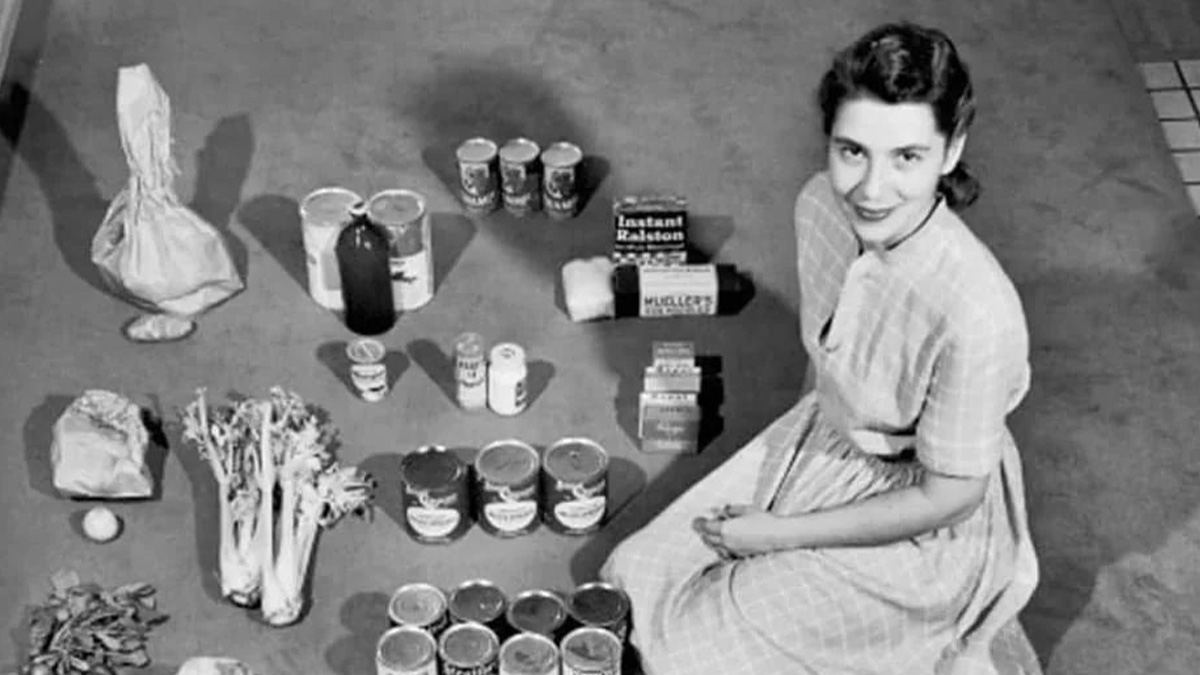
Nostalgia is a very powerful force. Particularly when times are tough, people tend to look at the past as this age where everything was better and simpler and never mind the fact that living standards were, across the board, worse.
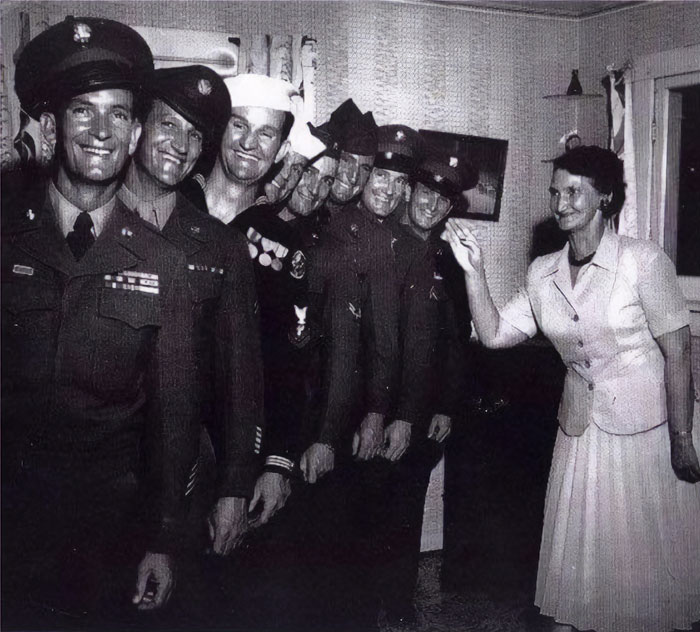
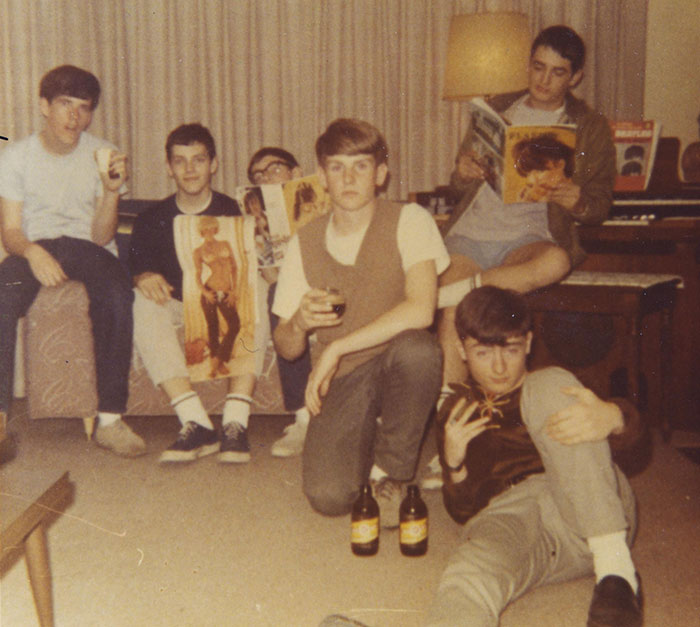
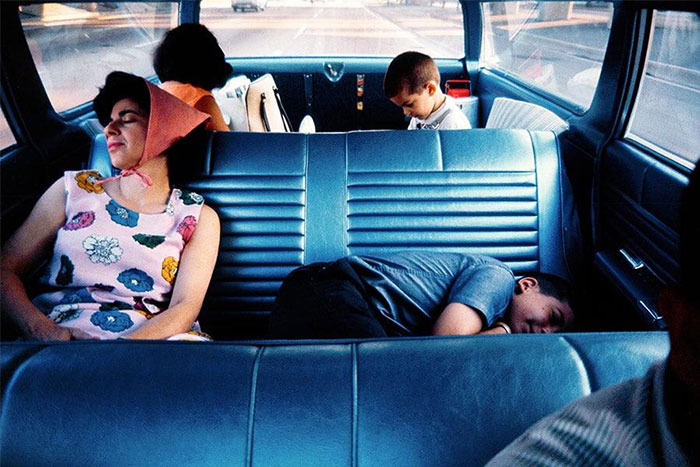
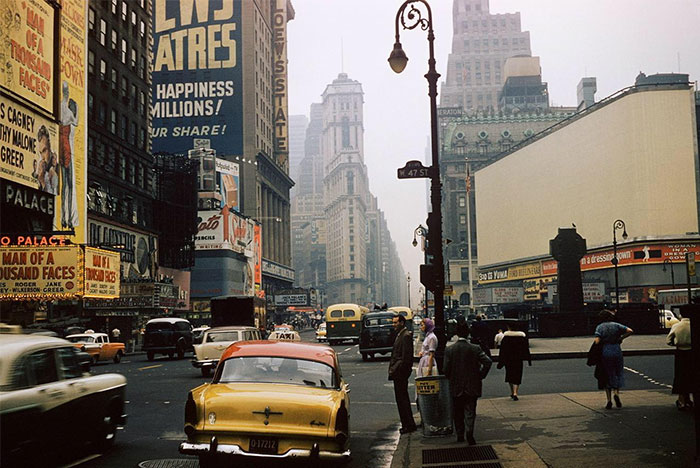
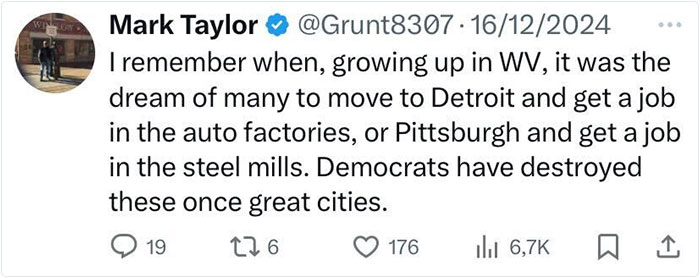
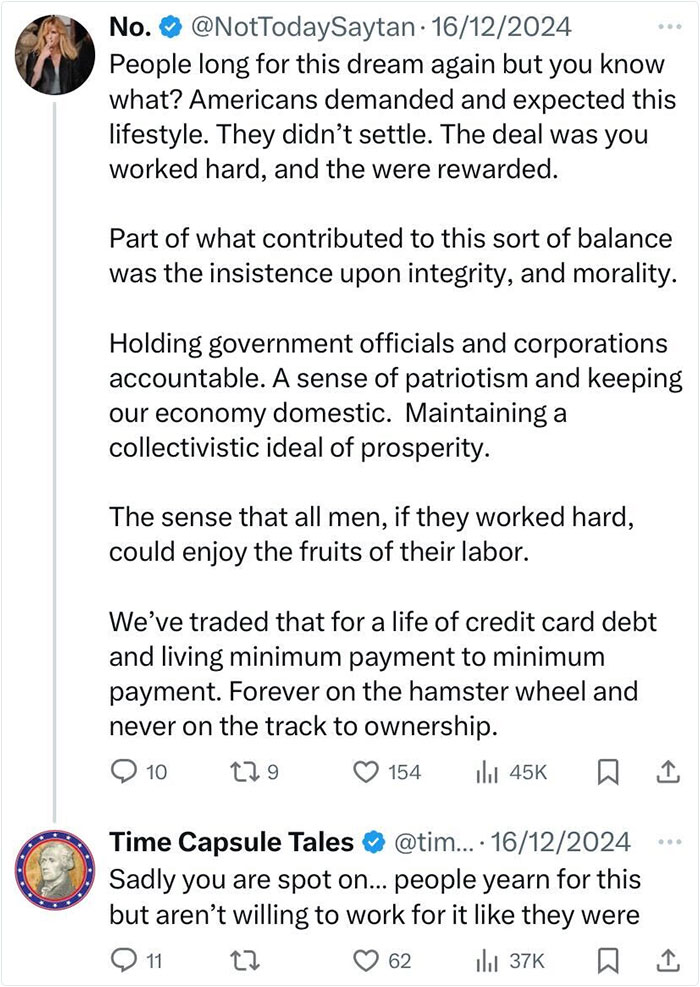
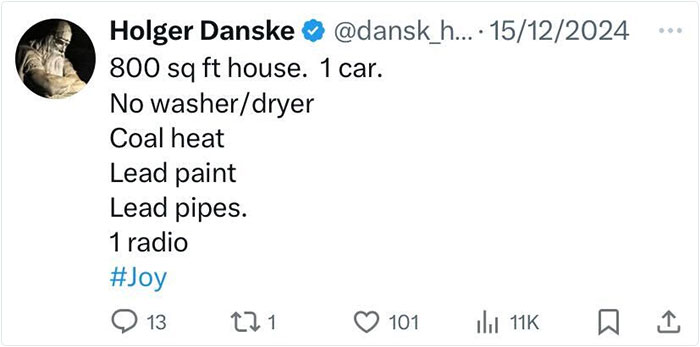
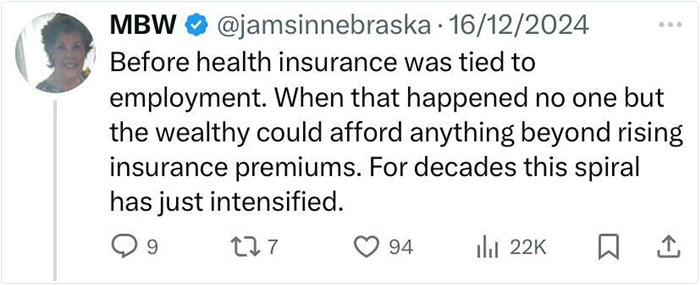
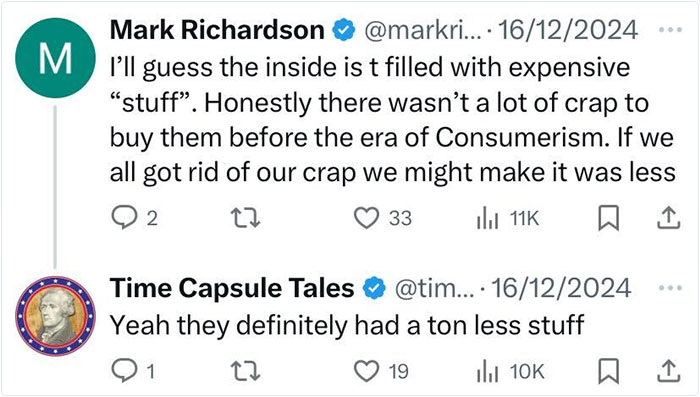
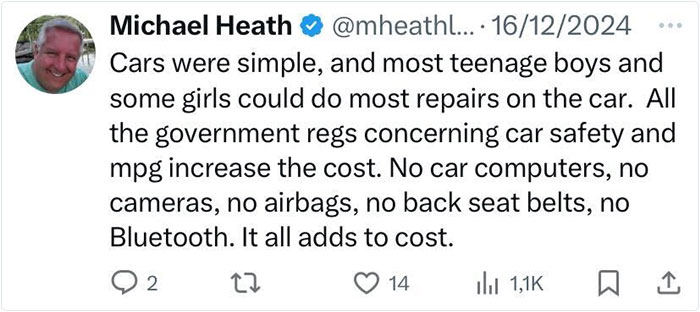
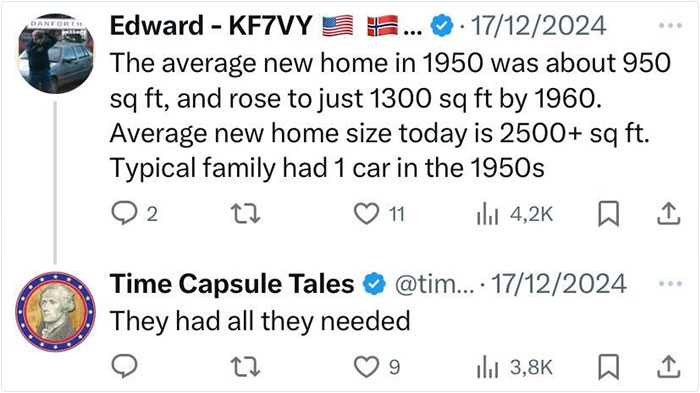
A twitter page went viral for sharing images about what life looked like in the US years ago and sparked a lengthy debate about nostalgia, reality and living standards. So get comfortable as you scroll through and be sure to add your own thoughts and observations in the comments below.
Image credits: timecaptales
Nostalgia has a way of painting the past in warm, golden tones, making people believe that life was better, simpler, or more meaningful in earlier times. It is a powerful emotion that can provide comfort, but it can also be deceptive. People tend to remember the good moments vividly while filtering out the struggles, inconveniences, and hardships that came with them. This selective memory can lead to an overly romanticized view of the past, where things seem perfect only because time has softened the edges of reality.
One of the main reasons nostalgia can be so misleading is that memory is not a perfect recording, it is a reconstruction. When people reflect on childhood, for example, they often remember the security and joy of that time without fully recalling the difficulties their parents might have faced. Someone might reminisce about the excitement of playing outside all day without thinking about the boredom or discomfort that came with it. Similarly, people may long for past decades when “things were better” without acknowledging the social struggles, economic hardships, or lack of modern conveniences that made life more challenging for many.
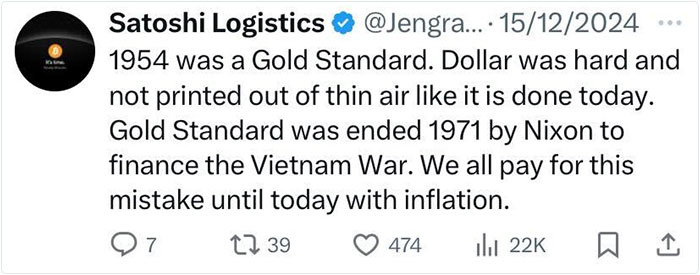
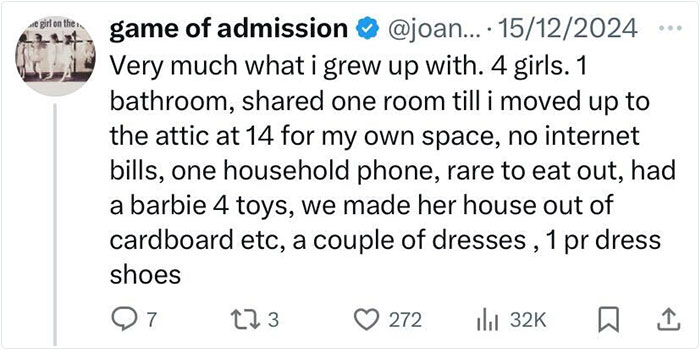
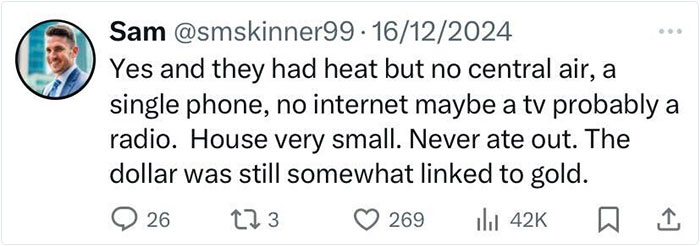
In the concrete examples of this thread, it paints life as idyllic and without worries. However, the 1950s in the US had a whole host of issues, from McCarthyism and the newfound nuclear weapons of the USSR. Children would be taught what to do in case of nuclear war and people were constantly told about the growing threat of communism.
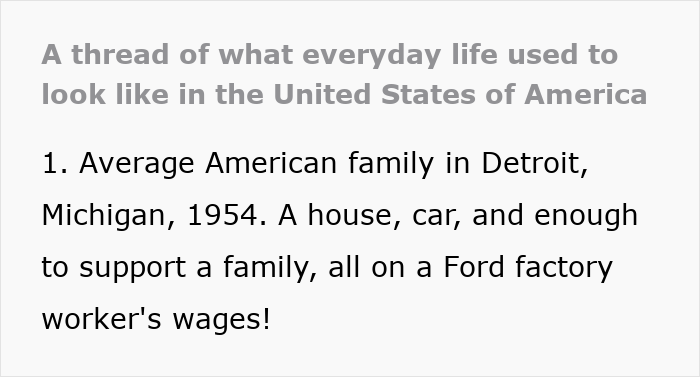
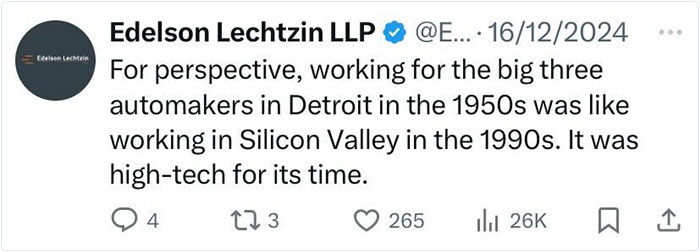
Similarly, the images here are taken, for the most part, in Detroit, which used to be the automotive capital of the US. In the 1950s, Detroit was the fifth largest city in the country and was the home of the American auto industry. This is not some local cottage industry, it was a massive part of the nation’s economy. This is all to say that perhaps life in Detroit was not at all representative of how “normal” people were living at the time.
Nostalgia also flourishes in times of uncertainty. When the present feels overwhelming or the future seems unpredictable, the past can feel like a safe retreat. People look back not necessarily because things were truly better, but because they were more familiar. This is why older generations often feel like the world is declining, it is not necessarily getting worse, but it is changing in ways that make them feel disconnected.
The same cycle has repeated for centuries, with each generation believing that their youth was the best time to be alive. While nostalgia can be comforting, it becomes a problem when it distorts reality. If people let it influence their decisions too much, they might resist necessary change or fail to appreciate the progress that has been made.
Romanticizing the past can lead to frustration with the present and a refusal to acknowledge that every era had its flaws. Psychologists have already observed that there are “cycles” of nostalgia, which suggests that people are always looking to the past, irrespective of the present. A balanced perspective is important—one that allows for appreciation of good memories while recognizing that no time period was as perfect as nostalgia makes it seem.

By entering your email and clicking Subscribe, you're agreeing to let us send you customized marketing messages about us and our advertising partners. You are also agreeing to our Privacy Policy.
Thank you! You've successfully subscribed to newsletters!
18Kviews
Share on Facebook
Let's not forget that the maximum tax rate was 70% before Reagan cut it. Which leads to the explosion of both poverty and corporate wealth. Bush (another Republican) allowed the ban on a*****t weapons to expire, leading to the rise in mass shootings.

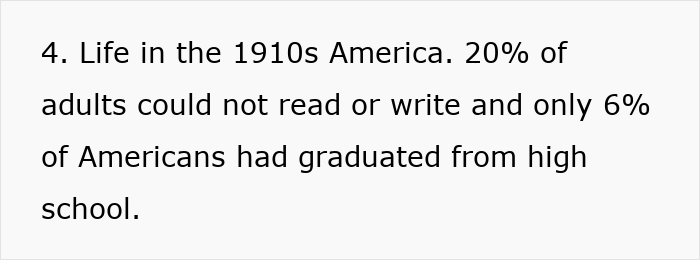
Woohoo! The illiteracy rate in the US last year was 21%! LOWER than in 1910! Make America Great Again! /s (* illiterate below 6th grade level vs not able to read in 1910, so not the same)

54% of americans read at or BELOW a 6th grade level, and 21% are illiterate. It's nothing new, it's a problem that's persisted for decades. And yes, whether anyone likes it or not this continued failure is due, in part, to the "no child left behind" act. While it may have been well intentioned, the real world consequence is that students are pushed ahead so their failure doesn't reflect badly upon the school, the district or that specific teacher all in pursuit of securing funding! Funding that they can then use to continue to allow students to slip through the cracks. Since 2017, the number of people achieving a level 1 in literacy has increased from 19 to 29%, while the number of people achieving the highest level of literacy has fallen from 48% to 44%....so things are improving while also getting worse, and yes fixing this particular problem means holding those in positions of power within the education system, accountable.
Load More Replies...
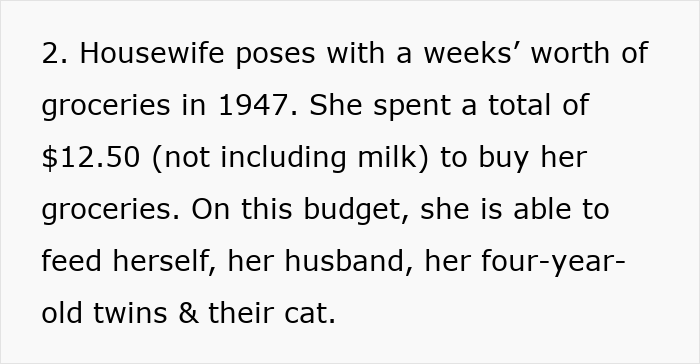
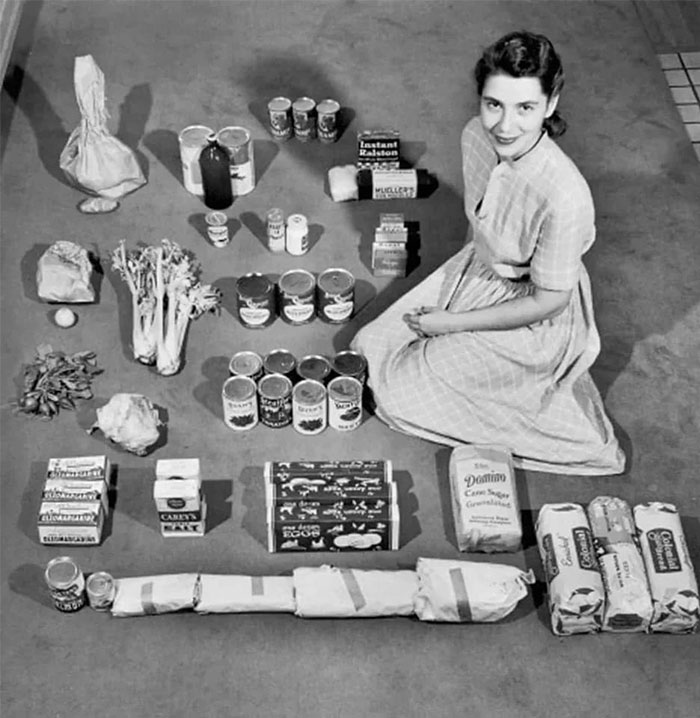
The grocery photo: Would not be enough to feed 4 persons today. People demand more food than that, and refuse to eat the same food for a couple of days. Everything else: People would see this as too low of a standard of living and would refuse a life like that. Plus: In the 1950s, global population was 2.5 billion people. It is 8 billion today, which causes a lot of issues.

There's so many inaccuracies in that list beginning with the BS about the auto worker. The Ford plants (there were several in the Detroit area) paid <$2.50 per hour. Unless they had a sizeable down payment on the house, there is no way that took place the way it's presented. My folks bought our house in ~1958 in a western suburb of Detroit and paid $11,200 for a house just about the same size. They had 1 car and they both worked like dogs to make it happen. We had a sitter get us ready for school, then another after school until the folks got home. There is/was NOTHING easy about life back then. It's looked at through the lens of Ozzie and Harriet and it shouldn't need to be pointed out that it was a TV show.
Load More Replies... Let's not forget that the maximum tax rate was 70% before Reagan cut it. Which leads to the explosion of both poverty and corporate wealth. Bush (another Republican) allowed the ban on a*****t weapons to expire, leading to the rise in mass shootings.
Woohoo! The illiteracy rate in the US last year was 21%! LOWER than in 1910! Make America Great Again! /s (* illiterate below 6th grade level vs not able to read in 1910, so not the same)
54% of americans read at or BELOW a 6th grade level, and 21% are illiterate. It's nothing new, it's a problem that's persisted for decades. And yes, whether anyone likes it or not this continued failure is due, in part, to the "no child left behind" act. While it may have been well intentioned, the real world consequence is that students are pushed ahead so their failure doesn't reflect badly upon the school, the district or that specific teacher all in pursuit of securing funding! Funding that they can then use to continue to allow students to slip through the cracks. Since 2017, the number of people achieving a level 1 in literacy has increased from 19 to 29%, while the number of people achieving the highest level of literacy has fallen from 48% to 44%....so things are improving while also getting worse, and yes fixing this particular problem means holding those in positions of power within the education system, accountable.
Load More Replies... The grocery photo: Would not be enough to feed 4 persons today. People demand more food than that, and refuse to eat the same food for a couple of days. Everything else: People would see this as too low of a standard of living and would refuse a life like that. Plus: In the 1950s, global population was 2.5 billion people. It is 8 billion today, which causes a lot of issues.
There's so many inaccuracies in that list beginning with the BS about the auto worker. The Ford plants (there were several in the Detroit area) paid <$2.50 per hour. Unless they had a sizeable down payment on the house, there is no way that took place the way it's presented. My folks bought our house in ~1958 in a western suburb of Detroit and paid $11,200 for a house just about the same size. They had 1 car and they both worked like dogs to make it happen. We had a sitter get us ready for school, then another after school until the folks got home. There is/was NOTHING easy about life back then. It's looked at through the lens of Ozzie and Harriet and it shouldn't need to be pointed out that it was a TV show.
Load More Replies...


































 No fees, cancel anytime



























55
45