Bored Panda works better on our iPhone app
Continue in app Continue in browser

The Bored Panda iOS app is live! Fight boredom with iPhones and iPads here.

The Hidden Test Your Therapist May Be Using To Judge You The Moment You Enter The Room
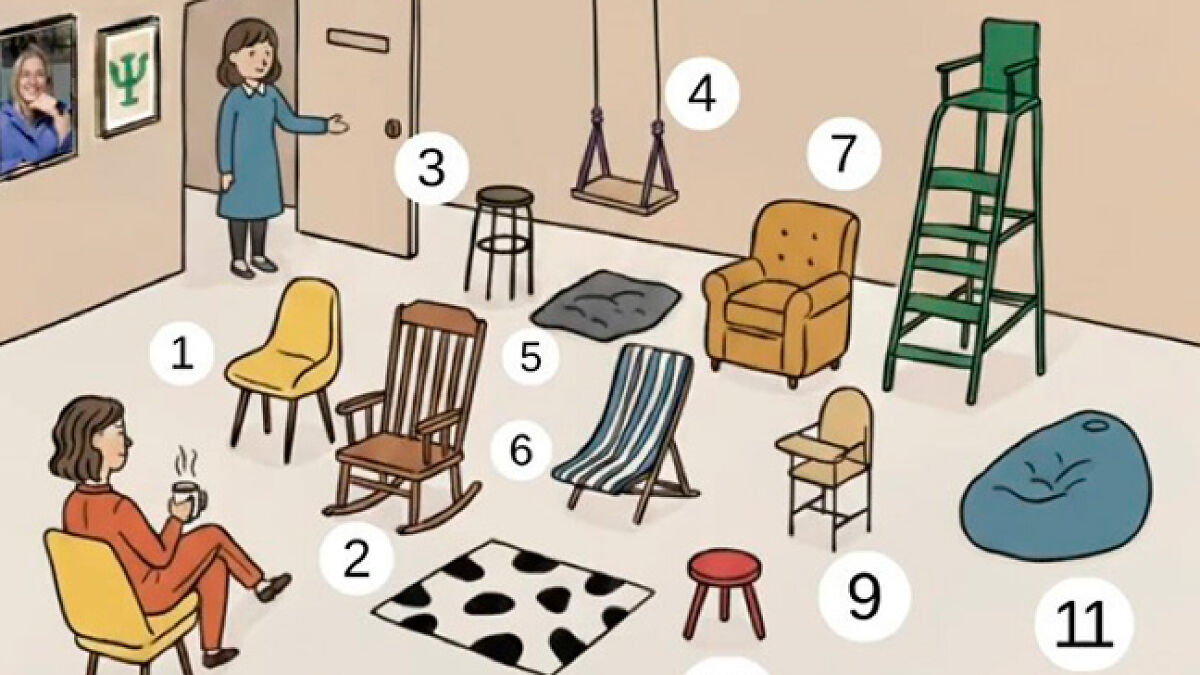
Illustration of a therapy room with various seating options showing the hidden test your therapist may use to judge you.

The Hidden Test Your Therapist May Be Using To Judge You The Moment You Enter The Room

22

ADVERTISEMENT

Which seat you choose in a therapist’s office can already give the health expert information about you—even before you utter a word.

Your seat of choice may reveal how willing you are to open up about your problems to the expert, who is a health professional but also a stranger, as well as hint at your deepest fears and even possible attachment issues.

Highlights
  • Choosing a therapy seat reveals hidden feelings about a patient, according to environmental psychology.
  • Some seats, like rocking chairs, may reflect unresolved childhood issues or nostalgia.
  • Armchairs or beanbags often mean patients seek safety but might also hide behind comfort.

This is according to psychotherapist Dr. Sheetal Nair, who shared her seat theory on Medium, inviting people to reconsider their choices.
RELATED:

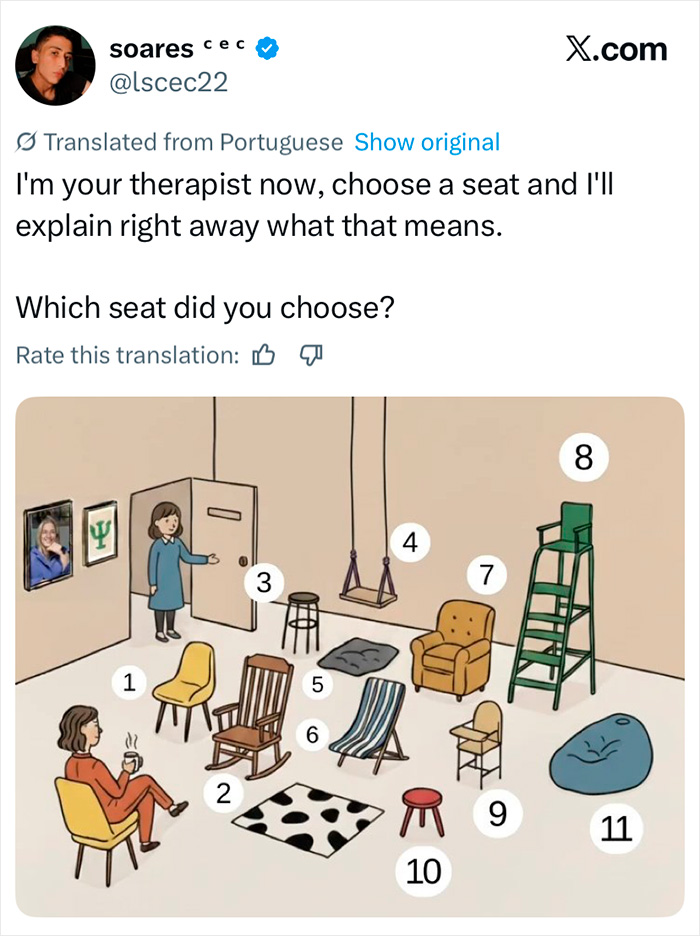
    Illustration showing different seats numbered in a therapist's room for the hidden test therapists use to judge you.

    Image credits: X / @lscec22

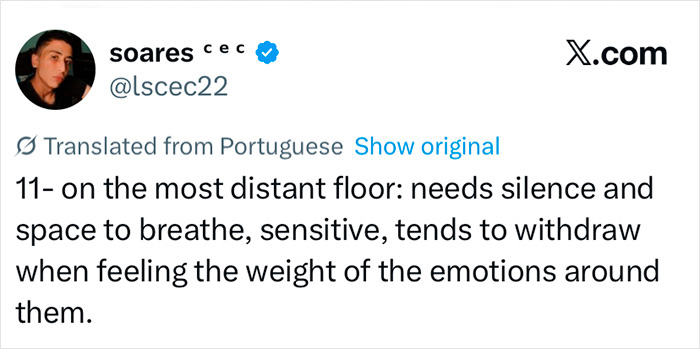
    Soares, a therapist who goes by @lscec22 on X, also shared what each seat might say about a patient.

    ADVERTISEMENT

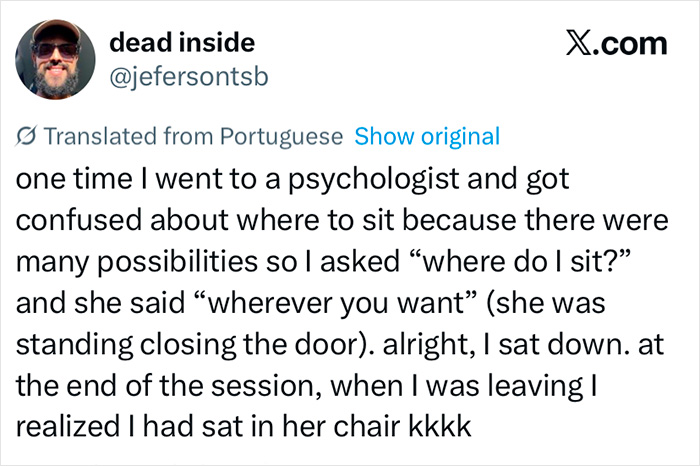
    Reacting to a viral image showing a hypothetical first therapy session with different seating options, one user shared on X, “Once I went to a psychologist and got confused about where to sit because there were so many options. So I asked, ‘Where should I sit?’ and she said, ‘Wherever you want’ (she was standing, closing the door).

    “Okay, I sat down. At the end of the session, when I was leaving, I realized I had sat in her chair lol.”

    Person sitting with clasped hands in therapy session while therapist takes notes in a living room setting.

    Image credits: Freepik

    People then began sharing which seat they would choose from 1 to 11 and why, with most respondents explaining that their decision was based solely on comfort.

    However, experts believe a chair can reveal a great deal about a patient and their story, offering valuable insight to the therapist.

    According to Dr. Nair, seating choices are tied to environmental psychology. “I’ve seen people unknowingly pick seats that scream, ‘Challenge me,’ ‘Protect me,’ ‘Don’t see me,’” the TEDx Speaker wrote.

    ADVERTISEMENT

    Seating choices reflect principles of environmental psychology

    Tweet screenshot showing a translated message about emotional sensitivity relating to the hidden test therapists use to judge you.

    Image credits: X / @lscec22

    Tweet explaining the hidden test therapists may use to judge your inner child and emotional traits upon entering the room.

    Image credits: X / @lscec22

    ADVERTISEMENT

    Chair #1, which is face-to-face and in direct line of sight, is for patients he described as “direct confronters.”

    These patients often have “a secure or anxious-ambivalent attachment style” and may believe they are more ready to open up than they actually are. They tend to engage quickly but expect the therapist to intervene frequently during the session.

    ADVERTISEMENT

    Therapist conducting a hidden test to evaluate a distressed woman during a counseling session in a cozy room.

    Image credits: Freepik

    Chair #2, the rocking chair, is associated with infancy and often signals “unresolved early attachment issues” or nostalgia for the patient’s childhood.

    “Beware: nostalgia is comforting, but it’s also a trapdoor for avoidance,” the expert warned.

    Similarly, @lscec22 noted that the chair is linked to creative people who like to “reclaim the simple joy of childhood.”

    Rocking chairs are commonly linked to nostalgia or unresolved attachment issues

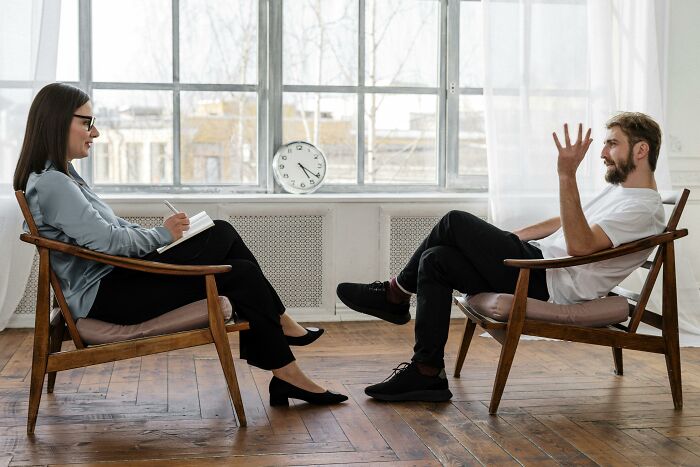
    Therapist and patient in a session, therapist observing body language as part of a hidden test to judge instantly.

    Image credits: cottonbro studio

    ADVERTISEMENT

    Screenshot of a social media post explaining a psychological test therapists may use to judge emotional distance and control.

    Image credits: X / @lscec22

    ADVERTISEMENT

    Chair #3, the plain stool near the door, is for “transactionalist” patients who are focused on getting immediate value from the money they spend on therapy.

    These patients may be more emotionally guarded and have a practical, results-oriented mindset.

    As for Chair #4, the swing seat, Dr. Nair believes it is linked to “high openness, ADHD tendencies, or simply a fear of sitting with discomfort.”

    “I’ve seen people unknowingly pick seats that scream, ‘Challenge me,’ ‘Protect me,’ or ‘Don’t see me,’” wrote Dr. Sheetal Nair

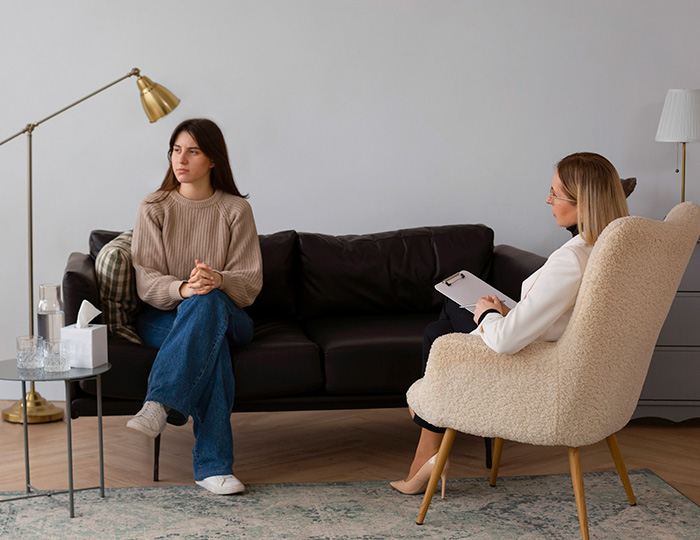
    Woman in casual clothes sitting on sofa during therapy session as therapist observes using hidden test to judge.

    Image credits: Freepik

    ADVERTISEMENT

    The floor cushion, Chair #5, signals a desire to eliminate the hierarchy many people assume exists between patient and therapist.

    “In Jungian terms, you might be seeking integration rather than correction — a merging of your inner shadow with your public self,” Dr. Nair noted.

    Person sitting crossed-legged in white wicker chair wearing cozy knit sweater and leggings, suggesting hidden test by therapist.

    Image credits: Aleksandra_Iarosh

    Tweet describing a light and creative spirit, relating to the hidden test your therapist may be using to judge you.

    Image credits: X / @lscec22

    ADVERTISEMENT

    Tweet about the hidden test therapists use to judge patients, mentioning energy recharge and calm connection with oneself.

    ADVERTISEMENT

    Image credits: X / @lscec22

    Chair #6, the lounger, suggests the patient wants to feel safe and comfortable before they are ready to open up.

    However, the lounger may also signal a desire to distance oneself from the therapist and could indicate that the patient might “confuse physical comfort with emotional progress,” the psychotherapist said.

    According to @lscec22, those who choose this chair are likely feeling stressed and trying to find calmness before connecting with themselves.

    Therapists believe patients don’t choose seats based on comfort

    Person sitting on a red bean bag holding a cup, illustrating the hidden test your therapist may be using to judge you.

    Image credits: LightFieldStudios

    ADVERTISEMENT

    Chair #7, the big armchair, may look extremely comfortable, but it is actually a “psychological fort,” according to Dr. Nair.

    “If you choose this, you’re telling the therapist, ‘I’ll talk, but from behind my walls.’ It’s protection wrapped in fabric.”

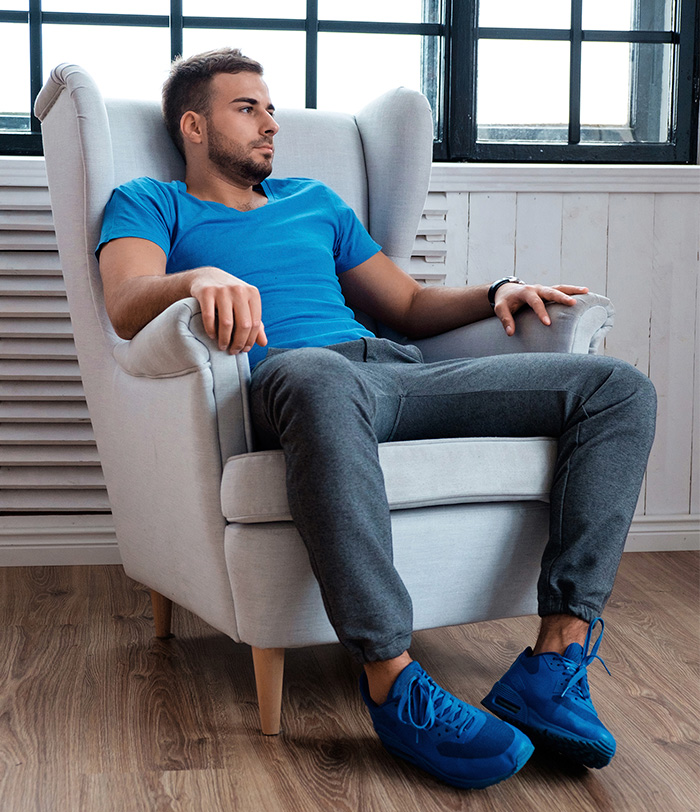
    Man sitting in armchair looking thoughtful during a therapy session, illustrating a hidden test therapists may use to judge.

    Image credits: LightFieldStudios

    ADVERTISEMENT

    Tweet about the hidden test therapists use to judge patients, describing traits linked to seating choice and personal space.

    Image credits: X / @lscec22

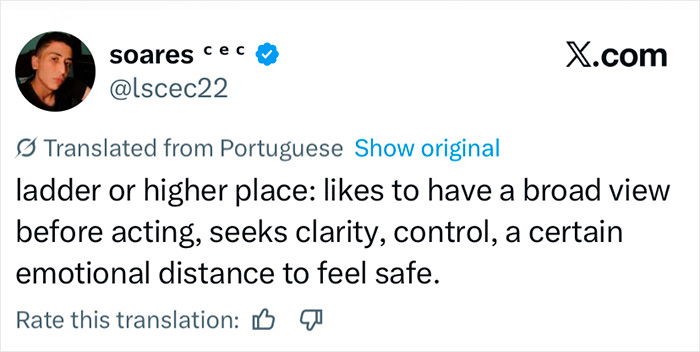
    Chair #8, the ladder, is likely the most unconventional choice. Dr. Nair noted that ladders are linked to ambition. In psychotherapy, he said, this choice might suggest that the patient is focused on long-term progress, a “climb,” rather than expecting immediate results.

    ADVERTISEMENT

    For @lscec22, the ladder indicates that the individual is not impulsive and prefers to view the whole landscape before taking action.

    Armchairs or beanbags can indicate a desire for safety, but may also suggest the patient is not ready to open up

    Therapist attentively listening to a patient during a session, illustrating the hidden test therapists use to judge clients.

    Image credits: Wavebreakmedia

    Screenshot of a tweet describing the hidden test your therapist may be using to judge you when you enter the room.

    Image credits: X / @lscec22

    ADVERTISEMENT

    Therapist and patient in session, focusing on the hidden test therapists use to judge clients on arrival.

    ADVERTISEMENT

    Image credits: Zinkevych_D

    Screenshot of a translated tweet explaining a hidden test therapists use to judge emotional distance and control on entering the room.

    Image credits: X / @lscec22

    Regarding the child’s seat, Chair #9, it can signal that the patient is still attached to their childhood.

    “Sometimes it’s playful. Sometimes, it’s unhealed trauma inviting re-parenting,” Dr. Nair explained.

    For @lscec22, this seat is typically picked by someone who values “affection, care, and spontaneity.”

    Seats can also indicate how impulsive a patient is

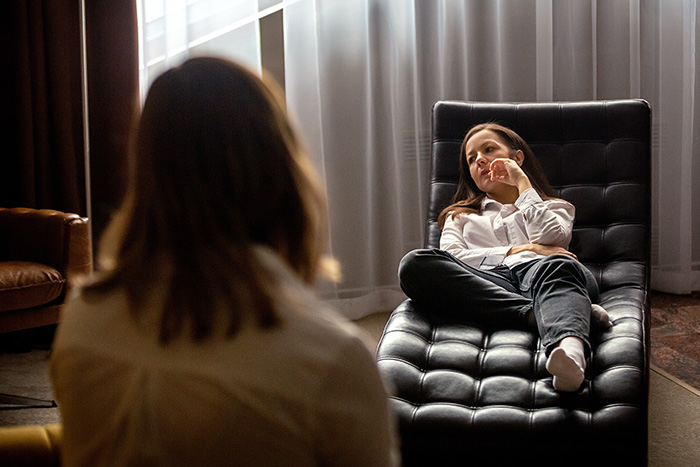
    Patient lying on a black leather chaise lounge during a therapy session, illustrating the hidden test therapists use to judge.

    ADVERTISEMENT

    Image credits: katyatsiganok

    Chair #10 is the smallest seat. Choosing it may mean that the patient also feels small and that they are trying to seem “invisible.”

    According to Dr. Nair, this can make therapy challenging, as the patient is likely to be a “people pleaser” who fears “taking up space.”

    ADVERTISEMENT

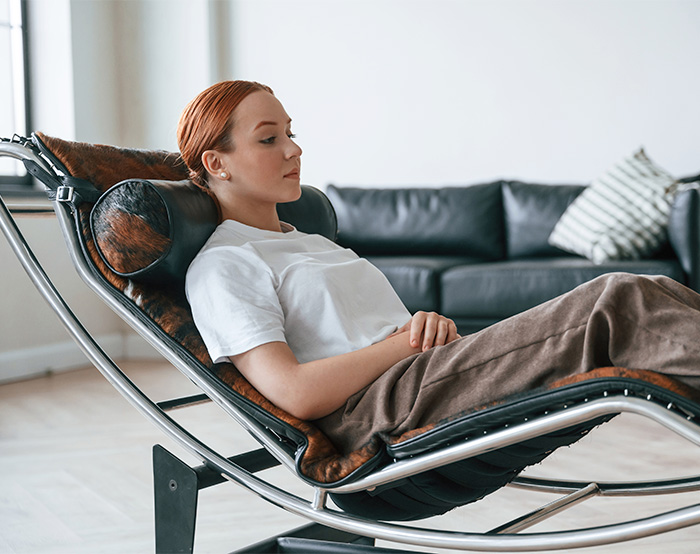
    Young woman reclining on a chair during a therapy session, illustrating the hidden test therapists may use to judge you.

    Image credits: mstandret

    Finally, Chair #11, the beanbag, “swallows” the patient. This choice may signal that the individual is trying to disappear into denial, hidden as comfort, instead of facing deep conversations, Dr. Nair said.

    ADVERTISEMENT

    @lscec22 agrees with this analysis, noting that patients who choose this seat “tend to withdraw when feeling the weight of the emotions around them.”

    People shared their thoughts on the idea that different seats give information about a patient

    Tweet about a hidden test therapists use to judge you based on where you choose to sit in the session room.

    Tweet screenshot showing a user sharing a nervous moment related to the hidden test therapists use to judge you.

    Screenshot of a social media post discussing the hidden test a therapist may use to judge you upon entering the room.

    ADVERTISEMENT
    ADVERTISEMENT

    Tweet about a psychologist’s hidden test to judge patients the moment they enter the room, revealing anxiety and behavior.

    Screenshot of a social media post discussing the hidden test therapists may use to judge you upon entering the room.

    Screenshot of a translated social media post discussing a hidden test your therapist may be using to judge you.

    ADVERTISEMENT
    ADVERTISEMENT

    Tweet about lying on the couch at the first therapy session, relating to the hidden test therapists use to judge patients.

    Tweet about the hidden test your therapist may use to judge you, questioning why anyone would choose differently from number one.

    Screenshot of a social media post discussing the hidden test therapists may use to judge patients immediately.

    ADVERTISEMENT

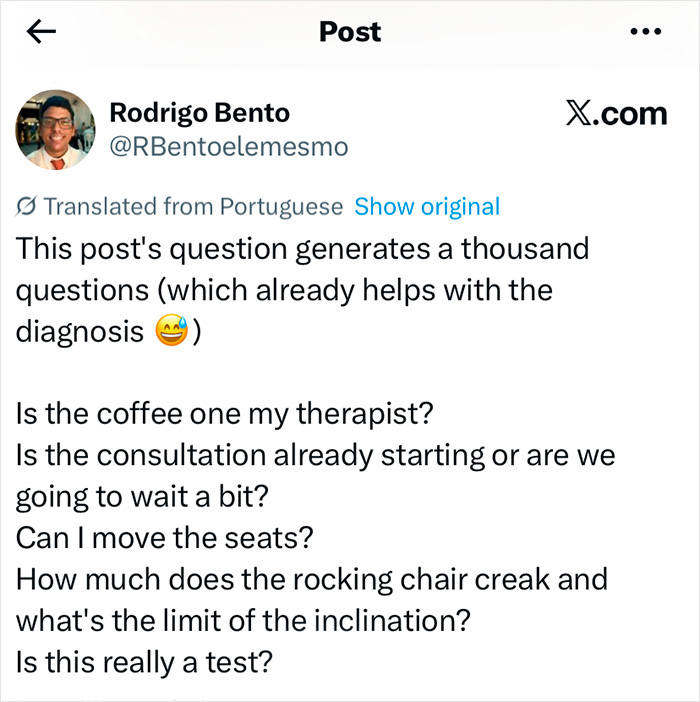
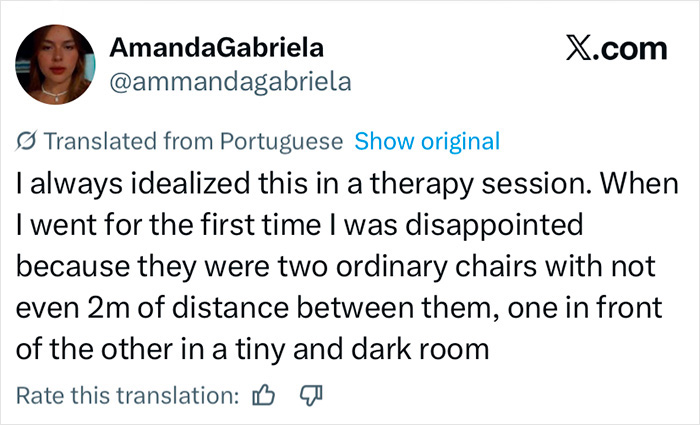
    Tweet about first therapy session experience describing ordinary chairs in a small, dark room, hinting at hidden therapist judgment.

    ADVERTISEMENT

    Screenshot of a social media post suggesting the hidden test a therapist may use to judge you upon entering the room.

    ADVERTISEMENT

    Poll Question

    Total votes ·

    Thanks! Check out the results:

    Total votes ·
    Share on Facebook
    Marina Urman

    Marina Urman

    Writer, Entertainment News Writer

    Read more »

    With a degree in social science and a love for culture, I approach entertainment journalism at Bored Panda with a research-driven mindset. I write about celebrity news, Hollywood highlights, and viral stories that spark curiosity worldwide. My work has reached millions of readers and is recognized for balancing accuracy with an engaging voice. I believe that pop culture isn’t just entertainment, it reflects the social conversations shaping our time.

    Read less »
    Marina Urman

    Marina Urman

    Writer, Entertainment News Writer

    With a degree in social science and a love for culture, I approach entertainment journalism at Bored Panda with a research-driven mindset. I write about celebrity news, Hollywood highlights, and viral stories that spark curiosity worldwide. My work has reached millions of readers and is recognized for balancing accuracy with an engaging voice. I believe that pop culture isn’t just entertainment, it reflects the social conversations shaping our time.

    What do you think ?
    highwaycrossingfrog
    Community Member
    Premium
    3 hours ago Created by potrace 1.15, written by Peter Selinger 2001-2017

    Who on earth goes to the therapist's office and thinks "I'll sit in the lifeguard chair"?

    Maya_D
    Community Member
    Premium
    2 hours ago Created by potrace 1.15, written by Peter Selinger 2001-2017

    I would sit in no 2 but only because it’s the seat right in front of the therapist. It would seem weird and rude to sit anywhere other than in front of the person you’re talking to.

    Antoinette the Red
    Community Member
    1 hour ago Created by potrace 1.15, written by Peter Selinger 2001-2017

    I chose 1 or 2 for the same reason. Why would I pick a chair furthest away unless I wanted to be a jerk? /s

    Load More Replies...

    sbj
    Community Member
    Premium
    3 hours ago Created by potrace 1.15, written by Peter Selinger 2001-2017

    I chose No7 and the explanation for why I would choose this seat is pretty spot on

    Apatheist
    Community Member
    1 hour ago Created by potrace 1.15, written by Peter Selinger 2001-2017

    Ditto. Plus it's the comfiest looking one :)

    Load More Replies...
    Load More Comments
    highwaycrossingfrog
    Community Member
    Premium
    3 hours ago Created by potrace 1.15, written by Peter Selinger 2001-2017

    Who on earth goes to the therapist's office and thinks "I'll sit in the lifeguard chair"?

    Maya_D
    Community Member
    Premium
    2 hours ago Created by potrace 1.15, written by Peter Selinger 2001-2017

    I would sit in no 2 but only because it’s the seat right in front of the therapist. It would seem weird and rude to sit anywhere other than in front of the person you’re talking to.

    Antoinette the Red
    Community Member
    1 hour ago Created by potrace 1.15, written by Peter Selinger 2001-2017

    I chose 1 or 2 for the same reason. Why would I pick a chair furthest away unless I wanted to be a jerk? /s

    Load More Replies...
    sbj
    Community Member
    Premium
    3 hours ago Created by potrace 1.15, written by Peter Selinger 2001-2017

    I chose No7 and the explanation for why I would choose this seat is pretty spot on

    Apatheist
    Community Member
    1 hour ago Created by potrace 1.15, written by Peter Selinger 2001-2017

    Ditto. Plus it's the comfiest looking one :)

    Load More Replies...
    Load More Comments
    You May Like
    Related on Bored Panda

    Popular on Bored Panda

    Trending on Bored Panda

    Also on Bored Panda
    ADVERTISEMENT