Get Premium
Dark mode theme is available exclusively for premium users. Learn more about the benefits of subscribing.
No fees, cancel anytime.

 Dark Mode Ad-Free Browsing Unlimited Content
 Ad-Free Browsing Unlimited Content Dark Mode
Join 1.2 million Panda readers who get the best art, memes, and fun stories every week!
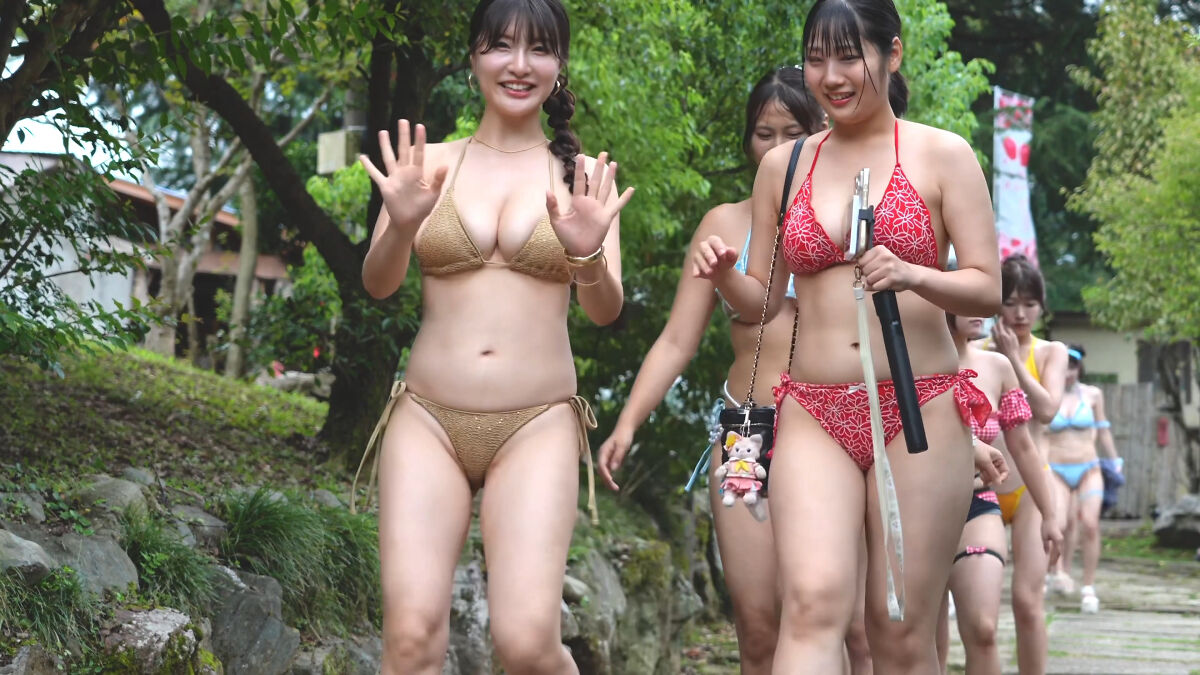
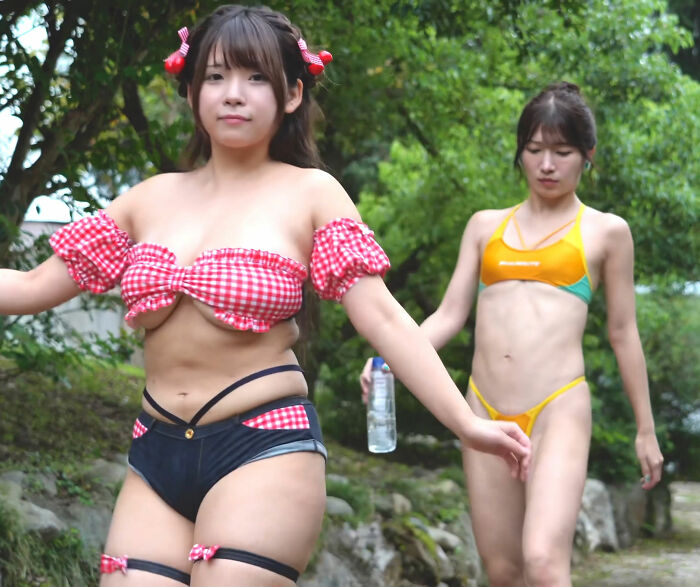
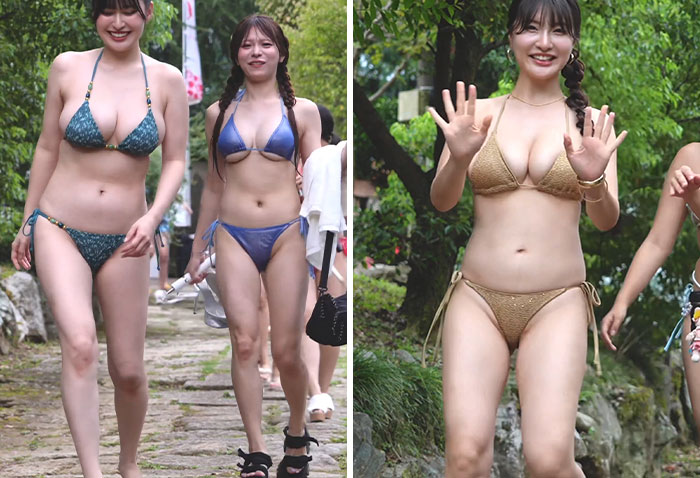
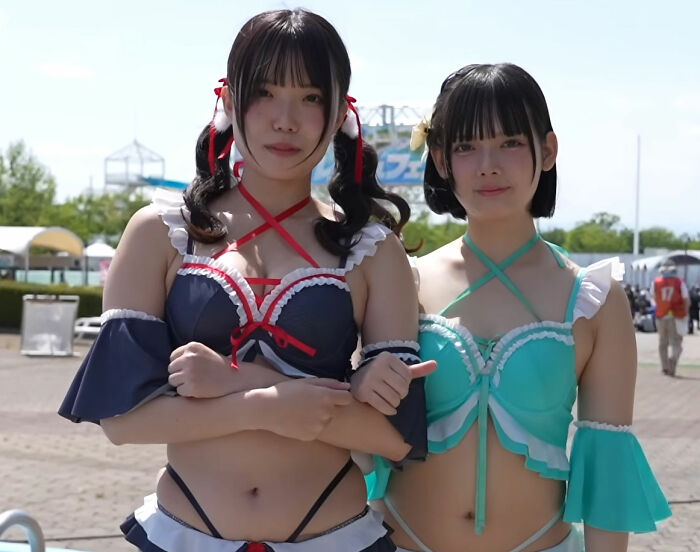
A viral video showing Japanese women in bikinis enjoying a picturesque countryside setting has sparked an unexpected debate about beauty standards.
The footage, shared online by Fresh! Photo Session, features swimsuit models posing outdoors, with Western viewers praising what they see as a more “natural” look.
Some argued that their seemingly unaltered bodies and understated styling represented a kind of “normality” they believe has disappeared elsewhere.
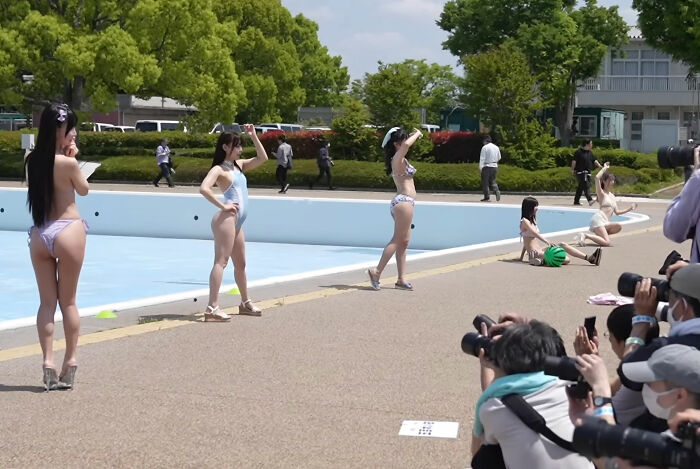
The video was shared by a Japanese photography-event organizer known for hosting sessions featuring models and idols in settings ranging from studios and beaches to parks and countryside locations.
The women featured in the video appeared to be professional swimsuit or gravure models.
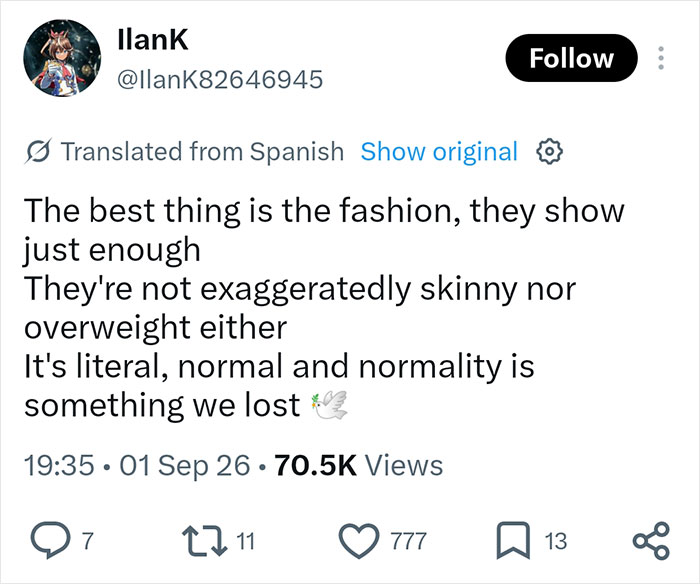
Reacting to the visuals, one viewer praised the women for showing “just enough,” adding, “They’re not exaggeratedly skinny nor overweight either. It’s literal, normal, and normality is something we lost.”
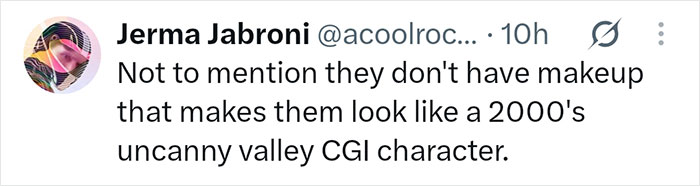
Another netizen focused on their styling, writing, “Not to mention they don’t have makeup that makes them look like a 2000’s uncanny valley CGI character.”
“Most of them don’t even exercise. It’s just a healthy relationship with wholesome food because that’s what their culture reinforces,” commented a third viewer.
田舎のここが好き pic.twitter.com/SYmx8Hp75L
— フレッシュ撮影会【公式】 (@fresh_akiba) August 31, 2026
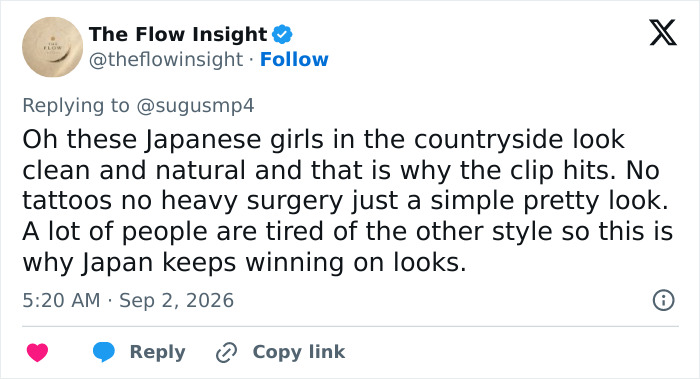
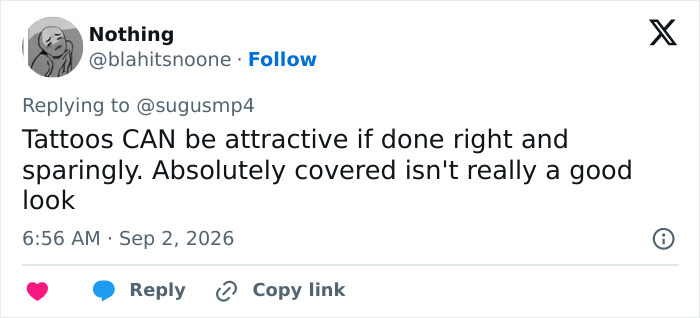
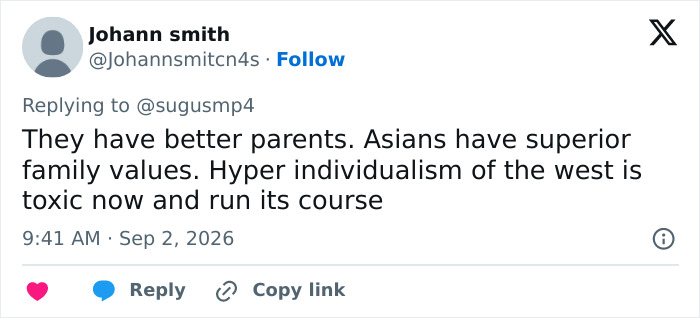
One person bluntly wrote, “Not a single tattoo… no one unpleasant with… fashion. And then they tell me I’m exaggerating when I say that the future is Asian, more like Japanese.”
The comments reveal what many viewers were actually responding to: not necessarily the women being Japanese, but the perception that they looked comparatively understated.
Their bodies appeared neither extremely thin nor exaggeratedly curvy, while their makeup and styling seemed less focused on creating the heavily sculpted appearance popular on social media.
That perception also needs to be viewed against the beauty ideals many Western audiences encounter online.
While Western beauty standards vary considerably across countries, communities, and subcultures, recent research suggests that contemporary ideals have evolved beyond the traditionally thin body toward a combination of slimness, visible fitness, and pronounced curves.
The “slim-thick” ideal, for example, emphasizes a small waist and flat stomach alongside larger hips, thighs, and buttocks.
Social media has helped amplify these highly specific body ideals, with research linking appearance-focused social media use to greater internalization of thin and fit ideals.
Studies have also found that exposure to thin-, fit-, and slim-thick imagery can negatively affect women’s body satisfaction.
That context may help explain why some Western viewers interpreted the Japanese models’ comparatively understated styling and body shapes as a refreshing departure from the beauty ideals they are accustomed to.
While many viewers noted that the women appeared “natural” and free of obvious cosmetic enhancements, the idea that Japanese culture is inherently opposed to altering the body has some historical basis, although it is far too simplistic to apply universally to modern Japan.
Confucian thought has historically emphasized filial piety and respect for what one receives from one’s parents.
In Japan, this helped contribute to historical reservations about practices viewed as altering or injuring the body.
Tattoos, in particular, have a complicated history, having been used as criminal punishment and later becoming associated with organized crime and social stigma.
The well-known idea that the body, including one’s hair and skin, is received from one’s parents helped shape broader East Asian attitudes toward bodily alteration.
That legacy has contributed to the stigma surrounding visible tattoos in settings such as hot springs, gyms, and other communal spaces.
However, modern Japan has a significant cosmetic-procedure industry, and research has documented strong demand for procedures such as double-eyelid surgery.
A nationwide analysis of more than 152,000 patients from a large Japanese cosmetic-surgery group found that eye procedures were the most common category in its dataset.
The distinction matters because cultural discomfort around tattoos or conspicuous body modification does not necessarily translate into rejecting cosmetic enhancement intended to produce a polished or conventionally attractive appearance.
The idea that the women in the viral video represent a society untouched by cosmetic enhancement becomes even harder to sustain when the numbers are considered.
According to the International Society of Aesthetic Plastic Surgery’s 2022 global survey, Japan accounted for 7.3% of aesthetic procedures reported worldwide, behind the United States and Brazil.
ISAPS also recorded more than 14.9 million surgical and 18.8 million nonsurgical procedures globally that year.
Japanese cosmetic surgery research also points to the popularity of less invasive approaches.
A recent multicenter analysis described double-eyelid embedding as one of the most common minimally invasive cosmetic procedures in Japan, based on data from nearly 196,000 procedures performed between 2020 and 2024.
So the picture is not simply “Japanese women do not get plastic surgery.”
Instead, Japan has its own beauty pressures, cosmetic preferences, and aesthetic procedures, some of which are designed specifically to create subtle results.
What viewers interpreted in the viral clip as a lack of modification may partly reflect a preference for enhancements that are difficult to detect.
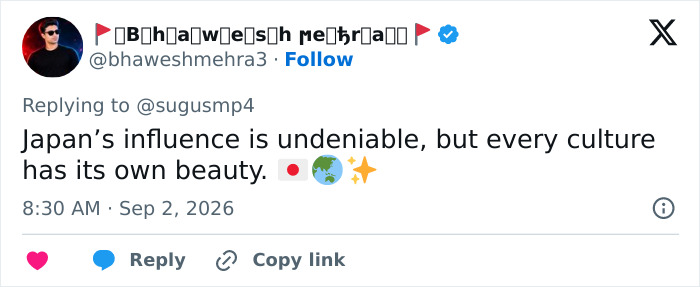
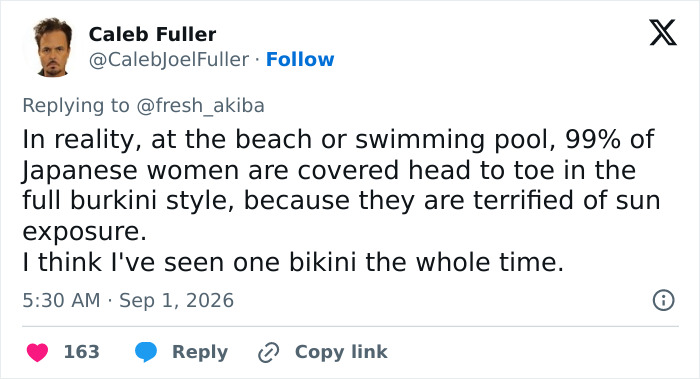
Notably, not everyone was comfortable with the idealization of Japan that the footage sparked.
One commenter pushed back, writing, “Sure, the girls are cute, but Japan also has its social problems—don’t idealize it.”
Another viewer claimed that a video of “professional models cannot establish that Japanese women generally have the same body types.”

By entering your email and clicking Subscribe, you're agreeing to let us send you customized marketing messages about us and our advertising partners. You are also agreeing to our Privacy Policy.
Thank you! You've successfully subscribed to newsletters!


So they posted a video about how it's great to be in a space that's non judgemental and then the article was dissecting their skin, weight, make up, race and fashion, and then suggesting the future is Asian?

BP will post anything that shows a bit of female flesh. The 'debate' is a nonsense.
Wish I could upvote this comment more than once.
Load More Replies...
These ladies are professional models, specifically selected, which one presents which bathing suit. Yeah, they REPRESENT the "Japanese conventional beauty ideal" (heavily influenced by "Western" culture.) These ladies are not the "local Jane Average". And stop this weird obsession with the sexualization of East-Asian women.

During my life I've met too many men with let's say, a strong preference for East Asian women. The reasons behind were too creepy to explain.
Load More Replies... So they posted a video about how it's great to be in a space that's non judgemental and then the article was dissecting their skin, weight, make up, race and fashion, and then suggesting the future is Asian?
BP will post anything that shows a bit of female flesh. The 'debate' is a nonsense.
Wish I could upvote this comment more than once.
Load More Replies... These ladies are professional models, specifically selected, which one presents which bathing suit. Yeah, they REPRESENT the "Japanese conventional beauty ideal" (heavily influenced by "Western" culture.) These ladies are not the "local Jane Average". And stop this weird obsession with the sexualization of East-Asian women.
During my life I've met too many men with let's say, a strong preference for East Asian women. The reasons behind were too creepy to explain.
Load More Replies...















 No fees, cancel anytime









-1
19