Get Premium
Dark mode theme is available exclusively for premium users. Learn more about the benefits of subscribing.
No fees, cancel anytime.

 Dark Mode Ad-Free Browsing Unlimited Content

 Ad-Free Browsing Unlimited Content Dark Mode

Join 1.2 million Panda readers who get the best art, memes, and fun stories every week!
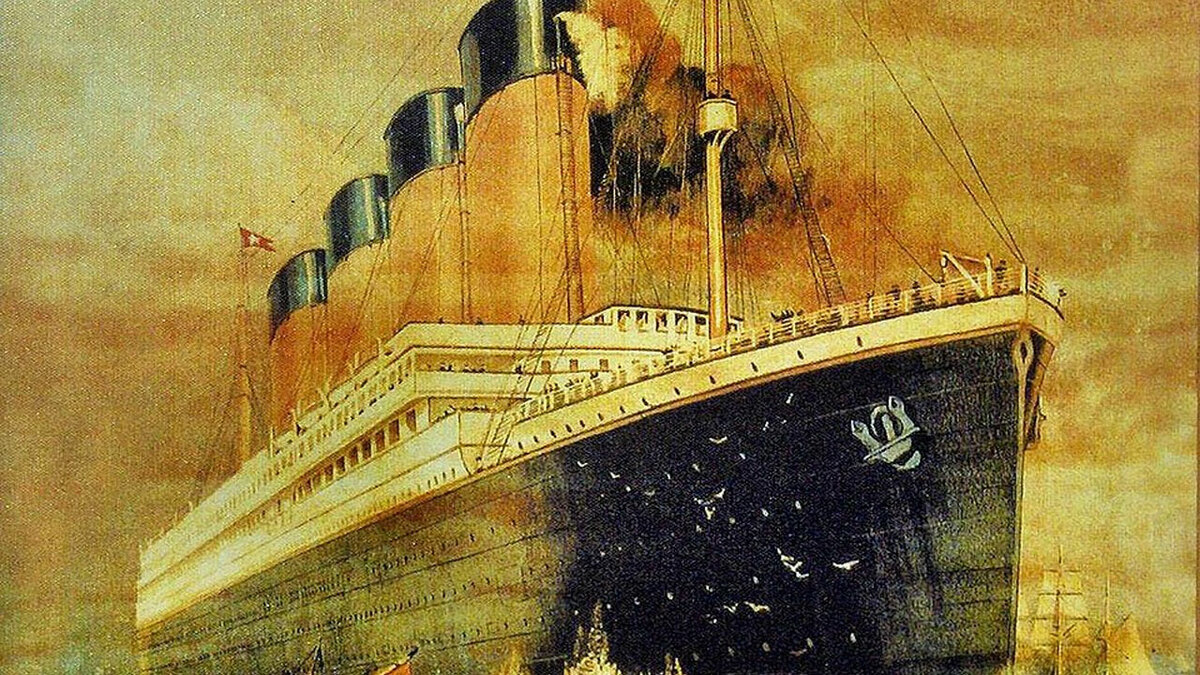
Most people have gone down a rabbit hole or two about the Titanic. The giant ship struck an iceberg and sank to the bottom of the ocean, resulting in more than 1,500 deaths. It’s absolutely horrifying, but fascinating.
Then James Cameron made the movie Titanic. We all fell in love with Rose and Jack’s story and mourned the fictional couple who perished in the disaster. But it turns out that, despite the tragic loss of life, divers have never found human remains at the wreck site. Experts have now weighed in to explain exactly why.
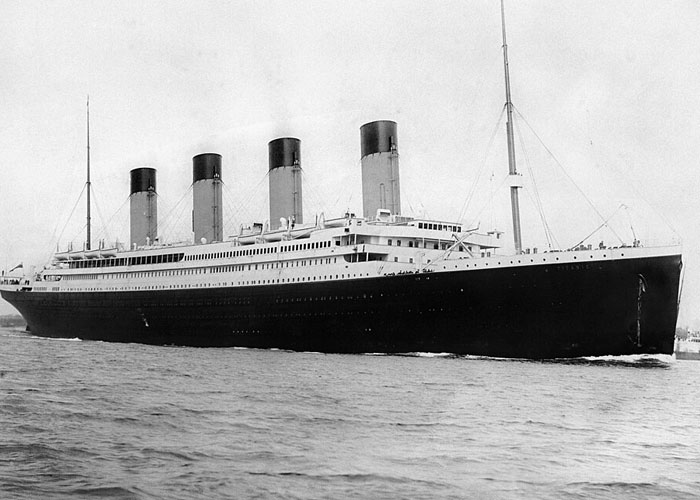
The Titanic disaster marked a monumental moment in history. The infamous accident happened on April 14, 1912, when a ship traveling from Southampton, England, was supposed to complete its journey in New York City. However, about 370 miles (600 km) off the coast of Newfoundland, Canada, the ship sank after striking an iceberg.
And it was a big iceberg. Based on eyewitness accounts and testimonies, it was quite substantial, rising roughly 15 to 30 meters above the water and stretching about 60 to 120 meters in length. Unfortunately, the night was calm and moonless, making the iceberg difficult to spot. By the time it was seen, the ship was less than 500 yards away. The collision ultimately caused around 1,500 casualties.
The number of casualties accounted for around 68% of the people on board, with an estimated 2,220 passengers and crew members aboard the ship. Despite safety measures like lifeboats and life vests, many people who survived the initial collision ultimately succumbed to hypothermia after being exposed to the freezing Atlantic Ocean water, which was around -2°C (28°F). More than 300 bodies were recovered from the water.
Unfortunately, many others were lost to the waves, including, apparently, the Titanic’s captain, Edward John Smith, whose body was never recovered. In total, only 333 bodies were recovered from the North Atlantic. This raises the question: Where are the human remains from the wreck? Are they still inside the ship? Well, technically, no.
James Cameron, the director of the blockbuster hit Titanic, is a self-proclaimed lover of oceanography and science. His interest in deep-sea exploration led him to pitch the 1997 film partly to fund his trips to the ocean depths. By 2026, the director had visited the shipwreck site 33 times, famously spending more time at the wreck than the ship’s own captain ever did.
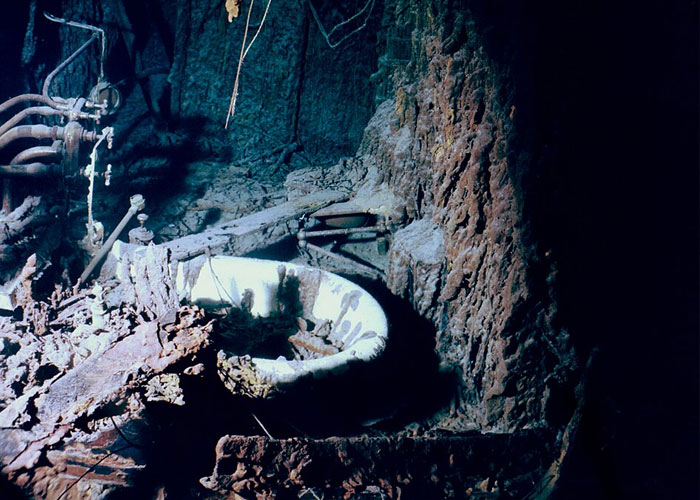
However, Cameron admits that, despite all his visits, he has never seen any human remains there. “We’ve seen clothing. We’ve seen pairs of shoes, which would strongly suggest there was a body there at one point. But we’ve never seen any human remains,” he told The New York Times in 2012.
It turns out there is a fairly simple explanation for this. For starters, experts suggest that currents following the sinking likely carried many bodies away from the wreckage, eventually scattering them across a much wider area of the ocean. This made it difficult for divers to locate and recover any possible remains.
Any remains that stayed near the wreck may also have gradually disappeared, largely due to deep-sea scavengers, like fish and other organisms, consuming soft tissue in the days and weeks following the disaster. Granted, some might point out that human remains have been found in much older shipwrecks, like the Antikythera shipwreck, which sank around 60 BCE, and they’re not fully wrong.
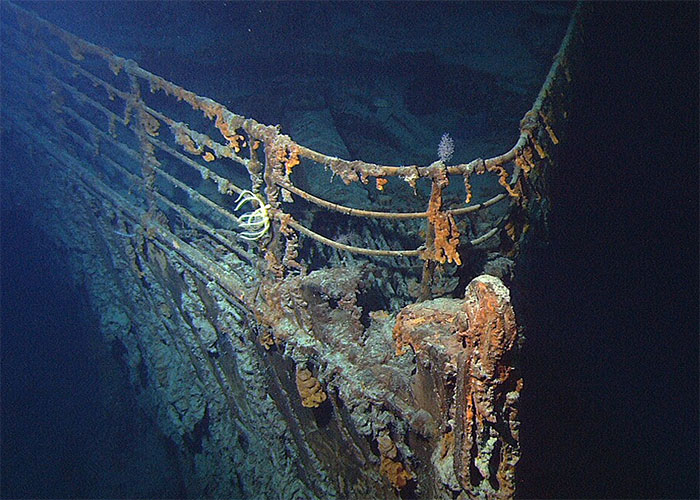
However, that wreck lies just 50 meters deep in the relatively warm waters of the Mediterranean Sea. The Titanic, meanwhile, rests around 3,800 meters below the surface, beneath the depth at which calcium carbonate begins to dissolve. Specialists explain that, at this depth, the surrounding seawater can gradually dissolve bone minerals, which may help explain why no bones have been found at the wreck site.
Some speculate that remains could be preserved in sealed-off sections of the ship, like in the engine room. However, after 114 years, the chances of finding recognizable human remains are increasingly slim, and they grow even slimmer as time goes on.

By entering your email and clicking Subscribe, you're agreeing to let us send you customized marketing messages about us and our advertising partners. You are also agreeing to our Privacy Policy.
Thank you! You've successfully subscribed to newsletters!







































 No fees, cancel anytime


























26
0