Get Premium
Dark mode theme is available exclusively for premium users. Learn more about the benefits of subscribing.
No fees, cancel anytime.

 Dark Mode Ad-Free Browsing Unlimited Content

 Ad-Free Browsing Unlimited Content Dark Mode

Join 1.2 million Panda readers who get the best art, memes, and fun stories every week!
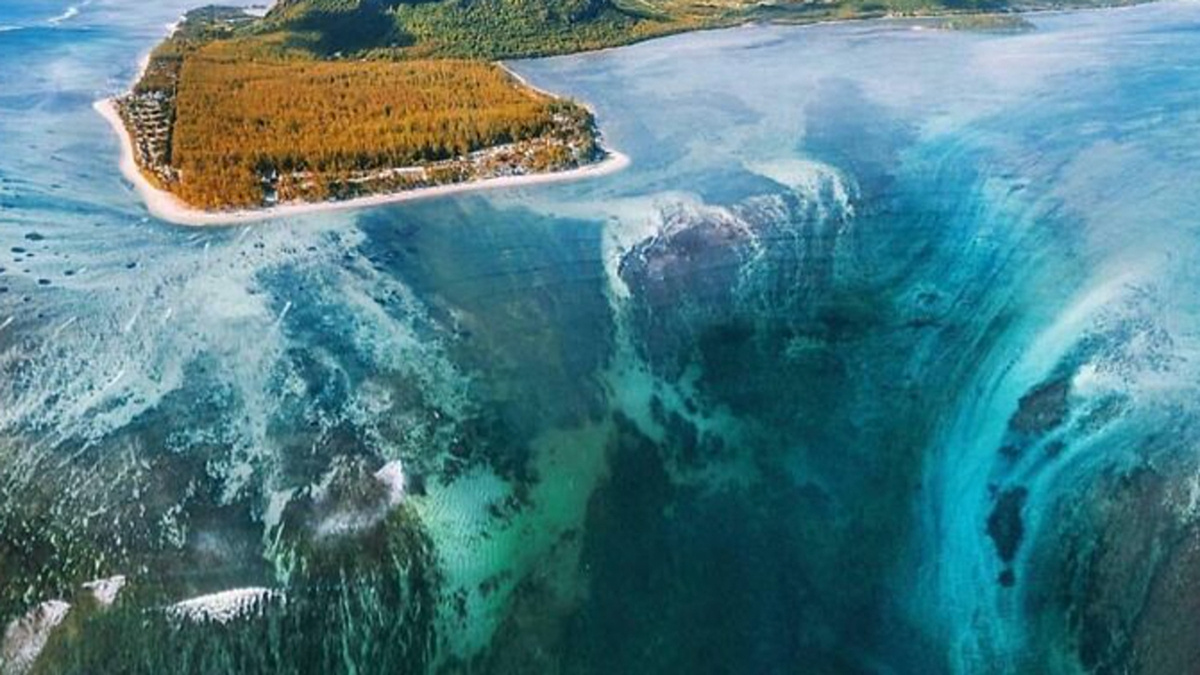
More than 70% of our planet is covered in water, and yet we’ve barely explored what’s hiding beneath its surface. Who knows what strange creatures or other mysteries might be lurking in the depths of our oceans and seas? It’s a pretty terrifying thought, even if you’re someone who loves a good swim.
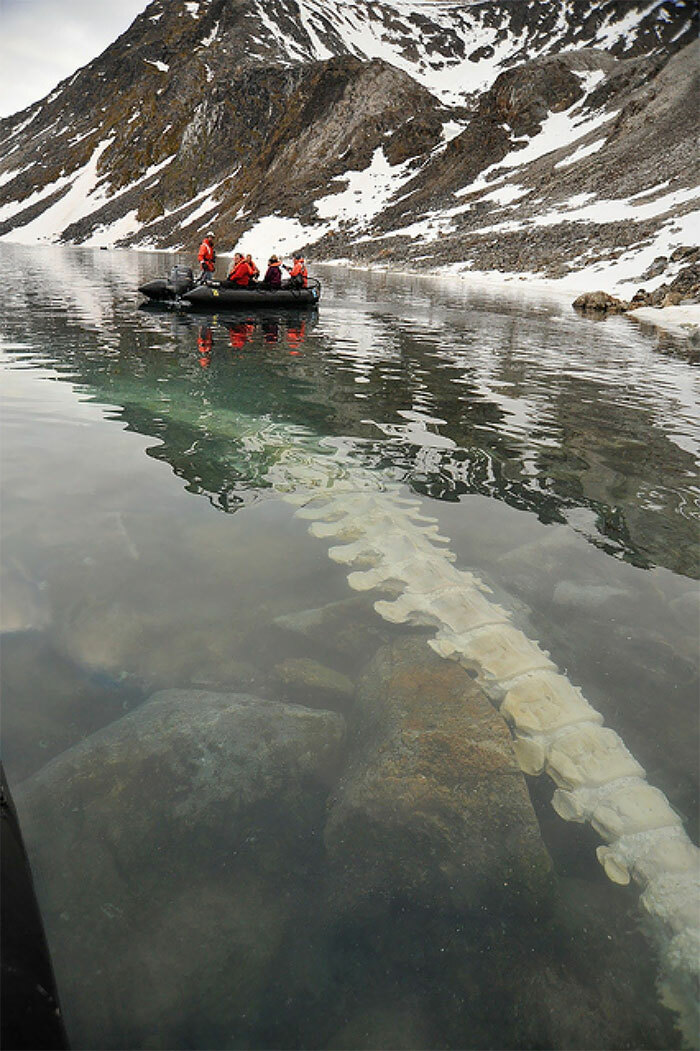
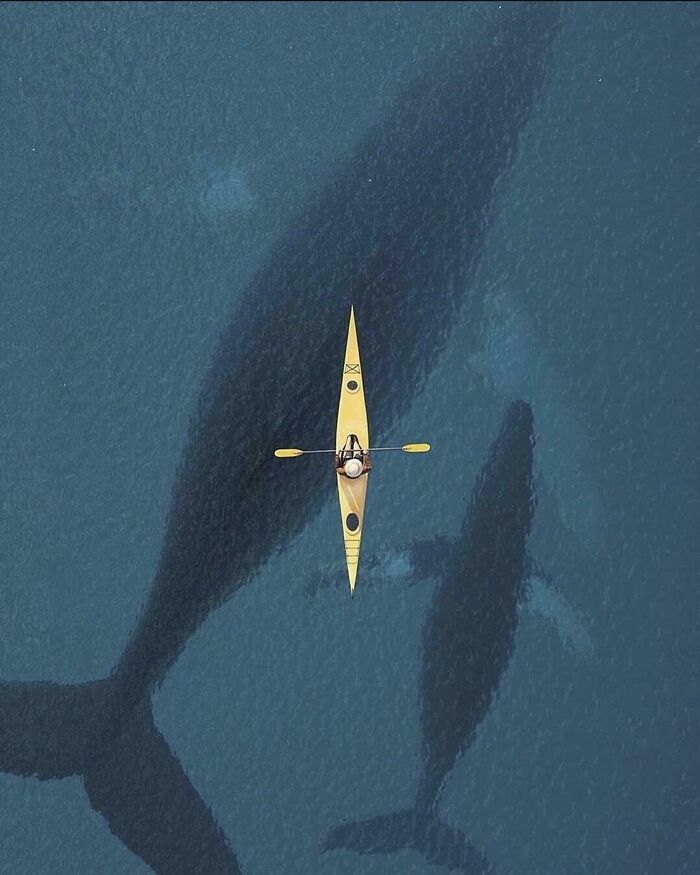
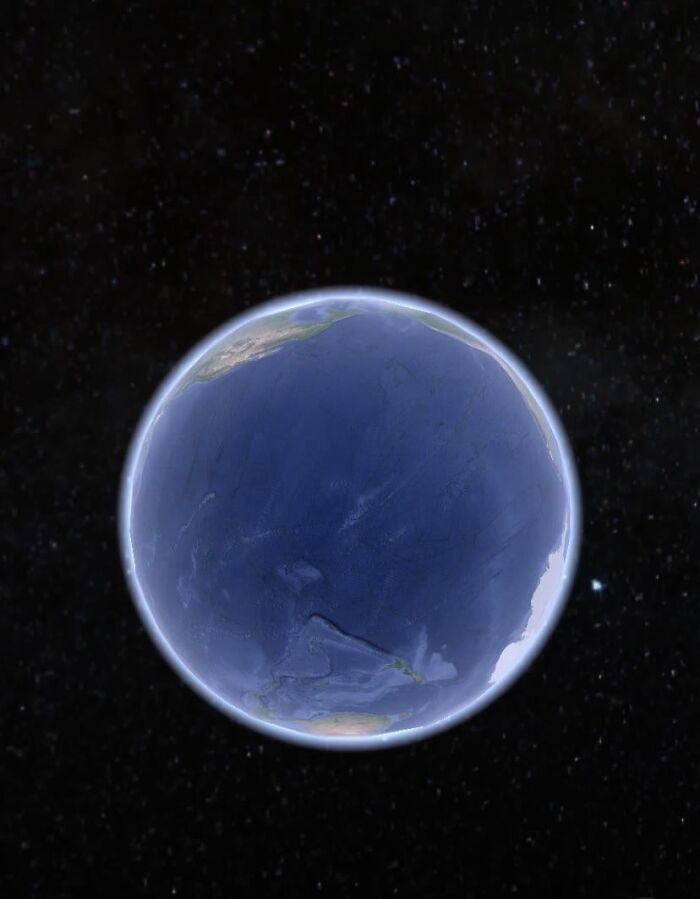
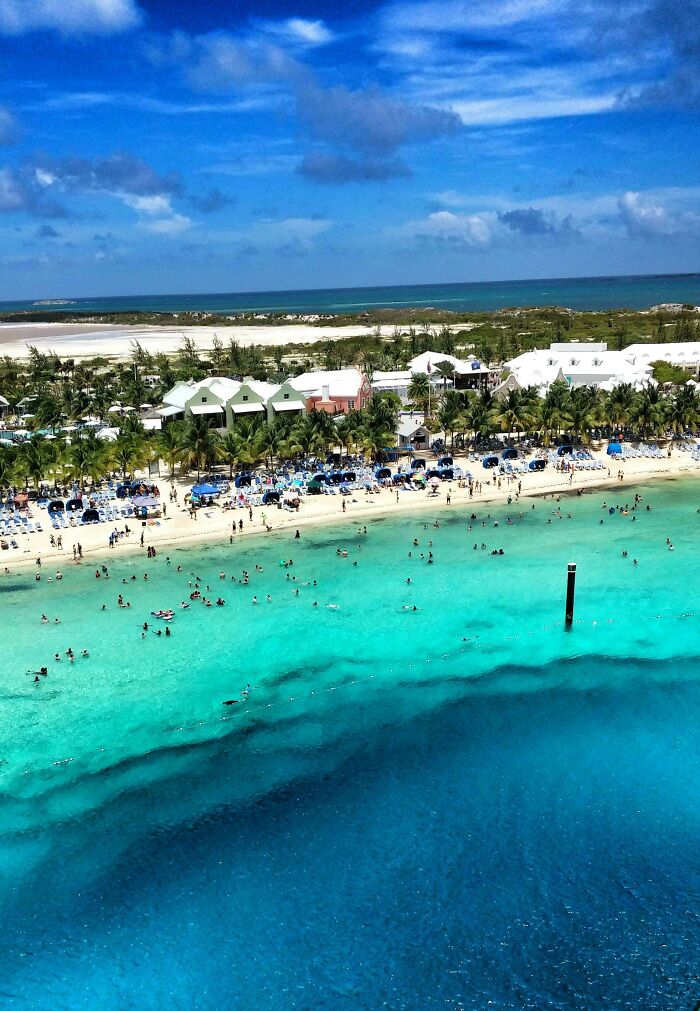
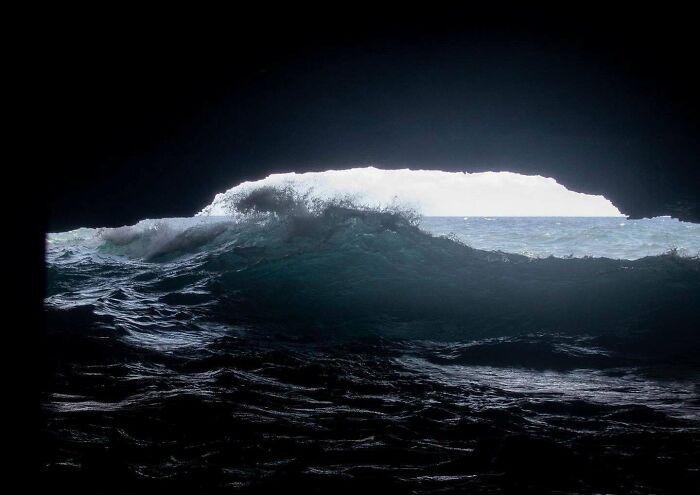
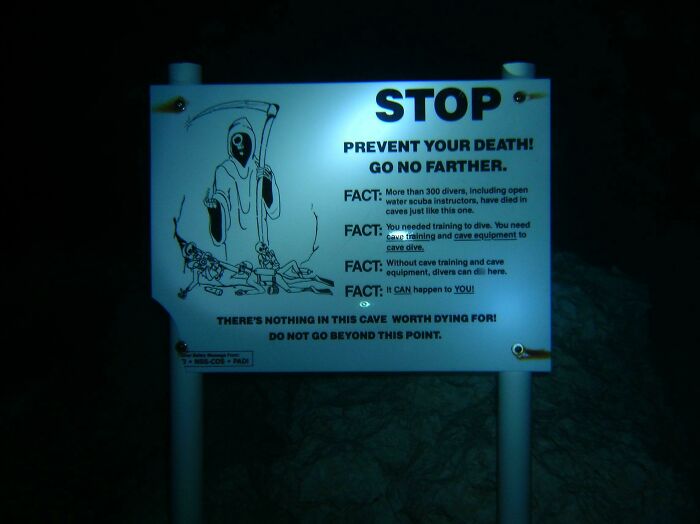
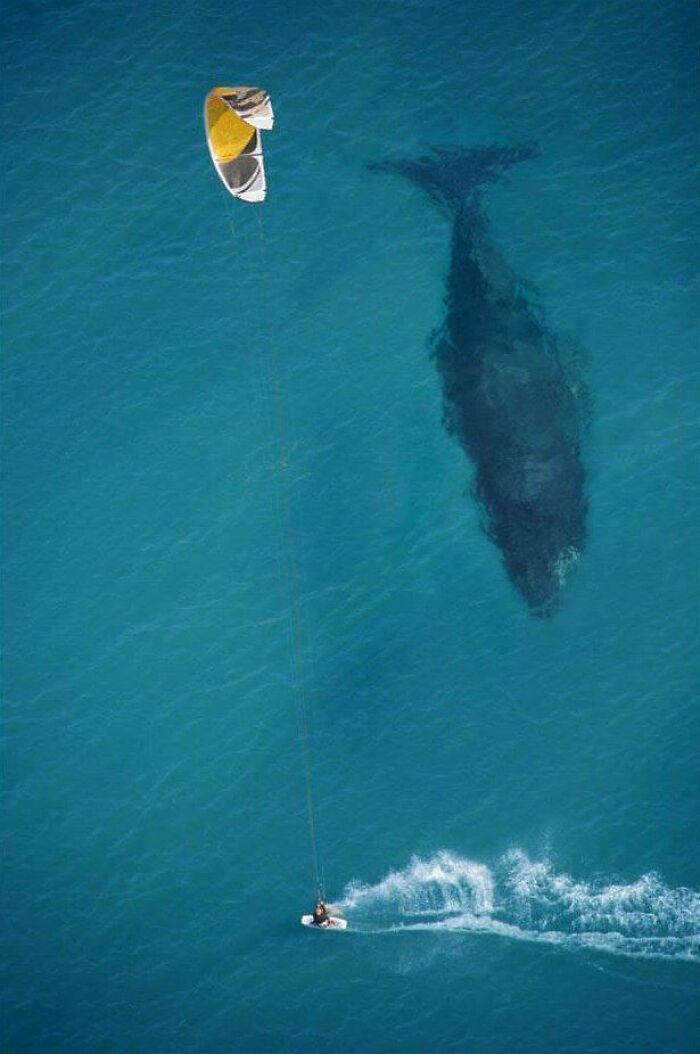
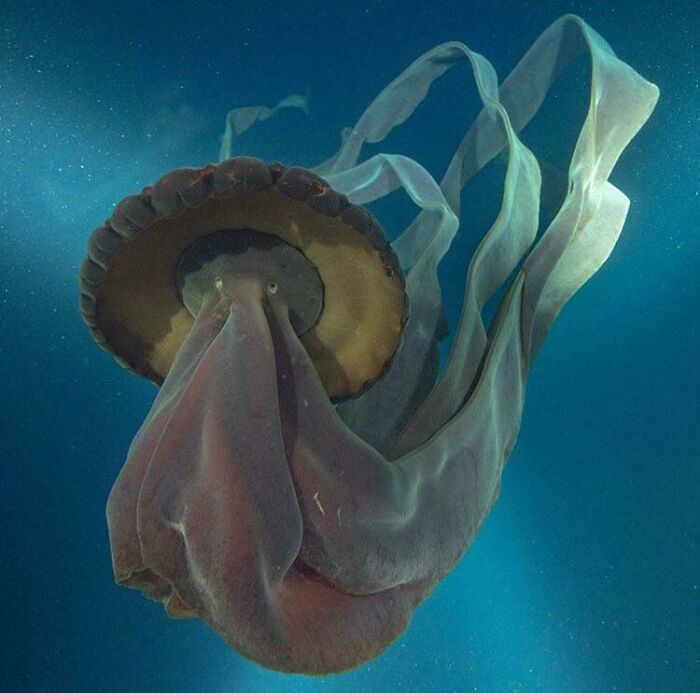
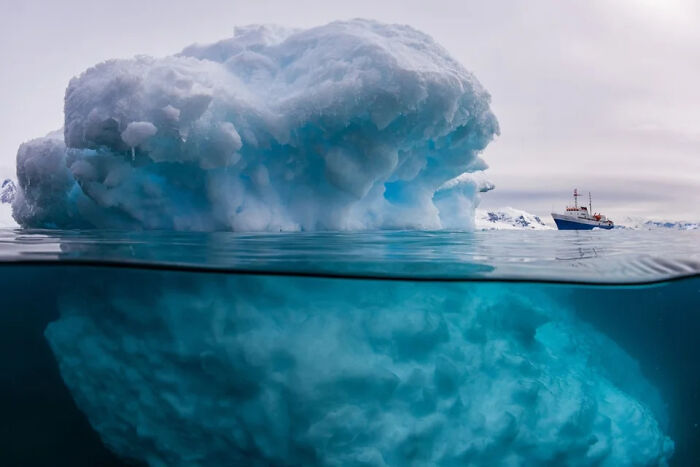
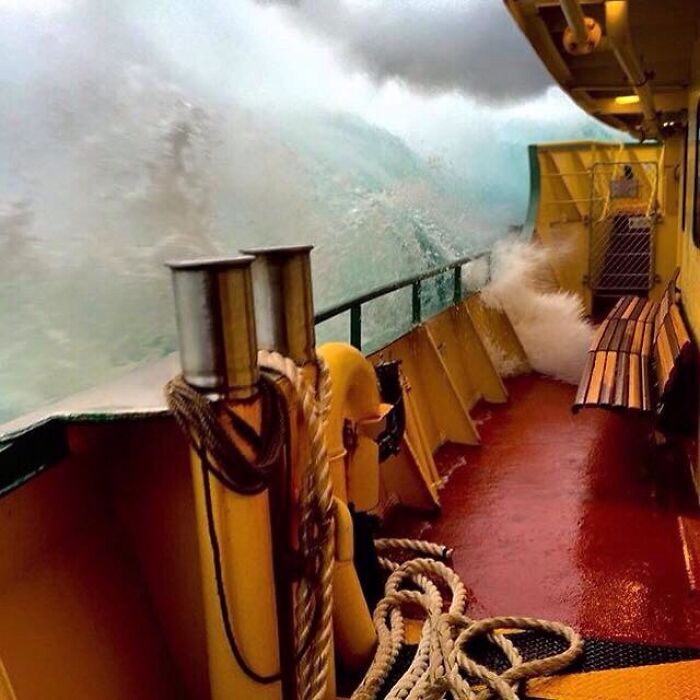
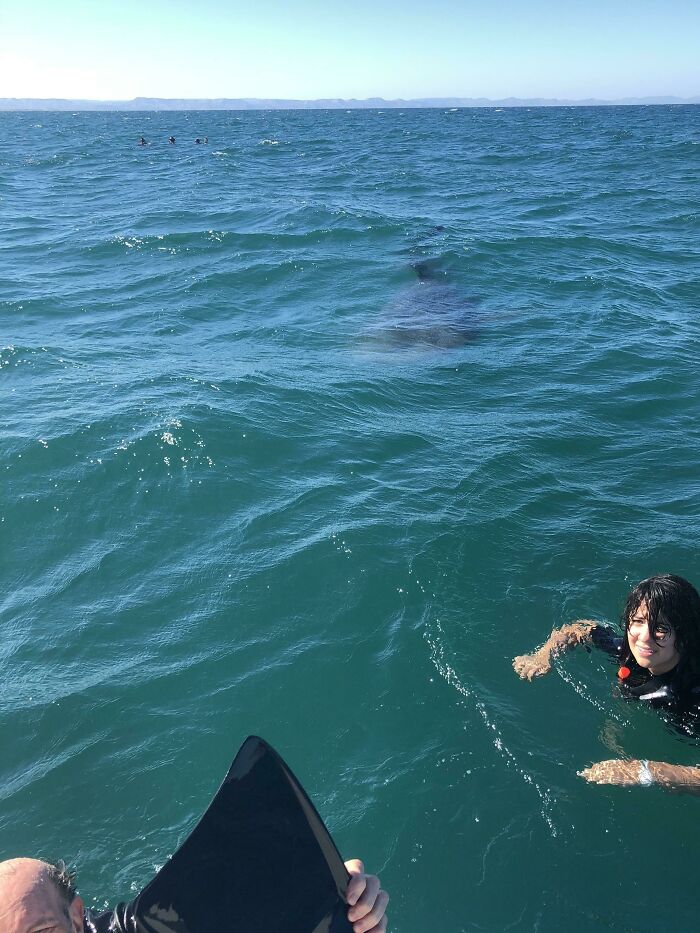
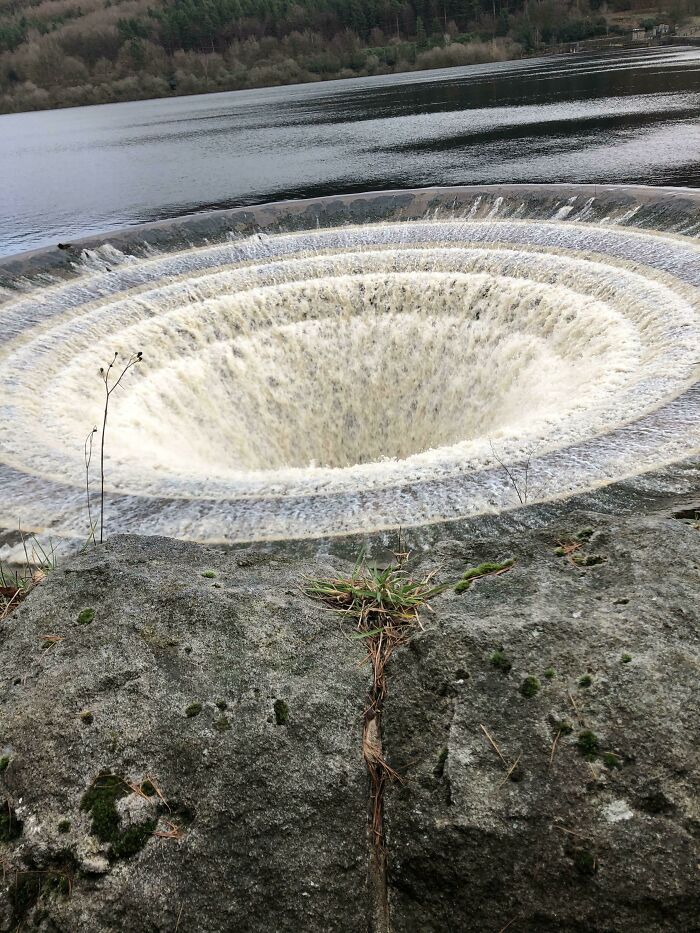
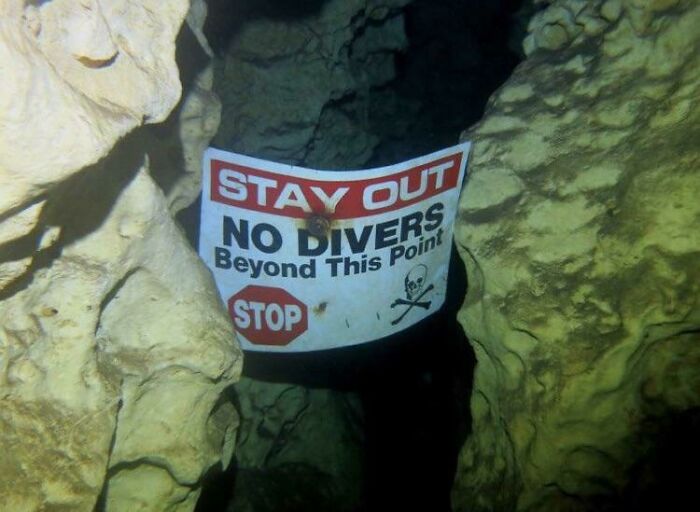
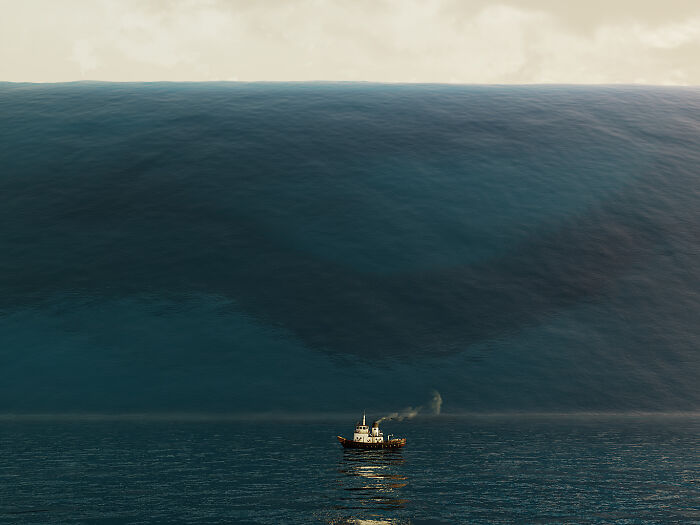
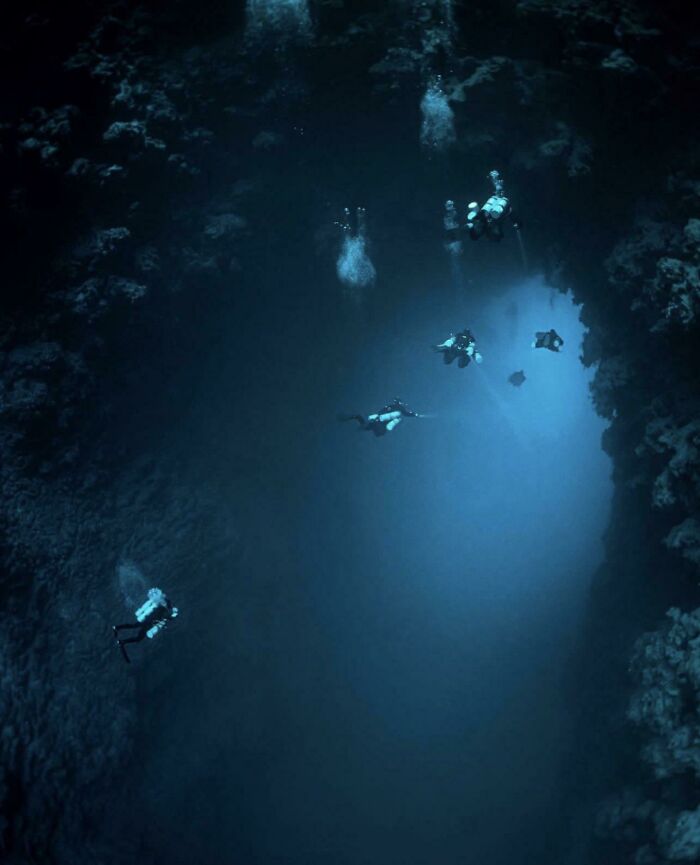
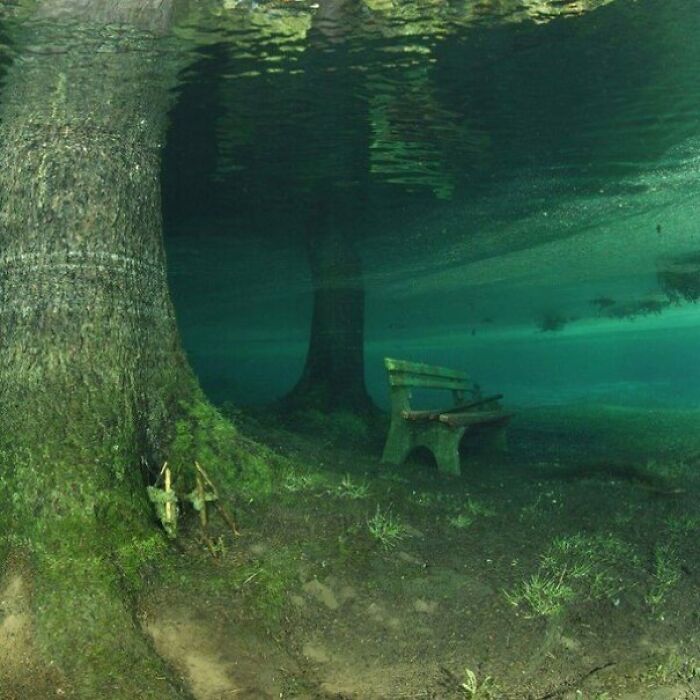
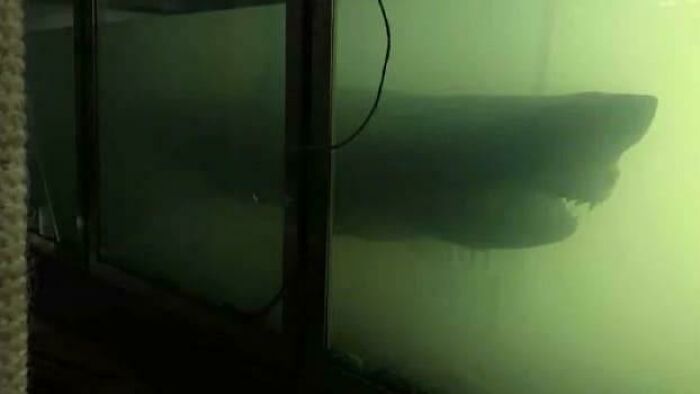
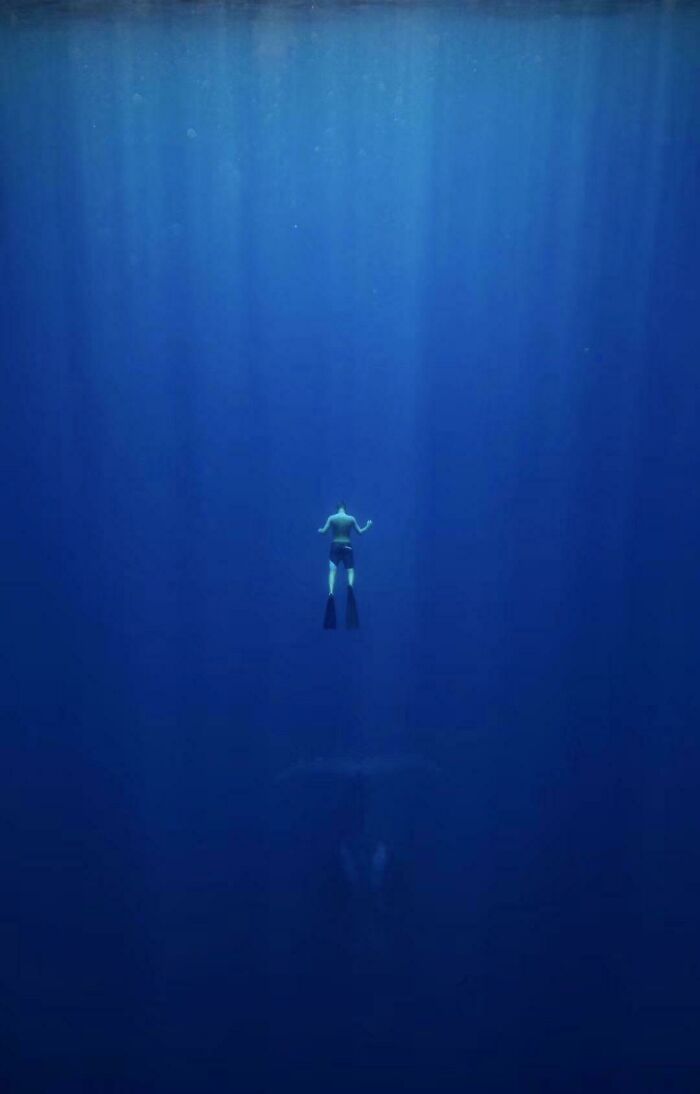
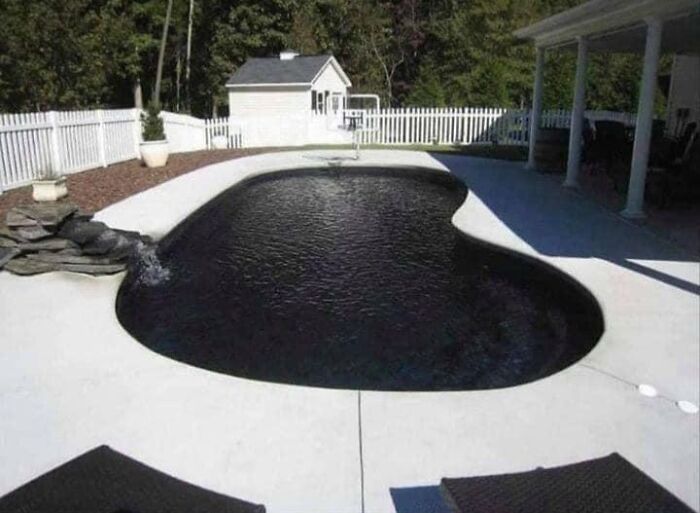
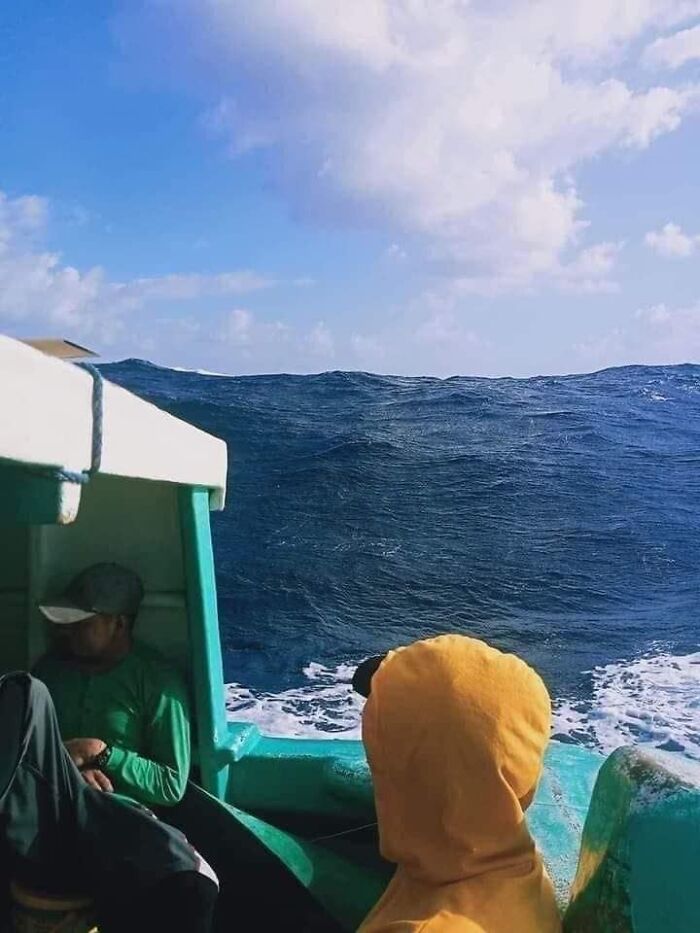
Below, we’ve rounded up some of the most unnerving photos of different bodies of water that might just trigger your thalassophobia. Scroll down to check them out, and don’t forget to upvote the ones that give you the biggest chills!
This post may include affiliate links.
Thalassophobia is the intense fear of large, deep bodies of water, such as oceans, seas, and lakes. And while plenty of people might feel a little uneasy swimming somewhere they can’t see the bottom, those with thalassophobia can become genuinely terrified by the thought of it.
In fact, even looking at pictures of the ocean can trigger anxiety or panic in some people. So, what exactly makes deep water so frightening?
Well, there isn’t one single explanation. According to psychologists interviewed by WebMD, thalassophobia can develop after a frightening experience in the water, but it can also be something we learn from other people or even movies.
For some, it’s simply the fear of the unknown. After all, there’s something pretty unsettling about floating above thousands of meters of water without knowing what might be underneath you.

And the fact that we still know so little about our oceans probably doesn’t help. According to the Seabed 2030 project, only 28.7% of the world’s ocean floor had been mapped to modern standards as of April 2026.
Even more surprisingly, a 2025 study published in Science Advances estimated that humans have visually observed less than 0.001% of the deep seafloor.
Of course, some parts of the ocean are much harder to reach than others. The deepest known point is Challenger Deep, located in the Mariana Trench in the Pacific Ocean, approximately 10,935 meters below the surface.
To put that into perspective, you could fit Mount Everest inside it and still have water above the mountain’s peak. And yes, humans have actually made it all the way down there, although only a small number of people have ever done so.

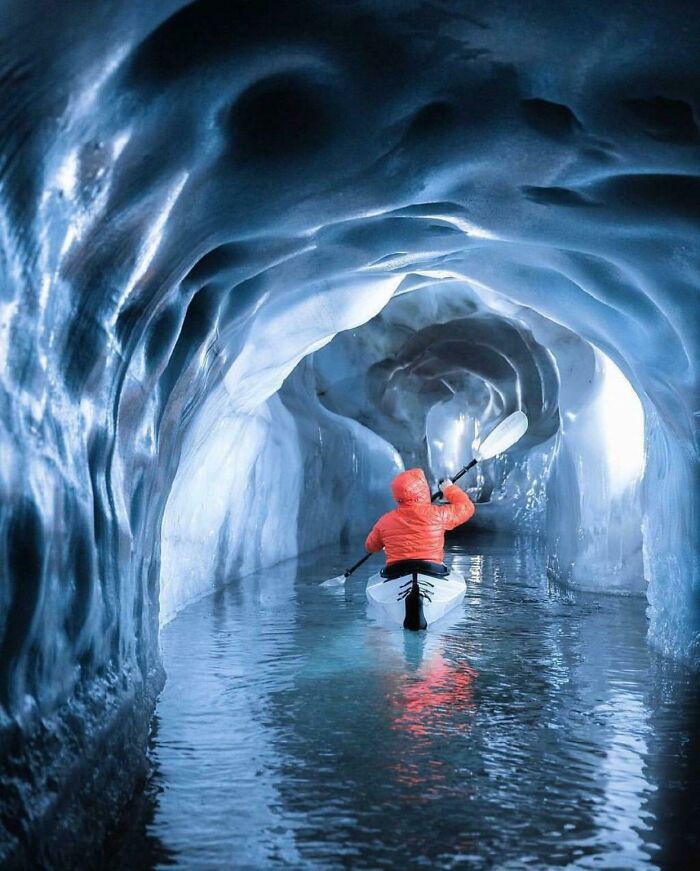
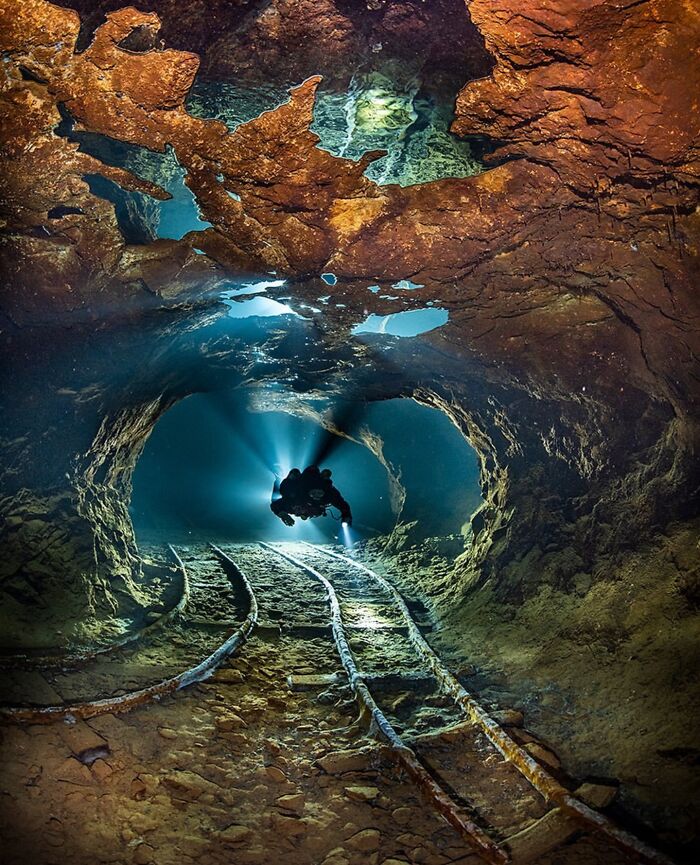
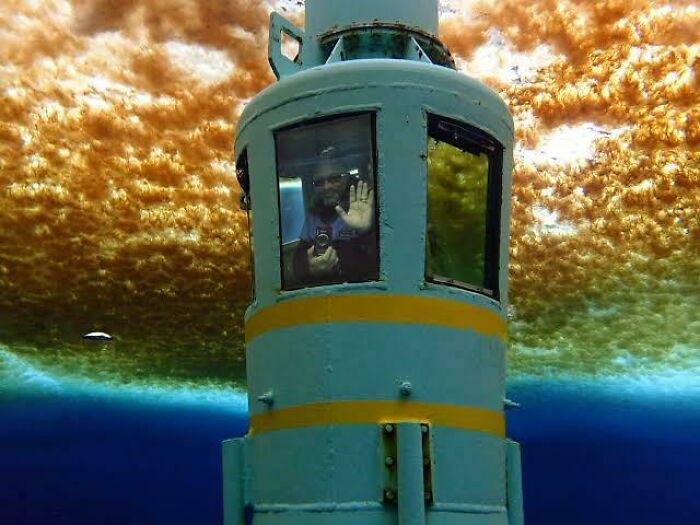
The Natureispalast, Nature's Ice Palace, inside the Hintertux glacier, in the Zillertal Alps, Tirol, Austria.
But what makes these depths especially fascinating is the life that manages to survive there. Far below the surface, sunlight disappears, temperatures drop, and the pressure becomes enormous. Yet plenty of creatures have found ways to live in these conditions.
Take the anglerfish, for example, which uses a glowing lure to attract unsuspecting prey straight toward its mouth. With its sharp teeth and unusual appearance, it looks like something someone dreamed up for a horror movie.
The anglerfish is hardly the only strange creature down there. In fact, scientists estimate that around 90% of animals living in the open ocean below 500 meters can produce their own light.
This ability, called bioluminescence, helps marine animals attract food or communicate with one another. Some even use it to scare away predators. Imagine how incredible it would be to see all those glowing creatures floating around in the darkness.

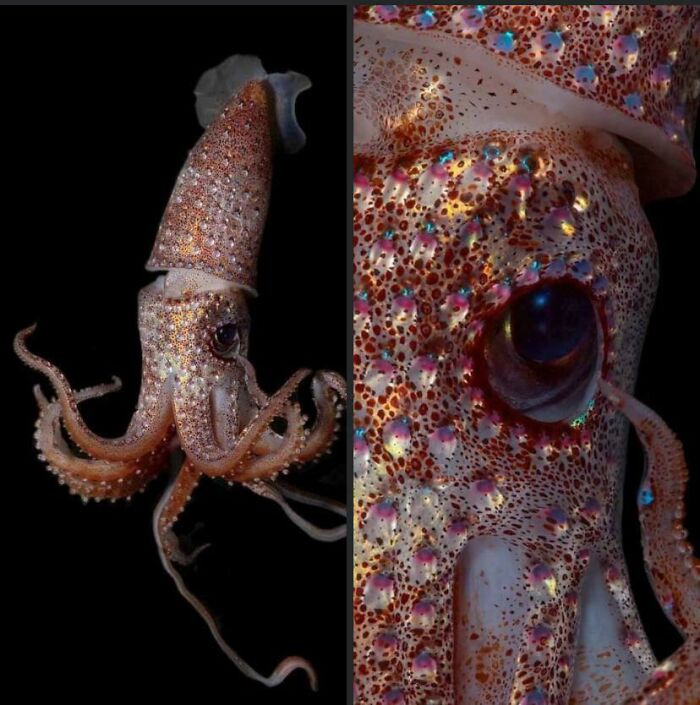
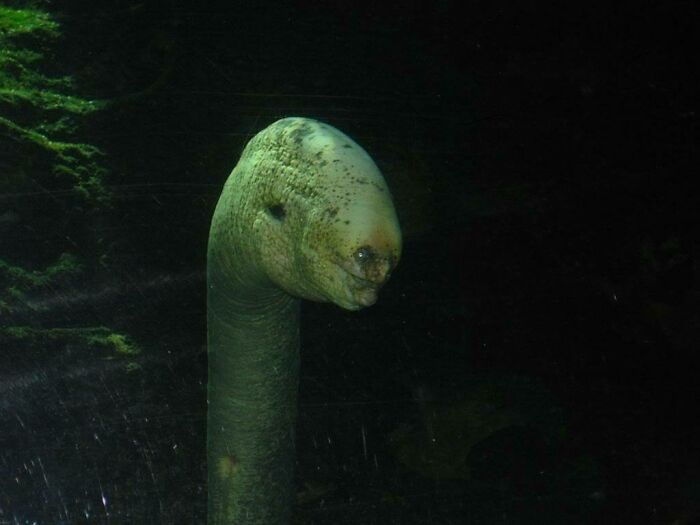
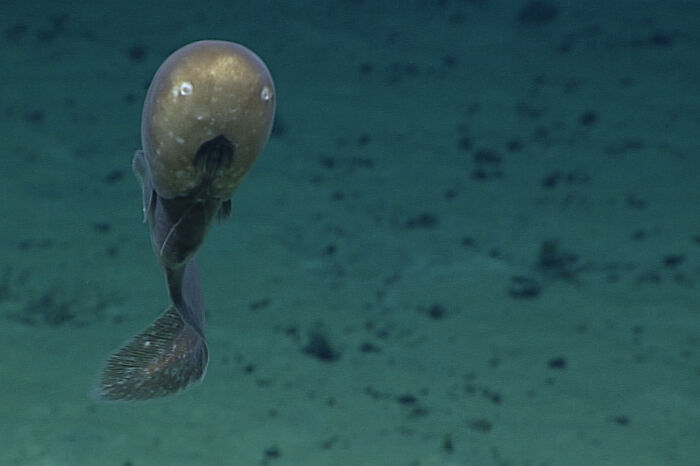
It reminds me of the claymation figures from old horror movies. A little like Freddy Krueger, too.
Now, if all this talk about mysterious sea creatures has made you even more nervous about swimming, here’s something reassuring. Most of these unusual deep-sea animals live far below the places where people normally swim.
And even sharks, which have a particularly frightening reputation, are much less likely to attack humans than movies might suggest. According to the Florida Museum of Natural History, there were 65 recorded unprovoked shark bites worldwide in 2025. Considering how many people enter the ocean every year, such encounters are relatively rare.
So, while it’s perfectly understandable to feel a little nervous about what might be lurking beneath the waves, there’s also plenty to admire about the underwater world. Scientists are still discovering new things about it, and each expedition gives us a better idea of what life looks like far below the surface.
Of course, knowing more about the ocean doesn’t necessarily make those dark, seemingly bottomless waters any less creepy. And if these photos have convinced you to stick to swimming pools for a while, we certainly wouldn’t blame you.
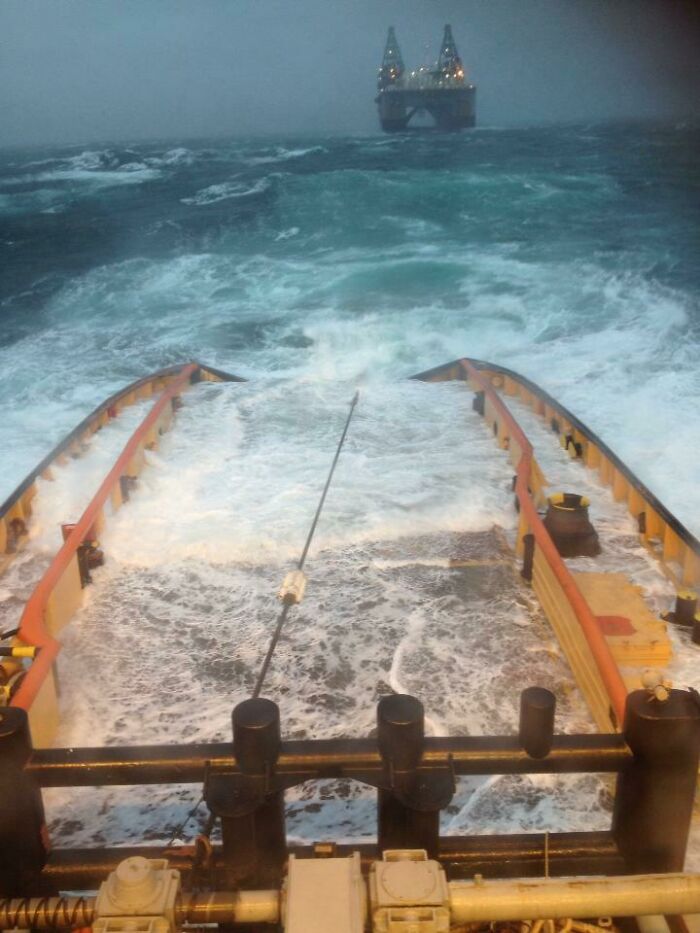
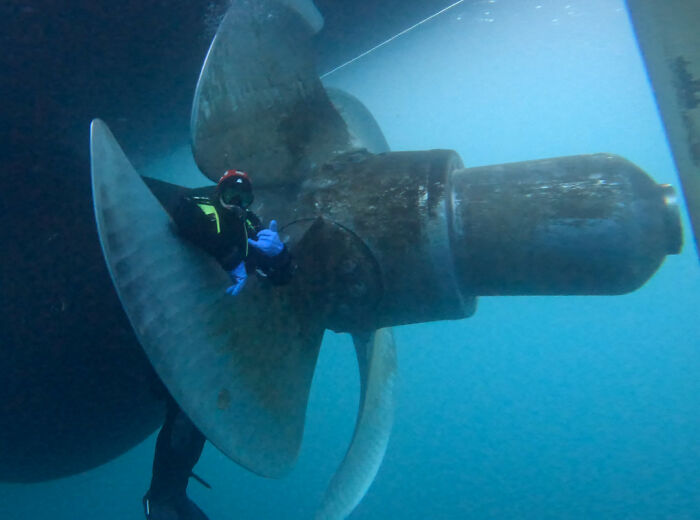
25,000 to 36,000 horsepower, giving it a 5 to 10 knots speed when towing. This is endless...

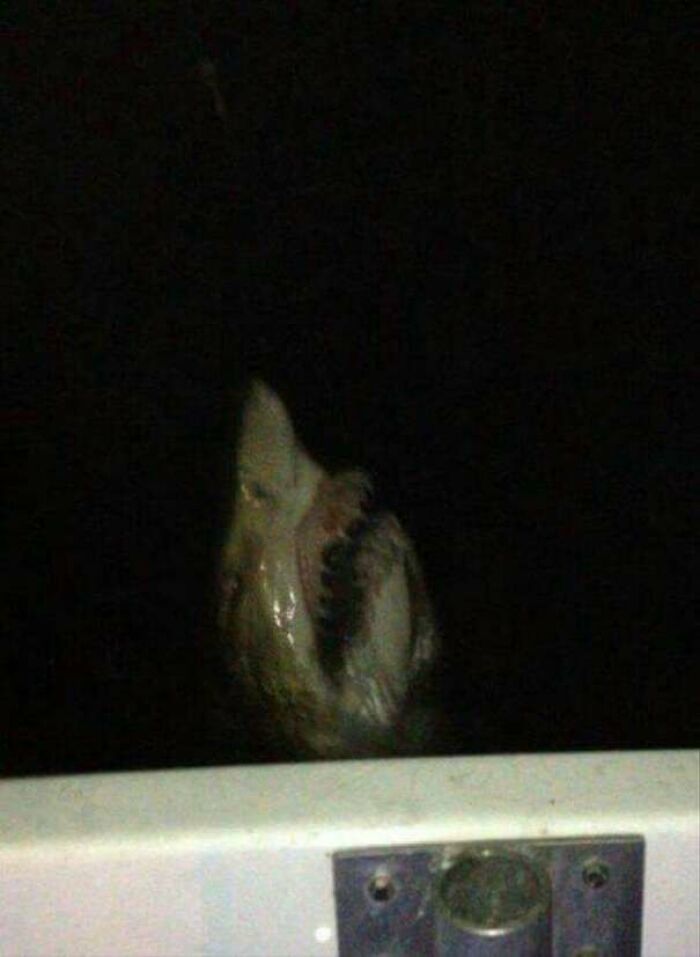
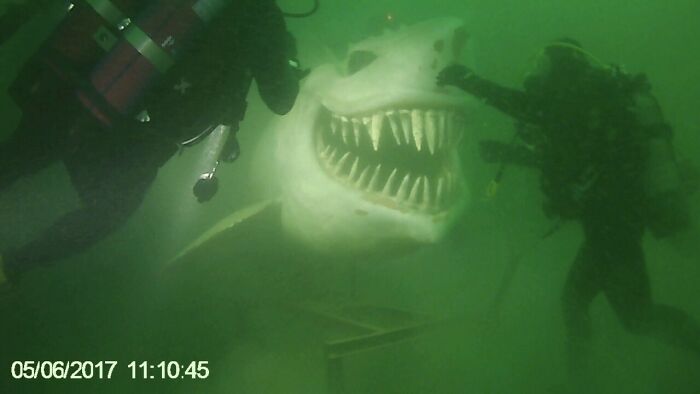
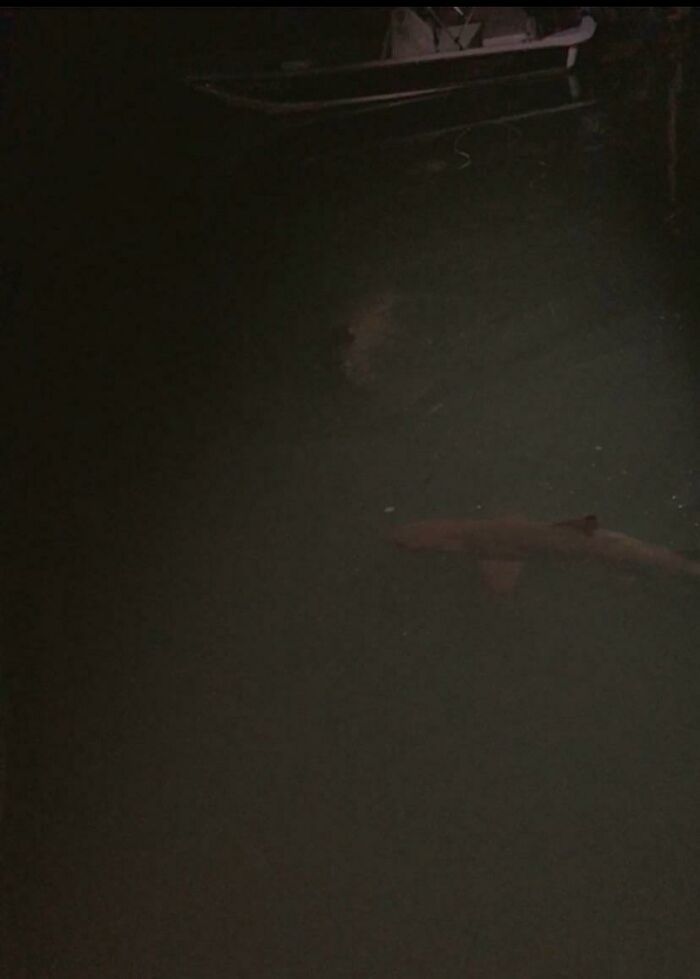
Lake Neuchâtel is in Switzerland so not exactly a place where you'd expect to find sharks.







































 No fees, cancel anytime