Get Premium
Dark mode theme is available exclusively for premium users. Learn more about the benefits of subscribing.
No fees, cancel anytime.

 Dark Mode Ad-Free Browsing Unlimited Content
 Ad-Free Browsing Unlimited Content Dark Mode
Join 1.2 million Panda readers who get the best art, memes, and fun stories every week!



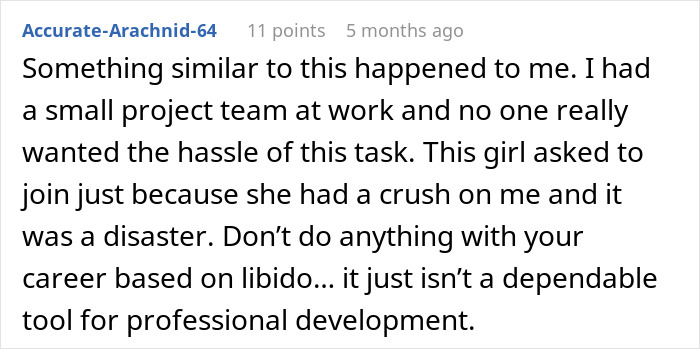
Usually, companies spend tons of time trying to find the perfect candidate for a job. But throw a little favoritism into the mix, and things can get messy, especially if the person isn’t actually qualified.
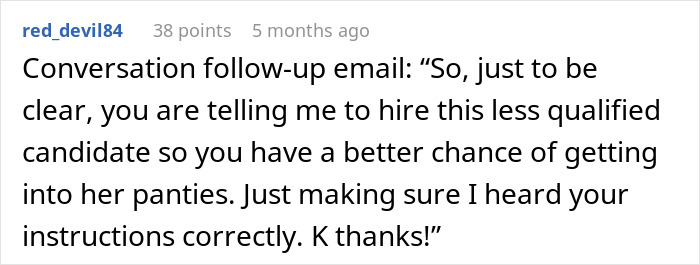
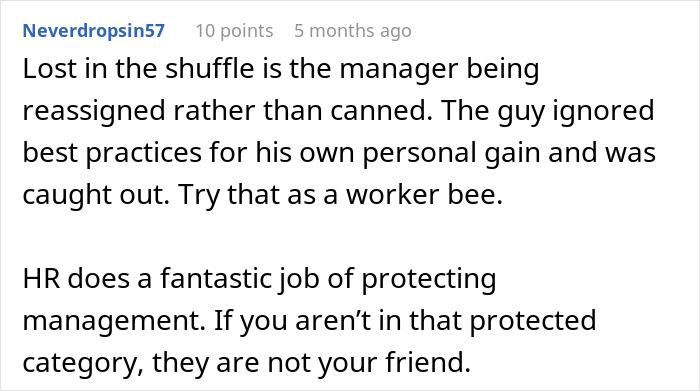
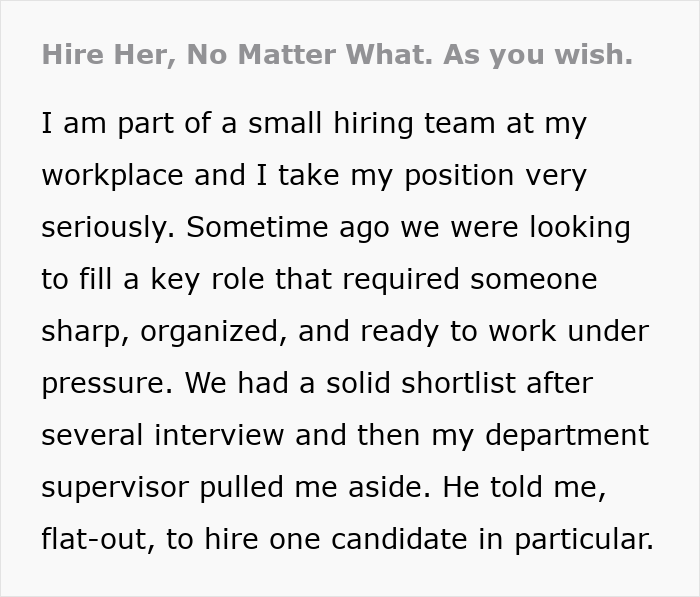
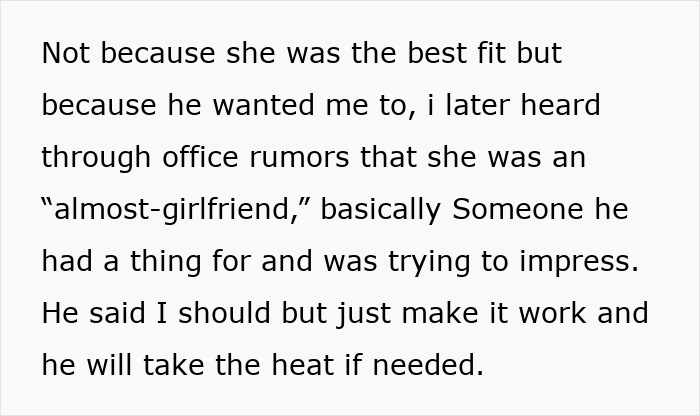
One employee shared how their manager insisted on hiring a candidate he had a crush on, completely ignoring her disastrous interview performance. Within a month, she made mistakes so big they cost the company clients and caused major chaos. Luckily, careful documentation saved the whistleblower, and the manager got reassigned. Keep reading to see just how wild this office drama got!
Image credits: Desizned / envato (not the actual photo)
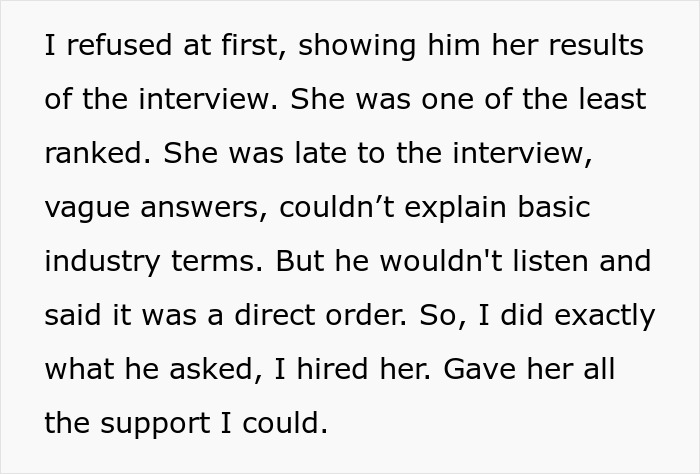
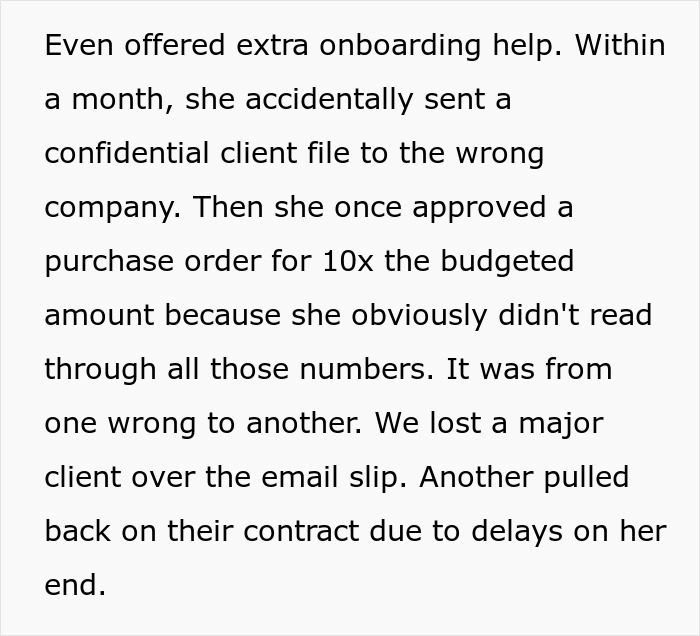
Image credits: Thirdman / pexels (not the actual photo)
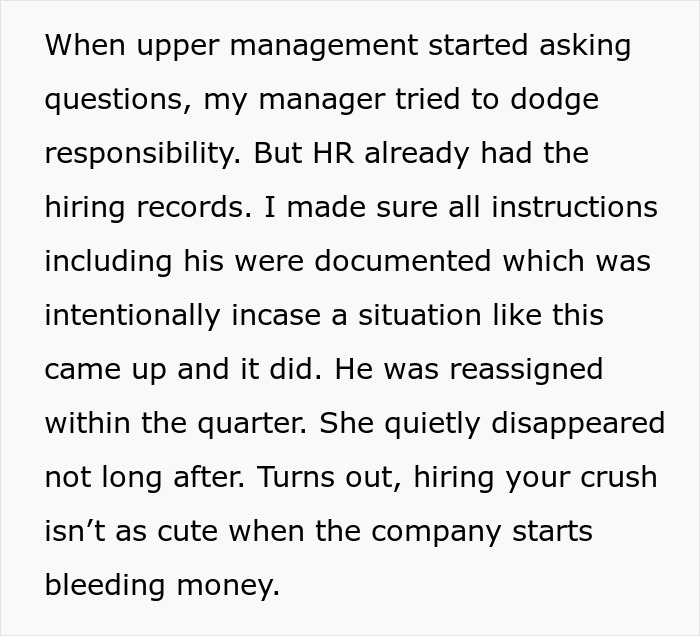
Image credits: VelvetXGlimmer
Hiring processes these days are thankfully way more transparent than they used to be. Many companies now lay out every step on their websites—interviews, assessments, onboarding—so you know exactly what’s coming. No more guessing or sweating over what to expect! This kind of clarity not only helps candidates feel confident and prepared, but it also shows that the company actually cares about being fair and professional. When expectations are transparent, recruiters and hiring managers are able to evaluate applicants objectively, ensuring the best fit is chosen for the role.
Curious about how favoritism sneaks into workplaces and how companies can prevent it, Bored Panda spoke with Naresh Sharma, founder of OnePoint. With over 30 years in logistics connecting cities across India, Naresh has witnessed firsthand how subtle biases can impact teams. He shared insights into the red flags managers should watch for, and what steps can be taken to create a more equitable environment.
“I stand firmly for fairness and transparency,” Naresh says. “Whenever I notice inconsistent feedback or recognition, I know something’s off. Managers can’t keep praising the same person every month while ignoring the contributions of others. This creates resentment and reduces team morale.” Being aware of these dynamics is key to ensuring that everyone feels valued for their work.
Another common sign of favoritism is the unequal distribution of opportunities. When certain employees get all the high-profile projects or training sessions while others are left behind, it’s easy for divisions to form. Naresh emphasizes that recognizing talent and sharing opportunities evenly helps maintain a healthy, productive team culture.
Favoritism can sneak in when a manager has a tight little inner circle, creating that classic “us vs. them” vibe. It’s natural to click more with the people you work with every day, but when those friendships start affecting promotions or opportunities, it becomes a problem. Team bonding is great, but it shouldn’t mean others get left out or held back. Everyone deserves a fair shot, no matter how many coffee breaks they share with the boss!
Image credits: Getty Images / unsplash (not the actual photo)
“I’m not here to blame anyone,” Naresh adds. “It’s natural to develop a soft corner for people you work closely with day in and day out. But that doesn’t give anyone the right to treat others unfairly. Everyone is contributing, and their efforts should be acknowledged equally.” Balancing empathy with fairness is essential.
To curb favoritism, Naresh intentionally shakes up team dynamics. He mentions, “Instead of letting the same people always work together, I rotate team members across projects. This way, everyone gets a chance to mix, learn from new colleagues, and show off their skills in different settings.”
He adds, “I also assign new responsibilities to people who might not usually handle them. It’s a win-win: employees get to grow, and the team discovers hidden talents they might not have noticed before. Plus, it keeps things interesting. No one gets stuck in a boring routine forever.”
He concludes, “I make sure collaboration is diverse. By mixing teams and encouraging different perspectives, I prevent cliques or ‘silos’ from forming. This not only makes the workplace more inclusive, but it also keeps relationships professional, friendly, and fair for everyone involved.”
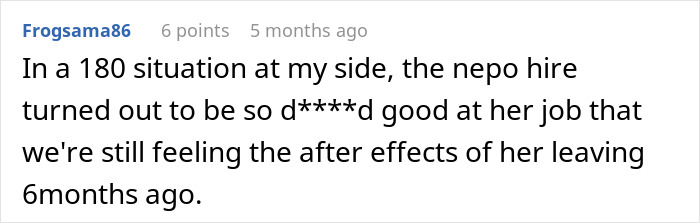
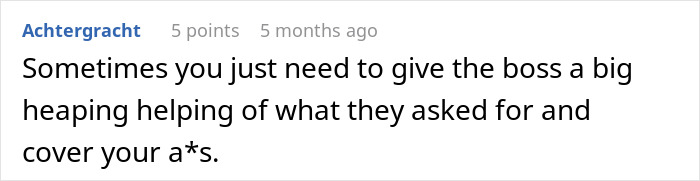
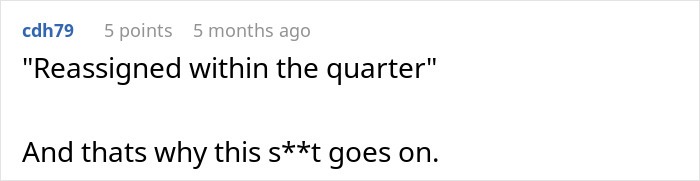
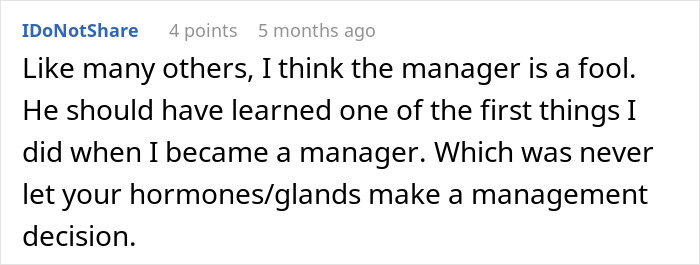
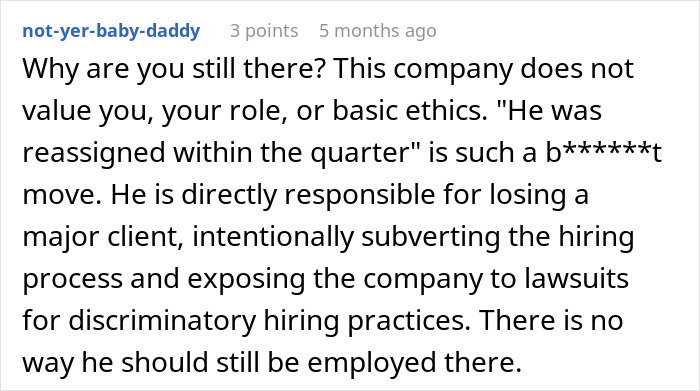
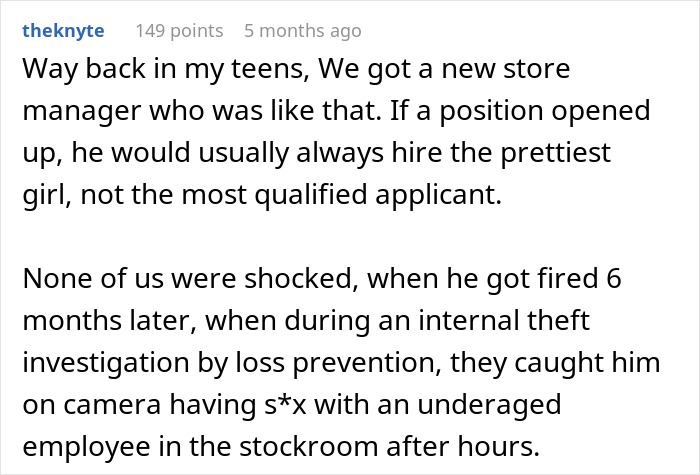
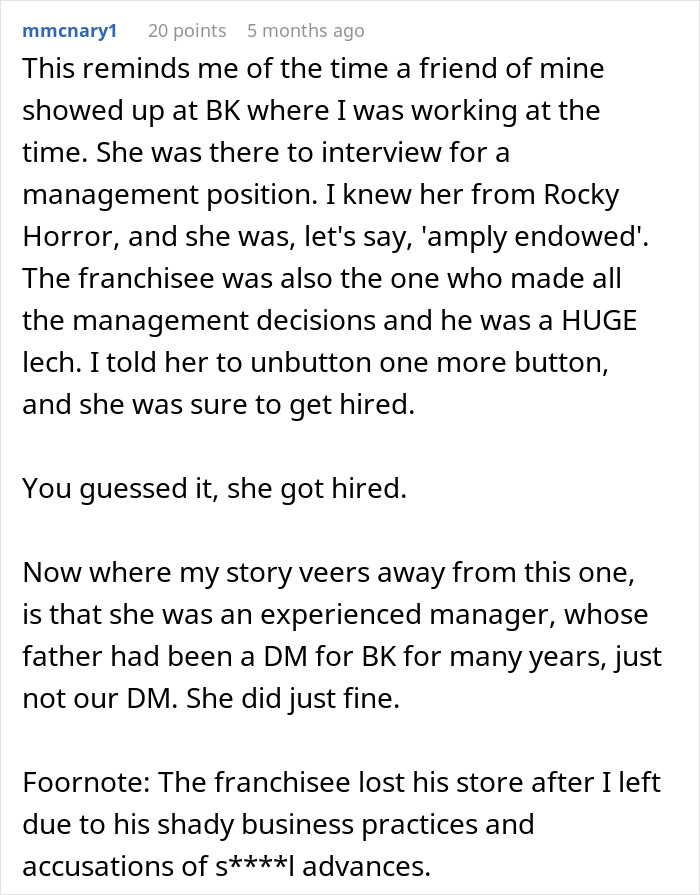
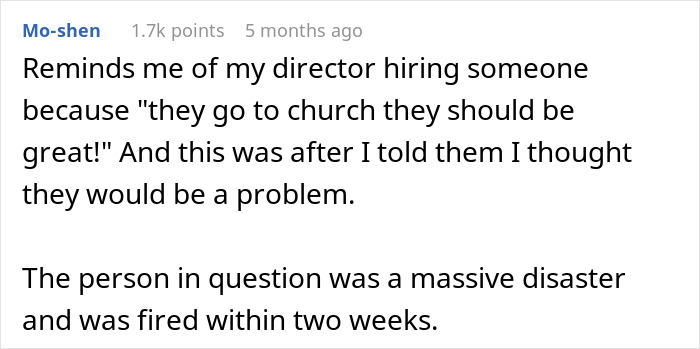
This post is a strong reminder of how favoritism can quietly damage workplaces and careers. How do you think companies can further prevent it? Have you ever witnessed favoritism at your workplace, and how was it handled?










By entering your email and clicking Subscribe, you're agreeing to let us send you customized marketing messages about us and our advertising partners. You are also agreeing to our Privacy Policy.
Thank you! You've successfully subscribed to newsletters!


















 No fees, cancel anytime
 then open in external browser

 and click "Open in External Browser"











28
1