Get Premium
Dark mode theme is available exclusively for premium users. Learn more about the benefits of subscribing.
No fees, cancel anytime.

 Dark Mode Ad-Free Browsing Unlimited Content
 Ad-Free Browsing Unlimited Content Dark Mode
Join 1.2 million Panda readers who get the best art, memes, and fun stories every week!
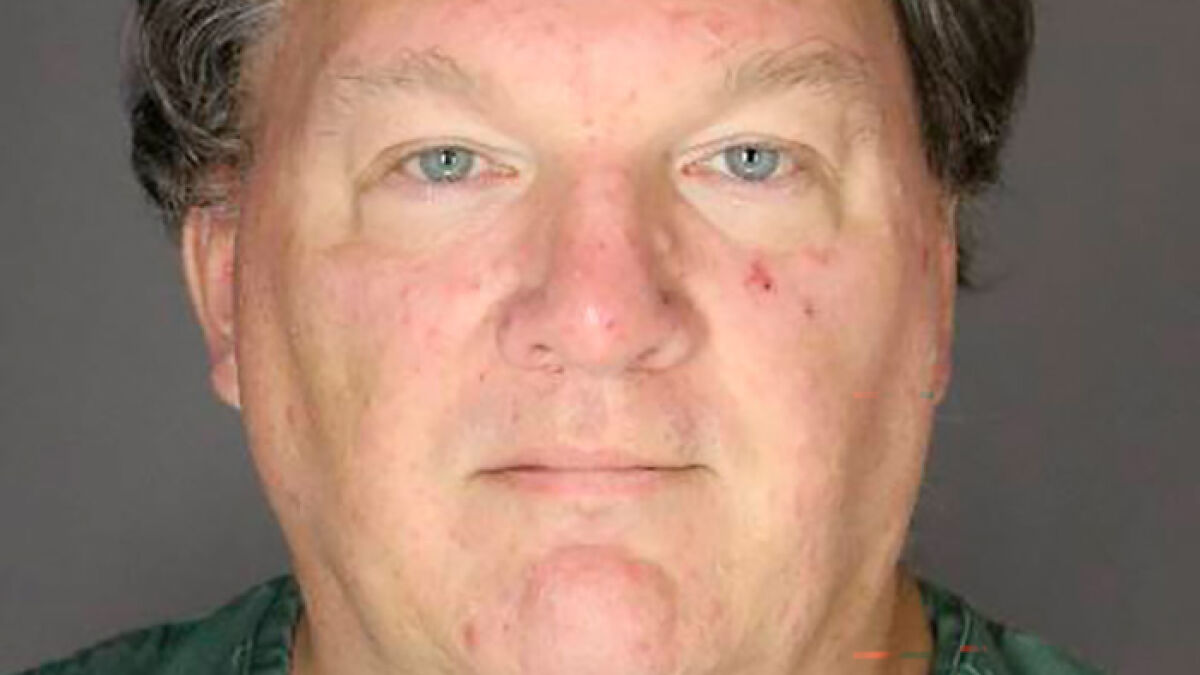
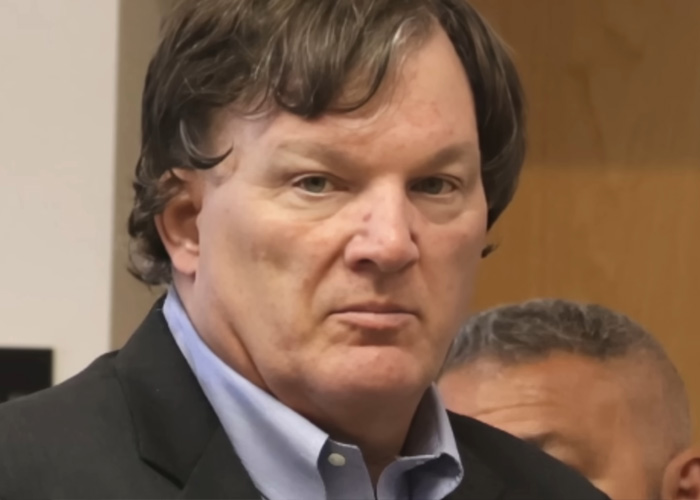
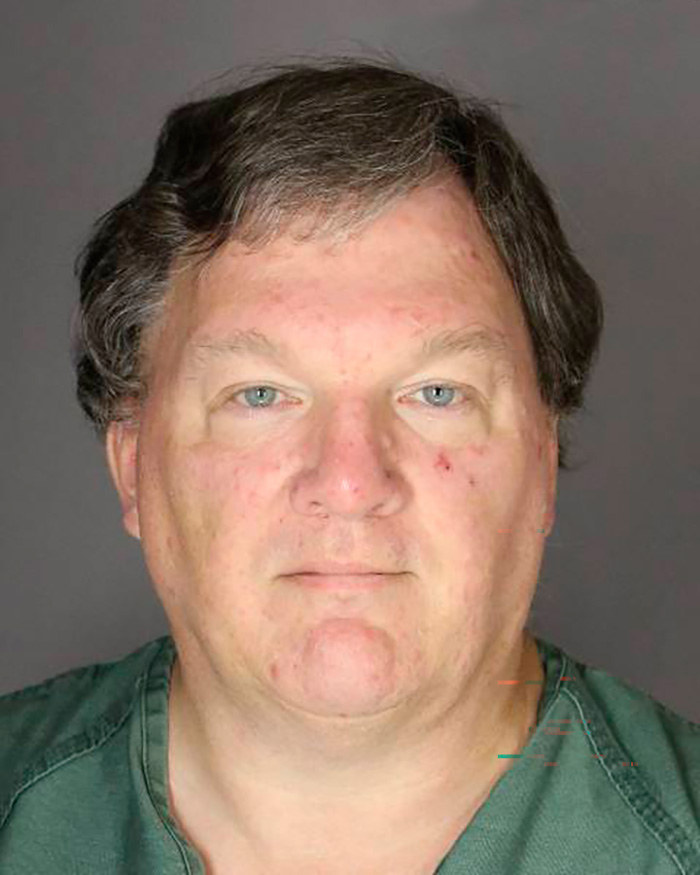
Last Wednesday (June 17) Rex Heuermann was sentenced to life in prison without parole after admitting to taking the lives of eight women across Long Island between 1993 and 2010.
The 62-year-old Manhattan architect had spent decades hiding in plain sight in Massapequa Park, a suburban village about 20 minutes from Gilgo Beach.
He worked in New York City, lived in the same house where he grew up, raised a family, kept a massive private weapons collection, and, according to prosecutors, used his home as the center of a calculated homicide operation.
By the time he finally stood in court and accepted responsibility, the damage stretched far beyond his victims.
It also exposed a corrupt law enforcement system that failed them for years, leading them into the hands of who would come to be known as:
The Gilgo Beach K*ller.
Image credits: The CW Network/YouTube
The homicides now tied to Rex Heuermann began long before the public knew anything suspicious about Gilgo Beach.
The criminal had developed a twisted preference for one particular type of victim: desperate mothers who had turned to adult services to provide for their families while suffering from substance dependence.
Image credits: Suffolk County District Attorney’s Office
Finding themselves in urgent need of money, most of these women advertised their services through anonymous underground internet marketplaces that made the transactions hard to monitor.
Their physical attributes were also important. As Heuermann himself would later write while describing his ideal victim: “small is good.” What he meant is that they had to be petite and small in stature, making it easy for him to overpower them.
Image credits: JohnPaulDetriot
Image credits: tennisalt
The geography of the area was also carefully selected. Gilgo Beach sits directly off Ocean Parkway, a road that runs along the barrier island on Long Island’s South Shore. These islands are covered in dense brush and dunes, and largely undeveloped.
During winter, the area becomes almost completely unlit. As law enforcement officials would later explain, the landscape blends together to the point that it’s difficult to distinguish land from water.
Image credits: jphillipobrien2006/Wikipedia
Paradoxically, what made the location perfect for Heuermann’s operations was the fact that, despite the darkness, millions of vehicles pass through the area annually. The constant flow meant no one batted an eye at a single car stopping briefly.
Image credits: crimetimelines
It all began in November 1993.
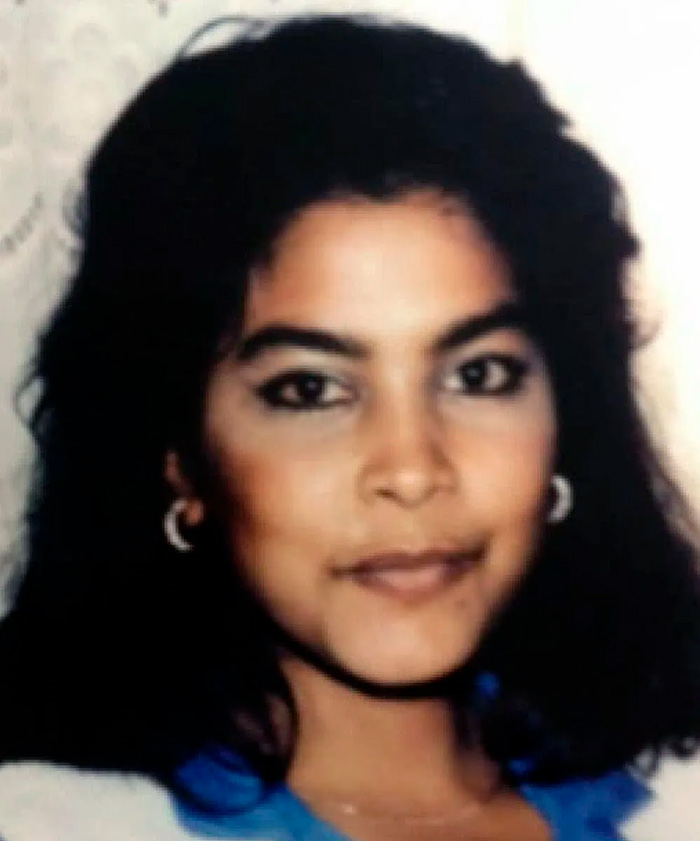
Sandra Costilla, a 28-year-old woman originally from Trinidad and Tobago, disappeared in New York.
Days later, her body was not located through any coordinated police effort, but stumbled upon by chance when hunters came across her remains in a wooded area near Southampton, about 60 miles from where the Gilgo Beach victims would later be found.
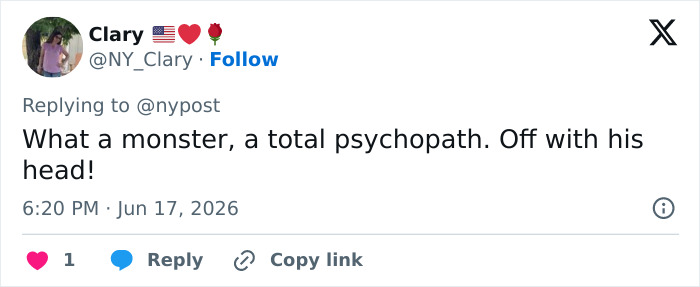
Image credits: NY_Clary
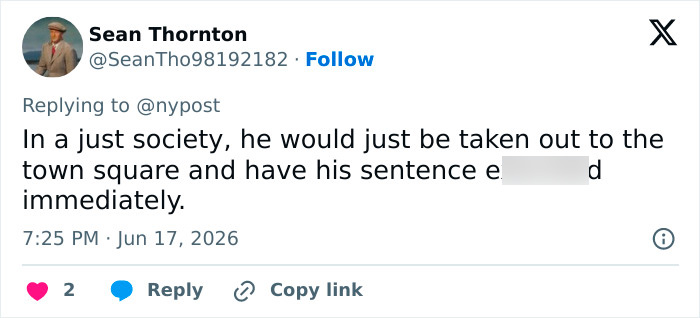
Image credits: SeanTho98192182
For more than three decades, no one connected Costilla to the other victims. At one point, investigators even focused on another serial criminal, John Bittrolff, who was later convicted in connection to two unrelated Suffolk County homicides.
Everything changed in 2024, after modern forensic testing linked hairs recovered from Costilla’s body to Heuermann. The evidence pushed the known timeline of Heuermann’s crimes back by 14 years.
Three years after Costilla’s passing, another woman disappeared.
Image credits: TBR News Media
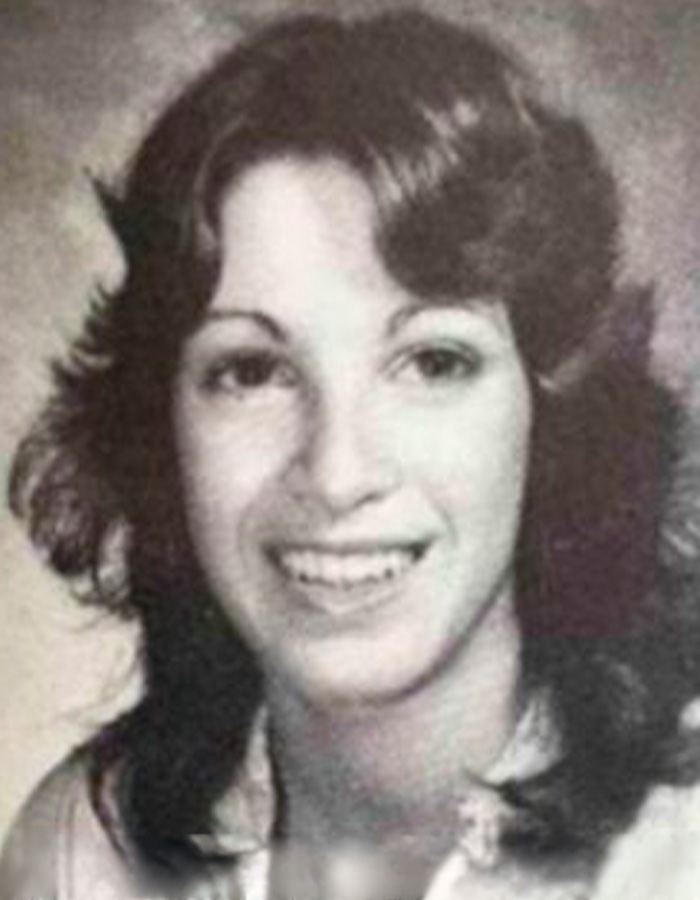
In 1996, Karen Vergata was 34 years old, living in Hell’s Kitchen in Manhattan. She was a mother of two sons, was an adult worker, and had been struggling with substance dependence for years.
Her substance issues had already taken a lasting toll. In 1992, child welfare services removed her children from her care; they were adopted that year. Karen was alone by Valentine’s Day, 1996.
The last time her family heard from her was Valentine’s Day, 1996, when she called her father, Dominic, from jail on his birthday. She sounded troubled. That call was her final contact — she vanished that day.
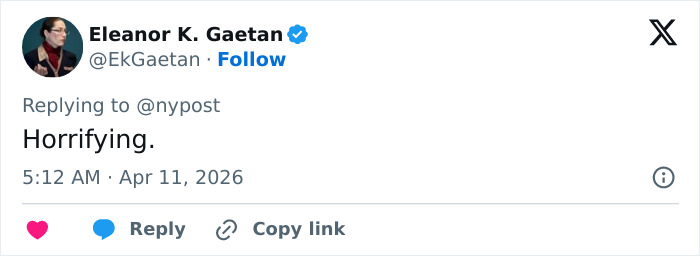
Image credits: EkGaetan
When she disappeared, Dominic tried to file a missing persons report with the NYPD but was turned away. Finding no help through official channels, he hired a private investigator and later had her legally declared deceased.
A few weeks after Karen vanished, two brothers looking for driftwood found partial remains inside a garbage bag on Fire Island. More of her remains were found off Ocean Parkway in 2011. For years, she was known only as “Fire Island Jane Doe” or “Jane Doe No. 7.”
Image credits: Dan_DuffyPT
In 2022, genetic genealogy finally identified her as Karen Vergata. By then, Dominic was 87 years old. He was told what had happened to his daughter and passed away two months later.
He never heard Heuermann confess.
In April 2026, Heuermann admitted in court that he had attacked Karen, though prosecutors did not formally charge him with her homicide as part of the plea arrangement. According to the District Attorney, Heuermann strangled and dismembered Karen in April 1996, shortly after she disappeared.
Karen’s sons reportedly found out about their mother’s tragic fate from a public press conference.
Image credits: Remembering Valerie Mack/Facebook
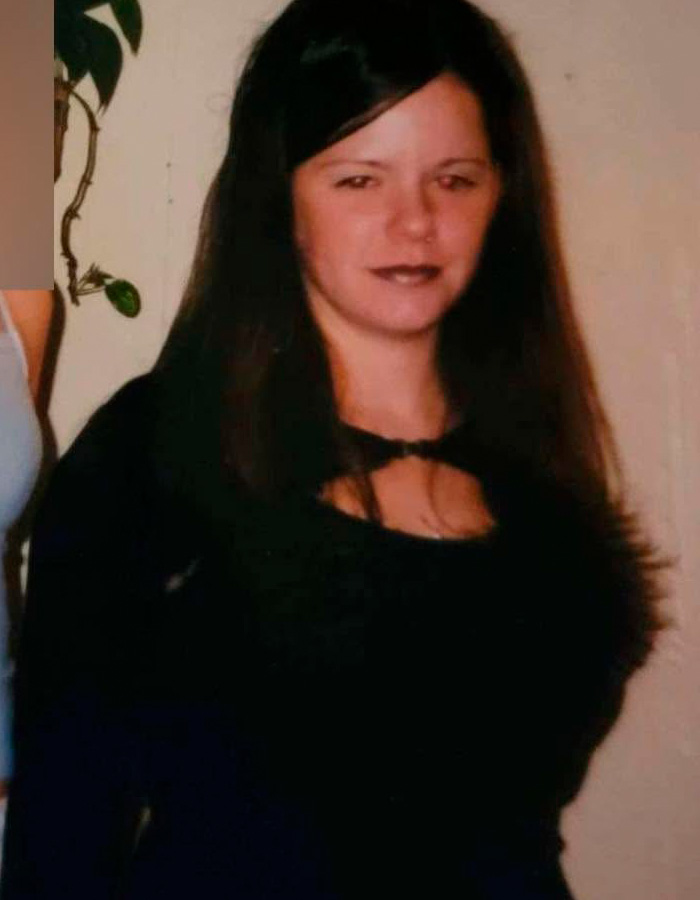
In 2000, 24-year-old Valerie Mack was living in Philadelphia and working as an adult companion under the alias Melissa Taylor. She had spent much of her life in foster care in New Jersey and had a 6-year-old son, Benjamin Torres.
She was last seen in the spring of 2000.
No one filed a missing persons report for her.
Image credits: TheUnwanted46
Image credits: Lisbonchar4842
Parts of her remains were found in Manorville, Long Island, inside a black plastic bag. More remains were found along Ocean Parkway in 2011. For years, much like Karen before her, she was reduced to “Manorville Jane Doe” or “Jane Doe No. 6.”
Valerie was identified in 2020 through genetic genealogy. Her son was 26 by then, forced to grow up without an answer for what had occurred to his mother. In 2026, he filed a lawsuit against Heuermann and members of his family.
Image credits: crimetimelines
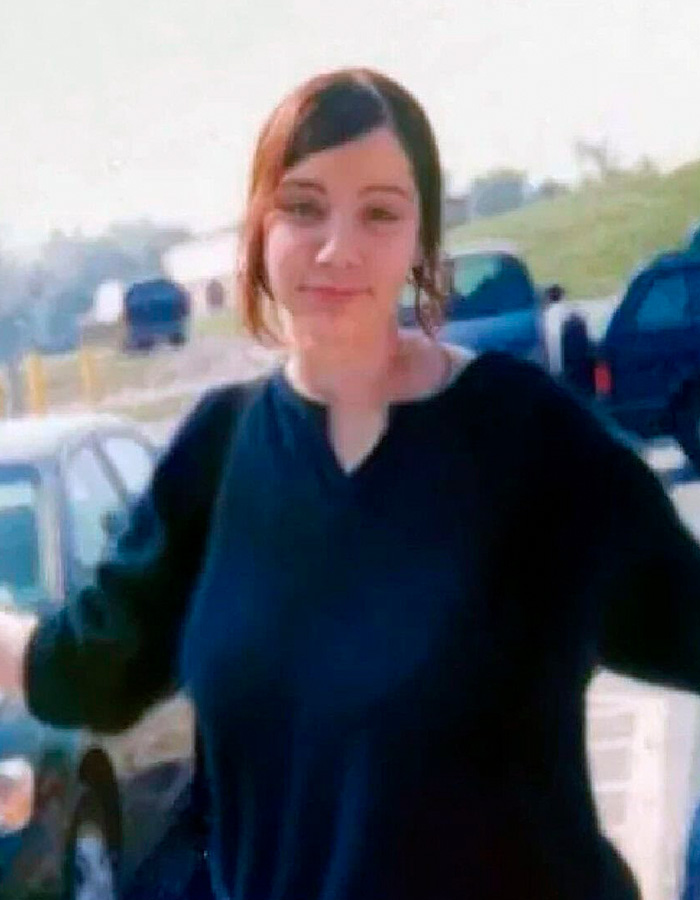
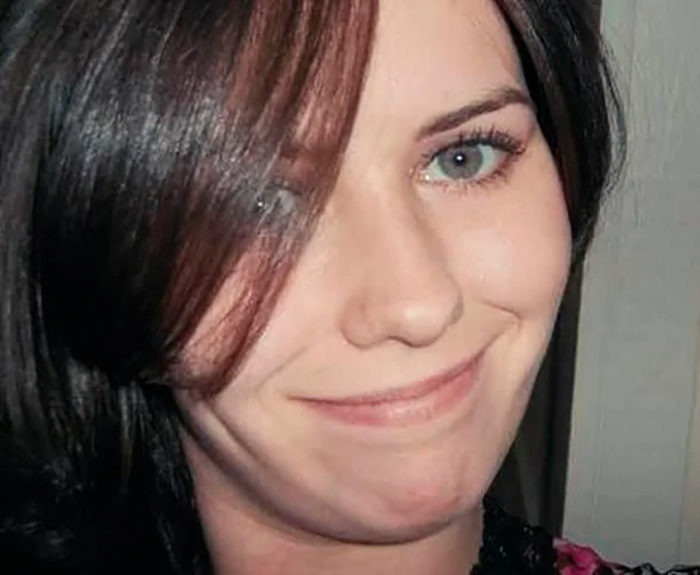
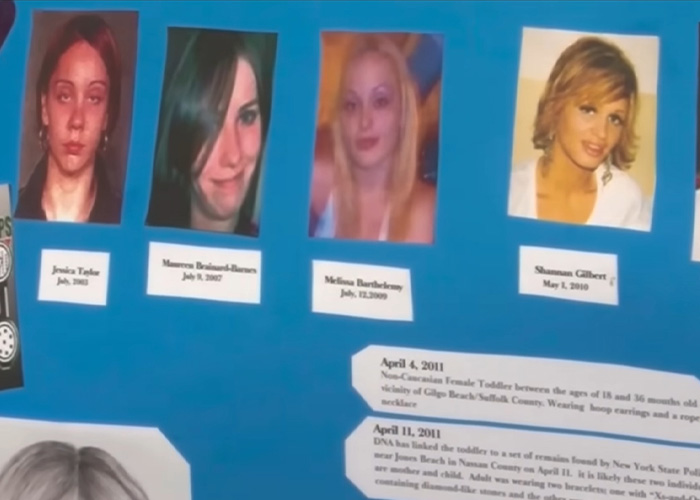
Three years after Valerie vanished, 20-year-old Jessica Taylor disappeared.
Jessica was living in Manhattan and working in the adult industry. Her family remembered her as active, energetic, close to her mother, and loved by relatives who knew her before adult struggles entered her life.
She was last seen on July 21, 2003, near the Port Authority Bus Terminal in Midtown Manhattan. Five days later, a woman walking her dog found partial remains in Manorville, near the same area where Valerie’s remains had been discovered.
Image credits: Newsforce
Image credits: Brandino76
Heuermann later admitted he decapitated Jessica, severed her arms from her body and mutilated a tattoo on her body in an attempt to prevent identification.
Investigators still photographed the tattoo, a red heart with an angel wing and the words “Remy’s Angel,” and circulated it in law enforcement bulletins.
Seven months later, a detective in Washington, recognized the tattoo from prior contact with Jessica. A DNA sample from her mother confirmed her identity.
Jessica’s case cemented Heuermann’s modus operandi. He would target a lonely, young woman, contact her for services, take her life, then dismember the body and scatter the remains to make identification as difficult as possible.
Image credits: Netflix
In 2007, Maureen Brainard-Barnes became the next known victim.
Maureen was 25, living in Norwich, Connecticut, and traveling to Manhattan for adult work through Craigslist.
Her family, who were kept in the dark about the true nature of her occupation, described her as a devoted mother, a strong student, and a talented writer who filled notebooks with poetry and song lyrics.
She had two children and was worried about keeping up with her mortgage.
On July 9, 2007, she took the Amtrak to Grand Central Terminal, hoping to make money over a few days in New York. That night, she called a friend at 11:43 pm and said she was about to meet a client.
She was never heard from again.
Image credits: JustMeagain24
Image credits: Asakemijimi
Her friend Sara Karnes later received a call from a blocked number. The man claimed Maureen was alive and staying in Queens. When Karnes asked him to call from an unblocked number so police could trace him, he said he would and never did.
Five days later, on July 14, Sara’s friends and family officially filed a missing persons report that was eventually transferred to the New York Police Department.
Her body was not found until December 2010, along with three other victims.
Maureen’s daughter Nicolette later described the kind of loss that follows a child for the rest of her life.
“I remember she read to me every night, and now I can no longer remember the sound of her voice,” she said.
Image credits: crimetimelines
In 2009, 24-year-old Melissa Barthelemy disappeared from the Bronx.
She worked as an intimate companion under the alias “Chloe,” but her family knew her as a young woman from upstate New York who loved hair, makeup, and dreamed of working in a salon.
She was also the smallest of Heuermann’s victims at about 4 feet 10 inches and 95 pounds.
Melissa was last seen on July 12, 2009, outside her apartment in the Unionport neighborhood of the Bronx. She told a friend she was going to meet a client. Six days later, her mother reported her missing.
Image credits: CosmosNwosu1
Image credits: Cymdyboy
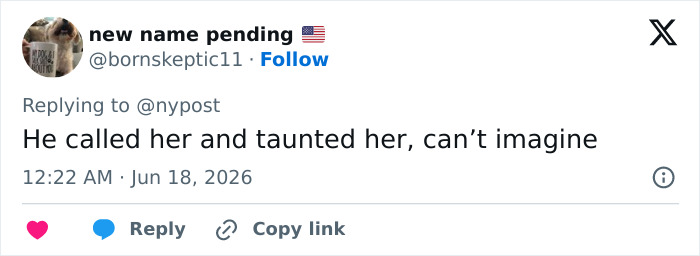
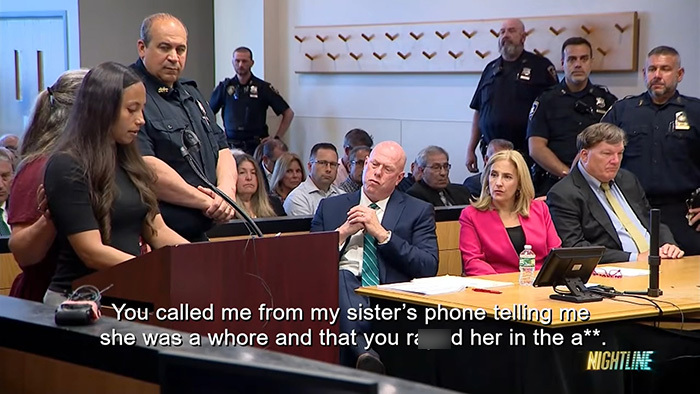
Then Melissa’s teenage sister Amanda started receiving calls from a man using Melissa’s phone.
The caller asked whether Amanda “was a wh*re like her sister.” In another call, he told her he had already taken Melissa’s life and that he was going to “watch her rot.”
Police traced the short calls to areas near Madison Square Garden, Times Square, and Massapequa. Then the trail faded.
Despite the similarities, no one connected Melissa’s case to Maureen’s.
Image credits: The CW Network/YouTube
In June 2010, 22-year-old Megan Waterman disappeared after leaving a Holiday Inn Express in Hauppauge, Long Island.
Megan had a rough childhood in Maine, living in motels with her parents and later being placed in foster care. She was adopted by her grandmother. She later became a victim of a trafficking ring led by a man known as Akeem Cruz, who was arrested two years later in 2012.
At the time of her disappearance, Megan had a 3-year-old daughter named Liliana. She called her daughter every night. When she failed to call, her family knew something was wrong.
Image credits: BigTingsAhGwan
Image credits: AntonyFib
Over Memorial Day weekend in 2010, Megan traveled from Maine to New York with Cruz. They stayed at a Holiday Inn Express in Hauppauge, Long Island, about 15 miles northeast of Gilgo Beach. Surveillance footage captured her leaving the lobby at around 1:30 am on June 6.
She had told Cruz she was going to meet a client at a nearby convenience store.
She never came back.
Her mother, Lorraine Ela, later accused police of dismissing Megan due to her occupation. Lorraine traveled to New York, held vigils, and pushed for answers, but she passed away in 2022 before Heuermann was arrested.
Image credits: The CW Network/YouTube
A shared house in West Babylon, Long Island, became Amber Lynn Costello’s home in 2010. At 27, she was living among others facing difficult circumstances after leaving Florida in search of a new beginning that never fully materialized.
As her situation worsened, she began arranging paid encounters through Craigslist, using aliases such as “Carolina” and “Mia.”
What set Amber Lynn Costello apart in the investigation was the level of contact that she had with Heuermann before she vanished.
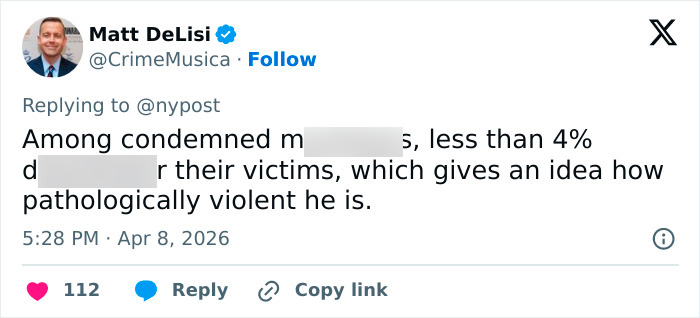
Image credits: CrimeMusica
On September 1, 2010, Heuermann arrived at her West Babylon home for a paid meeting arranged through a disposable phone. Inside, the dynamic was flipped. Instead of him exploiting the situation, he was the one being set up.
Amber and her roommates had planned to take his money, and when one of them suddenly stormed in posing as a furious partner, he fled the house, leaving cash behind.
Less than 24 hours later, Heuermann reached out again. Instead of reacting with anger, he proposed another meeting and offered $1,500. The response unsettled everyone in the house. Her roommates warned her against going, pointing to how unusual it was after what had just happened.
She chose to meet him anyway.
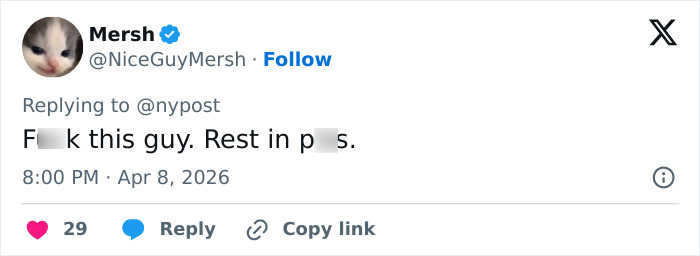
Image credits: NiceGuyMersh
Amber stepped outside wearing a pink hoodie and jeans, leaving her phone behind as if expecting to return shortly. That was the last time anyone saw her alive.
This time, the police had a clue they couldn’t ignore.
Amber’s roommates described the man as a large white man, “ogre-like,” and said he drove a dark-colored first-generation Chevrolet Avalanche.
Image credits: Eyewitness News ABC7NY/YouTube
On May 1, 2010, months before Amber’s disappearance, another woman ran through Oak Beach screaming for help.
Her name was Shannan Maria Gilbert.
Shannan was 23, from upstate New York, and living in Jersey City, New Jersey. Like most of Heuermann’s victims, she offered adult services via Craigslist. She had been diagnosed with bipolar disorder.
She was the eldest of four sisters, had spent time in foster care, graduated high school early, and wanted to become a writer.
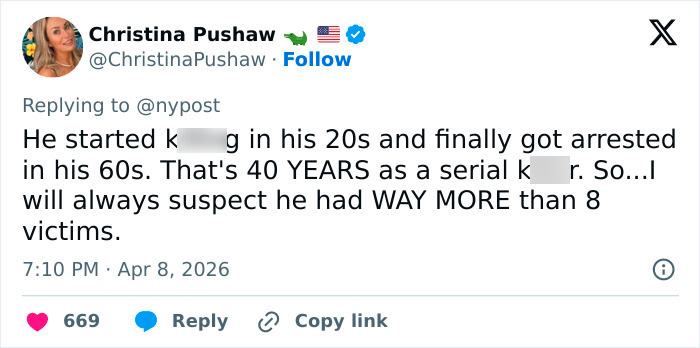
Image credits: ChristinaPushaw
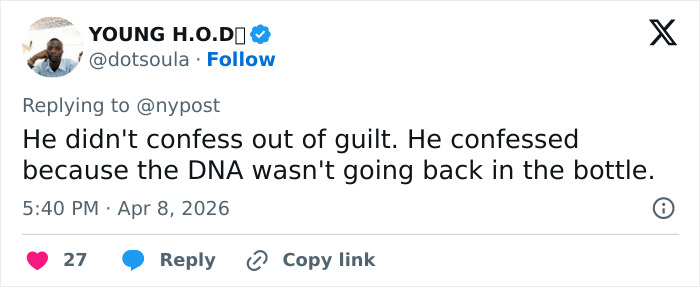
Image credits: dotsoula
On the night of April 30, 2010, she went to Oak Beach to meet a client named Joseph Brewer. Her driver, Michael Pak, took her there.
What took place inside that house has never been fully established. The only concrete record begins at 4:51 am, when Shannan Gilbert placed a 911 call from Joseph Brewer’s residence. The call, which lasted 23 minutes, was recorded.
At the beginning, she said clearly, “There’s somebody after me.” She also repeated, “They’re trying to k*ll me.”
Pak and Brewer could be heard trying to get her to leave. At one point, Shannan asked Pak, “Are you going to k*ll me?”
“No,” Pak replied. “Come on, you’re freaking me out. Come on, let’s go.”
Image credits: WGRZ-TV/YouTube
She eventually ran from the house. Around the 21-minute mark, she reached the home of retired insurance fraud investigator Gus Coletti.
Coletti had been shaving at about 5:15 am when pounding at his door broke the silence. He opened it and found Shannan barefoot, terrified, and screaming for help.
She ran again before police arrived.
Suffolk County police reached Oak Beach around 5:40 am, roughly an hour after Shannan first called 911.
She was gone.
Image credits: Netflix
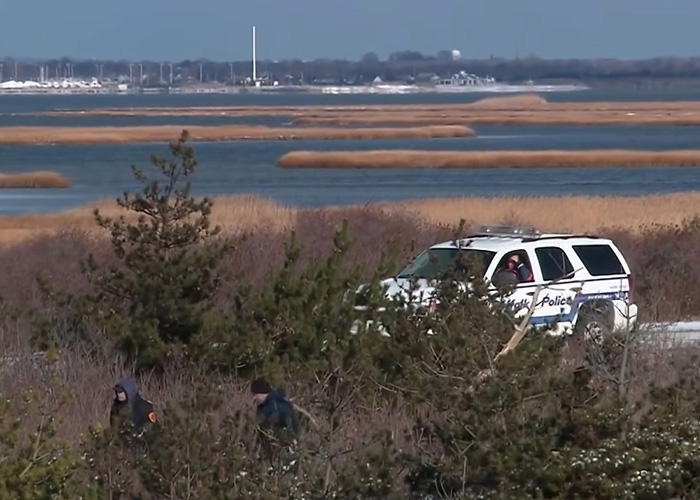
After leaving Barbara Brennan’s house, Shannan Gilbert’s exact path was never confirmed. Investigators later suggested she may have moved through an east-west drainage trench cutting across the marsh. Items believed to belong to her were eventually recovered north of that area.
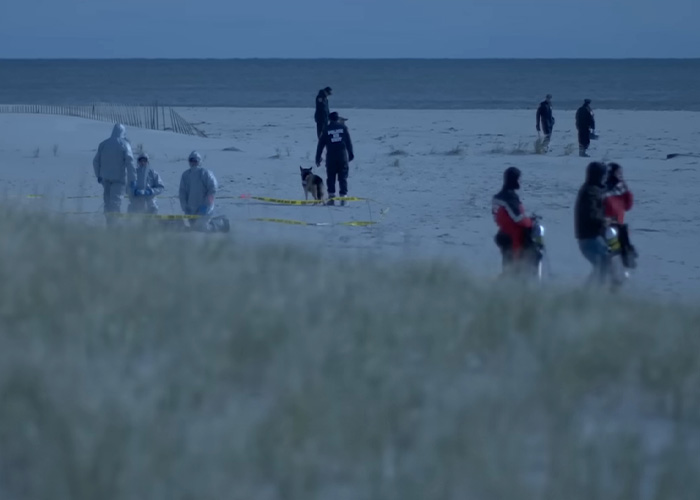
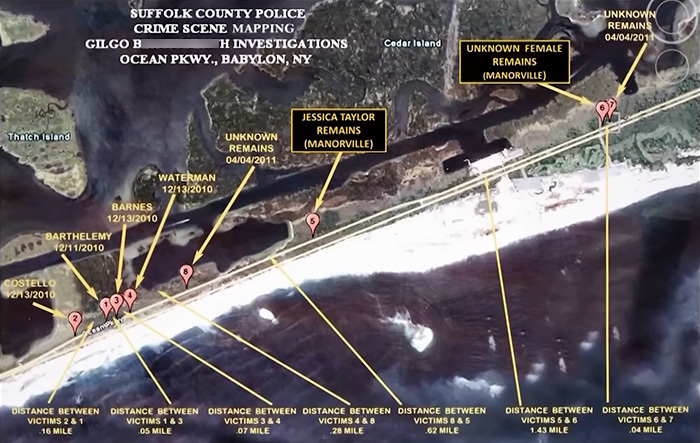
For months, police searched for Shannan. On December 11, 2010, K-9 officer John Mallia and his cadaver dog, Blue, were working along Ocean Parkway when Blue alerted.
The body they found was not Shannan.
It was Melissa Barthelemy, the sixth victim, wrapped in burlap.
Image credits: Frank_letmebe
Image credits: Law&Crime Network/YouTube
Within 48 hours, police found three more women near the same quarter-mile stretch: Maureen Brainard-Barnes, Megan Waterman, and Amber Lynn Costello.
They became known as the Gilgo Four.
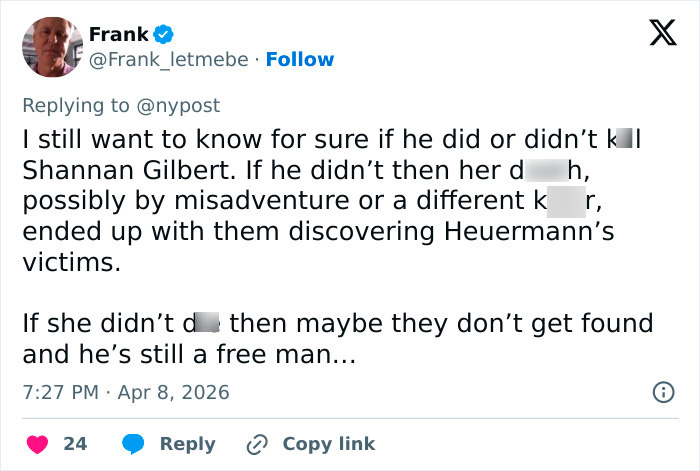
Shannan’s remains were found in December 2011, in a marsh less than a mile from where she was last seen. The cause of her demise remains undetermined. Police have maintained that it was likely a tragic accident, but her family has never accepted that conclusion.
Image credits: Netflix
By early 2012, the Gilgo Four had been found. Other remains had been discovered. Families were pleading for answers.
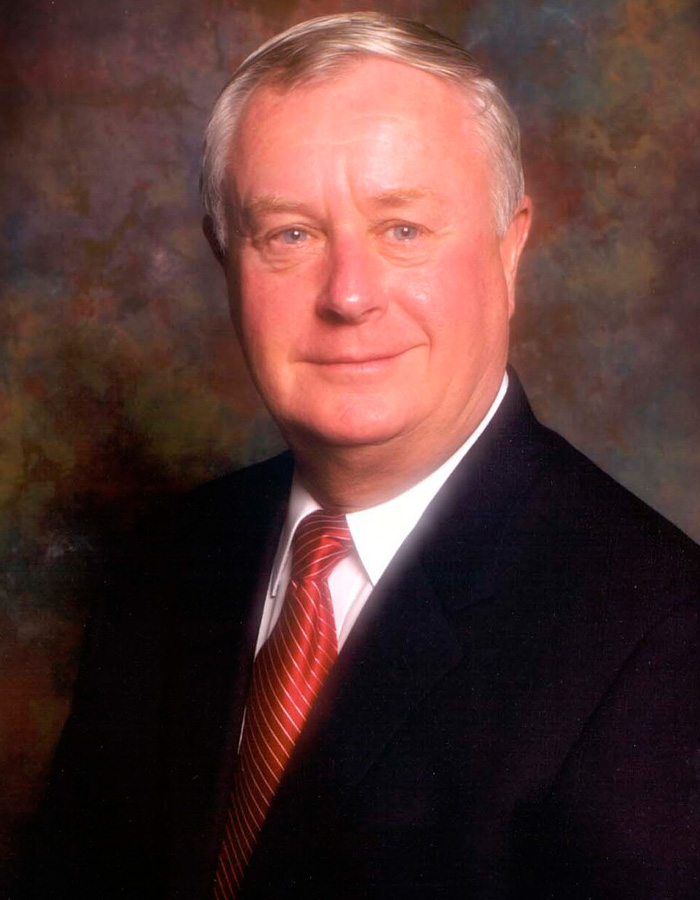
That was when James Burke became chief of the Suffolk County Police Department.
Burke’s past should have raised alarms long before he was handed one of the most important serial criminal investigations in the country.
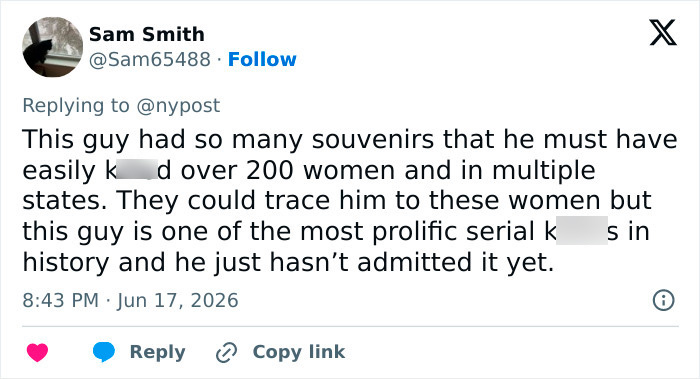
Image credits: Sam65488
Image credits: fvrtcoloris5
In 1995, an internal Suffolk County police investigation found that Burke had a relationship with a woman involved in the commercialization of adult services and substances, and had engaged in private acts in police vehicles while on duty and in uniform.
His early career also included allegations involving lost department weapons, confiscating and using substances, and misconduct.
Yet Burke rose.
Image credits: The CW Network/YouTube
The reason, according to critics of the department’s old power structure, was his connection to Suffolk County District Attorney Thomas Spota.
Their relationship went back decades. As a teenager, Burke had been a key witness in the 1979 homicide case of 13-year-old John Pius Jr. Spota prosecuted that case and later became the county’s district attorney. Burke became his protege.
By 2012, Spota had his man running the police department.
Image credits: Scdacomm/Wikipedia
One of Burke’s first moves in the Gilgo Beach case was to force Suffolk County Chief of Detectives Dominick Varrone to retire under threat of demotion. He then removed detectives who had been working the case.
The new team did not receive a full debriefing from the old one.
Then Burke pushed the FBI out.
That decision is considered one of they key reasons the case stalled for as long as it did. The FBI had been informally assisting since the bodies were found in 2010 and had resources Suffolk County needed, including behavioral analysts and broader investigative tools.
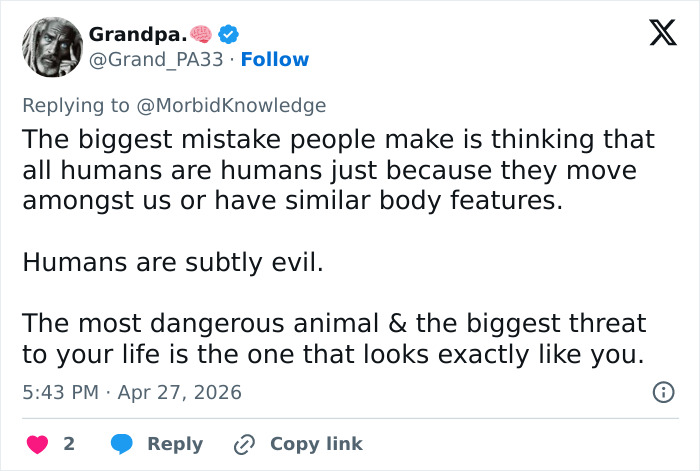
Image credits: Grand_PA33
Image credits: Suffolk County Police Department/IMDB
Burke pulled Suffolk County police out of the FBI task force. He also signed a directive requiring officers to notify a supervisor if they were contacted by outside law enforcement.
Retired detective Rob Trotta later summed up the effect.
“Basically, they didn’t want anyone talking to the FBI anymore,” he said.
Geraldine Hart, who was then the senior FBI agent on Long Island and later became Suffolk County police commissioner, later said early cell phone work “dissipated” under Burke and Spota.
That was the heart of the lost decade.
Image credits: Geraldine Hart/LinkedIn
In December 2012, a man named Christopher Loeb broke into Burke’s department-issued SUV and stole a duffel bag.
Inside were Burke’s weapon belt, ammunition, cigars, adult magazines and toys, as well as intimate performance pills.
Burke responded with a massive police effort. Loeb was arrested and taken to the Fourth Precinct in Hauppauge. Once Loeb was handcuffed to a floor ring inside an interrogation room, Burke entered and beat him.
Loeb later described what happened.
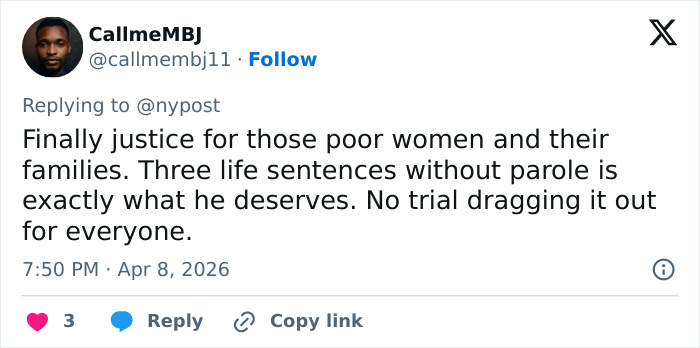
Image credits: callmembj11
Image credits: Star_Racker
“Every time I asked for a lawyer, I got hit again,” he said. “I got hit again. I got choked. I got choked. I got punched. I got slapped.”
The cover-up that followed reached the top of Suffolk County law enforcement.
Spota and Christopher McPartland, the chief of the Government Corruption Bureau, helped protect Burke. Witnesses were intimidated. Reports were falsified. Detectives were warned not to cooperate with the FBI.
Spota reportedly called cooperating officers “rats” and threatened that informants “would never work in Suffolk County again.”
Image credits: Law&Crime Network/YouTube
Burke resigned in October 2015 as the federal probe closed in. He pleaded guilty to conspiracy to violate civil rights and deprivation of civil rights in February 2016 and was sentenced to 46 months in prison.
After Burke’s guilty plea, Suffolk County Executive Steve Bellone issued a public statement.
“Jim Burke, someone I entrusted with great responsibility, lied to my face for nearly three years and orchestrated a cover-up to perpetuate that lie,” Bellone said.
Image credits: Law&Crime Network/YouTube
Spota and McPartland were convicted in December 2019 of conspiracy, witness tampering, obstruction of justice, and being accessories after the fact. In August 2021, both men were sentenced to five years in federal prison.
By then, the Gilgo Beach families had already lost years.
The FBI formally returned to the case on December 10, 2015, one day after Burke’s indictment and almost five years after the Gilgo Four were found.
Image credits: AngieSmiley16
Image credits: JohnDahliaX
After Burke resigned, Suffolk County tried to rebuild public trust.
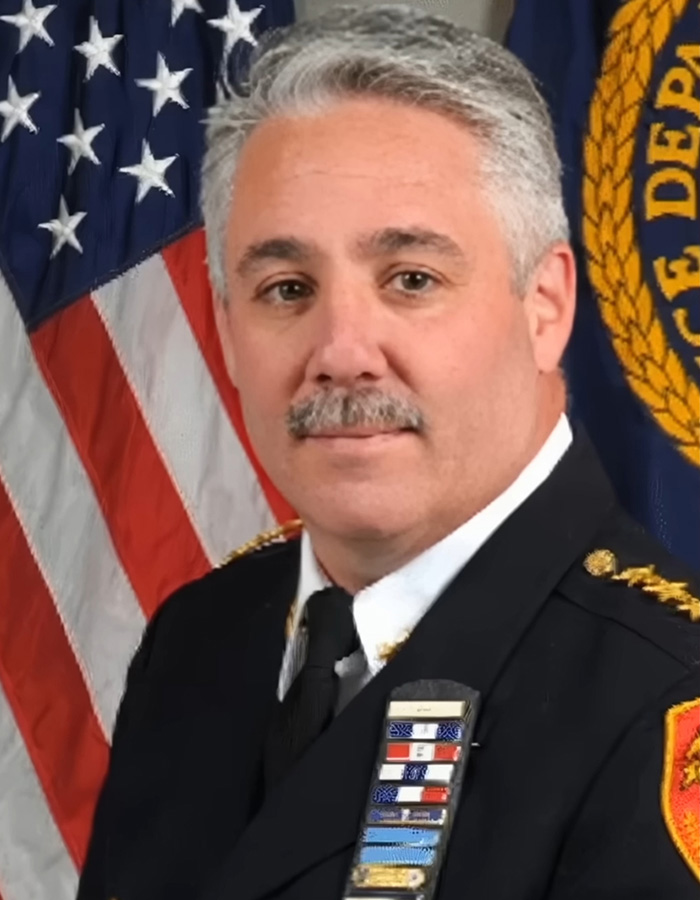
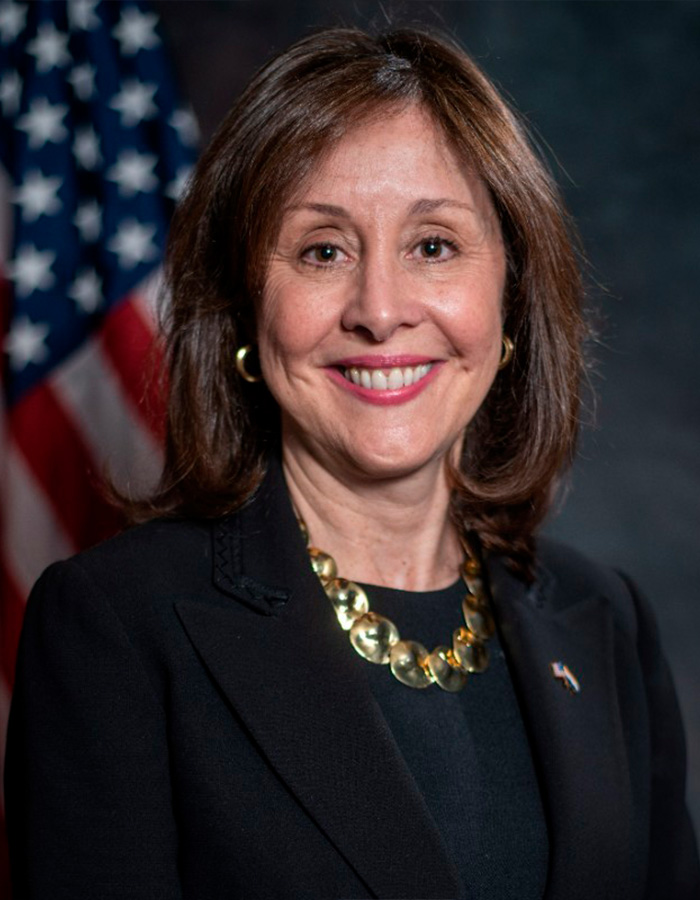
Geraldine Hart, a 21-year FBI veteran who had once run the FBI’s Long Island office, became Suffolk County police commissioner in 2018. Rodney Harrison, a veteran of the NYPD who had risen through every sworn rank in that department, later took over in 2021.
Harrison joined forces with District Attorney Ray Tierney, who had helped facilitate the case against Burke and Spota.
In February 2022, Tierney formed the Gilgo Beach Homicide Task Force with the Suffolk County Police Department, New York State Police, the FBI, the Suffolk County Sheriff’s Office, and other agencies.
The new team started with the files.
Image credits: The Gilgo Beach K***er: House of Secrets – Peacock/IMDB
They returned to the old cell tower analysis. Earlier work had identified a “box” in Massapequa Park where burner phone activity appeared at night and on weekends. During workdays, the same phones connected to towers in Midtown Manhattan.
They then compared the cell data to the old witness description from Amber Costello’s case: a large man driving a dark first-generation Chevrolet Avalanche.
In March 2022, a New York State Police investigator ran vehicle records and found one person inside that Massapequa Park box who owned the right kind of vehicle during the right period.
He was 6 feet 4 inches tall.
He worked in Midtown Manhattan.
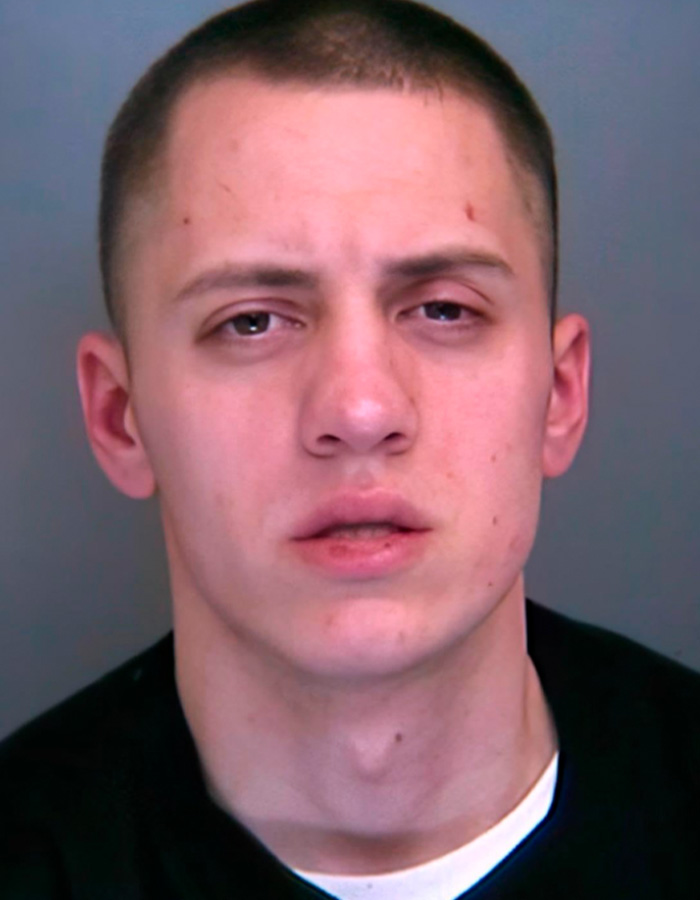
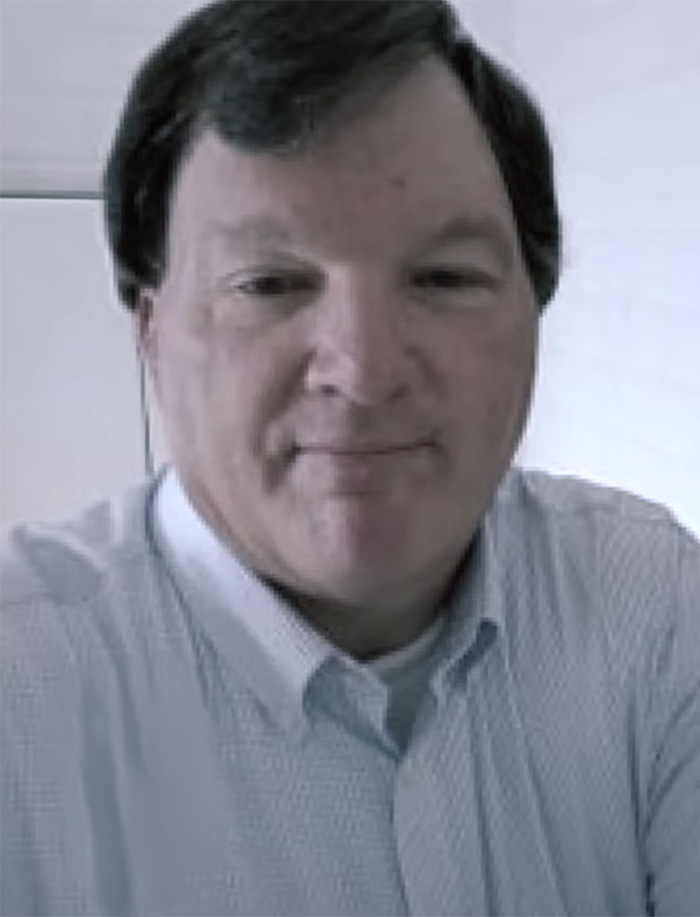
His name was Rex Andrew Heuermann.
“Once we were able to attach the Avalanche inside of that Massapequa box, which then attached to Rex Heuermann, that was a moment where we said, OK, there’s something here,” he said.
Image credits: CBS New York/YouTube
For the next 16 months, investigators kept Heuermann’s name out of the press.
They did not raid his house, interview him or warn him. They simply watched.
The task force issued more than 300 subpoenas and search warrants. They reviewed bank records, travel records, phone records, credit card statements, email accounts, and online activity.
They found that Heuermann was still using burner phones in 2022. They watched him enter a Manhattan phone shop to add minutes to one of them. Those burner phones were linked to email accounts under names including John Springfield and Thomas Hawk, as well as the handle Hunter1903a3.
Image credits: AndrewCulver16
Image credits: ISayin50307
One account had been used for thousands of searches related to adult workers, violent material, material involving minors, and the Gilgo Beach investigation.
Investigators also found a Tinder account under the name Andrew “Andy” Roberts, tied to one of the burner phones.
Travel records added another layer.
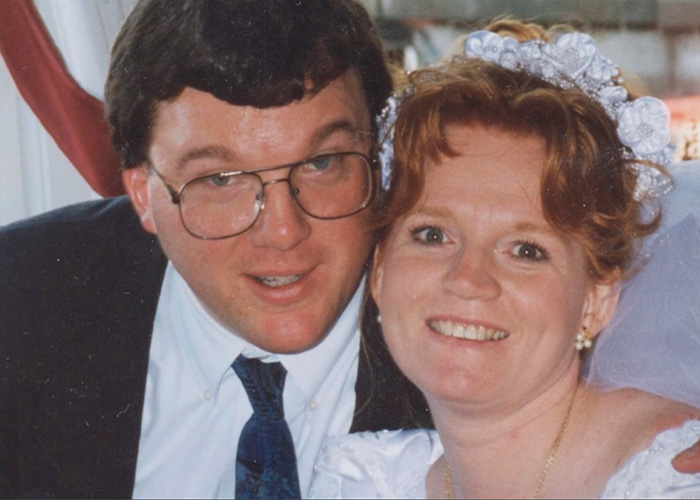
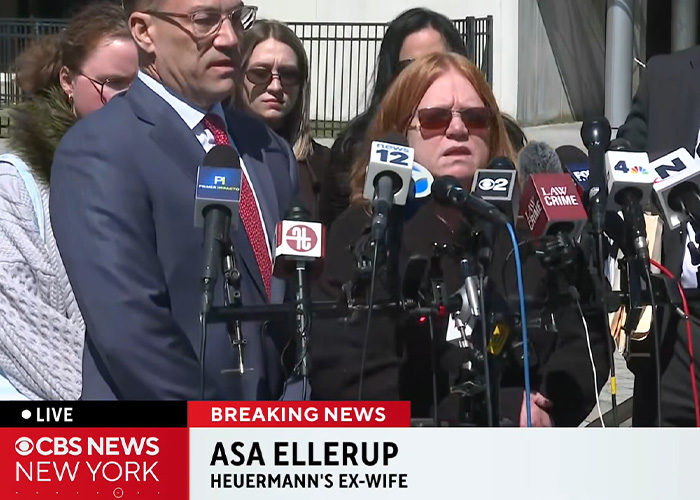
Heuermann had a family life that appeared ordinary from the outside. He was married to Asa Ellerup, and the couple lived in Massapequa Park with two children in the household: their daughter, Victoria, and Ellerup’s son, Christopher, whom Heuermann helped raise as a stepson.
Years later, investigators found that the timing of the Gilgo Four homicides matched the family’s absences from home.
Image credits: The CW Network/YouTube
When Maureen Brainard-Barnes disappeared in July 2007, Ellerup and the children were in Atlantic City.
When Melissa Barthelemy disappeared in July 2009, Ellerup was in Iceland.
When Megan Waterman disappeared in June 2010, Ellerup was in Maryland.
When Amber Lynn Costello disappeared in September 2010, Ellerup was in New Jersey.
Melissa’s phone, used to torment her teenage sister, went silent when Heuermann flew to Iceland with his wife and resumed after he returned.
That same day, Heuermann boarded a flight to Iceland with his wife.
The calls resumed after he returned.
Image credits: East Idaho News/YouTube
Between March 2022 and June 2023, Heuermann used one of his accounts to conduct more than 200 searches tied to serial offenders and the disappearances of Maureen, Melissa, Megan, and Amber.
Two queries stood out: “Why hasn’t the Long Island serial k*ller been caught?” and “Why could law enforcement not trace the calls made by the Long Island serial k*ller?”
By that point, investigators had effectively zeroed in on him. The pattern of searches, combined with other intelligence, pointed strongly in one direction.
But suspicion was not enough. Without physical evidence tying him directly to the crimes, they could not act.
Image credits: TheHoyt08
Image credits: DanQuaye_
They followed Heuermann outside his Manhattan office, collecting items he discarded. Coffee cups, napkins, bottles. None gave them enough.
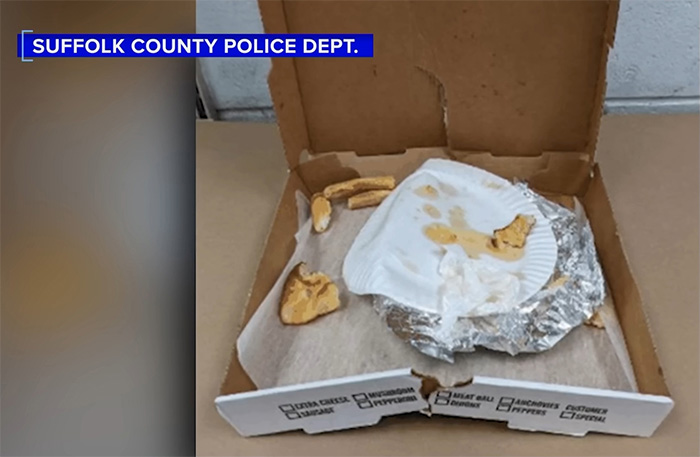
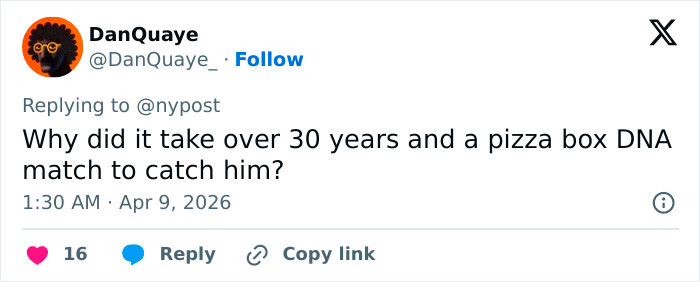
Then, on January 26, 2023, he bought pizza near his Fifth Avenue office and threw the box into a sidewalk trash can.
Police recovered it.
Inside were uneaten pizza crusts.
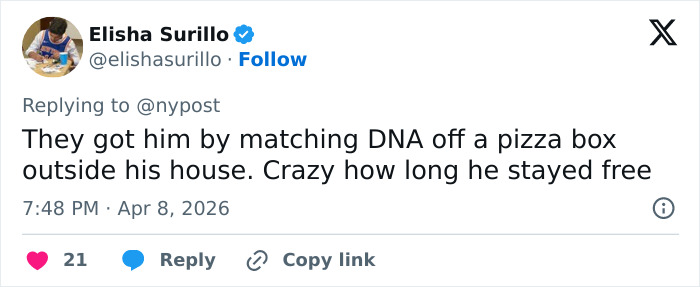
In June 2023, mitochondrial DNA from the pizza crust came back as a 99.96 percent match to male hair recovered with Megan Waterman’s body.
Image credits: The CW Network/YouTube
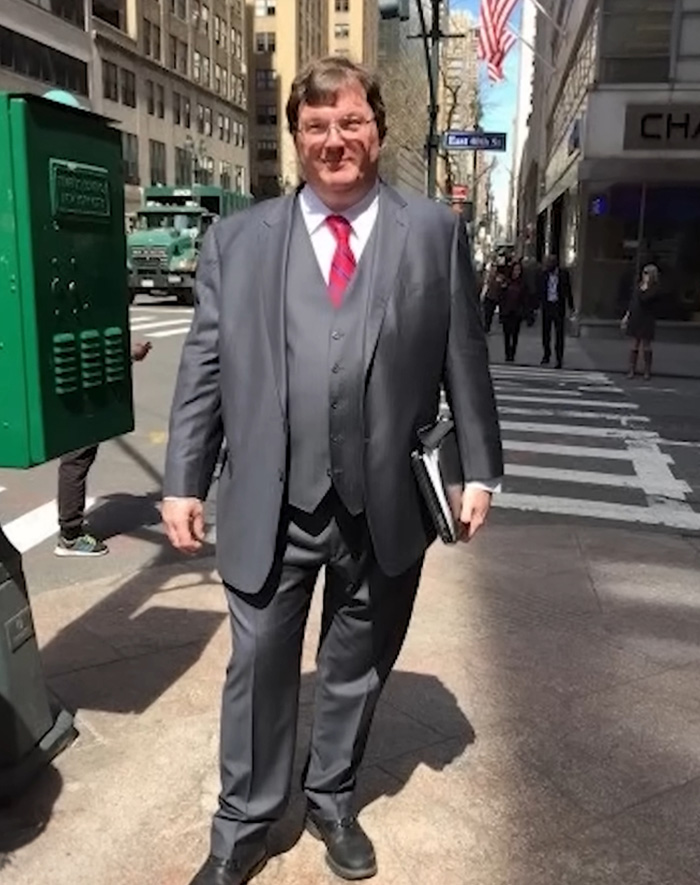
On July 13, 2023, undercover Suffolk County officers waited outside RH Consultants & Associates, Heuermann’s architecture firm on Fifth Avenue.
At about 8:30 pm, he left work.
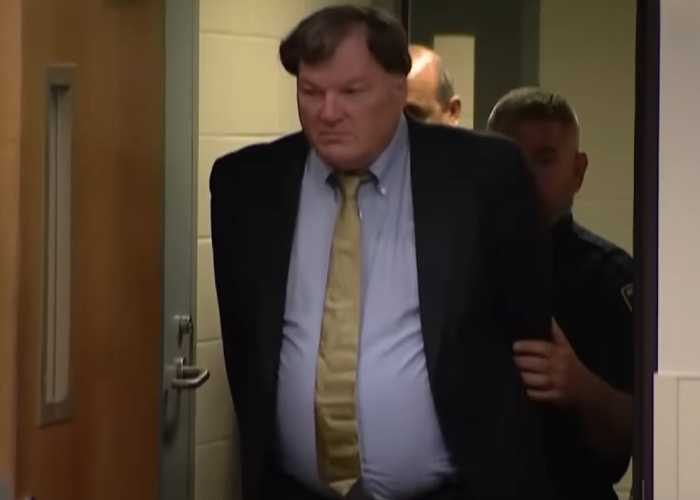
Officers surrounded him on the sidewalk and arrested him.
“I don’t think he had any clue,” Harrison later said.
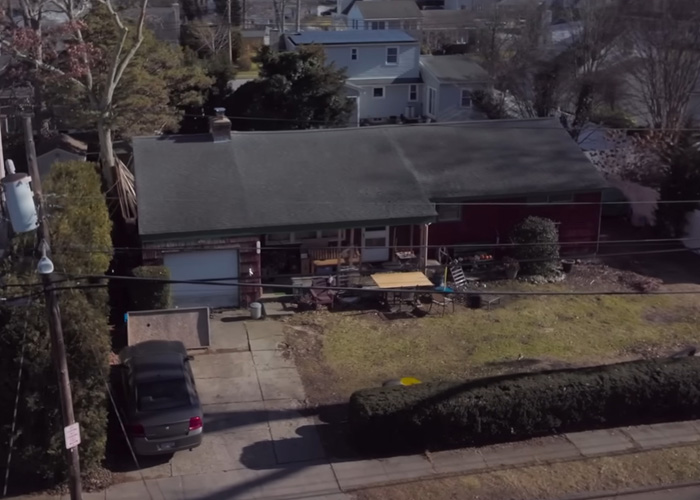
At the same time, another team executed a search warrant at Heuermann’s home at 105 First Avenue in Massapequa Park. Ellerup and her two adult children, Victoria and Christopher, were asleep when police arrived.
The search lasted more than 12 days.
Image credits: The CW Network/YouTube
Investigators found 279 weapons, most of them stored in a basement walk-in vault secured by a large iron door. They also seized 27 computers, 58 internal hard drives, 46 phones, nine Wi-Fi routers, 17 tablets, 42 USB drives, and 36 SIM cards.
They found a life-sized doll in a wood and glass display case, a framed portrait of a bruised woman, belts, cutting instruments, hair for DNA testing, and a copy of The Cases That Haunt Us by FBI profiler John Douglas.
They also found signs in the basement that only made sense after forensic analysts recovered a deleted Microsoft Word document from one of Heuermann’s hard drives.
The document was titled HK2002-04.
Image credits: leftslayer66
It had been created in 2000, edited through 2002, and typed in all caps. Prosecutors later described it as a planning document.
One section was titled PROBLEMS. The first entry was DNA. The list also included TIRE MARKS, BLOOD STAINS, FOOT PRINTS, and HAIR.
Another section was titled SUPPLIES and included ROPE, TARPS AND TAPE, POLICE SCANNER, and CLEANING AGENTS.
A section prosecutors believed referred to dump sites included “DS-1, MILL RD,” a location tied to where partial remains of Valerie Mack and Jessica Taylor were found.
Under a section prosecutors believed referred to targets, one entry read “SMALL IS GOOD.”
The document also included entries about removing identifying marks, packaging for transport, changing tires, burning gloves, and having a story ready.
One entry told him to use push pins to hang drop cloths from the ceiling, not tape. That helped explain push pins and ceiling damage investigators had noticed in the basement.
Image credits: CrawThe1776
Heuermann pleaded not guilty after his 2023 arrest.
His attorney initially told reporters that Heuermann had cried and said, “I didn’t do this.”
He held that position for about 1,000 days.
More charges followed. In January 2024, he was charged in Maureen Brainard-Barnes’ homicide. In June 2024, prosecutors added charges in the crimes of Jessica Taylor and Sandra Costilla. In December 2024, he was charged in the homicide of Valerie Mack.
In April 2026, the denial ended.
Image credits: ABC News/YouTube
Heuermann pleaded guilty to seven homicides and admitted to taking the life of Karen Vergata. He confessed all of them were strangulated.
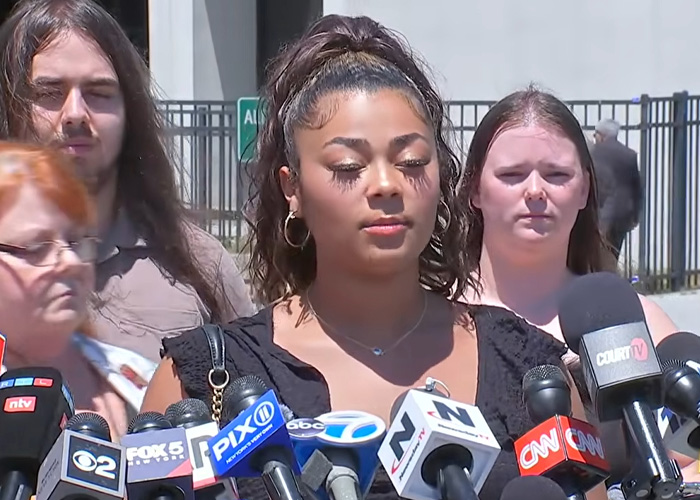
After the plea, families spoke outside the Suffolk County Police Academy auditorium in Brentwood.
Elizabeth Baczkiel, Jessica Taylor’s mother, said the plea took “a big chunk of stress” off her family.
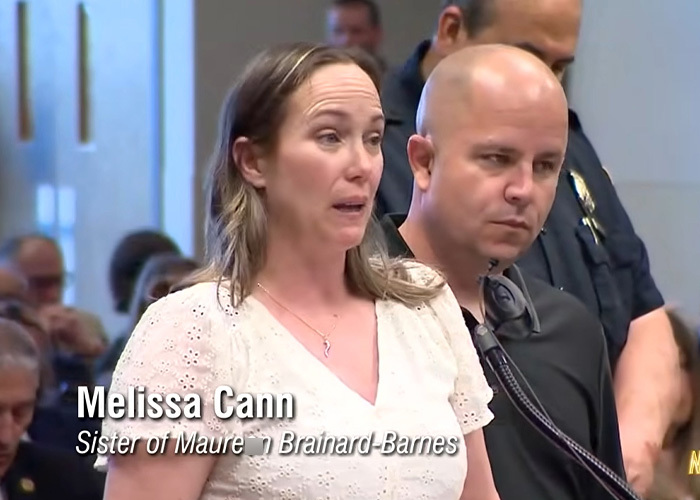
Melissa Cann, Maureen Brainard-Barnes’ sister, said the moment came after years of waiting.
“This has been a long journey of hope,” she said. “Hope that one day we would stand here and say her name with justice beside it.”
Image credits: ABC News/YouTube
Victims’ rights attorney Gloria Allred spoke for the families, saying Heuermann did not care about the women’s “hopes and dreams” or that they had families and friends who loved them.
Tierney gave the case its final public frame.
“This defendant walked among us play-acting as a normal suburban dad when, in reality, all along, he was obsessively targeting innocent women for d**th,” he said.
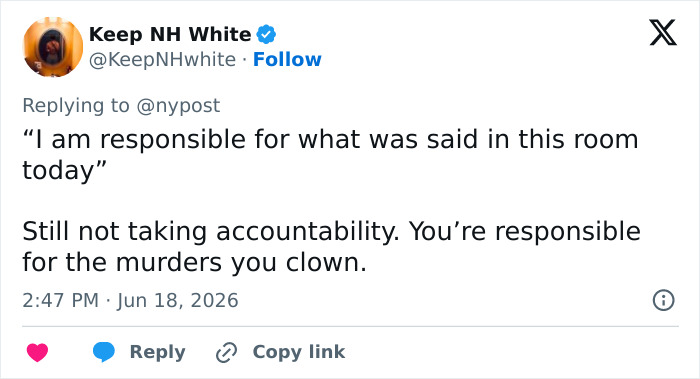
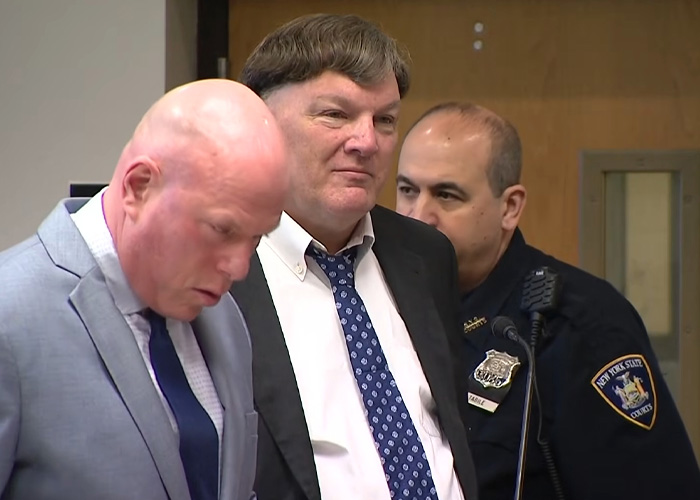
On June 17, 2026, Judge Timothy Mazzei sentenced Heuermann to life in prison without parole.
Image credits: bornskeptic11
Image credits: KeepNHwhite
Family members confronted him in court.
Jasmine Robinson, speaking for her cousin Jessica Taylor, said, “A million years isn’t enough. Nothing will ever make this right.”
JoAnn Mack, Valerie Mack’s mother, said, “Justice has been done, but it can’t replace what has been taken. She had dreams, and you took them all away from her.”
Liliana Waterman, who was 3 when her mother Megan vanished, asked the questions that had haunted her life: “Was she in pain? Was she scared?”
Image credits: ABC News/YouTube
For years, the women tied to the Gilgo Beach case were described through their work first.
Their families spent more than a decade fighting that reduction.
They were mothers, daughters, sisters, friends, writers, students, dreamers, and women trying to survive. Analysts believe the line of work that made them vulnerable to Heuermann, also made institutions less urgent in responding when they disappeared.
Karen Vergata’s father tried to report her missing and was turned away.
Valerie Mack was never reported missing.
Maureen’s friend received a suspicious call and still the case stalled.
Melissa’s teenage sister was terrorized by calls from the culprit, and the trail ended in old phone records.
Amber’s roommates gave police the vehicle clue that finally blew the case, and that clue sat for years.
The corruption at the top of Suffolk County made that failure worse.
Image credits: WGRZ-TV/YouTube
Burke’s decision to push out the FBI helped stall the investigation at the very moment it needed outside resources. Spota and McPartland’s protection of Burke showed how much energy county leaders were willing to spend saving themselves.
The women did not get that same urgency.
The task force that finally caught Heuermann only returned to what had already been there: the Avalanche, the phone data, the witnesses, the victimology, the geography, and the man in Massapequa Park who matched the pattern.
By then, decades had passed.
The official punishment came in 2026: life without parole for the man who admitted taking the lives of eight women.
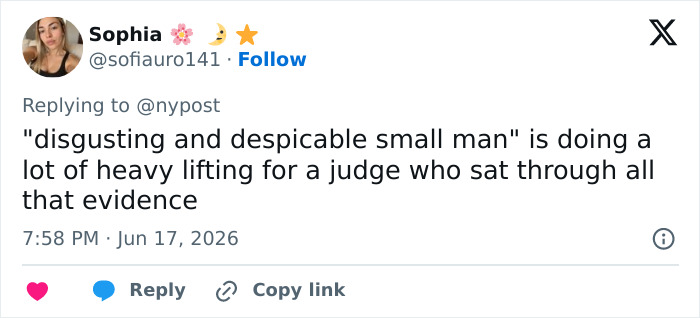
“You may be described as a large man, but in reality, you are a despicable and loathsome small man, if you can even be called a man, and you are a coward,” said Judge Timothy Mazzei during Heuermann’s sentencing.
“Yes, I am,” he answered.
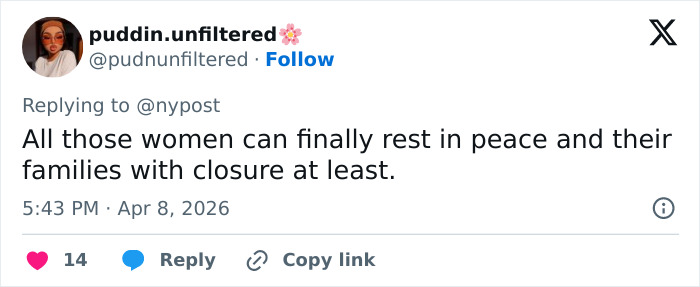
Image credits: pudnunfiltered
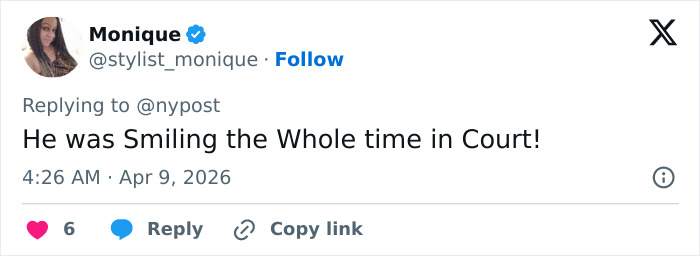
Image credits: stylist_monique
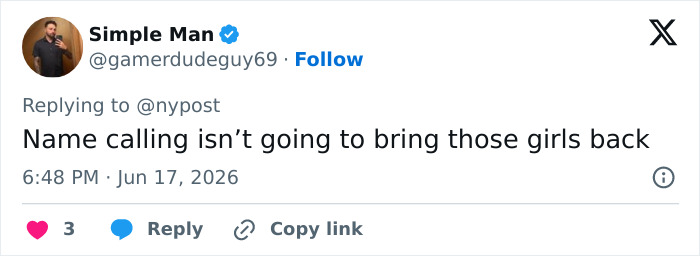
Image credits: gamerdudeguy69
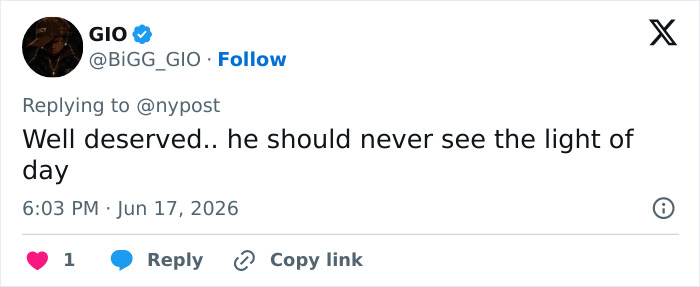
Image credits: BiGG_GIO
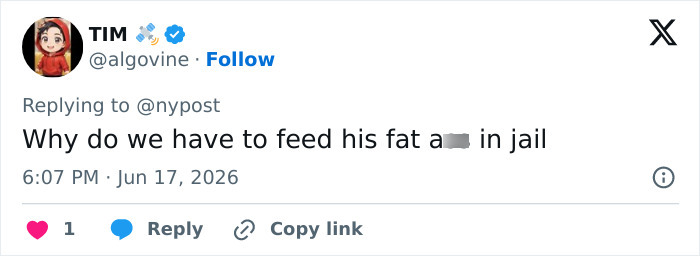
Image credits: algovine
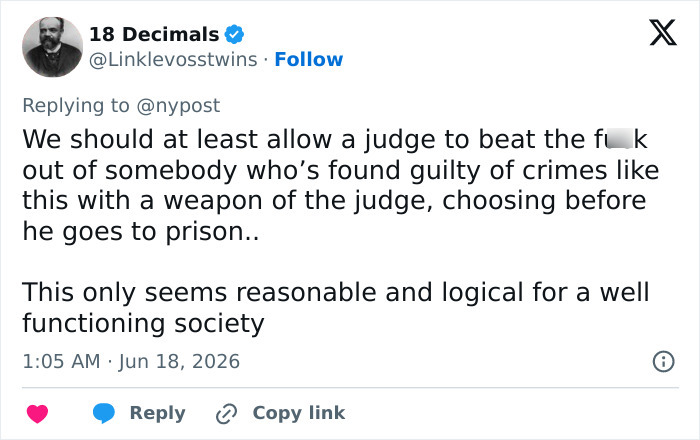
Image credits: Linklevosstwins
Image credits: sofiauro141
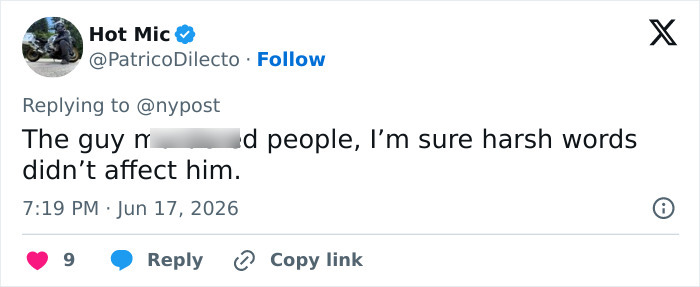
Image credits: PatricoDilecto
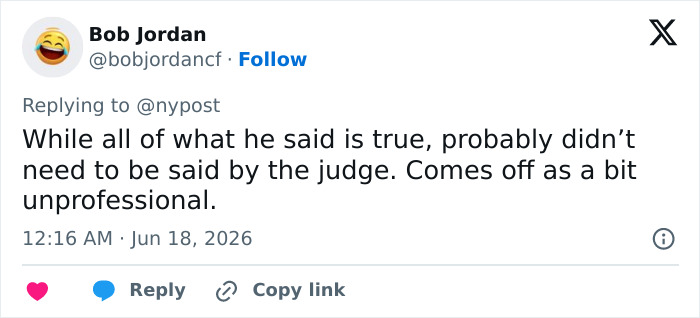
Image credits: bobjordancf
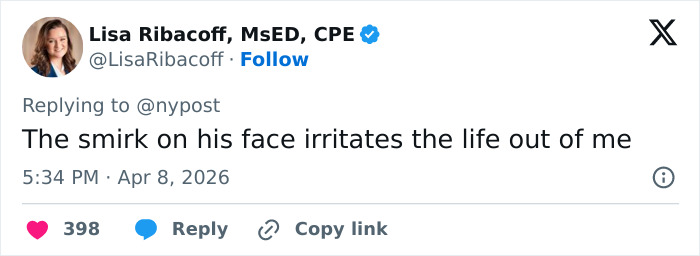
Image credits: LisaRibacoff
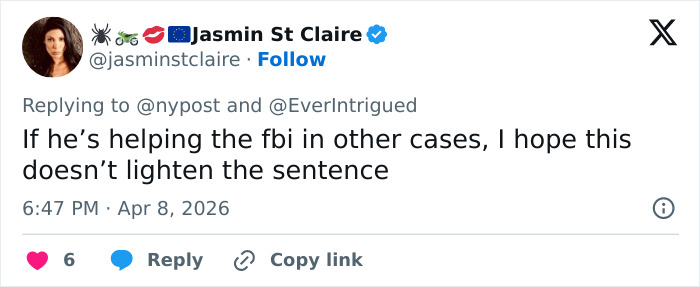
Image credits: jasminstclaire
Image credits: elishasurillo
Image credits: xKozaa

By entering your email and clicking Subscribe, you're agreeing to let us send you customized marketing messages about us and our advertising partners. You are also agreeing to our Privacy Policy.
Thank you! You've successfully subscribed to newsletters!

It always annoys me that they always describe the kind of work the victims did. Why should that matter? How does that help anyone? Why do they try and shame the women? S*x work is nothing to be ashamed of.
Anyone who cooperated in calling the FBI off should be charged with conspiracy to m****r. He wouldn't have lasted 40 years without their help.
It always annoys me that they always describe the kind of work the victims did. Why should that matter? How does that help anyone? Why do they try and shame the women? S*x work is nothing to be ashamed of.
Anyone who cooperated in calling the FBI off should be charged with conspiracy to m****r. He wouldn't have lasted 40 years without their help.




















 No fees, cancel anytime










29
3