Get Premium
Dark mode theme is available exclusively for premium users. Learn more about the benefits of subscribing.
No fees, cancel anytime.

 Dark Mode Ad-Free Browsing Unlimited Content
 Ad-Free Browsing Unlimited Content Dark Mode
Join 1.2 million Panda readers who get the best art, memes, and fun stories every week!

29submissions
Finished

Working as a structural inspector is challenging and dangerous. In this line of work, you constantly come into contact with chaotically built structures and foundations that are (to put it mildly) completely and utterly unsafe.
California-based firm Alpha Structural, Inc. shares photos of the most bizarre and outrageously dangerous things seen during structural inspections and we’ve collected some of the very best for you to enjoy, dear Pandas. As you gasp and shudder while scrolling down, remember to upvote the pics you enjoyed, and leave us a comment or two about what you think.
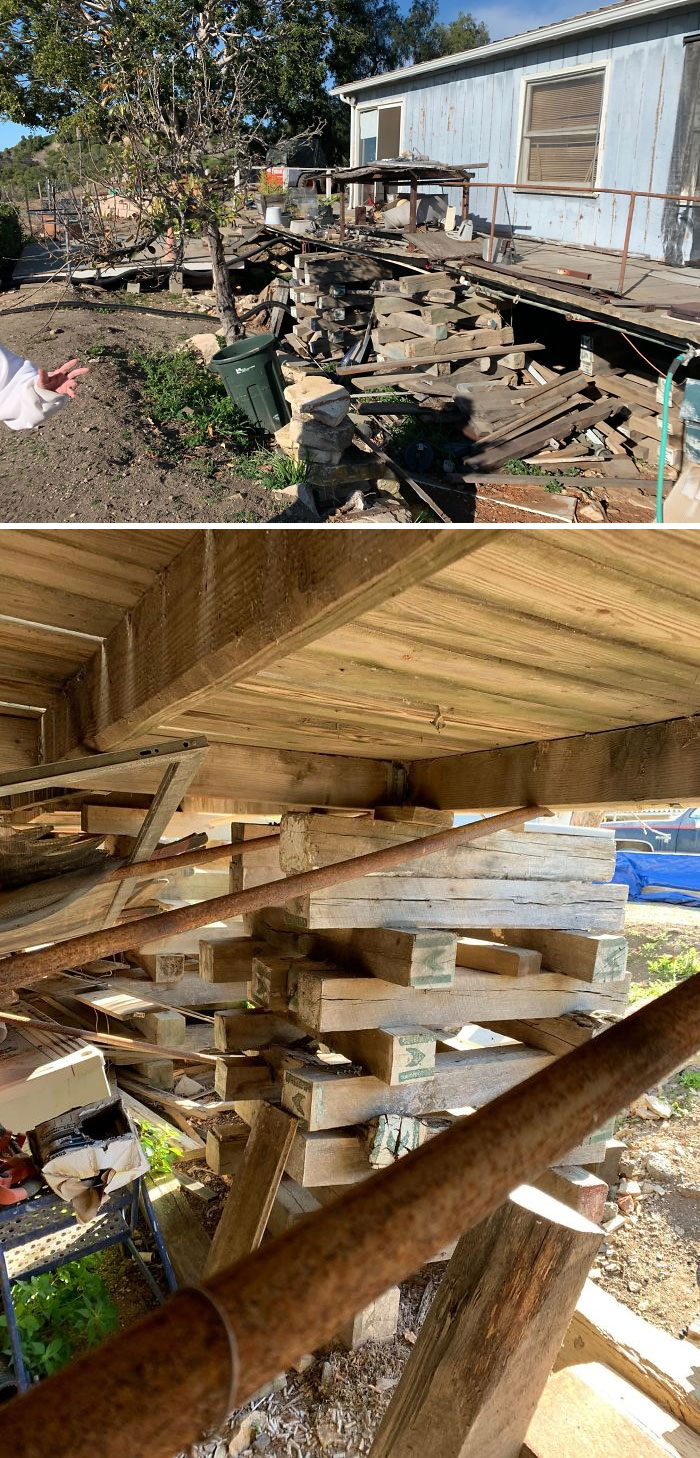
"The most nightmarish inspection we’ve done this year has to be the property in Portuguese Bend down on the Palos Verdes Peninsula," Derek Marier from Alpha Structural, Inc. told Bored Panda. "First off, because of soil conditions and high landslide risks, not much structural work can be performed there."
"The home had a very interesting foundation system made up of screw jacks, steel beams, and cribbing (commonly used for temporarily lifting a structure while work is being done underneath). The front portion of the deck and home were sinking and unfortunately, the homeowner can’t really do much about it. It could have toppled over at any given moment and that’s why the 'nightmarish' description fits well," he said. Scroll down for the rest of the interview and, when you’re done with this list, have a look through our previous posts about structural nightmares right here and here.
More info: AlphaStructural.com | Facebook | Instagram | Twitter
Discover more in 30 Times Structural Inspectors Found Surprising Things (New Pics)
Click here & follow us for more lists, facts, and stories.
This post may include affiliate links.
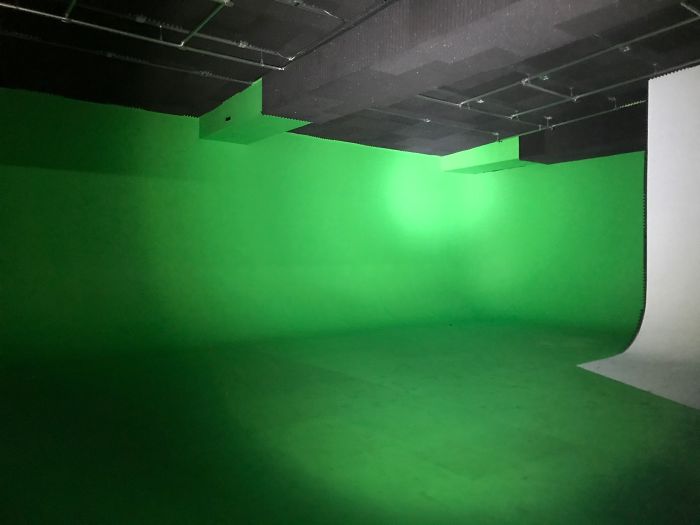
We inspected a large concrete building in L.A. which was once used as a movie studio. Pretty cool
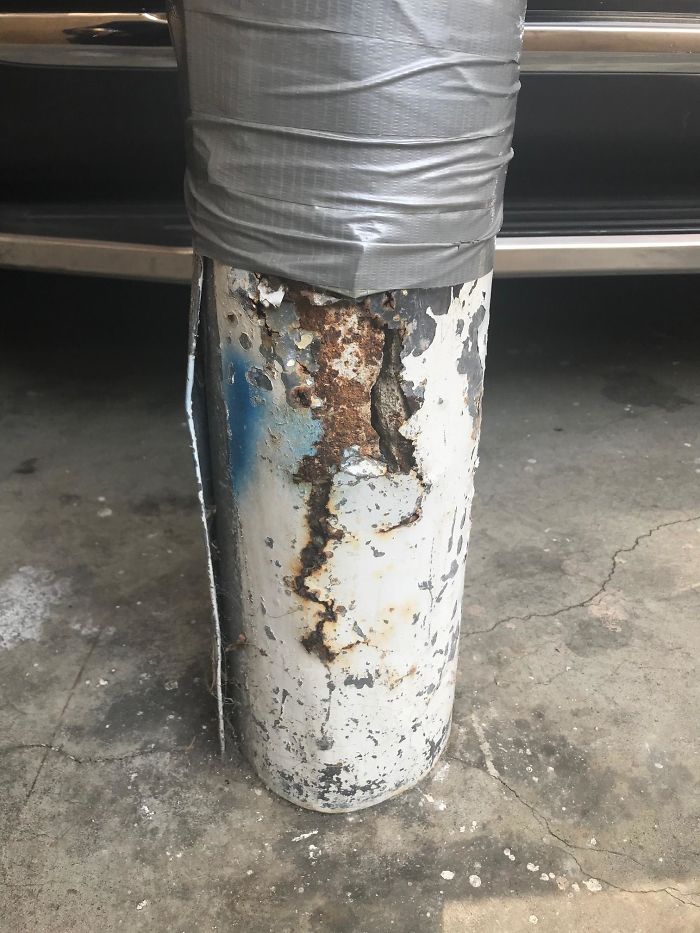
Wrapping this cracked concrete column with duct tape seemed to be a good solution to this homeowner!
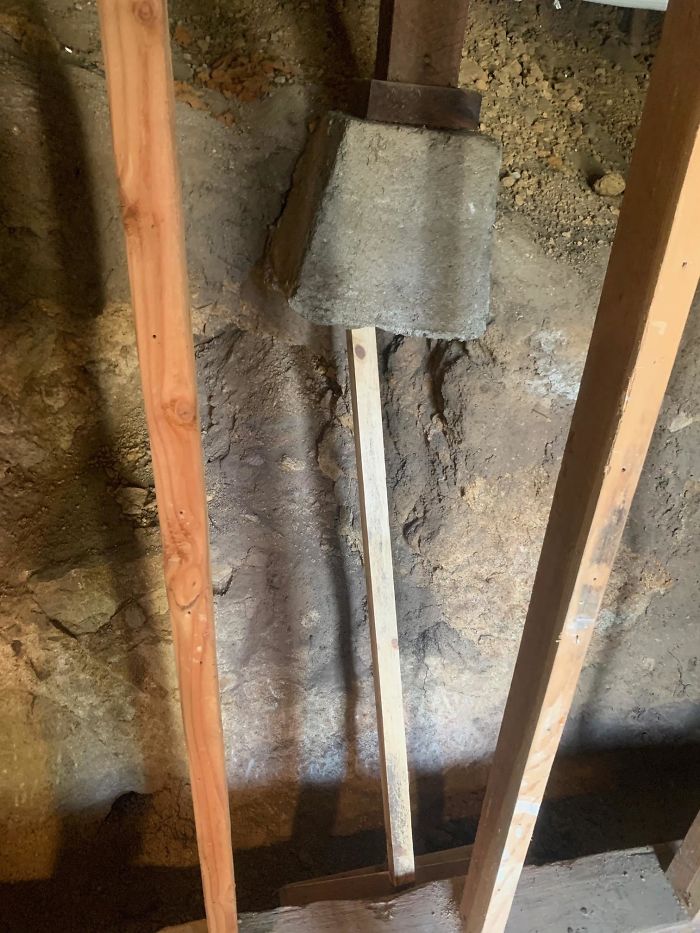
This is one of the most interesting things we've inspected in almost 3 decades. This property is located in an area called the Portuguese Bend on the Palos Verdes Peninsula. This home requires some serious work. This is called cribbing. It's a form of shoring that is used mainly for lifting a structure for a short time to perform work underneath. It is NOT meant to be a long term solution for a foundation.
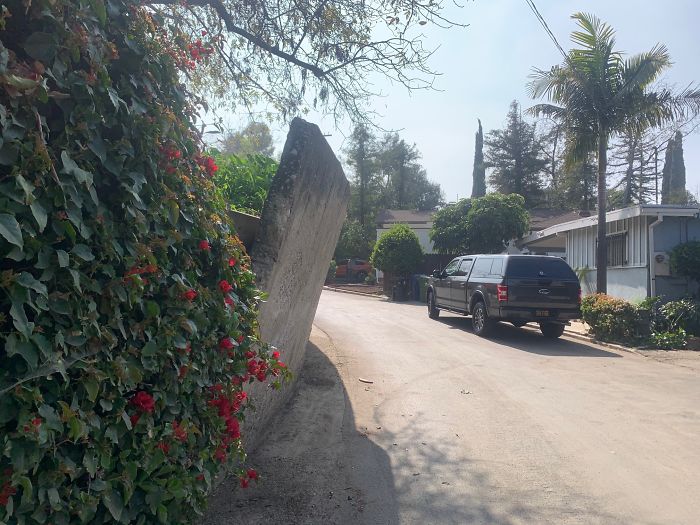
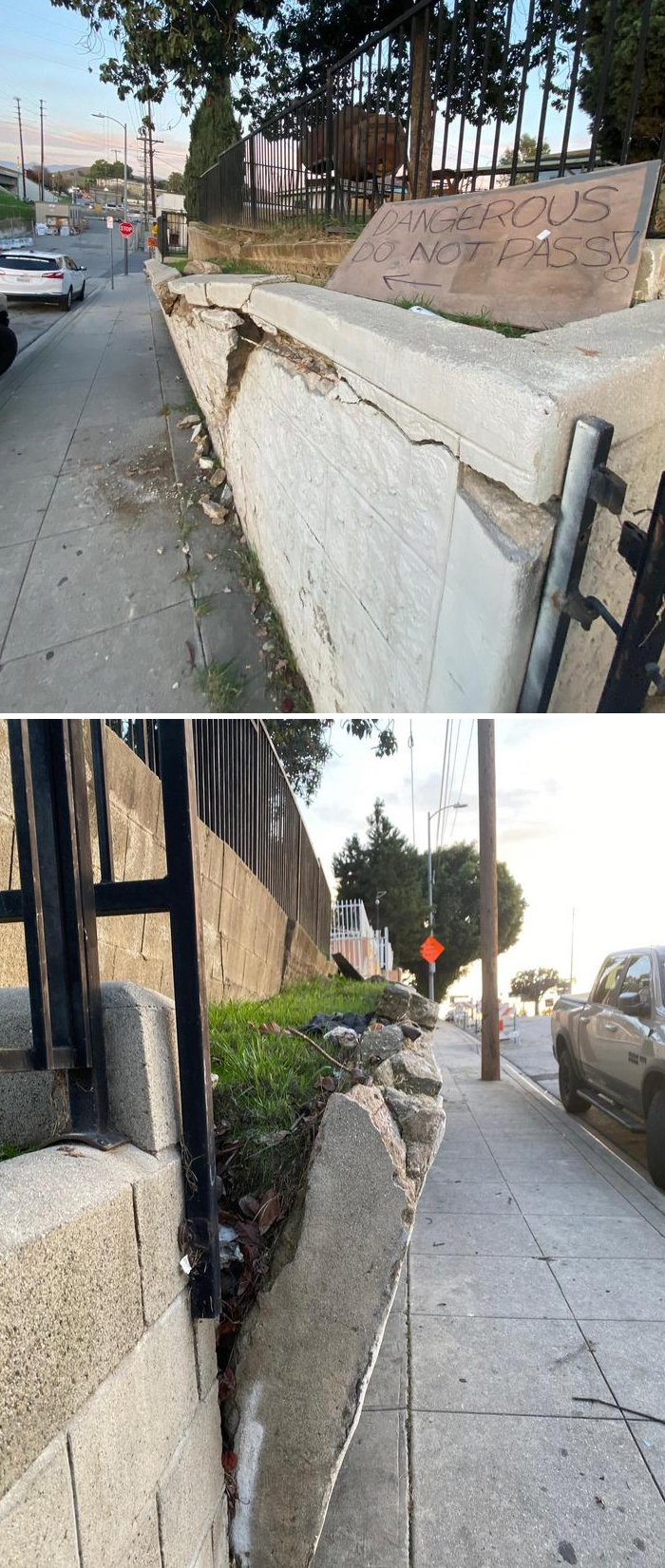
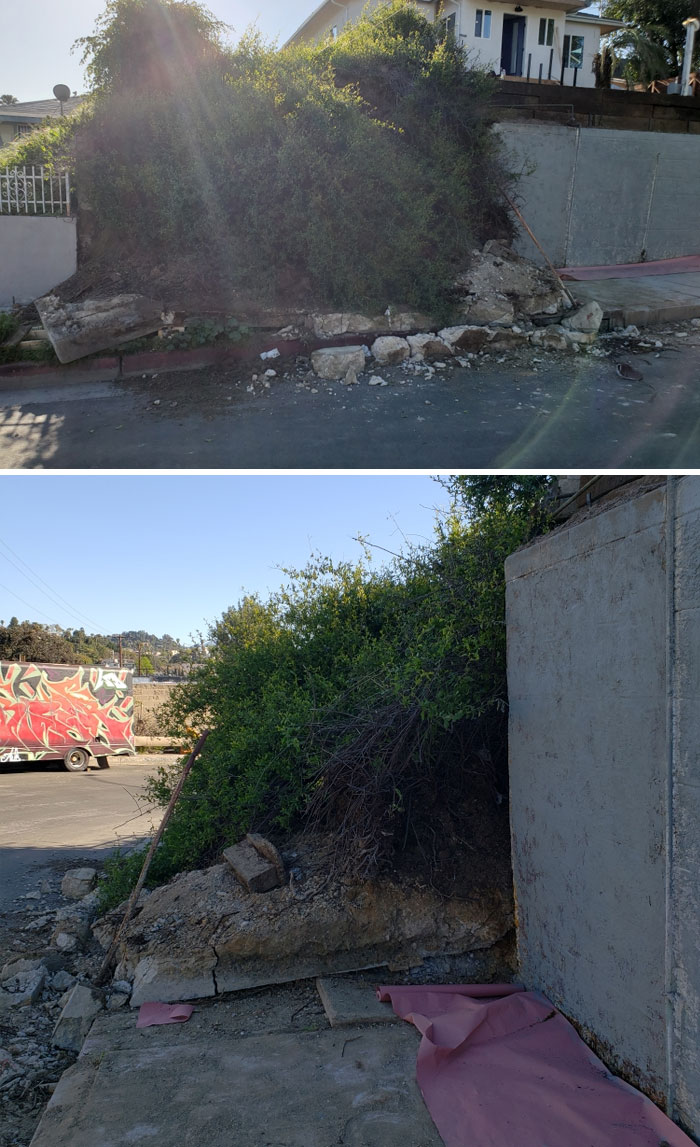
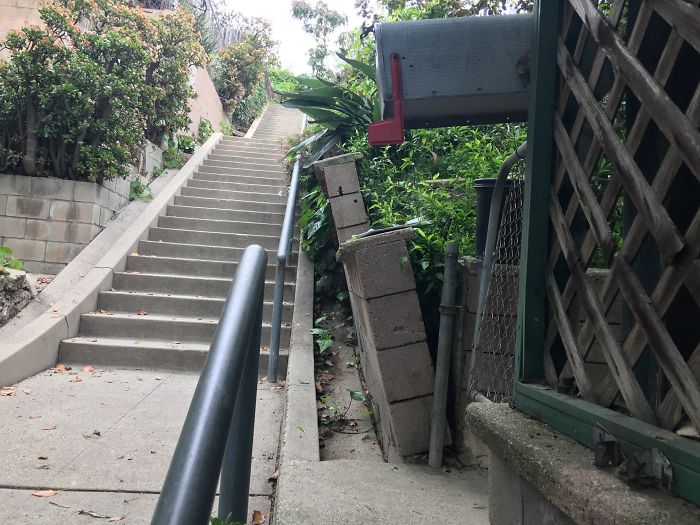
We inspected this "dangerous" retaining wall in Los Angeles that is leaning and broken apart. You can see how bad it's actually leaning from this angle. It has been there for quite some time but nobody has done anything to repair or replace it.
This is a failed retaining wall. The owner just wanted some posts to put in place for reinforcement of the wall, but that is a very minor and temporary solution. Unfortunately, the wall needs to be demolished and redone.
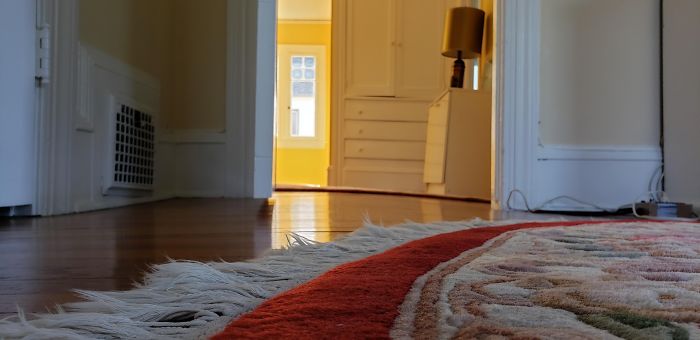
One good look at this photo and you'll see multiple things going on. The floors are sloping (and have been for quite some time) so bad that it is effecting the levelness of the lamp, desk, drawers, AC vents and door frames. This home has some of the craziest sloping floors that we've seen.
This is what happens when your house shifts 6 inches after years of seismic activity and settlement.
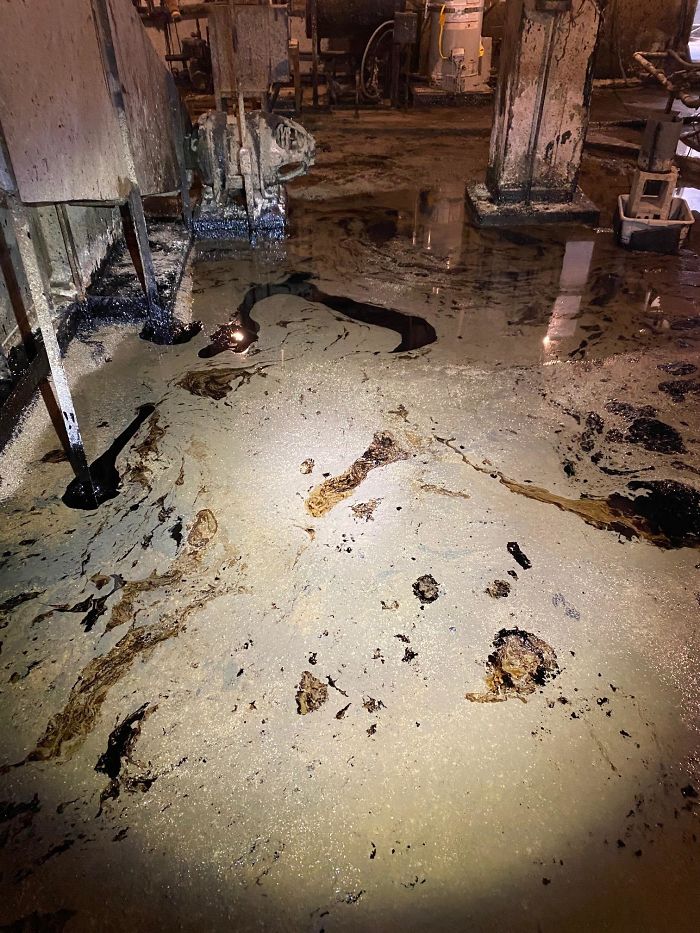
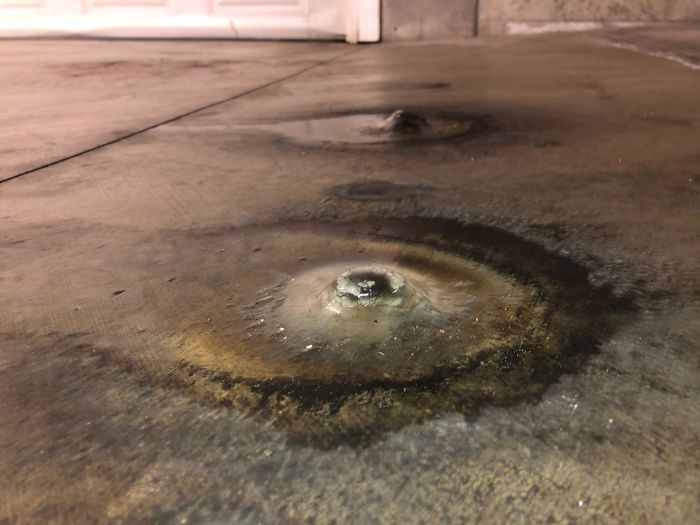
Have you ever heard of the La Brea Tar Pits? They are pits located in the Hancock Park area of Los Angeles that are famous for preserving prehistoric bones and animal parts. Well, we inspected a property not too far from those pits. With that being said, what you are seeing is natural oil and tar seeping up through the ground into this person's basement. Water was coming into the area and over time it brought the tar and oil with it. Nasty stuff.
This is a retaining wall that didn't do its job very well. All the hydrostatic pressure built up over time and caused the saturated soil to overpower the old retaining wall. Luckily it has since been cleaned up and we will probably be replacing this section and the other sections of the existing wall.
Stalagmites also formed on the ground below the leak. You'd think we were in a Colorado cave or something.
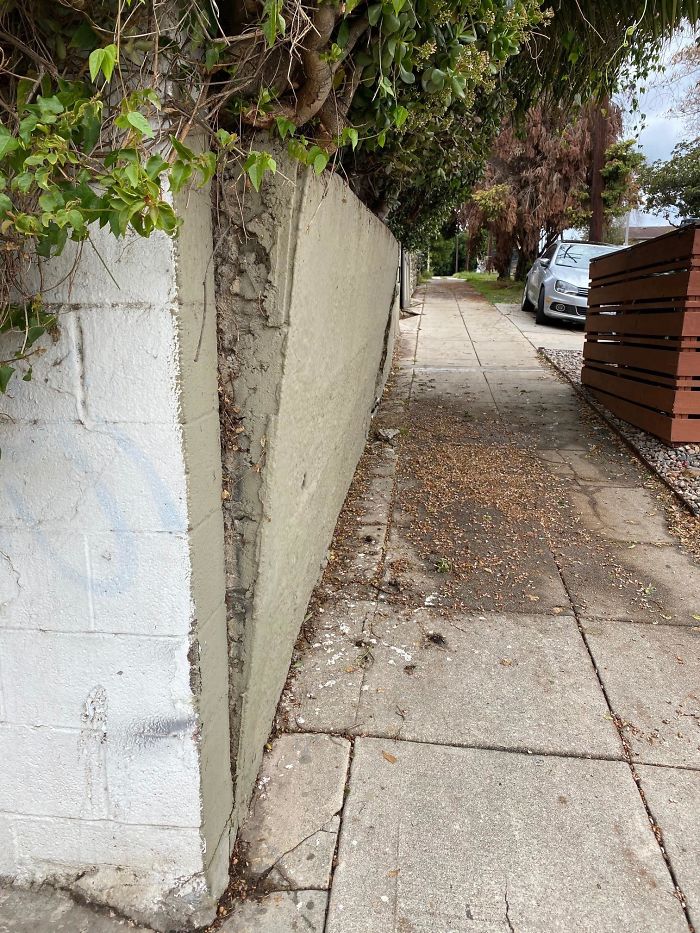
Another failed retaining wall. Driving around LA you see so many failed or failing walls and it's quite scary.
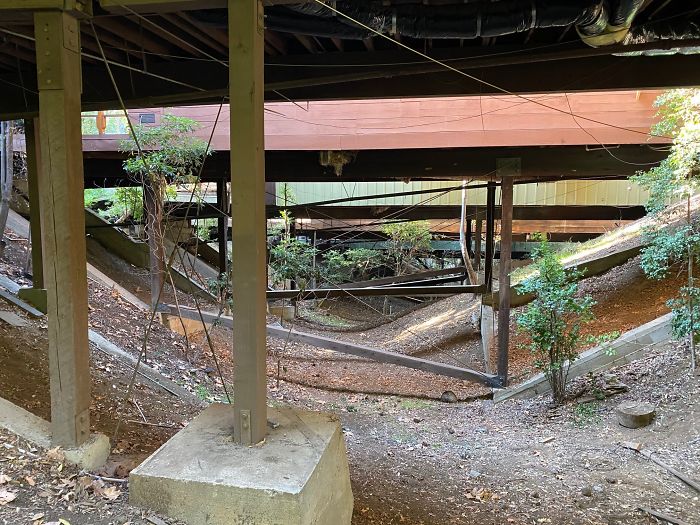
This is a line of 6 "bridge homes" that extended over a ravine. We only inspected one of them but they are so unique that I felt I had to share. They were all held up by stilts and concrete caissons.
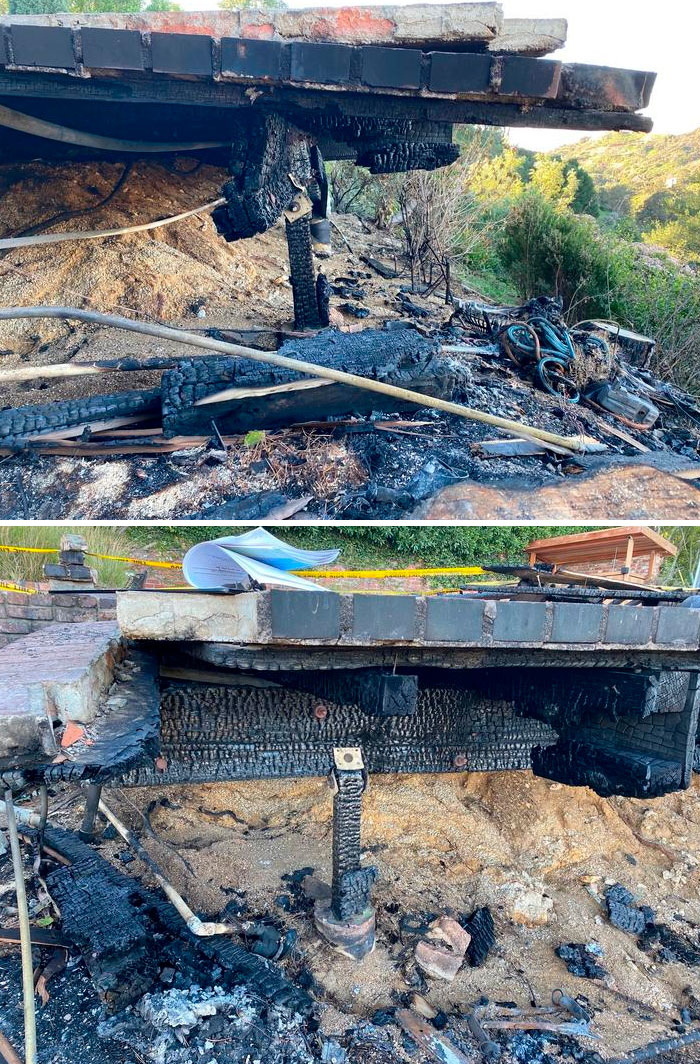
Wild fire? No. Lightning strike? No. Contractors leaving machinery plugged in over night causing a short-circuit and starting a fire? Yes. It's very unfortunate. The homeowner woke up to the fire department putting out the fire. Scary stuff and luckily nobody was hurt. This is why you hire competent contractors.
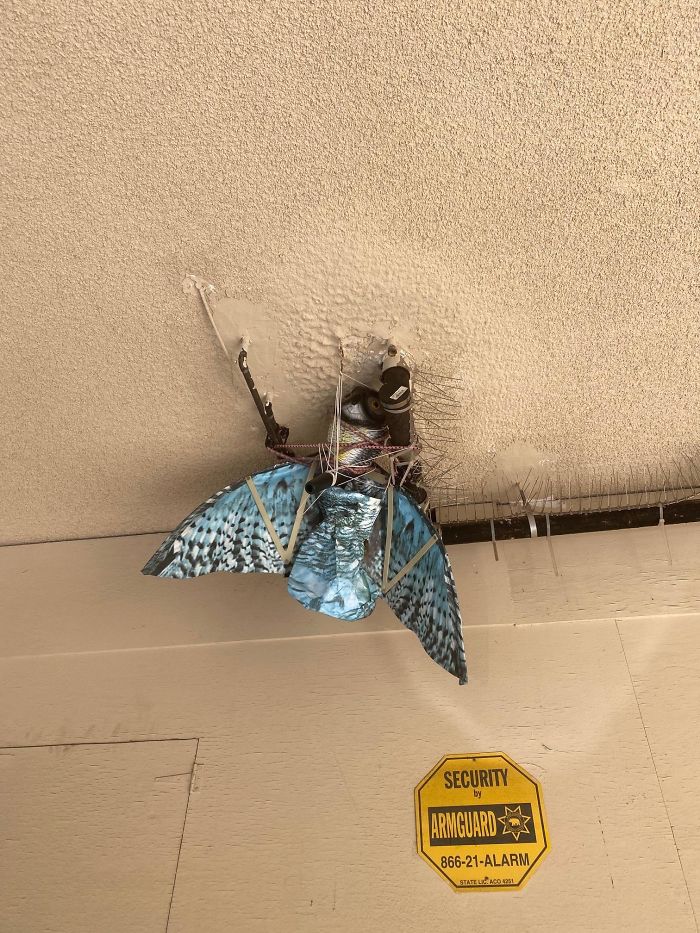
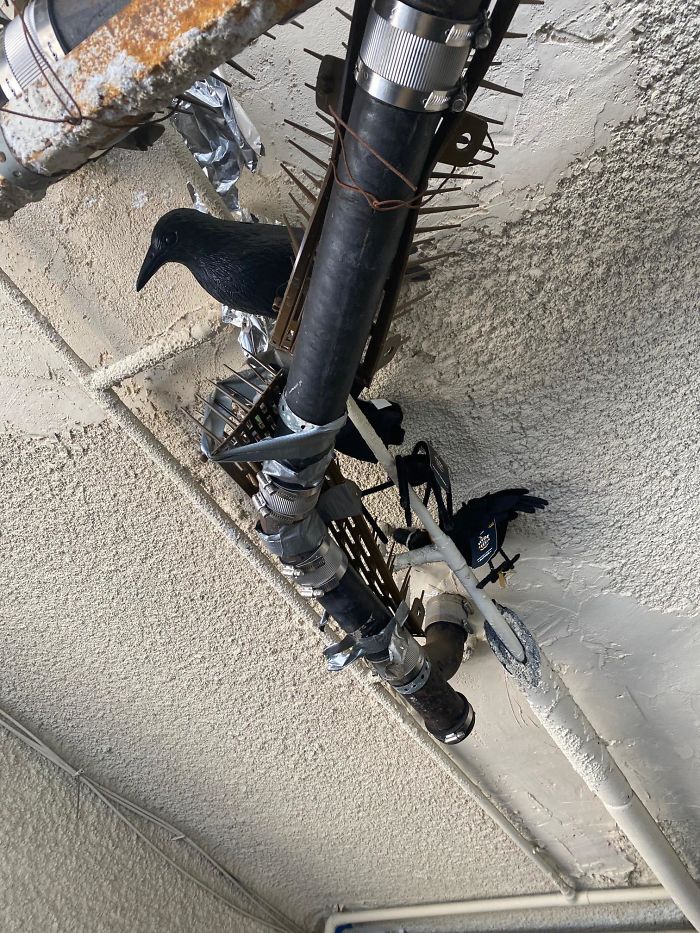
This is supposed to be a pigeon deterrent. Multiple fake crows (with purchase tags still on them) and a row of spikes should do the trick!
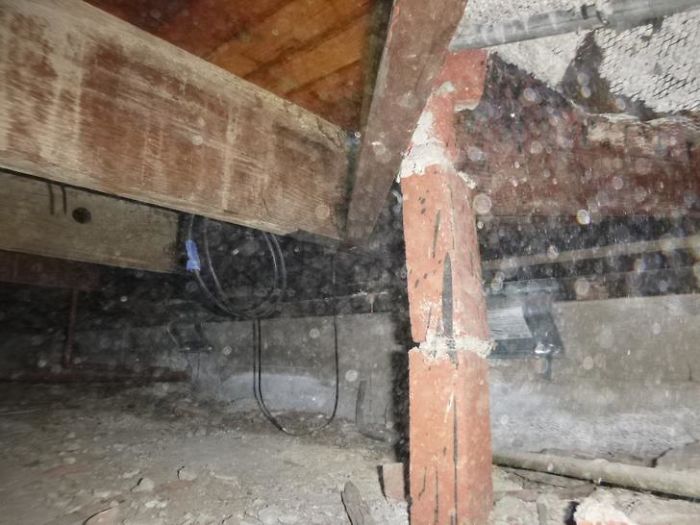
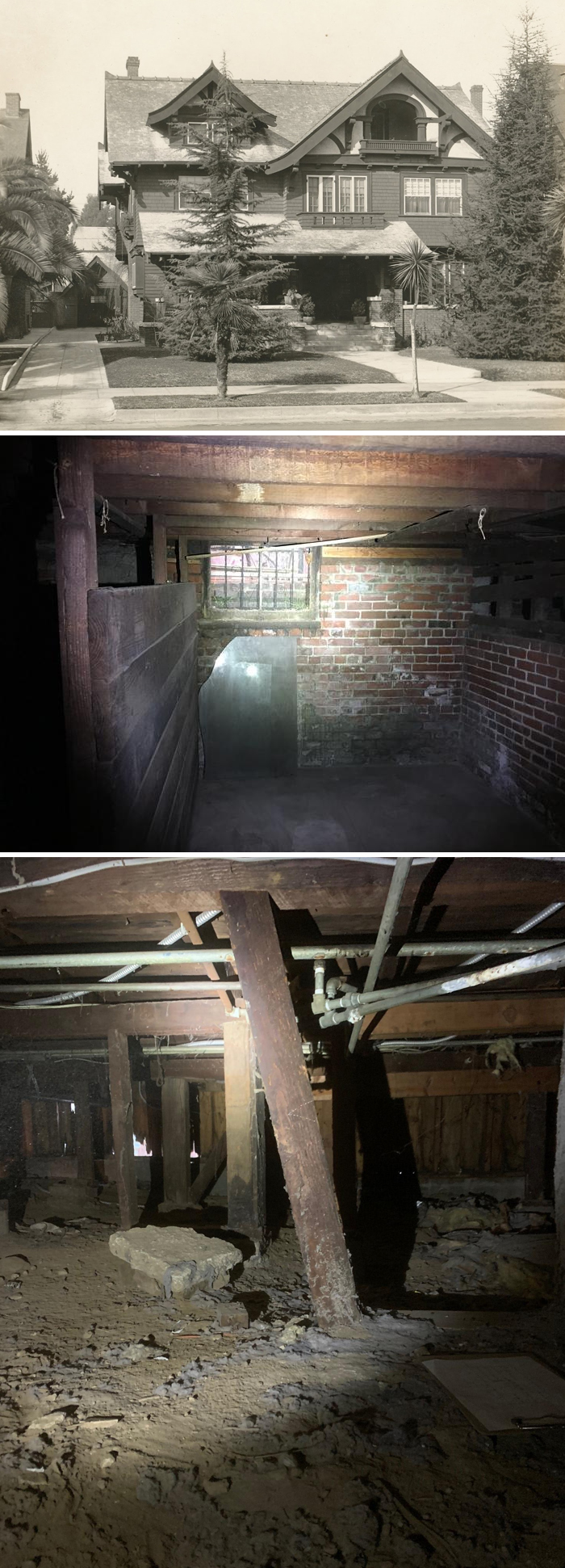
This is a 1910 home we inspected in Los Angeles. The owner provided original photos taken of the home and the original owners. The foundation of this home was all brick and mortar walls. The brick was surprisingly in decent shape. Additionally, it falls under Historic Preservation Law and the brick cannot be removed. The city actually helps with the preservation of the foundation and other historical elements by allowing homeowners to conduct an engineering report and give it to the city. This falls under what is called the Mills Act. You gotta love when a whole chunk of the foundation is just missing. I'm sure it's rodent heaven under there in the summer.
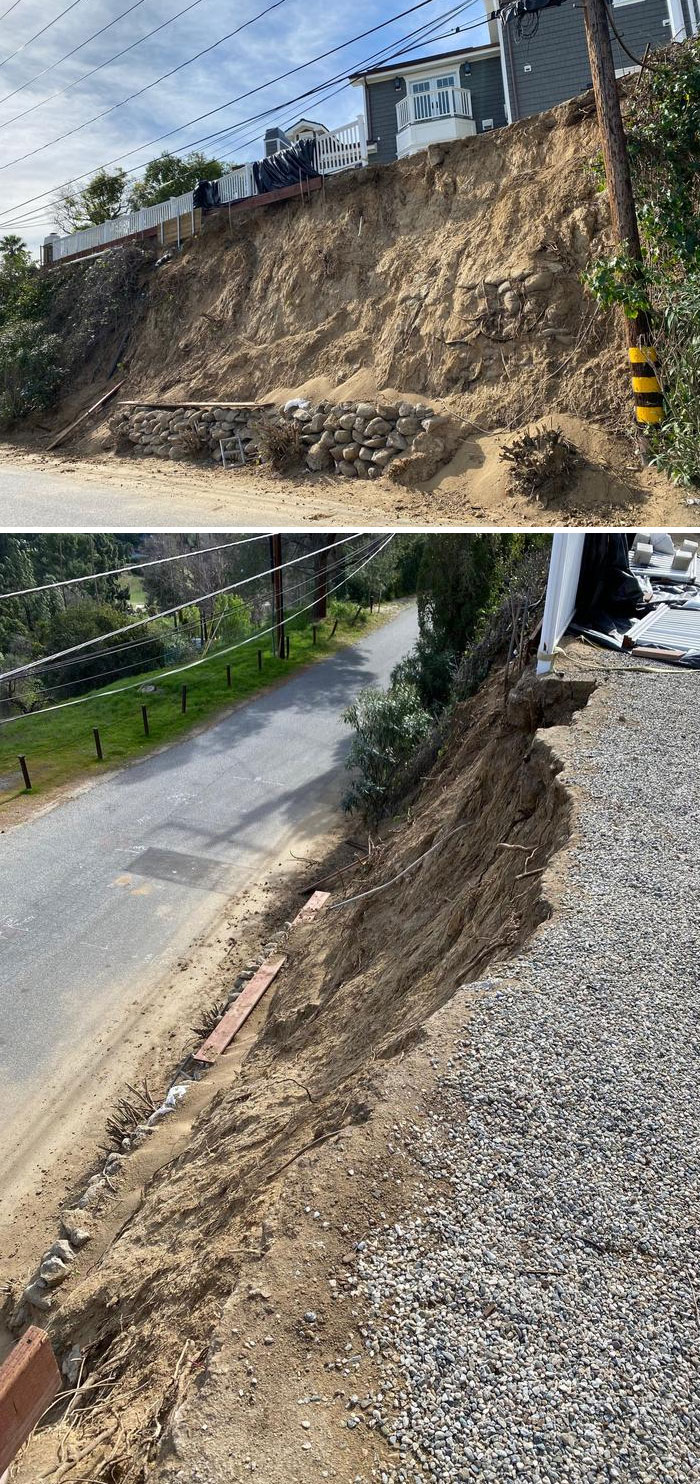
We went out to this property a few years back and informed the owner that the hillside was at risk of having a landslide. Well, it happened.
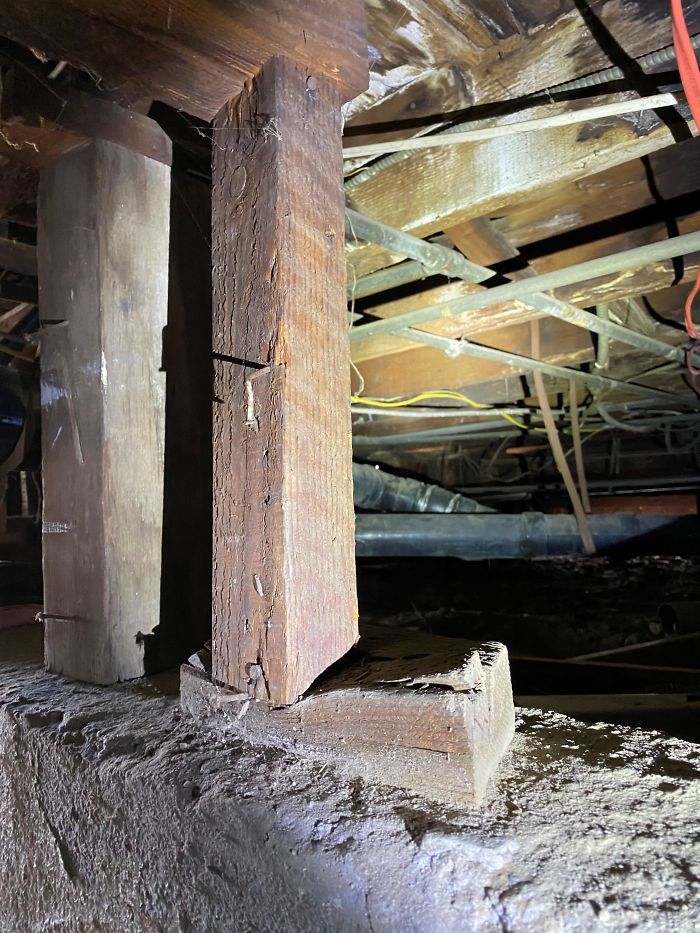
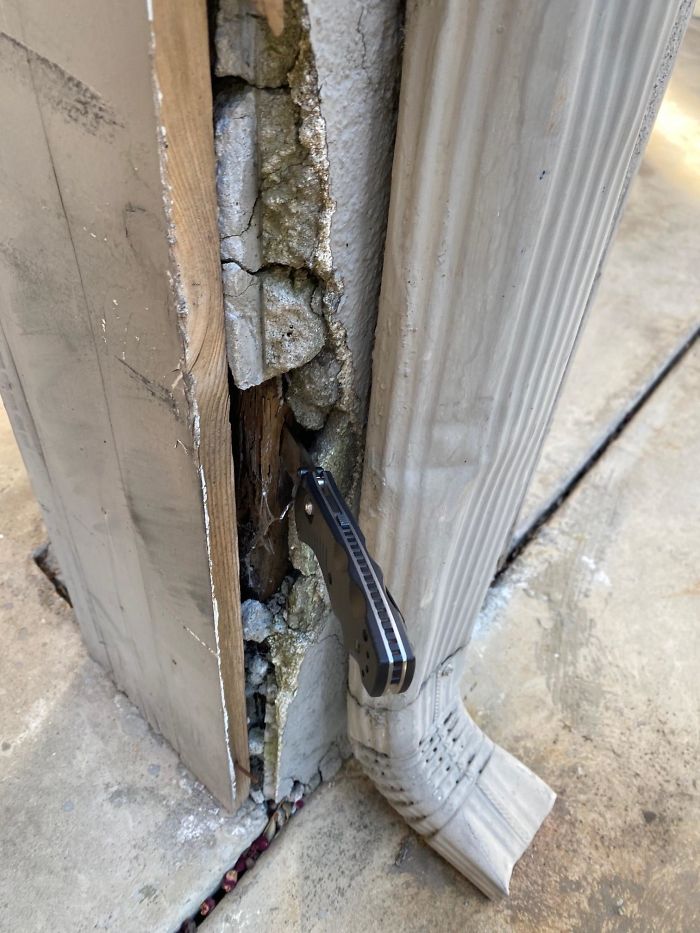
This column is partially holding up a story above and most of it was completely rotted inside. A knife could be driven into the wood and it would crumble with little effort.
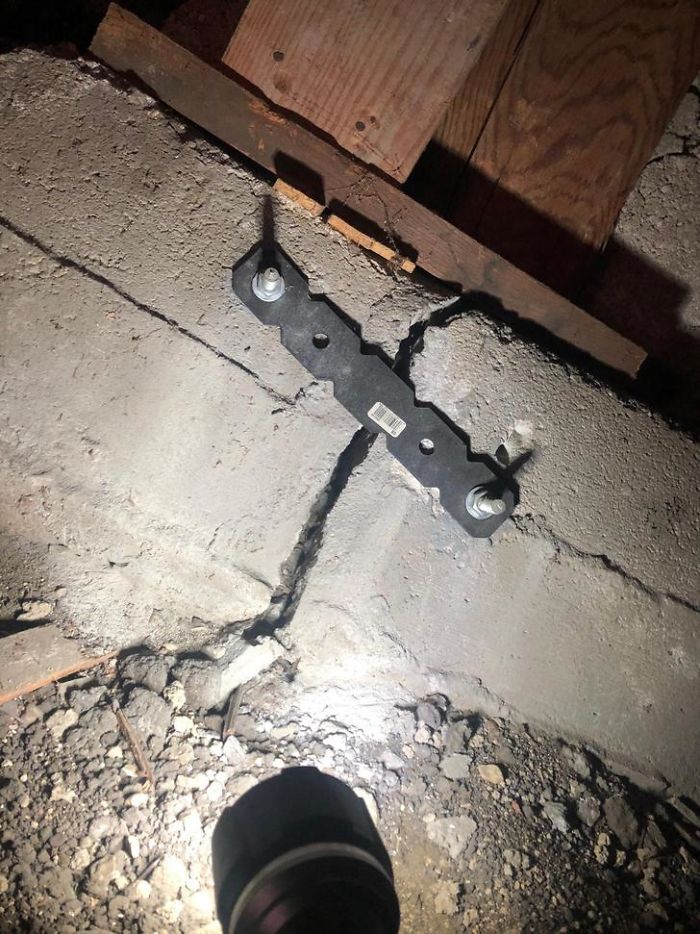
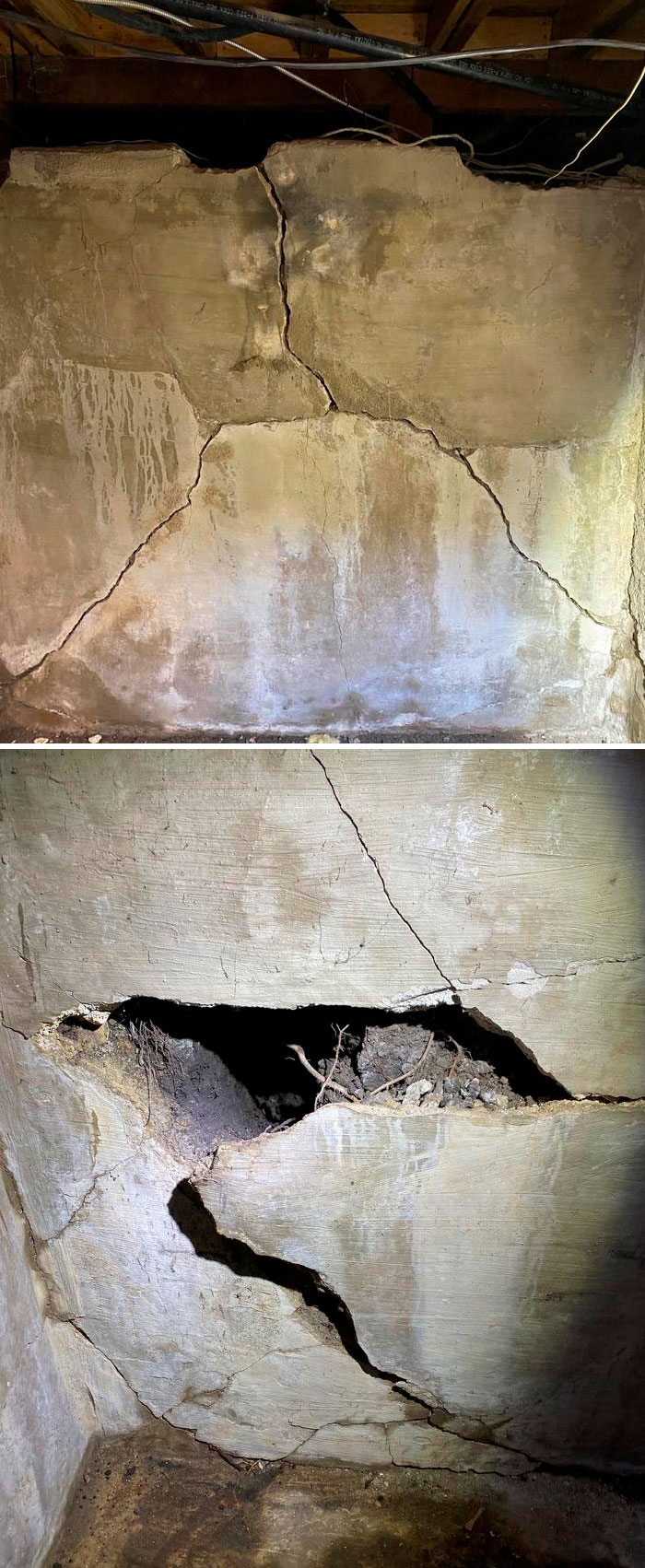
Here we have a cracked and deteriorated foundation wall. Something like this is too damaged to be strapped or filled with epoxy. Here's part of that same wall. Moisture from the exterior has slowly decayed the concrete and caused a breach in the actual wall through to the interior. You can see the dirt and root systems behind the concrete wall.
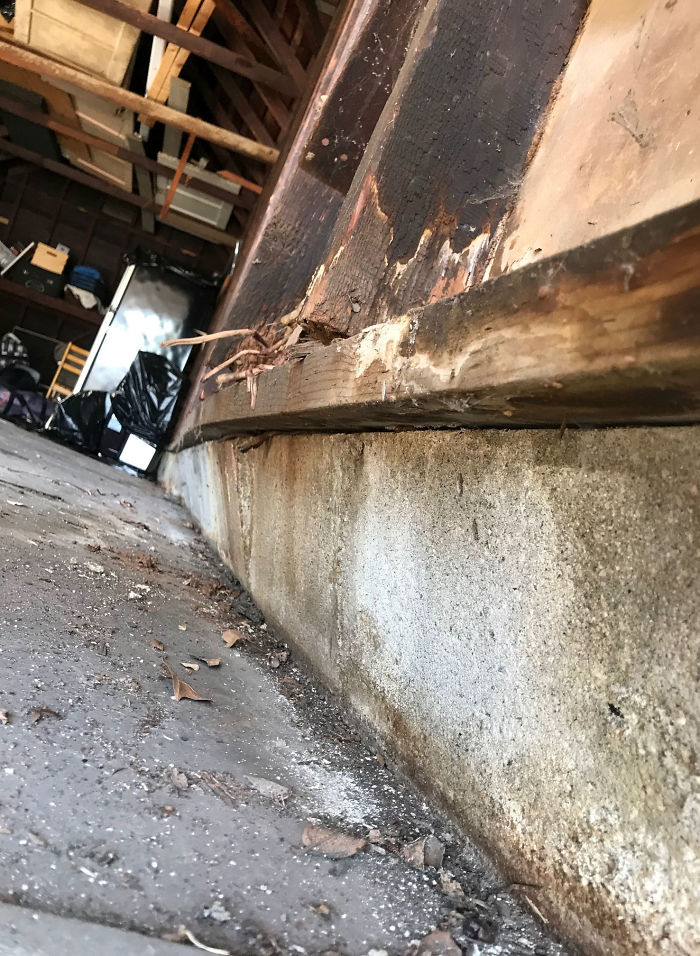
This is a garage that's sinking pretty badly... It had a massive crack in the middle, creating a wedge in the concrete. It created a slope from the middle to the edge. On the edge, you can clearly see the leaning footings and where it connects to the framing. It's bowing like crazy!
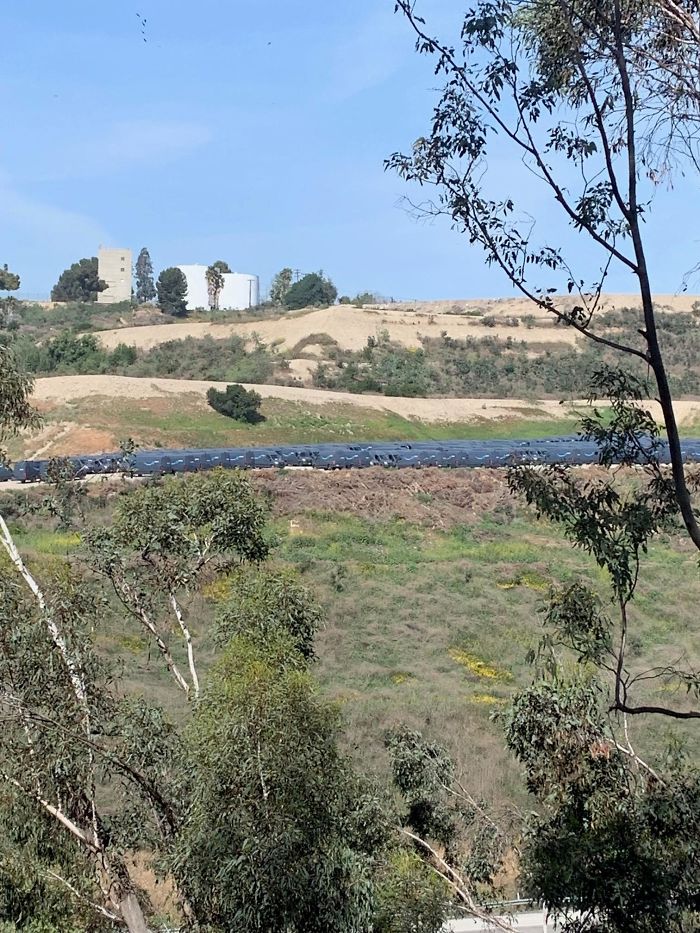
I was at a jobsite and saw an army of Amazon trucks up on a hill above the highway. I didn't notice any building next to it so it seemed very random for them to be located there.
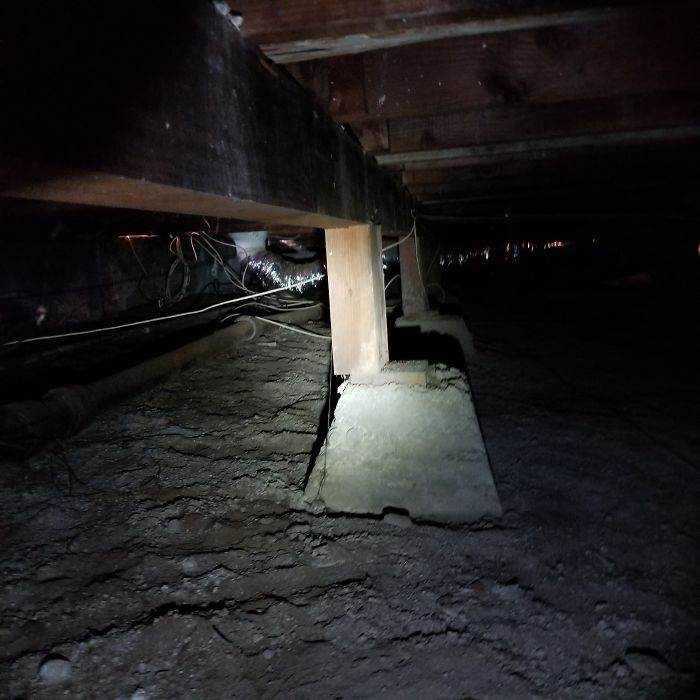
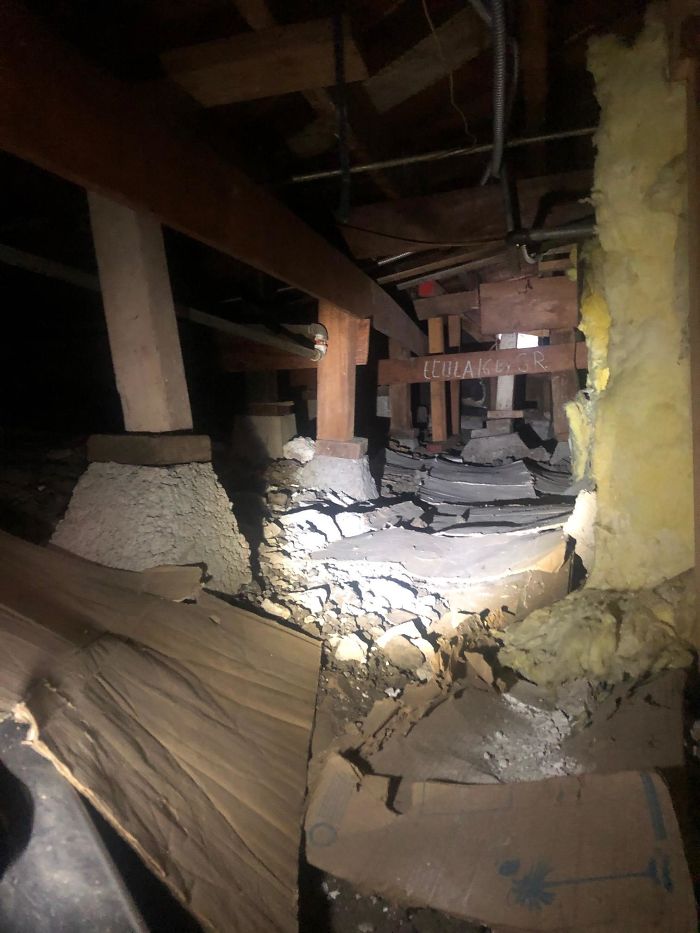
Crawls like this are just the worst. Tons of debris, broken objects and fiberglass insulation at every turn. Most of the post and piers need work though
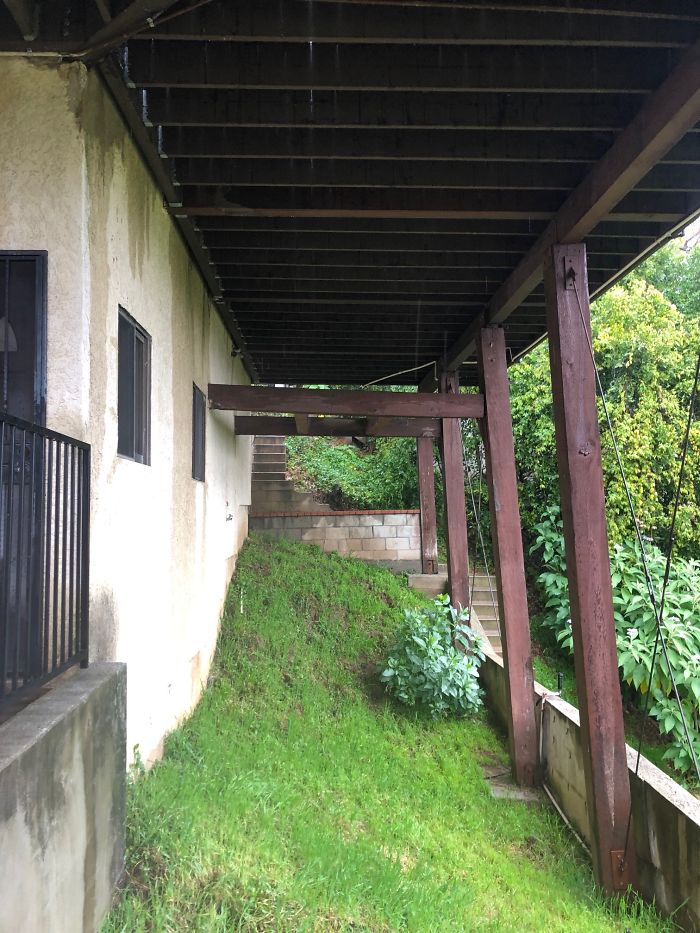
This is a hillside that is slipping away from the home at a rapid rate, bringing the deck posts with it.
(We have since replaced the wood and put in new concrete piers below the deck.)
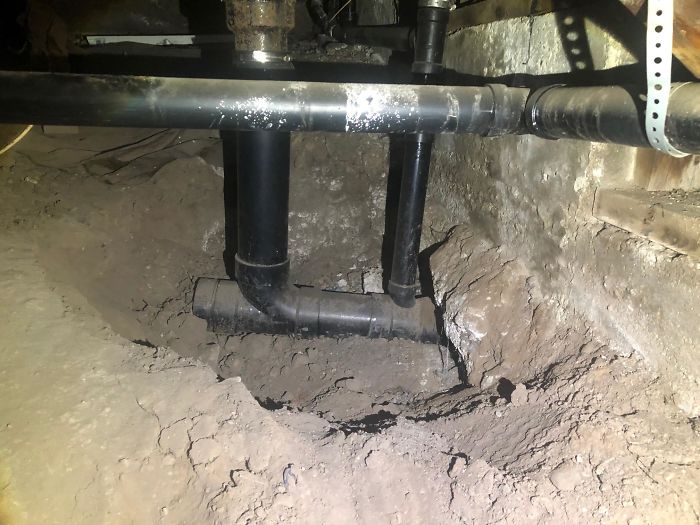
You just gotta love some LA plumbers. They've been undermining foundations since the very beginning! Now, any foundation work needed in this area will likely call for removal of this plumbing and relocating it to another area.




























 No fees, cancel anytime
 then open in external browser


 and click "Open in External Browser"