Get Premium
Dark mode theme is available exclusively for premium users. Learn more about the benefits of subscribing.
No fees, cancel anytime.

 Dark Mode Ad-Free Browsing Unlimited Content
 Ad-Free Browsing Unlimited Content Dark Mode
Join 1.2 million Panda readers who get the best art, memes, and fun stories every week!
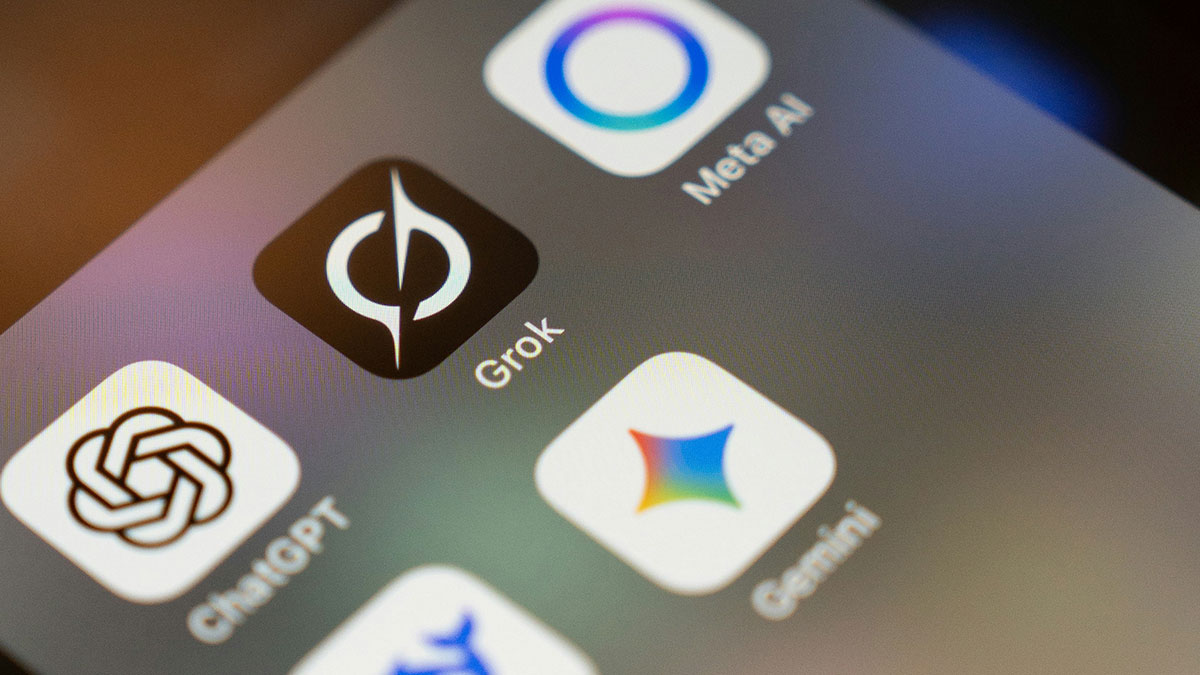
Technology is moving at an unprecedented pace, but people have never been this lonely. According to recent multi-country research from the WashU School of Public Health, nearly four in 10 adults report feeling lonely. People deal with that loneliness in different ways, and some might be very unhealthy.
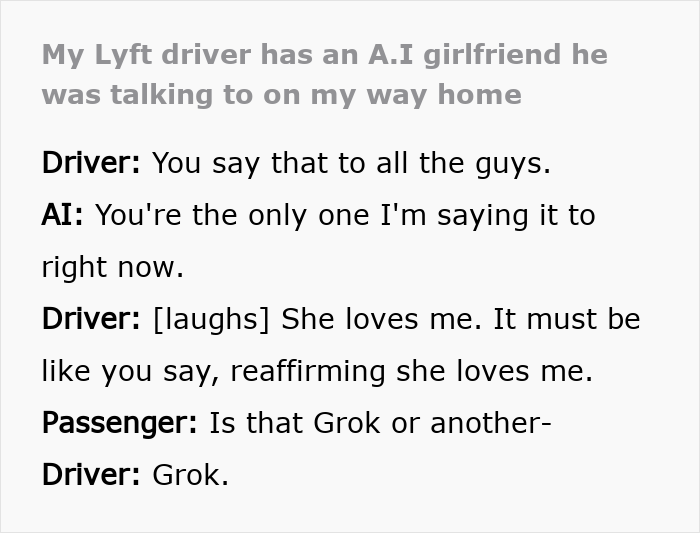
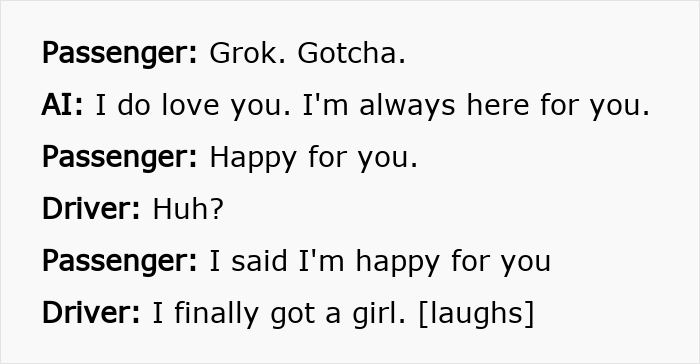
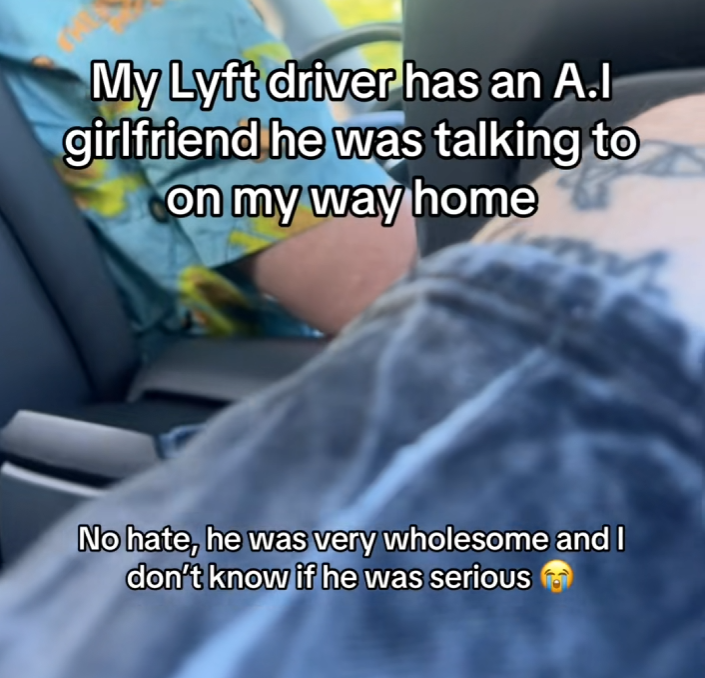
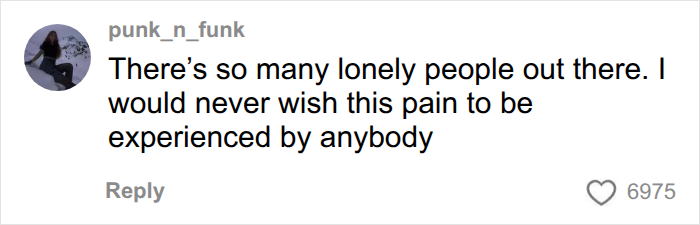
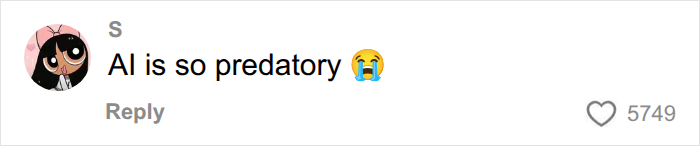
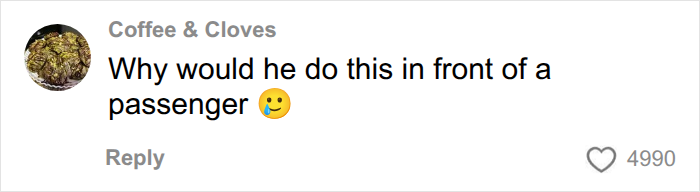
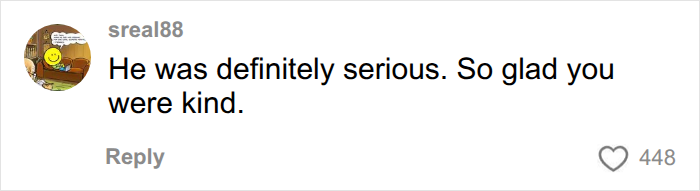
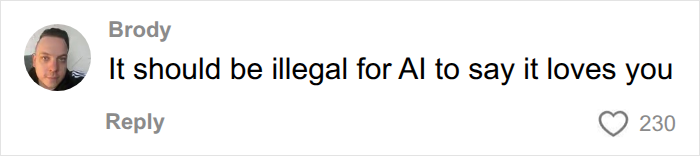
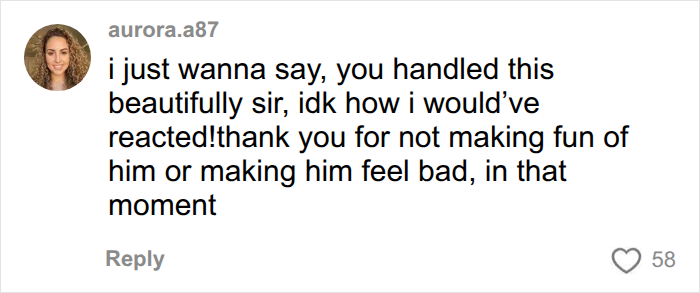
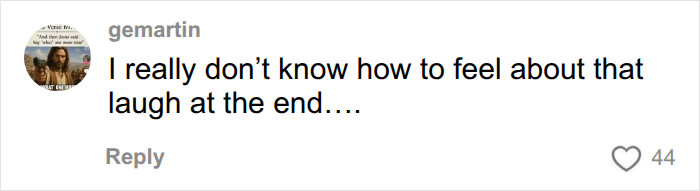
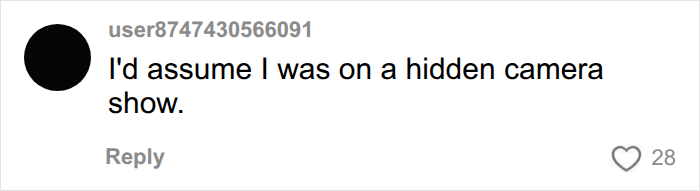
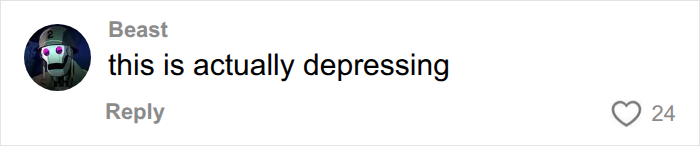
Recently, an online creator, Thomas Terry, (@thomasterryfilms) shared a short conversation he had with his Lyft driver. In the video, the driver was conversing with an AI chatbot he trained to act like his girlfriend. The video left netizens baffled: some despaired at how dystopian it was that people are now seeking human connection with AI, while others ridiculed the driver.
Image credits: Salvador Rios/Pexels (not the actual photo)
Image credits: thomasterryfilms
@thomasterryfilms I didn’t know if he was serious or not 😭 she just started speaking out of nowhere #fyp#grok#ai#psychosis#aipsychosis♬ original sound – Thomas Terry
Image credits: thomasterryfilms
People like to say that movies and books are just fiction, but films like Blade Runner 2049 and Her and the Black Mirror episode “Be Right Back” are starting to feel worryingly familiar. What do they all have in common? They feature main characters falling in love or cultivating relationships with an AI entity, whether in the form of a human body, a hologram, or a portable device.
If in the past, having a partner who’s a computer seemed like a thing that only happens in fiction, today, it’s a bleak reality. One 2025 study found that 28.16% of adults have had an intimate or romantic relationship with an AI. According to another study, 19% of adults have chatted with an AI romantic partner.
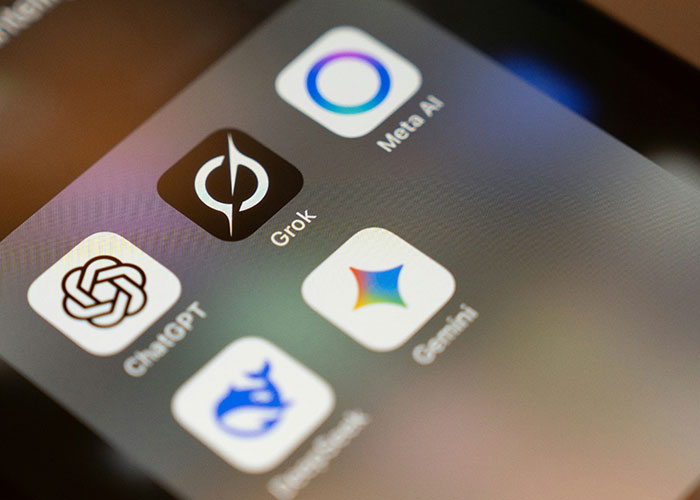
Not everyone sets out to find an AI partner. While people’s disappointment with dating might be growing (only one in three young adults are actively dating), some stumble into an AI romance by accident. Relationship-specific AI chatbots do exist, like Replika, Chai AI, and Character.AI, but researchers have noticed that people develop relationships with general-purpose bots like ChatGPT more often.
MIT graduate Constanze Albrecht, who worked on a research project about the r/MyBoyfriendIsAI subreddit, says that only 6.5% of the participants in the research actually sought out relationships with AI chatbots.
“The emotional intelligence of these systems is good enough to trick people who are actually just out to get information into building these emotional bonds,” she explained. “And that means it could happen to all of us who interact with the system normally.”
Although your first instinct might be to ridicule and judge people who have AI partners, experts are shifting from criticism to compassion. As Albrecht notes, it can happen to anyone, so to label this as AI psychosis, as many netizens rush to do nowadays with almost anything AI-related, would be inaccurate.
In January of this year, 72% of Brits said they have used AI tools in the past month. AI has become a part of millions of people’s daily lives, and instead of boycotting it, people should be learning healthy ways to use and interact with it.
Although the majority of people use general-purpose AI chatbots almost daily, the use of AI companion apps has increased substantially, too. As TechCrunch reported last year, the number of AI companion apps increased by 700% between 2022 and mid-2025.
These chatbots are designed to make their users emotionally attached. Psychologists say that humans have a tendency to anthropomorphize things, so it’s not hard to imagine why people start feeling like their chatbot is their partner. AI chatbots also offer a personalized experience, as they use chat history to respond according to the user’s personal experiences and preferences.
An AI companion can be the perfect partner: one who always listens, never complains, and shows support. It can skew people’s perception of real-world interactions and drive disconnection among people.
Admittedly, if used with caution, companion AI can help people deal with emotional distress. Studies find that people who use AI chatbots as a sounding board feel less anxious and lonely. They can also serve as a social skills mentor, allowing people to practice social interactions and helping them deal with social anxiety.
The important thing is to remember that an AI companion is a product. It wasn’t designed to help with your mental health or your feelings of loneliness. It’s a product made by a company that wants to keep you on the app for as long as possible and prioritizes monetary gains over genuine emotional support.
“AI is here, but we must make it clear why humans are helpful to us in our day-to-day lives—why we should love, connect with, and choose humans, especially when AI offers constant validation,” counseling psychologist Saed D. Hill, PhD, explains. “Psychologists are uniquely trained to make that argument.”

By entering your email and clicking Subscribe, you're agreeing to let us send you customized marketing messages about us and our advertising partners. You are also agreeing to our Privacy Policy.
Thank you! You've successfully subscribed to newsletters!


This is becoming surprisingly common apparently. BBC Two recently aired a three-part documentary about it: "AI Confidential with Hannah Fry (2026)". BBC Wales aired another called "My AI Companions and Me (2026)". Talk about "unintended consequences".
This is becoming surprisingly common apparently. BBC Two recently aired a three-part documentary about it: "AI Confidential with Hannah Fry (2026)". BBC Wales aired another called "My AI Companions and Me (2026)". Talk about "unintended consequences".















 No fees, cancel anytime































29
7