Get Premium
Dark mode theme is available exclusively for premium users. Learn more about the benefits of subscribing.
No fees, cancel anytime.

 Dark Mode Ad-Free Browsing Unlimited Content

 Ad-Free Browsing Unlimited Content Dark Mode
Join 1.2 million Panda readers who get the best art, memes, and fun stories every week!

The days are getting shorter and darker here in the Western Hemisphere, so we might need to do some extra work to keep our spirits up. Experts say that we need at least 10-15 minutes of laughter a day, and Bored Panda is here to give you your daily quota of sneers, chuckles, and belly laughs in the form of memes.
These funny posts come to you from the popular Instagram page “Boss Meme Squad,” which has over 127k people entertained daily. Don’t be fooled by their page title, though — you’ll hardly find any memes about the workplace or colleagues. Instead, it’s a page that’s all about silliness, relatability, and random chaos.
More info: Instagram
This post may include affiliate links.
Scrolling through memes and jokes is nice, but you know what might be even nicer? Brightening up someone’s day with a good joke or two. The thing is, you have to know how to deliver a good joke without offending anyone or having the joke not land, especially in the workplace. Yet that doesn’t mean you should stop trying.
Joking around at work can seem dangerous: one misstep and you’re in hot water with a colleague, your manager, or, worse — the person who signs all your checks. So, reading the room should always be the first step. The rules around humor can be more lax in an environment such as a tech startup, but they may be different in a lawyer’s office, the hospital, or a government agency.
A big part of the workplace humor culture is determined by the upper management. According to the senior engineering director at Vinted and a partner professor at Vilnius University, Vytautas Aseris, humor at work is a reflection of organizational culture.
“It’s part of creating an inclusive environment at work,” he says. “It’s my attempt at reaching those who are still far away from that inclusivity. Joking around and discussing, analyzing these jokes helps us find common ground.”
In the 20th century, Dutch psychologist Geert Hofstede developed a model of national cultures based on 6 dimensions. One of them, power distance, is related to how humor can be used and perceived in the workplace. In cultures where the power distance is large, like Russia, Mexico, and China, you wouldn’t expect a subordinate to be able to make fun of their boss or casually crack jokes together.

In countries such as the U.S., Sweden and Australia, the power distance is considerably smaller. An employee and an employer, therefore, can joke around more freely without either getting offended easily. That doesn’t mean that people don’t respect their bosses there, the work culture is more laid-back and casual, with each team member treated equally despite the perceived importance of their role.
In countries with a smaller power distance score, employees want a more egalitarian, horizontal type of relationship with management. That also means more negative attitudes towards things like micromanagement, subordination, and formal communication. In countries where the power distance between an employee and employer is larger, the boss has to be cautious about cracking jokes. Sometimes, humor on the boss’s part might even be seen as a weakness.
How a bad joke is received at work can tell about that workplace’s culture, according to Aseris. “If you say an inappropriate joke, does someone tell you or do they keep quiet? Do they tell you face-to-face or go to your manager? Do they tell it in person or behind your back? There’s a fine line between bullying and poking fun at someone in a good-natured way that feels safe psychologically.”
Psychological safety is the number one indicator of high-performing teams. It’s not just about whether your or your boss’s jokes will land. Psychological safety means you’re not afraid to ask questions, make mistakes, challenge your superiors, and offer solutions. And when you’re in a team where people joke around, you feel safer doing all those things.
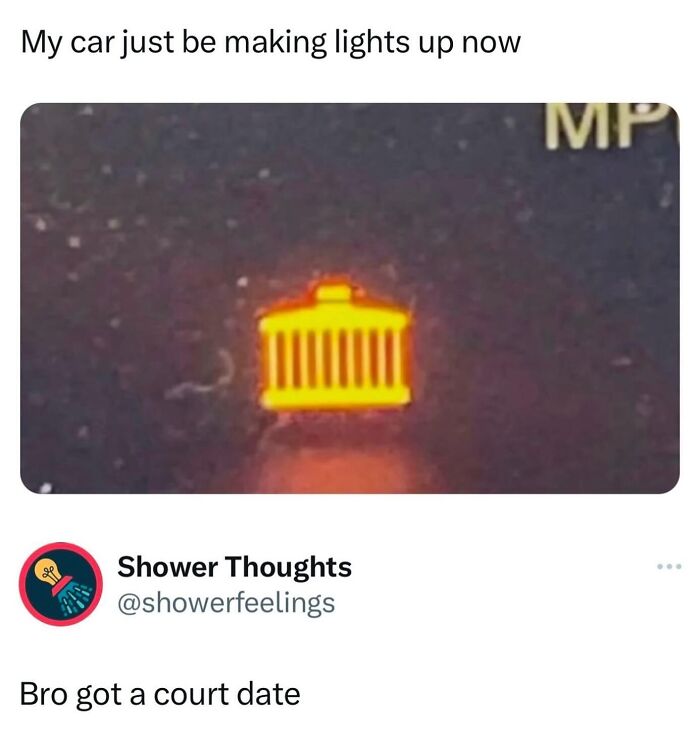
Spoiler alert: it activated cage mode, he's never getting out of that car now
“Low levels of psychological safety can create a culture of silence. They can also create a Cassandra culture – an environment in which speaking up is belittled and warnings go unheeded,” Amy Edmondson, Harvard Business School professor and the person who coined the term “team psychological safety,” explains.
So, what topics are best left at home and not dragged into the realm of workplace jokes? According to Aseris, the classic taboo topics are gender, race and religion, although the top no-no, in his opinion, would be health. In his opinion, it’s best to think of workplace jokes like advice: for example, we know it’s best not to advise people on parenting, so apply the same logic to jokes.
How many of these memes tickled your fancy, Pandas? Don’t forget to upvote your favorites and shout out the best ones in the comments! And while you’re here, check out some more funny content with these funny and edgy memes for people who have a dark sense of humor and these funny posts about celebrities and pop culture.

I remember fighting the only other lefty in class for the one left-handed desk.

Shouldn't be using a metal fork in that pan anyway. Get a plastic spatula

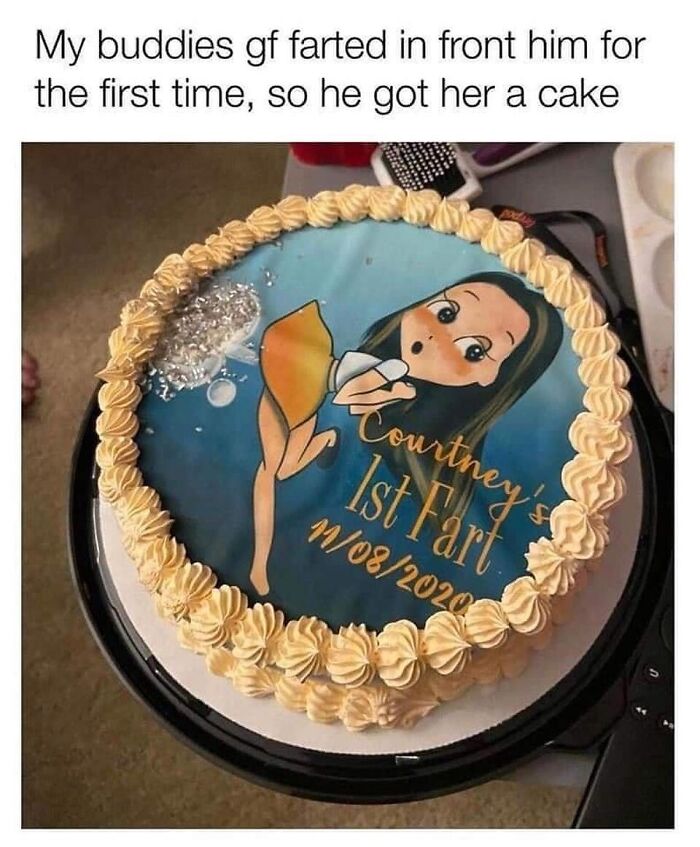
I don't tend to believe in demo versions, so one of the first times my bf was over at my place (as friends at the time) I let out a fart and said "yeah, that's out of the way, feel free to fart as much as you want rather than burst and d*e on my floor". He said later that it made him way more comfortable because he was very stressed out and feared farting lol
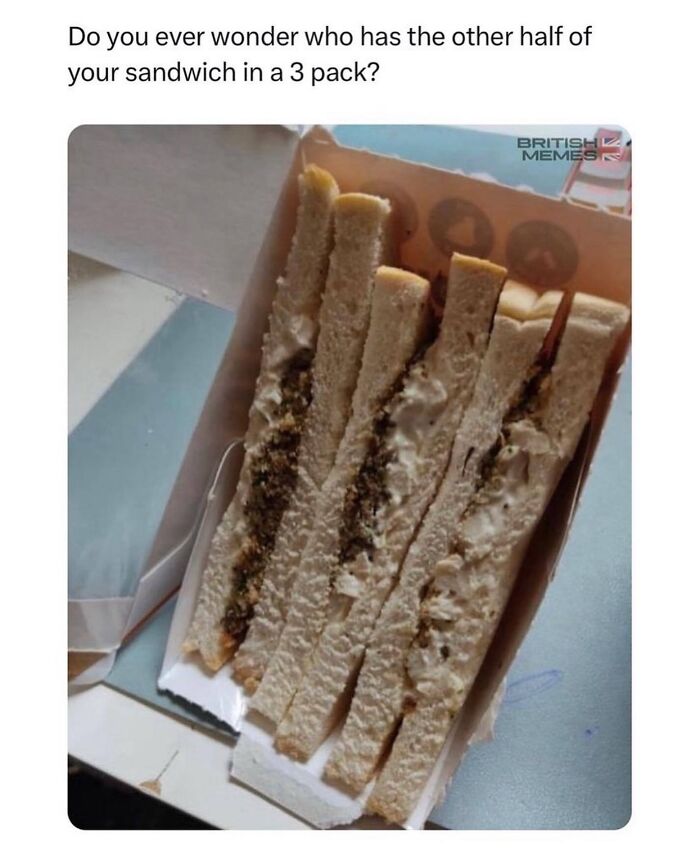
in fact you have three halves of different sandwiches. Now live with it

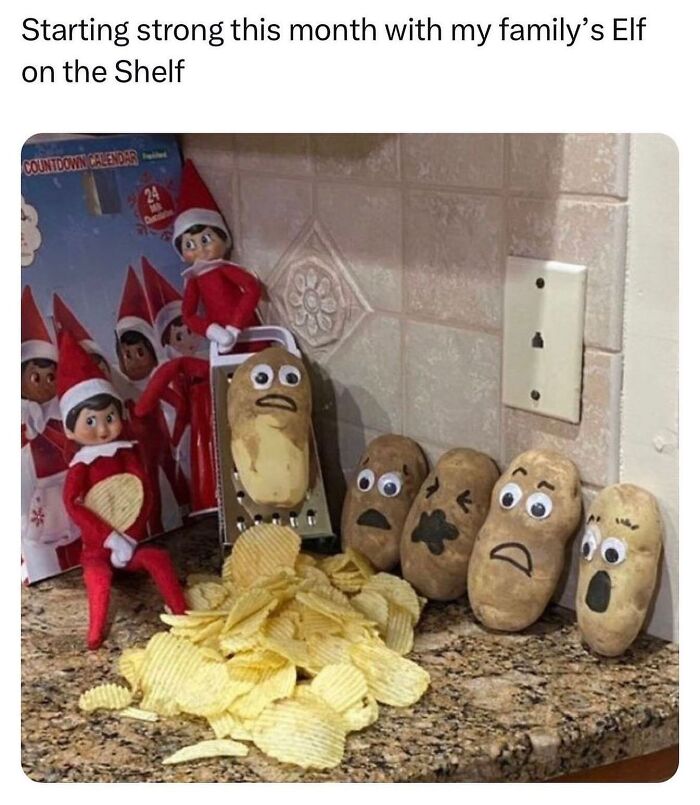
I cannot begin to explain how much I loathe these things. I'd be open to adopting either a Snoop on the Stoop or the new Dolly on the Holly, but the Elf ion the Shelf is not welcome in my home.

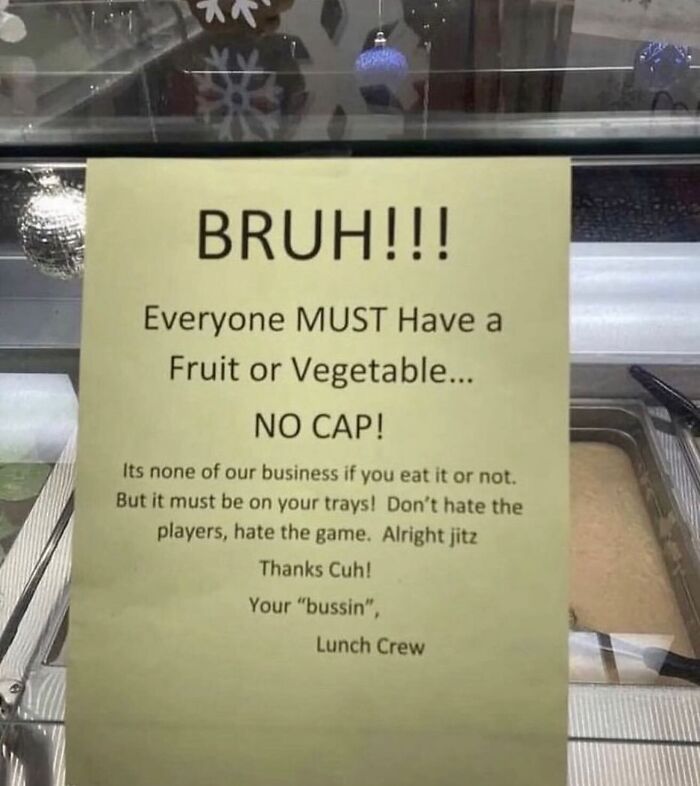
They're trying their best, I think this is sweet of the lunch lads and ladies













 No fees, cancel anytime