Get Premium
Dark mode theme is available exclusively for premium users. Learn more about the benefits of subscribing.
No fees, cancel anytime.

 Dark Mode Ad-Free Browsing Unlimited Content
 Ad-Free Browsing Unlimited Content Dark Mode
Join 1.2 million Panda readers who get the best art, memes, and fun stories every week!

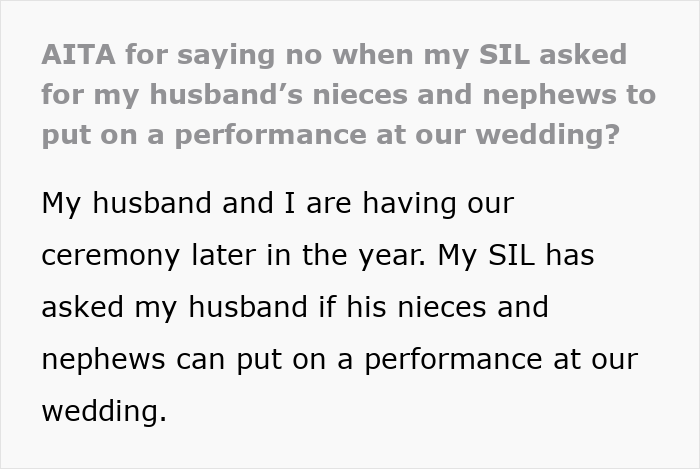
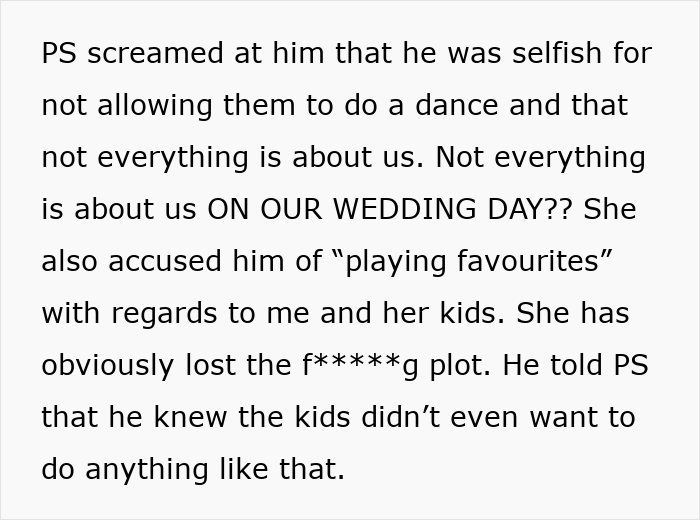
Pandas, weddings have a funny way of bringing out the unexpected in people. One minute you’re choosing decorations, finalizing the ceremony, and trying not to stress over seating charts, and the next someone is asking if a group of children can put on a performance at your wedding. Now, for some couples that might sound adorable. For others? Not so much.
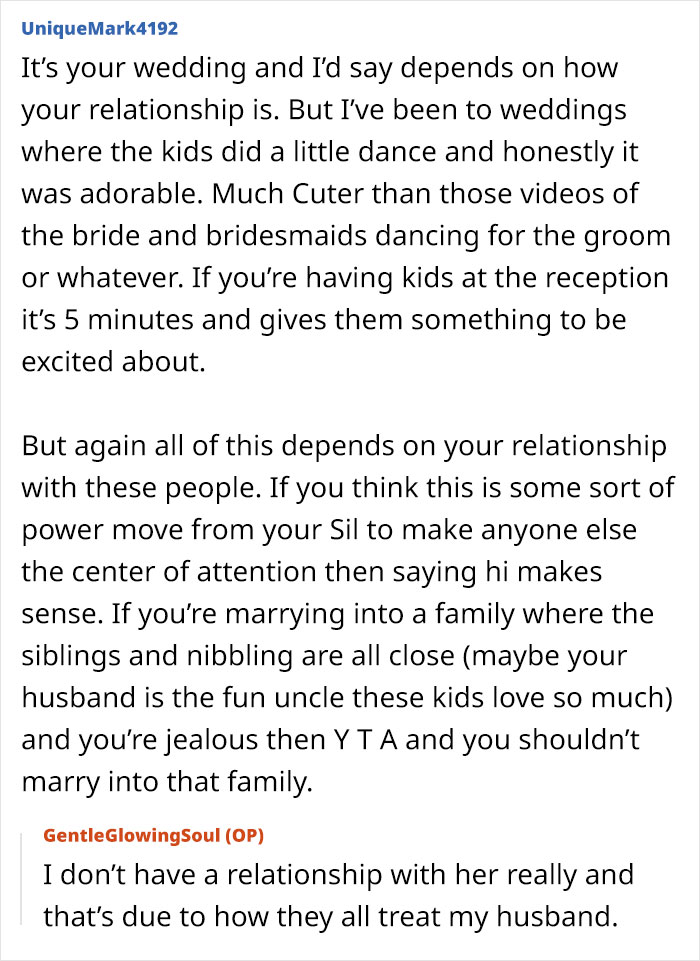
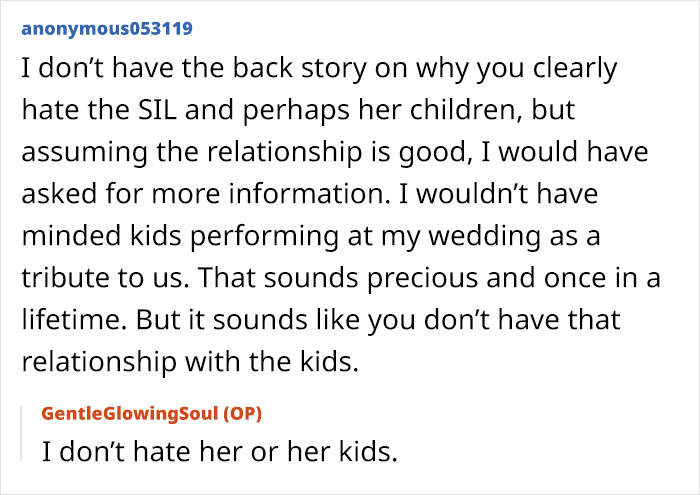
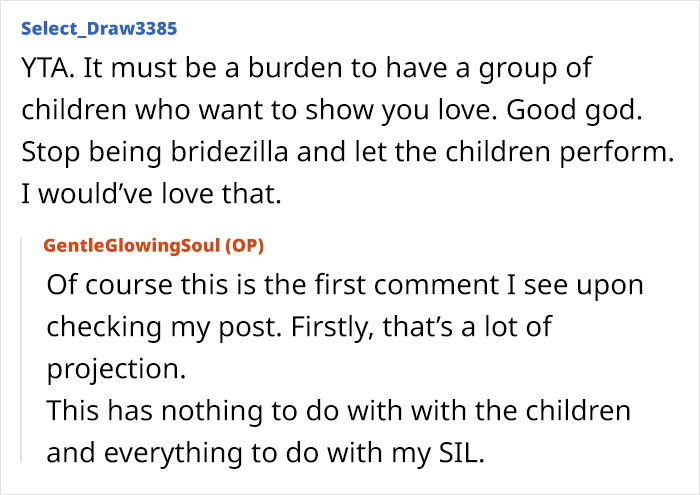
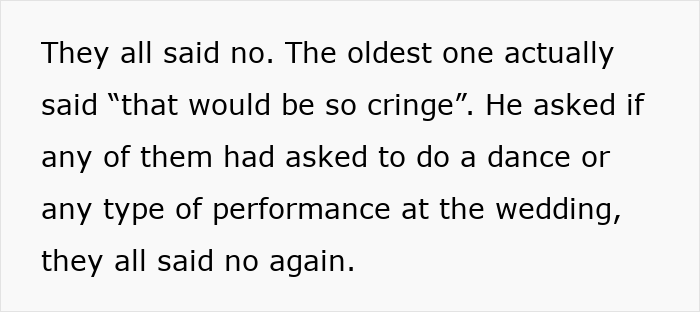
That’s exactly what happened to one bride when her sister-in-law suggested that her young kids perform during the wedding celebrations. The request immediately felt a little odd, especially since it didn’t really fit the couple’s plans. But things got even stranger when the groom decided to go straight to the source and ask the kids what they thought about the idea. Let’s just say their answers revealed far more than anyone expected. Keep scrolling to see how a seemingly innocent wedding request uncovered a much bigger family problem.
Image credits: Curated Lifestyle / Unsplash (not the actual photo)
Image credits: Getty Images / Unsplash (not the actual photo)
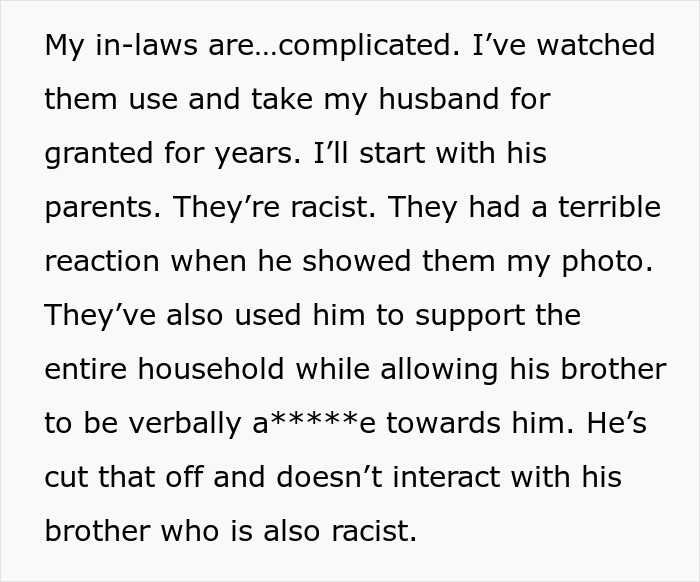
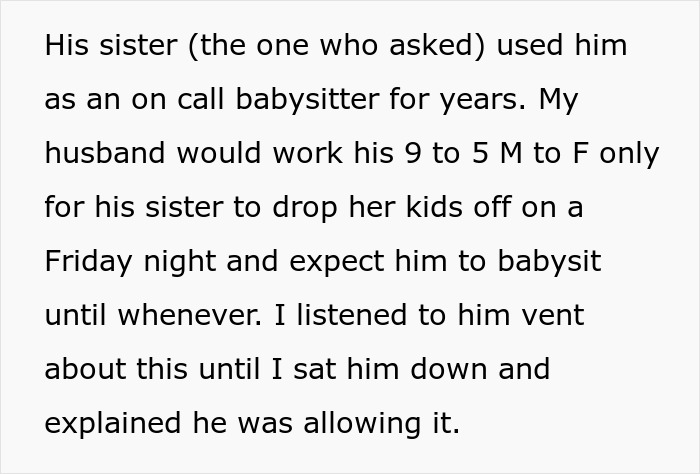
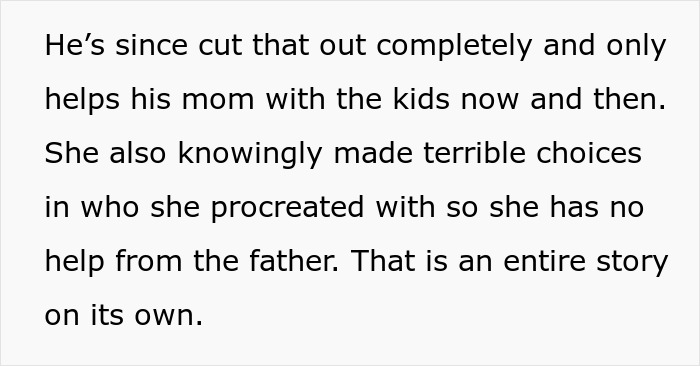
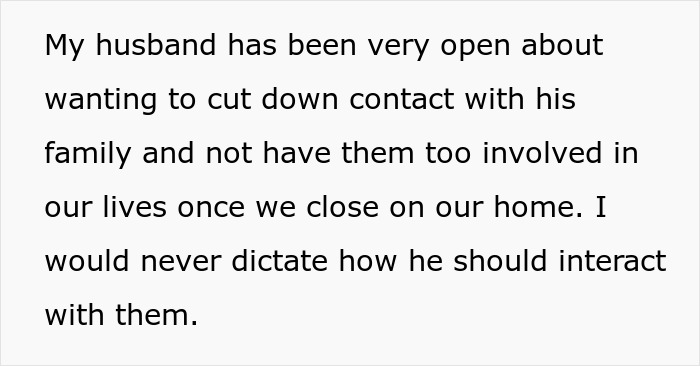
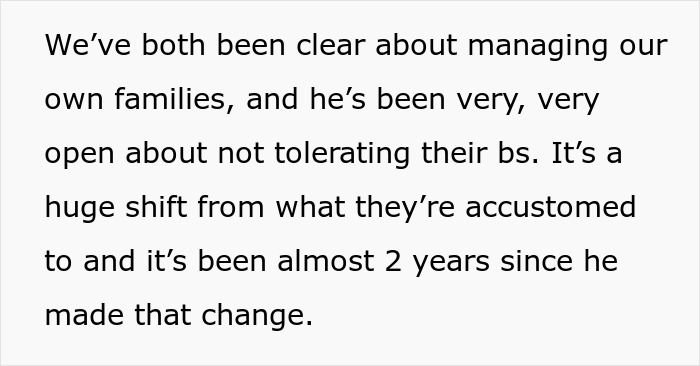
Image credits: Getty Images / Unsplash (not the actual photo)
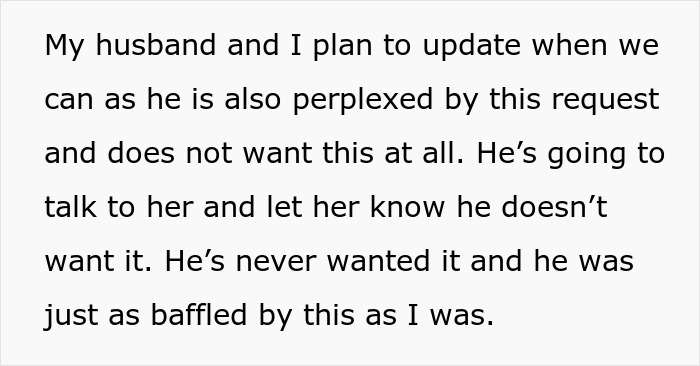
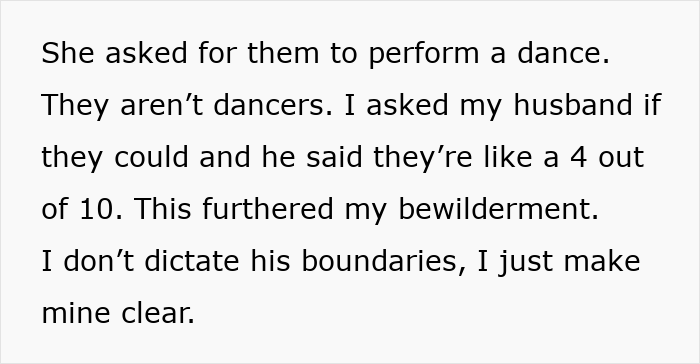
Image credits: GentleGlowingSoul
Image credits: 光术 山影 / Pexels (not the actual photo)
Most of us have probably heard just how stressful wedding planning can be, whether from our own experience or from watching friends and family go through it. It’s often painted as a joyful time (and it is), but it also comes with a surprising amount of pressure behind the scenes. From managing budgets to coordinating guests and expectations, things can get overwhelming very quickly. What starts as excitement can slowly turn into stress without you even noticing. And interestingly, this isn’t just a casual observation—there’s actual research that shows weddings rank higher on stress scales than many people expect. So if it ever feels like “too much,” that’s because, honestly, it often is.
According to the Holmes-Rahe Stress Inventory, which ranks the 43 most stressful life events based on research involving around 5,000 people, getting married ranks 7th. That’s pretty high up on the list when you think about it. What makes it even more surprising is how it compares to other major life events—many people report that wedding planning can be more stressful than even getting fired from a job. That says a lot about the emotional and mental load involved in what is supposed to be one of the happiest milestones in life. It’s a mix of excitement, pressure, expectations, and constant decision-making all at once.
So why does wedding stress hit so hard? The answer is that stress doesn’t just stay in one place—it affects both the mind and the body. Verywell Mind highlights several emotional and cognitive symptoms that people commonly experience during stressful periods. These can include difficulty focusing, trouble making decisions, and feeling constantly overwhelmed or unable to cope. Many people also report increased forgetfulness, persistent worrying, irritability, and even feelings of sadness or depression. In more severe cases, stress can lead to panic attacks, especially when everything feels like it’s happening at once and there’s no clear way to slow things down.
Along with emotional symptoms, stress can also show up physically in very real ways. People might experience constant fatigue, dizziness, headaches, or general exhaustion that doesn’t seem to go away even after rest. Sleep patterns can get disrupted, appetite may change, and overall energy levels can drop significantly. It’s almost like the body is reacting to pressure even when the mind is trying to push through. Over time, these physical symptoms can make even simple tasks feel harder than usual. That’s why stress isn’t just “in your head”; it affects your whole system.
There are several reasons why wedding planning becomes such a major stress trigger for so many people. Financial pressure is often one of the biggest factors, especially when costs start adding up faster than expected. Then there’s the guest list dilemma—deciding who to invite, who not to, and dealing with all the emotions attached to those choices. Add catering, venue planning, décor, timelines, and endless small decisions, and it can quickly feel like everything needs attention at once. Even things that seem simple on the surface can turn into major discussions. Before long, what should feel like a celebration starts to feel more like managing a full-scale project.
Image credits: http://www.kaboompics.com / Pexels (not the actual photo)
Psychologist Jocelyn Charnas, PhD, who works closely with couples navigating wedding-related stress, has spoken about this in Psychology Today. She explains that weddings don’t just come with financial costs, but also with incredibly high expectations from both families and society. There’s often pressure to make everything “perfect,” especially in the age of social media where every detail feels like it needs to be picture-worthy. But her advice is to step back and refocus on what really matters. Instead of chasing perfection, couples should ground themselves in their values and the meaning behind the day. At its core, a wedding is about love, commitment, and togetherness—not flawless decorations or Instagram moments.
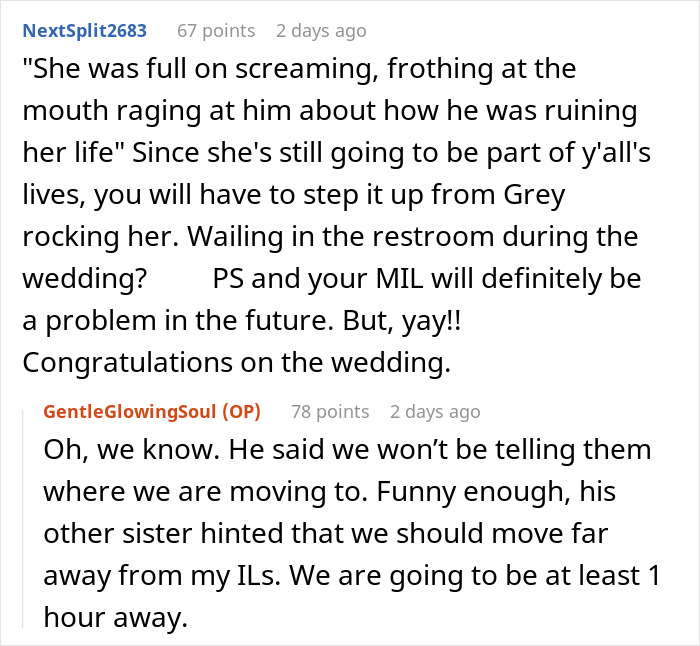
Another big source of stress during wedding planning often comes from family and relatives. While many people want to help or be involved, their expectations don’t always align with what the couple actually wants. Suggestions can quickly turn into pressure, and pressure can sometimes turn into conflict. From opinions about ceremonies to guest lists or traditions, it’s easy for too many voices to get involved. That’s why communication becomes so important during this time. Setting boundaries early can help prevent misunderstandings and ensure the couple’s vision isn’t overshadowed by outside expectations.
Managing wedding stress is all about balance and preparation. Planning ahead can make a huge difference in avoiding last-minute chaos, while open communication between partners helps keep everything aligned. It’s also helpful to anticipate stress points early on instead of reacting to them when they arise. Deciding priorities as a couple ensures that the most important things stay in focus, while smaller details don’t take over the experience. Delegating tasks can also lighten the emotional load significantly. At the end of the day, weddings are meant to be celebrated—not survived.
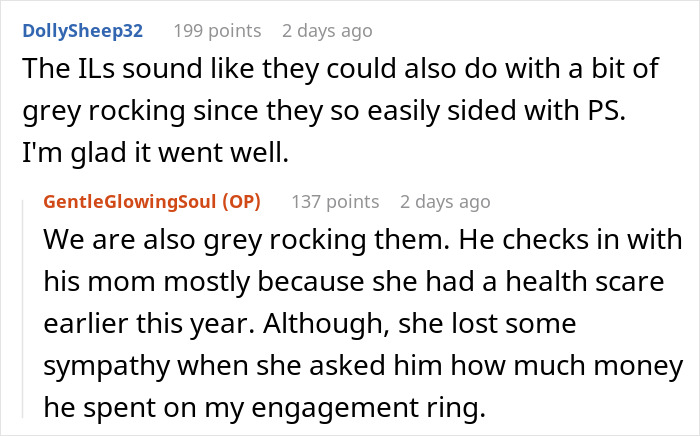
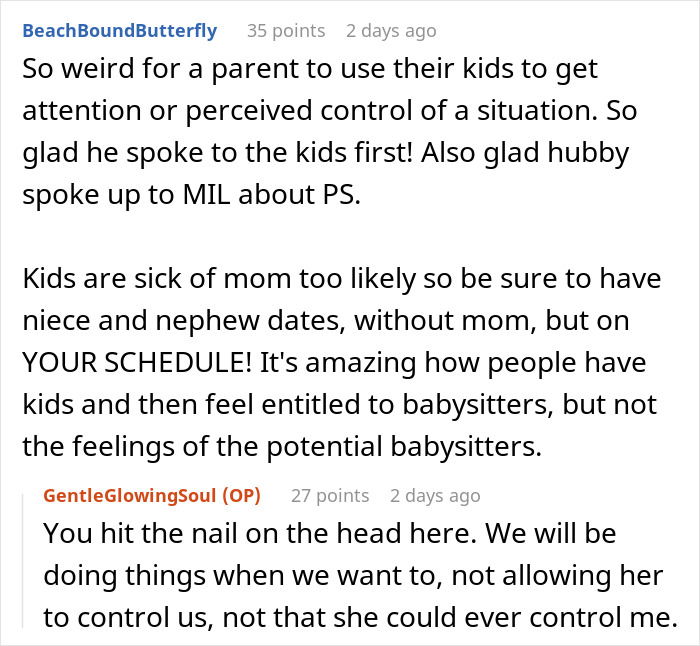
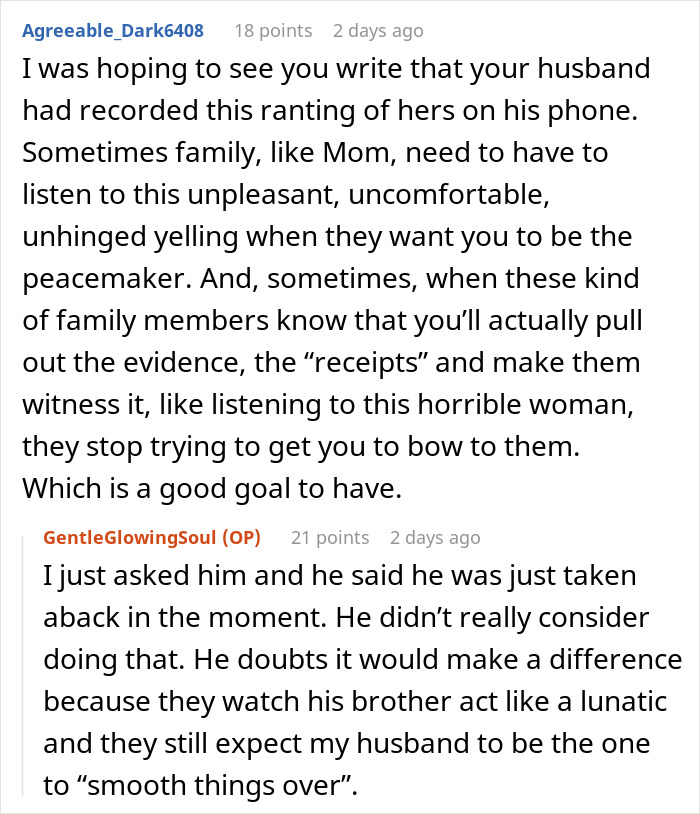
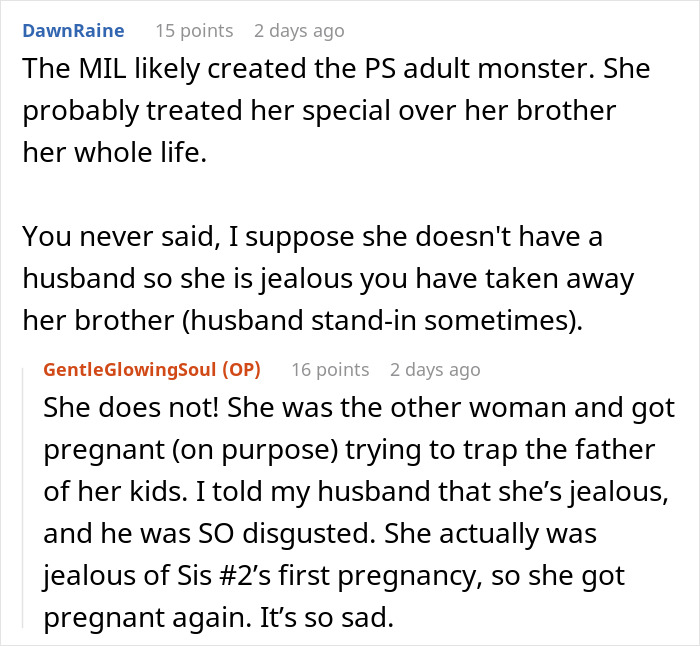
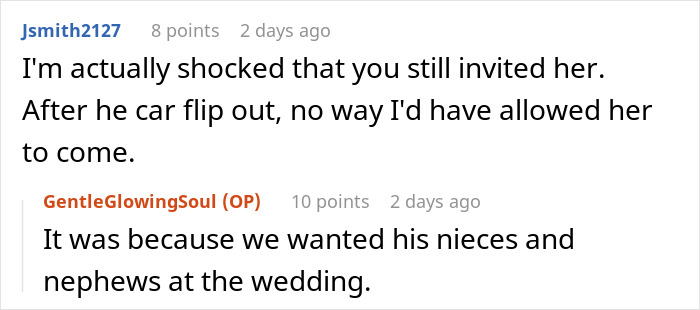
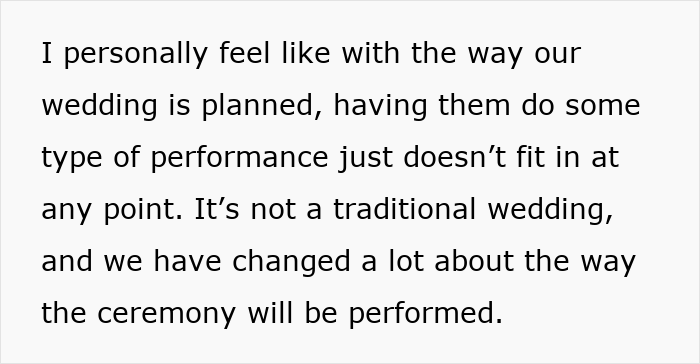
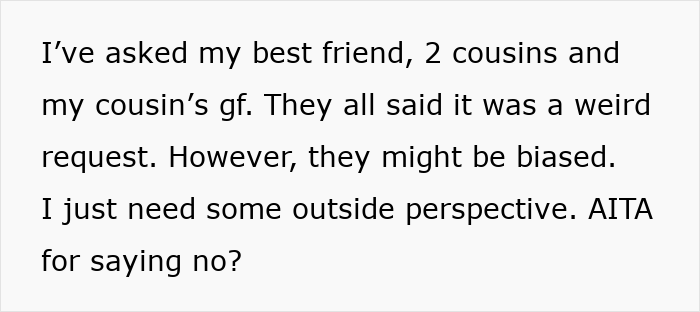
Coming back to this particular situation, the couple ultimately chose to stay true to their vision for the wedding. They didn’t allow outside pressure (especially from the sister-in-law) to shift what they had planned together. Instead, they made decisions based on what felt right for them as a couple. It’s a reminder that while family input can matter, it doesn’t always have to dictate the final outcome. Weddings are deeply personal experiences, and every couple has the right to shape their day in a way that feels meaningful to them. Protecting that space is often key to actually enjoying the moment.
And that really brings everything back to perspective. Weddings will always come with opinions, emotions, and expectations from different directions. But at the center of it all is the couple and the life they are choosing to build together. Keeping that focus can help filter out unnecessary stress and noise. So what do you think, pandas? Have you experienced anything like this during wedding planning or family events? Let us know your thoughts in the comments below.

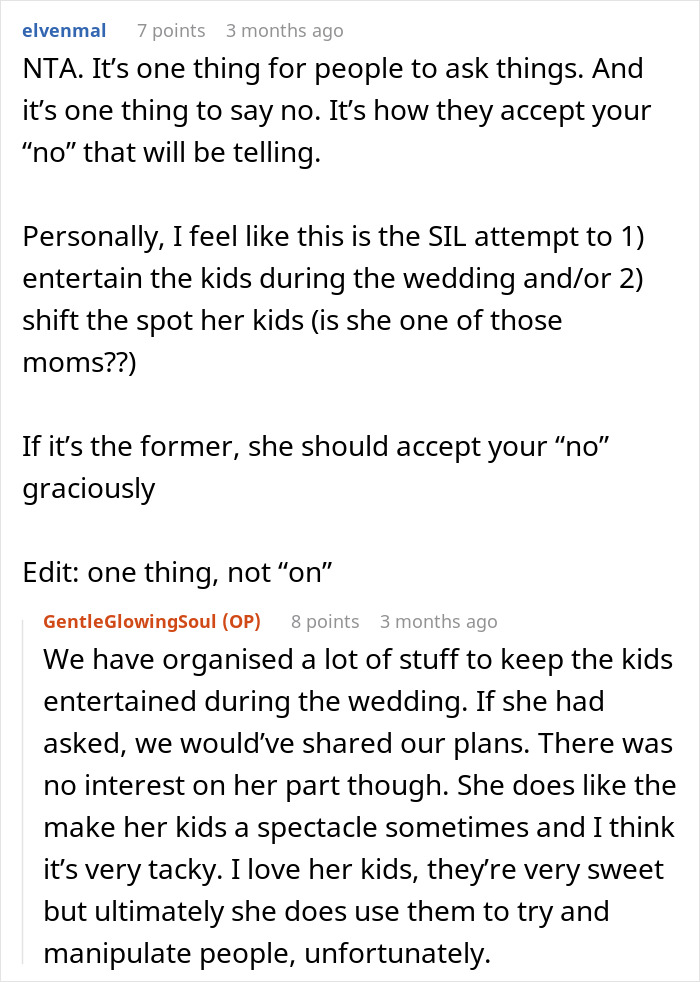
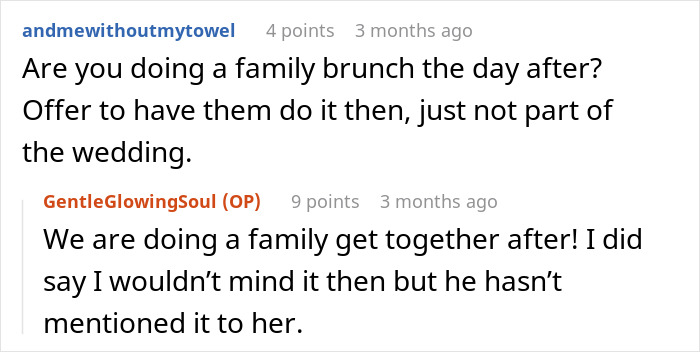
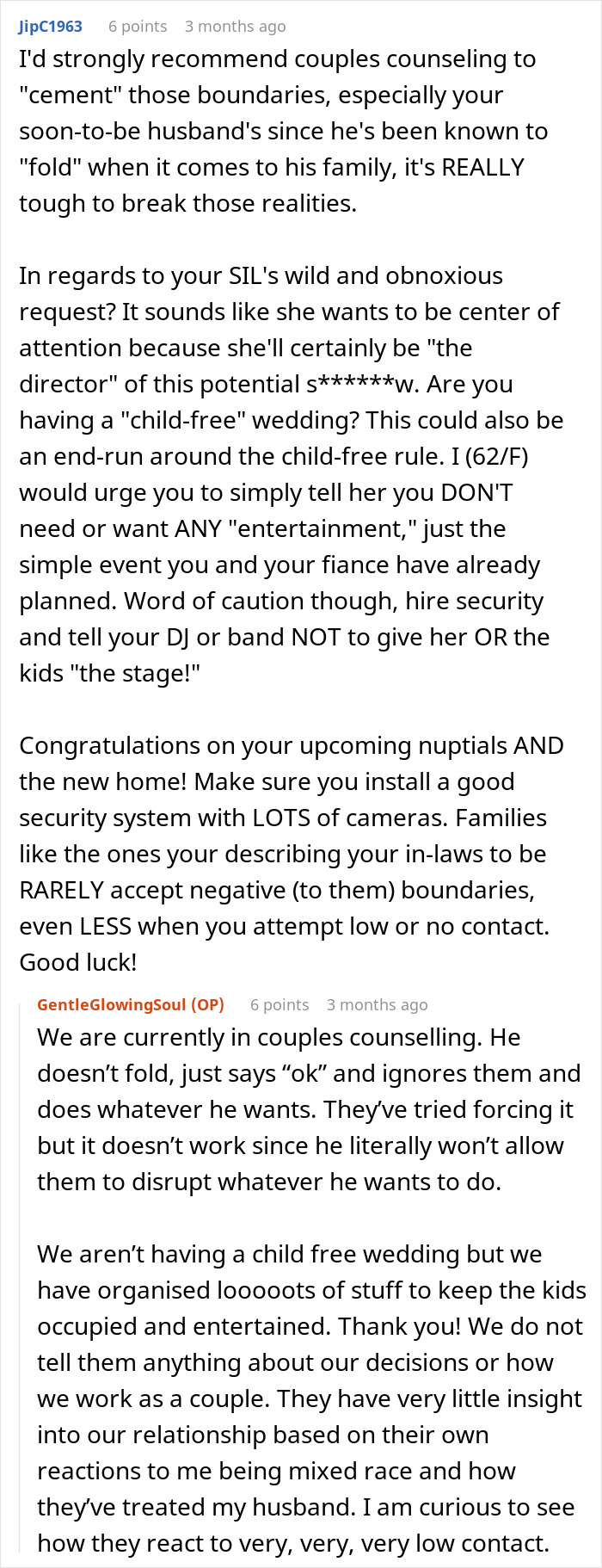
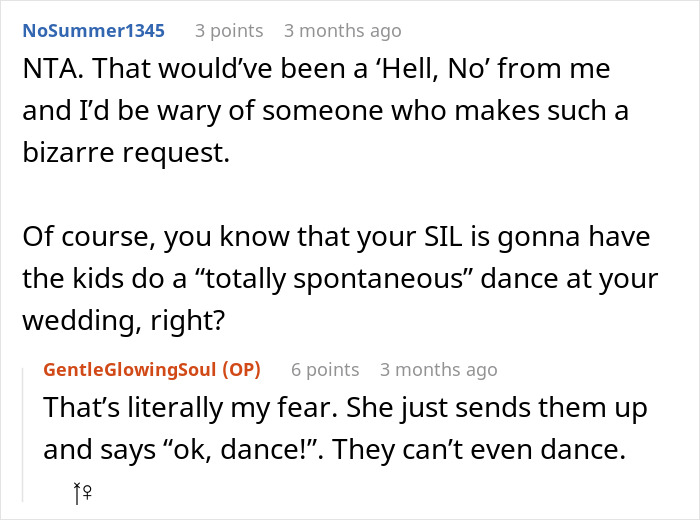
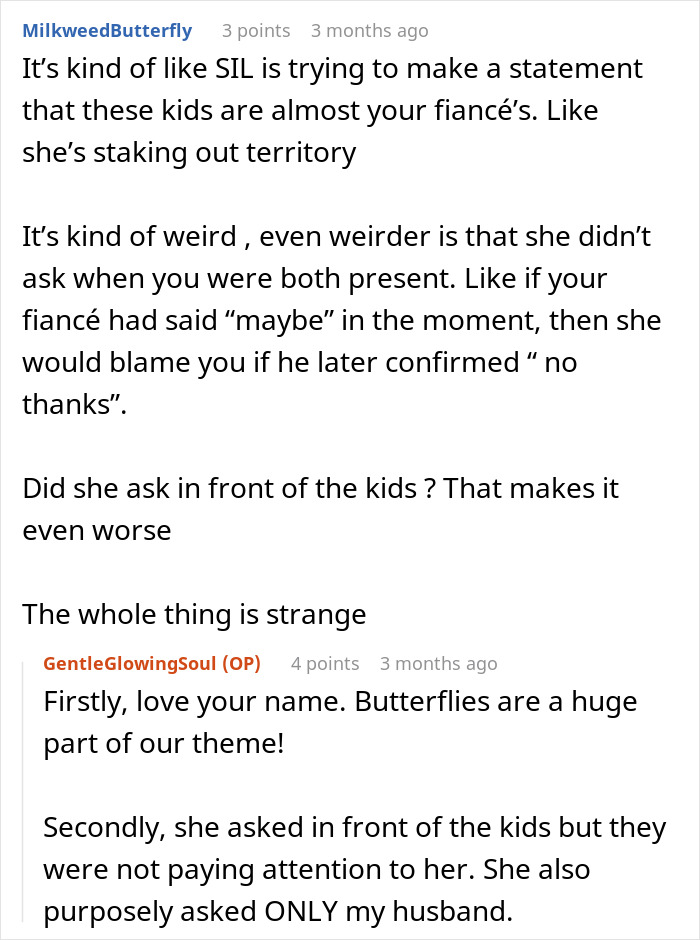
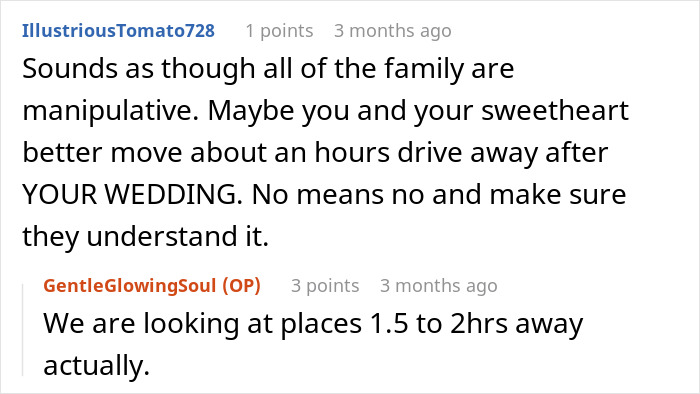
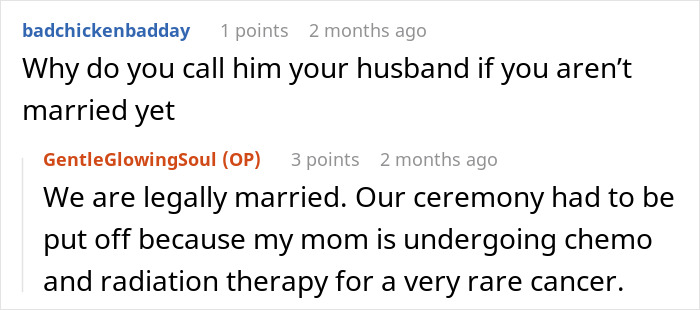
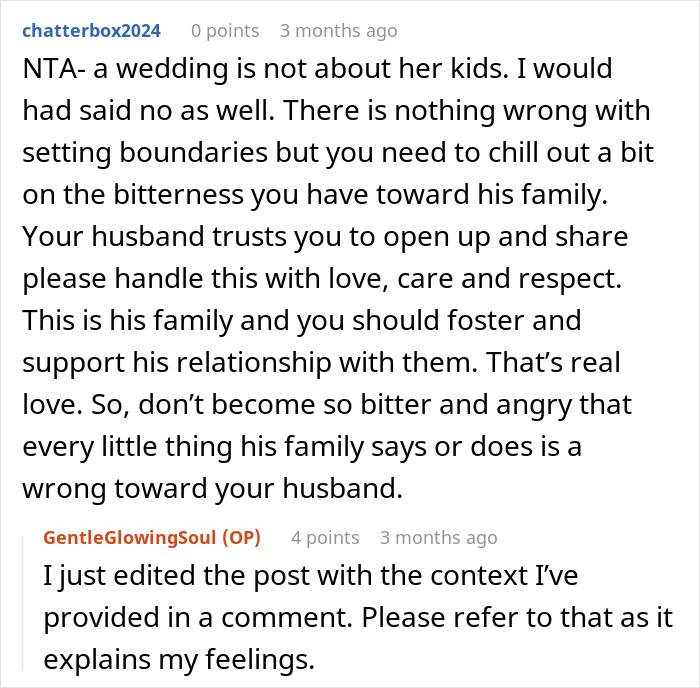
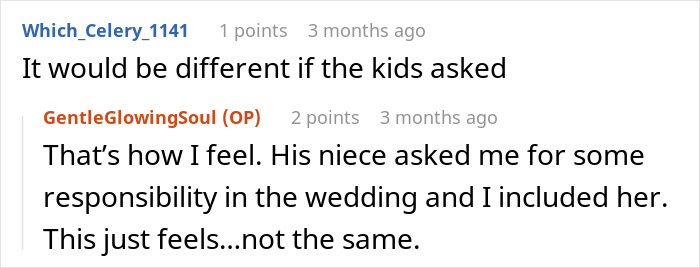
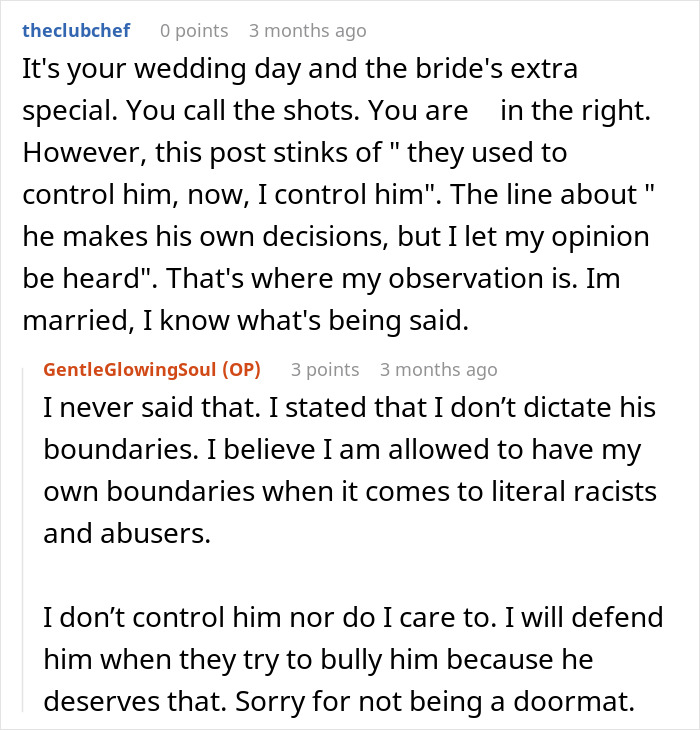
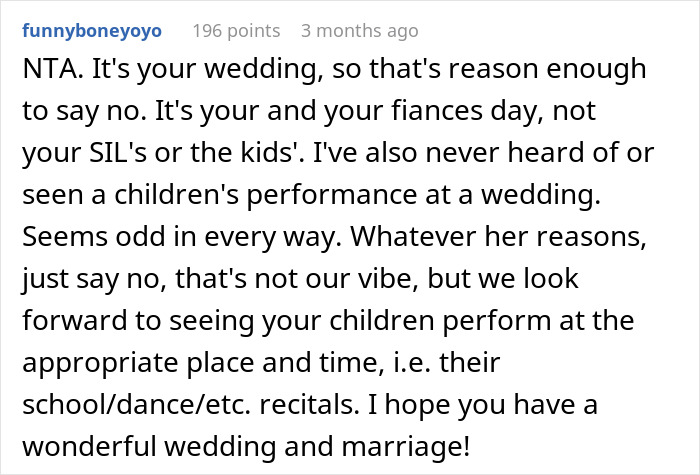
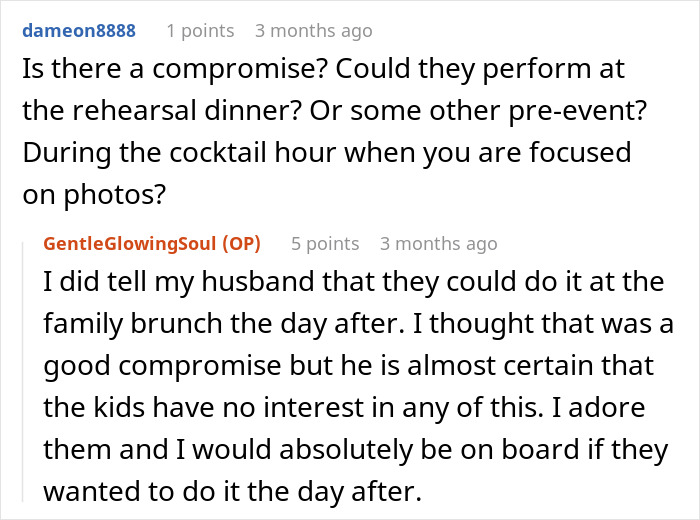
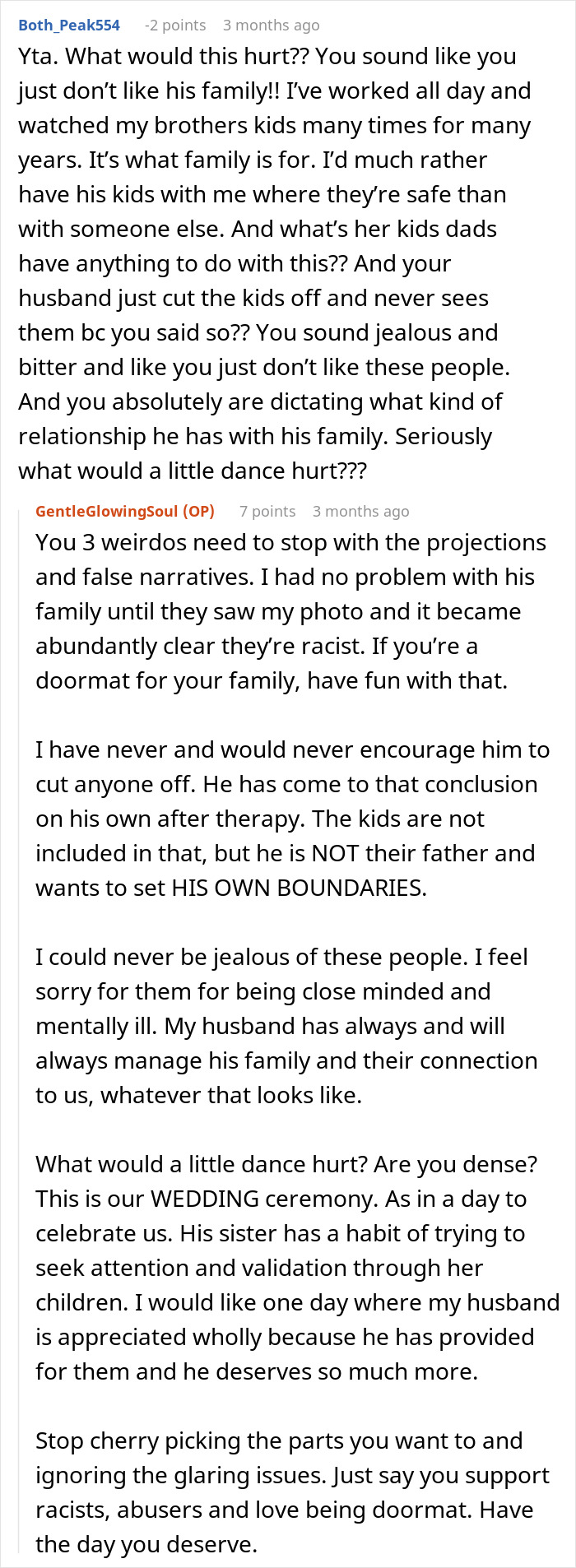
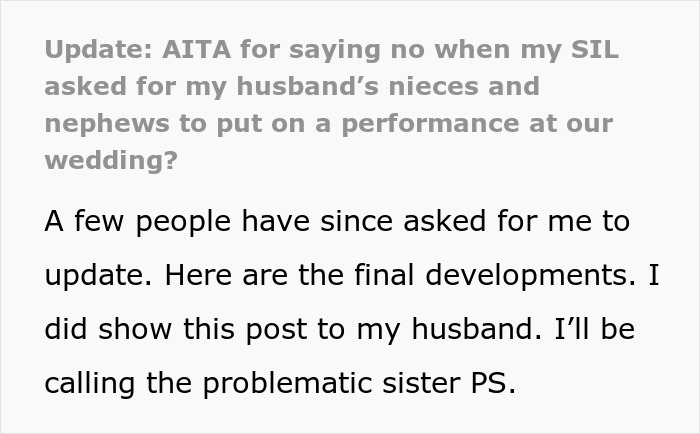
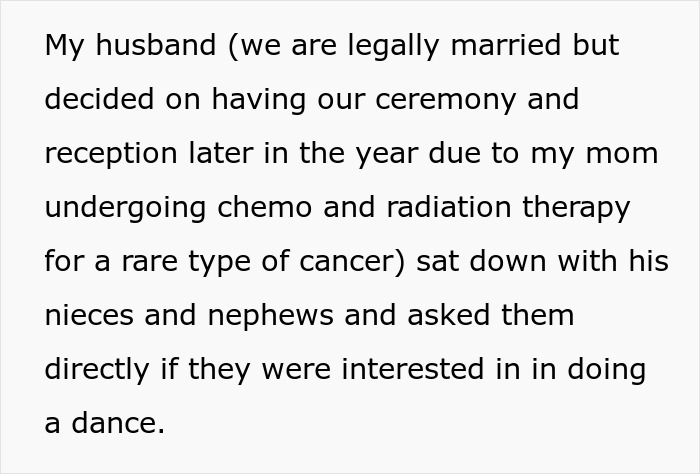
Image credits: Alena Darmel / Pexels (not the actual photo)
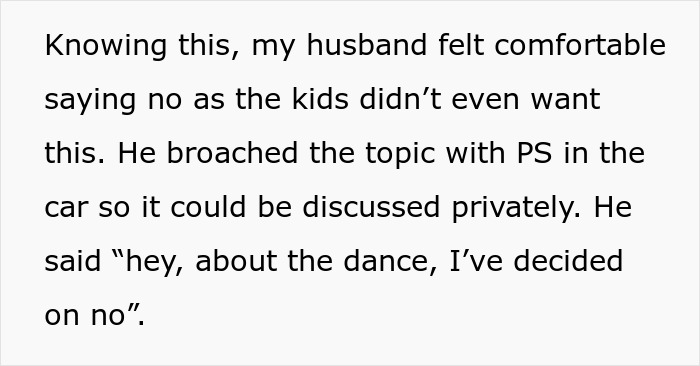
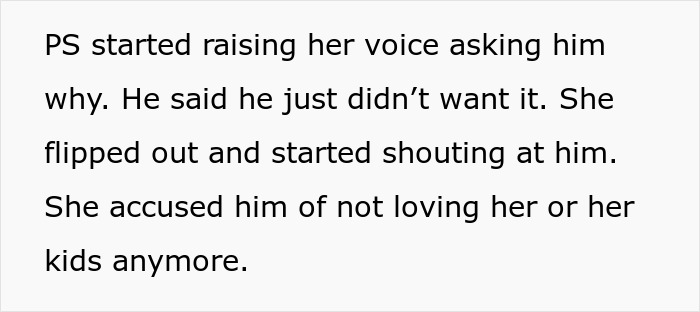
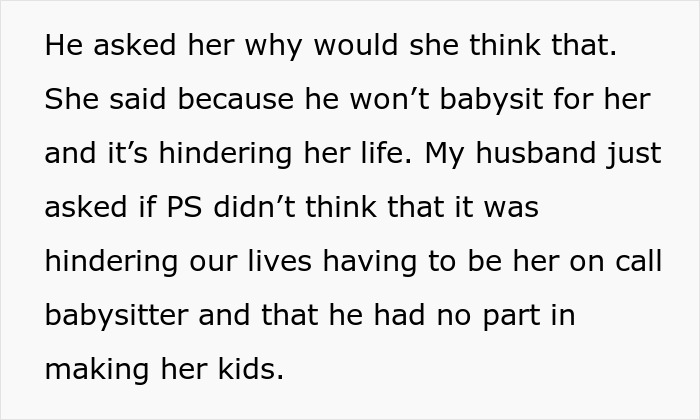

Image credits: Enes Cihanger / Pexels (not the actual photo)
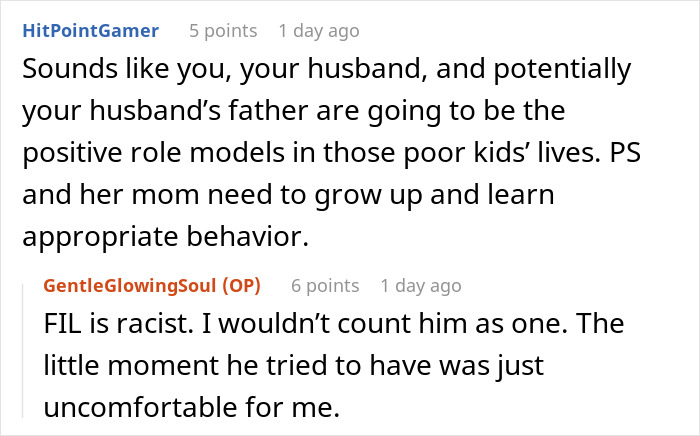
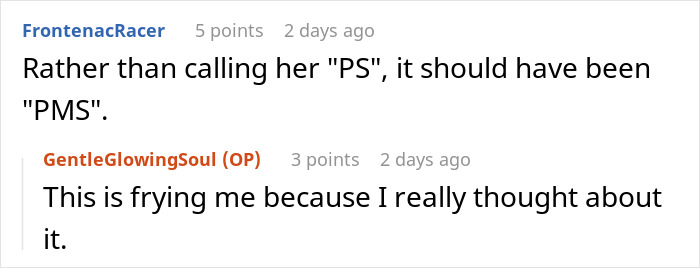
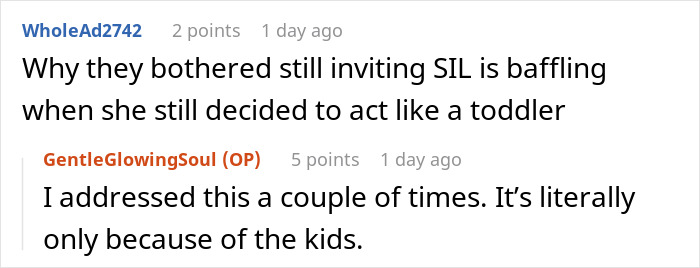
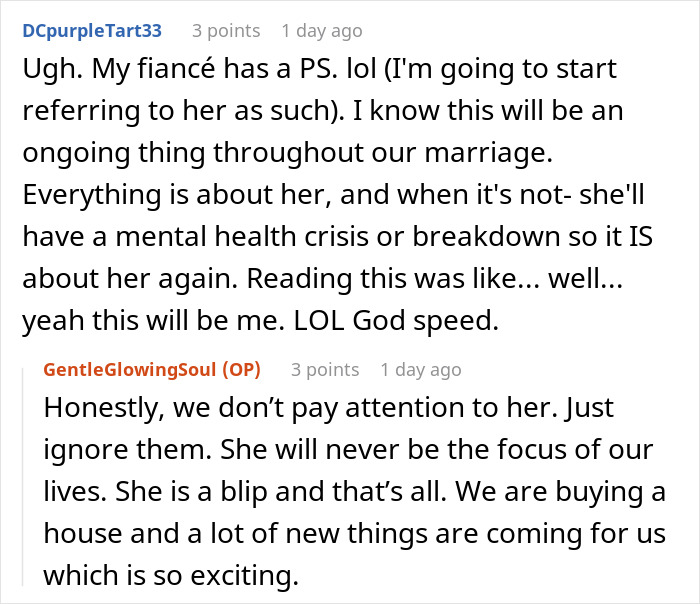
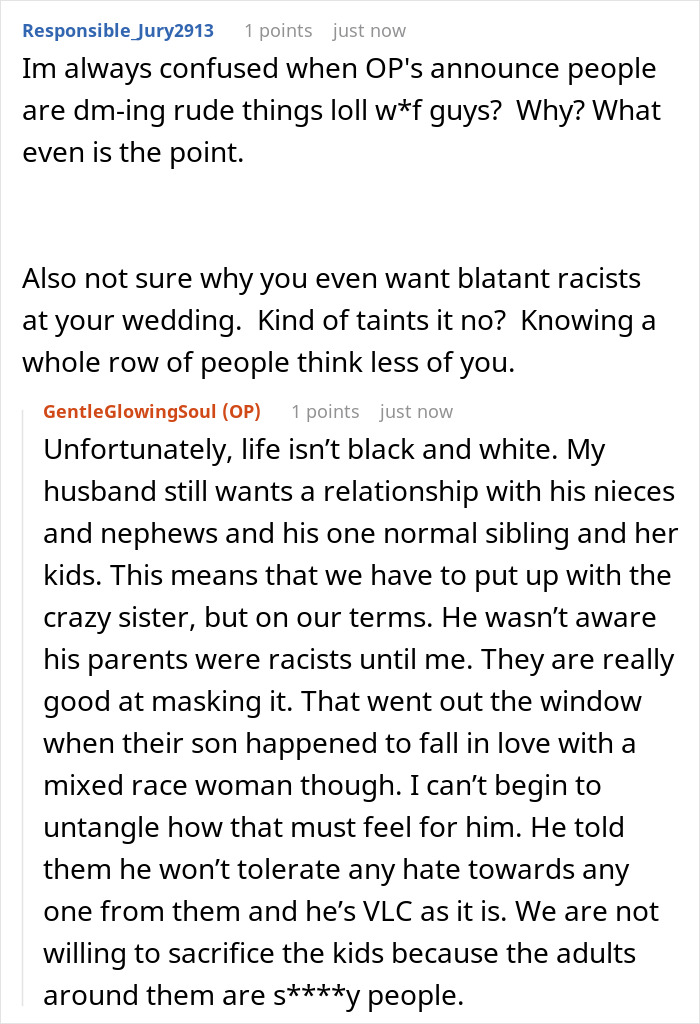
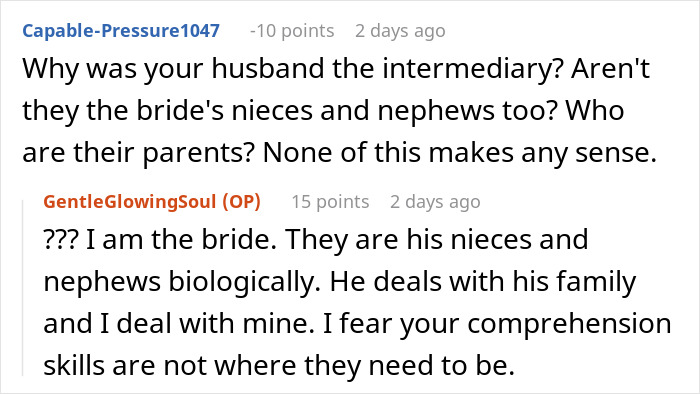
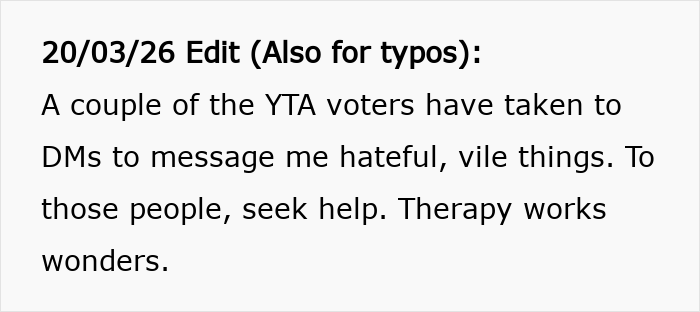
Image credits: GentleGlowingSoul


By entering your email and clicking Subscribe, you're agreeing to let us send you customized marketing messages about us and our advertising partners. You are also agreeing to our Privacy Policy.
Thank you! You've successfully subscribed to newsletters!


When somebody tells me to ignore or pander to X because 'she's just like that', I remind them that *I* am just like *this*.....

I just ask them why that should have any bearing on my opinion or decision?
Load More Replies...


When somebody tells me to ignore or pander to X because 'she's just like that', I remind them that *I* am just like *this*.....
I just ask them why that should have any bearing on my opinion or decision?
Load More Replies... 






















 No fees, cancel anytime










31
6