Get Premium
Dark mode theme is available exclusively for premium users. Learn more about the benefits of subscribing.
No fees, cancel anytime.

 Dark Mode Ad-Free Browsing Unlimited Content
 Ad-Free Browsing Unlimited Content Dark Mode
Join 1.2 million Panda readers who get the best art, memes, and fun stories every week!

Being friendly at work can apparently be dangerous. Smile at someone, help them with a computer, answer a question politely, and suddenly you may find yourself wondering whether you were wrong for being so decent in the first place. Apparently, some people still need a reminder that basic human decency is not a secret dating signal.
That is exactly what happened to this Original Poster (OP) who was working an overnight shift with a temporary coworker. She had barely spoken to the man, but after giving him her phone number for a strictly practical reason, he eventually used it to ask an invasive question. The question itself was uncomfortable, yes, but the circumstances made it much more unsettling.
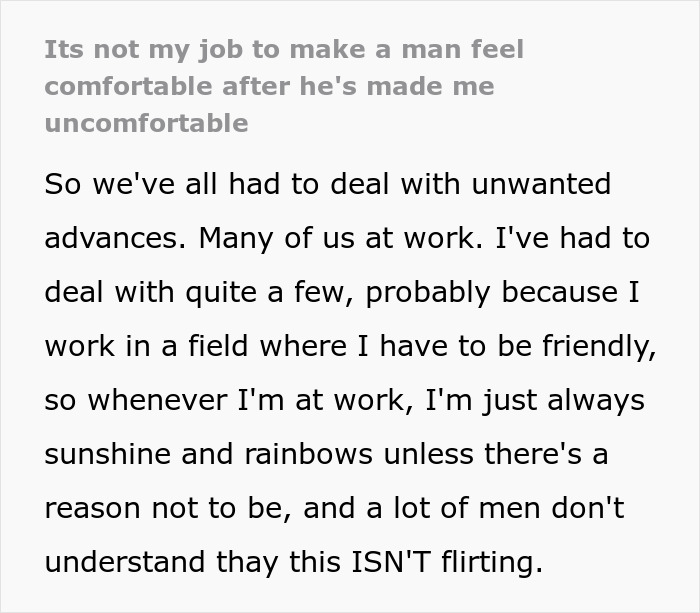
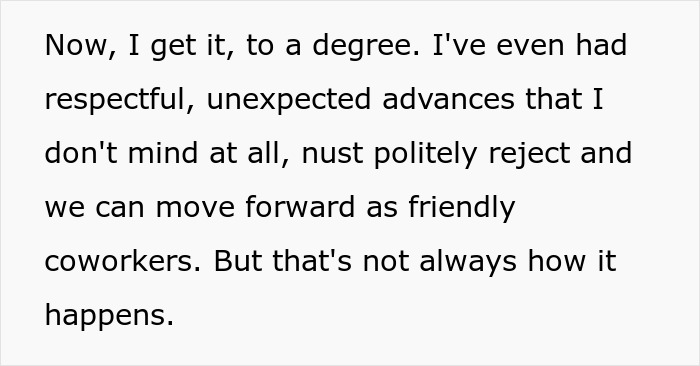
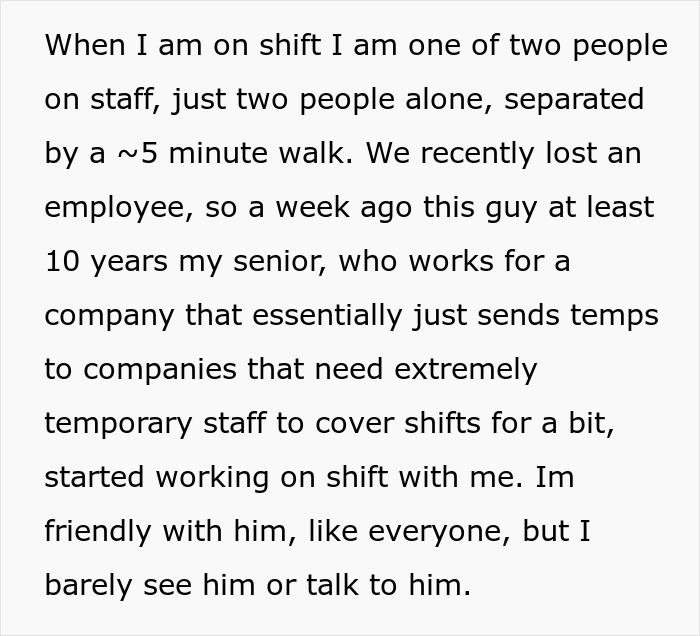
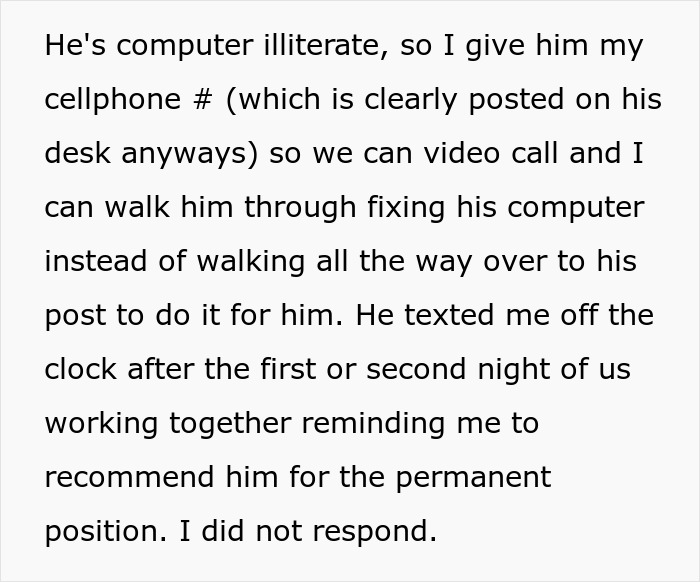


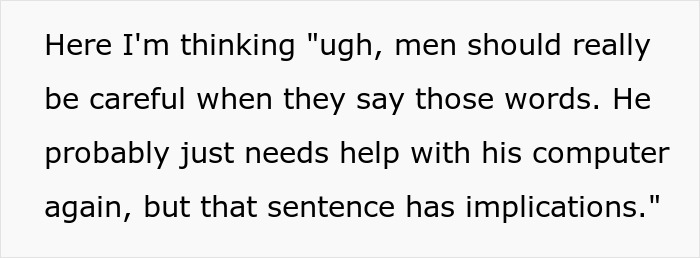






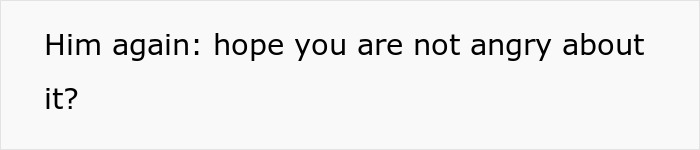

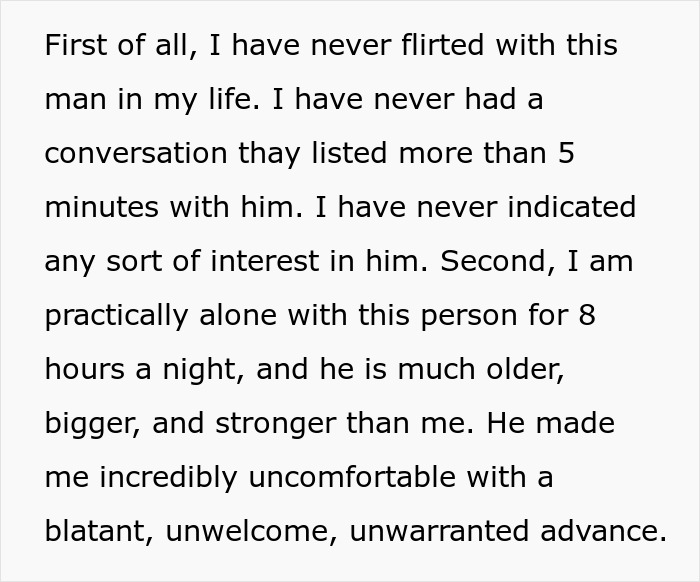
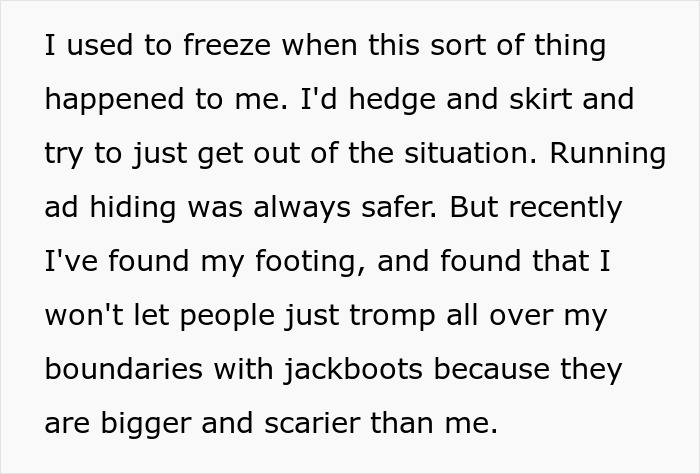
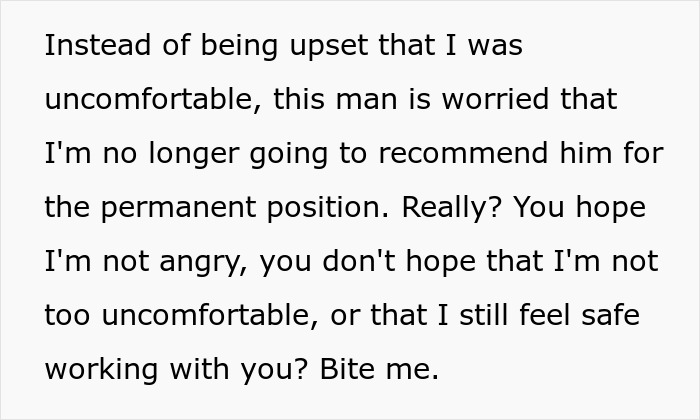
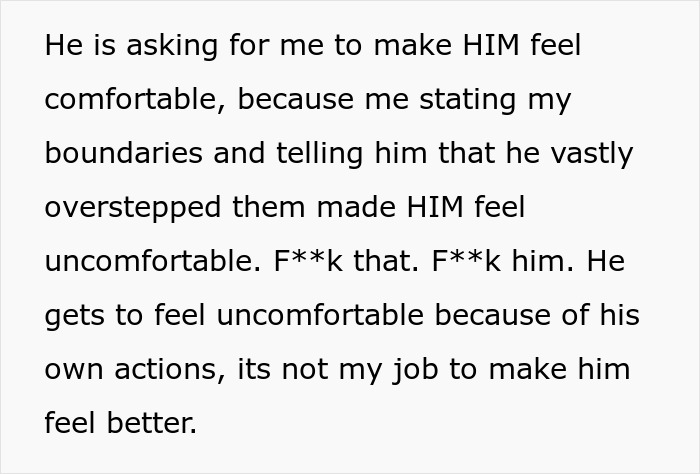
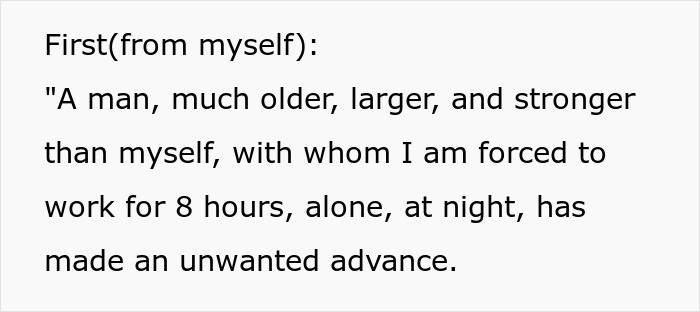
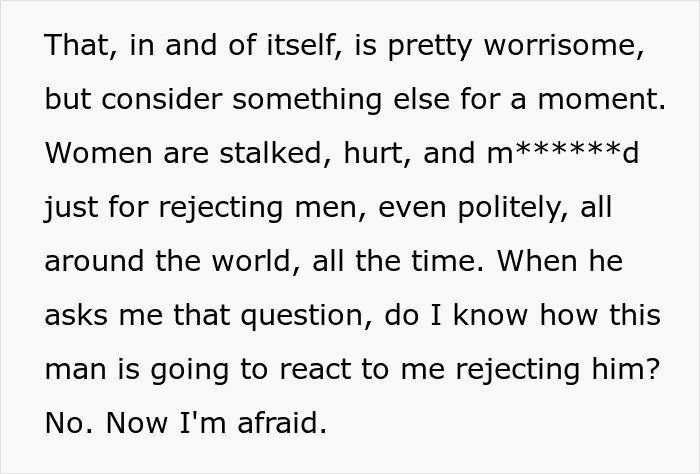
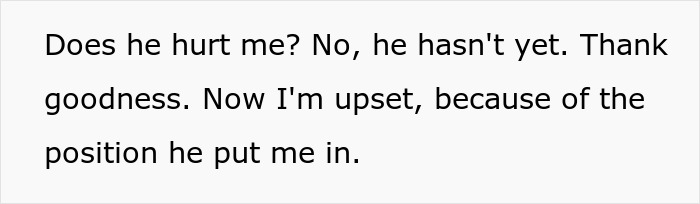
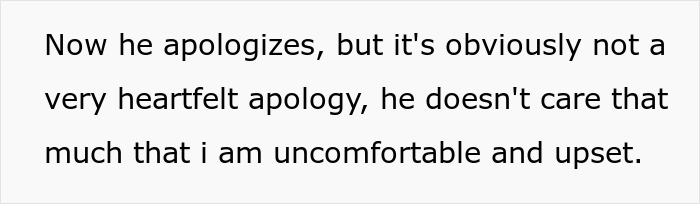
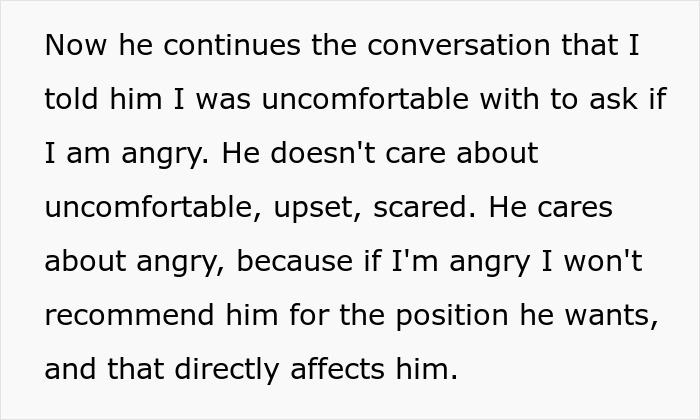
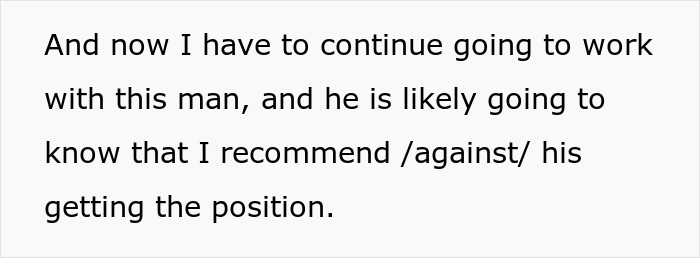
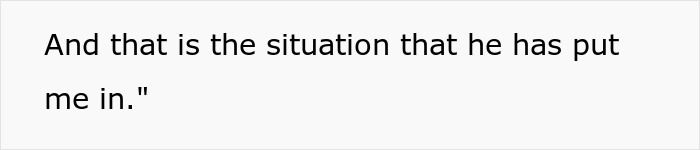

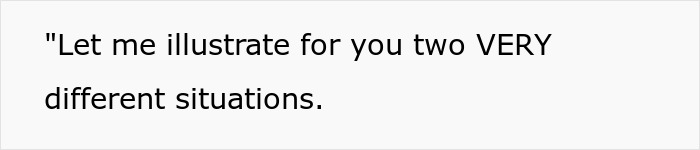
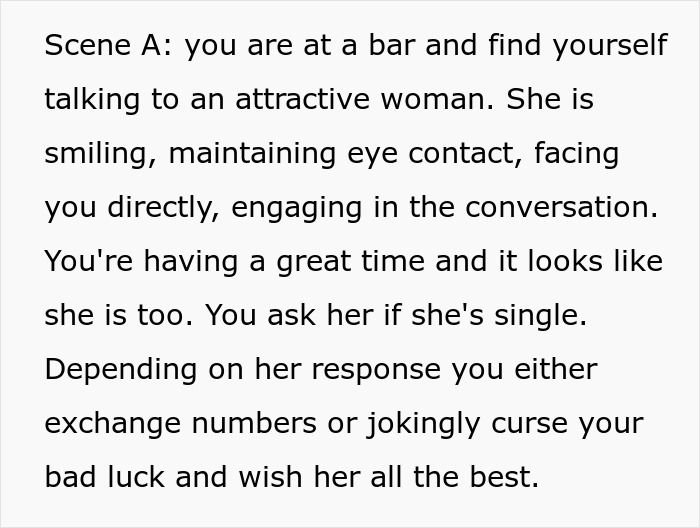
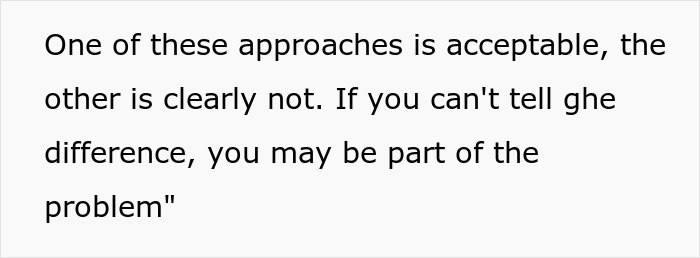

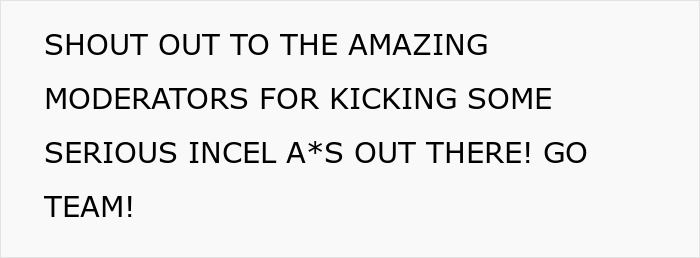
Image credits: nenorei
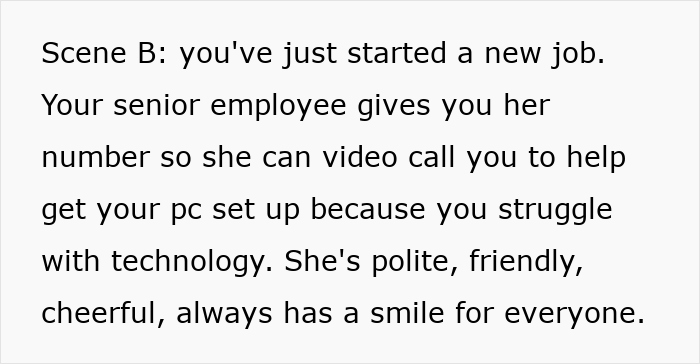
The OP explained that she works shifts where only two employees are present, with the pair stationed separately. After the workplace lost an employee, a temporary worker, who was considerably older than her, began working alongside her. She noted that she was friendly toward him as she was with anyone else.
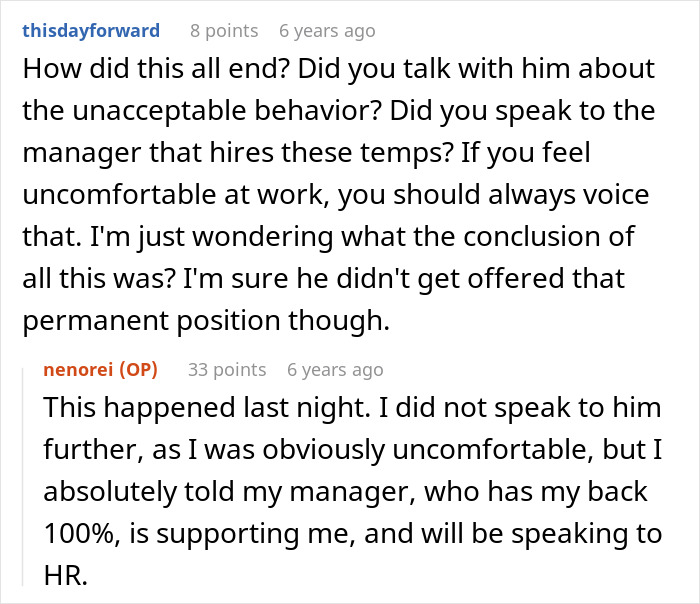
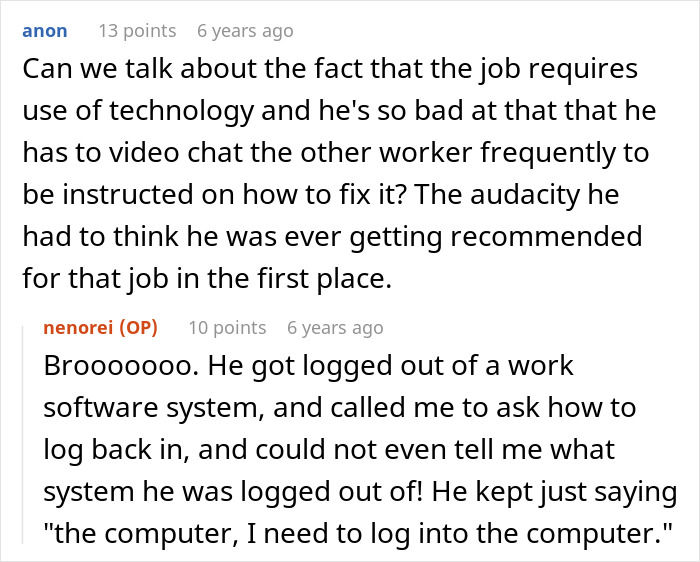
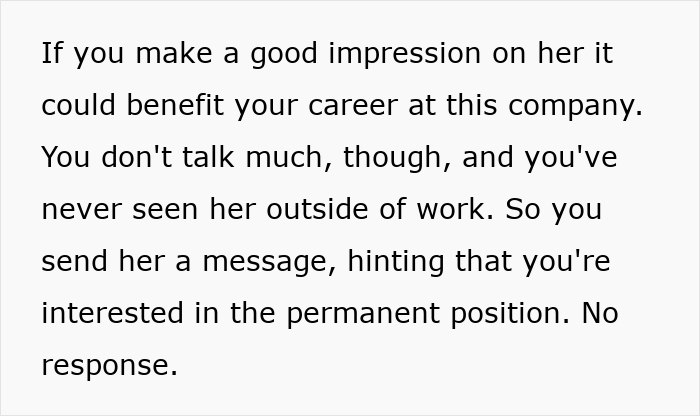
At one point, because he struggled with computers, she gave him her cellphone number so she could video-call him and walk him through technical problems rather than making the several-minute trip to his station. He later messaged her outside of work to remind her to recommend him for a permanent position, to which she didn’t respond. However, during another shift, he sent her a much more personal question.
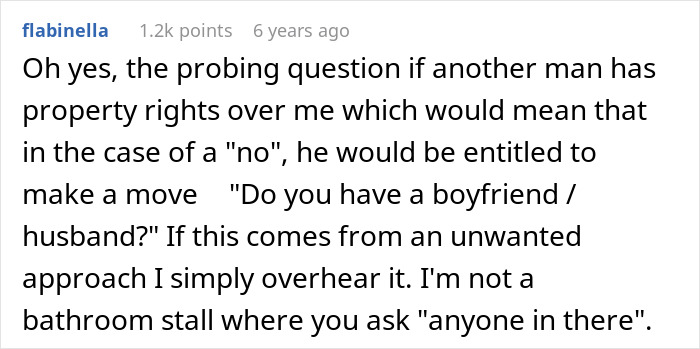
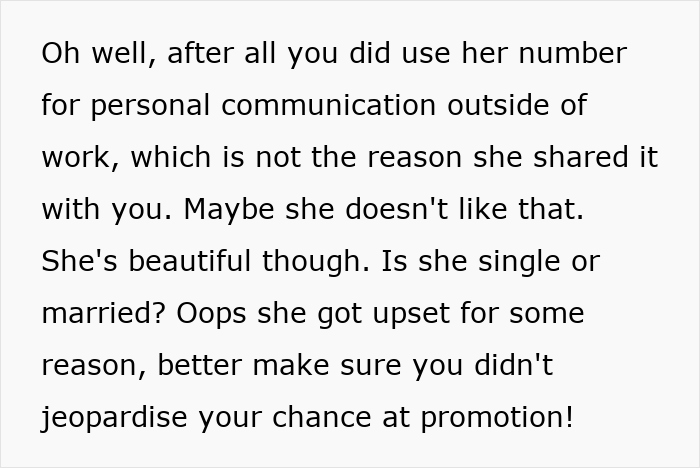
He asked whether she was single or married, and she replied that she was neither and asked why he wanted to know. His answer was simply that he wanted to know. However, she told him that it wasn’t a conversation she was comfortable having and asked to drop the subject. He apologized, but then immediately followed up by asking whether she was angry.
That detail particularly bothered the OP because she felt his concern focused less on how uncomfortable she was and more on whether her reaction could affect his chances of getting the permanent position. She explained that her biggest concern was that she had to keep working with him, and that uncertainty mattered since women can barely ever tell how a man might perceive their rejection.
Rejecting an unwanted advance can feel complicated for women because they may worry about retaliation, harassment, being shamed or accused of “leading someone on”. Psychology Today notes that those concerns can extend to professional consequences or ongoing hostility. There may also be anxiety that saying no could lead to repeated messages or escalating attention.
Guiterrez Law Firm also highlights that the meaning of an advance isn’t determined solely by the words or actions themselves. A question about someone’s relationship status might feel harmless in a social setting where interest appears mutual, but the same question can feel very different when it comes from a coworker you barely know, particularly when you are working alone together.
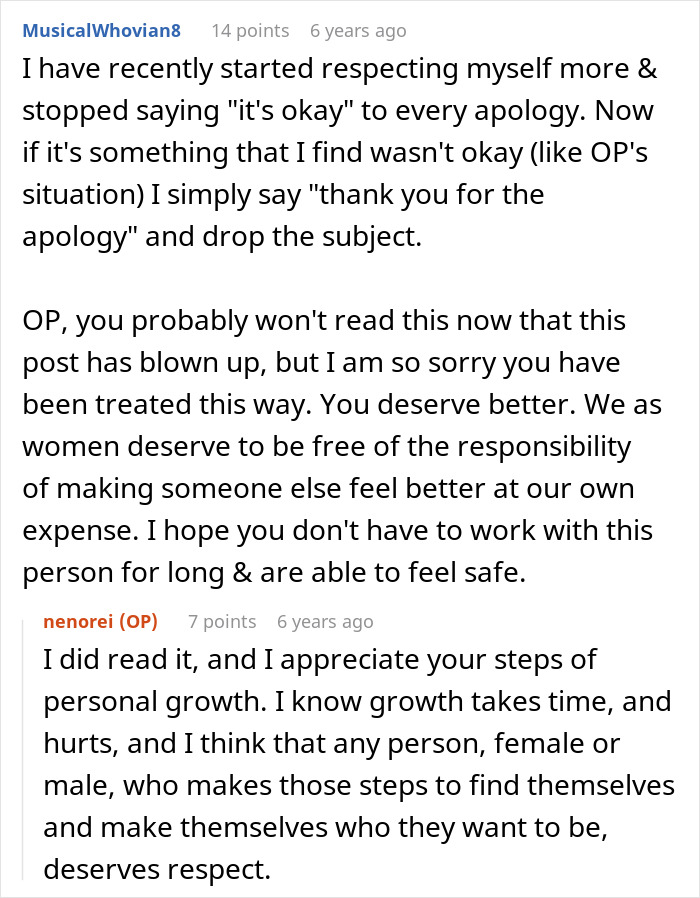
That is why the OP’s decision to establish a boundary immediately is significant. Relate Realms explains that clearly communicating a boundary can protect a person’s autonomy and well-being while reducing the ambiguity that can sometimes allow unwanted attention to continue. Just as importantly, the response to that boundary can reveal something about the other person.
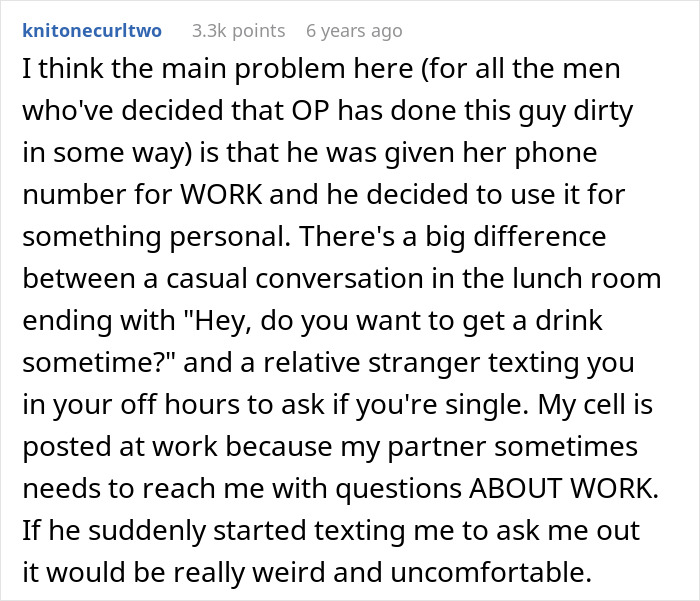
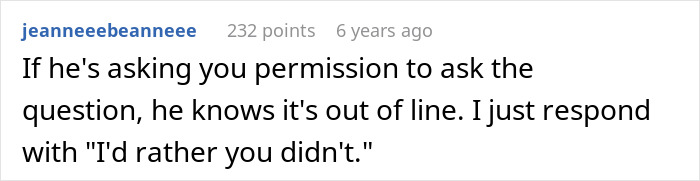
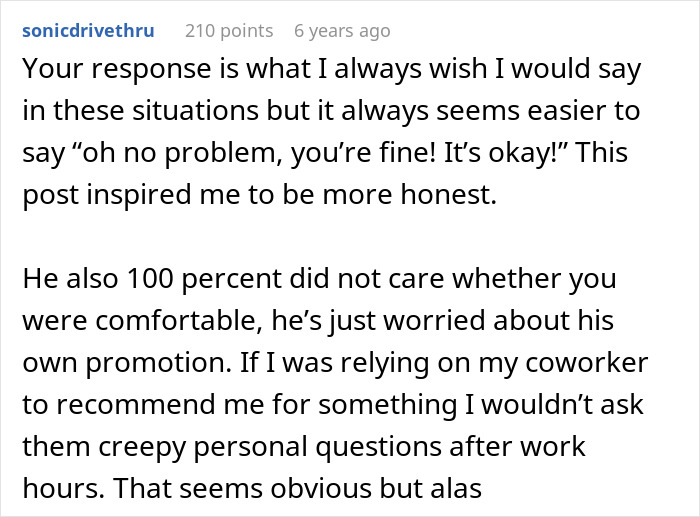
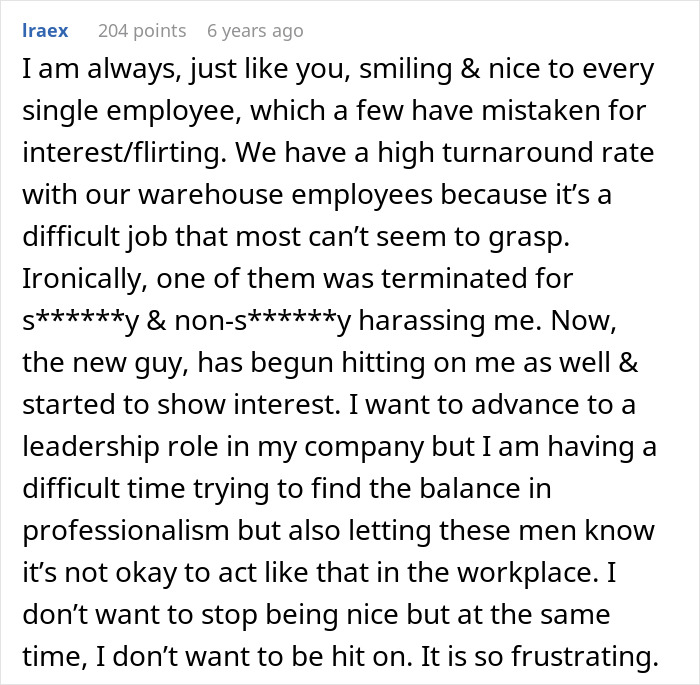
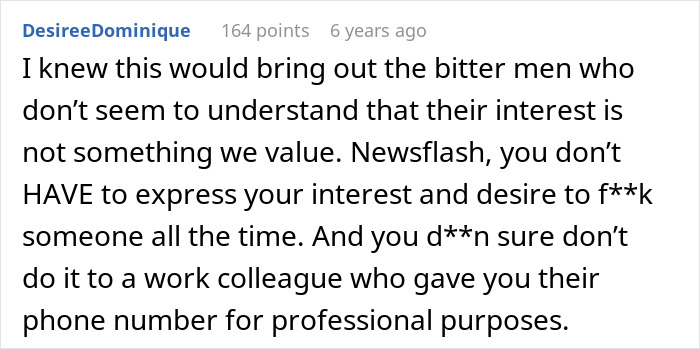
Netizens agreed that the biggest issue was that the coworker used a work-related phone number for a personal question, rather than simply making a respectful advance in a social setting. What do you think about this situation? Where do you think the line is between a respectful advance and an unwelcome one? We would love to know your thoughts!
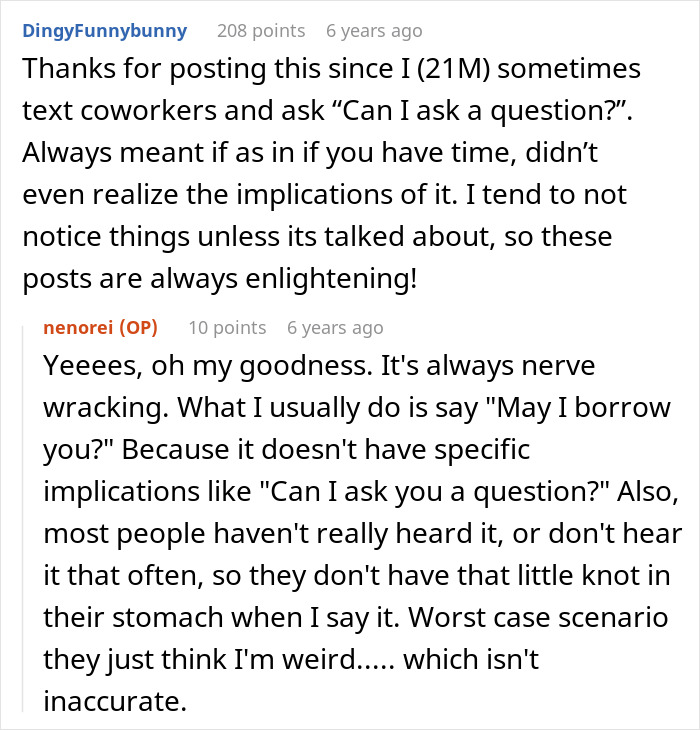

By entering your email and clicking Subscribe, you're agreeing to let us send you customized marketing messages about us and our advertising partners. You are also agreeing to our Privacy Policy.
Thank you! You've successfully subscribed to newsletters!

"Can I ask you a question?" asked by a colleague, should always be answered "Is it work related?" Instead of "Can I ask you a question?" Go with something like "I have an IT/Outlook/excel/HR/data/whatever question, do you have a minute?"

About 30 years ago, I got sooo tired of the moronic “Can I ask you a question?” that I changed my response from “Obviously, because you just demonstrated you can,” to “Obviously. Unfortunately, I’m now out of answers,” because I don’t wanna be bothered with moronic nonsense. Smarter people would think “I need to phrase my questions better,” but actual *smart* people quit prefacing their questions with nonsense and just asked the d****d thing they wanted to know. (Yes, I often got in trouble for “being intimidating,” and was sent for re-education where I learned about “amiables” and “enthusiasts,” but I STILL don’t want to be asked idiotic things like “Are you working today?” (You’re looking at me and I’m not at home, so what do you think?) As I’ve gotten older, I’ve even shot past the surly answer straight to “Nope! I’m not taking questions right now.” It’s not my job to make you feel better about asking stupid things. Go stupid somewhere else. Still, I can appreciate your “Is it work-related?” because it gets the message across that it had better be work-related or you’re not answering!
Load More Replies...
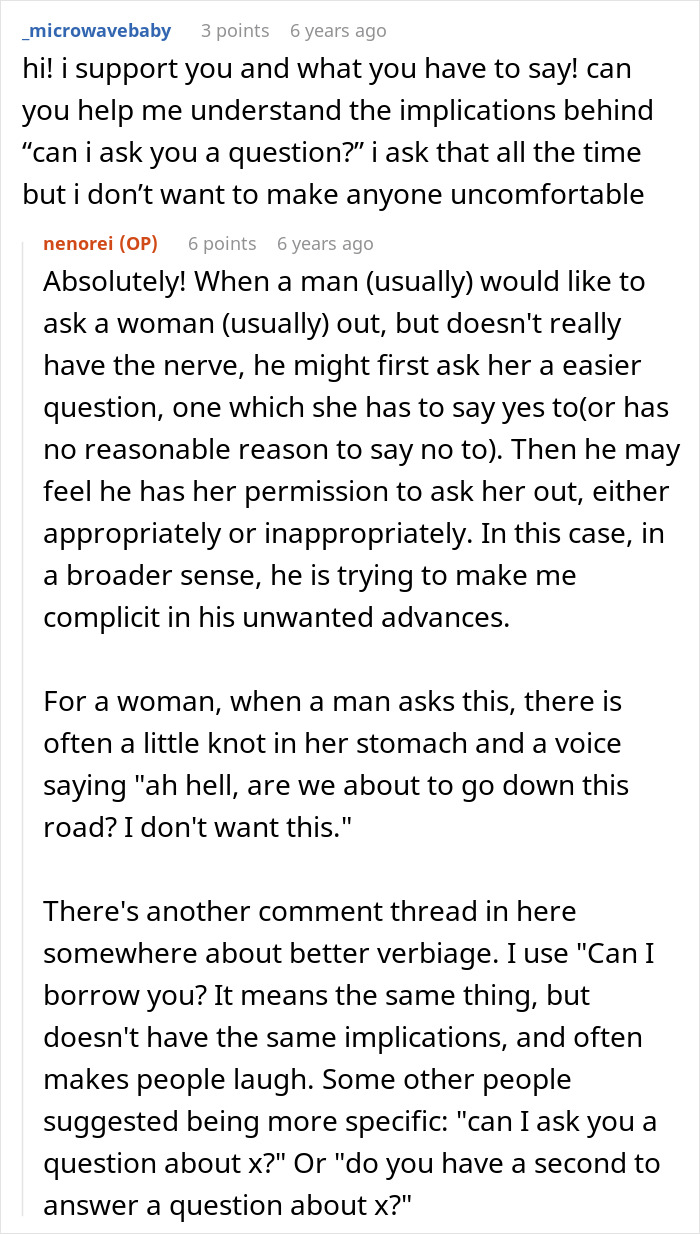
"Can I borrow you?" is SUCH an uncomfortable lead-in question IMO. The other options, being direct and open, are always better. "Can I ask you a question about X?" "Do you have a moment to talk about X?" You've communicated what the question is about, therefore removing the uncomfortable position of not knowing what direction the question is headed in.

Do not like, "can I borrow you." It's weird. And to coworkers who start out with "can I ask you a question," I will reply, "what's the bottom line?"
Load More Replies...
Men just don't get it most of the time. "Men are afraid women will laugh at them, women are afraid men will k**l them".

Jay Walsh outing themselves beautifully as an incel virgin
Load More Replies... "Can I ask you a question?" asked by a colleague, should always be answered "Is it work related?" Instead of "Can I ask you a question?" Go with something like "I have an IT/Outlook/excel/HR/data/whatever question, do you have a minute?"
About 30 years ago, I got sooo tired of the moronic “Can I ask you a question?” that I changed my response from “Obviously, because you just demonstrated you can,” to “Obviously. Unfortunately, I’m now out of answers,” because I don’t wanna be bothered with moronic nonsense. Smarter people would think “I need to phrase my questions better,” but actual *smart* people quit prefacing their questions with nonsense and just asked the d****d thing they wanted to know. (Yes, I often got in trouble for “being intimidating,” and was sent for re-education where I learned about “amiables” and “enthusiasts,” but I STILL don’t want to be asked idiotic things like “Are you working today?” (You’re looking at me and I’m not at home, so what do you think?) As I’ve gotten older, I’ve even shot past the surly answer straight to “Nope! I’m not taking questions right now.” It’s not my job to make you feel better about asking stupid things. Go stupid somewhere else. Still, I can appreciate your “Is it work-related?” because it gets the message across that it had better be work-related or you’re not answering!
Load More Replies... "Can I borrow you?" is SUCH an uncomfortable lead-in question IMO. The other options, being direct and open, are always better. "Can I ask you a question about X?" "Do you have a moment to talk about X?" You've communicated what the question is about, therefore removing the uncomfortable position of not knowing what direction the question is headed in.
Do not like, "can I borrow you." It's weird. And to coworkers who start out with "can I ask you a question," I will reply, "what's the bottom line?"
Load More Replies... Men just don't get it most of the time. "Men are afraid women will laugh at them, women are afraid men will k**l them".
Jay Walsh outing themselves beautifully as an incel virgin
Load More Replies...


























 No fees, cancel anytime














38
35