Get Premium
Dark mode theme is available exclusively for premium users. Learn more about the benefits of subscribing.
No fees, cancel anytime.

 Dark Mode Ad-Free Browsing Unlimited Content
 Ad-Free Browsing Unlimited Content Dark Mode
Join 1.2 million Panda readers who get the best art, memes, and fun stories every week!

Working in an office often means you have to socialize with your coworkers daily. When they have significant events in their lives, you also have to congratulate them, and sometimes even chip in for a collective gift. In fact, 43% of American workers say they have contributed to group gifts in the workplace or among family and friends.
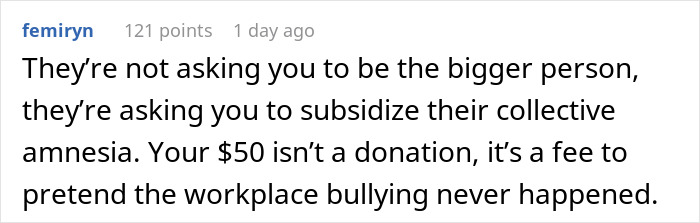
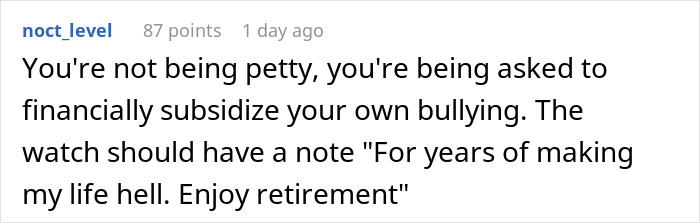
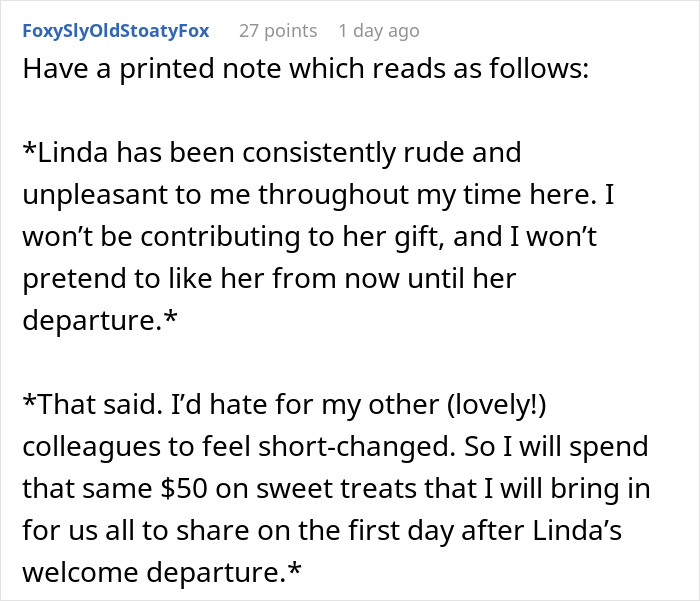
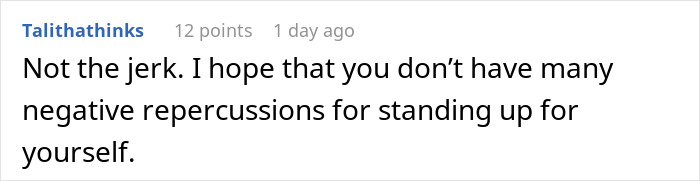
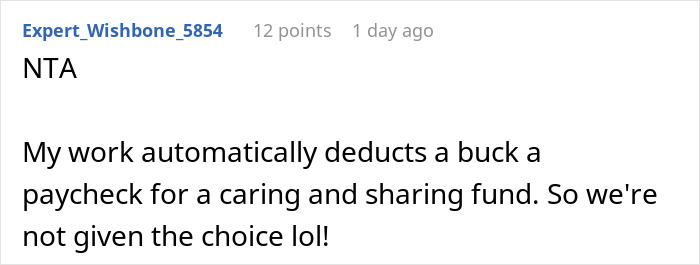
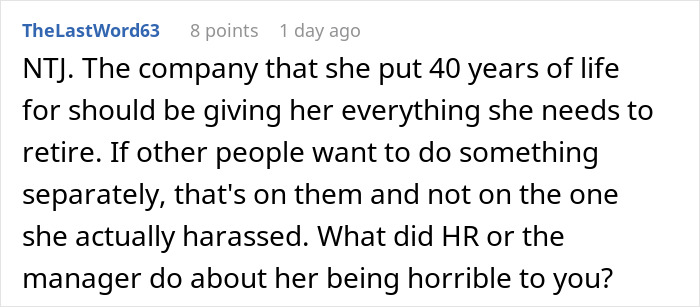
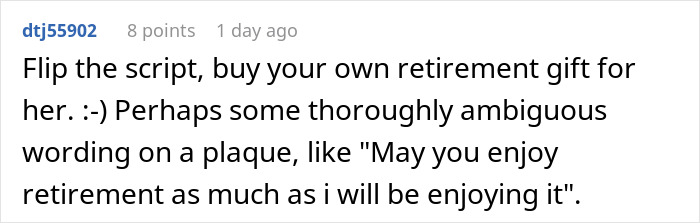
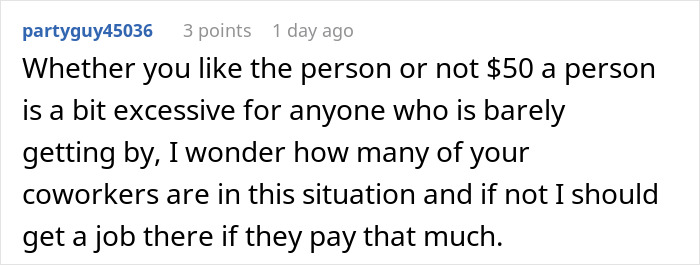
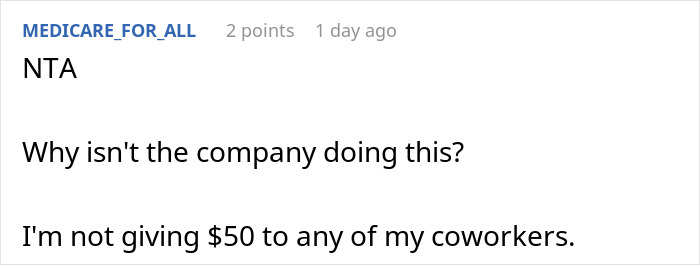
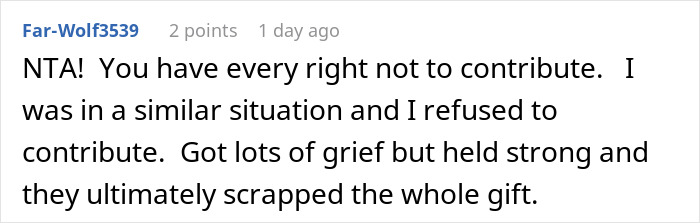
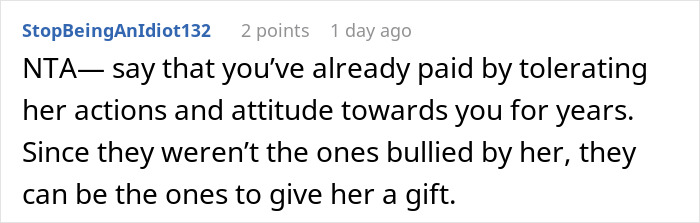
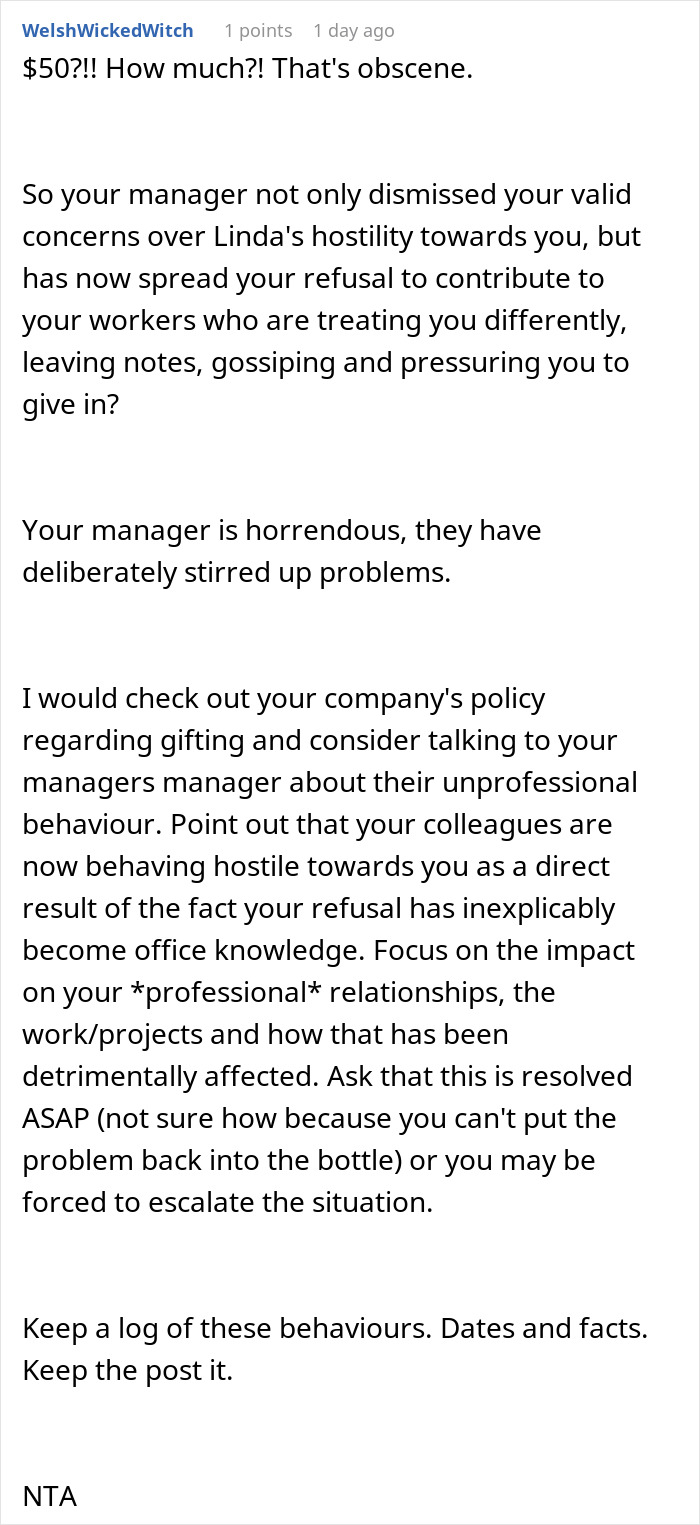
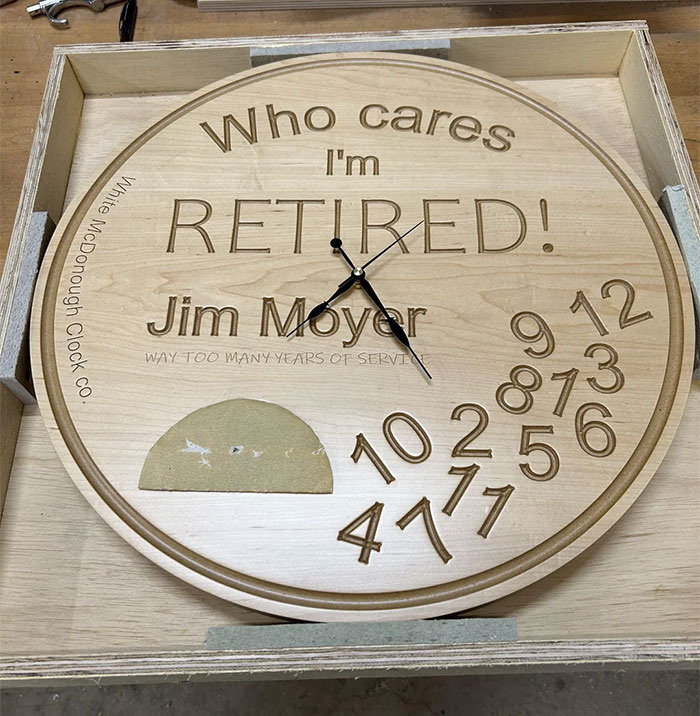
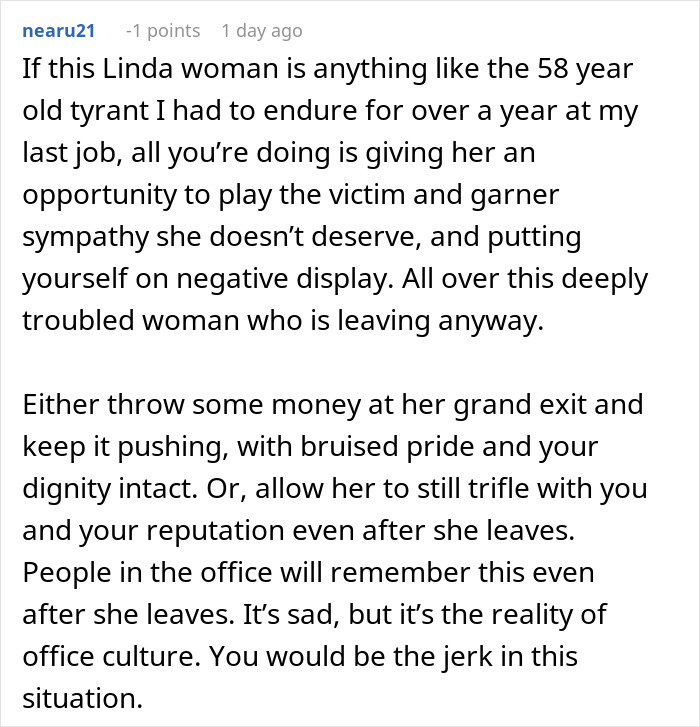
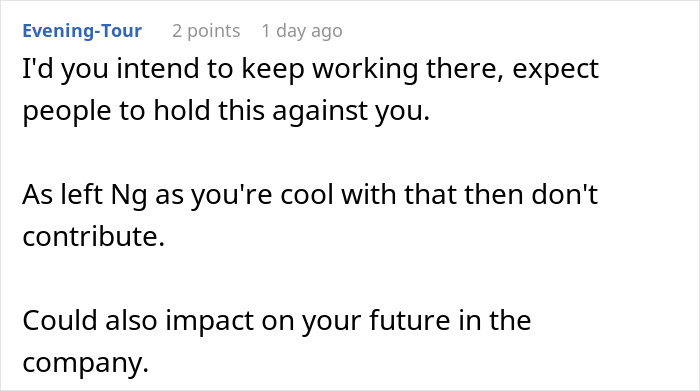
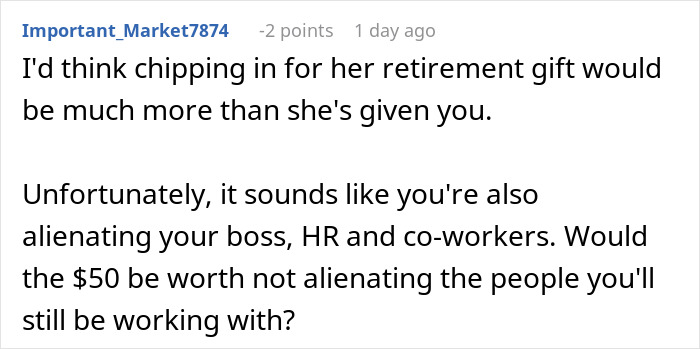
One recent story sparked a debate about whether that should be a given. After a woman refused to chip in for her colleague’s retirement gift, coworkers accused her of holding grudges and being petty. The woman tried to justify her position, saying, “She was horrible to me for years,” thinking that the colleague hadn’t earned any sympathy or a going-away gift from her.
Image credits: Getty Images / Unsplash (not the actual photo)
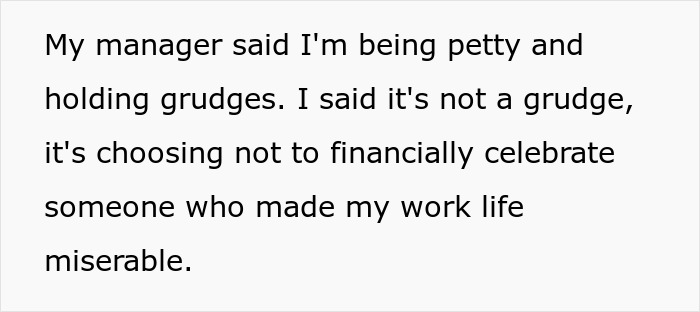
Image credits: luke2burn / Reddit (not the actual photo)
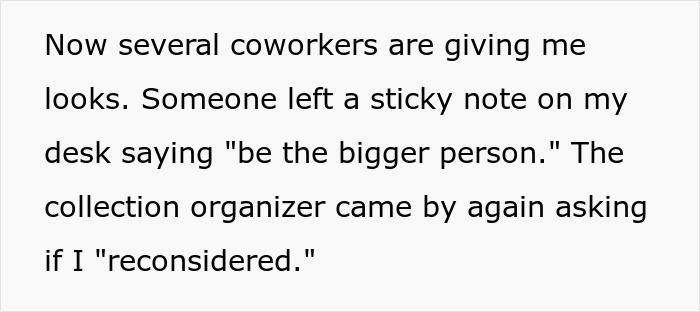
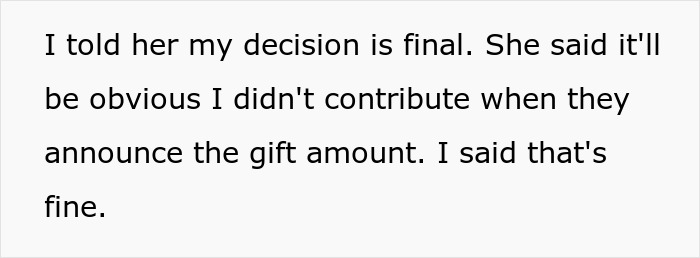
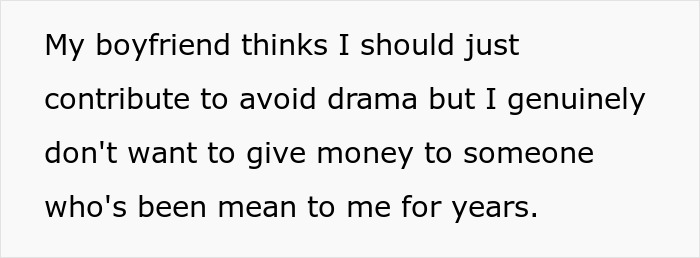
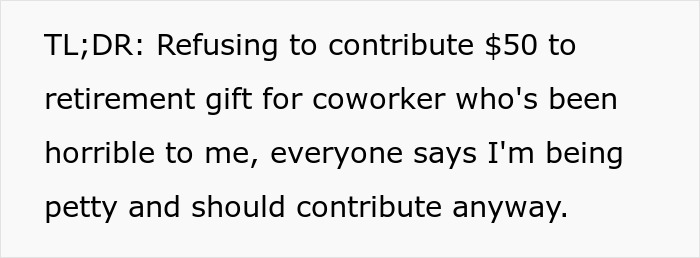
Image credits: Agitated-Result-4553
Image credits: Quantity-Worldly / Reddit (not the actual photo)
This woman’s story sparked an interesting discussion: should all coworkers contribute to gifts for colleagues or not? For some, coworkers’ birthdays, weddings, and even the holiday season can seem like a nightmare and a waste of money. Others, however, believe that it raises the spirit in the office and contributes to a better work ethic.
In general, most people look at gift-giving in the workplace as a stressful thing. According to a 2025 Harris Poll, almost half of all employees feel pressured to take part in gift-giving at work. On the other hand, 75% say they are comfortable giving colleagues gifts on personal occasions.
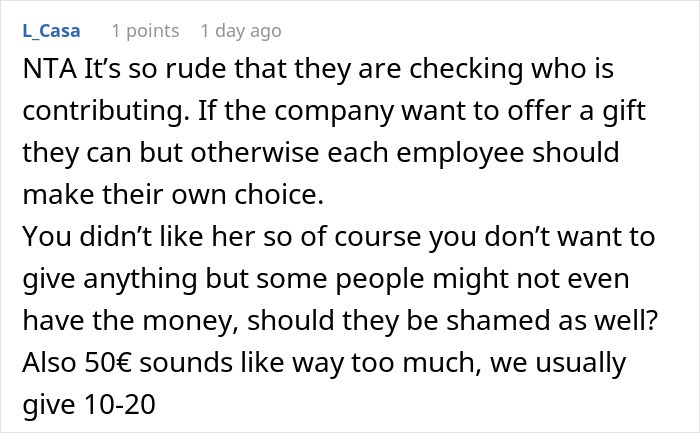
However, a common sentiment among workers is that chipping in for gifts is a nuisance. 71% of employees in the Harris Poll said giving gifts affects workers who earn less, and 68% even thought the practice led to favoritism. Employees think it can even lead to friction among team members because there is a sense of obligation that not everyone wants to adhere to.
Interestingly, when it comes to retirement, many people would like to receive a gift. In a 2021 survey of employees in Belgium and the Netherlands, 29% of the respondents said they would like to get a present from their colleagues on the day of their retirement. While this was more prevalent among older employees (50+), many younger workers admitted they would like a gift as well.
Image credits: Skytech Aviation / Unsplash (not the actual photo)
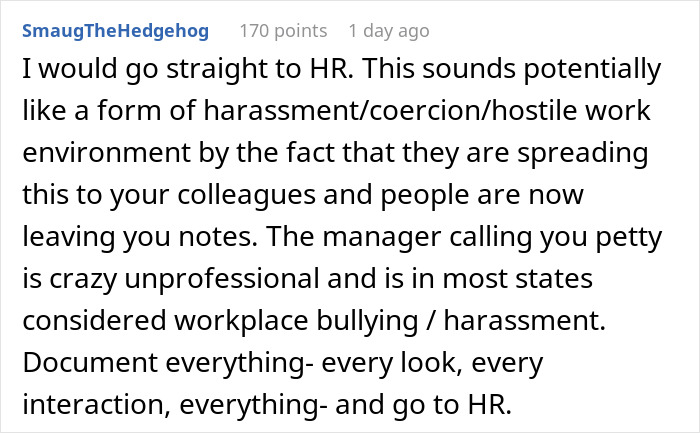
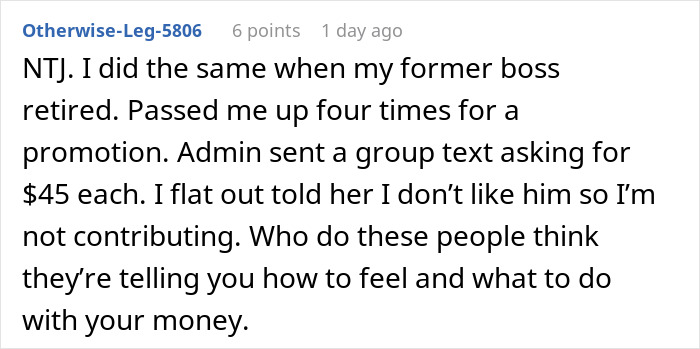
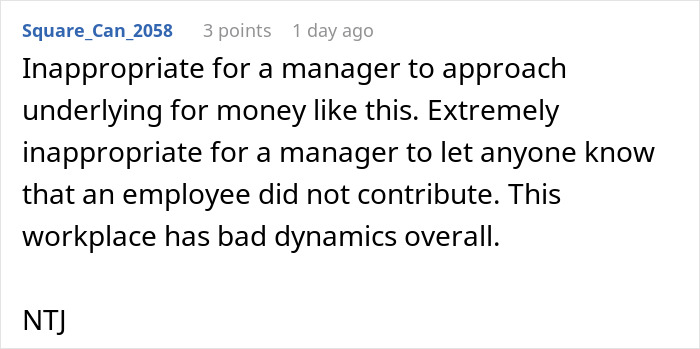
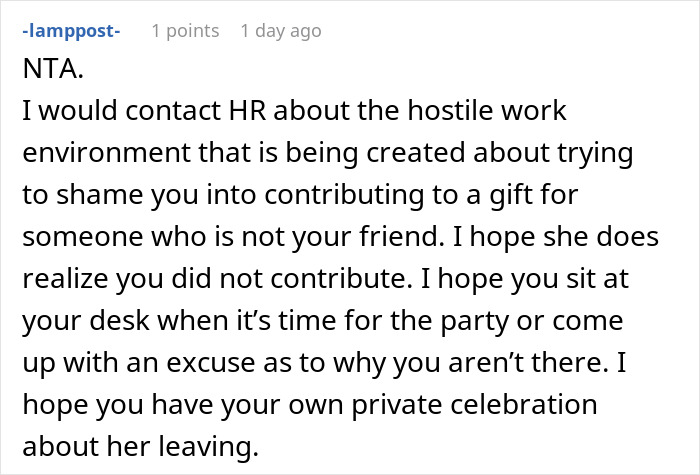
The problem in this story wasn’t with the fact that “Linda” was receiving a retirement gift. It’s that one employee felt forced to participate in the gift-giving. We could almost call this the perfect example of such practices negatively impacting team dynamics.
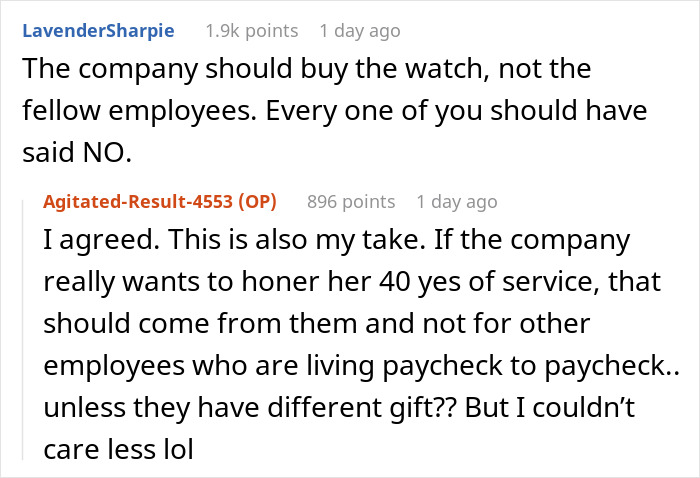
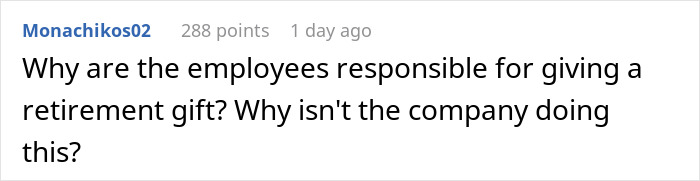
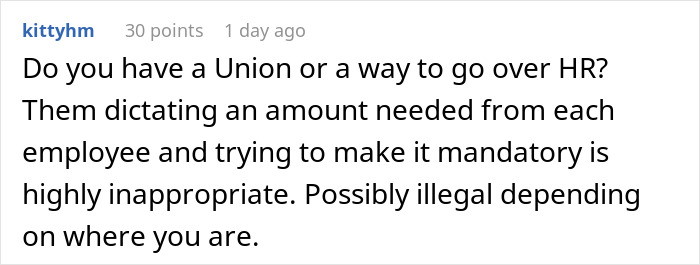
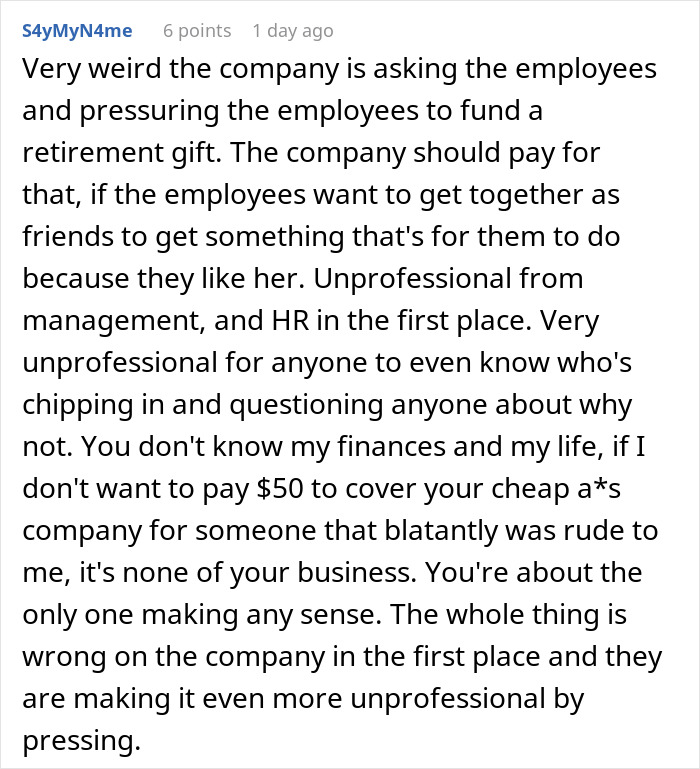
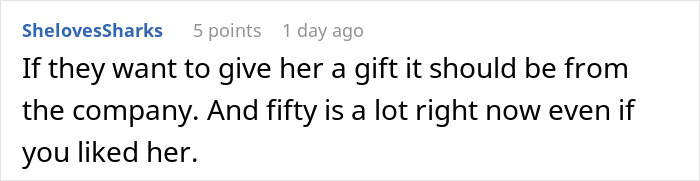
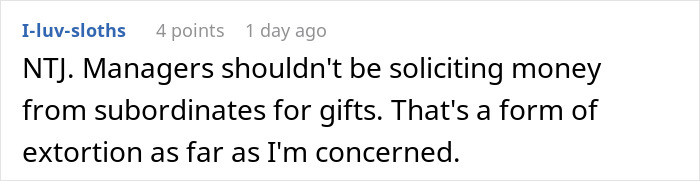
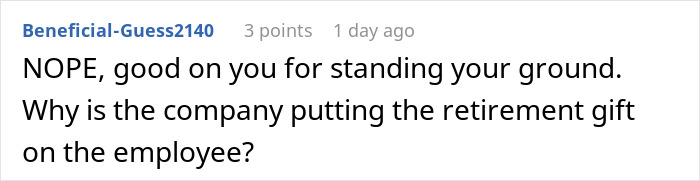
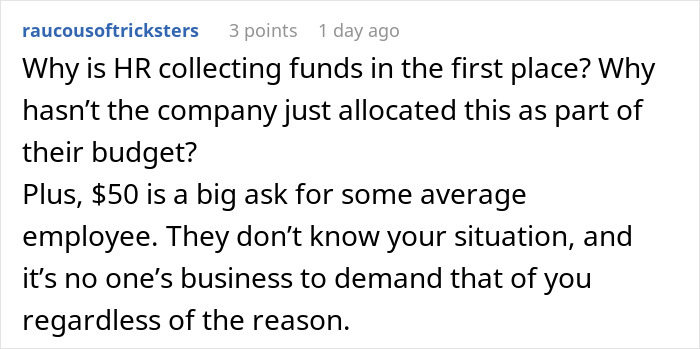
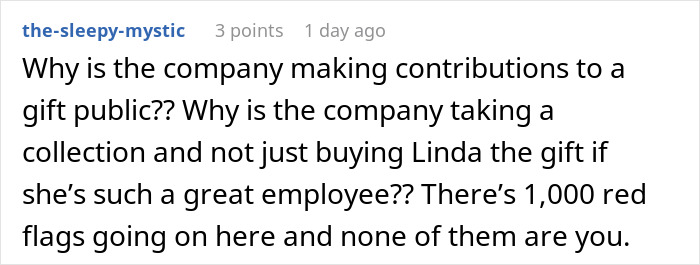
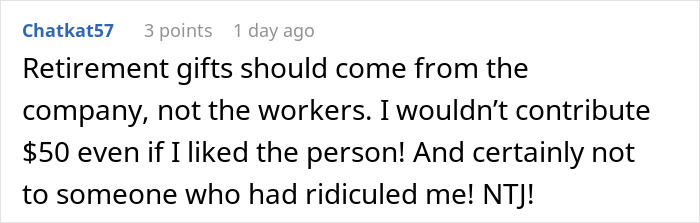
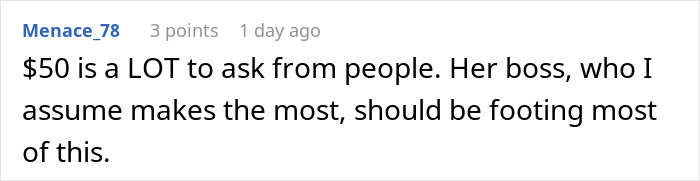
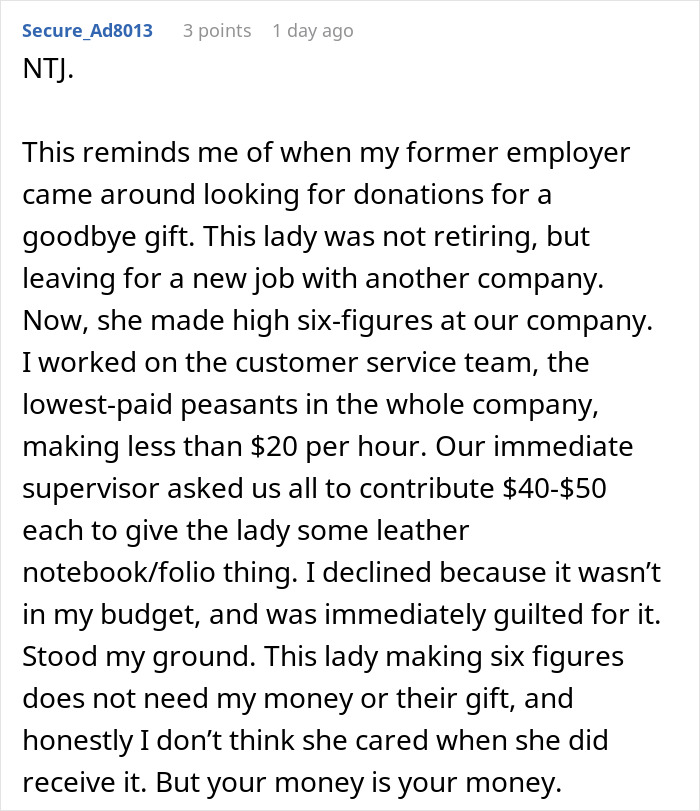
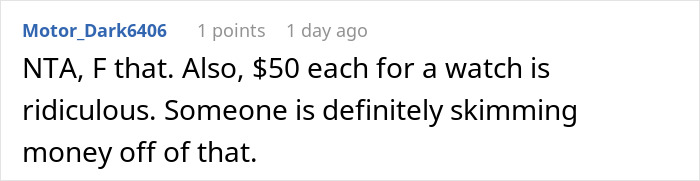
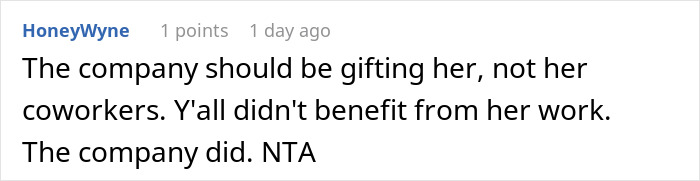
HR and workplace experts say that companies should make gift policies optional. It feels even more icky when a worker is asked to contribute to a gift for a colleague who earns significantly more than they do. If a company thinks that gift policies are important to its culture, it should be funding employees’ gifts itself.
Alison Green, the creator of the work advice site Ask a Manager and the author of Ask a Manager: Clueless Colleagues, Lunch-Stealing Bosses, and the Rest of Your Life at Work, writes that “optional” donations shouldn’t feel expected or required.
“Any collection for money needs to fully opt in, not opt out,” she argues. “We should all get comfortable ignoring donation drives we don’t want to participate in or using language like ‘It’s not in my budget right now.'”
Charlotte Hilton Andersen, an etiquette expert for Reader’s Digest, agrees. “The $50 that feels like pocket change to a senior manager might represent a significant chunk of an entry-level employee’s grocery budget.” She does, however, advocate for letting people keep their financial situations private. “You don’t owe anyone your financial autobiography,” she says, although admits that people sometimes are more understanding when they know the reason.

















By entering your email and clicking Subscribe, you're agreeing to let us send you customized marketing messages about us and our advertising partners. You are also agreeing to our Privacy Policy.
Thank you! You've successfully subscribed to newsletters!


Funny how the employees are paying for the company's 'thank you'


Funny how the employees are paying for the company's 'thank you'



































 No fees, cancel anytime







41
24