Get Premium
Dark mode theme is available exclusively for premium users. Learn more about the benefits of subscribing.
No fees, cancel anytime.

 Dark Mode Ad-Free Browsing Unlimited Content
 Ad-Free Browsing Unlimited Content Dark Mode
Join 1.2 million Panda readers who get the best art, memes, and fun stories every week!
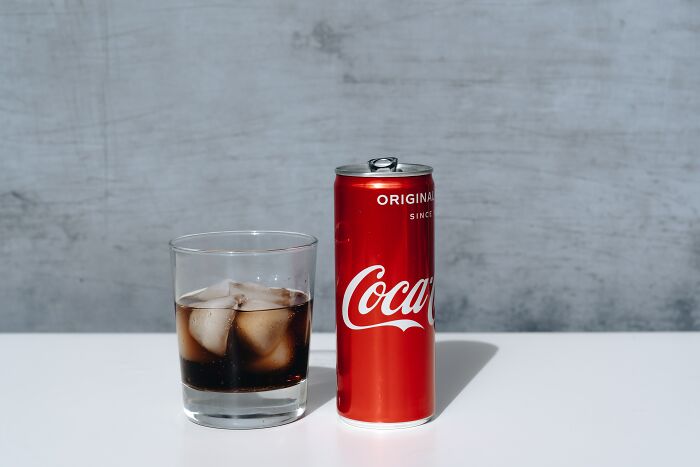
We’ve all heard that the devil is in the details. I’d say this goes doubly so for when huge corporations (keyword for “people who don’t care about you”) try to sell you junk food masquerading as some sort of superfood.
It’s like Satan himself is selling it and saying “it’s good for you, bro” – you’d be right to be a little suspicious.
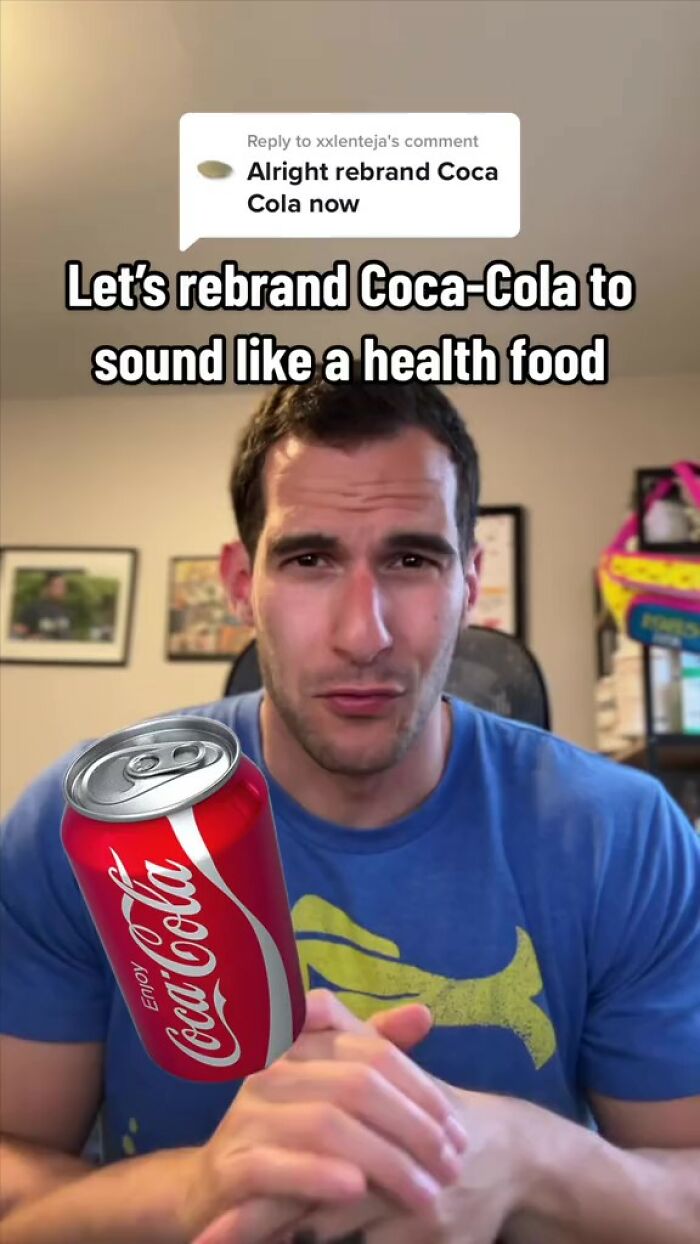
Well, this TikToker unveils these insidious tricks in a fun way – by rebranding famous “bad” foods into pinnacles of health, and today, Coke is on the chopping block.
More info: TikTok
Image credits: alleksana
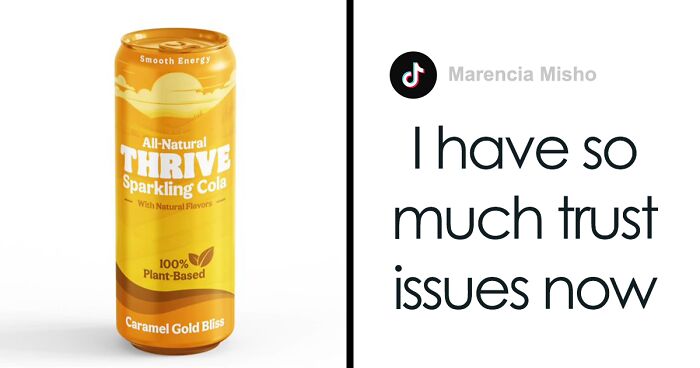
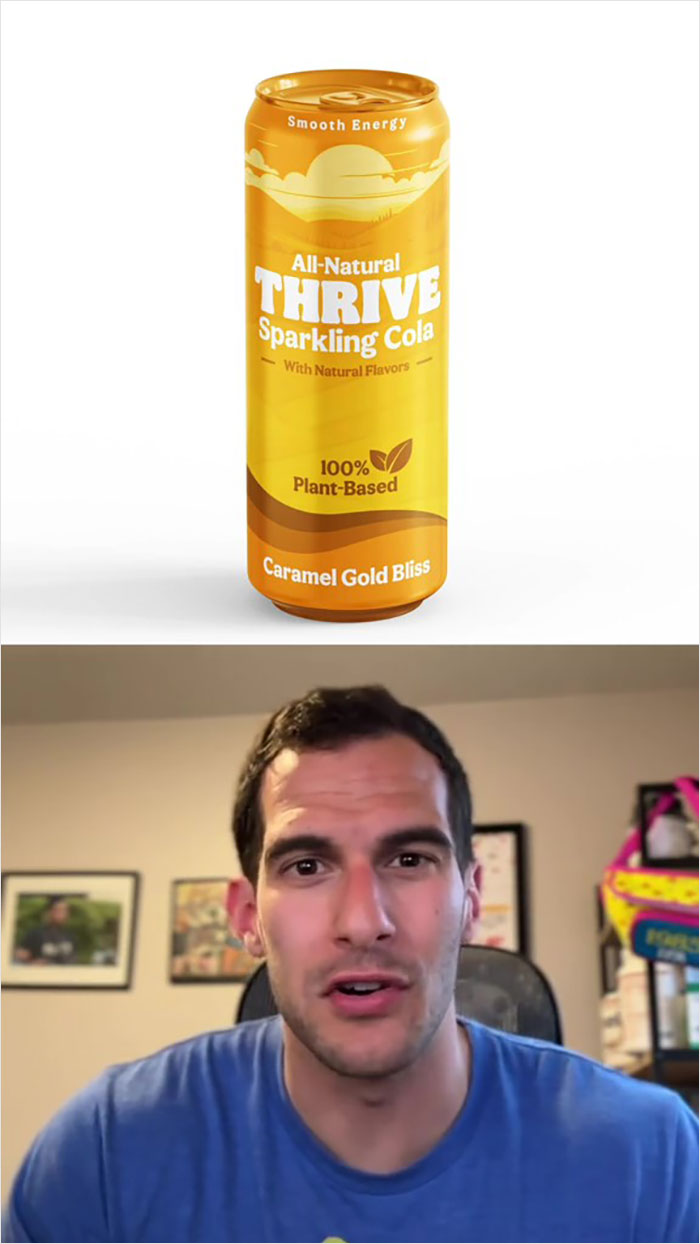
“I’m going to change up the colors from the normal Coke colors that we’re used to, and I’m going to call this product “Thrive Sparkling Cola.” “Sparkling Cola” makes it sound a little bit fancier, and “Thrive” doesn’t need to mean anything, just needs to feel a little bit healthy and light.”
Image credits: @mattrosenman
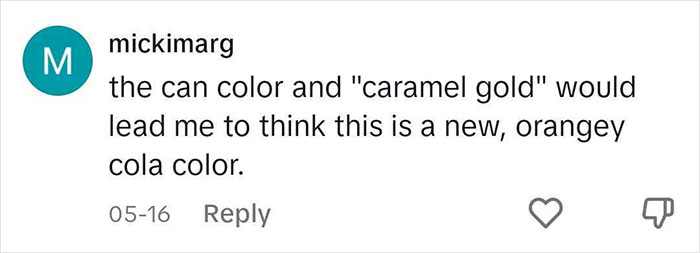
“The FDA’s regulation of the word ‘natural’ – it’s very loose. And coke lists natural flavors in the ingredients, so we’ll say ‘with natural flavors.’ We need a healthy-ish sounding flavor name. Let’s call this “Caramel Gold Bliss.” And, of course, Coke is 100% plant based. Since Coke has caffeine, let’s say “smooth energy” at the top, and we need to liven up this packaging a little bit, so let’s add a beautiful golden landscape.”
Image credits: @mattrosenman
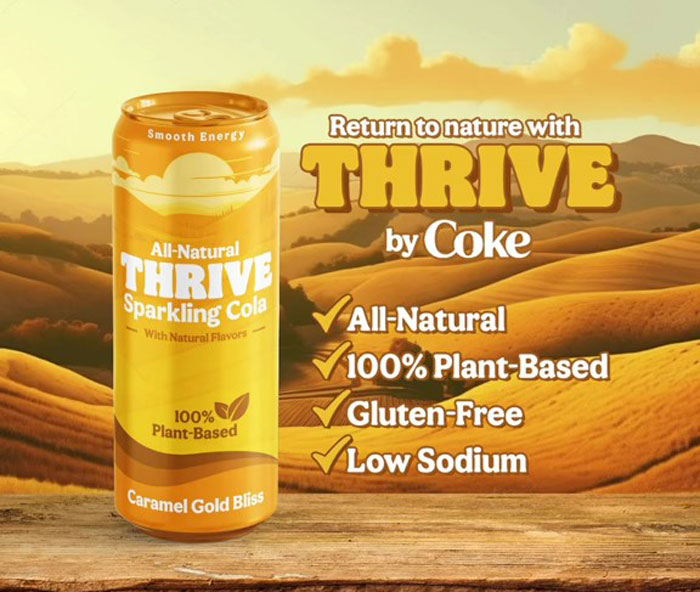
“So in our ads, we’ll say “gluten-free” and “low sodium” – both are true. And there you have an all-natural, healthy Coca-Cola. What do you guys think?”
Image credits: @mattrosenman
@mattrosenman Replying to @xxlenteja Healthy @cocacola at your service. It’s time to thrive. #rebrand#healthfood#cocacola#healthysoda♬ original sound – Matt Rosenman
Food packaging is misleading. We all know that. And yeah, if you take a look at the nutritional information and know what to look for, things are quite clear. But if you’re dead tired and just want something to eat for the evening, it’s more difficult.
There’s loads of different markings and icons that are meant to convey that this specific item is better than the others, that it may be so good, in fact, that it’s simply better than every single other one in the store. Of course, that’s kind of the point, as marketers are trying to get you to buy their product, rather than anyone else’s.
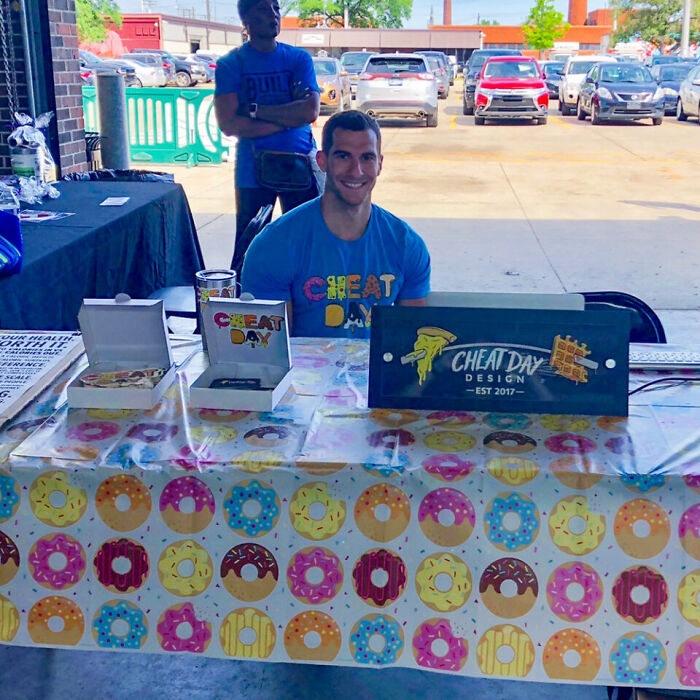
This is satirized by Matt Rosenman, the star of today’s article. He’s got a bachelor’s degree in Health Behavioral Sciences as well as years of practice working in design.
Combining both of these passions, along with all his other content, he creates videos where he turns stereotypically unhealthy foods into superfoods, all by cardinally redesigning the way they are packaged.
By using colors that symbolize nature and health, and embellishing actual traits of products, giving them a more natural twist, these products are completely transformed. He’s done this with loads of popular snacks and drinks, not only Coke.
Some of his past projects include Snickers, Oreos, Cheetos, and his most recent one – the Monster Energy drink.
On his socials, he shares loads of tasty and healthy recipes and alternatives for all your favorite foods. He even posts handy nutrition guides of popular food joints, so you’re more aware of the calories and macronutrients in what you’re getting.
If this sounds interesting to you (and trust me, it is, especially if you’re looking to improve your health!), you should definitely visit his website, where you can find more about him, his work, and links to all of his socials.
And if his handle Cheat Day Design seems a bit “hmmm” for you, well, Matt says that it started as a name for his web design business, but has grown into something much more as his focus shifted. Now, it means that health and nutrition should be simple and satisfying – no cheat day needed.
Image credits: cheatdaydesign
We here at Bored Panda were very happy when we reached out to Matt Rosenman and he graciously replied.
It turns out this series started out as a simple way to point out marketing tricks that companies use, warning people not to base their decisions for eating “healthy” by what’s on the package of their food.
“As a content creator, my main goal is to simplify health & nutrition, and understanding labels is one of the most confusing and overwhelming topics out there for most people,” Matt says. By using his graphic design skills, he strives to help people see through these marketing and branding tricks in an entertaining and more approachable way.
His ultimate goal is to show people that it’s important to choose foods and drinks based on what’s important to you, not just what the label wants you to think.
Matt says that not even in his wildest dreams did he imagine this series becoming so popular. He’s been creating content for many years and has a fairly large following on other platforms too, but nothing has gone as viral as this series.
“Clearly what I am doing resonates with people and I am so happy that I am educating people on such a large scale.”
Talking about the best way to see through these tricks more often and more easily, Matt jokes: “The best way to learn more about these marketing tricks is by continuing to watch my videos, of course!”
Jokes aside, the biggest thing Matt wants people to understand is that you should read the back of the package, not the front.
Food is designed to make you want to buy it, but the back of the package has all the real information. Examine the nutrition facts and ingredients, and then base your decision off the things that are most important to you.
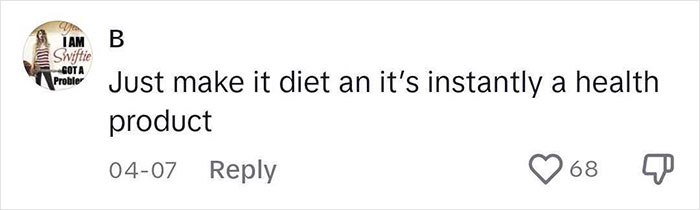
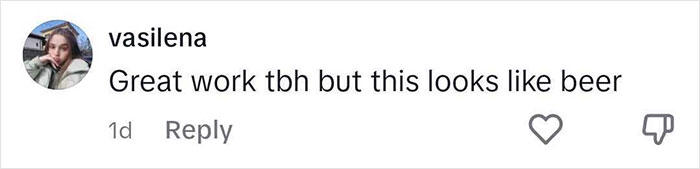
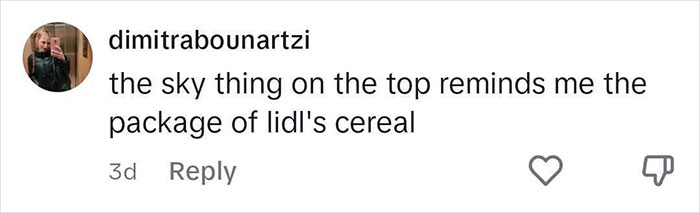
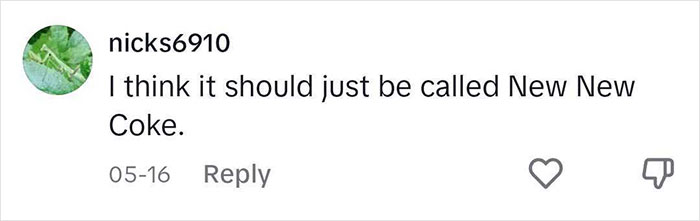
Matt’s food rebrands consistently collect millions of views, with today’s video getting more than 12M views and 1.4M likes. The comments on the video said how much viewers enjoyed the fresh design and how they’d be fooled by the new packaging. Share your own thoughts in the comments below!

He has a point though, how easy people are suckered into empty promises.

Friends did some running in Germany. This year they got 0.0% beer at the finish. Alcohol-free beer is just as nutrient-rich, but lower in calories than the sports drink they were served before. (local product, cheaper and a better sponsor)
He has a point though, how easy people are suckered into empty promises.
Friends did some running in Germany. This year they got 0.0% beer at the finish. Alcohol-free beer is just as nutrient-rich, but lower in calories than the sports drink they were served before. (local product, cheaper and a better sponsor)











 No fees, cancel anytime







38
15