Get Premium
Dark mode theme is available exclusively for premium users. Learn more about the benefits of subscribing.
No fees, cancel anytime.

 Dark Mode Ad-Free Browsing Unlimited Content
 Ad-Free Browsing Unlimited Content Dark Mode
Join 1.2 million Panda readers who get the best art, memes, and fun stories every week!

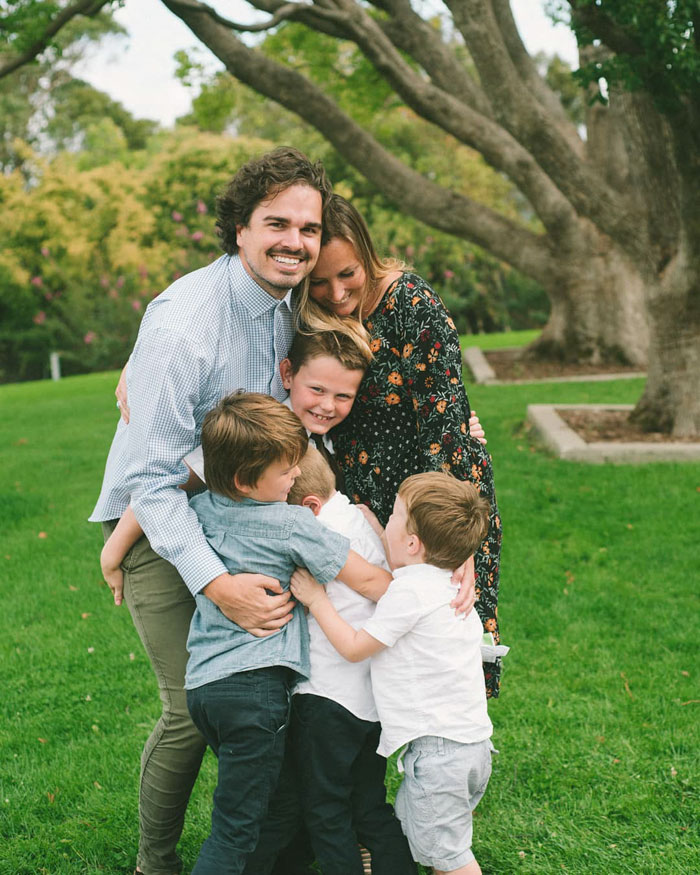
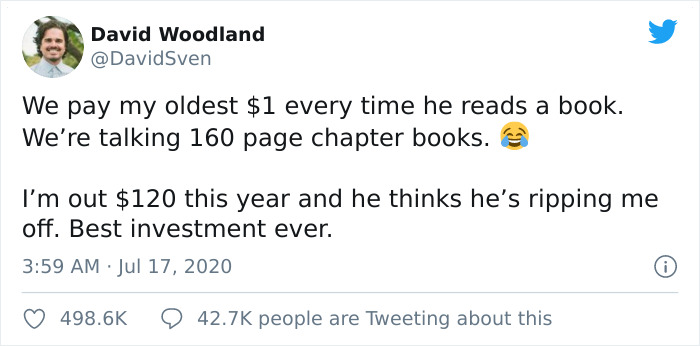
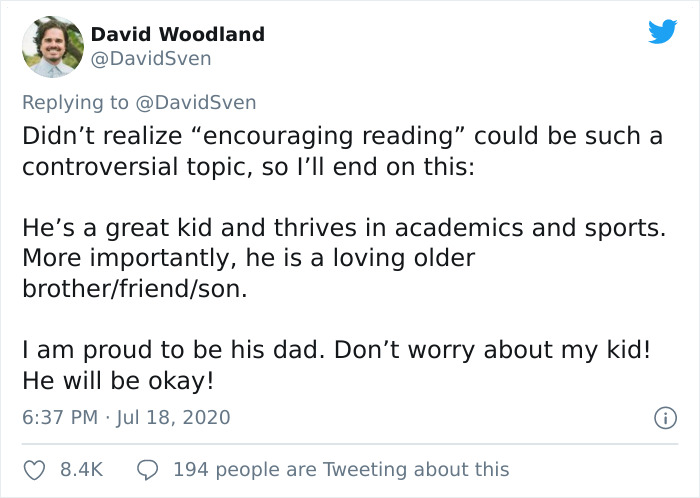
Dad David Woodland started a heated discussion online after he posted that he pays his oldest son to read books. David gives his son 1 dollar for every book read and thinks that it’s a great investment. Meanwhile, his kid believes that he’s ripping his dad off by getting paid to read.
David’s post got a lot of attention online. He got nearly half a million likes on Twitter and made a large splash on Reddit where lots of people reposted his tweet. However, people were divided over whether or not what the dad is doing is right.
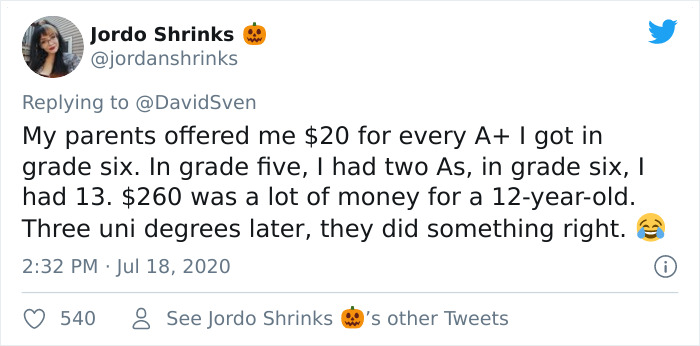
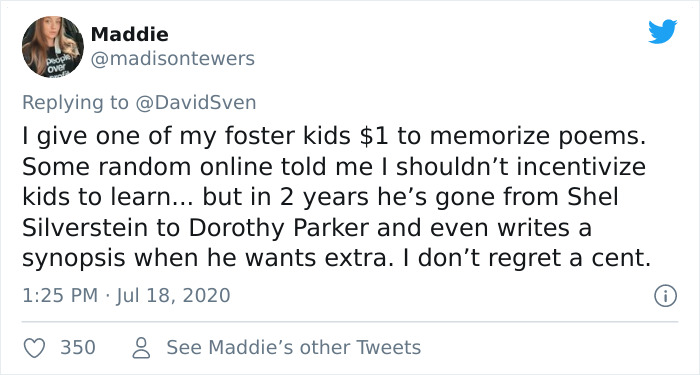
Some internet users fully supported David and thought that it’s a good way to get his son to develop positive habits. However, others were much more critical of David’s technique. Let’s see what both sides think, shall we, dear Pandas? Bored Panda also got a hold of David and chatted with him about the parenting tactic that he and his wife use, so be sure to read on!
More info: Twitter | Instagram
Image credits: David Sven
Image credits: DavidSven
Image credits: DavidSven
“I don’t think anyone expects to go viral. Been tweeting for a decade and I’d say I have had much better tweets that got 5 likes. The first thing to clarify is that this system was my wife’s idea. So, shoutout to her and she deserves this much sought after, life-changing internet fame (spoiler: it isn’t life-changing at all),” David told us.
We wanted to get to grips with what David thought about all the criticism that his post received. According to the dad, the ‘controversy’ was around incentive structures in child development.
“Some think that if you reward some tasks, those tasks become chores that a kid will never be able to enjoy. It’s a fair take. In the instance of my son, I don’t worry about his pleasure of reading. He is bright and his vocabulary is exploding,” David explained. “He sometimes shocks me with how smart and insightful he is. He has even mentioned we don’t have to pay him anymore, but we do anyway because it’s just a dollar. He doesn’t get an allowance, so outside of chores, this is possibly the only other way he can earn money on his own as an 8-year-old. He likes to save his money and is proud of the pile of money he has accumulated.”
The dad said that he’d be willing to keep paying his son to read forever. “If the rate stays at only $1, I would fund it for life if it kept working! The benefits of reading a book can change people’s life. My favorite tweet that came from the thread was this: ‘You wasted $150,000 on an education you coulda got for $1.50 in late fees at the public library,'” he said.
“It’s hard to overstate the impact of quality time and energy spent on a child. It can have a lifetime effect with exponential impact,” David added. “If anyone is interested in hearing more of my thoughts on being a dad in the Silicon Valley, they can check out this recent podcast episode where I was a guest on the Rad Dad Show.“
Image credits: Linc6080Common
Image credits: DavidSven
Image credits: jkostecki_rei
Image credits: TDaudier
Image credits: brunolarvol
Image credits: J_RRasmussen
Image credits: pandahobbs96
Image credits: bandetaiwo
Image credits: matteisn
Image credits: skrxxet
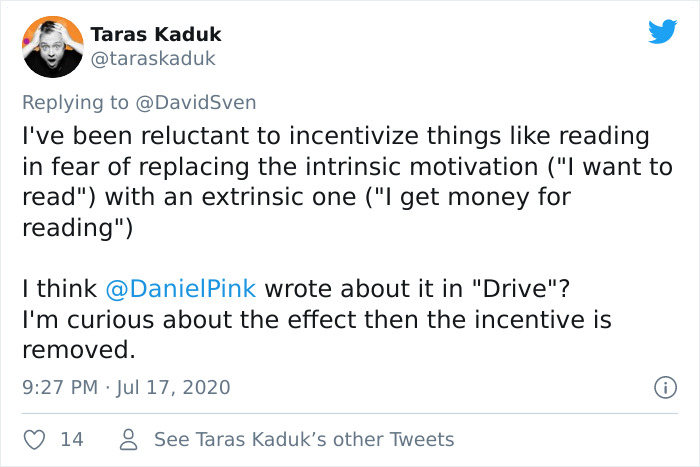
Image credits: taraskaduk
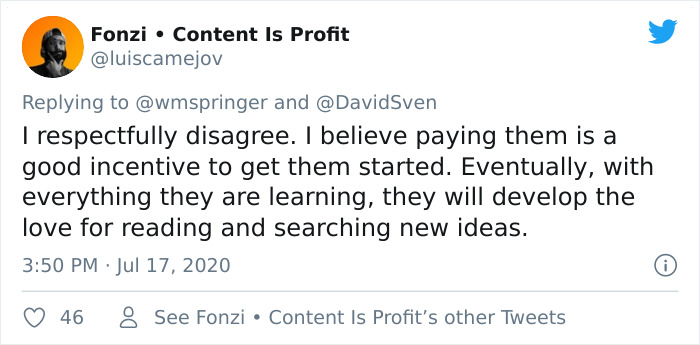
Image credits: luiscamejov
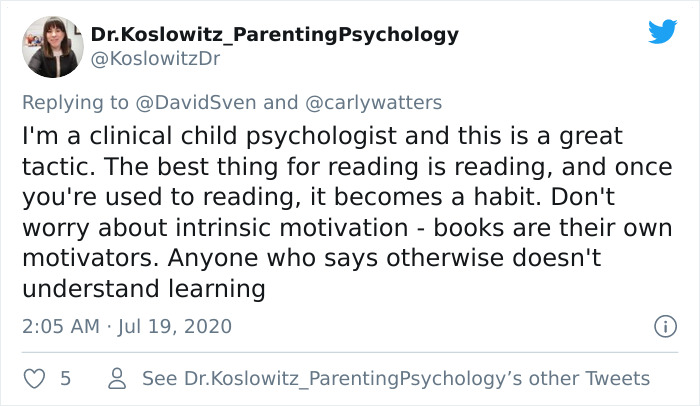
Image credits: KoslowitzDr
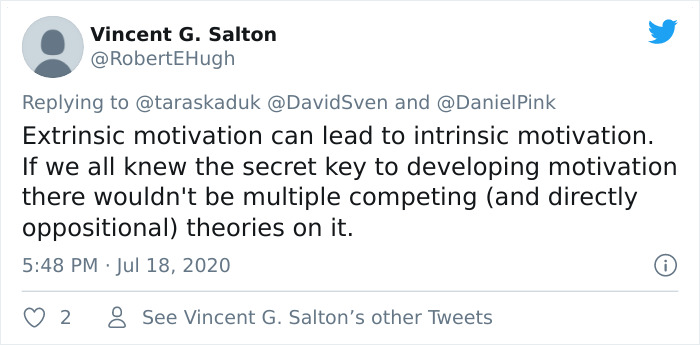
Image credits: RobertEHugh
Image credits: littleredsm
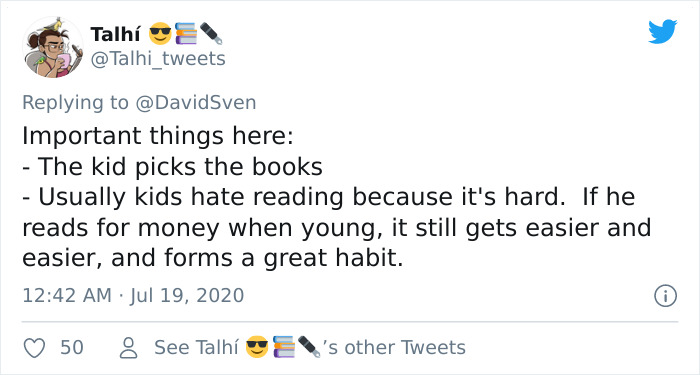
Image credits: Talhi_tweets
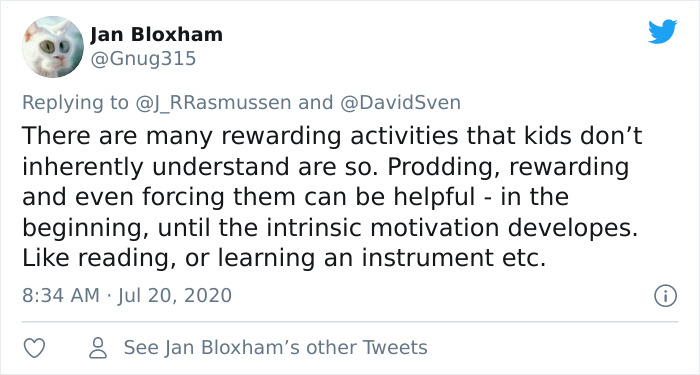
Image credits: Gnug315
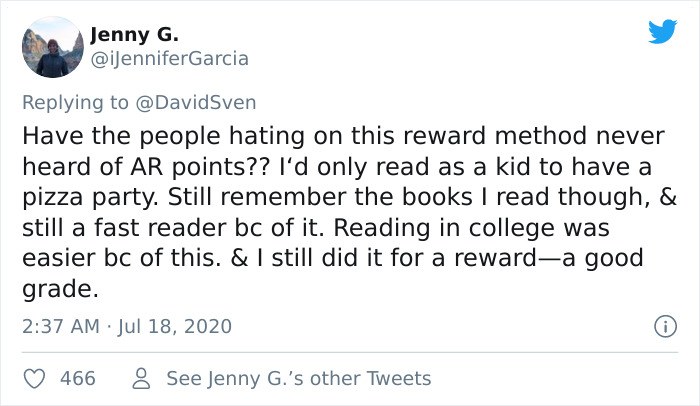
Image credits: iJenniferGarcia
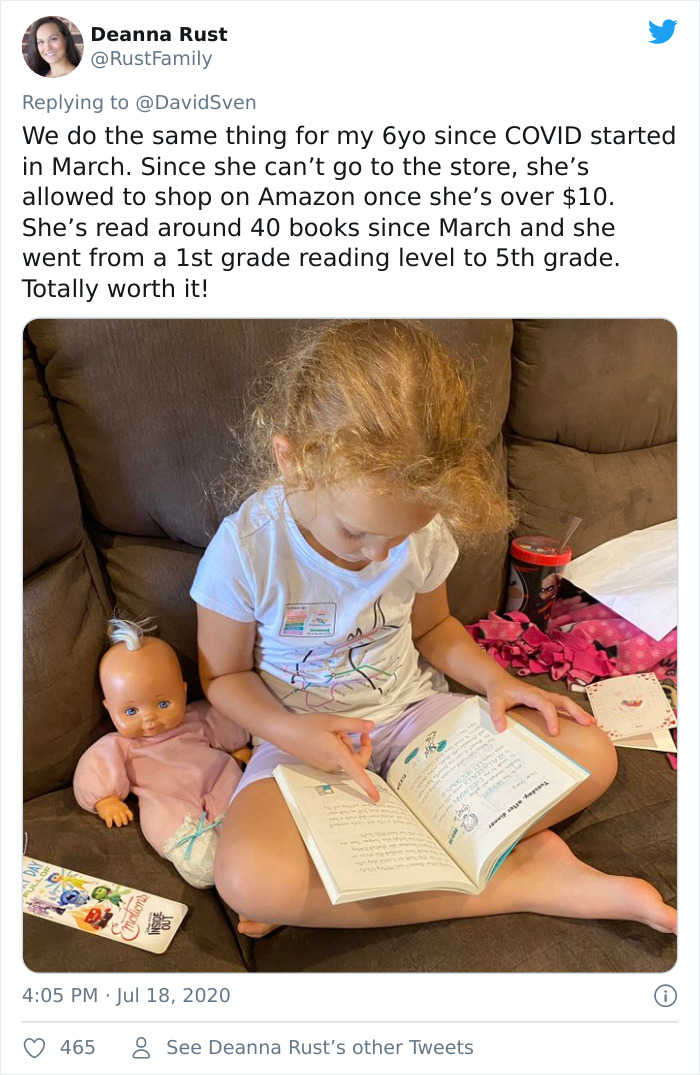
Image credits: RustFamily
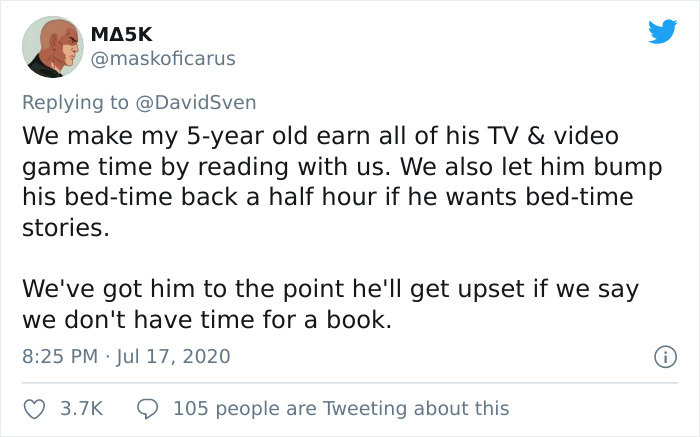
Image credits: maskoficarus
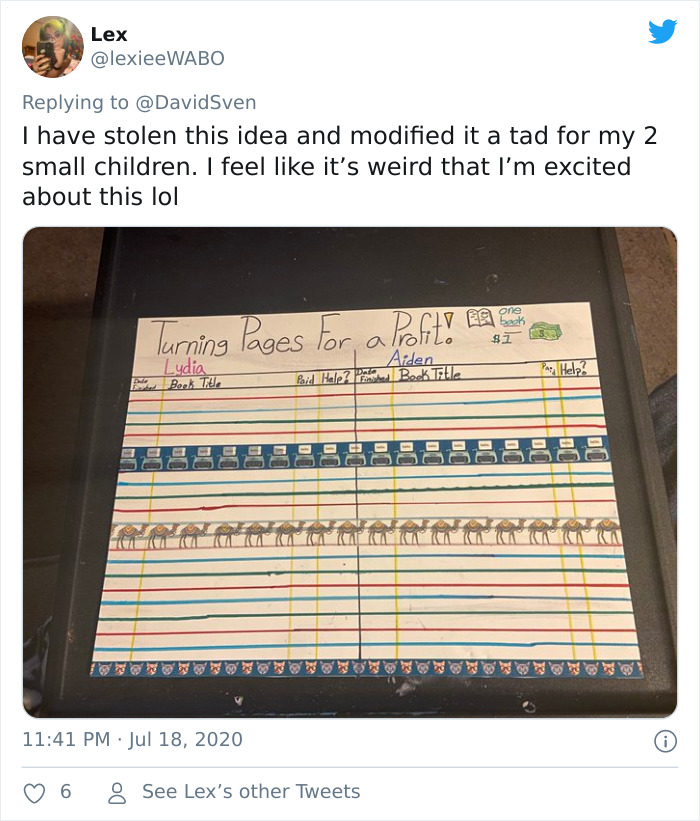
Image credits: lexieeWABO
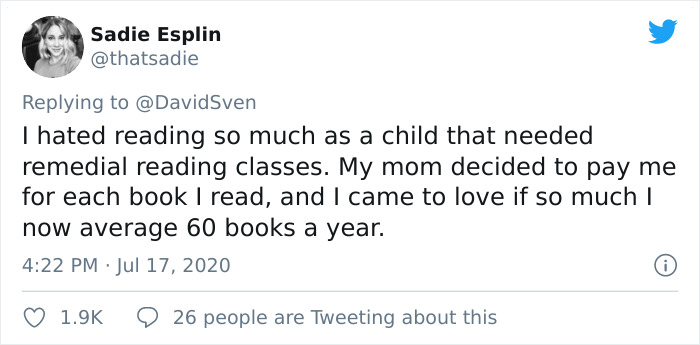
Image credits: thatsadie
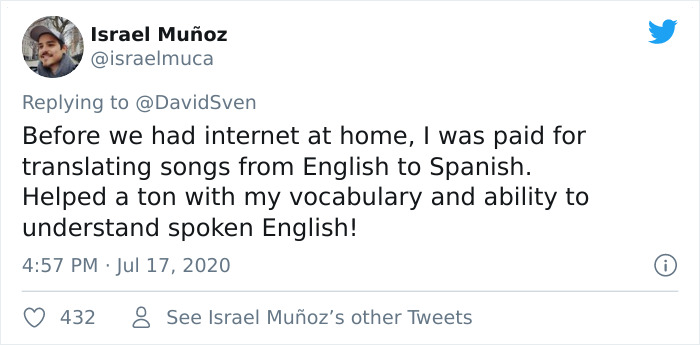
Image credits: israelmuca
Image credits: jordanshrinks
Image credits: madisontewers
Image credits: David Sven
Image credits: DavidSven
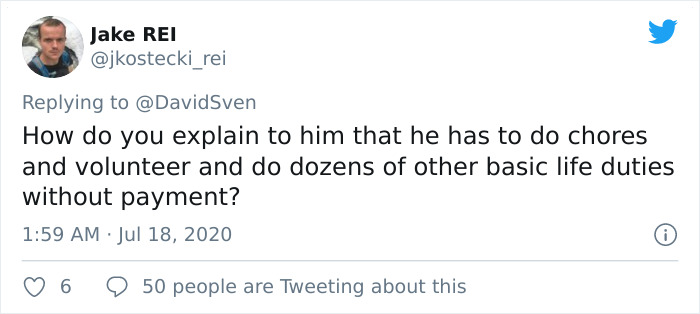
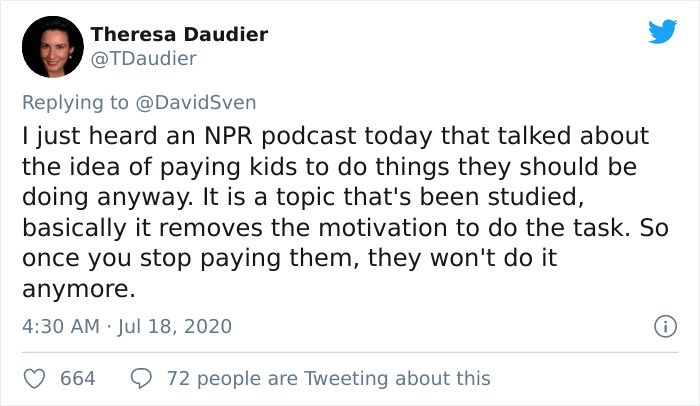
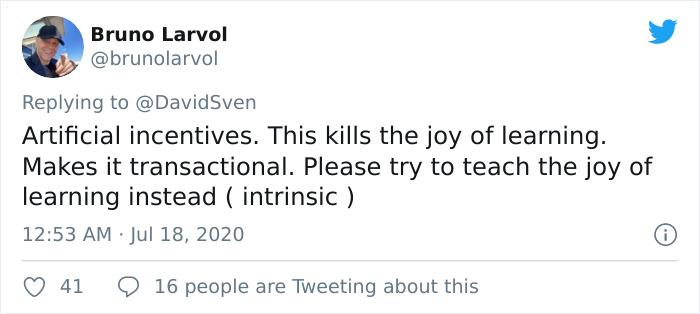
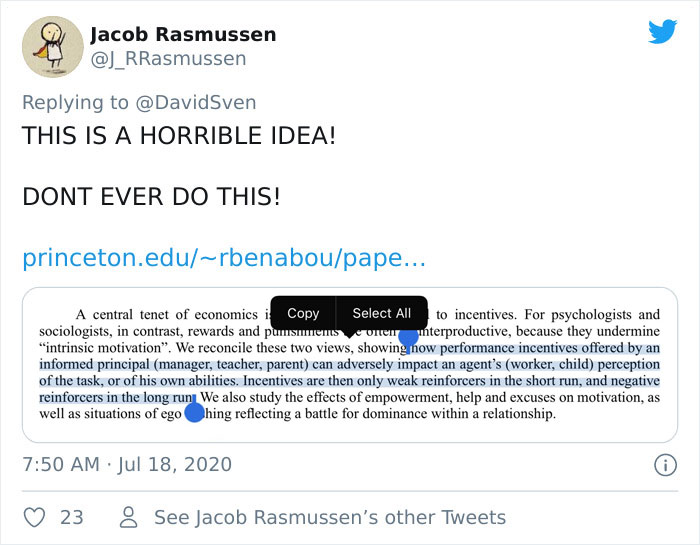
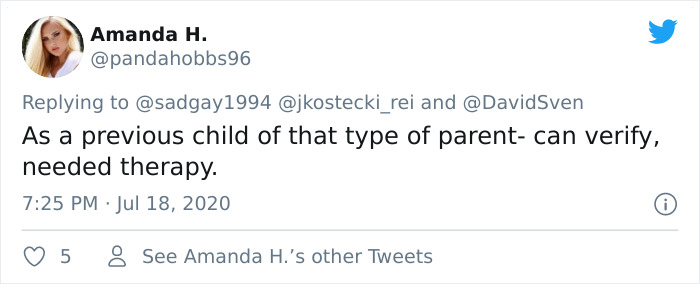
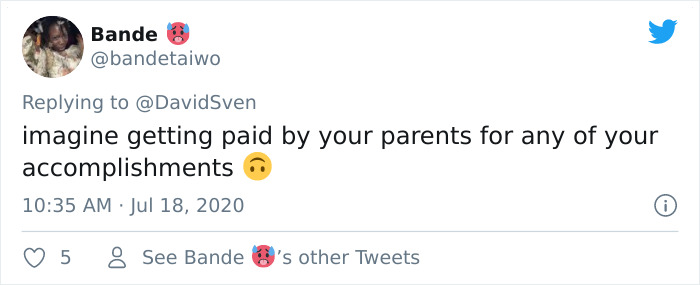
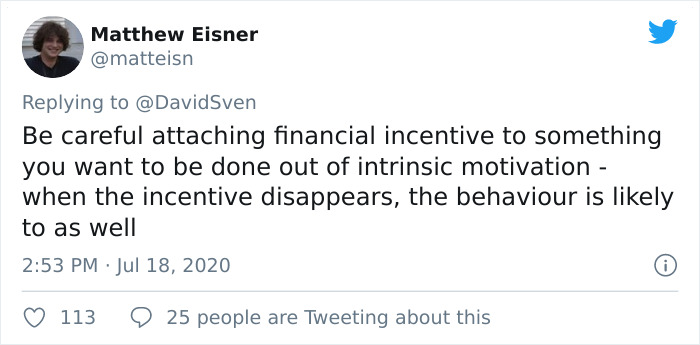
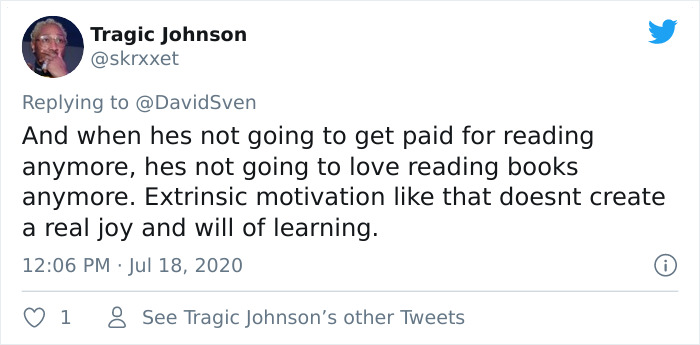
David’s post rubbed some people the wrong way and they explained why they think he’s doing more harm than good. Some said that the moment you stop paying someone for what they should be doing anyway, they’ll lose motivation.
Others pointed out that the point isn’t to read lots of books as quickly as possible but to really understand each one of them. While some Twitter users hinted that throwing money into the mix gets rid of the joy of learning and pointed out that the kid reading for money sounded a lot like a job.
And in case you were wondering how cheating is prevented, David told the internet that his son gladly shares lots and lots of details about the newest book that he read.
According to the New York Times, a whopping 60 percent of parents admitted to paying their kids to read. However, research tends to show that positive behavior ends when the rewards dry up. “If you pay kids to read you’ll get them to read. They’ll continue to read until you end the experiment, and then they’ll stop,” Edward Deci, a professor of psychology at the University of Rochester, explained.
In that case, non-material ‘bribes’ might be part of the answer. While in-depth discussions with parents about what the kids read or even starting up a book club might be another part of teaching kids to value reading for reading’s sake.
Would you ever pay your child to read books, dear Pandas? What do you think of David and his wife’s parenting tactic? Share your thoughts with us in the comments below.
While the debate on incentivizing children with money for reading books continues, it sheds light on how monetary influences shape habits and behaviors.
Interestingly, if you’re keen to see the lighter side of financial dealings, explore this delightful take on our inherent relationship with currency through these witty observations and jokes about money.

Let's try a new plan: stfu if you don't agree. Different tactics work for different family settings. Hey, guess what? Just because someone doesn't think like you doesn't make them stupid. Dad gets a gold star just for trying something that will benefit his children.

While you are right about the "stfu about other people's parenting", it was the OP who went out and tweeted about his tactics. This is an invitation for comments, since Twitter is no closed group but a way to tell things to the world.
Load More Replies... When I was young for every book I read I got a movie ticket. Now 20 years later I have a degree in literature and couple thousand books at home. I turned out just fine.

LOL @ research paper claiming that incentives make people less likely to do the task. Yeah I stopped showing up for work when I got my first paycheck, and then I gave up gardening once the tomatoes started blooming. /sarcasm... I presume these are mostly childless adults that are saying "they should just be doing it out of the love for reading/because they are supposed to." Meanwhile, most people probably haven't read 120 books in their lifetime, let alone within a year like this kid did! Aside from reading, this teaches the value of EARNING money. That kid will think about how many books he will have to read if he wants to buy ___.

To be fair, I doubt you'd go to work if they stopped paying you.
Load More Replies... Let's try a new plan: stfu if you don't agree. Different tactics work for different family settings. Hey, guess what? Just because someone doesn't think like you doesn't make them stupid. Dad gets a gold star just for trying something that will benefit his children.
While you are right about the "stfu about other people's parenting", it was the OP who went out and tweeted about his tactics. This is an invitation for comments, since Twitter is no closed group but a way to tell things to the world.
Load More Replies... When I was young for every book I read I got a movie ticket. Now 20 years later I have a degree in literature and couple thousand books at home. I turned out just fine.
LOL @ research paper claiming that incentives make people less likely to do the task. Yeah I stopped showing up for work when I got my first paycheck, and then I gave up gardening once the tomatoes started blooming. /sarcasm... I presume these are mostly childless adults that are saying "they should just be doing it out of the love for reading/because they are supposed to." Meanwhile, most people probably haven't read 120 books in their lifetime, let alone within a year like this kid did! Aside from reading, this teaches the value of EARNING money. That kid will think about how many books he will have to read if he wants to buy ___.
To be fair, I doubt you'd go to work if they stopped paying you.
Load More Replies...
























 No fees, cancel anytime
















206
117