Get Premium
Dark mode theme is available exclusively for premium users. Learn more about the benefits of subscribing.
No fees, cancel anytime.

 Dark Mode Ad-Free Browsing Unlimited Content
 Ad-Free Browsing Unlimited Content Dark Mode
Join 1.2 million Panda readers who get the best art, memes, and fun stories every week!
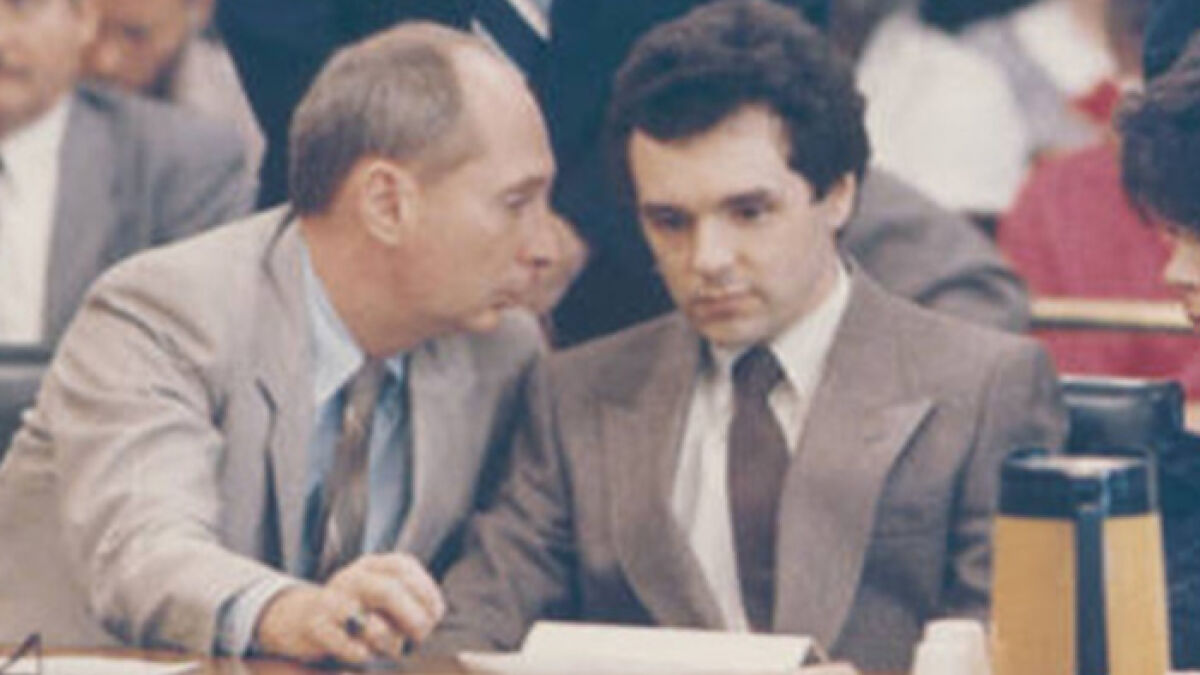
“I got another one today.”
For years, Donald Harvey used these five words to inform his coworkers that another patient had breathed their last in his presence.
The phrase ended up becoming a piece of dark humor that circulated through hospital wards, where life and demise collided every shift.
The reality, however, was far grimmer — The quiet, helpful orderly had been confessing in plain sight.
Over 17 years of service in healthcare, the Kentucky nurse annihilated 37 patients using cyanide, arsenic, suffocation, and other methods that left no obvious trace.
He could have kept going. He could have victimized dozens more.
March 1987, however, marked the beginning of the end.
He had chosen the wrong victim.
The discovery of a bitter, almond-like odor during a patient’s autopsy raised enough suspicion to set an investigation in motion—one that would ultimately expose him.
Donald Harvey was born on April 15, 1952, in Hamilton, Ohio, and was raised in Booneville, Kentucky, a small Appalachian town where his parents worked as tobacco farmers to make ends meet.
His life appeared ordinary from the outside.
His family attended a local Baptist church. His community valued faith, family, and tradition.
It was the kind of place where neighbors looked out for one another and where people believed they knew everything about everyone else.
For Harvey, however, that notion was utterly false.
Between the ages of five and 18, he was taken advantage of by an uncle and a neighbor, with no third person aware of what was happening.
For the ordeal to come to light, Harvey had to reveal it to his sister himself.
In adulthood, Harvey came to terms with his homosexuality, an identity that brought additional secrecy and pressure during a time when acceptance was far from common.
None of those challenges, however, were enough to keep Harvey from moving forward in life.

In May 1970, he took a job as a nurse’s aide at Marymount Hospital in London, Kentucky.
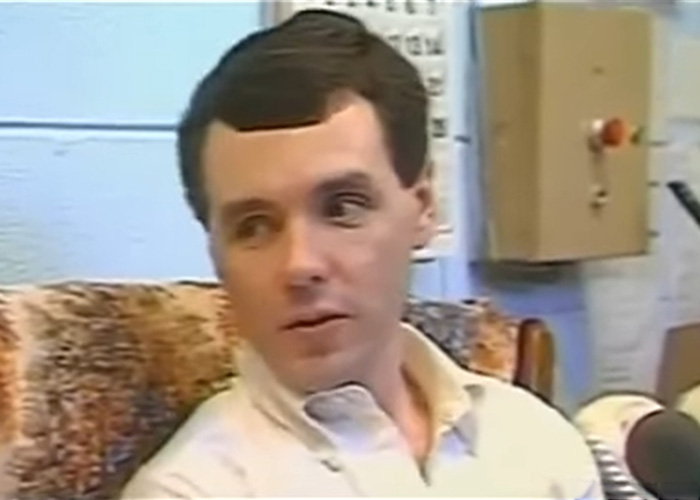
To everyone around him, he was a hardworking and pleasant young man who served hot meals and sympathized with families sitting beside their ailing loved ones.
Deep beneath the surface, he was hiding a ruthless predator.
May 30, 1970, marked the first known patient to pass away in Harvey’s care.
He was 88-year-old Logan Evans, a stroke patient who had lost control of his bodily functions and smeared feces on Harvey.
Harvey responded by smothering him with a pillow and a sheet of blue plastic.
He listened to Evans’ heartbeat through a stethoscope until he was certain the man was gone.
Then he cleaned the body, changed him into a fresh hospital gown, and calmly notified his superiors.
Nobody questioned him.
This led him to become the final chapter in the lives of several more patients.
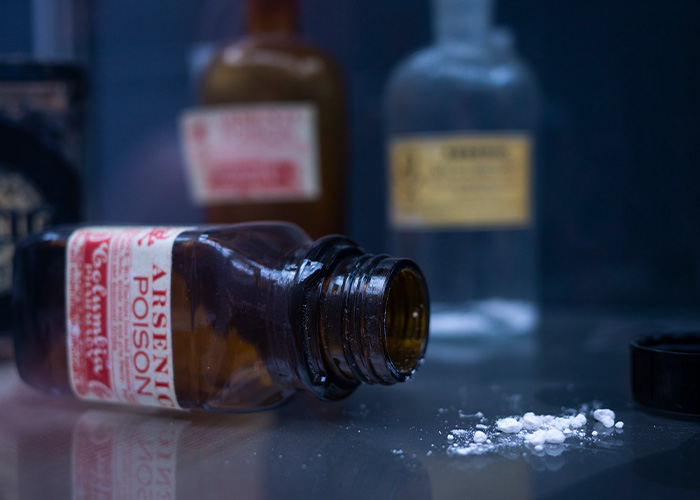
He expanded his methods, using cyanide and arsenic — administering them to patients through food, drinks, and injections.
He also used morphine, Demerol, and codeine, while in some cases turning off oxygen supplies or using faulty tanks.
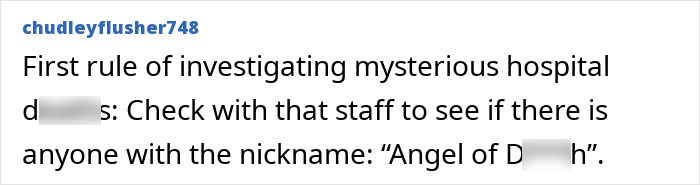
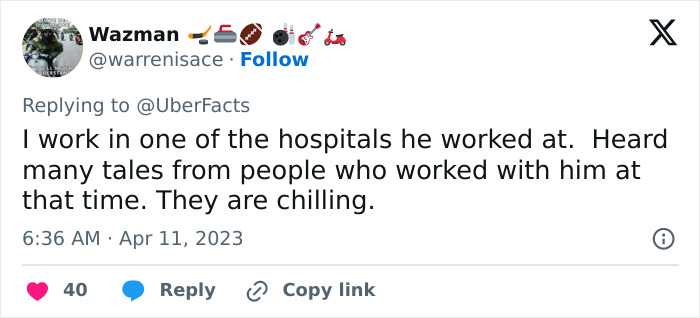
His coworkers did find the number of patients departing in his presence strange. However, instead of investigating the matter, they turned it into a joke, dubbing him the “Angel of Death.”
Harvey left Marymount on March 27, 1971, after 10 months of employment.
On the evening of March 31, Harvey was arrested for burglary.
His case, however, soon took a dark turn.
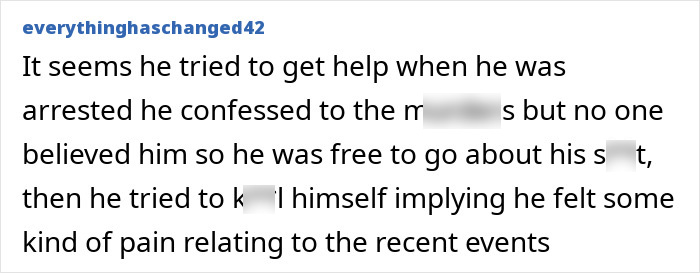
During his questioning about the break-in, Harvey ended up confessing what he had been doing over the past year.
The officers took his claims seriously enough to probe him extensively.
They looked into his admissions but were ultimately unable to find substantial evidence to support them.
They concluded that Harvey was babbling while under the influence. The only charge that ultimately proceeded to trial was the one that led to his arrest.
He pleaded guilty and paid a small fine rather than serve a prison sentence.
Not long afterward, Harvey was looking for a change of scenery, with his reputation tarnished in the locality.
That came when he enlisted in the United States Air Force.
However, his new beginning was short-lived, as he was discharged less than a year later.
The reason?
He had attempted to take his own life twice, incidents the military classified as “nervous breakdowns.”
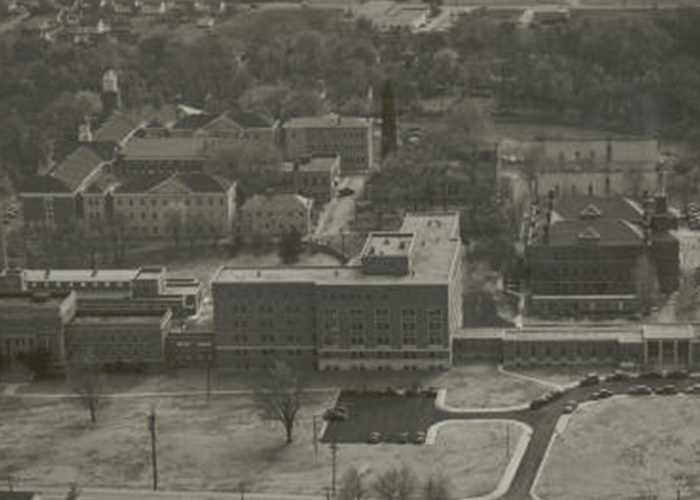
Harvey joined the Veterans Administration Medical Center in Cincinnati in 1975 and worked there for the next decade, a tenure that would later be recognized as the longest stretch of his homicide spree.
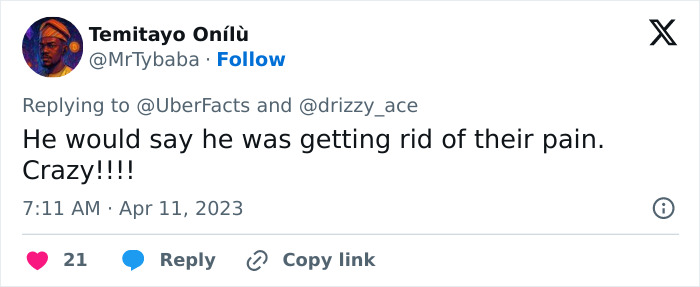
The orderly would later claim that he cut patients’ lives short to “ease them of pain.”
Investigators, however, determined that this explanation did not hold.
Many of his victims fell prey to him for seemingly trivial reasons or because he could not control his anger, much as he had reacted to Evans.
The hospital also made a critical misstep in Harvey’s case.
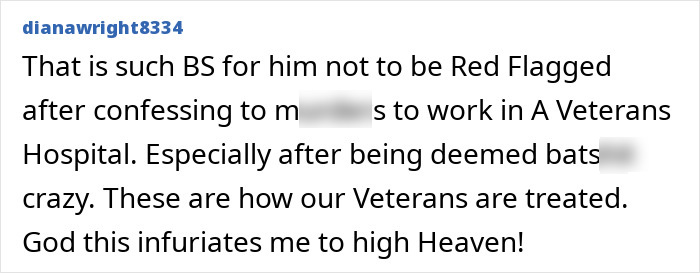
On July 18, 1985, officials searched him but did not follow up with a prosecution.
Among the discoveries were a loaded .38-caliber revolver, hypodermic needles, surgical scissors and gloves, a small specimen of liver mounted in paraffin wax, two books on occult lore, and a biography of one of his kind, Charles Sobhraj.
The VA cited a lack of probable cause for the search, which rendered the evidence inadmissible in court, as the reason for not charging him.
He was allowed to resign quietly.
“They moved too fast and lost the chance to find out what was really going on with him. They just wanted to get rid of him,” John Barter, a former VA security guard who witnessed Harvey’s search firsthand, told the Cincinnati Enquirer in August 1987.
The nurse’s aide, who mostly kept to himself in his Ohio neighborhood, had an eventful day on April 10, 1983.
He had quarreled with a 63-year-old community member, Helen Metzger.
For anyone else, the episode would have ended with cutting remarks over the fence.
For Harvey, though, whose response to frustration was often violence, it did not end there.
He faked an attempt at reconciliation by preparing an arsenic-laced pie for her.
The woman ate what he offered, trusting the man from next door.
The symptoms that followed were agonizing: abdominal pain, vomiting, and cascading kidney failure, which only ended with her demise.
Later that same year, Harvey turned on someone even closer to his domestic life: 82-year-old Henry Hoeweler, the father of his roommate and romantic partner, Carl.
Once again, he used the intimacy of shared meals to strike.
Once again, it was an arsenic-laced dessert.
Like Metzger, Hoeweler developed symptoms that appeared to outsiders to be the cruelty of old age, with even medical professionals failing to see them as extraordinary enough to investigate.
This only emboldened Harvey to employ the means twice more.

In November 1984, he fed his acquaintance James Peluso one of his lethal desserts.
Howard Vetter, a man whose demise was initially attributed to a heart attack after consuming liquor, was also later confirmed as one of Harvey’s out-of-hospital victims, with him having adulterated his drink with a harmful substance.
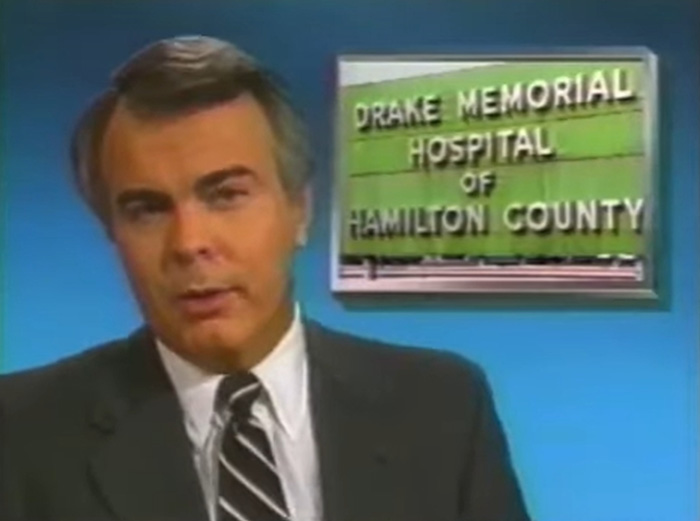
Harvey joined Cincinnati’s Drake Memorial Hospital in 1986.
It was here that his homicide spree reached its most concentrated phase, with him being linked to 21 homicides over 18 months.
Nurses noticed a cluster of demises in Ward C-300, where he usually served, and raised concerns with supervisors.
Their unease, however, was dismissed, and they were told not to discuss the matter further among themselves—let alone involve law enforcement or the media.
The third and final time Harvey slipped past authorities before everything finally came to an end.
A motorcycle accident left 44-year-old Powell with severe brain injuries.
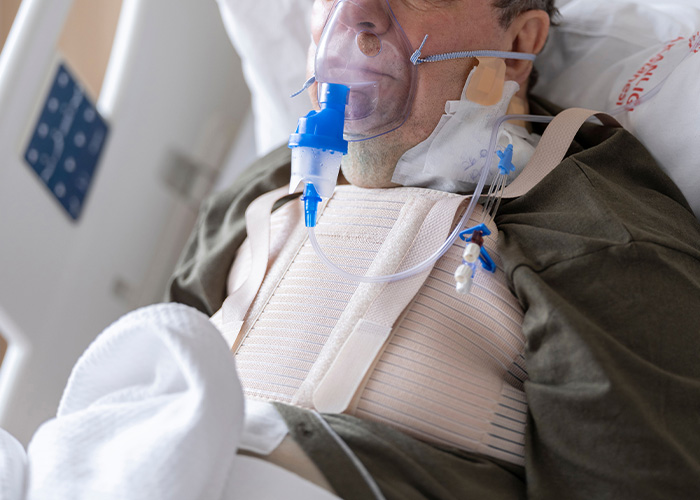
He spent months on life support at Drake Memorial, with his family visiting nearly every day and hoping for a miracle.
The miracle never came, courtesy of Harvey.
He decided to play God once again on March 7, 1987. Taking Powell’s life by feeding him cyanide through his nutritional tube.
His family demanded an autopsy.
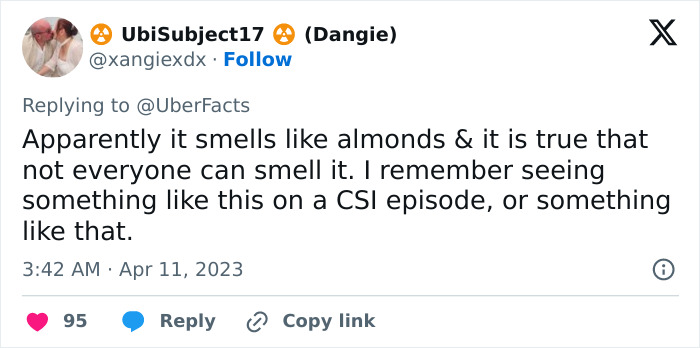
Dr. Lee D. Lehman soon concluded that “foul play was afoot.” He could not ignore the bitter almond stench — a signature of cyanide — when he examined the subject’s stomach.
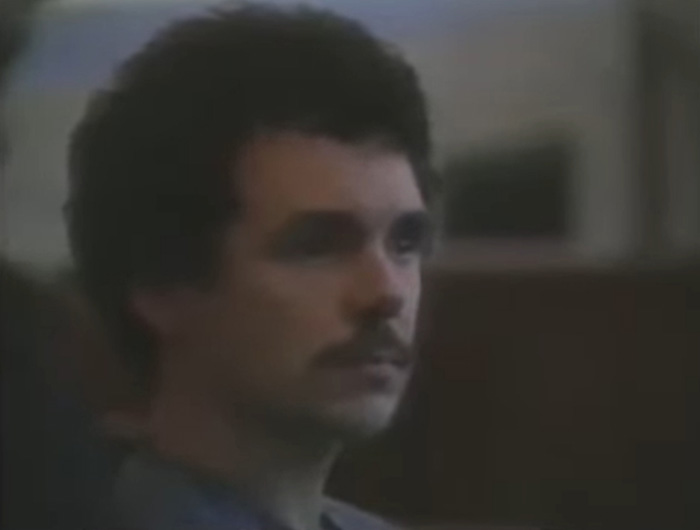
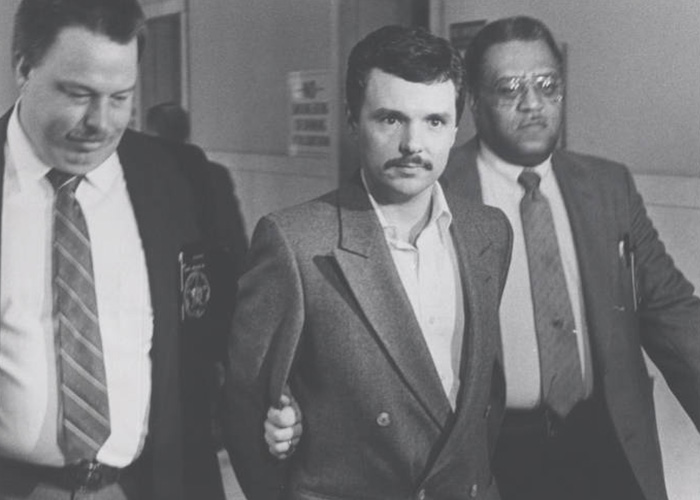
On April 6, 1987, Harvey was charged with homicide in connection with the case.
Pat Minarcin, an anchor at WCPO-TV, became closely involved in the investigation into Donald Harvey.
He was not convinced that Powell was an isolated victim.
To him, the question was simple: If Harvey had slain one, could he have done it before?
During an evening broadcast, Minarcin asked his correspondent whether cops were examining other fatalities at Drake.
The answer was no.
His question, however, served a greater purpose. It gave nurses who had long doubted Harvey a reason to come forward.
Within days, the station began receiving anonymous calls and letters from Harvey’s ex-colleagues.
They described patients who had departed during Harvey’s shifts and recalled moments that had made them uneasy.
The first nurse who contacted Minarcin even gave him a list of patients she believed Harvey might have victimized. It had 13 entries.
Other hospital workers added more.
Eventually, Minarcin had a list of 33 suspicious patient casualties.

He assumed an investigative role, comparing those names with Harvey’s work schedule and examining demise rates on the wards where he had been stationed.
His suspicions soon took the shape of a chronology.
While not all the cases could be confirmed as Harvey’s crime, Minarcin’s investigation eventually became a half-hour television special linking him to at least 24 fatalities over four years.
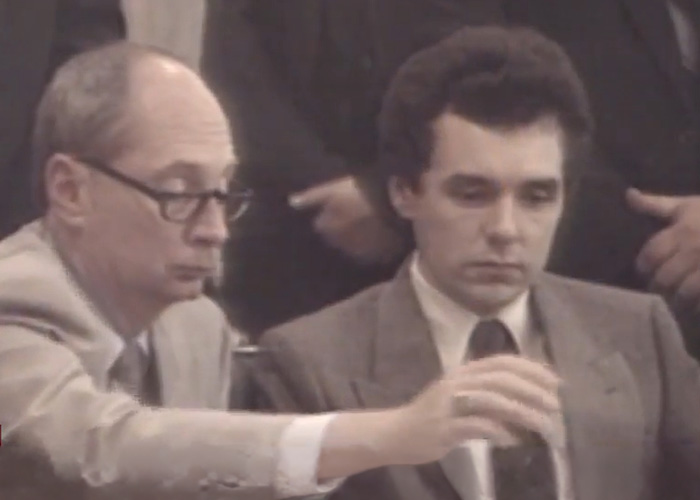
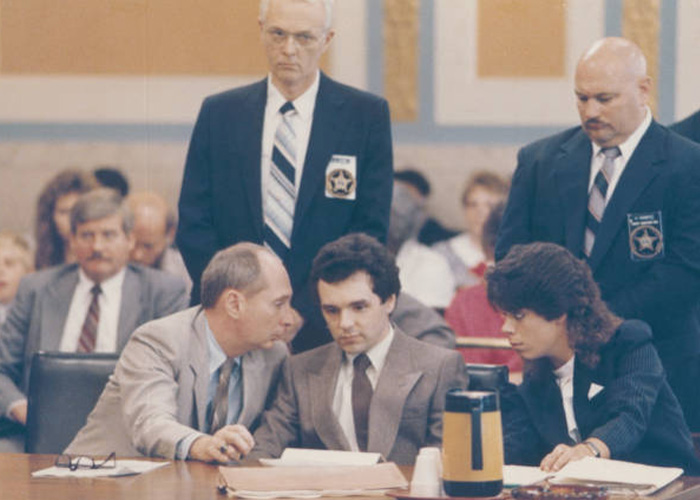
Bill Whalen, Harvey’s court-appointed attorney, learned from Minarcin’s reporting that prosecutors could potentially link him to multiple homicides.
Under Ohio law, this made him eligible for the electric chair.
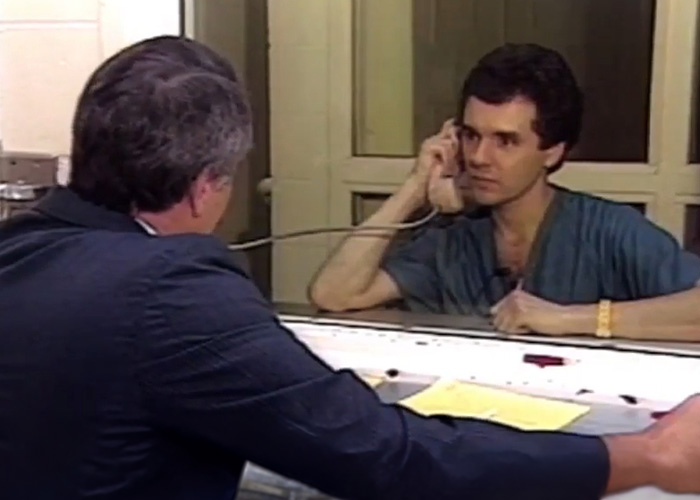
He confronted Harvey in jail and asked how many lives he had taken.
“Seventy,” was the one-word answer he received.
In parallel, after securing a search warrant for Harvey’s apartment, investigators found a mountain of evidence against him.
There were jars of cyanide and arsenic, books on the occult, and a diary containing details of his victims.
Whalen negotiated a plea bargain with law enforcement.
If capital punishment was taken off the table, Harvey would accept life without parole and confess to his crimes.
On August 11, 1987, Harvey sat down with investigators and began to confess.
What started as an admission to 33 homicides quickly climbed to 50, then 70.
Investigators confirmed many of his claims through records and forensic evidence.
The revelations inevitably sparked speculation about Harvey’s mental stability.
A spokesman for the Cincinnati prosecutor’s office, however, told the Cincinnati Post that there was little ambiguity about his state of mind.
“This man is sane, competent, but is a compulsive ki**er,” he said.
Joe Deters, an assistant prosecutor in Hamilton County, echoed the sentiment, calling Harvey’s “Angel of Death” label “total bulls**t.”
“He just liked to ki** people.”
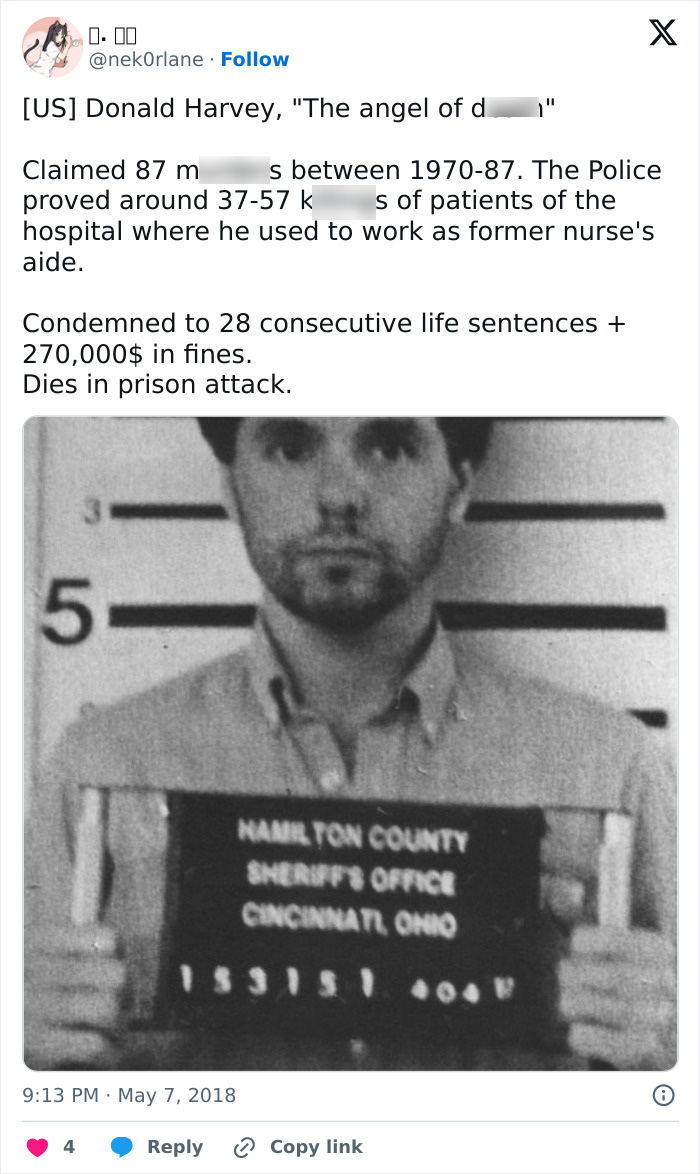
Harvey’s final number of homicides rested at 37, despite his confession to far more, because authorities could secure only limited evidence.
He pleaded guilty to all of them through two separate pleas.
On August 18, 1987, he admitted to taking 28 lives in Hamilton County, Ohio.
The legal proceedings then moved to Kentucky, where on November 2, 1987, he accepted responsibility for eight homicides and one manslaughter charge.

He was sentenced to 28 consecutive life terms without the possibility of parole for at least 80 years.
His first official parole hearing would mathematically have been scheduled for 2043.
He, however, will not reach it.
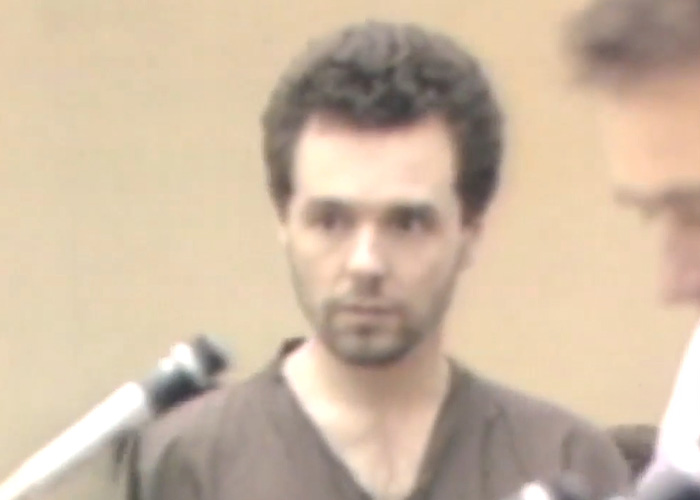
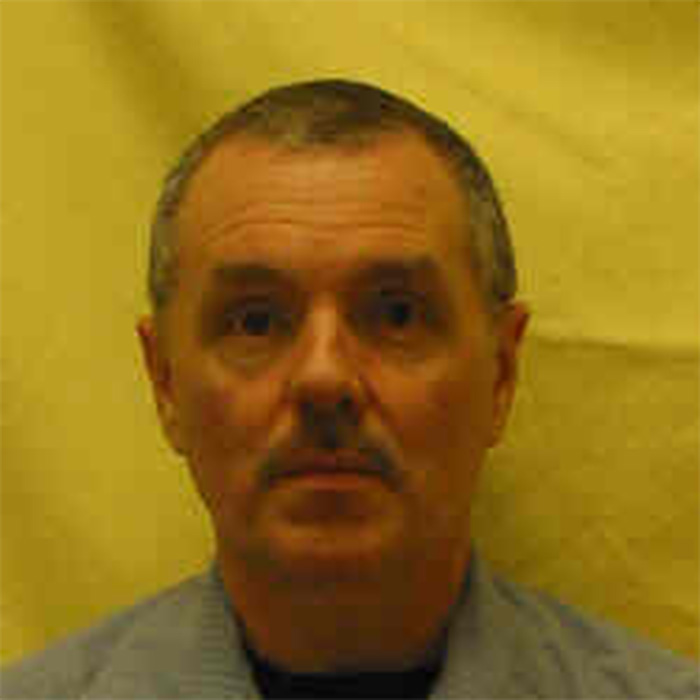
Harvey was incarcerated at the Toledo Correctional Institution in a protective-custody unit reserved for offenders who might be at risk from the wider prison population.
Nonetheless, an inmate named James Elliot managed to enter his cell on March 28, 2017.
He punched Harvey in the face, rendering him unconscious, before repeatedly stomping on his head.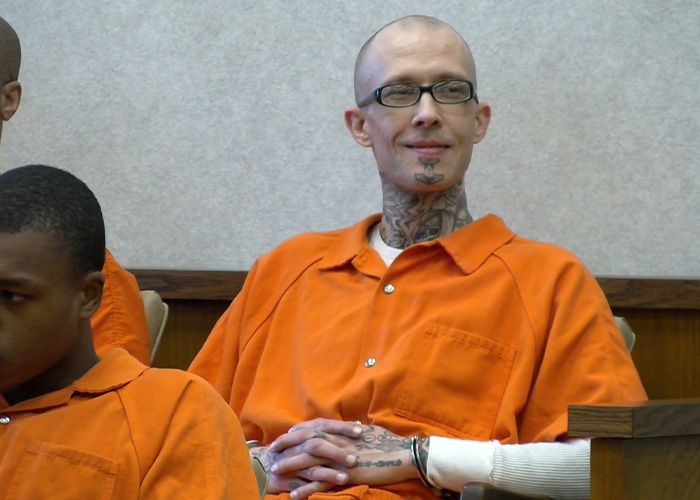
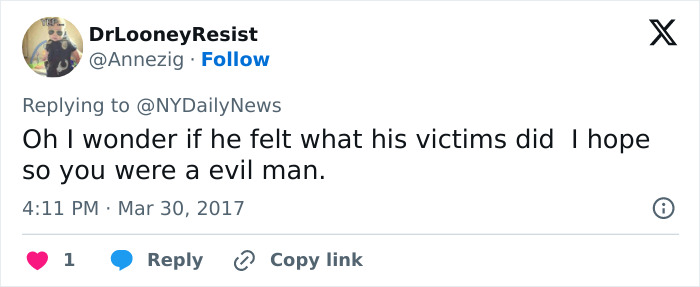
Harvey was found badly injured and taken for medical treatment. He succumbed to his injuries two days later, on March 30, 2017.
Elliot contacted a local newspaper, The Blade, via a letter on August 21, 2017.
In the correspondence, he described his actions as vigilante justice, saying he had grown up in Kentucky near relatives of some of Harvey’s victims.
“I guess a part of me saw this as an opportunity to finally do something constructive for my neighbors by way of closure/peace of mind. And in turn, balance the karmic scales in my favor,” he wrote.
Juawana Kinnard was 21 when her father, Leon Nelson, was admitted to Drake Hospital with a tumor that eventually left him in a coma.
When the hospital called to say he had passed away, the family believed, “God is merciful and took him.”
A year later, however, they learned that Nelson had been suffocated by Harvey.
Kinnard remembered Harvey as “very personable, very kind” in an April 2026 interview with A&E.
She struggled to understand how “such a kind face” could commit “such heinous crimes.”
Larry Bellamy, whose father-in-law was believed to be another of Harvey’s victims, meanwhile, offered a more resigned reaction to Harvey’s demise in prison.
“Maybe the good Lord gave him what he deserved,” he told the Los Angeles Times.
Together, their statements show grief taking different forms — forgiveness for one and anger for another.

By entering your email and clicking Subscribe, you're agreeing to let us send you customized marketing messages about us and our advertising partners. You are also agreeing to our Privacy Policy.
Thank you! You've successfully subscribed to newsletters!


I think what stuck out to me was his childhood. "Between the ages of five and 18, he was taken advantage of by an uncle and a neighbor, with no third person aware of what was happening." Who would he have been if this abuse hadn't happened? It's not an excuse, of course, many people suffer horrific abuse and don't kill 70 people. But if he hadn't gone through that, would he have lived a normal life? Saved lives, instead?

Yes!! And I'm not entirely happy with them describing it as "taken advantage of" ... Let's call a spade a spade! (Although of course we can't on BP)
Load More Replies...
Sadly, hospitals will always quietly discharge someone they strongly believe is causing issues without any investigation because they don't want the lawsuits that would ensue if it came to light what was going on at their hospital. They want to claim plausible deniability. I had a surgeon question how an anesthesiologist could "drop" a globe (anesthetic cocktail) 3 times in one week. He believed he was a d**g user. He said eventually the hospital will quietly let him go and when I ask why, that was the reason he supplied.
dudes a realllll POS. but i have to say if i was that first victim. 88. stroke. smearing poopoo on everyone. not there? i’d PAY someone to suffocate me. well i couldnt pay… but you get me.
I think what stuck out to me was his childhood. "Between the ages of five and 18, he was taken advantage of by an uncle and a neighbor, with no third person aware of what was happening." Who would he have been if this abuse hadn't happened? It's not an excuse, of course, many people suffer horrific abuse and don't kill 70 people. But if he hadn't gone through that, would he have lived a normal life? Saved lives, instead?
Yes!! And I'm not entirely happy with them describing it as "taken advantage of" ... Let's call a spade a spade! (Although of course we can't on BP)
Load More Replies... Sadly, hospitals will always quietly discharge someone they strongly believe is causing issues without any investigation because they don't want the lawsuits that would ensue if it came to light what was going on at their hospital. They want to claim plausible deniability. I had a surgeon question how an anesthesiologist could "drop" a globe (anesthetic cocktail) 3 times in one week. He believed he was a d**g user. He said eventually the hospital will quietly let him go and when I ask why, that was the reason he supplied.
dudes a realllll POS. but i have to say if i was that first victim. 88. stroke. smearing poopoo on everyone. not there? i’d PAY someone to suffocate me. well i couldnt pay… but you get me.















 No fees, cancel anytime











30
8