Get Premium
Dark mode theme is available exclusively for premium users. Learn more about the benefits of subscribing.
No fees, cancel anytime.

 Dark Mode Ad-Free Browsing Unlimited Content
 Ad-Free Browsing Unlimited Content Dark Mode
Join 1.2 million Panda readers who get the best art, memes, and fun stories every week!

Everyone has to deal with anxiety at some point, whether it’s a daily or a yearly occurrence. It’s also something that one has to learn to handle, since the alternative is to live in fear and stress forever. This is maybe okay for a hermit, living alone on some forgotten mountain, but if you have a partner and kids, it’s time to seek help.
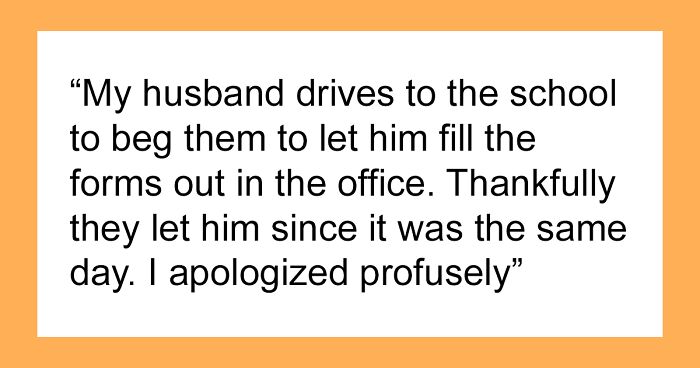
A woman asked the internet if she was wrong to tell her husband to get therapy before she’d allow a paternity test. Since losing his job, he’d become paranoid and anxious that their 3-year-old didn’t look enough like him. Later, she shared a sizable update on what happened next.
Image credits: NomadSoul1/Envato (not the actual photo)
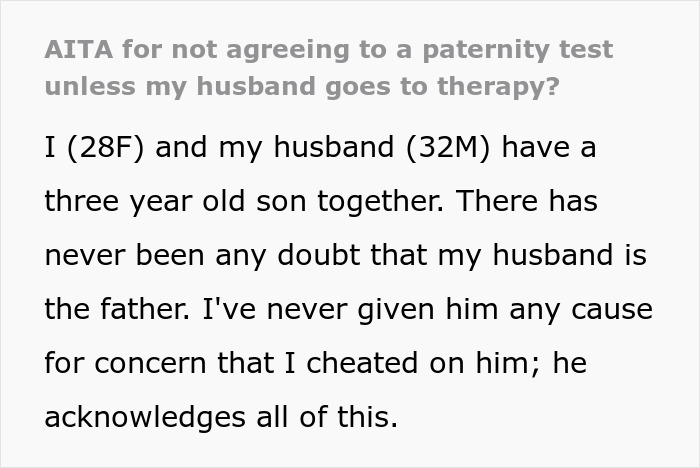
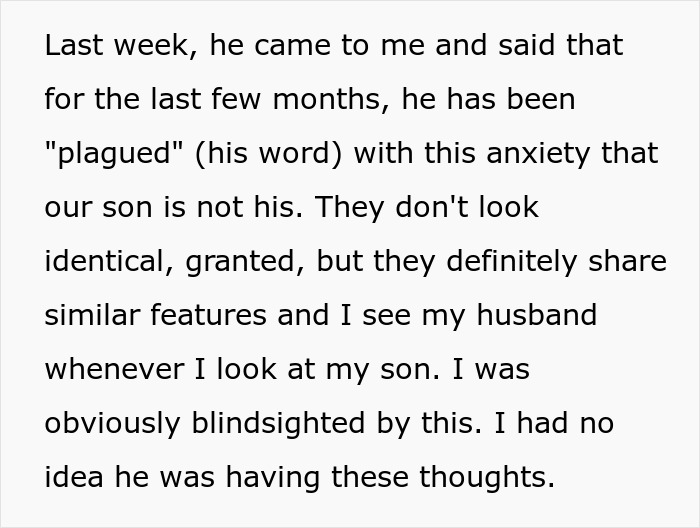
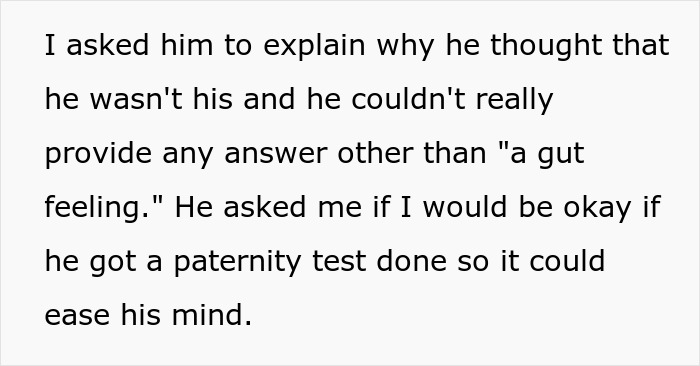
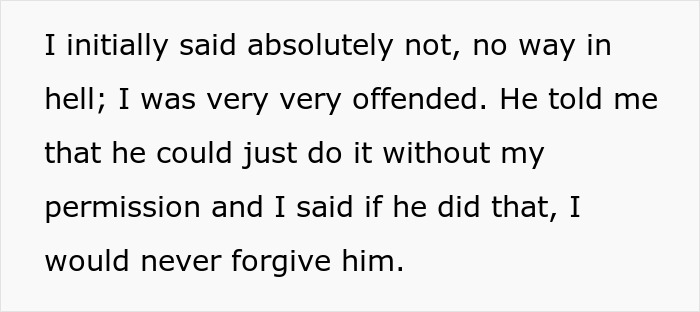
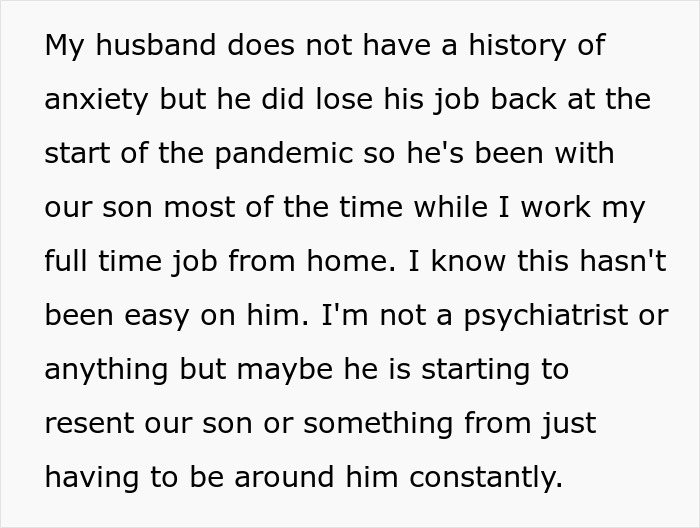
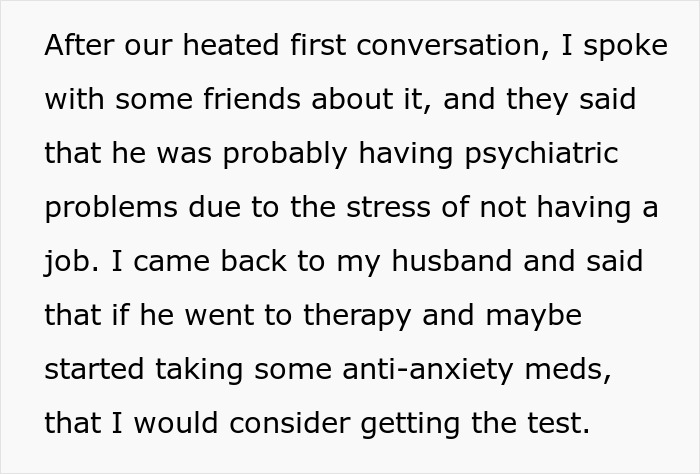
Image credits: kall1st0/ Envato (not the actual photo)
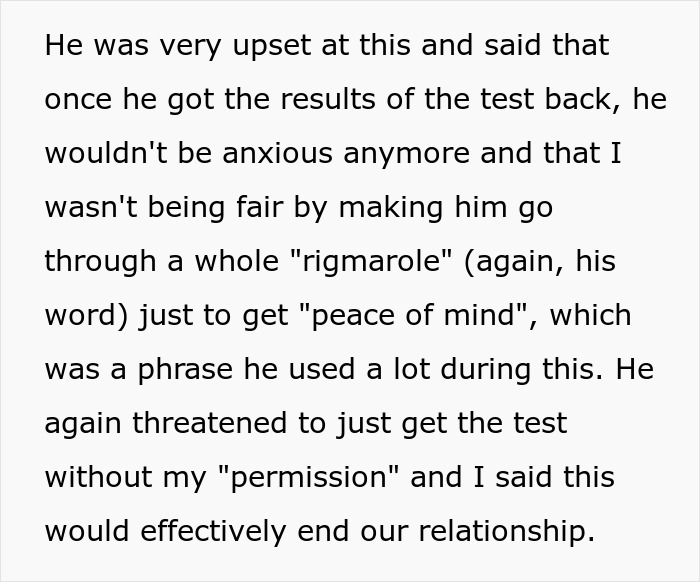
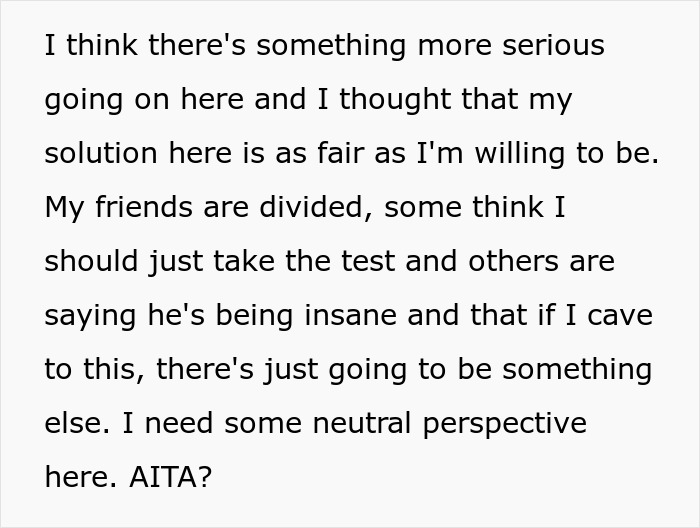
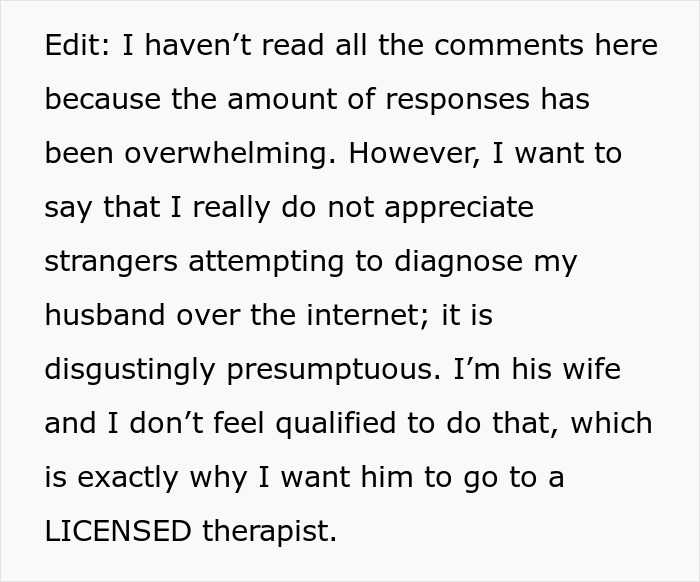
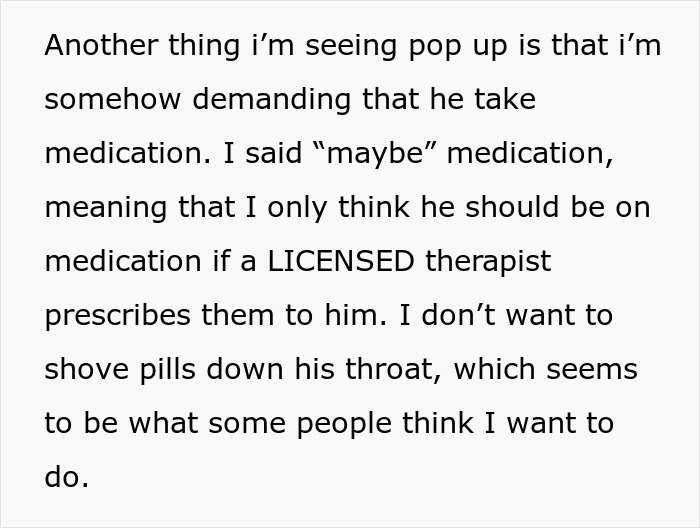
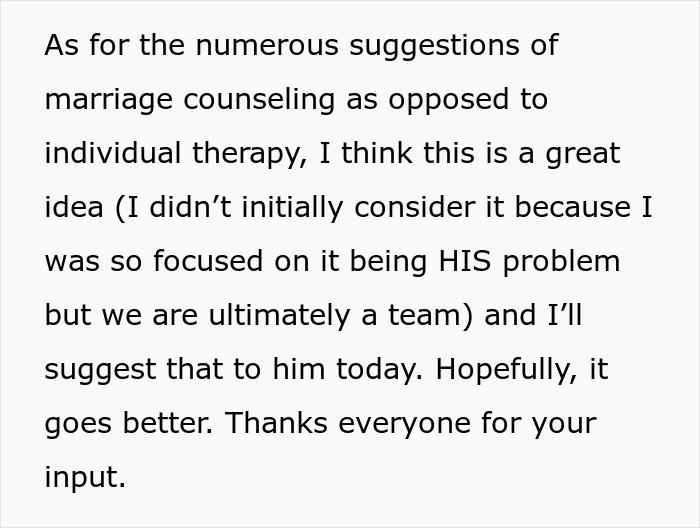
Image credits: hesthefather
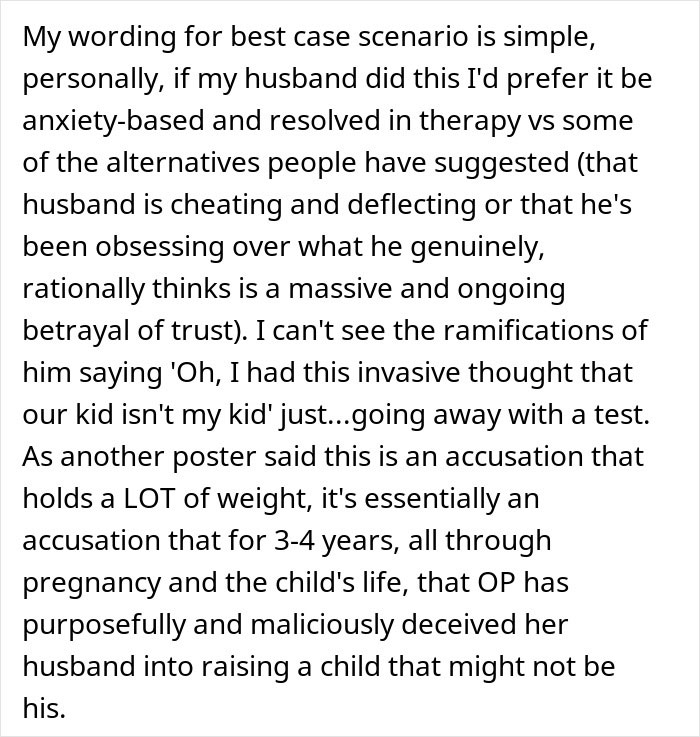
Every marriage has its unexpected plot twists, but few things are as jarring as a sudden request for a paternity test when there has been absolutely no history of infidelity. In this recent online story, a wife found herself blindsided when her husband of several years confessed to being plagued by a gut feeling that their 3-year-old son was not biologically his. Even though he acknowledged that she had never given him a reason to doubt her faithfulness, the husband insisted that he needed a DNA test for peace of mind. This situation touches on the very core of relational security, which is the shared belief that both partners are safe and honest with each other. When one partner suddenly demands proof for something as fundamental as parentage, it can feel like a wrecking ball is being taken to the foundation of the home. The wife in this case was understandably offended because a request for a paternity test is rarely just about biology. It often functions as a symbolic vote of no confidence in the partner’s character.
Image credits: nebojsa_ki/Envato (not the actual photo)
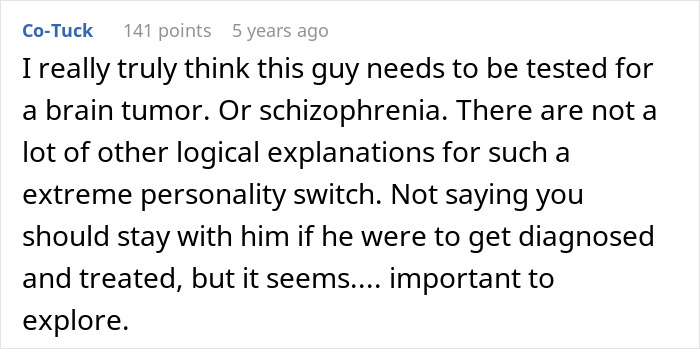
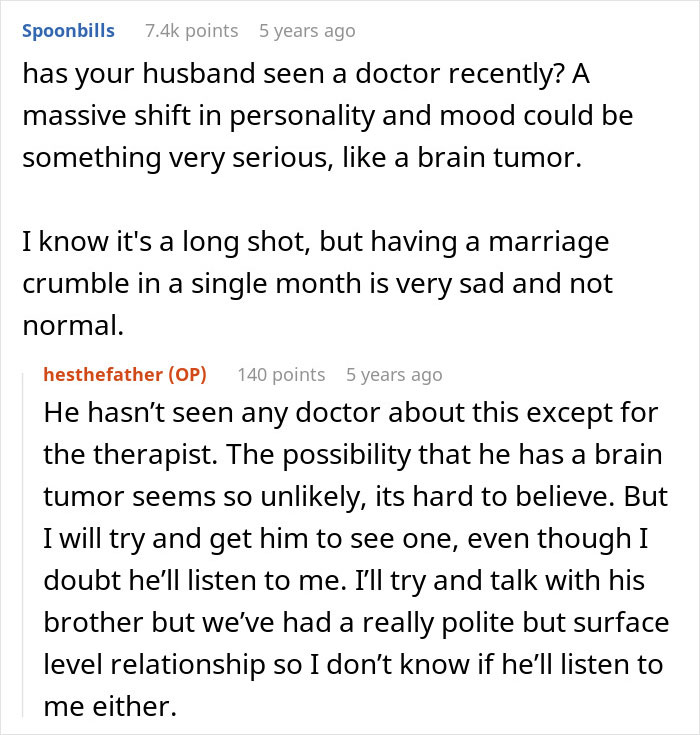
The story becomes even more complex when we look at the husband’s recent history. Having lost his job during the pandemic and transitioned into being a stay-at-home father while his wife worked from home, his entire sense of identity likely underwent a massive shift. Research on the impact of unemployment on mental health suggests that a loss of professional status can lead to increased levels of anxiety and a desperate need to find control in other areas of life. It is possible that this “gut feeling” about his son is not actually about the child at all.
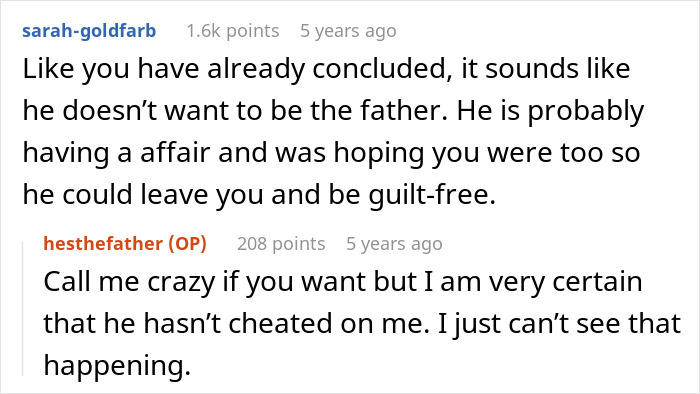
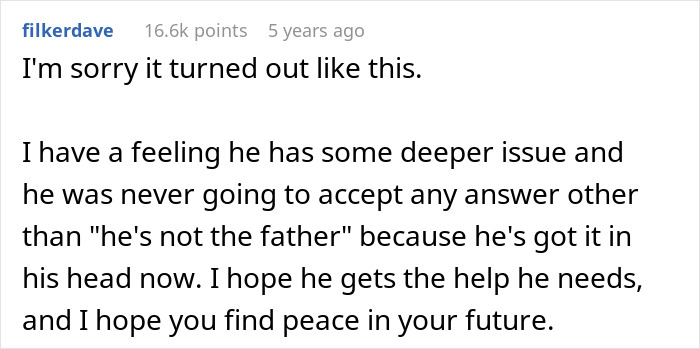
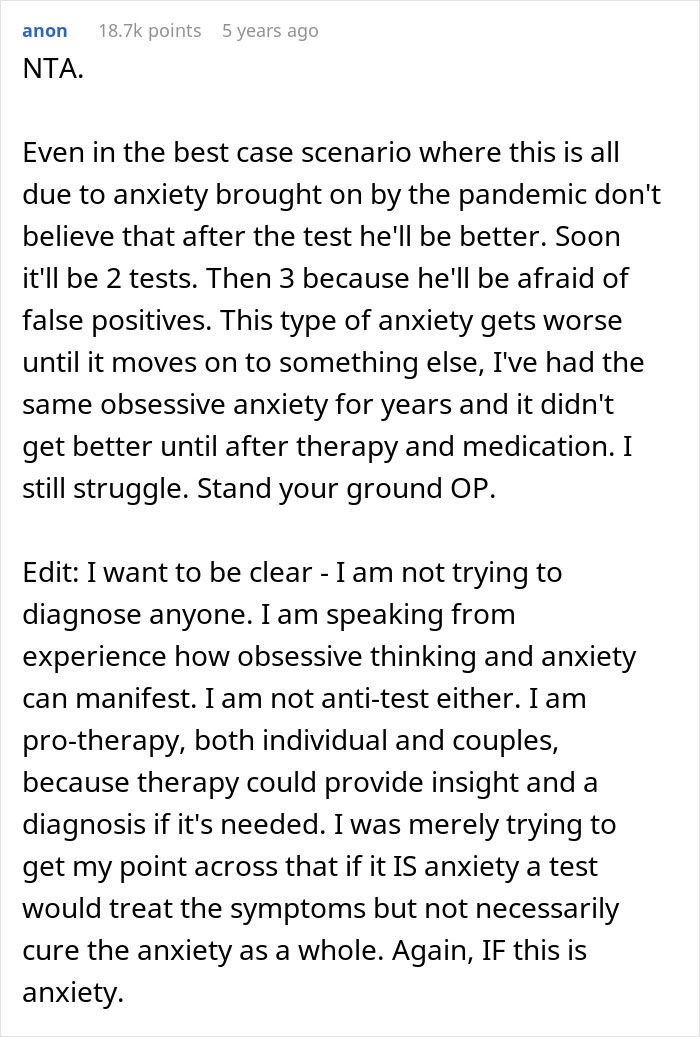
Instead, it could be a manifestation of intrusive thoughts, which are unwanted and often irrational ideas that get stuck in the brain like a broken record. When a person feels powerless in their career or social standing, they might fixate on a perceived threat within their inner circle to explain the internal unease they feel. This doesn’t make the accusation any less painful for the spouse, but it does suggest that the root of the problem might be a psychological struggle rather than a marital one.
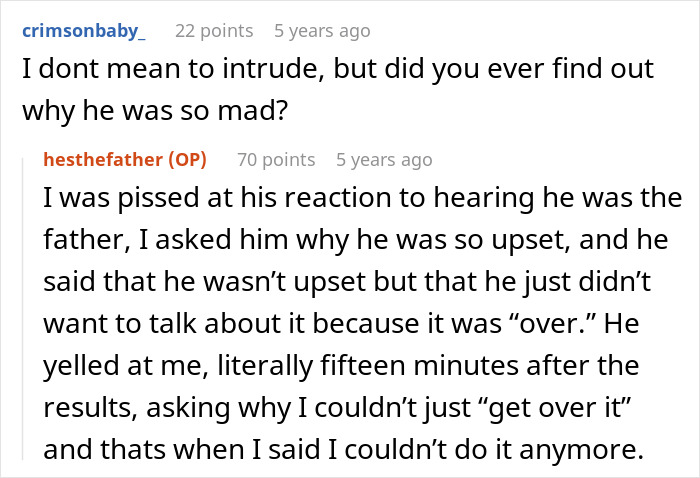
The wife’s initial reaction was a firm refusal followed by a compromise. She suggested that if he sought professional help through therapy or medication, she would consider the test. This is an insightful move because it treats the husband’s anxiety as a medical or psychological issue that needs to be addressed before a major life decision is made. However, the husband viewed this as a rigmarole and threatened to go behind her back to get the test anyway. In any long-term partnership, trust and honesty are the currency that keep things running smoothly.
Taking a paternity test in secret is often seen as a point of no return because it prioritizes one person’s “peace of mind” over the other person’s consent and the overall health of the union. For the wife, this threat was a boundary that could end the relationship entirely because it signals a total lack of respect for her word and her boundaries.
Image credits: AltrendoImages/Envato (not the actual photo)
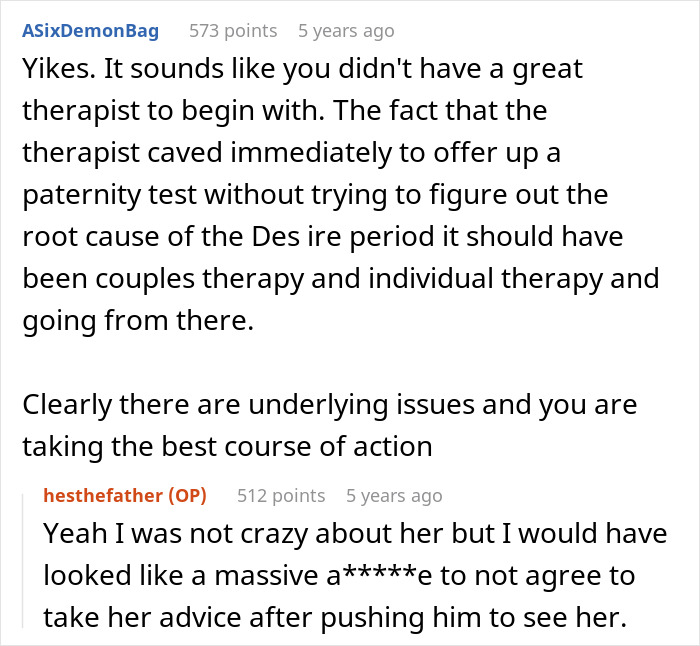
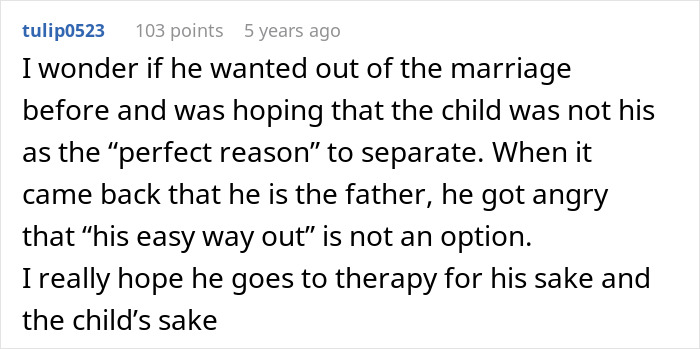
One of the most encouraging parts of the updated story is the couple’s move toward marriage counseling. This pivot is essential because it moves the conflict from being his problem to being a team effort. By sitting down with a licensed professional, the couple can explore whether this sudden doubt is a symptom of paternal postpartum depression or simply the result of prolonged isolation and stress. A professional can help the husband understand that a DNA test might provide a moment of relief, but if the underlying anxiety isn’t treated, he will likely find something else to be plagued by tomorrow. Ultimately, the goal of any healthy partnership is to ensure that both people feel seen and heard without having to resort to ultimatums or secret tests. Moving forward with empathy rather than accusations is the only way to rebuild the bridge that this gut feeling tried to burn down.
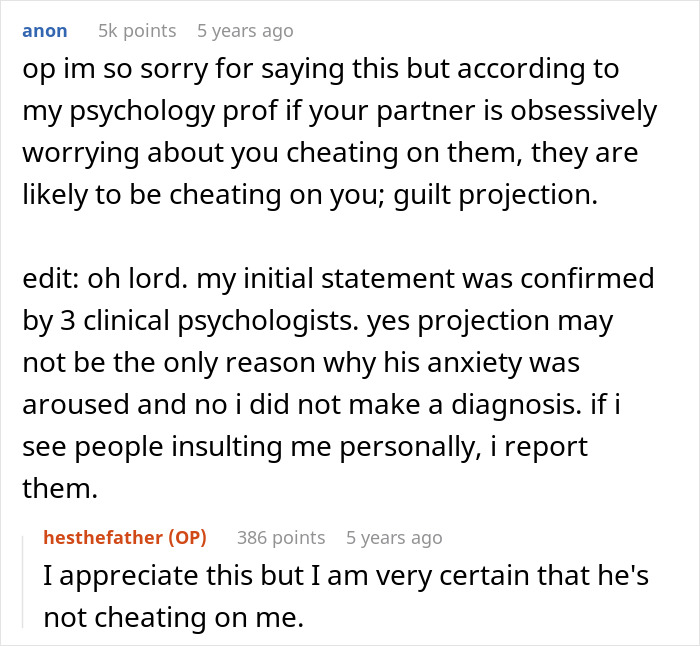
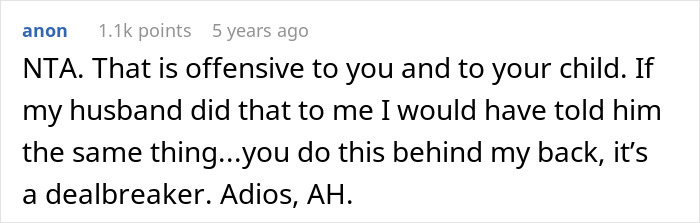
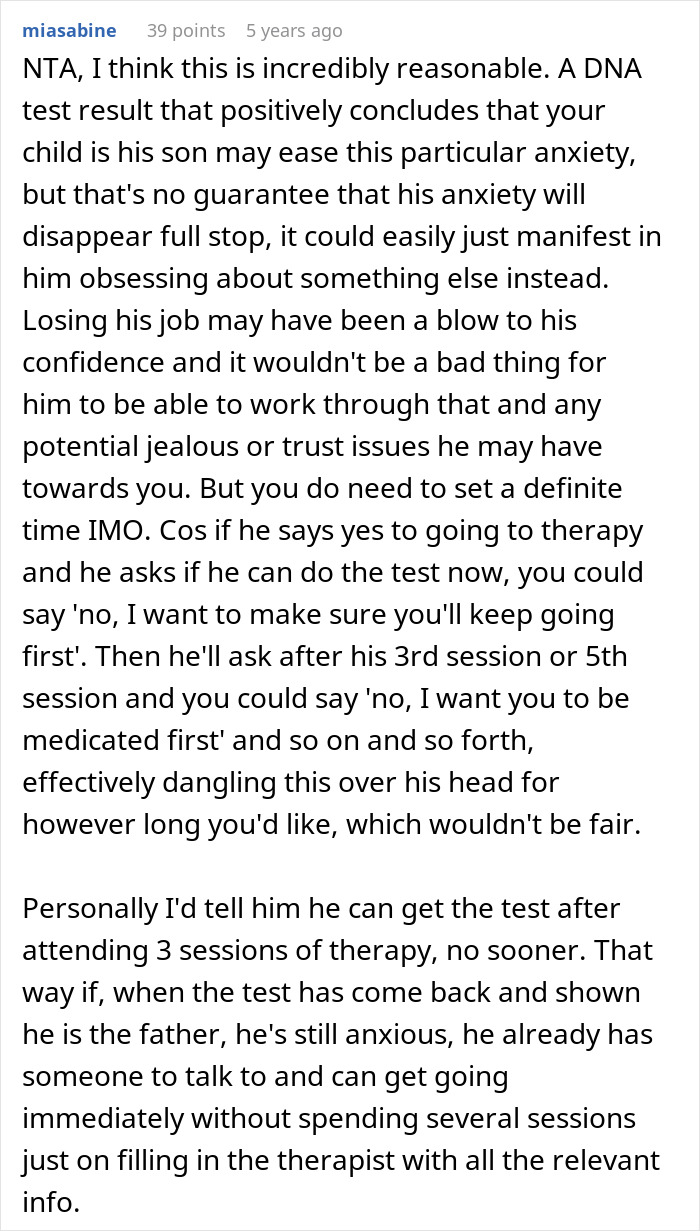
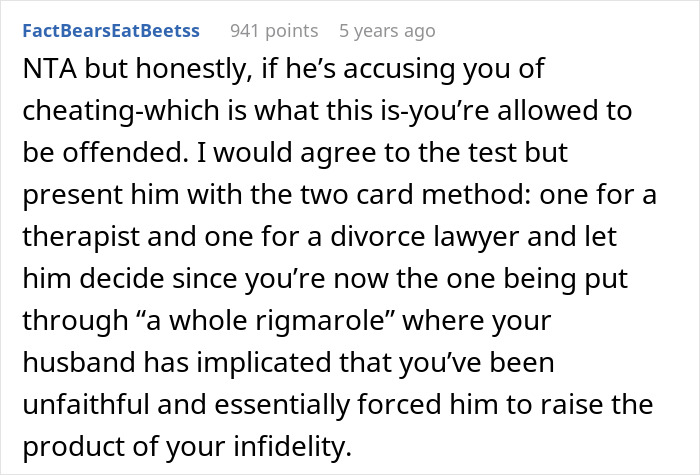
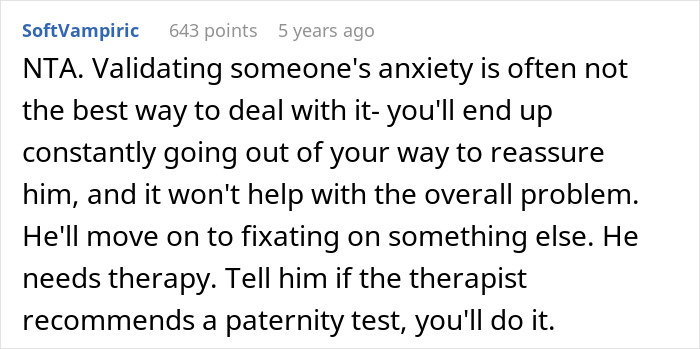
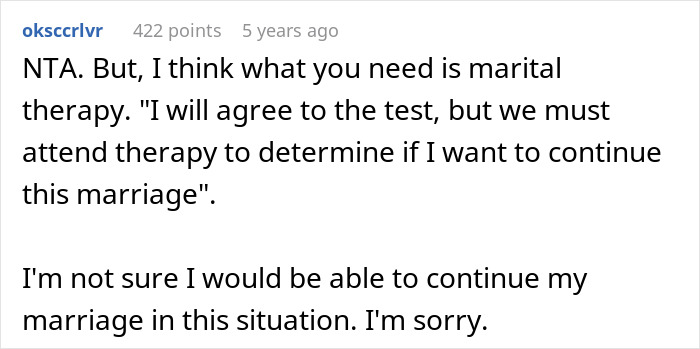
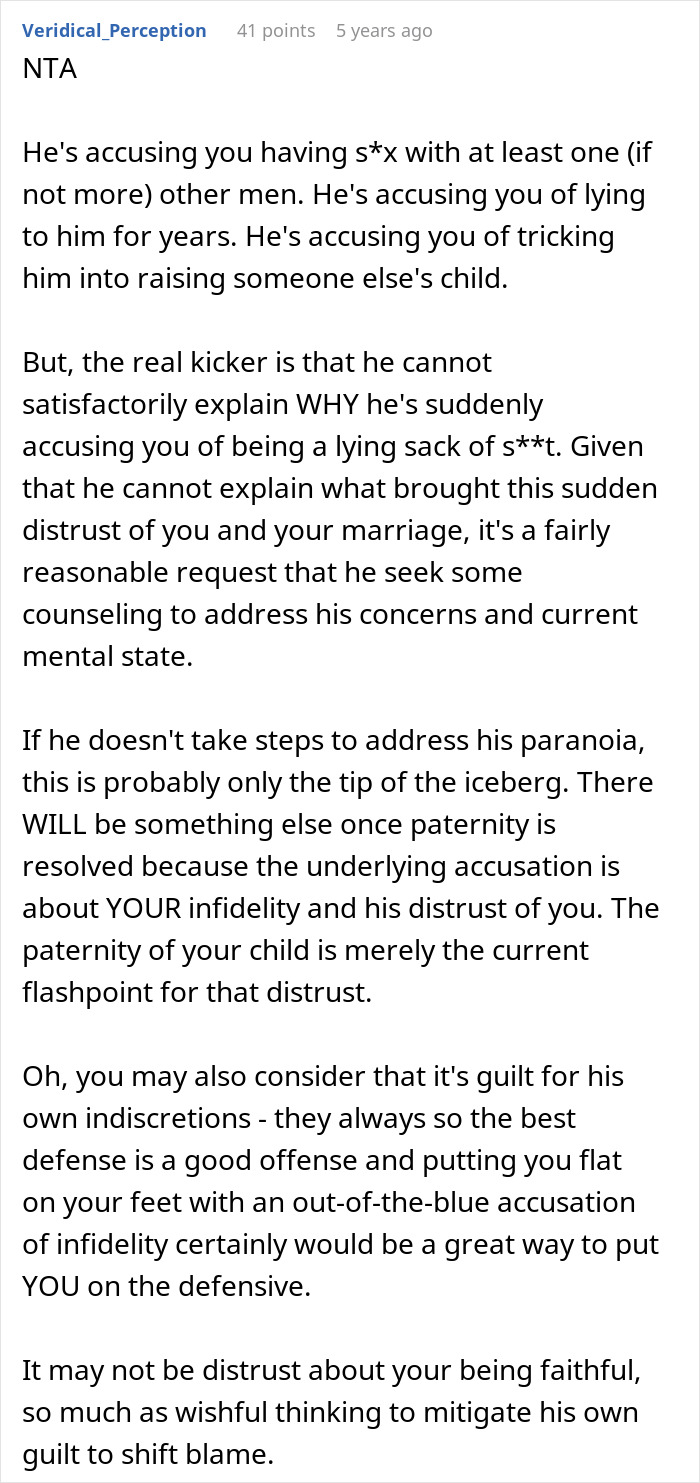
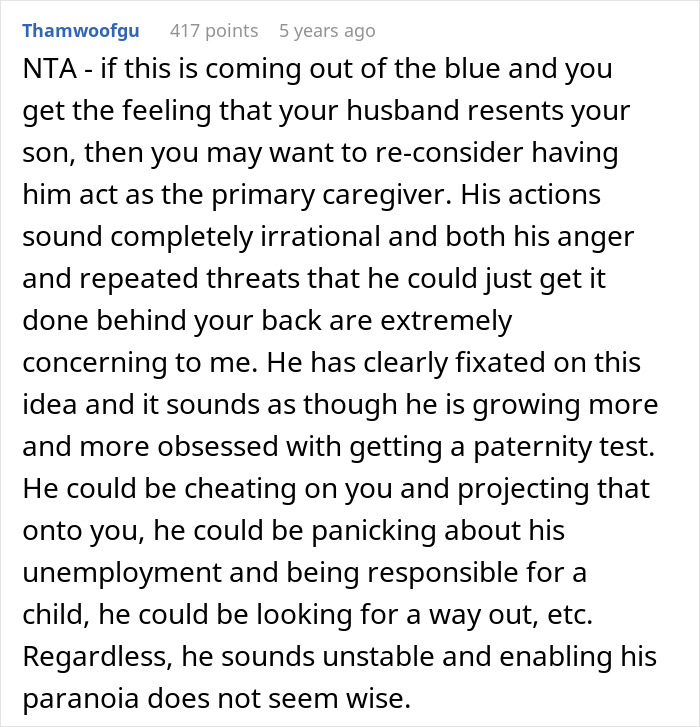
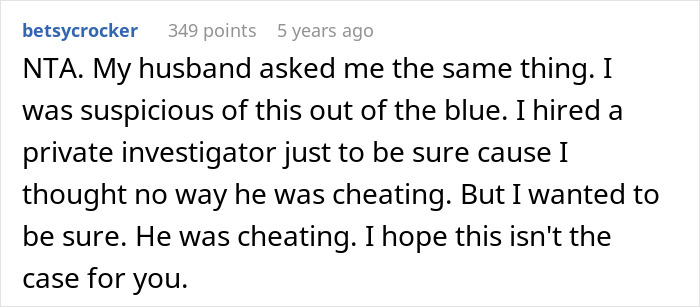
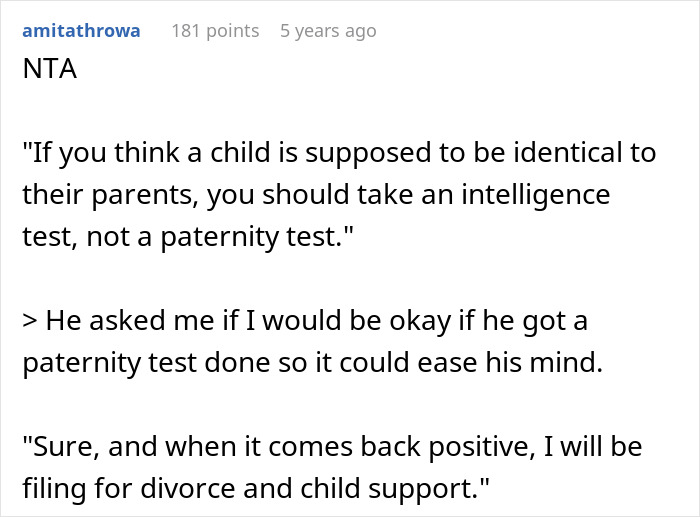
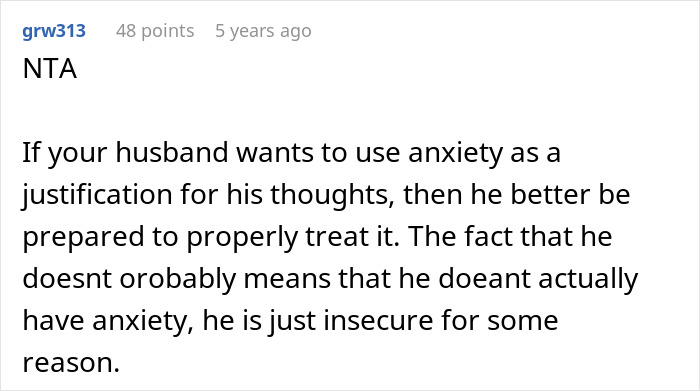
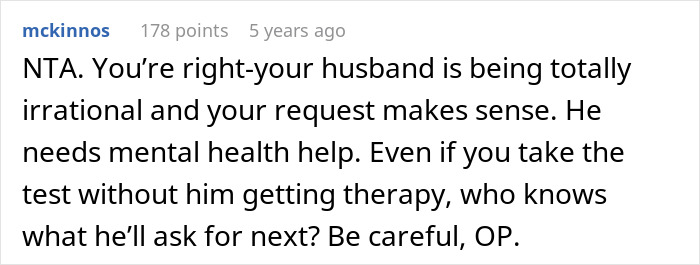
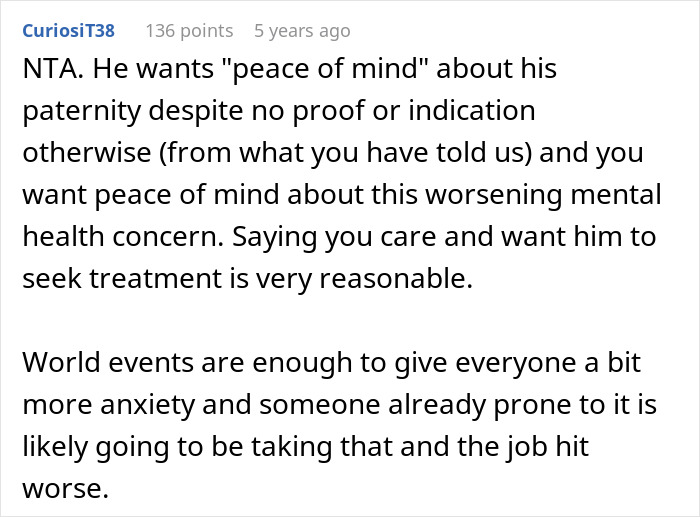
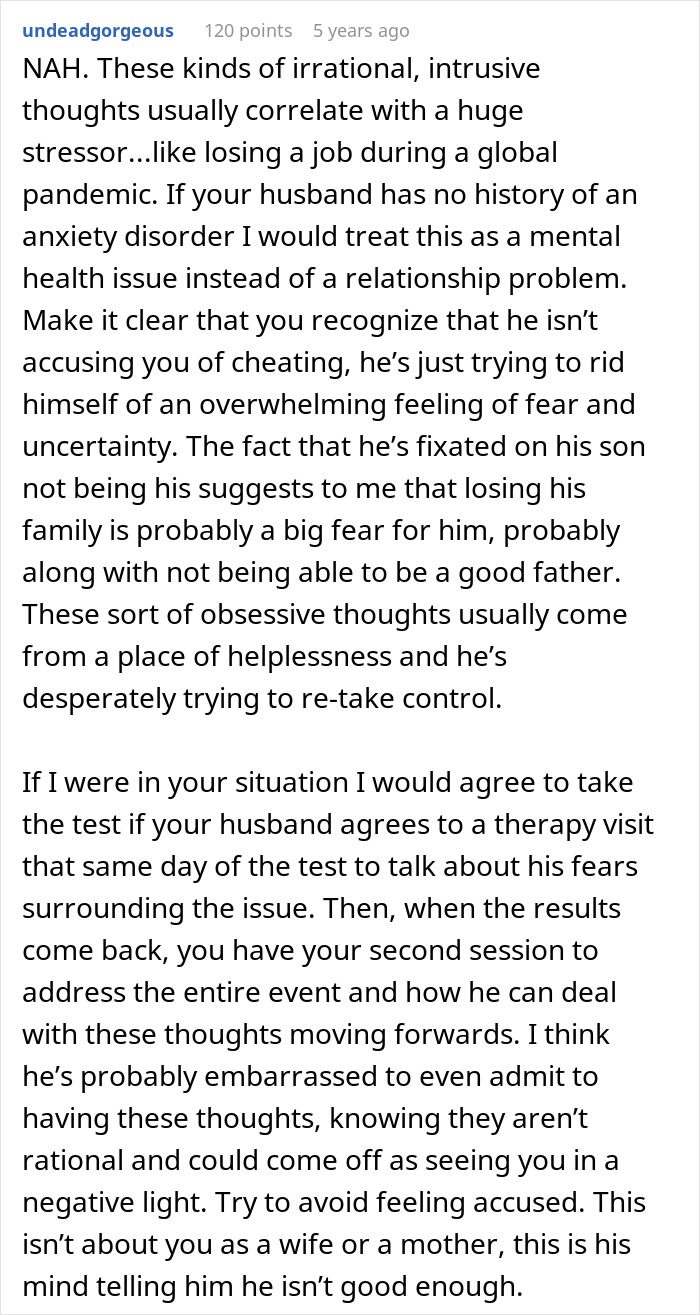
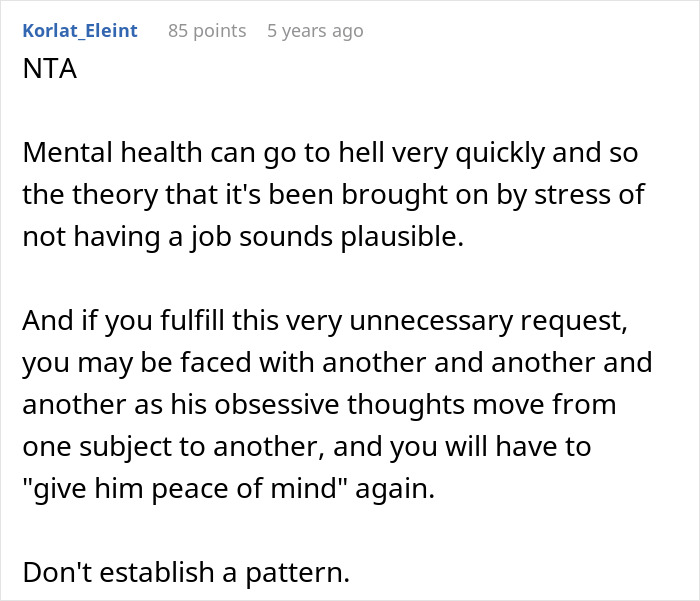
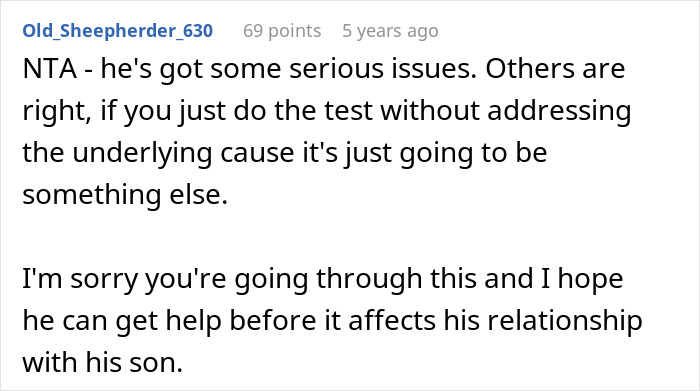
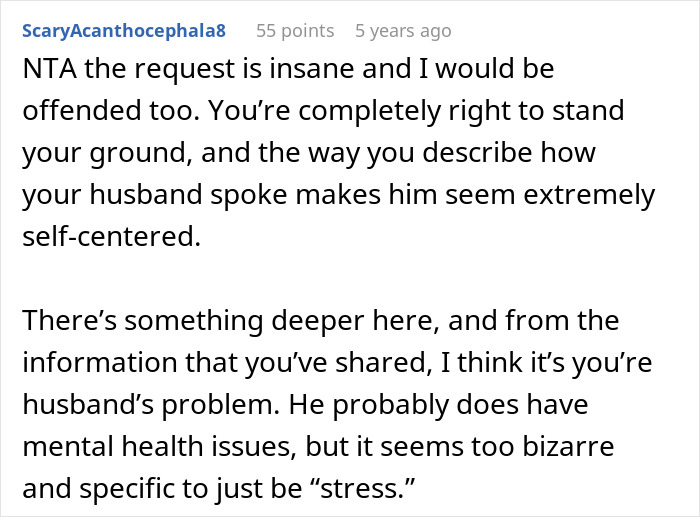
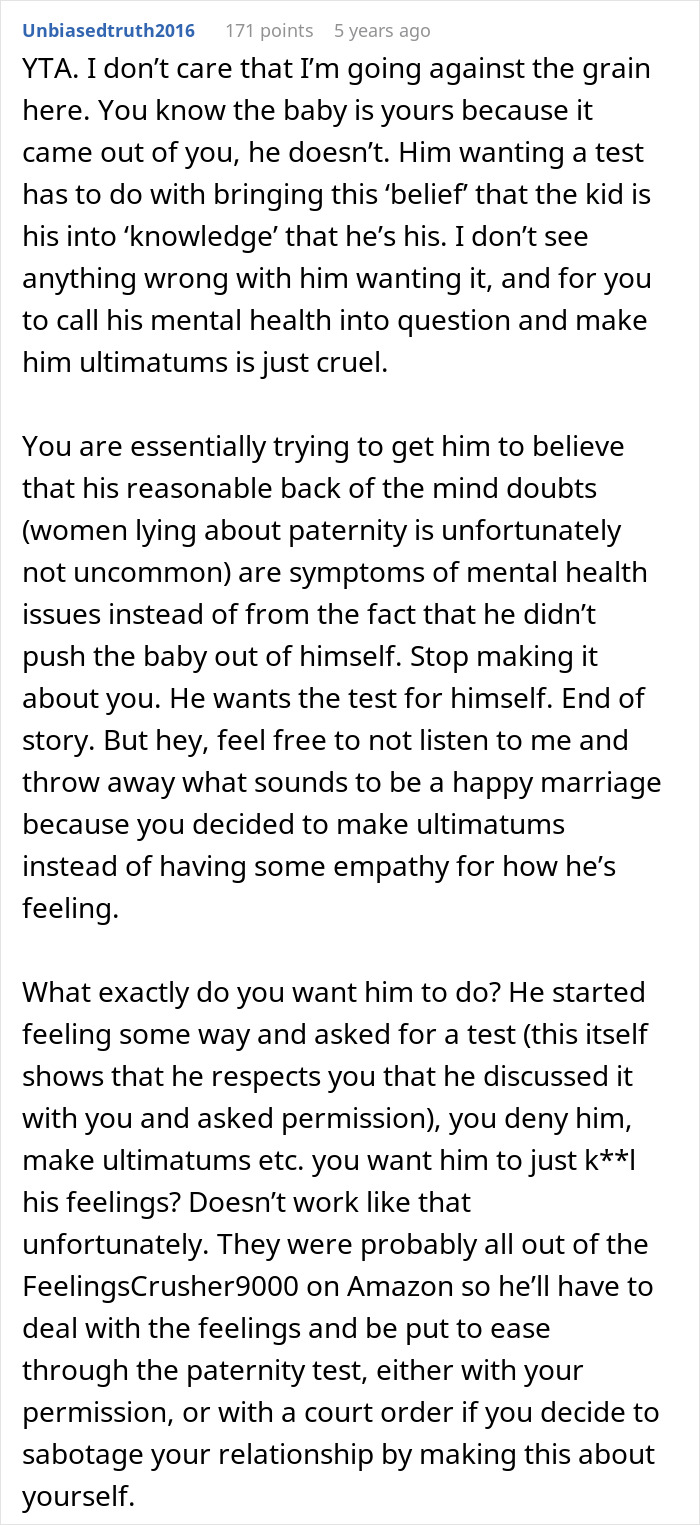
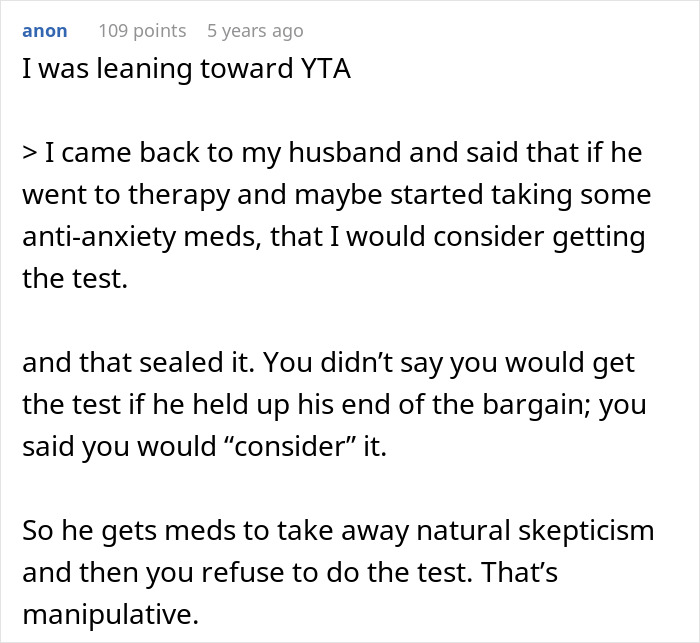
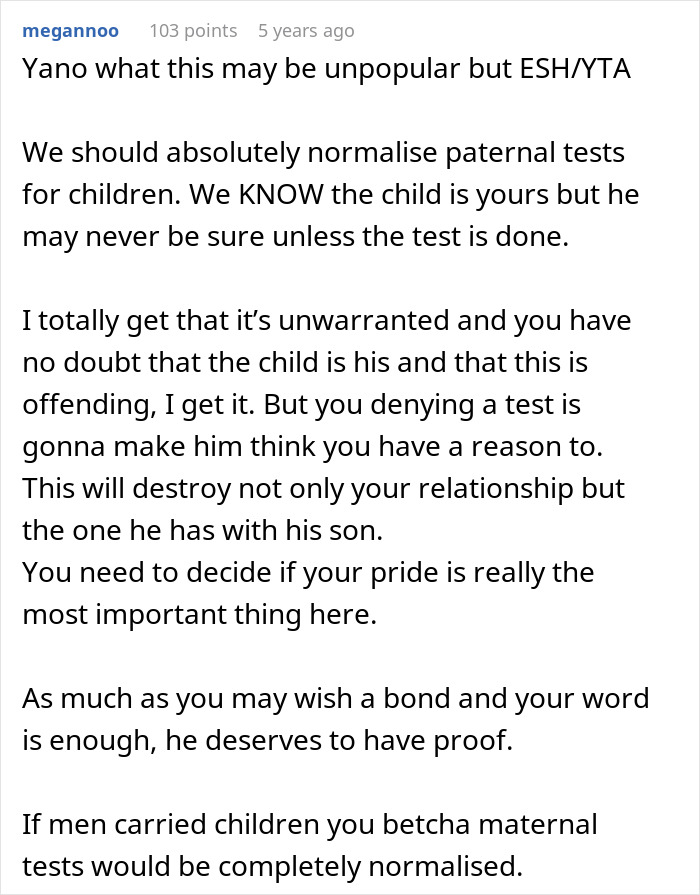
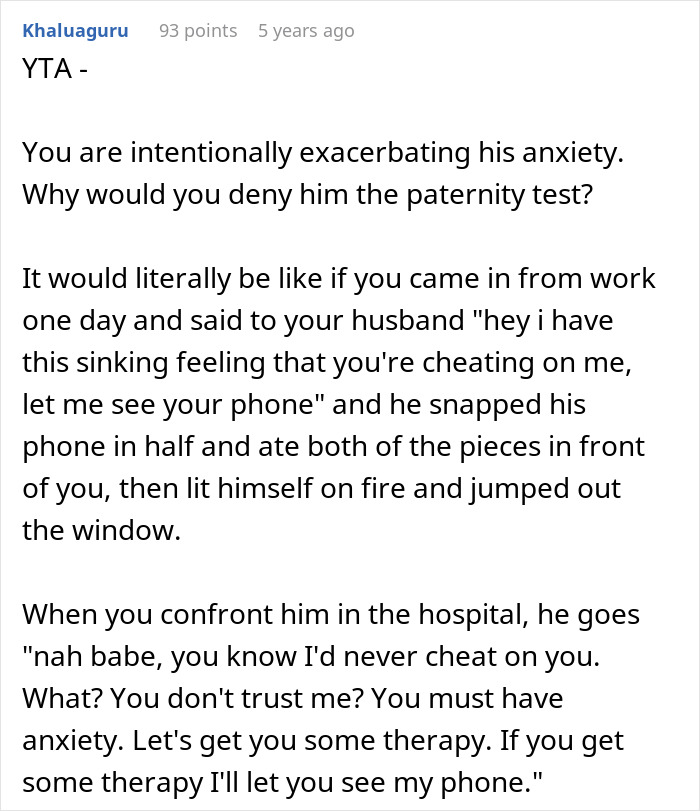
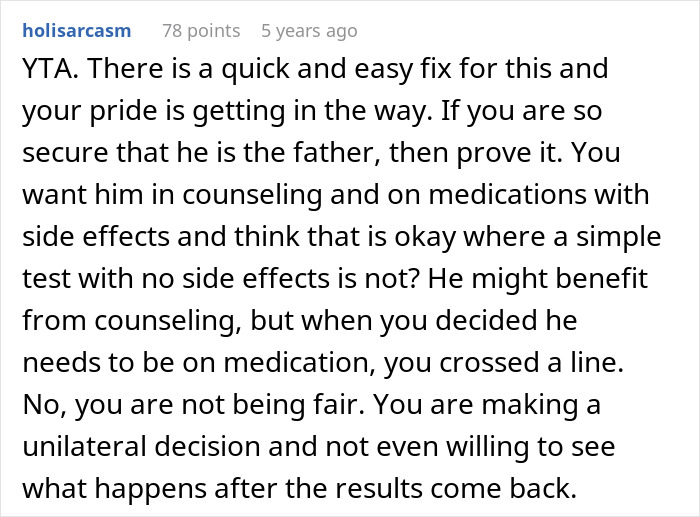

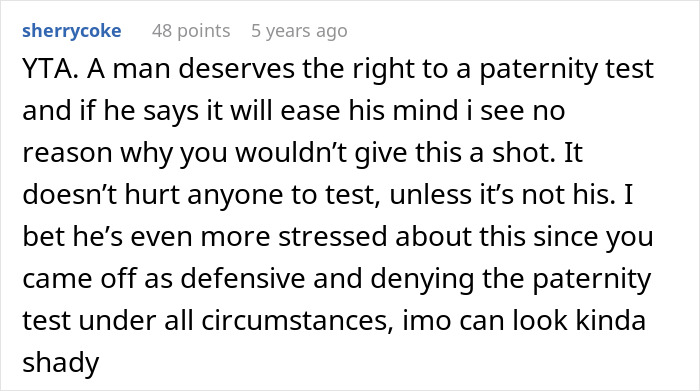
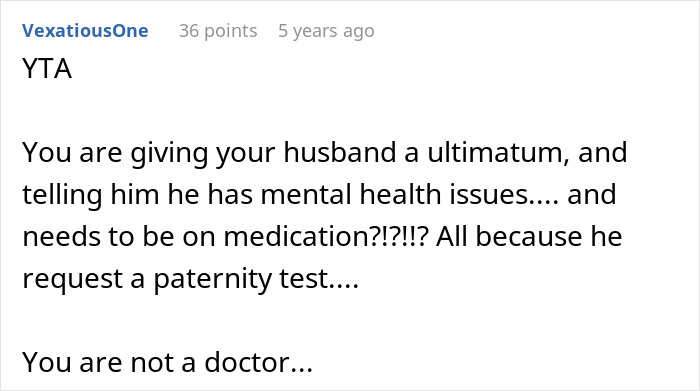

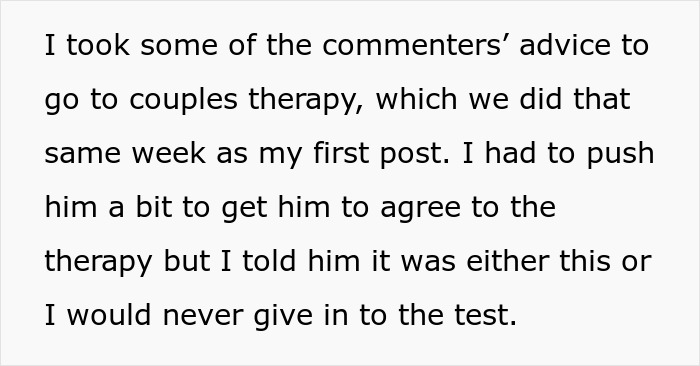
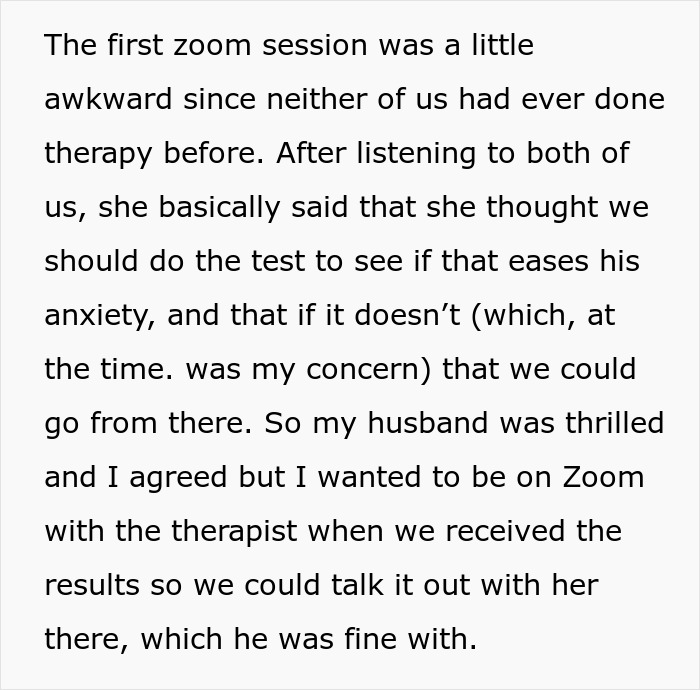
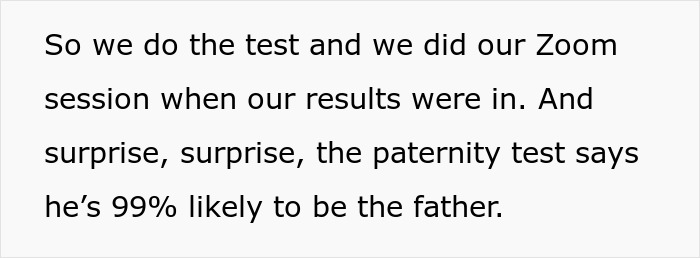
Image credits: Igor_Kardasov/Envato (not the actual photo)
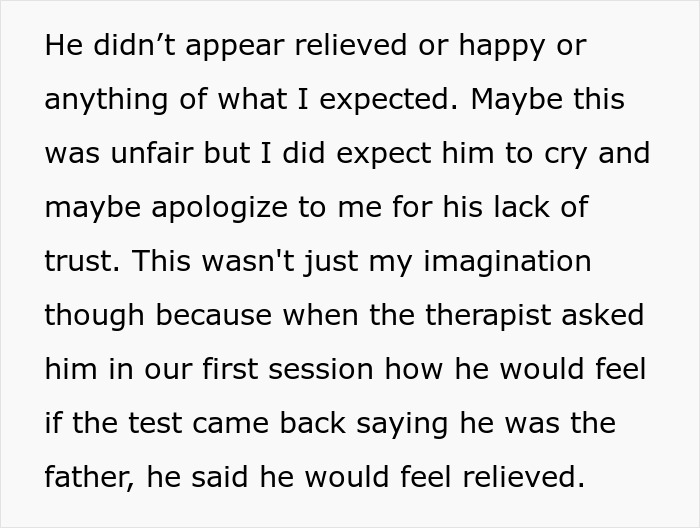
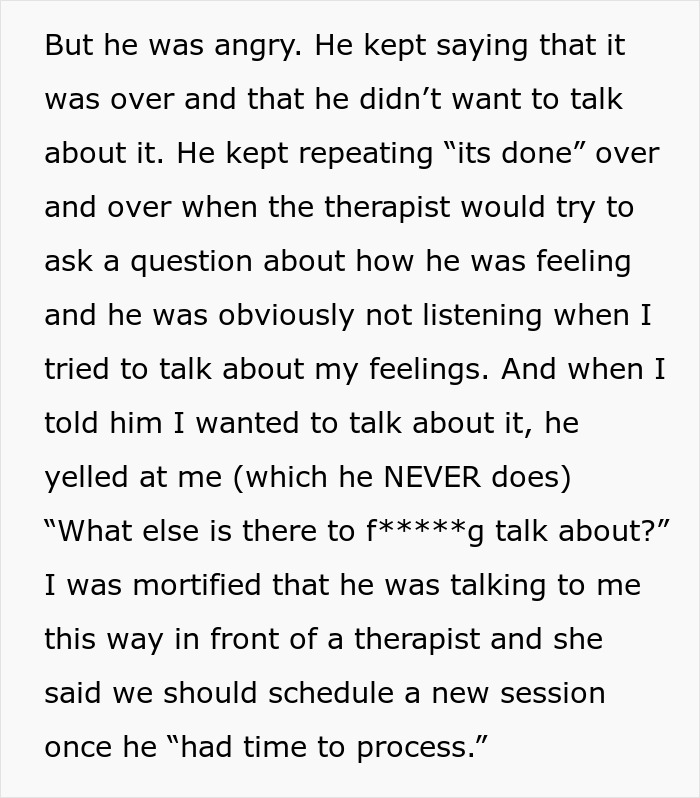
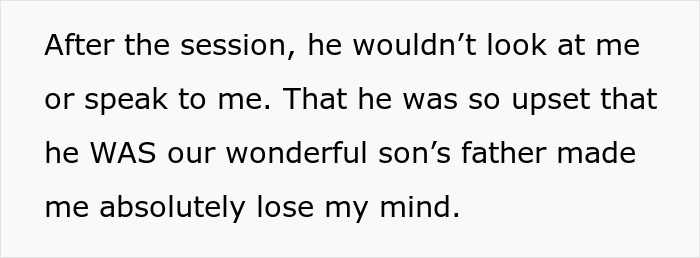
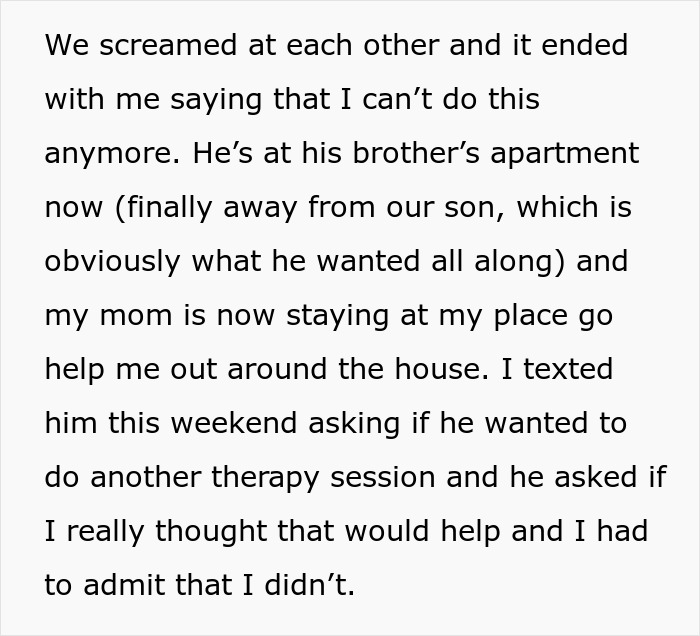
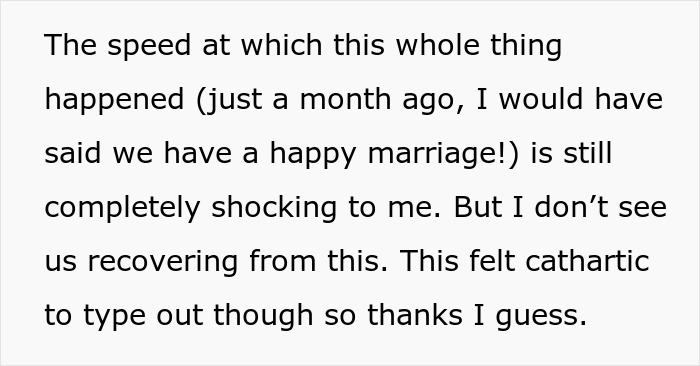
Image credits: hesthefather



By entering your email and clicking Subscribe, you're agreeing to let us send you customized marketing messages about us and our advertising partners. You are also agreeing to our Privacy Policy.
Thank you! You've successfully subscribed to newsletters!


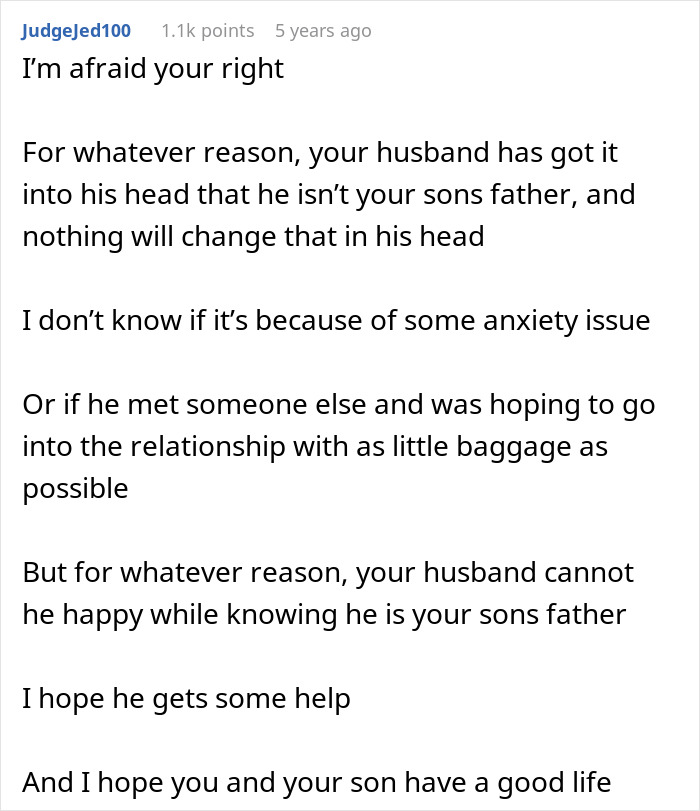
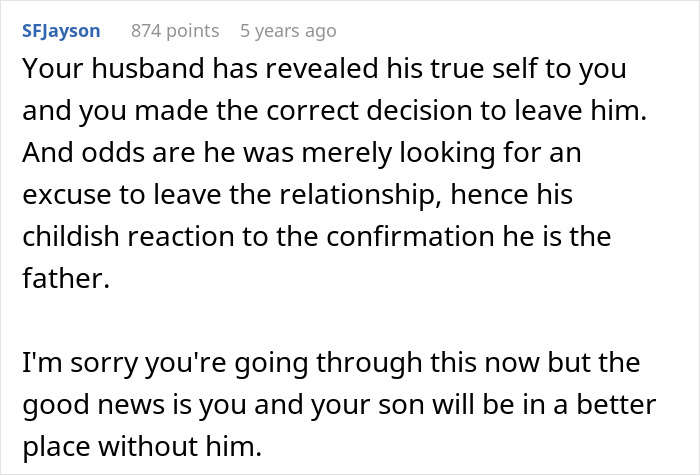
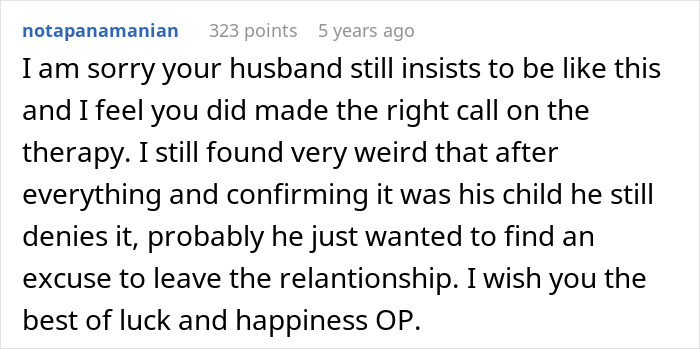
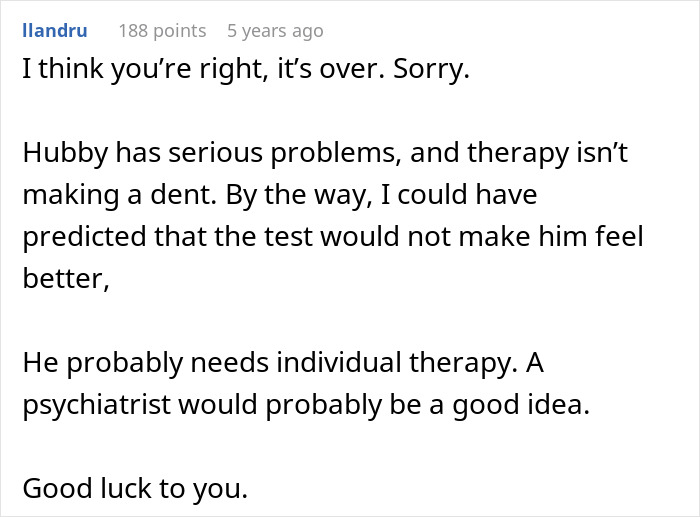
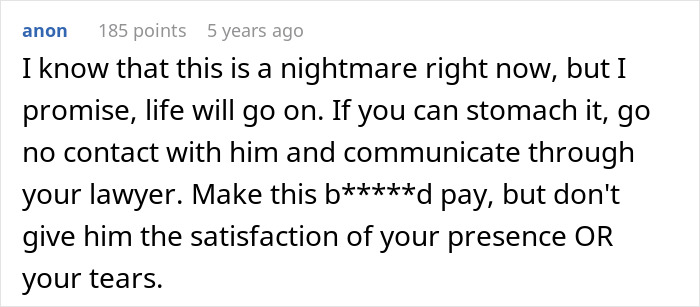
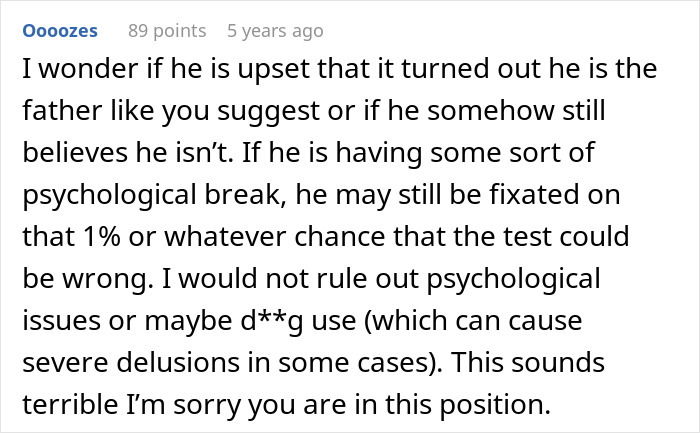
Irrational fears cannot be stilled with rational measures, and if he was looking for an excuse to leave, giving in to his demands wasn't to change that.

This is the answer. Reasons are for reasonable people. This is not that. He is going through something, physical, emotional, mental (maybe they are all part of the same) but he is not rational.
Load More Replies...
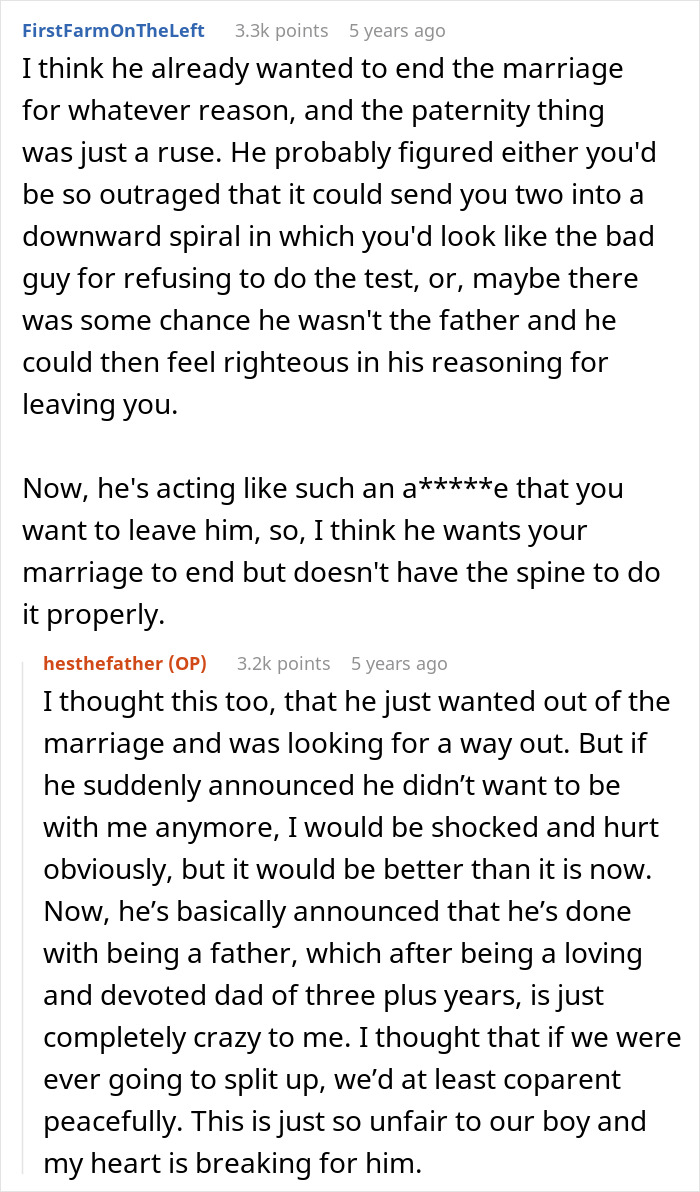
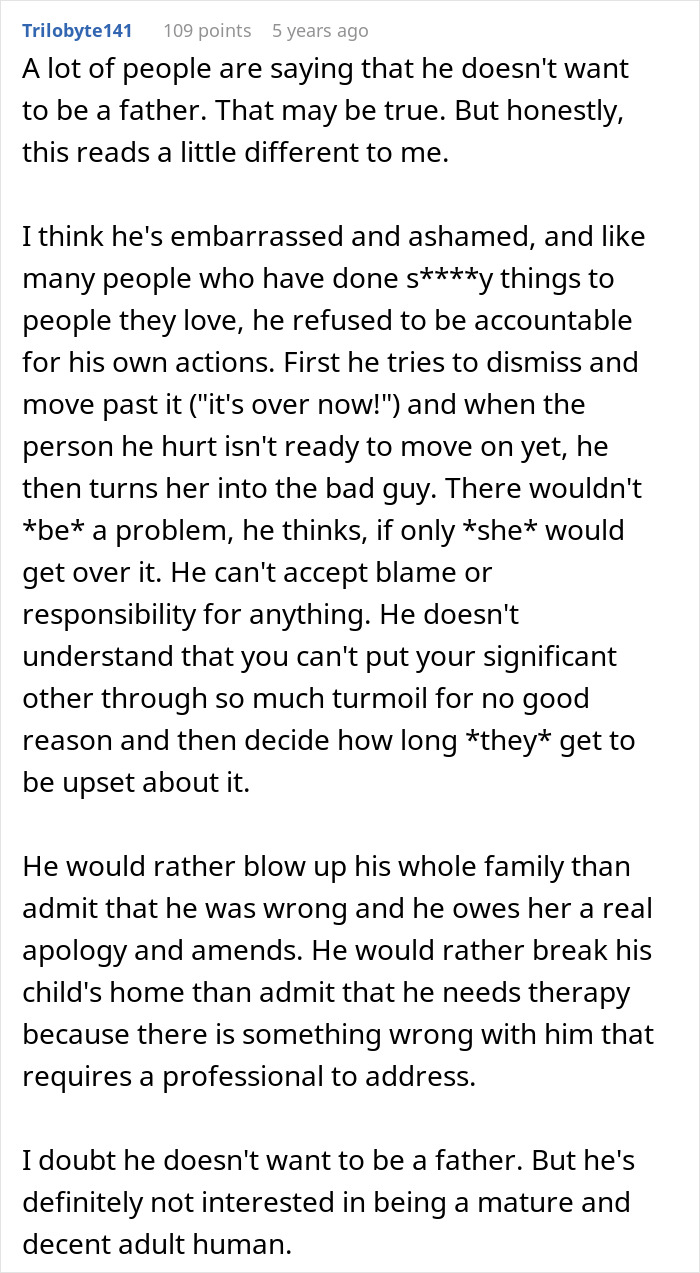
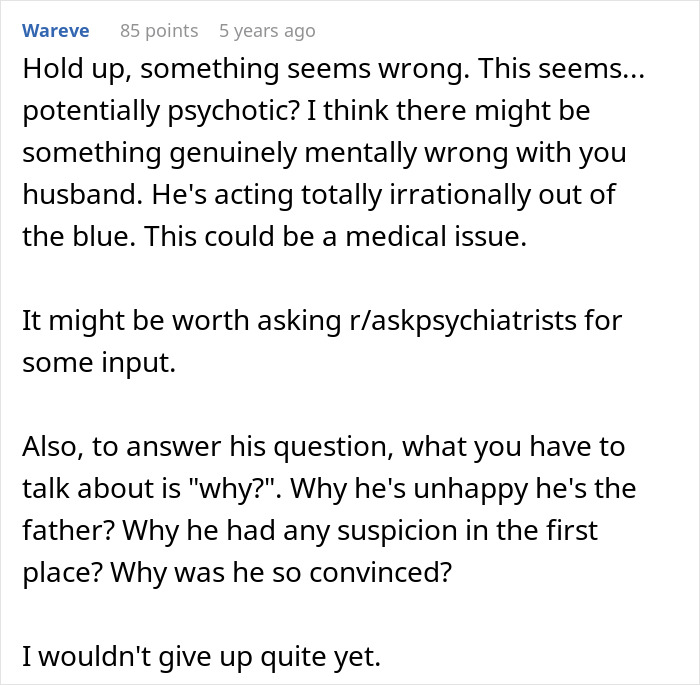
They should have started with individual therapy, not couples therapy. His fixation is specifically on that baby not being his, not that his wife cheated etc. He cannot give a reason why he feels like that, so it seems more like it's an irrational thought his mind has focused his anxiety on to avoid facing the real issue. A DNA test was never going to help without him having had therapy or medication first, as all it has done is remove the coping mechanism he was relying on for the real issue.
Irrational fears cannot be stilled with rational measures, and if he was looking for an excuse to leave, giving in to his demands wasn't to change that.
This is the answer. Reasons are for reasonable people. This is not that. He is going through something, physical, emotional, mental (maybe they are all part of the same) but he is not rational.
Load More Replies... They should have started with individual therapy, not couples therapy. His fixation is specifically on that baby not being his, not that his wife cheated etc. He cannot give a reason why he feels like that, so it seems more like it's an irrational thought his mind has focused his anxiety on to avoid facing the real issue. A DNA test was never going to help without him having had therapy or medication first, as all it has done is remove the coping mechanism he was relying on for the real issue.





























 No fees, cancel anytime











36
46