The Nikon Small World 2019 Competition Just Happened & Here Are The Top 20 Winners
The Nikon Small World Photomicrography Competition has been held for forty-five years now, celebrating the mesmerizing microscopic world and allowing scientists and enthusiasts alike to share their scientific and stunning images. Over 2000 photographs were submitted for the competition with micro-photographers from nearly 100 countries. The judges picked their top 20 images and the photo of a turtle embryo took the first place. Scroll down below to see all 20 photographs that made it to the final winner's list.
More info: Nikon Small World
This post may include affiliate links.
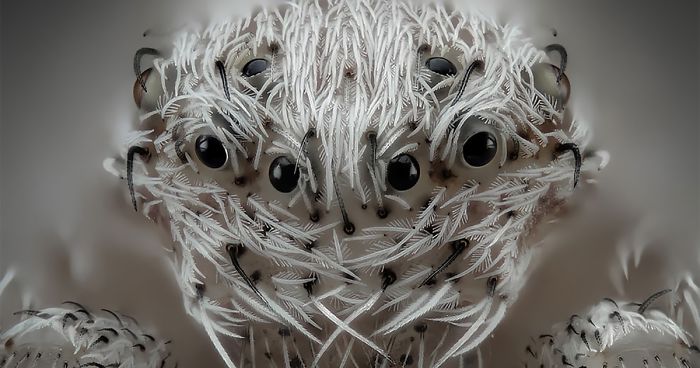
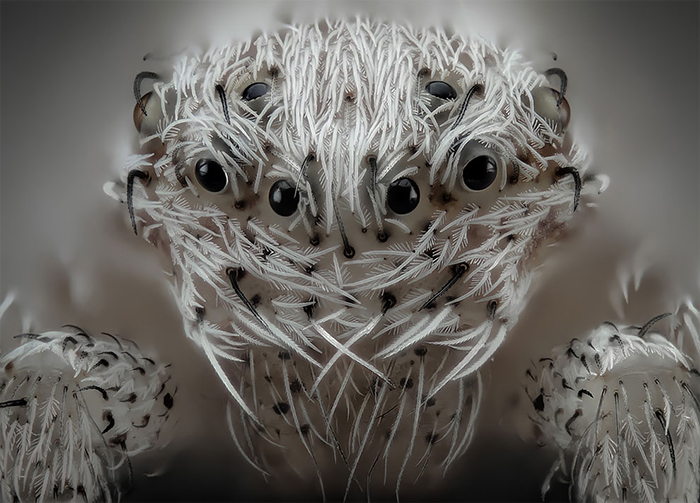
Small White Hair Spider
6th Place: Javier Rupérez, Almáchar, Málaga, Spain. Reflected Light, Image Stacking, 20x (Objective Lens Magnification).
I love this picture. It proves how amazing these so called "nopes" can be
Actually most spiders have s**t eyesight. Some however are on par or better then ours especially in regards to size. Relative in size all spiders are faster, stronger and more sensitive too surroundings then humans
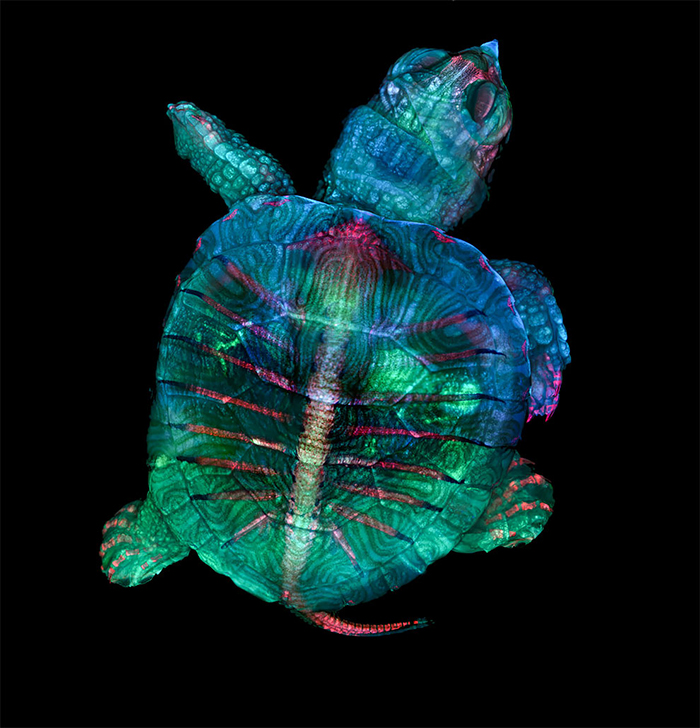
Load More Replies...Fluorescent Turtle Embryo
1st Place: Teresa Zgoda & Teresa Kugler, Campbell Hall, New York, USA. Stereomicroscopy, Fluorescence, 5x (Objective Lens Magnification).
Was this little being destroyed during the process of taking its' picture?
This is terrible. We should not be celebrating and glorifying a creatures unnecessary death.
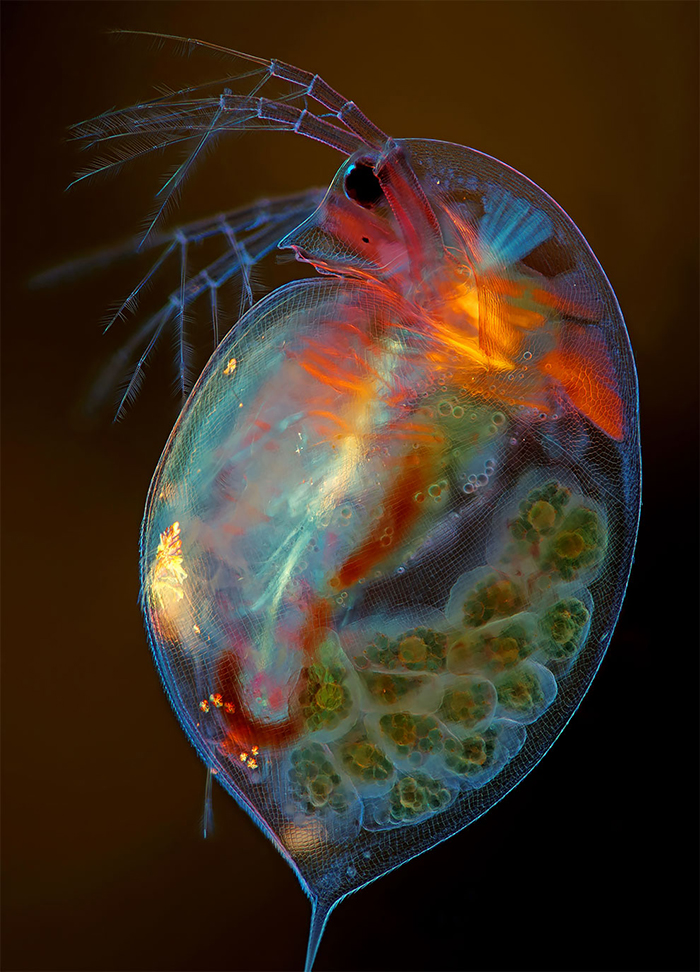
Load More Replies...Pregnant Daphnia Magna (Small Planktonic Crustacean)
15th Place: Marek Miś, Marek Miś Photography, Suwalki, Podlaskie, Poland. Modified Darkfield, Polarized Light, Image Stacking, 4x (Objective Lens Magnification).
Makes me wonder if we are not the least interesting living being on this planet..
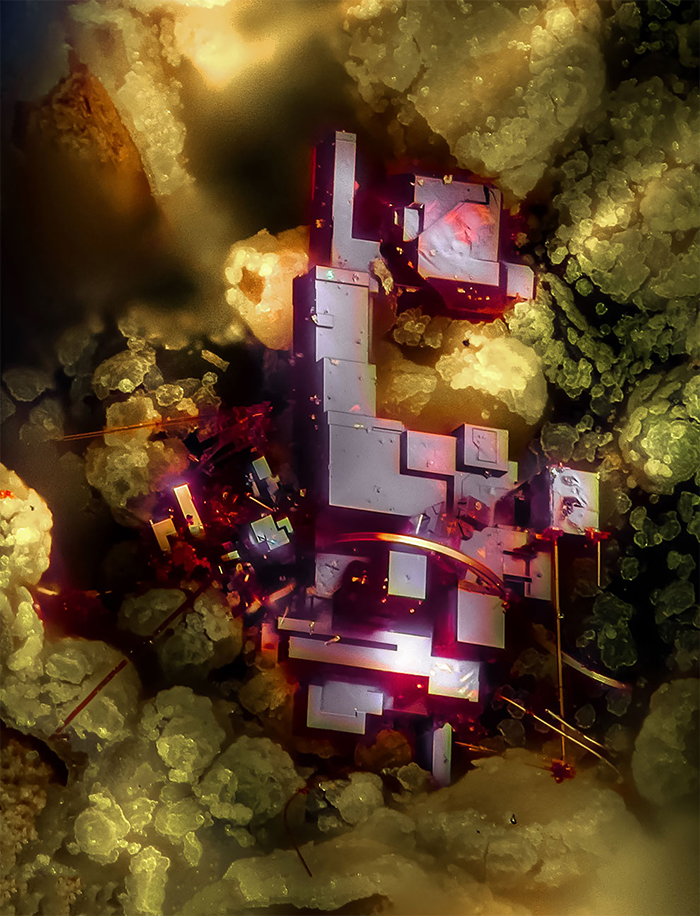
Cuprite (Mineral Composed Of Copper Oxide)
13th Place: Dr. Emilio Carabajal Márquez, Madrid, Spain. Focus Stacking, 20x (Objective Lens Magnification).
I was not aware such perfect corners could come to be without being man made
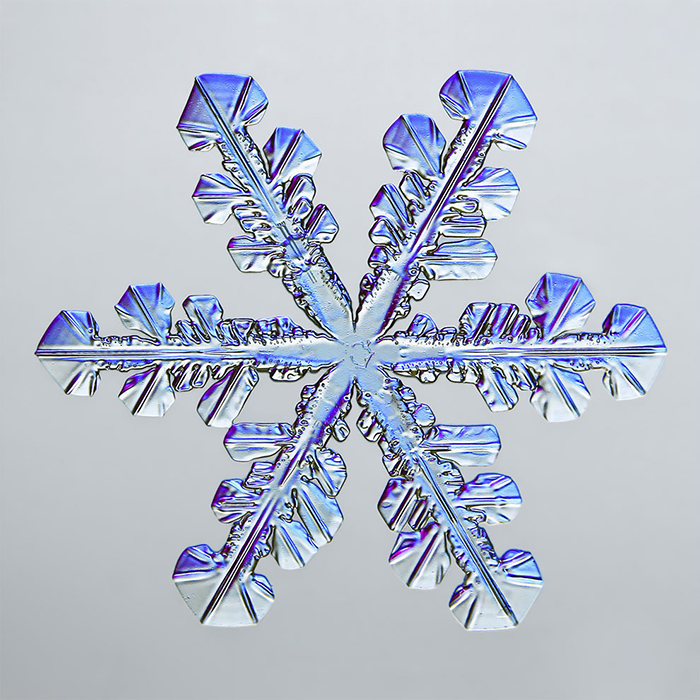
Snowflake
5th Place: Caleb Foster, Caleb Foster Photography, Jericho, Vermont, USA. Transmitted Light, 4x (Objective Lens Magnification).
im surprised they got such a good picture of this when these things are extremely fragile. well done!
i have never seen one up close, esp magnified-this is lovely too
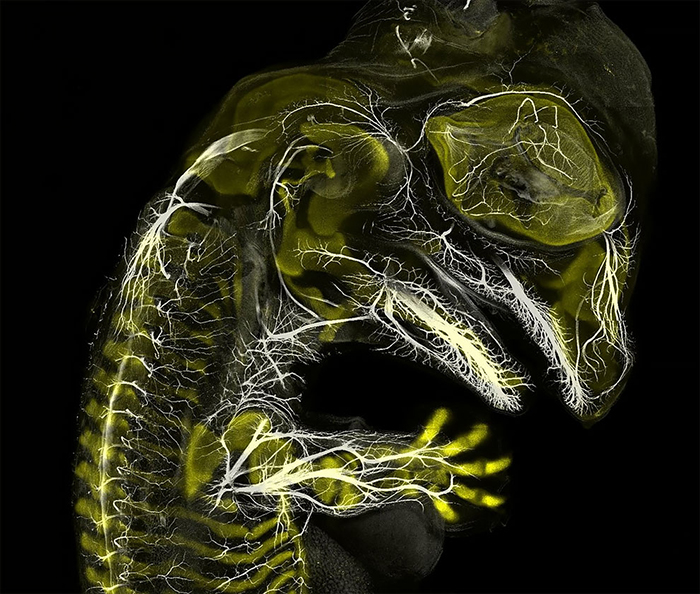
Alligator Embryo Developing Nerves And Skeleton
3rd Place: Daniel Smith Paredes & Dr. Bhart-Anjan S. Bhullar, Yale University, Department of Geology and Geophysics, New Haven, Connecticut, USA. Immunofluorescence, 10x (Objective Lens Magnification).
Immunofluorescence! So, this little being lost its' life, for this picture to be taken ? I really hope that this photograph has some extremely good/important significance in the scientific world.
I agree with you!! Makes me very sad to think why they were able to take the pic of an alligator embryo 😕😢
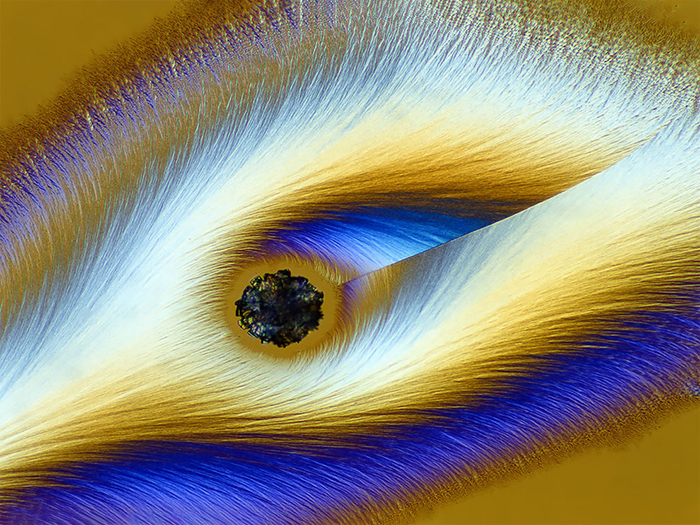
Load More Replies...Vitamin C
17th Place: Karl Deckart, Eckental, Bavaria, Germany. Brightfield, Polarized Light, 4x (Objective Lens Magnification).
I am very curious about what is going on in this picture? Is the vitamin C that small particle?
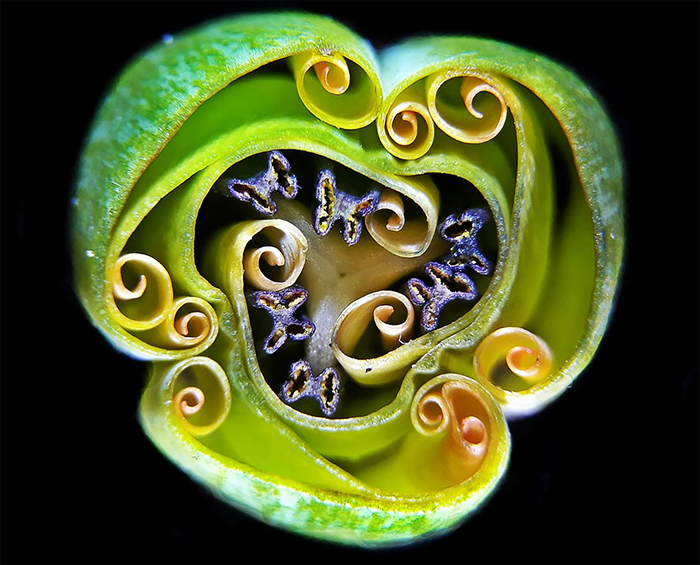
Tulip Bud Cross Section
9th Place: Andrei Savitsky, Cherkassy, Ukraine. Reflected Light, 1x (Objective Lens Magnification).
So beautiful, looks like a delicate paper quilling piece, thank you Mother Nature!
Just take a look at the beautiful detail ... all the little curls and colors ... God's mysterious creation.
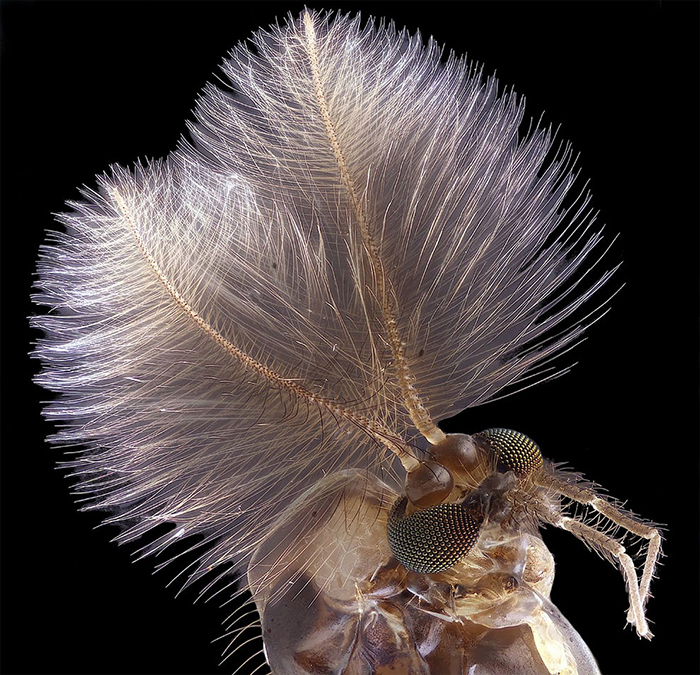
Male Mosquito
4th Place: Jan Rosenboom, Universität Rostock, Rostock, Mecklenburg Vorpommern, Germany. Focus Stacking, 6.3x (Objective Lens Magnification).
did u know male mosquitoes don drink blood? that means the females are the little shits of the blood-sucker world
Yes. The females need the blood to lay their eggs and produce more blood sucking little sh**s.
Load More Replies...it reminds me just a tiny bit of a male peacock, with all the feathers. still icky tho
Yep but he still has his part in the propagation of the mosquitoes... so not such a good boy ;P
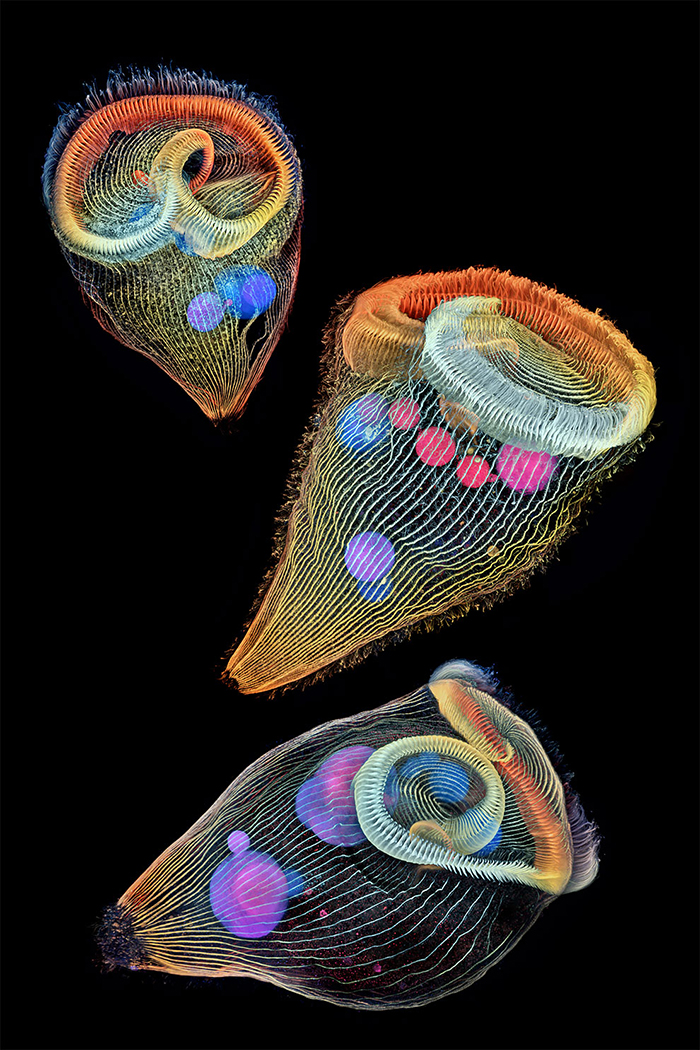
Load More Replies...Depth-Color Coded Projections Of Three Stentors (Single-Cell Freshwater Protozoans)
2nd Place: Dr. Igor Siwanowicz, Howard Hughes Medical Institute (HHMI), Janelia Research Campus, Ashburn, Virginia, USA. Confocal, 40x (Objective Lens Magnification).
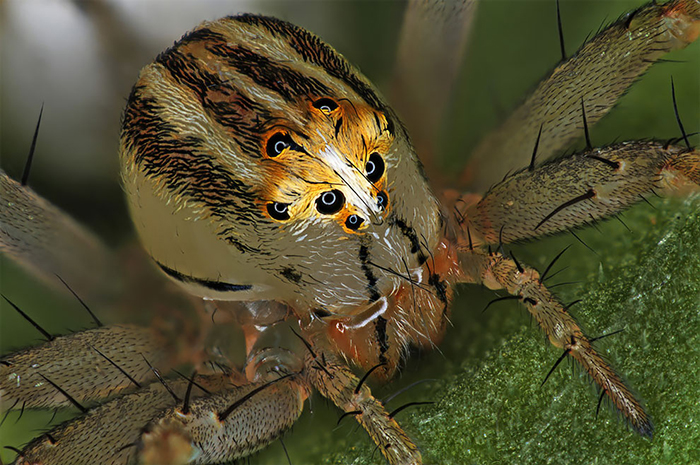
Female Oxyopes Dumonti (Lynx) Spider
14th Place: Antoine Franck, CIRAD – Agricultural Research for Development, Saint Pierre, Réunion. Focus Stacking, 1x (Objective Lens Magnification).
Looks like he's going to a mascarade party with that cute lil orange on his face
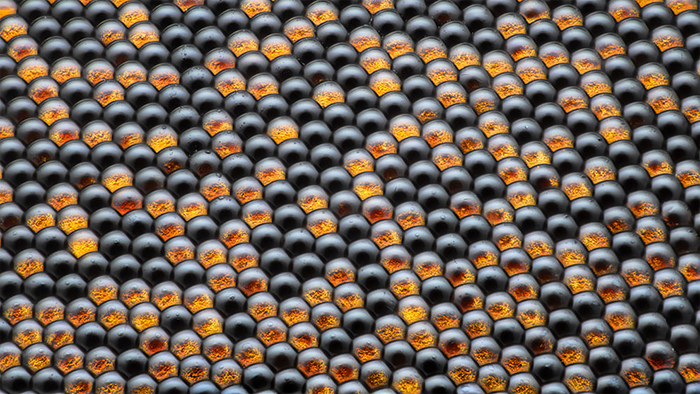
Housefly Compound Eye Pattern
16th Place: Dr. Razvan Cornel Constantin, Bucharest, Romania. Focus Stacking, Reflected Light, 50x (Objective Lens Magnification).
The black ones are all looking at the lens of the camera. The gold ones are looking at the flower the fly is resting on. Look closely at the image and you'll see the reflections.
Wow...thanks for pointing that out!! That's fecking cool.
Load More Replies...No wonder they are so difficult to swat! They can see you coming at them from any direction.
Wow, I thought this was a macro of snake skin upon first glance.
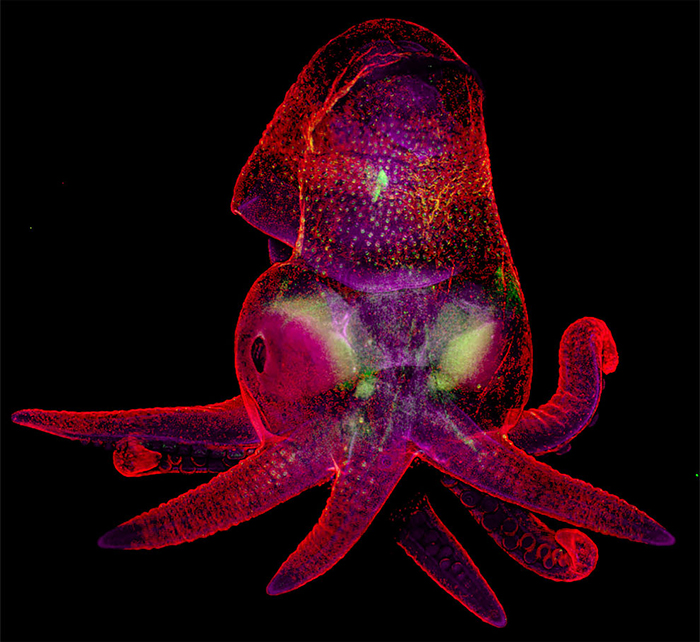
Octopus Bimaculoides Embryo
19th Place: Martyna Lukoševičiūtė & Dr. Carrie Albertin, University of Oxford, Weatherall Institute of Molecular Medicine, Oxford, Oxfordshire, United Kingdom. Confocal, Image Stitching, 5x (Objective Lens Magnification).
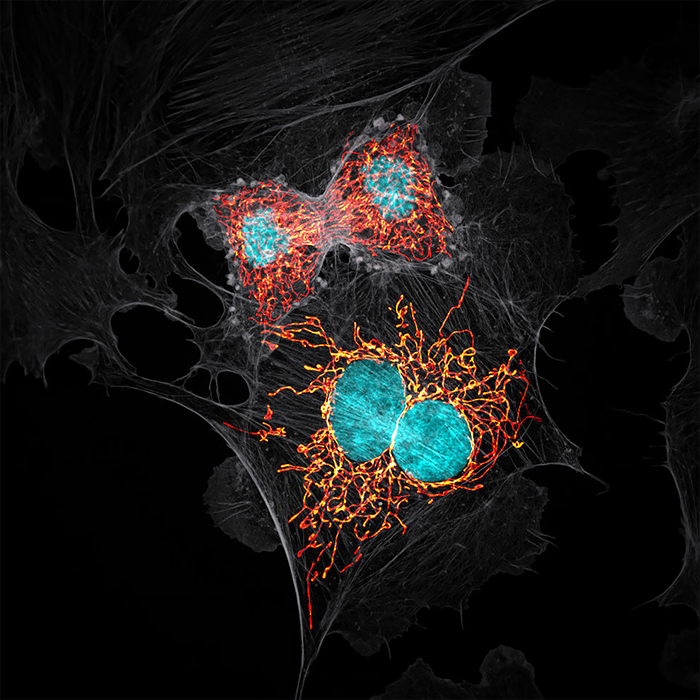
BPAE Cells In Telophase Stage Of Mitosis
10th Place: Jason M. Kirk, Baylor College of Medicine, Optical Imaging & Vital Microscopy Core, Houston, Texas, USA. Confocal with Enhanced Resolution, 63x (Objective Lens Magnification).
PBAE, poly(beta-amino ester) No, looking up what PBAE stands for did not make me any wiser, beyond learning that there is probably a lot of interesting and possibly promising research going on about it. For example, "PBAE nanoparticles may be safe and efficient gene delivery vectors for improving the protein levels of human stem cell–based therapies."
Frozen Water Droplet
8th Place: Garzon Christian, Quintin, Cotes-d’Armor, France. Incident Light, 8x (Objective Lens Magnification).
A snowflake begins to form, when a really chilly drop of water coats a dust or pollen partcle ( similar to the beginning of a pearl-formation, in an oyster)....creating the seed of formation. H2O molecules begin to crystalize onto this seed, creating the 6 legs/spikes of the snowflake. The photographer took the pic, before snowflake formation had the chance to happen.
Load More Replies...Ice. It's called ice. "Frozen water droplet"? You may as well have said "Solidified aqua via the negative temperature method".
The important word here is DROPLET. As compared to a layer/sheet. A frozen water droplet rather than a frozen layer of water. Both of which are under the classification of ICE. And, yes, there is a definite significance, in the terminology, to scientists!
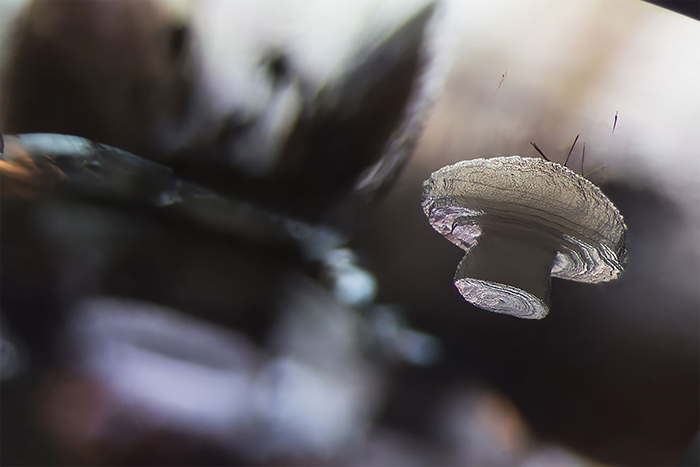
Load More Replies...Cristobalite Crystal Suspended In Its Quartz Mineral Host
18th Place: E. Billie Hughes, Lotus Gemology, Bangkok, Thailand. Darkfield, 40x (Objective Lens Magnification).
"I'm a little mushroom, short and stout . . ." I'll show myself to the door
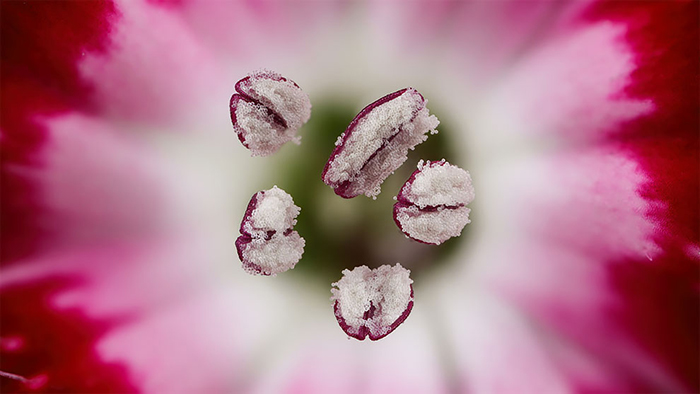
Chinese Red Carnation Stamen
7th Place: Dr. Guillermo López, Alicante, Spain. Focus Stacking, 3x (Objective Lens Magnification).
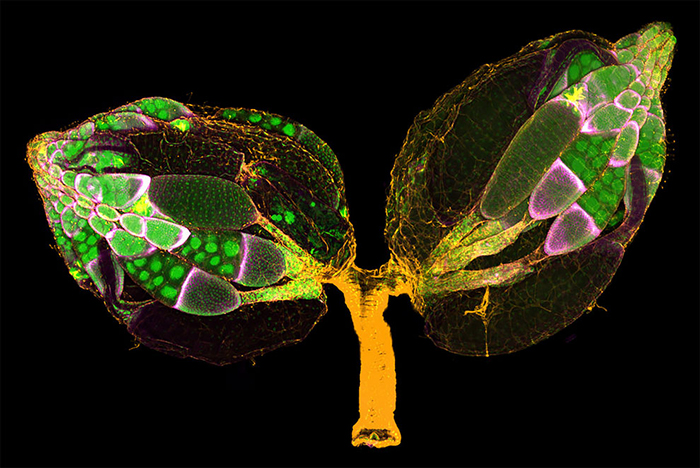
A Pair Of Ovaries From An Adult Drosophila Female Stained For F-Actin (Yellow) And Nuclei (Green); Follicle Cells Are Marked By Gfp (Magenta)
11th Place: Dr. Yujun Chen & Dr. Jocelyn McDonald, Kansas State University, Department of Biology, Manhattan, Kansas, USA. Confocal, 10x (Objective Lens Magnification).
Oh hell yeah, everyone knows that. I don't know why they even bothered explaining.
Load More Replies...me: "I wonder how they got those out of the fly?" Friend: "All they had to do was smack the ovaries out of that fly."
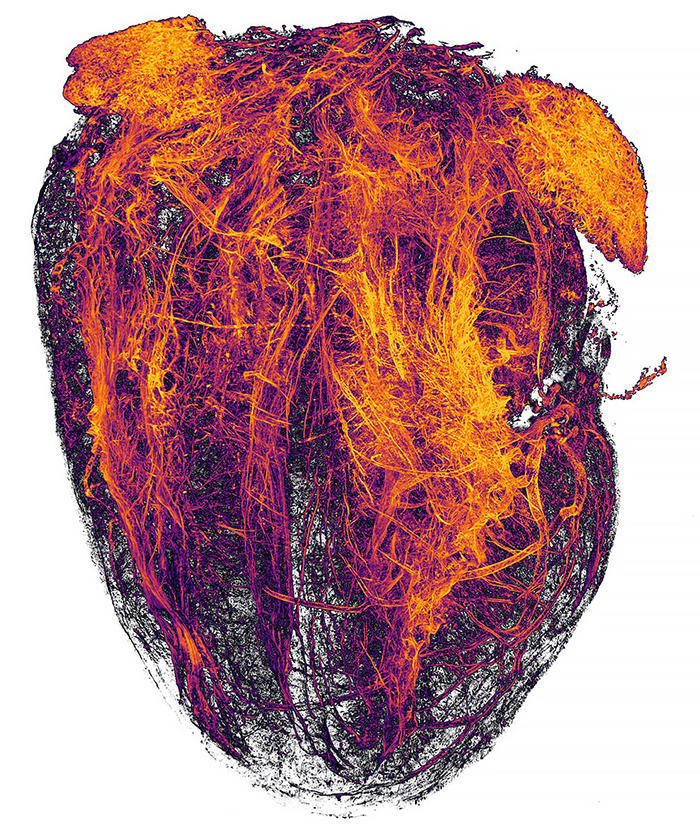
Blood Vessels Of A Murine (Mouse) Heart Following Myocardial Infarction (Heart Attack)
20th Place: Simon Merz, Lea Bornemann & Sebastian Korste, University Hospital Essen, Institute for Experimental Immunology & Imaging, Essen, Nordrhein-Westfalen, Germany. Tissue Clearing, Light Sheet Fluorescence Microscopy, 2x (Objective Lens Magnification).
This one gets my LOSER vote because an innocent animal was subjected to a heart attack and death. I detest animal experimentation and the people who conduct/fund the experiments. BOO on this one.
I would not vote for this because an innocent little creature was subjected to having a heart attack. I do not condone animal experimentation.
I was so enjoying the beauty and wonder of these pictures . . . until I got to this one. Can only imagine what this poor being had to endure to have been made to suffer a heart attack. Have now decided not to share these images.
Is the "black web" part of the hearts structure, and the fucshia and gold webbing normal and damaged blood vessels?
I guess you think you're being clever. It's amazing how many disregard suffering . . . unless it's that of themselves or one they love.
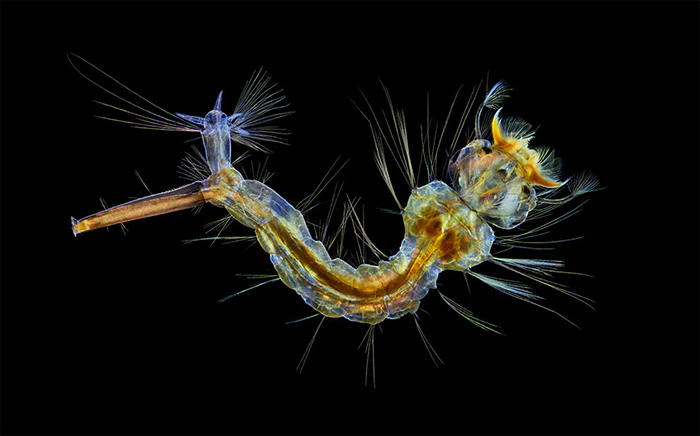
Load More Replies...Mosquito Larva
12th Place: Anne Algar, Hounslow, Middlesex, United Kingdom. Darkfield, Polarizing Light, Image Stacking, 4x (Objective Lens Magnification).

This is the reason you should never let containers with water be standing around. Make sure you change the water for the dog or cat every day, ditto for bird baths and similar, pour the water away from plant saucers, or, better still, do not overwater in the first place. See to it that there are no pools of standing water around your garden or in the road, etc, etc, etc.
If it's an anopheles gambiae it's the deadliest creature on the planet
Absolutely stunning shots- it is really neat to see nature at this level of detail. Microscopic nature is pretty darn cool and like miniatures artworks in itself.
When I see these, I always have to wonder if giant aliens are taking pictures of us like this.
The world is beautiful. It is heartbreaking to know that so many speecies are going extinct, at the moment, without us even noticing.
Why on earth would you not but these in order of their place in the competition?
Absolutely stunning shots- it is really neat to see nature at this level of detail. Microscopic nature is pretty darn cool and like miniatures artworks in itself.
When I see these, I always have to wonder if giant aliens are taking pictures of us like this.
The world is beautiful. It is heartbreaking to know that so many speecies are going extinct, at the moment, without us even noticing.
Why on earth would you not but these in order of their place in the competition?