Get Premium
Dark mode theme is available exclusively for premium users. Learn more about the benefits of subscribing.
No fees, cancel anytime.

 Dark Mode Ad-Free Browsing Unlimited Content
 Ad-Free Browsing Unlimited Content Dark Mode
Join 1.2 million Panda readers who get the best art, memes, and fun stories every week!

Experts from the University of California San Diego found that teenagers who start using cannabis show slower gains in memory, attention, and thinking skills over time compared to non-users.
The study, the largest long-term study of brain development in US teens, raised concerns about a substance reportedly used by about 18 million Americans.

Image credits: freepik (not an actual photo)
Researchers followed 11,036 individuals from ages 9 to 10 through ages 16 and 17, tracking both their cognitive performance and substance use.
The team combined self-reports with toxicological measures such as hair, urine, and saliva samples, which can detect substance use from recent to several months prior.
“Hair samples provide on average a 3-month window of detection for substance use. Hair testing for cannabis is sensitive for detecting moderate-to-heavy use (using a minimum of twice a month on average) and demonstrates excellent specificity in adolescents and young adults,” the study reads.
Image credits: rawpixel/freepik (not an actual photo)
Participants were asked to complete tests measuring memory, processing speed, attention, language and visuospatial skills, including interpreting maps and solving puzzles.
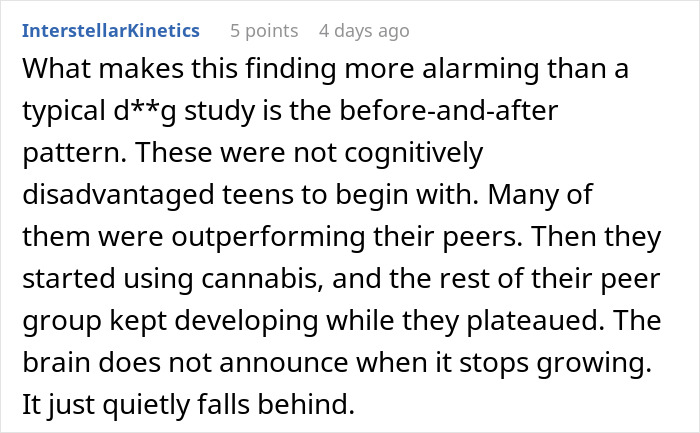
Teens who used cannabis showed restricted growth over time in those skills compared to non-users, despite performing equally or slightly better than non-users when they were younger.
As teenagers got older and started using cannabis, their progress slowed or flattened, while that of their non-using peers improved, experts noted in the study published on April 20 in the journal Neuropsychopharmacology.
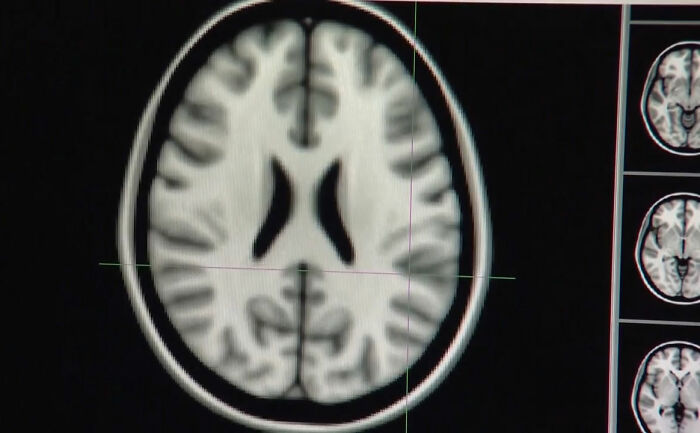
Image credits: CBSNews
Researchers identified tetrahydrocannabinol (THC), the main psychoactive ingredient in marijuana that causes a “high,” as the likely factor affecting brain development.
THC exposure was particularly linked to slower gains in episodic memory, which involves recalling specific personal experiences, events, or emotions.
In contrast, the small group of teens who were only exposed to cannabidiol (CBD), a different component of the cannabis plant that does not have psychoactive effects, did not show the same pattern.
“These results point to THC as a likely driver of the changes we’re seeing,” said Natasha Wade, assistant professor of psychiatry at UC San Diego School of Medicine and lead author of the study.
Image credits: freepik (not an actual photo)
“It also highlights how complicated cannabis products can be, especially since some products labelled as CBD may still contain THC.”
Though the differences observed in the study were relatively modest, researchers say they are still significant. Adolescence is a period of rapid brain development, and even slight changes can affect everyday functioning.
“Adolescence is a critical time for brain development, and what we’re seeing is that teens who start using cannabis aren’t improving at the same rate as their peers,” Wade noted.
“These differences may seem small at first, but they can add up in ways that affect learning, memory, and everyday functioning.”
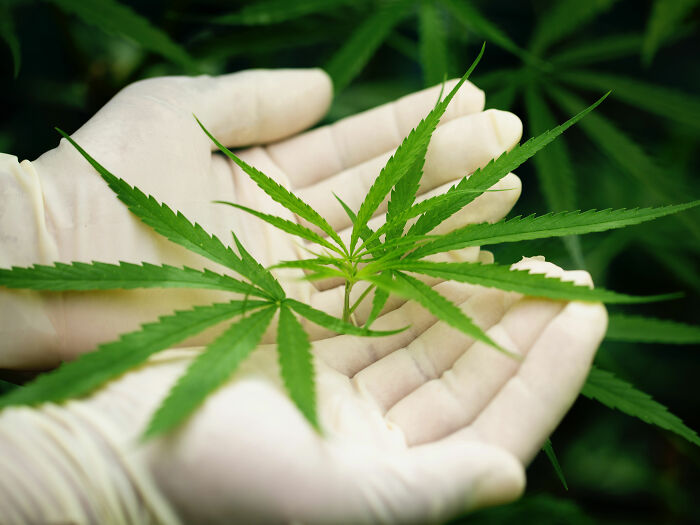
Image credits: jcomp/freepik (not an actual photo)
Researchers suggested that cannabis use should be delayed to avoid negative consequences related to cognitive development, as many users cannot guarantee that they are not exposing themselves to THC.
“Findings support interventions aimed at delaying cannabis initiation during early adolescence and integrating neuroscience-informed psychoeducation about cognitive development during sensitive periods,” the study reads.
Image credits: freepik (not an actual photo)
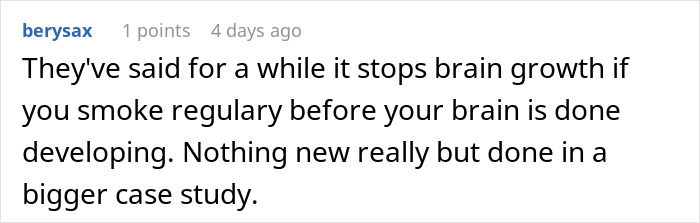
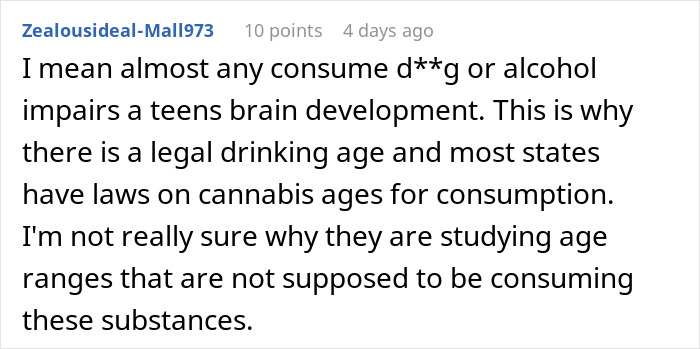
The study drew different reactions, with one Redditor writing, “Oh wow 9-10 year olds will be f***d up if they smoke w**d? Ya don’t say.”
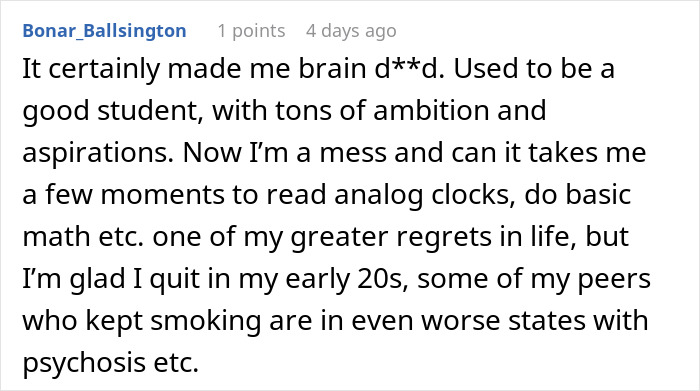
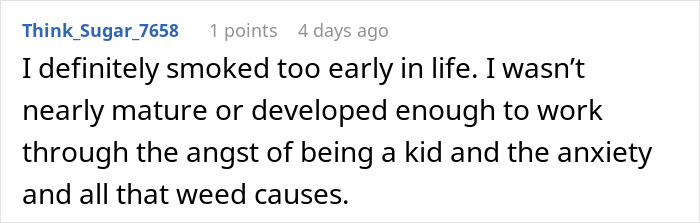
“This makes me sad and angry with my past self. 27 now, and any time I get brain fog or I feel myself stumble over my words, I wonder where I would be if I never discovered w**d,” shared another.
“I would like to see this compared with alc*hol and tobacco,” a third added.

Image credits: Drazen Zigic/freepik (not an actual photo)
Over the past decades, the legal status of cannabis has changed in many US states. In the country, marijuana is fully legal for recreational and medicinal use in 29 states and remains fully illegal in four.
In the remaining states, laws are mixed, allowing the substance only in the form of CBD oil or permitting it for medicinal use.
“As cannabis becomes more widely available, it’s important for families and teens to understand how it may affect the developing brain,” Wade said.
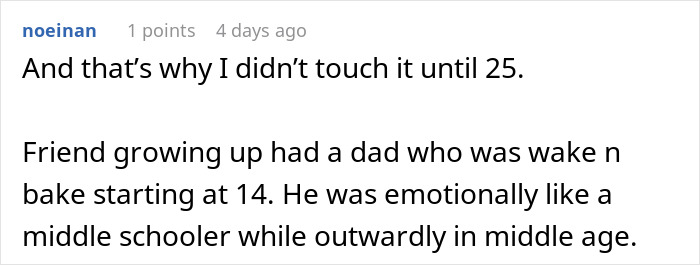
The teen brain is still actively developing and continues to do so until around age 25.
Image credits: benzoix/freepik (not an actual photo)
In 2022, 30.7% of US high school 12th graders reported using cannabis in the past year, and 6.3% reported using cannabis daily in the past 30 days, according to the CDC.
The US public health agency notes that, compared with teens who do not use cannabis, teens who do are more likely to quit high school.
How cannabis affects an individual depends on several factors, including the concentration of THC used, frequency of use, use of cannabis with other substances, mode of use, and genetic factors.
When analyzing data, the team at the University of California San Diego accounted for various influences, including family background, mental health, use of other substances, and each participant’s prior cognitive performance.
The authors of the study emphasized that the cohort will need to be monitored into young adulthood to fully understand the relationship between THC and brain development, as well as the impact of timing of cannabis initiation.

By entering your email and clicking Subscribe, you're agreeing to let us send you customized marketing messages about us and our advertising partners. You are also agreeing to our Privacy Policy.
Thank you! You've successfully subscribed to newsletters!


What a disappointment. A boring "d***s bad" (this shouldn't be a surprise) rather than "This is how many people voted for you-know-who and..." followed by tenuous logic akin to something RFK Jr might come up with.
Talking of tenuous logic - censoring the word "drügs" in an article about cannabis. 🤦🏻♀️ [edit: and not censoring cannabis 😂]
Load More Replies...

this article is incredibly misleading and straight up dishonest. "cognitive decline" is not brain damage. and take a look at the control groups in that study... its bogus. next check out who funded the study
What a disappointment. A boring "d***s bad" (this shouldn't be a surprise) rather than "This is how many people voted for you-know-who and..." followed by tenuous logic akin to something RFK Jr might come up with.
Talking of tenuous logic - censoring the word "drügs" in an article about cannabis. 🤦🏻♀️ [edit: and not censoring cannabis 😂]
Load More Replies... this article is incredibly misleading and straight up dishonest. "cognitive decline" is not brain damage. and take a look at the control groups in that study... its bogus. next check out who funded the study


































 No fees, cancel anytime
















26
7