Get Premium
Dark mode theme is available exclusively for premium users. Learn more about the benefits of subscribing.
No fees, cancel anytime.

 Dark Mode Ad-Free Browsing Unlimited Content
 Ad-Free Browsing Unlimited Content Dark Mode
Join 1.2 million Panda readers who get the best art, memes, and fun stories every week!
Even with all the advances we have made with technology, we still don’t know everything that happened in history. Isn’t it fascinating that almost every day, historians are making discoveries about things our ancestors did? What’s surprising is that we can’t even figure out what purpose some of these things had during their time.
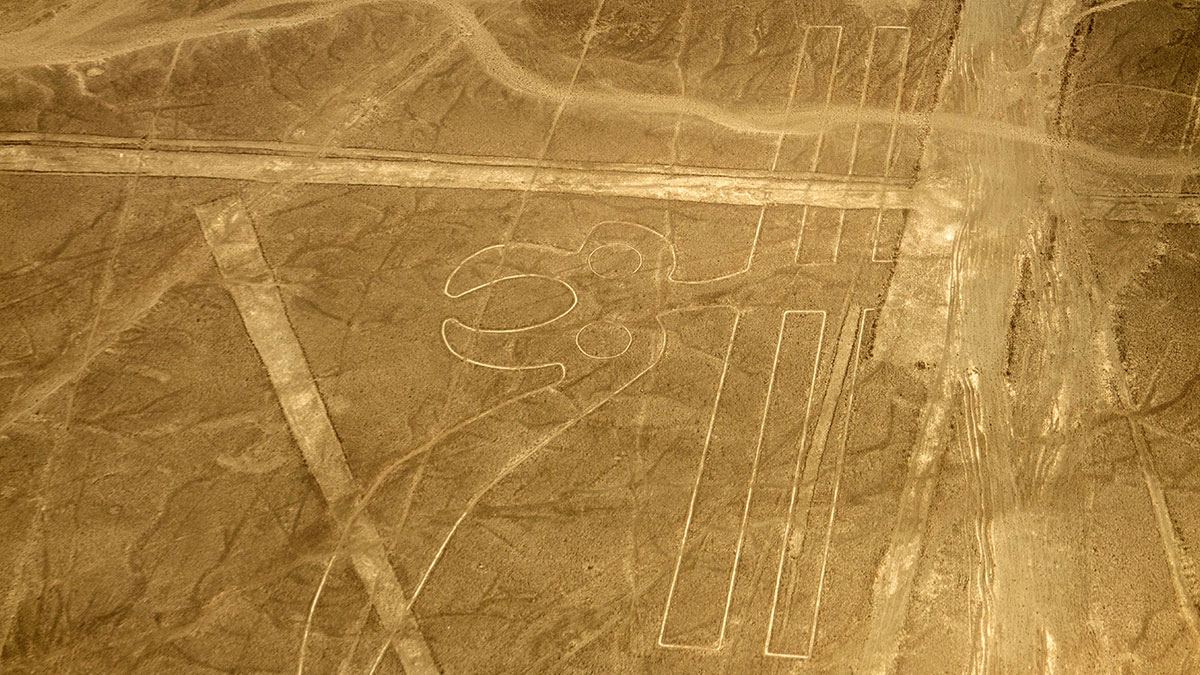
In the Peruvian desert, archaeologists discovered extraordinary designs that are simply shrouded in mystery. Of course, these ancient geoglyphs got the internet talking about them, but what intrigued people more was how they were actually discovered. Piqued your interest, have we? Well, just scroll down and read on to know how they did it!
Image credits: PlaceboPill / Freepik (not the actual photo)
Image credits: Hans Brian Brandsberg Berg / Flickr
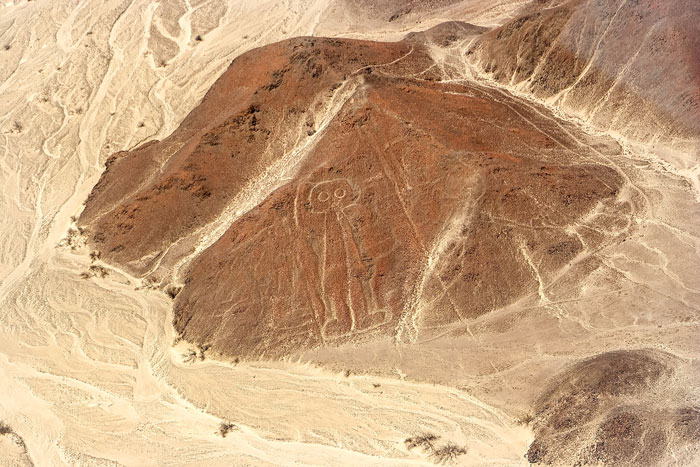
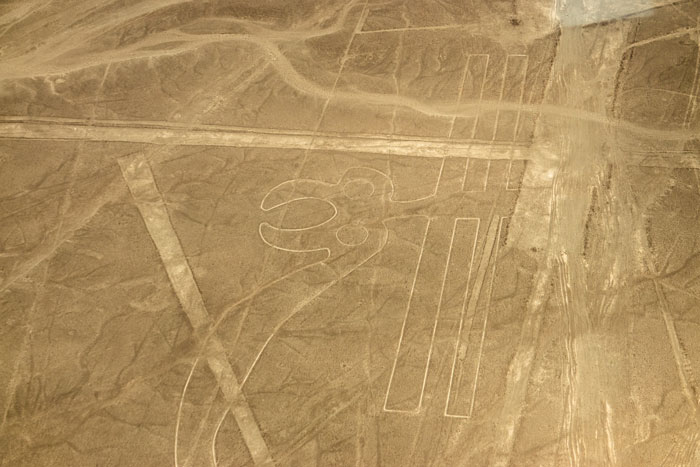
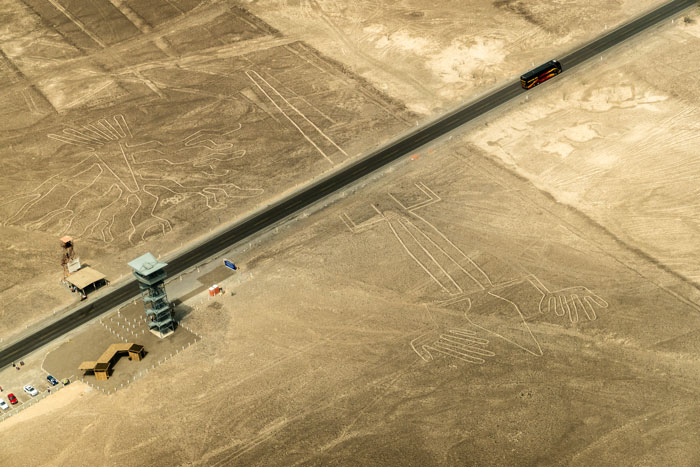
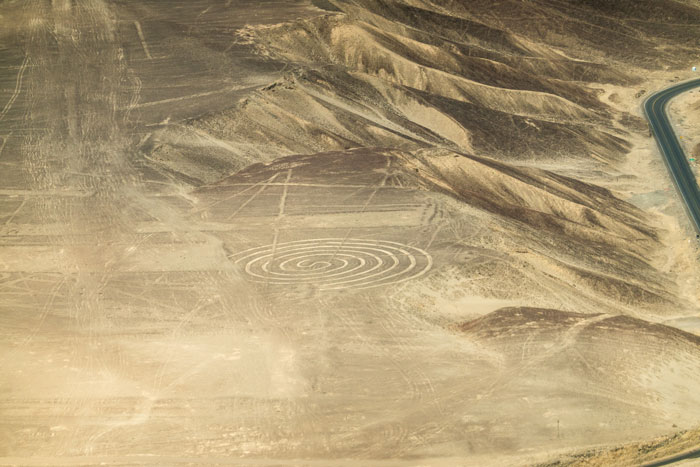
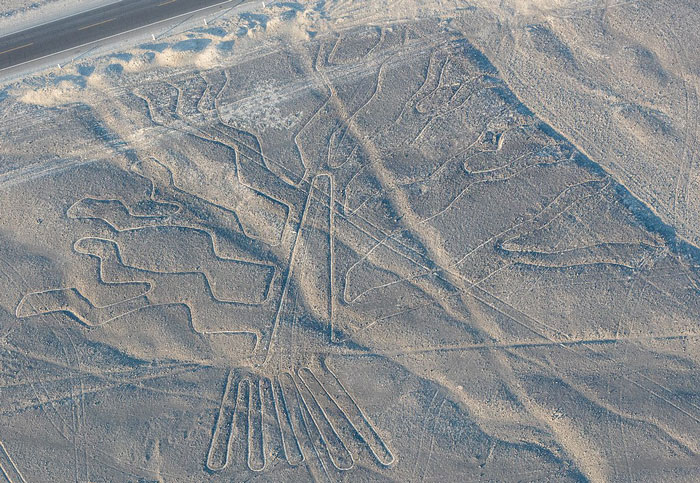
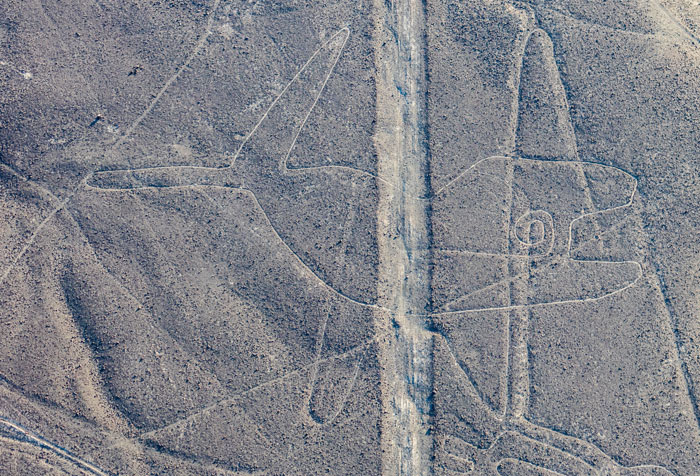
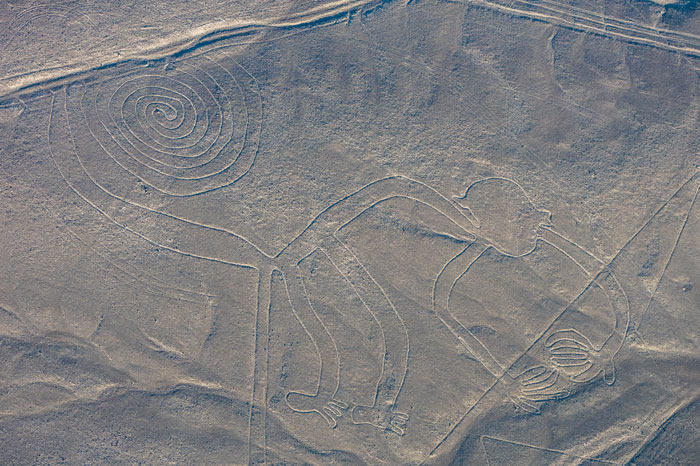
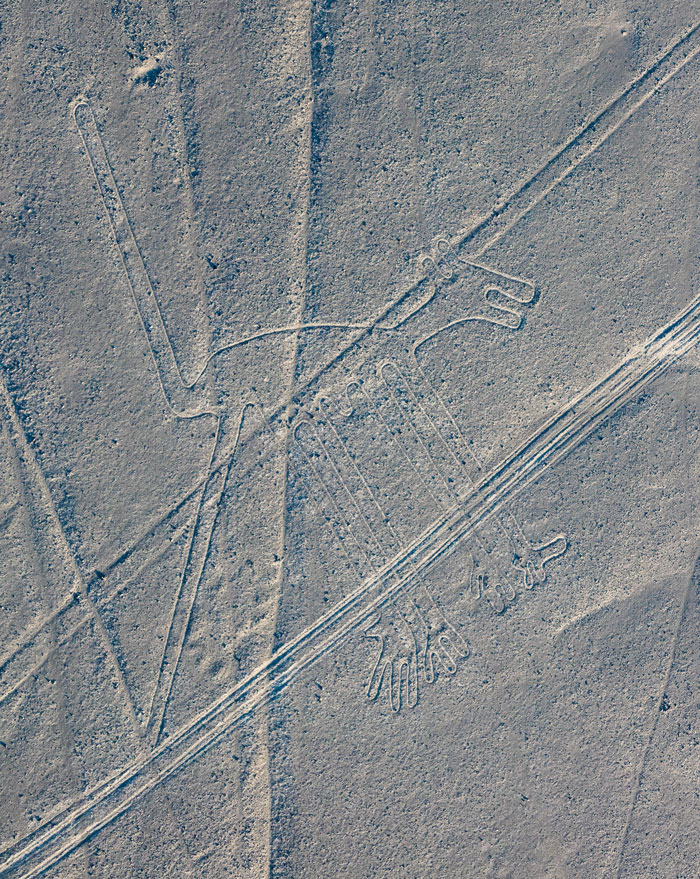
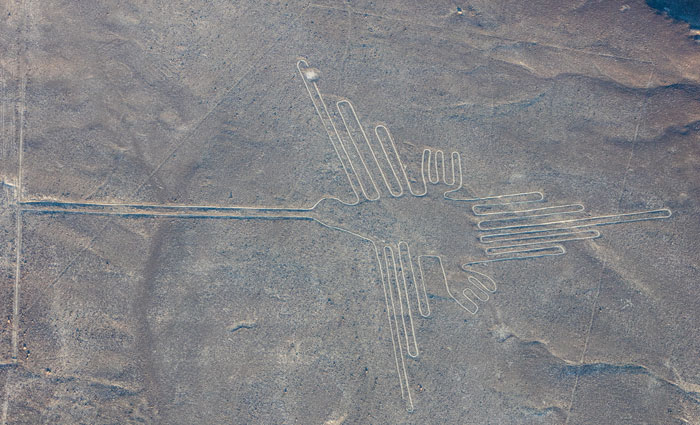
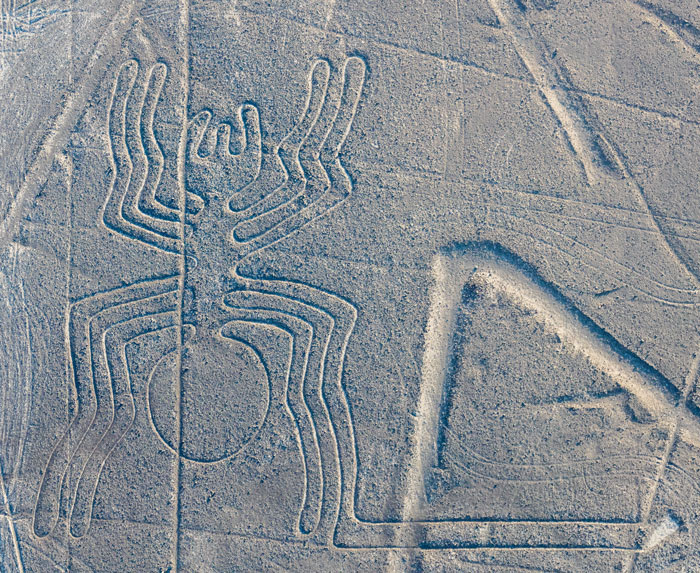
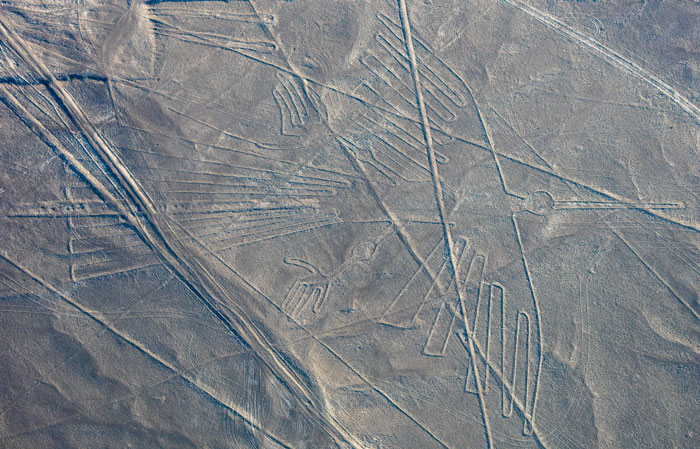
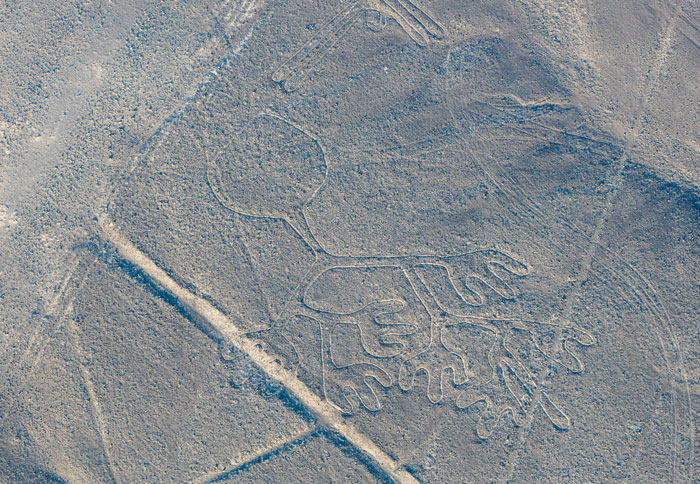
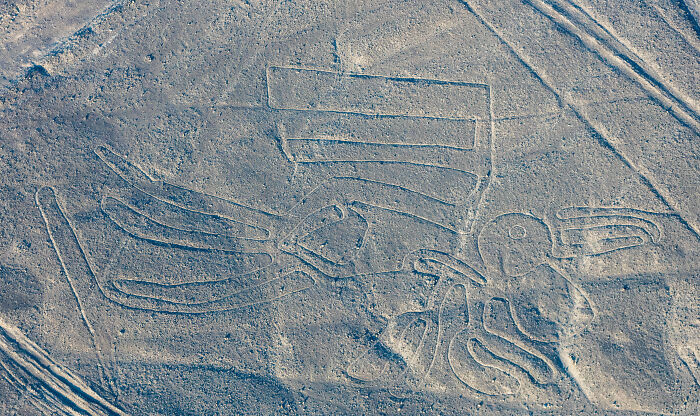
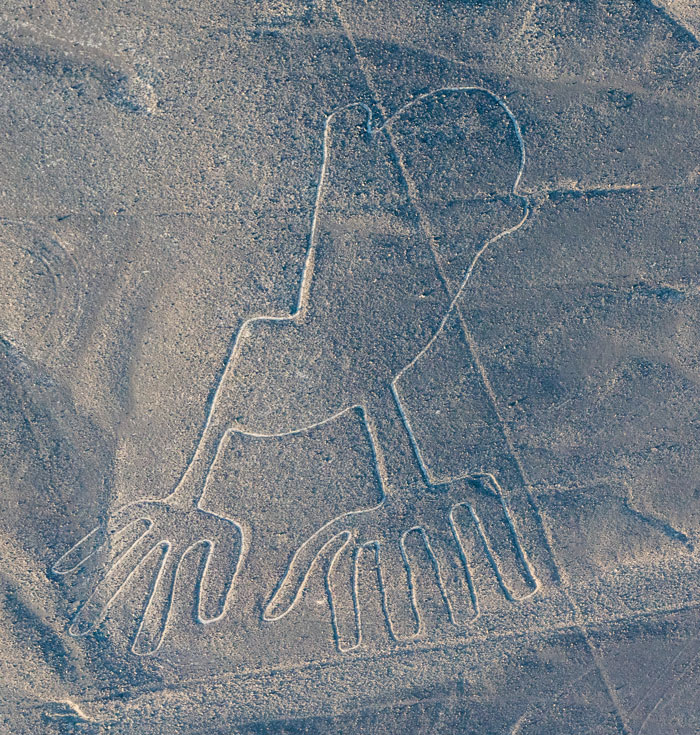
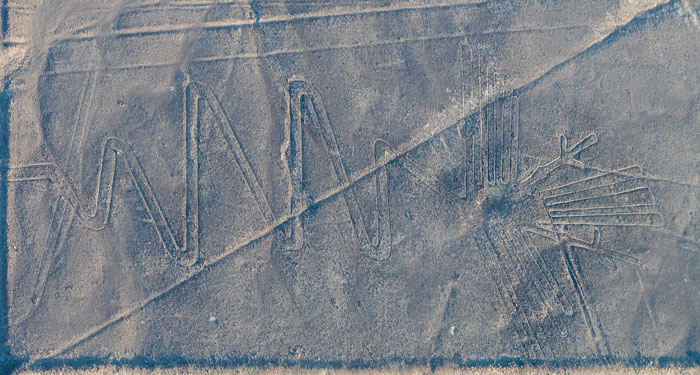
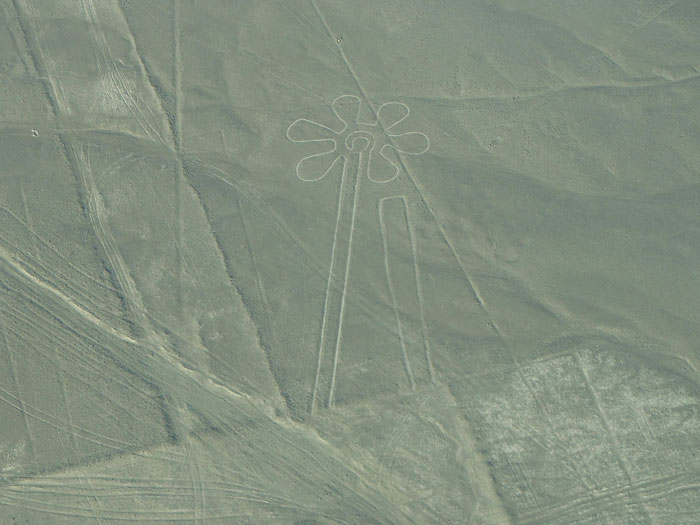
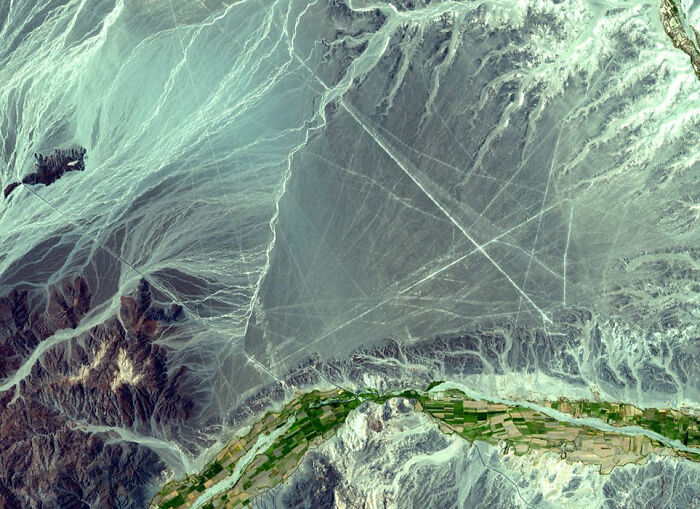
On the Peruvian desert floor lie ancient massive structures, called the Nazca lines, which have baffled archaeologists, history buffs, and curious travelers for ages. For almost a hundred years, people have been wondering what these massive geoglyphs of animals, plants, and patterns were all about.
Now, thanks to a new study led by Masato Sakai from Yamagata University, who teamed up with IBM’s AI experts, things just got even more exciting. They have uncovered 303 brand-new geoglyphs that nobody had spotted before, all thanks to advanced tech.
Image credits: PsamatheM / Wikipedia
Image credits: PsamatheM / Wikipedia
The study, which got a big spotlight in the famous Proceedings of the National Academy of Sciences (PNAS) journal, used AI to do some seriously impressive detective work. By scanning tons of aerial photos and mapping data, the tech was able to spot these hidden geoglyphs way faster, and with way more accuracy than humans ever could have on their own.
About 31 miles from Peru’s south coast, these giant, ancient symbols were first spotted in the desert back in the early 1900s. Sitting high up at around 1,640 feet above sea level, they have managed to stick around for centuries thanks to the desert’s super dry climate, very few people living nearby, no flooding, and land that isn’t great for farming.
Image credits: PsamatheM / Wikipedia
Image credits: Diego Delso / Wikipedia
In the past couple of decades, researchers were already making steady progress, thanks to high-resolution imaging. They were able to find about 19 new geoglyphs every year between 2000 and 2020. However, with AI entering the field, the pace has absolutely skyrocketed.
Instead of slowly piecing things together, AI helps zero in on likely spots way faster. According to the study, this could kick off nothing less than “a revolution in archaeological discoveries.”
Image credits: Diego Delso / Wikipedia
Image credits: Diego Delso / Wikipedia
The Nazca Lines have now become one of the best early examples of how AI can totally change archaeology. These massive designs were made by simply scraping off the darker top layer of desert soil to reveal the lighter sand underneath. To be absolutely honest? They are proof that the Nazca people had some seriously impressive skills when it came to geometry and proportions.
Image credits: Diego Delso / Wikipedia
Image credits: Diego Delso / Wikipedia
German mathematician and astronomer Maria Reiche spent decades studying the Nazca Lines, always pointing out their almost “perfect” symmetry. Now, with AI stepping in, researchers are finding even more hidden designs and getting brand-new clues about what these giant drawings might have meant, or how they were used.
Image credits: Diego Delso / Wikipedia
Image credits: Diego Delso / Wikipedia
Another cool thing about this AI-powered discovery is that it’s giving us fresh clues about why the Nazca Lines were made in the first place, between 200 B.C. and 650 A.D. Professor Sakai’s team thinks a lot of the newly found geoglyphs were actually part of ceremonial pathways: routes people walked to connect with the land and reach out to their gods.
So, instead of just being giant works of art, the lines likely had deep spiritual and cultural meaning. Thanks to AI, researchers can now spot and map these geoglyphs in ways that weren’t possible before. This helps us understand how the Nazca people connected with their surroundings, and how their know-how in planning and even astronomy shaped the world they lived in.
Image credits: Diego Delso / Wikipedia
Image credits: Diego Delso / Wikipedia
AI has already totally changed the way we study the Nazca Lines, but that’s just the beginning. Dr. Alexandra Karamitrou, an AI-and-archaeology expert from the University of Southampton, is building tools that could help uncover all kinds of ancient sites.
Her work shows that AI isn’t limited to spotting big, visible features like geoglyphs; it can also dig deeper, looking at how sites connect to things like water sources, landscapes, and the environment around them.
Image credits: Diego Delso / Wikipedia
Image credits: Diego Delso / Wikipedia
AI isn’t just shaking things up in South America; rather, it’s going global. In 2023, researchers in the UAE used it to study satellite data from Saruq Al Hadid, an ancient copper-smelting site from around 1270–800 BCE.
AI helped map out where artifacts were scattered and even showed archaeologists where to dig first. Soon, the same tech could be used to explore shipwrecks, lost cities, or even track how climate change has reshaped ancient settlements.
Image credits: Fabian65 / Wikipedia
Image credits: Anonymous / Wikipedia
Of course, AI isn’t perfect. For every new geoglyph the system flagged, Professor Sakai’s team still had to go out and double-check dozens of suggestions manually to make sure the find was real. “AI isn’t perfect—especially in archaeology,” admits Dr. Karamitrou. “But in a few years, we could be developing highly accurate algorithms that save researchers time, energy, and money.”
As AI keeps getting better, it’s expected to get even more accurate, letting archaeologists cover way bigger areas while using fewer resources. Experts are even saying that it can actually work in harmony with humans rather than replace them. That’s quite something, right? What are your thoughts about it? Let us know in the comments!

By entering your email and clicking Subscribe, you're agreeing to let us send you customized marketing messages about us and our advertising partners. You are also agreeing to our Privacy Policy.
Thank you! You've successfully subscribed to newsletters!

They didn't "team up" with AI, any more than I team up with a hammer to hang a picture. Don't reduce their hard work and expertise to a footnote in the grand story of AI's accomplishments.


I have proof that ancient people would have LOVED flower stickers if they were a thing back then. I'm content.
Load More Replies... They didn't "team up" with AI, any more than I team up with a hammer to hang a picture. Don't reduce their hard work and expertise to a footnote in the grand story of AI's accomplishments.
I have proof that ancient people would have LOVED flower stickers if they were a thing back then. I'm content.
Load More Replies...

































 No fees, cancel anytime





32
5