Get Premium
Dark mode theme is available exclusively for premium users. Learn more about the benefits of subscribing.
No fees, cancel anytime.

 Dark Mode Ad-Free Browsing Unlimited Content
 Ad-Free Browsing Unlimited Content Dark Mode
Join 1.2 million Panda readers who get the best art, memes, and fun stories every week!

Blended or split families tend to come with enough baggage to make air travel particularly expensive. So interactions, family plans and really everything else has to be handled with care, but, sadly, some people struggle to share.
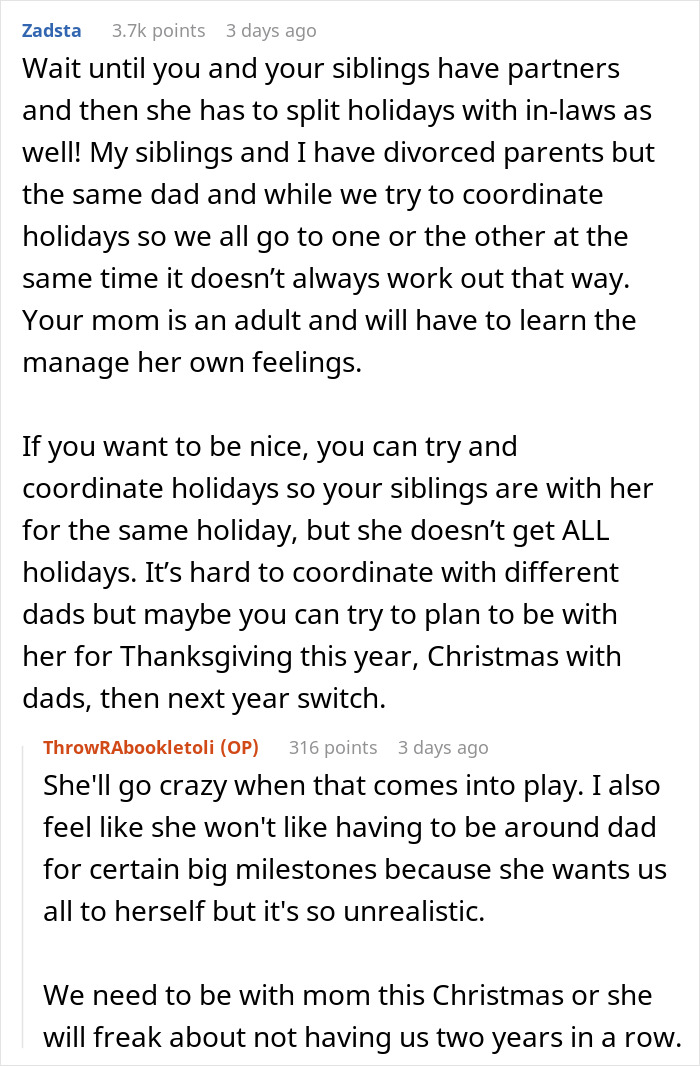
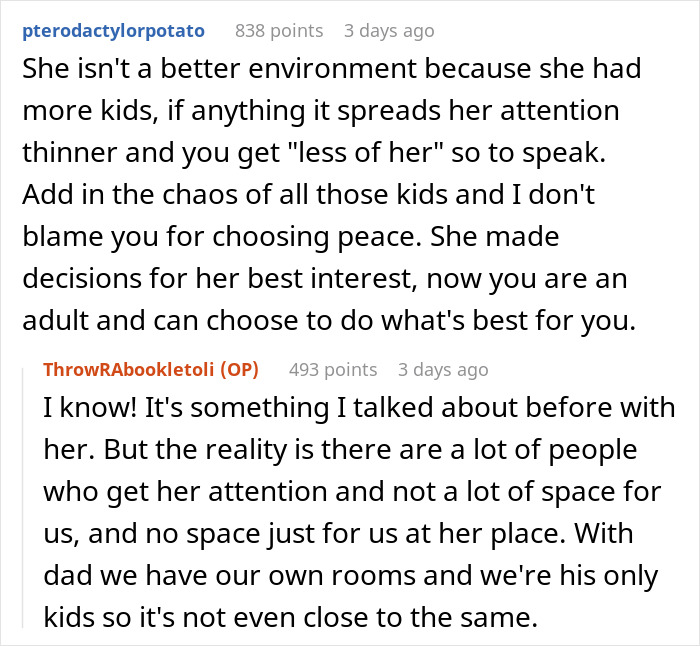
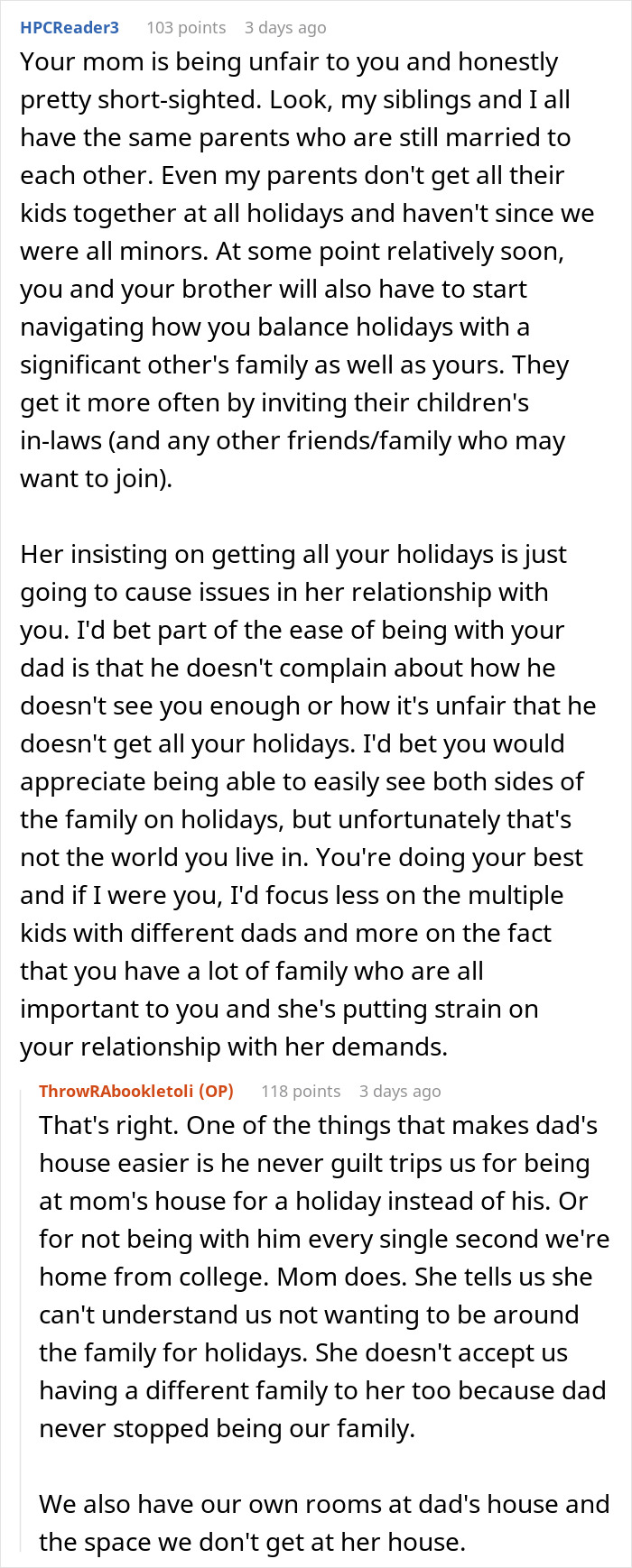
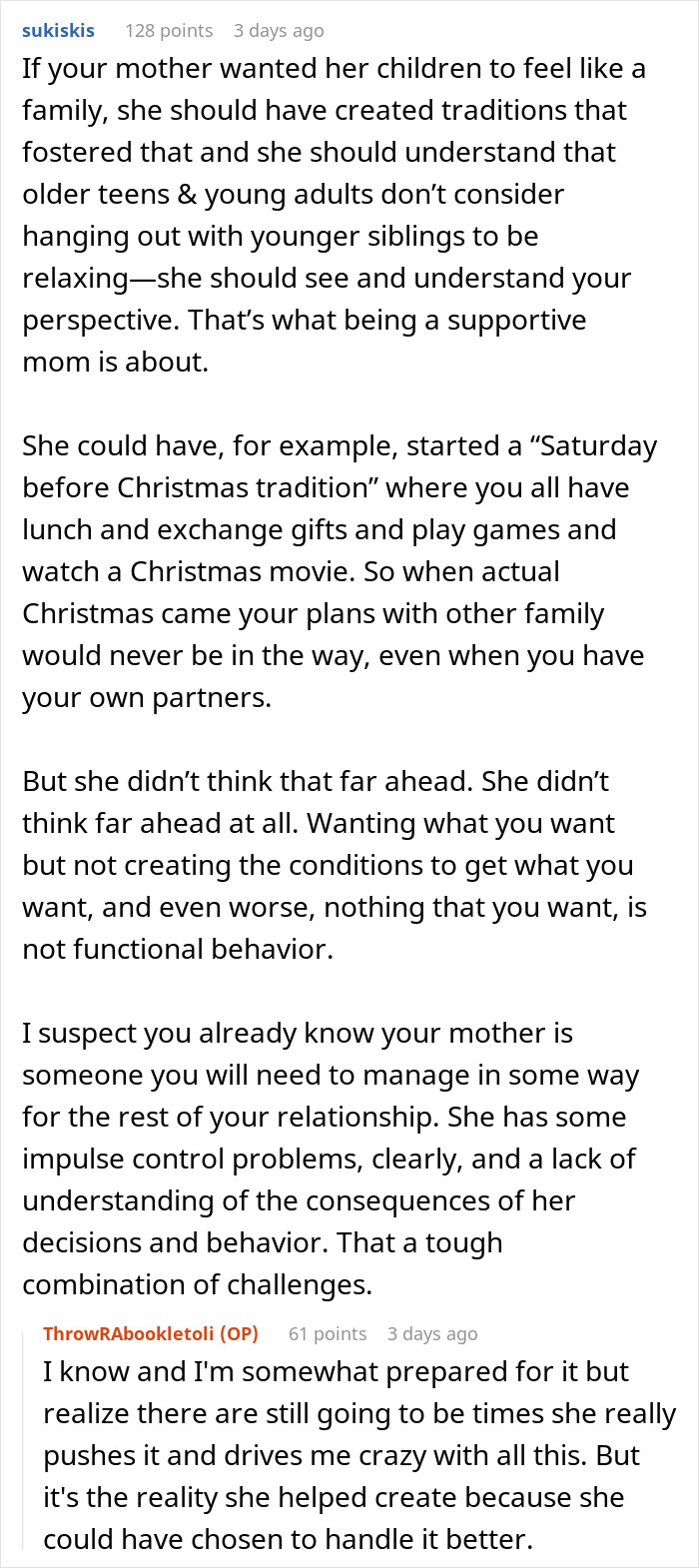
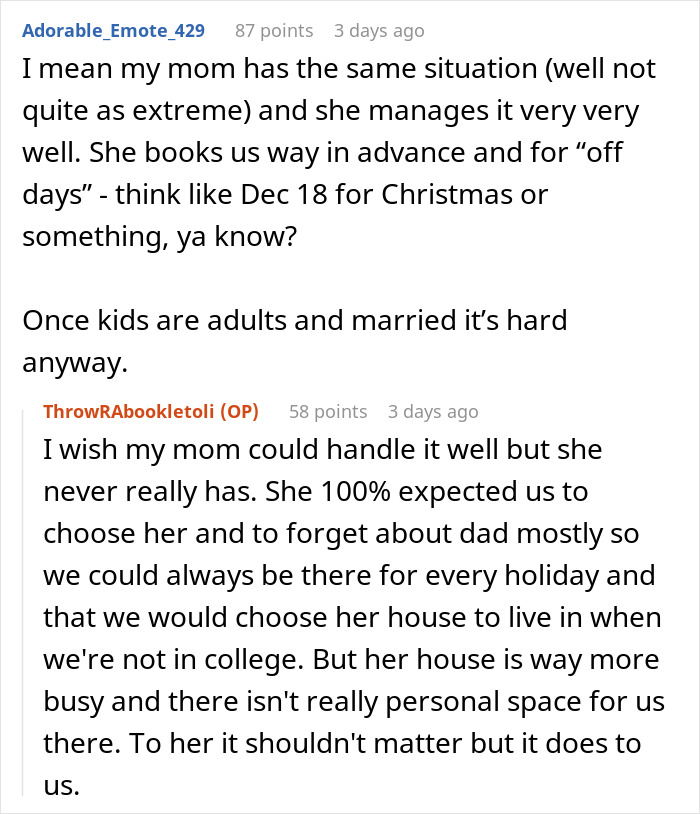
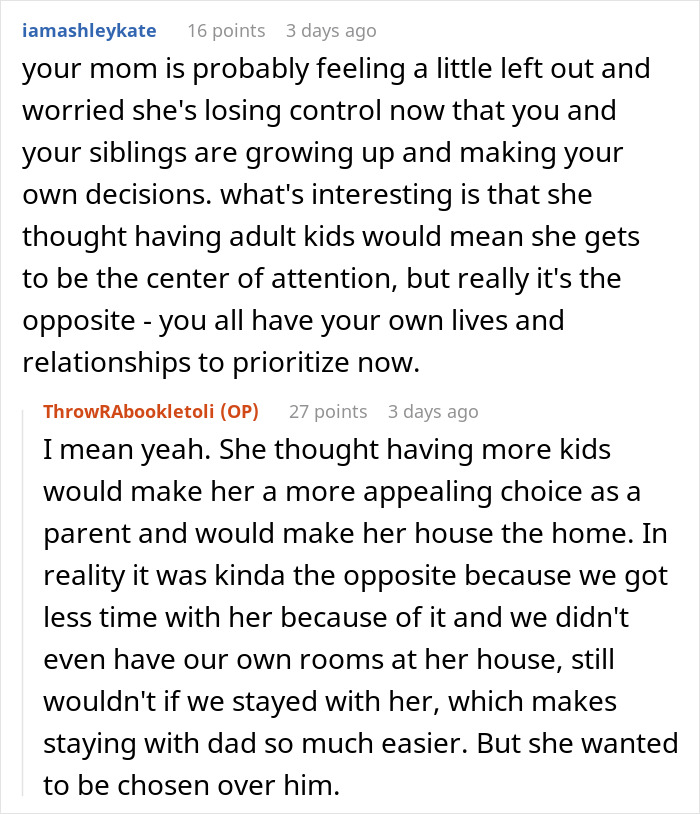
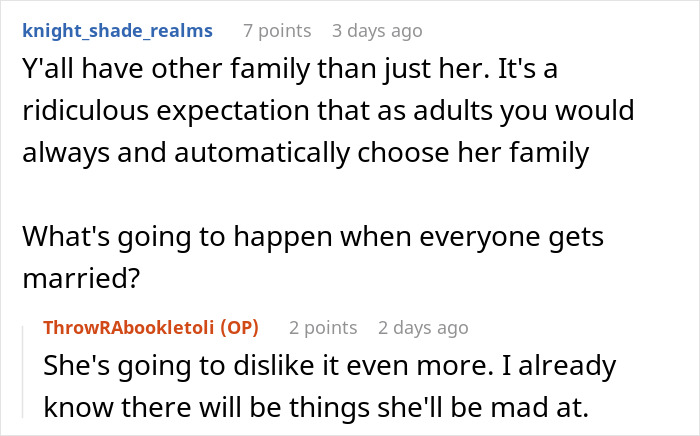
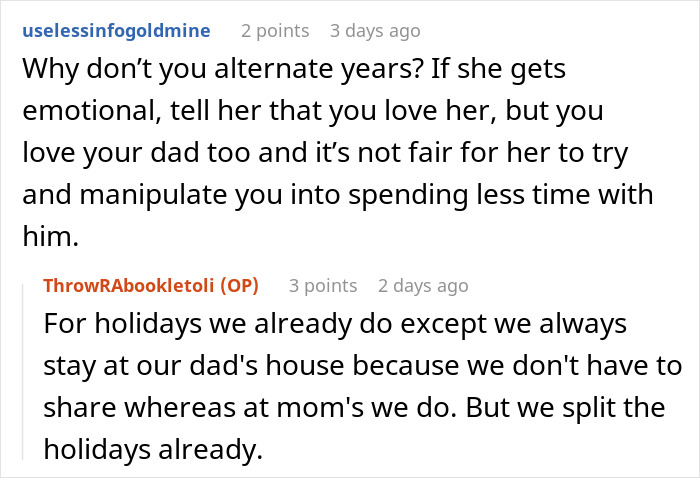
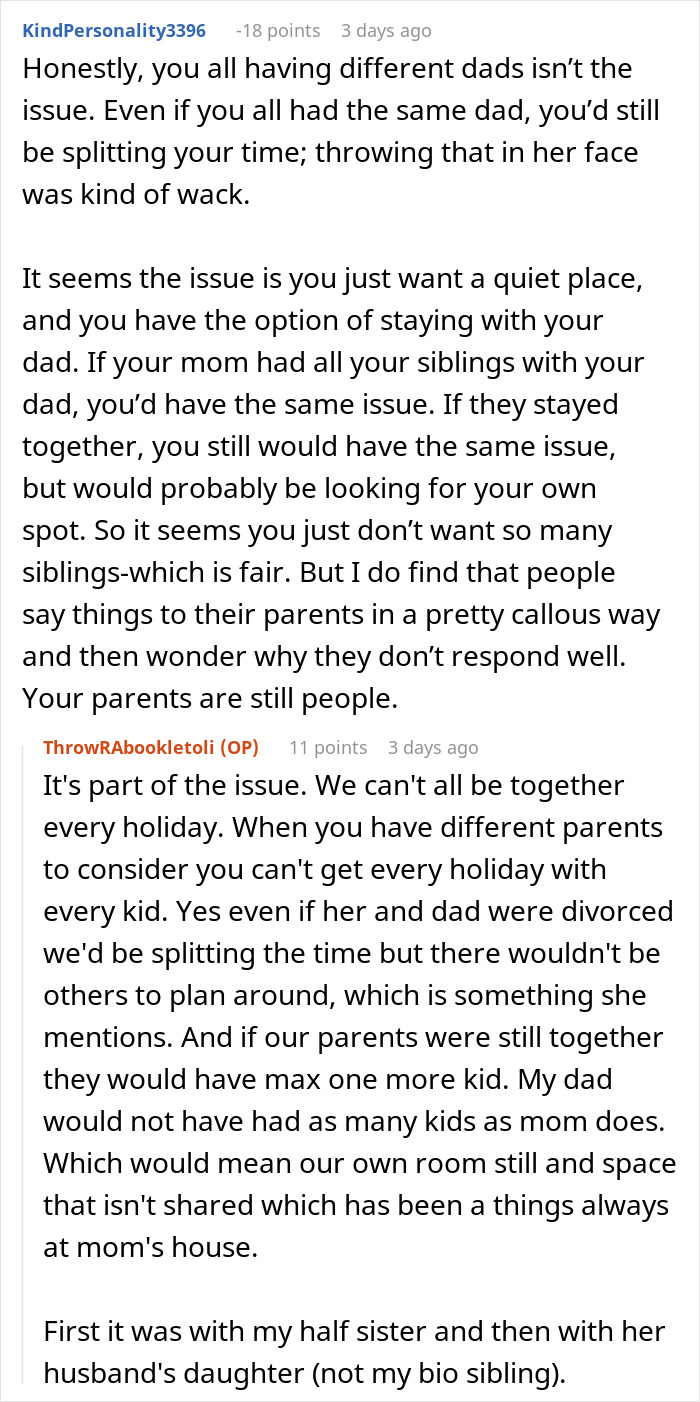
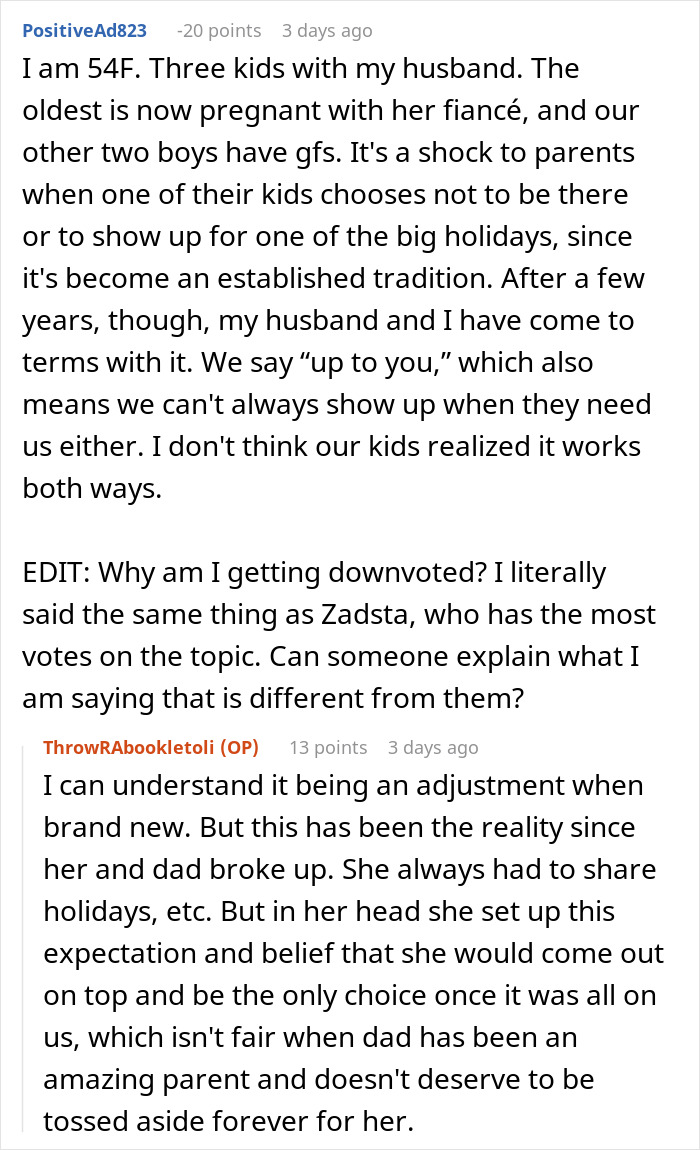
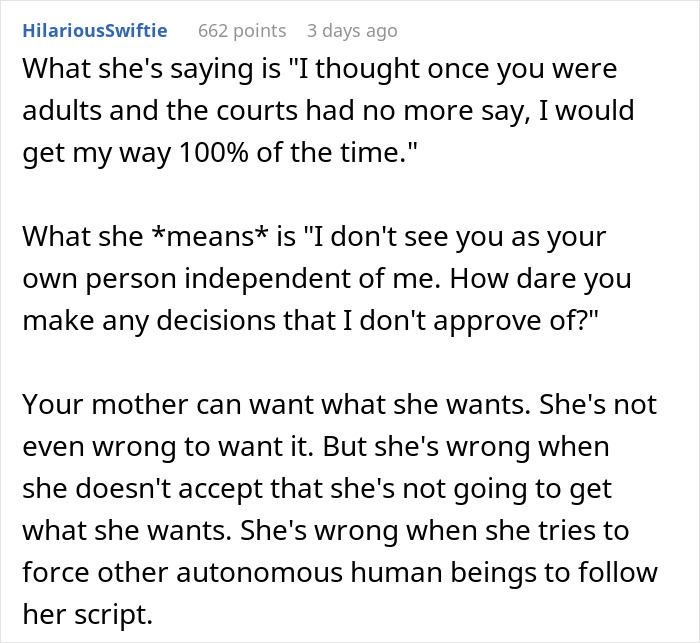
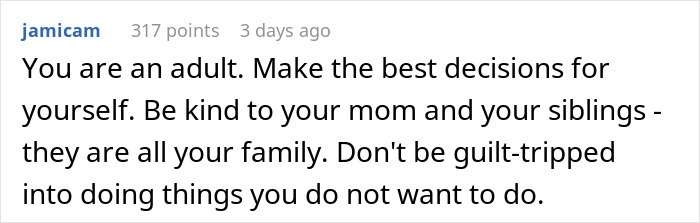
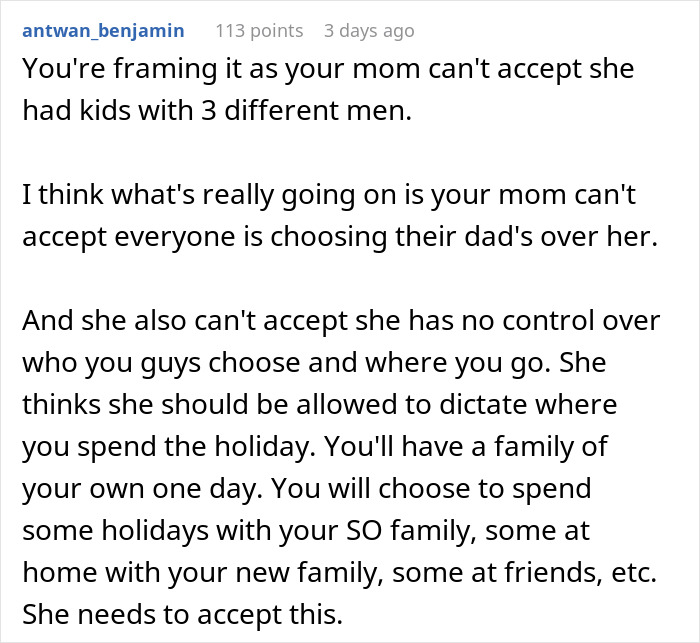
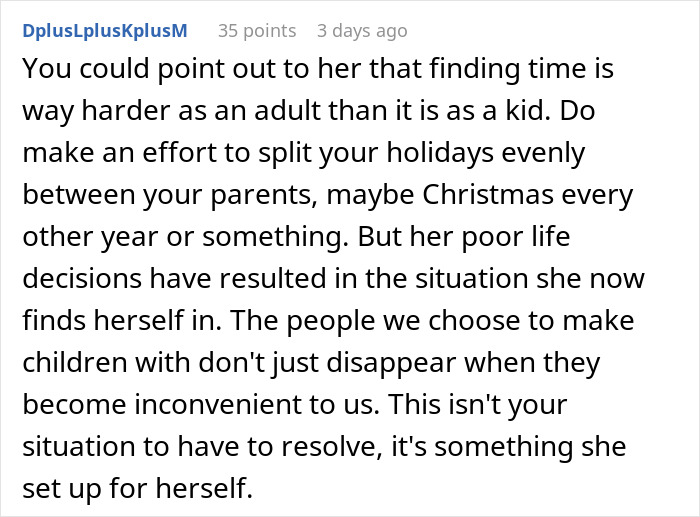
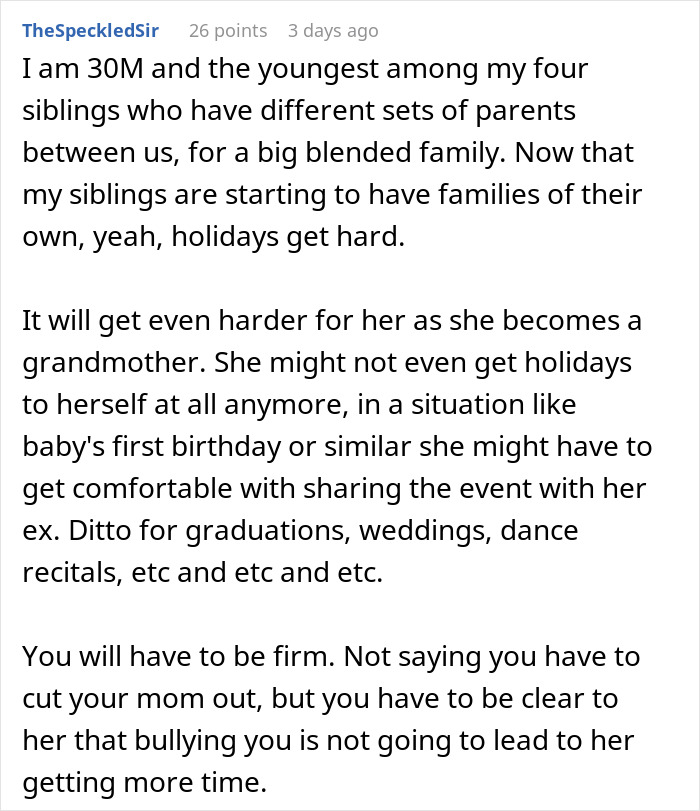
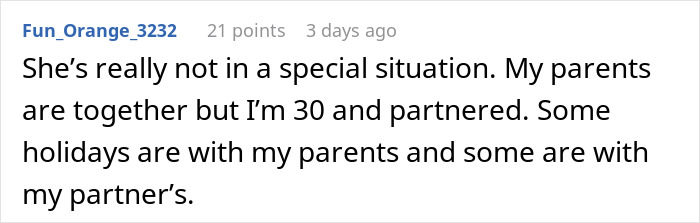
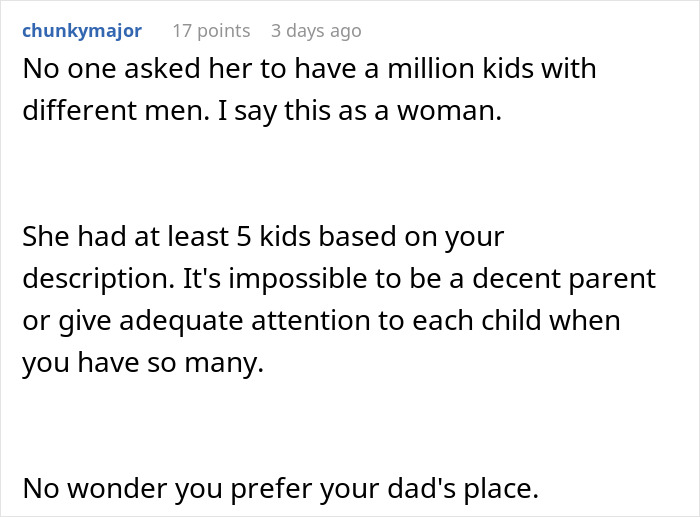
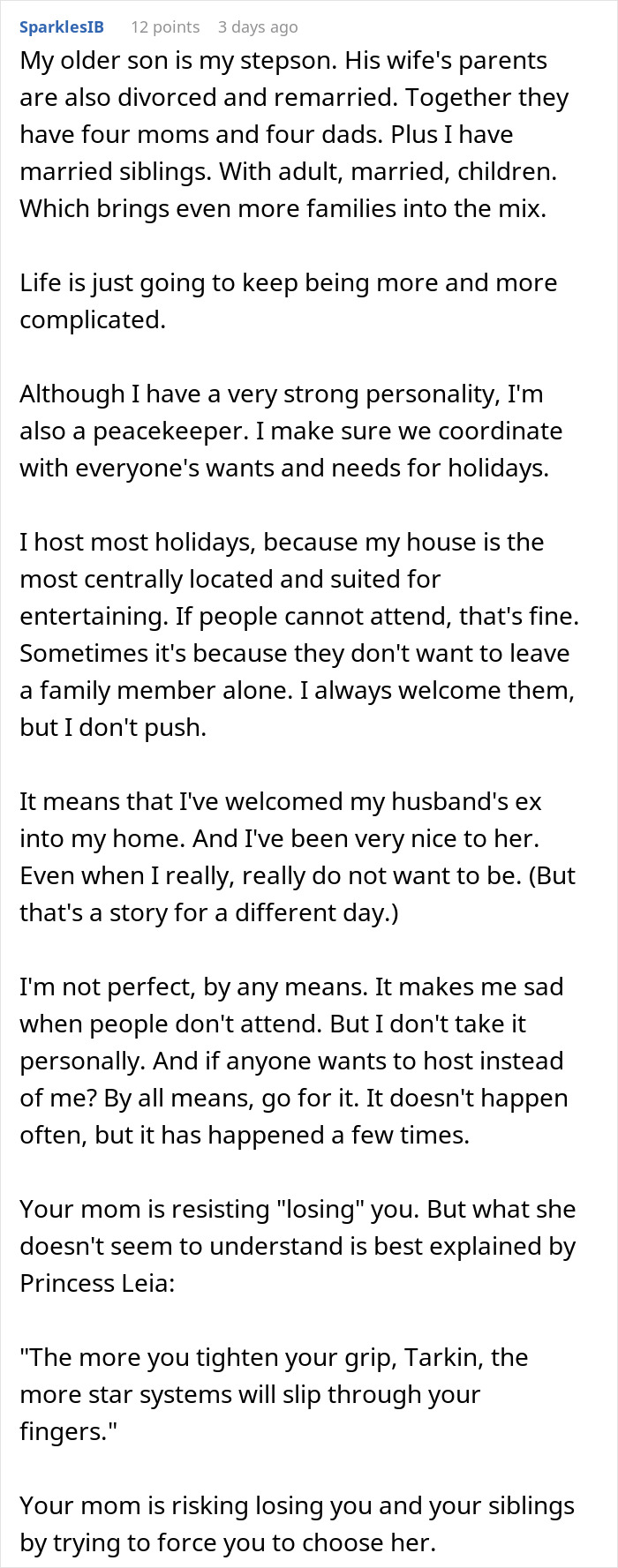
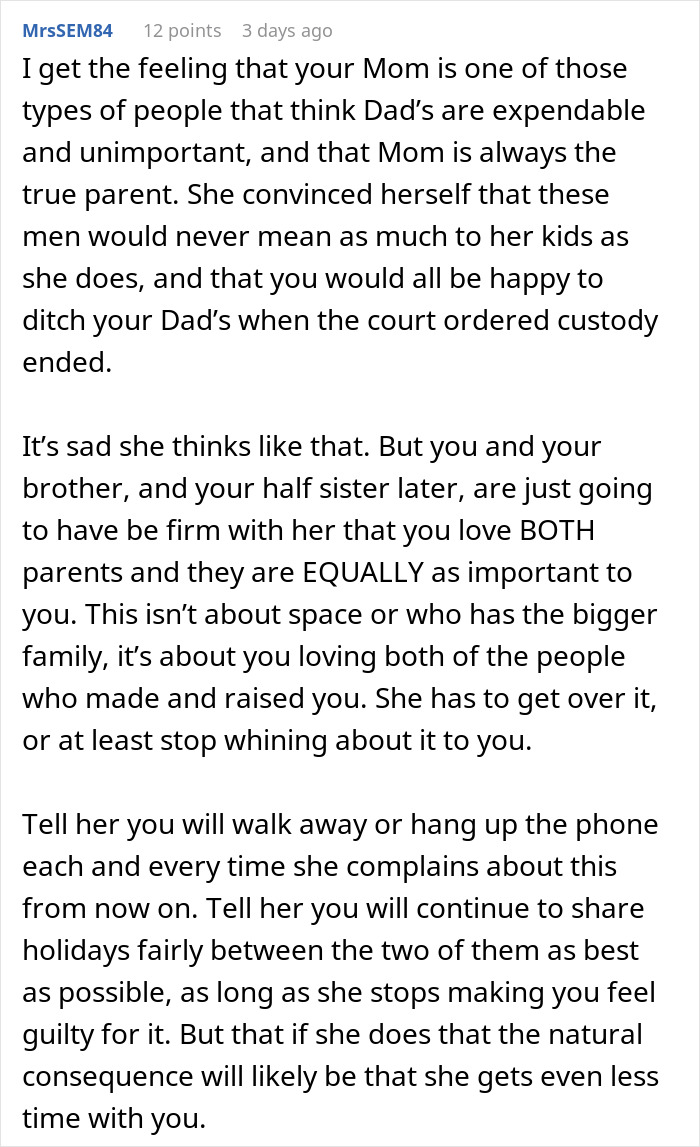
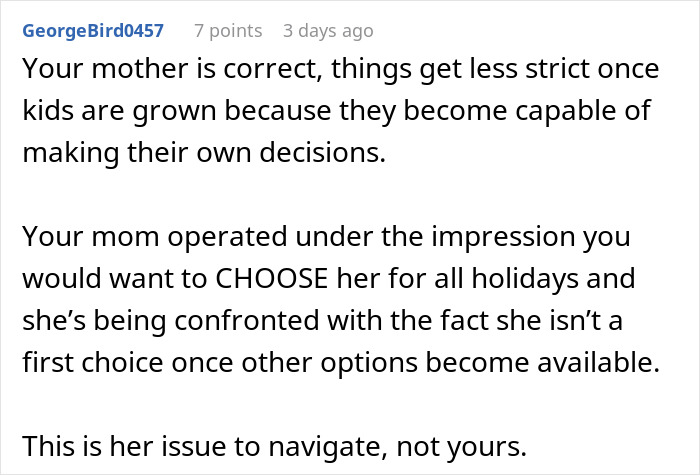
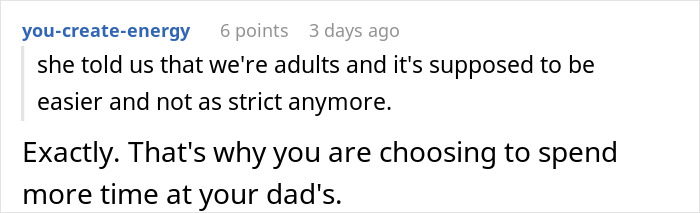
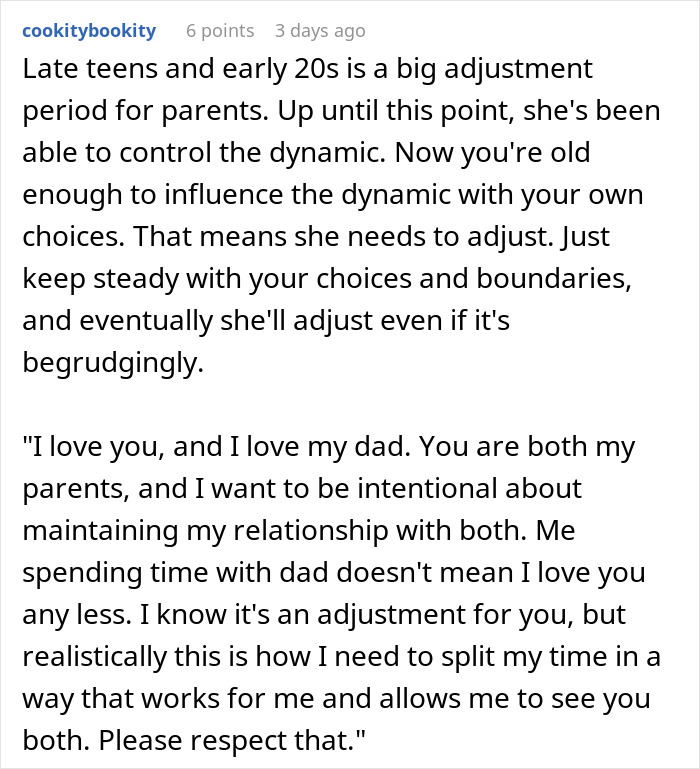
A woman turned to the internet for advice after her mother began to get defensive about their families holiday plans. She had children from three different men and wasn’t handling the fact that not all of them wanted to just visit her. Netizens did their best to suggest some ideas and methods to deal with this mom.
Image credits: YuriArcursPeopleimages / Envato (not the actual photo)
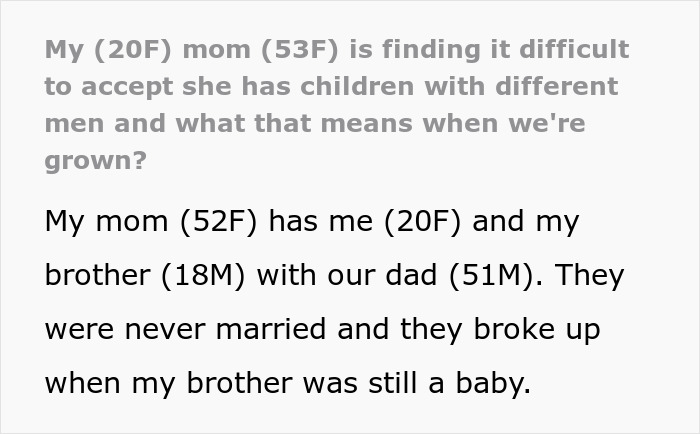
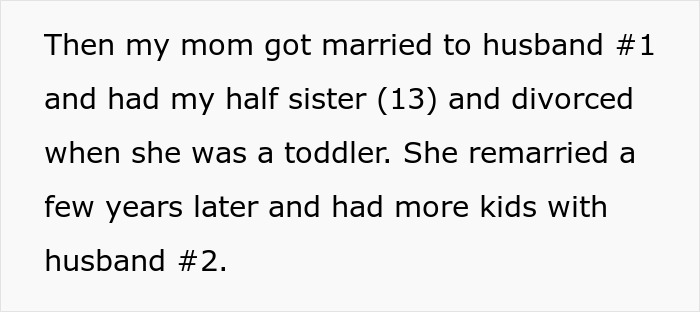
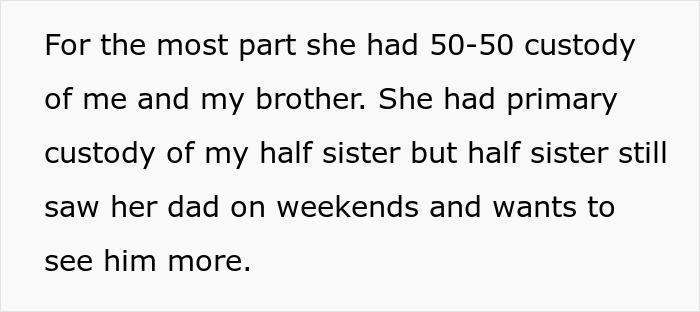
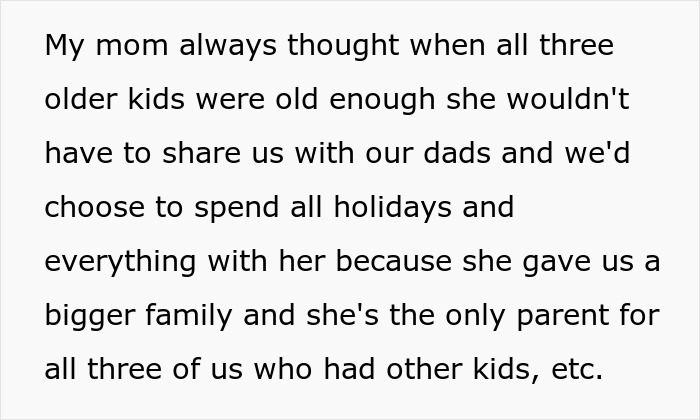
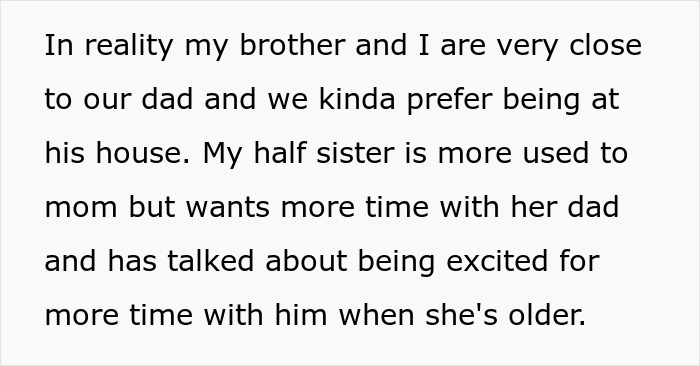
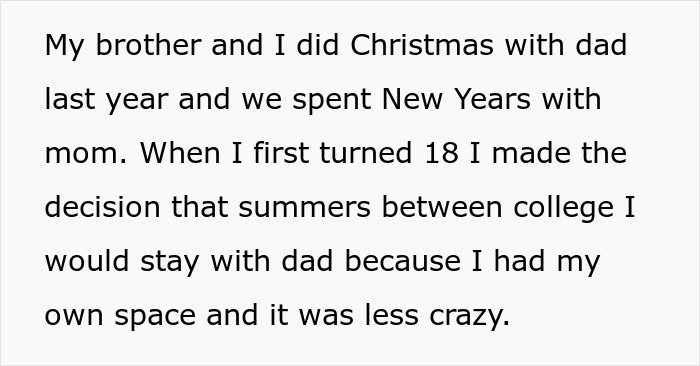
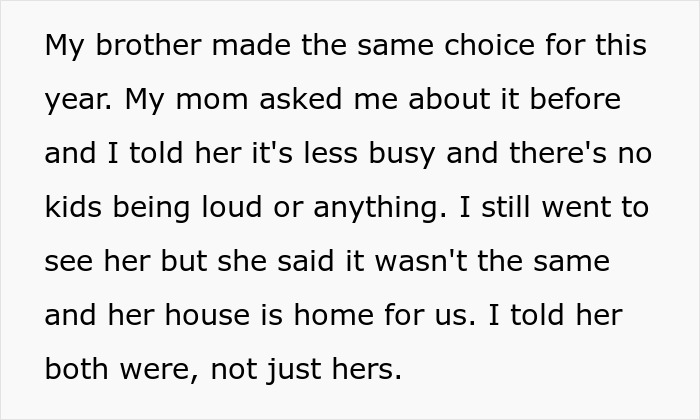
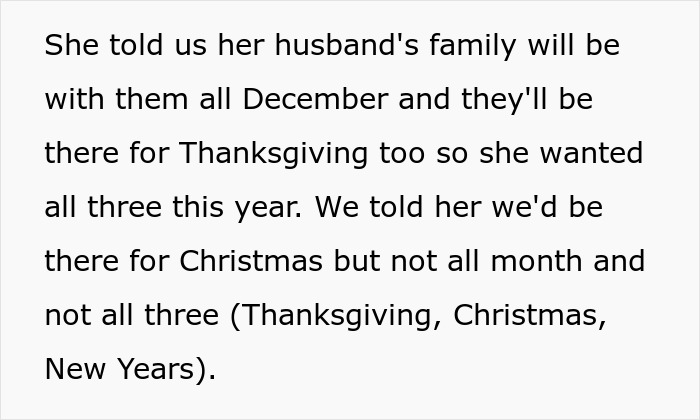
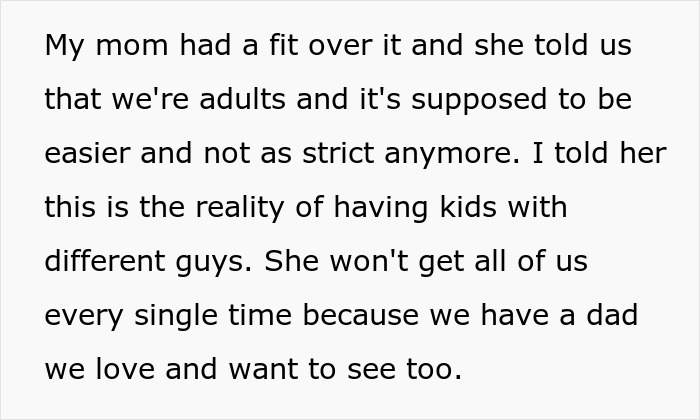
Image credits: Beachbumledford / Envato (not the actual photo)

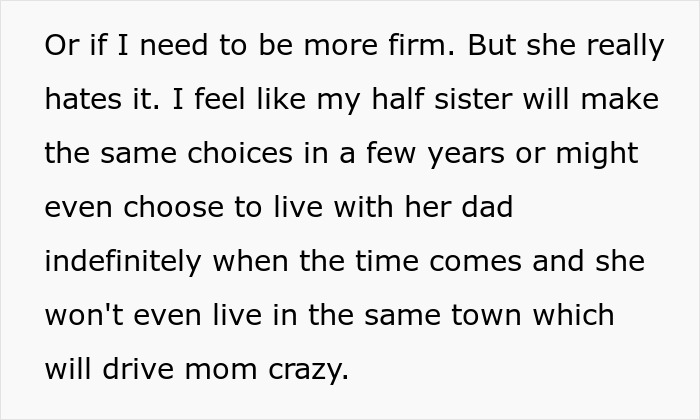
Image credits: ThrowRAbookletoli
Image credits: Thay Jesus / Unsplash (not the actual photo)
Blended families are built on love and good intentions, but they can also be built on assumptions that quietly cause problems for years. One of the most common and most painful assumptions a parent in a blended family can make is that more family means more loyalty, and that loyalty will eventually translate into exclusive time, presence, and preference. It almost never works out that way, and when children grow into adults who feel confident enough to say so out loud, the fallout can feel like a betrayal even when it is really just honesty.
When parents have children with multiple partners, they are not creating one family. They are creating overlapping families that each child belongs to in a different way. A mother may be the common thread connecting all of her children, but each of those children has their own separate web of relationships, history, and belonging that exists independently of her. Expecting all of those children to function as one unified group during holidays and special occasions, and to collectively prioritize her household over their other parent’s household, ignores the reality of how blended family structures actually work.
Children in these situations grow up learning to love more than one home. That is not a failure of the family. That is the family doing its job. When those children become adults and make autonomous decisions about where to spend their time, they are not rejecting anyone. They are honoring all of the relationships that were built during their childhoods. A parent who raised her kids to love their father, to feel comfortable in his home, and to value that bond should not be surprised when those kids want to keep nurturing it as adults.
Image credits: Getty Images / Unsplash (not the actual photo)
The expectation that adulthood would make things easier because custody schedules disappear is understandable, but it is also a misreading of what freedom means for young adults with two loving homes. Removing the legal structure of custody does not remove the emotional ties. If anything, it gives children the chance to make choices that more honestly reflect what they already felt. When a twenty year old says she prefers her dad’s house because it is quieter and she has her own space, she is not making a statement about love. She is making a practical, personal choice that any adult in any family configuration would be allowed to make without guilt.
The harder truth is that a parent cannot build a large, loud, full household and then expect children who thrive in calmer environments to choose it over a quieter alternative. The size of a family is not a selling point for everyone, including children who were raised in it. Framing a busy home with stepchildren and extended family gatherings as a gift that should earn loyalty will always backfire, because children are not obligated to prefer the life their parents built. They are only obligated, to whatever extent obligation even applies here, to maintain the relationship itself.
Navigating this with grace requires parents to separate the relationship from the location. A child who spends Thanksgiving elsewhere is not abandoning their mother. A child who prefers summers at their dad’s is not choosing him over her. These are scheduling decisions, not verdicts on who was the better parent or who is more loved. When a parent treats those decisions as personal rejections, she puts her adult children in an impossible position where any honest choice feels like a wound they are responsible for healing.
It is also worth recognizing that younger children in these families are watching. They absorb how conflict around these decisions is handled. When teenagers see that expressing a preference for more time with their other parent causes distress, they learn to manage that parent’s emotions rather than communicate honestly. That is a pattern that will follow them into adulthood and make genuine connection harder for everyone. The goal in any blended family should be raising children who feel free to love all of their people without apology. When that happens, the relationships tend to deepen naturally over time. When it does not, the distance that follows is rarely the children’s doing.





By entering your email and clicking Subscribe, you're agreeing to let us send you customized marketing messages about us and our advertising partners. You are also agreeing to our Privacy Policy.
Thank you! You've successfully subscribed to newsletters!

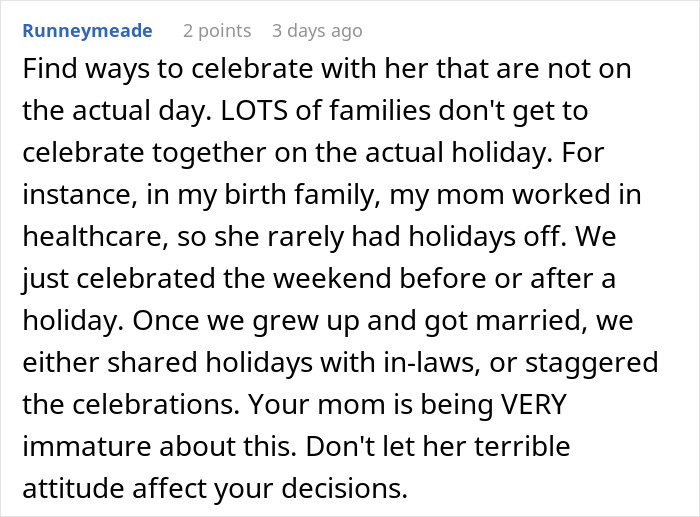
Curious about the ages in this post. She says her half sister is 13 and mom is 53, which would mean that mom was 40 when she had the half sister. Then OP says her mom had more kids with her next husband a few years after the half sister was a toddler, meaning she would have been like 45+ for the last few kids. I know that's possible, but you don't hear of too many women having multiple kids in their late 40s.

The fact that they'd rather be with their Dads makes me think living with their Mom is too much. She sounds like the kind of woman that needs to have people dependent on her and is losing herself because her kids are more independent. She has to accept that the relationship is changing and she needs to change with it
Curious about the ages in this post. She says her half sister is 13 and mom is 53, which would mean that mom was 40 when she had the half sister. Then OP says her mom had more kids with her next husband a few years after the half sister was a toddler, meaning she would have been like 45+ for the last few kids. I know that's possible, but you don't hear of too many women having multiple kids in their late 40s.
The fact that they'd rather be with their Dads makes me think living with their Mom is too much. She sounds like the kind of woman that needs to have people dependent on her and is losing herself because her kids are more independent. She has to accept that the relationship is changing and she needs to change with it




















 No fees, cancel anytime






16
3