Get Premium
Dark mode theme is available exclusively for premium users. Learn more about the benefits of subscribing.
No fees, cancel anytime.

 Dark Mode Ad-Free Browsing Unlimited Content
 Ad-Free Browsing Unlimited Content Dark Mode
Join 1.2 million Panda readers who get the best art, memes, and fun stories every week!
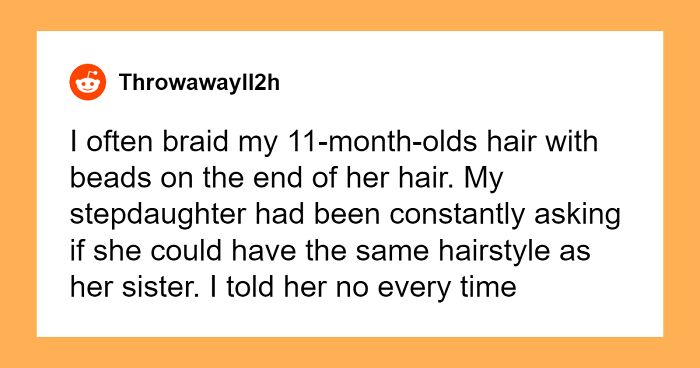
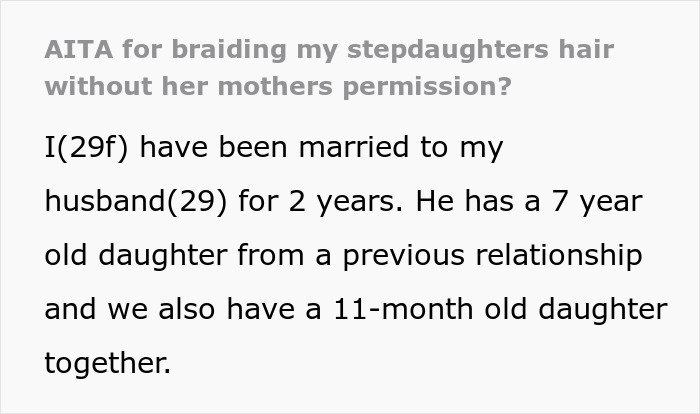
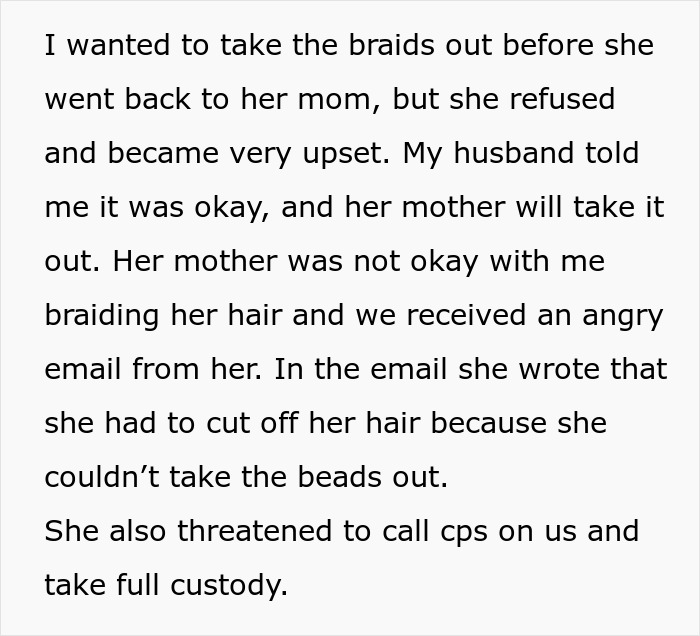
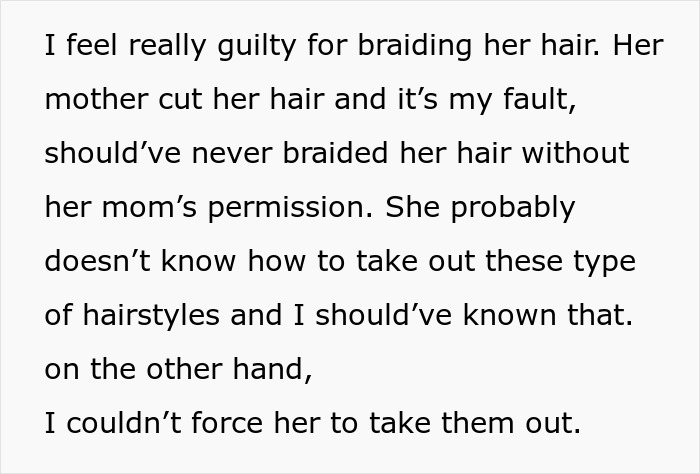
It’s absolutely adorable when siblings are best friends. And when they admire one another and want to be just like their big brother or sister, it must melt their parents’ hearts. So when one 7-year-old begged her stepmother for the same hairstyle as her younger sister, it was almost impossible to say no.
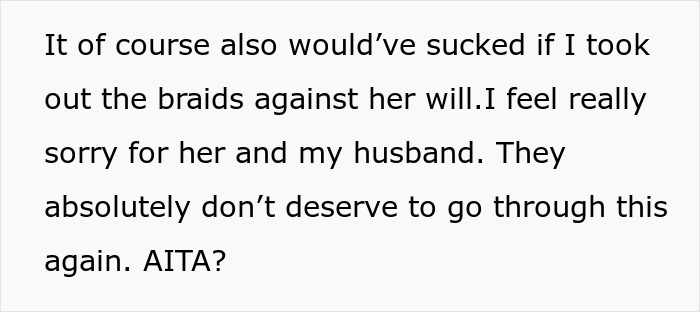
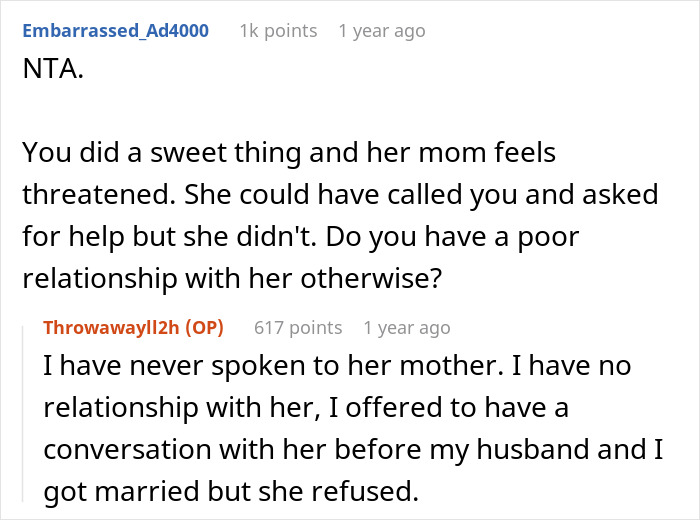
But the mom later regretted innocently giving her stepdaughter braids after they became the catalyst for family drama. Below, you’ll find the full story that this woman recently posted on the “Am I the [Jerk]?” subreddit, as well as a conversation with Tamekia Swint, Founder and Executive Director of Styles 4 Kidz!
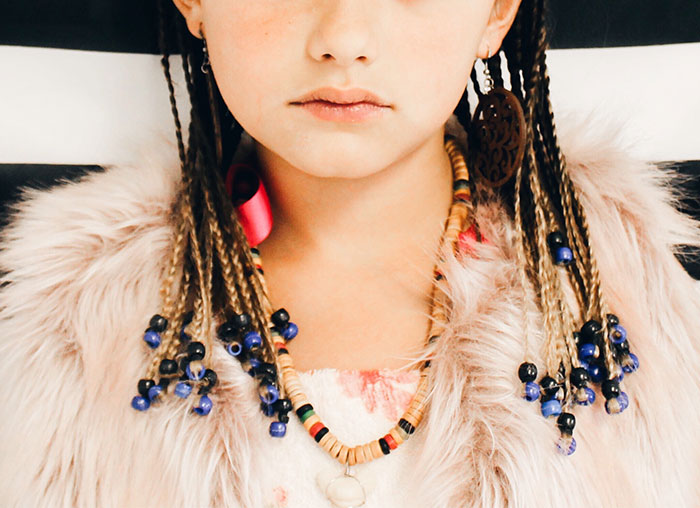
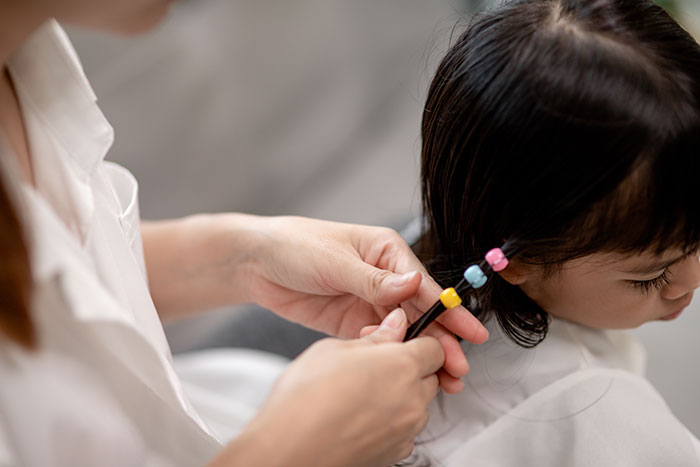
Image credits:amyengelsman (not the actual photo)
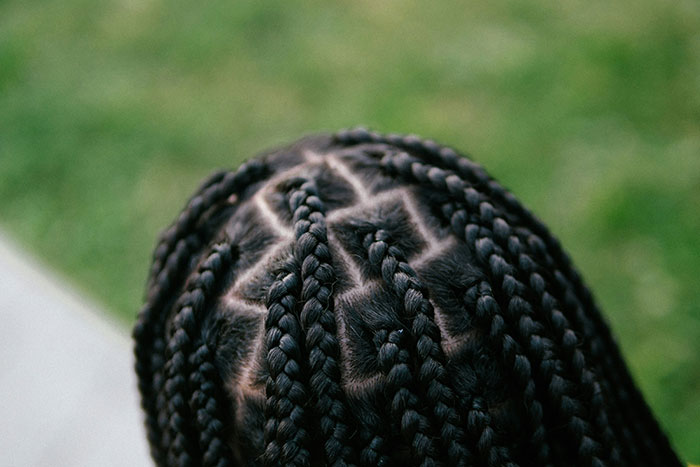
Image credits:dasha11 (not the actual photo)
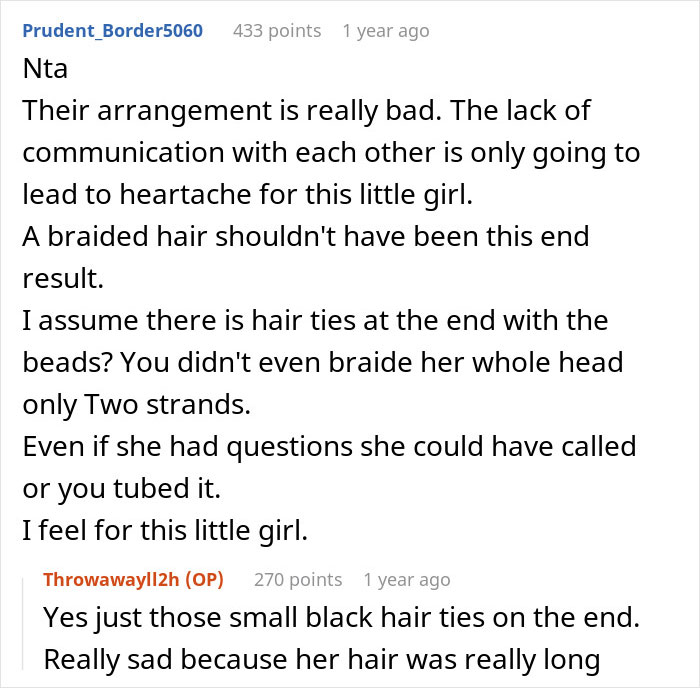
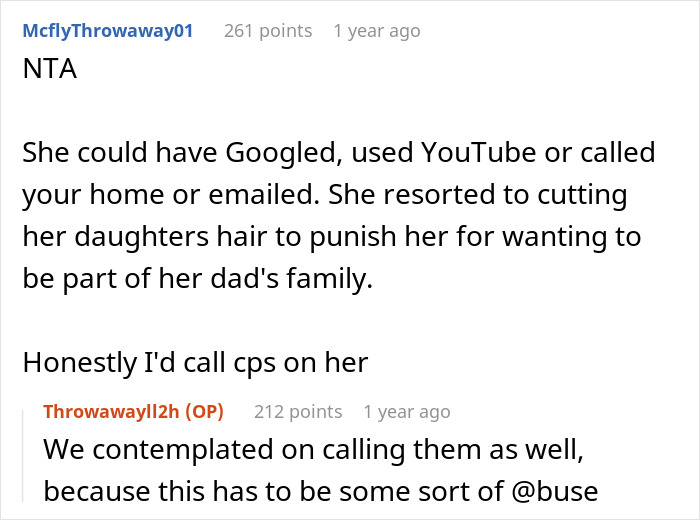
Image credits:Throwawayll2h
To gain more insight into this topic, we reached out to Tamekia Swint, Founder and Executive Director of Styles 4 Kidz, a Chicago-based salon and organization that provides hair care services, support, and training for transracial families that are adopting or fostering Black children.
Tamekia was kind enough to have a chat with Bored Panda and explain the different needs that kids in multiracial families have. “Their family dynamics are different from those of a traditional family who are all the same race. Allowing a sibling biologically connected to another sibling to experience the same hairstyle in a culturally appropriate way is a beautiful bonding experience,” she explained.
“In this situation, I don’t think Mom did anything wrong except ask the biological parent whether it was okay to do the style in advance. However, in families with no biological connection, kids can be encouraged to choose culturally appropriate styles through regular conversations about the differences that exist between races,” Tamekia continued.
“We need more conversations about our cultural differences happening regularly – in school and at home. These conversations lead to cultural clarity, where children understand the differences and can embrace their own cultural identities. White and Black girls can both have braided hairstyles – worn differently.”
Image credits:FamilyStock (not the actual photo)
We were also curious why it’s often difficult for white parents to understand African hair. “It’s difficult because they need reference points,” Tamekia noted. “Straight hair is the norm in society, and its care is prioritized over what is needed for Black hair. If you have never had to comb or manage textured hair, you would not know. Caring for Black hair is not taught openly or widely – even in most Cosmetology programs.”
As far as how white parents can educate themselves on Black hair, Tamekia says that is exactly why she created Styles 4 Kidz. “To bridge the cultural gap for White parents who needed to understand these cultural hairstyles,” she explained. “When I started, there was a real educational desert for learning, and don’t get me wrong; these educational deserts still exist in remote areas.”
“However, over the years, more videos and resources are available online. In a simple Google search, the mom in this story could have learned how to remove beads and braids from her daughter’s hair,” Tamekia shared. “Also, Styles 4 Kidz has an online training platform specific to the hair care needs of multiracial families, particularly in adoption or foster care.”
Image credits:Christin Hume (not the actual photo)
When it comes to the most important things white parents should do when they have children with African hair, Tamekia says investing in education is crucial. “We study for anything else we want to do in life, so why would you not need to do that to learn about your child’s textured hair?” she asks. “Diversify your circle. Get to know people with textured hair and include them in your personal circles! Make this a part of your learning journey. Stay curious and open.”
“The need for textured hair education in libraries, hospitals, schools, and agencies- anywhere people are cared for – is a real problem,” Tamekia added. “Equitable rights for African, Black, and textured hair are essential in every community – worldwide, and we need more people willing to join the cause. If you are interested in being a part of the change that is coming, connect with us as we are raising up parent advocacy groups in every community to stand up and speak out for what is needed.”
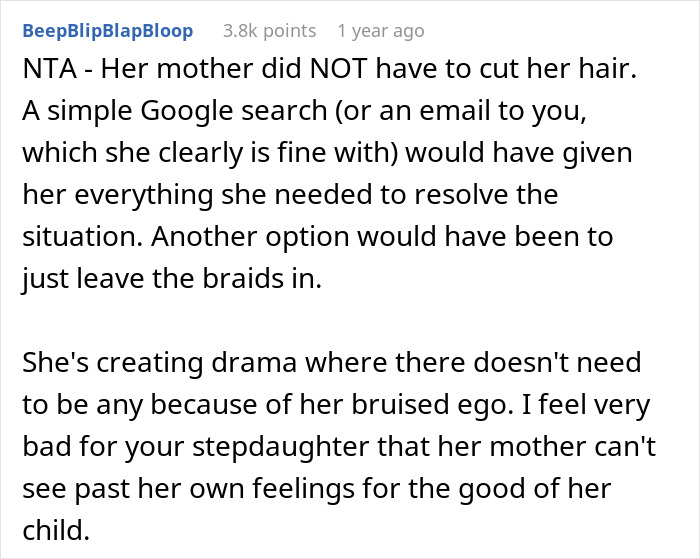
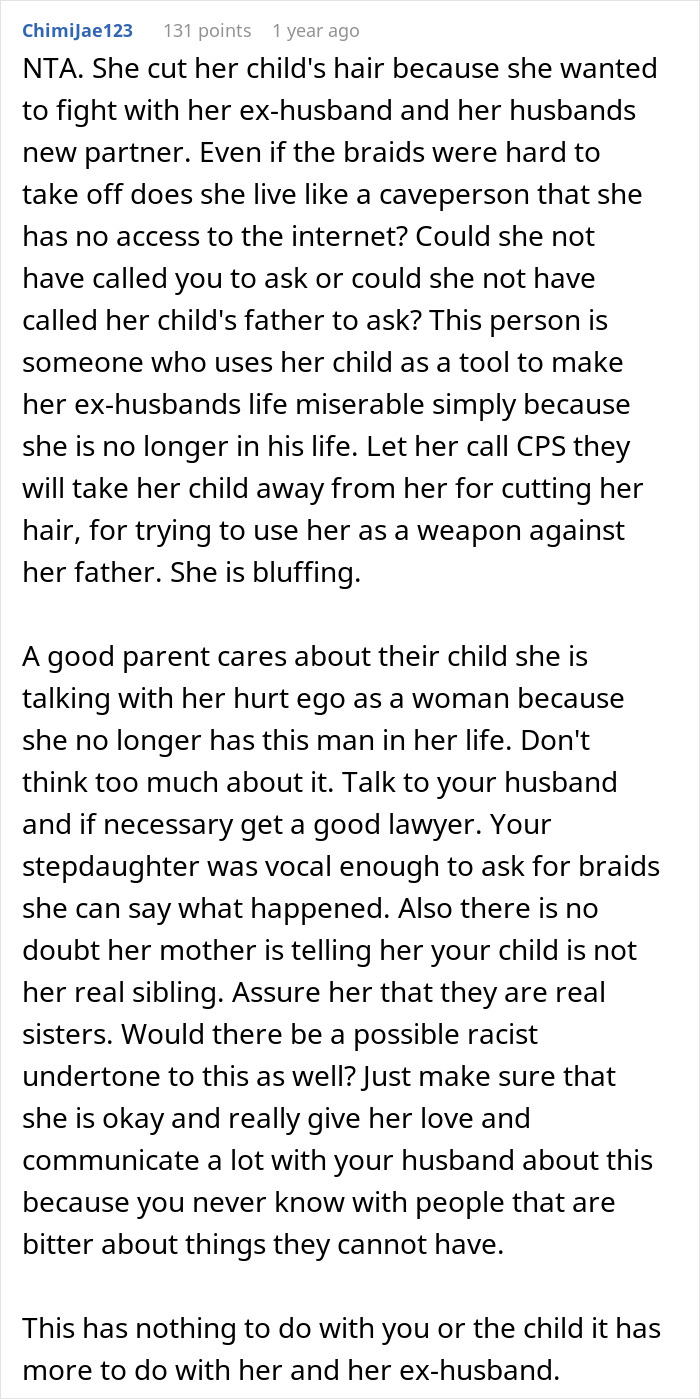
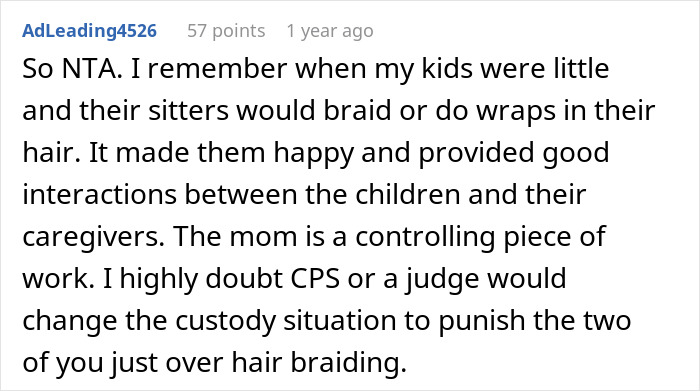
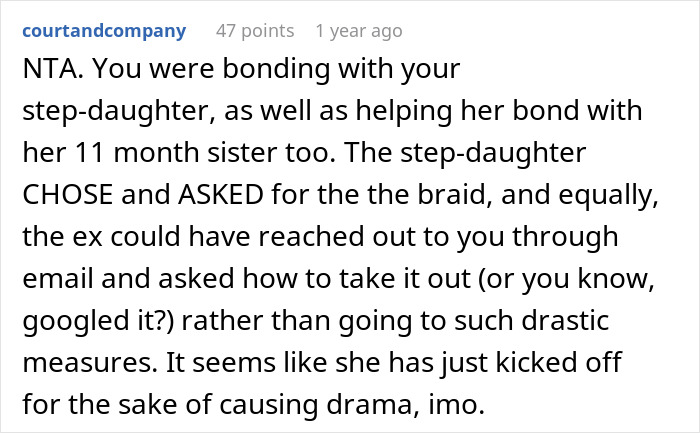
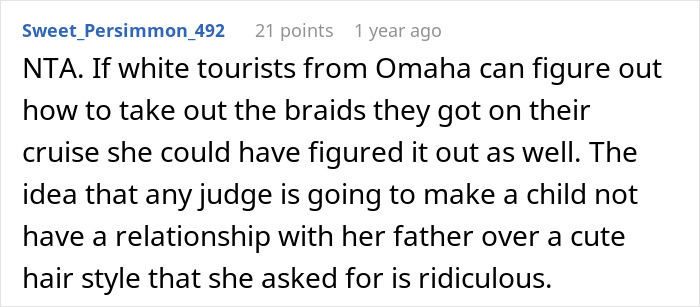
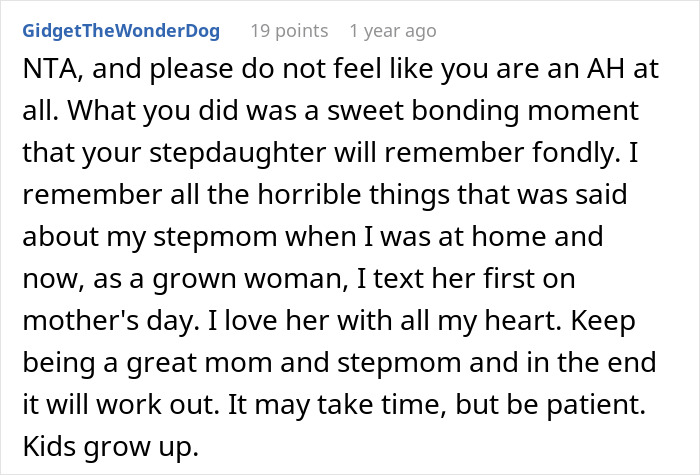
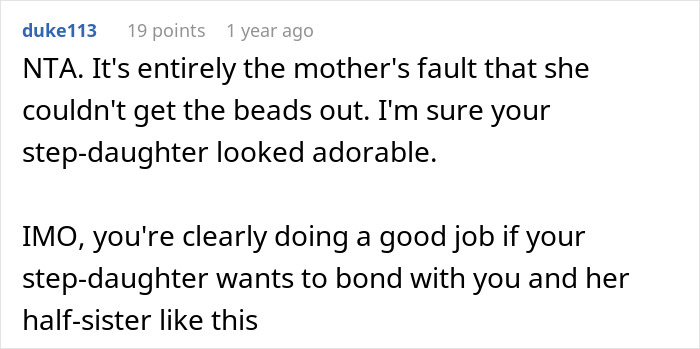
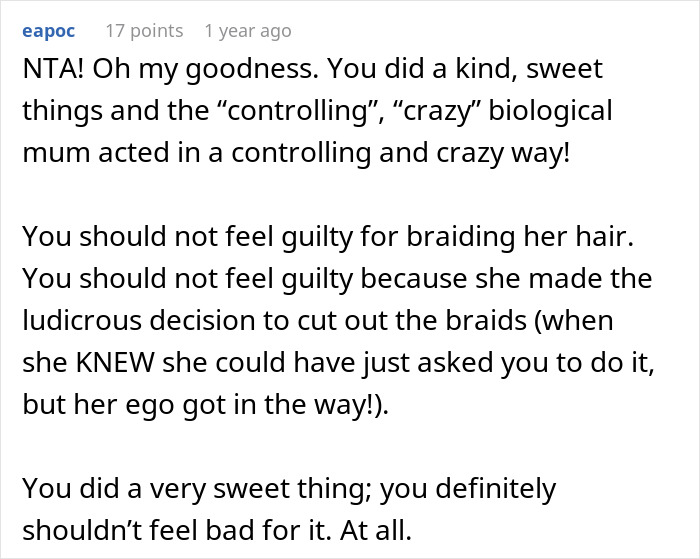
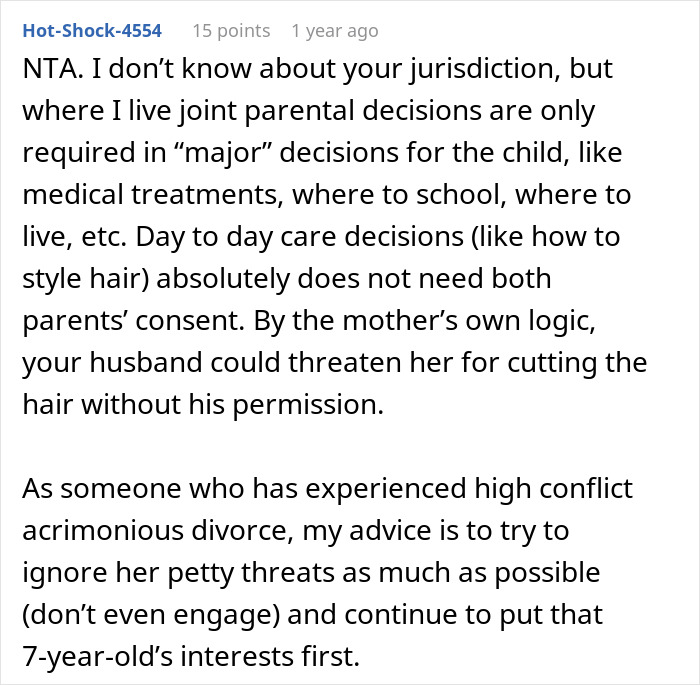
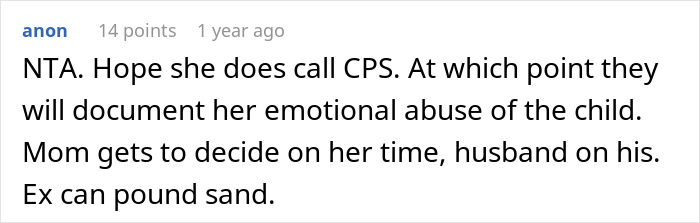
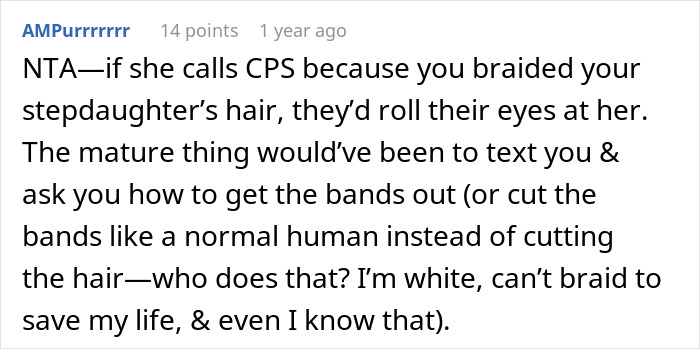
We would love to hear your thoughts on this situation in the comments below, pandas. Do you think this mother did anything wrong by braiding her stepdaughter’s hair? Feel free to share, and then if you’re interested in checking out another Bored Panda article discussing drama between parents, look no further than right here!
Image credits:Alex Robinson (not the actual photo)

By entering your email and clicking Subscribe, you're agreeing to let us send you customized marketing messages about us and our advertising partners. You are also agreeing to our Privacy Policy.
Thank you! You've successfully subscribed to newsletters!


What exactly would she tell the cops about what crime had been commited? Felony hairbraiding?

Probably more like "this woman is touching my doughter". :/ frikkin racist ex.
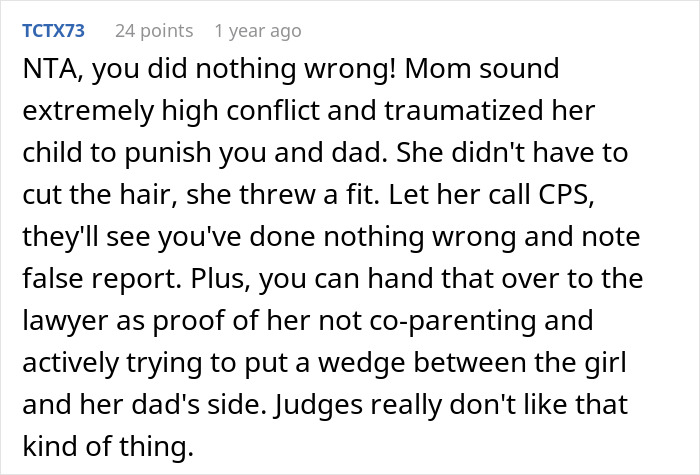
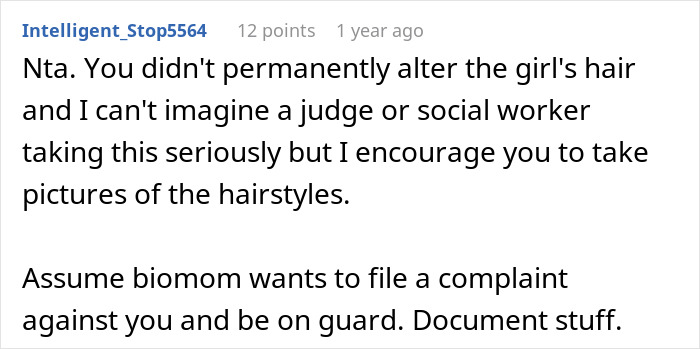
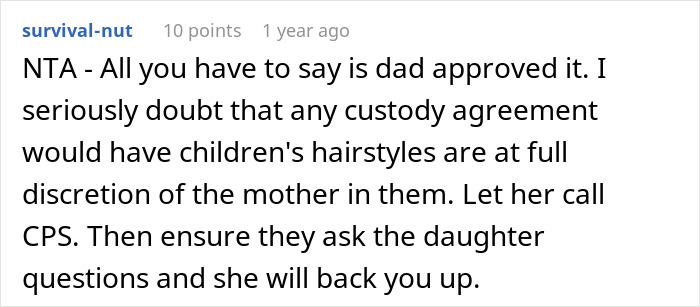
Load More Replies... Sadly, this kind of thing is all too common. I went through it, living with a new girlfriend after a bitter divorce with a small child and a diagnosed crazy ex-wife (borderline personality disorder). She regularly called the cops for irrational stuff and kept going back to court. I eventually got sole legal custody due to her antics but that didn't stop her. What's probably going on here is called parental alienation which, in some jurisdictions, is considered child abuse.

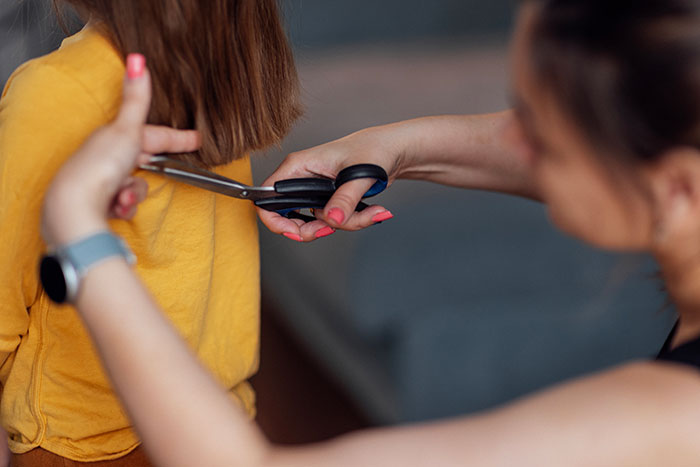
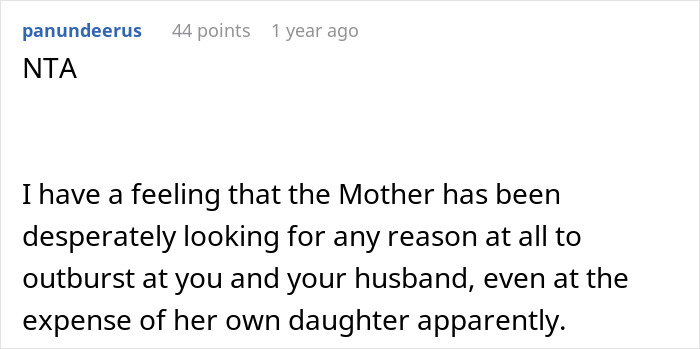
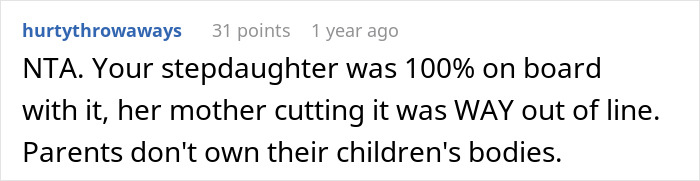
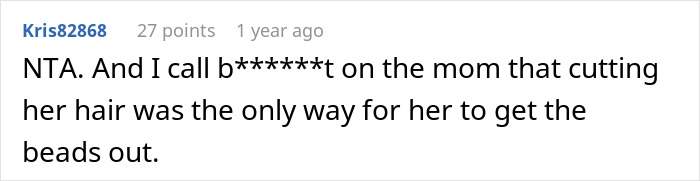
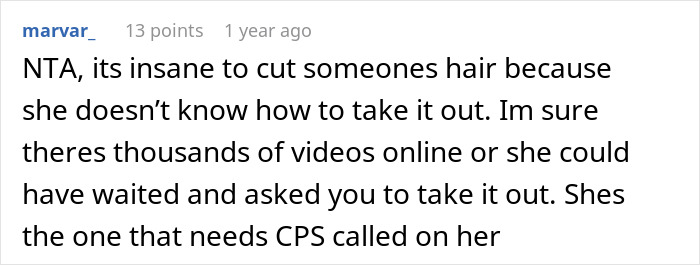
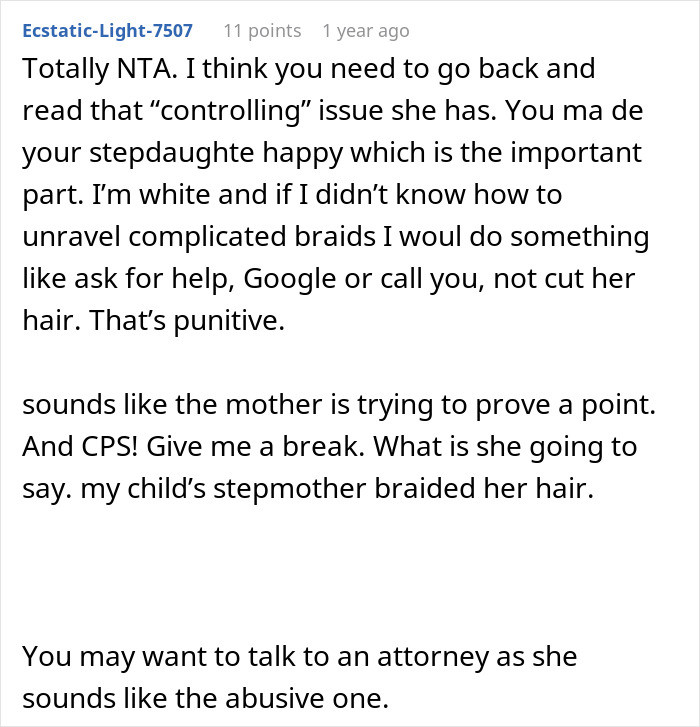
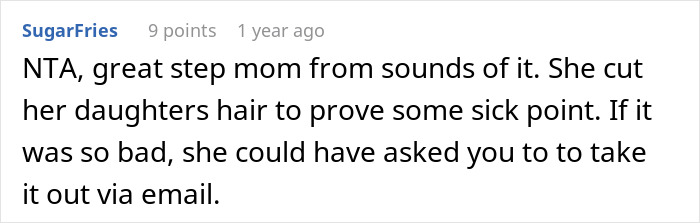
I wonder if the ex-wife is racist. Her ex married a black woman, new wife tied two small braids of hair and ex-wife’s reaction was to quickly grab some scissors and cut them off rather than spend a couple of minutes to untie it. That seems like a crazy extreme reaction.
Load More Replies...
When non-Black women wear braids and cornrows, they’re unknowingly removing the cultural significance behind them and misrepresenting how people should view Black women when they wear similar hairstyles,” Anti-Racism Daily explain. I have curly hair that was halfway down my back. My mother had stick straight hair and didnt know how to teach me how to take care of it.I lived in a humid area and ran track. My friends on the track team would braid my hair, or cornrow it. Sometimes its not cultural appropiation, sometimes its just people being friends.

Also, if the Afro-Carribean woman HERSELF braids the hair of her stepdaughter, who is a child, MAYBE it's not cultural appropriation? Also, they're different, but plenty of European cultures also have hair braids.
Load More Replies... What exactly would she tell the cops about what crime had been commited? Felony hairbraiding?
Probably more like "this woman is touching my doughter". :/ frikkin racist ex.
Load More Replies... Sadly, this kind of thing is all too common. I went through it, living with a new girlfriend after a bitter divorce with a small child and a diagnosed crazy ex-wife (borderline personality disorder). She regularly called the cops for irrational stuff and kept going back to court. I eventually got sole legal custody due to her antics but that didn't stop her. What's probably going on here is called parental alienation which, in some jurisdictions, is considered child abuse.
I wonder if the ex-wife is racist. Her ex married a black woman, new wife tied two small braids of hair and ex-wife’s reaction was to quickly grab some scissors and cut them off rather than spend a couple of minutes to untie it. That seems like a crazy extreme reaction.
Load More Replies... When non-Black women wear braids and cornrows, they’re unknowingly removing the cultural significance behind them and misrepresenting how people should view Black women when they wear similar hairstyles,” Anti-Racism Daily explain. I have curly hair that was halfway down my back. My mother had stick straight hair and didnt know how to teach me how to take care of it.I lived in a humid area and ran track. My friends on the track team would braid my hair, or cornrow it. Sometimes its not cultural appropiation, sometimes its just people being friends.
Also, if the Afro-Carribean woman HERSELF braids the hair of her stepdaughter, who is a child, MAYBE it's not cultural appropriation? Also, they're different, but plenty of European cultures also have hair braids.
Load More Replies...











 No fees, cancel anytime












49
46