Get Premium
Dark mode theme is available exclusively for premium users. Learn more about the benefits of subscribing.
No fees, cancel anytime.

 Dark Mode Ad-Free Browsing Unlimited Content
 Ad-Free Browsing Unlimited Content Dark Mode
Join 1.2 million Panda readers who get the best art, memes, and fun stories every week!

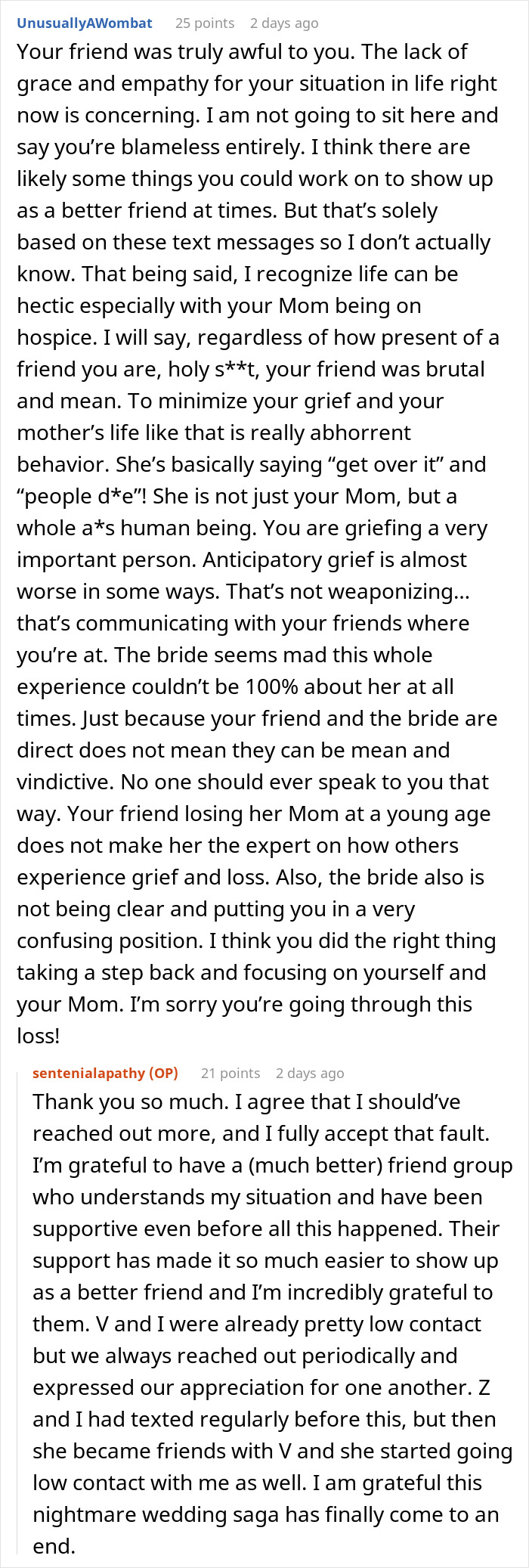
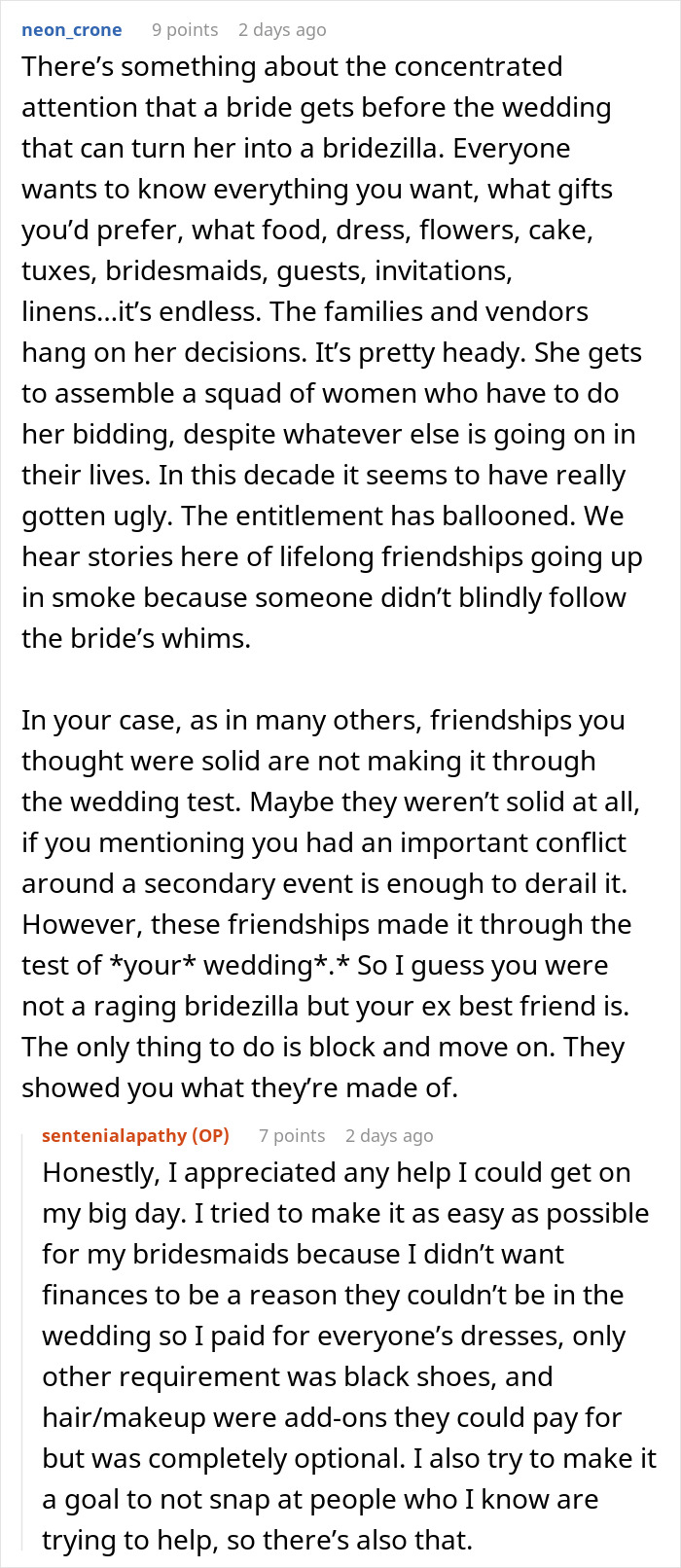
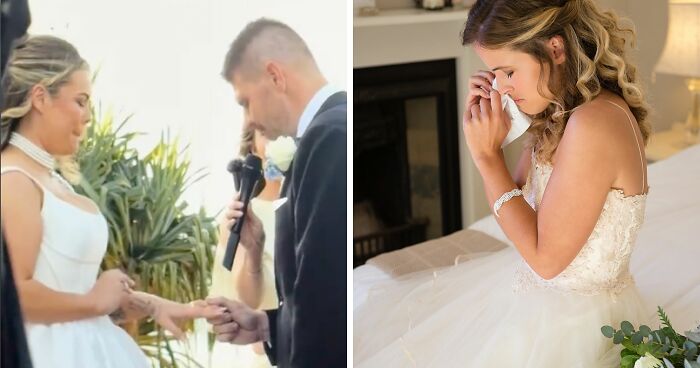
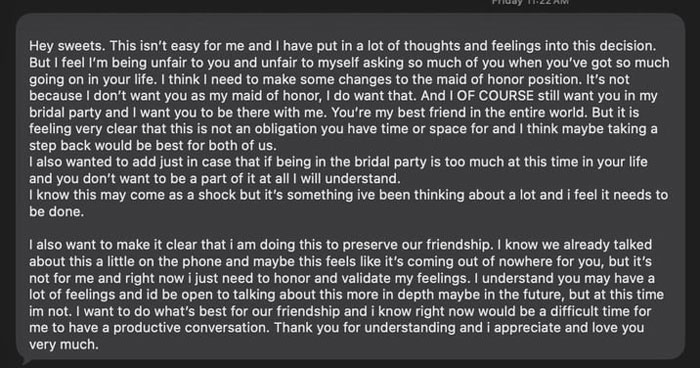
Being a part of a bridal train is a dream of many. And yes, aesthetics and possibly dancing in with the bride at the wedding party are awesome, but everyone is expected to be available, emotionally supportive, financially prepared, and apparently capable of reading minds.
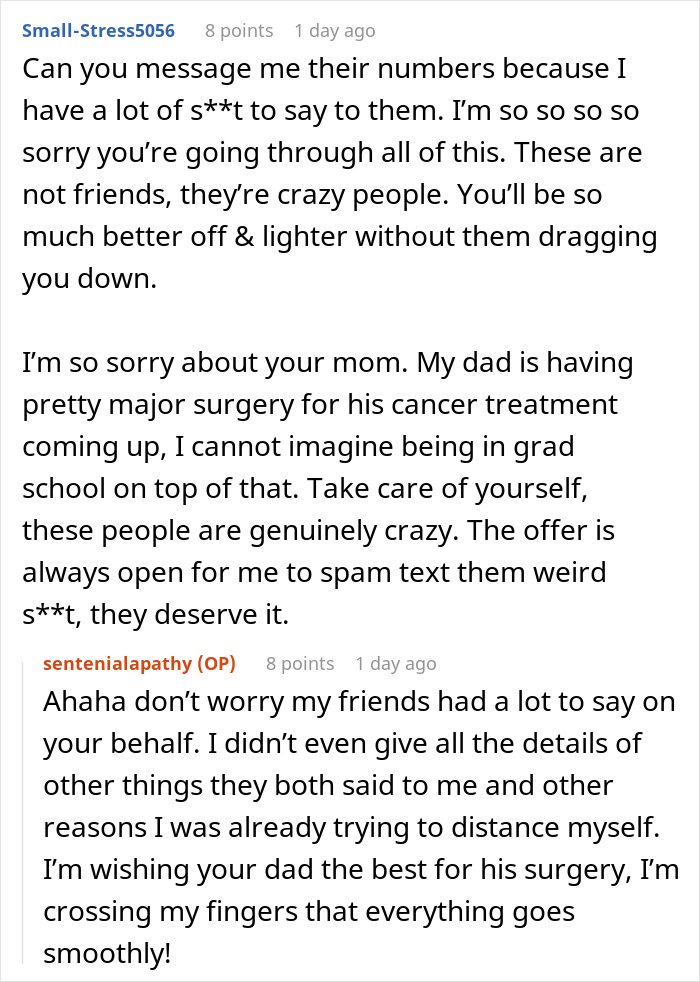
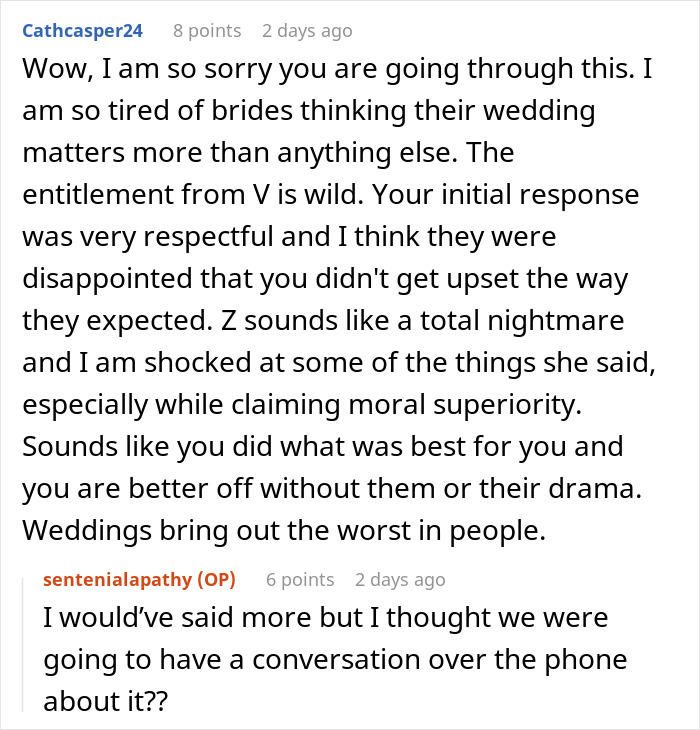
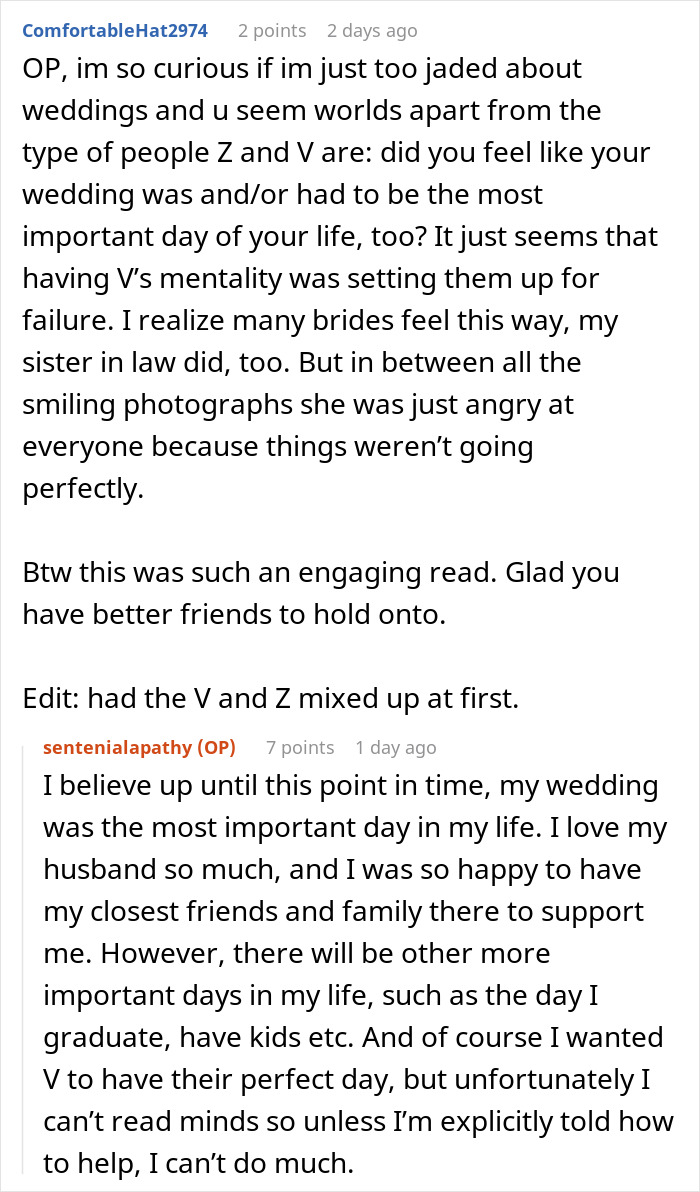
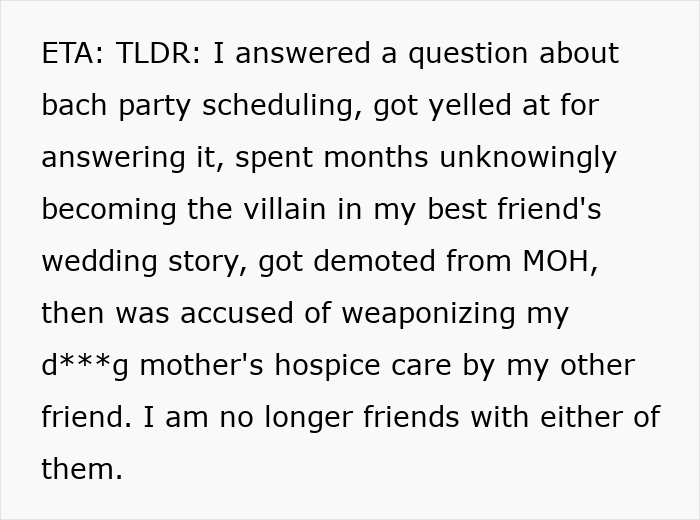
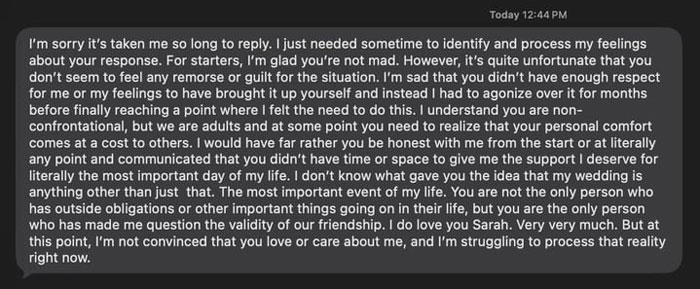
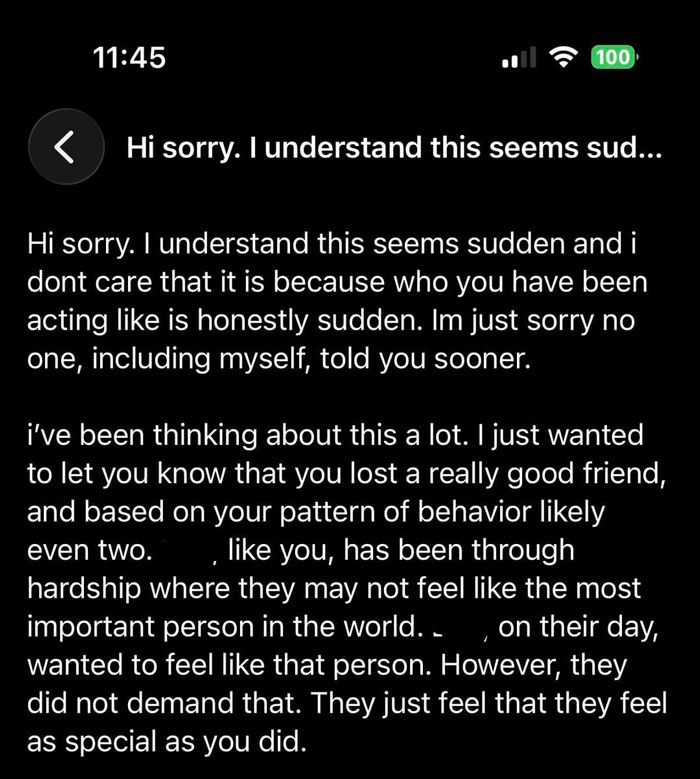
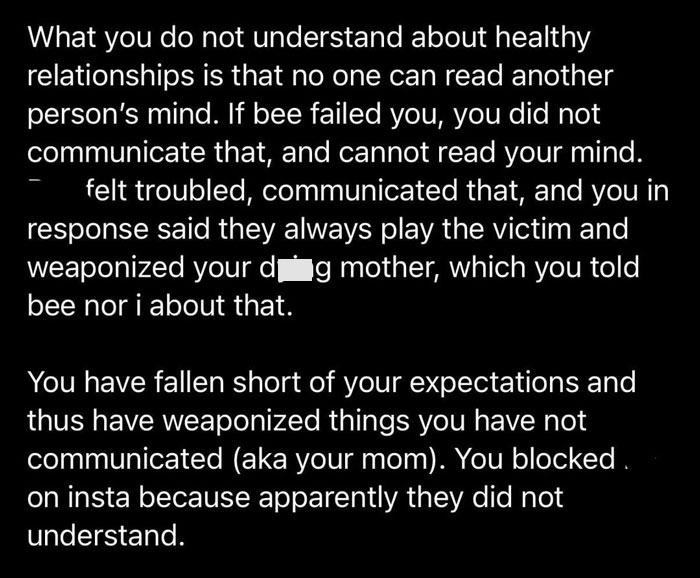
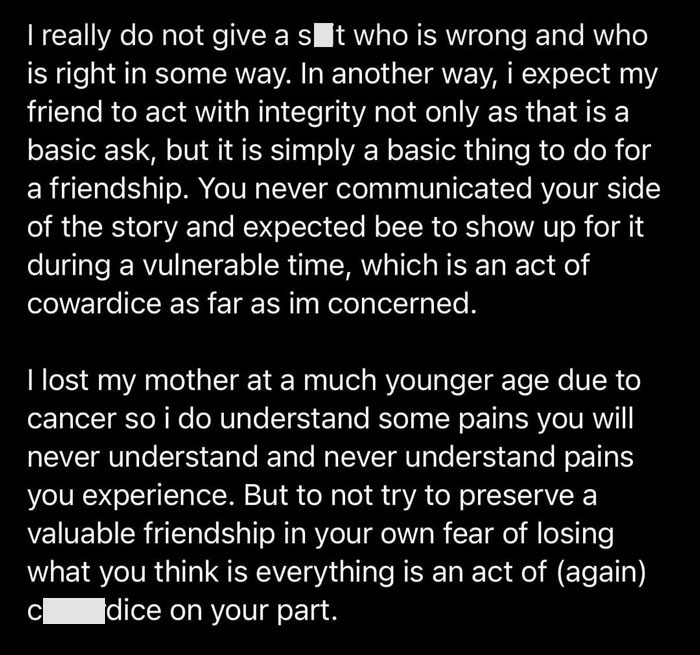
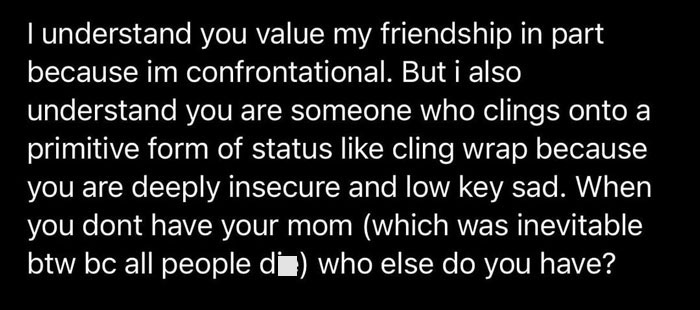
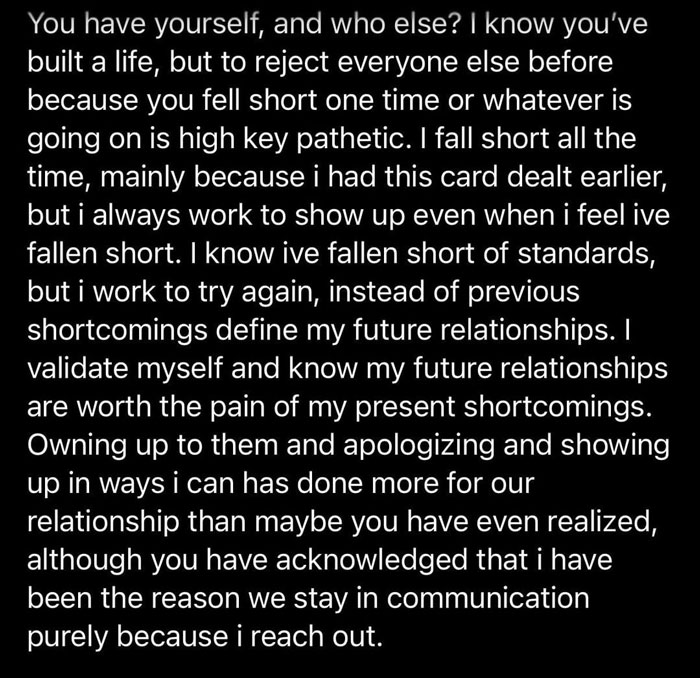
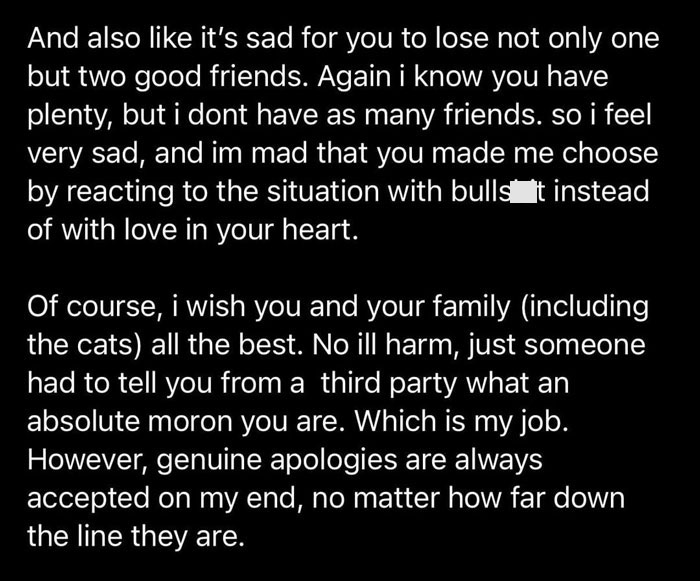
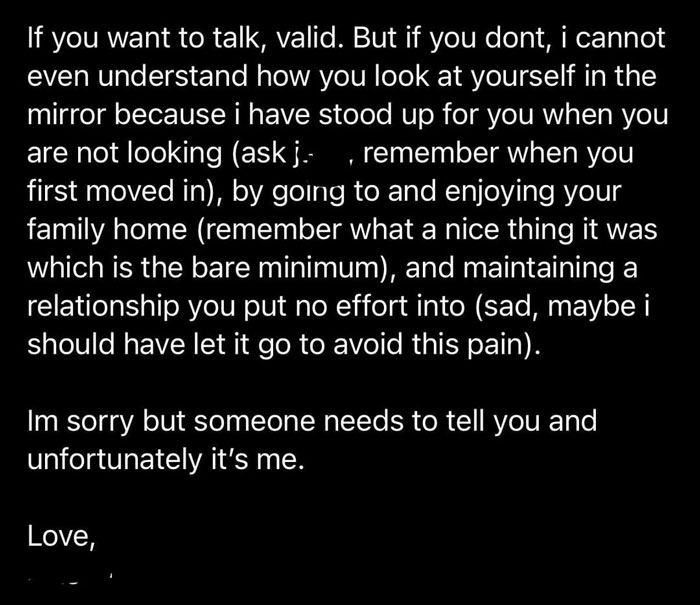
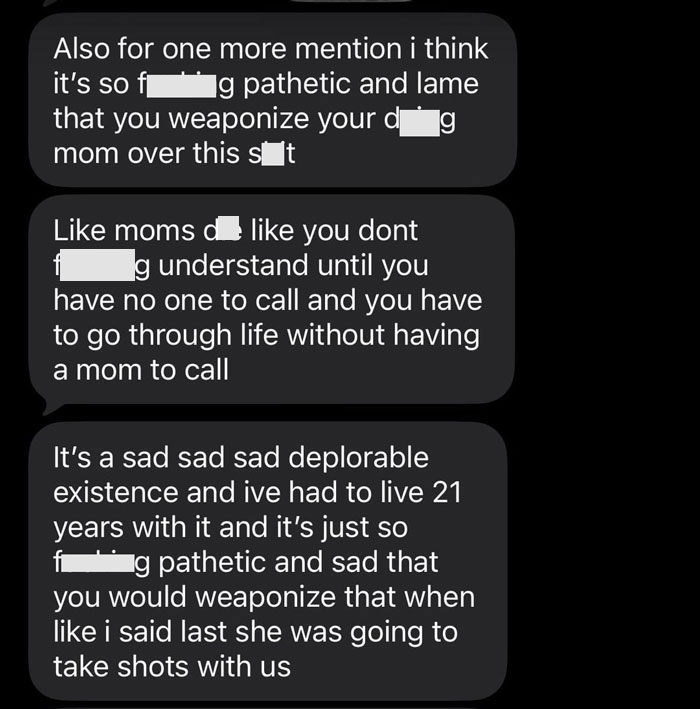
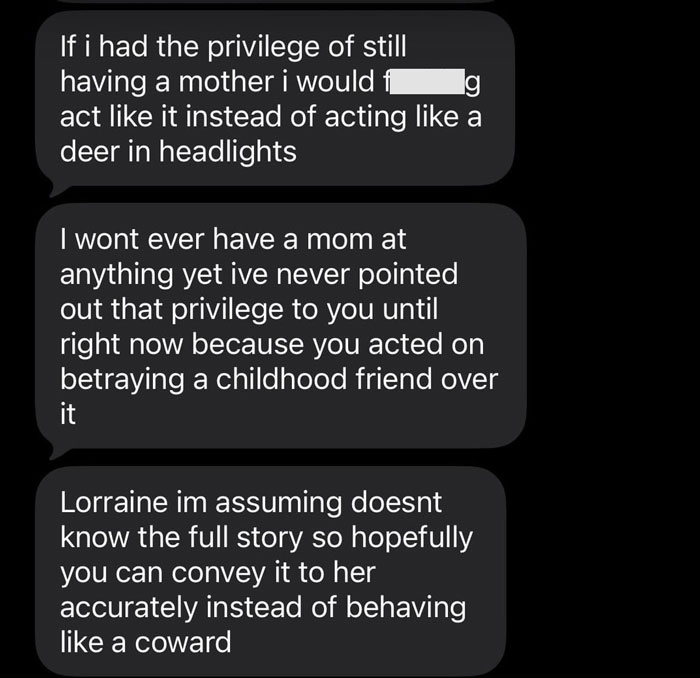
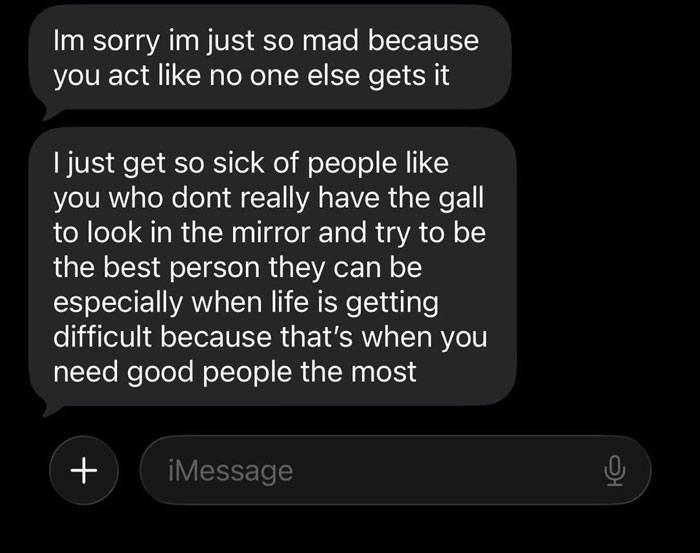
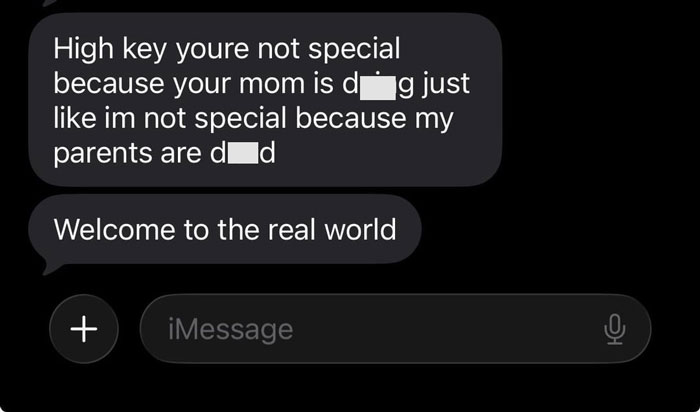
That tension sits at the center of this story, where a longtime friendship became strained after disagreements over a bachelorette trip and the expectations attached to being a maid of honor. It touches on a much bigger question: what happens when friends have completely different ideas about communication, support, obligations, and how much discomfort someone should tolerate for another person’s big day?
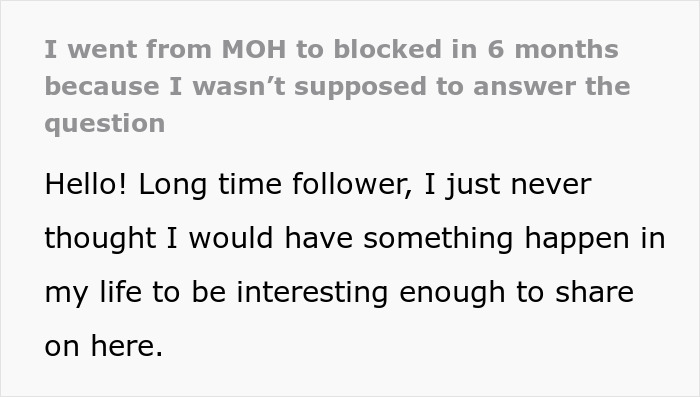
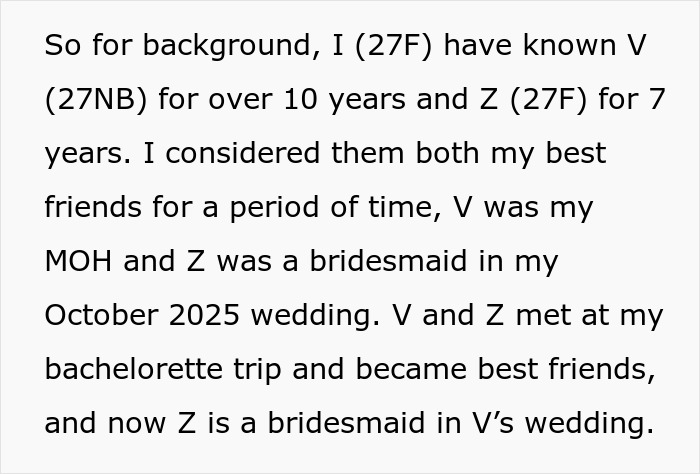
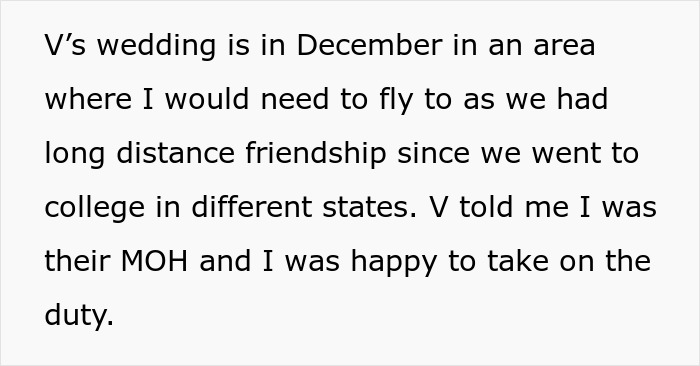
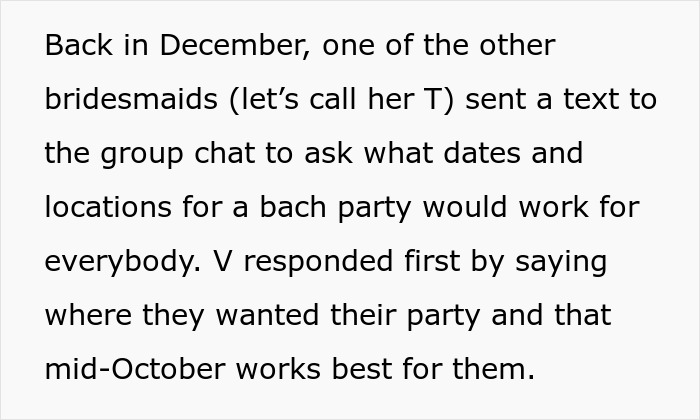
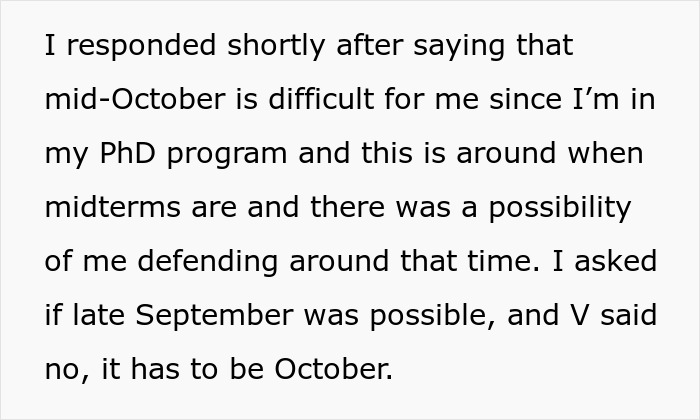
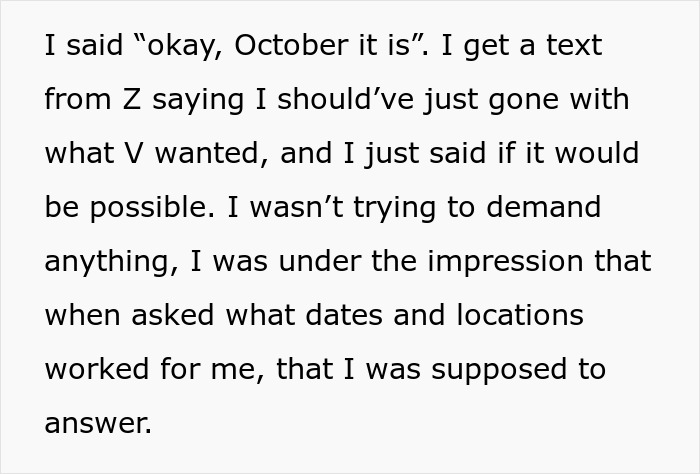
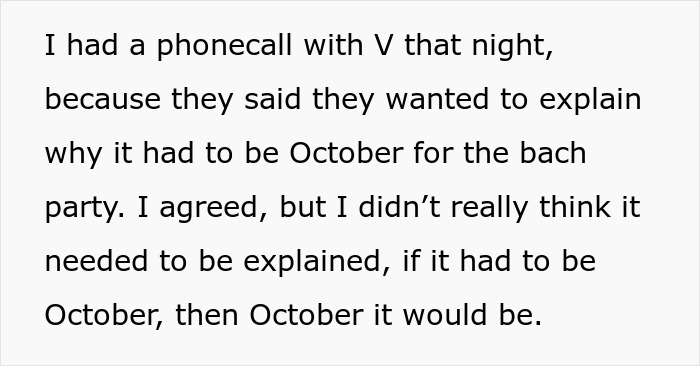
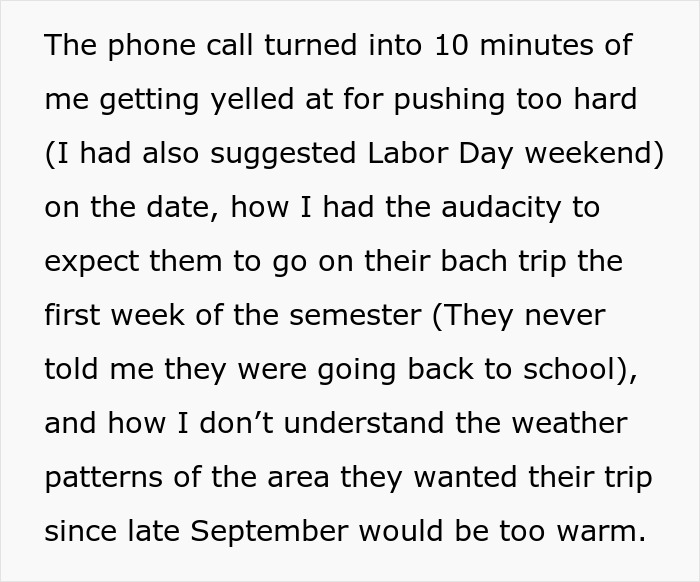
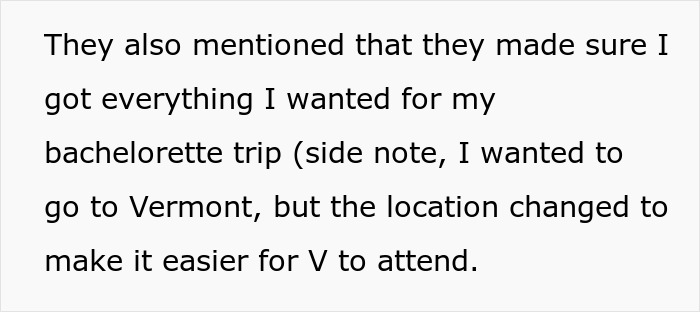
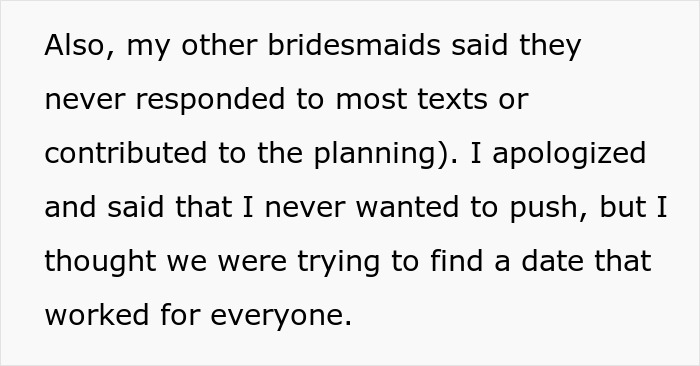
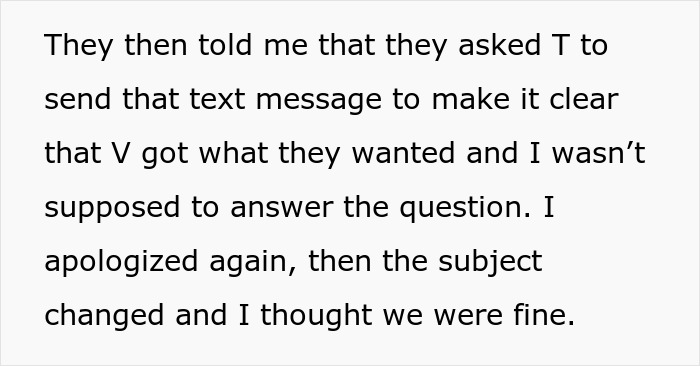
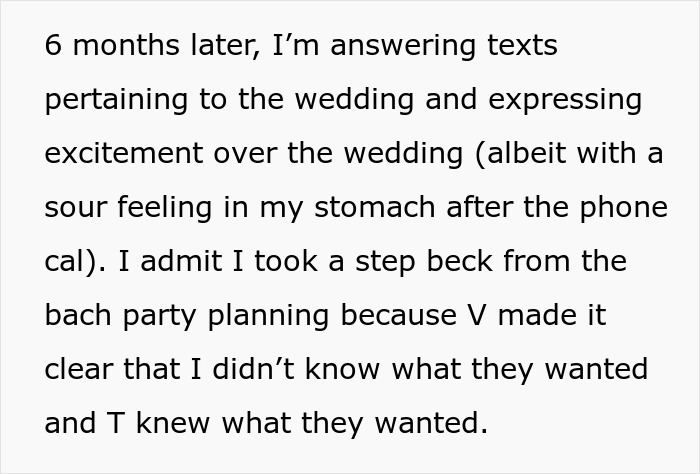
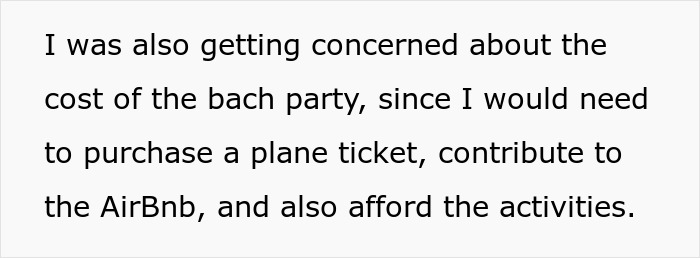
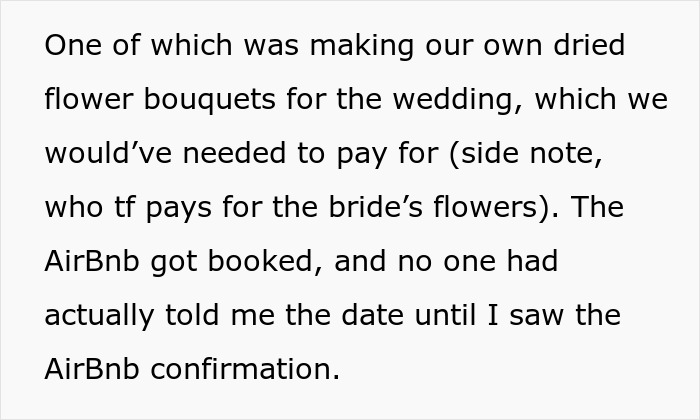
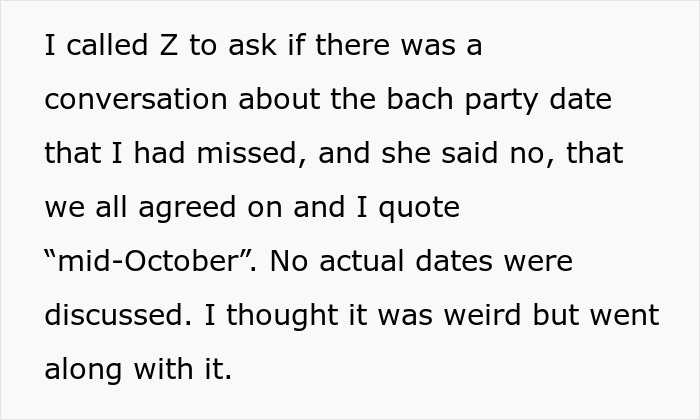
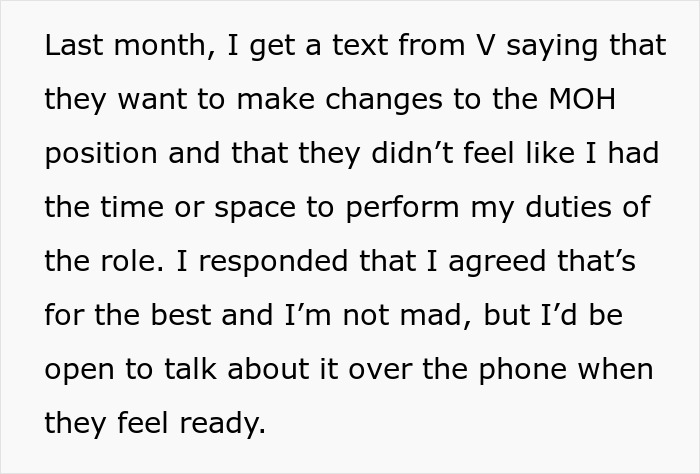
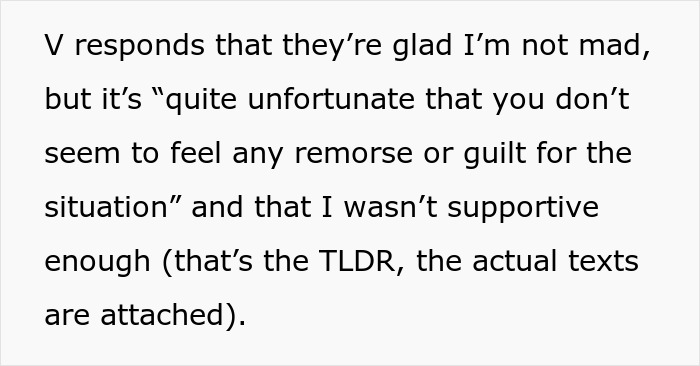
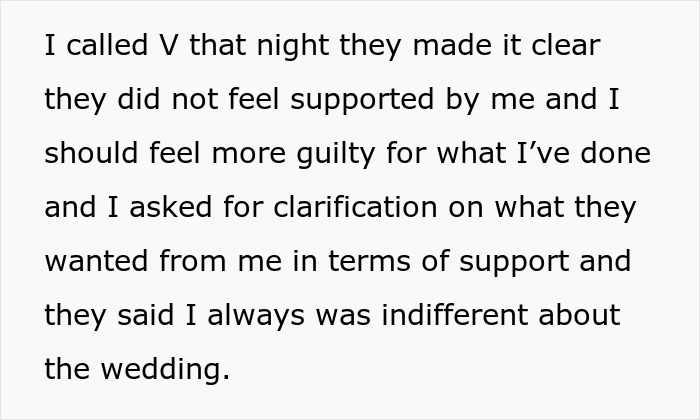
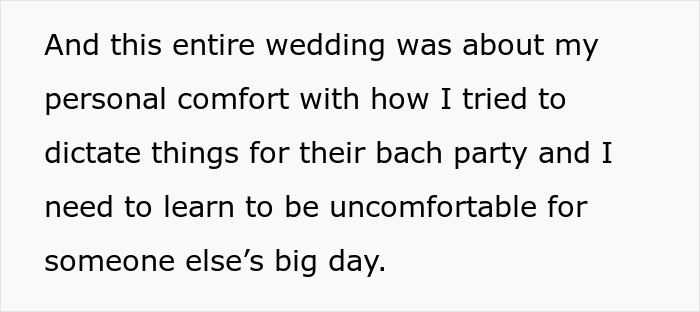
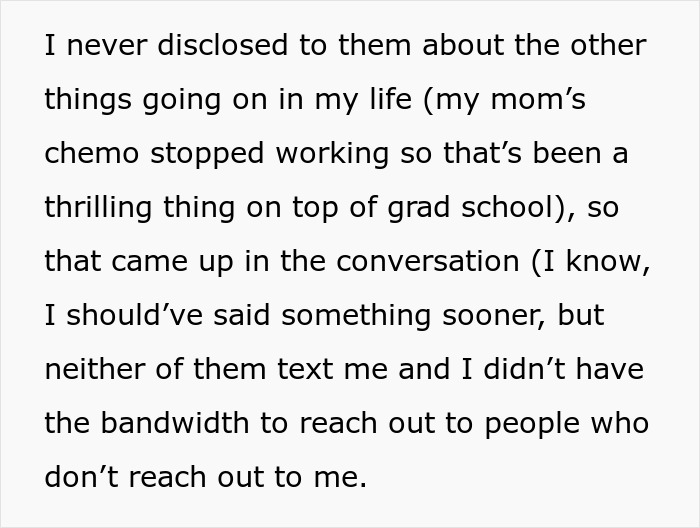
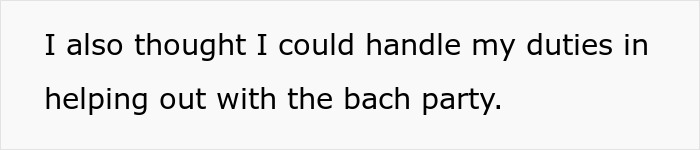
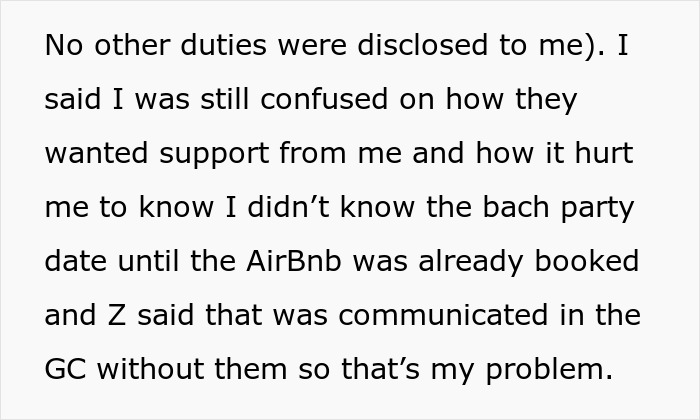
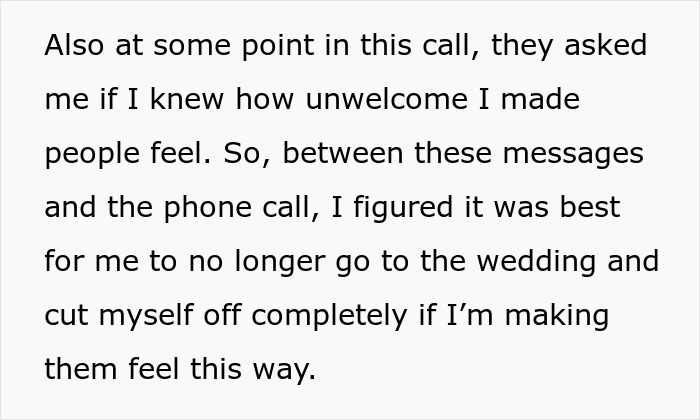
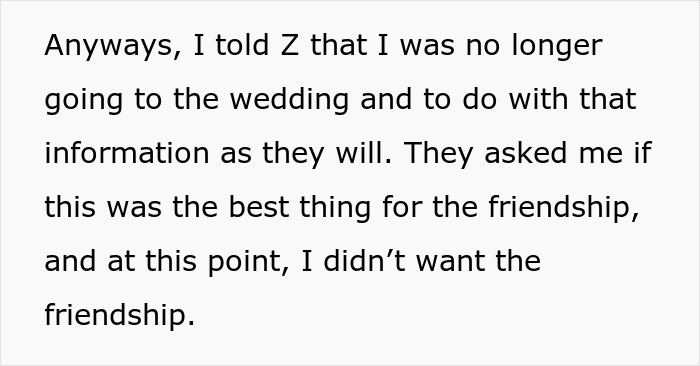
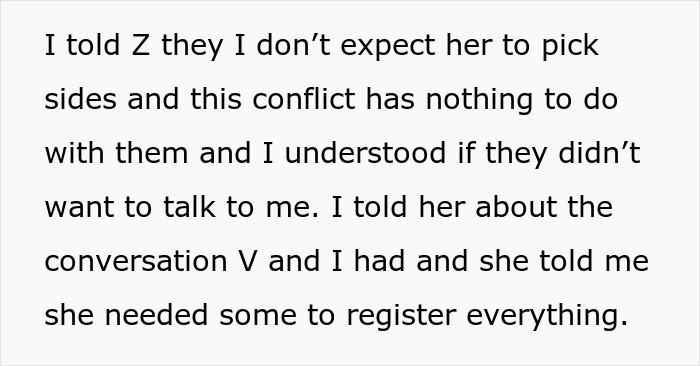
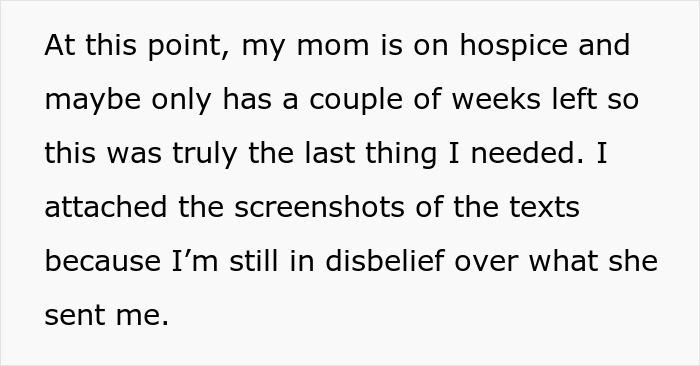
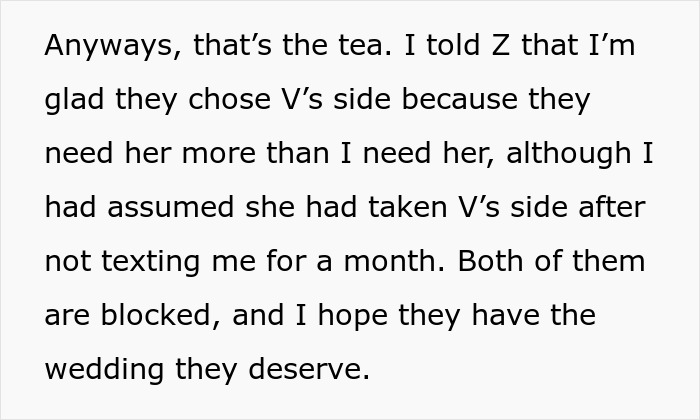
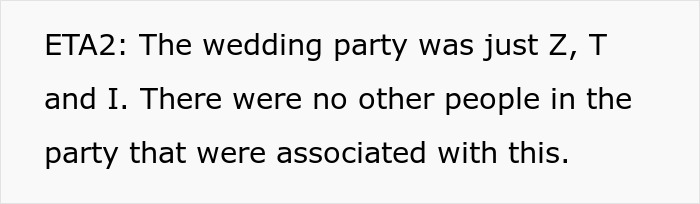
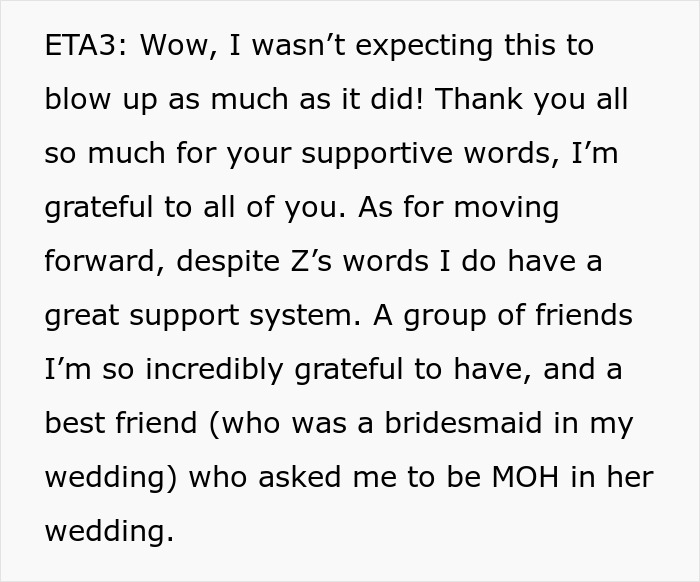
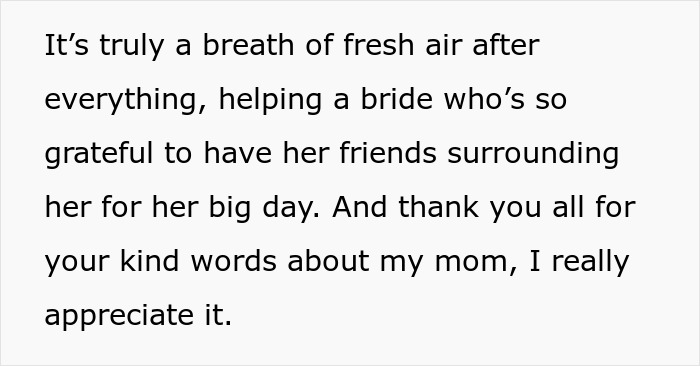
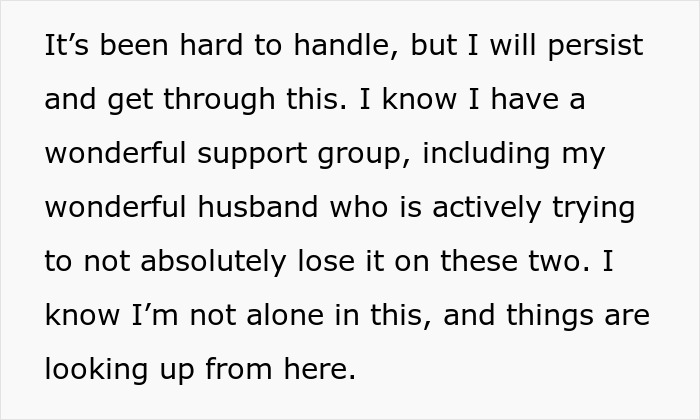
Being a maid of honor isn’t a standardized job with a universal checklist, as Bride Book affirms. Yes, the role requires helping with planning, coordinating other bridesmaids, organizing pre-wedding events, providing emotional support, and sometimes taking on significant logistical responsibilities. However, expectations vary from wedding to wedding, which makes communication especially important.
Perhaps the problem is that people enter the same role with completely different assumptions. One person may think being maid of honor means helping wherever needed, while another expects frequent check-ins, proactive planning, and enthusiastic involvement in every wedding event. If you don’t discuss those expectations explicitly, it’s easy to interpret ordinary behavior as indifference or neglect.
Now, bring friendship dynamics into wedding planning, and you just might be unfortunately left with dissolved relationships in the end. We Thrive Together suggests that most conflicts in seasons like this often arise when friends have different wants, needs, values, or expectations of one another. And that’s precisely why a disagreement about a date can become much bigger than a scheduling problem.
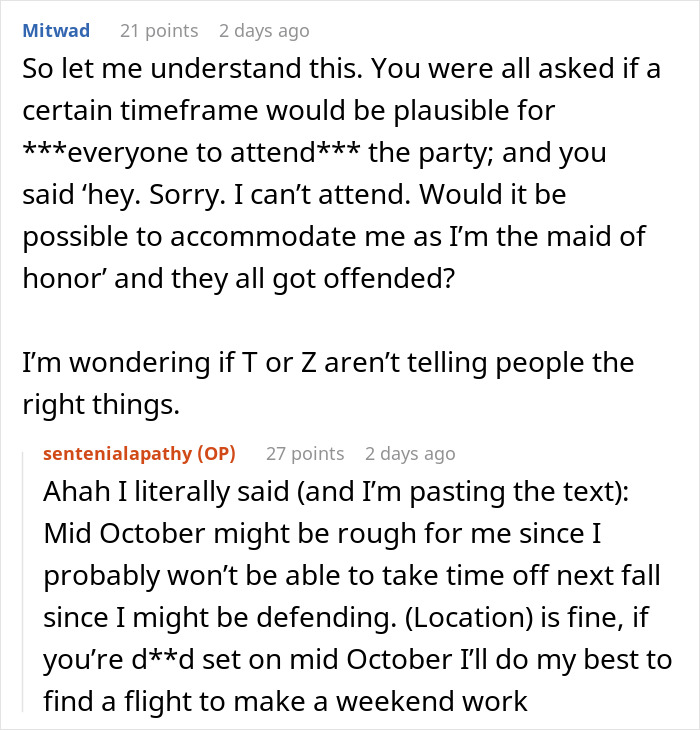
Also, let’s count the things involved in a bachelorette trip. It may involve travel, accommodation, meals, activities, and other expenses on top of the costs already associated with being a bridesmaid. Once those expenses become significant, you can’t just ask them to “make it work”. It then becomes a question of whose constraints matter and how much sacrifice each member of the group is expected to make.
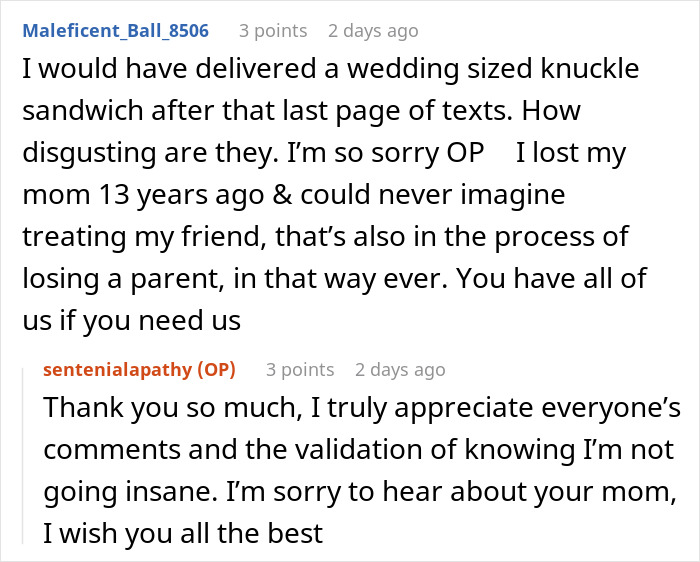
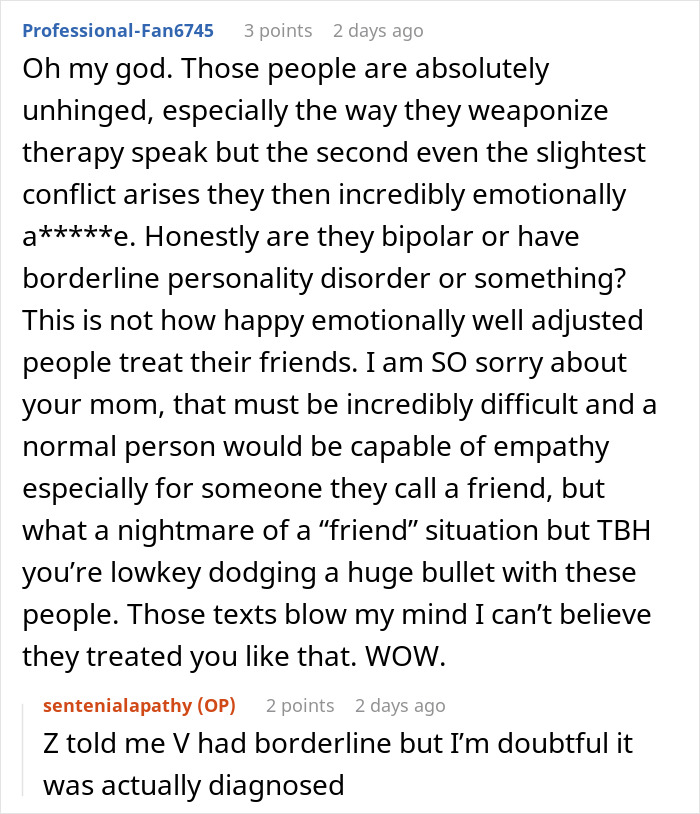
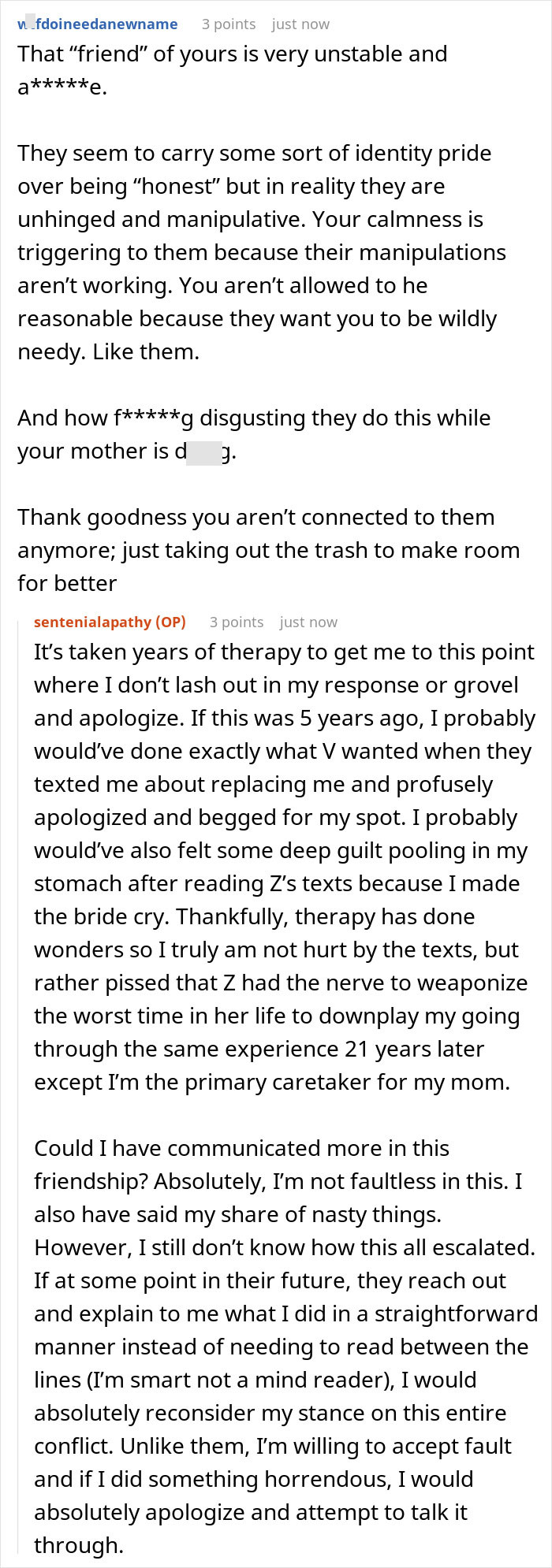
Another layer that is easy to overlook when someone seems less available than expected is that people may be dealing with enormous pressures that aren’t visible to their friends. In this case, graduate school, family responsibilities, financial strain, caregiving, and serious illness can consume attention even when someone hasn’t explicitly announced that they’re struggling.
However, communication is the most important thing in such situations. In fact, Connected Couples connects relationship quality with communication patterns, and a large meta-analysis found that negative communication behaviors were significantly associated with poorer later relationship outcomes and greater dissolution risk.
Interestingly, friendships can end in much quieter ways than romantic relationships. Alone Rangers, on friendship dissolution, identify several possible paths, including completely ending the friendship, gradually distancing from someone, or limiting the parts of the relationship that remain active.
That matters because long friendships can accumulate expectations and old grievances without anyone formally renegotiating the relationship. Two people who were once inseparable can eventually have different ideas about how much contact they should have, what they owe each other, and what support looks like. Sometimes a major life event doesn’t create those differences so much as expose them.
What do you think about this situation? Can a friendship survive when two people have completely different ideas about what being a supportive friend means? We would love to know your thoughts!

By entering your email and clicking Subscribe, you're agreeing to let us send you customized marketing messages about us and our advertising partners. You are also agreeing to our Privacy Policy.
Thank you! You've successfully subscribed to newsletters!

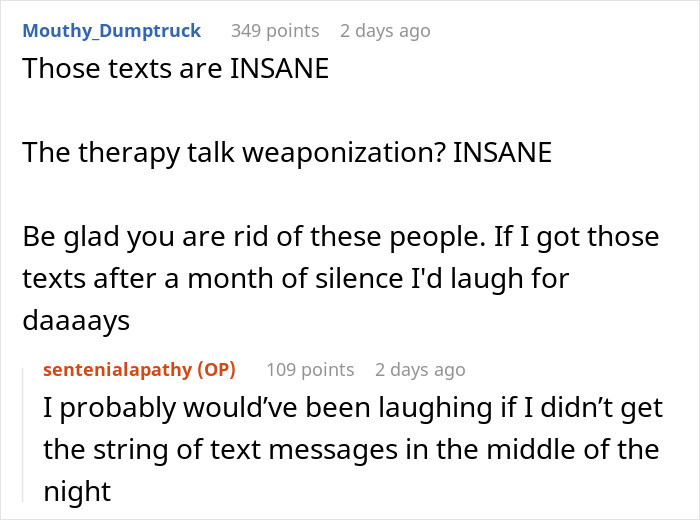
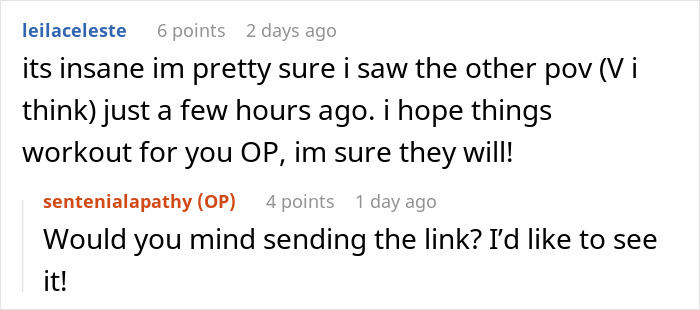
I can't even figure out what the bride was b******t about to begin with! Complete non issue!

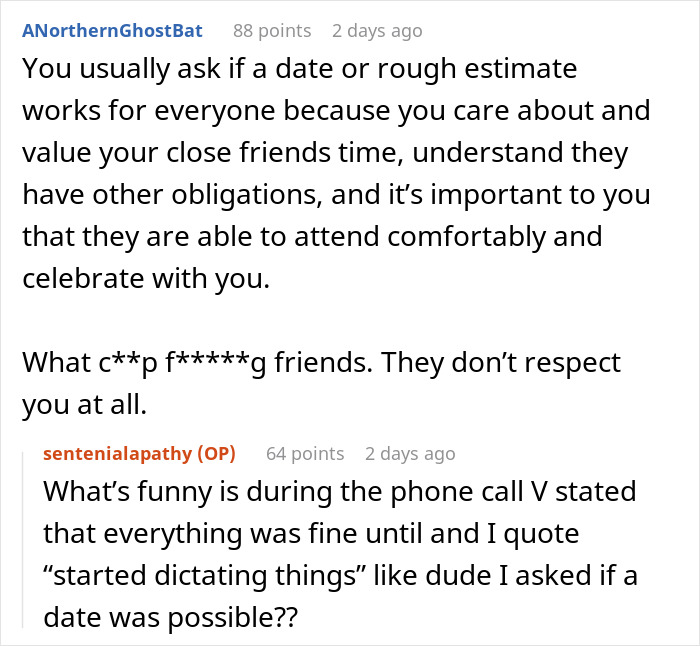
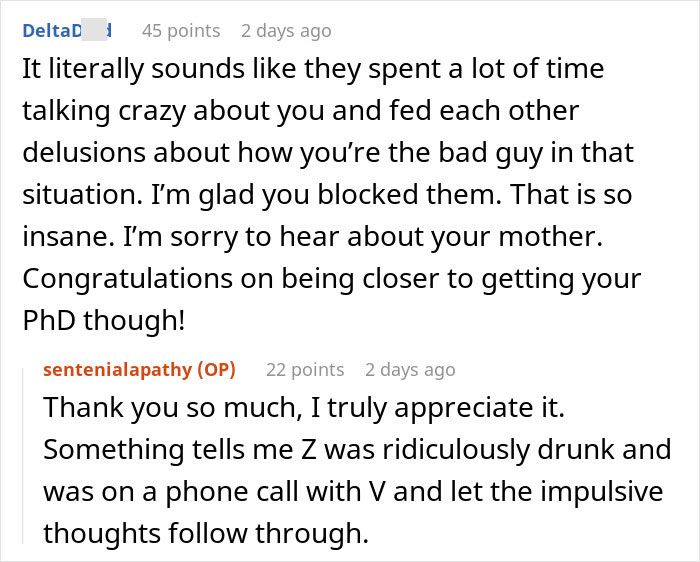
It sounds like the Z person wants the V person all to herself. So when V (do I even have these letter people straight?) would get upset about something the OP did, Z would talk it up into utter disrespect and avoidance on OP's part. To be honest, if I was confronted by two persons with that kind of sixth grade mentality, I would have laughed in their faces and washed my hands of them.
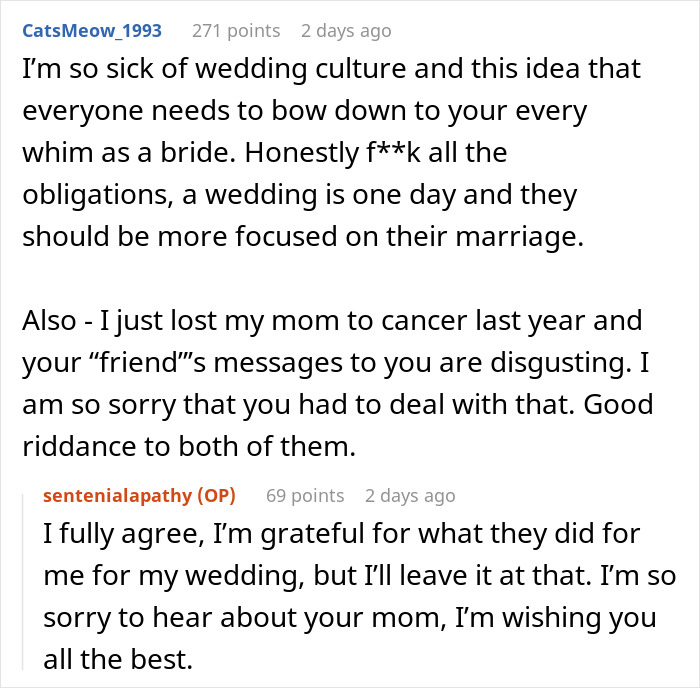
Weddings are continuations. You are getting married like millions of others. Congratulations, but understand you are not being installed as the new royal monarch of a mid-level European power. If you think that, there are some peasants with pitchforks who'd like a word.

THIS!!! Most weddings I've been to were obligatory bores. Few care about your wedding but you.
Load More Replies... I can't even figure out what the bride was b******t about to begin with! Complete non issue!
It sounds like the Z person wants the V person all to herself. So when V (do I even have these letter people straight?) would get upset about something the OP did, Z would talk it up into utter disrespect and avoidance on OP's part. To be honest, if I was confronted by two persons with that kind of sixth grade mentality, I would have laughed in their faces and washed my hands of them.
Weddings are continuations. You are getting married like millions of others. Congratulations, but understand you are not being installed as the new royal monarch of a mid-level European power. If you think that, there are some peasants with pitchforks who'd like a word.
THIS!!! Most weddings I've been to were obligatory bores. Few care about your wedding but you.
Load More Replies...

















 No fees, cancel anytime















33
12