Get Premium
Dark mode theme is available exclusively for premium users. Learn more about the benefits of subscribing.
No fees, cancel anytime.

 Dark Mode Ad-Free Browsing Unlimited Content
 Ad-Free Browsing Unlimited Content Dark Mode
Join 1.2 million Panda readers who get the best art, memes, and fun stories every week!

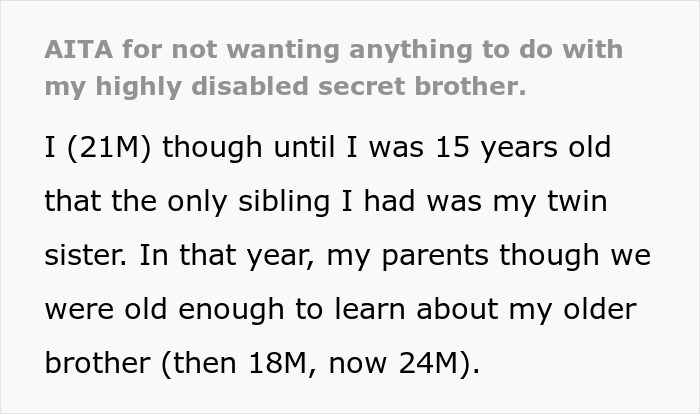
Ever thought you had your life figured out, only to find out there’s a hidden plot twist in your own family? Like turning 15 and realizing that the “family” you knew was actually missing a sibling you never even knew existed.
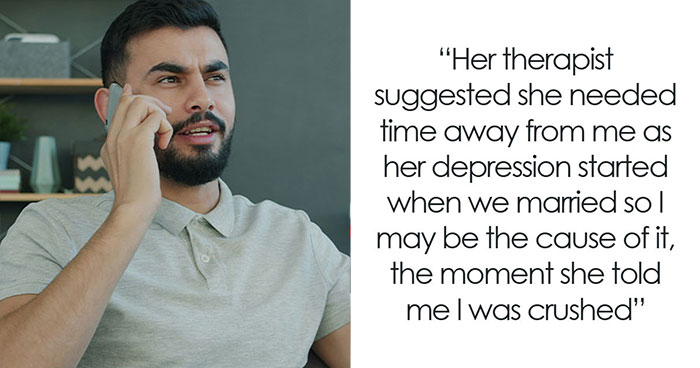
Today’s Original Poster (OP) didn’t just find out that he had an older brother he never knew, he also found out he had a neurocognitive disorder and was expected to take care of him in case something happened to their parents. However, when he refused, his twin sister’s accusations left him wondering if he was being unfair.
More info: Reddit
Image credits: Freepik / Freepik (not the actual photo)
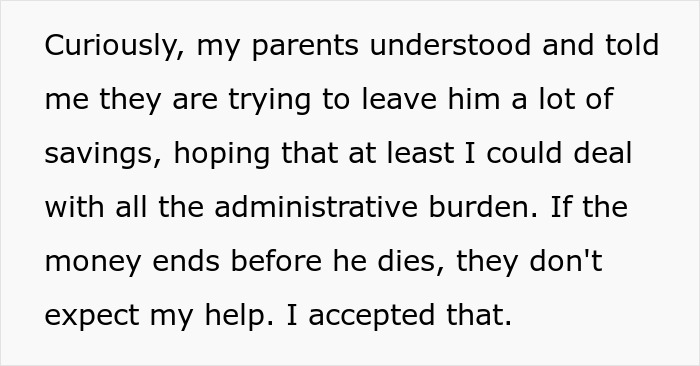
Image credits: TA5045
Image credits: Freepik / Freepik (not the actual photo)
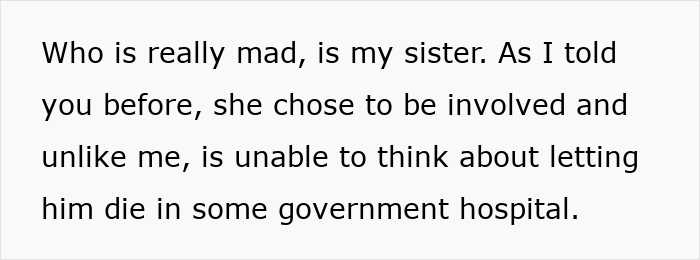
Image credits: TA5045
Image credits: stockking / Freepik (not the actual photo)
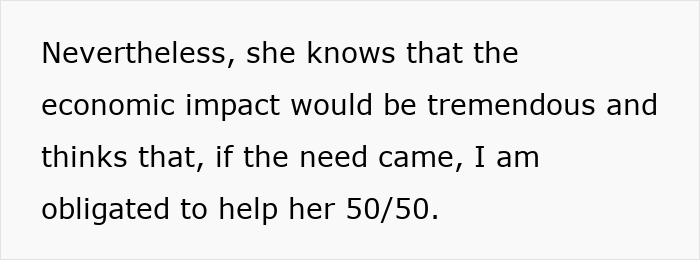
Image credits: TA5045
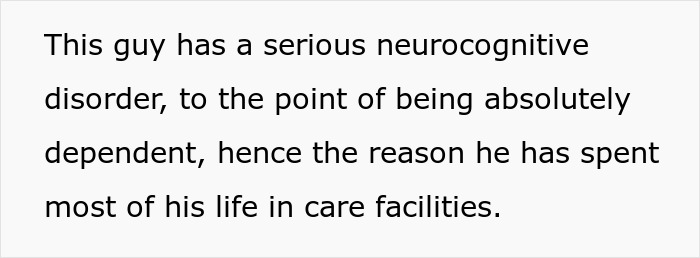
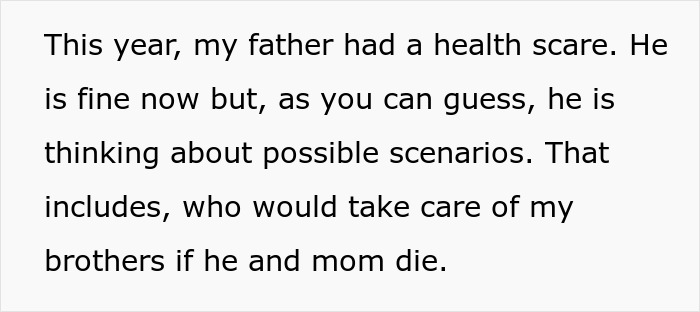
Until he was 15, the OP thought his only sibling was his twin sister, so when his parents revealed an older brother who had spent most of his life in specialized care due to a severe neurocognitive disorder, he was shocked.
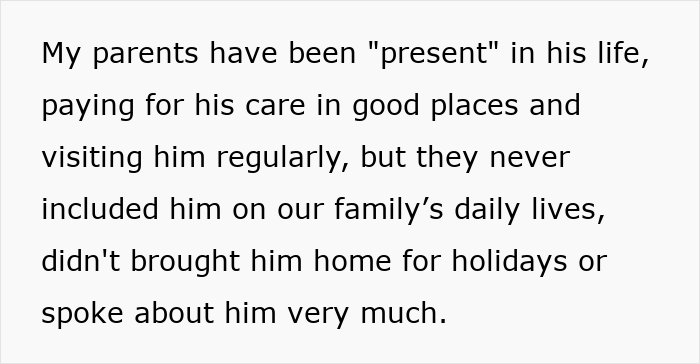
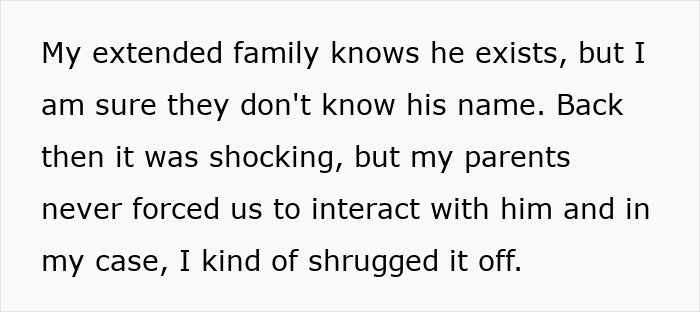
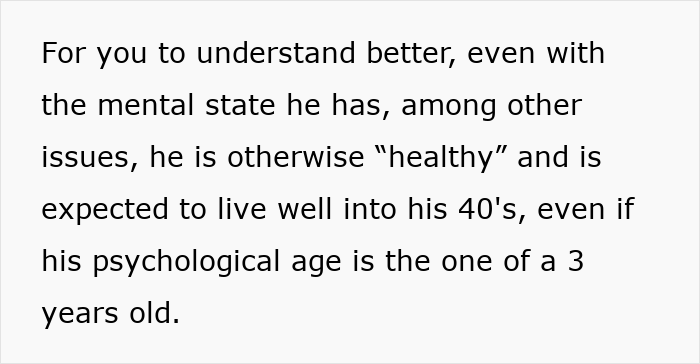
The brother’s condition made him entirely dependent on others, so his parents had been diligent, covering expensive care and visiting regularly, but he had rarely been part of the family’s everyday life, to the point that even extended relatives knew nothing about him.
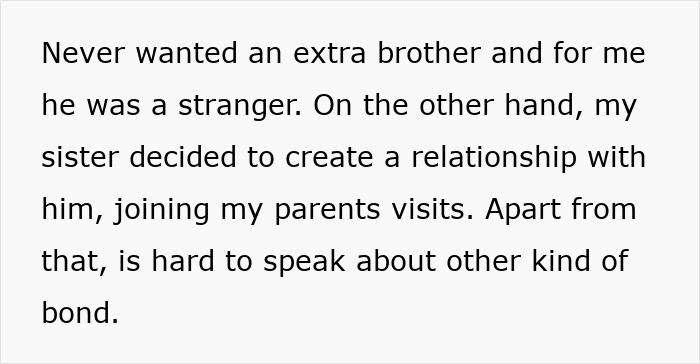
While the OP shrugged off the revelation, his twin sister actively joined parental visits and tried to create a bond with their older brother. Unfortunately, their father had a health scare that triggered serious conversations about the future. His parents wanted to ensure their older son’s care if they passed away.
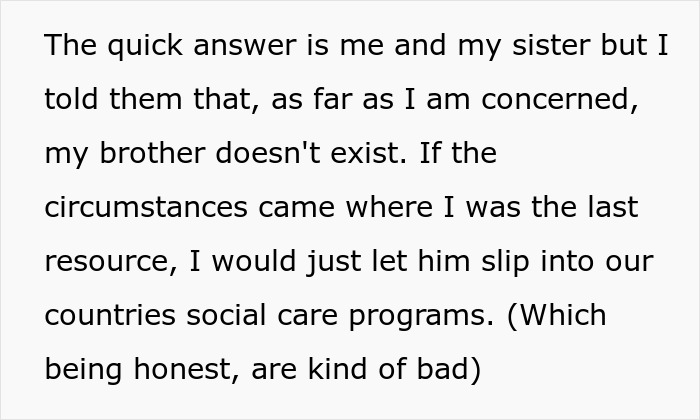
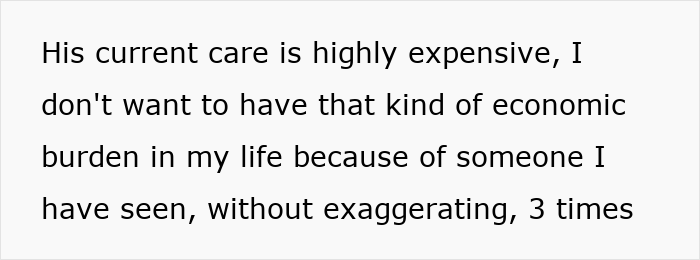
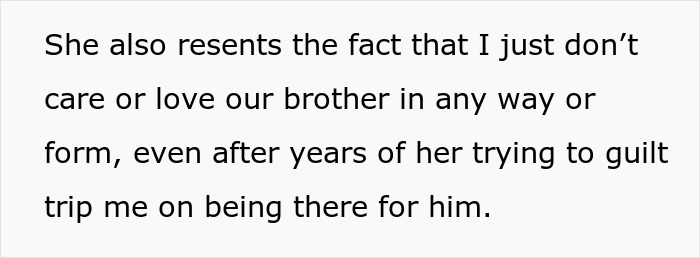
The OP, who saw the brother as a stranger and had only even seen him three times, was unwilling to shoulder the responsibilities or financial burden of his care but was willing to handle administrative tasks. Meanwhile, his sister felt the responsibility should be shared equally. When he didn’t budge, the sister accused him of not loving and caring for their brother.
Image credits: cookie_studio / Freepik (not the actual photo)
The beginning of it all was a family secret. Family secrets can significantly affect both individuals and the family as a whole, and Psych Central acknowledges this. They state that when important information is deliberately hidden within the family, the revelation can be shocking and destabilizing and often leads to suspicion, resentment, and a breakdown of trust among family members.
The OP finding himself in this moral dilemma after the revelation is normal. Philosophy Now affirms that deciding whether to care for a disabled sibling involves complex ethical considerations influenced by personal, family, and cultural factors. While it is morally commendable for siblings to share caregiving responsibilities, it is not strictly required.
Instead, setting boundaries is also recommended. Mobilise emphasizes that setting boundaries while deciding to care for a disabled sibling is essential for protecting your mental and emotional well-being, and that involves clearly defining what you can and cannot do and communicating openly with your family.
They also note that it’s important to recognize your limits and be honest about them, while also showing empathy for your sibling’s needs. Saying no or limiting involvement doesn’t mean neglect; rather, it ensures that caregiving is sustainable and that your own health is prioritized alongside your sibling’s care.
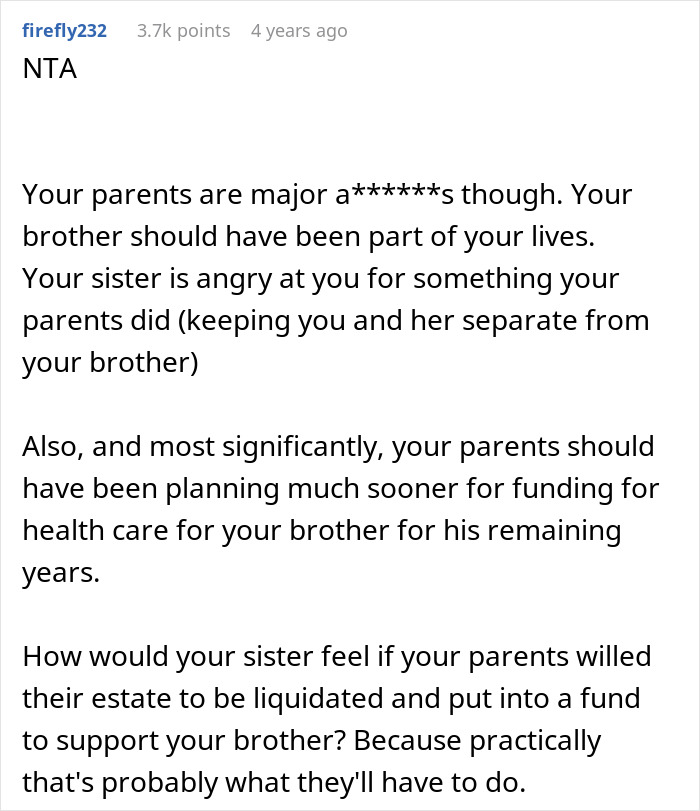
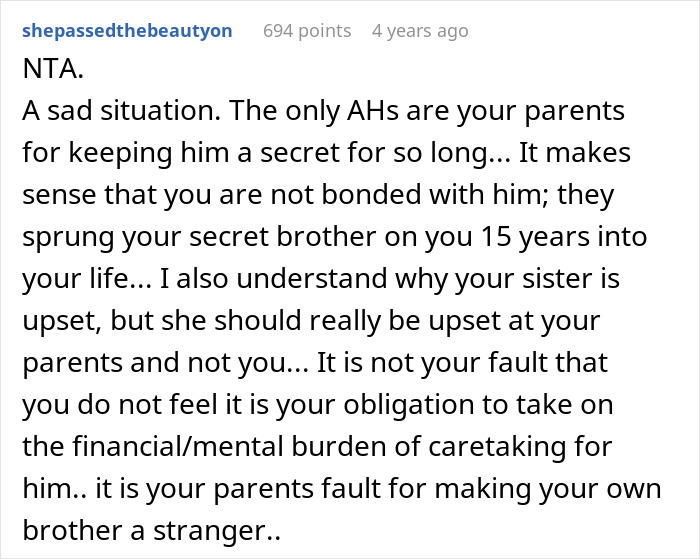
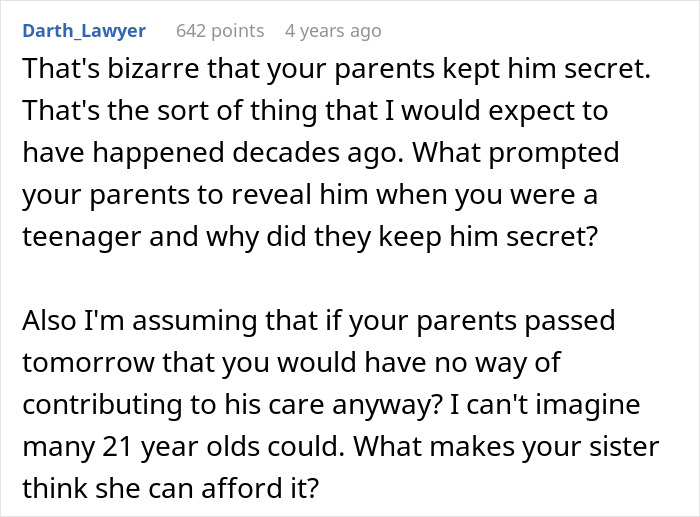
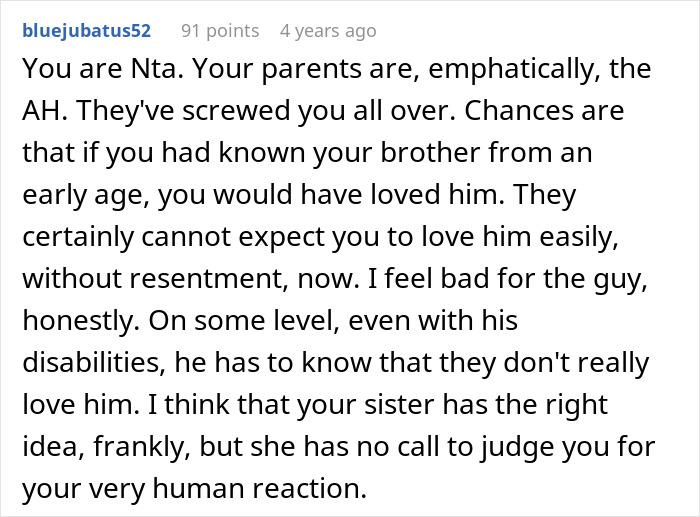
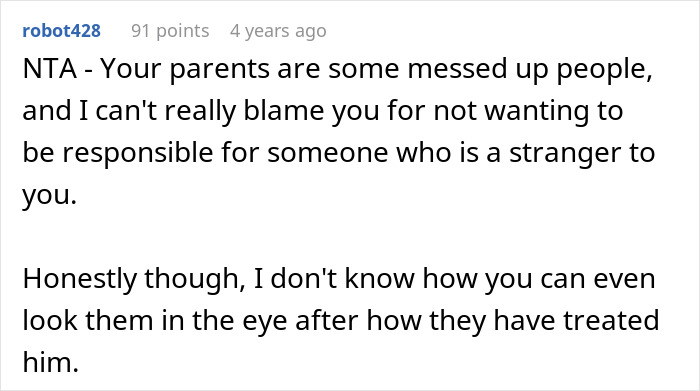
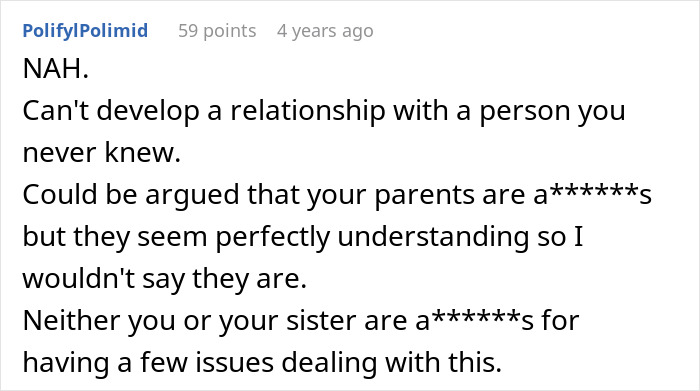
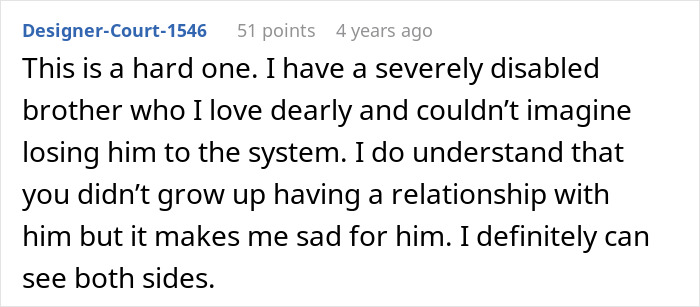
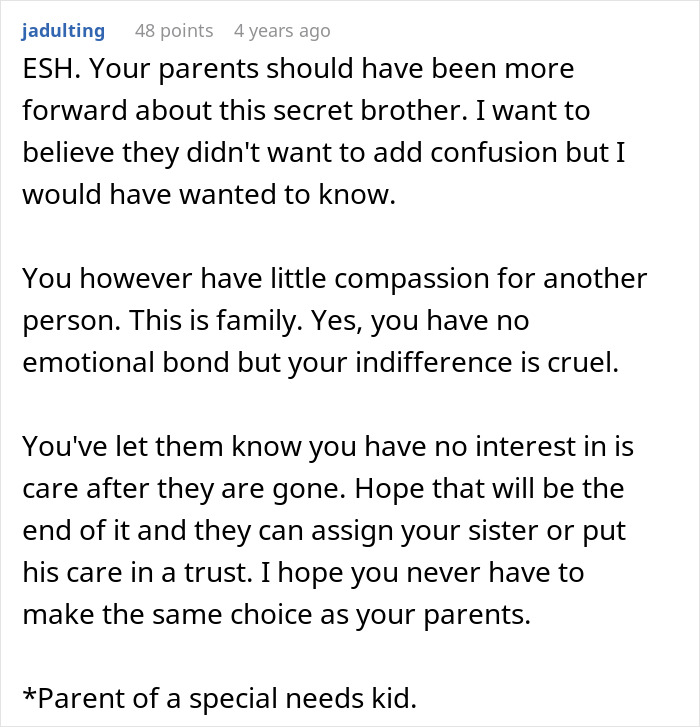
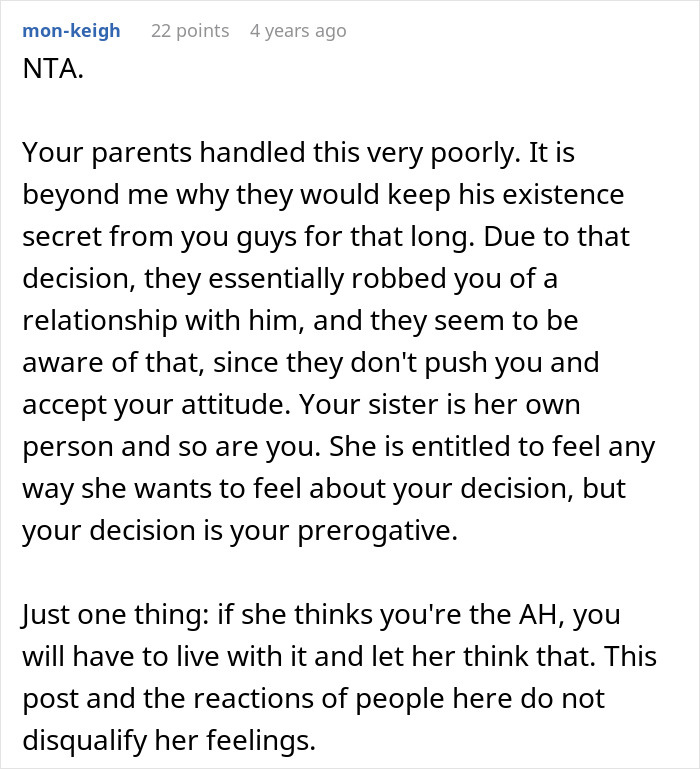
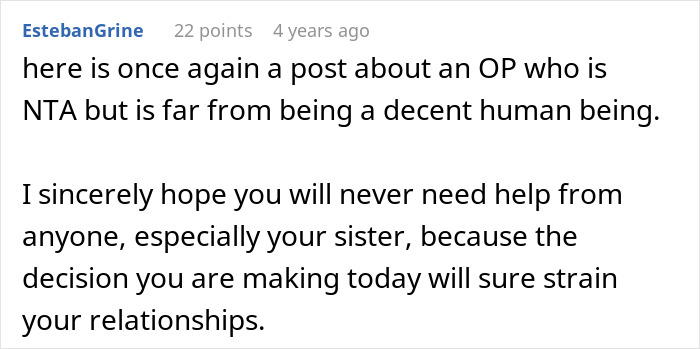
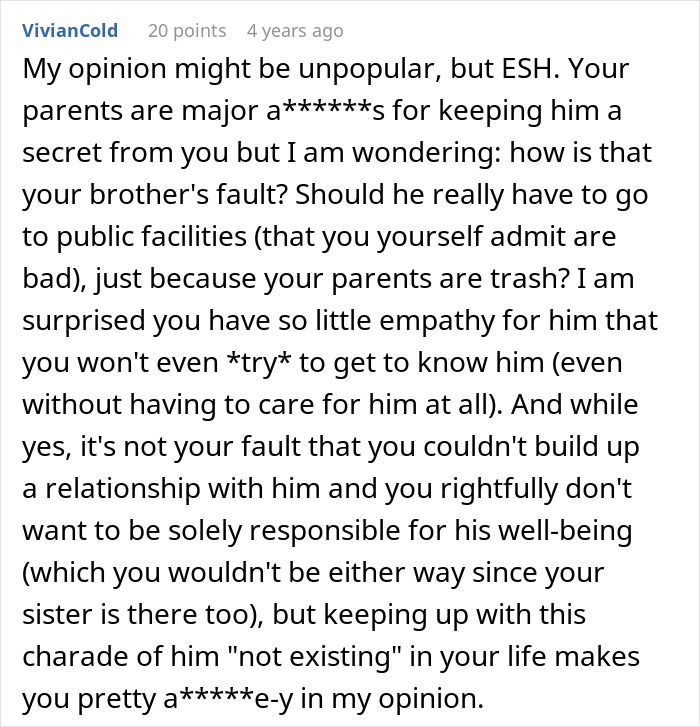
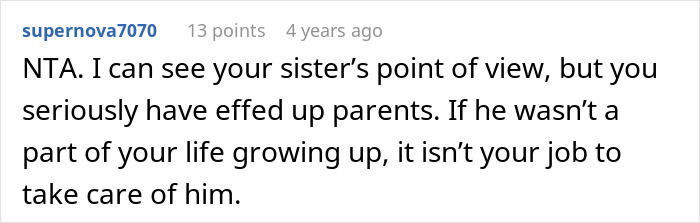
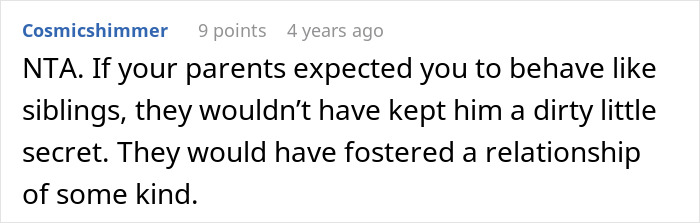
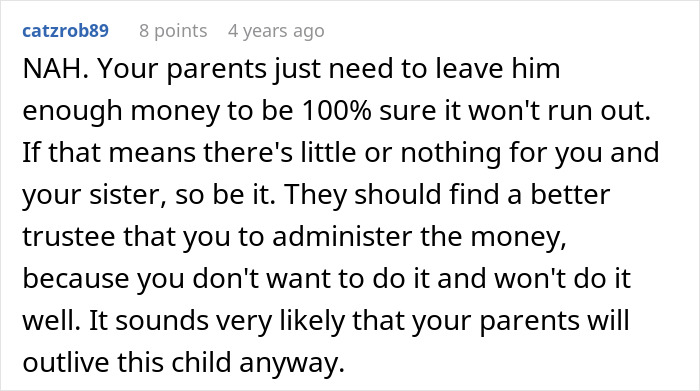
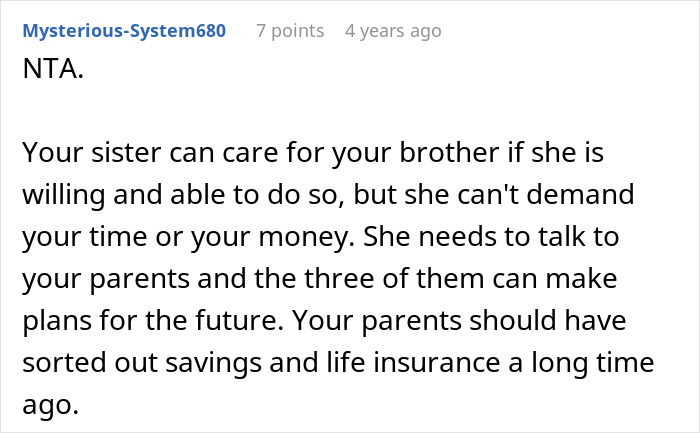
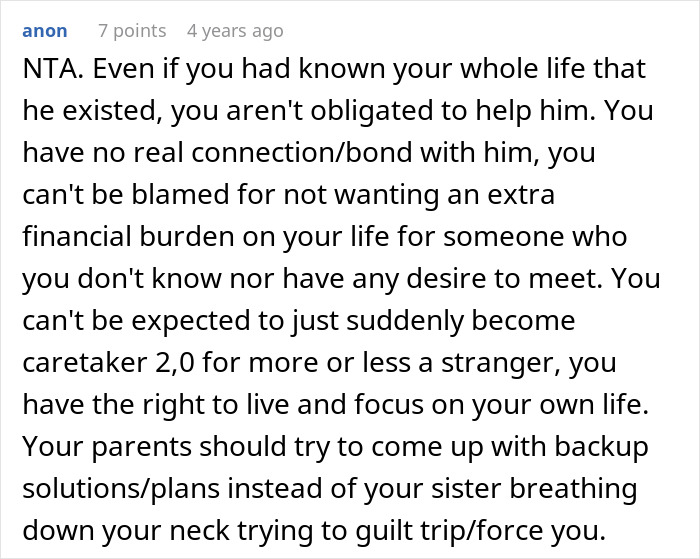
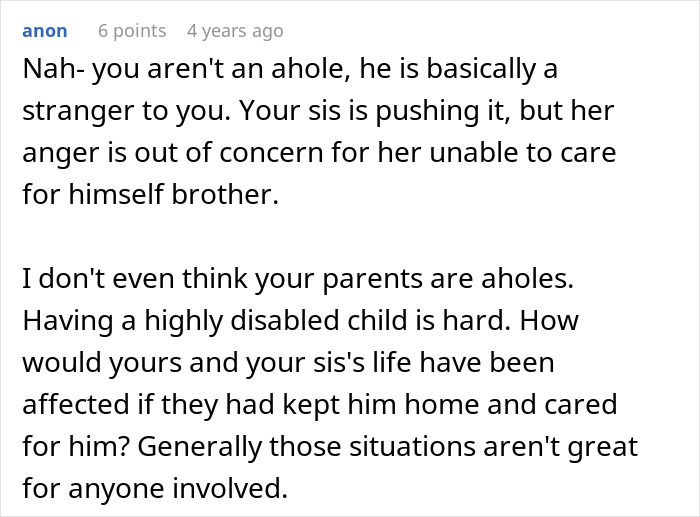
Netizens sympathized strongly with the OP, arguing that he was not at fault for feeling detached from a brother he barely knew. In fact, they placed the responsibility squarely on his parents, criticizing them for keeping the sibling a secret for so long and essentially denying him a chance at a natural family bond.
Do you agree with this? Should the OP’s parents be blamed more for the strained relationship? We would love to know your thoughts!

By entering your email and clicking Subscribe, you're agreeing to let us send you customized marketing messages about us and our advertising partners. You are also agreeing to our Privacy Policy.
Thank you! You've successfully subscribed to newsletters!


The parents should make the proper investments and arrangements to have the brother’s care paid for until his death. After he passes, if there’s anything left after the facility is paid, it should be divided between the surviving siblings. This is all on the parents, not the children who never knew about this brother until they were in their mid to late teens.
This is why we need governments to invest in social care a disability shouldn't limit anyone's life more than the disability already does it is more cost effect and healthier to have support than to insist people martyr themselves over caring for someone it only breeds struggle and resentment.
Load More Replies...
OP's brother is basically a stranger to him. I can see why he doesn't feel like it's up to him to care for bro. Sis is free to do as she wishes but shouldn't demand that OP help.

I think the issue here is that the parents didn't let the children bond when they were younger - had they done so, he may have felt differently. @Kate Johnson - I don't think it's narcissistic at all, he just doesn't feel that way about a relative stranger. I imagine he'd expect to be helped by his parents and sister, but if something happened to him after his parents died and left all the money to his brother, maybe he wouldn't expect anything from him.
Load More Replies... It's just a different take, just because they are twins doesn't mean they will see things the same way. Both are valid, so they should stick to their values

The word narcissist is overused and you're contributing to it losing its meaning @kate Johnson. There are loads of people in need of help. Every homeless person in the street needs help, does not giving it make someone uncaring? What is this difference between them than an uncle you've never met needing help paying for care. helping strangers, strangers that share DNA, close family is a good deed. But not doing a good deed doesn't make you bad. If someone is conflating not doing good as something bad then they're going to have real boundary issues and will need to help everyone that's in their wider circle.
Load More Replies... The parents should make the proper investments and arrangements to have the brother’s care paid for until his death. After he passes, if there’s anything left after the facility is paid, it should be divided between the surviving siblings. This is all on the parents, not the children who never knew about this brother until they were in their mid to late teens.
This is why we need governments to invest in social care a disability shouldn't limit anyone's life more than the disability already does it is more cost effect and healthier to have support than to insist people martyr themselves over caring for someone it only breeds struggle and resentment.
Load More Replies... OP's brother is basically a stranger to him. I can see why he doesn't feel like it's up to him to care for bro. Sis is free to do as she wishes but shouldn't demand that OP help.
I think the issue here is that the parents didn't let the children bond when they were younger - had they done so, he may have felt differently. @Kate Johnson - I don't think it's narcissistic at all, he just doesn't feel that way about a relative stranger. I imagine he'd expect to be helped by his parents and sister, but if something happened to him after his parents died and left all the money to his brother, maybe he wouldn't expect anything from him.
Load More Replies... It's just a different take, just because they are twins doesn't mean they will see things the same way. Both are valid, so they should stick to their values
The word narcissist is overused and you're contributing to it losing its meaning @kate Johnson. There are loads of people in need of help. Every homeless person in the street needs help, does not giving it make someone uncaring? What is this difference between them than an uncle you've never met needing help paying for care. helping strangers, strangers that share DNA, close family is a good deed. But not doing a good deed doesn't make you bad. If someone is conflating not doing good as something bad then they're going to have real boundary issues and will need to help everyone that's in their wider circle.
Load More Replies...









 No fees, cancel anytime














34
54