Get Premium
Dark mode theme is available exclusively for premium users. Learn more about the benefits of subscribing.
No fees, cancel anytime.

 Dark Mode Ad-Free Browsing Unlimited Content
 Ad-Free Browsing Unlimited Content Dark Mode
Join 1.2 million Panda readers who get the best art, memes, and fun stories every week!

Cooking for kids can be equal parts heartwarming and exhausting. One minute, they’re excited about breakfast, the next, they’re turning up their noses because something isn’t exactly how they imagined it. Kids can be wonderfully honest but also incredibly picky, and sometimes a little dramatic about what ends up on their plate.
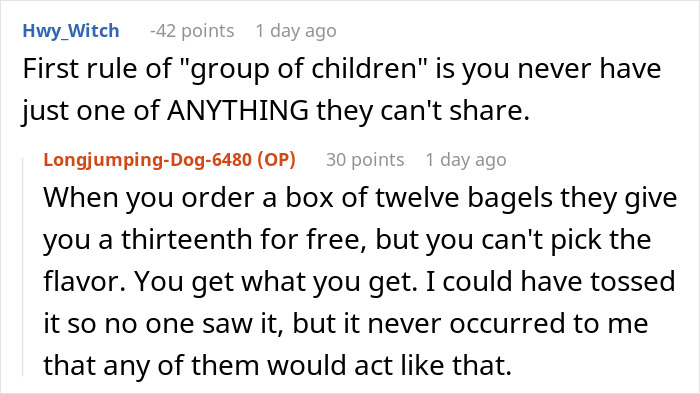
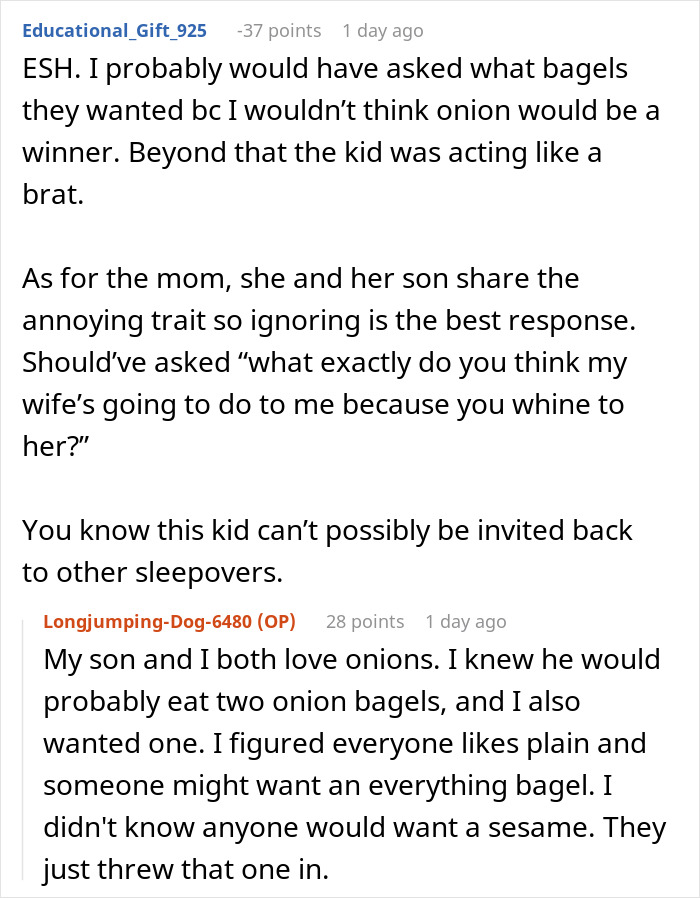
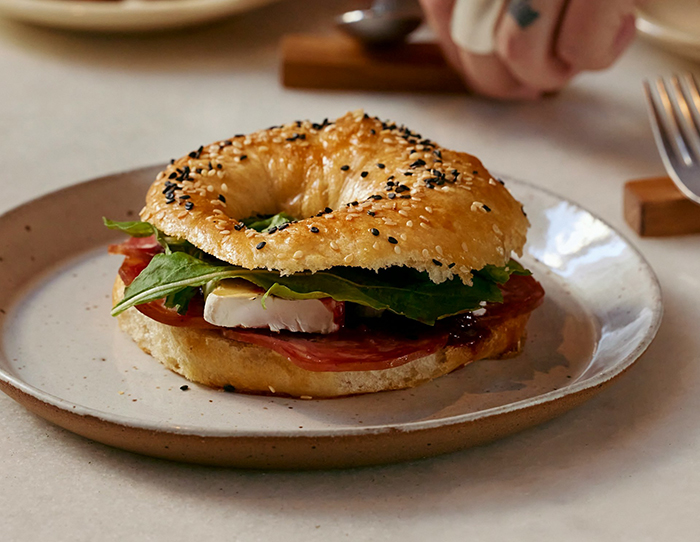
That’s exactly what happened when a dad decided to keep things simple after his son hosted three friends for a sleepover. Instead of cooking for six hungry mouths, he ordered a catering box filled with a variety of bagels and spreads. It seemed like the perfect solution until one child refused to eat anything but the single sesame bagel in the box. What followed was an unexpected standoff, and the reaction from the boy’s mother only added fuel to the fire. Keep scrolling to see how it all unfolded.
Image credits: freepik (not the actual photo)
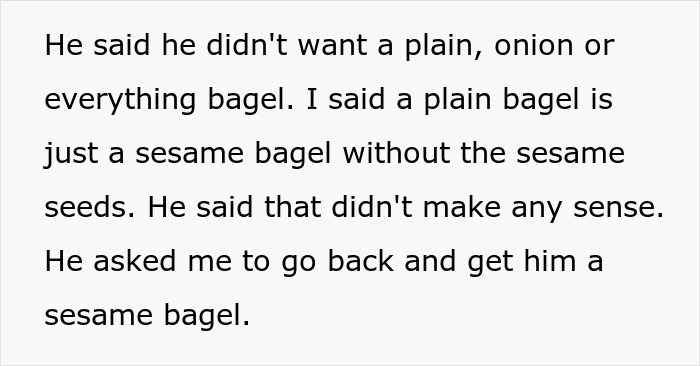
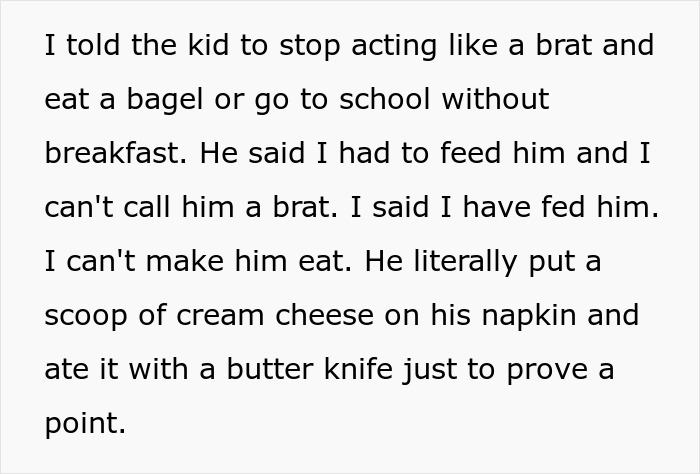
Image credits: Natalia Blauth / unsplash (not the actual photo)
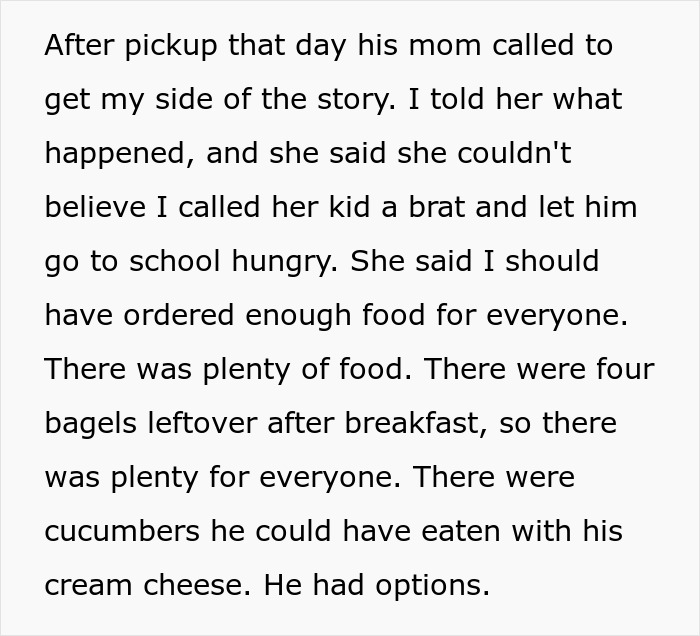
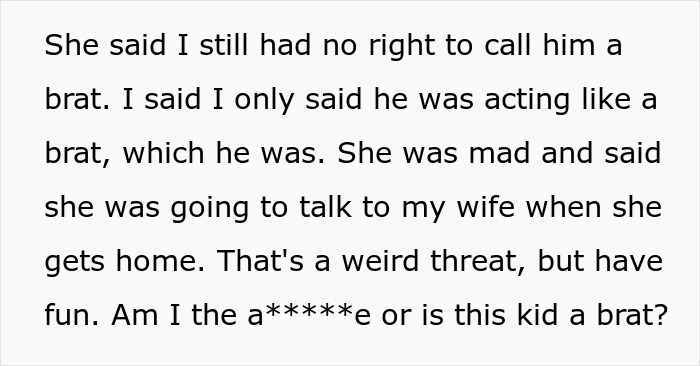
Image credits: Longjumping-Dog-6480
If you’ve ever spent time around kids at mealtime, you already know how dramatic things can get. One day they love pasta, the next day it’s suddenly “disgusting.” A sandwich cut the wrong way can feel like a personal betrayal. And don’t even get started on vegetables. Parents everywhere have watched helplessly as spinach gets rejected or broccoli mysteriously ends up on the floor. Mealtimes can quickly turn into negotiations. And sometimes, it feels like you’re running a tiny restaurant with very demanding customers.
The tricky part is that picky eating doesn’t even have one clear definition. Experts don’t all agree on how to measure it. But in simple terms, fussy or selective eating usually means a child refuses certain familiar foods or is hesitant to try new ones. Their menu becomes very limited. Some picky eaters rotate the same 10 to 20 foods over and over. Anything outside that list feels suspicious. It’s less about being difficult and more about comfort and control. And for parents, that narrow list can feel incredibly limiting.
Here’s the reassuring part: research shows that picky eating is often a completely normal stage of development. Nearly half of children go through a selective eating phase, especially during their toddler years. It tends to peak around age three. At that age, kids are discovering independence. Saying “no” becomes a powerful tool. Food is just one more area where they can exercise control. While it may feel alarming in the moment, for many families, this phase is temporary. It’s part of growing up.
For most children, the fussiness fades with time. Exposure is key. The more kids see and interact with different foods, the more comfortable they become. It’s tempting to serve only what you know they’ll eat just to avoid a meltdown. And honestly, every parent does that sometimes. But early food experiences shape long-term preferences. Offering variety, even if it’s rejected at first, matters. Familiarity builds acceptance. Over time, those tiny tastes add up.
In today’s fast-paced world, it’s also easy to rely on convenient options. Processed snacks and fast food are quick, affordable, and often guaranteed crowd-pleasers. But regularly leaning on foods packed with added sugar, salt, and fats can shape a child’s cravings long term. Kids naturally gravitate toward bold flavors. As parents, being mindful of balance is important. It’s not about banning treats. It’s about making sure those treats don’t become the foundation of their diet. Small daily choices make a big difference over time.
One of the most powerful tools you have is your own plate. Children learn by watching. If they see you enjoying vegetables, trying new dishes, and eating balanced meals, they’re more likely to follow. Sitting down and eating together creates positive associations. It turns food into a shared experience instead of a battleground. Modeling curiosity and openness toward food often works better than pressure. Sometimes, your example speaks louder than your instructions.
Large servings can easily overwhelm a hesitant eater, making the plate look like an impossible mountain to conquer. Instead, offering small, manageable portions feels far less intimidating and encourages them to give it a try. Avoid turning mealtime into a lecture or a battle of wills, because pressure usually backfires. Patience is key, especially with slow eaters who may need a little more time to explore flavors at their own pace. Remember, every child develops their tastes and preferences differently, so what works for one might not work for another. Keeping the atmosphere relaxed, calm, and supportive makes a huge difference, turning mealtimes into positive experiences rather than stressful ones, and even a little fun if you get creative with presentation or small games around food.
Image credits: Getty Images / unsplash (not the actual photo)
As children grow and become more social, something interesting happens. At preschool, daycare, or school, they watch their peers eat. Curiosity kicks in. They see other kids trying foods they once refused. Independence grows. Sometimes, they’ll taste something new simply because a friend is eating it. Social influence can be surprisingly powerful. Exposure beyond the home environment often expands their food horizons naturally.
When it comes to long-term health, the research is mostly reassuring. Most picky eaters grow just fine. Their height and weight usually fall within normal ranges. However, a very limited diet can sometimes mean missing out on key nutrients, especially fiber. That can affect digestion and overall health. It’s less about one skipped vegetable and more about patterns over time. Variety supports balanced nutrition. And balance is what truly matters.
There is a smaller group of children whose picky eating persists into adolescence. In some cases, extreme restriction can lead to being underweight or developing complicated relationships with food later in life. While this is not the norm, it’s something to be aware of. Early support and gentle guidance can help prevent deeper issues. The goal isn’t perfection. It’s progress and awareness.
Ultimately, helping kids build a healthy relationship with food is what counts. Yes, they’ll have phases. Yes, they’ll reject something you lovingly prepared. That’s part of the journey. But with patience, exposure, and positive modeling, most children gradually expand their tastes. Mealtime doesn’t have to be a power struggle. It can be a space for learning, experimenting, and even a little fun along the way.
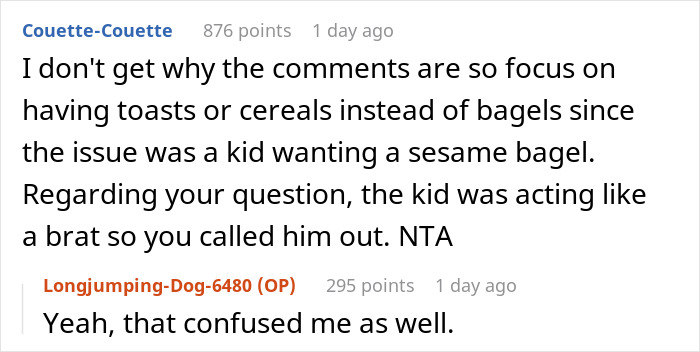
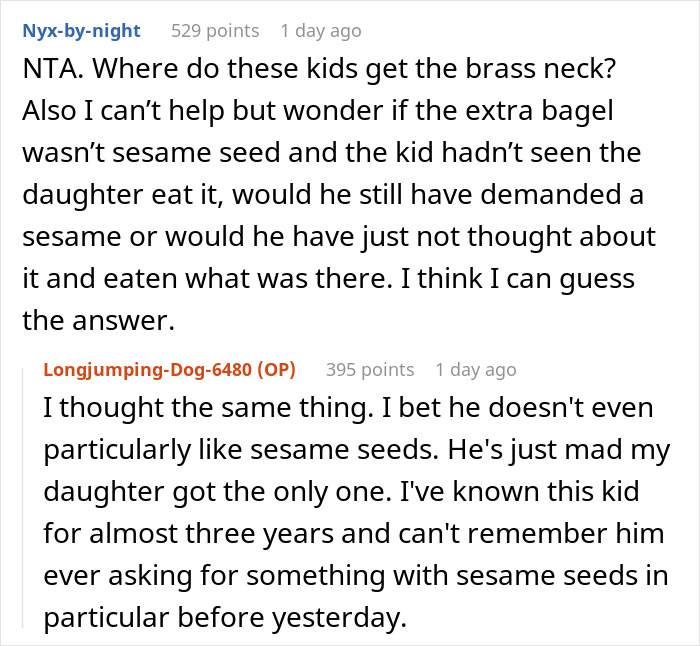
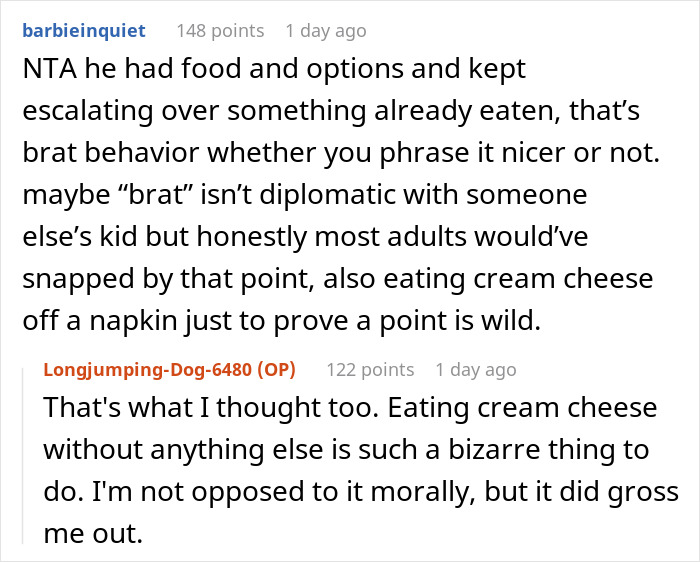
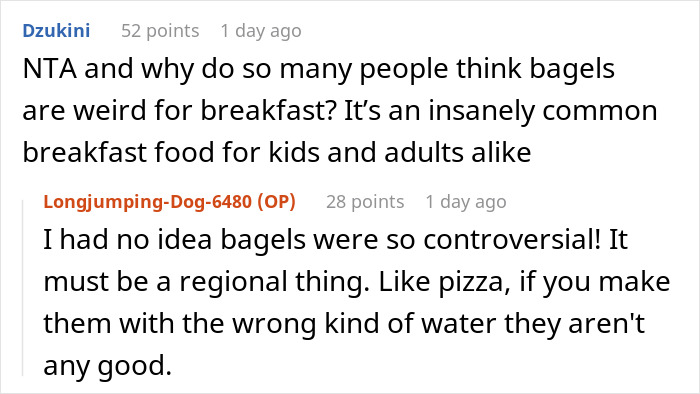
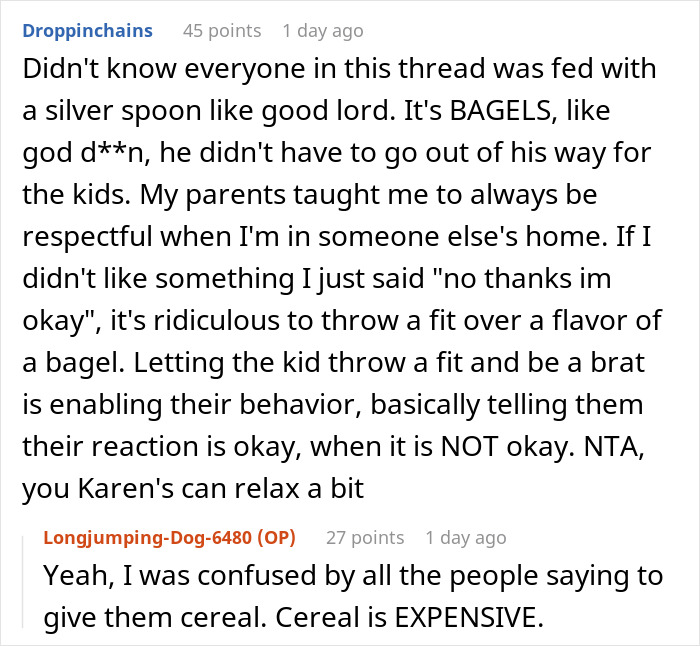
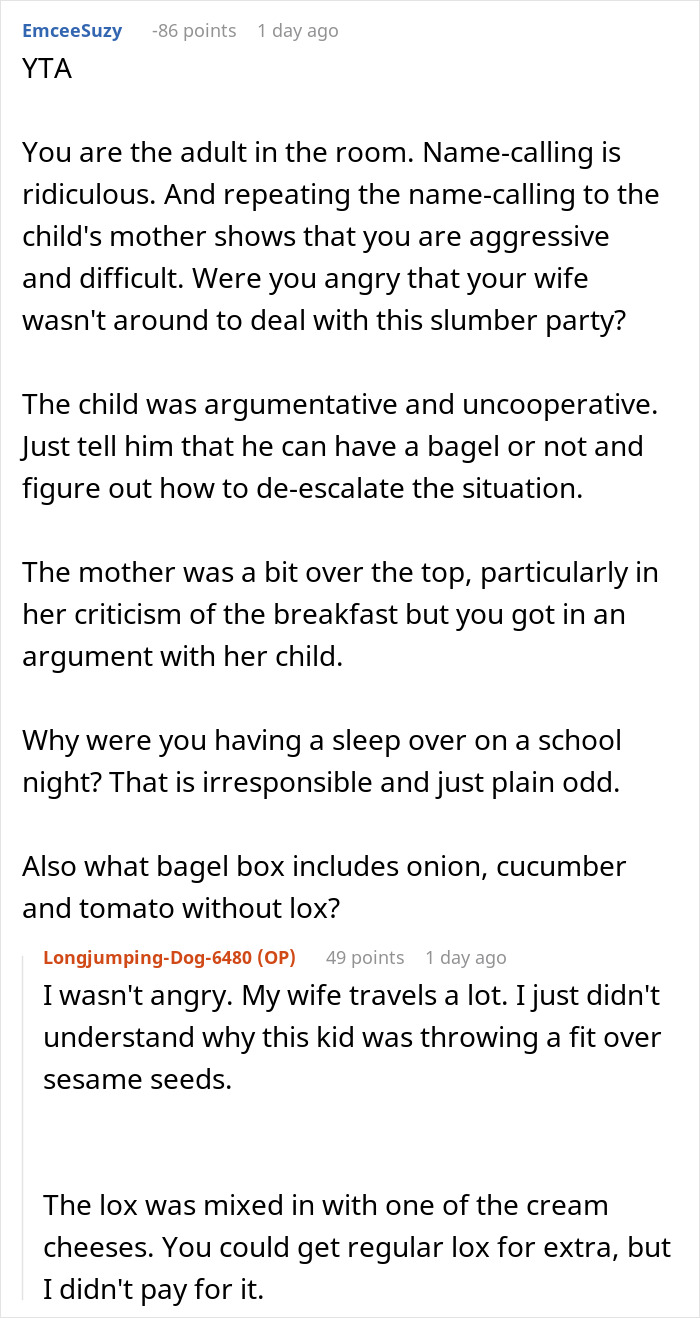
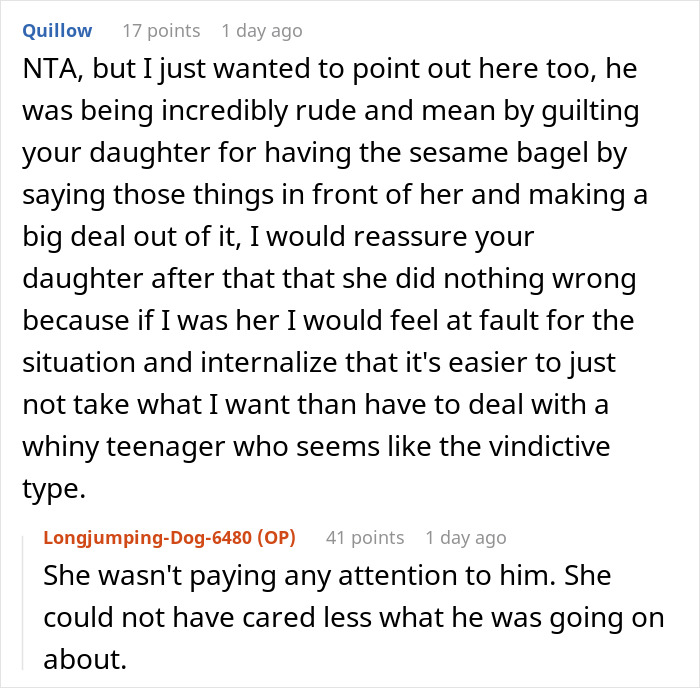
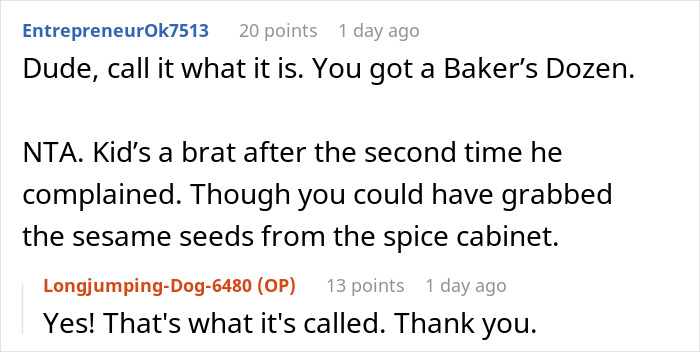
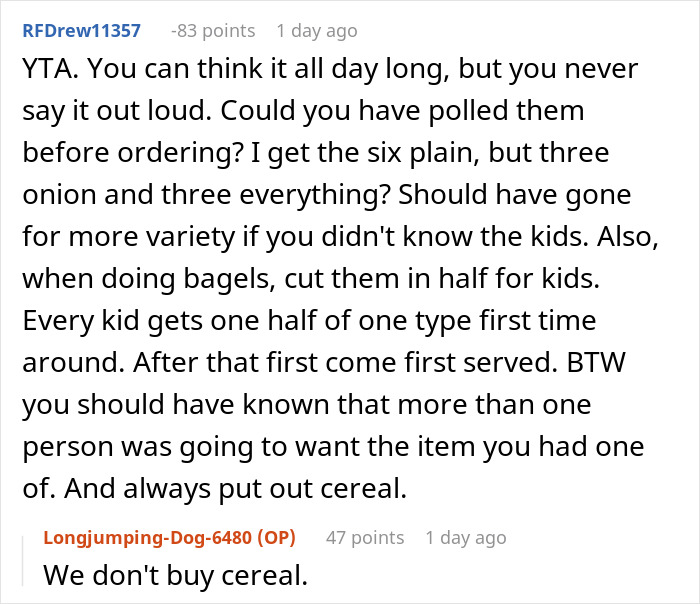
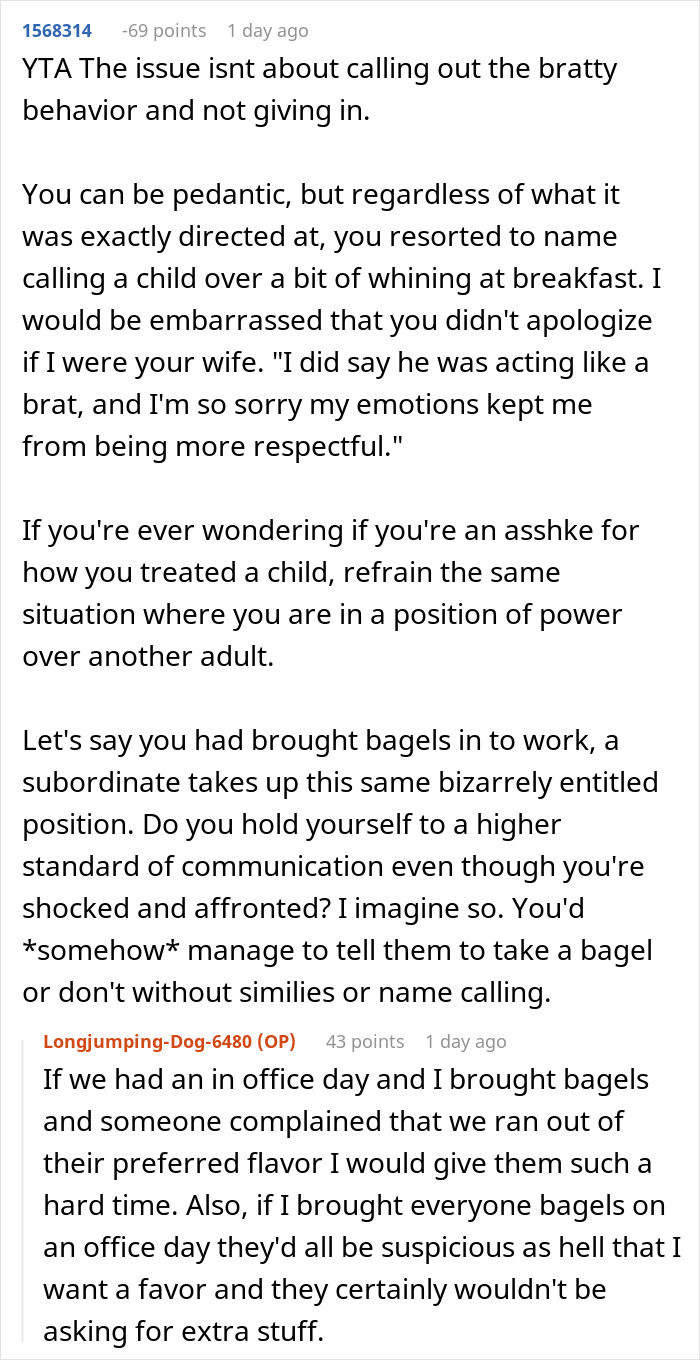
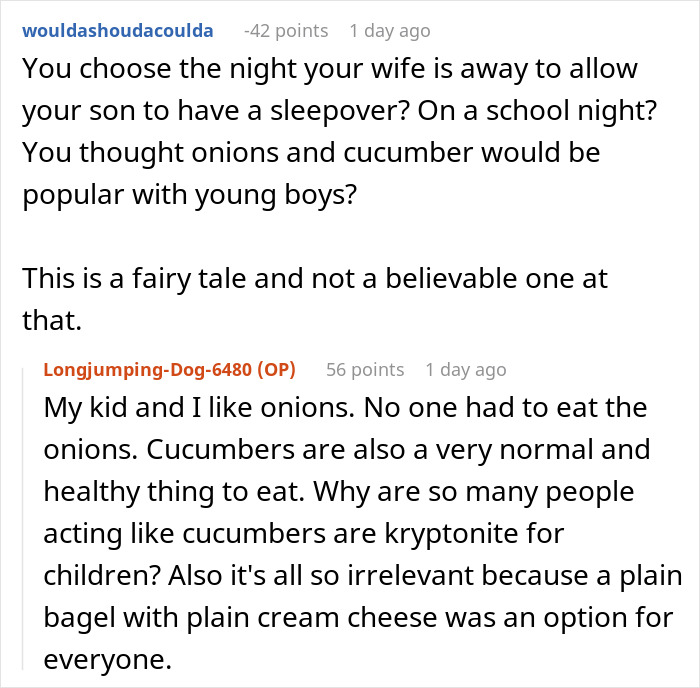
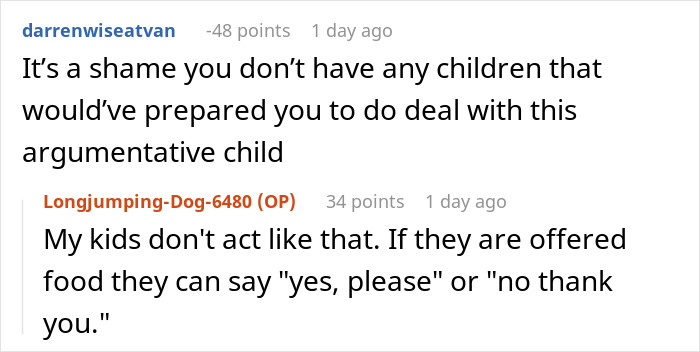
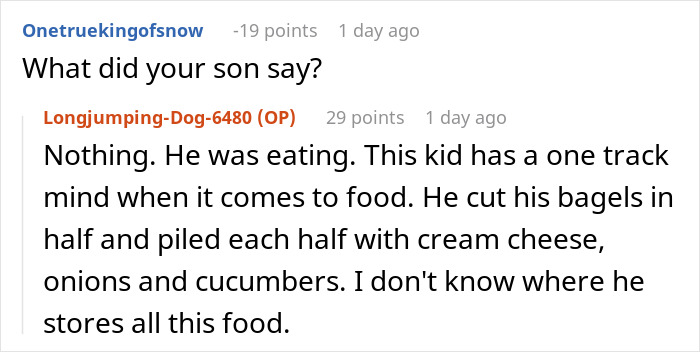
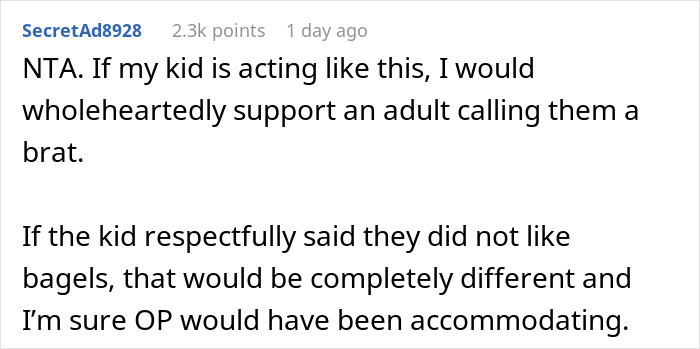
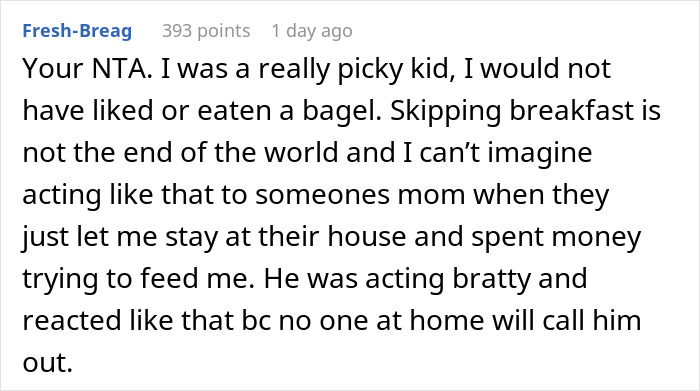
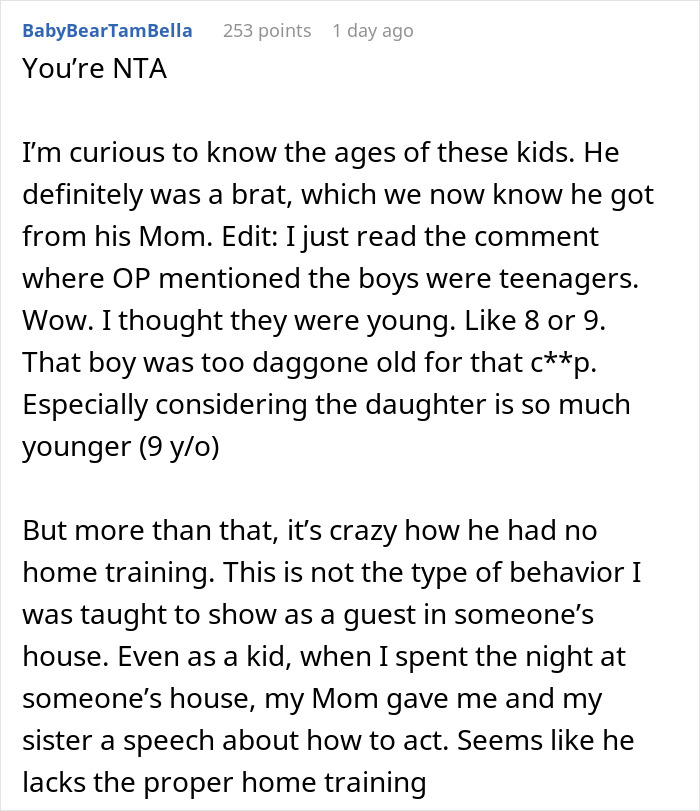
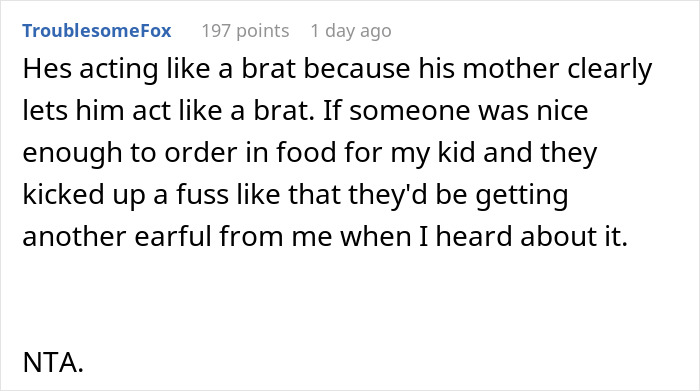
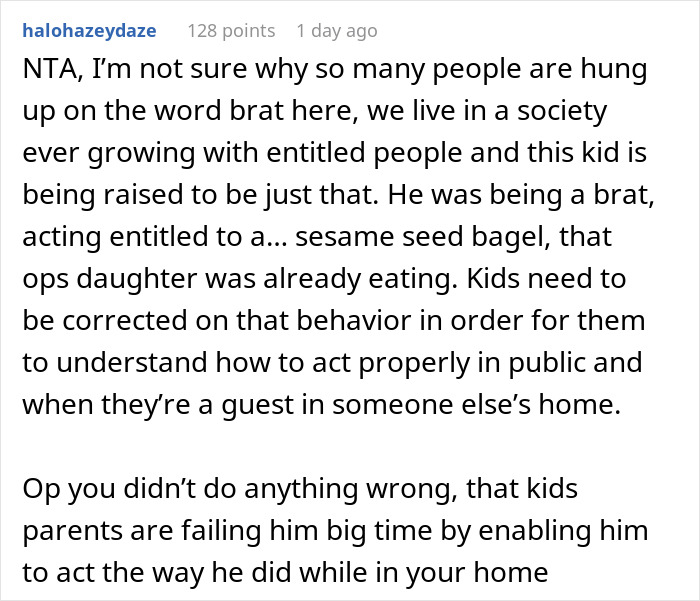
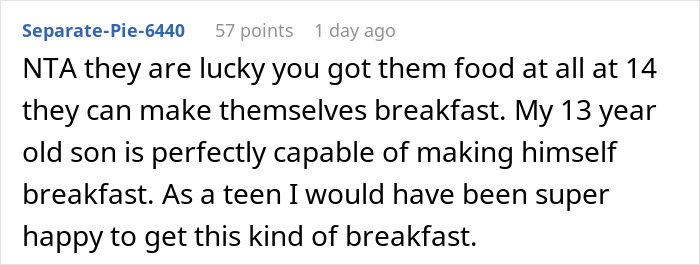
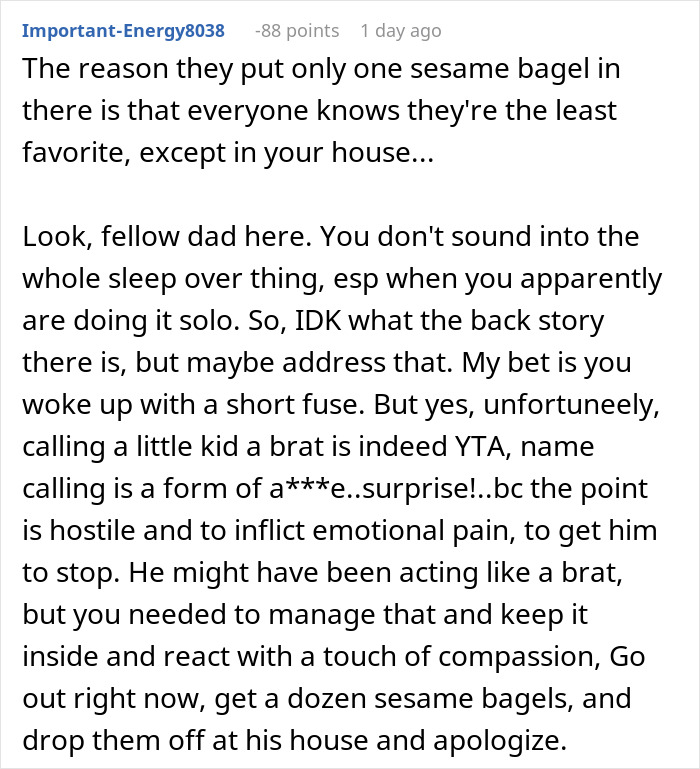
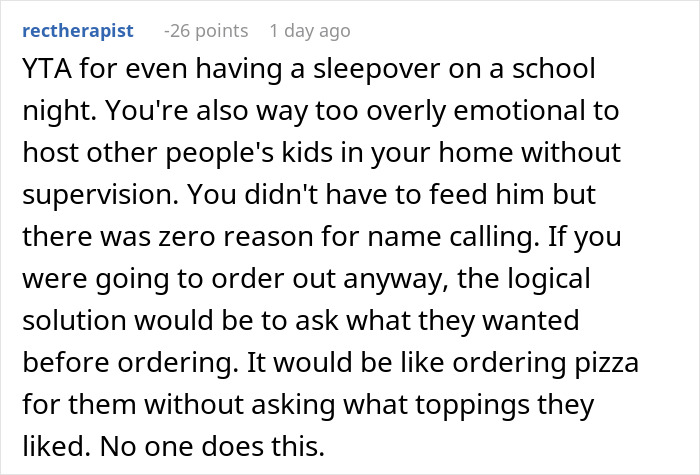
Now, in this particular case, the dad tried to offer the child a bagel along with other alternative options, hoping to keep things simple and fair. But the kid flat-out refused to eat anything else and threw a full-blown tantrum over not getting the sesame bagel he wanted. It’s one of those classic “kids will be kids” moments, but it also raises a tricky question. Do you think the father was right in calling him a brat? Should he have let the child go hungry to teach a lesson, or was it overstepping his place as a parent? What are your thoughts on this situation?
















By entering your email and clicking Subscribe, you're agreeing to let us send you customized marketing messages about us and our advertising partners. You are also agreeing to our Privacy Policy.
Thank you! You've successfully subscribed to newsletters!



Yeah, his house where the kid is obviously in charge instead of the parents.
Load More Replies...

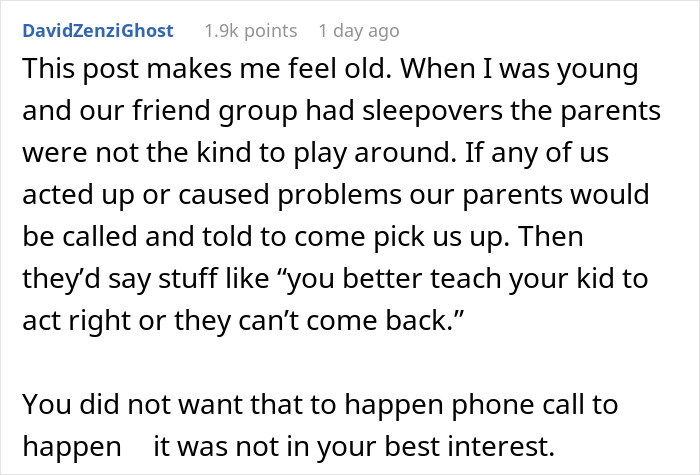
"Parent" is also a verb, and more of them should be doing it. After the second or third time the kid made a big deal about it, I would have called the mom to pick him up. Ridiculous.
Yeah, his house where the kid is obviously in charge instead of the parents.
Load More Replies... "Parent" is also a verb, and more of them should be doing it. After the second or third time the kid made a big deal about it, I would have called the mom to pick him up. Ridiculous.




































 No fees, cancel anytime





40
45