Get Premium
Dark mode theme is available exclusively for premium users. Learn more about the benefits of subscribing.
No fees, cancel anytime.

 Dark Mode Ad-Free Browsing Unlimited Content
 Ad-Free Browsing Unlimited Content Dark Mode
Join 1.2 million Panda readers who get the best art, memes, and fun stories every week!



A good rule in life is to treat people the way you’d like to be treated. Because what you put out into the world has a way of coming back when you least expect it.
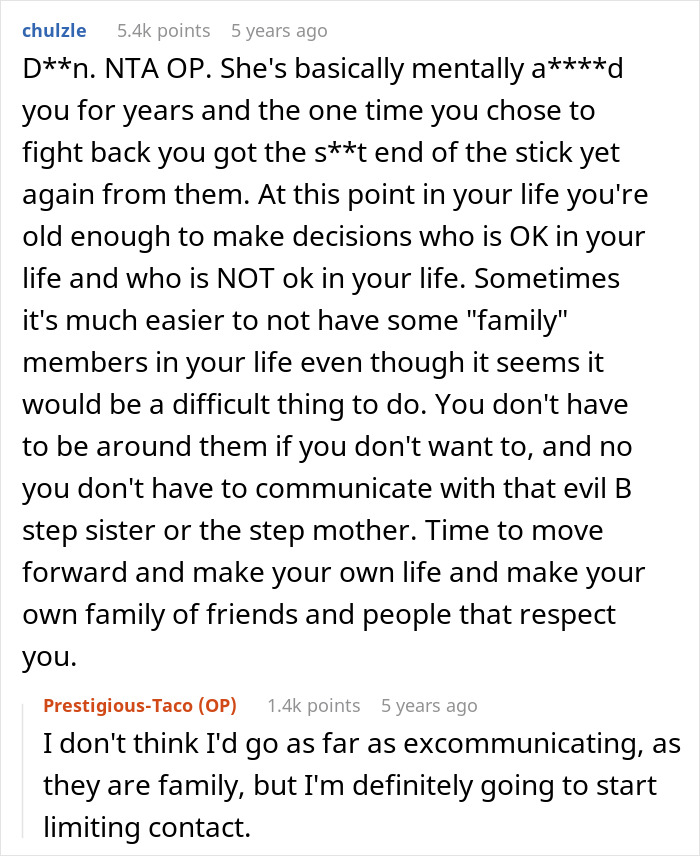
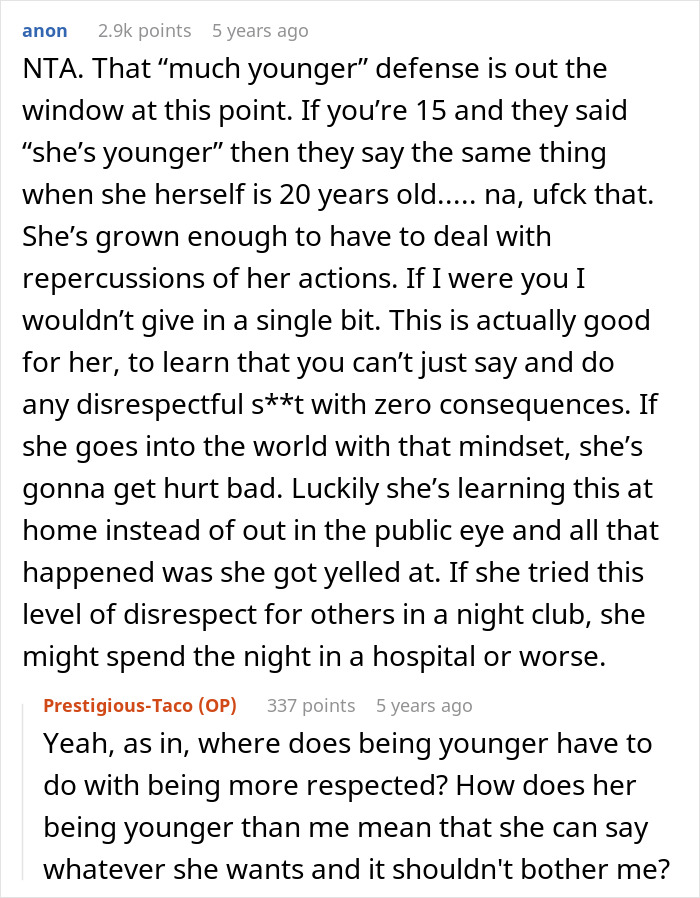
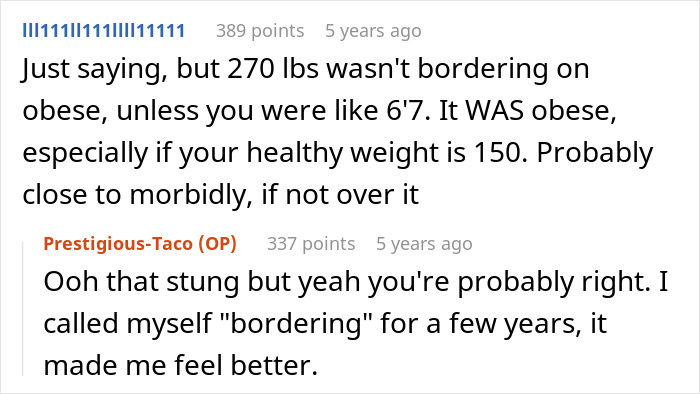
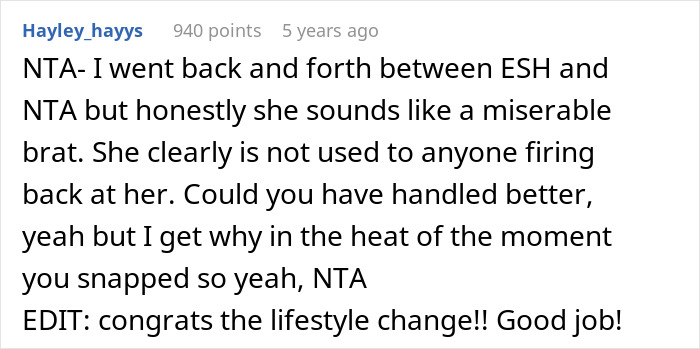
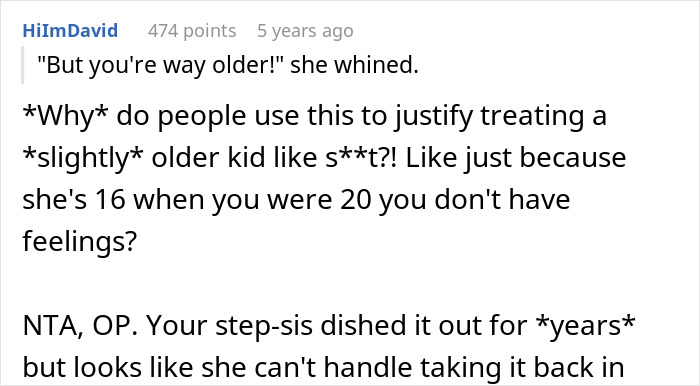
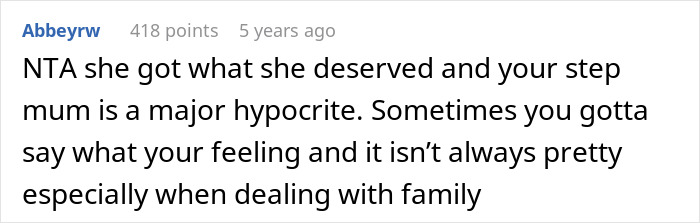
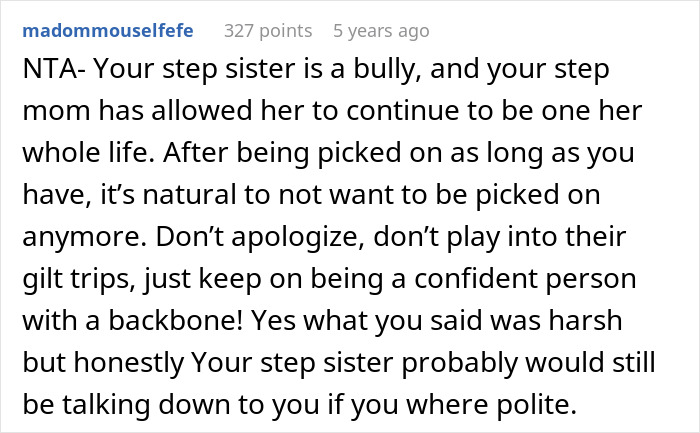
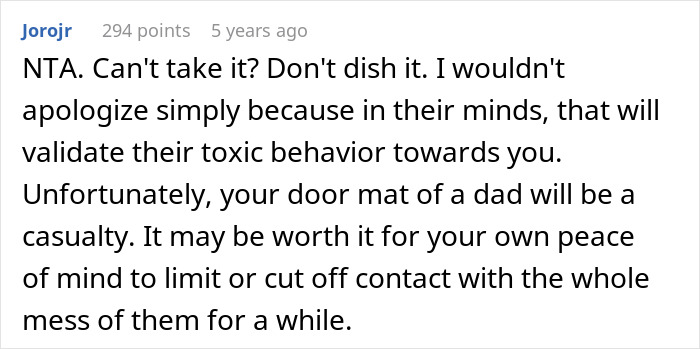
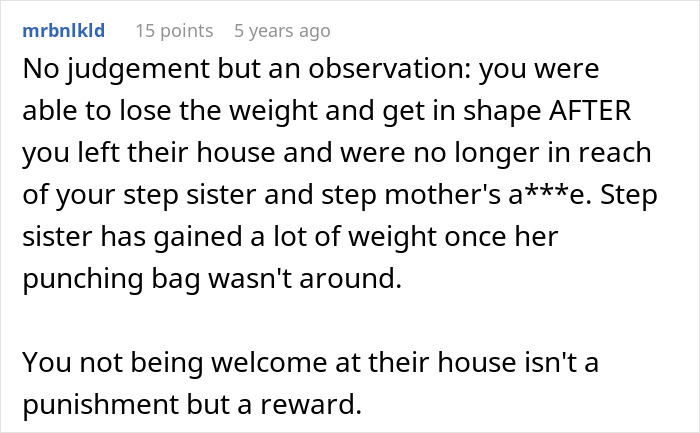
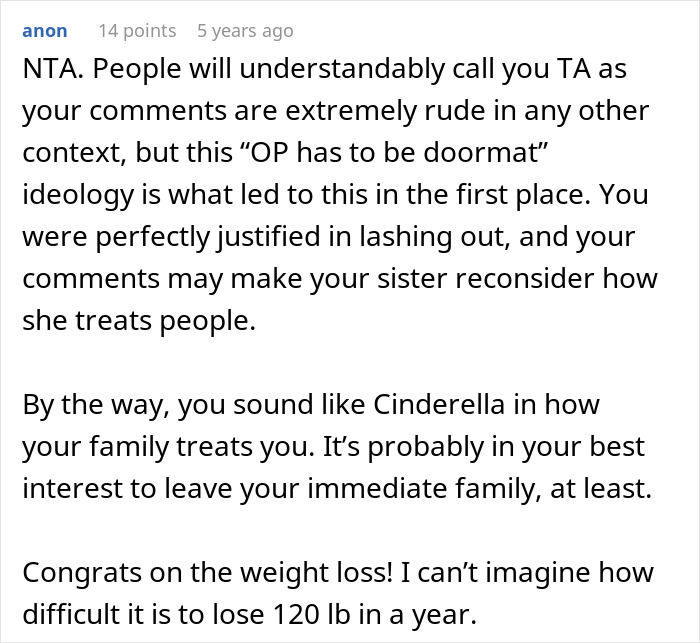
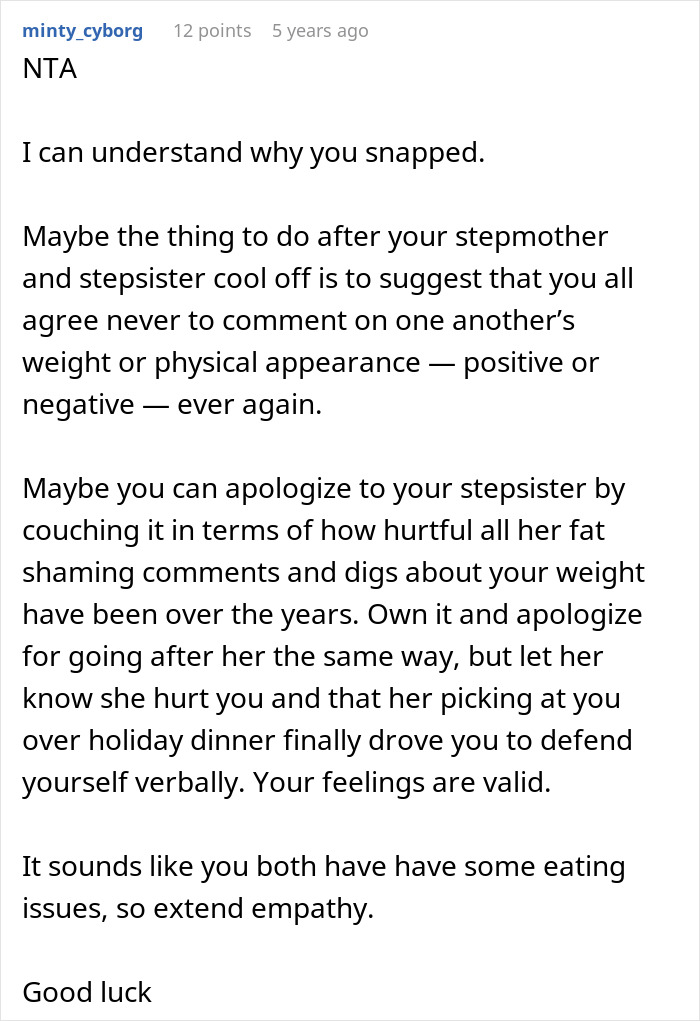
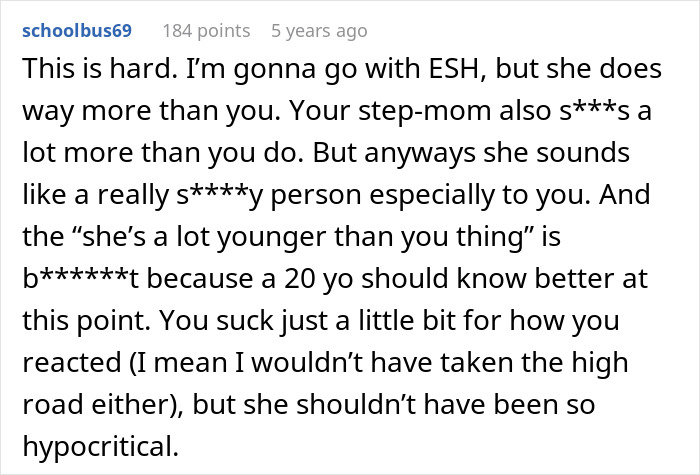
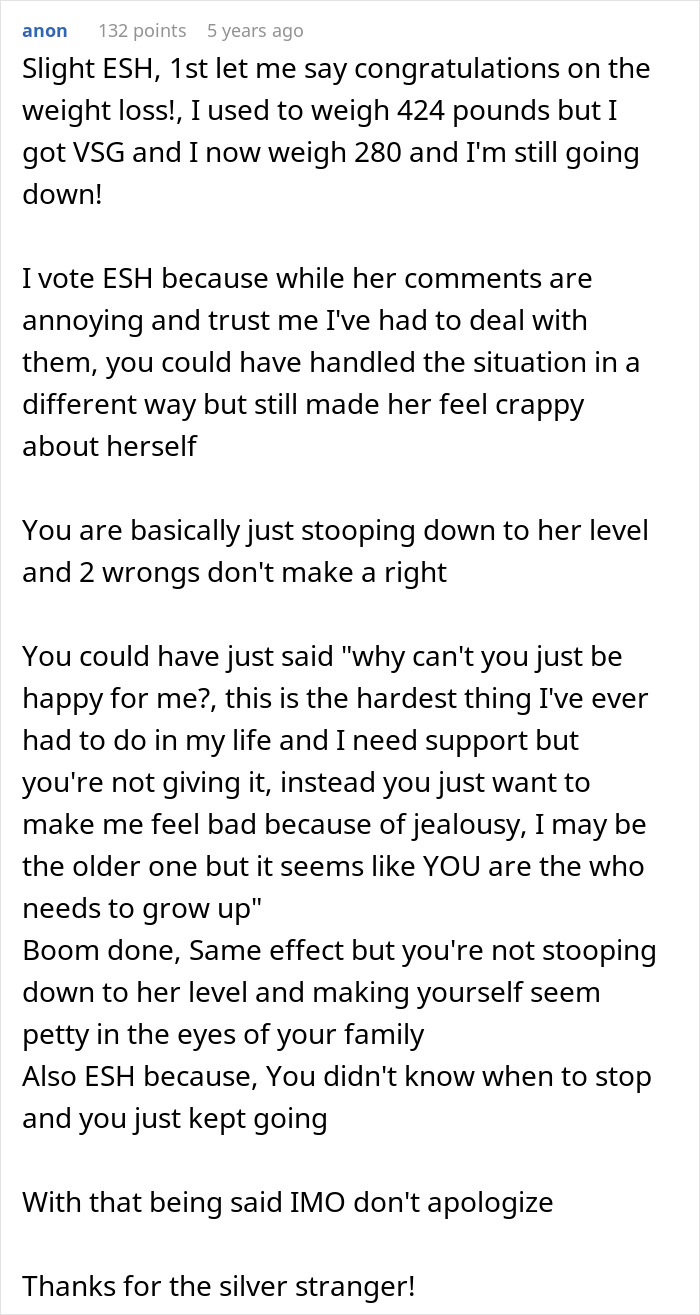
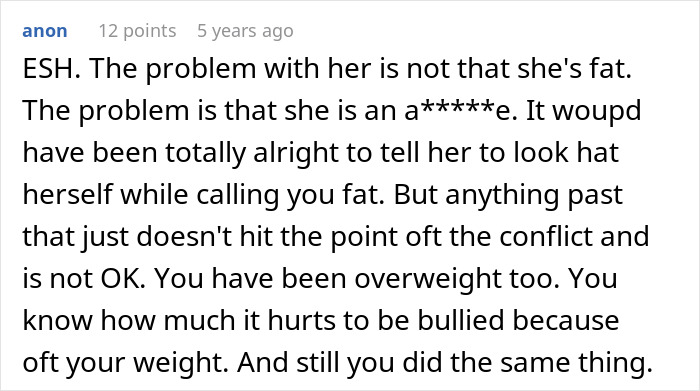
This Redditor gained weight during his teenage years and early twenties after developing a stress-eating habit. Throughout that time, his stepsister never missed a chance to body-shame him. Years later, he lost 120 pounds and got fit, while she gained some weight herself. Yet the cruel comments still didn’t stop.
So when one family dinner finally became the last straw, he turned the tables on her. Read the full story below.
Image credits: freepic.diller (not the actual image)
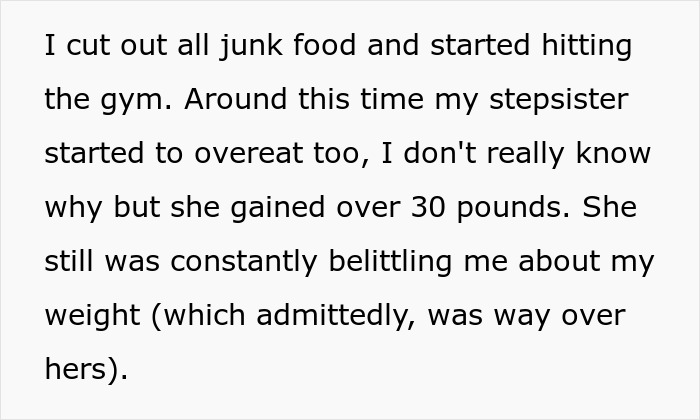
Image credits: creativaimages (not the actual image)
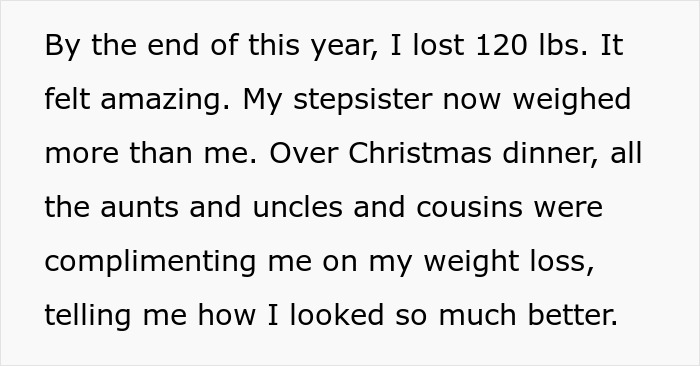
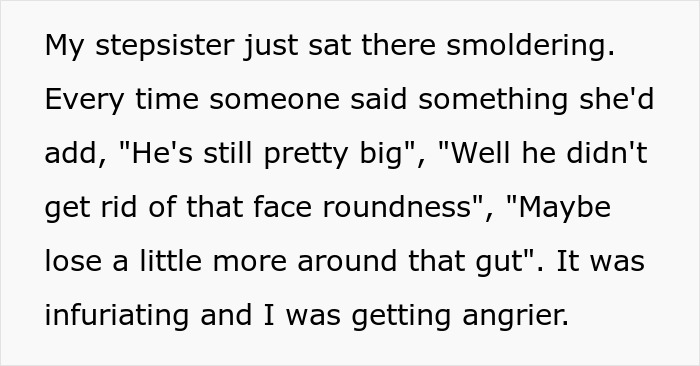
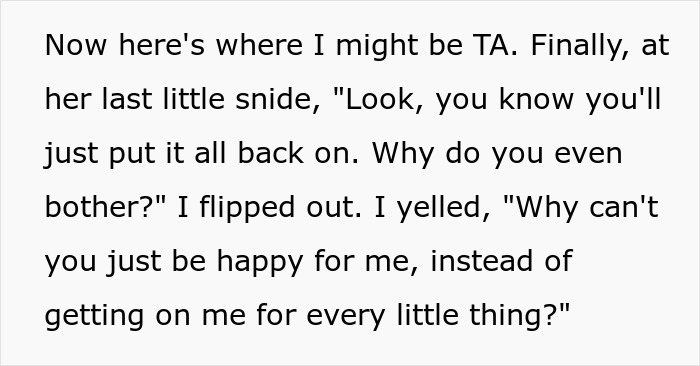
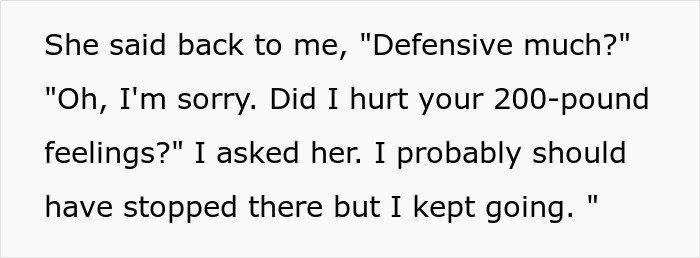
Image credits: DC Studio (not the actual image)
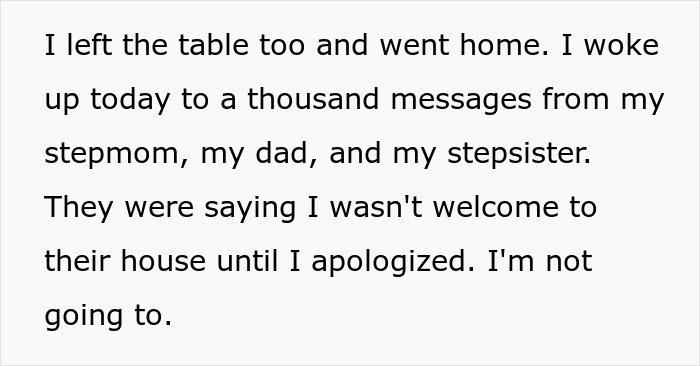

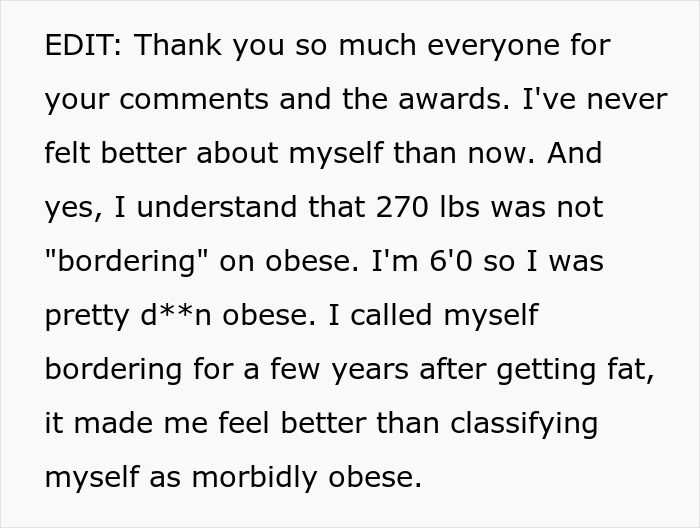
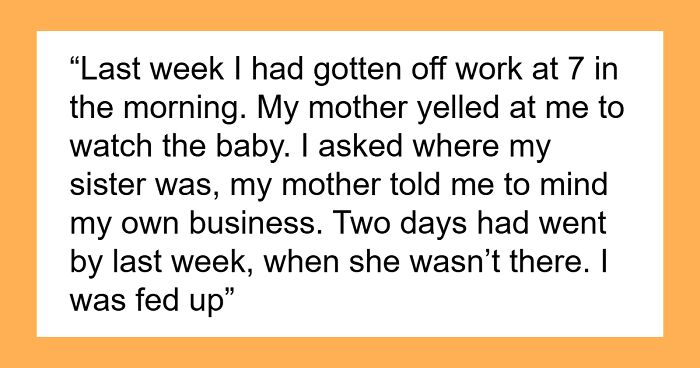
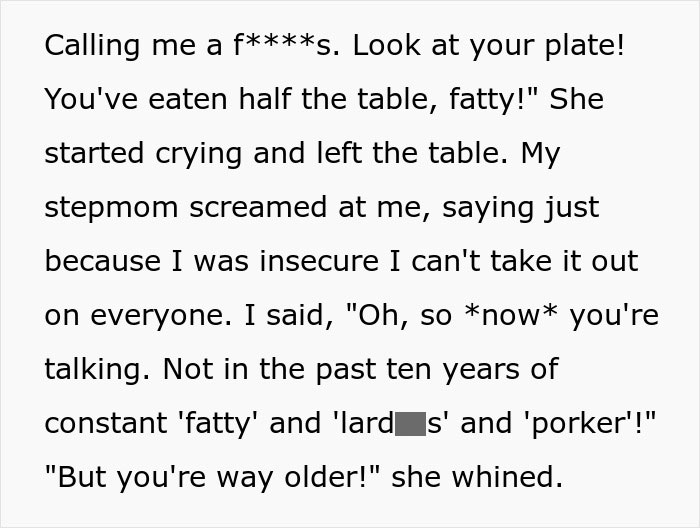
Image credits: Prestigious-Taco
It feels like if you’re human and have a body, at some point you’re bound to run into body-shaming. Whether it happens on social media, face to face, from someone else, or even in your own thoughts, it can feel almost unavoidable. And for those who don’t fit into ever-shifting “ideal” beauty standards, that treatment can be even harsher.
Surveys show just how common the problem really is. Around 90% of Americans report having experienced body-shaming at some point. In the UK, more than half of adults struggle with negative body image, including 62% of women and 53% of men. Meanwhile, 37% of young Australians say body image concerns have stopped them from taking part in physical activity. Across different countries and age groups, the message is the same. Body-shaming is widespread, and its impact is real.
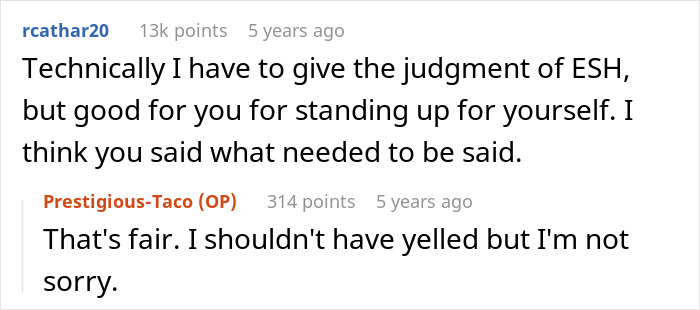
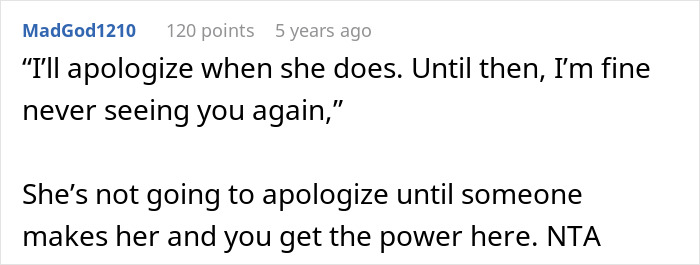
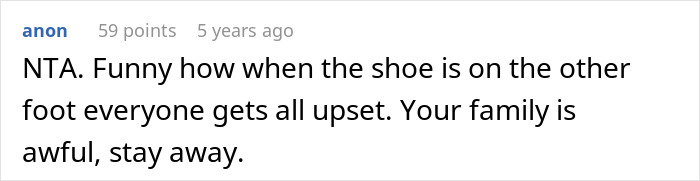
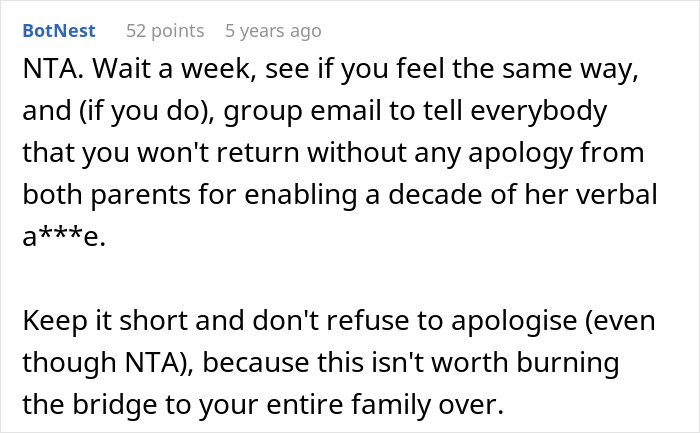
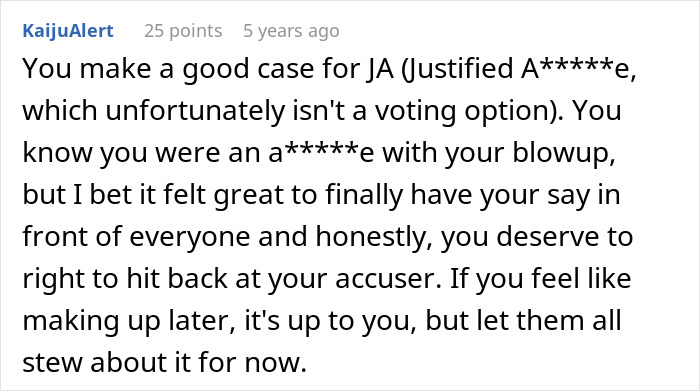
The author of this story knows that firsthand after enduring years of cruel comments from his stepsister.. Even a single remark about appearance can send a person spiraling. Facing that kind of treatment repeatedly over many years can be deeply damaging. While it’s understandable why he finally pushed back, the situation also shows how easily hurt can pass from one person to another, continuing a painful cycle.
That’s why recognizing how body-shaming shows up in daily life is so important. And contrary to common belief, it doesn’t only target weight. It also includes criticism of age, appearance, clothing, body hair, makeup, food choices, attractiveness, and more. What might seem like a small comment to one person can be genuinely painful or even dangerous to someone else.
In some cases, the consequences go far beyond hurt feelings. According to Psych Central, weight stigma can interfere with medical care, with symptoms sometimes being dismissed as purely weight-related. A 2019 paper found that more than three in five adults with obesity experienced weight bias from their doctors. Even more concerning, people exposed to weight bias were found to be more likely to develop obesity later on, even if they were previously thin.
Body-shaming can also appear in close relationships with partners, friends, or family members. A partner might express preferences about your body. A relative might comment on your shape or weight loss in the name of “concern.” Even when not meant to be cruel, such remarks can quietly chip away at self-esteem.
It is also reflected in broader culture. Media, fashion, and beauty industries have long reinforced narrow standards of what bodies “should” look like, making something as simple as shopping for clothes uncomfortable for many people. In the 1980s, for instance, a popular saying claimed that “spandex is a privilege, not a right,” implying that only certain body types were allowed to wear it. That type of messaging still lingers today in different forms.
Over time, this constant pressure can contribute to anxiety, depression, body dysmorphic disorder, and an overall lower quality of life. Simply put, it’s not a way anyone deserves to be treated.
That’s why learning how to be more inclusive with bodies, both our own and others’, truly matters. According to Verywell Mind, one of the most effective ways to start is by stopping ourselves from commenting on other people’s bodies. It’s a habit many of us don’t even notice, but when you catch yourself about to point out someone’s appearance, making a conscious effort to pause can go a long way. Instead, choosing a kind, non-triggering compliment, like noticing someone’s smile, can change the tone entirely.
Another helpful approach is practicing body neutrality. While body positivity encourages celebrating how our bodies look, that mindset can feel difficult to maintain at all times. Body neutrality takes the focus off appearance and instead emphasizes respect for what our bodies can do, from walking and breathing to carrying us through daily life. It also reinforces the idea that our worth is not defined by how we look.
And finally, it’s important to speak up when it’s safe to do so. If you hear someone making a comment about another person’s clothing, age, or size, a gentle reminder that such remarks can be hurtful can help stop the behavior in its tracks. When it happens repeatedly among friends or loved ones, addressing it more directly can set healthier boundaries and protect everyone involved.
Body-shaming may be common, but it doesn’t have to be accepted as normal. Small, intentional changes in how we speak and think can help reduce its harm and make everyday interactions feel safer and more respectful for everyone.










By entering your email and clicking Subscribe, you're agreeing to let us send you customized marketing messages about us and our advertising partners. You are also agreeing to our Privacy Policy.
Thank you! You've successfully subscribed to newsletters!



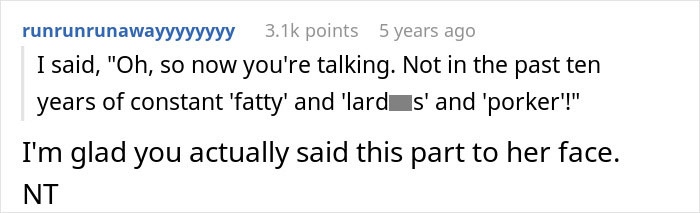
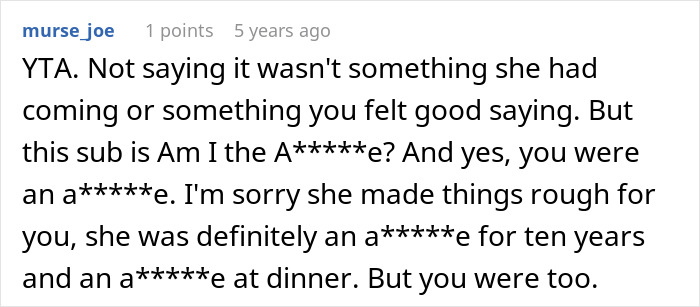
Yup. I mean, OP’s reply wasn’t exactly kind, but neither was the step-sister ragging on him for however many years.
Load More Replies...
The title of this article is currently "Guy Vents Online That His GF Wants Him To Close Her Closet Door, She Publicly Claps Back And Dumps Him," yet it doesn't seem to have anything to do with the actual story. Hopefully this will be corrected soon?


Bullies him on weight for years, continues after he's thinner than her then cries when he reciprocates. I did lol at the "I hurt your 300lb feelings" but that's because I'm a b***h.

It's very individualized. Some people find it helpful, others discouraging, and yet others who don't care.
Load More Replies...


Maybe you should have just gotten up and left without saying anything and never come back unless they all apologized. You don't have to live like that.
Yup. I mean, OP’s reply wasn’t exactly kind, but neither was the step-sister ragging on him for however many years.
Load More Replies... The title of this article is currently "Guy Vents Online That His GF Wants Him To Close Her Closet Door, She Publicly Claps Back And Dumps Him," yet it doesn't seem to have anything to do with the actual story. Hopefully this will be corrected soon?
Bullies him on weight for years, continues after he's thinner than her then cries when he reciprocates. I did lol at the "I hurt your 300lb feelings" but that's because I'm a b***h.
It's very individualized. Some people find it helpful, others discouraging, and yet others who don't care.
Load More Replies... Maybe you should have just gotten up and left without saying anything and never come back unless they all apologized. You don't have to live like that.
























 No fees, cancel anytime
 then open in external browser


 and click "Open in External Browser"









38
19